
United States
Snakes in United States
350+ snake species have been recorded in United States, 70 venomous.
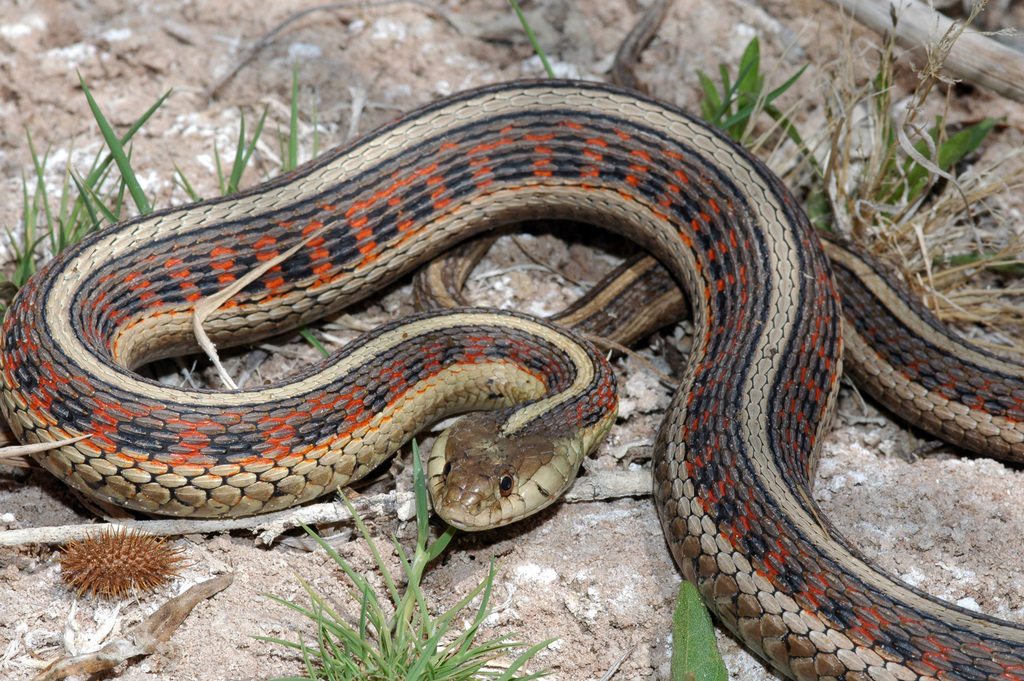
Browse by state
Snake records in United States go down to the county level. Pick a state to narrow in on where you are.
- Alabama49
- Alaska0
- Arizona69
- Arkansas41
- California56
- Colorado36
- Connecticut16
- Delaware18
- District of Columbia20
- Florida68
- Georgia50
- Hawaii2
- Idaho14
- Illinois37
- Indiana34
- Iowa28
- Kansas52
- Kentucky32
- Louisiana48
- Maine9
- Maryland24
- Massachusetts16
- Michigan20
- Minnesota19
- Mississippi44
- Missouri39
- Montana12
- Nebraska36
- Nevada33
- New Hampshire10
- New Jersey22
- New Mexico62
- New York23
- North Carolina41
- North Dakota9
- Ohio31
- Oklahoma56
- Oregon20
- Pennsylvania23
- Rhode Island11
- South Carolina43
- South Dakota19
- Tennessee36
- Texas94
- Utah36
- Vermont11
- Virginia35
- Washington17
- West Virginia21
- Wisconsin18
- Wyoming15


Snakes of United States
The United States holds one of the richest snake faunas in the temperate world, with more than 150 native species spread across an enormous range of climates and terrains. The same country that fills its eastern deciduous forests with rat snakes and copperheads also hosts diamondback rattlesnakes in southwestern deserts, harmless garter snakes along the Pacific coast, and water snakes coiled through southeastern wetlands and cypress swamps. Snake life follows the landscape: the humid Gulf and Atlantic lowlands carry the highest diversity, the Great Plains support burrowing and grassland specialists like bullsnakes, and the rocky slopes of the Appalachians and the arid Southwest each shelter their own assemblages. Almost everywhere people live, hike, or garden, snakes are quietly present and overwhelmingly harmless.
When it comes to venomous snakes, four groups account for nearly everything worth knowing. Rattlesnakes are by far the most important, with many species in the genera Crotalus and Sistrurus ranging from the eastern timber rattlesnake to the large western and eastern diamondbacks; they are responsible for most serious bites in the country. Copperheads (Agkistrodon contortrix) are widespread across the East and South and cause many bites but rarely fatal ones. Cottonmouths or water moccasins (Agkistrodon piscivorus) inhabit southeastern waterways and wetlands. Coral snakes (genus Micrurus) round out the list, with separate populations in the Southeast and the Southwest. The first three are pit vipers, equipped with heat-sensing facial pits and hinged fangs; coral snakes are unrelated elapids with fixed front fangs and a more secretive, burrowing nature.
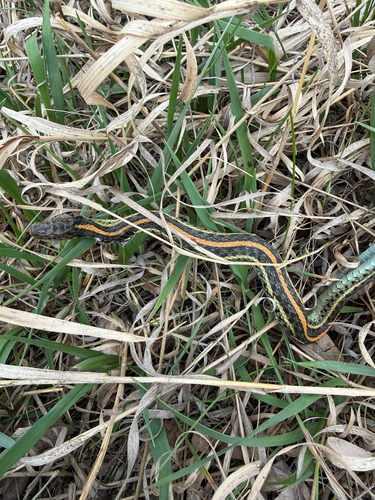
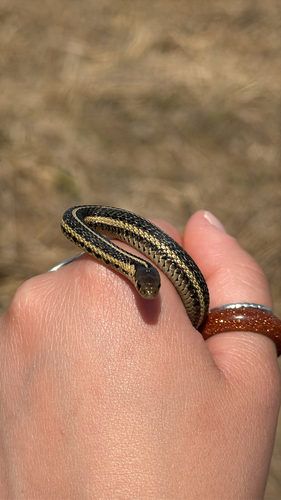
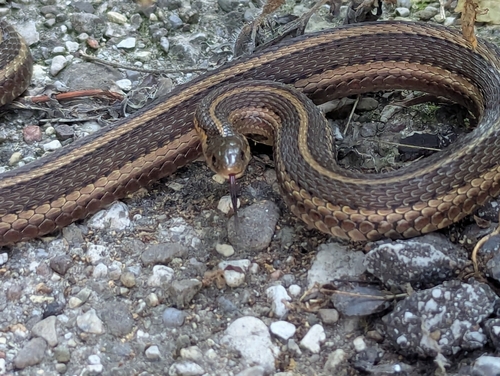
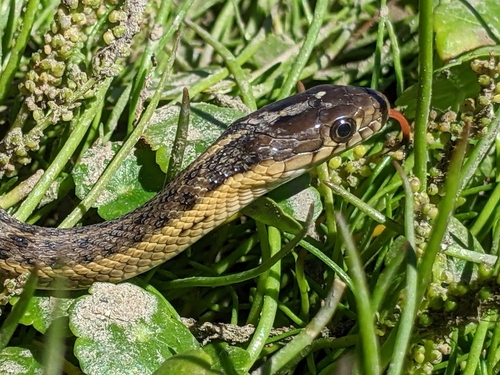
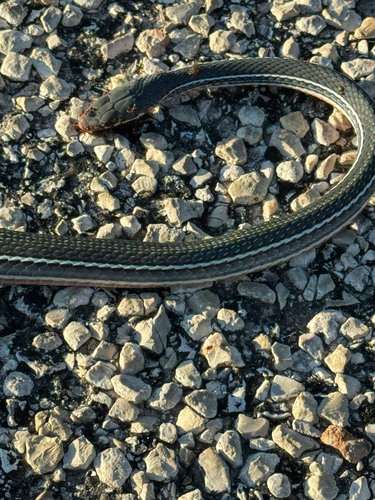
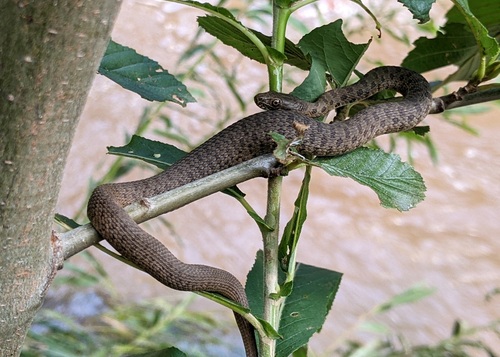
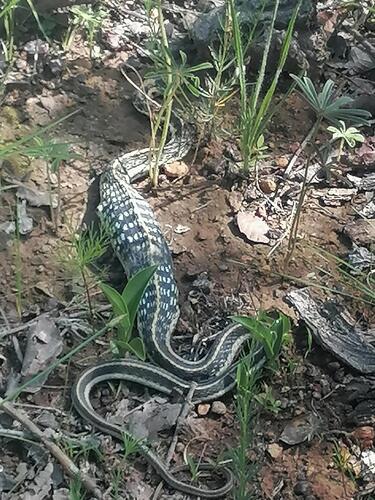
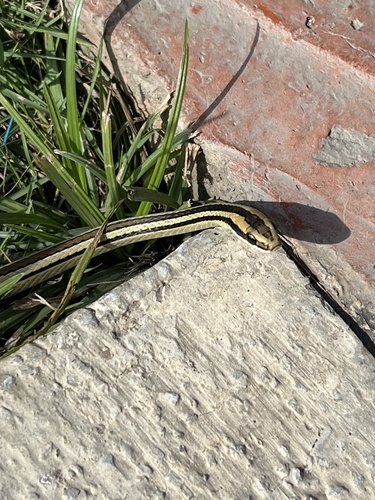
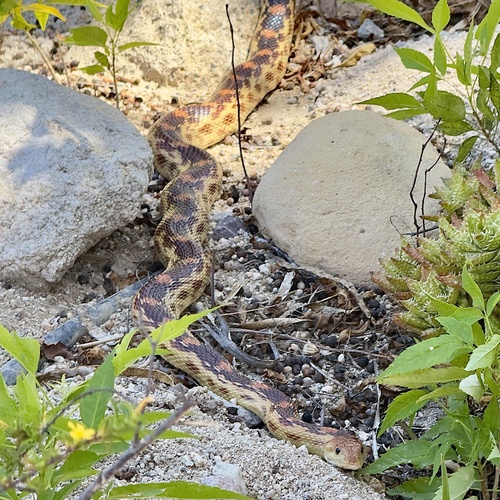
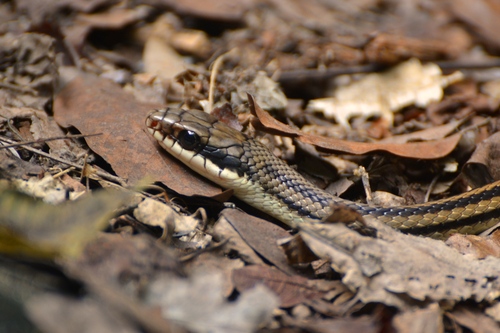
The overwhelming majority of US snakes are non-venomous and pose no danger to people. Rat snakes are expert climbers that control rodents around farms and homes. King snakes are famous for eating other snakes, including venomous ones, which makes them useful neighbors. Garter snakes are among the most commonly encountered species in yards and parks across the continent. Water snakes patrol ponds, rivers, and marshes and are frequently mistaken for cottonmouths. Gopher and bull snakes work the open grasslands and farmland of the central states, and racers are the fast, slender, alert snakes that dart away the instant they sense a footstep. These animals are valuable predators that keep rodent and pest populations in check.
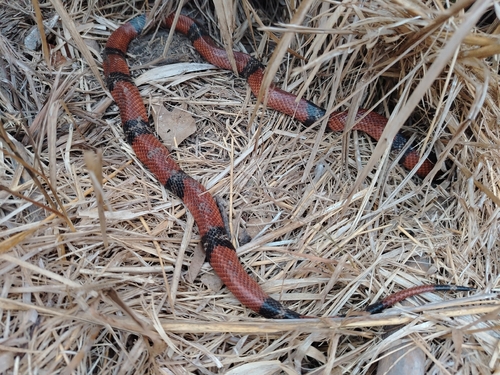
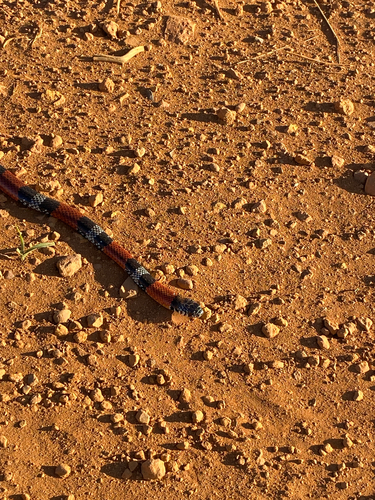
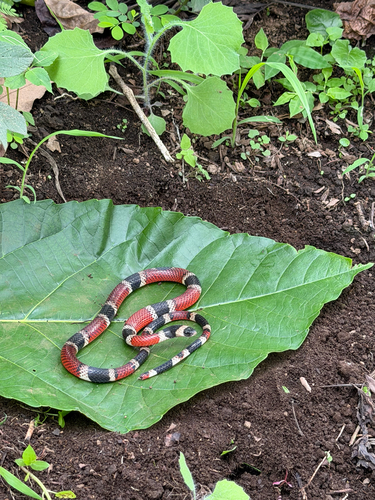
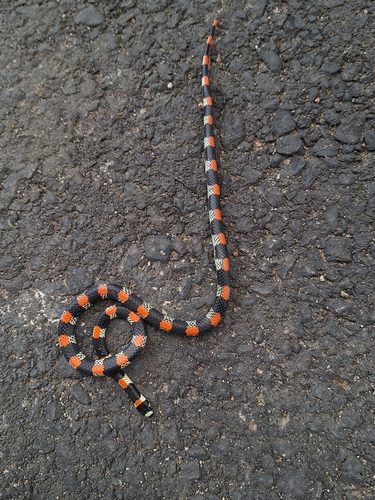
A piece of folk wisdom worth handling carefully is the coral snake color rhyme, often stated as red touches yellow. This pattern cue can help distinguish the venomous coral snakes of the United States from their harmless mimics such as scarlet king snakes and milk snakes, but it is reliable only within US borders. Outside the United States the color sequences of coral snakes and their mimics vary, and the rhyme breaks down completely. Even at home it is a poor foundation for any decision, because banding can be faint, atypical, or hard to read on a moving animal in dim light. Treat color rules as trivia, not as an identification method, and never let a memorized rhyme decide how close you get to a snake.
On safety, the honest picture is reassuring but demands respect. Most venomous bites in the United States happen when people deliberately try to catch, handle, provoke, or kill a snake, so the single most effective precaution is to leave snakes alone and give them room to move away. Despite thousands of bites each year, deaths are very rare thanks to widely available antivenom and strong emergency medical care. No wild snake should be treated as safe to pick up, and that includes species you believe are harmless, since misidentification is common and even a non-venomous bite can become infected. This guide deliberately offers no first-aid procedure.
If a bite occurs, or you simply need expert guidance about a snake you have encountered, contact professionals rather than relying on internet rules or home remedies. Call your local emergency services for any bite that involves a venomous snake or any uncertainty, and you can also reach Poison Control in the United States at 1-800-222-1222 for free, confidential, around-the-clock advice. Keeping a respectful distance, watching where you place your hands and feet in snake country, and deferring to trained responders when something goes wrong will keep nearly every encounter with America's snakes a harmless one.
Snakes in United States: FAQ
- Are there venomous snakes in United States?
- Yes. 70 venomous snake species have verified records in United States, including Western Rattlesnake, Western Diamond-backed Rattlesnake, Eastern Copperhead, Northern Cottonmouth. Most snakes in United States, however, are harmless.
- How many snake species live in United States?
- 350+ snake species have verified records in United States, of which 70 are venomous.
- What is the most commonly seen snake in United States?
- The Common Garter Snake is the most frequently reported snake in United States, based on verified wildlife observations.
- What should I do if I see a venomous snake in United States?
- Keep your distance and do not try to catch or kill it. Most bites happen when people handle or corner a snake. If someone is bitten, contact local emergency services or poison control immediately.
Venomous snakes in United States
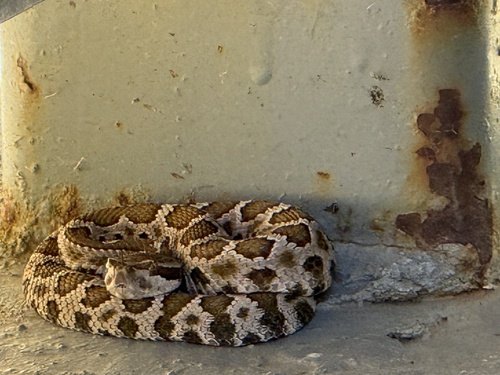 Western RattlesnakeCrotalus oreganusVenomous
Heavy body, broad triangular head, vertical (cat-like) pupils, and a segmented keratin rattle at the tail tip.
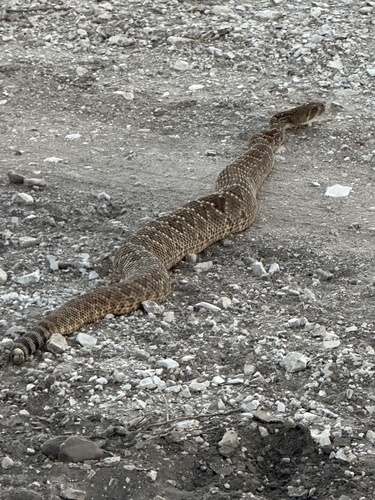 Western Diamond-backed RattlesnakeCrotalus atroxVenomous
Heavy body, broad triangular head, vertical (cat-like) pupils, and a segmented keratin rattle at the tail tip.
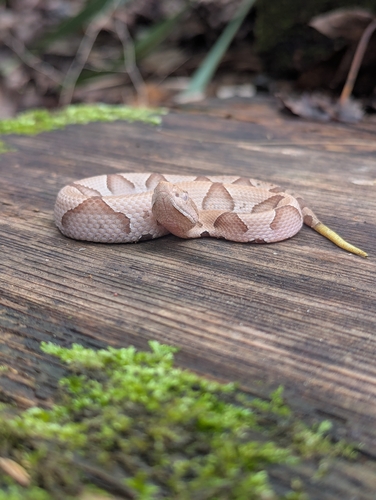 Eastern CopperheadAgkistrodon contortrixVenomous
Heavy body, triangular head, vertical pupils, and a heat-sensing pit between each eye and nostril.
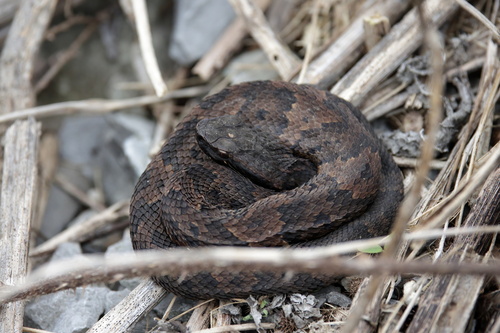 Northern CottonmouthAgkistrodon piscivorusVenomous
Heavy body, triangular head, vertical pupils, and a heat-sensing pit between each eye and nostril.
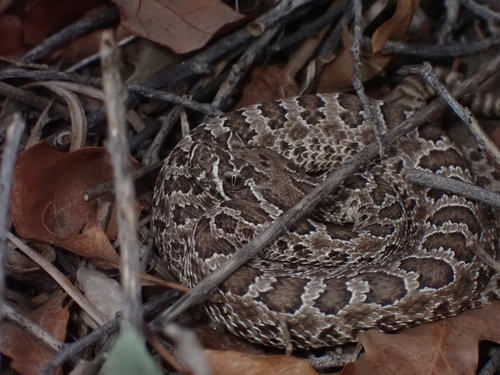 Prairie RattlesnakeCrotalus viridisVenomous
Heavy body, broad triangular head, vertical (cat-like) pupils, and a segmented keratin rattle at the tail tip.
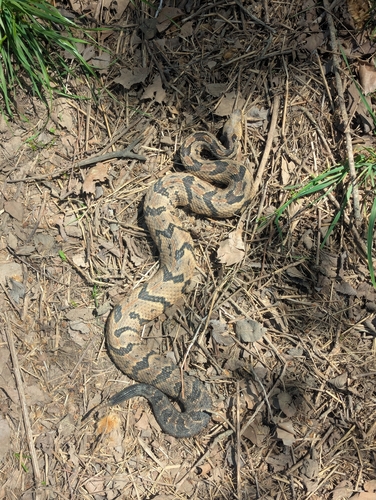 Timber RattlesnakeCrotalus horridusVenomous
Heavy body, broad triangular head, vertical (cat-like) pupils, and a segmented keratin rattle at the tail tip.
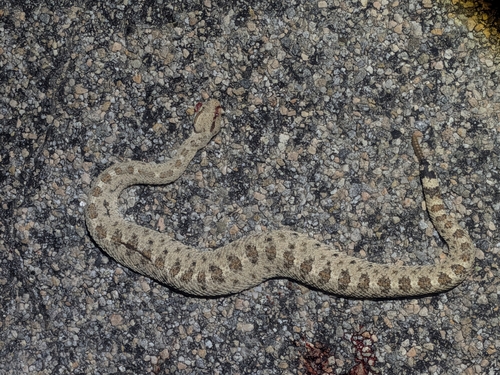 SidewinderCrotalus cerastesVenomous
Heavy body, broad triangular head, vertical (cat-like) pupils, and a segmented keratin rattle at the tail tip.
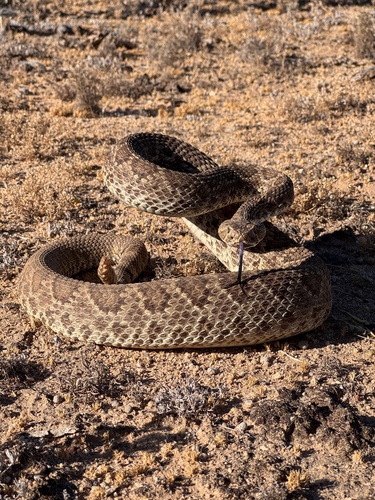 Mojave RattlesnakeCrotalus scutulatusVenomous
Heavy body, broad triangular head, vertical (cat-like) pupils, and a segmented keratin rattle at the tail tip.
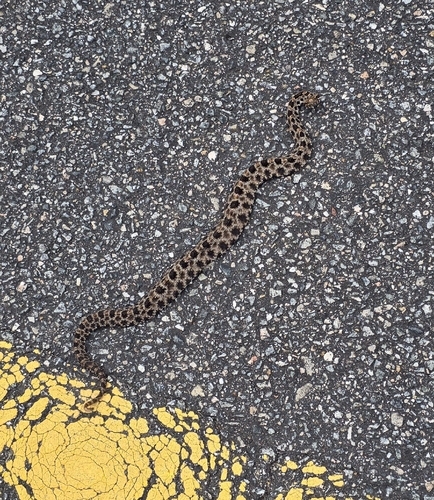 Pygmy RattlesnakeSistrurus miliariusVenomous
Stout, dark-blotched body, nine large scales on the crown, and a small rattle.
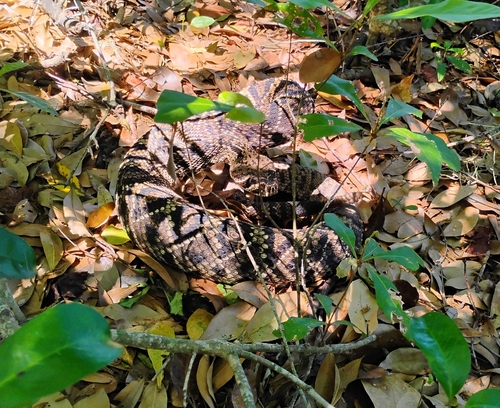 Eastern Diamondback RattlesnakeCrotalus adamanteusVenomous
Heavy body, broad triangular head, vertical (cat-like) pupils, and a segmented keratin rattle at the tail tip.
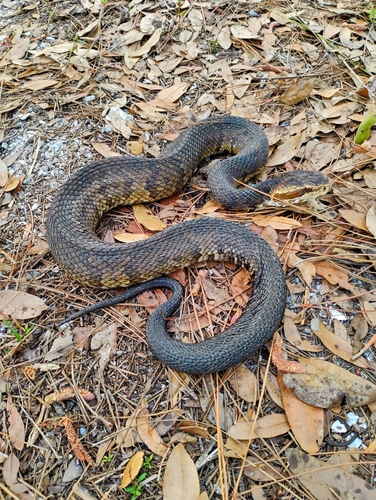 Florida CottonmouthAgkistrodon conantiVenomous
Heavy body, triangular head, vertical pupils, and a heat-sensing pit between each eye and nostril.
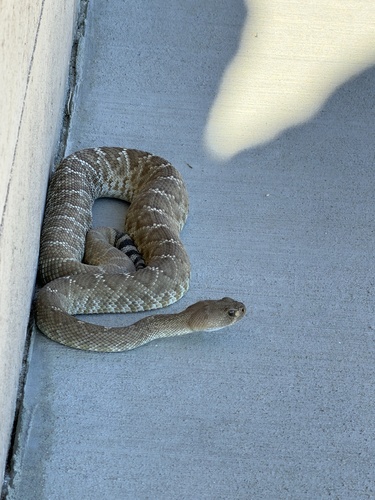 Red Diamond RattlesnakeCrotalus ruberVenomous
Heavy body, broad triangular head, vertical (cat-like) pupils, and a segmented keratin rattle at the tail tip.
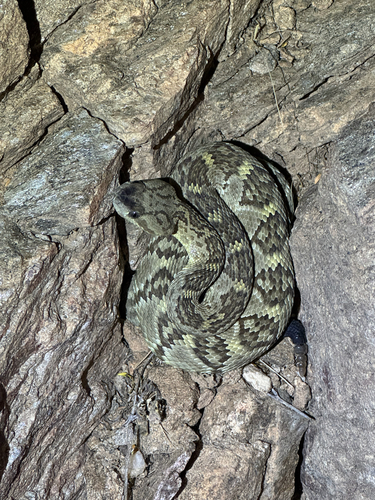 Western Black-tailed RattlesnakeCrotalus molossusVenomous
Heavy body, broad triangular head, vertical (cat-like) pupils, and a segmented keratin rattle at the tail tip.
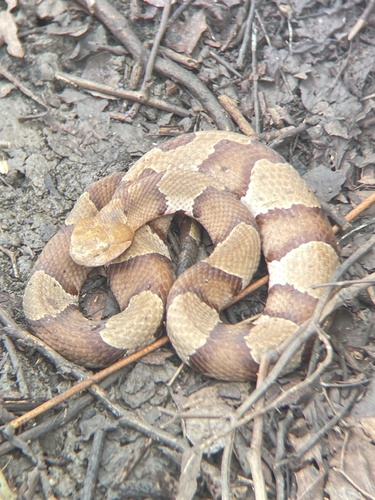 Broad-banded CopperheadAgkistrodon laticinctusVenomous
Heavy body, triangular head, vertical pupils, and a heat-sensing pit between each eye and nostril.
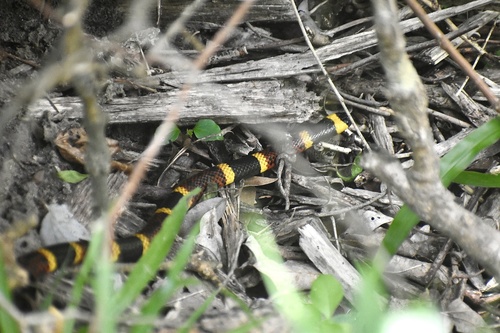 Texas CoralsnakeMicrurus tenerVenomous
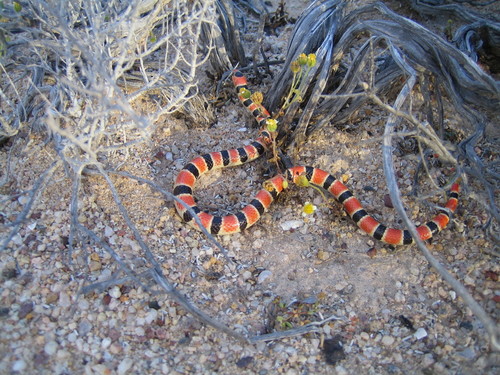
Rings of red, yellow, and black where red touches yellow; small rounded head and round pupils.
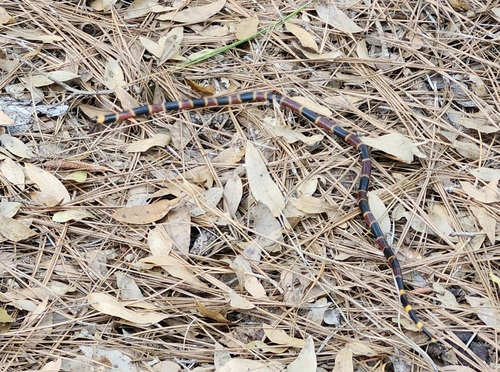 Eastern CoralsnakeMicrurus fulviusVenomous
Rings of red, yellow, and black where red touches yellow; small rounded head and round pupils.
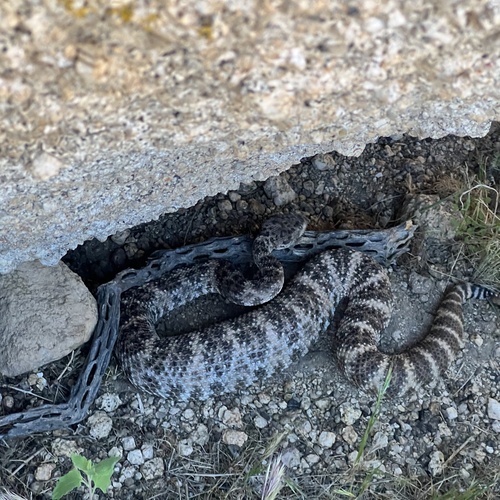 Southwestern Speckled RattlesnakeCrotalus pyrrhusVenomous
Heavy body, broad triangular head, vertical (cat-like) pupils, and a segmented keratin rattle at the tail tip.
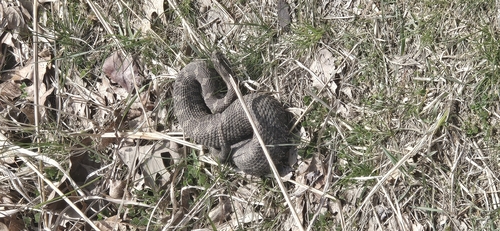 Eastern MassasaugaSistrurus catenatusVenomous
Stout, dark-blotched body, nine large scales on the crown, and a small rattle.
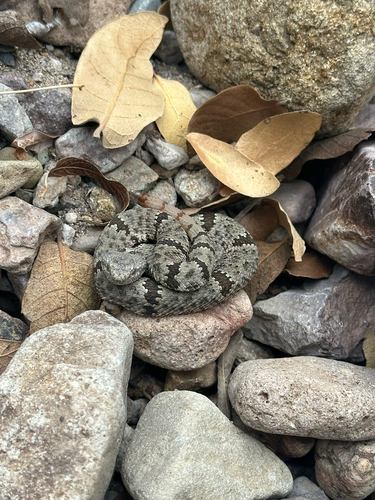 Rock RattlesnakeCrotalus lepidusVenomous
Heavy body, broad triangular head, vertical (cat-like) pupils, and a segmented keratin rattle at the tail tip.
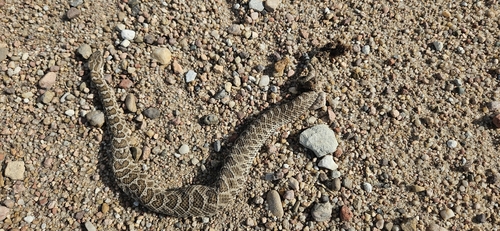 Western MassasaugaSistrurus tergeminusVenomous
Stout, dark-blotched body, nine large scales on the crown, and a small rattle.
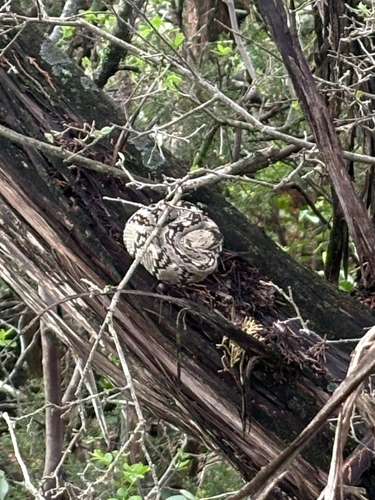 Eastern Black-tailed RattlesnakeCrotalus ornatusVenomous
Heavy body, broad triangular head, vertical (cat-like) pupils, and a segmented keratin rattle at the tail tip.
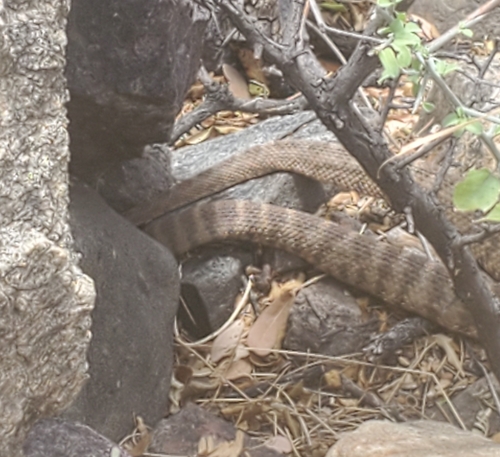 Tiger RattlesnakeCrotalus tigrisVenomous
Heavy body, broad triangular head, vertical (cat-like) pupils, and a segmented keratin rattle at the tail tip.
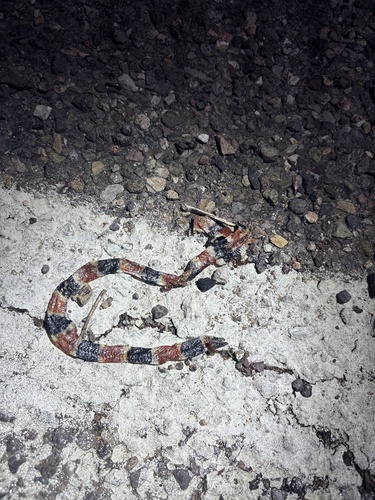 Sonoran CoralsnakeMicruroides euryxanthusVenomous
Red, yellow (whitish), and black rings with red touching yellow; blunt black snout.
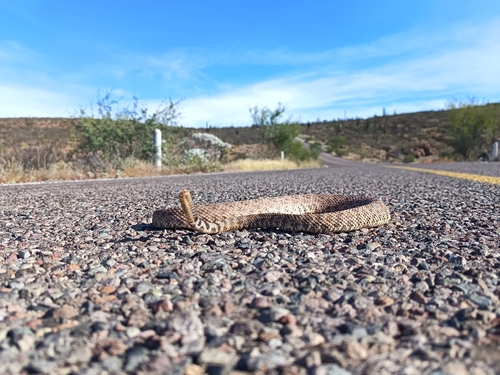 Speckled RattlesnakeCrotalus mitchelliiVenomous
Heavy body, broad triangular head, vertical (cat-like) pupils, and a segmented keratin rattle at the tail tip.
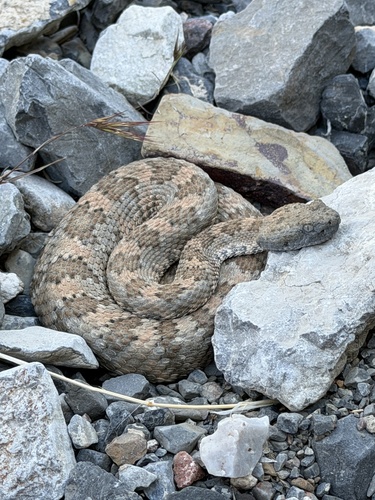 Panamint RattlesnakeCrotalus stephensiVenomous
Heavy body, broad triangular head, vertical (cat-like) pupils, and a segmented keratin rattle at the tail tip.
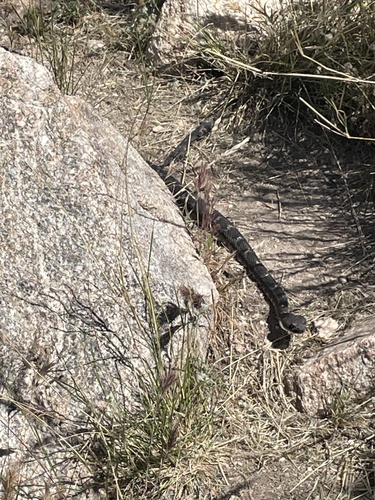 Arizona Black RattlesnakeCrotalus cerberusVenomous
Heavy body, broad triangular head, vertical (cat-like) pupils, and a segmented keratin rattle at the tail tip.
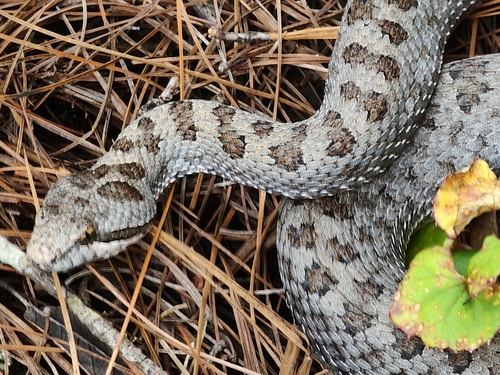 Twin-spotted RattlesnakeCrotalus priceiVenomous
Heavy body, broad triangular head, vertical (cat-like) pupils, and a segmented keratin rattle at the tail tip.
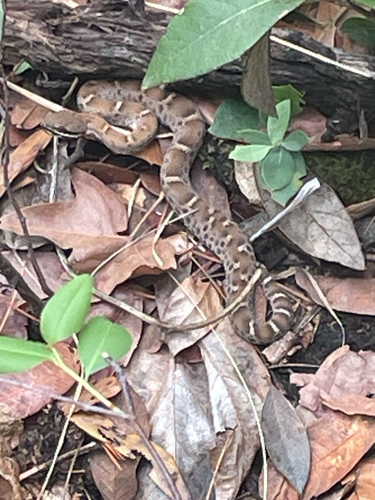 Ridge-nosed RattlesnakeCrotalus willardiVenomous
Heavy body, broad triangular head, vertical (cat-like) pupils, and a segmented keratin rattle at the tail tip.
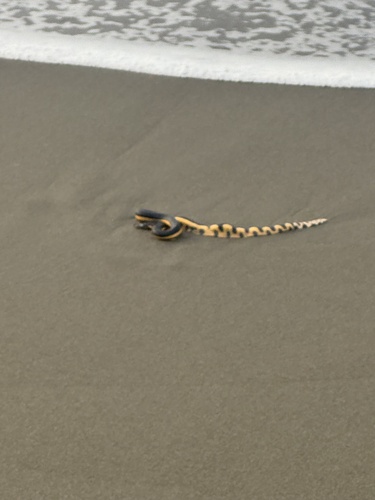
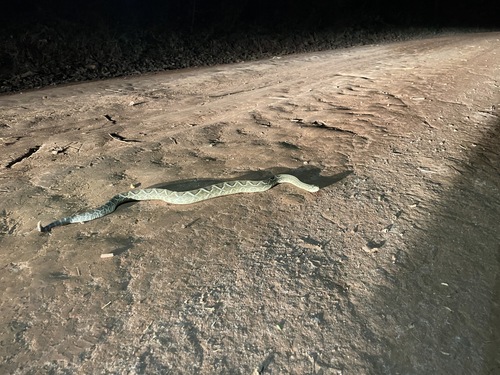 Neotropical RattlesnakeCrotalus durissusVenomous
Heavy body, broad triangular head, vertical (cat-like) pupils, and a segmented keratin rattle at the tail tip.
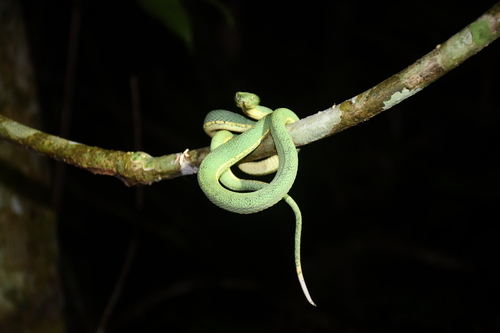
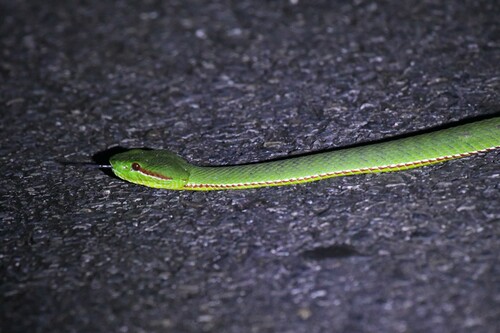
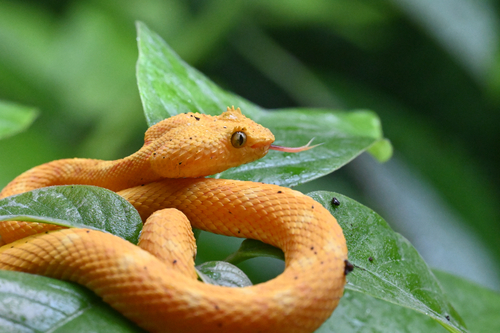
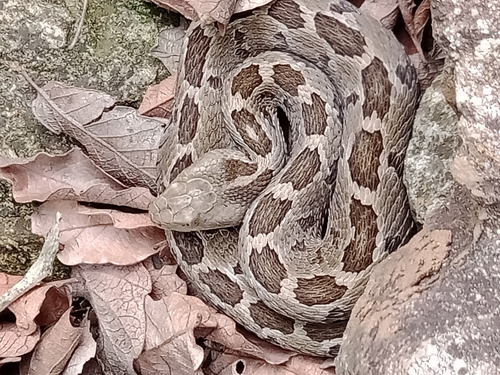 Mexican Pygmy RattlesnakeCrotalus ravusVenomous
Heavy body, broad triangular head, vertical (cat-like) pupils, and a segmented keratin rattle at the tail tip.
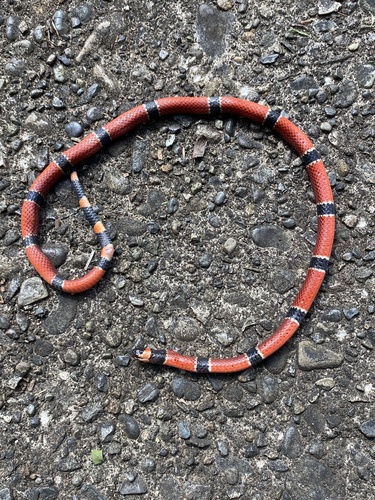 Central American CoralsnakeMicrurus nigrocinctusVenomous
Rings of red, yellow, and black where red touches yellow; small rounded head and round pupils.
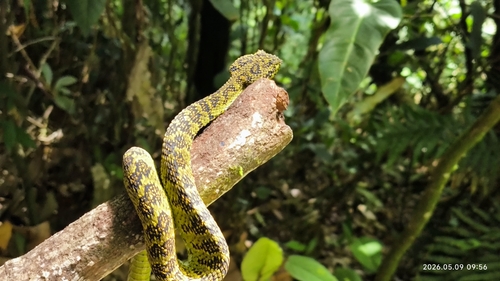
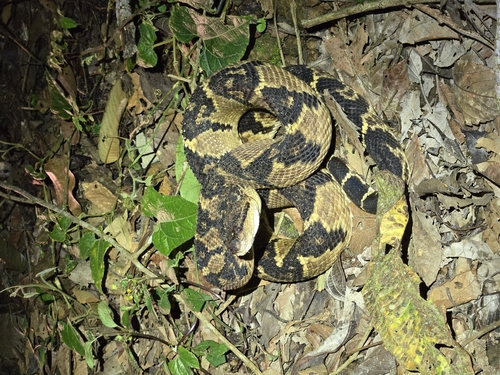
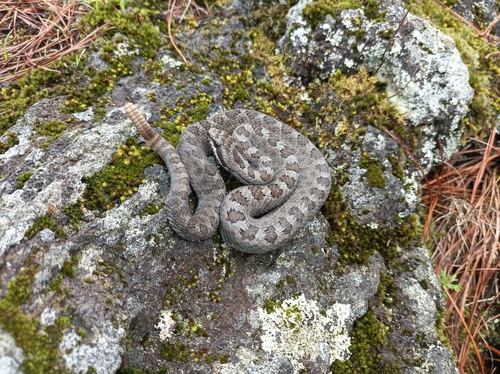 Mexican Smallhead RattlesnakeCrotalus intermediusVenomous
Heavy body, broad triangular head, vertical (cat-like) pupils, and a segmented keratin rattle at the tail tip.
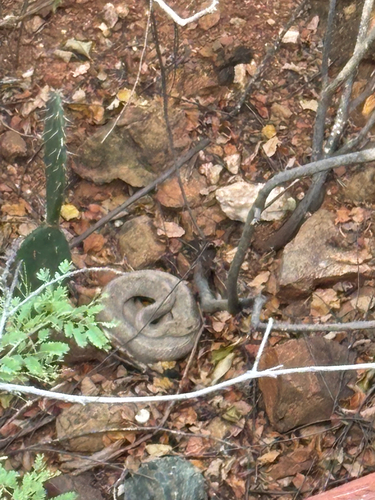 Aruba Island RattlesnakeCrotalus unicolorVenomous
Heavy body, broad triangular head, vertical (cat-like) pupils, and a segmented keratin rattle at the tail tip.
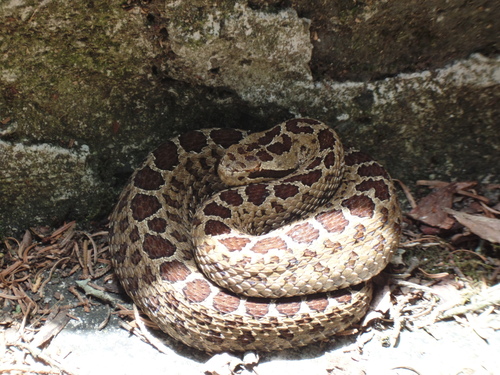 Dusky RattlesnakeCrotalus triseriatusVenomous
Heavy body, broad triangular head, vertical (cat-like) pupils, and a segmented keratin rattle at the tail tip.
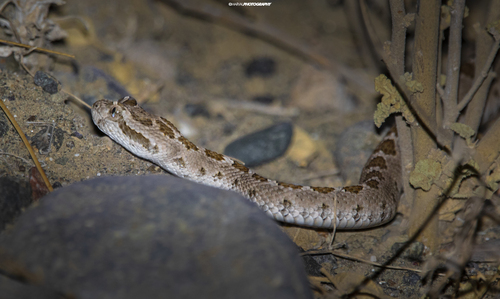 Lower California RattlesnakeCrotalus enyoVenomous
Heavy body, broad triangular head, vertical (cat-like) pupils, and a segmented keratin rattle at the tail tip.
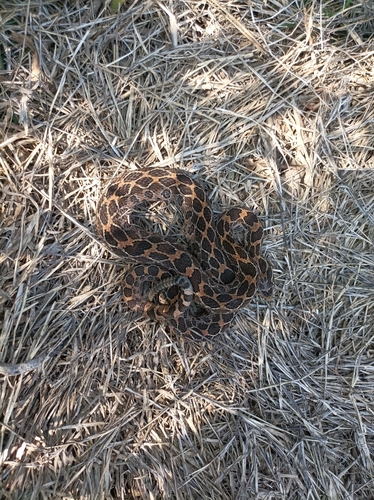 Mexican Lancehead RattlesnakeCrotalus polystictusVenomous
Heavy body, broad triangular head, vertical (cat-like) pupils, and a segmented keratin rattle at the tail tip.
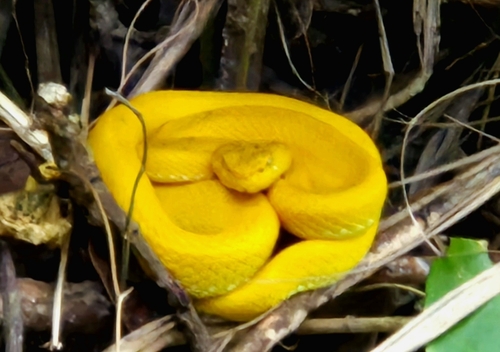
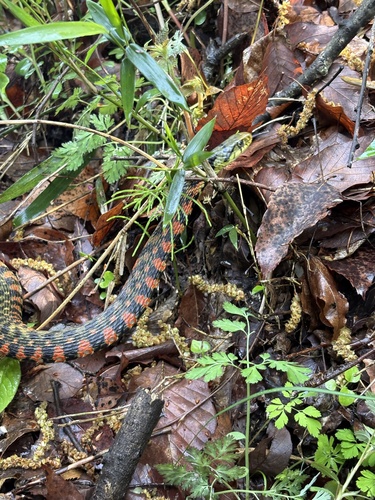
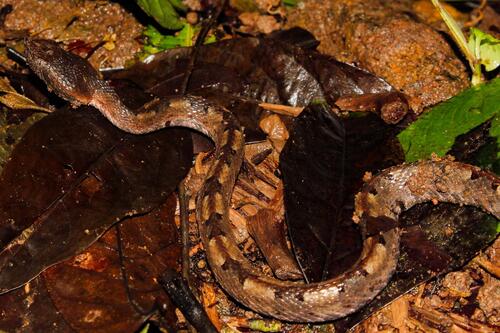
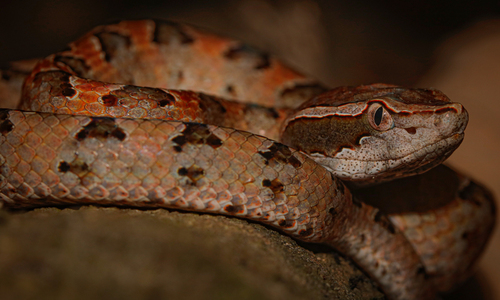
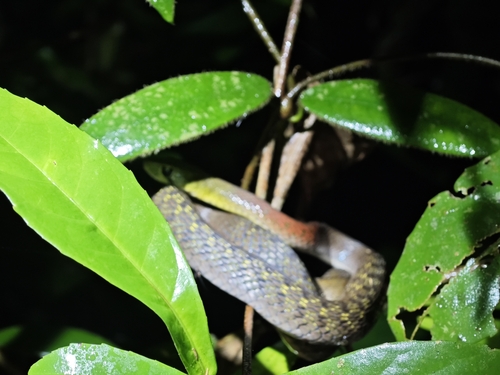
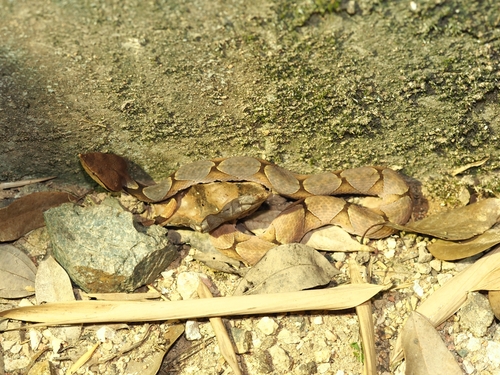
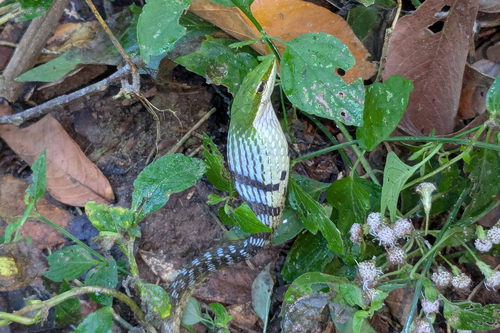
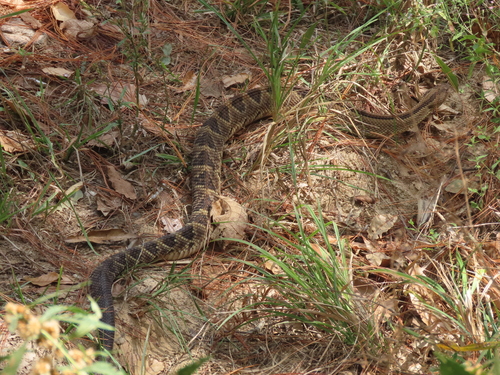 Tehuantepec Isthmus Neotropical RattlesnakeCrotalus ehecatlVenomous
Heavy body, broad triangular head, vertical (cat-like) pupils, and a segmented keratin rattle at the tail tip.
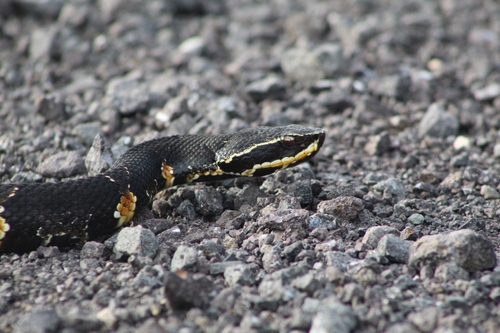 Taylor's CantilAgkistrodon tayloriVenomous
Heavy body, triangular head, vertical pupils, and a heat-sensing pit between each eye and nostril.
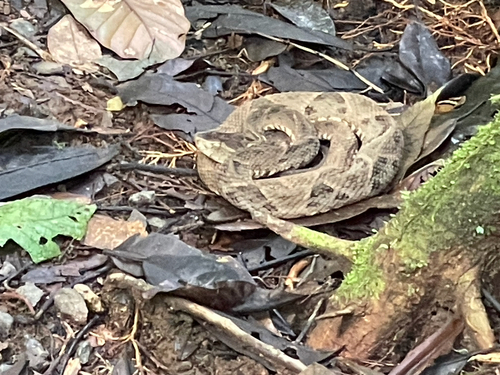
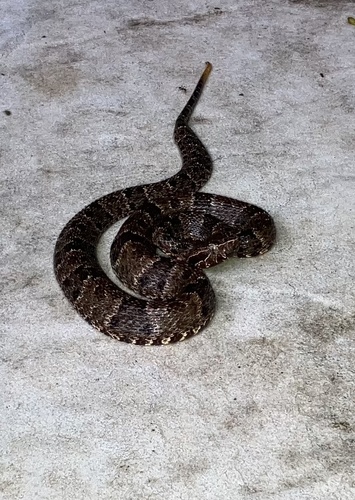
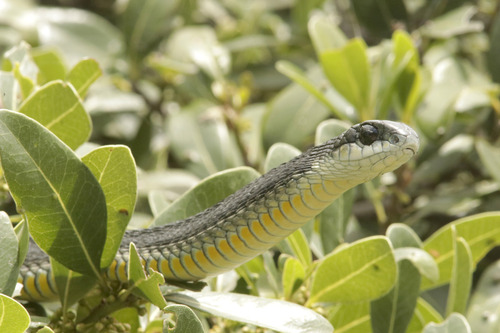
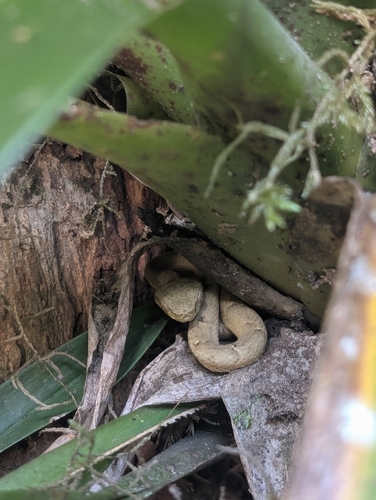
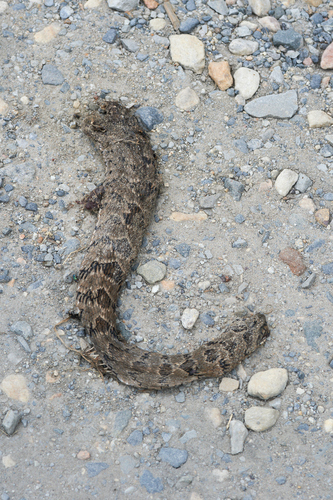
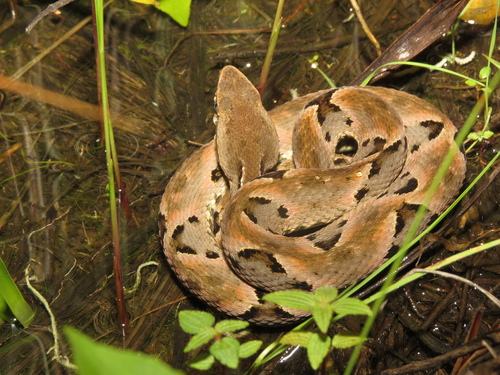
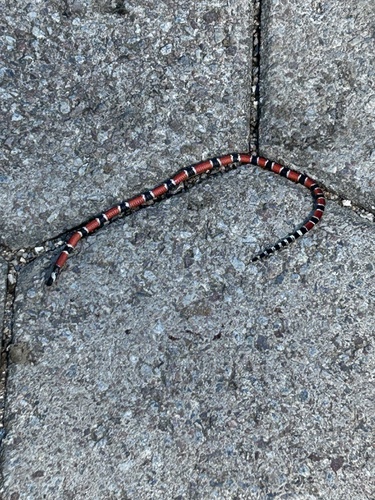 Painted CoralsnakeMicrurus corallinusVenomous
Rings of red, yellow, and black where red touches yellow; small rounded head and round pupils.
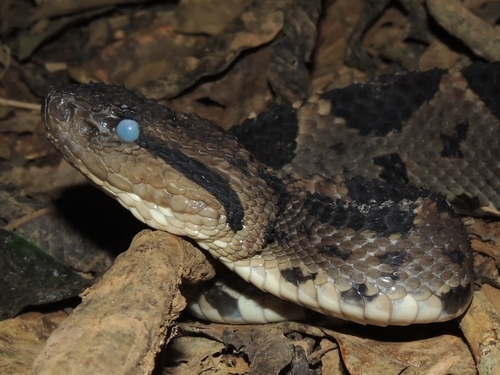
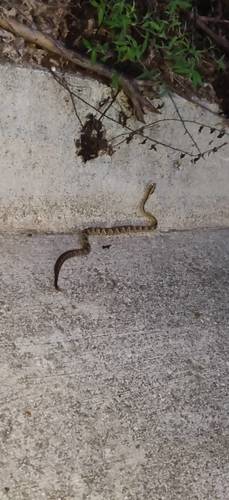 Central American RattlesnakeCrotalus simusVenomous
Heavy body, broad triangular head, vertical (cat-like) pupils, and a segmented keratin rattle at the tail tip.
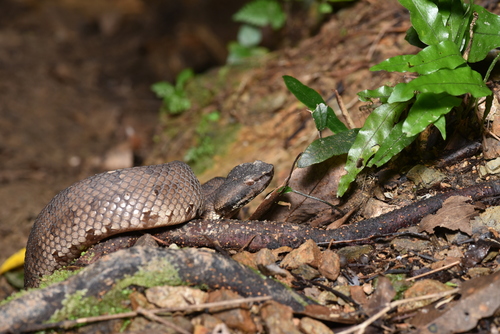
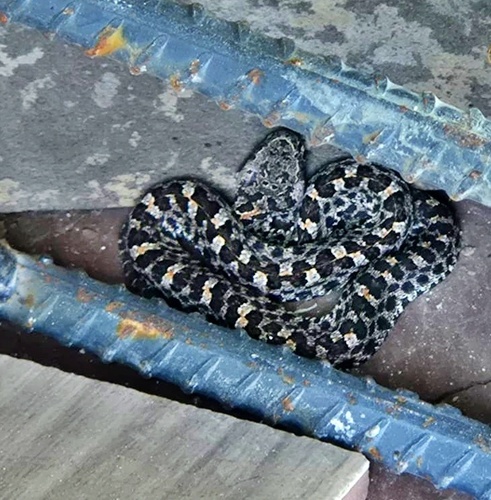
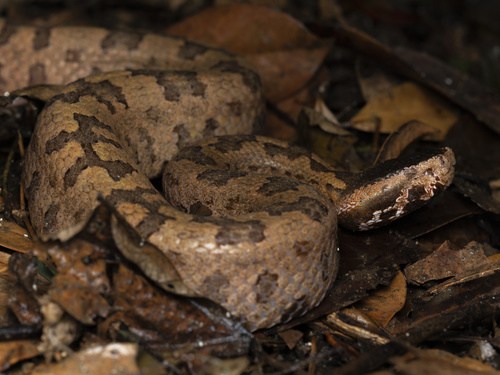
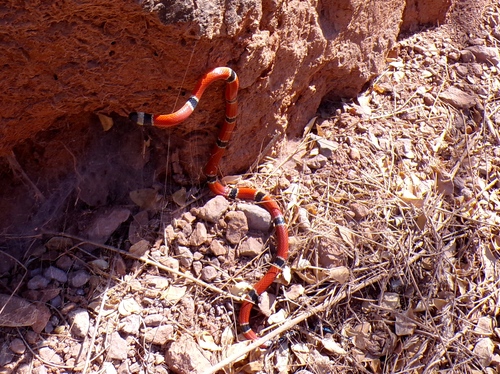 West Mexican CoralsnakeMicrurus distansVenomous
Rings of red, yellow, and black where red touches yellow; small rounded head and round pupils.
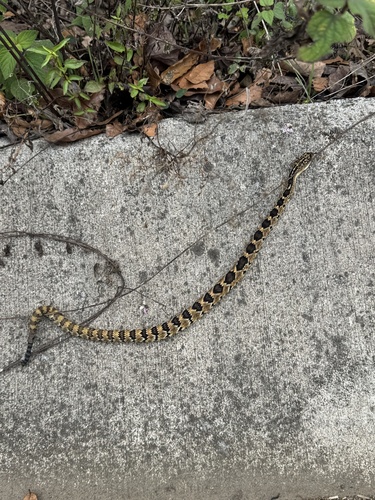 Totonacan RattlesnakeCrotalus totonacusVenomous
Heavy body, broad triangular head, vertical (cat-like) pupils, and a segmented keratin rattle at the tail tip.
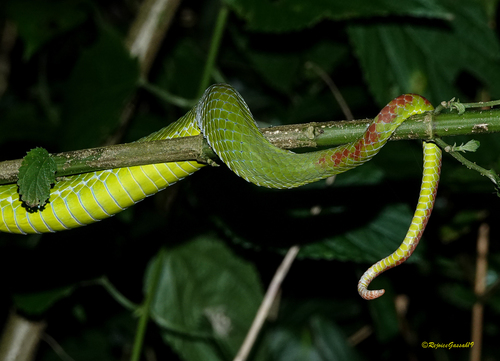
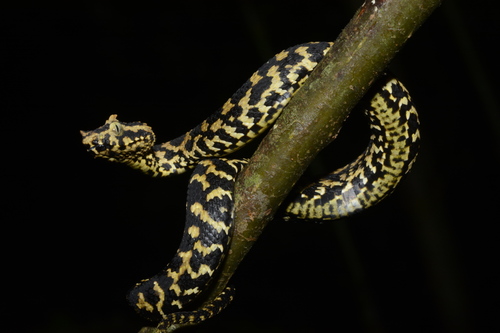

Every snake recorded in United States
350+ species across 17 families, grouped by family. Venomous flagged.
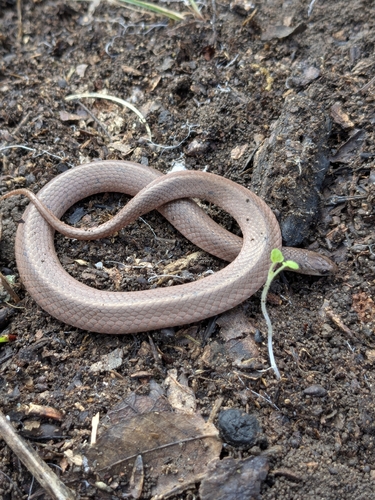
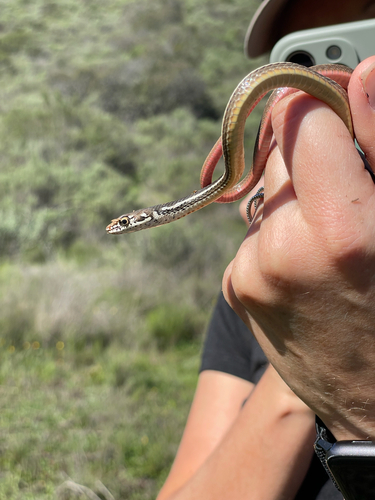
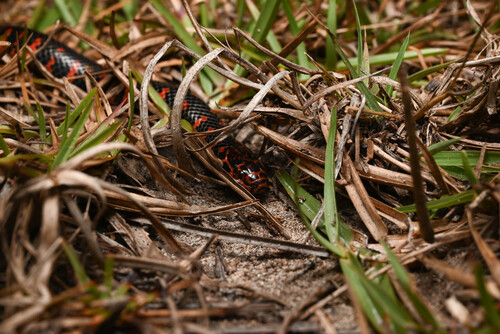
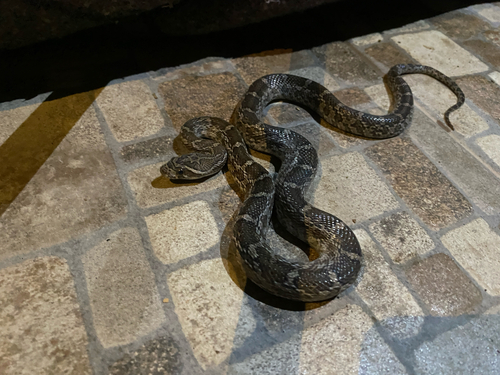
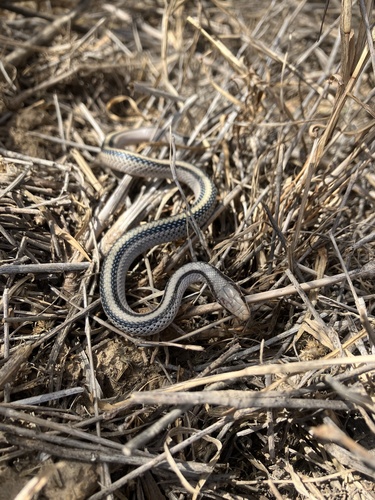
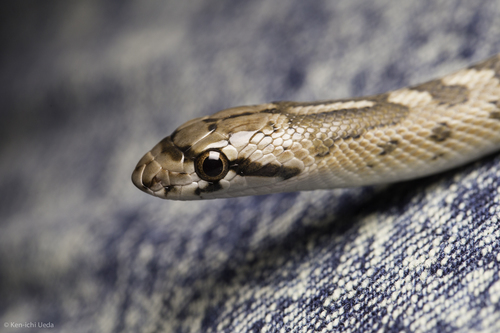
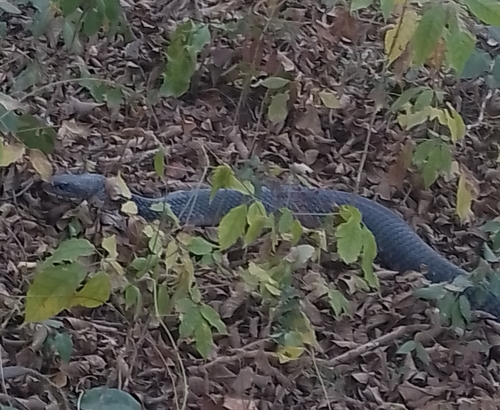
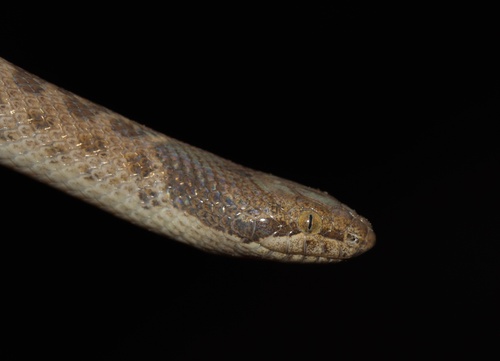
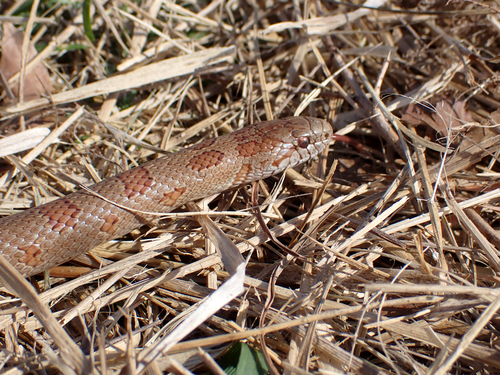
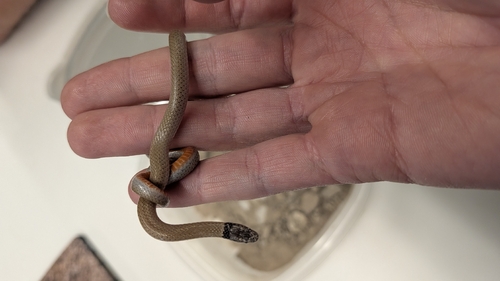
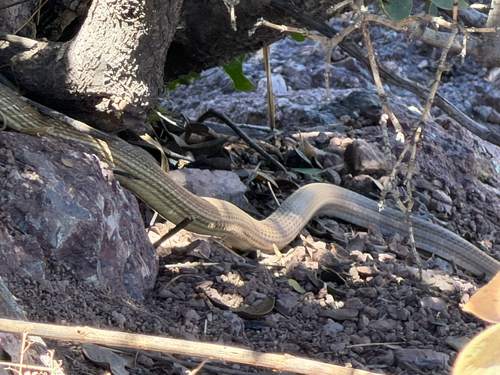
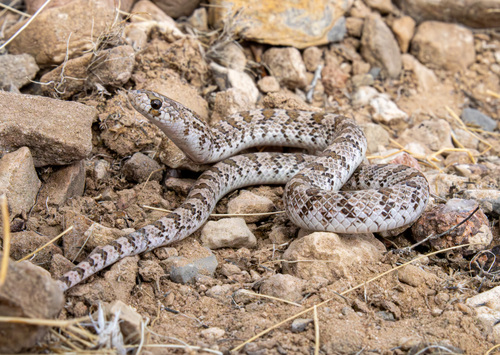
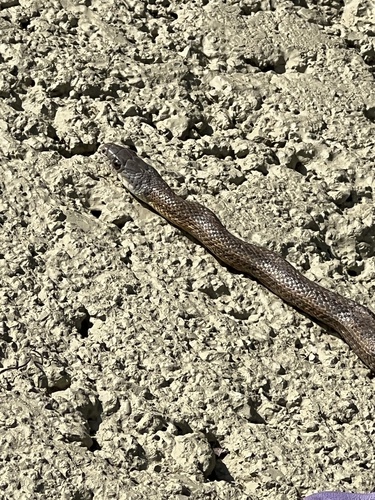
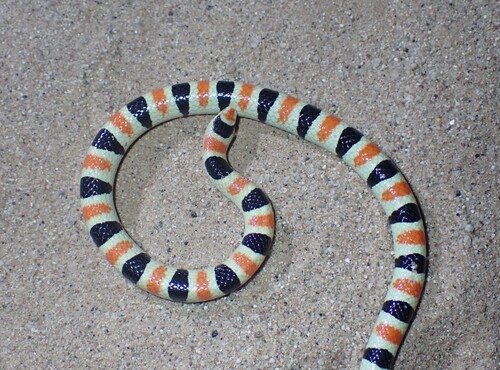
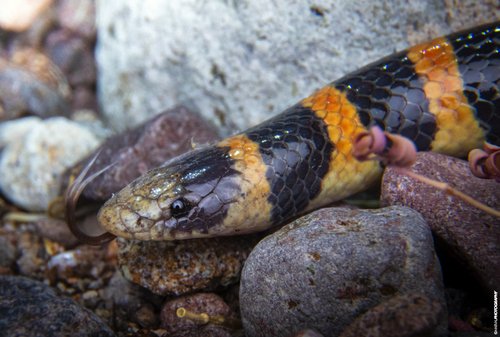
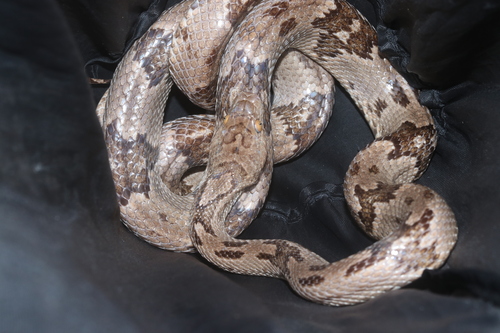
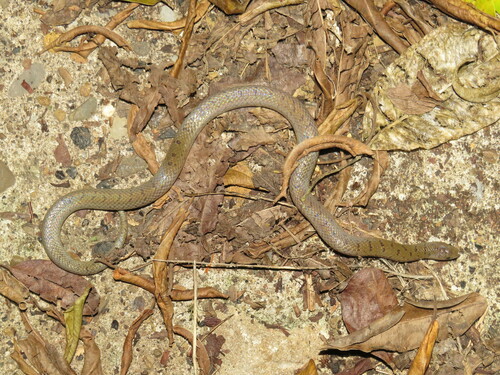
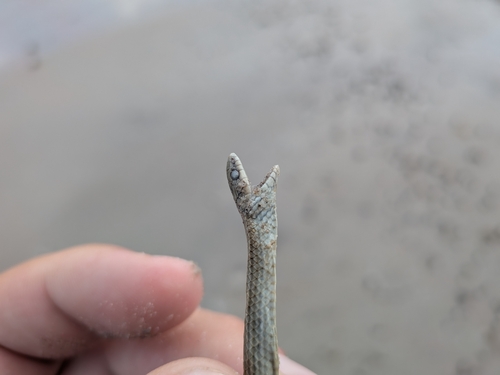
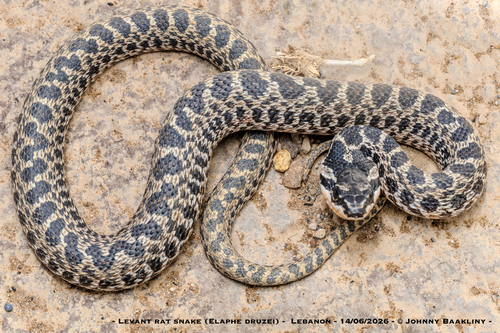
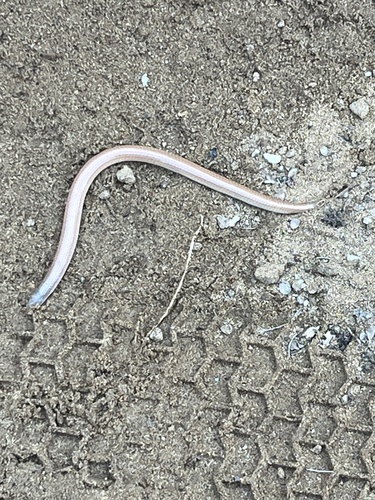
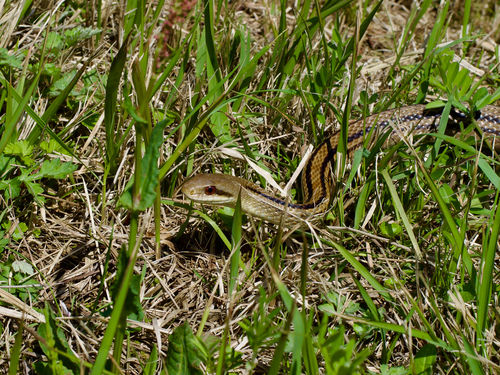
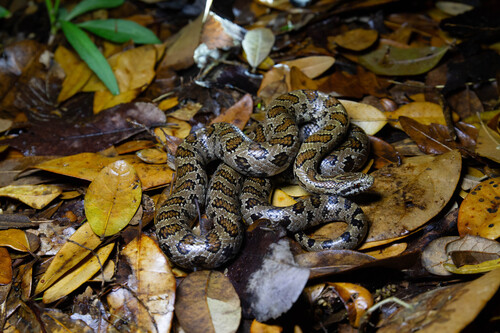
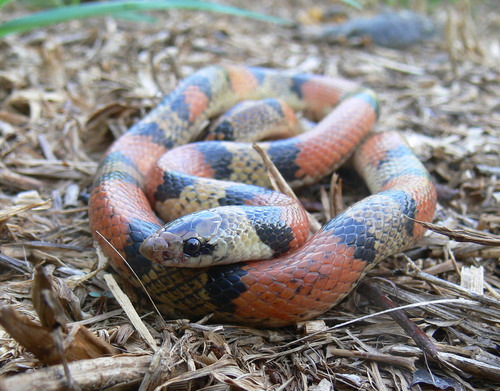
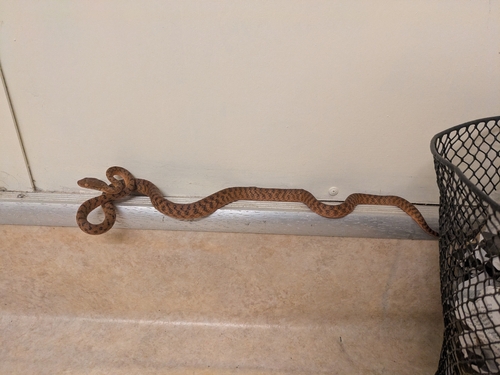
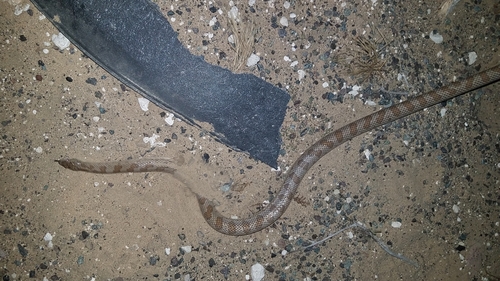
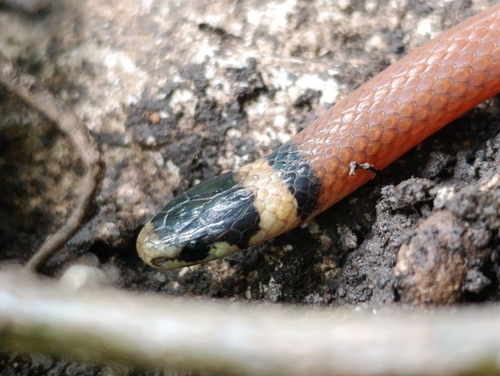
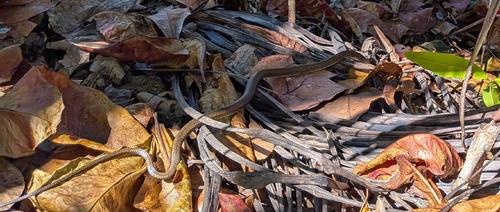
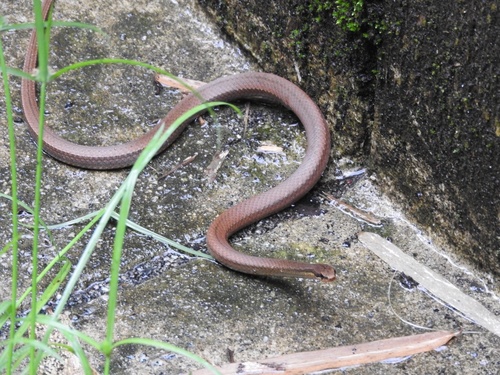
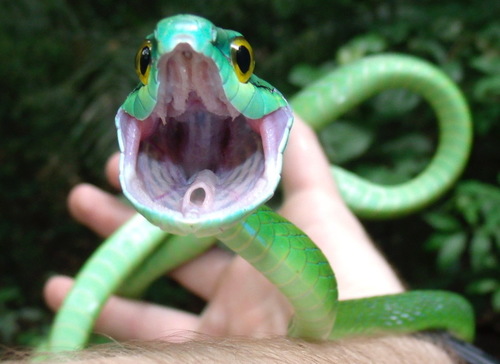
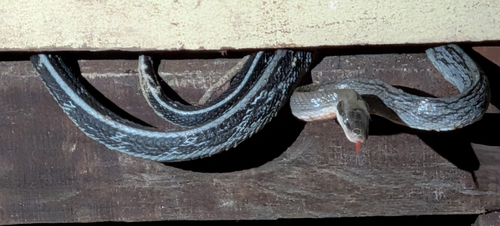
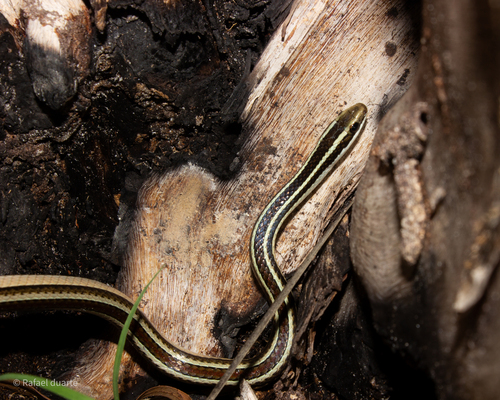
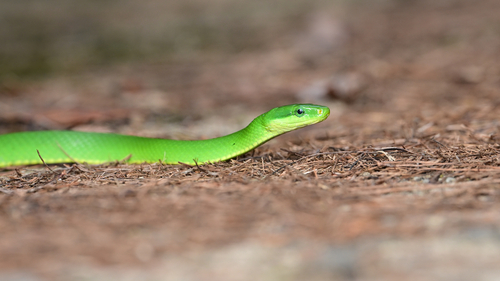
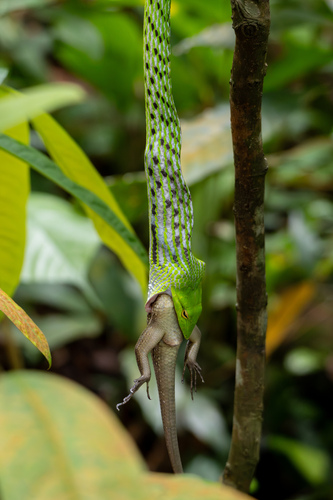
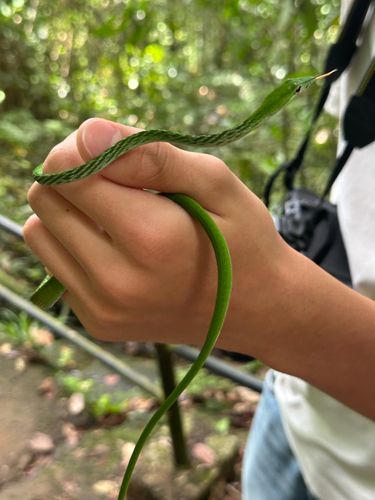
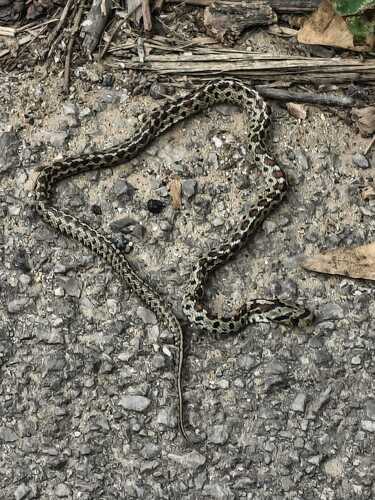
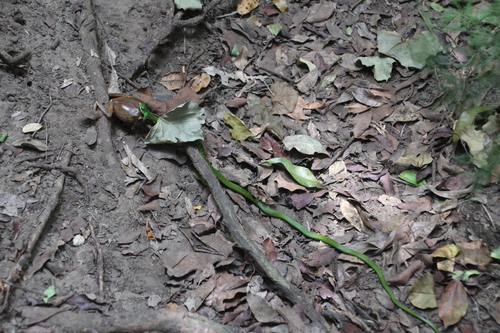
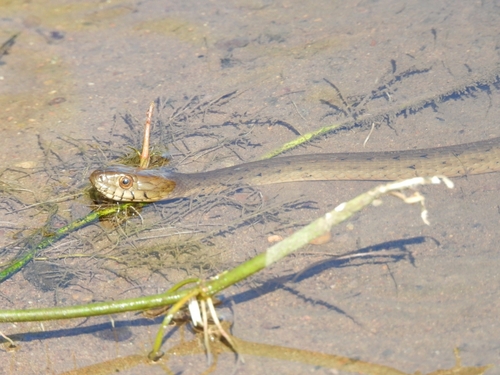
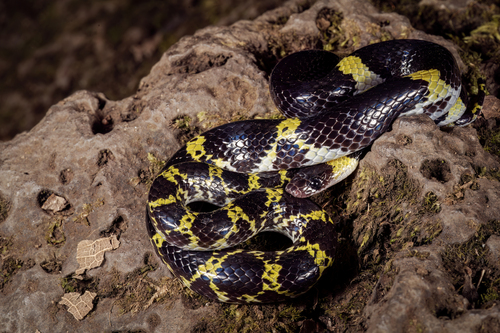
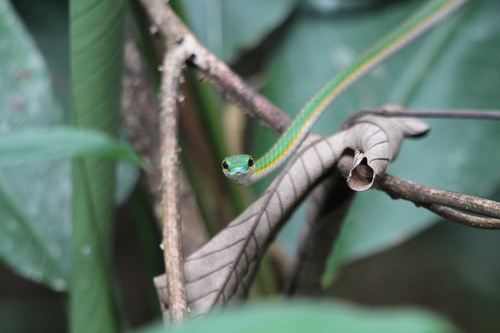
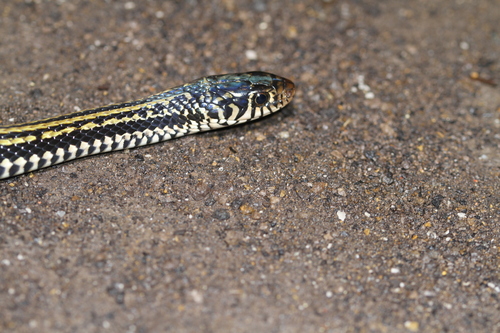
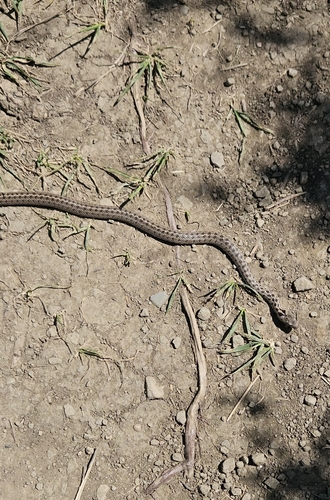
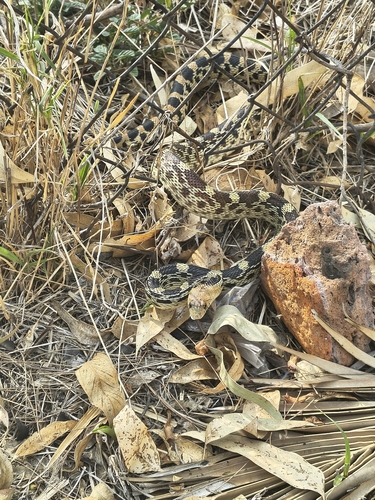
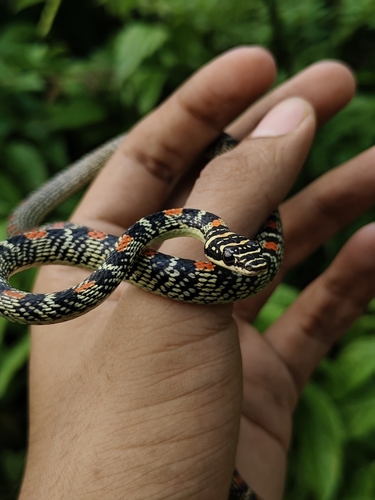
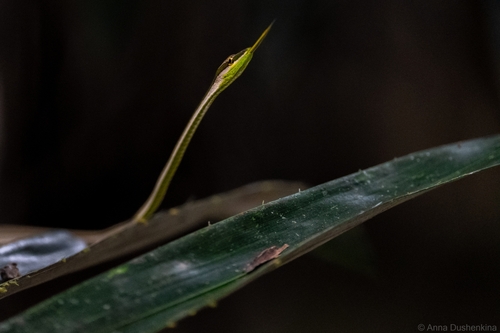
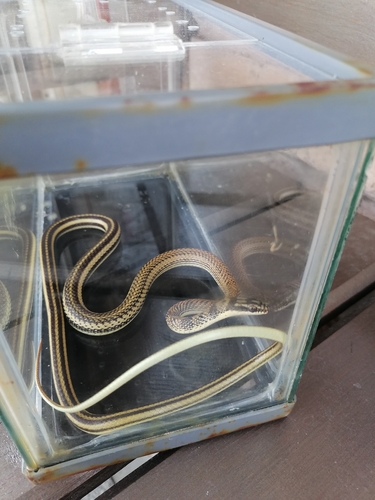
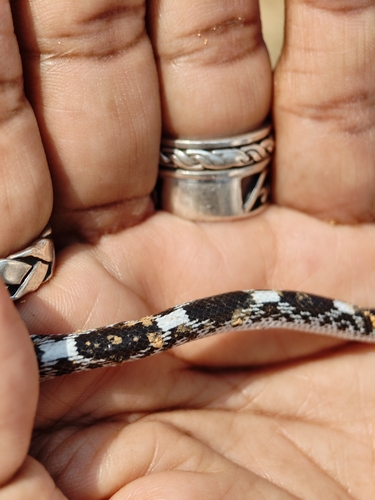
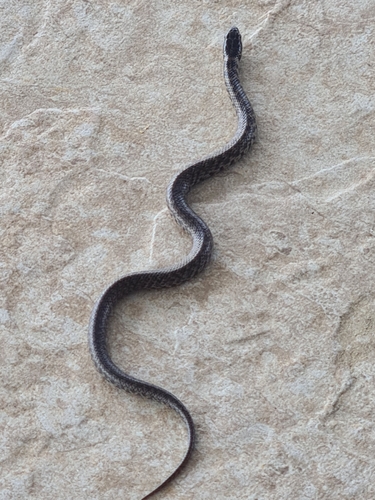
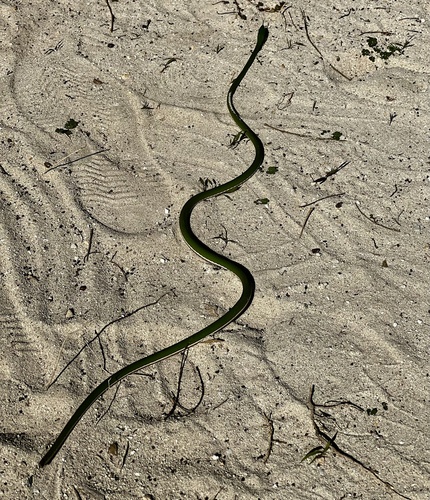
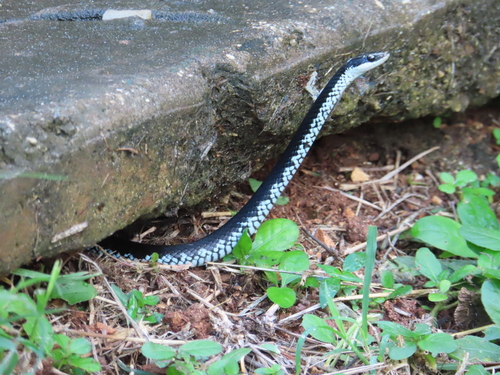
Colubridae (246)
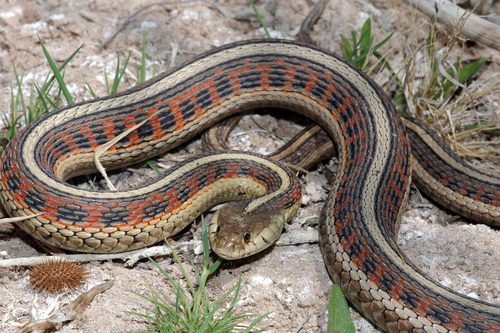
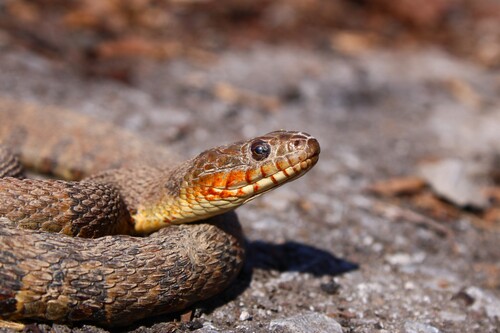
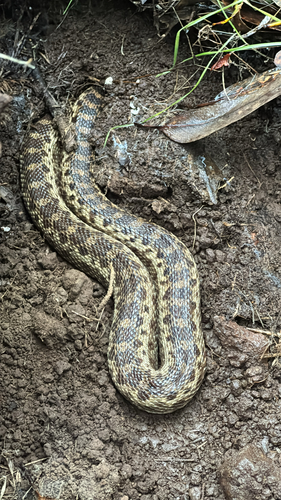
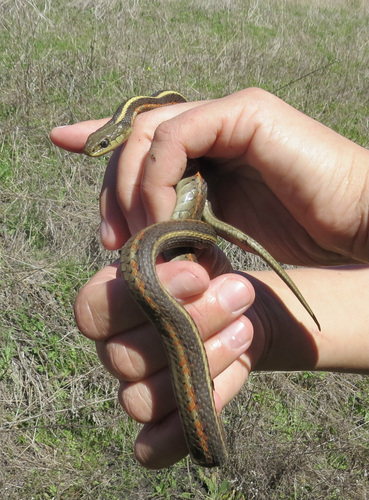
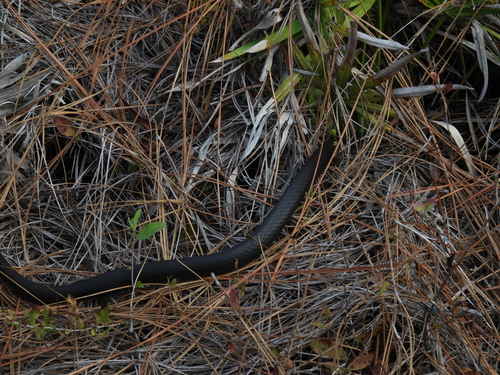
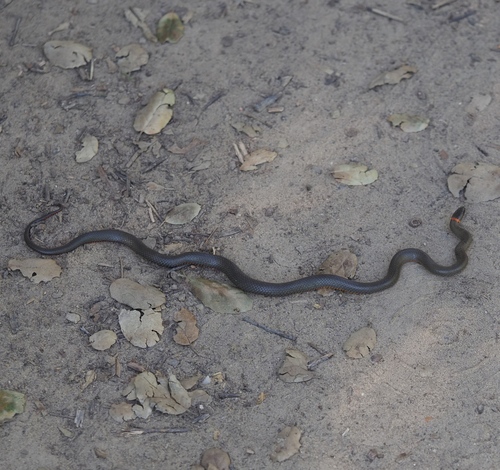
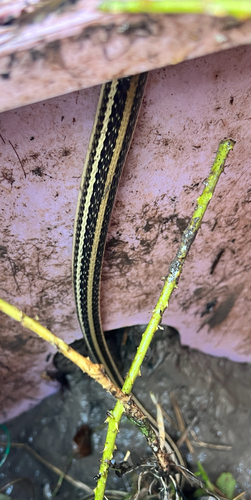
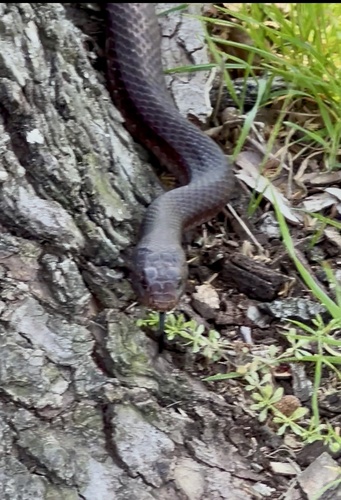
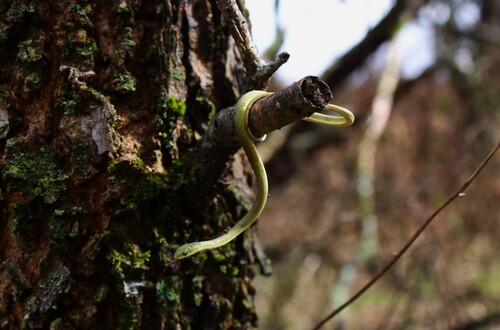
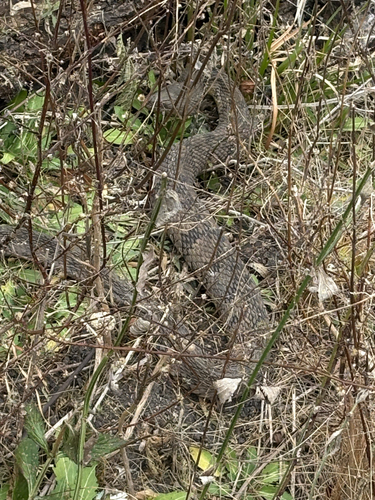
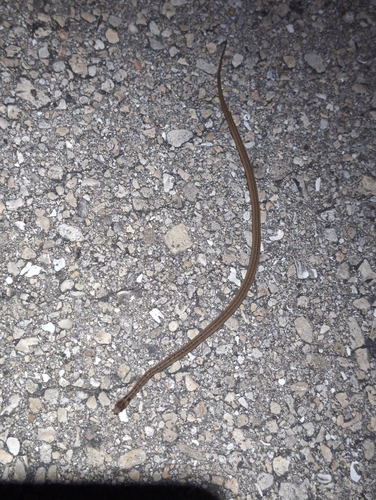
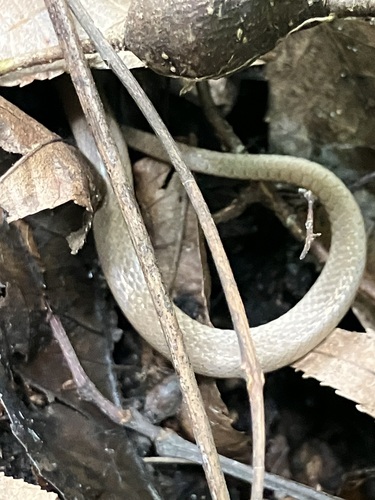
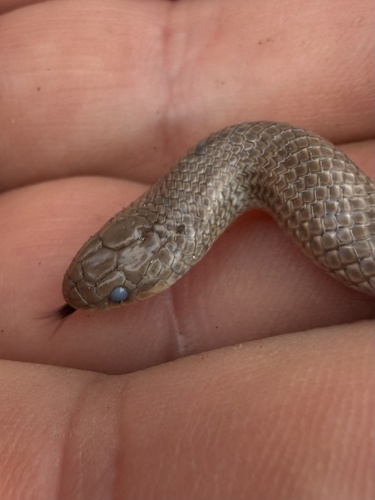
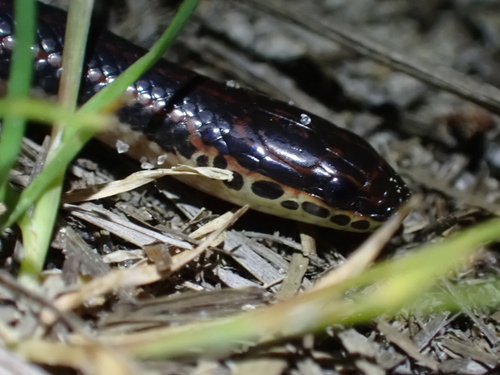

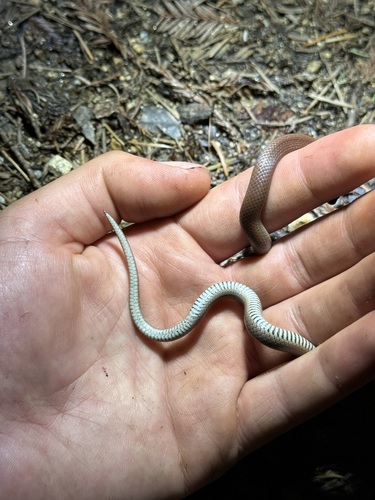

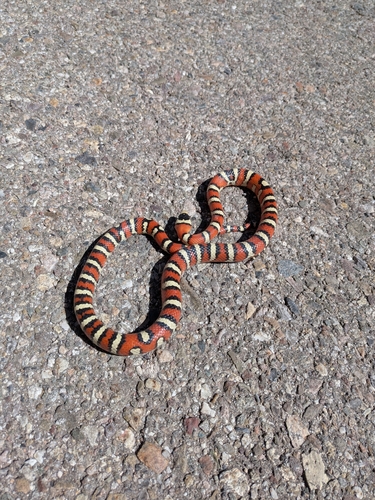
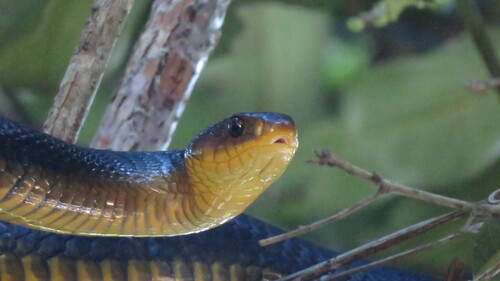
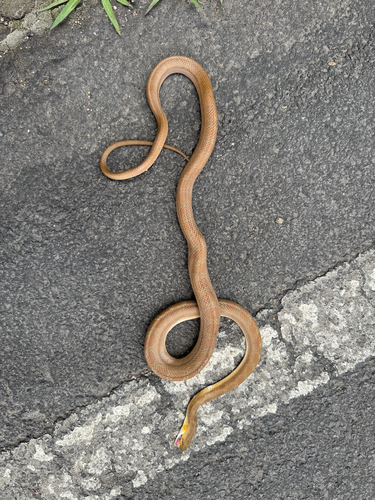

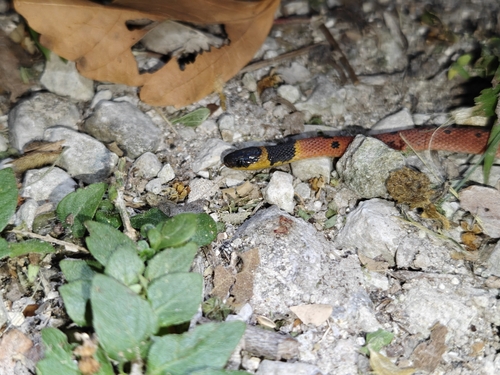
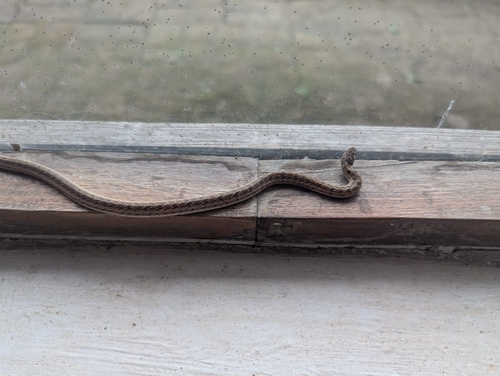
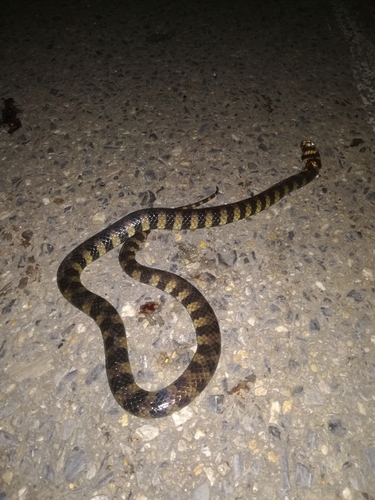
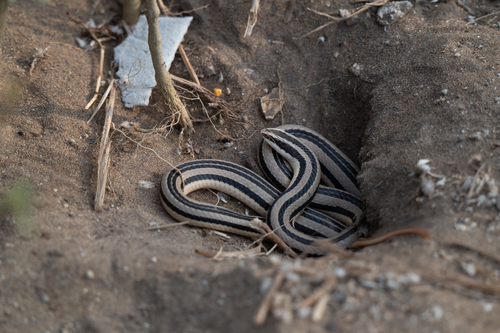
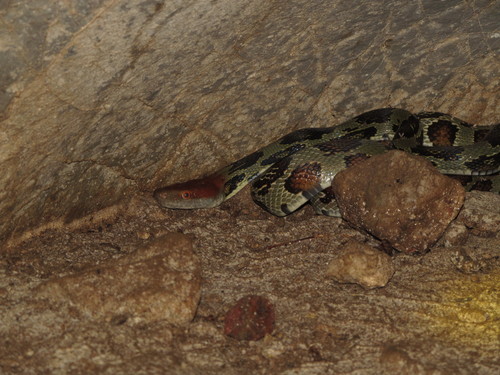
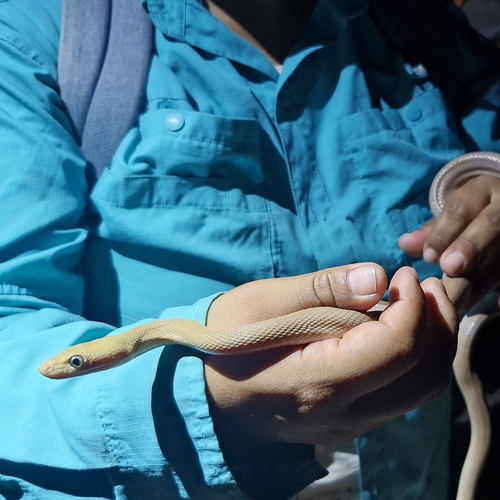

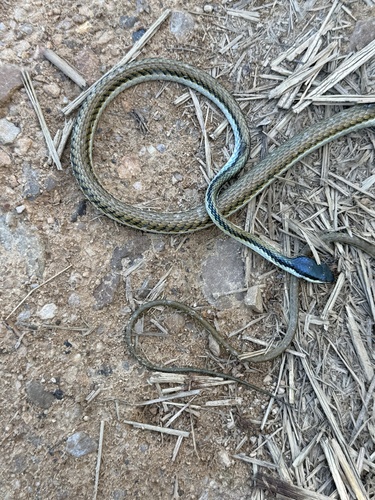
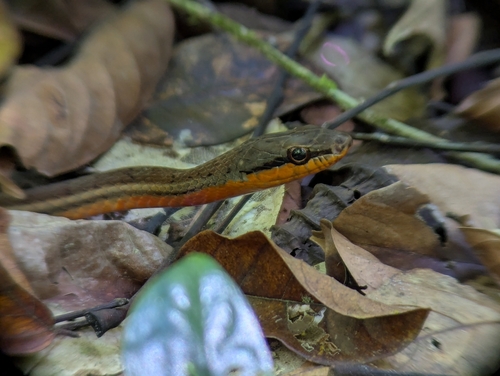
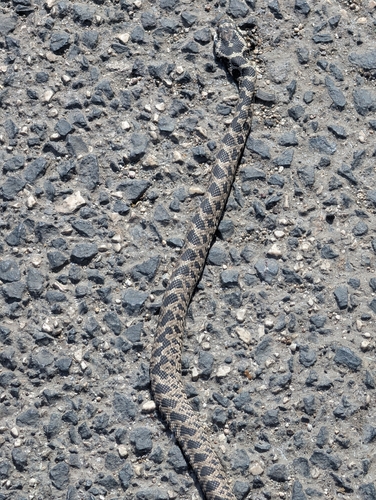
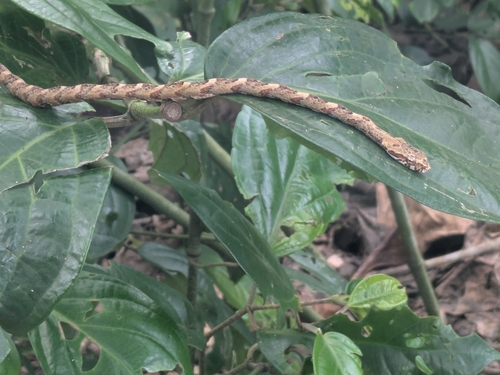

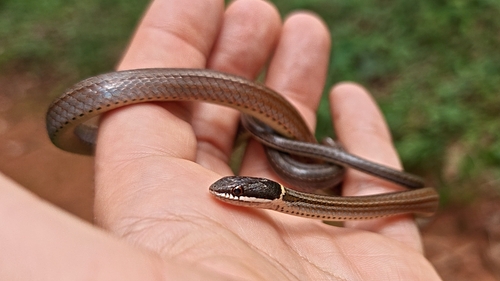
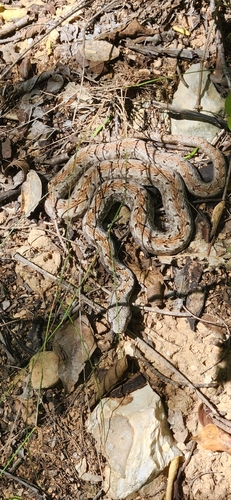
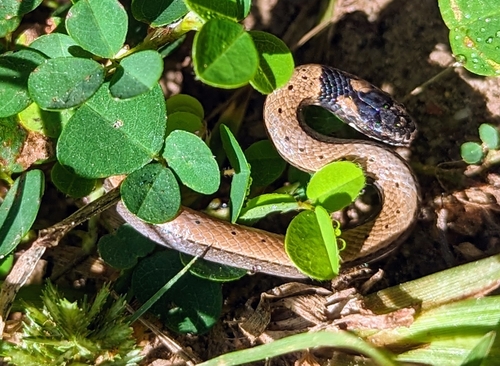
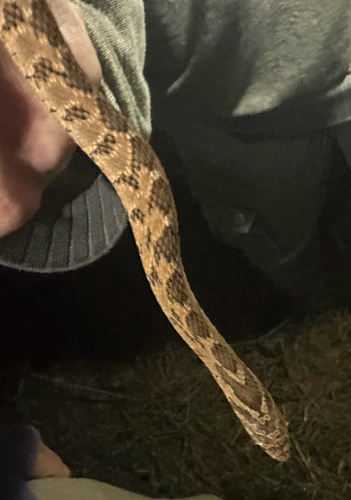
Viperidae (59)
Boidae (30)
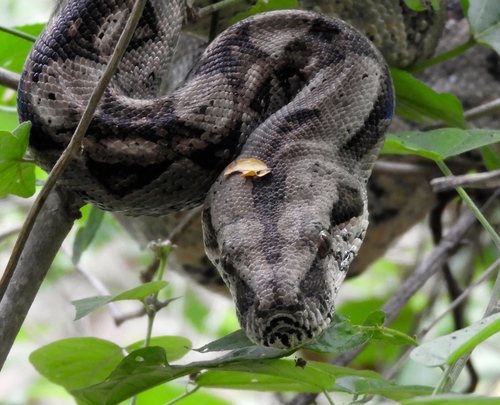
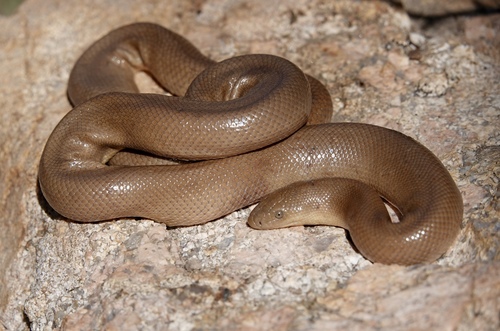
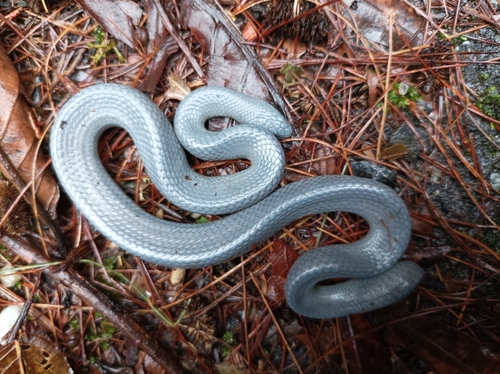
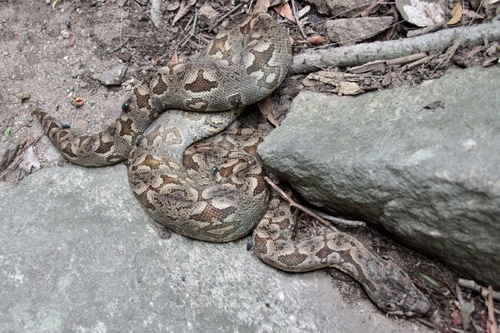
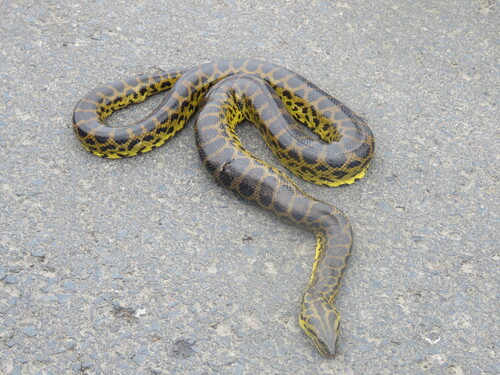
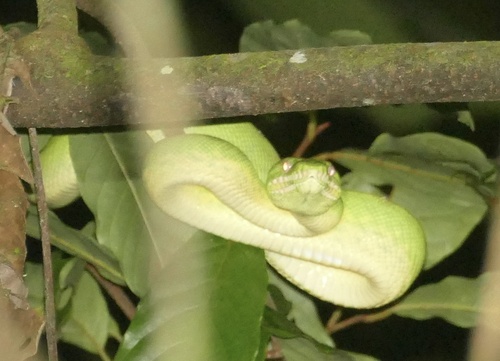
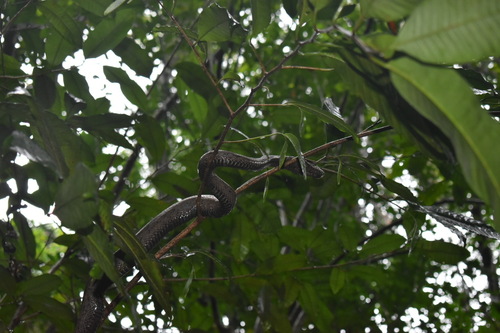
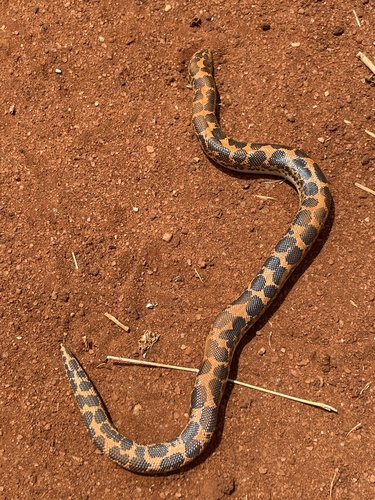
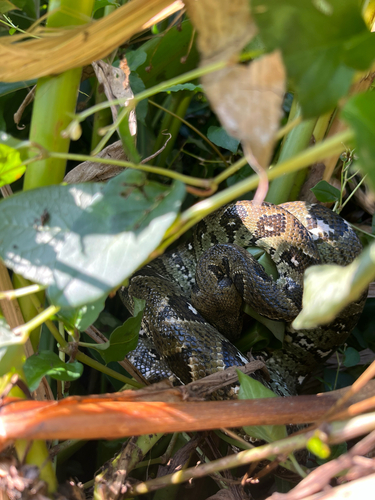
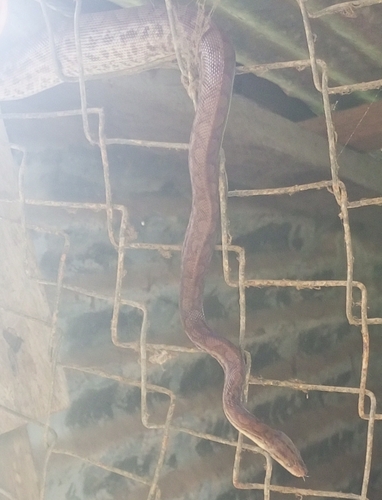
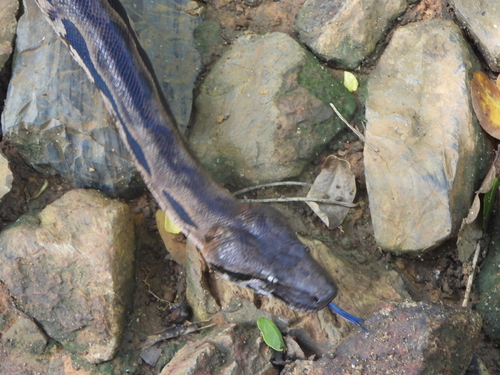
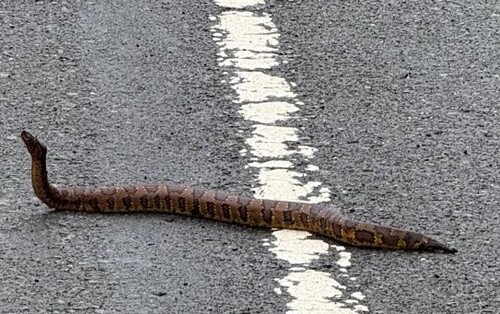
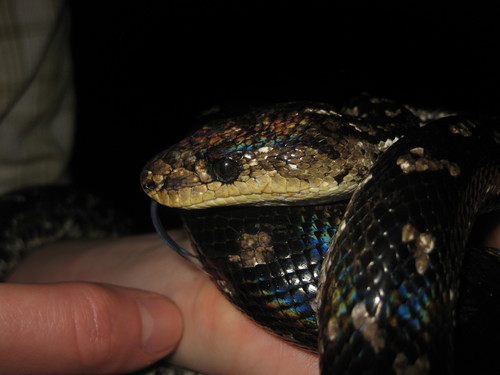
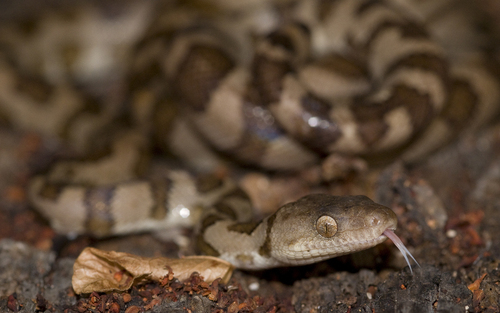

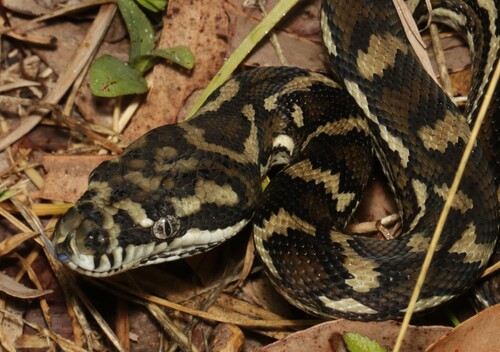
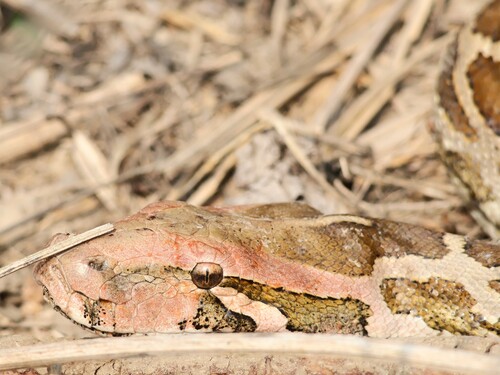
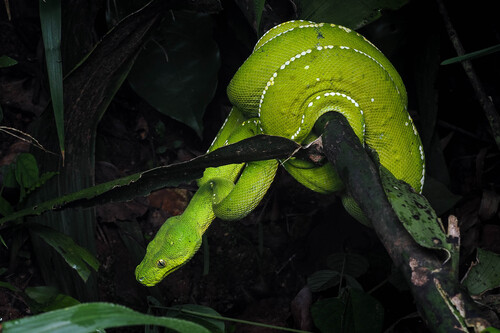
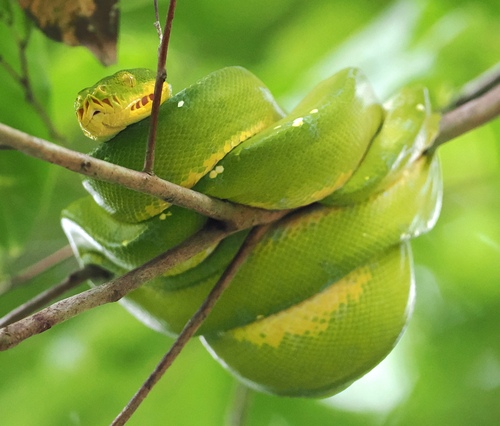
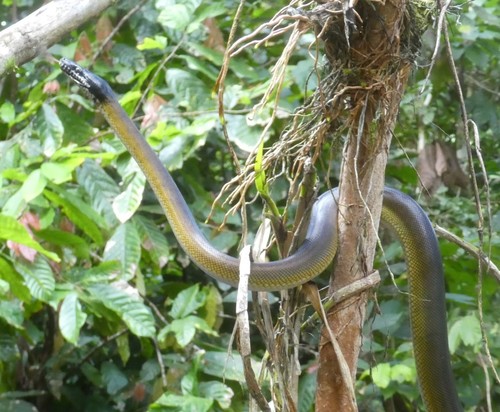
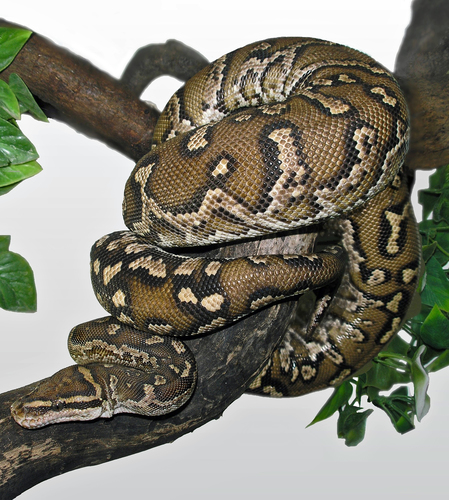
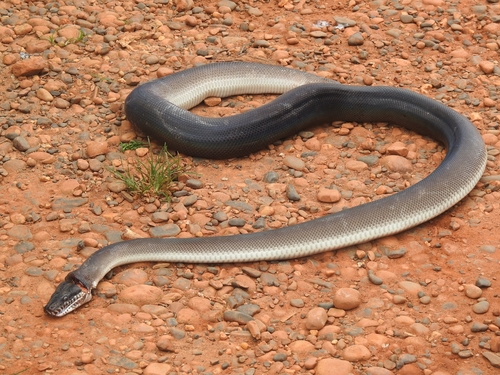
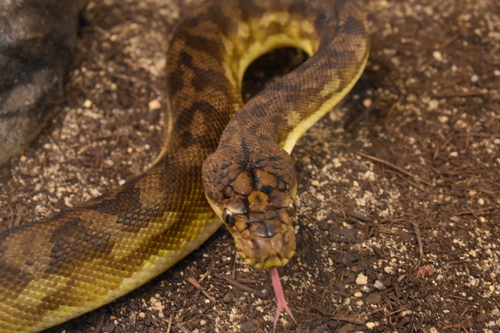
Pythonidae (18)
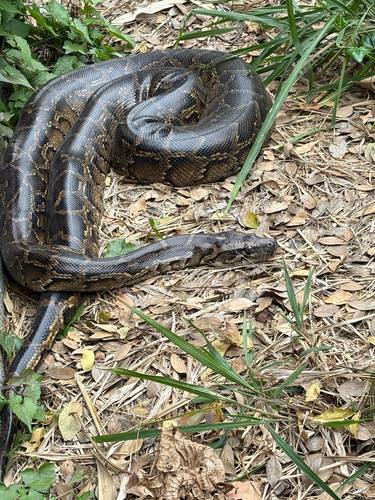
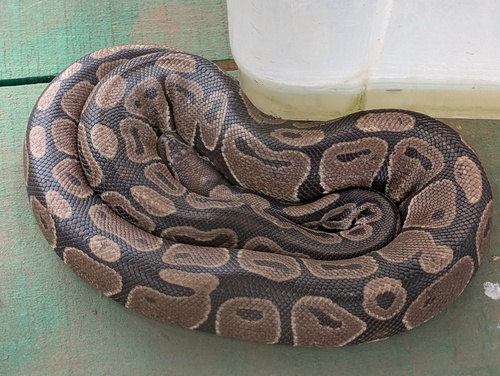
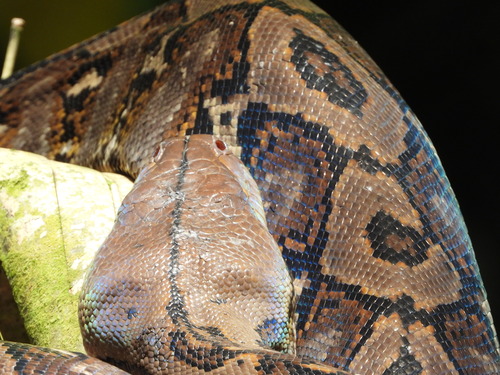

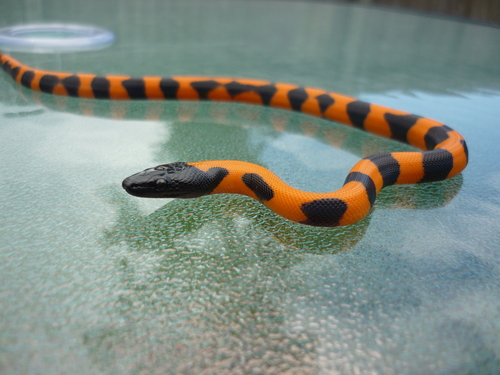
Elapidae (7)
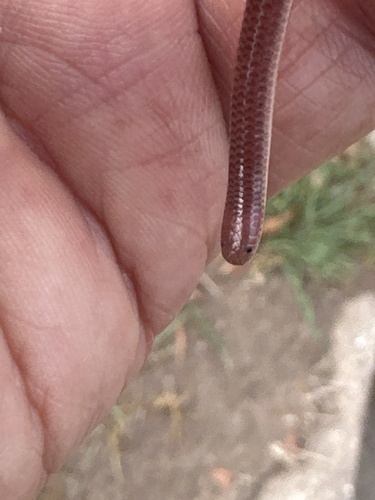
Leptotyphlopidae (5)
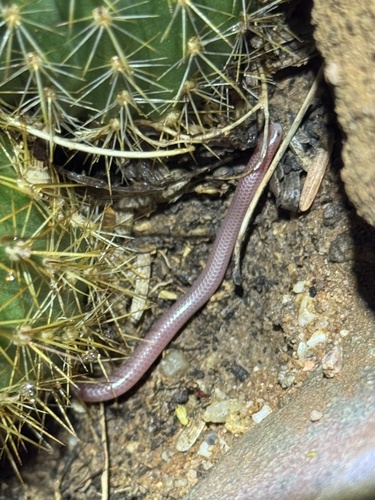
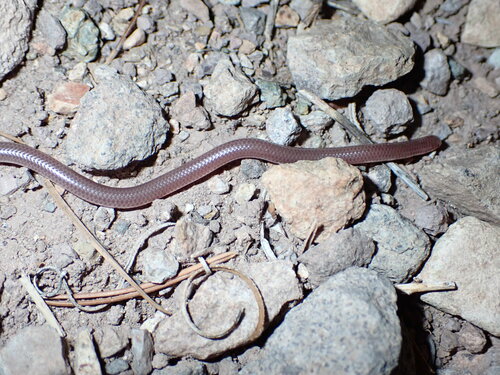
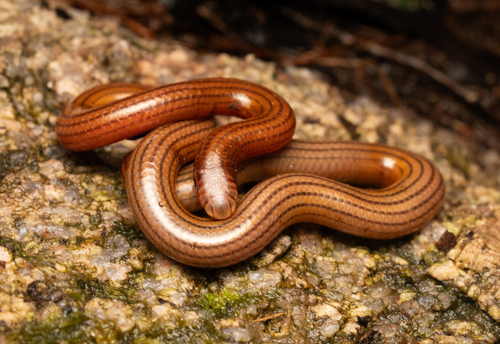
Typhlopidae (5)
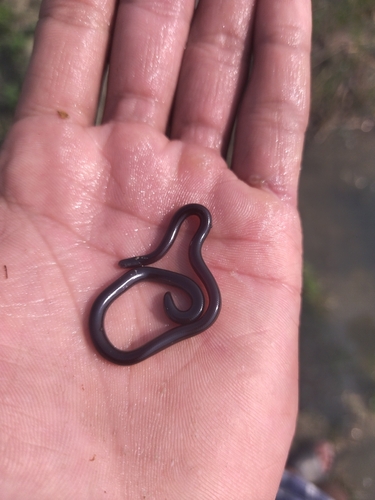
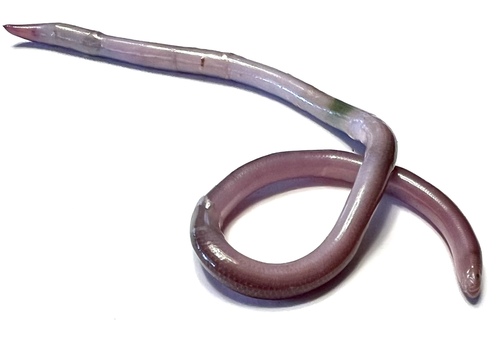
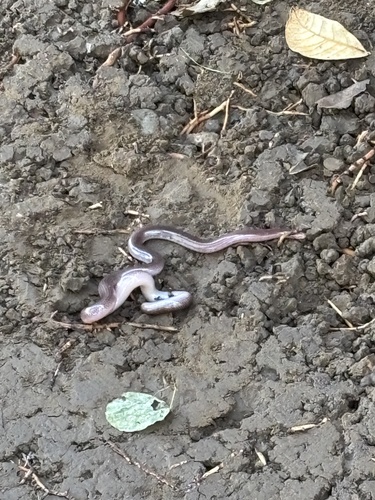
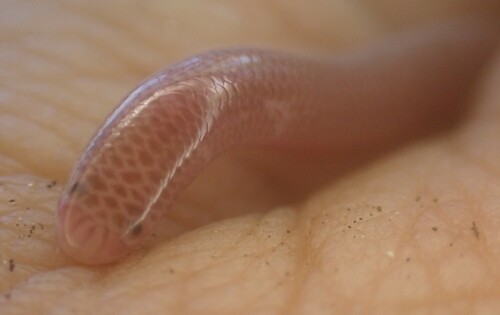
Homalopsidae (4)
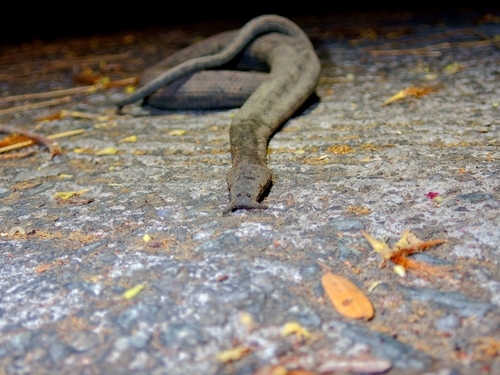
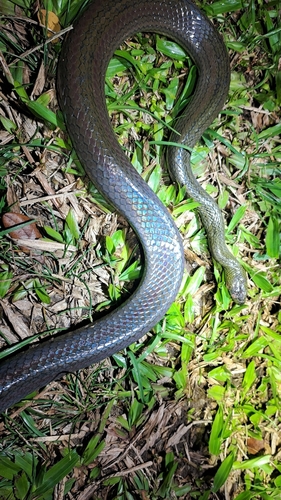
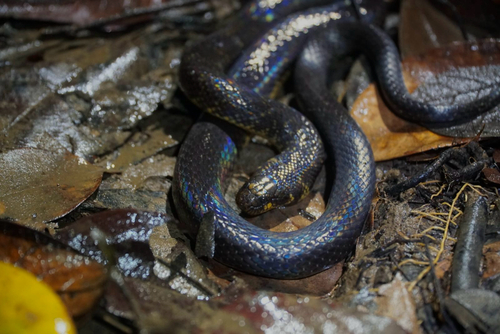
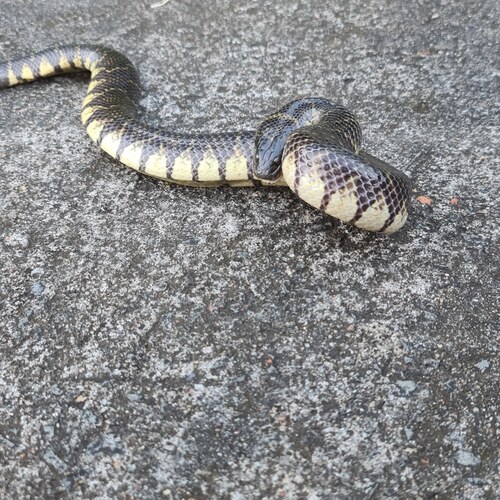
Psammophiidae (4)
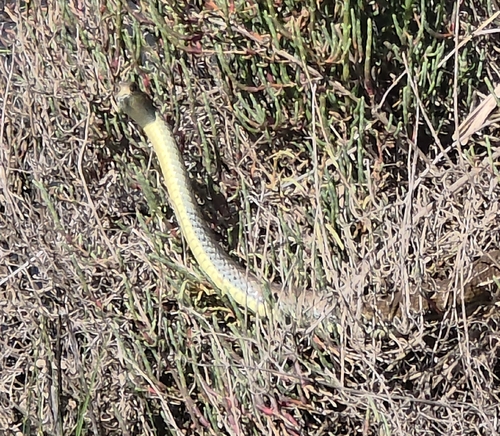
Lamprophiidae (3)
Tropidophiidae (2)
Pseudaspididae (2)
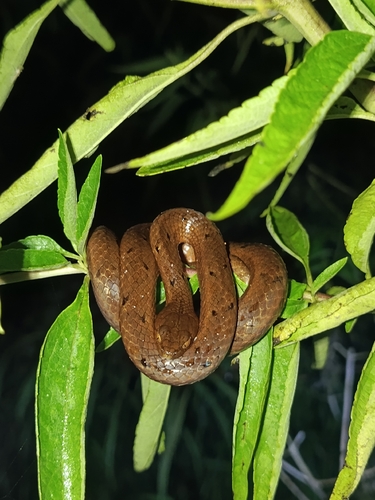
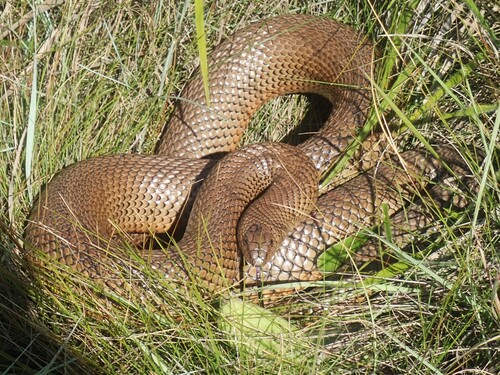
Acrochordidae (1)
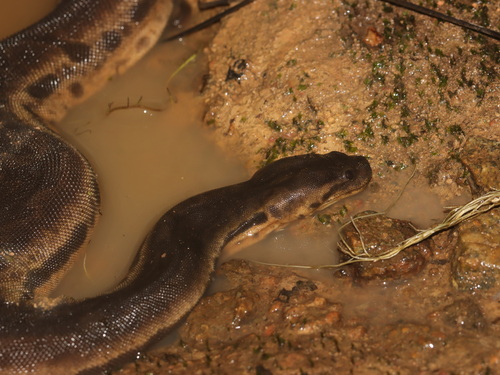
Xenopeltidae (1)
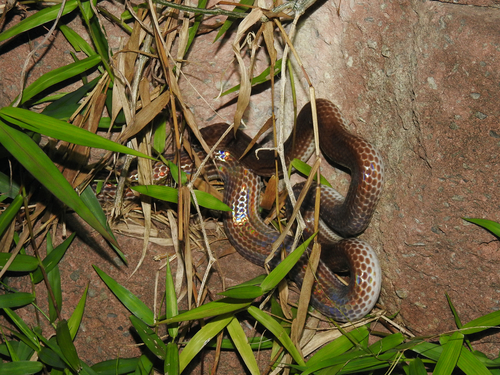
Aniliidae (1)
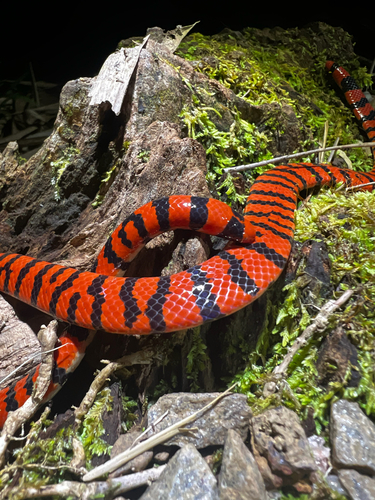
Cylindrophiidae (1)
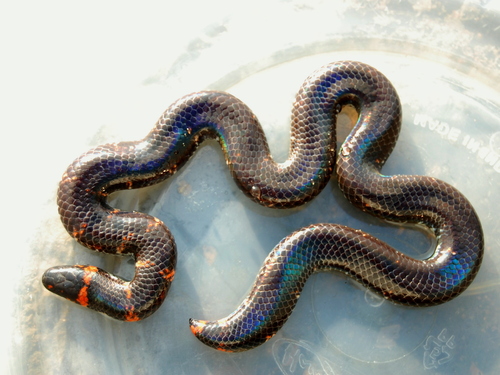
Pseudoxyrhophiidae (1)
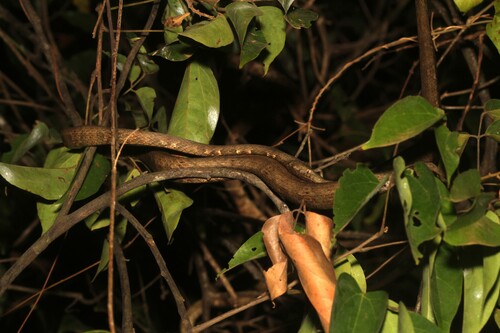
Compiled from verified GBIF & iNaturalist observations. "How often seen" reflects how frequently a snake is reported here, not how dangerous it is. Informational only.
Keep learning
- Are Snakes Dangerous? The Real Risk, in PerspectiveMost snakes are harmless and avoid people. Here is the honest picture of snakebite risk worldwide and how to lower your own.
- Snakebite First Aid: What to Do (and What Never to Do)A clear, CDC-based guide to snakebite first aid: the steps that help, the popular myths that hurt, and how to tell a serious bite from a minor one.
- Venomous vs Nonvenomous: How to Tell the DifferenceThe folk rules for telling venomous snakes apart, where each one fails, and why location-based identification beats guessing by sight.
- What to Do If You Find a SnakeFound a snake at home or on a trail? Here is how to stay calm, give it space, identify it safely, and know when to call a professional.