
The world's venomous snakes
Venomous snakes of the world
Of the 3,200+ snake species documented worldwide, 774 are venomous. Most snakes you meet are harmless. This guide groups the medically significant snakes by family, so you can recognize them and know what to do.
Vipers & Pit Vipers (378)
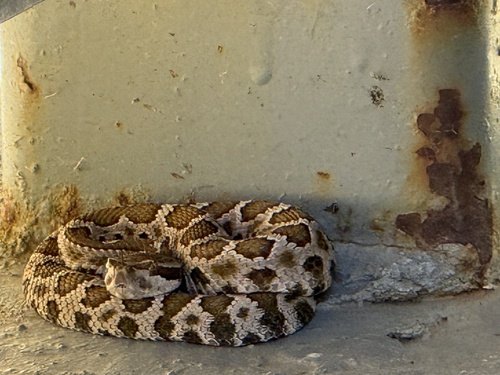 Western RattlesnakeCrotalus oreganusVenomous
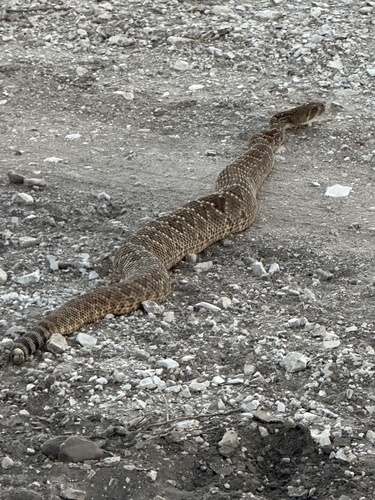 Western Diamond-backed RattlesnakeCrotalus atroxVenomous
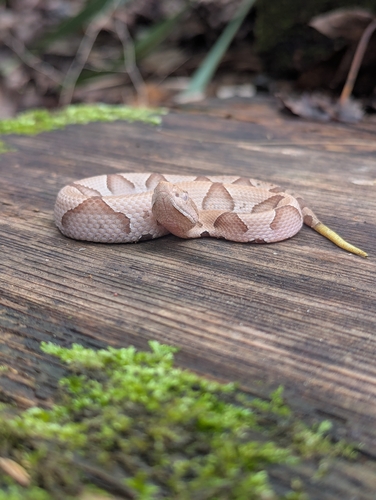 Eastern CopperheadAgkistrodon contortrixVenomous
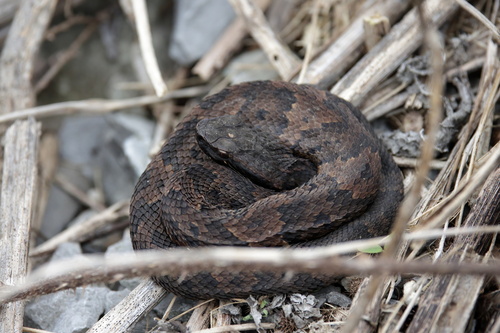 Northern CottonmouthAgkistrodon piscivorusVenomous
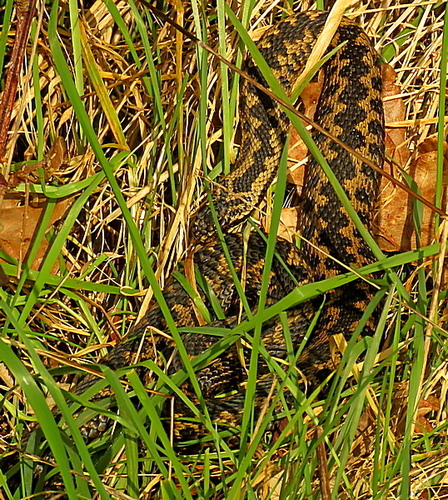 AdderVipera berusVenomous
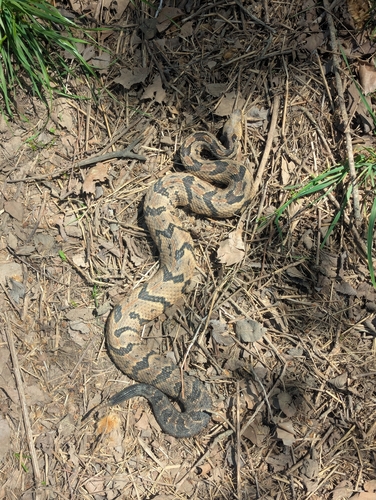 Timber RattlesnakeCrotalus horridusVenomous
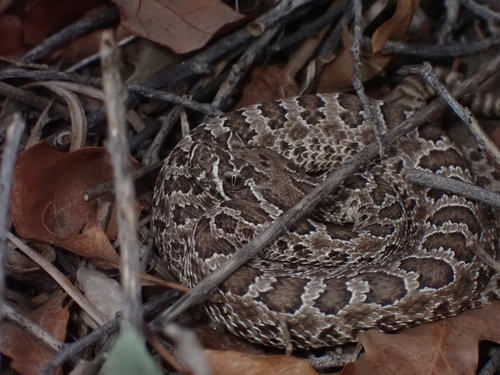 Prairie RattlesnakeCrotalus viridisVenomous
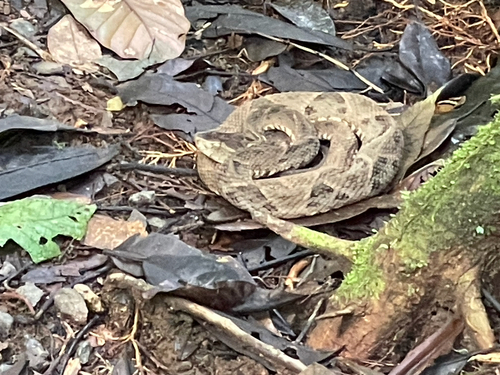 TerciopeloBothrops asperVenomous
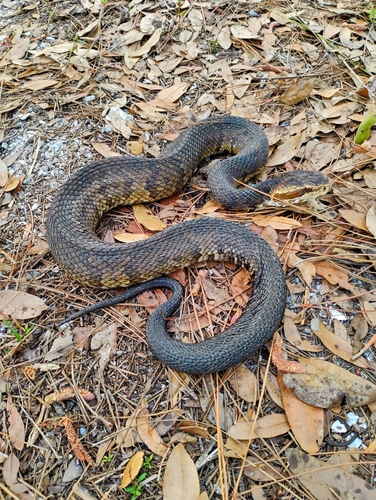 Florida CottonmouthAgkistrodon conantiVenomous
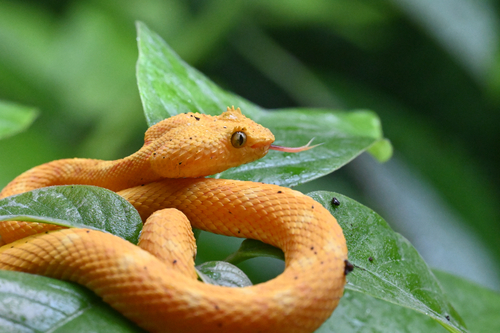 Central American Eyelash-ViperBothriechis nigroadspersusVenomous
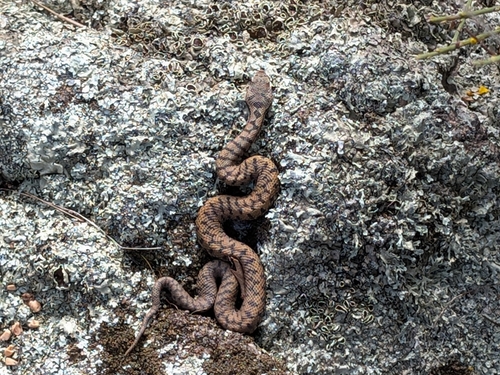 Asp ViperVipera aspisVenomous
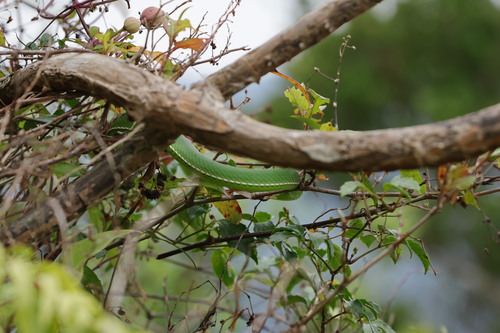 Chinese Green Tree ViperTrimeresurus stejnegeriVenomous
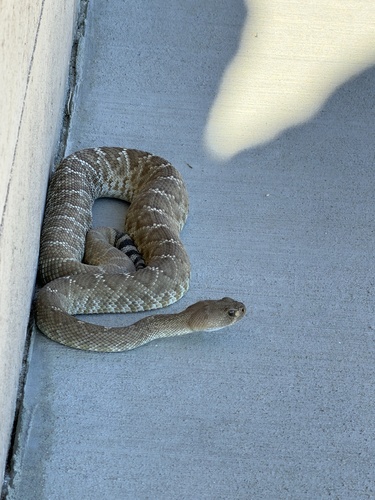 Red Diamond RattlesnakeCrotalus ruberVenomous
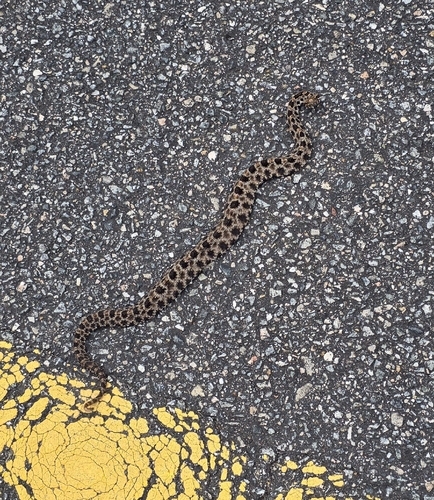 Pygmy RattlesnakeSistrurus miliariusVenomous
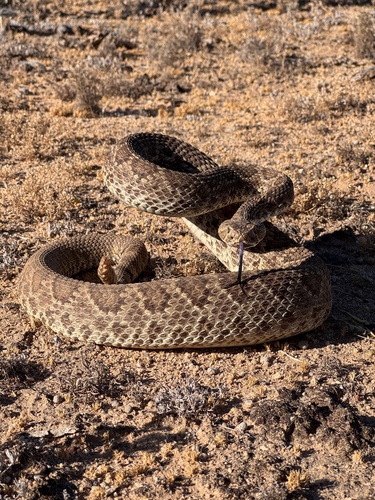 Mojave RattlesnakeCrotalus scutulatusVenomous
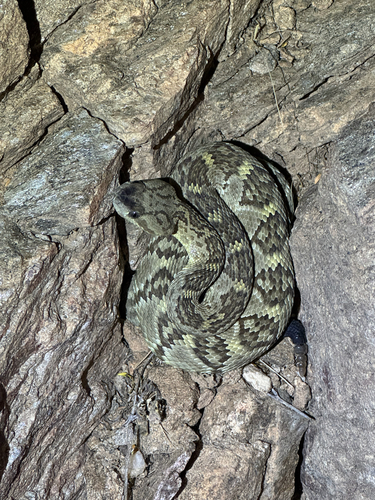 Western Black-tailed RattlesnakeCrotalus molossusVenomous
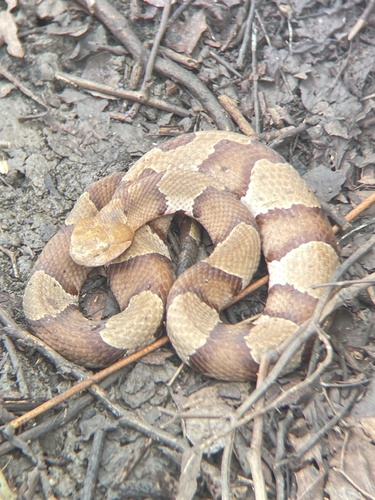 Broad-banded CopperheadAgkistrodon laticinctusVenomous
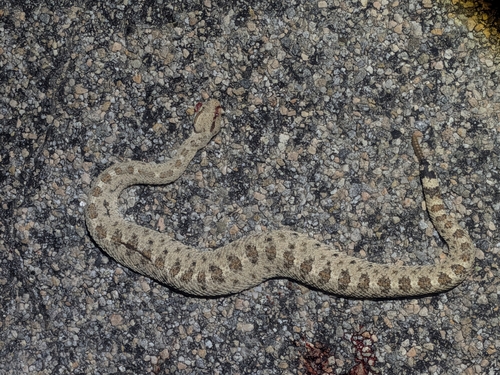 SidewinderCrotalus cerastesVenomous
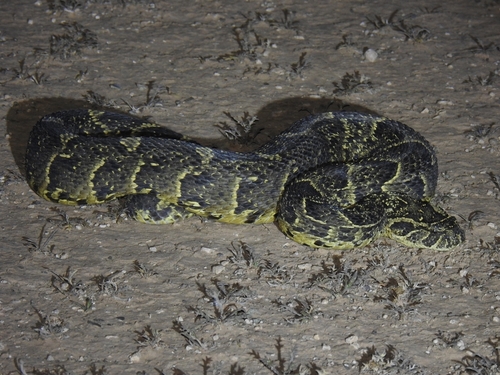 Puff AdderBitis arietansVenomous
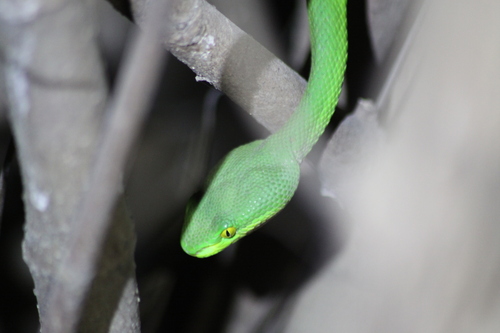 White-lipped Pit ViperTrimeresurus albolabrisVenomous
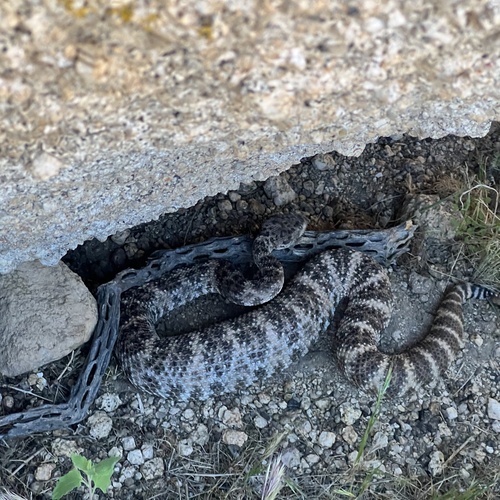 Southwestern Speckled RattlesnakeCrotalus pyrrhusVenomous
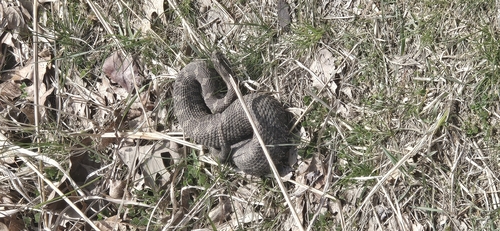 Eastern MassasaugaSistrurus catenatusVenomous
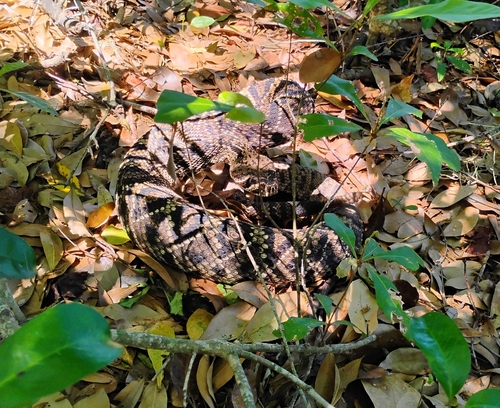 Eastern Diamondback RattlesnakeCrotalus adamanteusVenomous
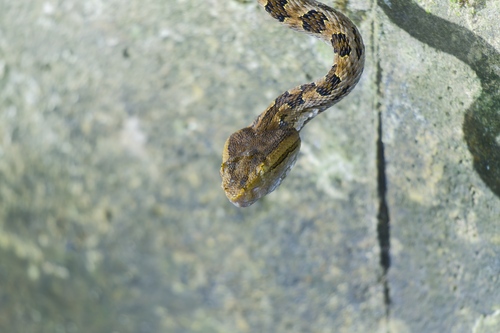 Brown spotted pitviperProtobothrops mucrosquamatusVenomous
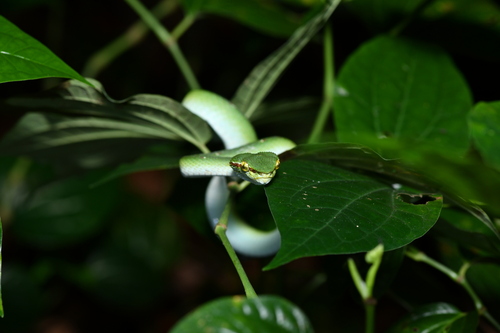 Wagler's Pit ViperTropidolaemus wagleriVenomous
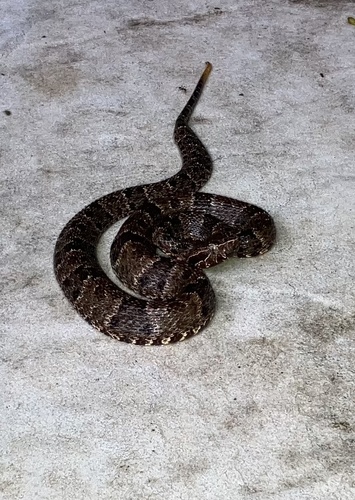 Common LanceheadBothrops atroxVenomous
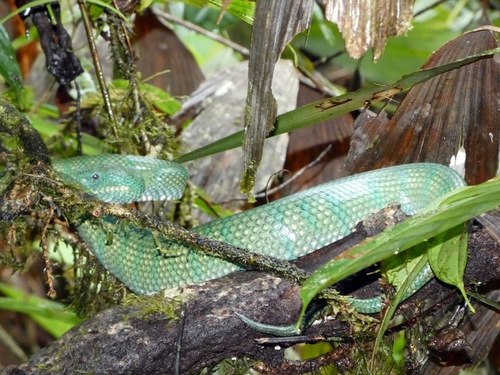 Bornean Keeled Pit ViperTropidolaemus subannulatusVenomous
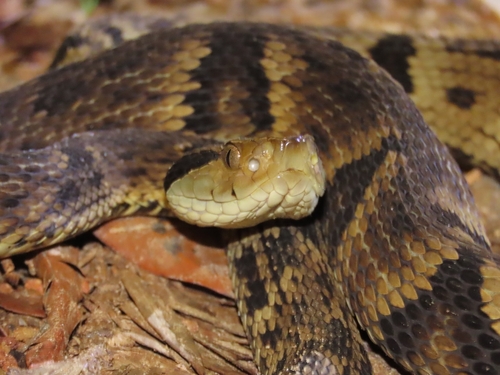 Yarará LanceheadBothrops jararacaVenomous
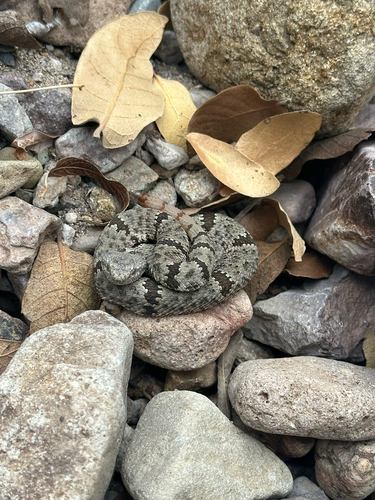 Rock RattlesnakeCrotalus lepidusVenomous
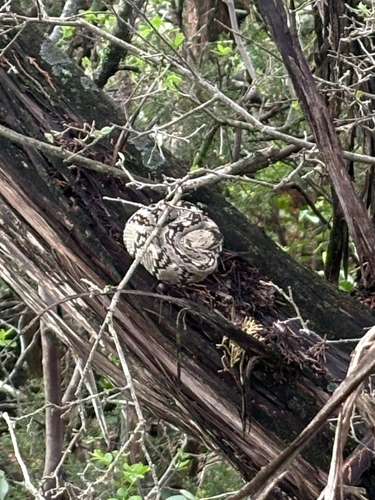 Eastern Black-tailed RattlesnakeCrotalus ornatusVenomous
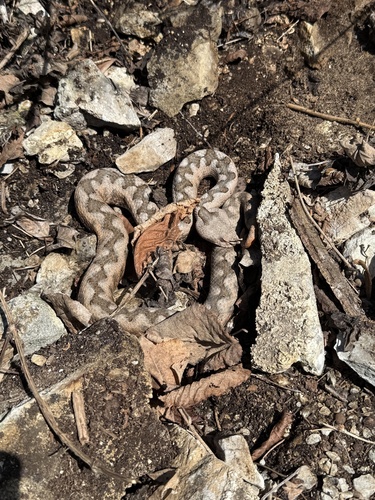 Nose-horned ViperVipera ammodytesVenomous
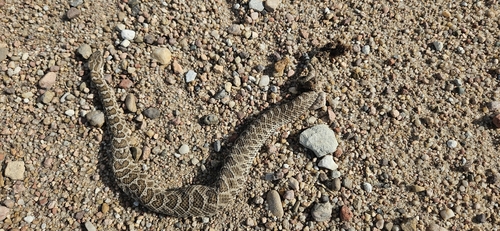 Western MassasaugaSistrurus tergeminusVenomous
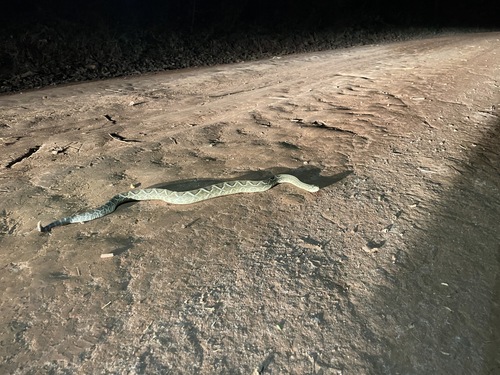 Neotropical RattlesnakeCrotalus durissusVenomous
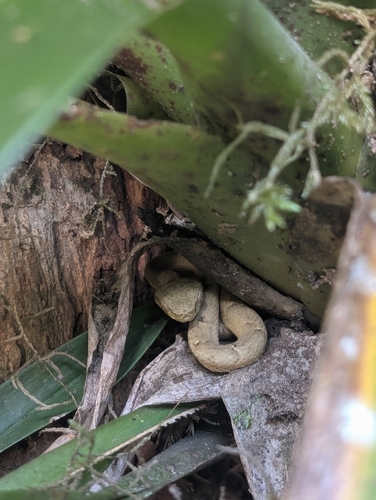 Side-striped palm pit viperBothriechis lateralisVenomous
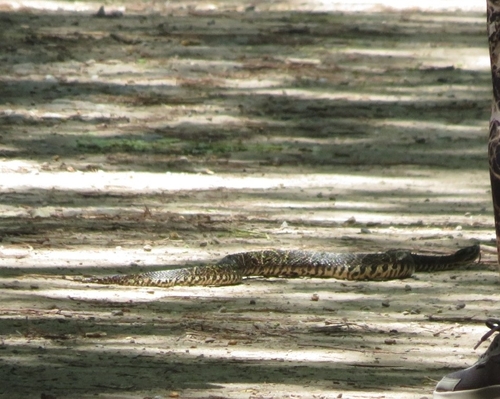 Urutu LanceheadBothrops alternatusVenomous
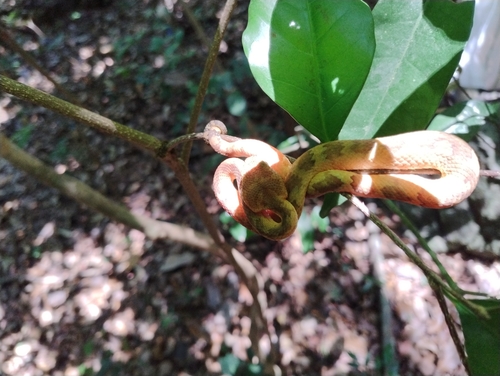 Malabarian Pit ViperCraspedocephalus malabaricusVenomous
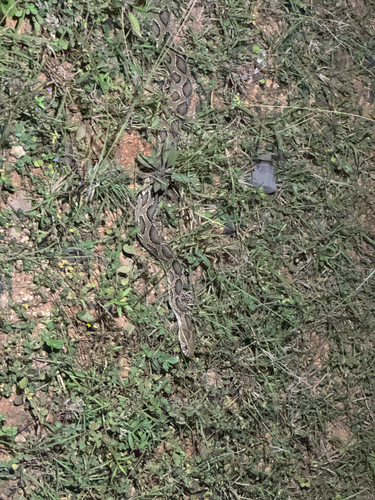 Russell's ViperDaboia russeliiVenomous
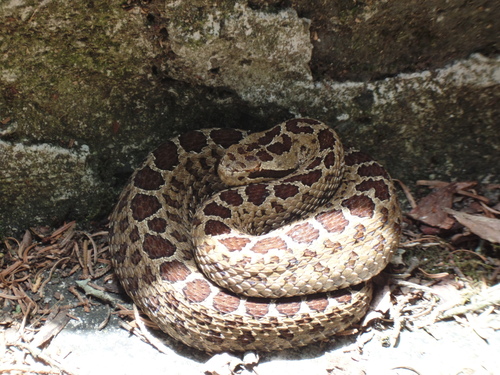 Dusky RattlesnakeCrotalus triseriatusVenomous
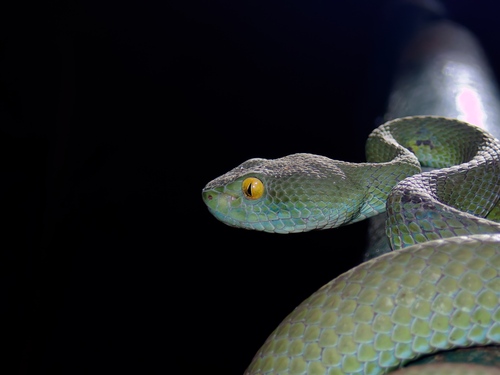 Kramer's Pit ViperTrimeresurus macropsVenomous
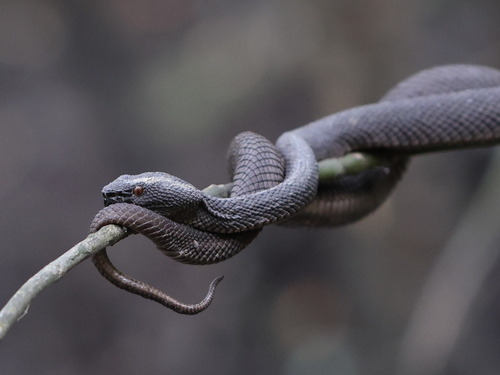 Mangrove ViperTrimeresurus purpureomaculatusVenomous
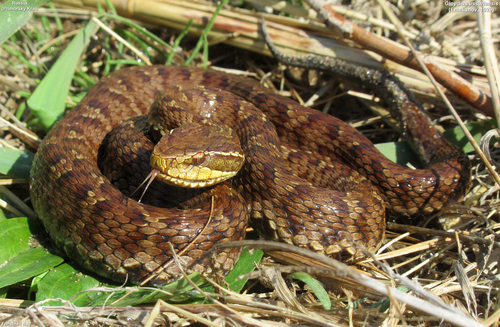 Ussuri MamushiGloydius ussuriensisVenomous
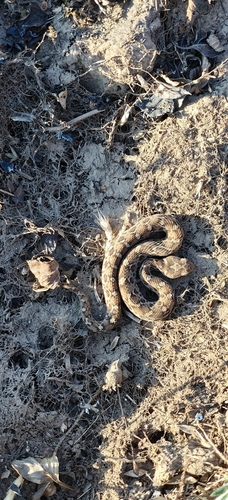 Saw-scaled ViperEchis carinatusVenomous
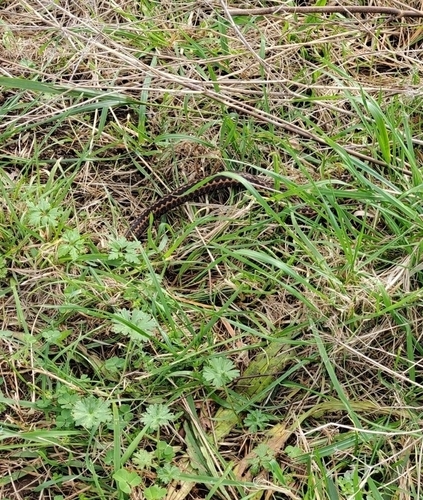 Seoane's ViperVipera seoaneiVenomous
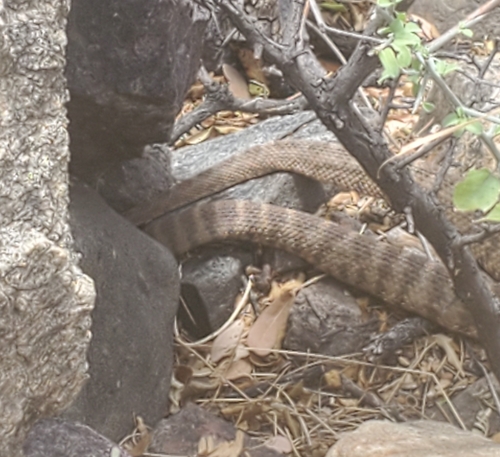 Tiger RattlesnakeCrotalus tigrisVenomous
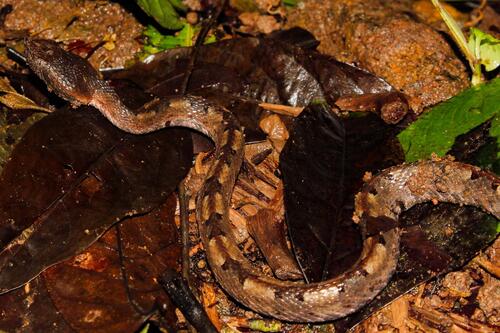 Rainforest Hognose ViperPorthidium nasutumVenomous
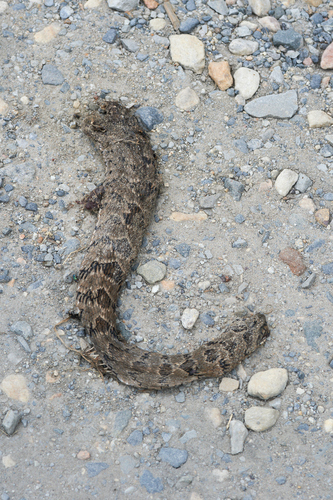 Rhombic Night AdderCausus rhombeatusVenomous
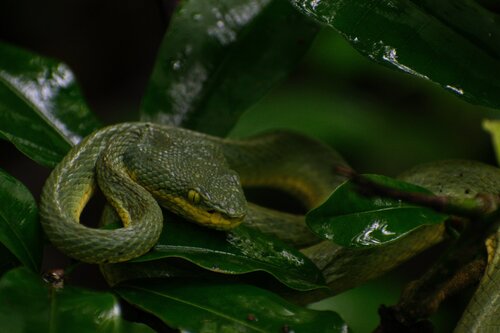 Common Bamboo ViperCraspedocephalus gramineusVenomous
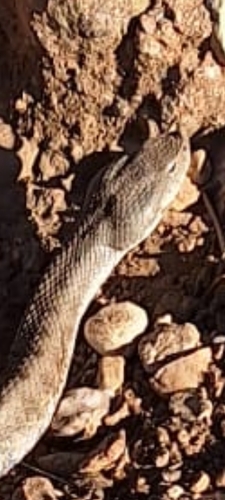 Lataste's ViperVipera latasteiVenomous
Showing the 48 most commonly recorded. See all 378 venomous Viperidaespecies →
Cobras, Mambas, Coral & Sea Snakes (339)
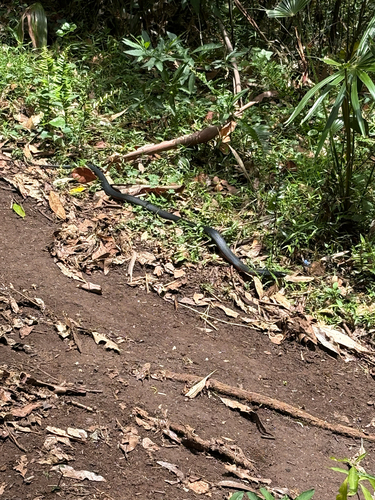 Red-bellied Black SnakePseudechis porphyriacusVenomous
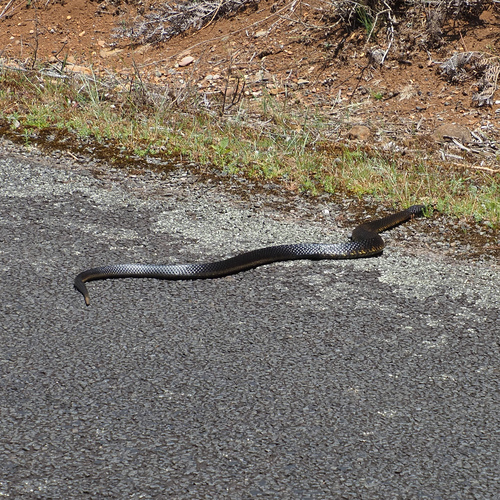 Tiger SnakeNotechis scutatusVenomous
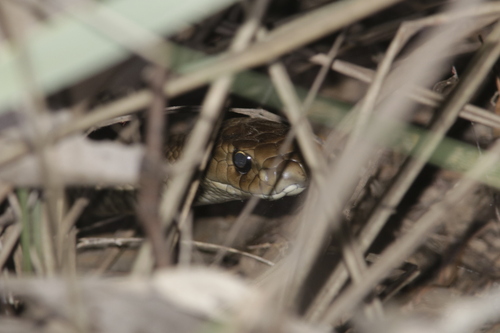 Eastern Brown SnakePseudonaja textilisVenomous
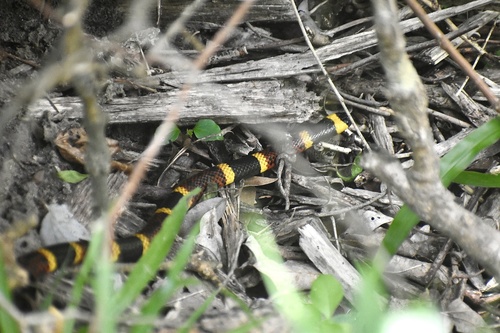 Texas CoralsnakeMicrurus tenerVenomous
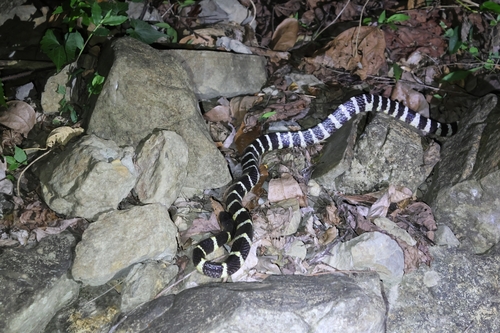 Many-banded KraitBungarus multicinctusVenomous
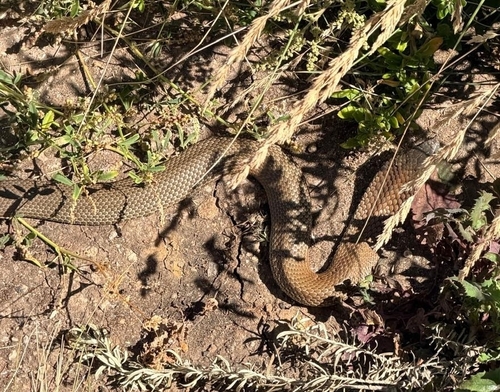 Lowlands CopperheadAustrelaps superbusVenomous
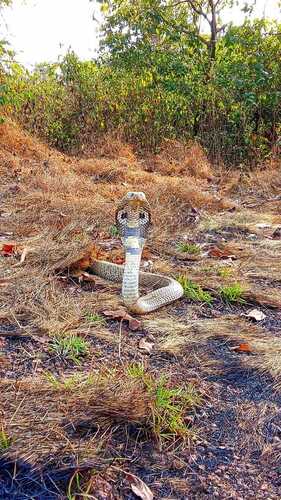 Indian CobraNaja najaVenomous
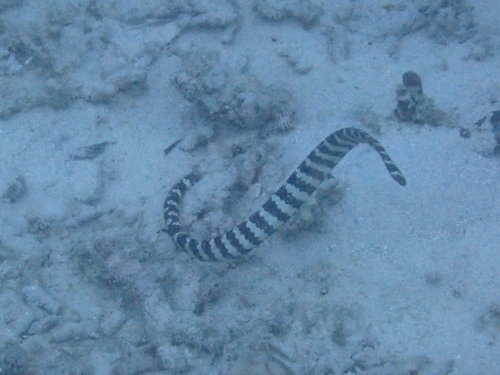 Eastern Turtle-headed Sea SnakeEmydocephalus annulatusVenomous
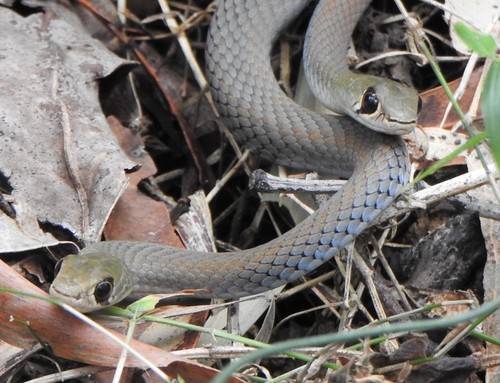 Yellow-faced WhipsnakeDemansia psammophisVenomous
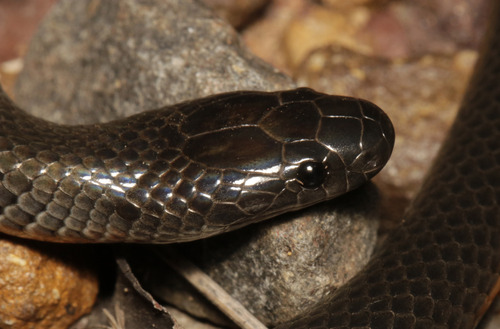 Eastern Small-eyed SnakeCryptophis nigrescensVenomous
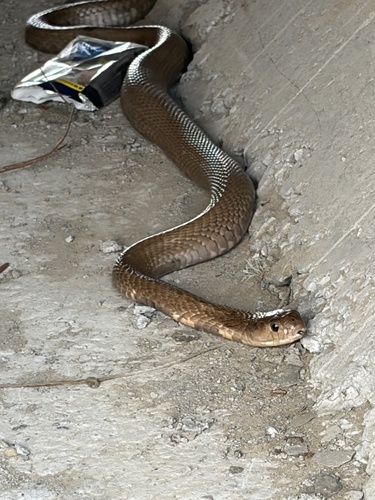 Chinese CobraNaja atraVenomous
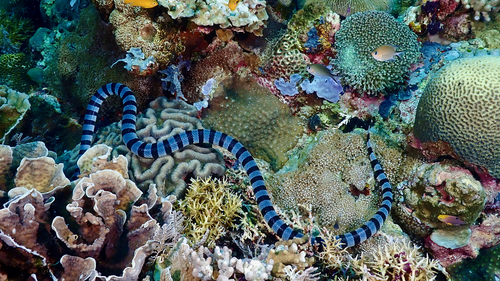 Yellow-lipped Sea KraitLaticauda colubrinaVenomous
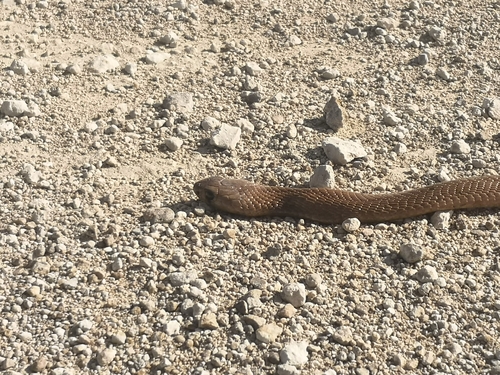 Cape CobraNaja niveaVenomous
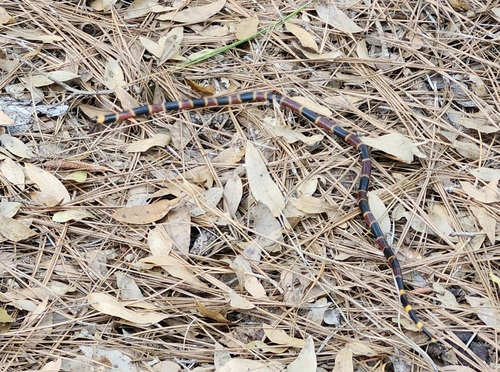 Eastern CoralsnakeMicrurus fulviusVenomous
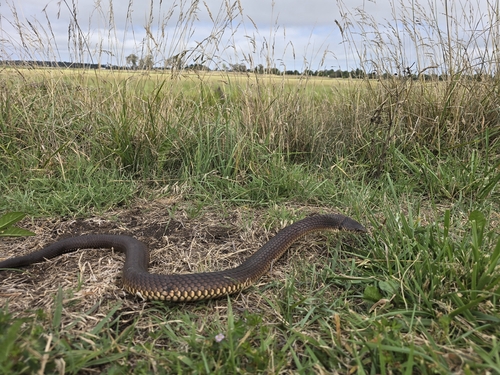 Highlands CopperheadAustrelaps ramsayiVenomous
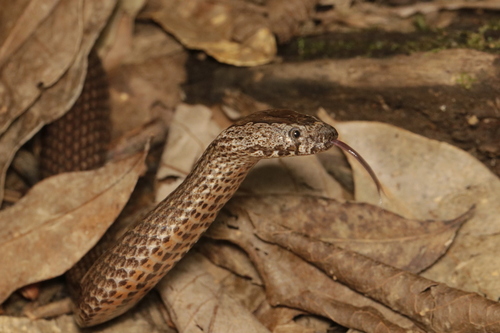 Golden-crowned SnakeCacophis squamulosusVenomous
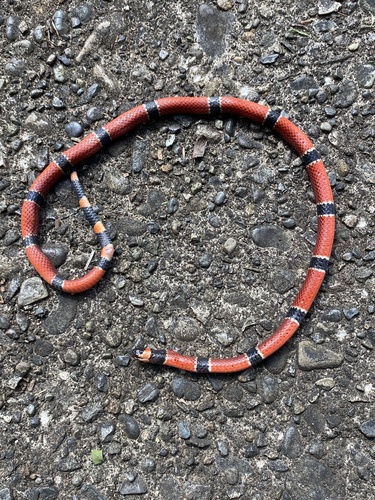 Central American CoralsnakeMicrurus nigrocinctusVenomous
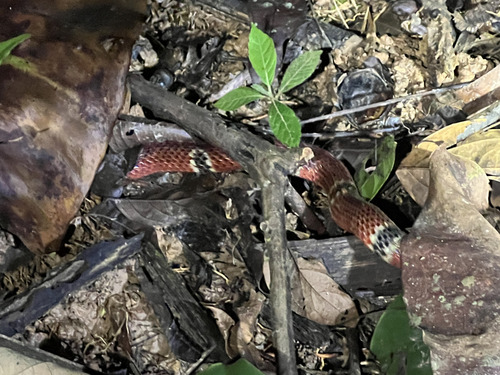 Variable CoralsnakeMicrurus diastemaVenomous
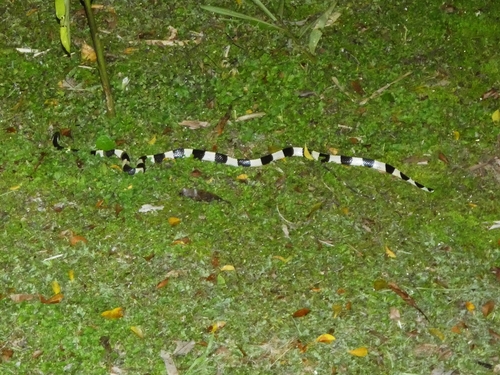 Banded KraitBungarus fasciatusVenomous
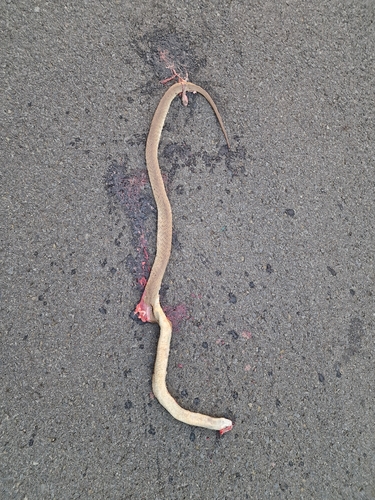 DugitePseudonaja affinisVenomous
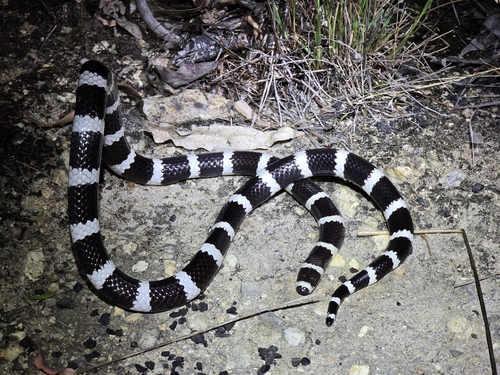 Eastern Bandy BandyVermicella annulataVenomous
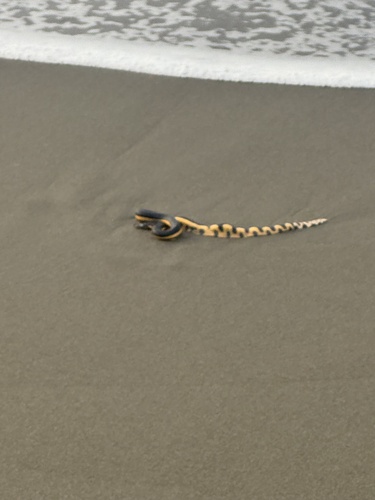 Yellow-bellied Sea SnakeHydrophis platurusVenomous
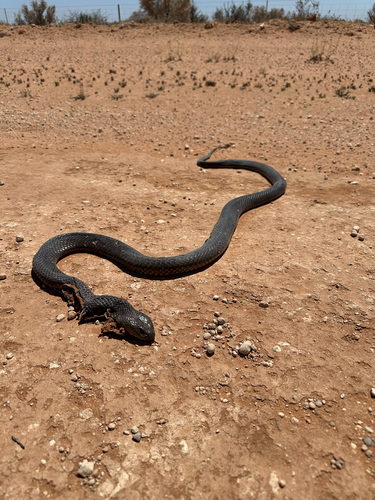 Mulga SnakePseudechis australisVenomous
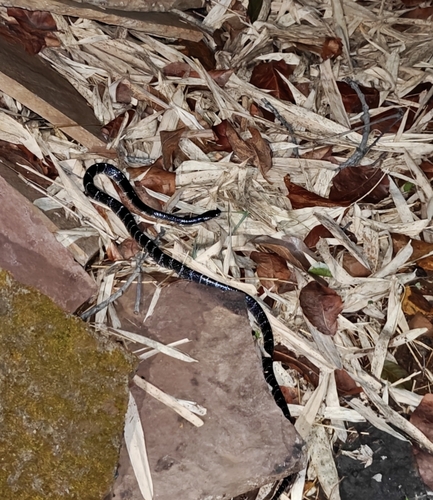 Common KraitBungarus caeruleusVenomous
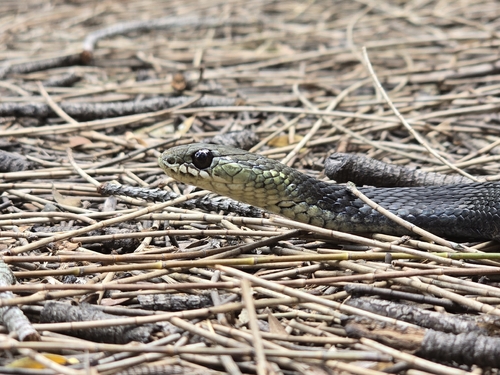 Marsh SnakeHemiaspis signataVenomous
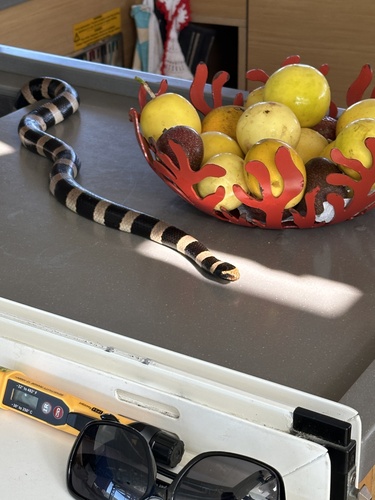 New Caledonian Sea KraitLaticauda saintgironsiVenomous
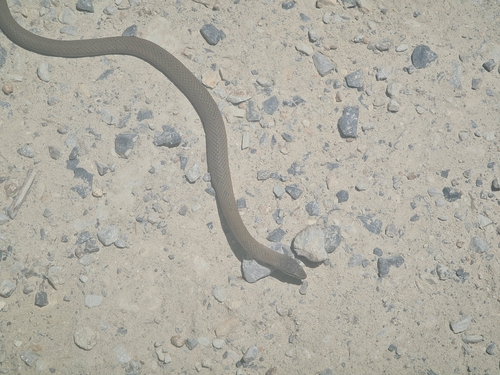 White-lipped SnakeDrysdalia coronoidesVenomous
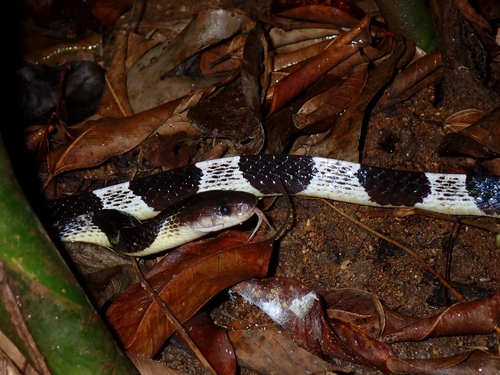 Malayan KraitBungarus candidusVenomous
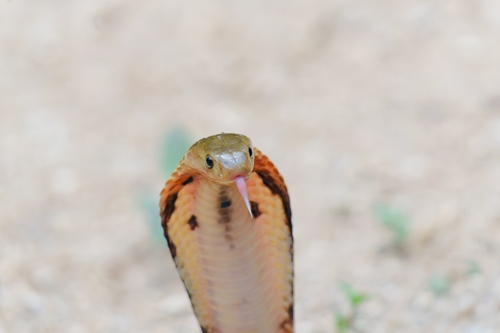 Equatorial Spitting CobraNaja sumatranaVenomous
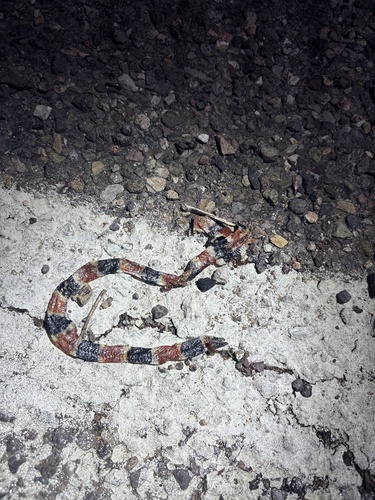 Sonoran CoralsnakeMicruroides euryxanthusVenomous
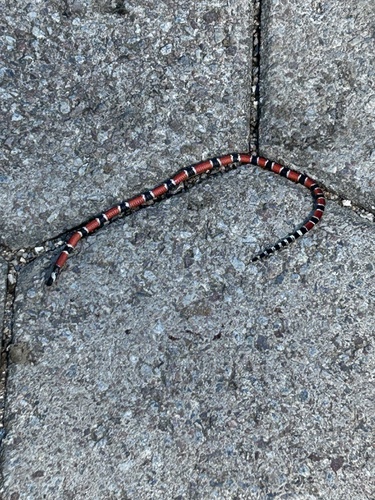 Painted CoralsnakeMicrurus corallinusVenomous
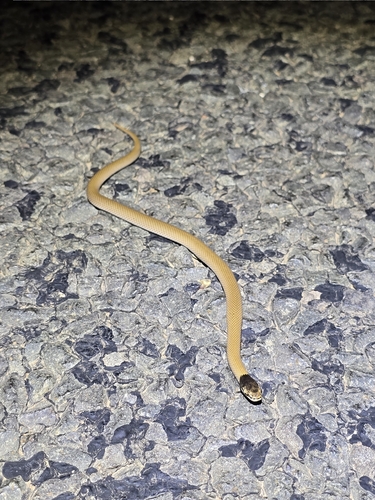 Curl SnakeSuta sutaVenomous
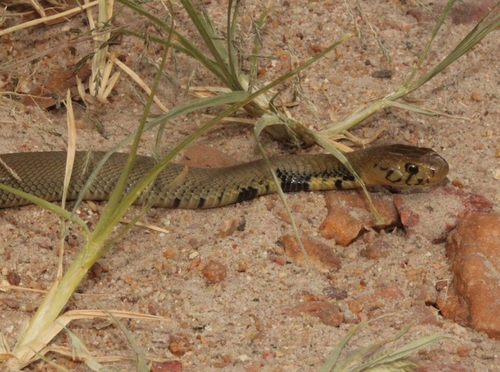 Mozambique Spitting CobraNaja mossambicaVenomous
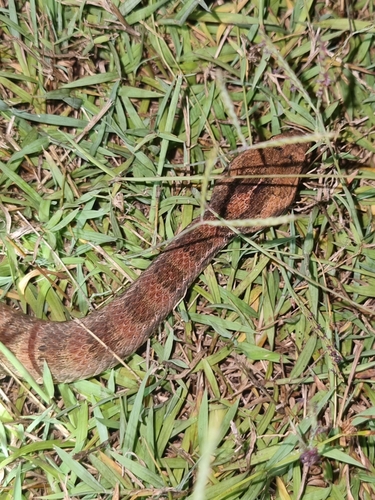 Southern Death AdderAcanthophis antarcticusVenomous
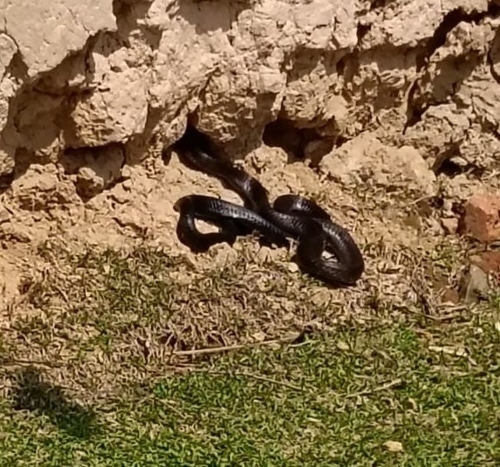 Monocled CobraNaja kaouthiaVenomous
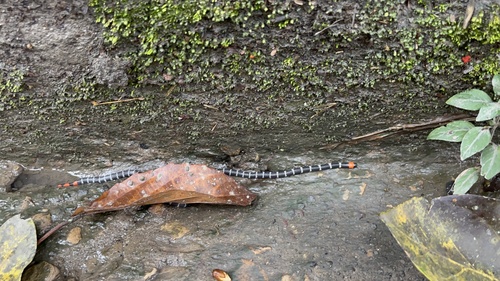 Redtail CoralsnakeMicrurus mipartitusVenomous
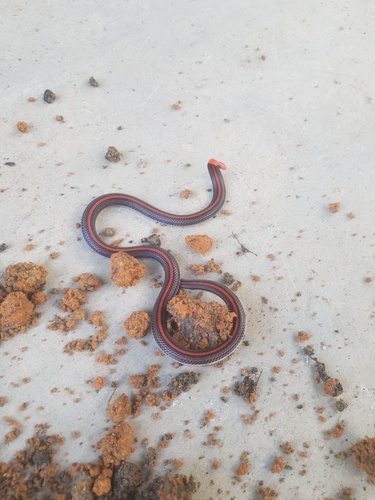 Banded Malaysian CoralsnakeCalliophis intestinalisVenomous
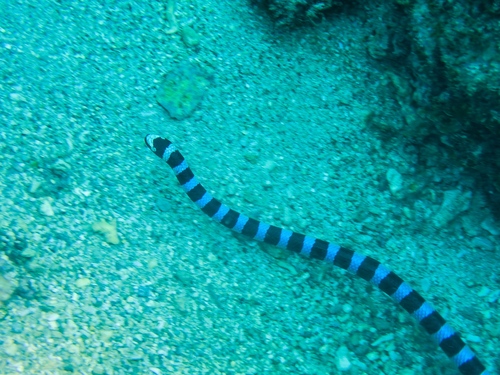 Blue-lipped Sea KraitLaticauda laticaudataVenomous
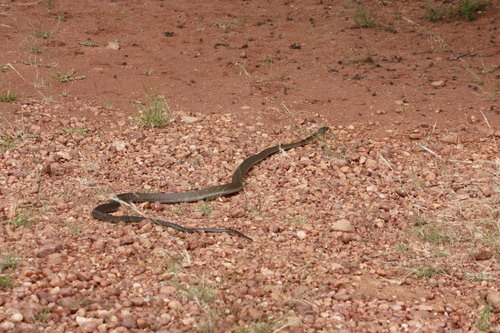 Black MambaDendroaspis polylepisVenomous
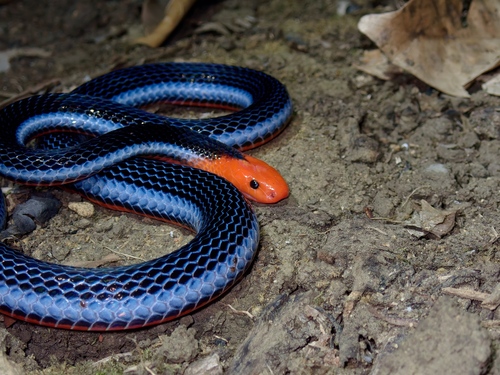 Blue Malaysian CoralsnakeCalliophis bivirgatusVenomous
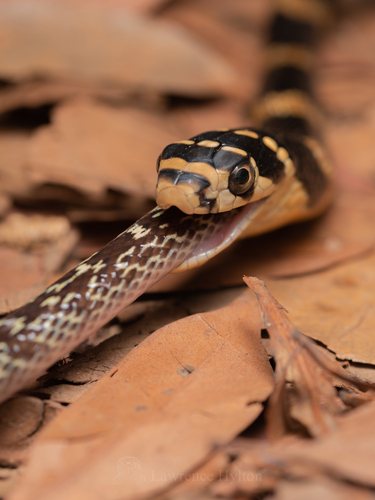 Northern King CobraOphiophagus hannahVenomous
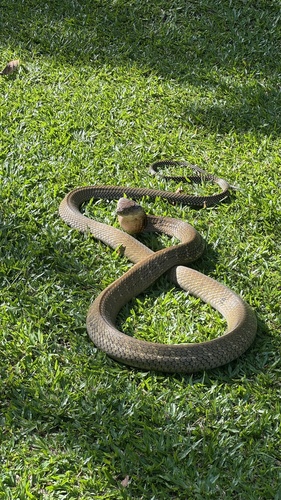 Sunda King CobraOphiophagus bungarusVenomous
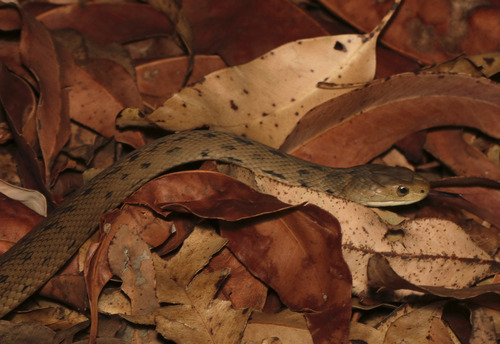 Rough-scaled SnakeTropidechis carinatusVenomous
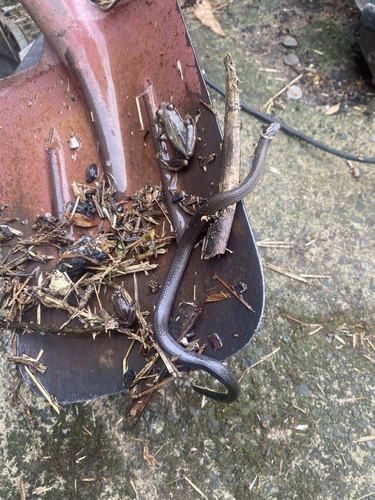 Southern Dwarf Crowned SnakeCacophis krefftiiVenomous
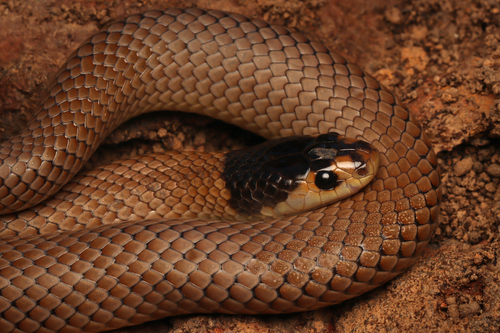 Whip Hooded SnakeSuta flagellumVenomous
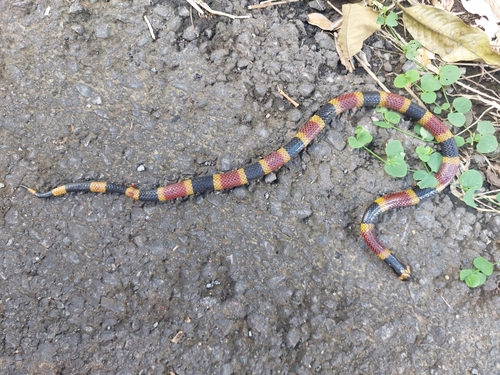 Costa Rican CoralsnakeMicrurus mosquitensisVenomous
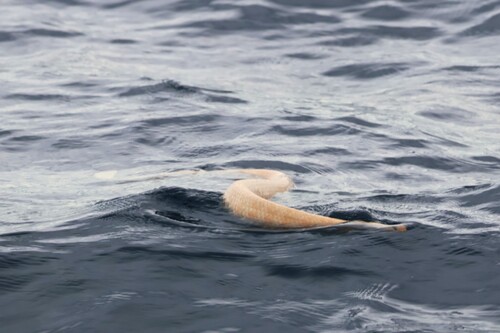 Olive Sea SnakeAipysurus laevisVenomous
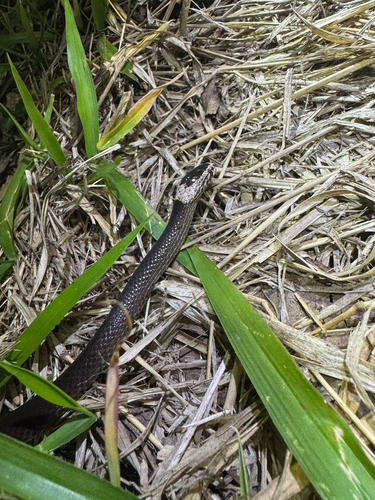 White-crowned SnakeCacophis harriettaeVenomous
Showing the 48 most commonly recorded. See all 339 venomous Elapidaespecies →
Dangerous Colubrids (36)
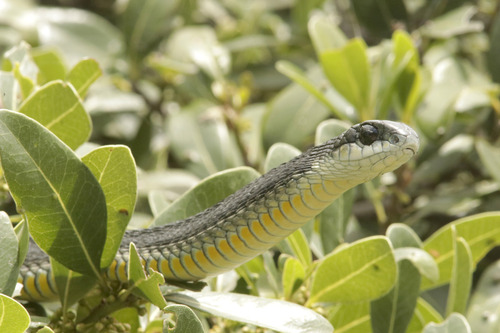 BoomslangDispholidus typusVenomous
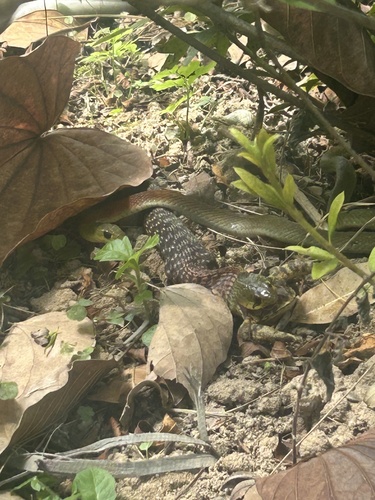 Heller's Red-necked KeelbackRhabdophis helleriVenomous
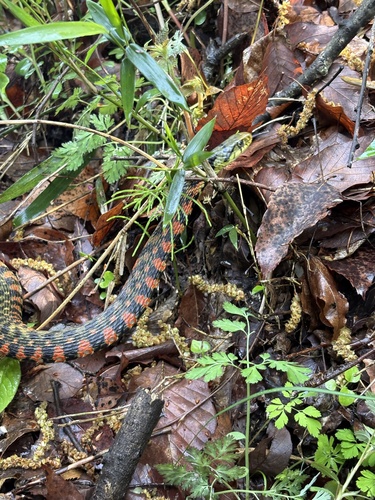 Tiger KeelbackRhabdophis tigrinusVenomous
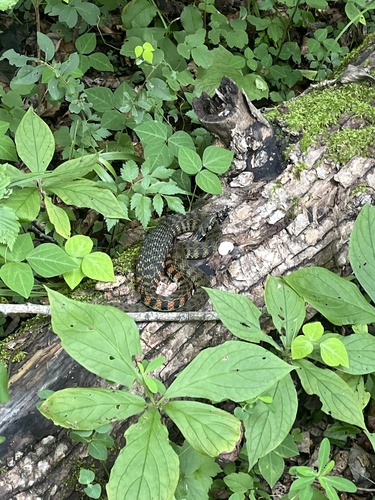 Chinese Tiger KeelbackRhabdophis lateralisVenomous
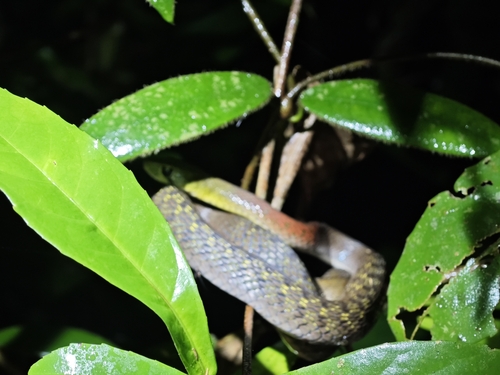 Siamese Red-necked KeelbackRhabdophis siamensisVenomous
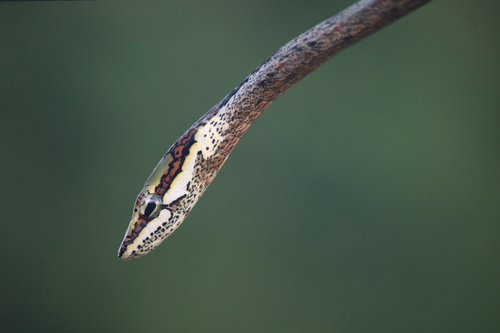 Twig SnakeThelotornis capensisVenomous
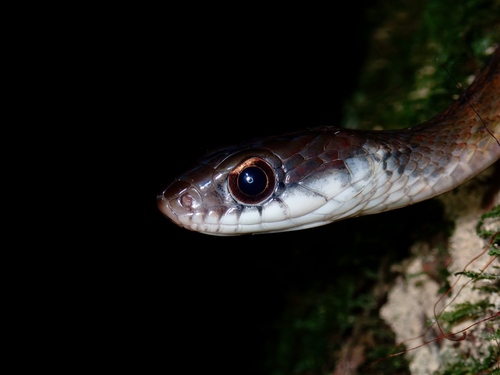 Specklebelly KeelbackRhabdophis chrysargosVenomous
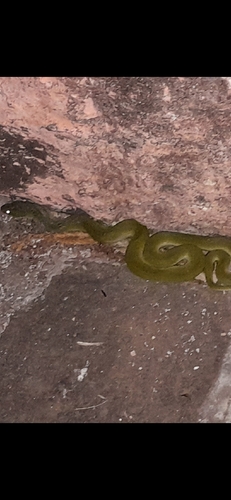 Green KeelbackRhabdophis plumbicolorVenomous
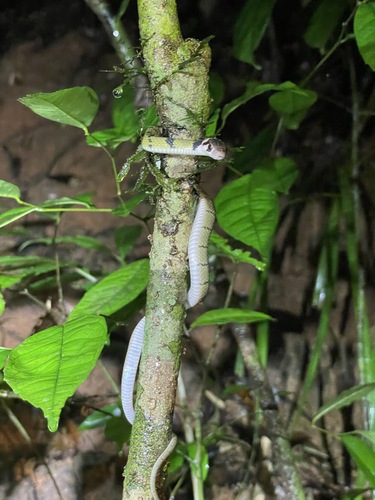 Banded KeelbackRhabdophis nigrocinctusVenomous
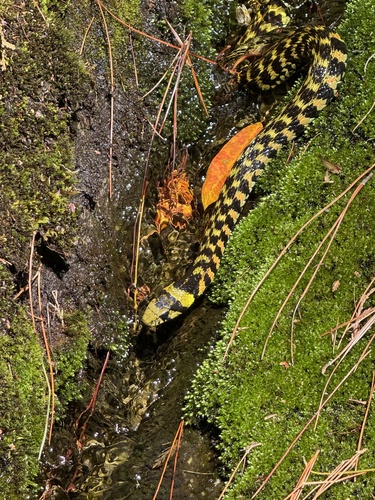 Taiwan tiger keelbackRhabdophis formosanusVenomous
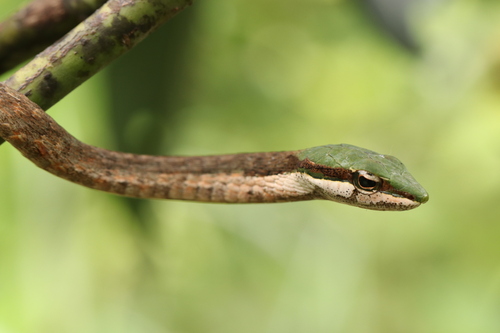 Eastern Twig SnakeThelotornis mossambicanusVenomous
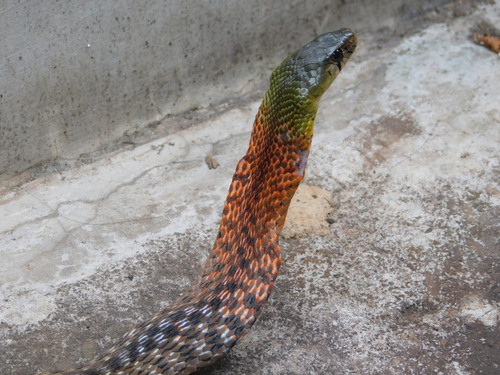 Red-necked KeelbackRhabdophis subminiatusVenomous
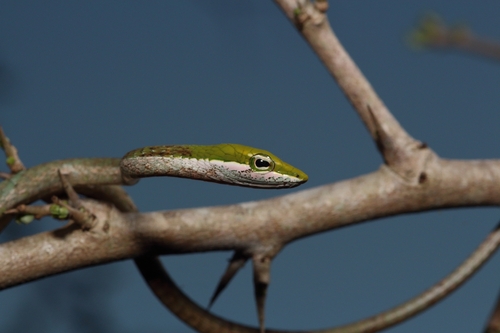 Usambara Vine SnakeThelotornis usambaricusVenomous
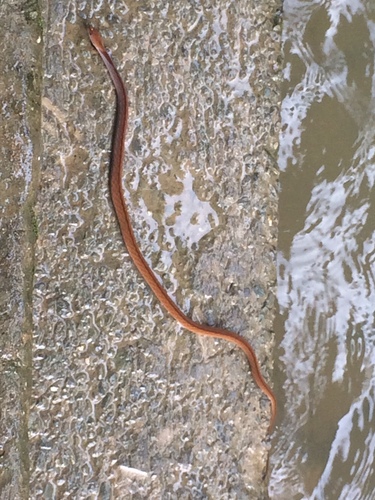 Blue-necked KeelbackRhabdophis rhodomelasVenomous
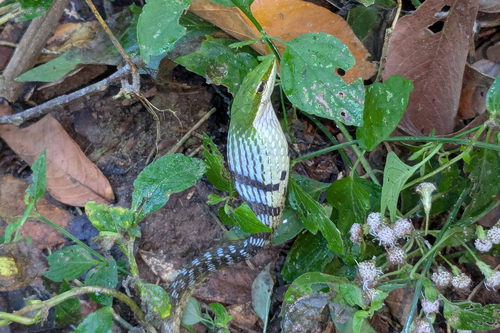 Bird SnakeThelotornis kirtlandiiVenomous
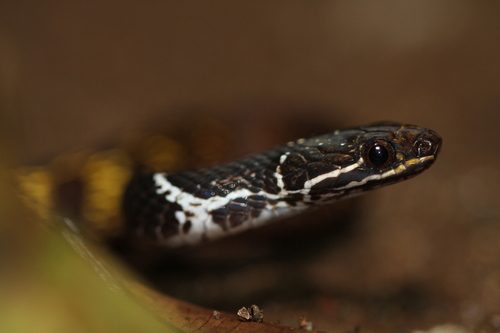 Red-bellied KeelbackRhabdophis conspicillatusVenomous
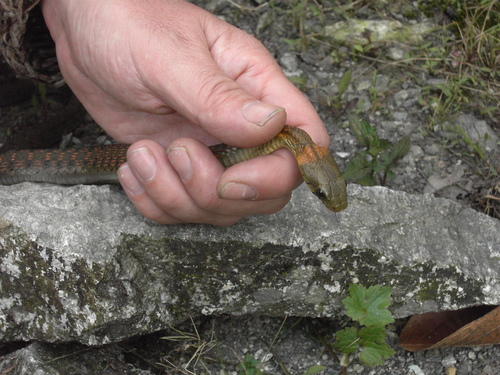 Orange-collared KeelbackRhabdophis himalayanusVenomous
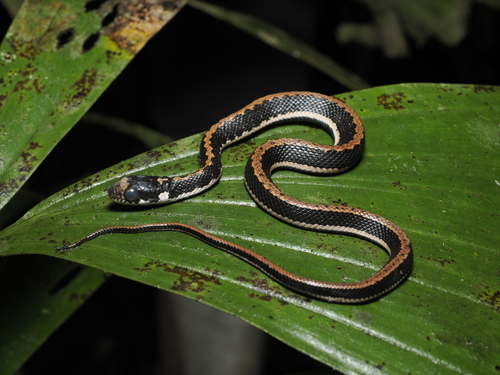 Günther's KeelbackRhabdophis chrysargoidesVenomous
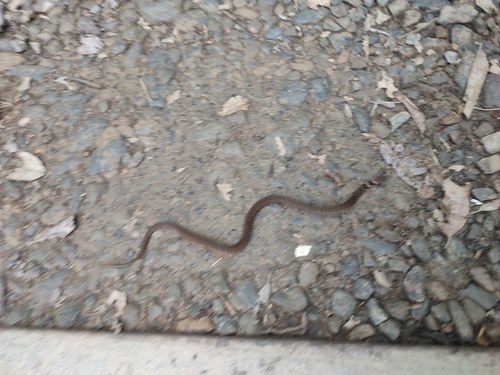 Taiwan KeelbackRhabdophis swinhonisVenomous
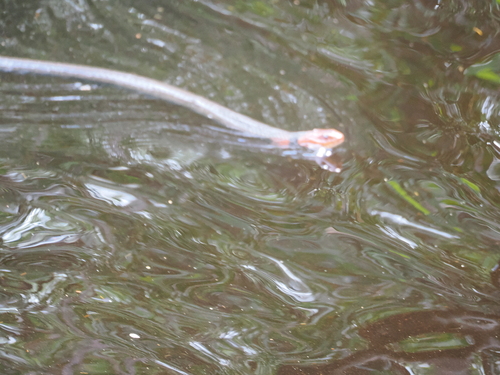 Orange-lipped KeelbackRhabdophis flavicepsVenomous
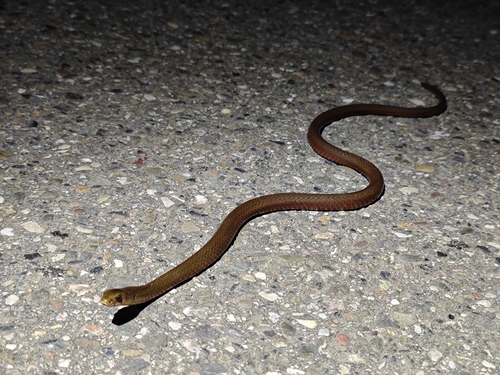 Chiwen keelbackRhabdophis chiwenVenomous
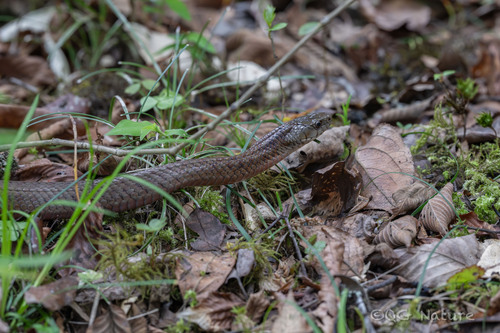 Leonard's KeelbackRhabdophis leonardiVenomous
 Groove-necked Keel-backRhabdophis nuchalisVenomous
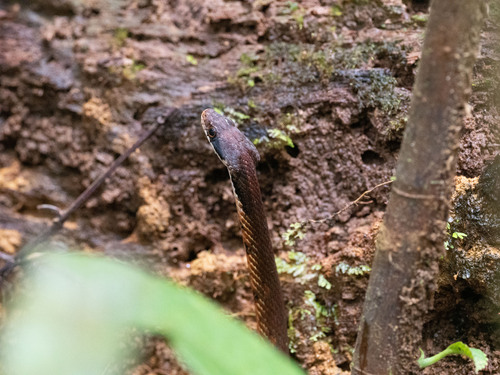 Blossom KraitRhabdophis ceylonensisVenomous
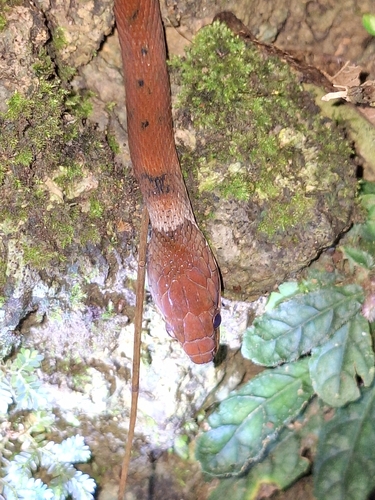 Zigzag-lined Water SnakeRhabdophis lineatusVenomous
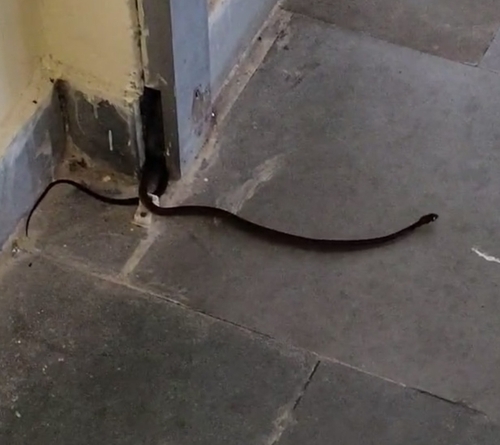 Bindee keelbackRhabdophis bindiVenomous
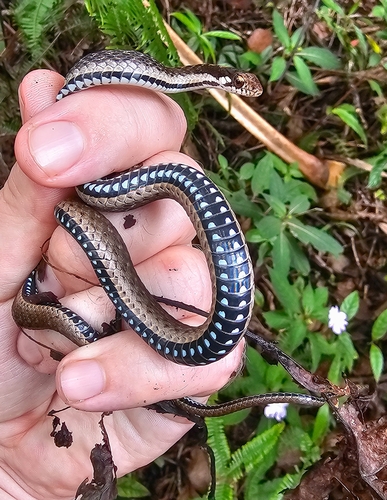 White-lined Water SnakeRhabdophis auriculatusVenomous
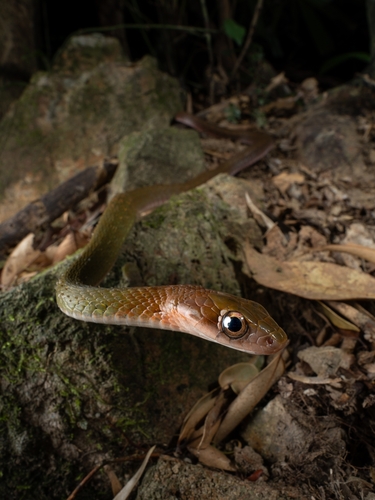 Adler's KeelbackRhabdophis adleriVenomous
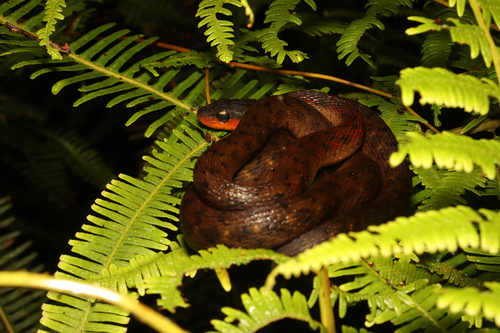 Gunung Murud KeelbackRhabdophis murudensisVenomous
- Mount Gongga KeelbackRhabdophis pentasupralabialisVenomous
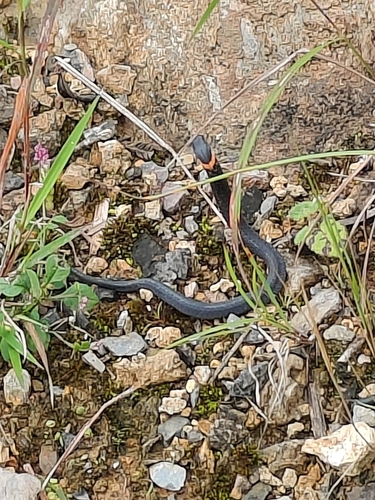 H’mong keelbackRhabdophis hmongorumVenomous
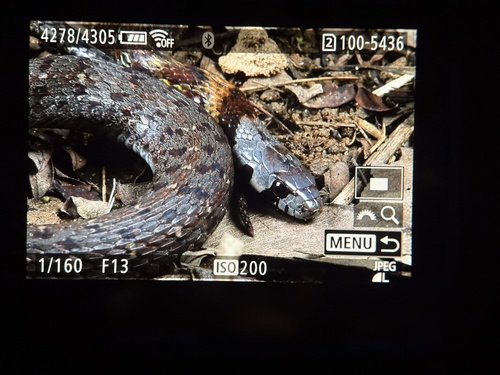 Angel’s KeelbackRhabdophis angeliVenomous
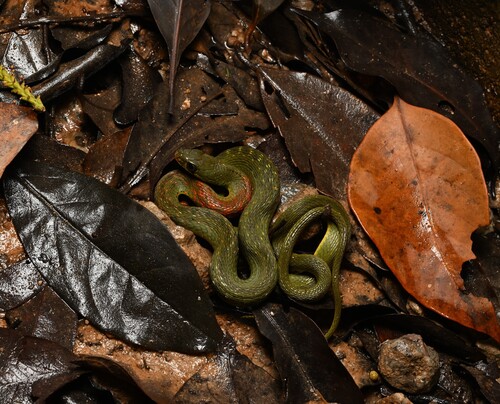 Hainan KeelbackRhabdophis confususVenomous
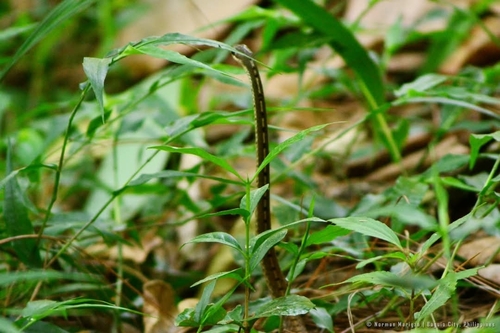 Barbour's Water SnakeRhabdophis barbouriVenomous
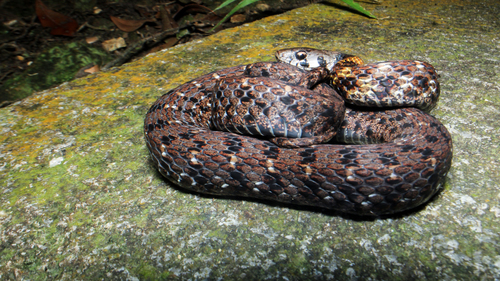 Guangdong keelbackRhabdophis guangdongensisVenomous
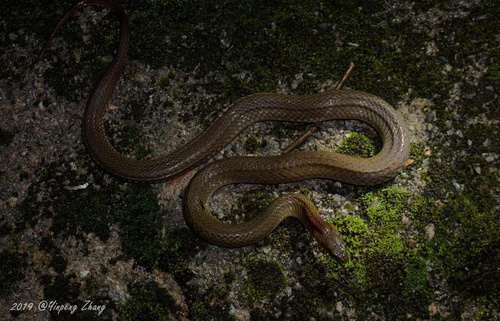 Rhabdophis kaiyuanensisVenomous
Stiletto Snakes (Burrowing Asps) (21)
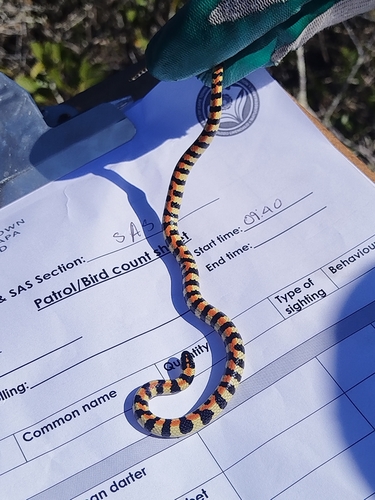 Spotted Harlequin SnakeHomoroselaps lacteusVenomous
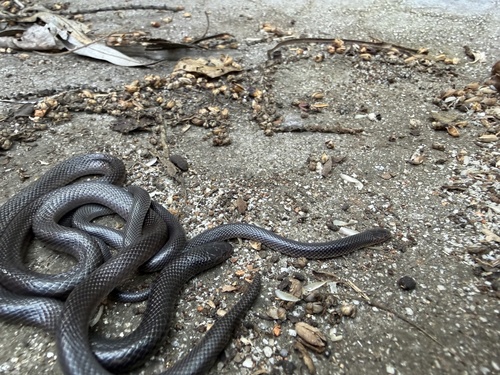 Southern Stiletto SnakeAtractaspis bibroniiVenomous
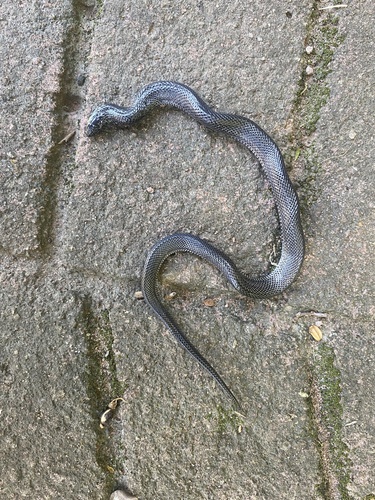 Natal Black SnakeMacrelaps microlepidotusVenomous
 Müller's SnakeMicrelaps muelleriVenomous
 Israeli Mole ViperAtractaspis engaddensisVenomous
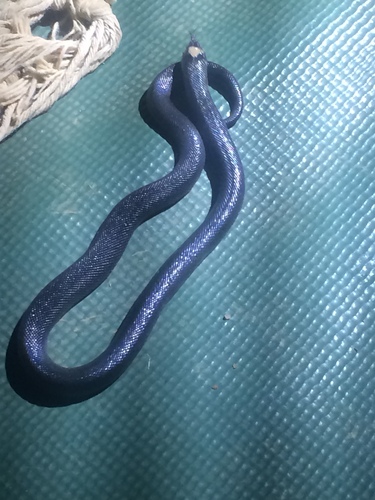 Peters' Burrowing AspAtractaspis fallaxVenomous
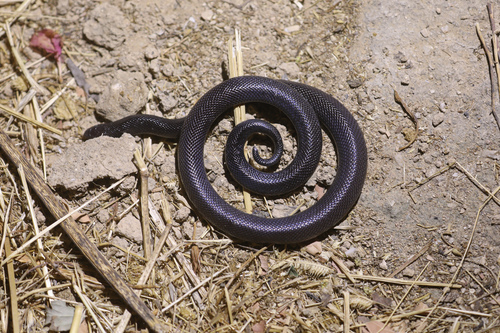 Anderson's Stiletto SnakeAtractaspis andersoniiVenomous
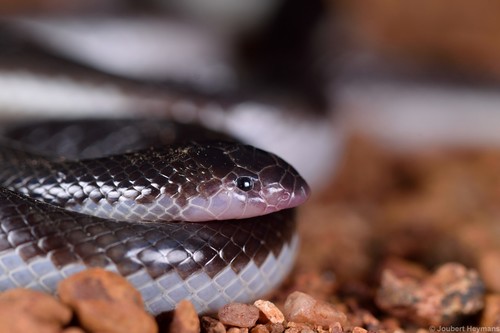 Beaked Burrowing AspAtractaspis duerdeniVenomous
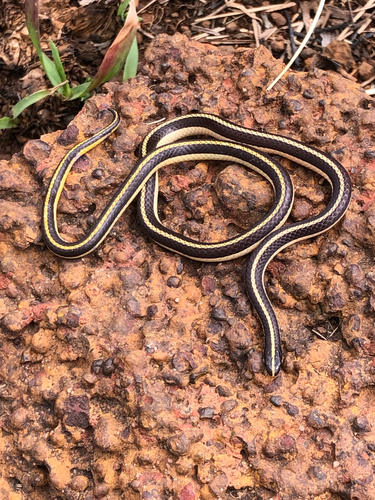 Striped Harlequin SnakeHomoroselaps dorsalisVenomous
 Variable Burrowing AspAtractaspis irregularisVenomous
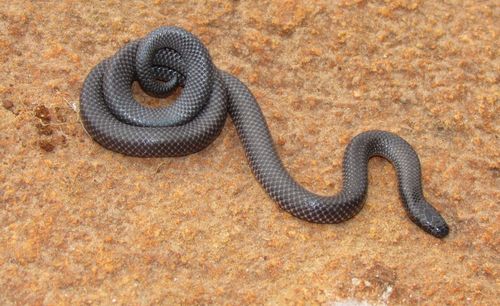 Black-headed MicrelapsMicrelaps vaillantiVenomous
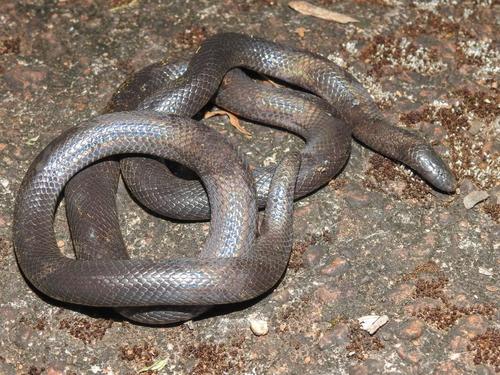 Western Forest Stiletto SnakeAtractaspis aterrimaVenomous
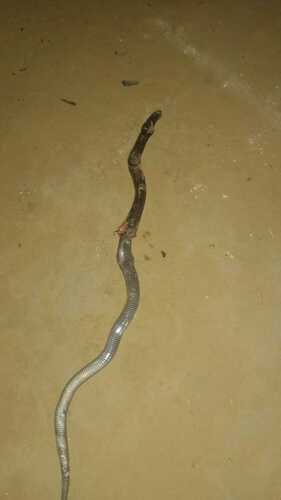 Watson’s Burrowing AspAtractaspis watsoniVenomous
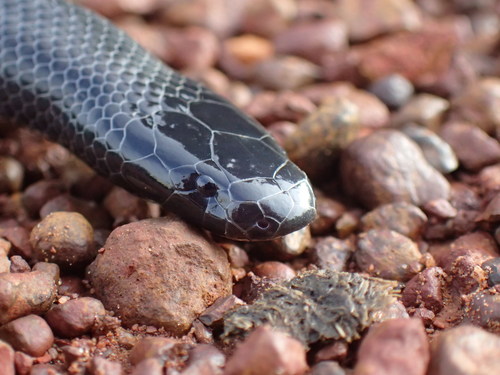 Congo Burrowing AspAtractaspis congicaVenomous
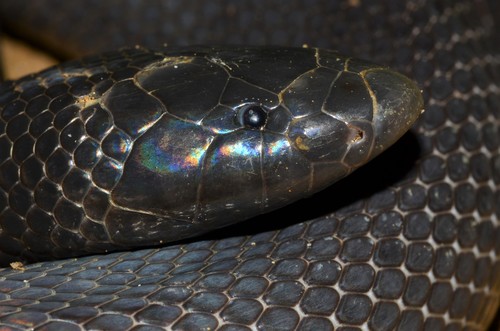 Fat Burrowing AspAtractaspis corpulentaVenomous
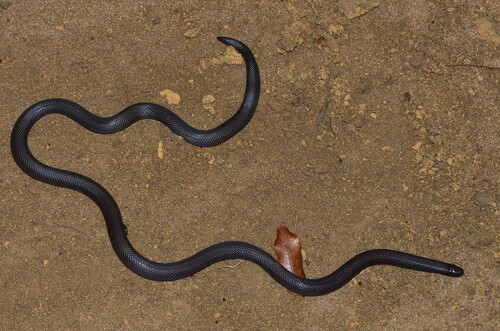 Reticulate Burrowing AspAtractaspis reticulataVenomous
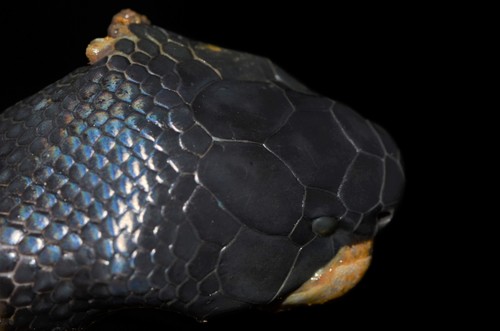 Boulenger's Burrowing AspAtractaspis boulengeriVenomous
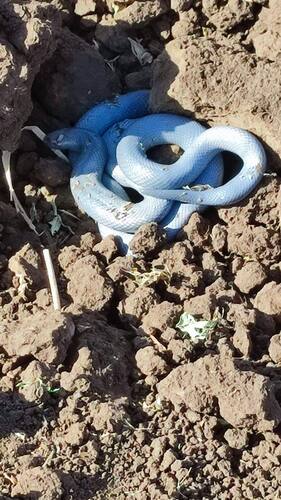 Phillips' Burrowing AspAtractaspis phillipsiVenomous
 Kenya Two-headed SnakeMicrelaps bicoloratusVenomous
- No photoDahomey Burrowing AspAtractaspis dahomeyensisVenomous
- No photoSahelian Burrowing AspAtractaspis micropholisVenomous
Telling venomous from harmless
Folk rules exist, but every one of them has real exceptions. Use them to build awareness, never to decide whether a snake is safe to approach. In a real encounter, the only safe assumption is to keep your distance from any snake you cannot positively identify.
- A broad, triangular head suggests a pit viper such as a rattlesnake or copperhead, but many harmless snakes flatten their heads to mimic that shape when threatened.
- Vertical, cat-like pupils are common in pit vipers, while harmless species tend to have round pupils. Coral snakes, which are venomous, have round pupils, so this rule fails for them outright.
- Rattlesnakes often buzz a rattle, but young rattlers may have only a button, and harmless snakes can vibrate their tails in dry leaves to imitate the sound.
- The coral snake rhyme (“red touches yellow, kills a fellow”) only applies to North American coral snakes and does not hold worldwide. Do not bet a bite on a rhyme.
- You cannot reliably judge venom by color or size. When in doubt, treat the snake as venomous, back away, and give it room to leave.
Keep exploring
Not sure what you saw? Walk through the snake identifier, or see exactly which species, venomous and harmless, live near you in the state and province guide.
Keep learning
- Are Snakes Dangerous? The Real Risk, in PerspectiveMost snakes are harmless and avoid people. Here is the honest picture of snakebite risk worldwide and how to lower your own.
- Snakebite First Aid: What to Do (and What Never to Do)A clear, CDC-based guide to snakebite first aid: the steps that help, the popular myths that hurt, and how to tell a serious bite from a minor one.
- The Most Venomous Snakes in the WorldWhat makes a snake the most venomous, why lab toxicity differs from real-world danger, and the species that stand out worldwide.
- Venomous vs Nonvenomous: How to Tell the DifferenceThe folk rules for telling venomous snakes apart, where each one fails, and why location-based identification beats guessing by sight.