
Staying safe
Snakebite First Aid: What to Do (and What Never to Do)
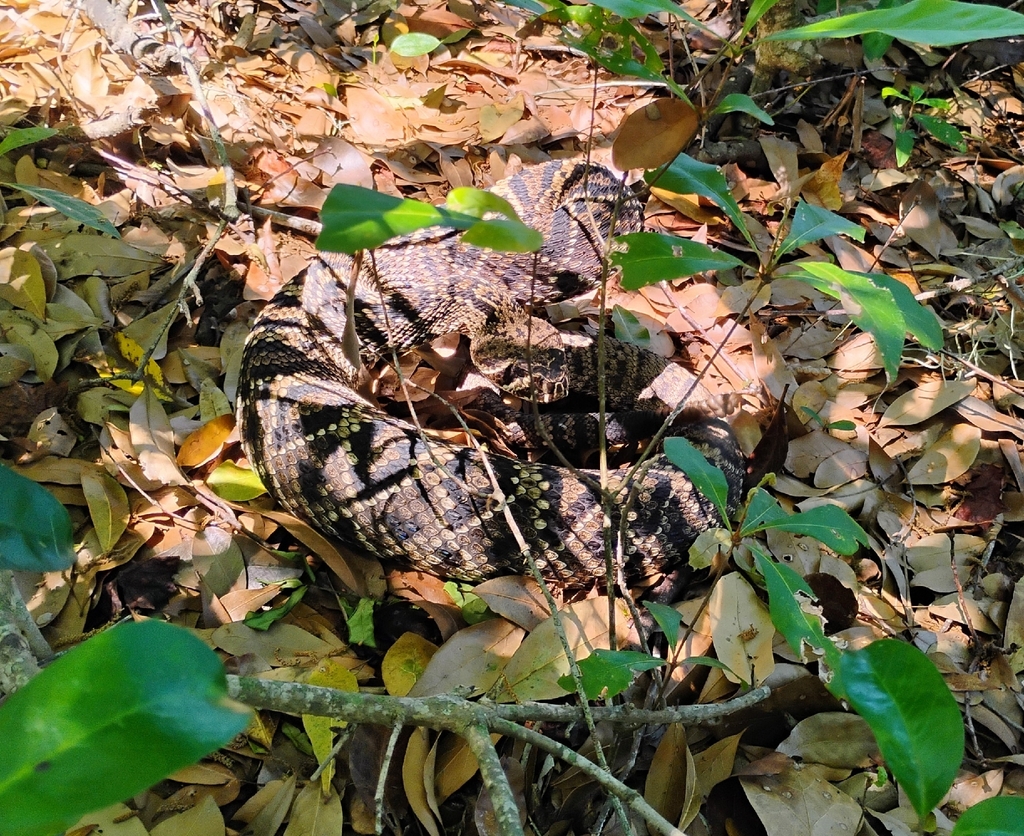
A venomous snakebite is a medical emergency, but most bites are survivable with prompt, correct care, and a large share of the harm done after a bite comes from well-meaning first aid that does not work. This guide covers what genuinely helps, drawn from the U.S. Centers for Disease Control and Prevention, and the once-common measures that modern medicine has abandoned.
Do these things
Get away from the snake. Move out of striking range and do not try again to handle, capture, or kill it; many bites happen during a second attempt.
Call for help immediately. In the United States dial 911 or Poison Control at 1-800-222-1222; elsewhere call your local emergency number. Antivenom works best when it is given early.
Keep the person calm and still, and keep the bitten limb roughly at or slightly below the level of the heart. Reducing movement slows the spread of venom.
Remove rings, watches, and tight clothing near the bite before swelling begins, and note the time the bite happened.
If you can do so safely from a distance, take a phone photo of the snake to help responders. Do not delay care to do this, and never chase the animal.
Never do these things
Do not cut the wound or try to suck out the venom. It does not remove meaningful venom and adds injury and infection.
Do not apply a tourniquet or ice. Cutting off blood flow concentrates venom and can cost a limb.
Do not drink alcohol or caffeine, which can speed venom absorption.
Do not take aspirin or ibuprofen, which can worsen bleeding; acetaminophen is a safer choice for pain while you get to care.
Do not wait for symptoms before seeking help. Some serious bites, including coral snake bites, can have delayed effects.
How serious is the bite?
Many venomous bites are 'dry,' delivering little or no venom, but you cannot reliably judge this in the field, so every bite from a venomous or unidentified snake needs medical evaluation.
Warning signs of significant envenomation include rapidly spreading pain and swelling, bruising, bleeding from the bite or gums, nausea, sweating, blurred vision, difficulty breathing, or drooping eyelids. Any of these means get to a hospital fast.
A bite from a known harmless species still deserves cleaning and a watch for infection, but it is not a venom emergency.
After the hospital
Hospitals treat serious bites with antivenom and supportive care, and most people recover fully. Follow-up matters because swelling, tissue effects, and rare allergic reactions to antivenom can develop over the following days.
Frequently asked
- Should I use a snakebite kit with suction?
- No. Suction devices and 'extractor' kits do not remove a meaningful amount of venom and can damage tissue. They are not recommended.
- Can I drive myself to the hospital?
- If no ambulance is available it may be necessary, but it is safer to be driven so you can stay still and because symptoms can worsen quickly. Call ahead so the hospital can prepare antivenom.
- What if I am not sure the snake was venomous?
- Treat it as a potential venomous bite and seek medical care. It is far safer to be checked and cleared than to wait.
Last reviewed June 22, 2026. Informational only, and not a substitute for professional medical or wildlife advice.