
Boidae
Western Rainbow Boa
HarmlessEpicrates cenchria
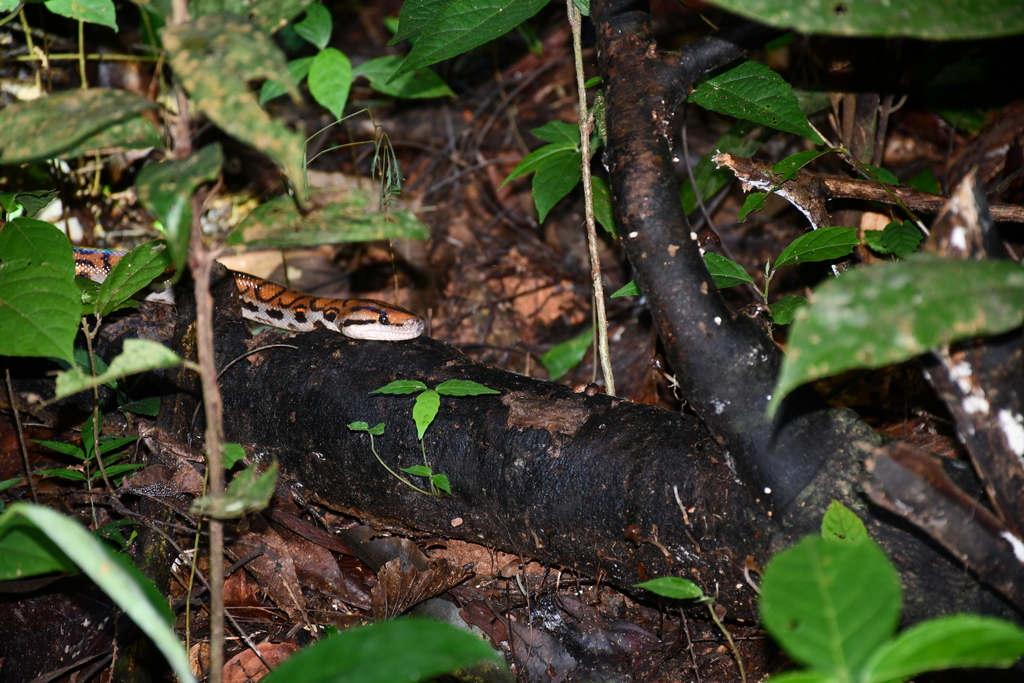
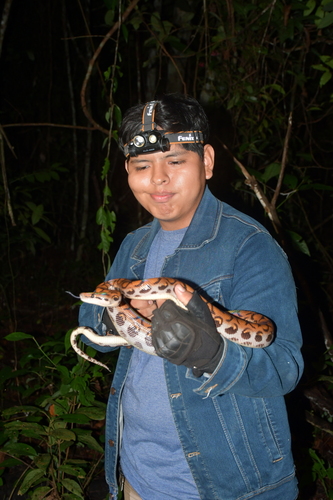
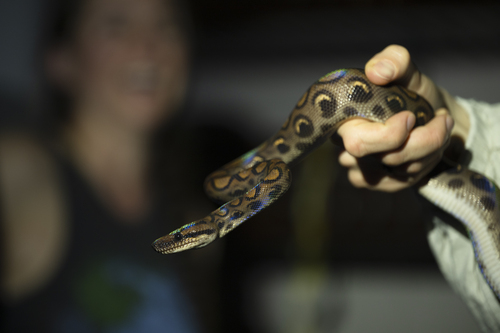
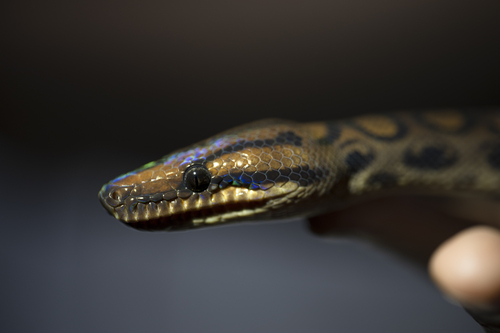
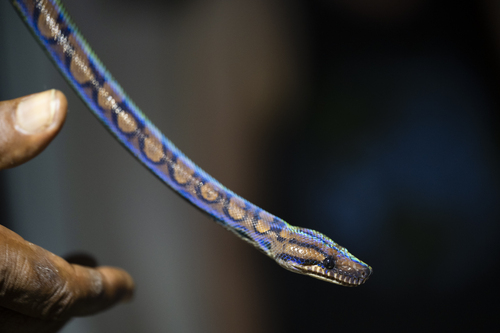
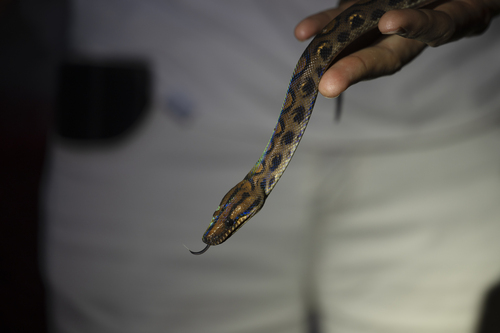
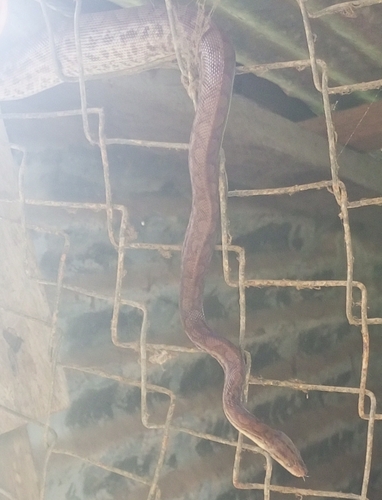
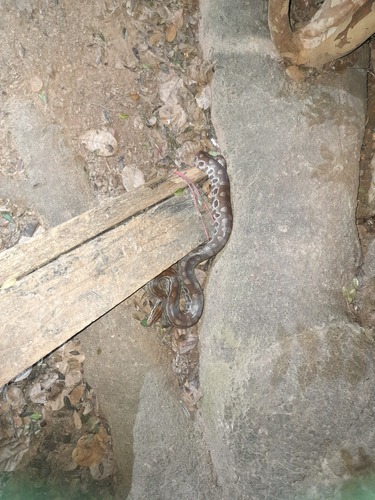
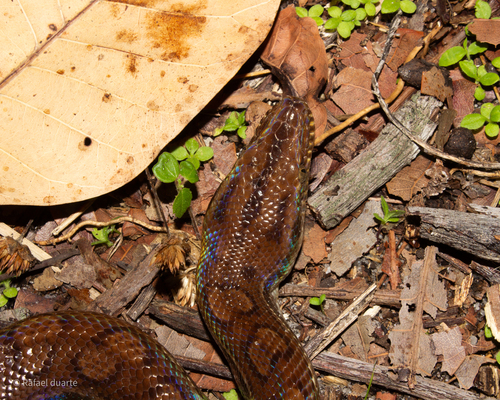
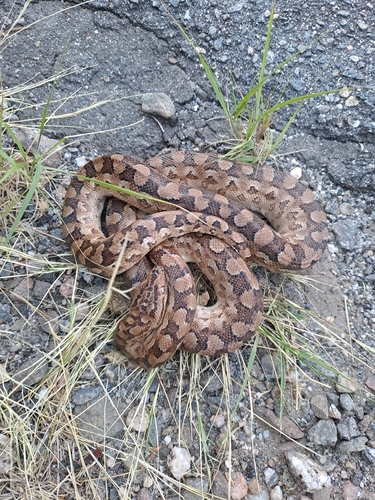
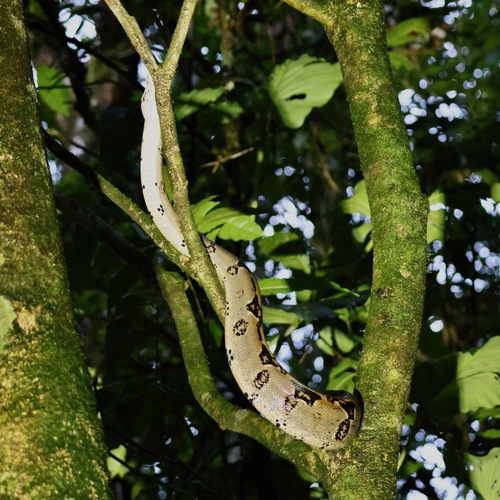
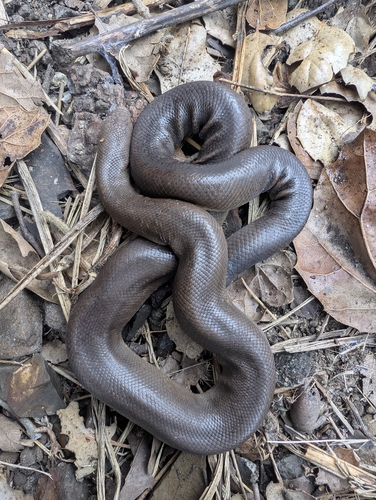
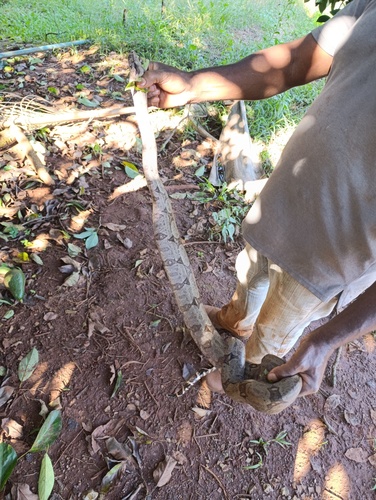
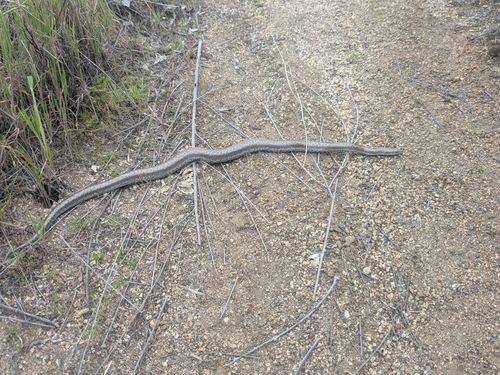
6 photographs of the Western Rainbow Boa. © Vincent A. Vos.
The Western Rainbow Boa (Epicrates cenchria) is a non-venomous snake in the Boidae family, recorded in 18 countries.
- Family
- Boidae
About the Western Rainbow Boa
The rainbow boa (Epicrates cenchria) is a boa species endemic to Central and South America. A semi-arboreal species (not only do they climb in the wild but also proven in captivity), it is known for its attractive iridescent/holographic sheen caused by structural coloration. Five subspecies are currently recognized, including the nominate subspecies described here.
Distribution and habitat
The rainbow boa is found in lower Central America (Costa Rica and Panama), and farther south into South America. It occurs east of the Andes, roughly reaching northern Argentina (in the provinces Chaco, Córdoba, Corrientes, Formosa, Salta, Santiago del Estero and Tucumán).
The rainbow boa's habitat generally consists of humid woodlands and rainforests, but it can also be found in open savannas.
Description
The rainbow boa is typically orange, brown, or reddish brown, with a paler belly and black markings: three parallel stripes on the head, rings down the back, and lateral blotches with a crescent over them, although there is a great deal of natural variation that may be heightened by artificial breeding. It is 4 to 6 feet in length and sexually dimorphic, as females are slightly longer and have wider abdomens. Males are stronger when compared with females of the same length and more resistant to handling.
Behavior
The rainbow boa is nocturnal and most active in the middle of the night.
This species is semi-arboreal, spending time both on the ground and in trees. It is also known to spend time in bodies of water, and is considered a capable swimmer.
Mating habits
The rainbow boa reaches sexual maturity at 1.2 meters for males and 1.4 meters for females, or when they're approximately 2.5 to 4 years old. Females need to be the correct size otherwise they could have complications during and after birth. Males can mate with multiple females which can be beneficial for reptile breeding.
Eating habits during breeding season
Males generally go without feeding during the mating season and females tend to eat smaller portions during the breeding season. In order to decrease the probability of birthing issues, females should be fed smaller rats/mice in order to save space for proper ova development.
It is not unusual for both sexes to go without eating during the mating season.
Captivity
The most common type of rainbow boa found in the pet trade is the Brazilian rainbow boa, E. c. cenchria. During the 1980s and early 1990s, substantial numbers were exported from Suriname. Today, however, far fewer are exported, and most offered for sale are captive bred. With good care, a captive Brazilian rainbow boa can be expected to live for up to 30 years, but most live up to 20.
Subspecies
Etymology
The subspecific names barbouri and gaigeae are in honor of American herpetologists Thomas Barbour and Helen Beulah Thompson Gaige, respectively.
Adapted from Wikipedia, available under CC BY-SA.
Frequently asked: Western Rainbow Boa
- Is the Western Rainbow Boa venomous?
- No. The Western Rainbow Boa (Epicrates cenchria) is non-venomous and is not considered dangerous to humans. Like most snakes, it will retreat rather than bite when given the chance.
- Is the Western Rainbow Boa poisonous?
- Snakes are venomous, not poisonous. "Poisonous" means harmful to eat or touch; "venomous" means injecting toxins through a bite. The Western Rainbow Boa is neither poisonous nor venomous.
- Is the Western Rainbow Boa dangerous?
- The Western Rainbow Boa is not dangerous to humans. It has no medically significant venom and bites only defensively if cornered or handled.
- Where does the Western Rainbow Boa live?
- The Western Rainbow Boa has verified records in 18 countries, including Brazil, Colombia, Peru. See the distribution section below for its full range.
- Why is it called the Western Rainbow Boa?
- The subspecific names barbouri and gaigeae are in honor of American herpetologists Thomas Barbour and Helen Beulah Thompson Gaige, respectively.
Where it is found
By U.S. state
More Boidae snakes
Classification
How scientists group this snake, from the broadest category down to the exact species. Each step narrows to its closest relatives.
Keep learning
- What to Do If You Find a SnakeFound a snake at home or on a trail? Here is how to stay calm, give it space, identify it safely, and know when to call a professional.
- Venomous vs Nonvenomous: How to Tell the DifferenceThe folk rules for telling venomous snakes apart, where each one fails, and why location-based identification beats guessing by sight.
- What Is a Snake? Anatomy and the BasicsA clear overview of what makes a snake a snake: limbless body plan, anatomy, evolution from lizards, species diversity, and why they are ectothermic.
- How to Keep Snakes Out of Your Yard and HomeA practical guide to keeping snakes out of your yard and home using habitat changes that work, plus what to skip and what to do if one shows up.
Distribution from GBIF & iNaturalist. Venom status per CDC. Background: Wikipedia. Informational only. Never handle a snake to identify it.