
Staying safe
What to Do If You Find a Snake
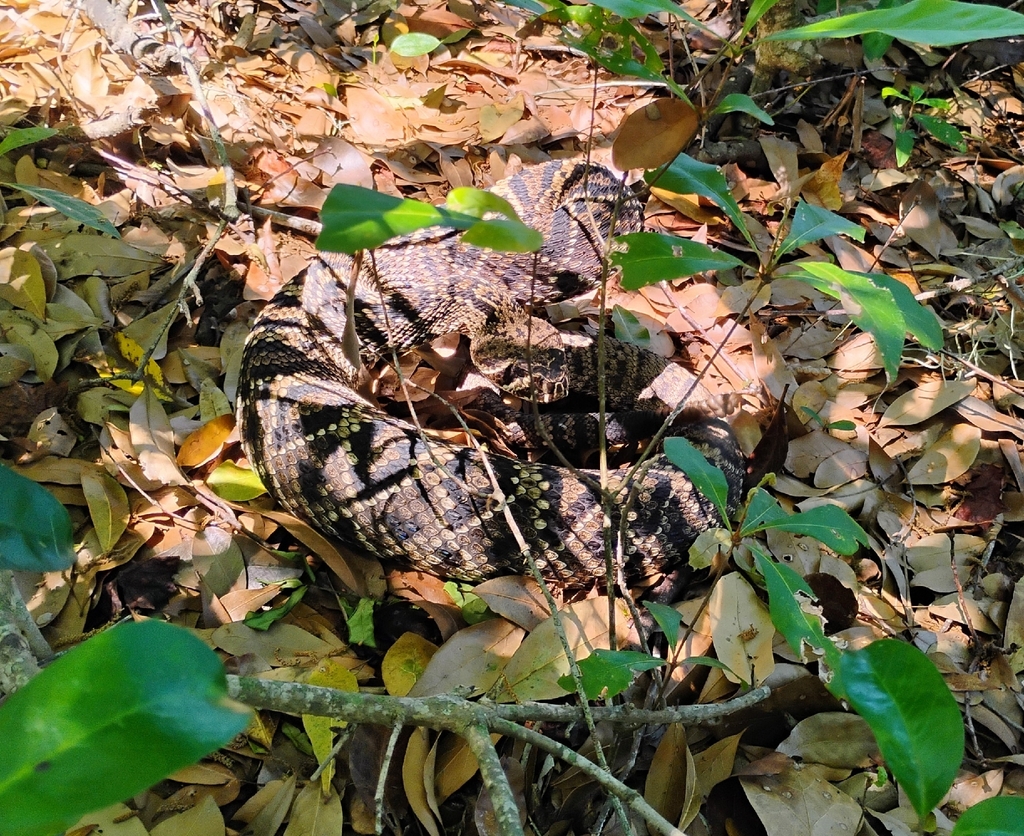
Finding a snake is startling, but most encounters end without harm to you or the snake. The vast majority of snakes you meet are harmless, and almost all of them want to get away from you as much as you want them gone. This guide walks through how to react calmly, identify the snake from a safe distance, encourage a harmless one to leave on its own, and recognize the situations that call for a professional.
The golden rule: stop, give it space, let it leave
The single most important thing to do is stop moving and put distance between yourself and the snake. Snakes do not chase people. They strike or bite defensively, almost always because they feel cornered or stepped on. If you back away slowly and give the animal room, the danger drops to nearly zero.
Most snakes are far more interested in escaping than in confronting you. Outdoors, a snake will usually move off on its own within minutes if you stay back and stop crowding it. A good rule of thumb is to keep at least the snake's full body length between you and the animal, and more if you are unsure what it is.
Stay calm and keep your hands and feet away from the snake. Quick, sudden movements can make a nervous snake more defensive. Slow and deliberate is always safer than fast and panicked.
How to react based on where you find it
Outdoors in the yard or garden: keep your distance and let it move along. Garden snakes eat slugs, insects, and rodents, so a harmless one passing through is doing you a favor. Pull children and pets back and simply wait it out.
Inside the house: keep the snake in sight if you safely can, and confine it to one room by closing the door and blocking the gap underneath with a rolled towel. This keeps it from disappearing into the walls while you decide on next steps. If you cannot identify it, or it may be venomous, call a professional rather than approaching it.
Garage or basement: these are cool, dark spaces snakes wander into chasing rodents. Confine the area the same way, prop an exterior door open if there is a clear path outside, and remove clutter later so it has fewer places to hide.
Pool: a snake in the water is usually just trying to get out and cannot climb the smooth sides. Do not jump in with it. Extend a pool skimmer or a long pole and let it climb out on its own, or guide it toward the steps from a distance.
Window well: snakes fall in and get stuck because the walls are too steep to climb. Lower a rough board, a branch, or a knotted towel at an angle so the snake can climb out, then leave the area and let it escape on its own time.
While hiking: stop, look, and step around it with a wide margin. Never step over a snake you can see. Stay on the trail, watch where you put your hands and feet near rocks and logs, and let it move off before you continue.
If a snake is stuck on glue or netting
Snakes commonly get trapped on glue traps set for rodents and in loose garden or bird netting. A trapped snake is stressed and may bite, so do not try to free a snake you cannot confidently identify as harmless. For any snake that might be venomous, call a wildlife professional or animal control.
For a clearly harmless snake on a glue board, the trap can sometimes be released by working a thin layer of cooking oil or vegetable oil along the contact points to loosen the adhesive while the animal is supported. This is delicate, stressful work, and the safest choice for the snake is usually to let a wildlife rehabilitator or professional handle it.
For netting, the strands often cut into the body and require careful cutting away with scissors without pulling. Again, this is best left to a professional or rehabilitator if there is any doubt about the species or the severity of the entanglement.
Identify it safely from a distance or a photo
You do not need to get close to identify a snake. Look from a safe distance and note the overall color, any banding or blotches, the head shape, and how big it is. A zoomed-in photo from several feet away is one of the safest ways to capture those details without approaching the animal.
Use the photo with our identifier and compare tools to narrow down what you are looking at before you decide what to do. Matching the snake to a known harmless species can turn a scary situation into a simple wait-it-out.
Never pick up or move a snake just to get a better look. If you genuinely cannot tell what it is, treat it as potentially dangerous and keep your distance until it leaves or a professional arrives. When in doubt, assume the worst and act accordingly.
How to encourage a harmless snake outside
Once you are confident a snake is harmless and it is somewhere you would rather it not be, the goal is to give it an easy exit, not to grab it. Open the nearest door or gate that leads outside and clear a straight path toward it.
From a safe distance, you can gently guide the snake toward the exit using a long-handled broom or a push broom, nudging the floor near it rather than touching the snake itself. Move slowly so it heads where you want instead of darting under furniture.
Another low-stress method is the broom-and-box approach: slowly slide a large container or bin over the snake, then slide a stiff piece of cardboard underneath to cover the opening, all from arm's length using the broom. Carry the closed container outside and release the snake well away from the building. Only do this with a snake you have positively identified as harmless.
When to call a professional
Call a licensed wildlife removal service, animal control, or a pest professional if the snake is venomous, if you cannot identify it, or if it is inside your home and you are not certain it is harmless. These situations are not worth the risk of a do-it-yourself attempt.
Also call for help if the snake is in a hard-to-reach spot, if there are multiple snakes, if it is large, or if anyone in the household is at higher risk, such as small children, elderly residents, or pets that cannot be kept away. A professional has the tools and training to remove it without harm.
There is no shame in calling for help even with a harmless snake. Professional removal is fast, it gets the animal relocated safely, and it removes the chance of a defensive bite from a mistake in identification.
Keep pets and children back
Pets and curious children are the most common reason a calm encounter turns into a bite. Dogs in particular will lunge at and harass a snake, which provokes exactly the defensive strike you are trying to avoid. The first move in any encounter is to get them out of the area and indoors.
Bring pets inside and keep them leashed or contained until the snake is gone or removed. Keep children well back and calm, and turn the moment into a chance to teach them to look and not touch.
If a pet or child is bitten, contact a veterinarian or seek medical care right away rather than waiting to see what happens. This guide does not replace professional medical or veterinary advice.
What not to do
Do not try to catch, pick up, or handle the snake unless you are a trained professional. A large share of snakebites happen to people who were deliberately trying to grab, move, or mess with a snake.
Do not try to kill it. Killing a snake puts your hands and feet right in the strike zone and is the most dangerous thing you can do, and a severed snake head can still bite reflexively for a time. Many snakes are also protected, and the harmless ones control rodents and pests.
Do not corner it, poke it, throw things at it, or block its only escape route. A snake with nowhere to go is a snake that feels forced to defend itself. Give it an exit and the patience to use it.
Do not assume a snake is dead because it is still. Keep your distance from any snake, living or apparently dead, until you are sure of the species and the situation.
Frequently asked
- Will the snake chase me?
- No. Snakes do not chase people. If a snake moves in your direction it is almost always trying to reach cover or an escape route that happens to be behind you. Step aside, give it room, and it will keep going past you.
- How do I know if a snake is venomous?
- Venomous species vary by region, so the most reliable approach is to take a photo from a safe distance and check it against our identifier and compare tools. If you cannot positively identify the snake, treat it as if it could be venomous, keep your distance, and call a professional.
- There is a snake in my house. What should I do first?
- Keep it in sight if you safely can, then confine it to one room by closing the door and blocking the gap underneath with a rolled towel. Get pets and children out of the area. If you cannot confirm it is harmless, call a professional rather than approaching it.
- Is it safe to remove a harmless snake myself?
- Only if you have positively identified it as harmless. Give it an open door and guide it out from a distance with a long broom, or slide a container over it and a piece of cardboard underneath from arm's length, then release it outside. If you are not certain of the species, call for help instead.
- Should I kill the snake to be safe?
- No. Trying to kill a snake puts you in the strike zone and is the most likely way to get bitten. Most snakes are harmless and helpful, many are protected, and giving it space to leave is both safer and easier.
- A snake fell into my window well or pool. How do I get it out?
- Give it a way to climb out on its own. Lower a rough board, branch, or knotted towel at an angle into a window well, or extend a pool skimmer or long pole in a pool. Then back away and let the snake use the ramp without you handling it.
Last reviewed June 22, 2026. Informational only, and not a substitute for professional medical or wildlife advice.