
Colubridae
Striped Swampsnake
HarmlessLiodytes alleni
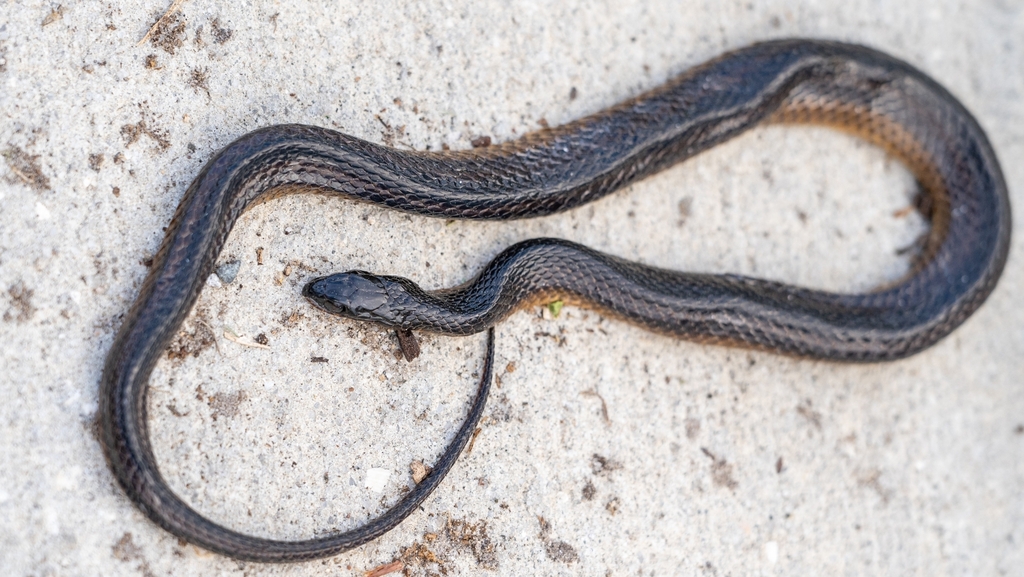
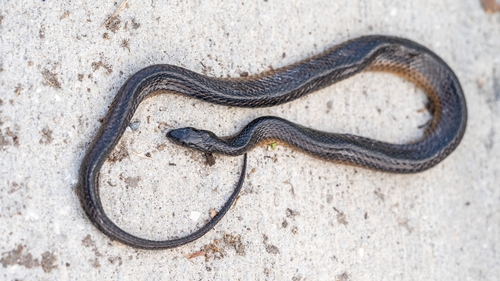
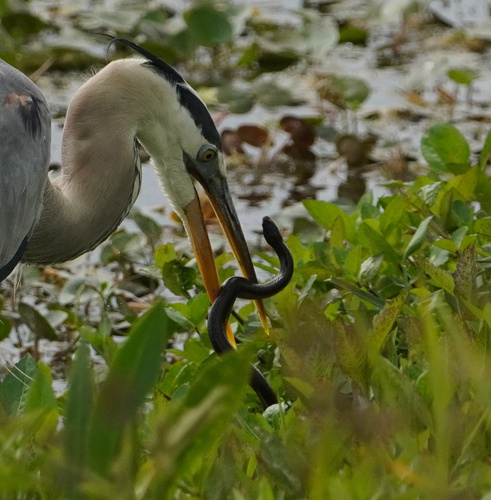
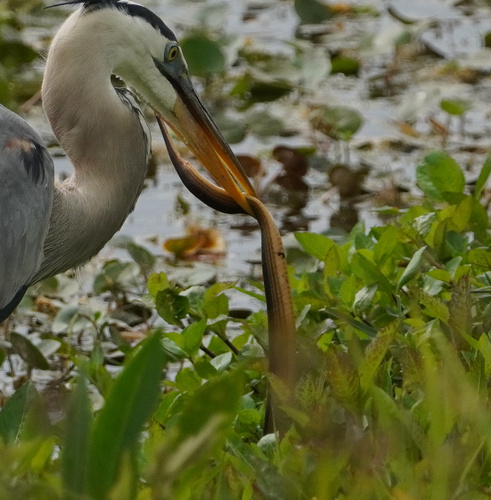
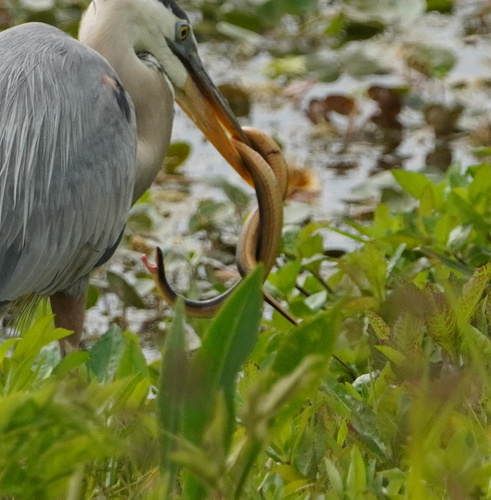
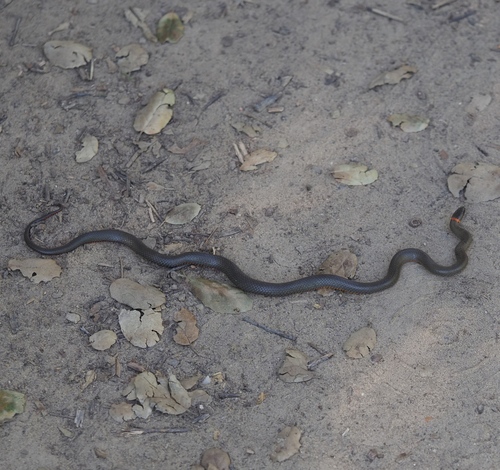
5 photographs of the Striped Swampsnake. © Jean Martins.
The Striped Swampsnake (Liodytes alleni) is a non-venomous snake in the Colubridae family, recorded in 1 country.
- Family
- Colubridae
About the Striped Swampsnake
The striped crayfish snake (Liodytes alleni) is a species of semiaquatic North American snake in the family Colubridae. The species derives its common name from its principal prey, crayfish. This snake is also called Allen's snake, the striped swamp snake, the striped swampsnake, or simply the swamp snake. It is endemic to peninsular Florida. Although rarely seen due to its secretive behavior, it can be found in large numbers in wet areas, with densities approaching 1,300 snakes per hectare (525 snakes per acre).
Etymology
The specific name, alleni, is in honor of American zoologist Joel Asaph Allen, who collected the type specimen.
Description
The striped crayfish snake is of "small medium" size, 33–50 centimetres (13–20 in) in total length (including tail), with a heavy body. The stripes which contribute to its common name are indistinct and located on the dark dorsal side. The ventral side is yellow with some dark spots. The dorsal scales, which are arranged in 19 rows at midbody, are smooth on the body, with some keeled scales in the anal region. There is a clear sexual dimorphism with the females being the larger sex. The striped crayfish snake is very similar to the glossy crayfish snake (Liodytes rigida rigida), but has one row of spots on the underside, whereas the glossy crayfish snake has two spots.
Natural habitat
The striped crayfish snake is a semiaquatic snake and is regularly found in swamps and open wetlands with heavy plant growth, cypress swamps, saw grass prairies, swamps, and roadside ditches. The snake has adapted well to the beds of water hyacinth that has taken over many waterways. Although the species is aquatic, it is rarely seen in moving water. The snake is primarily found in Florida. It is commonly found east of the central panhandle and in southeastern Georgia. The northern range limit is near the Florida-Georgia border.
Behavior and diet
The striped crayfish snake is active throughout the year except for the coldest months of winter. When active, it typically can be found among the roots of aquatic vegetation, and on land beneath logs or organic litter. It is active in still water during the day and probably at night. On cool days, it finds sunny areas on land to bask.
The striped crayfish snake feeds primarily on crayfish. It uses its coils to hold its prey while consuming it alive. Its teeth are small and very sharp, allowing it to grab and hold the hard outer covering of the crayfish. It typically swallows the crustacean tail first. Juveniles feed on insect larvae, most commonly the larvae of dragonflies and shrimp.
Reproduction
There is very little known about the reproduction of the striped crayfish snake. Adults probably mate during the spring season, and the young are born alive during the late summer or autumn. Brood size is from four to twelve neonates. Larger snakes usually produce more young than smaller snakes.
Predators and defense
Adapted from Wikipedia, available under CC BY-SA.
Frequently asked: Striped Swampsnake
- Is the Striped Swampsnake venomous?
- No. The Striped Swampsnake (Liodytes alleni) is non-venomous and is not considered dangerous to humans. Like most snakes, it will retreat rather than bite when given the chance.
- Is the Striped Swampsnake poisonous?
- Snakes are venomous, not poisonous. "Poisonous" means harmful to eat or touch; "venomous" means injecting toxins through a bite. The Striped Swampsnake is neither poisonous nor venomous.
- Is the Striped Swampsnake dangerous?
- The Striped Swampsnake is not dangerous to humans. It has no medically significant venom and bites only defensively if cornered or handled.
- Where does the Striped Swampsnake live?
- The Striped Swampsnake has verified records in 1 country, including United States of America. See the distribution section below for its full range.
- What does the Striped Swampsnake eat?
- The striped crayfish snake is active throughout the year except for the coldest months of winter. When active, it typically can be found among the roots of aquatic vegetation, and on land beneath logs or organic litter. It is active in still water during the day and probably at night. On cool days, it finds sunny areas on land to bask. The striped crayfish snake feeds primarily on crayfish. It uses its coils to hold its prey while consuming it alive. Its teeth are small and very sharp, allowing it to grab and hold the hard outer covering of the crayfish.
- Why is it called the Striped Swampsnake?
- The specific name, alleni, is in honor of American zoologist Joel Asaph Allen, who collected the type specimen.
Where it is found
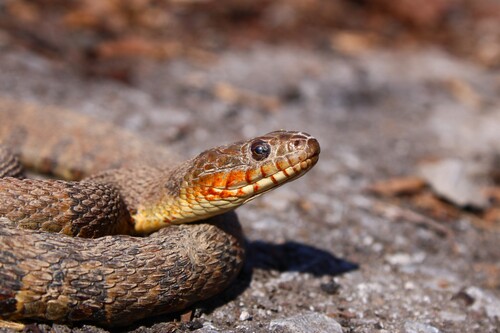
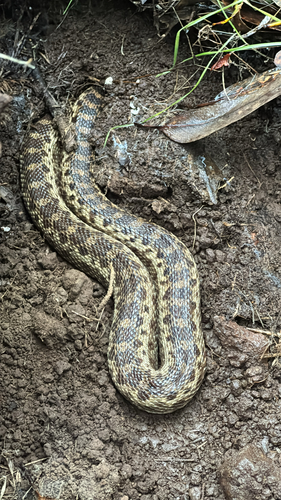
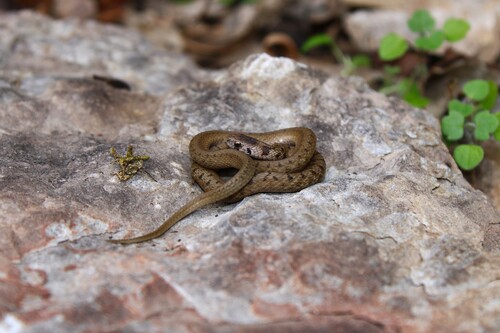
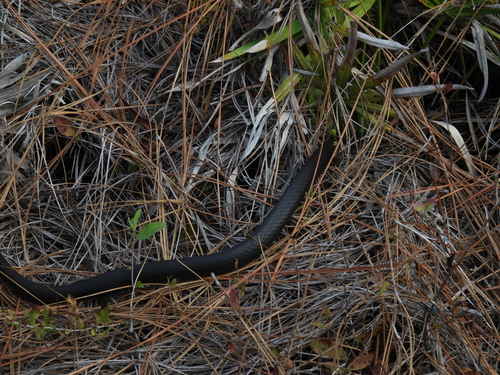
More Colubridae snakes
Classification
How scientists group this snake, from the broadest category down to the exact species. Each step narrows to its closest relatives.
- OrderThe broad group of scaled reptiles: all snakes and lizards
- Squamata
- FamilyA group of related snakes that share key traits
- Colubridae
- GenusA close-knit group of very similar species
- Liodytes
- SpeciesThis exact snake, named in the two-part scientific name
- Liodytes alleni
Keep learning
- What to Do If You Find a SnakeFound a snake at home or on a trail? Here is how to stay calm, give it space, identify it safely, and know when to call a professional.
- Venomous vs Nonvenomous: How to Tell the DifferenceThe folk rules for telling venomous snakes apart, where each one fails, and why location-based identification beats guessing by sight.
- What Is a Snake? Anatomy and the BasicsA clear overview of what makes a snake a snake: limbless body plan, anatomy, evolution from lizards, species diversity, and why they are ectothermic.
- How to Keep Snakes Out of Your Yard and HomeA practical guide to keeping snakes out of your yard and home using habitat changes that work, plus what to skip and what to do if one shows up.
Distribution from GBIF & iNaturalist. Venom status per CDC. Background: Wikipedia. Informational only. Never handle a snake to identify it.