
Gophersnake / Bullsnake
Cape Gopher Snake
HarmlessPituophis vertebralis
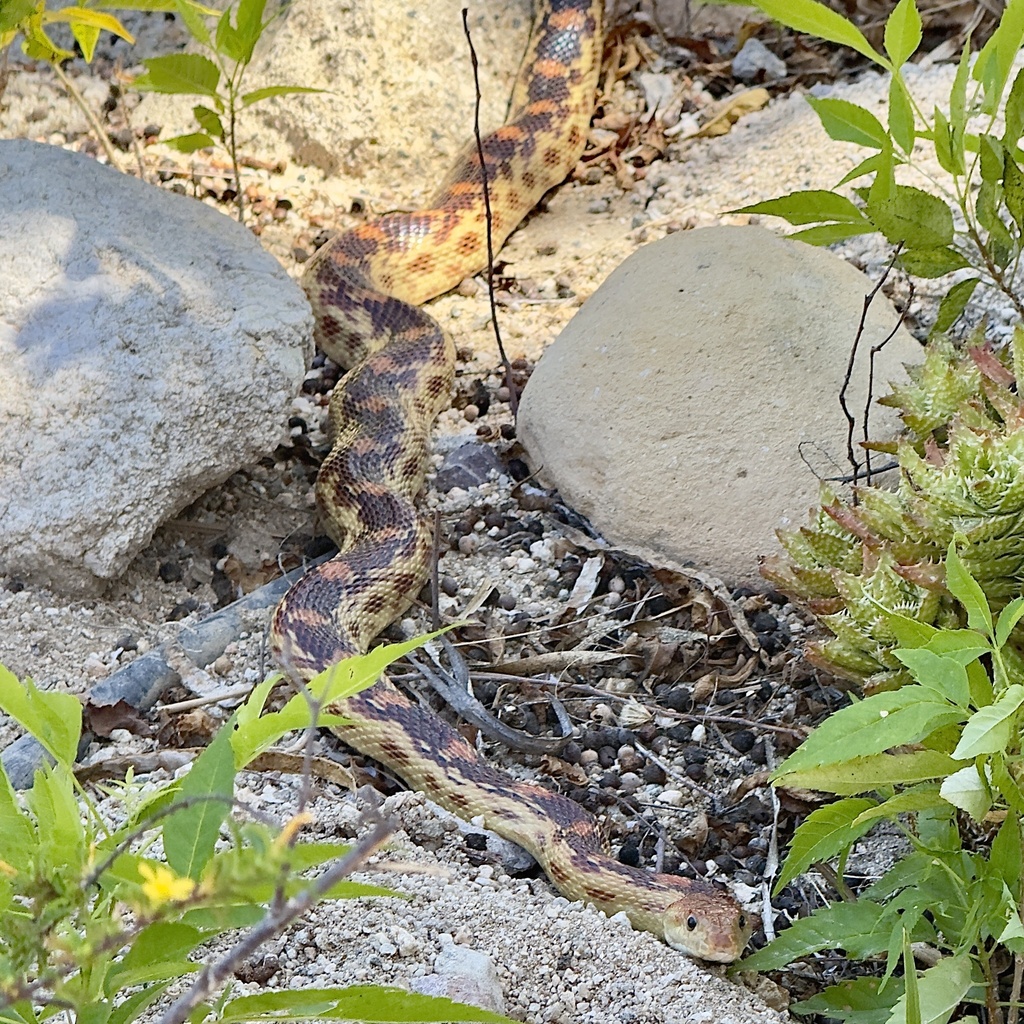
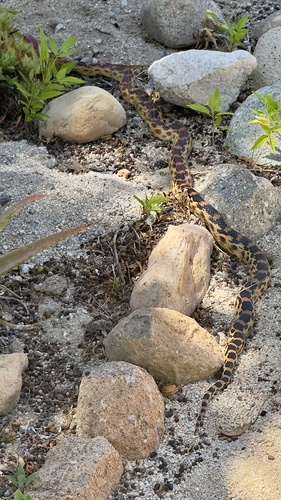
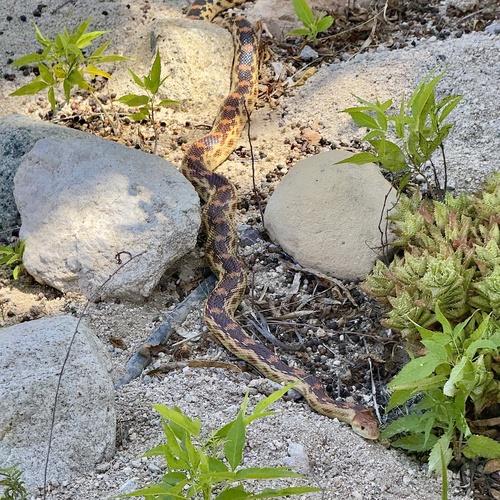
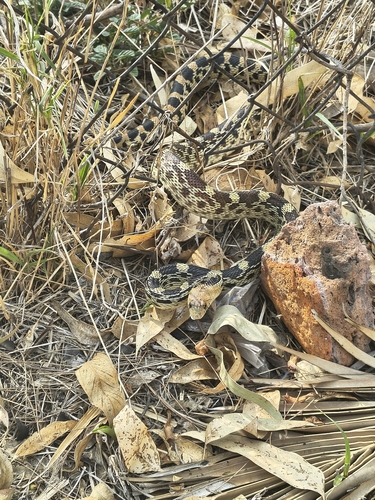
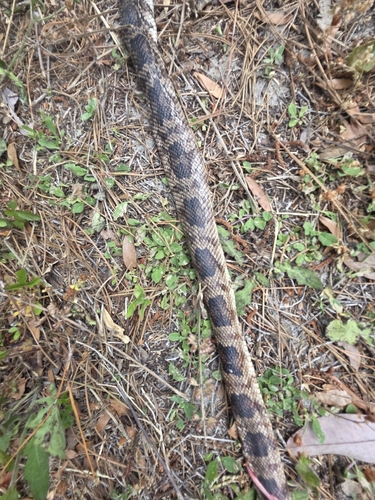
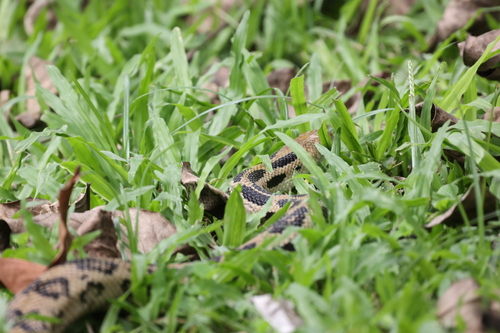
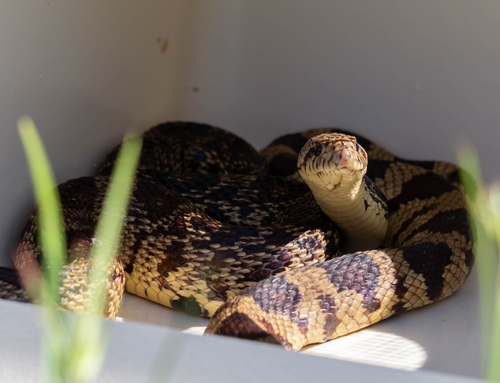
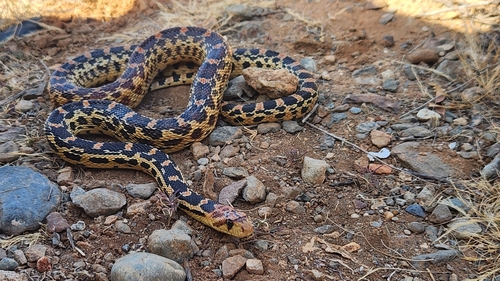
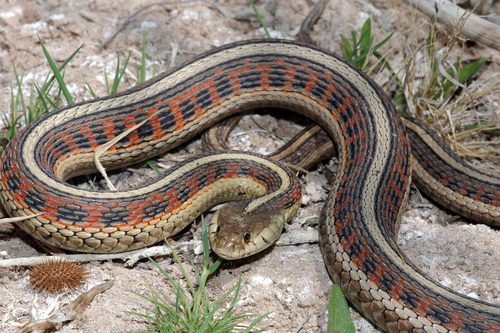
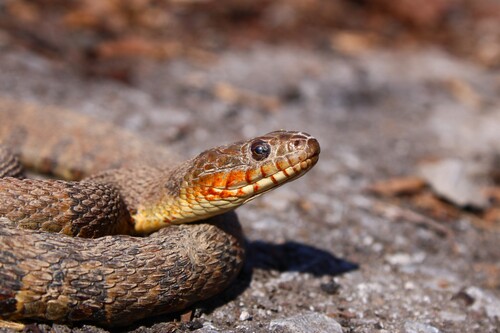
3 photographs of the Cape Gopher Snake. © Bill Levine.
The Cape Gopher Snake (Pituophis vertebralis) is a non-venomous snake in the Colubridae family, recorded in 2 countries.
- Also called
- Gophersnake / Bullsnake
- Family
- Colubridae
- Size
- Large, 4–7 ft.
- Habitat
- Grasslands, deserts, and farmland.
- Behavior
- Loud hissers that mimic rattlesnakes by vibrating the tail; valuable rodent predators, but harmless.
- Identify
- Large, blotched, with a slightly pointed snout and keeled scales — no rattle.
About the Cape Gopher Snake
The Cape gopher snake or Baja gopher snake (Pituophis vertebralis) is a species of nonvenomous colubrid snake endemic to extreme southern Baja California Sur, Mexico. They have become increasingly popular companions for people interested in the exotic pet trade, due to their extreme color variations and relatively docile behavior. It was previously considered to be a subspecies of Pituophis catenifer.
There has been controversy whether the Baja Gopher Snake is a lower classification of the Cape Gopher Snake. Some say the Baja Gopher Snake should be in a separate sub-species of Pituophis Vertebralis Bimaris, while Cape Gopher Snakes should remain Pituophis Vertebralis Vertebralis.
Many people mistake the two as the same sub species and have cased some cross-breeding between the two.
In captivity the bloodlines are nearly all related and breeding has become especially difficult in terms of keeping the bloodlines alive.
Description
The Cape gopher snake is named after the location of its natural habitat, the Baja California Peninsula. Here, the snake can only be found at high elevations on the southern tip of the peninsula, where temperatures usually remain a mild 78 °F (25.5 °C). Hobbyists who own a Cape gopher snake commonly assume that the snake's natural habitat is significantly warmer, then proceed to create a dangerously hot environment. This lack of understanding is presumably due to the snake's rarity.
A single Cape gopher snake can exhibit wild color and pattern variations along the length of its body. Most begin with bright H-shaped marks in differing orange shades against an intense yellow background. As the patterns ae traced down toward the tip of the tail, they begin to change in shape and darken until they are completely black, while the yellow background loses its intensity. Other Cape gopher snakes' patterns begin as black stripes before evenly transforming into the familiar marks of the P. vertebralis species. When the snake is coiled up and alone, some people may mistake the differing colors and patterns for several snakes.
The typical total length of an adult Cape gopher snake ranges from 36 to 66 in (91.5–168 cm). Hatchlings are born at 12–18 in (30–48 cm) in total length. When threatened, the snake flattens its head while simultaneously vibrating its tail and hissing, closely imitating a rattlesnake.
Habitat
Most information gathered about the location of Cape gopher snakes is anecdotal, but the area where they range is incredibly diverse. Dominating the landscape is a Sonoran-like desert fraught with cacti, but includes dry tropical forests, arid tropical scrubs, desert shores, and the Sierra de la Laguna, an area designated by UNESCO as a global biosphere reserve because the "semiarid to temperate subhumid climate area represents highly important and contrasted ecosystems." This area is known to go months, even years, without rainfall, yet can be saturated with the flood waters of a tropical storm or hurricane in a span of just one week.
Behavior
Adapted from Wikipedia, available under CC BY-SA.
Frequently asked: Cape Gopher Snake
- Is the Cape Gopher Snake venomous?
- No. The Cape Gopher Snake (Pituophis vertebralis) is non-venomous and is not considered dangerous to humans. Like most snakes, it will retreat rather than bite when given the chance.
- Is the Cape Gopher Snake poisonous?
- Snakes are venomous, not poisonous. "Poisonous" means harmful to eat or touch; "venomous" means injecting toxins through a bite. The Cape Gopher Snake is neither poisonous nor venomous.
- Is the Cape Gopher Snake dangerous?
- The Cape Gopher Snake is not dangerous to humans. It has no medically significant venom and bites only defensively if cornered or handled.
- Where does the Cape Gopher Snake live?
- The Cape Gopher Snake has verified records in 2 countries, including Mexico, United States of America. See the distribution section below for its full range.
- How do I identify the Cape Gopher Snake?
- Large, blotched, with a slightly pointed snout and keeled scales — no rattle.
- How big does the Cape Gopher Snake get?
- Large, 4–7 ft.
- What does the Cape Gopher Snake eat?
- The Cape gopher snake's prey is thought to include many small rodents, birds and eggs, though no certainty exists, due to a lack of research of these snakes in the wild. In captivity, small rodents and eggs suffice.
Where it is found
Snakes it is confused with
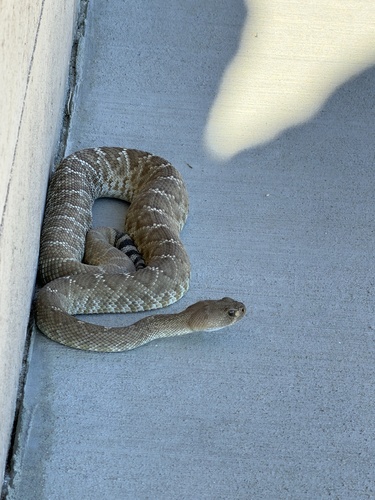
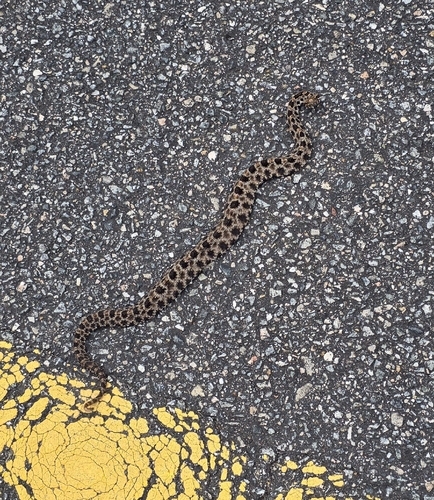
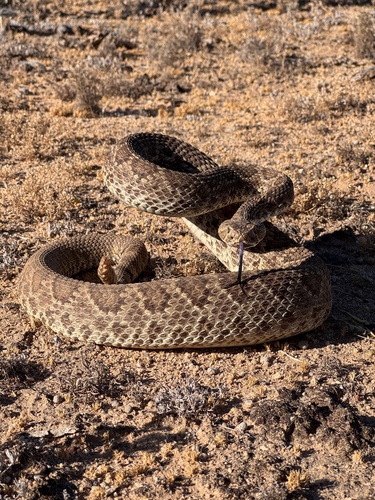
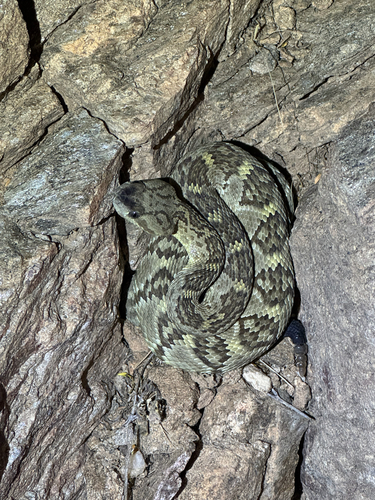
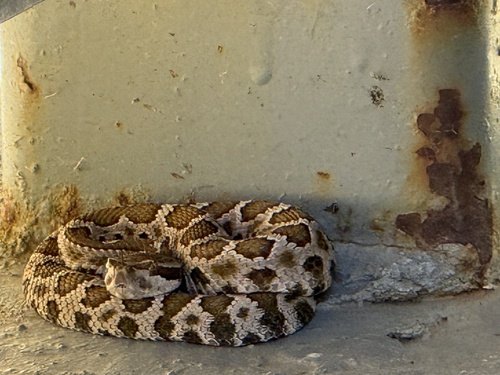 Western RattlesnakeVenomous
Gophersnakes and bullsnakes mimic rattlesnakes by hissing and vibrating the tail, but they are harmless and have no rattle.
Cape Gopher Snake vs Western Rattlesnake→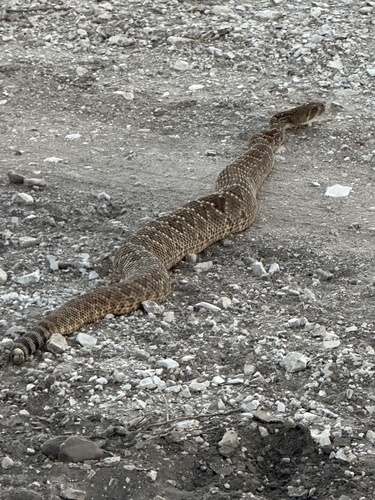
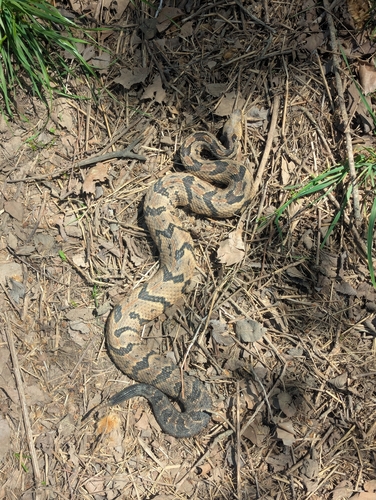
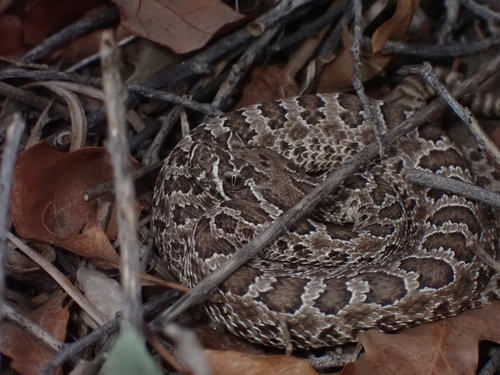
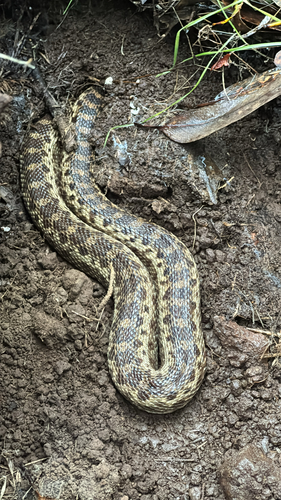
More Colubridae snakes
Classification
How scientists group this snake, from the broadest category down to the exact species. Each step narrows to its closest relatives.
- OrderThe broad group of scaled reptiles: all snakes and lizards
- Squamata
- FamilyA group of related snakes that share key traits
- Colubridae
- GenusA close-knit group of very similar species
- Pituophis
- SpeciesThis exact snake, named in the two-part scientific name
- Pituophis vertebralis
Keep learning
- What to Do If You Find a SnakeFound a snake at home or on a trail? Here is how to stay calm, give it space, identify it safely, and know when to call a professional.
- Venomous vs Nonvenomous: How to Tell the DifferenceThe folk rules for telling venomous snakes apart, where each one fails, and why location-based identification beats guessing by sight.
- What Is a Snake? Anatomy and the BasicsA clear overview of what makes a snake a snake: limbless body plan, anatomy, evolution from lizards, species diversity, and why they are ectothermic.
- How to Keep Snakes Out of Your Yard and HomeA practical guide to keeping snakes out of your yard and home using habitat changes that work, plus what to skip and what to do if one shows up.
Distribution from GBIF & iNaturalist. Venom status per CDC. Background: Wikipedia. Informational only. Never handle a snake to identify it.