
Lyresnake
Texas Lyre Snake
HarmlessTrimorphodon vilkinsonii
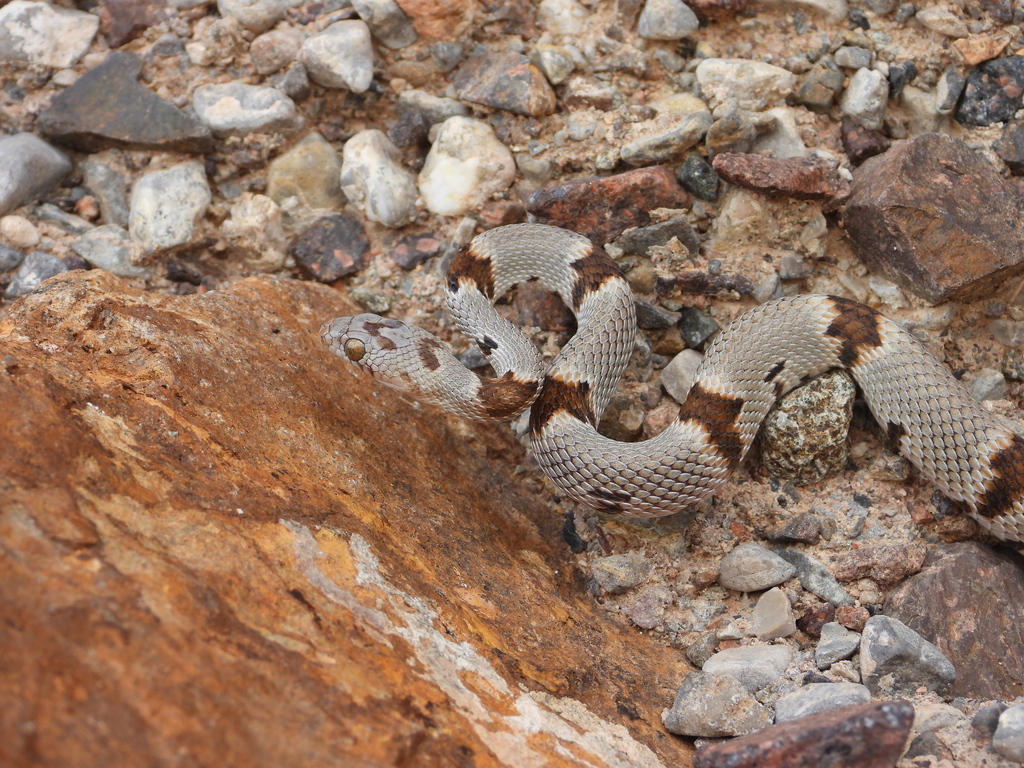
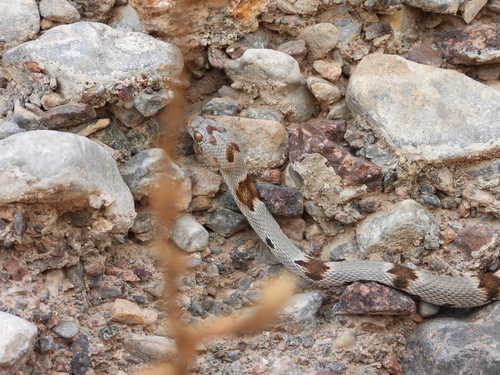
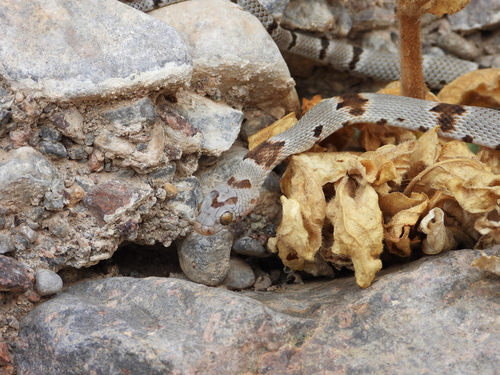
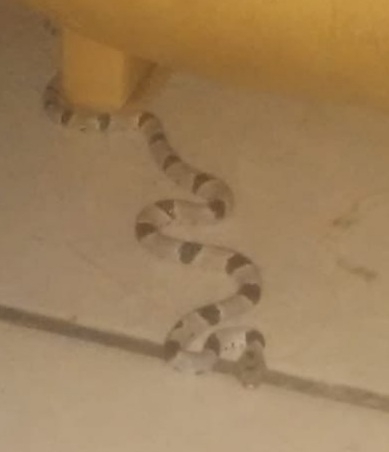
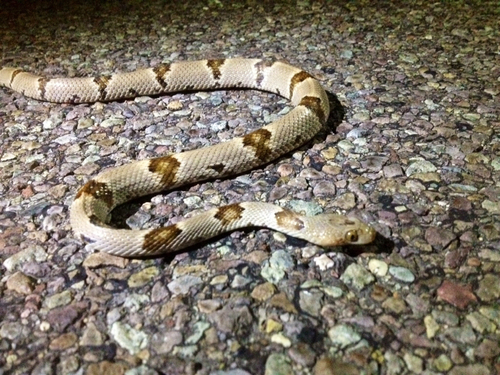
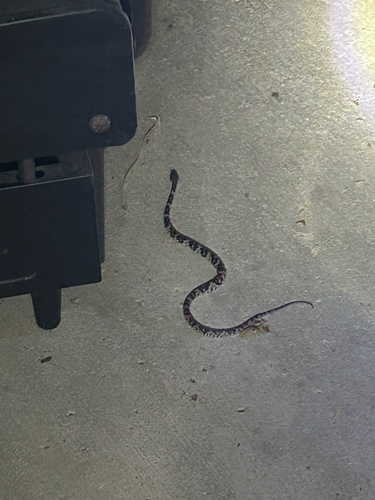
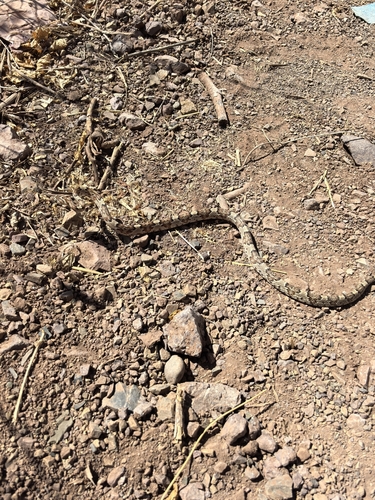
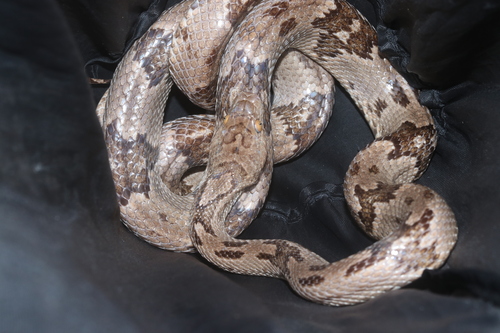
5 photographs of the Texas Lyre Snake. © highsinger.
The Texas Lyre Snake (Trimorphodon vilkinsonii) is a rear-fanged, mildly venomous snake in the Colubridae family, recorded in 2 countries.
- Also called
- Lyresnake
- Family
- Colubridae
- Size
- Slender, 2–3.5 ft.
- Habitat
- Rocky desert slopes and canyons.
- Behavior
- Nocturnal, cat-eyed lizard hunters; rear-fanged but harmless to humans.
- Identify
- Slender with a lyre-shaped mark on the head and vertical pupils.
About the Texas Lyre Snake
The Texas lyre snake (Trimorphodon vilkinsonii) is a species of mildly venomous, rear-fanged snake in the family Colubridae. The species is endemic to the southwestern United States and adjacent northern Mexico.
Etymology
The epithet vilkinsonii is in honor of amateur American naturalist Edward Wilkinson, who collected the first specimen near the city of Chihuahua.
Geographic range
T. vilkinsonii is found in the United States in the Big Bend region of Texas and southern New Mexico, and in Mexico in northeastern Chihuahua.
Habitat
The preferred natural habitats of T. vilkinsonii are desert and rocky areas.
Description
The Texas lyre snake is a medium-sized snake, attaining a total length (including tail) of approximately 1 meter (39 inches) at adult size. It is brown, tan or gray with 17-24 dark brown blotches down the back. It has large eyes with vertical pupils. The common name, "lyre snake", refers to a distinctive V-shaped pattern on the head which resembles the shape of a lyre. However, this particular subspecies (T. b. vilkinsonii ) has no V mark on the head.
Behavior
Lyre snakes of the genus Trimorphodon are nocturnal, spending most of their time hiding in rock crevices, emerging to feed mainly on lizards, and also on small rodents, frogs, bats and birds. Their venom is not considered to be harmful to humans. Also, if their venom is not fatal to their prey, they may kill by constriction.
Conservation
The Texas lyre snake was formerly listed as Threatened in Texas, but was removed from the list in 2020. This species is secretive and often difficult to find, but is seemingly common throughout its habitat, much of which is in protected or private land.
Reproduction
Lyre snakes are oviparous, laying about a dozen eggs per clutch.
Adapted from Wikipedia, available under CC BY-SA.
Frequently asked: Texas Lyre Snake
- Is the Texas Lyre Snake venomous?
- The Texas Lyre Snake (Trimorphodon vilkinsonii) is rear-fanged and only mildly venomous. It is not considered dangerous to humans (its venom is weak and its fangs sit at the back of the mouth) but a bite can cause local swelling or irritation, so it should not be handled.
- Is the Texas Lyre Snake poisonous?
- Snakes are venomous, not poisonous. "Poisonous" means harmful to eat or touch; "venomous" means injecting toxins through a bite. The Texas Lyre Snake is neither poisonous nor venomous.
- Is the Texas Lyre Snake dangerous?
- The Texas Lyre Snake is not dangerous to humans. It has no medically significant venom and bites only defensively if cornered or handled.
- Where does the Texas Lyre Snake live?
- The Texas Lyre Snake has verified records in 2 countries, including United States of America, Mexico. See the distribution section below for its full range.
- How do I identify the Texas Lyre Snake?
- Slender with a lyre-shaped mark on the head and vertical pupils.
- How big does the Texas Lyre Snake get?
- Slender, 2–3.5 ft.
- Why is it called the Texas Lyre Snake?
- The epithet vilkinsonii is in honor of amateur American naturalist Edward Wilkinson, who collected the first specimen near the city of Chihuahua.
Where it is found
By U.S. state
More Colubridae snakes
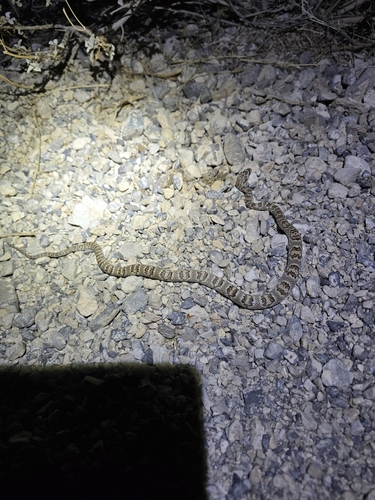 Sonoran Lyre SnakeTrimorphodon lambda
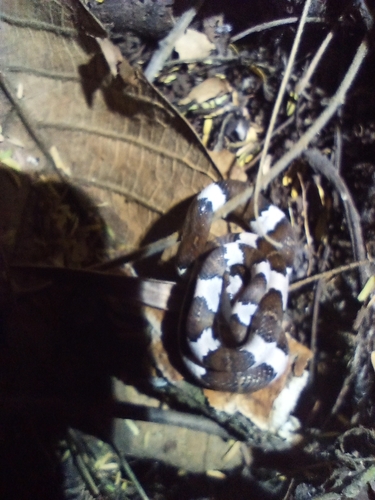 Mexican Lyre SnakeTrimorphodon tau
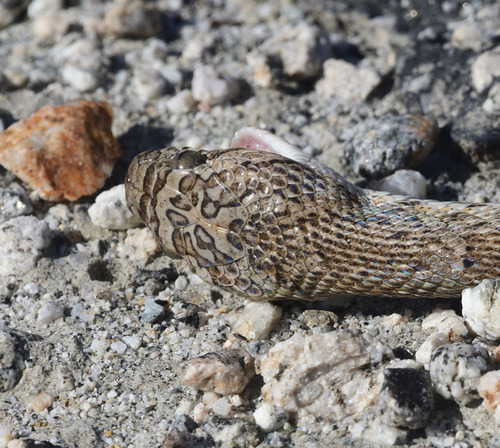 California LyresnakeTrimorphodon lyrophanes
 Central American LyresnakeTrimorphodon quadruplex
 Sinaloan LyresnakeTrimorphodon paucimaculatus
 Western Lyre SnakeTrimorphodon biscutatus
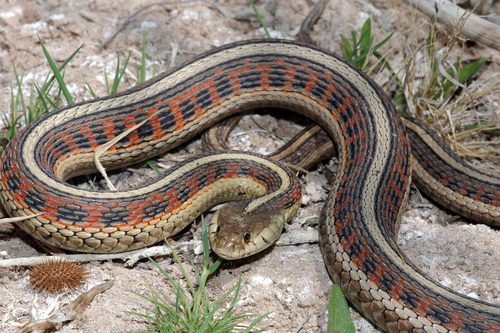 Common Garter SnakeThamnophis sirtalis
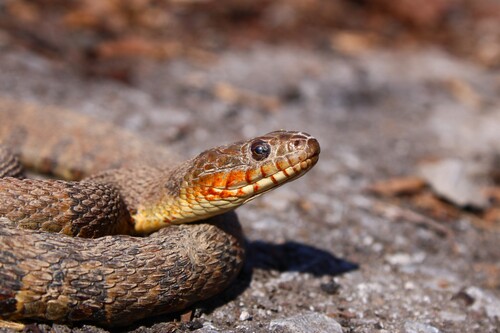 Common WatersnakeNerodia sipedon
Classification
How scientists group this snake, from the broadest category down to the exact species. Each step narrows to its closest relatives.
- OrderThe broad group of scaled reptiles: all snakes and lizards
- Squamata
- FamilyA group of related snakes that share key traits
- Colubridae
- GenusA close-knit group of very similar species
- Trimorphodon
- SpeciesThis exact snake, named in the two-part scientific name
- Trimorphodon vilkinsonii
Keep learning
- What to Do If You Find a SnakeFound a snake at home or on a trail? Here is how to stay calm, give it space, identify it safely, and know when to call a professional.
- Venomous vs Nonvenomous: How to Tell the DifferenceThe folk rules for telling venomous snakes apart, where each one fails, and why location-based identification beats guessing by sight.
- What Is a Snake? Anatomy and the BasicsA clear overview of what makes a snake a snake: limbless body plan, anatomy, evolution from lizards, species diversity, and why they are ectothermic.
- How to Keep Snakes Out of Your Yard and HomeA practical guide to keeping snakes out of your yard and home using habitat changes that work, plus what to skip and what to do if one shows up.
Distribution from GBIF & iNaturalist. Venom status per CDC. Background: Wikipedia. Informational only. Never handle a snake to identify it.