
Brown / Redbelly snake
Mexican Brown Snake
HarmlessStoreria storerioides
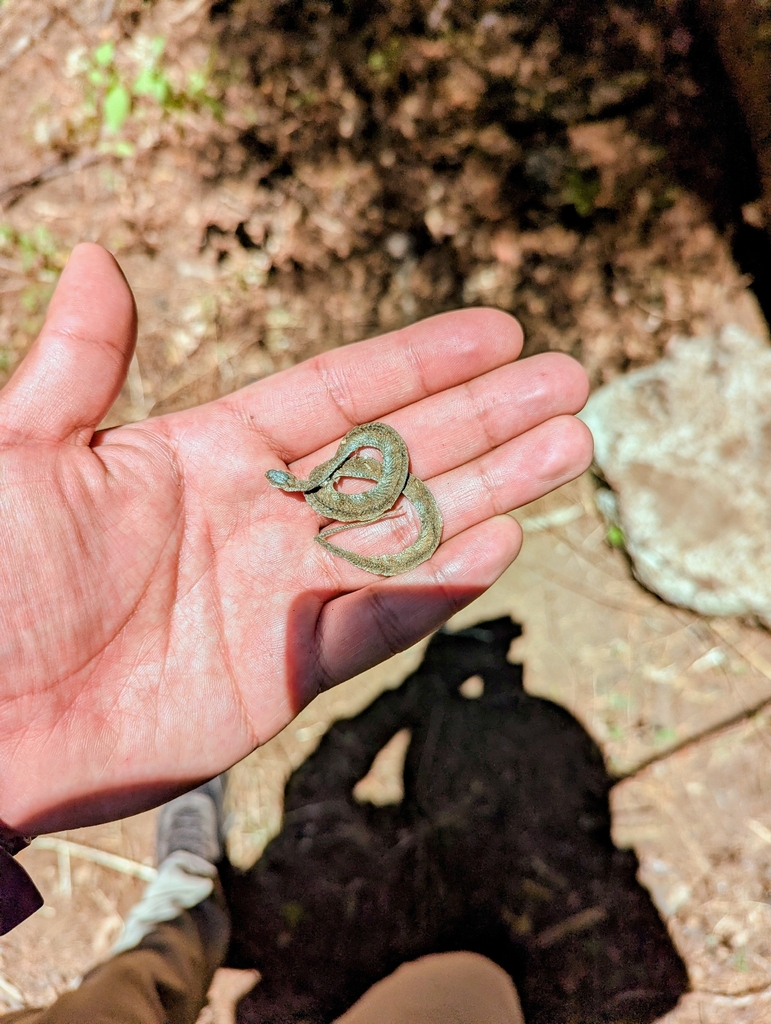
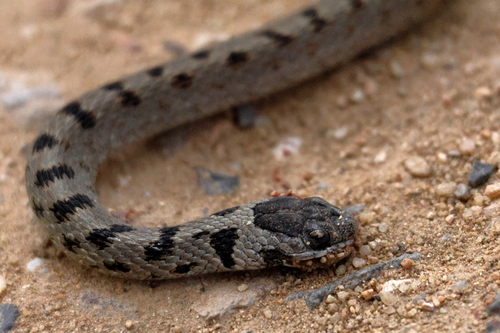
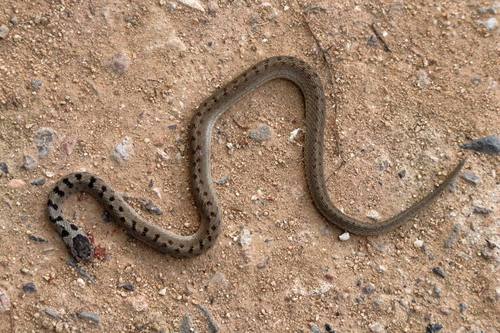
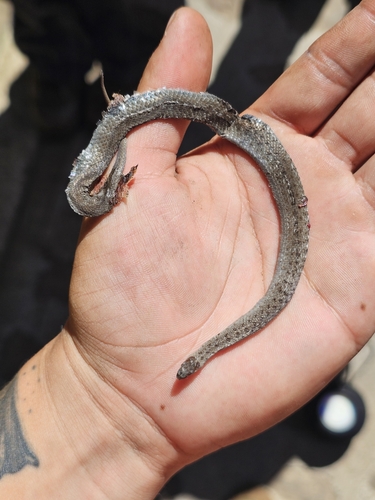
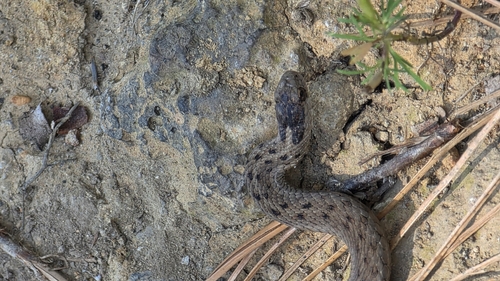
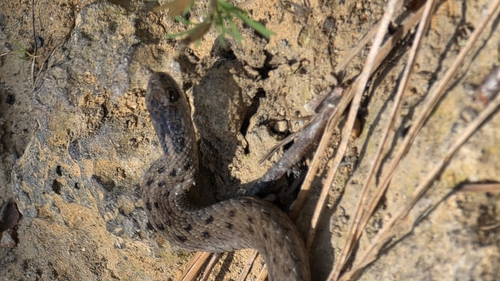
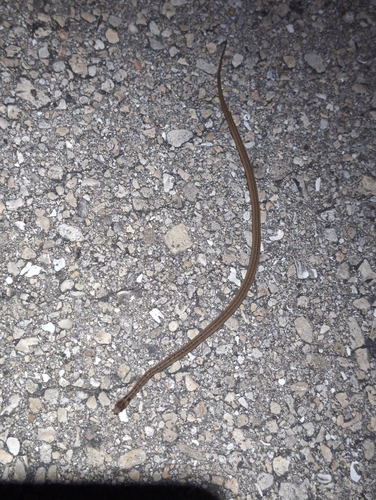
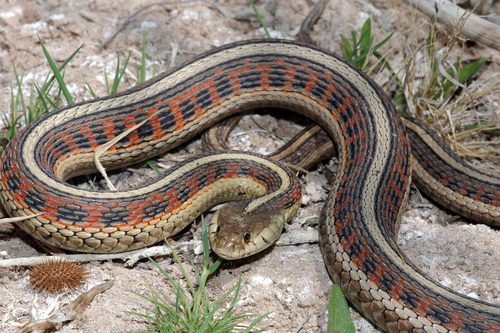
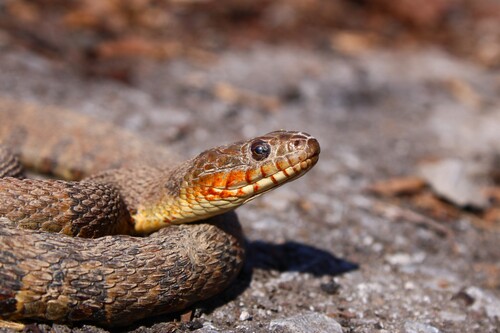
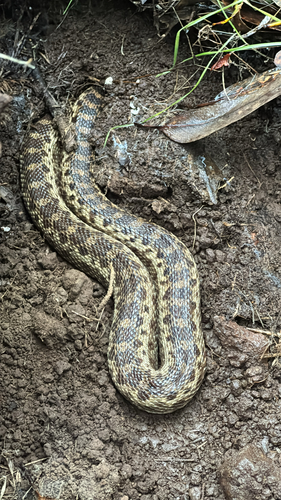
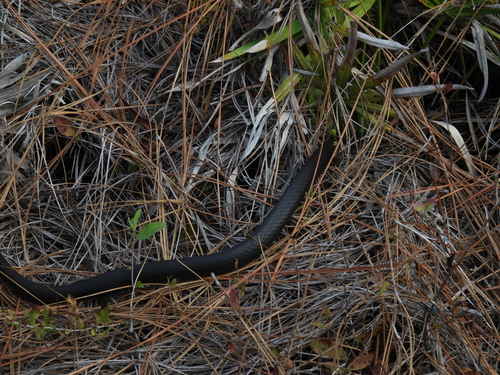
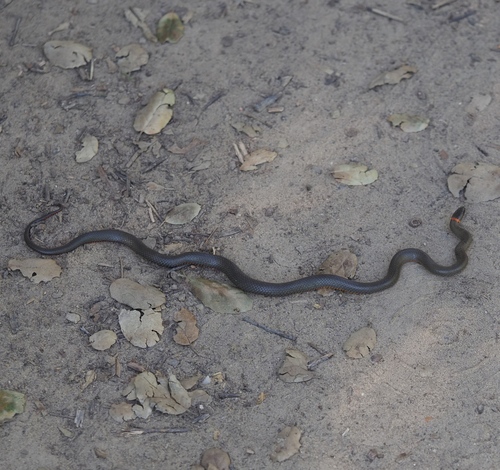
6 photographs of the Mexican Brown Snake. © Jose Enrique.
The Mexican Brown Snake (Storeria storerioides) is a non-venomous snake in the Colubridae family, recorded in 2 countries.
- Also called
- Brown / Redbelly snake
- Family
- Colubridae
- Size
- Tiny, 8–14 in.
- Habitat
- Gardens, woodlands, and leaf litter; common even in cities.
- Behavior
- Secretive; eat slugs, snails, and earthworms.
- Identify
- Tiny, brown or gray, often with a pale belly or pale neck spots.
About the Mexican Brown Snake
Storeria storerioides, the Mexican brown snake, is a species of nonvenomous snake in the family Colubridae. It is endemic to Mexico, and is mainly found in the western part of the Trans-Mexican Volcanic Belt. Oak and pine forests make up the snake's habitat.
Taxonomy
The snake was first described under the in 1866 by Edward Drinker Cope, who placed it in the genus Tropidoclonium, known today as Tropidoclonion. Samuel Garman moved the snake to its own genus, Storeria, in 1883. The name storerioides, meaning "similar" or "like", refers to the species similarity to other species in its genus.
Distribution and habitat
The snake is endemic to Mexico. It's mostly found in the western part of Trans-Mexican Volcanic Belt, and from there its range stretches northwards along the Sierra Madre Occidental, The snake inhabits pine and oak forests, and is usually found underneath logs or plant litter. having been found as far north as Madera, Chihuahua. The snake is also known to be found in Coahuila, near the border with Zacatecas.
Description
Storeria storerioides have somewhat slender bodies. Most 'individuals are 26–30 centimetres (10–12 in) long, with the maximum recorded length being 32.8 cm (12.9 in) for males and 34 cm (13 in) for females. The tail usually makes up a little over a fifth of the total length. The back is coloured in a variable shade of brown, with dark brown to black markings forming horizontal bars along the length of the body, usually more than 50 in total. The belly is coloured salmon to orange-red and is dotted with dark spots. The head is coloured brown with small dark markings, and behind the head are a pair of dark occipital markings stretching about three scales down the back.
Adapted from Wikipedia, available under CC BY-SA.
Frequently asked: Mexican Brown Snake
- Is the Mexican Brown Snake venomous?
- No. The Mexican Brown Snake (Storeria storerioides) is non-venomous and is not considered dangerous to humans. Like most snakes, it will retreat rather than bite when given the chance.
- Is the Mexican Brown Snake poisonous?
- Snakes are venomous, not poisonous. "Poisonous" means harmful to eat or touch; "venomous" means injecting toxins through a bite. The Mexican Brown Snake is neither poisonous nor venomous.
- Is the Mexican Brown Snake dangerous?
- The Mexican Brown Snake is not dangerous to humans. It has no medically significant venom and bites only defensively if cornered or handled.
- Where does the Mexican Brown Snake live?
- The Mexican Brown Snake has verified records in 2 countries, including Mexico, United States of America. See the distribution section below for its full range.
- How do I identify the Mexican Brown Snake?
- Tiny, brown or gray, often with a pale belly or pale neck spots.
- How big does the Mexican Brown Snake get?
- Tiny, 8–14 in.
Where it is found
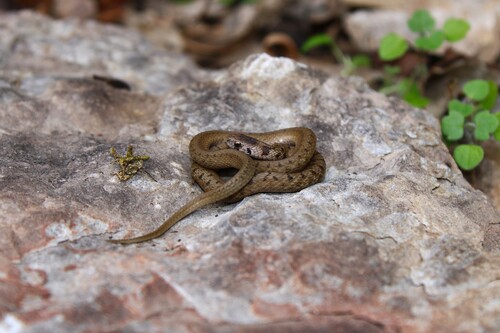
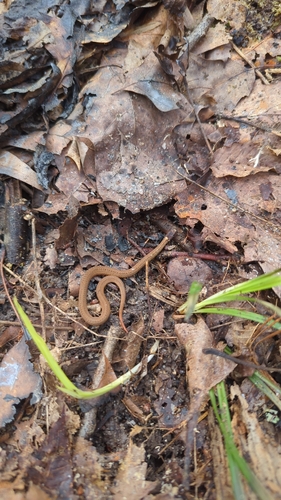
More Colubridae snakes
Classification
How scientists group this snake, from the broadest category down to the exact species. Each step narrows to its closest relatives.
- OrderThe broad group of scaled reptiles: all snakes and lizards
- Squamata
- FamilyA group of related snakes that share key traits
- Colubridae
- GenusA close-knit group of very similar species
- Storeria
- SpeciesThis exact snake, named in the two-part scientific name
- Storeria storerioides
Keep learning
- What to Do If You Find a SnakeFound a snake at home or on a trail? Here is how to stay calm, give it space, identify it safely, and know when to call a professional.
- Venomous vs Nonvenomous: How to Tell the DifferenceThe folk rules for telling venomous snakes apart, where each one fails, and why location-based identification beats guessing by sight.
- What Is a Snake? Anatomy and the BasicsA clear overview of what makes a snake a snake: limbless body plan, anatomy, evolution from lizards, species diversity, and why they are ectothermic.
- How to Keep Snakes Out of Your Yard and HomeA practical guide to keeping snakes out of your yard and home using habitat changes that work, plus what to skip and what to do if one shows up.
Distribution from GBIF & iNaturalist. Venom status per CDC. Background: Wikipedia. Informational only. Never handle a snake to identify it.