
Staying safe
Are Snakes Dangerous? The Real Risk, in Perspective
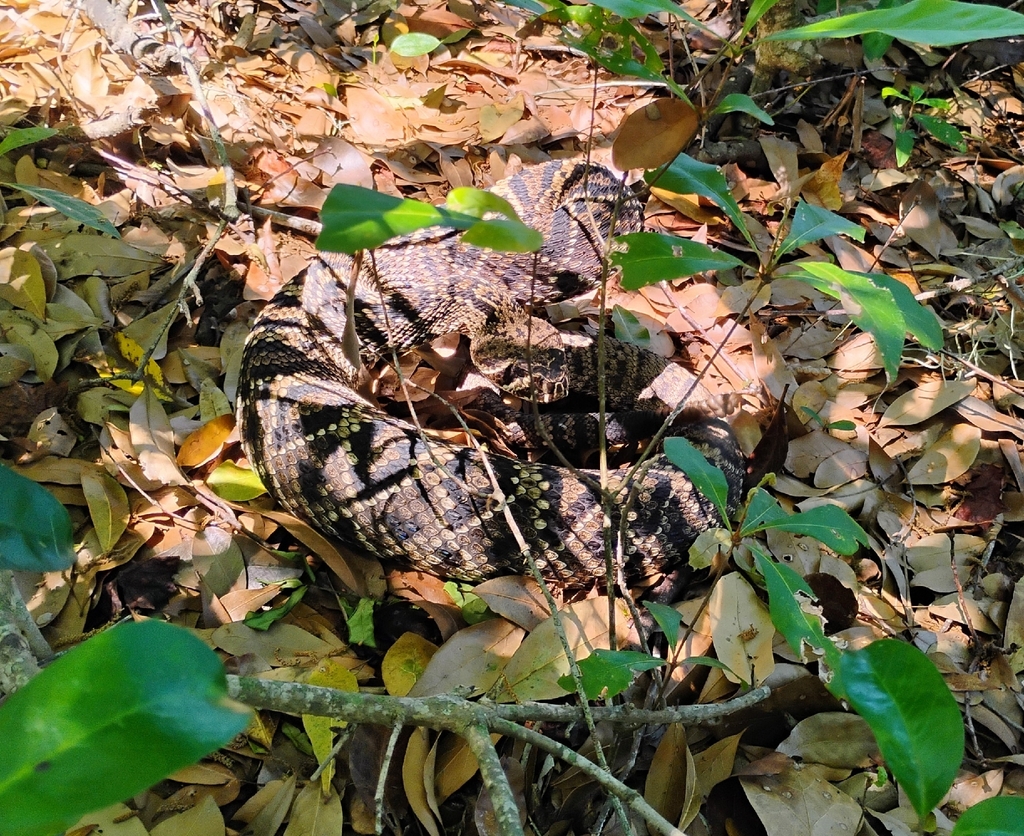
Snakes have a fearsome reputation, but the reality is more measured. The large majority of the world's roughly 4,000 snake species are not dangerous to people, and even the venomous ones usually want nothing to do with you. At the same time, snakebite is a genuine and serious health problem in parts of the world, so the goal here is perspective: not fear, and not dismissal.
The honest perspective
There are roughly 4,000 known snake species on Earth, and only a minority are considered medically dangerous to humans. The dangerous ones are concentrated in a few groups, mainly the vipers (such as rattlesnakes and adders) and the elapids (such as cobras, mambas, and coral snakes), with a small number of others adding to the list.
Most snakes are nonvenomous and pose no real threat beyond a startle. Even venomous species are not aggressive in the way movies suggest. A snake has no interest in chasing or attacking a person, who is far too large to be prey. Its venom is metabolically expensive and evolved to subdue food, not to confront something it cannot eat.
When a snake does bite a person, it is almost always defensive: the animal felt cornered, was stepped on, or was being handled. Given room and warning, the overwhelming majority of snakes simply leave.
The real global picture
The World Health Organization recognizes snakebite envenoming as a neglected tropical disease, and that designation is earned. Globally, snakebite causes tens of thousands of deaths a year and leaves many more people with lasting injury, such as amputations and disability from tissue damage.
That burden is not spread evenly. It falls heavily on rural communities in South Asia and sub-Saharan Africa, where venomous species are common, people often work outdoors by hand, and access to antivenom and prompt medical care can be limited.
The contrast with wealthier countries is stark. In a place like the United States, thousands of people are bitten by venomous snakes each year, yet deaths are very rare, on the order of a handful annually, largely because emergency care and antivenom are widely available. The danger of a snakebite depends heavily on where you are and how quickly you can reach treatment.
Who is actually at risk, and why
Risk is not random. It clusters around specific people and situations. Agricultural workers are among the most affected worldwide, because planting, harvesting, and clearing land by hand brings hands and feet close to where snakes rest and hunt.
Walking at night, especially barefoot or in sandals on paths and in fields, raises risk because snakes are harder to see and easier to step on. Living in housing that snakes can enter in search of rodents adds exposure as well.
A large share of bites in many regions happen to people who try to handle, catch, provoke, or kill a snake. The single act of approaching a snake to deal with it accounts for a meaningful slice of serious bites. Leaving the animal alone removes most of that risk.
How to dramatically lower your personal risk
The most effective rule is simple: give snakes distance. If you see one, stop, back away, and let it move off on its own. Do not try to catch it, move it by hand, or kill it, since many bites happen during exactly those attempts.
Watch where you put your hands and feet. Avoid reaching into rock piles, woodpiles, tall grass, and dense brush without looking. On trails, stay on the path and step on top of logs and rocks rather than blindly over them.
In areas with venomous snakes, sturdy closed shoes or boots and long pants offer real protection, and a flashlight at night helps you see what is ahead. Around the home, reducing rodent attractants and sealing gaps makes a property less appealing to snakes in the first place.
If a snake is inside a home or in a spot where it cannot simply be left alone, the safe move is to keep people and pets away and contact a local professional or wildlife service rather than handling it yourself.
Venomous vs nonvenomous, in brief
Venomous snakes deliver toxins through specialized fangs, and their venom varies widely in how it acts, from affecting blood and tissue to affecting the nervous system. Nonvenomous snakes lack this delivery system; some are constrictors, and many simply grab and swallow small prey.
Identification from a distance is unreliable and risky. Popular shortcuts, such as head shape or pupil shape, have too many exceptions to trust, and harmless species often mimic dangerous ones. Trying to inspect a snake closely to classify it defeats the purpose by putting you in range.
The practical takeaway is to treat any wild snake as one to observe from a respectful distance and never handle. You do not need to identify a snake to stay safe from it; you need to leave it alone.
The ecological value of snakes
Snakes are not just animals to be tolerated; they do real work in their ecosystems. As predators, they help control populations of rodents and other small animals, which has downstream benefits for people.
Rodent control matters for agriculture, where rats and mice destroy stored grain and crops, and for public health, since rodents can carry disease. A healthy population of snakes is a free, continuous form of pest management.
Snakes are also prey themselves for birds, mammals, and other reptiles, making them an important link in the food web. Removing them tends to cause more problems than it solves, which is another reason the right response to most snakes is to leave them be.
Putting the risk in proportion
Holding both facts at once is the honest position. Snakebite is a serious, underfunded health crisis for specific populations who deserve better access to antivenom and care, and it is not something to wave away.
For most people in most places, especially those with good medical access who are not handling snakes or working barefoot in fields, the day-to-day risk is low and easily reduced further with a few simple habits.
Respect rather than fear is the useful frame. Snakes are wildlife to be given space, not enemies to be hunted, and treating them that way keeps both you and the animal safer.
Frequently asked
- Are most snakes venomous?
- No. The large majority of the roughly 4,000 snake species are not dangerous to people. Dangerous species are concentrated mainly in the viper and elapid groups, with a few others. Most snakes you encounter are harmless.
- Do snakes chase or attack people?
- Snakes do not hunt people, who are far too large to be prey. Bites are almost always defensive, happening when a snake is stepped on, cornered, or handled. Given space and warning, nearly all snakes simply leave.
- How likely am I to die from a snakebite?
- It depends heavily on location. Globally, snakebite causes tens of thousands of deaths a year, concentrated in rural parts of South Asia and sub-Saharan Africa. In places like the United States, with widely available emergency care, deaths are very rare, only a handful a year.
- What is the single best way to avoid a snakebite?
- Leave snakes alone. A large share of serious bites happen to people trying to catch, move, provoke, or kill a snake. If you see one, back away and let it go on its own, and watch where you place your hands and feet in snake habitat.
- Can I tell a venomous snake from a harmless one by looking?
- Not reliably. Common shortcuts like head or pupil shape have too many exceptions, and harmless species often mimic dangerous ones. You do not need to identify a snake to stay safe; treat every wild snake as one to observe from a distance and never handle.
- Why should I care about keeping snakes around?
- Snakes help control rodents and other pests, which protects crops and stored food and reduces rodent-borne disease. They are also part of the food web as prey for other animals. Removing them usually causes more problems than it solves.
Last reviewed June 22, 2026. Informational only, and not a substitute for professional medical or wildlife advice.