
Coachwhip / Whipsnake
Baja California Coachwhip
HarmlessMasticophis fuliginosus
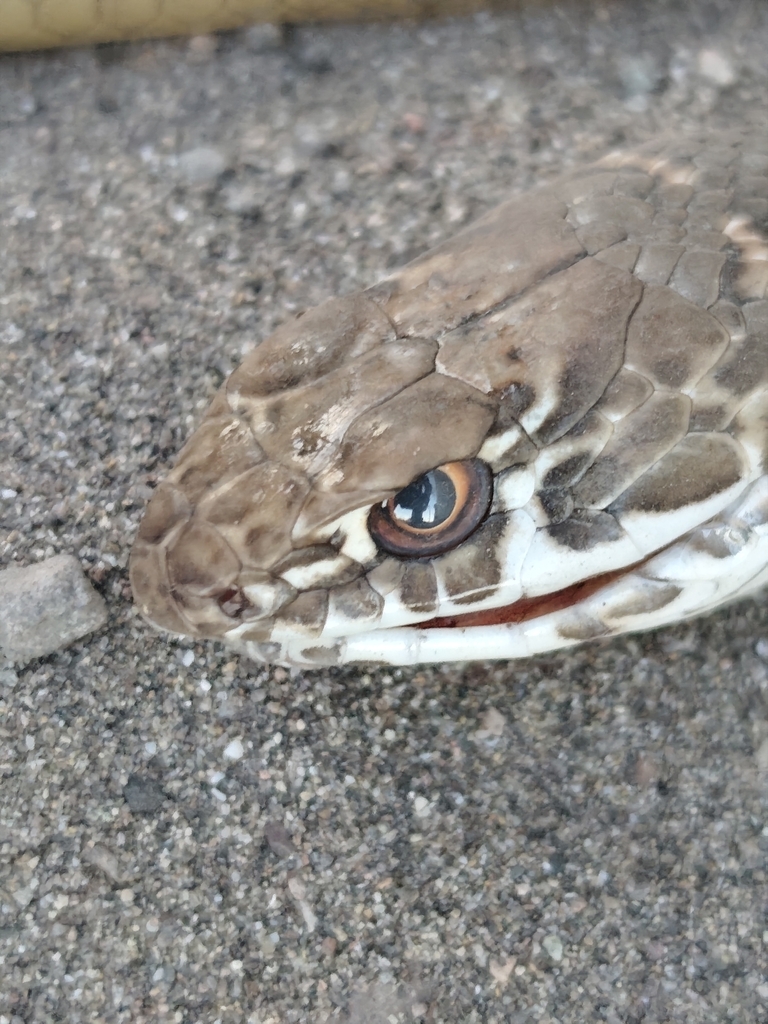
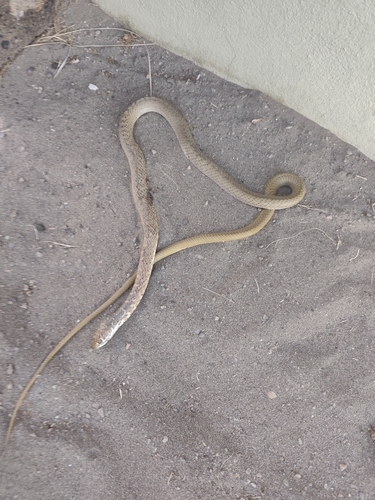
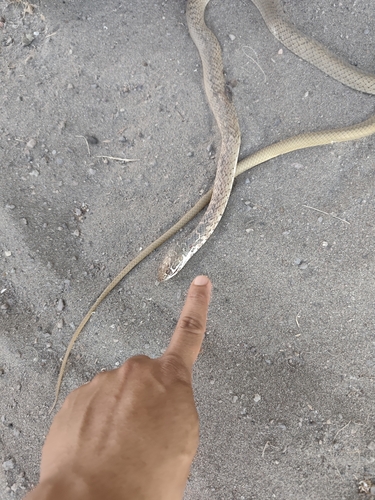
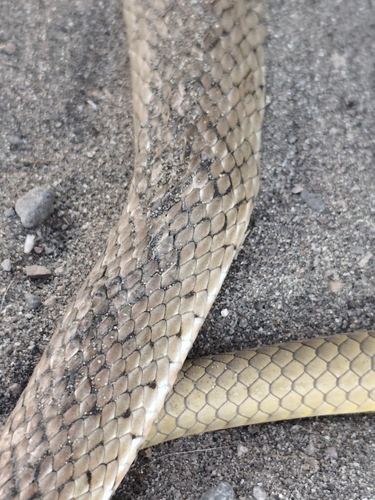
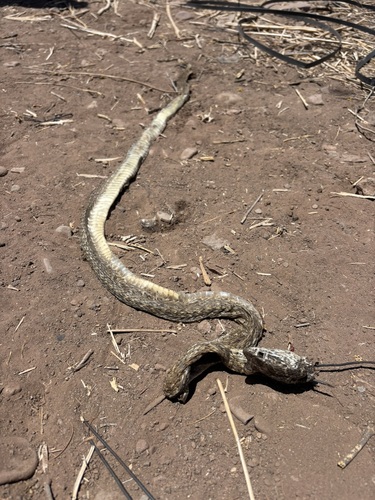
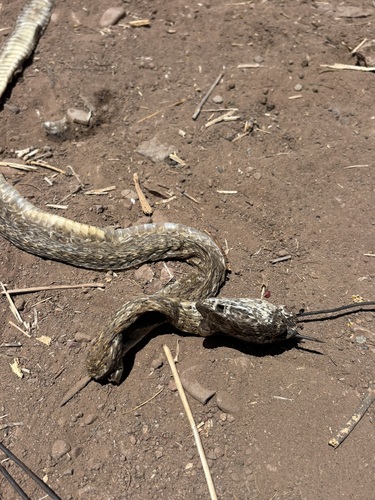
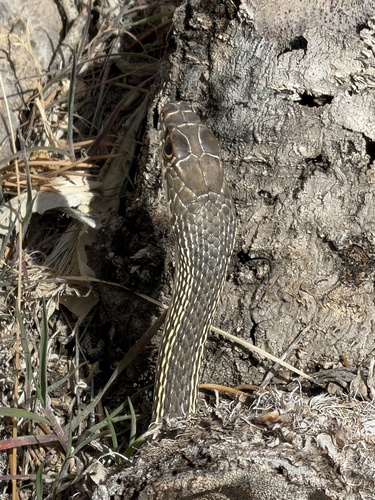
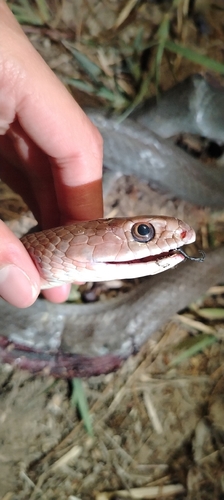
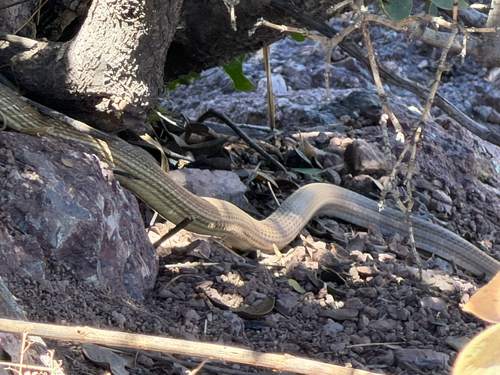
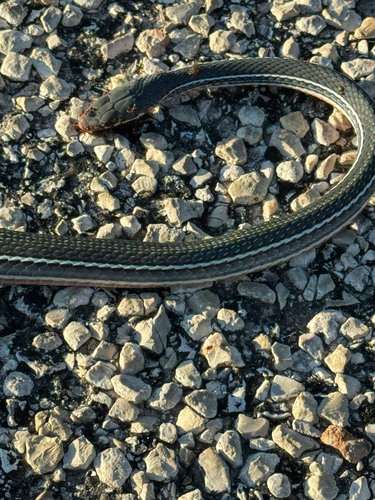
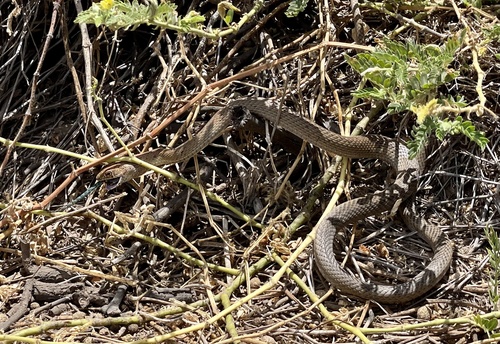
6 photographs of the Baja California Coachwhip. © Augusto Olmos Mercado.
The Baja California Coachwhip (Masticophis fuliginosus) is a non-venomous snake in the Colubridae family, recorded in 2 countries.
- Also called
- Coachwhip / Whipsnake
- Family
- Colubridae
- Size
- Very slender, 3–6 ft.
- Habitat
- Open deserts, grasslands, and scrub.
- Behavior
- Fast, alert, day-active visual hunters that flee rapidly when approached.
- Identify
- Long, whip-thin body; coachwhips often show a braided-whip tail pattern.
About the Baja California Coachwhip
The Baja California coachwhip (Masticophis fuliginosus), also known simply as the Baja coachwhip, is a species of non-venomous snake found in Mexico and the United States.
Description
A large and fast moving snake species, the Baja California coachwhip typically reaches lengths between 2-4.3 ft (24-52 in). This species comes in a few color morphs, some of which are region-specific. Throughout their entire range, individuals can have a sleek all-black coloration. Or they can be a dull yellow, with a black or brown head and neck area. In the more southern portions of their range, they may be light grayish-white with a black or brown head and neck. In all morphs, the underbellies are light yellow to white. In California, the black and the yellow morphs are observed. Along the Baja peninsula, any of morphs can be observed. All the morphs throughout their range may have various levels of mottling. The body plan is very similar to a closely related species, the coachwhip (Masticophis flagellum). They share large forward facing eyes (which allows great vision and depth perception), slender proportions, and a long tapering tail. Both have large scales above the eyes and a braided appearance of the scales at the tail. This unique appearance of the tail looks similar to a braided horsewhip, from which both species derive their name.
Range and habitat
The Baja California coachwhip's range spans from the southernmost portions of San Diego County to throughout the Baja California peninsula, ending around Cabo San Lucas. They are also found in various islands in the Gulf of California as well as the Pacific side of the Baja California peninsula. Inhabiting elevations between 0-8250 ft (0-2515 m), they range across a variety of open habitats. These include coastal sand dunes, inland grassland, scrubland, riparian environments, and agricultural areas. In the uppermost region of their range around California, they co-exist and potentially intergrade with the coachwhip (Masticophis flagellum). Along their range, the Baja California Coachwhip may also share ranges with other members of their genus. These include California whipsnakes (Masticophis lateralis), Baja California Striped whipsnakes (Masticophis aurigulus), and Espiritu Santo Striped Whipsnakes (Masticophis barbouri).
Behavior
The Baja California coachwhip is diurnal, active during daylight hours. They thrive in warm environments and can be seen slithering around conspicuously, sometimes in temperatures over 100 °F. Unlike most snakes, Baja California coachwhips are primarily pursuit predators, chasing prey down. They can be seen actively searching around, often spotting prey with their excellent vision. They look into burrows, out in the open, and into trees for any potential prey items. Sometimes, they are seen raising their heads high above the ground and looking around, a behavior known as "periscoping". Upon detecting prey, the Baja California coachwhip give chase, slithering quickly towards the prey. Then they bite onto the prey item upon getting close enough. Being non-venomous and non-constricting, they simply grab and swallow prey alive. However, their strong bite and ability to overlay coils on top of prey can help subdue via crushing and/or suffocation. They are solitary, and do not seek out conspecifics until mating season. This mating season, which occurs around the months of April and May, also happens to be the months when they are most active. They'll roam around during the day, searching for a partner to breed with.
Adapted from Wikipedia, available under CC BY-SA.
Frequently asked: Baja California Coachwhip
- Is the Baja California Coachwhip venomous?
- No. The Baja California Coachwhip (Masticophis fuliginosus) is non-venomous and is not considered dangerous to humans. Like most snakes, it will retreat rather than bite when given the chance.
- Is the Baja California Coachwhip poisonous?
- Snakes are venomous, not poisonous. "Poisonous" means harmful to eat or touch; "venomous" means injecting toxins through a bite. The Baja California Coachwhip is neither poisonous nor venomous.
- Is the Baja California Coachwhip dangerous?
- The Baja California Coachwhip is not dangerous to humans. It has no medically significant venom and bites only defensively if cornered or handled.
- Where does the Baja California Coachwhip live?
- The Baja California Coachwhip has verified records in 2 countries, including Mexico, United States of America. See the distribution section below for its full range.
- How do I identify the Baja California Coachwhip?
- Long, whip-thin body; coachwhips often show a braided-whip tail pattern.
- How big does the Baja California Coachwhip get?
- Very slender, 3–6 ft.
- What does the Baja California Coachwhip eat?
- As generalist predators, their diet includes a variety of animals. They typically eat rodents, lizards, and birds. Baja California coachwhips have been known to prey on other snakes, such as rattlesnakes.
Where it is found
By U.S. state
More Colubridae snakes
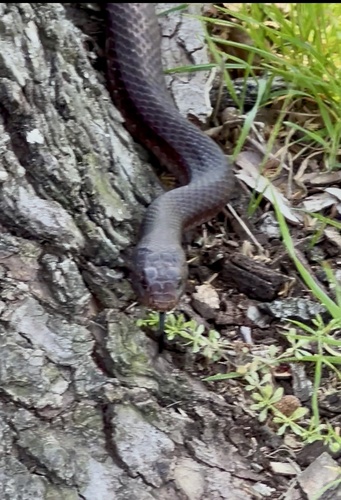 Common CoachwhipMasticophis flagellum
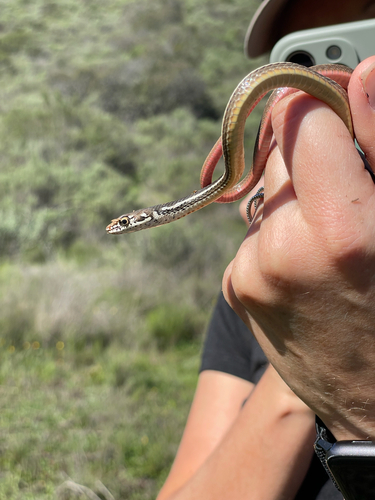 Striped RacerMasticophis lateralis
 Striped WhipsnakeMasticophis taeniatus
 Neotropical Whip SnakeMasticophis mentovarius
 Sonoran WhipsnakeMasticophis bilineatus
 Schott's WhipsnakeMasticophis schotti
 Clarion Island Whip SnakeMasticophis anthonyi
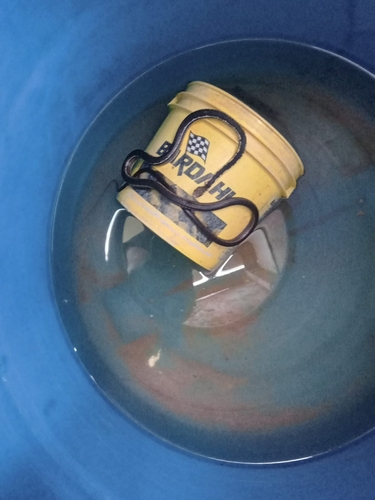 Baja California Striped Whip SnakeMasticophis aurigulus
Classification
How scientists group this snake, from the broadest category down to the exact species. Each step narrows to its closest relatives.
- OrderThe broad group of scaled reptiles: all snakes and lizards
- Squamata
- FamilyA group of related snakes that share key traits
- Colubridae
- GenusA close-knit group of very similar species
- Masticophis
- SpeciesThis exact snake, named in the two-part scientific name
- Masticophis fuliginosus
Keep learning
- What to Do If You Find a SnakeFound a snake at home or on a trail? Here is how to stay calm, give it space, identify it safely, and know when to call a professional.
- Venomous vs Nonvenomous: How to Tell the DifferenceThe folk rules for telling venomous snakes apart, where each one fails, and why location-based identification beats guessing by sight.
- What Is a Snake? Anatomy and the BasicsA clear overview of what makes a snake a snake: limbless body plan, anatomy, evolution from lizards, species diversity, and why they are ectothermic.
- How to Keep Snakes Out of Your Yard and HomeA practical guide to keeping snakes out of your yard and home using habitat changes that work, plus what to skip and what to do if one shows up.
Distribution from GBIF & iNaturalist. Venom status per CDC. Background: Wikipedia. Informational only. Never handle a snake to identify it.