
Rattlesnake
Western Massasauga
VenomousSistrurus tergeminus
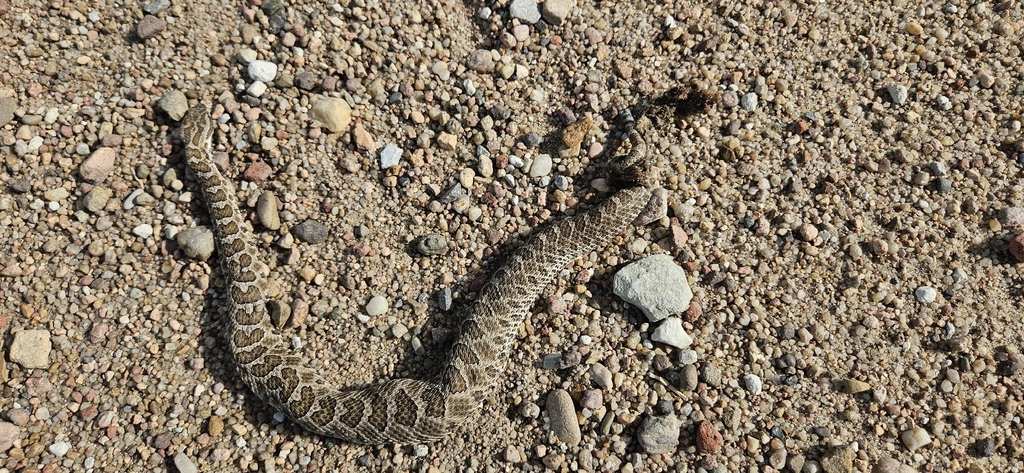
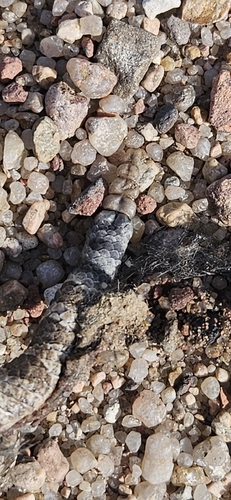
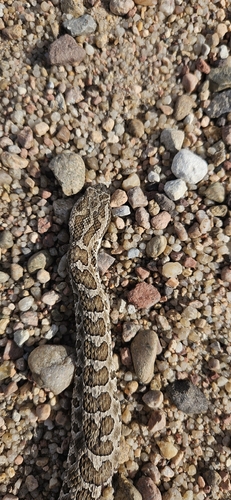
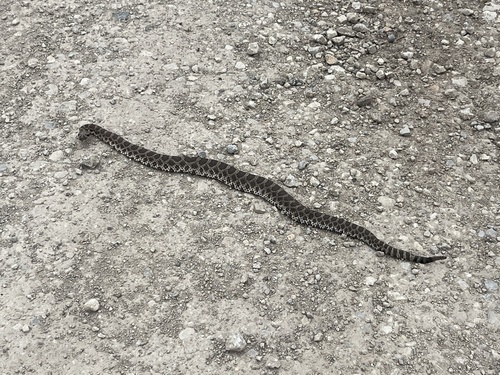
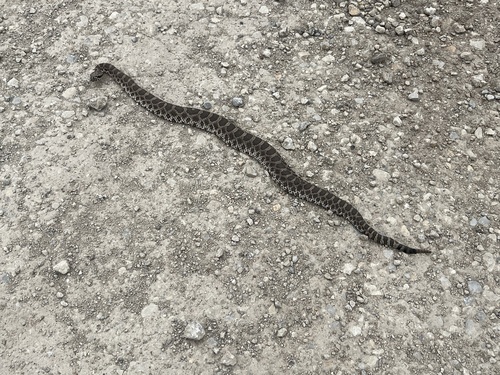
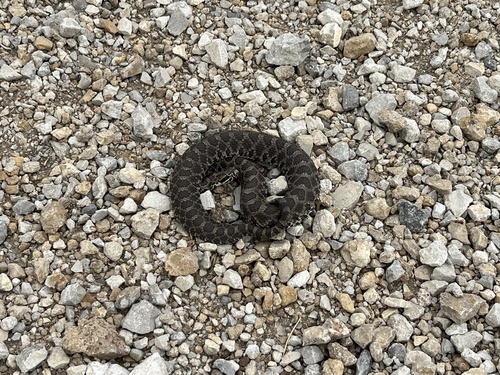
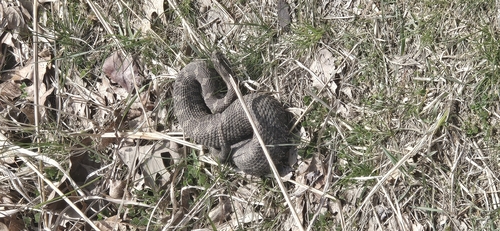
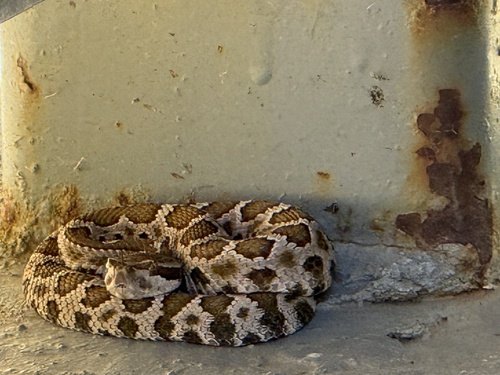
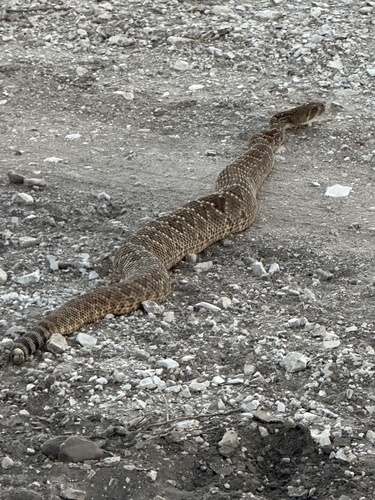
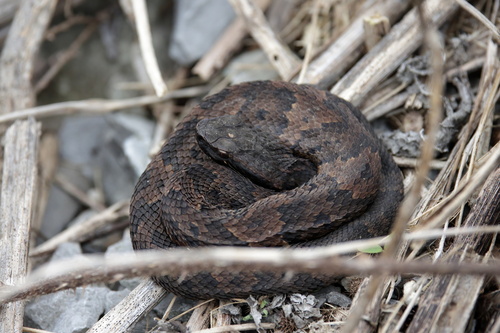
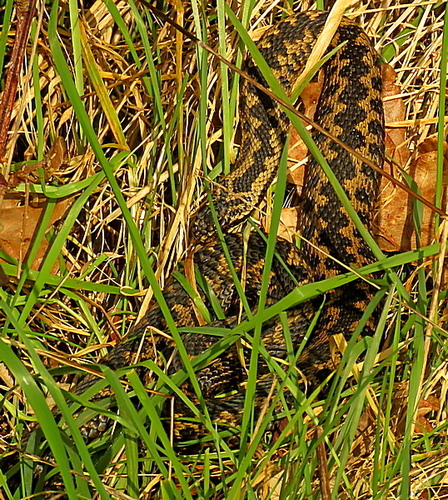
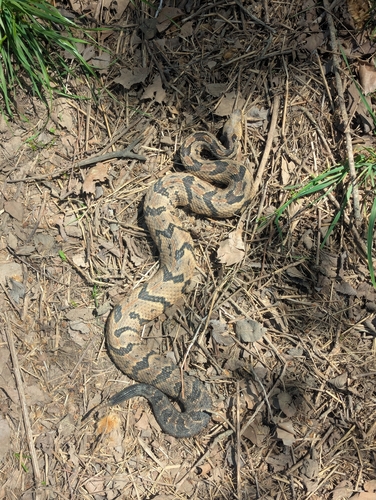
6 photographs of the Western Massasauga. © Robert Hoard.
The Western Massasauga (Sistrurus tergeminus) is a venomous snake in the Viperidae family, recorded in 3 countries.
If you are bitten
Rattlesnake bites are medically serious. Expect intense pain, rapid swelling, and bruising. Stay calm, keep the bitten limb still and roughly level with the heart, remove rings and tight clothing, and get to an emergency room immediately. Do NOT apply a tourniquet, cut the wound, apply ice, or try to suck out venom. Call Poison Control at 1-800-222-1222 or 911 in the US, or your local emergency number. (Source: CDC.)
- Also called
- Rattlesnake
- Family
- Viperidae
- Size
- Small rattlesnakes, usually 1.5–3 ft.
- Habitat
- Wetlands, prairies, and floodplain edges.
- Behavior
- Secretive; the small rattle makes a faint, insect-like buzz.
- Identify
- Stout, dark-blotched body, nine large scales on the crown, and a small rattle.
- Danger
- high
About the Western Massasauga
Sistrurus tergeminus, also known commonly as the western massasauga, is a species of rattlesnake native to the southwestern plains of the United States and northern Mexico. Like all rattlesnakes, it is a pit viper and is venomous.
Taxonomy
Sistrurus tergeminus was once considered a subspecies of the eastern massasauga (Sistrurus catenatus). S. tergeminus contains two subspecies: the nominate S. t. tergeminus, or plains massasauga, found in the Great Plains, and S. t. edwardsii, or desert massasauga, found in the deserts of the Southwestern United States and northern Mexico. The latter is considered "Vulnerable" by NatureServe. According to Campbell and Lamar (2004), a population also exists in southeastern Colorado that is morphologically somewhat intermediate between S. t. tergeminus and S. t. edwardsii.
Description
Adults of Sistrurus tergeminus range in total length (tail included) from 35 to 91 cm (14 to 36 in). The "standard" total length for 43 male and 63 female adult specimens was 68 cm (27 in). Conant (1975) gives a range of total length of 46–66 cm (18–26 in), with a maximum of 88.3 cm (34+3⁄4 in).
The color pattern is similar to that of S. catenatus, but paler: the dark brown blotches contrast strongly with the tan-gray or light gray ground color. The venter (belly) is light with a few dark markings.
Common names
Common names for Sistrurus tergeminus include western massasauga, ground rattlesnake, Gulf Coast massasauga, víbora de cascabel (Mexico), Edward's massasauga, large ground rattlesnake, Say's false rattlesnake, Sonora ground rattlesnake, Texas massasauga, three-spotted shield rattler, triple-spotted rattlesnake, and prairie massasauga.
Geographic distribution
In the United States, Sistrurus tergeminus is found in the southwestern plains from southeastern Colorado to extreme southeastern Nebraska and northwestern Missouri, southwest through east-central Kansas and west-central Oklahoma into northern and central Texas about as far southwest as the Colorado River. It is also found in Mexico, in the states of Tamaulipas, southern Nuevo León, north-central Coahuila, and Samalayuca, Chihuahua. The type locality given is "between the Mississippi River and the Rocky Mountains".
Behavior
Sistrurus tergeminus is primarily found in grassland areas, on the edge of open woodland, or on rocky hillsides, and often makes use of the burrows of other animals for shelter. It primarily eats rodents, but may also eat lizards and frogs, having for the purpose a set of enlarged adrenal glands. Its rattle is significantly higher pitched than those of larger species of rattlesnakes, sometimes giving it the nickname "buzztail", and as such should not be relied upon for warning. Primarily nocturnal, the species is considered mild-mannered and sluggish especially during the summer, when the weather is too hot for it to be active and it is sometimes found basking. Though it is most often found by water or immediately after rain, it prefers arid or heavily-covered ground.
Venom
Adapted from Wikipedia, available under CC BY-SA.
Local and regional names
The Western Massasauga is known by these names across the regions where it lives:
- English
- Desert Massasauga, Prairie Massasauga
- German
- Prairie-Massasauga, Prärie-Massasauga, Westliche Massasauga, Wüsten-Massasauga
- Japanese
- メキシコヒメガラガラ
- Spanish
- Cascabel norteña
Frequently asked: Western Massasauga
- Is the Western Massasauga venomous?
- Yes. The Western Massasauga (Sistrurus tergeminus) is venomous and belongs to the Viperidae family (rattlesnake). Its bite is considered high risk to people. Treat any bite as a medical emergency.
- Is the Western Massasauga poisonous?
- Snakes are venomous, not poisonous. "Poisonous" means harmful to eat or touch; "venomous" means injecting toxins through a bite. The Western Massasauga is venomous, delivering venom through a bite.
- Is the Western Massasauga dangerous?
- Rattlesnake bites are medically serious. Expect intense pain, rapid swelling, and bruising. Stay calm, keep the bitten limb still and roughly level with the heart, remove rings and tight clothing, and get to an emergency room immediately. Do NOT apply a tourniquet, cut the wound, apply ice, or try to suck out venom. Call Poison Control at 1-800-222-1222 or 911 in the US, or your local emergency number. (Source: CDC.)
- Where does the Western Massasauga live?
- The Western Massasauga has verified records in 3 countries, including United States of America, Mexico, Canada. See the distribution section below for its full range.
- How do I identify the Western Massasauga?
- Stout, dark-blotched body, nine large scales on the crown, and a small rattle.
- How big does the Western Massasauga get?
- Small rattlesnakes, usually 1.5–3 ft.
- Why is it called the Western Massasauga?
- Common names for Sistrurus tergeminus include western massasauga, ground rattlesnake, Gulf Coast massasauga, víbora de cascabel (Mexico), Edward's massasauga, large ground rattlesnake, Say's false rattlesnake, Sonora ground rattlesnake, Texas massasauga, three-spotted shield rattler, triple-spotted rattlesnake, and prairie massasauga.
If you are bitten by the Western Massasauga
Do
- Get away from the snake and stay calm. Most bites worsen when people panic or try again to handle the snake.
- Call 911 or Poison Control (1-800-222-1222) right away. Antivenom works best when given early.
- Note the time of the bite and, from a safe distance, the snake's color and pattern, a phone photo is enough. Do not chase it.
- Keep the bitten limb still and at roughly heart level. Sit or lie down and limit movement.
- Remove rings, watches, and tight clothing near the bite before swelling starts.
- Gently wash the bite with soap and water and cover it with a clean, dry dressing.
Do not
- Do not cut the wound or try to suck out the venom.
- Do not apply a tourniquet or ice.
- Do not drink alcohol or caffeine.
- Do not take aspirin or ibuprofen, they can worsen bleeding. Acetaminophen is safer for pain.
- Do not try to catch or kill the snake. A dead snake can still bite by reflex.
First-aid guidance adapted from the U.S. Centers for Disease Control and Prevention (CDC NIOSH), Venomous Snakes. Educational only; always follow the instructions of emergency responders.
Where it is found
Snakes it is confused with
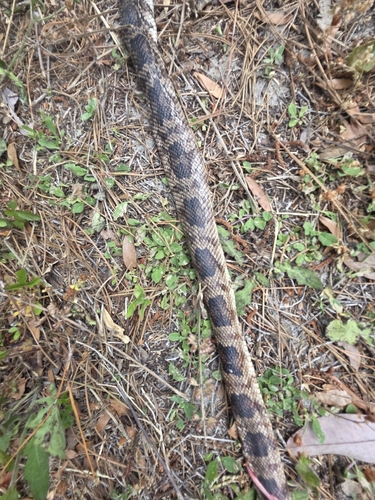
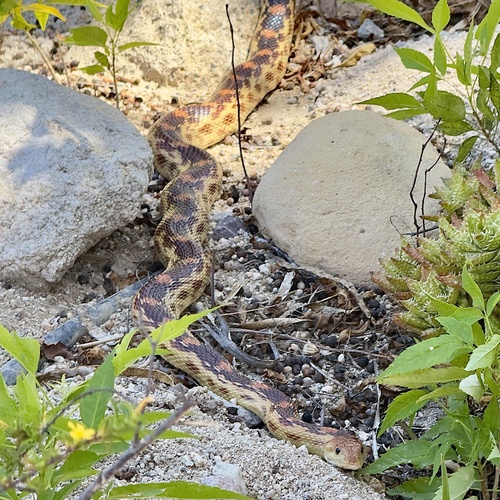
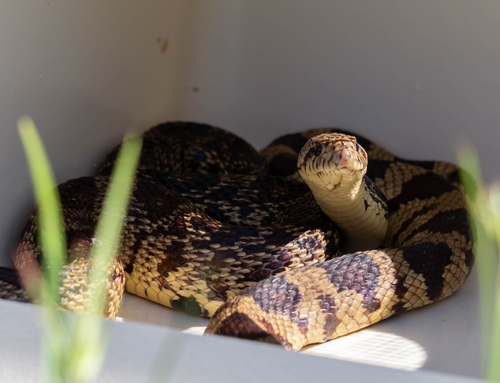
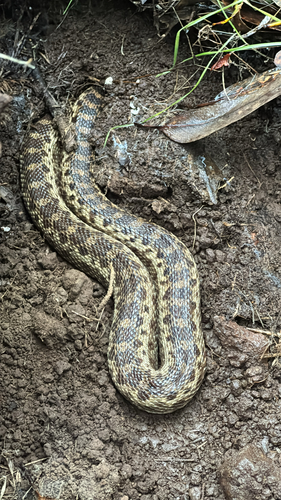 Gopher SnakeHarmless
Rattlesnakes are sometimes confused with harmless gophersnakes/bullsnakes; only rattlesnakes have a true segmented rattle and a facial pit.
Western Massasauga vs Gopher Snake→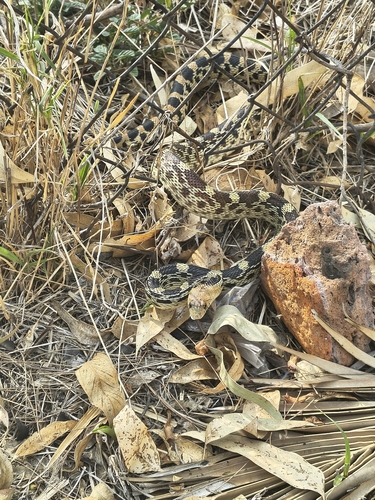
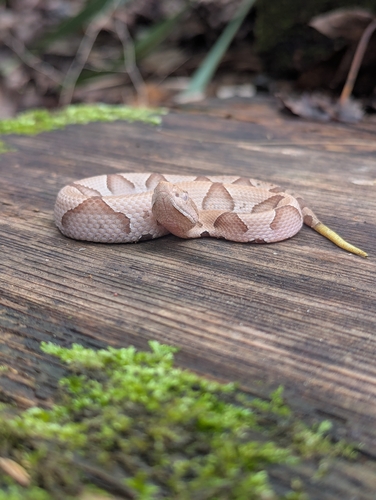
More Viperidae snakes
Classification
How scientists group this snake, from the broadest category down to the exact species. Each step narrows to its closest relatives.
Keep learning
- Are Snakes Dangerous? The Real Risk, in PerspectiveMost snakes are harmless and avoid people. Here is the honest picture of snakebite risk worldwide and how to lower your own.
- Snakebite First Aid: What to Do (and What Never to Do)A clear, CDC-based guide to snakebite first aid: the steps that help, the popular myths that hurt, and how to tell a serious bite from a minor one.
- Venomous vs Nonvenomous: How to Tell the DifferenceThe folk rules for telling venomous snakes apart, where each one fails, and why location-based identification beats guessing by sight.
- What to Do If You Find a SnakeFound a snake at home or on a trail? Here is how to stay calm, give it space, identify it safely, and know when to call a professional.
Distribution from GBIF & iNaturalist. Venom status per CDC. Background: Wikipedia. Informational only. Never handle a snake to identify it.