
Watersnake
Florida Green Watersnake
HarmlessNerodia floridana
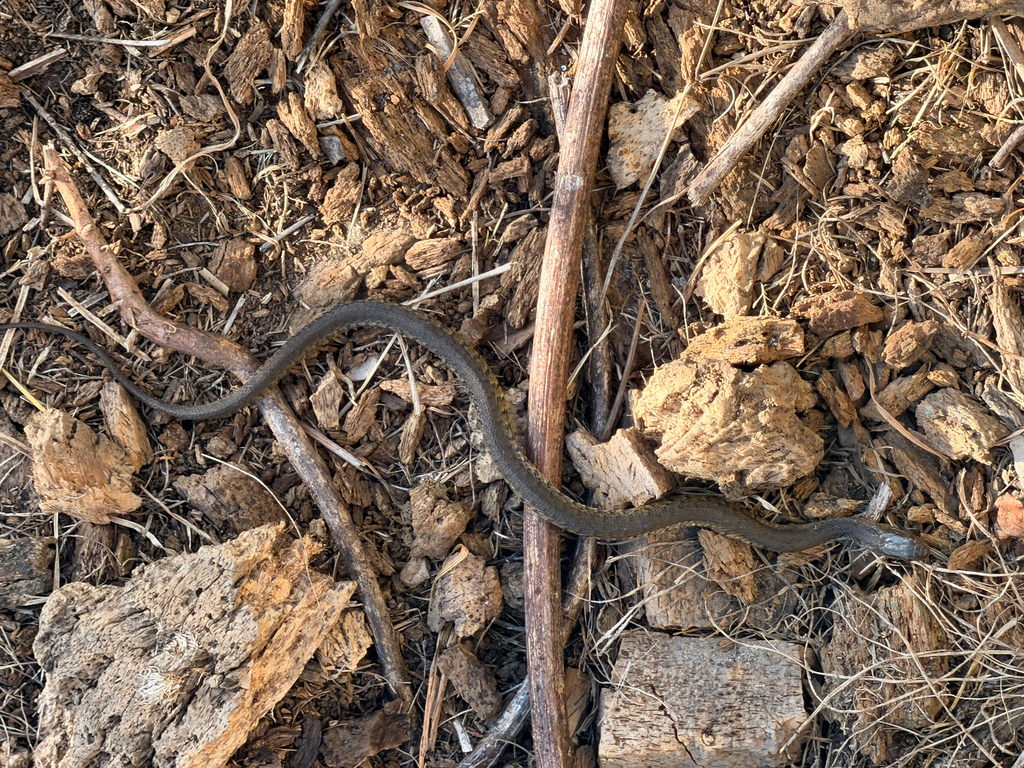
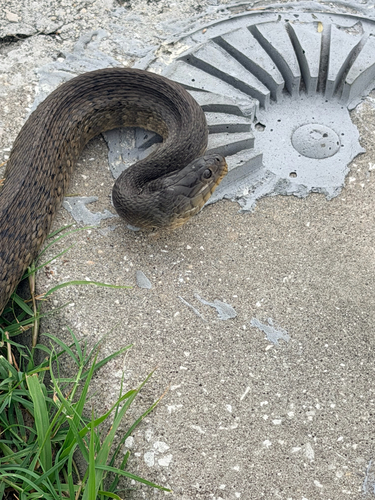
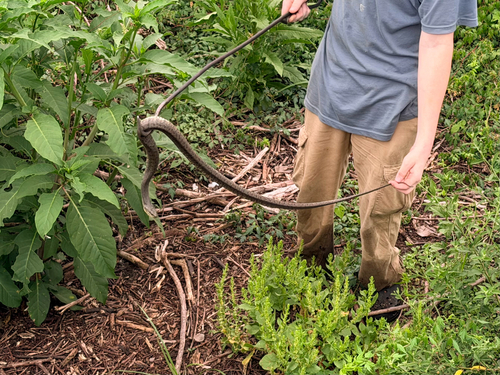
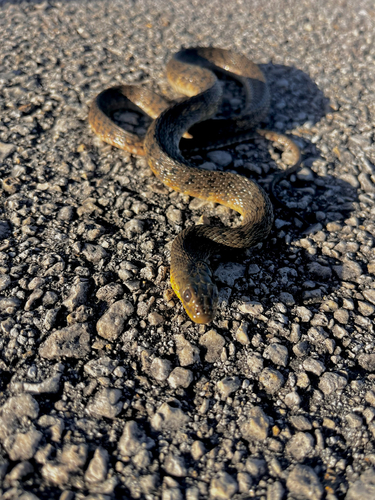
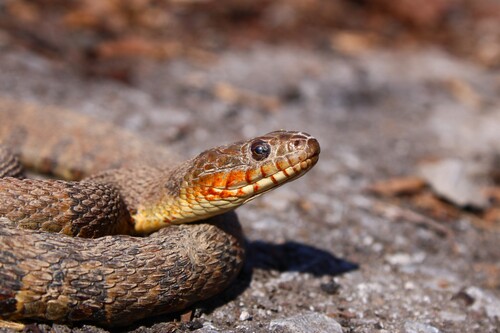
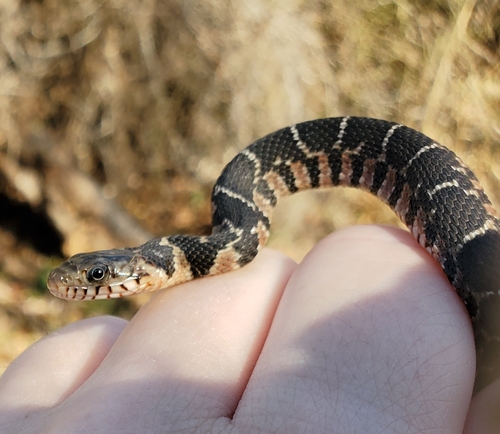
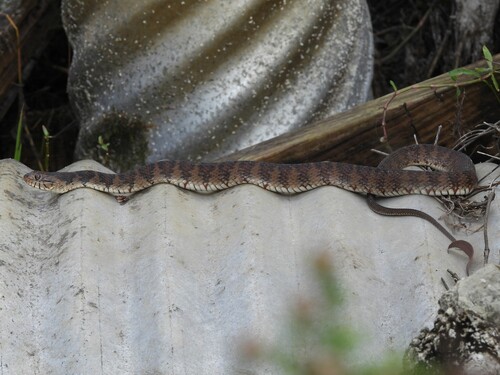
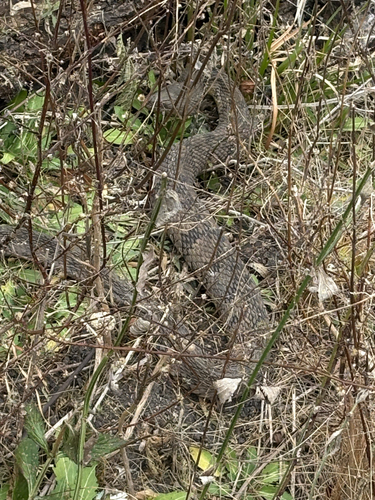
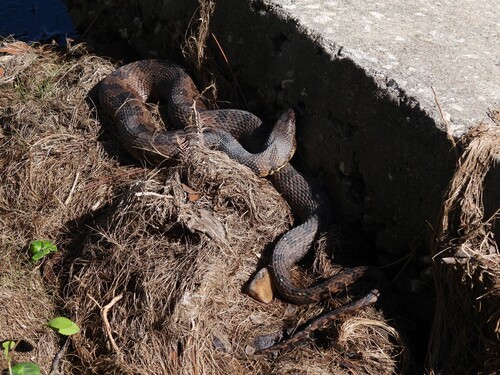
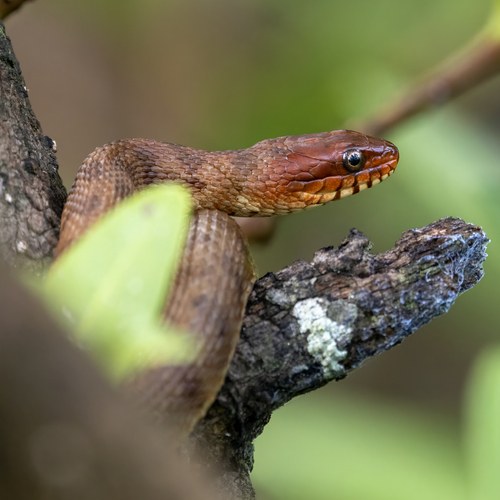
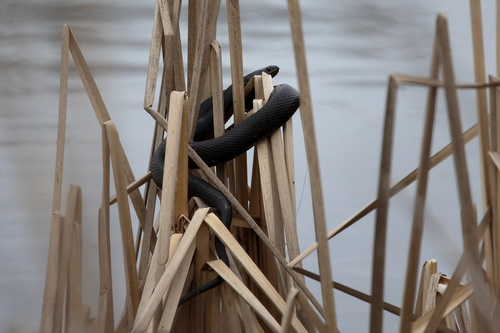
4 photographs of the Florida Green Watersnake. (c) Melissa Meadows, some rights reserved (CC BY).
The Florida Green Watersnake (Nerodia floridana) is a non-venomous snake in the Colubridae family, recorded in 1 country.
- Also called
- Watersnake
- Family
- Colubridae
- Size
- Heavy-bodied, 2–4.5 ft.
- Habitat
- Lakes, rivers, ponds, swamps, and ditches.
- Behavior
- Strong swimmers that flee into water but will bite and musk if cornered. Very frequently mistaken for cottonmouths.
- Identify
- Heavy banded or blotched body, round pupils, and a narrow head — unlike the cottonmouth's broad, blocky head.
About the Florida Green Watersnake
Nerodia floridana, commonly known as the Florida green watersnake, or eastern green watersnake, is a harmless species of snake in the subfamily Natricinae of the family Colubridae. The species is native to the southeastern United States.
Description
N. floridana is the largest watersnake in North America. Fully grown it will typically reach 76–140 cm (30–55 in) in total length (including tail), with the record-sized specimen having measured 188 cm (74 in) in total length. Its coloration is solid grey or greenish-brownish with a white or yellow belly in adults, which darkens in color under the tail. Encircling the lower half of the eye is a row of scales, which is separate from the upper lip scales. Among all southeastern U.S. snakes, only the green water snake has this feature. Juveniles have typically, about 50 dark crossbars on the dorsum and on the sides, which fade gradually with age.
Geographic distribution and habitat
N. floridana is found in Alabama, Florida, Georgia, and South Carolina. In southern South Carolina it is commonly found in open, marshy wetland areas. It is rarely found in rivers or streams. It prefers choked vegetation and calm waters such as swamps and marshes. It is also generally found in lakes, ponds, ditches, and occasionally in brackish water.
Behavior and ecology
In southern Florida, N. floridana is active year round. Like other water snakes of the southeastern U.S., N. floridana hibernates during the winter in the northern, coldest parts of its range. In colder areas and months, the snake can be seen basking outdoors on sunny days. In southern Florida, it often travels overland on rainy days.
Diet
Little is known about the diet of N. floridana. Most reports suggest that its diet consists primarily of fish, including sunfish, crappies, and small bass. It also preys upon frogs, especially pig frogs, tadpoles, and salamanders. Little is known about its methods for finding prey, but like other water snakes, N. floridana swallows its prey alive.
Reproduction
N. floridana bears live young by ovoviviparity similar to other North American water snakes. A few observations have been made of matings in late winter or early spring. Females generally have very large litters and give birth in the summer. The size of the litter ranges from 20 to 40, and the young are typically born from June to September. The record litter for the species was 132 babies, taken from a dead female.
Threats
Despite the huge litters of N. floridana, most juveniles never reach adulthood. Common predators in its wetland habitat include river otters, hawks, herons, egrets, ospreys, turtles, kingsnakes, alligators, and several species of predatory fish. When threatened, the Florida green watersnake's first impulse is to escape, and if captured, it will then resort to biting or releasing a strong musk from its scent glands.
Conservation status
Adapted from Wikipedia, available under CC BY-SA.
Frequently asked: Florida Green Watersnake
- Is the Florida Green Watersnake venomous?
- No. The Florida Green Watersnake (Nerodia floridana) is non-venomous and is not considered dangerous to humans. Like most snakes, it will retreat rather than bite when given the chance.
- Is the Florida Green Watersnake poisonous?
- Snakes are venomous, not poisonous. "Poisonous" means harmful to eat or touch; "venomous" means injecting toxins through a bite. The Florida Green Watersnake is neither poisonous nor venomous.
- Is the Florida Green Watersnake dangerous?
- The Florida Green Watersnake is not dangerous to humans. It has no medically significant venom and bites only defensively if cornered or handled.
- Where does the Florida Green Watersnake live?
- The Florida Green Watersnake has verified records in 1 country, including United States of America. See the distribution section below for its full range.
- How do I identify the Florida Green Watersnake?
- Heavy banded or blotched body, round pupils, and a narrow head — unlike the cottonmouth's broad, blocky head.
- How big does the Florida Green Watersnake get?
- Heavy-bodied, 2–4.5 ft.
- What does the Florida Green Watersnake eat?
- Little is known about the diet of N. floridana. Most reports suggest that its diet consists primarily of fish, including sunfish, crappies, and small bass. It also preys upon frogs, especially pig frogs, tadpoles, and salamanders. Little is known about its methods for finding prey, but like other water snakes, N. floridana swallows its prey alive.
Where it is found
By U.S. state
Snakes it is confused with
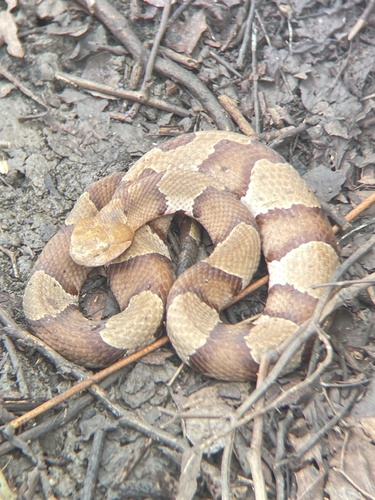
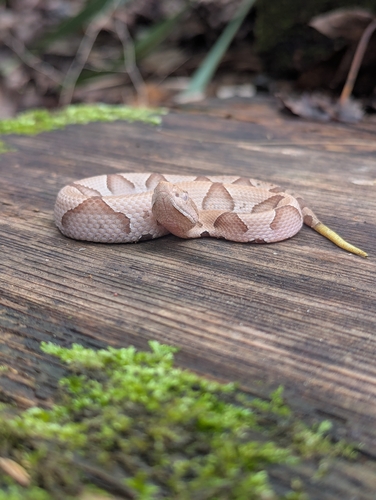 Eastern CopperheadVenomous
Harmless watersnakes are sometimes mistaken for copperheads near water; watersnakes have round pupils and banded, not hourglass, markings.
Florida Green Watersnake vs Eastern Copperhead→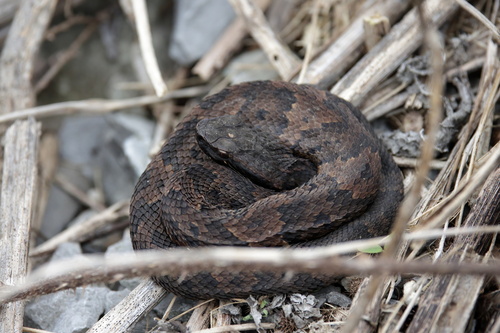 Northern CottonmouthVenomous
Harmless watersnakes are constantly mistaken for the venomous cottonmouth. Watersnakes have round heads and round pupils and flee into the water.
Florida Green Watersnake vs Northern Cottonmouth→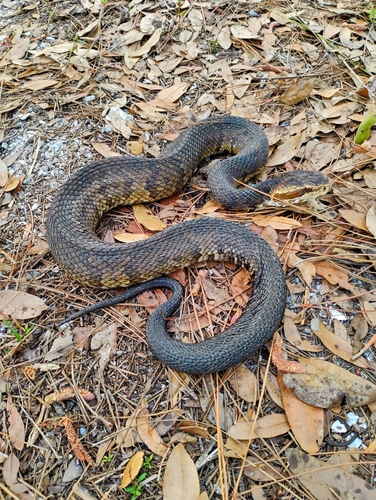
More Colubridae snakes

Classification
How scientists group this snake, from the broadest category down to the exact species. Each step narrows to its closest relatives.
- OrderThe broad group of scaled reptiles: all snakes and lizards
- Squamata
- FamilyA group of related snakes that share key traits
- Colubridae
- GenusA close-knit group of very similar species
- Nerodia
- SpeciesThis exact snake, named in the two-part scientific name
- Nerodia floridana
Keep learning
- What to Do If You Find a SnakeFound a snake at home or on a trail? Here is how to stay calm, give it space, identify it safely, and know when to call a professional.
- Venomous vs Nonvenomous: How to Tell the DifferenceThe folk rules for telling venomous snakes apart, where each one fails, and why location-based identification beats guessing by sight.
- What Is a Snake? Anatomy and the BasicsA clear overview of what makes a snake a snake: limbless body plan, anatomy, evolution from lizards, species diversity, and why they are ectothermic.
- How to Keep Snakes Out of Your Yard and HomeA practical guide to keeping snakes out of your yard and home using habitat changes that work, plus what to skip and what to do if one shows up.
Distribution from GBIF & iNaturalist. Venom status per CDC. Background: Wikipedia. Informational only. Never handle a snake to identify it.