
Mexico
Snakes in Mexico
450+ snake species have been recorded in Mexico, 93 venomous.
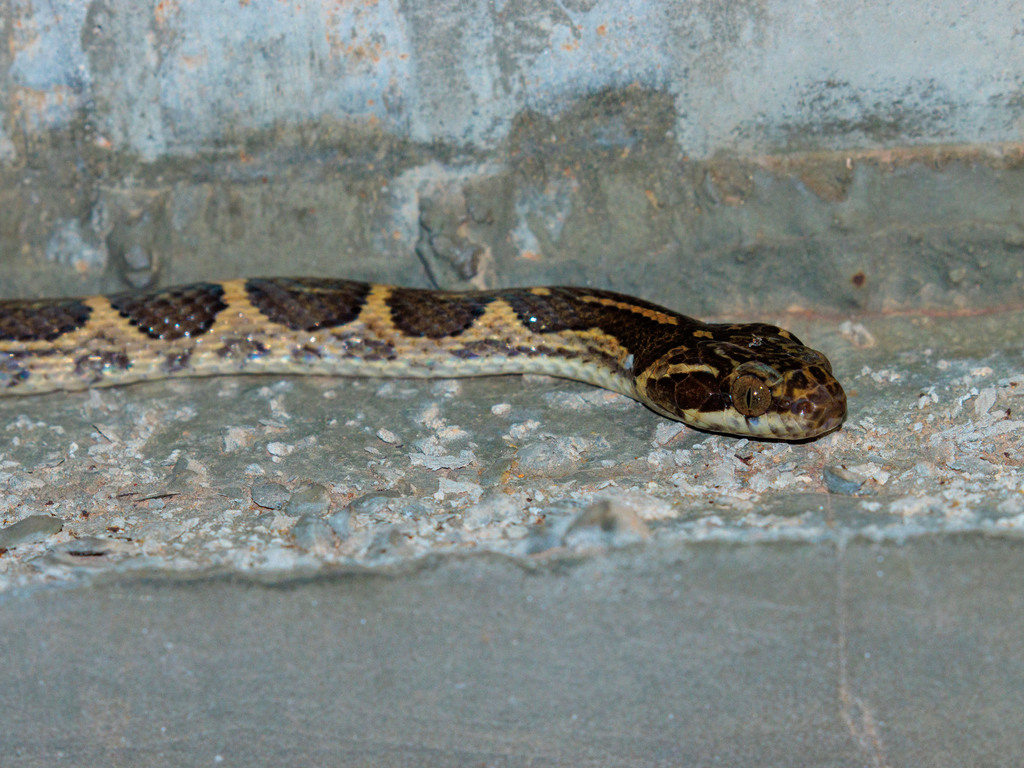
Snakes of Mexico
Mexico is one of the most snake-diverse countries on Earth, with 450+ species recorded in our occurrence data. The reason for that richness is geographic. Mexico is where the temperate Nearctic fauna of North America meets the tropical Neotropical fauna of Central and South America, and the snakes of both worlds overlap across its territory. Layered on top of that biogeographic crossroads is an enormous range of habitats, from the Sonoran and Chihuahuan deserts of the north to tropical lowland rainforest, montane cloud forest, the limestone scrub of the Yucatan Peninsula, two long coastlines, and a high, dry central plateau. Few countries pack so many distinct snake communities into one set of borders.
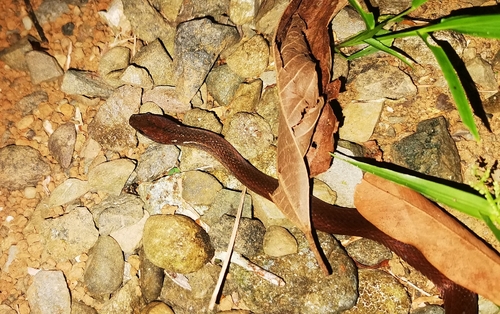
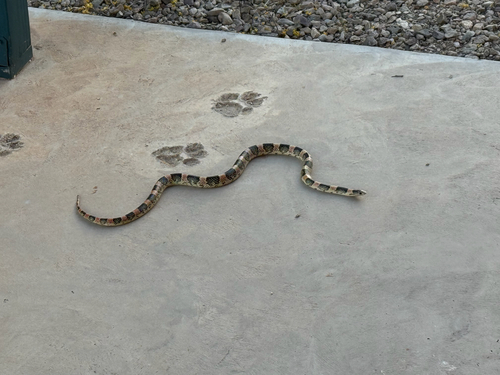
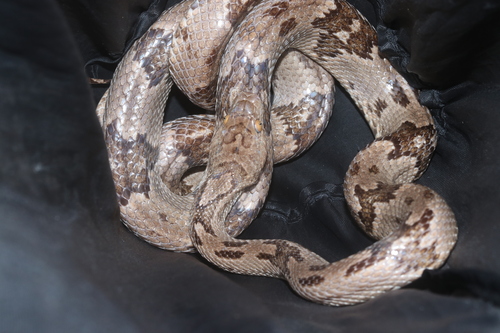
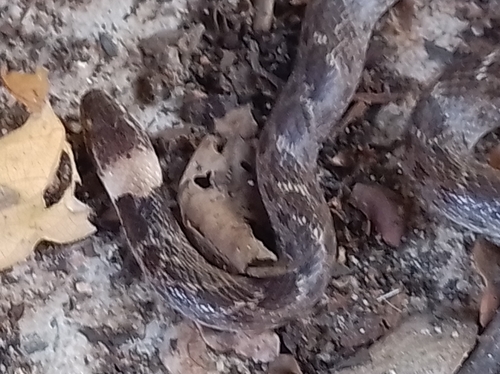
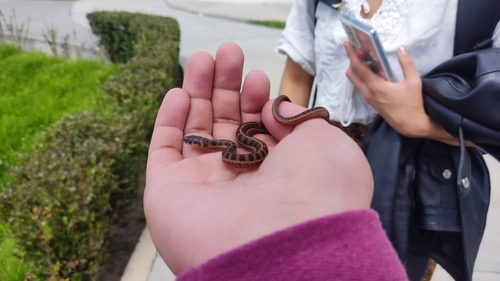
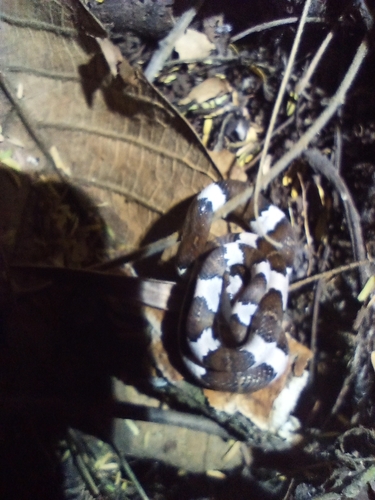
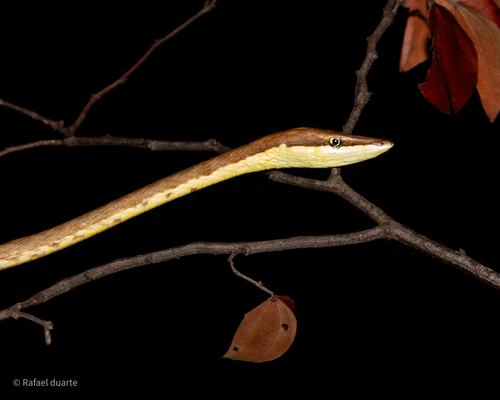
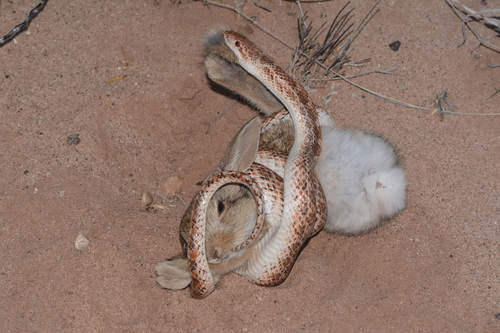
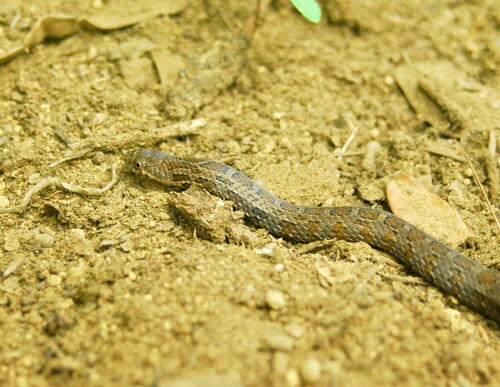
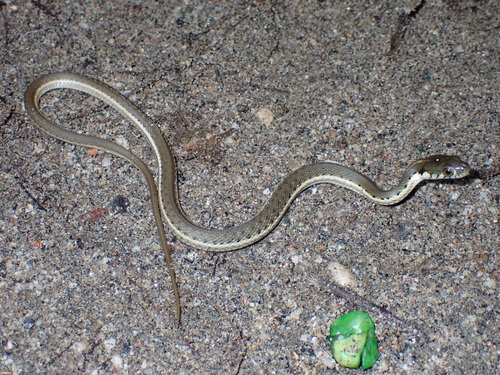
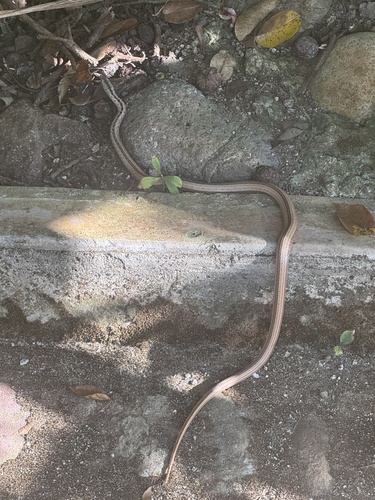
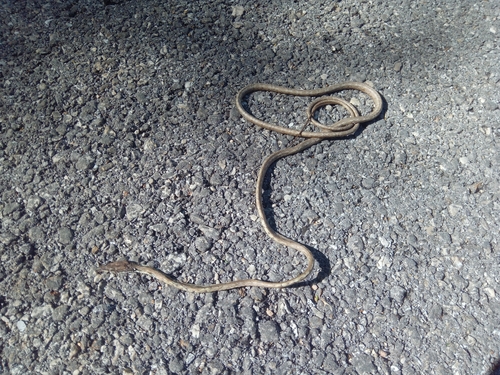
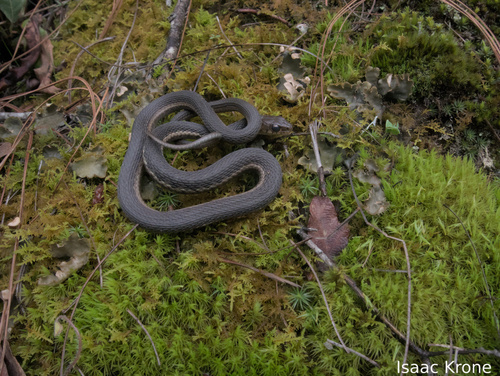
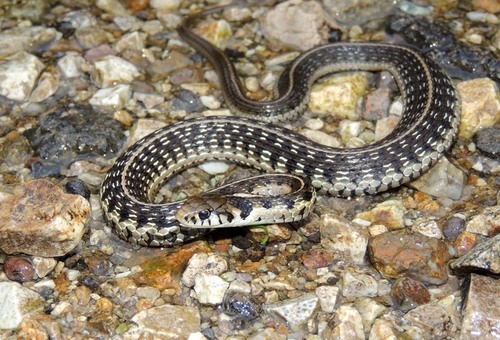
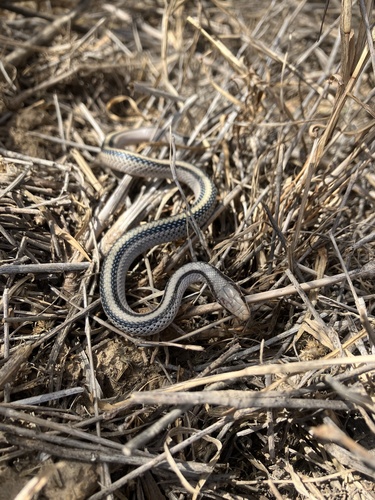
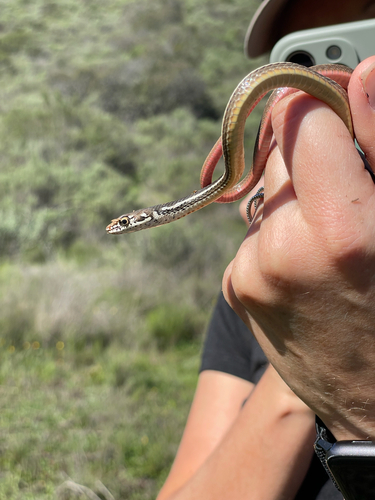
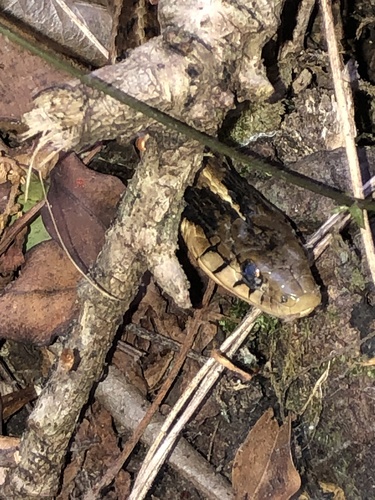
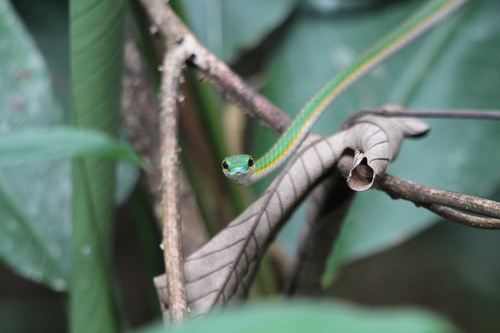
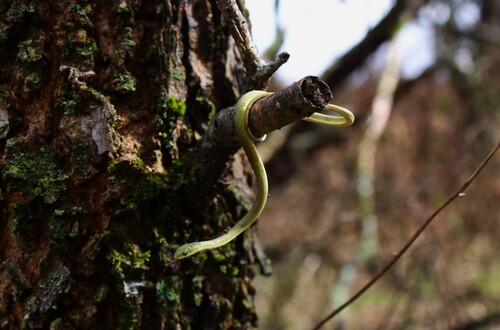
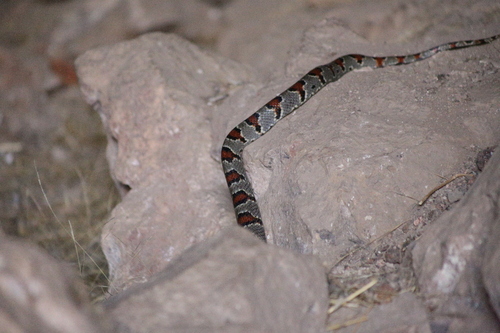
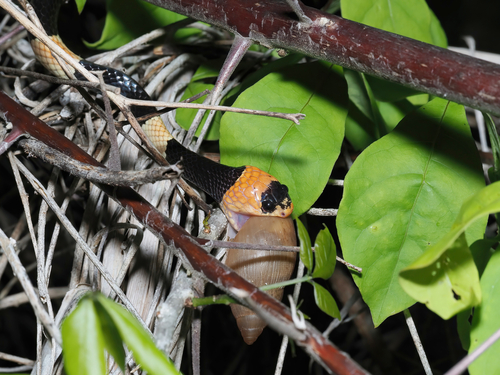
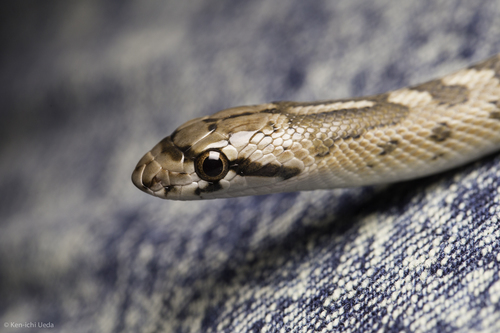
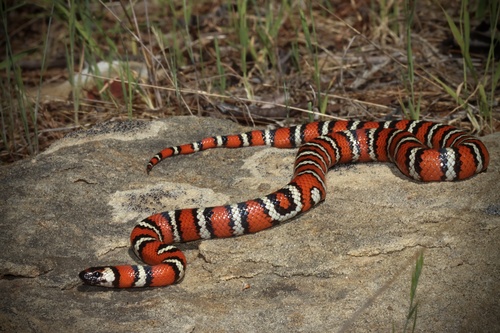
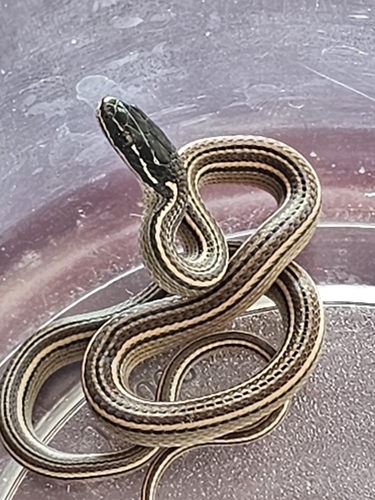
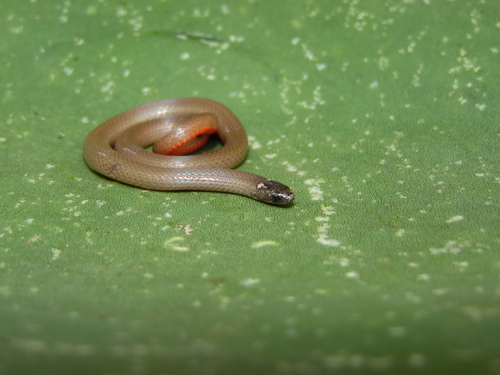
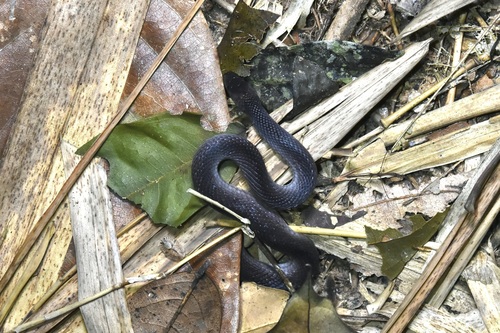
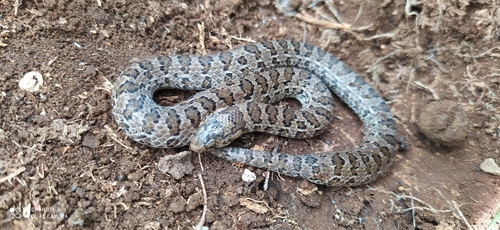
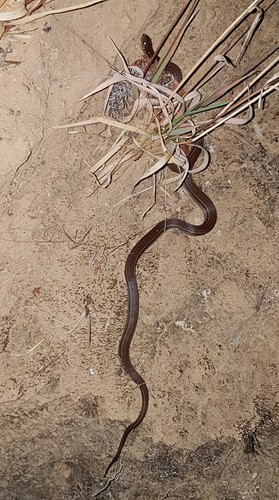
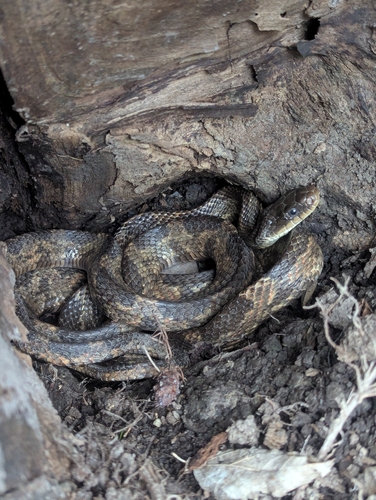
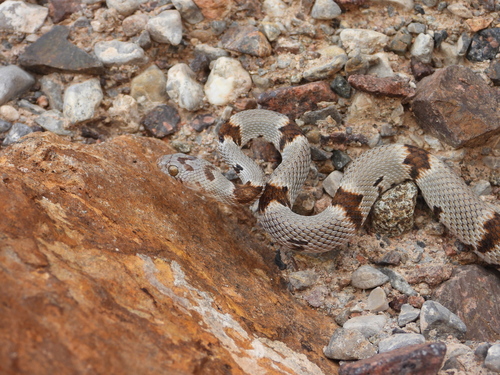
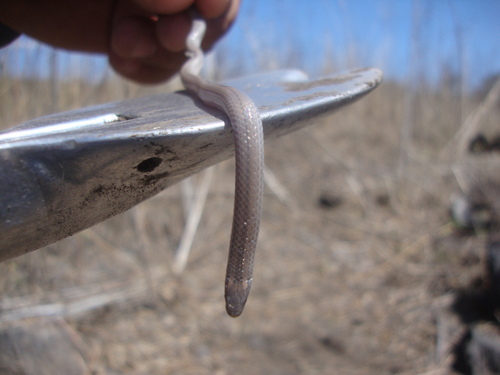
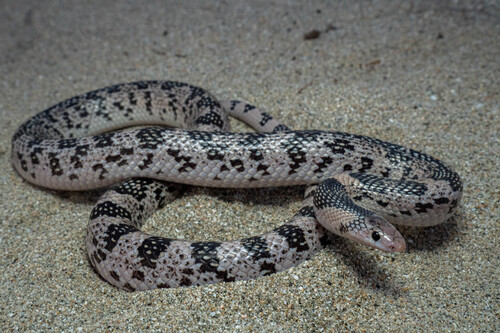
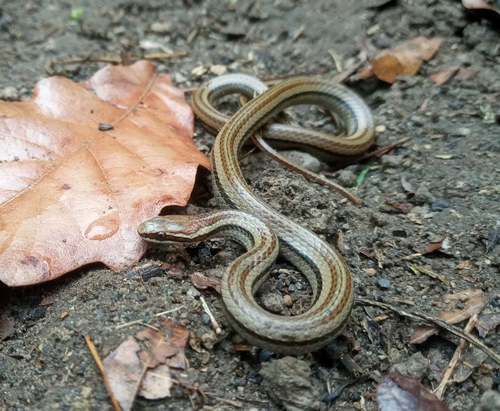
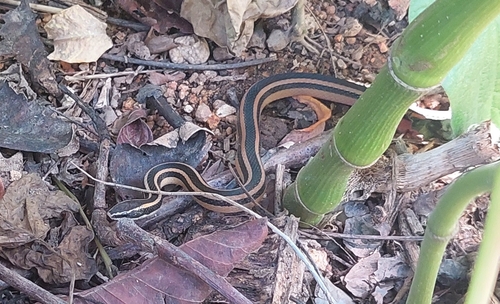
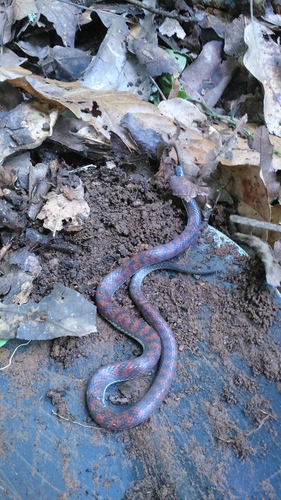
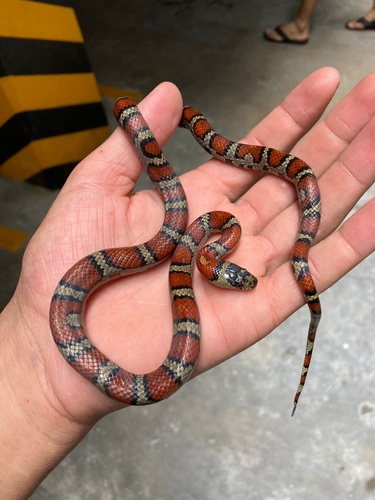
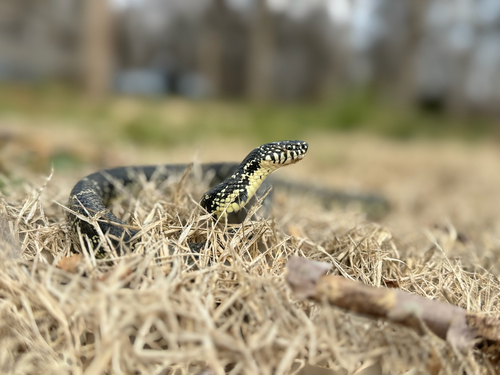
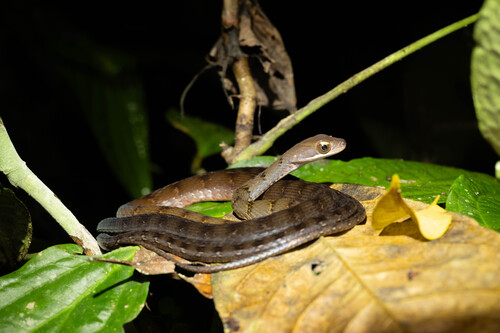
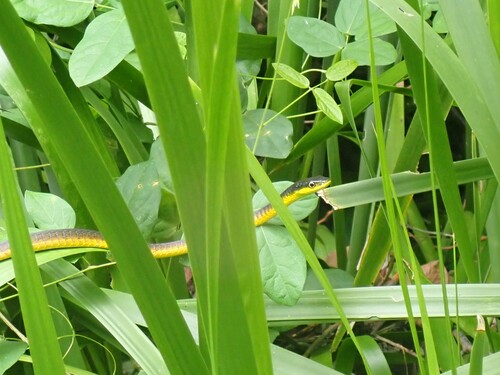
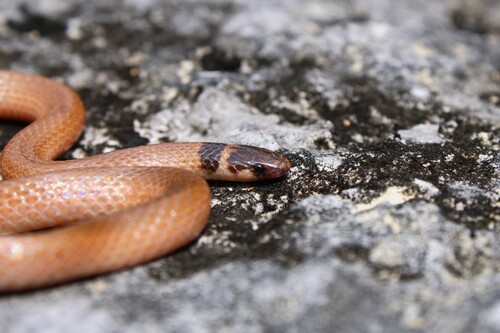
The non-venomous majority defines the fauna. Of the 450+ species in our data, 380 are non-venomous, the overwhelming bulk of them colubrids, a vast family that includes ratsnakes, kingsnakes, gartersnakes, racers, hognose snakes, and many small, secretive burrowers. Mexico is also home to constrictors such as the boa constrictor, which ranges through tropical and subtropical lowlands. These snakes are harmless to people and ecologically valuable. They control rodent and insect populations, serve as prey for birds and mammals, and are an integral part of healthy ecosystems. The large majority of snakes a person encounters in Mexico pose no danger.
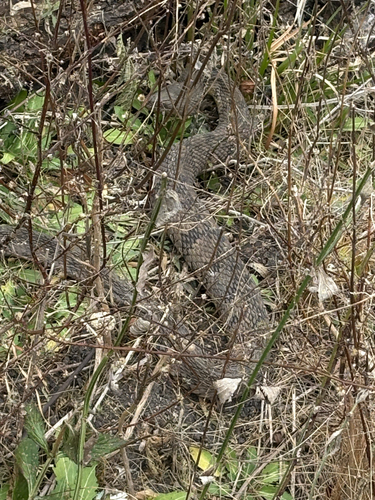
Mexico is the global center of rattlesnake diversity. The genus Crotalus reaches its greatest variety here, with many species spread across the deserts, plateaus, and pine-oak highlands. Rattlesnakes are pit vipers, and they are the most widespread group of medically significant venomous snakes in the country, found in arid and semi-arid regions throughout the north and center. Other pit vipers include the fer-de-lance, Bothrops asper, a large and dangerous species of humid tropical lowlands in the south and along the Gulf coast, as well as various jumping pitvipers and arboreal palm-pitvipers of the southern forests. These are the snakes responsible for most serious bites in the regions where they live.
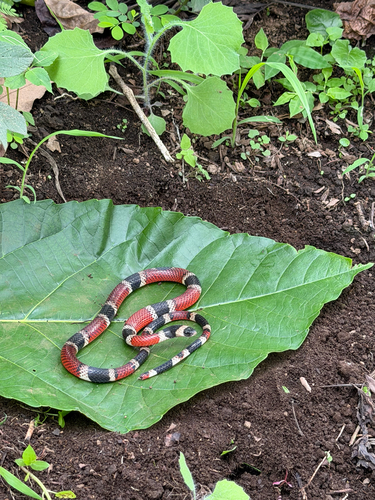
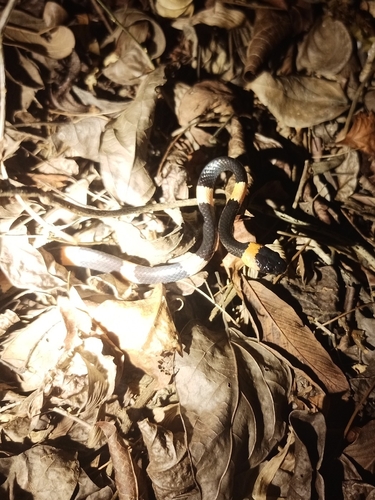
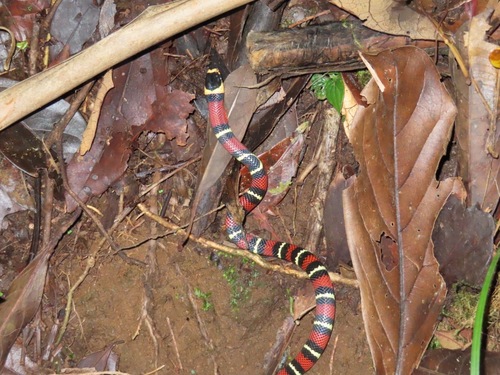
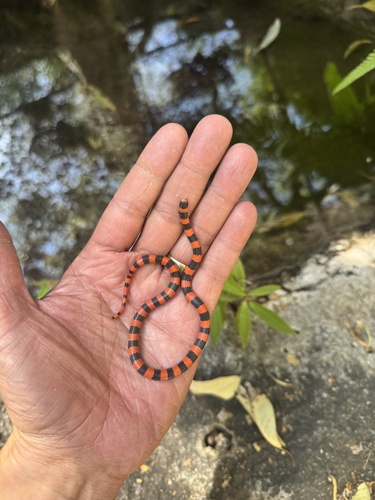
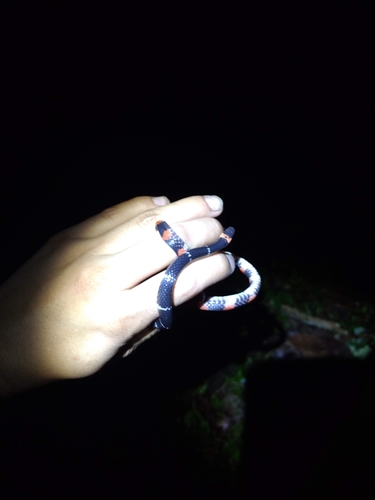
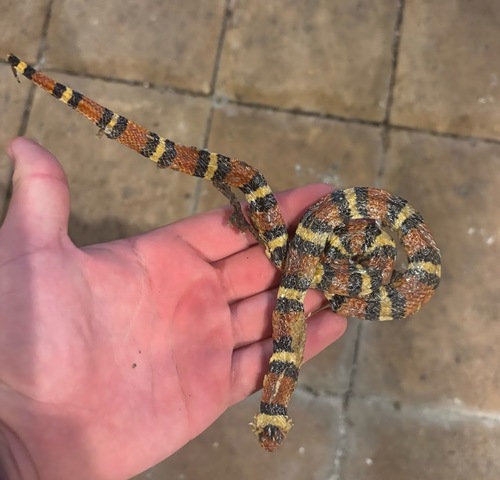
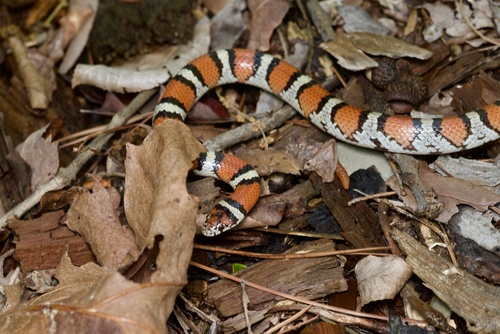
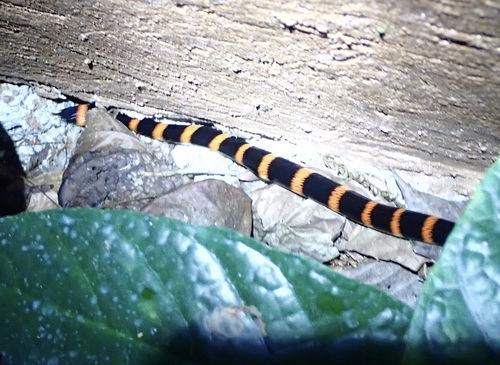
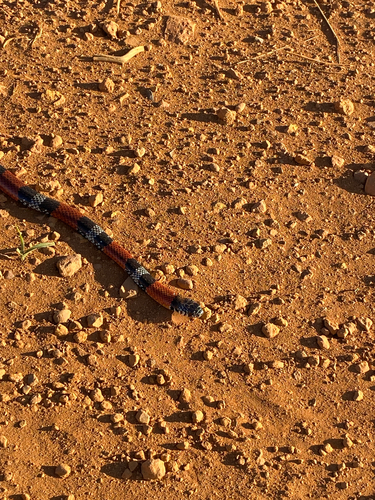
Coral snakes of the genus Micrurus add a second venomous lineage, unrelated to the vipers. They are elapids, kin to cobras and mambas, with potent neurotoxic venom and the familiar banded color pattern. Coral snakes are mostly small, secretive, and reluctant to bite, and they occur across tropical and subtropical Mexico, more common in the south. Many harmless species mimic their banding, so color alone is an unreliable way to tell danger from safety. In all, our data records 94 venomous species in Mexico, a count that reflects the combined diversity of rattlesnakes, other pit vipers, and coral snakes across the country's many habitats.
Practical safety in Mexico comes down to distance and respect. The great majority of snakes are harmless, and even venomous species bite defensively, almost always when cornered, stepped on, or handled. Watch where you place hands and feet in brush, rock piles, and tall grass, especially in desert and tropical lowland areas, and never attempt to catch, move, or handle a wild snake regardless of how harmless it appears. No wild venomous snake is safe to handle. If a bite occurs, treat it as a medical emergency and get the person to professional emergency services and an antivenom-equipped hospital as quickly as possible, rather than relying on field remedies. Quick access to qualified medical care is what matters most.
Snakes in Mexico: FAQ
- Are there venomous snakes in Mexico?
- Yes. 93 venomous snake species have verified records in Mexico, including Western Diamond-backed Rattlesnake, Western Black-tailed Rattlesnake, Red Diamond Rattlesnake, Mojave Rattlesnake. Most snakes in Mexico, however, are harmless.
- How many snake species live in Mexico?
- 450+ snake species have verified records in Mexico, of which 93 are venomous.
- What is the most commonly seen snake in Mexico?
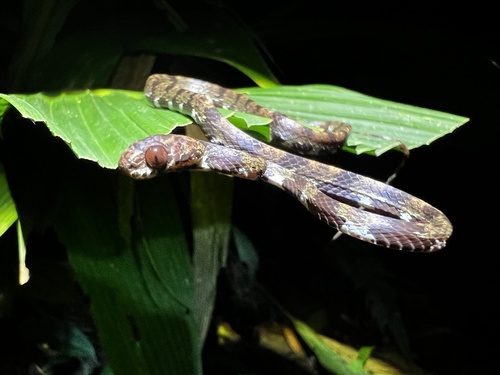
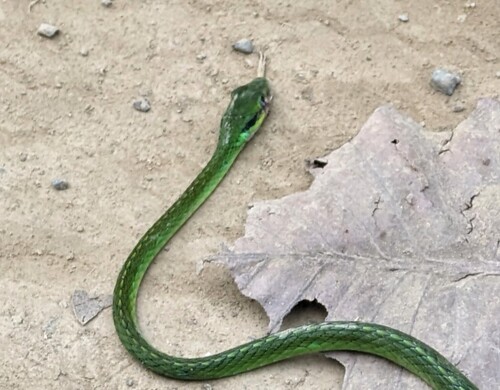
- The Paraiba Cat-eyed Snake is the most frequently reported snake in Mexico, based on verified wildlife observations.
- What should I do if I see a venomous snake in Mexico?
- Keep your distance and do not try to catch or kill it. Most bites happen when people handle or corner a snake. If someone is bitten, contact local emergency services or poison control immediately.
Venomous snakes in Mexico
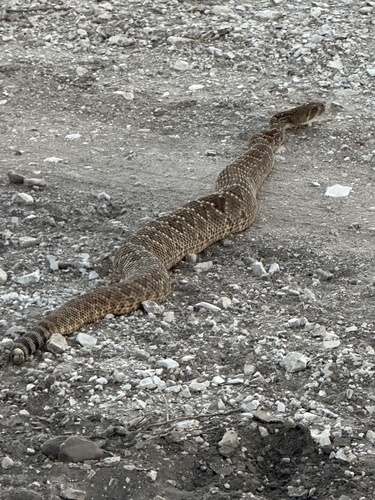 Western Diamond-backed RattlesnakeCrotalus atroxVenomous
Heavy body, broad triangular head, vertical (cat-like) pupils, and a segmented keratin rattle at the tail tip.
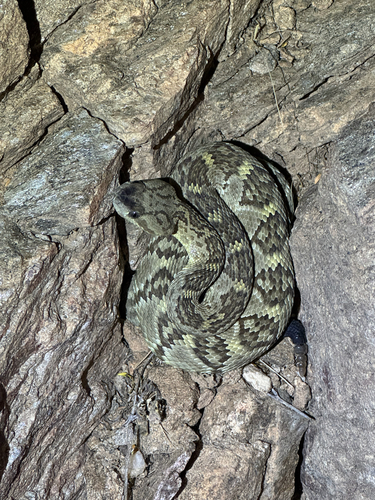 Western Black-tailed RattlesnakeCrotalus molossusVenomous
Heavy body, broad triangular head, vertical (cat-like) pupils, and a segmented keratin rattle at the tail tip.
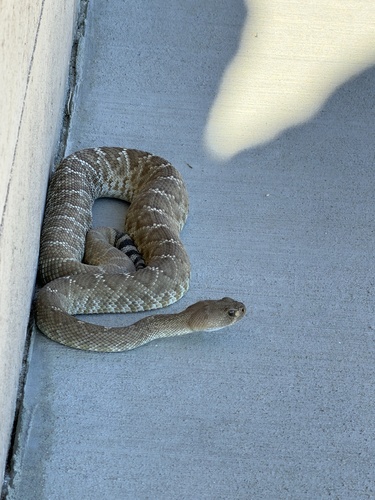 Red Diamond RattlesnakeCrotalus ruberVenomous
Heavy body, broad triangular head, vertical (cat-like) pupils, and a segmented keratin rattle at the tail tip.
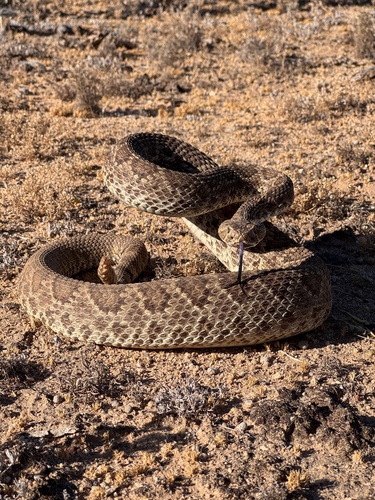 Mojave RattlesnakeCrotalus scutulatusVenomous
Heavy body, broad triangular head, vertical (cat-like) pupils, and a segmented keratin rattle at the tail tip.
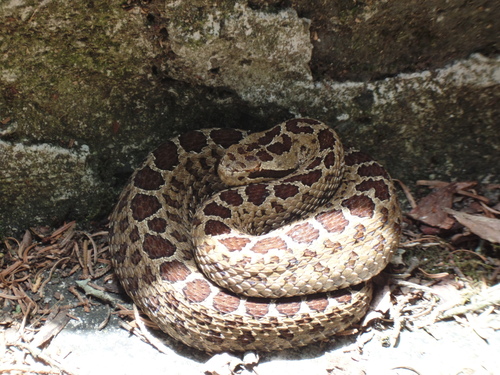 Dusky RattlesnakeCrotalus triseriatusVenomous
Heavy body, broad triangular head, vertical (cat-like) pupils, and a segmented keratin rattle at the tail tip.
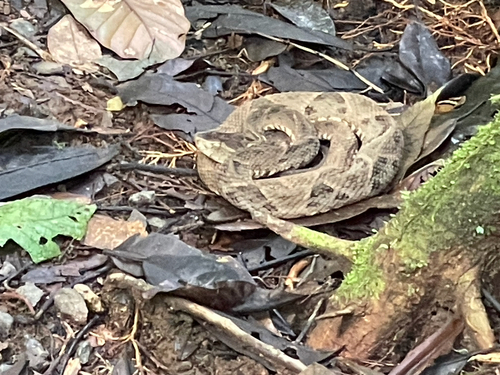
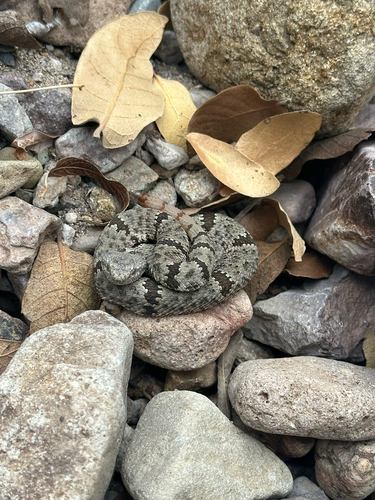 Rock RattlesnakeCrotalus lepidusVenomous
Heavy body, broad triangular head, vertical (cat-like) pupils, and a segmented keratin rattle at the tail tip.
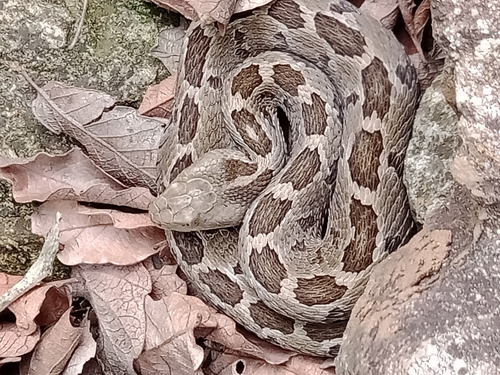 Mexican Pygmy RattlesnakeCrotalus ravusVenomous
Heavy body, broad triangular head, vertical (cat-like) pupils, and a segmented keratin rattle at the tail tip.
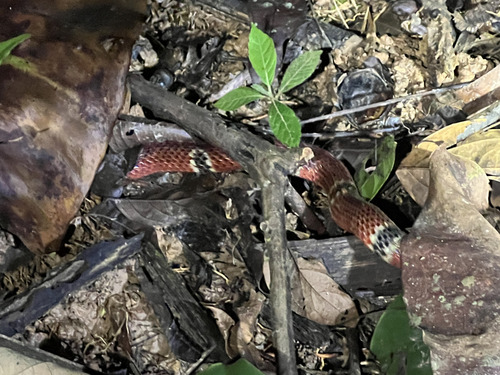 Variable CoralsnakeMicrurus diastemaVenomous
Rings of red, yellow, and black where red touches yellow; small rounded head and round pupils.
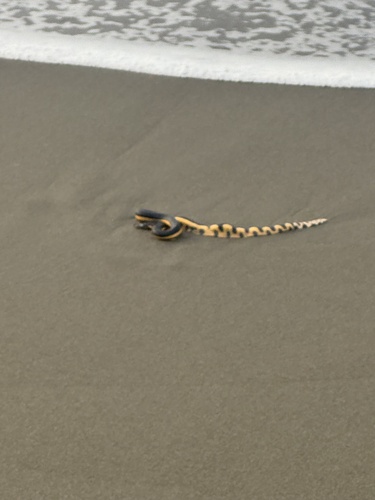
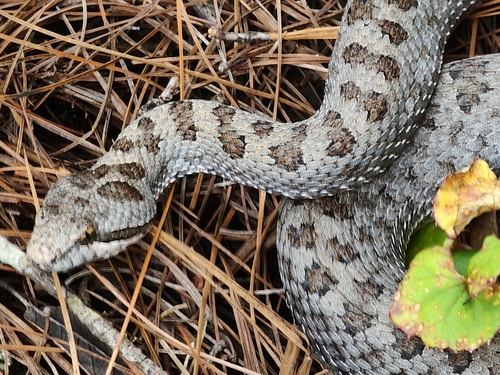 Twin-spotted RattlesnakeCrotalus priceiVenomous
Heavy body, broad triangular head, vertical (cat-like) pupils, and a segmented keratin rattle at the tail tip.
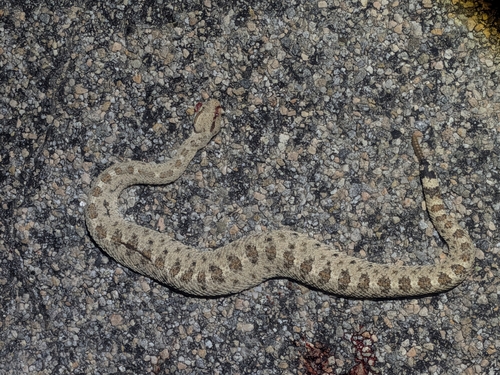 SidewinderCrotalus cerastesVenomous
Heavy body, broad triangular head, vertical (cat-like) pupils, and a segmented keratin rattle at the tail tip.
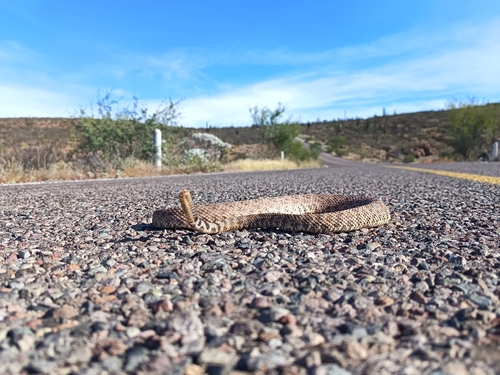 Speckled RattlesnakeCrotalus mitchelliiVenomous
Heavy body, broad triangular head, vertical (cat-like) pupils, and a segmented keratin rattle at the tail tip.
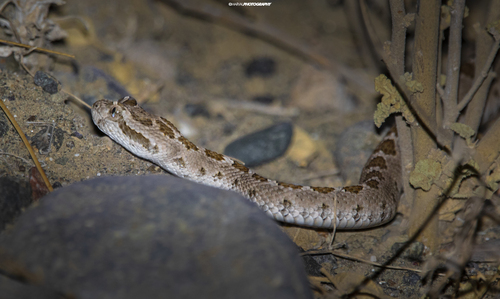 Lower California RattlesnakeCrotalus enyoVenomous
Heavy body, broad triangular head, vertical (cat-like) pupils, and a segmented keratin rattle at the tail tip.
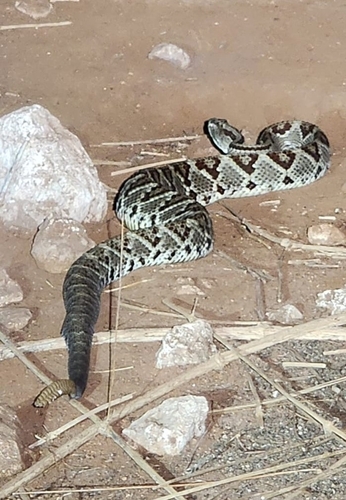 Yucatán Neotropical RattlesnakeCrotalus tzabcanVenomous
Heavy body, broad triangular head, vertical (cat-like) pupils, and a segmented keratin rattle at the tail tip.
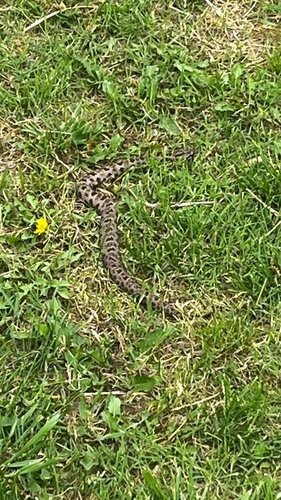 Queretaran Dusky RattlesnakeCrotalus aquilusVenomous
Heavy body, broad triangular head, vertical (cat-like) pupils, and a segmented keratin rattle at the tail tip.
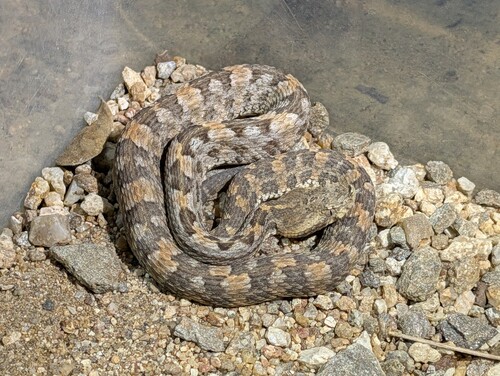
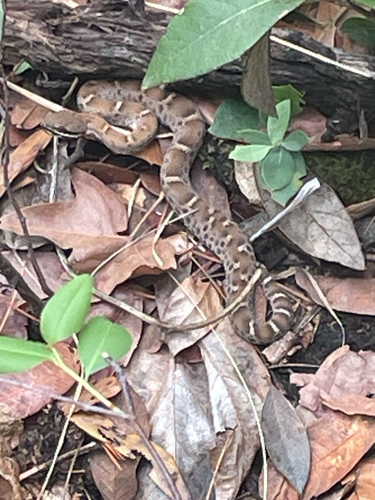 Ridge-nosed RattlesnakeCrotalus willardiVenomous
Heavy body, broad triangular head, vertical (cat-like) pupils, and a segmented keratin rattle at the tail tip.
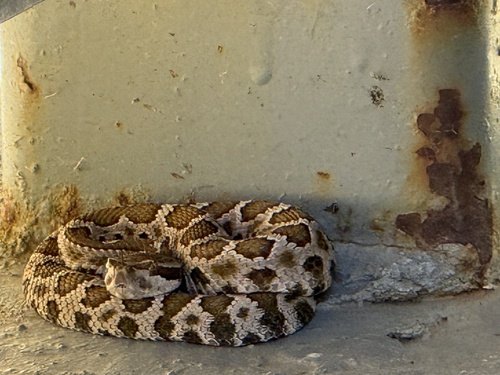 Western RattlesnakeCrotalus oreganusVenomous
Heavy body, broad triangular head, vertical (cat-like) pupils, and a segmented keratin rattle at the tail tip.
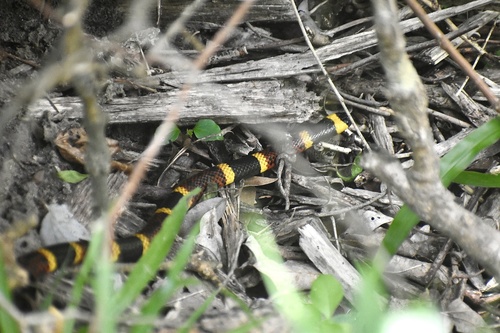 Texas CoralsnakeMicrurus tenerVenomous
Rings of red, yellow, and black where red touches yellow; small rounded head and round pupils.
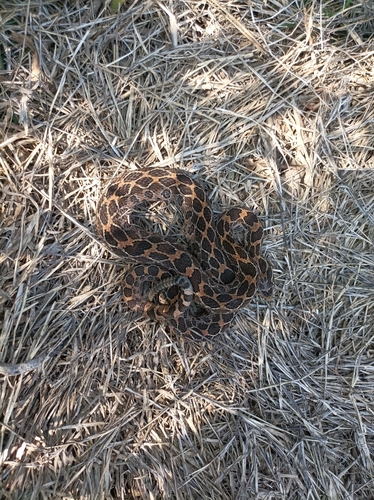 Mexican Lancehead RattlesnakeCrotalus polystictusVenomous
Heavy body, broad triangular head, vertical (cat-like) pupils, and a segmented keratin rattle at the tail tip.
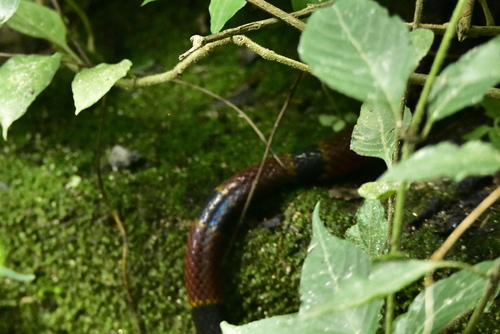 Brown's CoralsnakeMicrurus browniVenomous
Rings of red, yellow, and black where red touches yellow; small rounded head and round pupils.
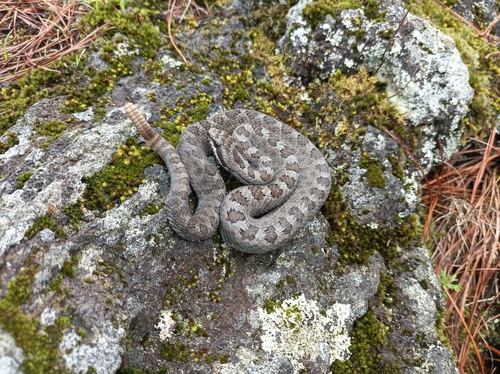 Mexican Smallhead RattlesnakeCrotalus intermediusVenomous
Heavy body, broad triangular head, vertical (cat-like) pupils, and a segmented keratin rattle at the tail tip.
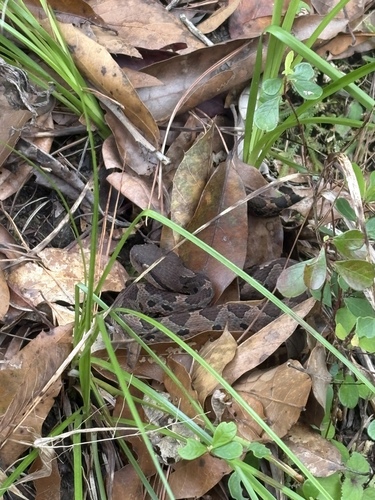
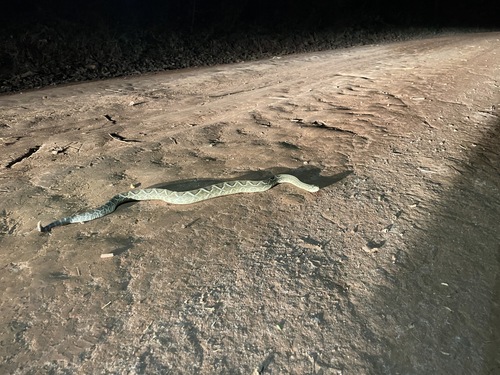 Neotropical RattlesnakeCrotalus durissusVenomous
Heavy body, broad triangular head, vertical (cat-like) pupils, and a segmented keratin rattle at the tail tip.
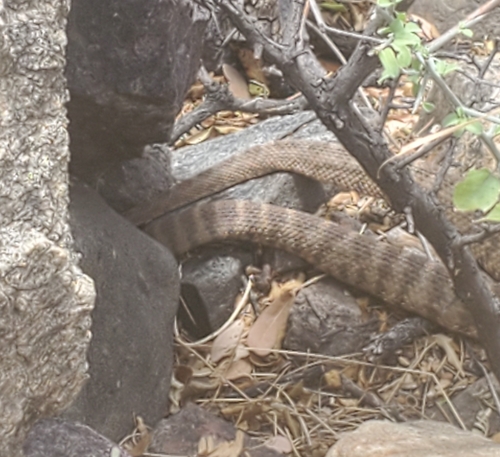 Tiger RattlesnakeCrotalus tigrisVenomous
Heavy body, broad triangular head, vertical (cat-like) pupils, and a segmented keratin rattle at the tail tip.
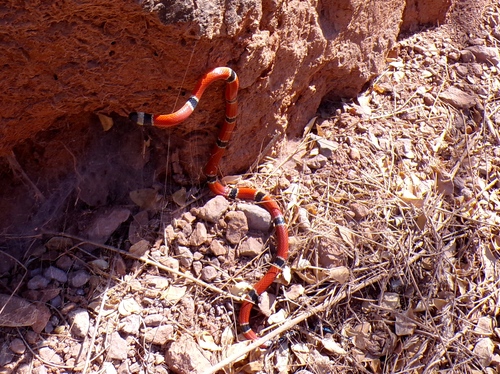 West Mexican CoralsnakeMicrurus distansVenomous
Rings of red, yellow, and black where red touches yellow; small rounded head and round pupils.
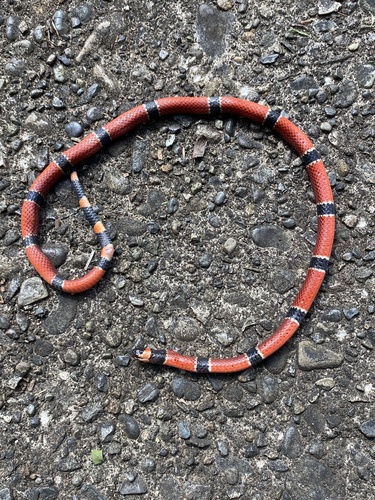 Central American CoralsnakeMicrurus nigrocinctusVenomous
Rings of red, yellow, and black where red touches yellow; small rounded head and round pupils.
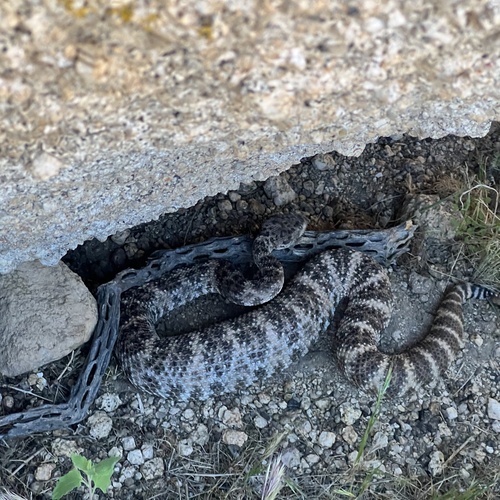 Southwestern Speckled RattlesnakeCrotalus pyrrhusVenomous
Heavy body, broad triangular head, vertical (cat-like) pupils, and a segmented keratin rattle at the tail tip.
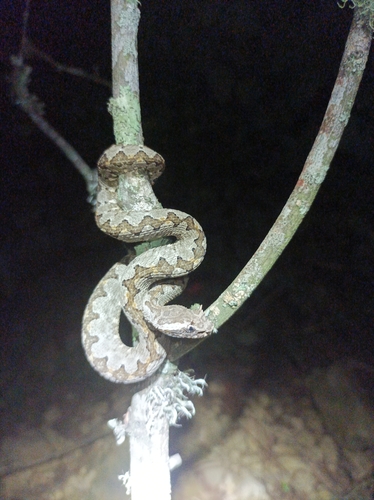
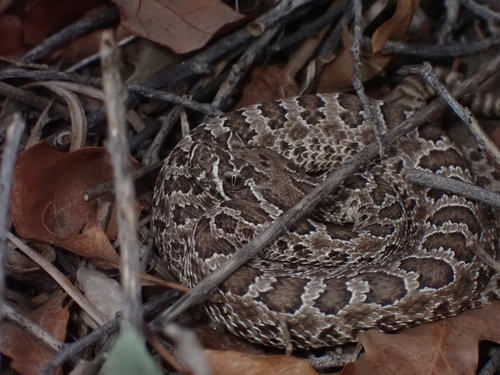 Prairie RattlesnakeCrotalus viridisVenomous
Heavy body, broad triangular head, vertical (cat-like) pupils, and a segmented keratin rattle at the tail tip.
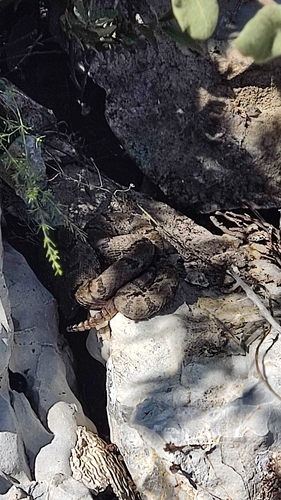 Tamaulipan Rock RattlesnakeCrotalus morulusVenomous
Heavy body, broad triangular head, vertical (cat-like) pupils, and a segmented keratin rattle at the tail tip.
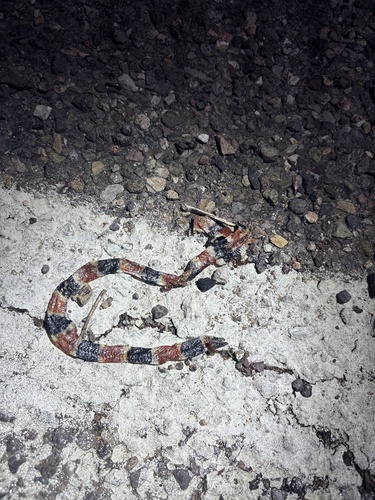 Sonoran CoralsnakeMicruroides euryxanthusVenomous
Red, yellow (whitish), and black rings with red touching yellow; blunt black snout.
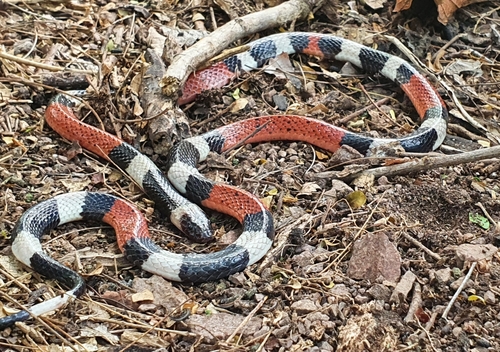 Balsan CoralsnakeMicrurus laticollarisVenomous
Rings of red, yellow, and black where red touches yellow; small rounded head and round pupils.
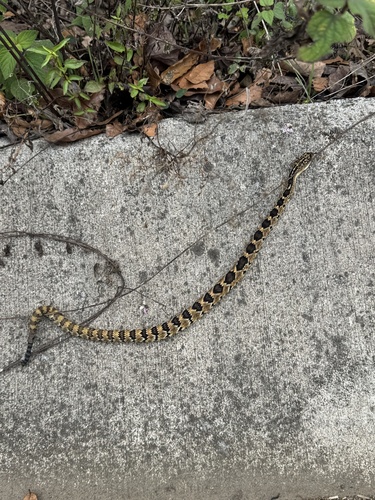 Totonacan RattlesnakeCrotalus totonacusVenomous
Heavy body, broad triangular head, vertical (cat-like) pupils, and a segmented keratin rattle at the tail tip.
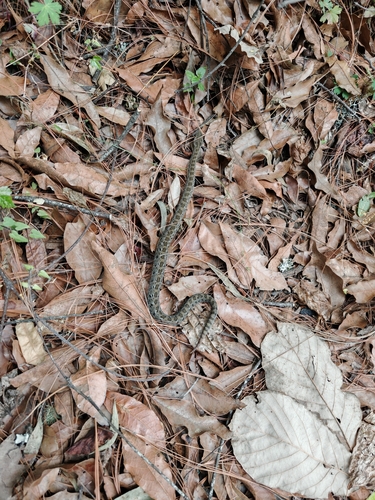 Tancitaran Dusky RattlesnakeCrotalus pusillusVenomous
Heavy body, broad triangular head, vertical (cat-like) pupils, and a segmented keratin rattle at the tail tip.
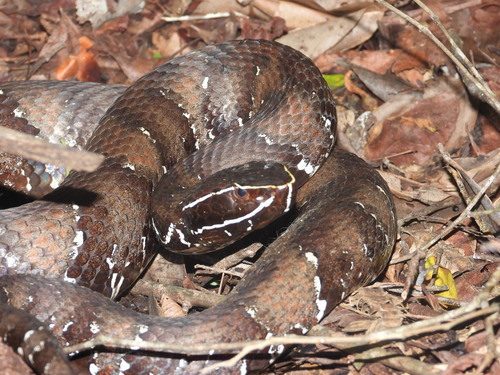 Yucatecan CantilAgkistrodon russeolusVenomous
Heavy body, triangular head, vertical pupils, and a heat-sensing pit between each eye and nostril.
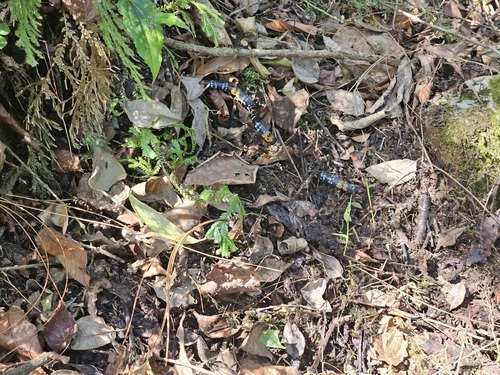 Elegant CoralsnakeMicrurus elegansVenomous
Rings of red, yellow, and black where red touches yellow; small rounded head and round pupils.
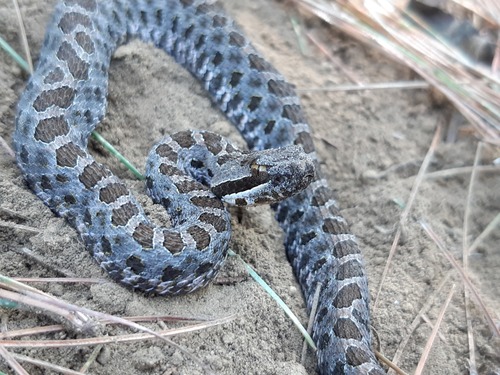 Mexican Dusky RattlesnakeCrotalus armstrongiVenomous
Heavy body, broad triangular head, vertical (cat-like) pupils, and a segmented keratin rattle at the tail tip.
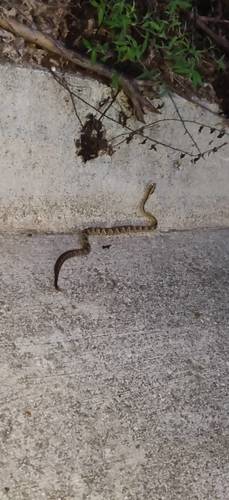 Central American RattlesnakeCrotalus simusVenomous
Heavy body, broad triangular head, vertical (cat-like) pupils, and a segmented keratin rattle at the tail tip.
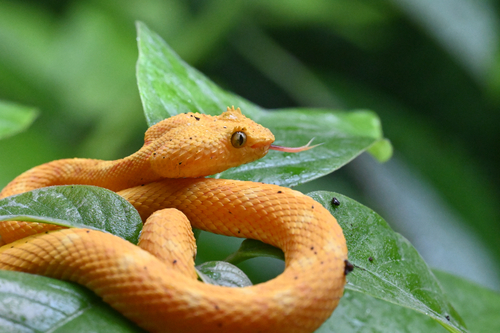
 Santa Catalina Island RattlesnakeCrotalus catalinensisVenomous
Heavy body, broad triangular head, vertical (cat-like) pupils, and a segmented keratin rattle at the tail tip.
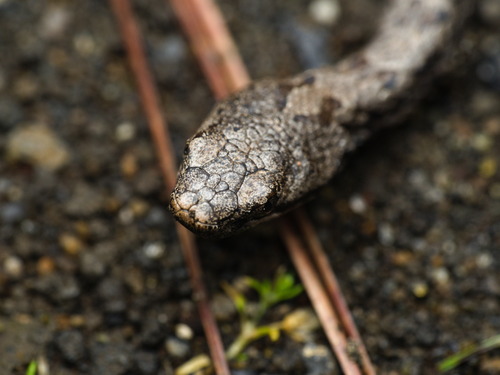 Cross-banded Mountain RattlesnakeCrotalus transversusVenomous
Heavy body, broad triangular head, vertical (cat-like) pupils, and a segmented keratin rattle at the tail tip.
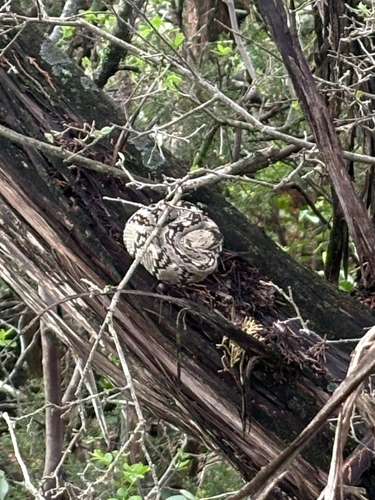 Eastern Black-tailed RattlesnakeCrotalus ornatusVenomous
Heavy body, broad triangular head, vertical (cat-like) pupils, and a segmented keratin rattle at the tail tip.
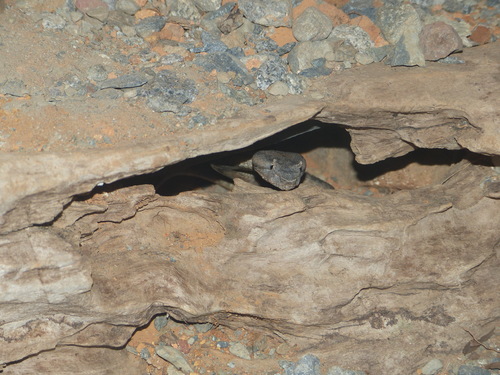
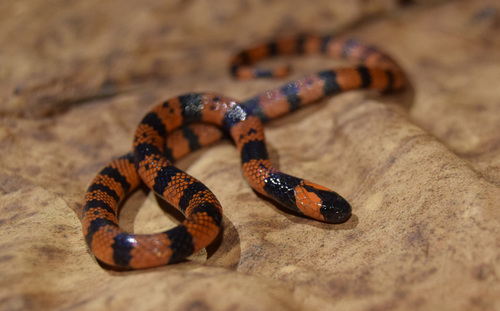 Tuxtlan CoralsnakeMicrurus limbatusVenomous
Rings of red, yellow, and black where red touches yellow; small rounded head and round pupils.
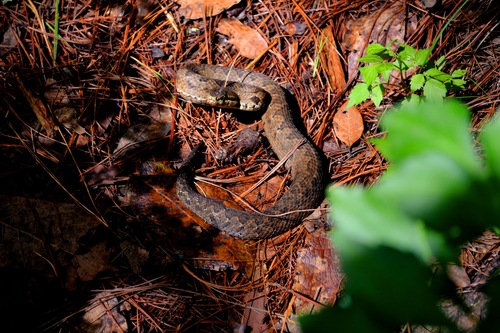
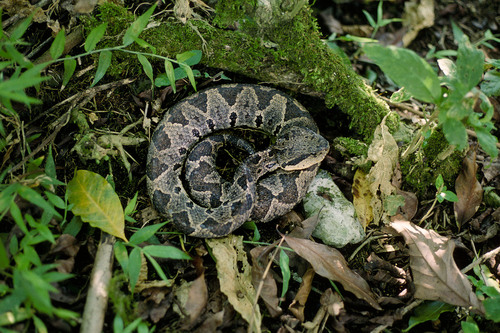
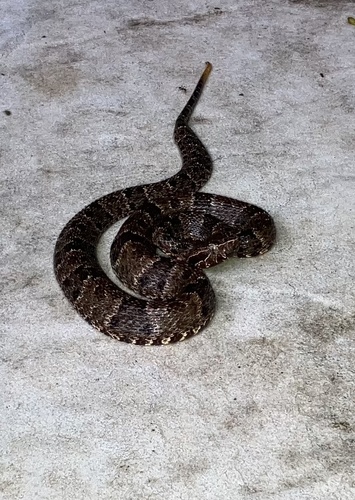
 Angel de la Guarda Island Speckled RattlesnakeCrotalus angelensisVenomous
Heavy body, broad triangular head, vertical (cat-like) pupils, and a segmented keratin rattle at the tail tip.
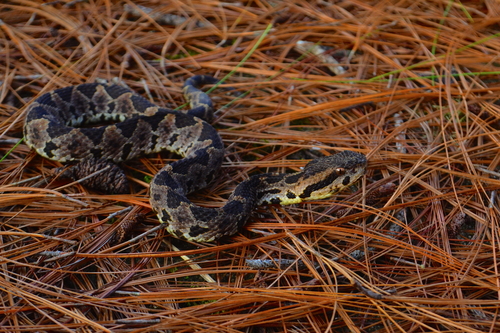
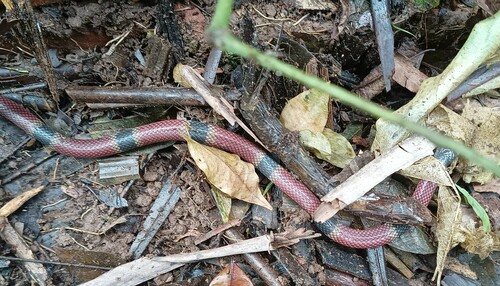 Broad-ringed CoralsnakeMicrurus latifasciatusVenomous
Rings of red, yellow, and black where red touches yellow; small rounded head and round pupils.
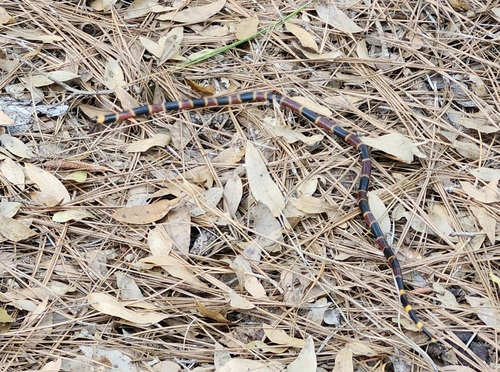 Eastern CoralsnakeMicrurus fulviusVenomous
Rings of red, yellow, and black where red touches yellow; small rounded head and round pupils.
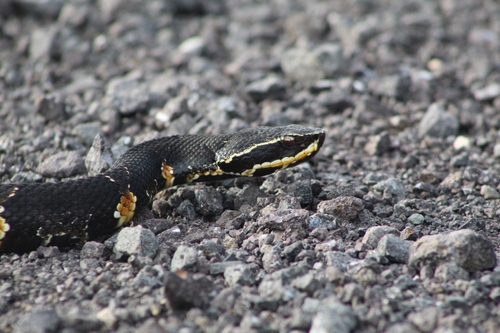 Taylor's CantilAgkistrodon tayloriVenomous
Heavy body, triangular head, vertical pupils, and a heat-sensing pit between each eye and nostril.
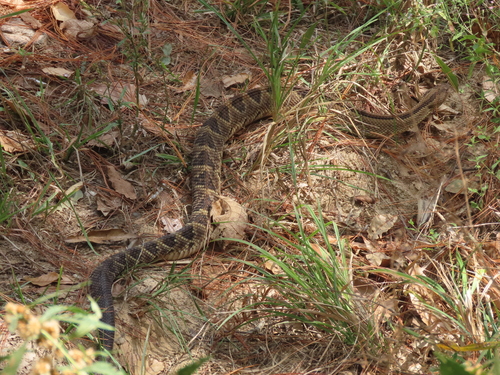 Tehuantepec Isthmus Neotropical RattlesnakeCrotalus ehecatlVenomous
Heavy body, broad triangular head, vertical (cat-like) pupils, and a segmented keratin rattle at the tail tip.
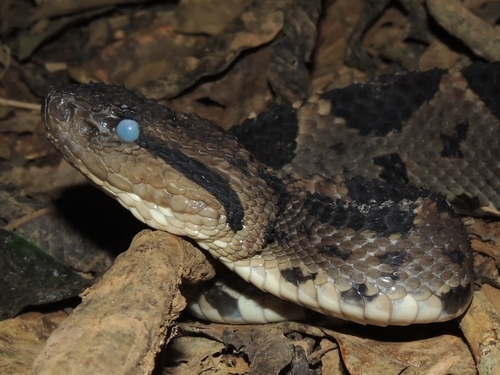
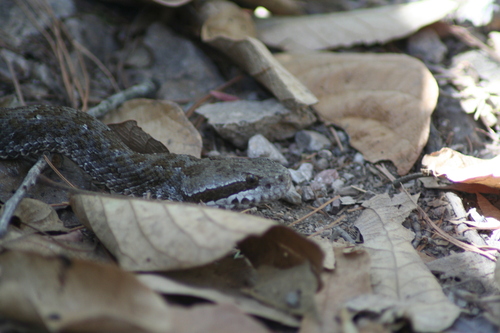 Campbell's RattlesnakeCrotalus campbelliVenomous
Heavy body, broad triangular head, vertical (cat-like) pupils, and a segmented keratin rattle at the tail tip.
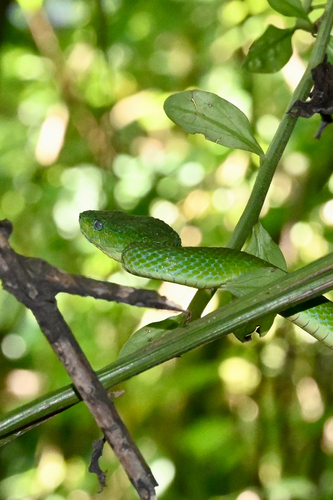
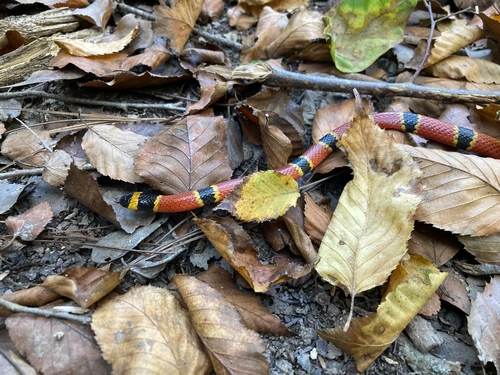 Nayarit CoralsnakeMicrurus proximansVenomous
Rings of red, yellow, and black where red touches yellow; small rounded head and round pupils.
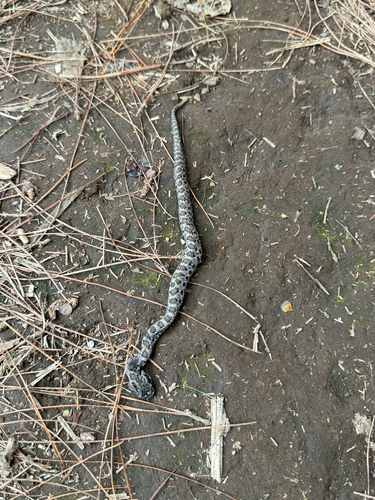 Tlaloc's RattlesnakeCrotalus tlalociVenomous
Heavy body, broad triangular head, vertical (cat-like) pupils, and a segmented keratin rattle at the tail tip.
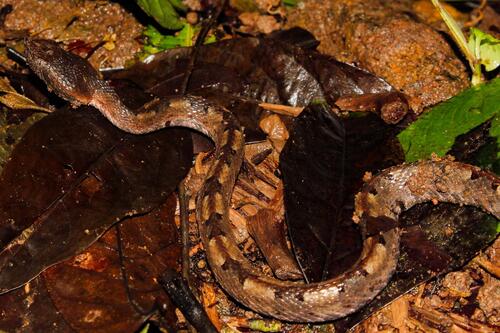
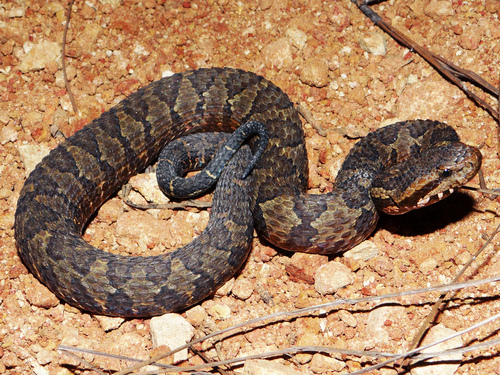
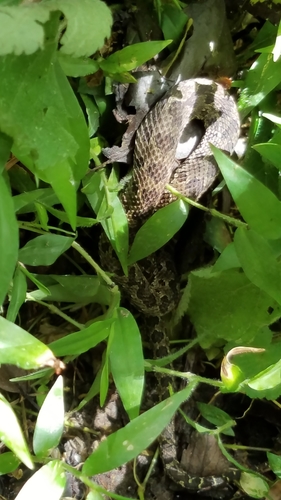
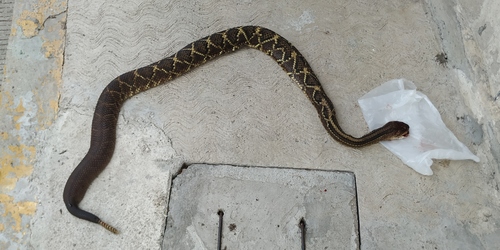 Veracruz Neotropical RattlesnakeCrotalus mictlantecuhtliVenomous
Heavy body, broad triangular head, vertical (cat-like) pupils, and a segmented keratin rattle at the tail tip.
 Sinaloan Long-tailed RattlesnakeCrotalus stejnegeriVenomous
Heavy body, broad triangular head, vertical (cat-like) pupils, and a segmented keratin rattle at the tail tip.

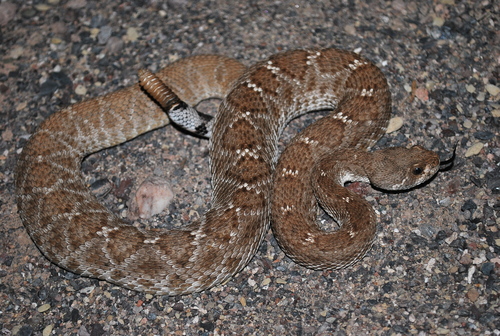 San Lorenzo Island RattlesnakeCrotalus lorenzoensisVenomous
Heavy body, broad triangular head, vertical (cat-like) pupils, and a segmented keratin rattle at the tail tip.
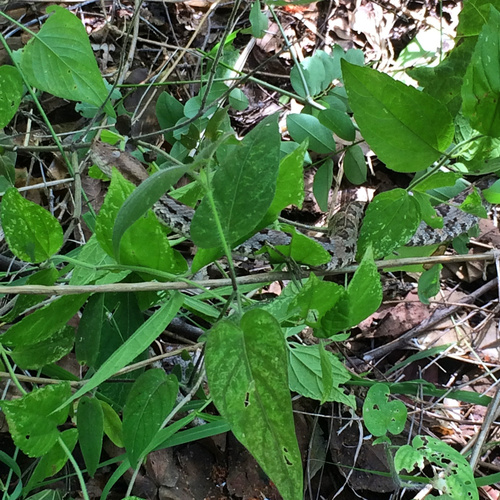
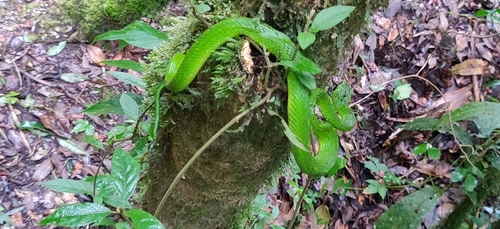
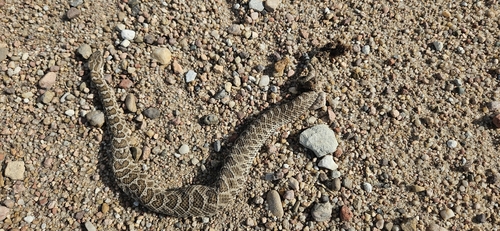 Western MassasaugaSistrurus tergeminusVenomous
Stout, dark-blotched body, nine large scales on the crown, and a small rattle.
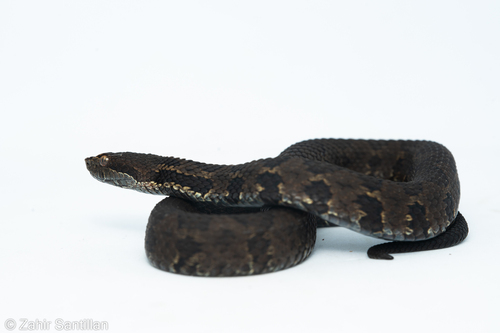
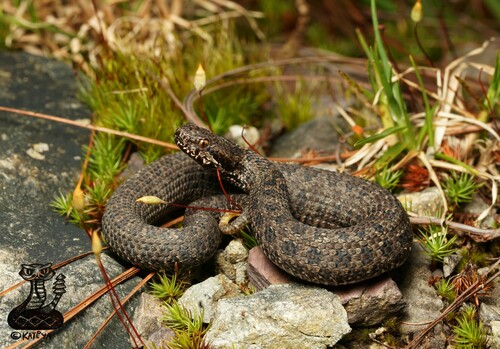
- No photoSan Esteban Island RattlesnakeCrotalus estebanensisVenomous
Heavy body, broad triangular head, vertical (cat-like) pupils, and a segmented keratin rattle at the tail tip.
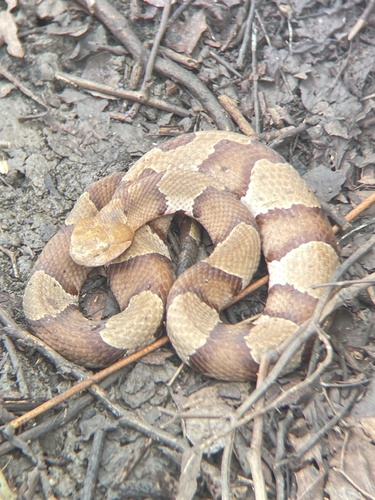 Broad-banded CopperheadAgkistrodon laticinctusVenomous
Heavy body, triangular head, vertical pupils, and a heat-sensing pit between each eye and nostril.
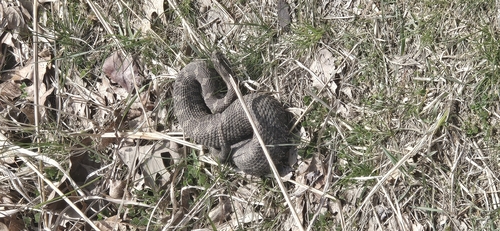 Eastern MassasaugaSistrurus catenatusVenomous
Stout, dark-blotched body, nine large scales on the crown, and a small rattle.
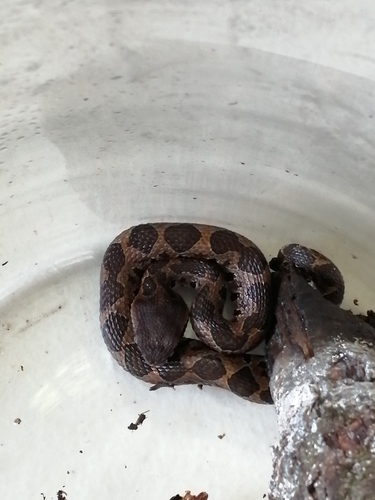
- No photoTancítaro Cross-banded Mountain RattlesnakeCrotalus tancitarensisVenomous
Heavy body, broad triangular head, vertical (cat-like) pupils, and a segmented keratin rattle at the tail tip.
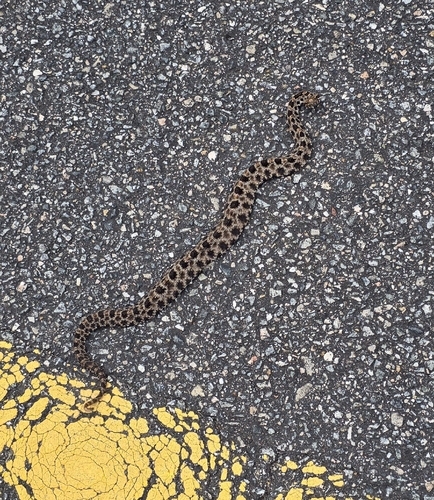 Pygmy RattlesnakeSistrurus miliariusVenomous
Stout, dark-blotched body, nine large scales on the crown, and a small rattle.
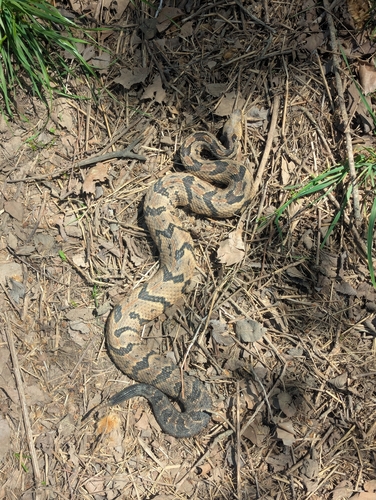 Timber RattlesnakeCrotalus horridusVenomous
Heavy body, broad triangular head, vertical (cat-like) pupils, and a segmented keratin rattle at the tail tip.
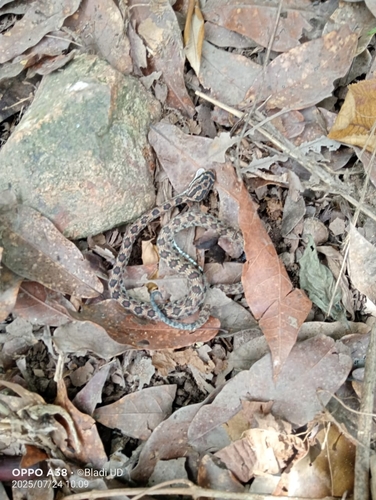 Guerreran Long-tailed RattlesnakeCrotalus ericsmithiVenomous
Heavy body, broad triangular head, vertical (cat-like) pupils, and a segmented keratin rattle at the tail tip.
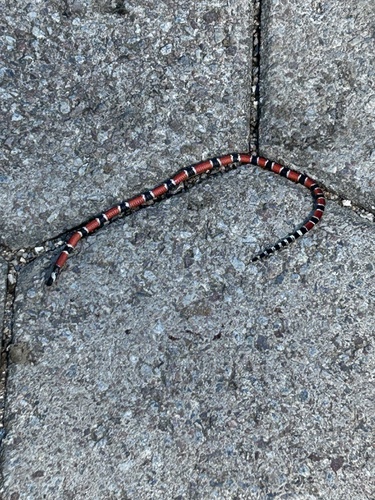 Painted CoralsnakeMicrurus corallinusVenomous
Rings of red, yellow, and black where red touches yellow; small rounded head and round pupils.
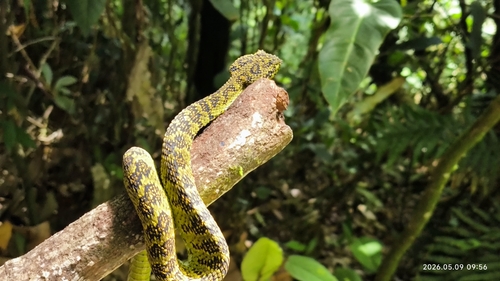
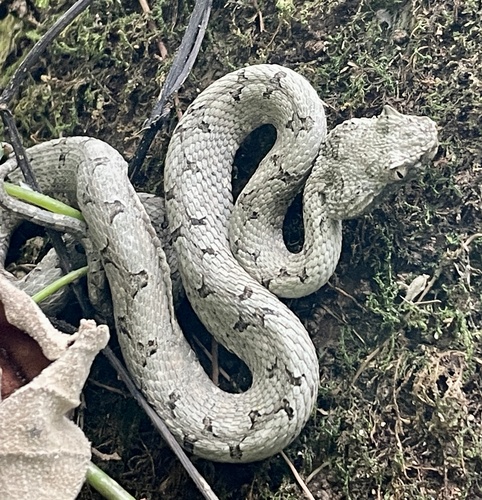
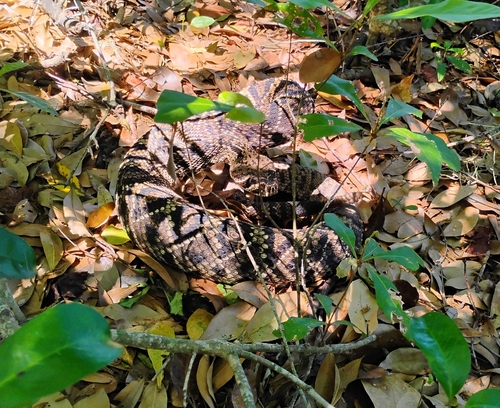 Eastern Diamondback RattlesnakeCrotalus adamanteusVenomous
Heavy body, broad triangular head, vertical (cat-like) pupils, and a segmented keratin rattle at the tail tip.
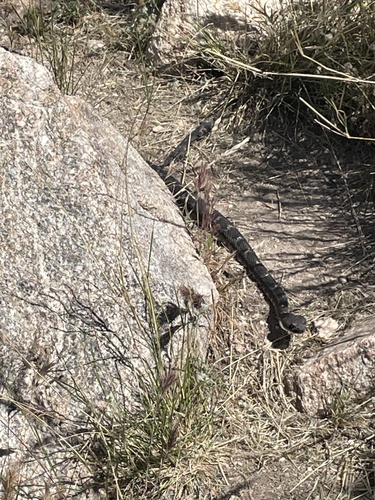 Arizona Black RattlesnakeCrotalus cerberusVenomous
Heavy body, broad triangular head, vertical (cat-like) pupils, and a segmented keratin rattle at the tail tip.
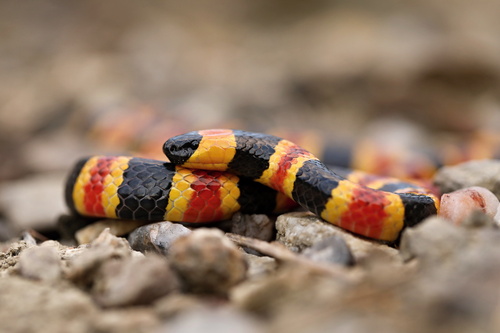 Zapotitlán CoralsnakeMicrurus pachecogiliVenomous
Rings of red, yellow, and black where red touches yellow; small rounded head and round pupils.
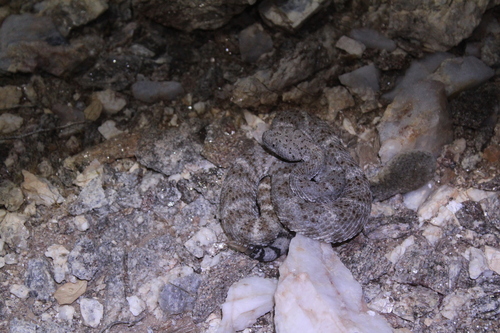 Isla Piojo Speckled RattlesnakeCrotalus thalassoporusVenomous
Heavy body, broad triangular head, vertical (cat-like) pupils, and a segmented keratin rattle at the tail tip.
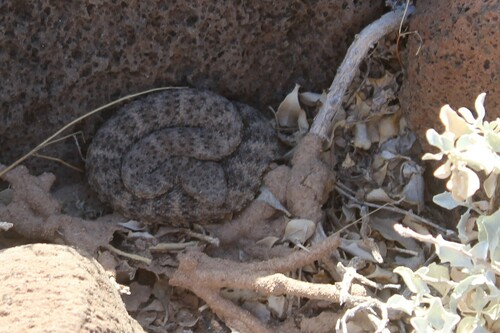 Horsehead Island Speckled RattlesnakeCrotalus polisiVenomous
Heavy body, broad triangular head, vertical (cat-like) pupils, and a segmented keratin rattle at the tail tip.
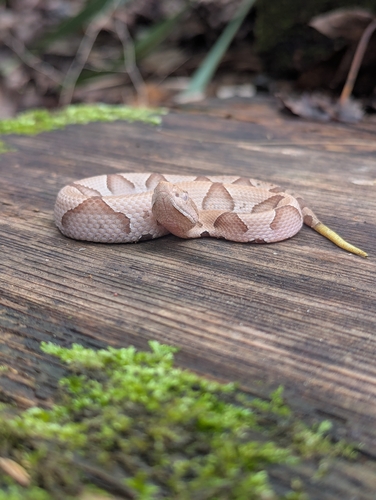 Eastern CopperheadAgkistrodon contortrixVenomous
Heavy body, triangular head, vertical pupils, and a heat-sensing pit between each eye and nostril.
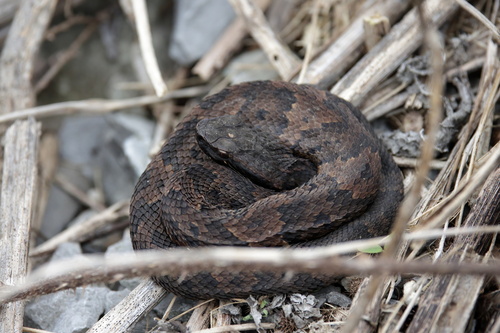 Northern CottonmouthAgkistrodon piscivorusVenomous
Heavy body, triangular head, vertical pupils, and a heat-sensing pit between each eye and nostril.
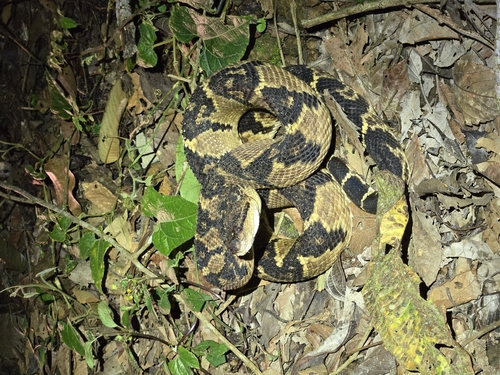
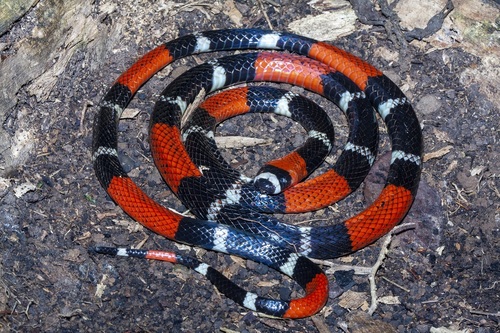 Ribbon CoralsnakeMicrurus lemniscatusVenomous
Rings of red, yellow, and black where red touches yellow; small rounded head and round pupils.
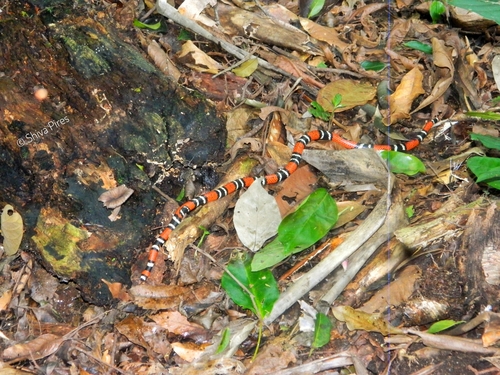 Decorated CoralsnakeMicrurus decoratusVenomous
Rings of red, yellow, and black where red touches yellow; small rounded head and round pupils.
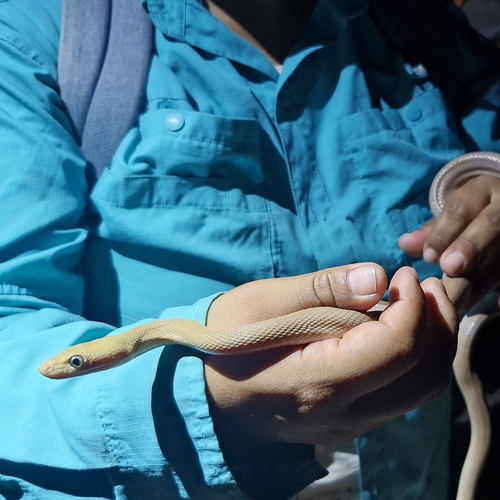
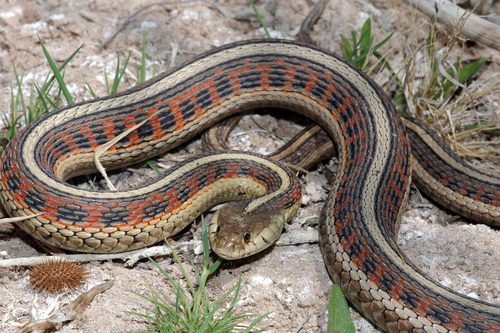
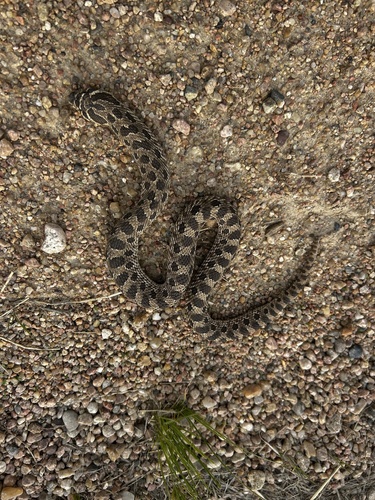
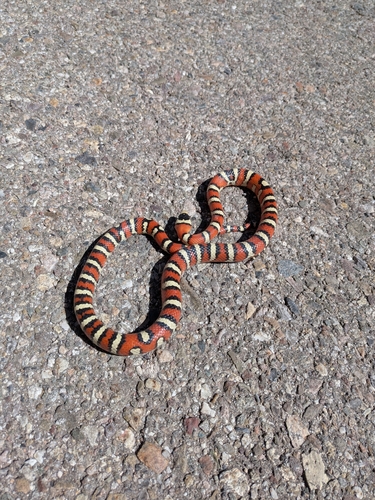
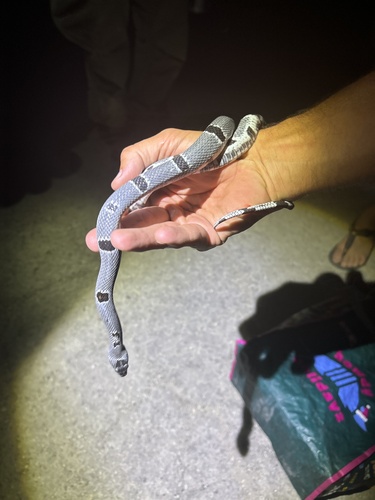
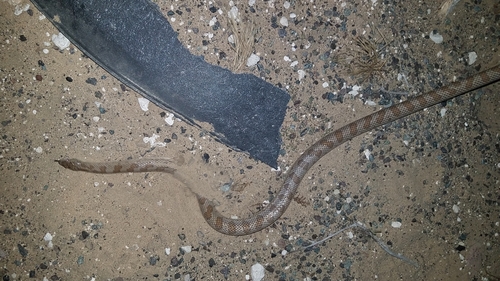
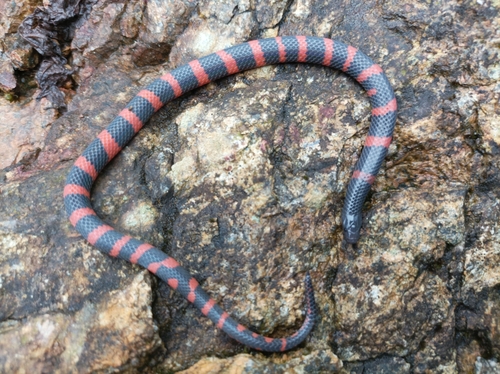
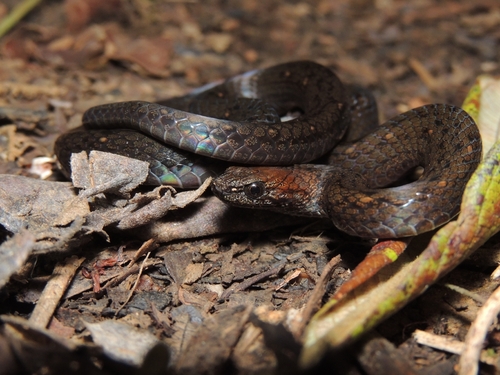
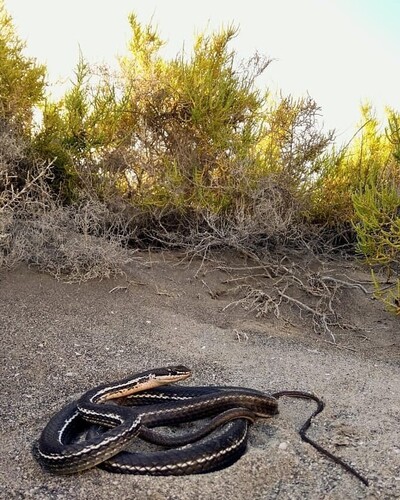
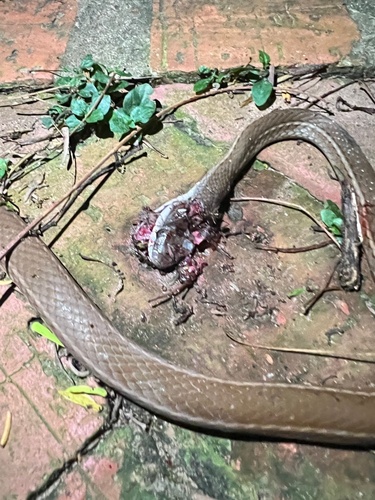
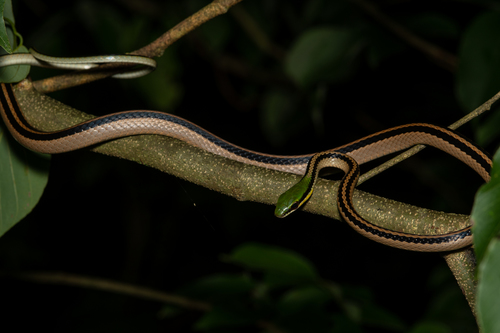
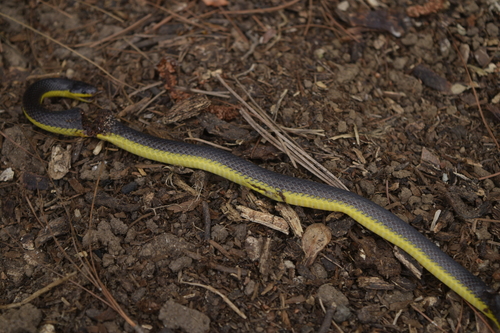
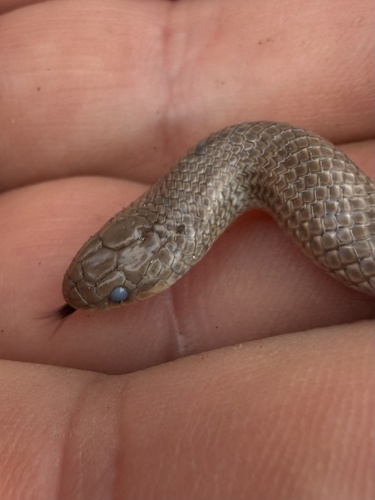
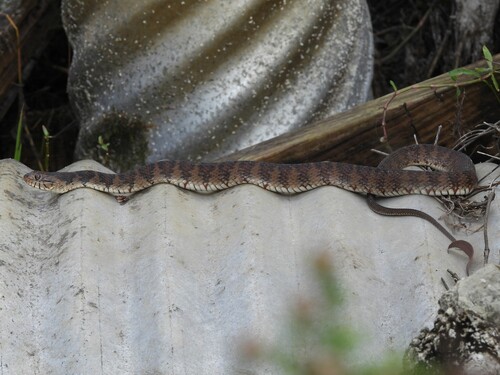
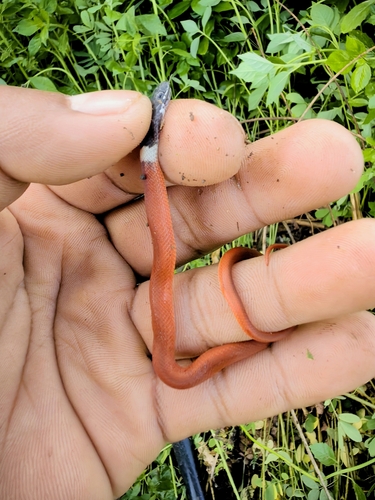
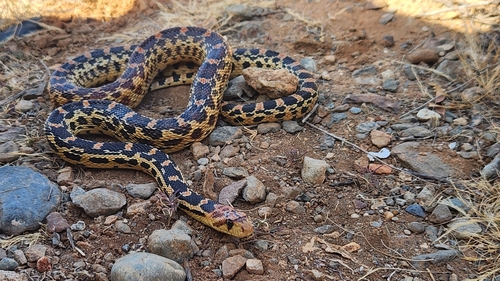
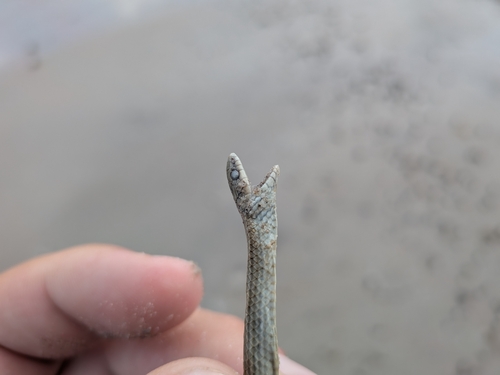
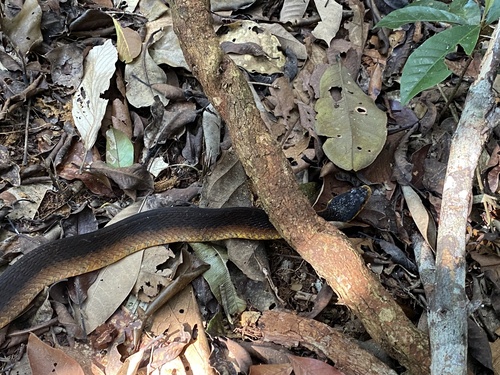
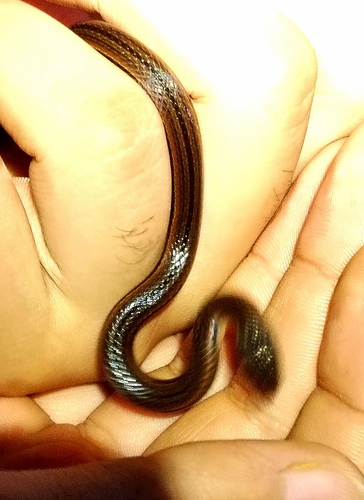
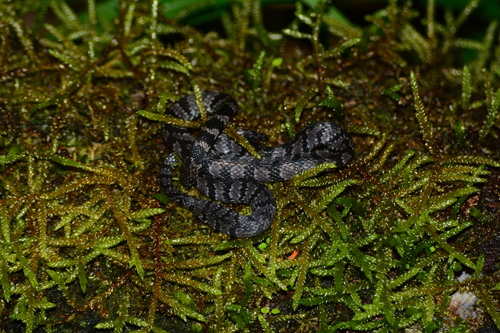
Every snake recorded in Mexico
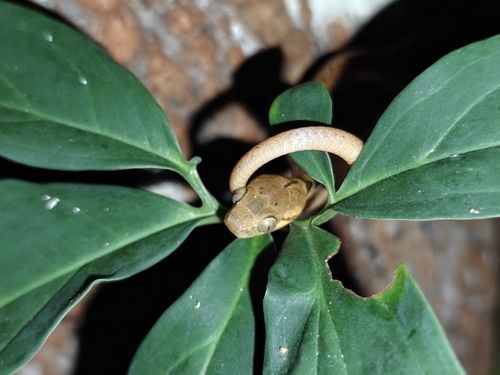
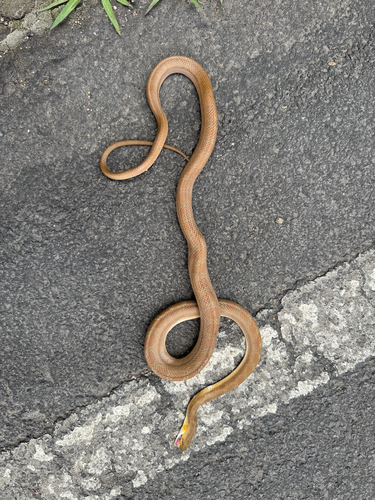
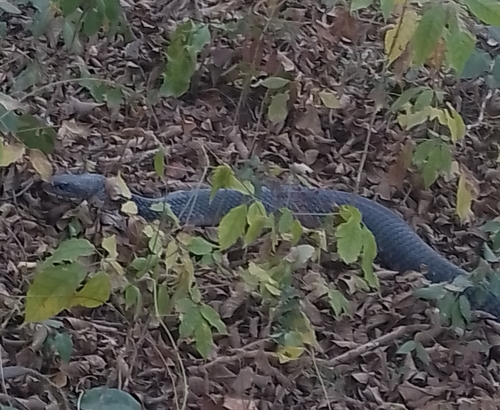
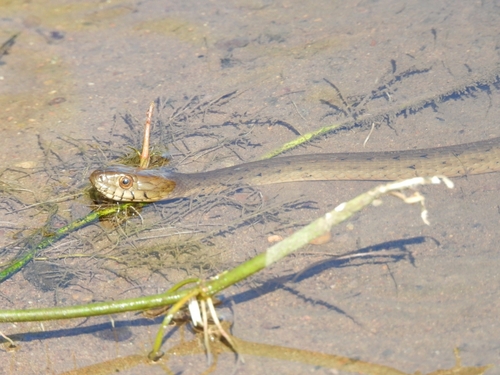
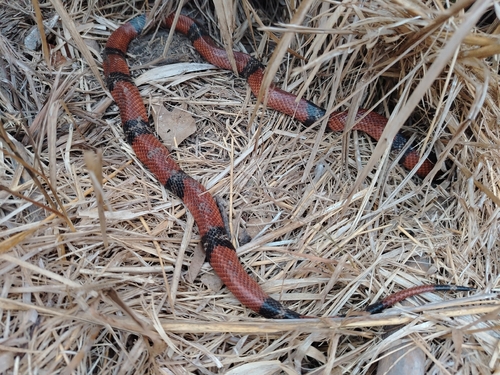
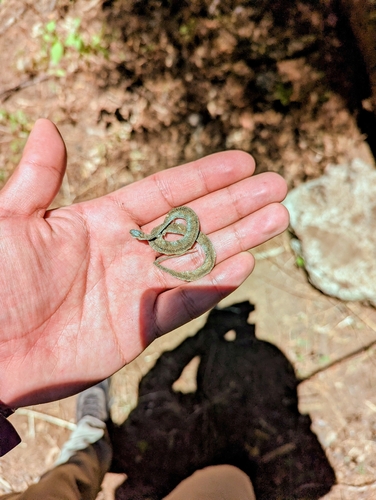
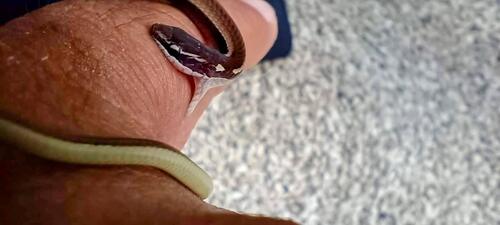
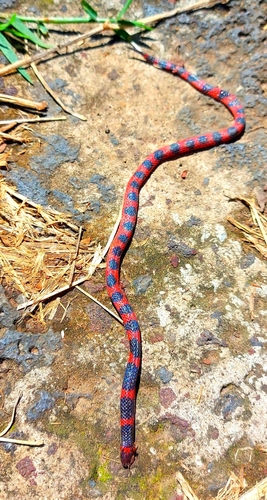
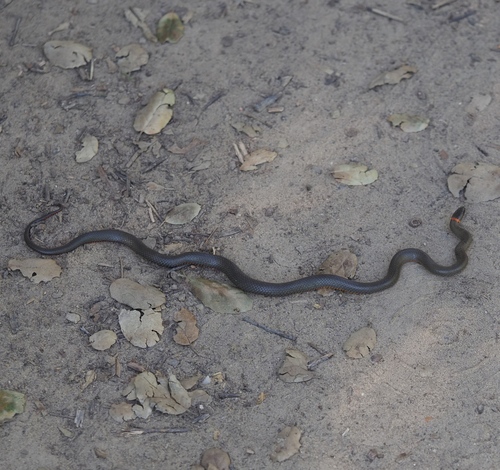
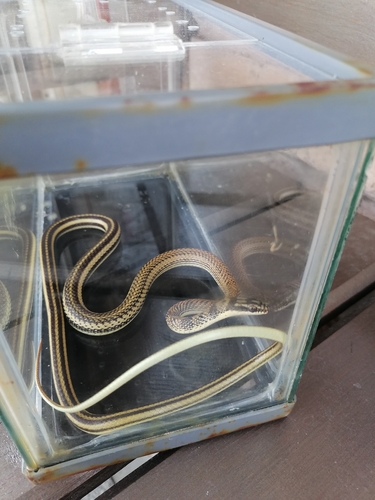
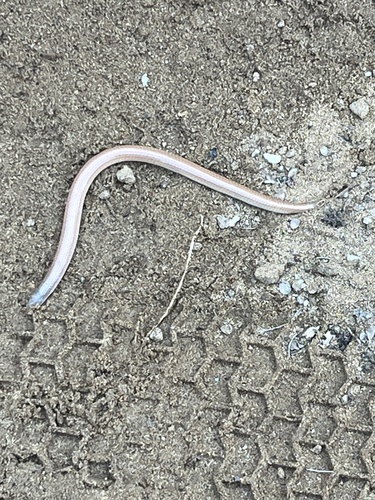
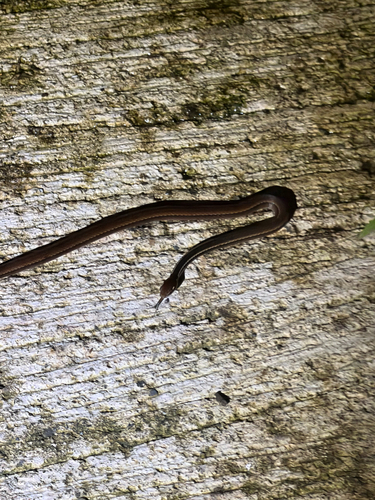
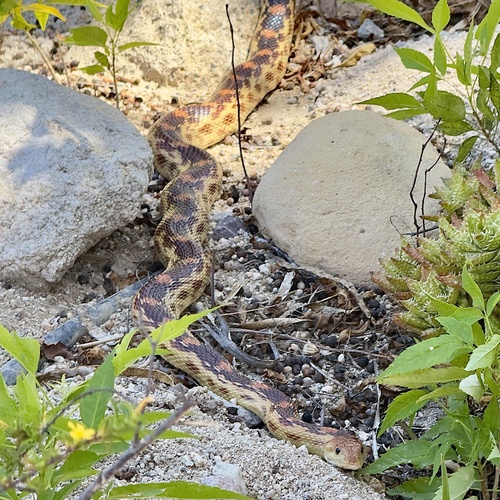
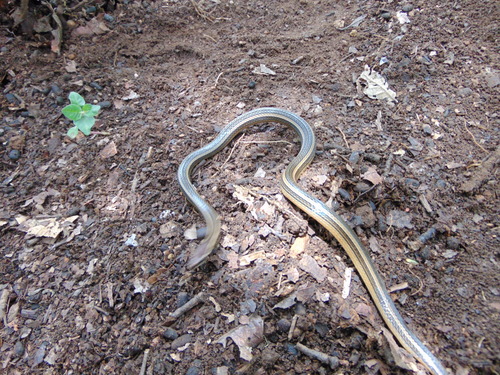
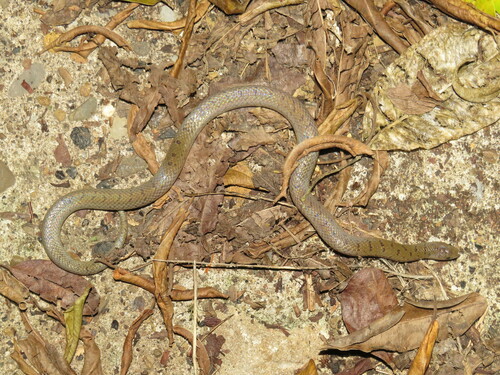
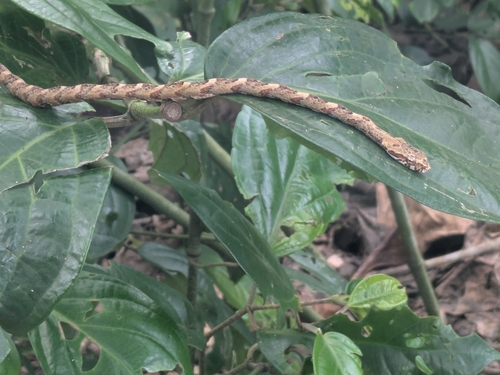
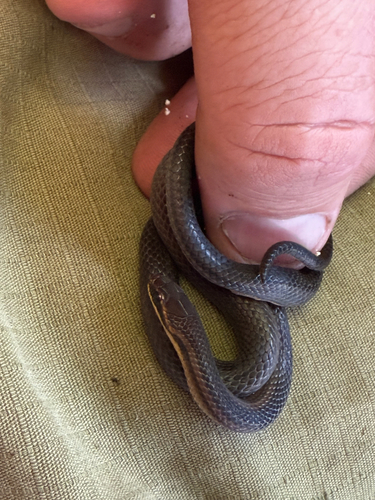
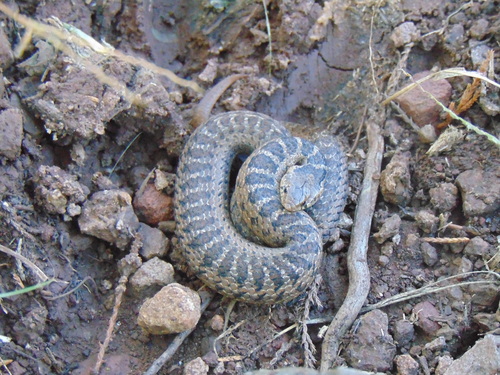
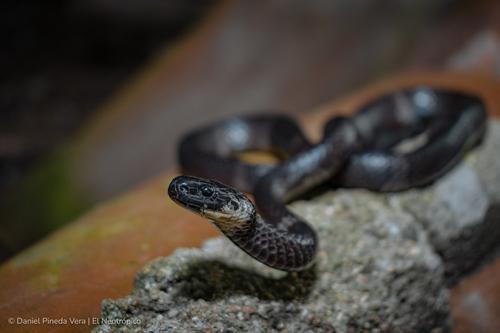
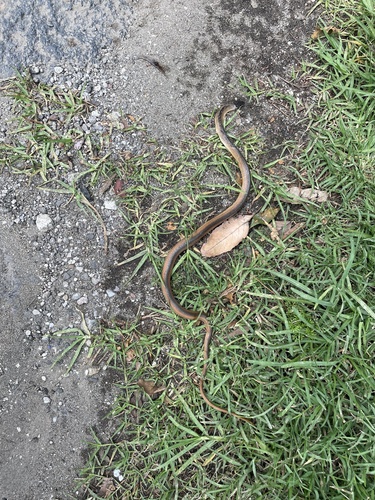
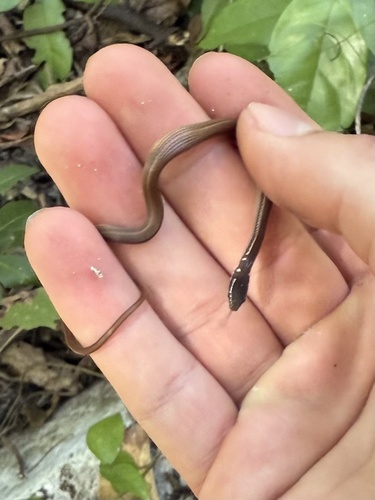
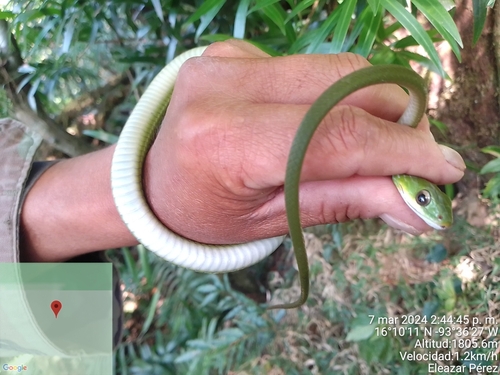
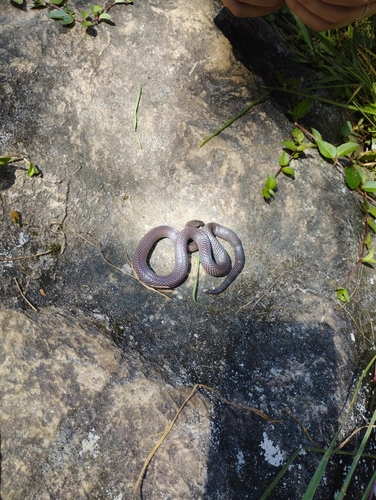
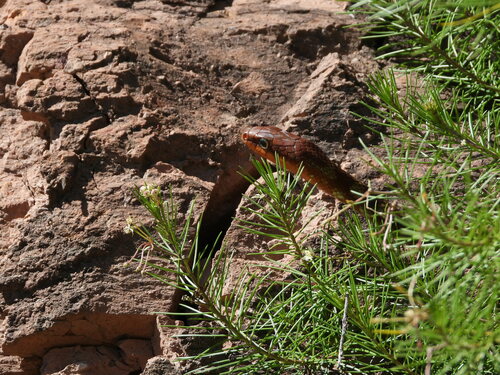
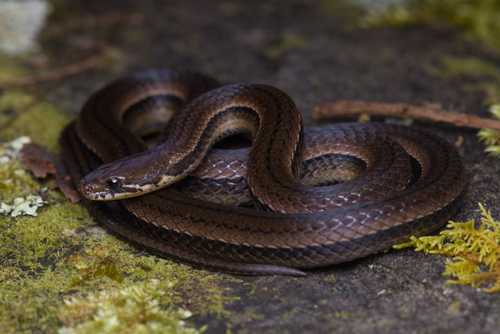
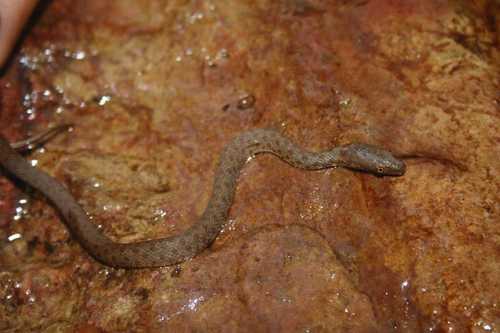
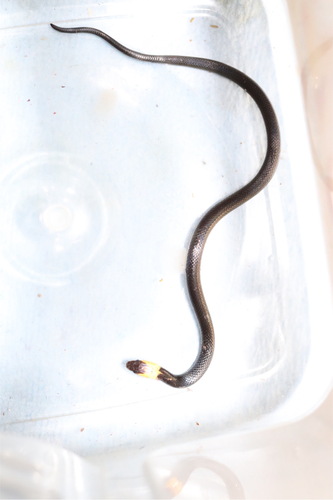
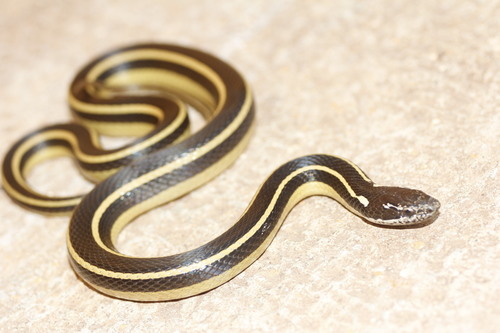
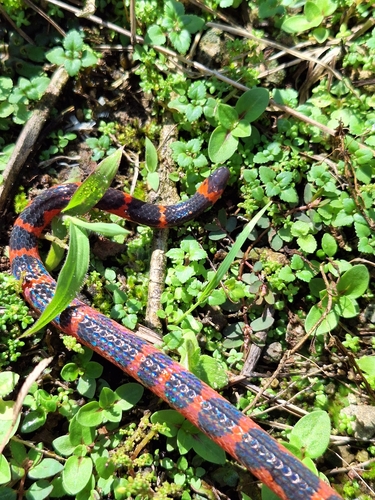
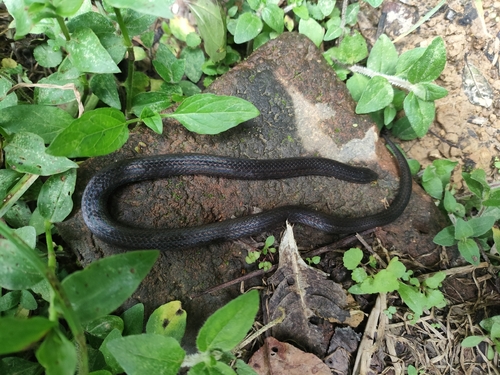
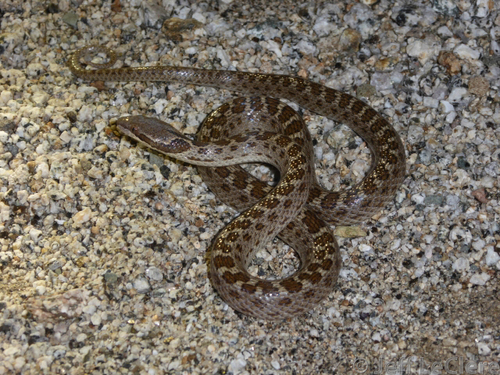
450+ species across 9 families, grouped by family. Venomous flagged.
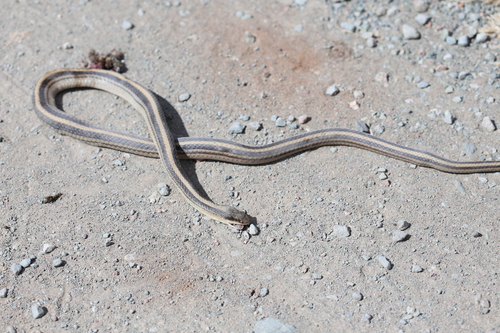
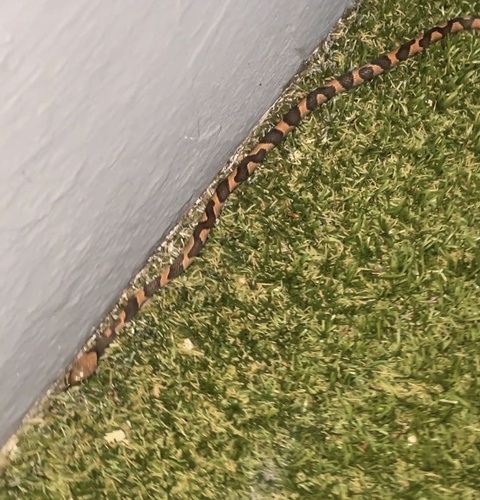
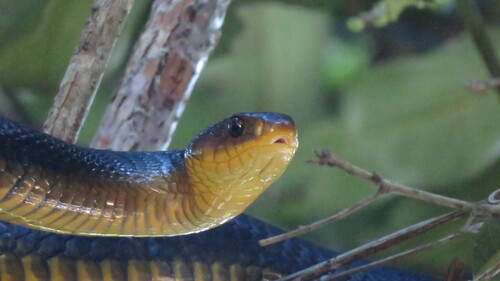
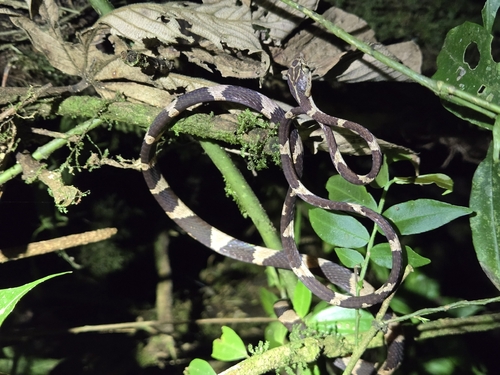
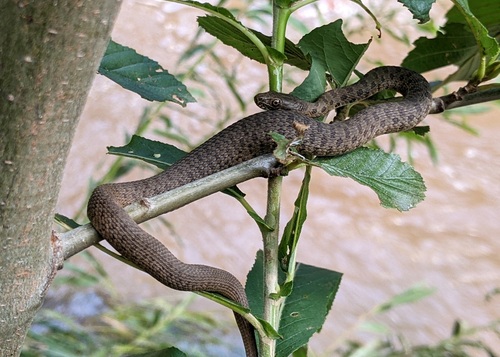
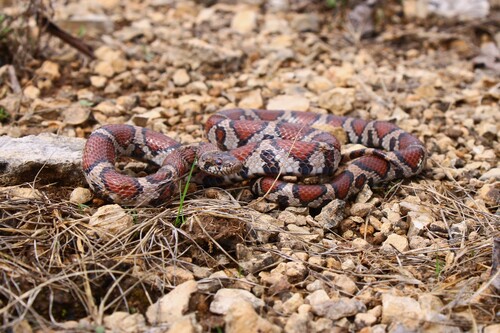
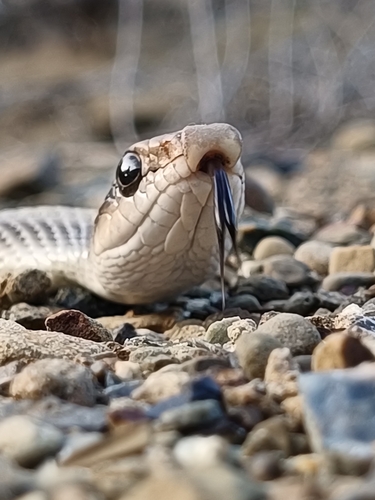
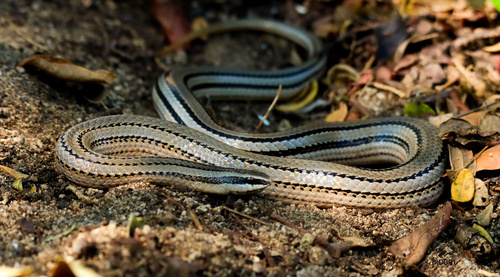
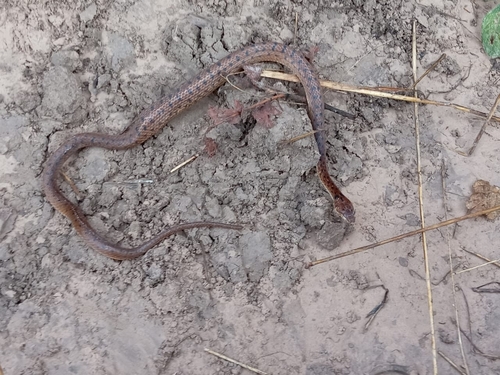
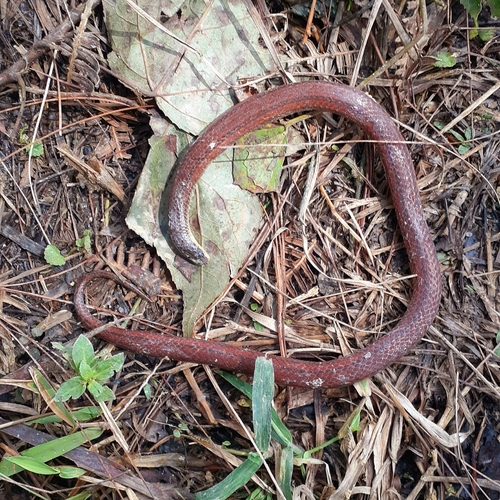
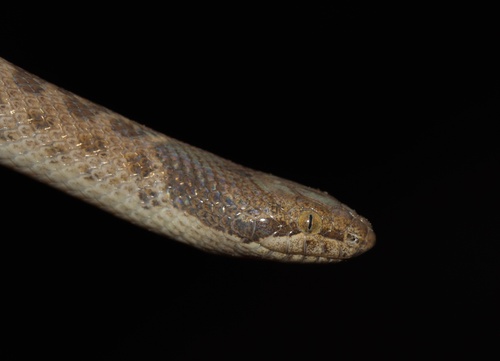
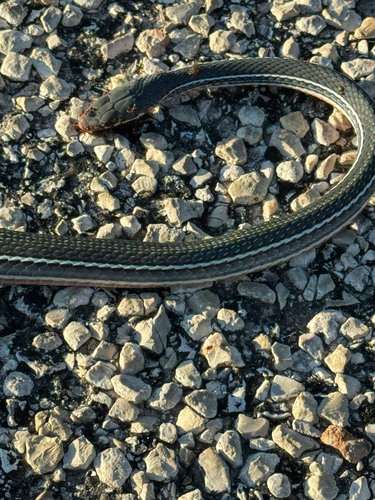
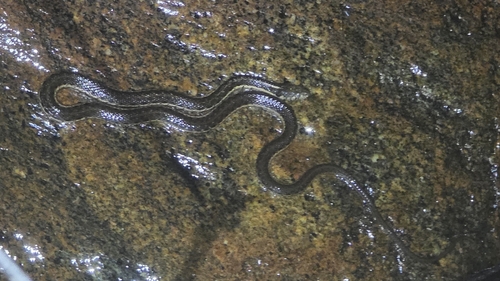
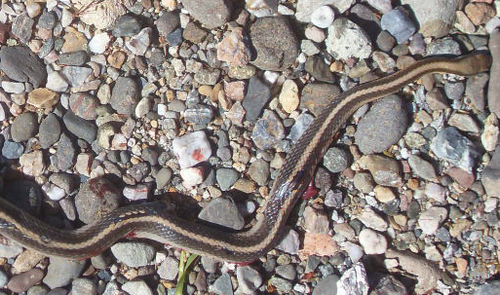
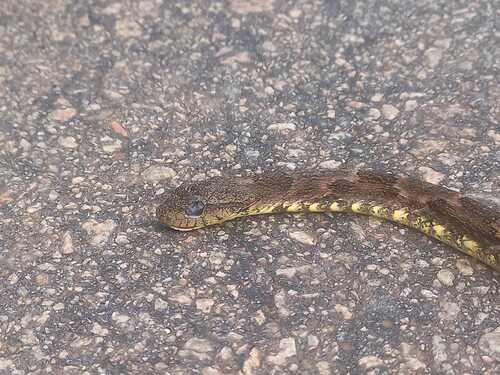
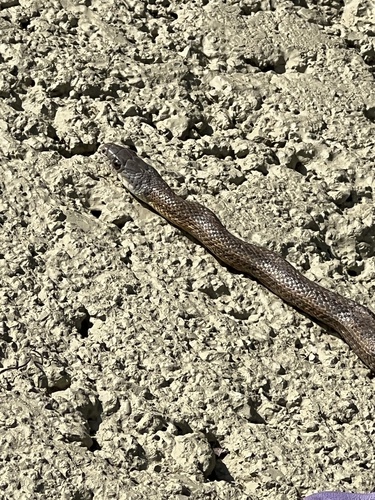
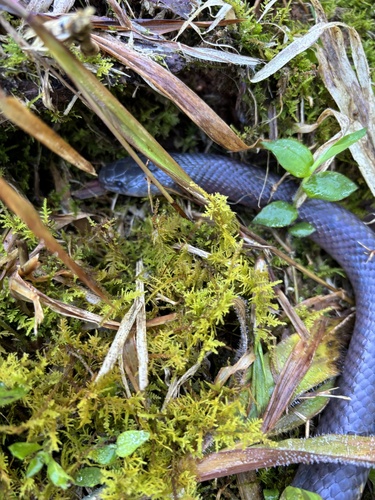
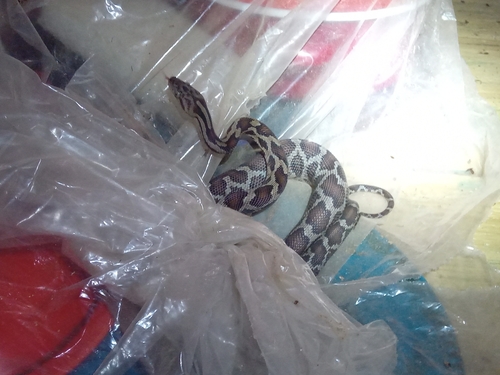
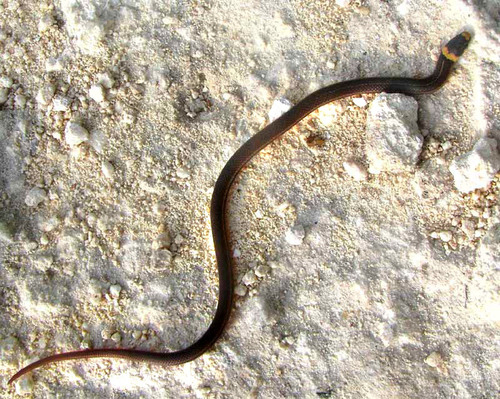
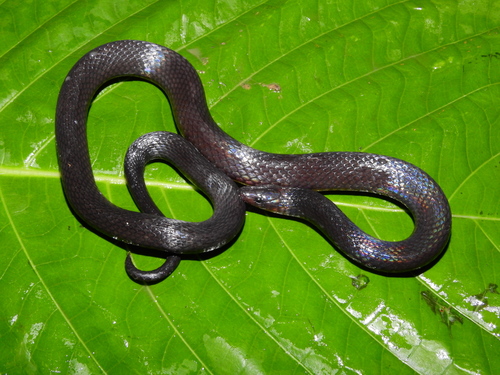
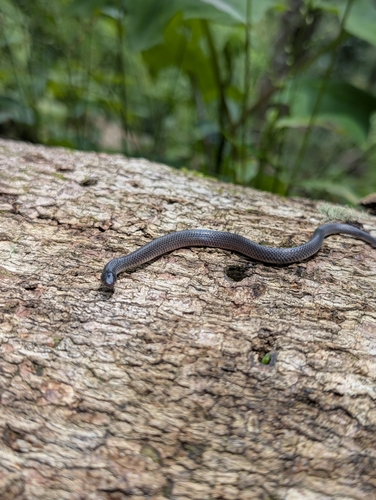
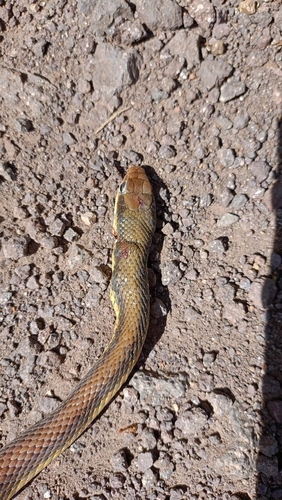
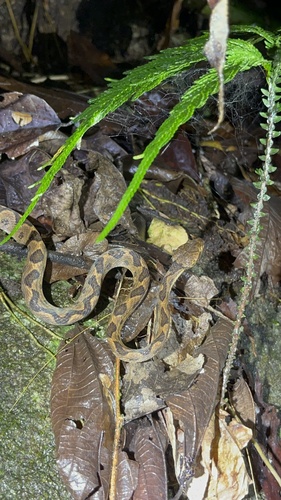
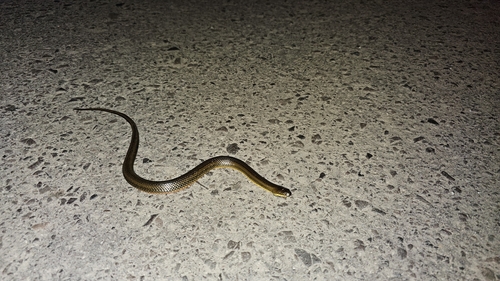
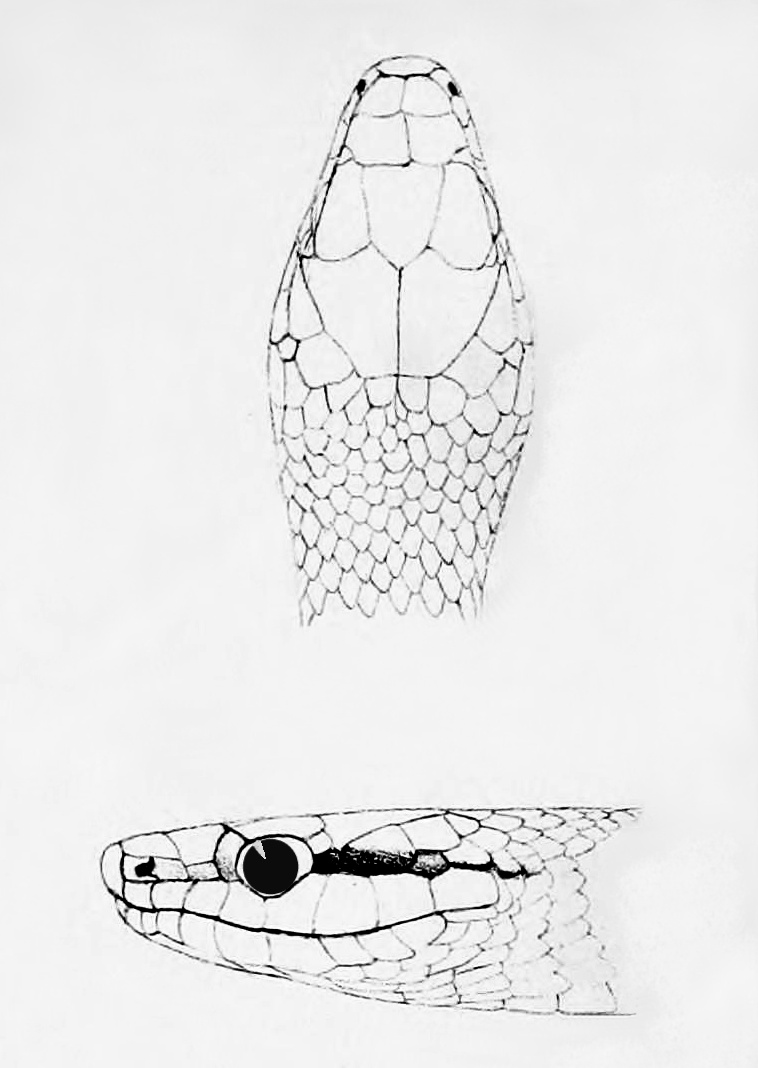
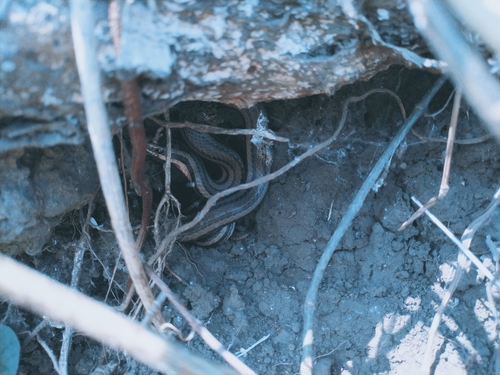
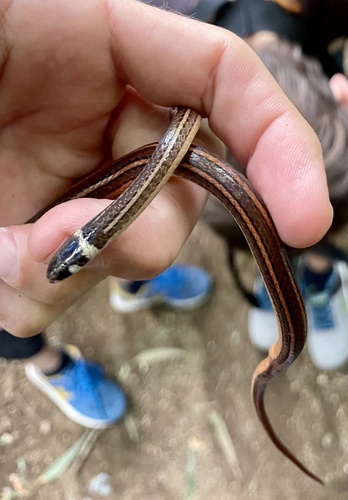
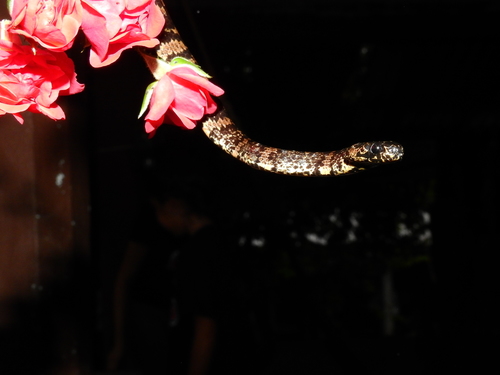
Colubridae (346)
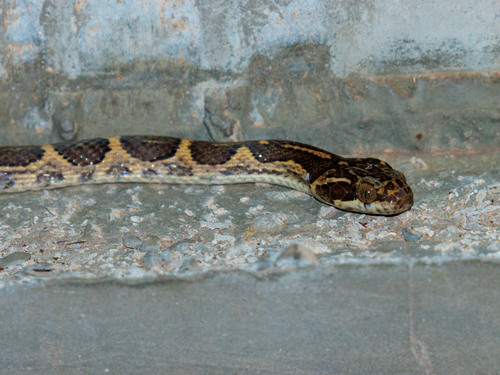
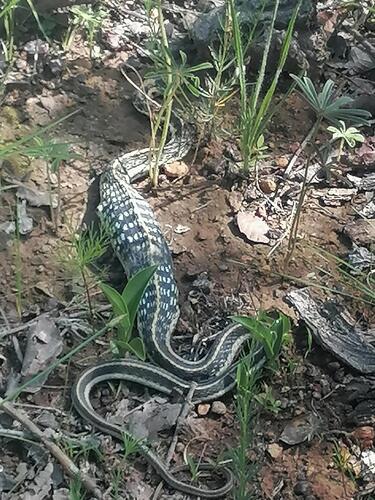
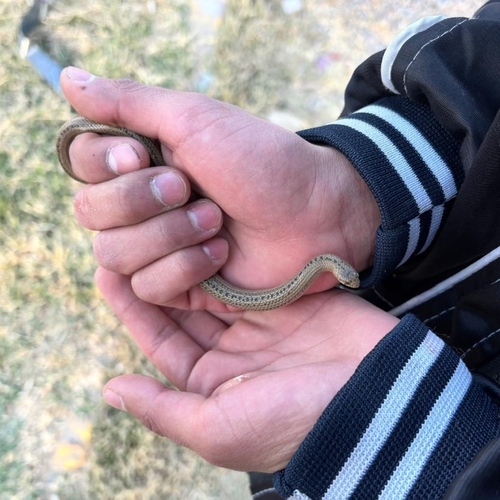
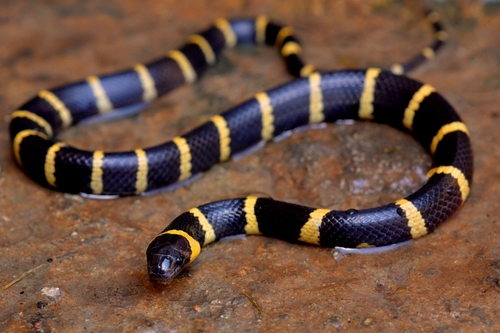
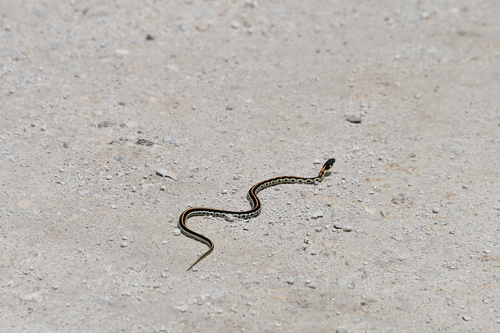
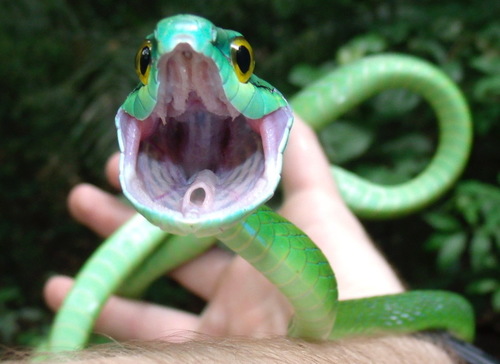
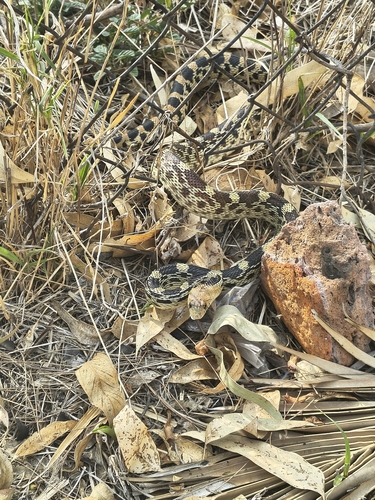
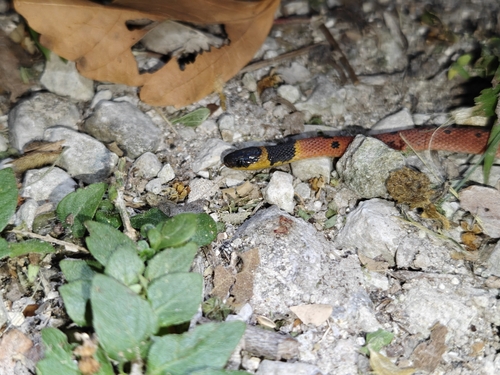
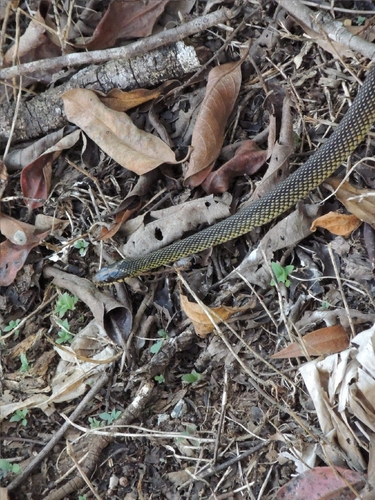
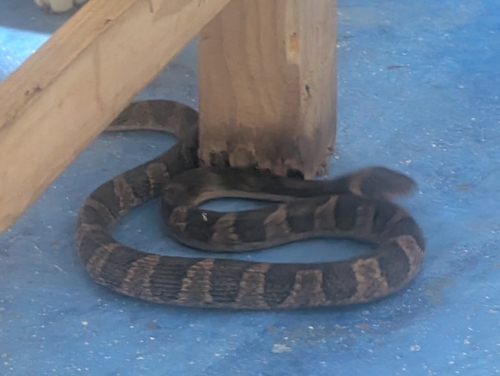
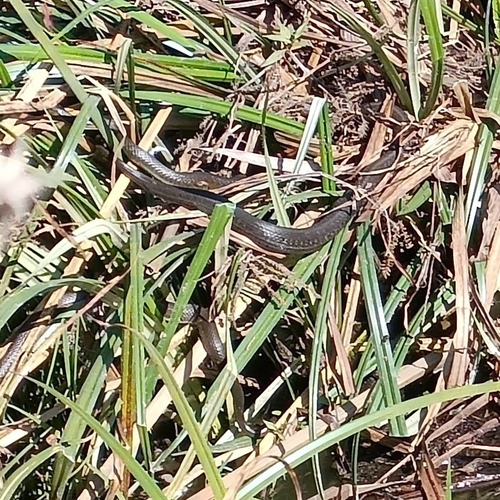
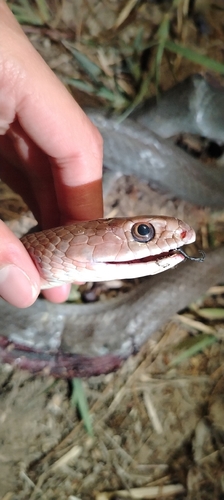
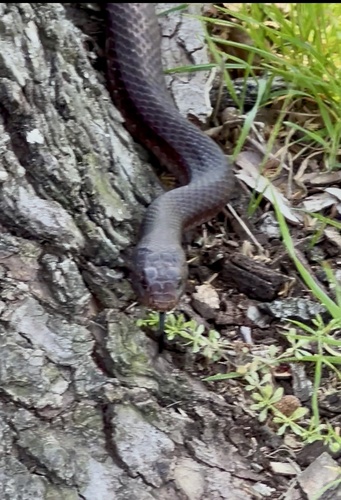
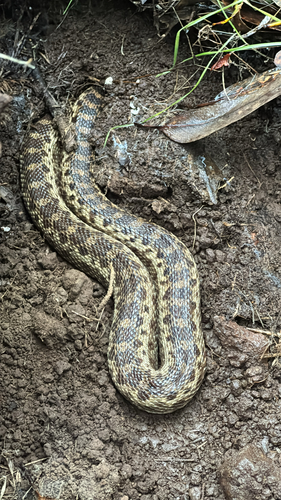
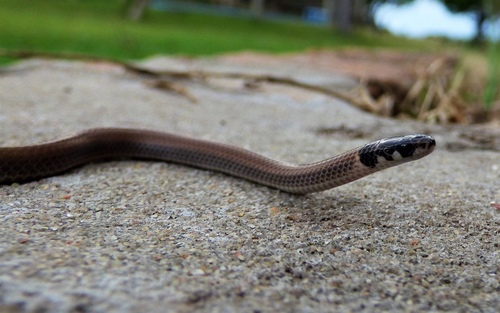
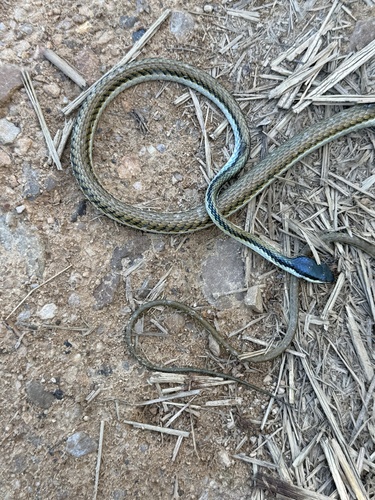
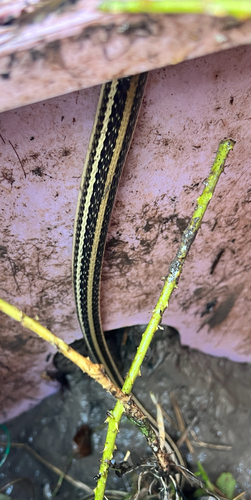
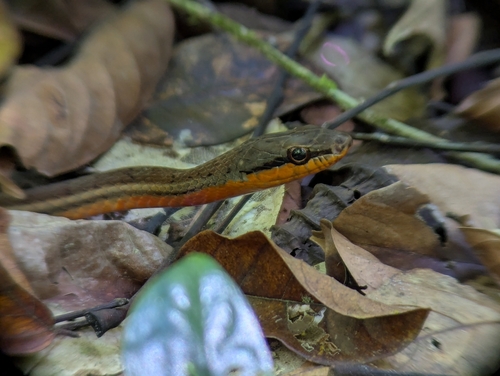
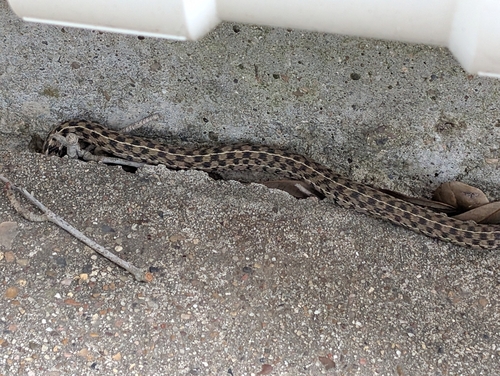
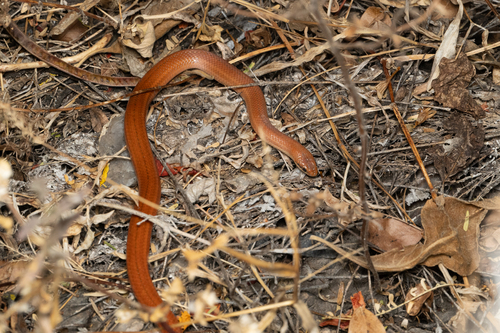
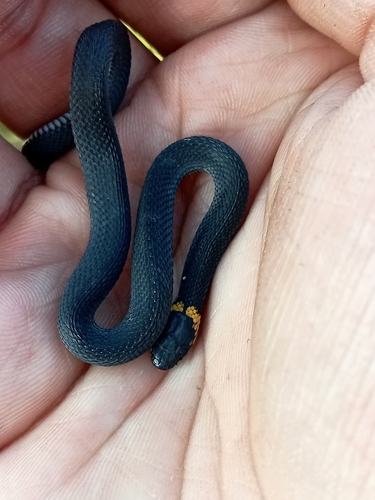
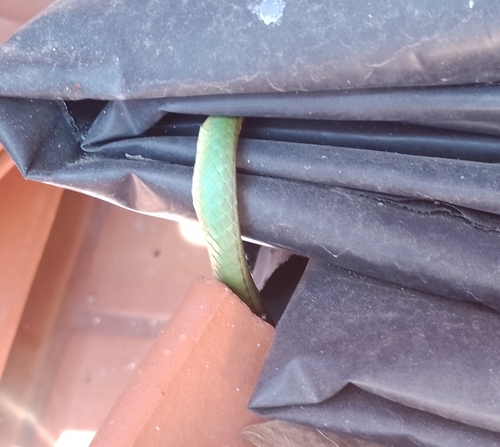
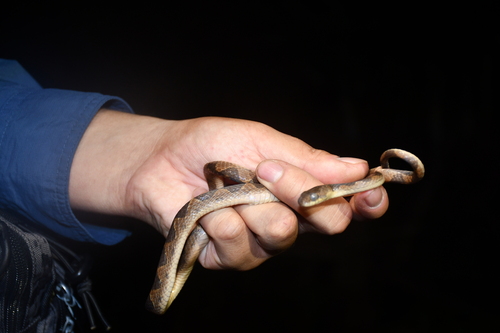
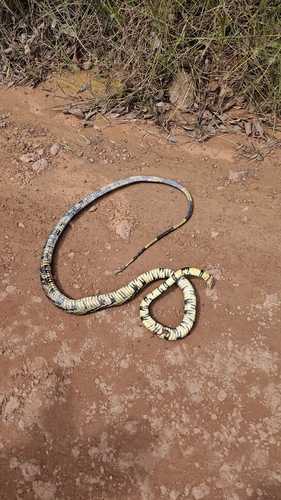
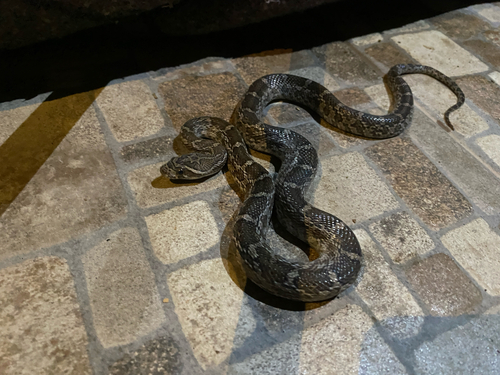
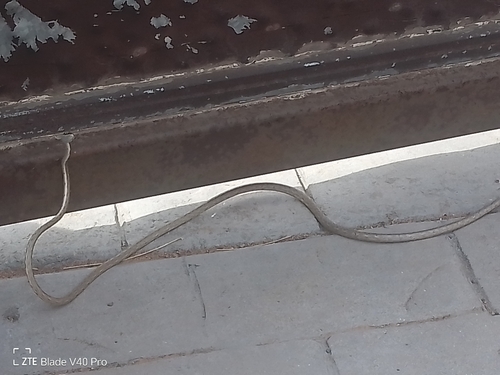
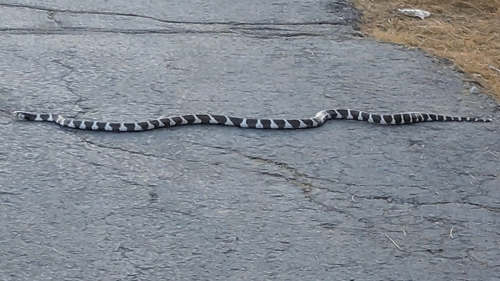
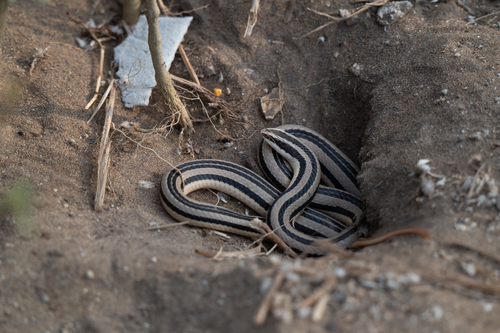
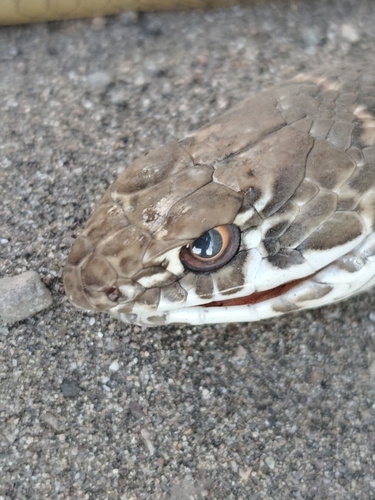
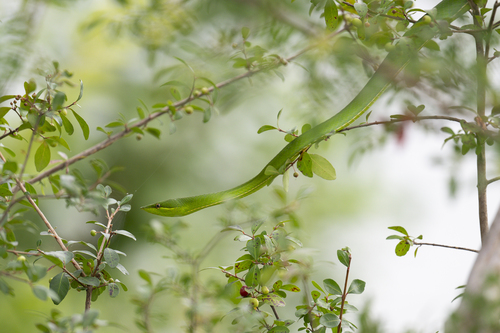
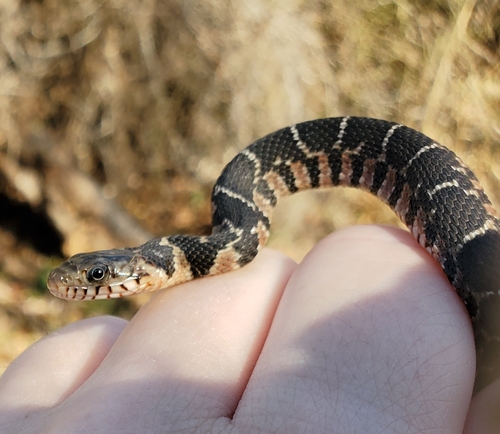
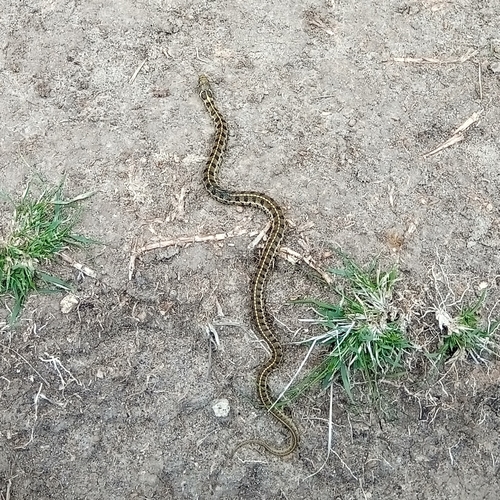
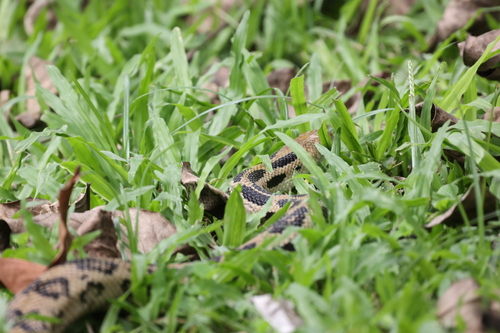
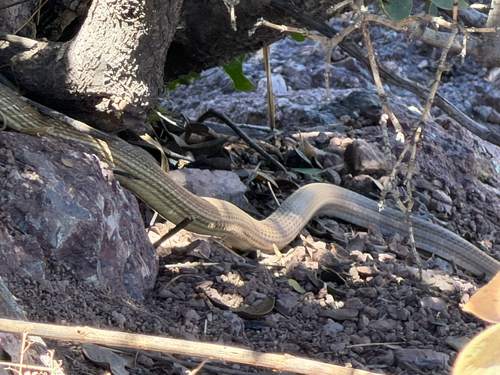
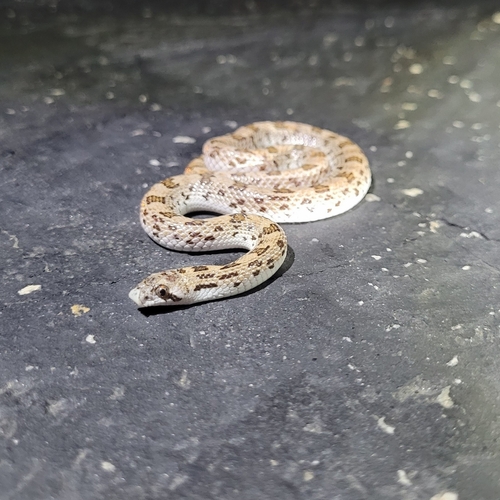
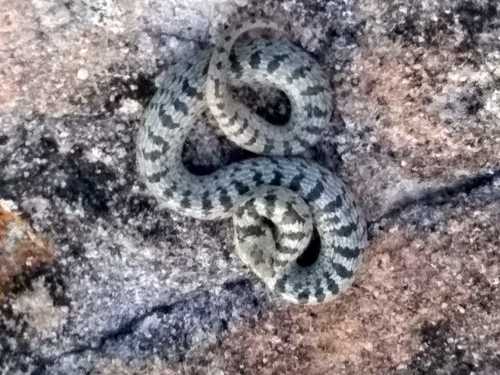
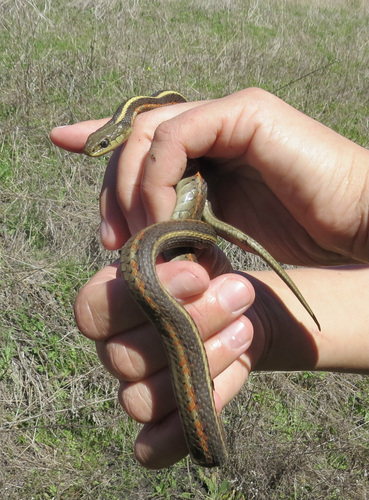
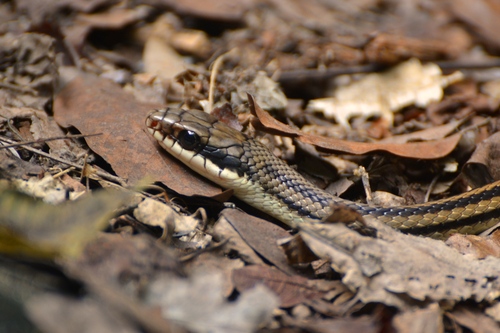
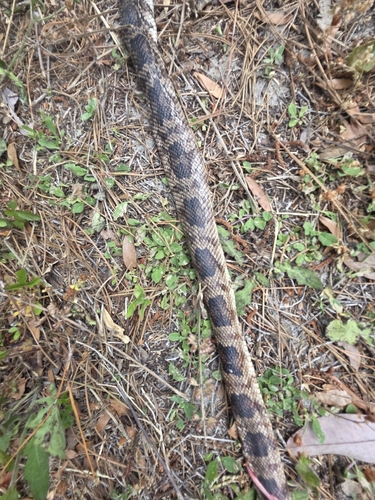
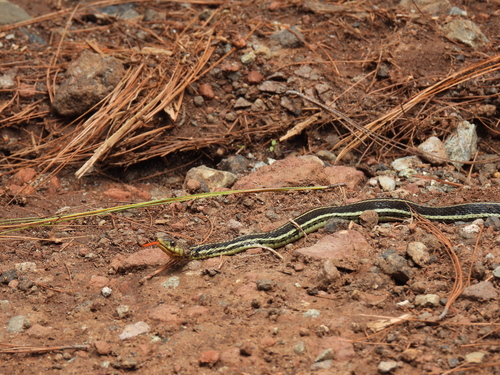

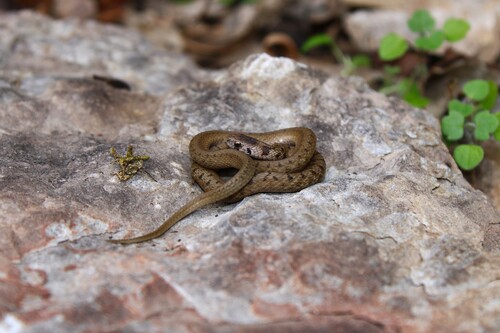
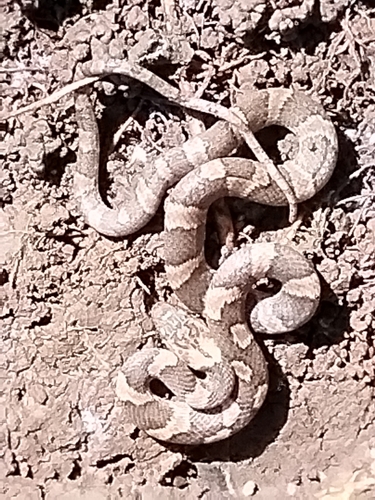
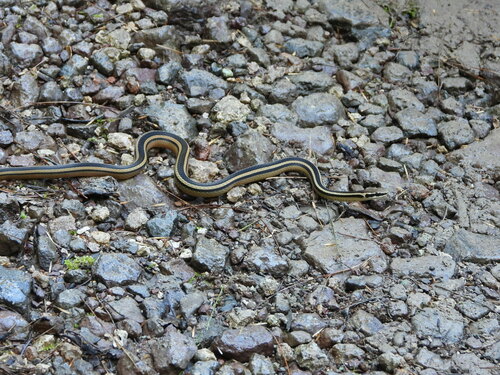
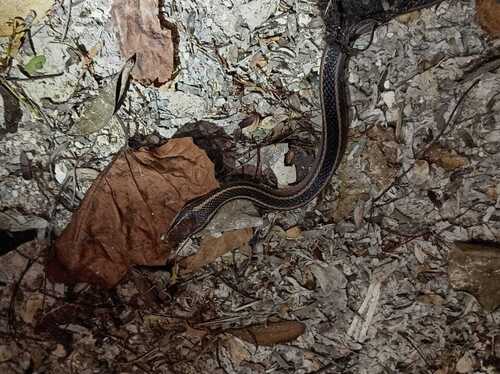
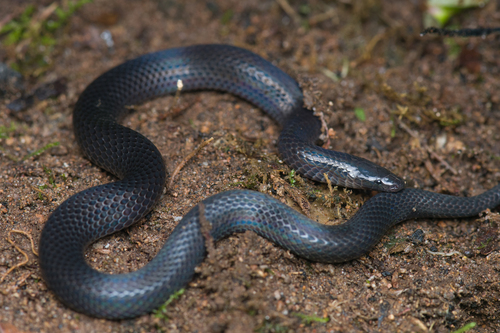
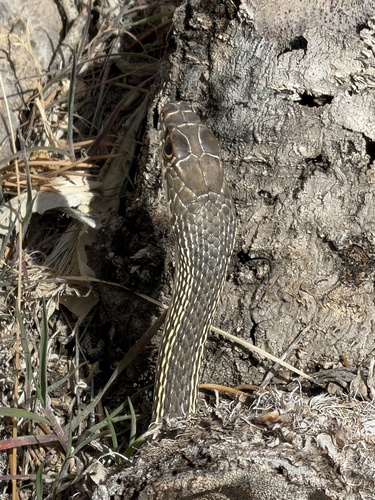
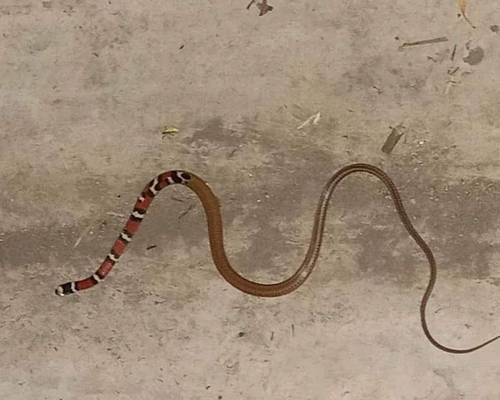
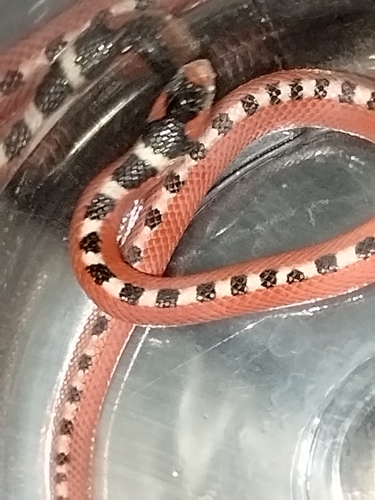
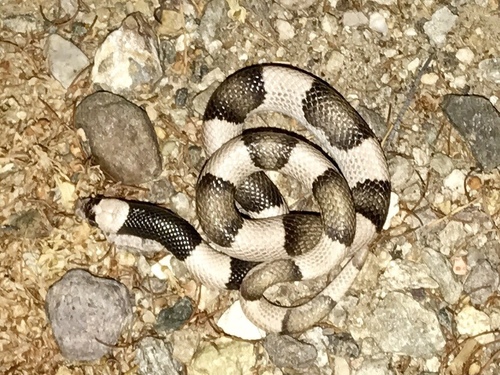
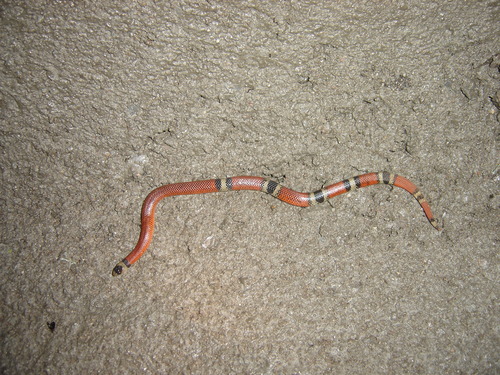
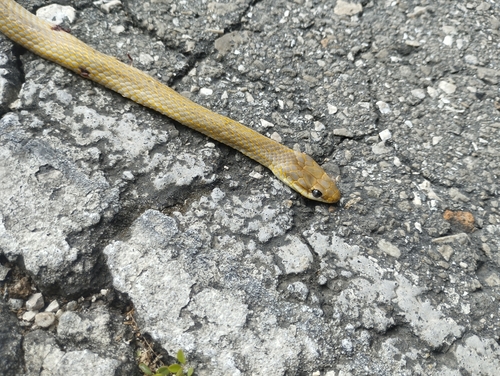
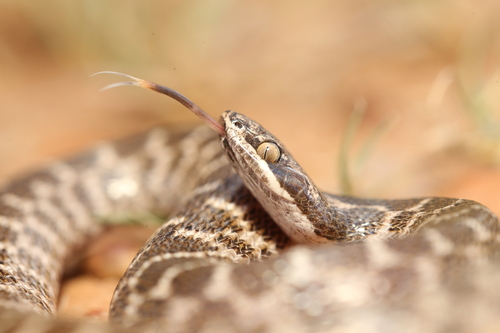
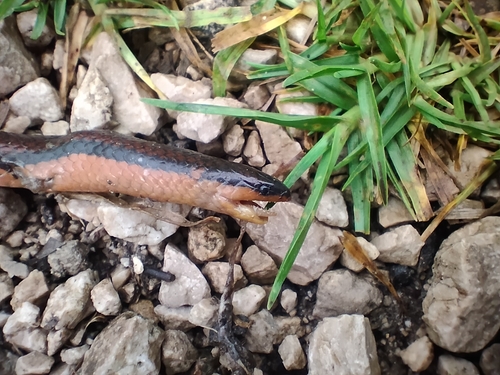
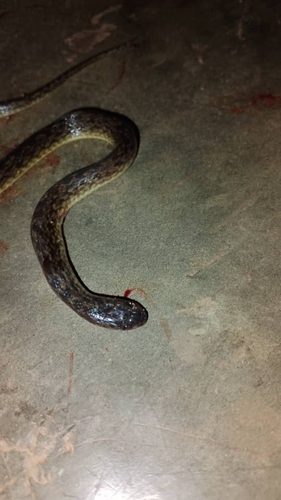
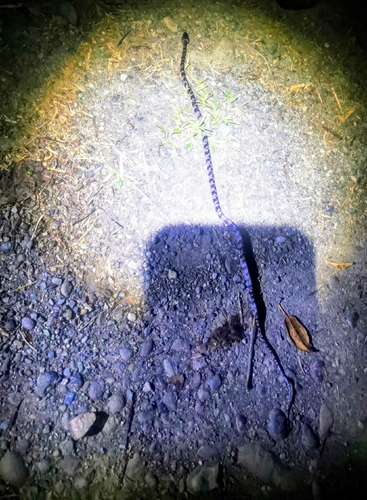
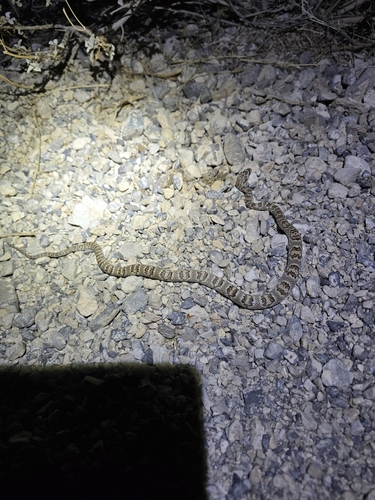
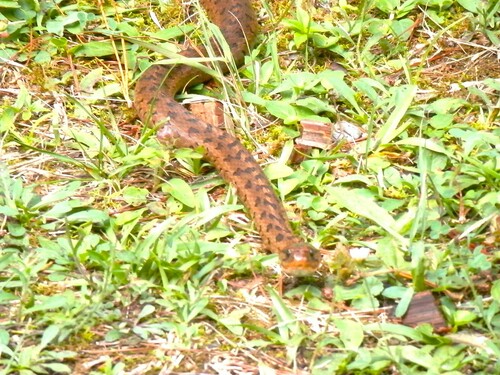
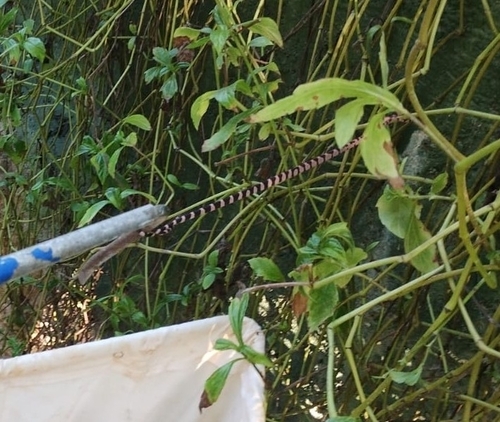
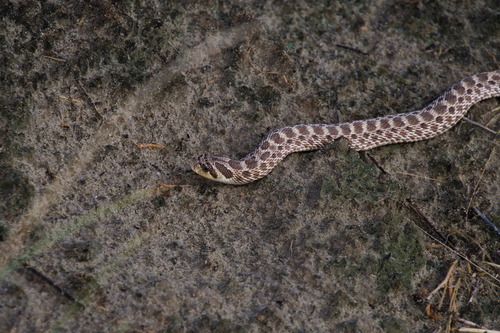
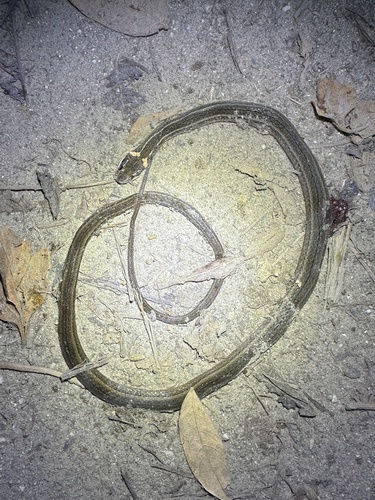
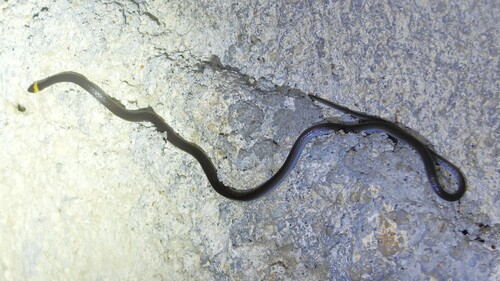
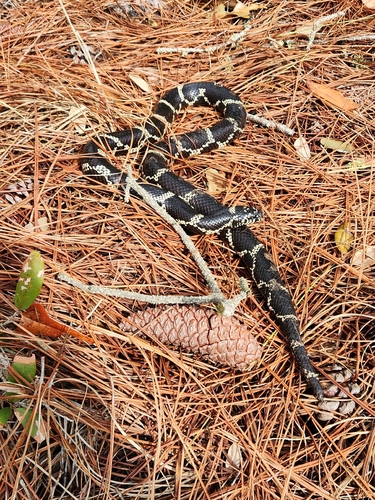
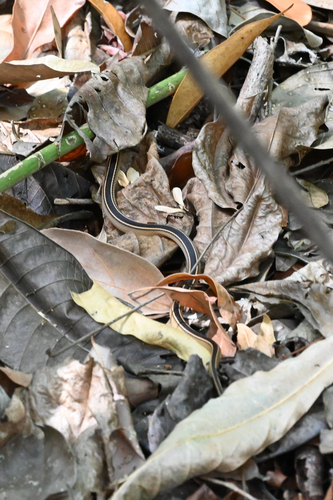
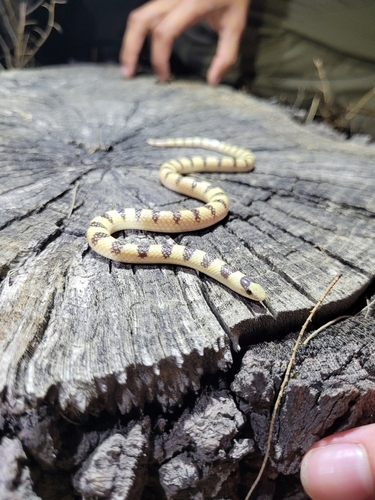
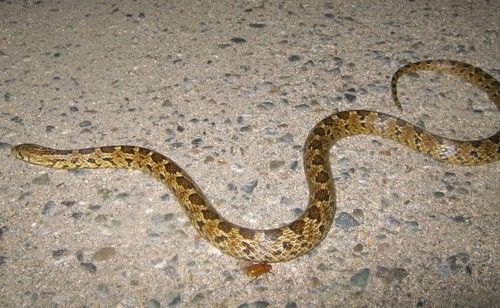
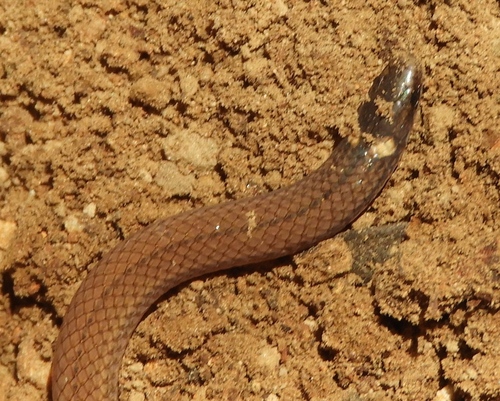

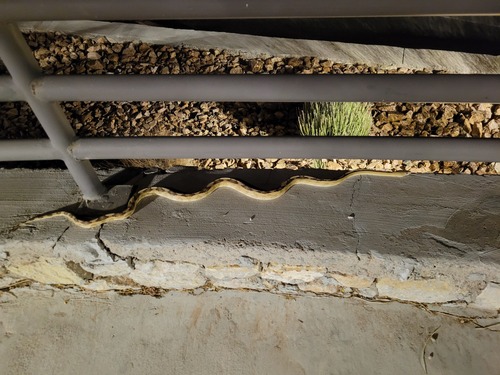
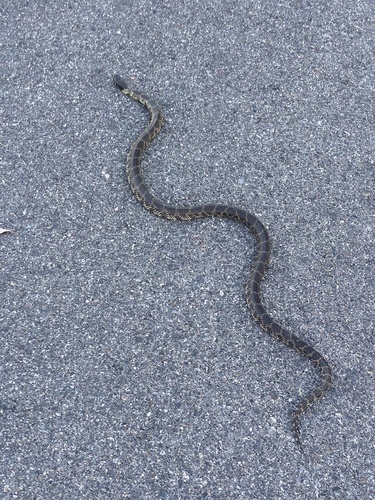
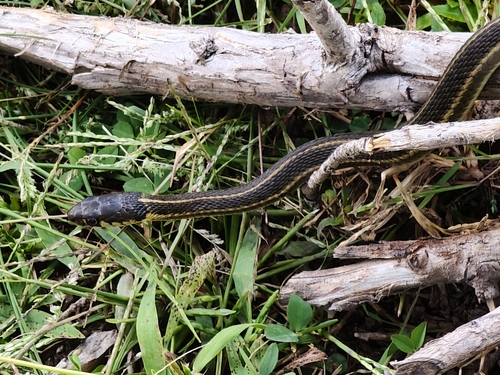
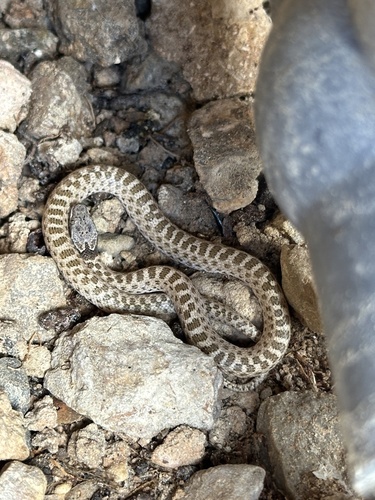
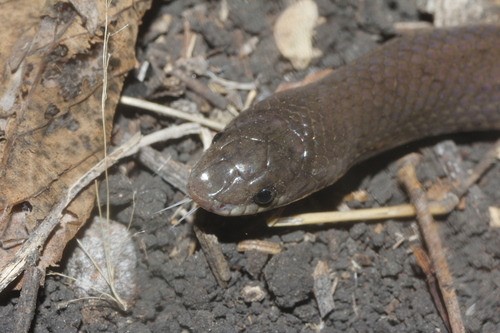
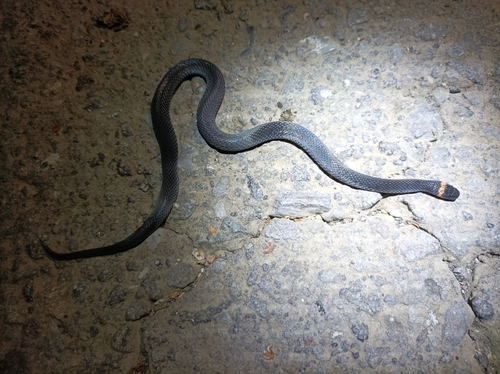
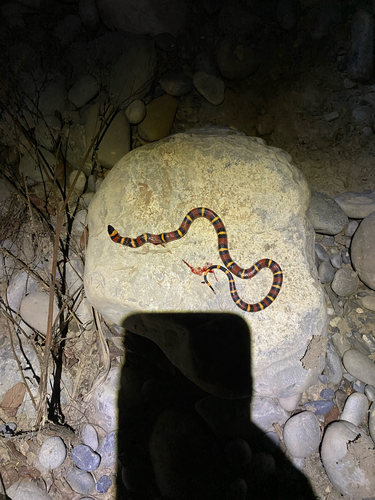
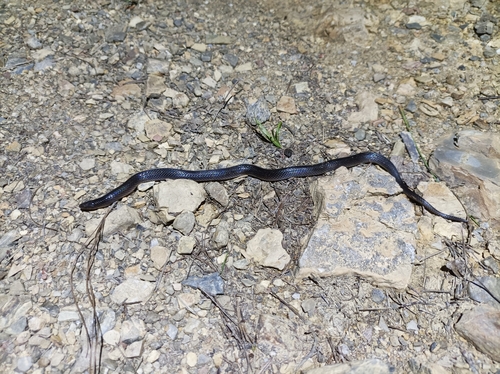

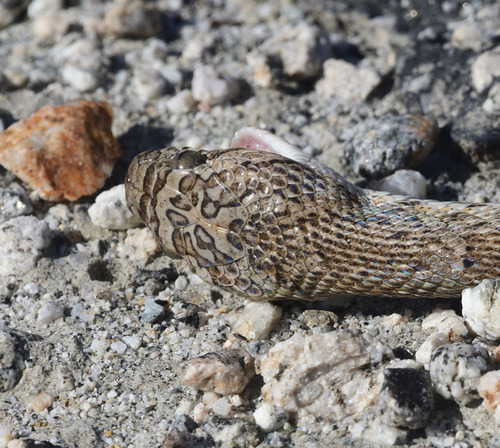
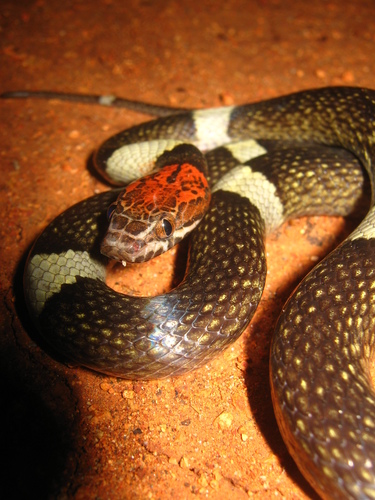
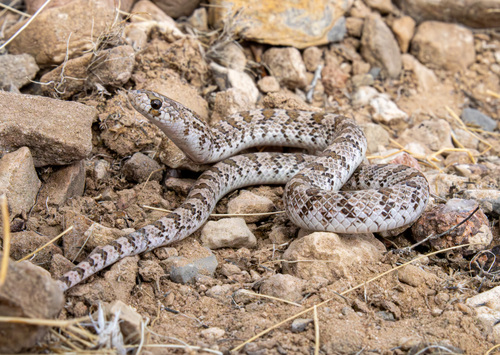
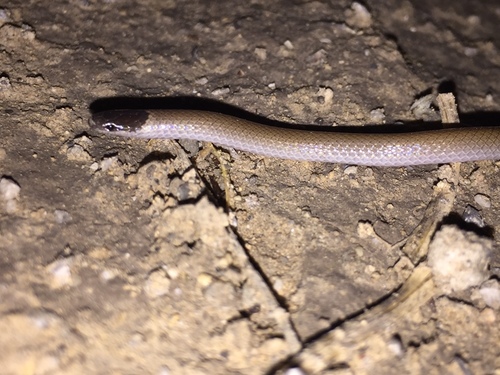
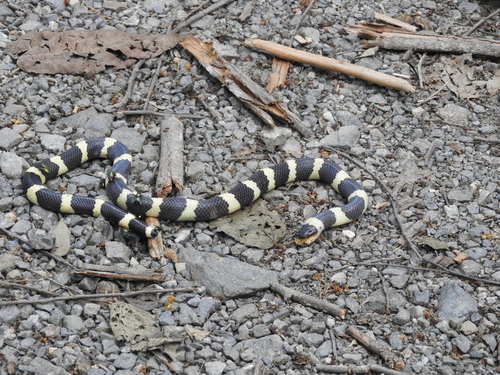
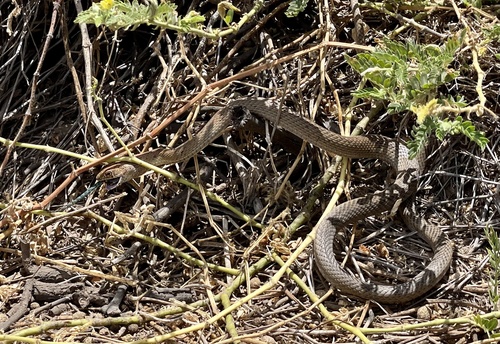
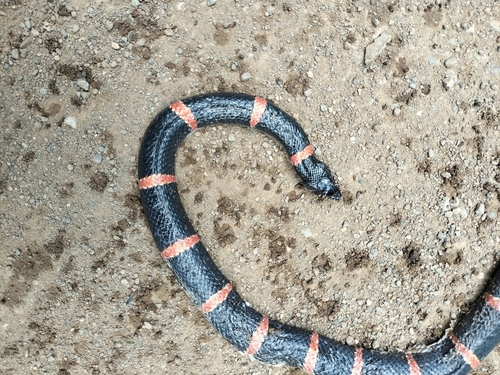
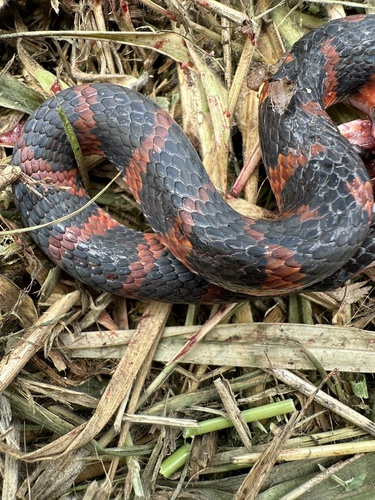
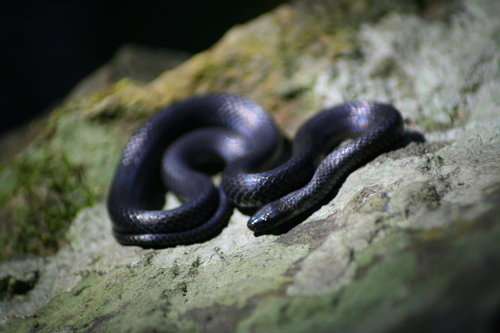
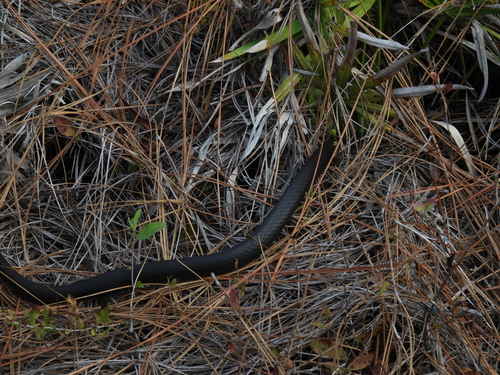
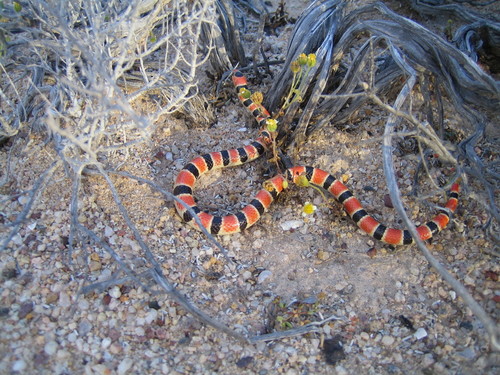
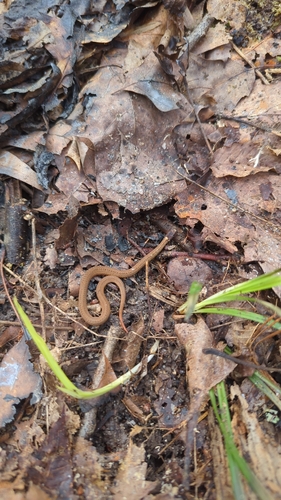
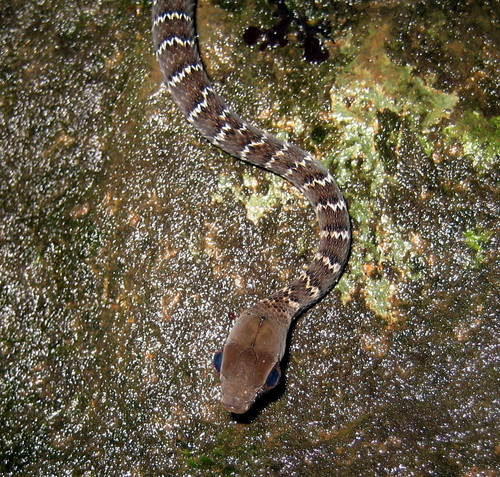
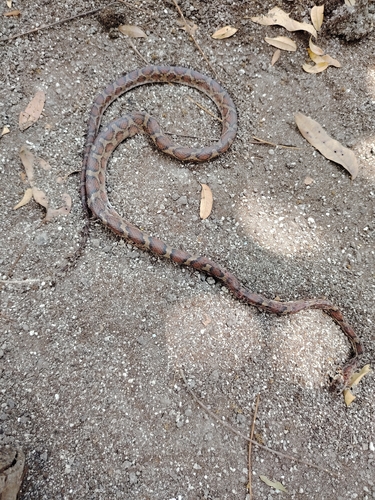
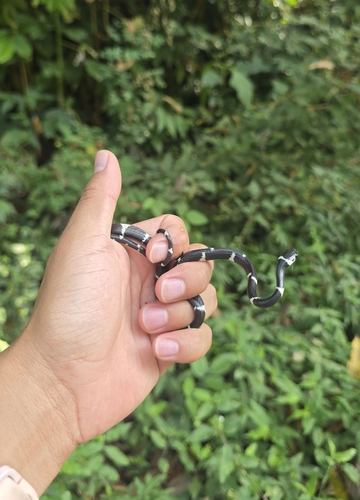
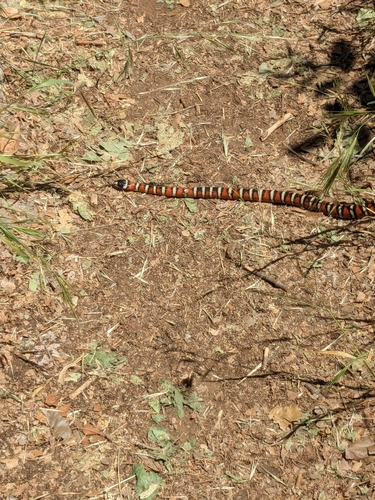
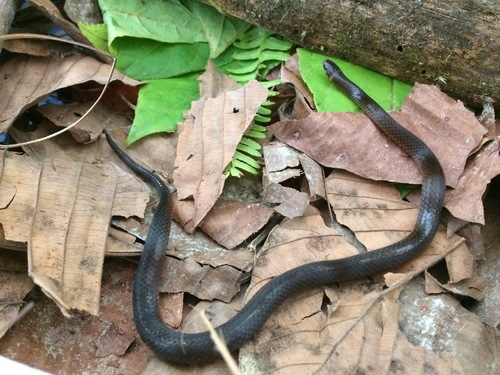
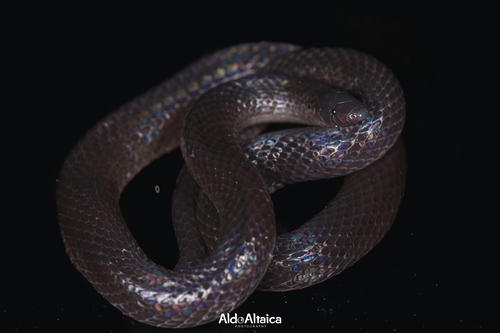
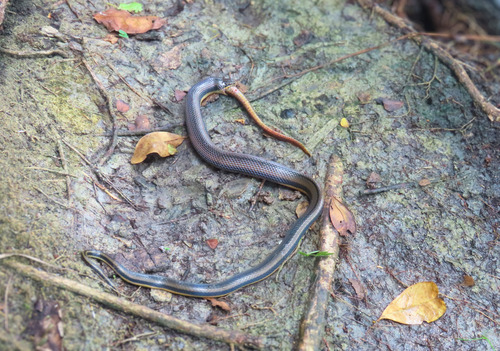
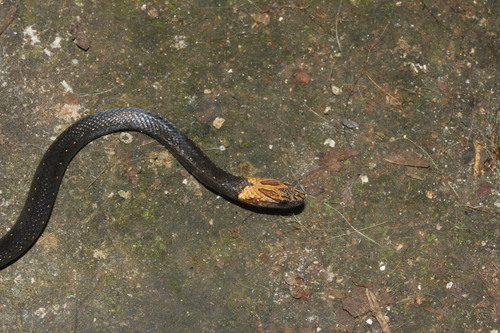
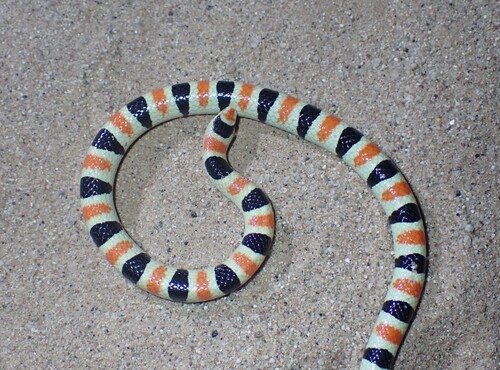
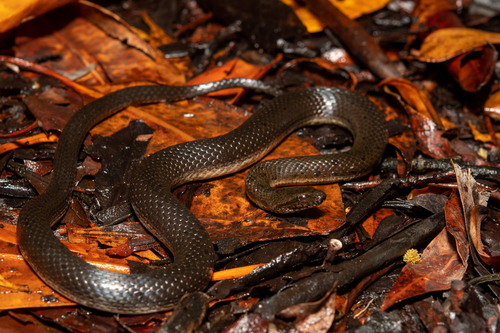
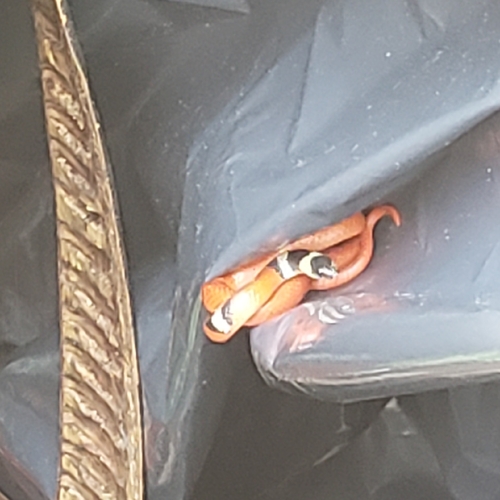
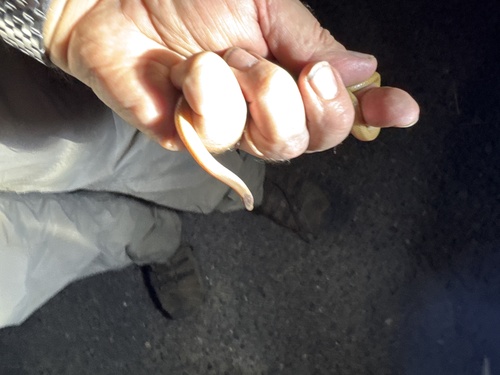
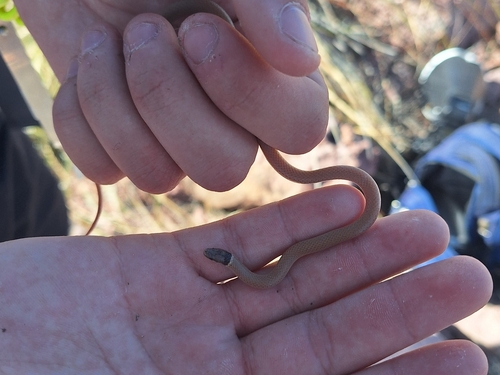
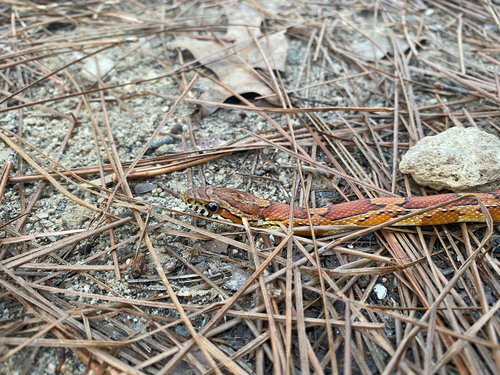
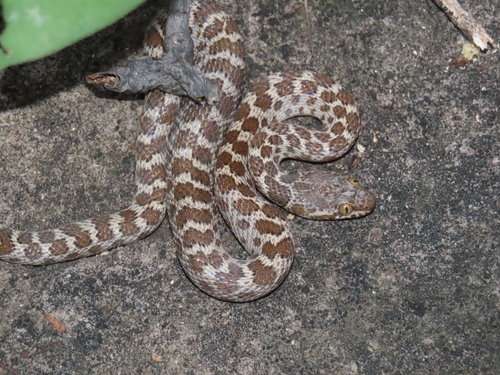
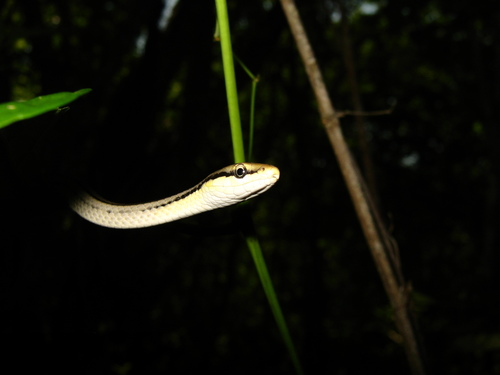
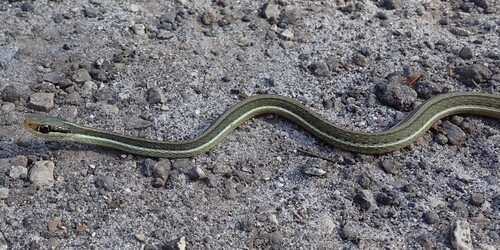
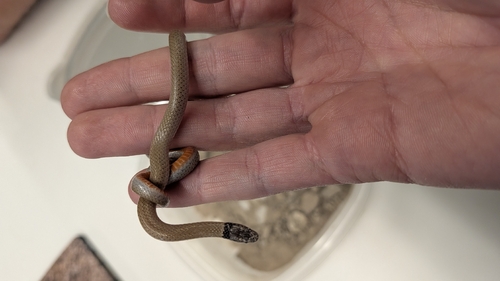
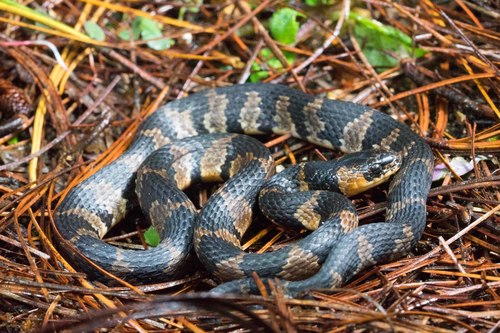
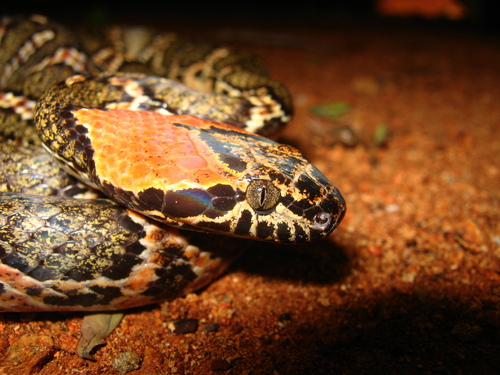

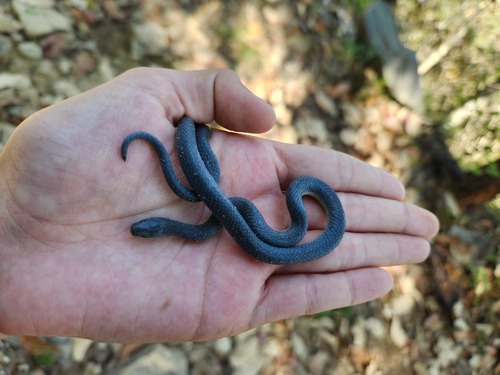
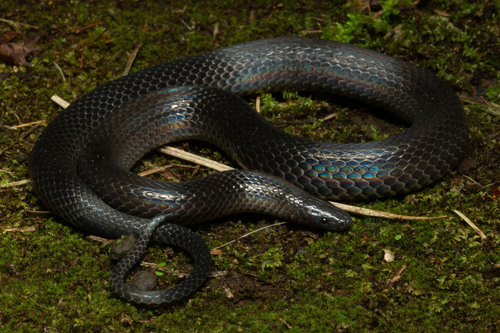
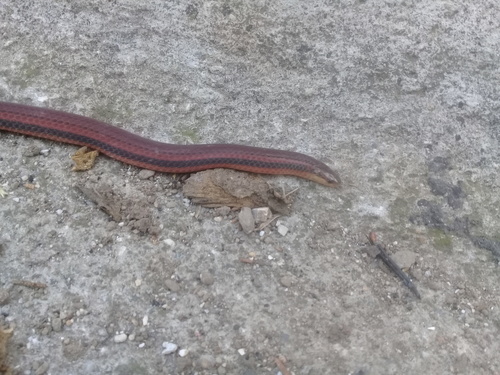
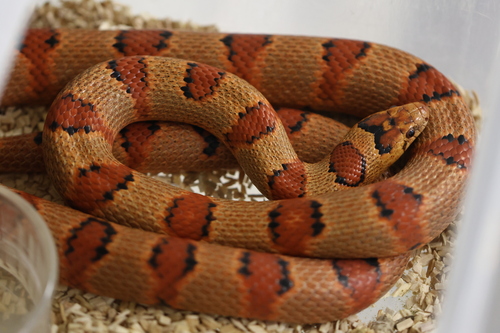
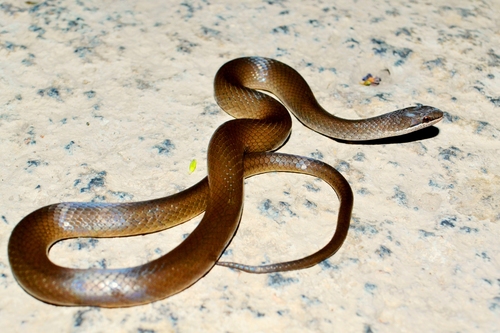
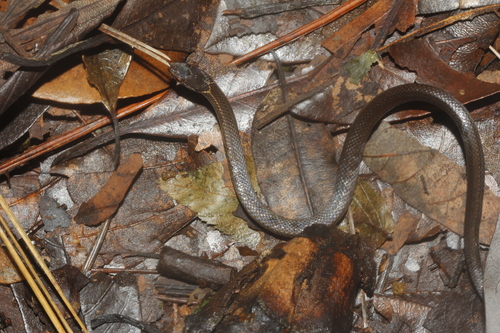
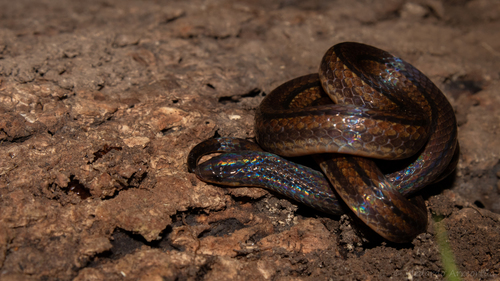
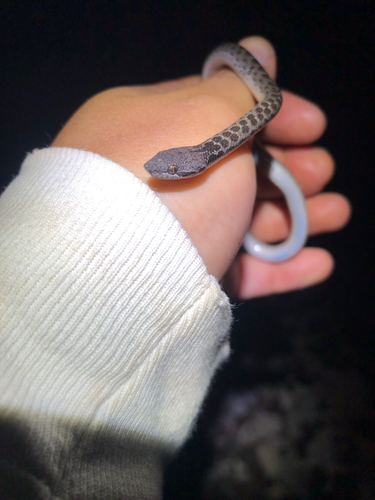
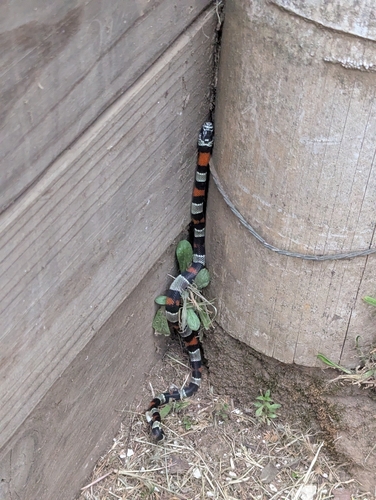
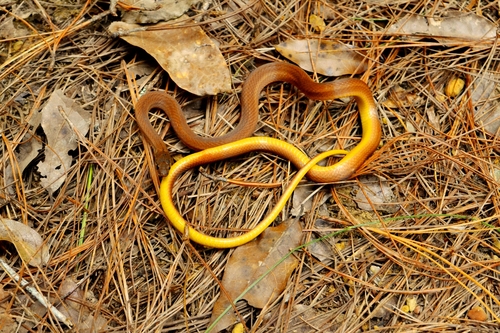
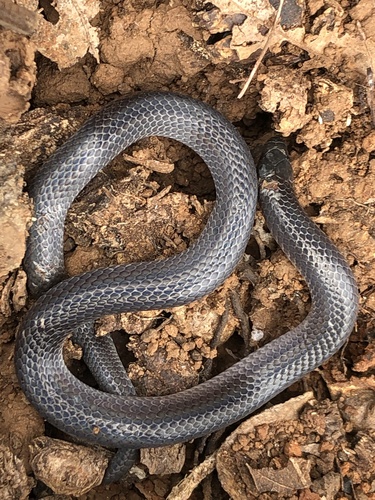
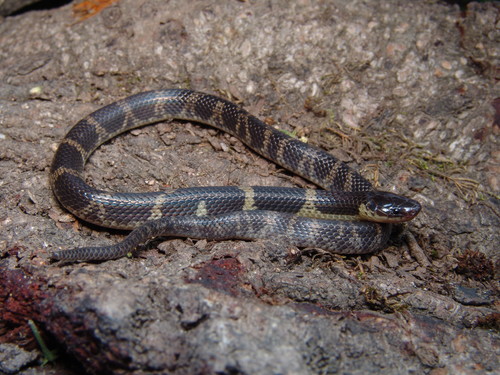
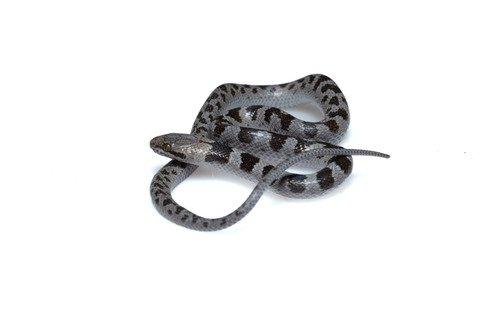
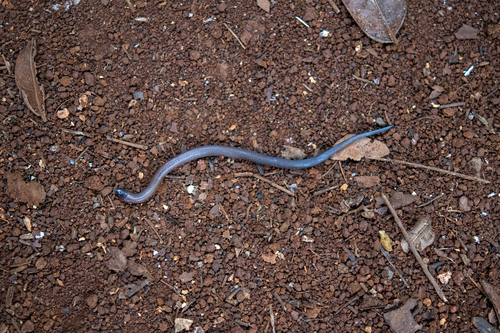
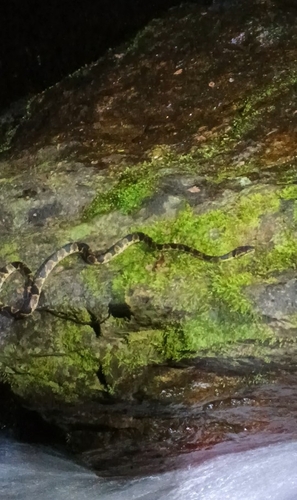
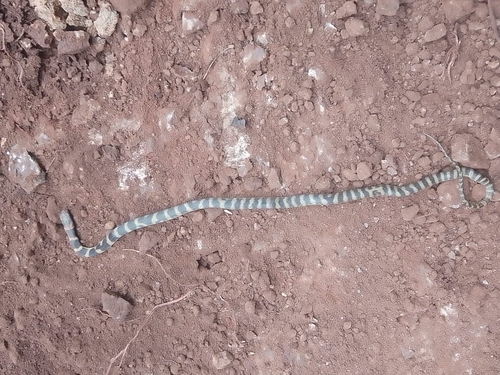
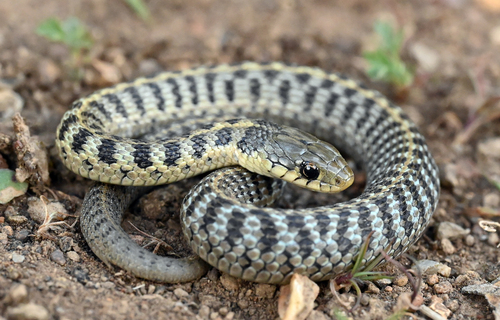

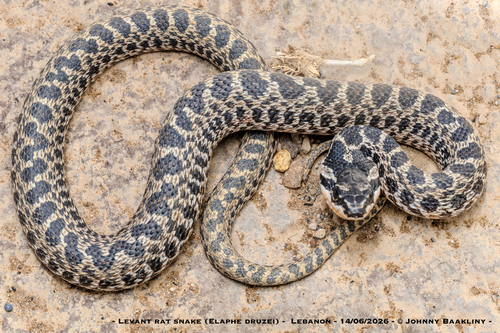
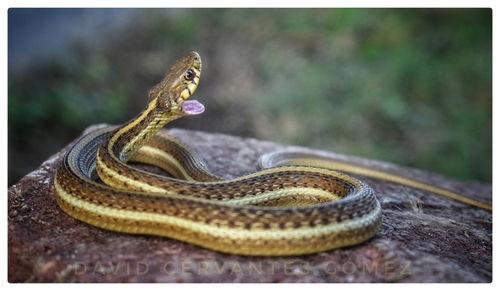
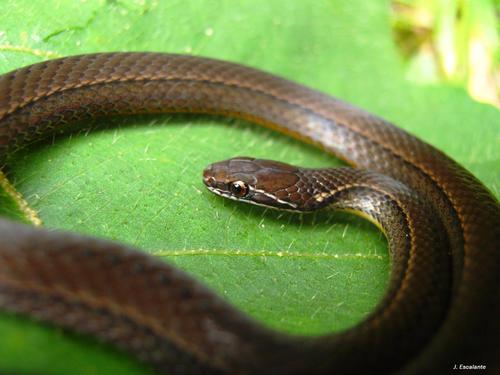
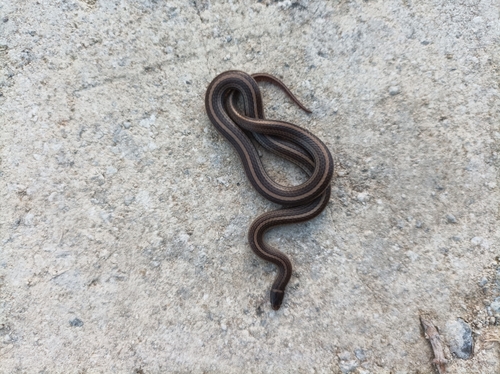
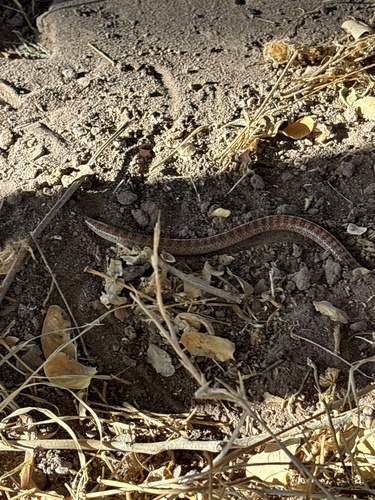
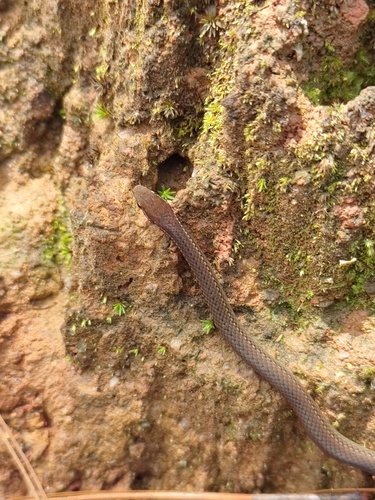
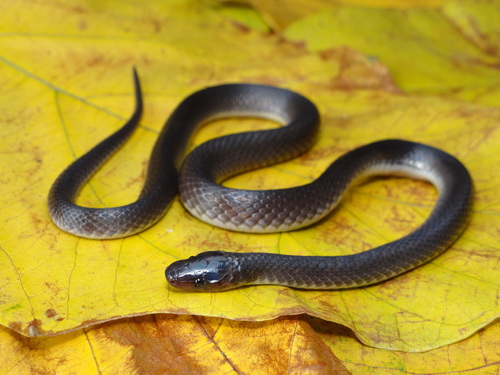
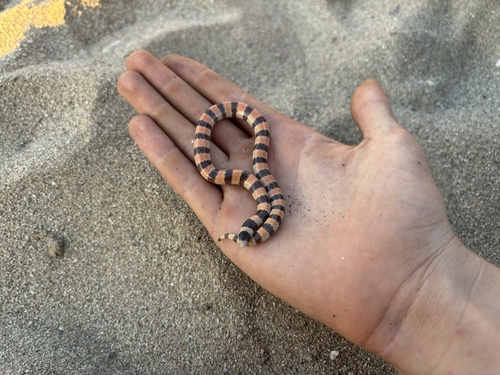
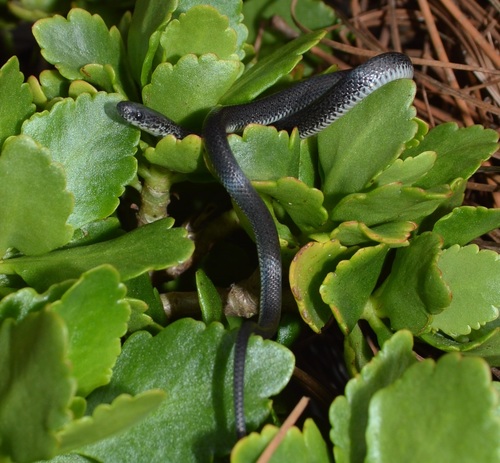
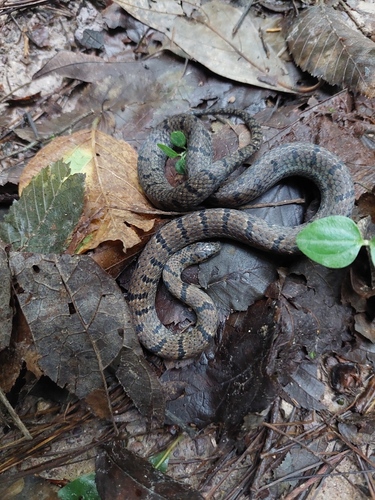
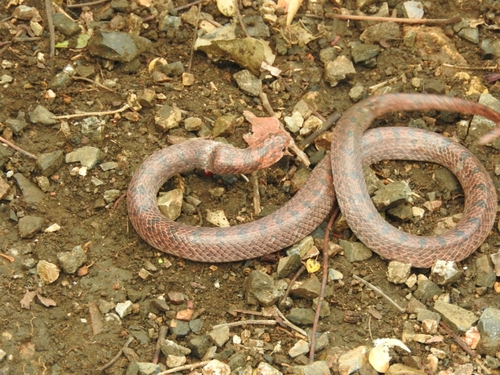
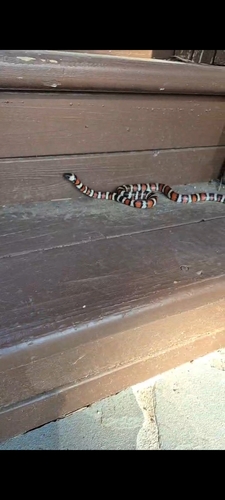
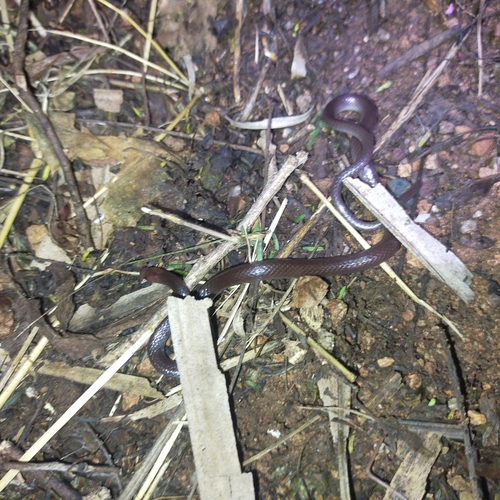
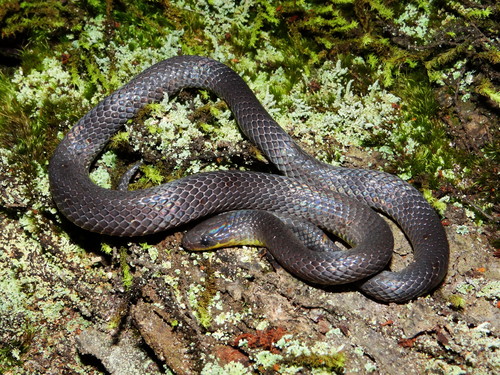
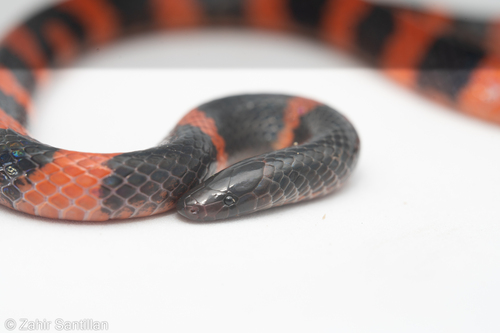
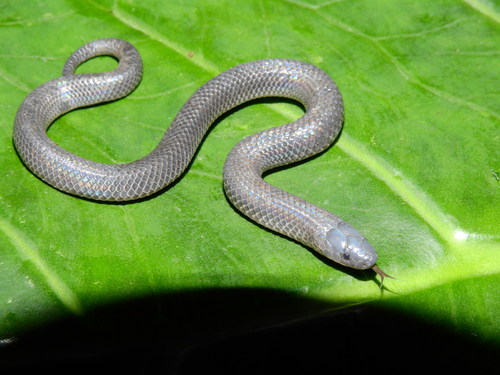
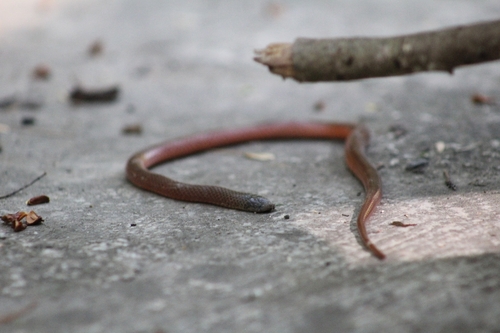
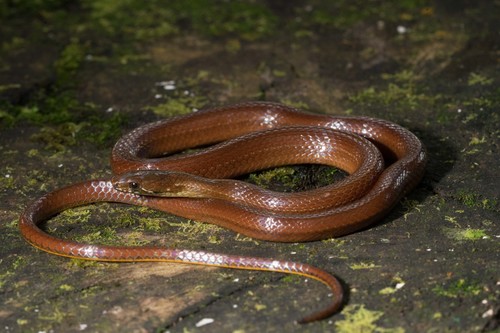
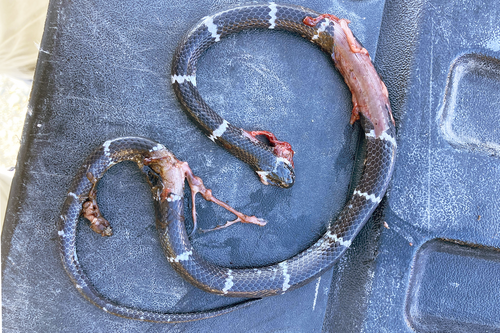
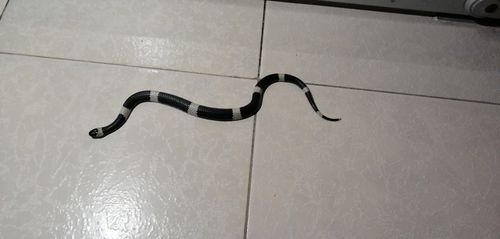
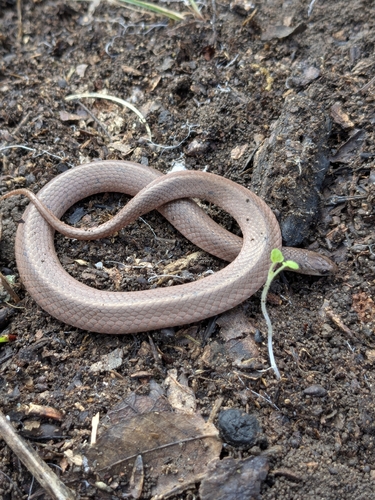
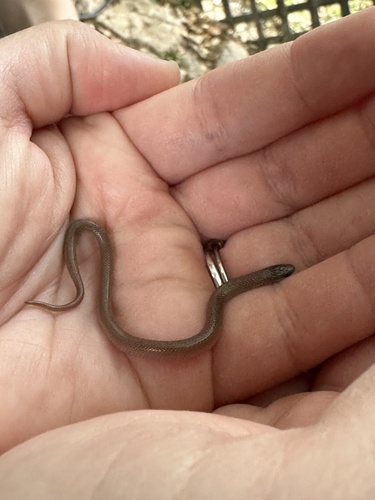
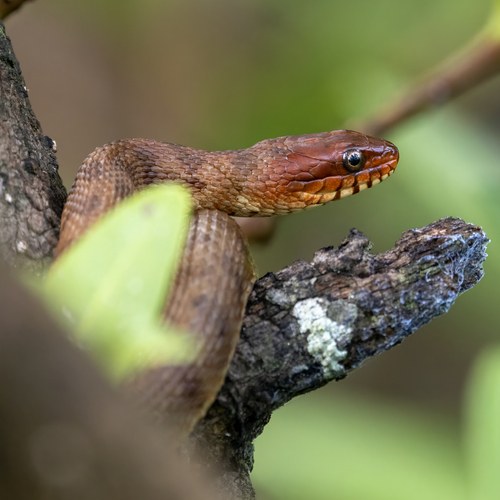
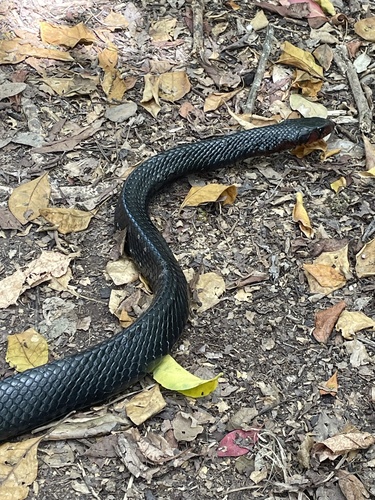
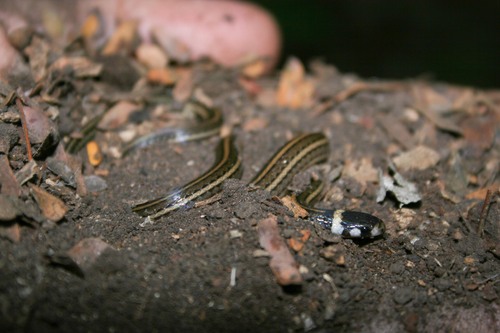
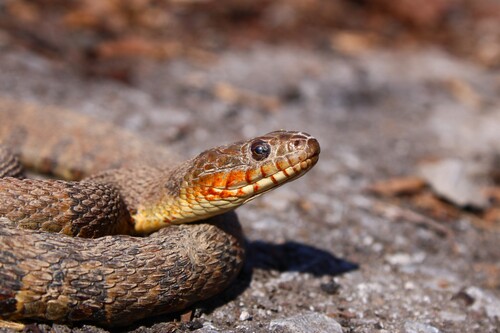
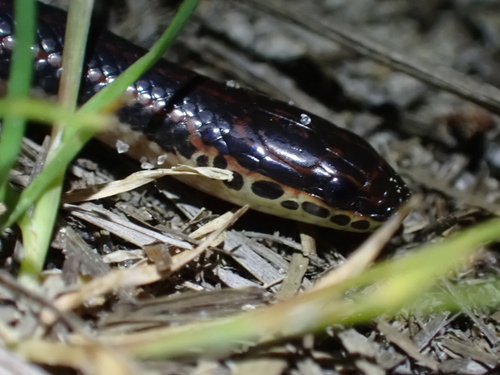
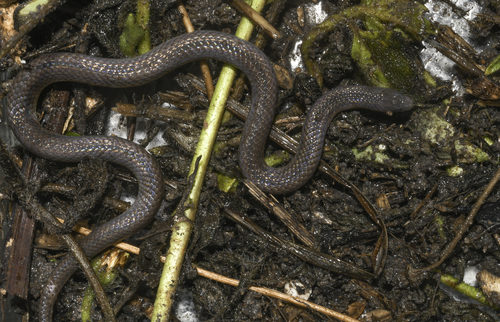
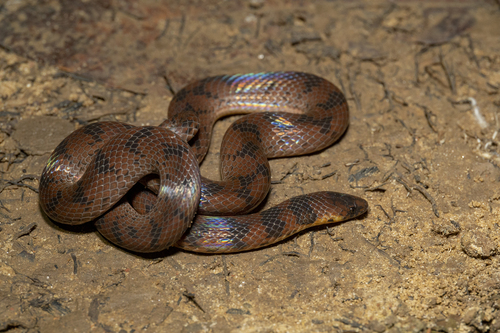
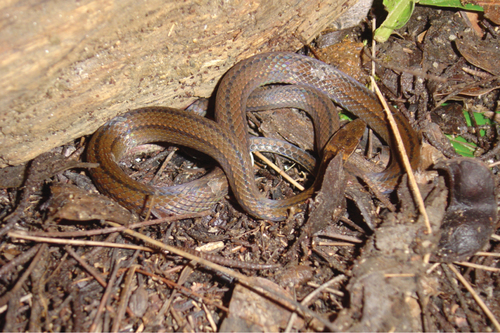
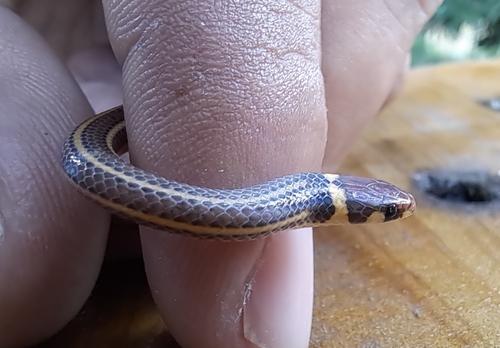
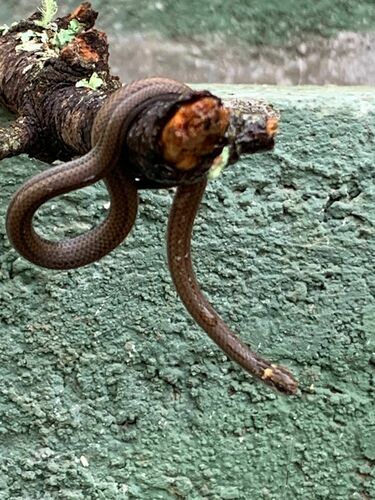
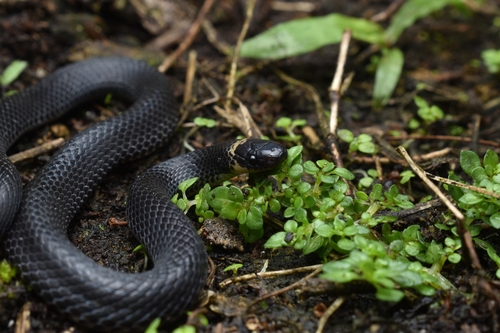
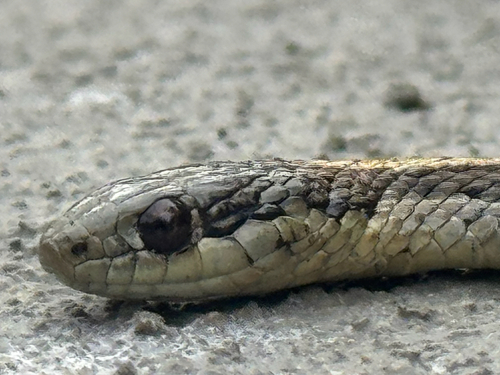
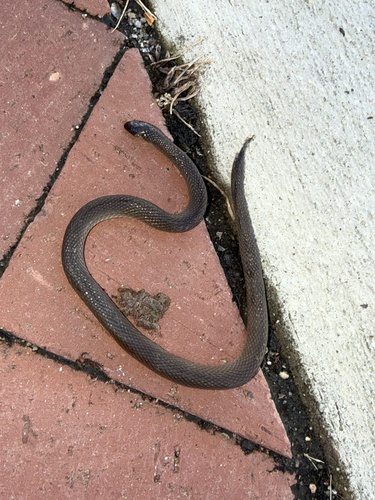
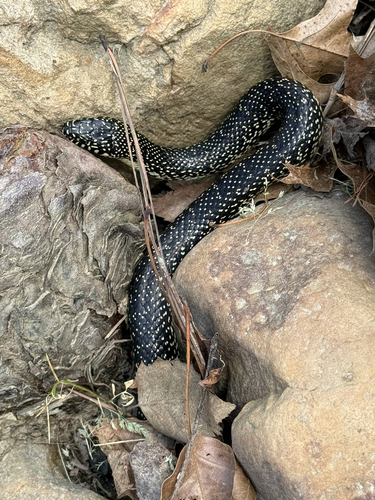
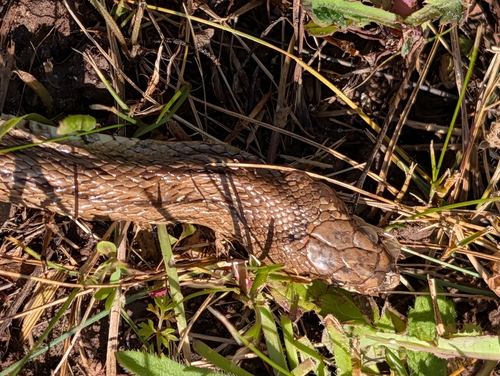
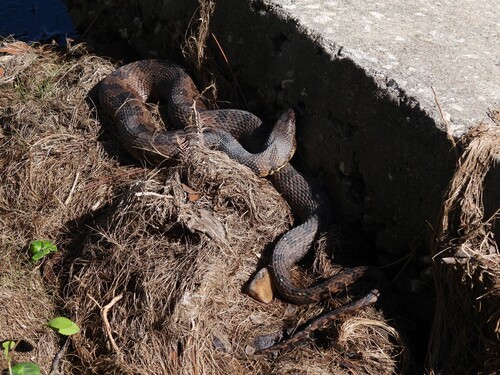
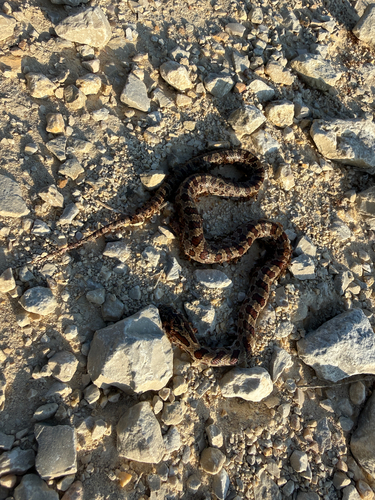
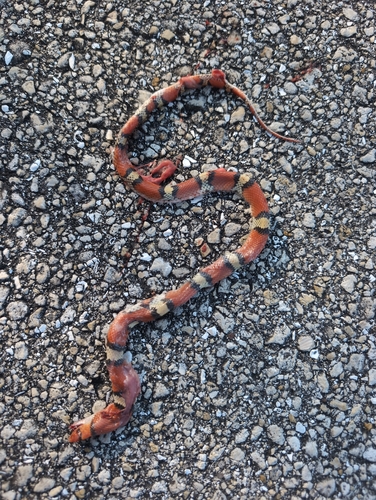
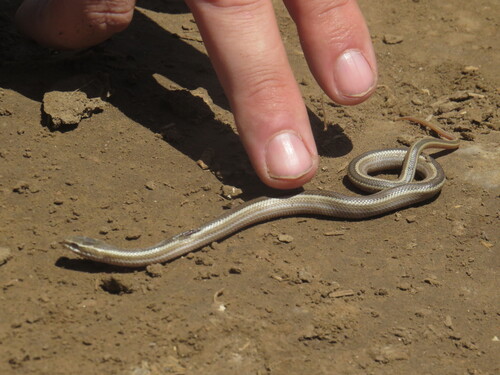
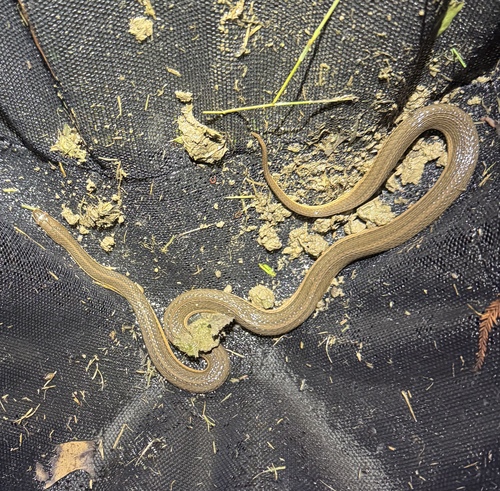
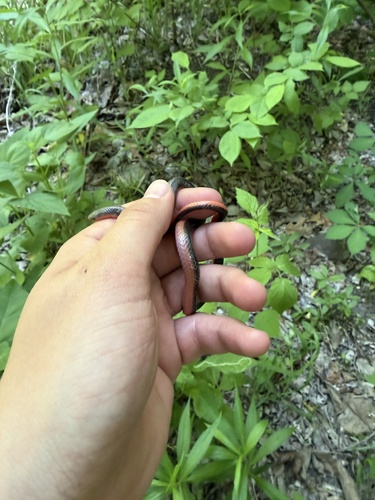
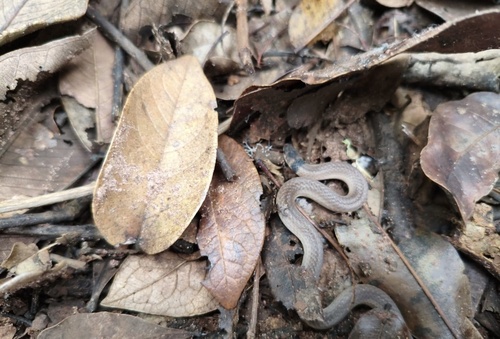
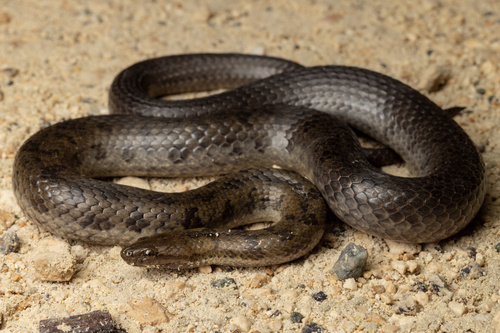
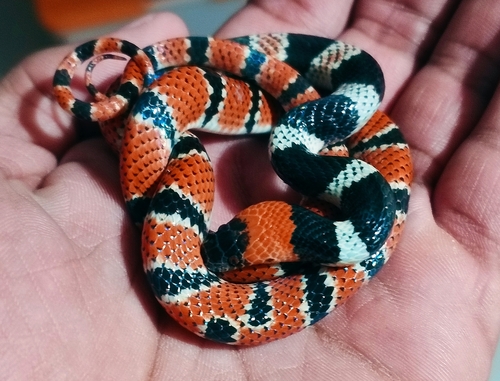
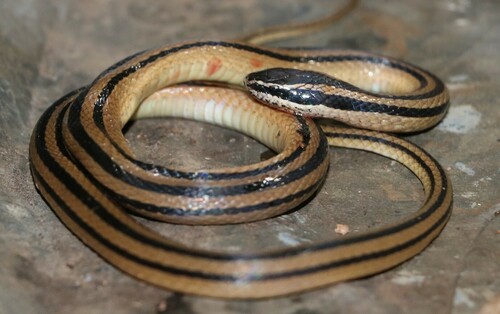
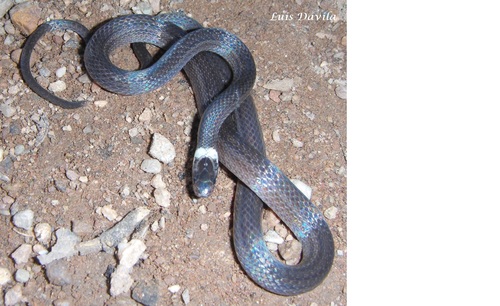
Viperidae (76)
Elapidae (17)
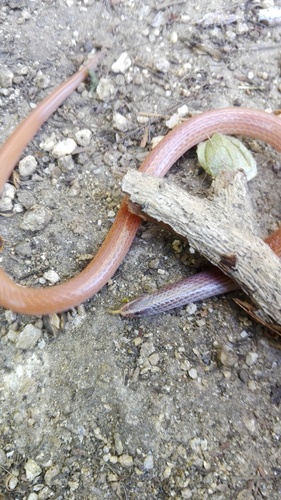
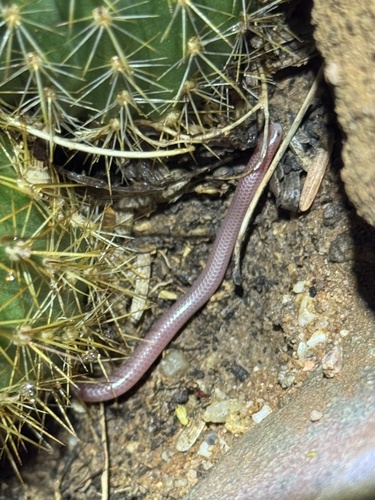
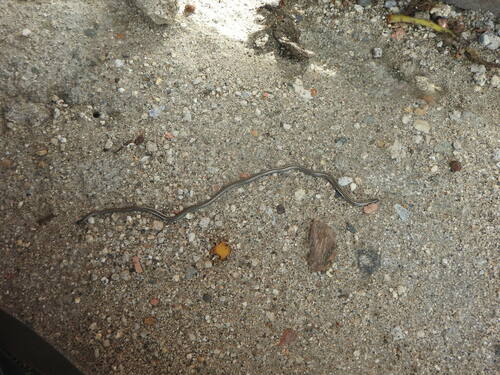
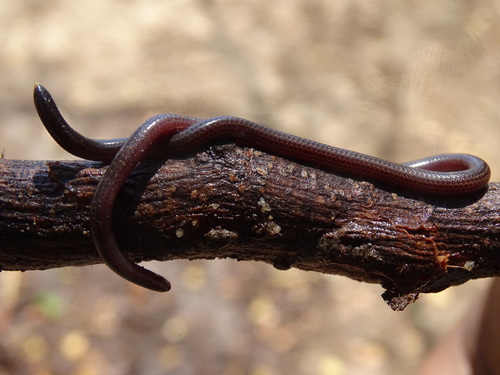
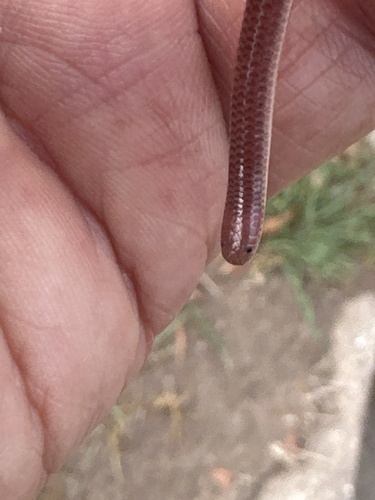
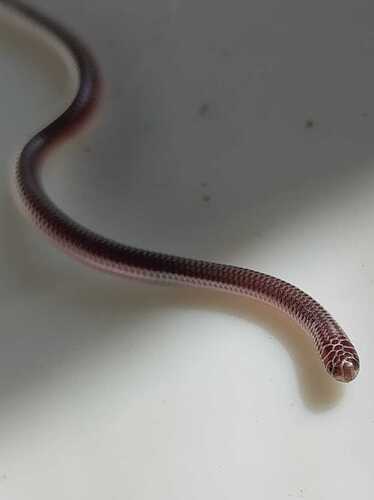
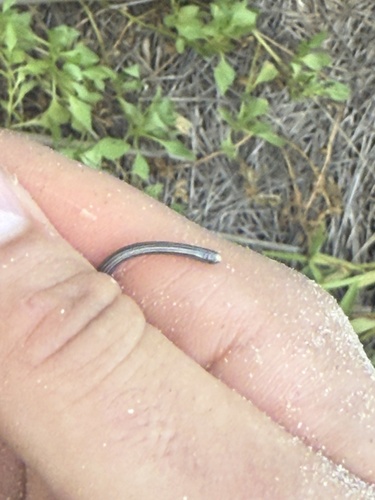
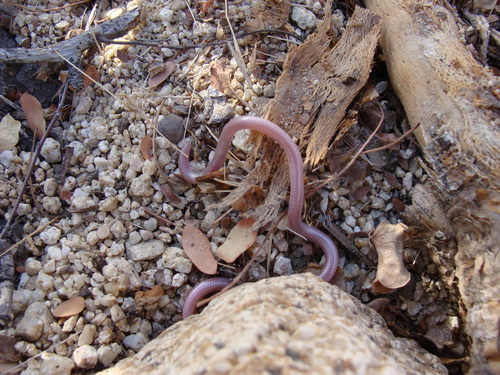
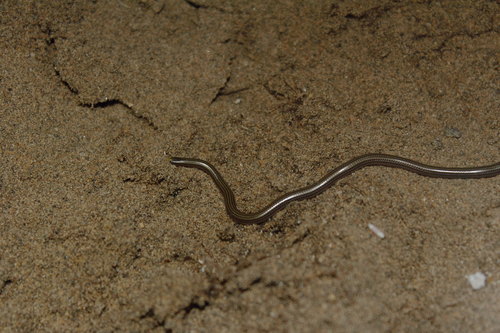
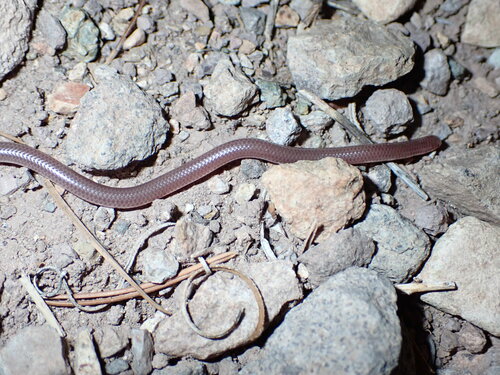
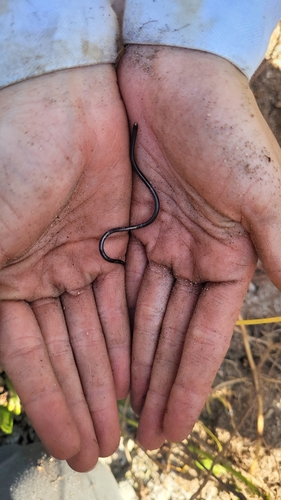
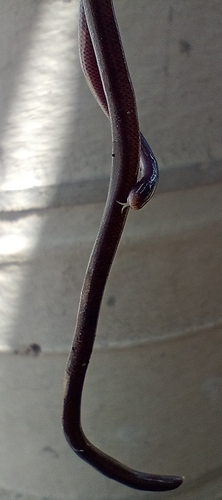
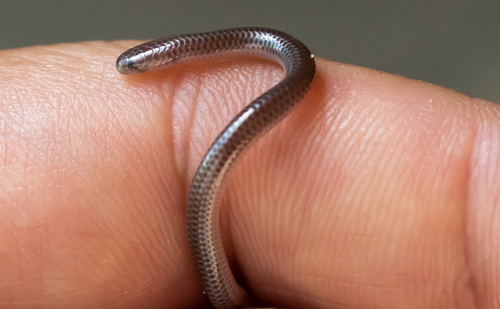
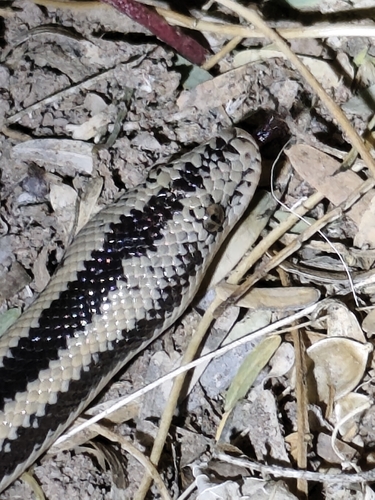
Leptotyphlopidae (14)
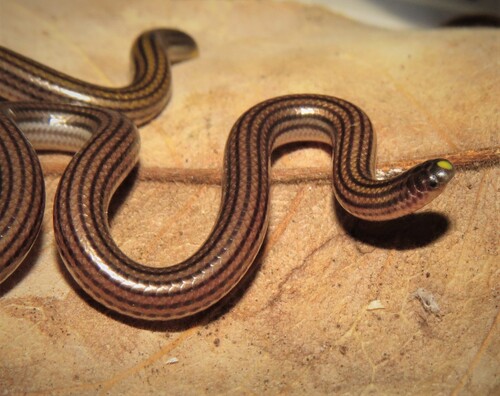
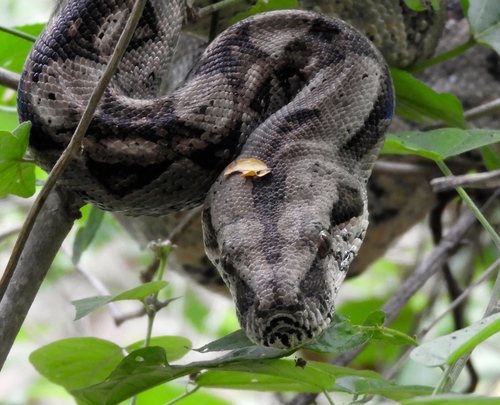
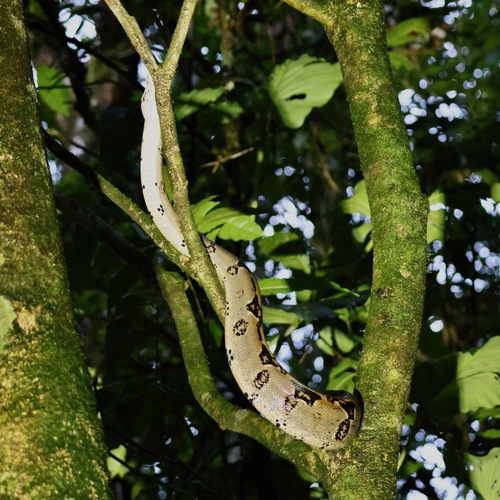
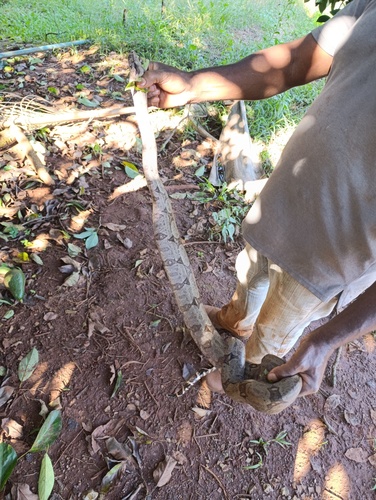
Boidae (11)
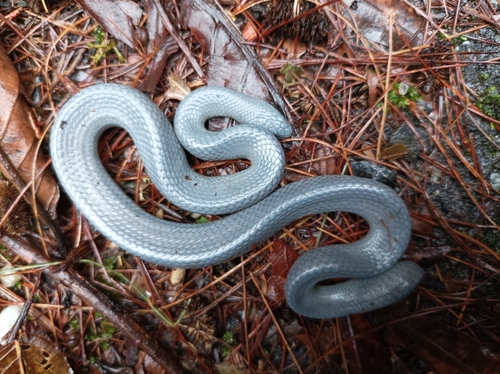
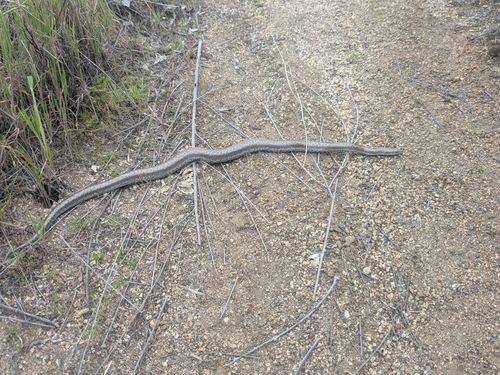
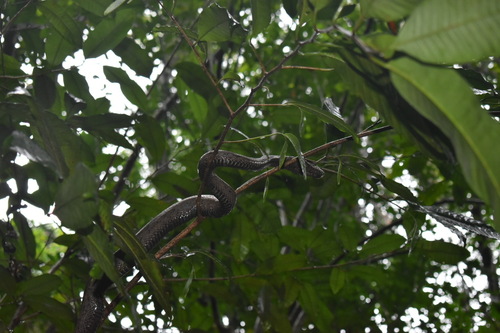
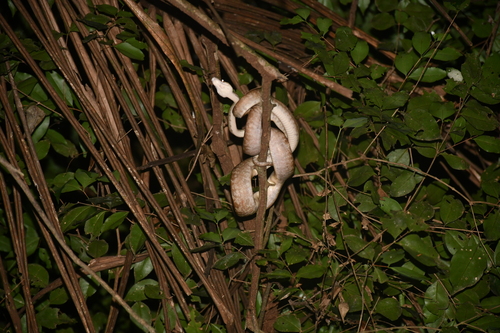
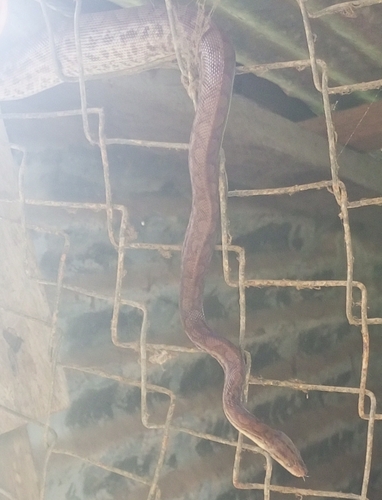
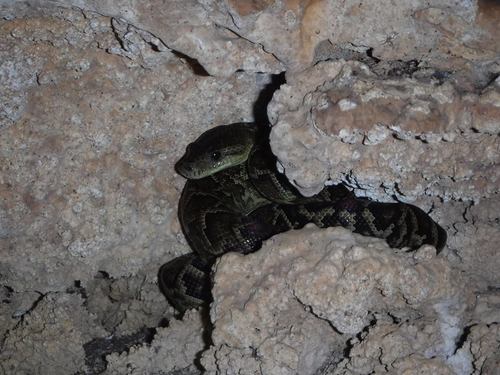
Typhlopidae (3)
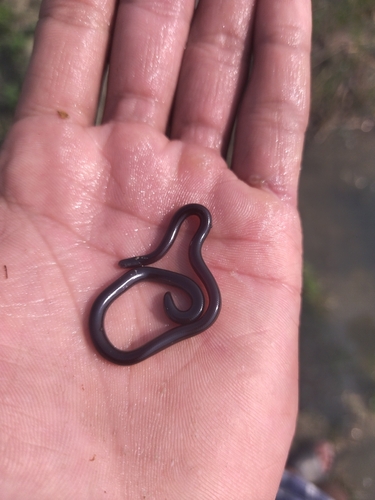
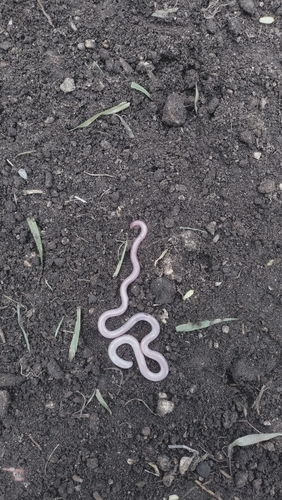
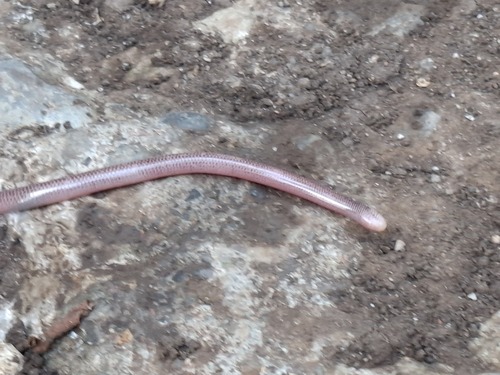
Tropidophiidae (3)
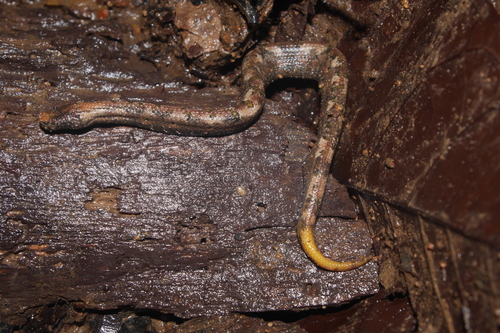
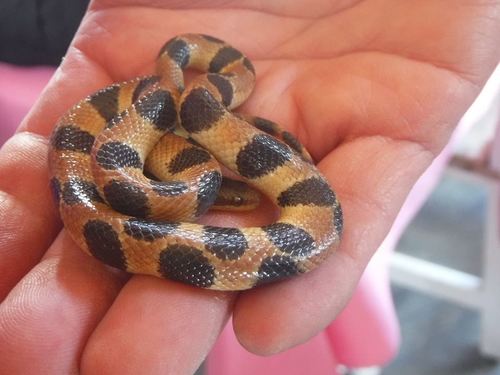
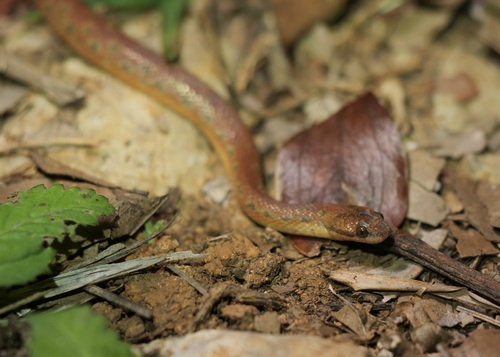
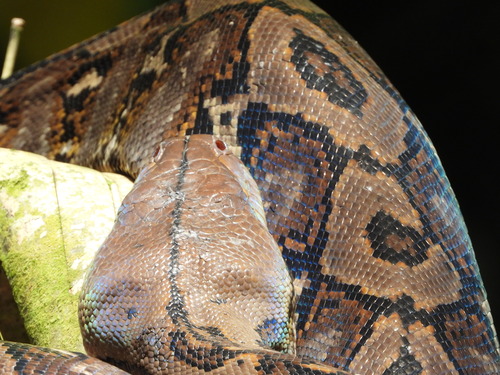
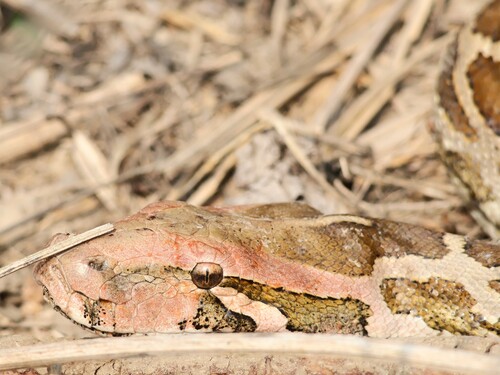
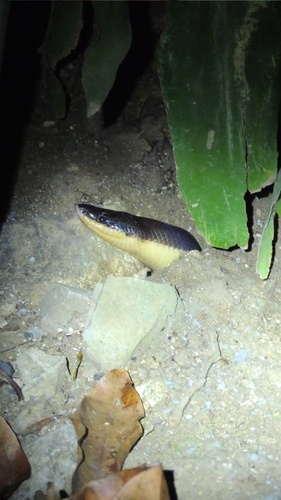
Loxocemidae (1)
Compiled from verified GBIF & iNaturalist observations. "How often seen" reflects how frequently a snake is reported here, not how dangerous it is. Informational only.
Keep learning
- Are Snakes Dangerous? The Real Risk, in PerspectiveMost snakes are harmless and avoid people. Here is the honest picture of snakebite risk worldwide and how to lower your own.
- Snakebite First Aid: What to Do (and What Never to Do)A clear, CDC-based guide to snakebite first aid: the steps that help, the popular myths that hurt, and how to tell a serious bite from a minor one.
- Venomous vs Nonvenomous: How to Tell the DifferenceThe folk rules for telling venomous snakes apart, where each one fails, and why location-based identification beats guessing by sight.
- What to Do If You Find a SnakeFound a snake at home or on a trail? Here is how to stay calm, give it space, identify it safely, and know when to call a professional.