
Coral snake
Zapotitlán Coralsnake
VenomousMicrurus pachecogili
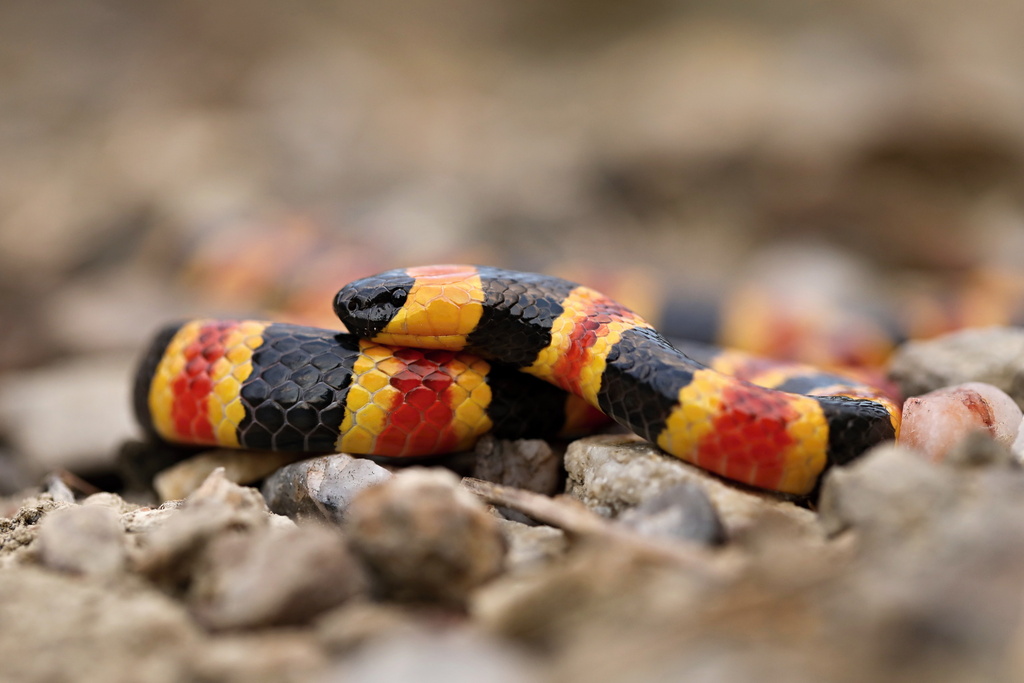
The Zapotitlán Coralsnake (Micrurus pachecogili) is a venomous snake in the Elapidae family, recorded in 1 country.
If you are bitten
Coral snake venom is neurotoxic and symptoms can be delayed for many hours. Treat any suspected coral snake bite as a medical emergency and go to an emergency room even if you feel fine — antivenom may be needed. Keep calm and still. Call Poison Control at 1-800-222-1222 or 911 in the US, or your local emergency number. (Source: CDC.)
- Also called
- Coral snake
- Family
- Elapidae
- Size
- Slender, usually 1.5–3 ft.
- Habitat
- Pine and hardwood forests with sandy, well-drained soils.
- Behavior
- Secretive and semi-burrowing; reluctant to bite but venom is neurotoxic.
- Identify
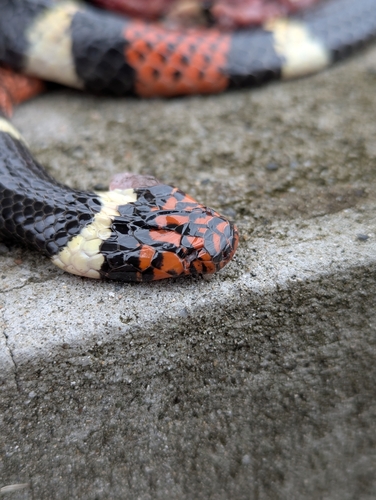
- Rings of red, yellow, and black where red touches yellow; small rounded head and round pupils.
- Danger
- high (delayed)
About the Zapotitlán Coralsnake
Micrurus pachecogili, also known commonly as the Pueblan coral snake, the Zapotitlan coral snake, and el coralillo de Puebla in Mexican Spanish, is a species of venomous snake in the family Elapidae. The species is endemic to the Mexican state of Puebla.
Adapted from Wikipedia, available under CC BY-SA.
Frequently asked: Zapotitlán Coralsnake
- Is the Zapotitlán Coralsnake venomous?
- Yes. The Zapotitlán Coralsnake (Micrurus pachecogili) is venomous and belongs to the Elapidae family (coral snake). Its bite is considered high (delayed) risk to people. Treat any bite as a medical emergency.
- Is the Zapotitlán Coralsnake poisonous?
- Snakes are venomous, not poisonous. "Poisonous" means harmful to eat or touch; "venomous" means injecting toxins through a bite. The Zapotitlán Coralsnake is venomous, delivering venom through a bite.
- Is the Zapotitlán Coralsnake dangerous?
- Coral snake venom is neurotoxic and symptoms can be delayed for many hours. Treat any suspected coral snake bite as a medical emergency and go to an emergency room even if you feel fine — antivenom may be needed. Keep calm and still. Call Poison Control at 1-800-222-1222 or 911 in the US, or your local emergency number. (Source: CDC.)
- Where does the Zapotitlán Coralsnake live?
- The Zapotitlán Coralsnake has verified records in 1 country, including Mexico. See the distribution section below for its full range.
- How do I identify the Zapotitlán Coralsnake?
- Rings of red, yellow, and black where red touches yellow; small rounded head and round pupils.
- How big does the Zapotitlán Coralsnake get?
- Slender, usually 1.5–3 ft.
If you are bitten by the Zapotitlán Coralsnake
Do
- Get away from the snake and stay calm. Most bites worsen when people panic or try again to handle the snake.
- Call 911 or Poison Control (1-800-222-1222) right away. Antivenom works best when given early.
- Note the time of the bite and, from a safe distance, the snake's color and pattern, a phone photo is enough. Do not chase it.
- Keep the bitten limb still and at roughly heart level. Sit or lie down and limit movement.
- Remove rings, watches, and tight clothing near the bite before swelling starts.
- Gently wash the bite with soap and water and cover it with a clean, dry dressing.
Do not
- Do not cut the wound or try to suck out the venom.
- Do not apply a tourniquet or ice.
- Do not drink alcohol or caffeine.
- Do not take aspirin or ibuprofen, they can worsen bleeding. Acetaminophen is safer for pain.
- Do not try to catch or kill the snake. A dead snake can still bite by reflex.
First-aid guidance adapted from the U.S. Centers for Disease Control and Prevention (CDC NIOSH), Venomous Snakes. Educational only; always follow the instructions of emergency responders.
Where it is found
More Elapidae snakes
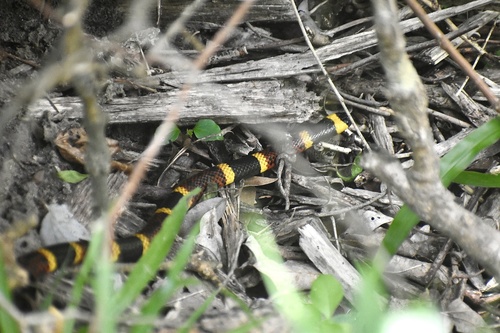 Texas CoralsnakeMicrurus tener
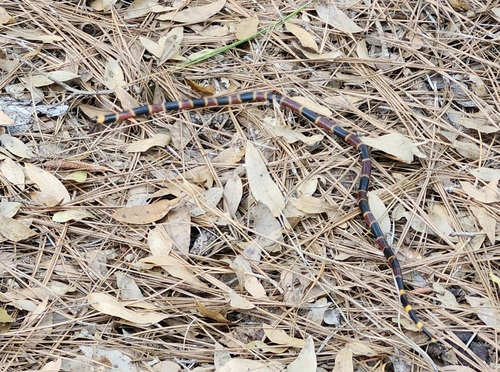 Eastern CoralsnakeMicrurus fulvius
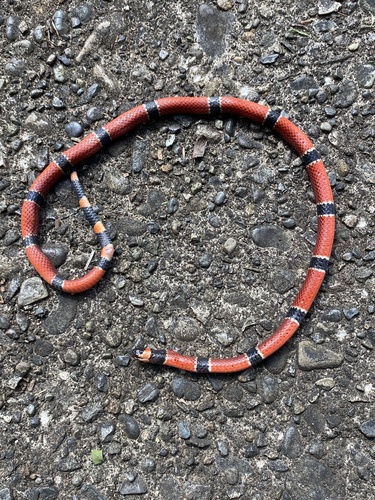 Central American CoralsnakeMicrurus nigrocinctus
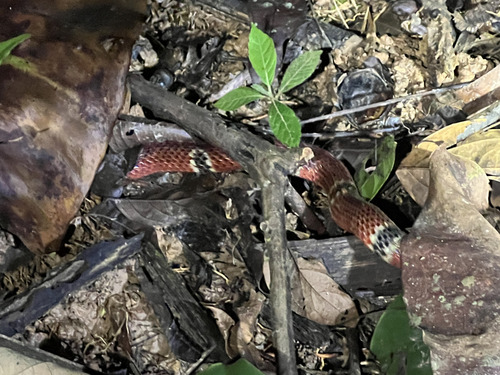 Variable CoralsnakeMicrurus diastema
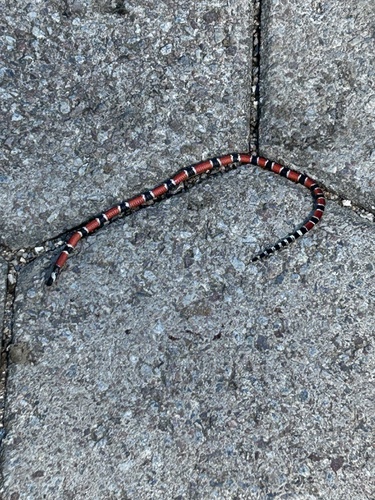 Painted CoralsnakeMicrurus corallinus
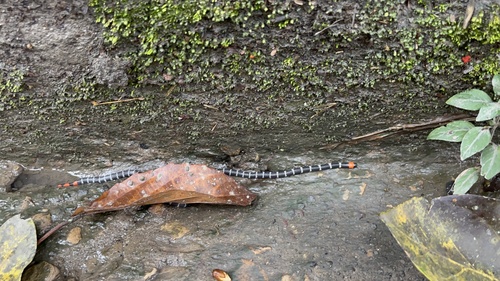 Redtail CoralsnakeMicrurus mipartitus
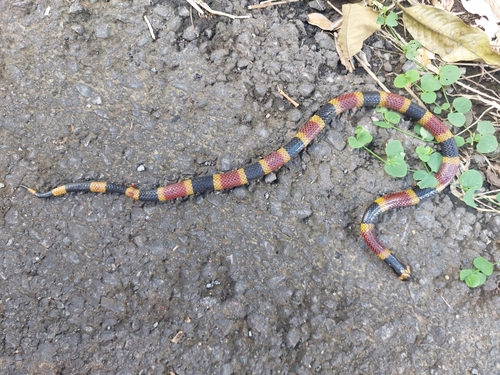 Costa Rican CoralsnakeMicrurus mosquitensis
 Aquatic CoralsnakeMicrurus surinamensis
Classification
How scientists group this snake, from the broadest category down to the exact species. Each step narrows to its closest relatives.
Keep learning
- Are Snakes Dangerous? The Real Risk, in PerspectiveMost snakes are harmless and avoid people. Here is the honest picture of snakebite risk worldwide and how to lower your own.
- Snakebite First Aid: What to Do (and What Never to Do)A clear, CDC-based guide to snakebite first aid: the steps that help, the popular myths that hurt, and how to tell a serious bite from a minor one.
- Venomous vs Nonvenomous: How to Tell the DifferenceThe folk rules for telling venomous snakes apart, where each one fails, and why location-based identification beats guessing by sight.
- What to Do If You Find a SnakeFound a snake at home or on a trail? Here is how to stay calm, give it space, identify it safely, and know when to call a professional.
Distribution from GBIF & iNaturalist. Venom status per CDC. Background: Wikipedia. Informational only. Never handle a snake to identify it.