
Colubridae
Caribbean Water Snake
HarmlessTretanorhinus variabilis
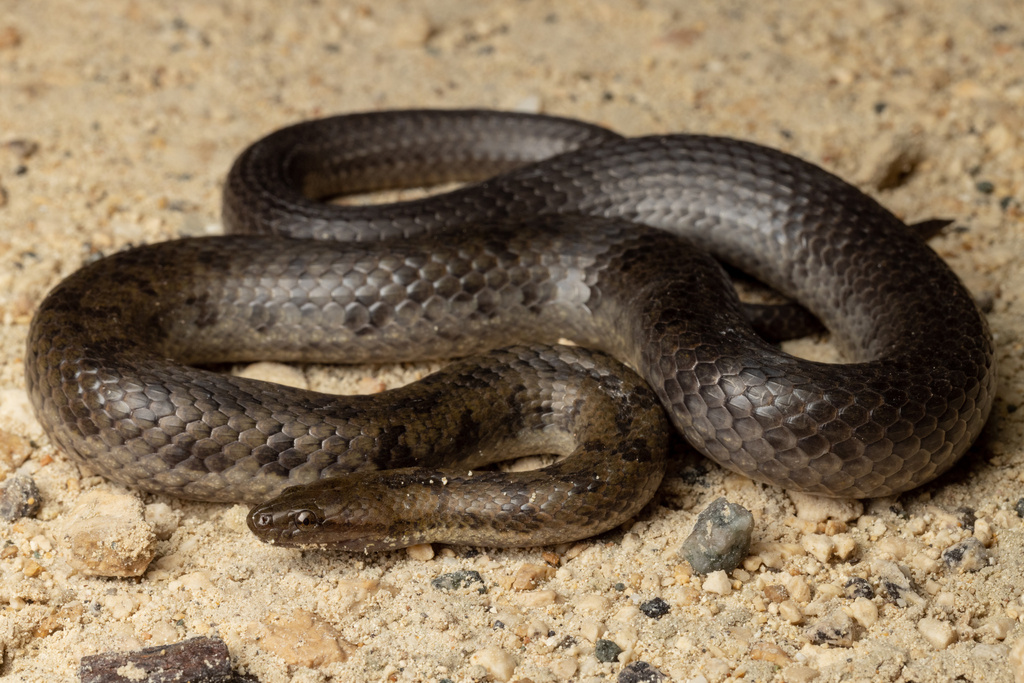
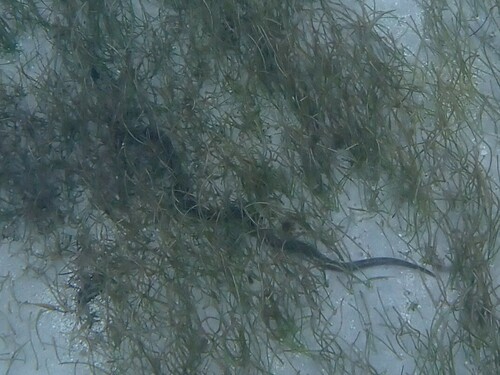
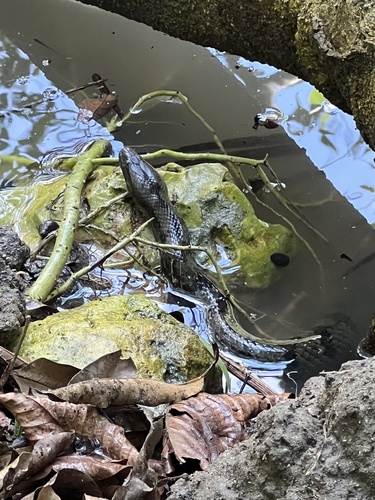
3 photographs of the Caribbean Water Snake. (c) tristanv, some rights reserved (CC BY-NC).
The Caribbean Water Snake (Tretanorhinus variabilis) is a non-venomous snake in the Colubridae family, recorded in 4 countries.
- Family
- Colubridae
About the Caribbean Water Snake
Tretanorhinus variabilis, the Caribbean water snake, is a species of snake in the family Colubridae. It is the only species in the genus Tretanorhinus found in the Caribbean.
Distribution and habitat
Geographic range
The Caribbean water snake is found on Cuba, specifically la Isla de la Juventud, and the Cayman Islands.
Habitat
Described as an aquatic species, T. variabilis inhabits many different freshwater sources such as rivers, canals, and lagoons. Due the species occasionally being pushed out of its habitat by flooding or similar events, they have adapted to tolerate saltwater for a short amount of time and have since dispersed among several offshore islands.
Morphology
T. variabilis is the largest species of the genus Tretanorhinus, measuring up to 500–800 mm (20–31 in) in snout-vent length, with juveniles in the range of 143–145 mm (5.6–5.7 in). The genus is characterized by gray dorsal coloration, sometimes patterned with spots or stripes of light yellow/orange, which are reflected in juveniles as well.
Males of the species exhibit tubercles on the underside of their head, while the females do not exhibit this trait.
Due to this species being aquatic, there are certain morphological adaptations that it exhibits including having eyes and nostrils on top of the head (dorsally) as well as colors and markings that blend well with aquatic vegetation (dark browns, olives, greens).
Behavior
This species of snake relies on vegetative cover and rocky or muddy floorings at the bottom of bodies of freshwater for rest and hiding. Being aquatic, T. variabilis preys on and consumes fish, aquatic invertebrates, amphibians and sometimes crabs and has been shown to forage for and ambush species of fish that are motionless near riverbanks. These foraging and ambush techniques take place mainly at night due to T. variabilis being nocturnal.
Reproduction
T. variabilis are oviparous, with most females being gravid during wet season (July-August) but occasional reports of gravid females in the dry season. Females lay 6–9 eggs per clutch, which hatch in about 35 days. The eggs are adherent and measure on average 35 x 16.75 mm.
Adapted from Wikipedia, available under CC BY-SA.
Frequently asked: Caribbean Water Snake
- Is the Caribbean Water Snake venomous?
- No. The Caribbean Water Snake (Tretanorhinus variabilis) is non-venomous and is not considered dangerous to humans. Like most snakes, it will retreat rather than bite when given the chance.
- Is the Caribbean Water Snake poisonous?
- Snakes are venomous, not poisonous. "Poisonous" means harmful to eat or touch; "venomous" means injecting toxins through a bite. The Caribbean Water Snake is neither poisonous nor venomous.
- Is the Caribbean Water Snake dangerous?
- The Caribbean Water Snake is not dangerous to humans. It has no medically significant venom and bites only defensively if cornered or handled.
- Where does the Caribbean Water Snake live?
- The Caribbean Water Snake has verified records in 4 countries, including Cuba, Cayman Islands, Honduras. See the distribution section below for its full range.
Where it is found
More Colubridae snakes
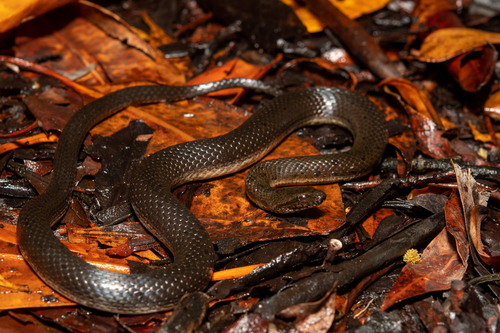 Orangebelly Swamp SnakeTretanorhinus nigroluteus
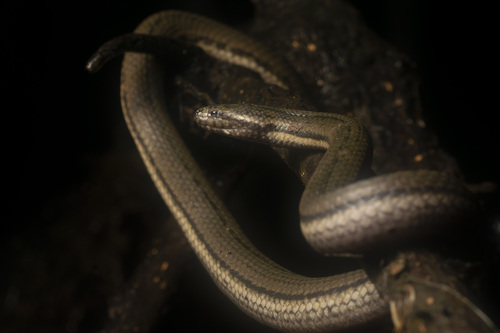 Mocquard's Swamp SnakeTretanorhinus mocquardi
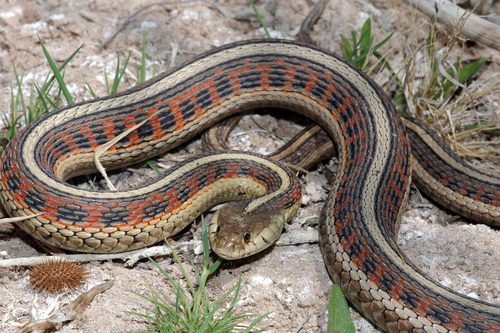 Common Garter SnakeThamnophis sirtalis
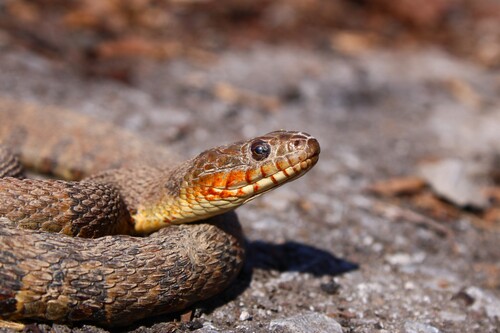 Common WatersnakeNerodia sipedon
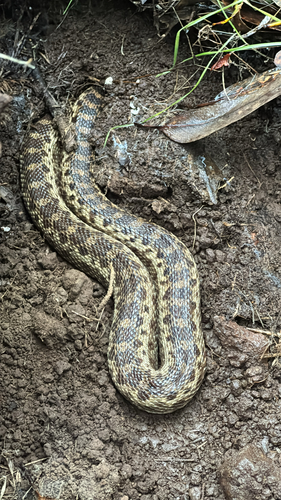 Gopher SnakePituophis catenifer
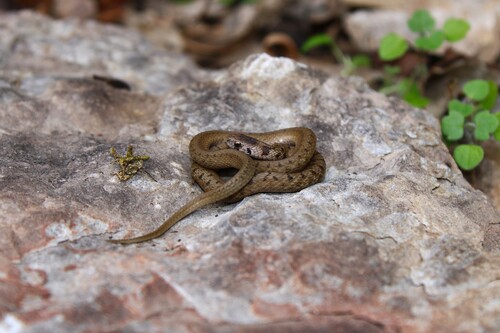 DeKay's BrownsnakeStoreria dekayi
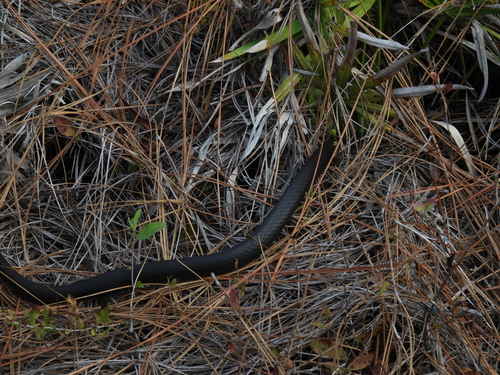 North American RacerColuber constrictor
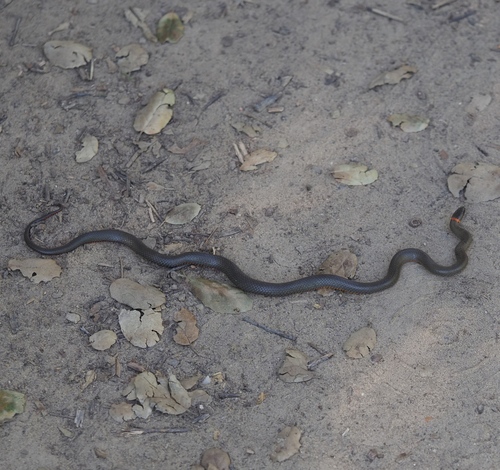 Ring-necked SnakeDiadophis punctatus
Classification
How scientists group this snake, from the broadest category down to the exact species. Each step narrows to its closest relatives.
- OrderThe broad group of scaled reptiles: all snakes and lizards
- Squamata
- FamilyA group of related snakes that share key traits
- Colubridae
- GenusA close-knit group of very similar species
- Tretanorhinus
- SpeciesThis exact snake, named in the two-part scientific name
- Tretanorhinus variabilis
Keep learning
- What to Do If You Find a SnakeFound a snake at home or on a trail? Here is how to stay calm, give it space, identify it safely, and know when to call a professional.
- Venomous vs Nonvenomous: How to Tell the DifferenceThe folk rules for telling venomous snakes apart, where each one fails, and why location-based identification beats guessing by sight.
- What Is a Snake? Anatomy and the BasicsA clear overview of what makes a snake a snake: limbless body plan, anatomy, evolution from lizards, species diversity, and why they are ectothermic.
- How to Keep Snakes Out of Your Yard and HomeA practical guide to keeping snakes out of your yard and home using habitat changes that work, plus what to skip and what to do if one shows up.
Distribution from GBIF & iNaturalist. Venom status per CDC. Background: Wikipedia. Informational only. Never handle a snake to identify it.