
India
Snakes in India
350+ snake species have been recorded in India, 103 venomous.
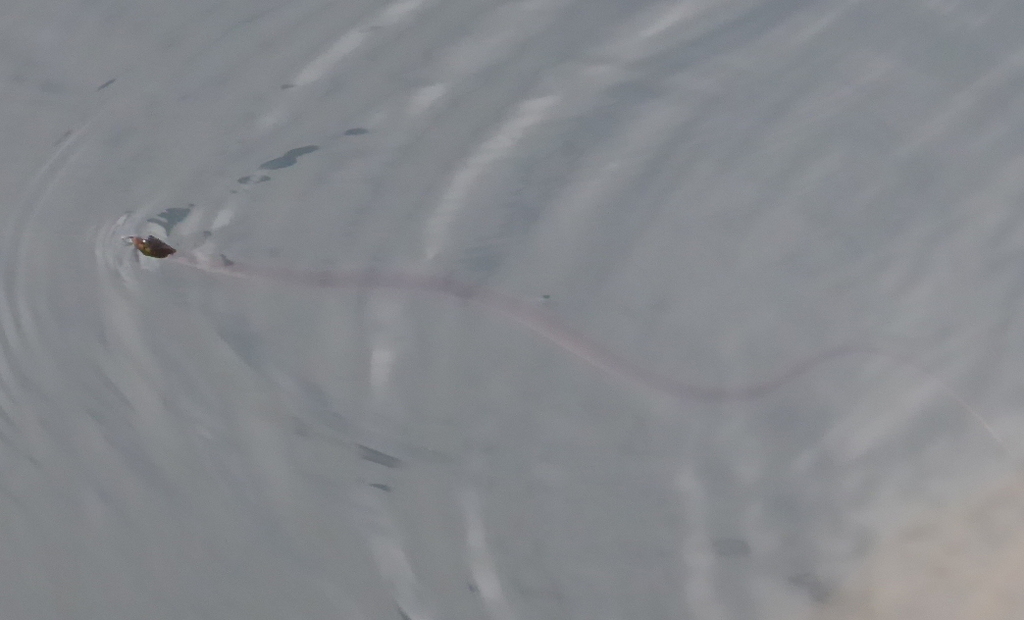
Snakes of India
India is one of the most snake-rich countries on Earth, with 350+ species recorded across its enormous range of habitats. The reason is geography. The country spans the high Himalayas in the north, the wet evergreen forests of the Western Ghats (a recognized global biodiversity hotspot), the dry Deccan plateau at its center, the fertile floodplains of the Gangetic plains, the arid scrub and dunes of the Rajasthan deserts, and long tropical coastlines. Each of these zones supports its own assemblage of snakes, from montane species to sea snakes. Layered on top of this is one of the densest human populations in the world, so farmland, villages, and snake habitat overlap constantly, which shapes both the ecology and the public-health reality of snakes here.
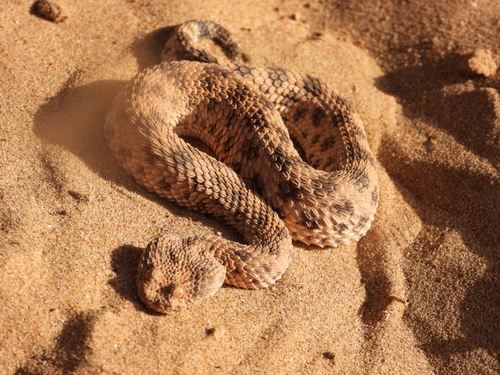
From a safety standpoint, the single most important thing to understand in India is the "Big Four." These four species are responsible for the large majority of serious and fatal snakebites across the country: the Indian cobra (Naja naja), the common krait (Bungarus caeruleus), Russell's viper (Daboia russelii), and the saw-scaled viper (Echis carinatus). They are widespread, often live close to people and their crops, and their venom can be life-threatening. India carries one of the highest snakebite death tolls of any nation, with tens of thousands of deaths each year. This is overwhelmingly a rural and agricultural problem, falling hardest on farmers, laborers, and people in villages with limited fast access to hospitals.
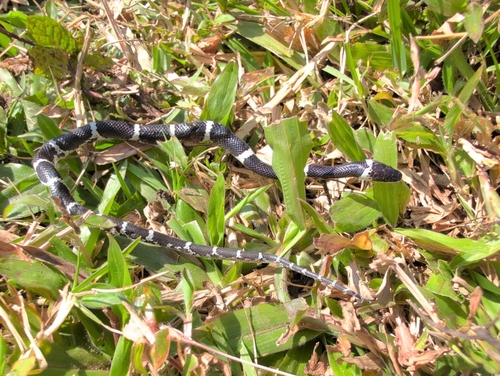
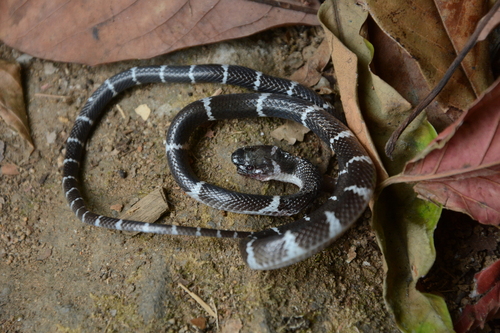
India is also home to some of the most remarkable snakes in the world. The king cobra (Ophiophagus hannah), found mainly in the forests of the Western Ghats, the northeast, and parts of the eastern coast, is the longest venomous snake on the planet and feeds largely on other snakes. The Indian rock python (Python molurus) is a large non-venomous constrictor that subdues prey by coiling rather than by venom. Alongside these headline species are a great many harmless colubrids, including the fast-moving rat snakes that thrive around farms and the common wolf snake, which is frequently and dangerously mistaken for the common krait because of its similar banding. That confusion matters, because it can cause people to either panic over a harmless snake or misjudge a dangerous one.
It is worth emphasizing how lopsided the numbers are: of the 350+ species in India, only about 103 are venomous, and only a handful of those routinely cause severe bites. The vast majority of Indian snakes are non-venomous or pose little threat to humans, and they do significant ecological work. By preying on rats, mice, and other rodents, snakes help control pests that would otherwise damage stored grain and standing crops, providing a natural service that directly benefits the same agricultural communities most affected by snakebite. Healthy snake populations are a sign of a functioning landscape, not a problem to be eliminated.
Snakebite in India is a serious and long-neglected health issue, so the framing here is deliberately cautious. Most bites happen in rural settings, and risk rises with certain everyday patterns: sleeping on the ground or floor (which is associated with krait bites at night) and walking outside after dark without sturdy footwear and a light. The realistic protective measures are about awareness and avoidance rather than confrontation. Never assume a wild snake is safe to approach or handle, and never try to catch or kill one to identify it. There is only one effective treatment for a venomous bite, and that is antivenom administered at a hospital by medical staff. If a bite occurs, the priority is to get the person to emergency medical care as quickly as possible; this guide does not provide field first-aid, tourniquet, or cutting instructions, because those can cause harm and delay the treatment that actually works.
For travelers and residents alike, the practical takeaway is simple. India's snakes are a vital and mostly harmless part of its ecosystems, but a small number of widespread venomous species make basic precautions genuinely important, especially in rural and agricultural areas and at night. Treat every wild snake with respect and distance, keep living and sleeping areas clear, use a light and proper shoes after dark, and know in advance where the nearest hospital with antivenom is. Caution and quick access to medical care, not handling or home remedies, are what keep snake encounters in India safe.
Snakes in India: FAQ
- Are there venomous snakes in India?
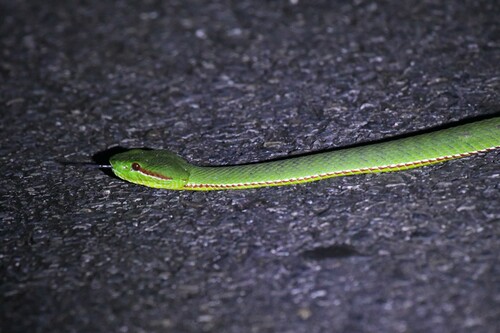
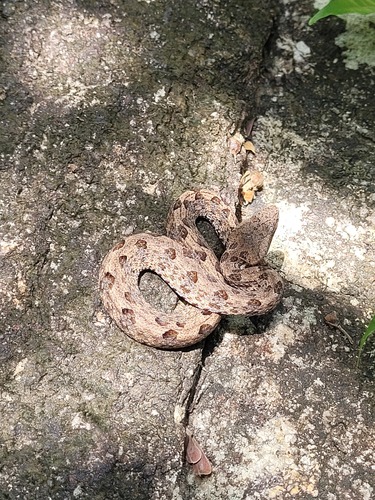
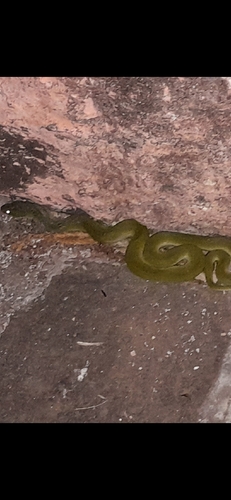
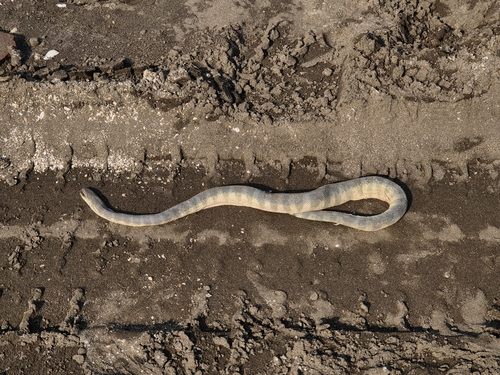
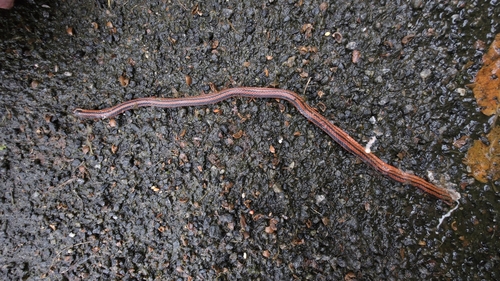
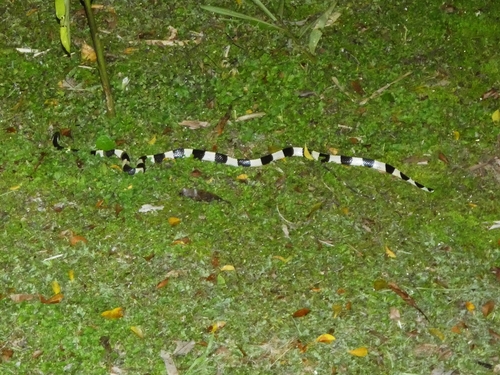
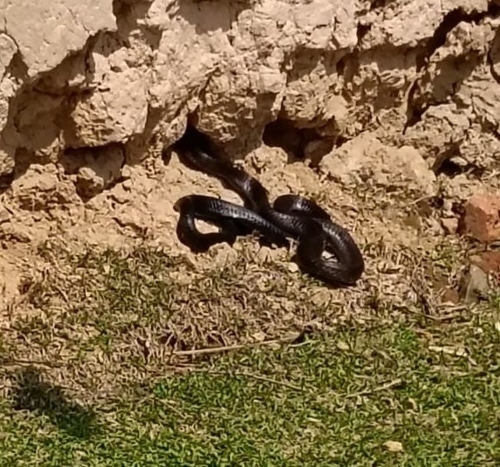
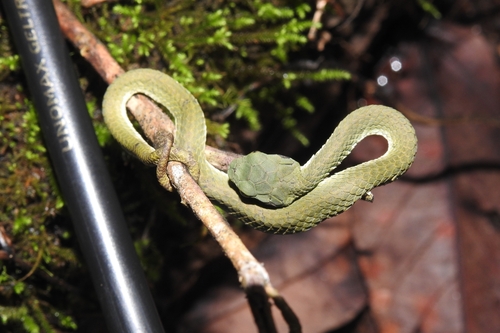
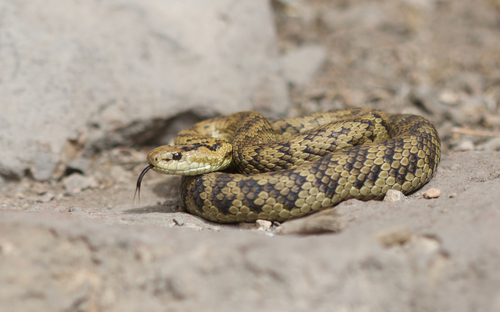
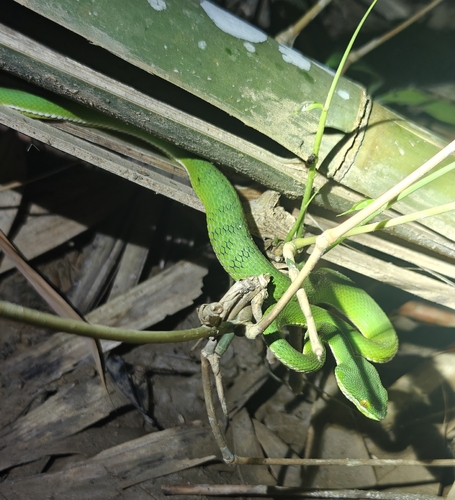
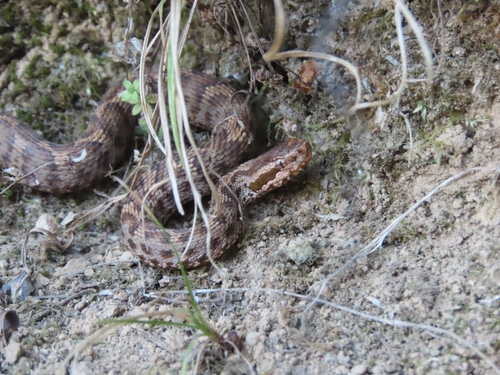
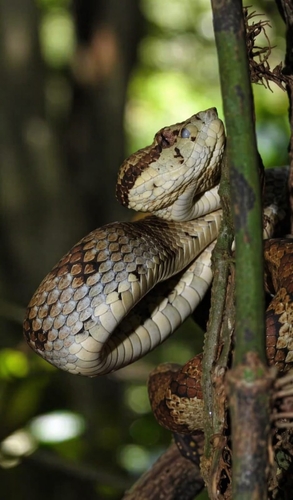
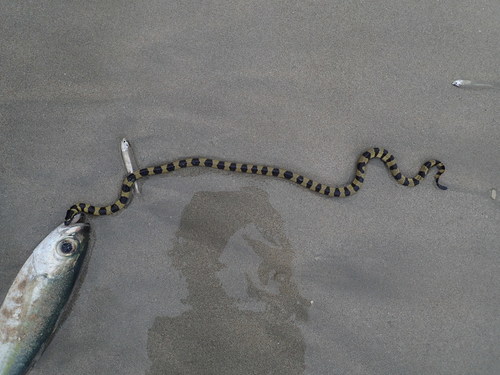
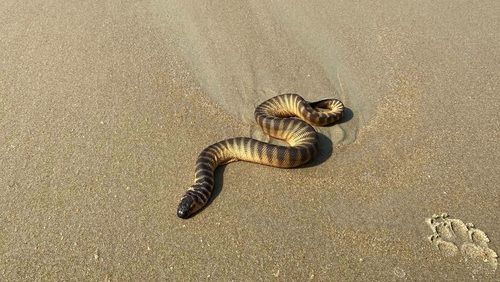
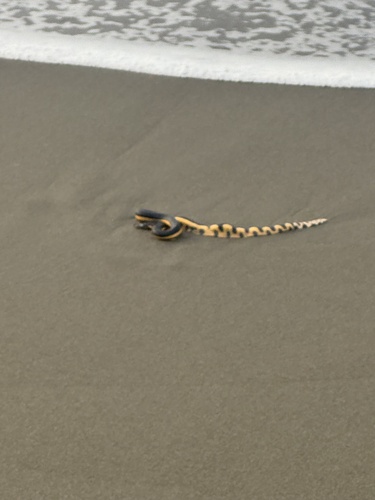
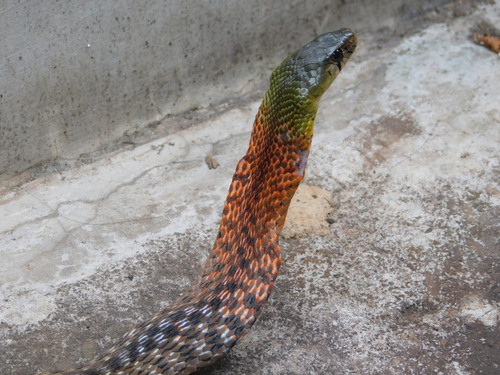
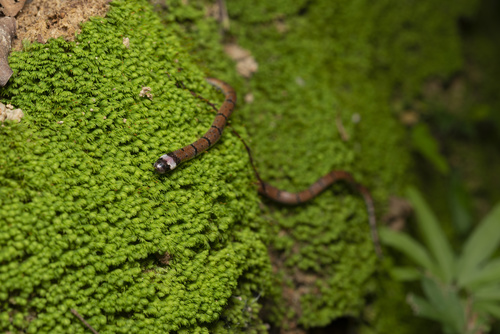
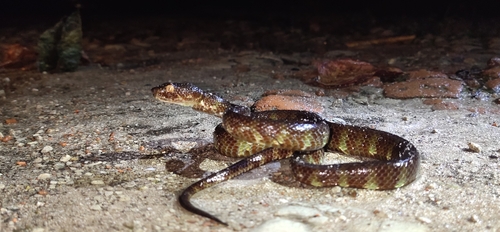
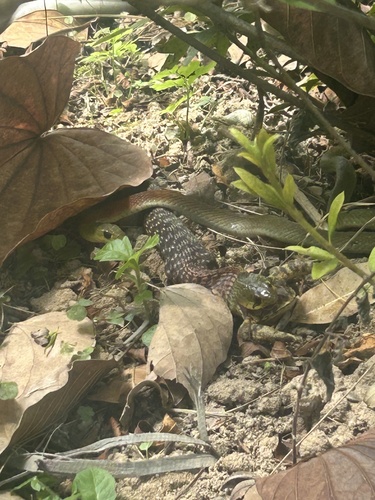
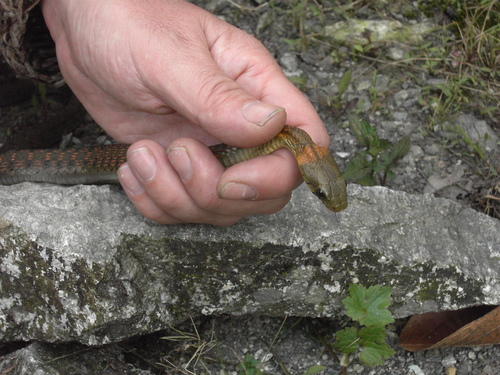
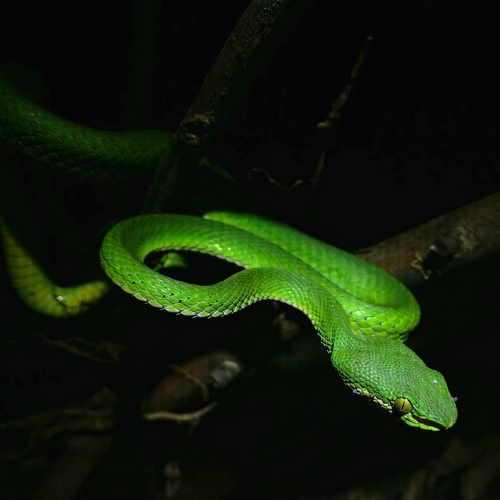
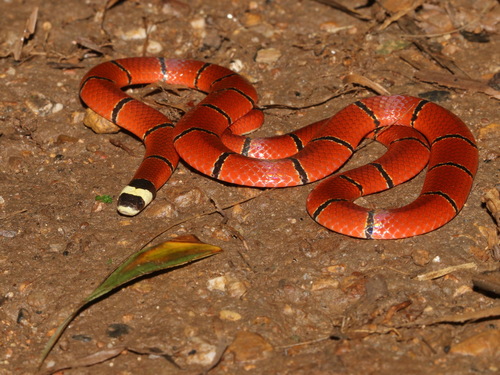
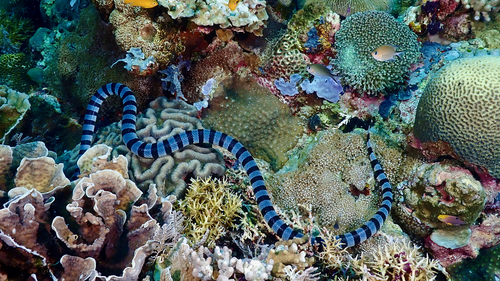
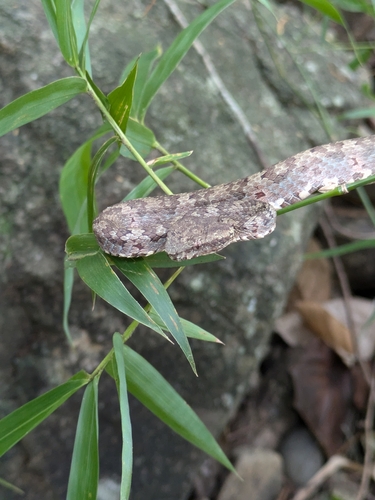
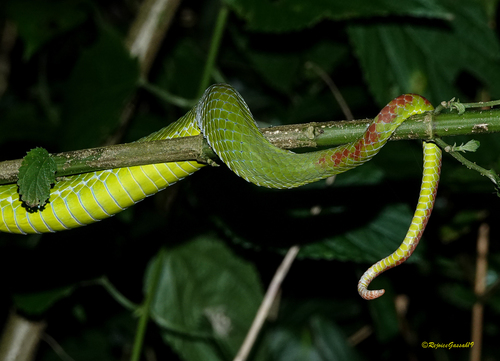
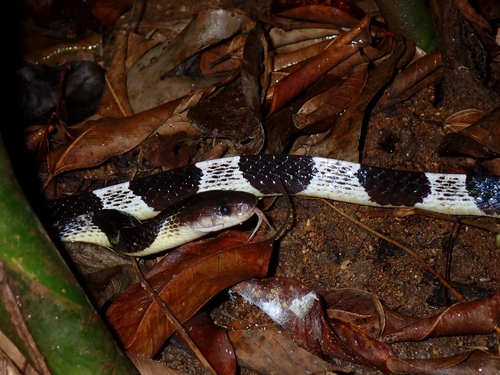
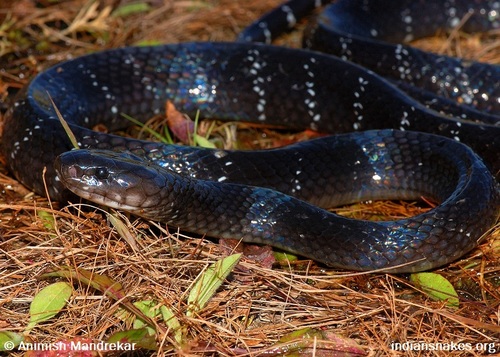
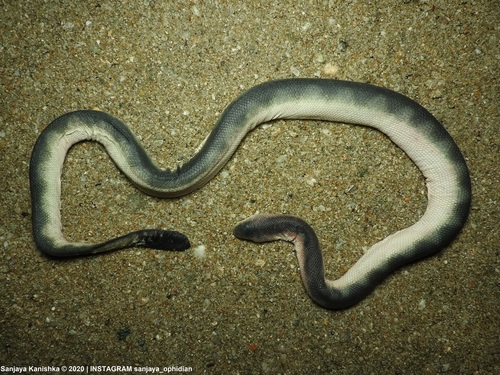
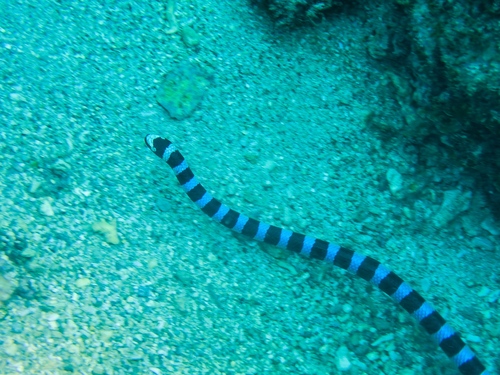
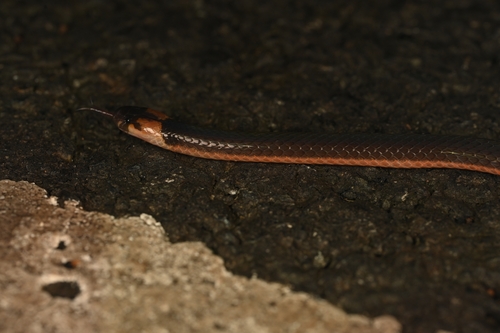
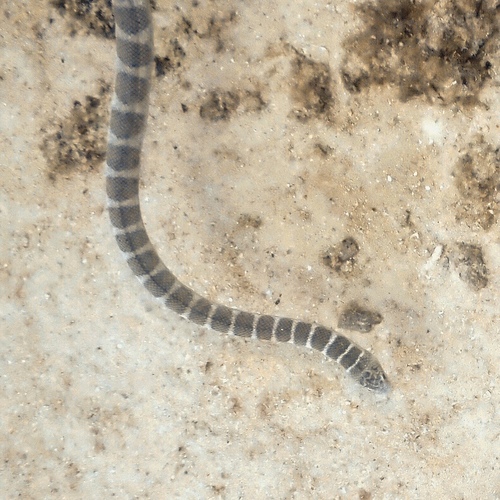
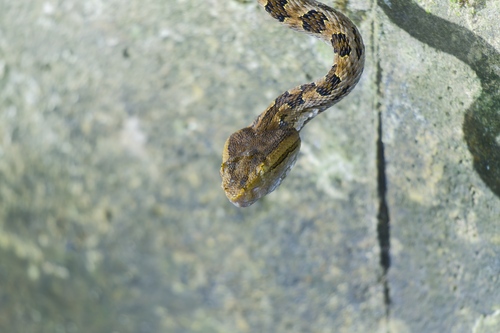
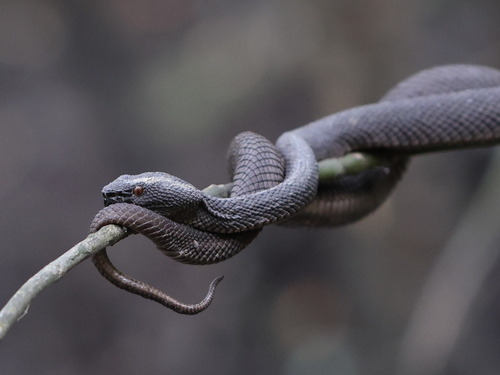
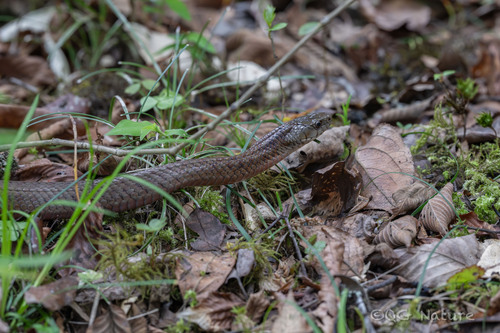
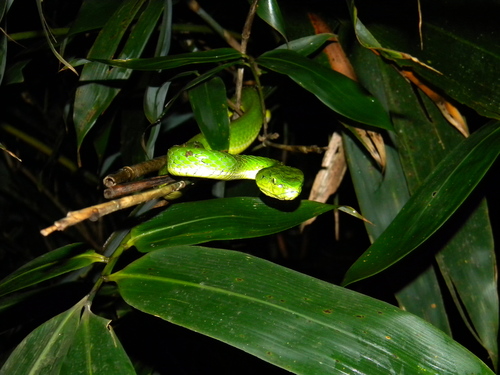
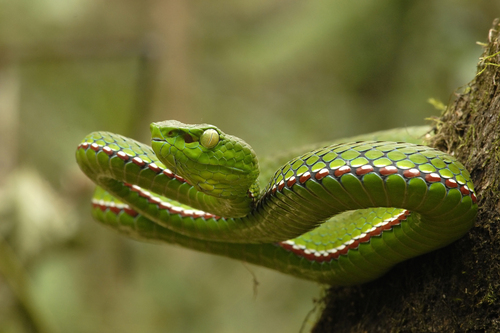
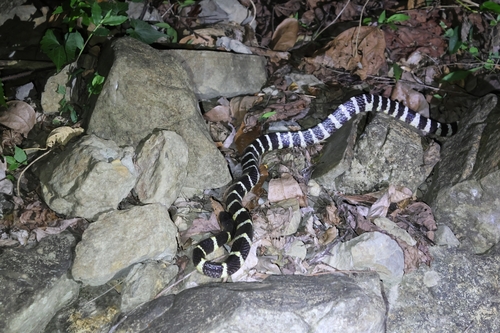
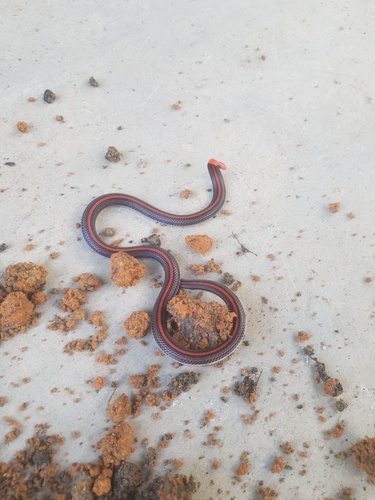
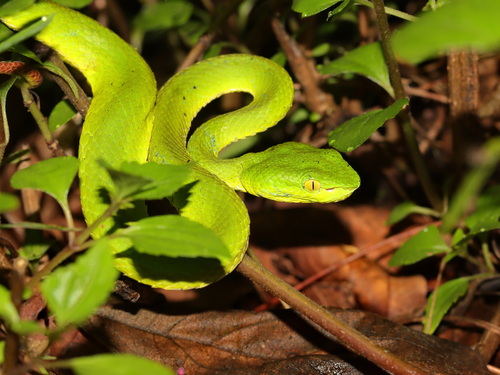
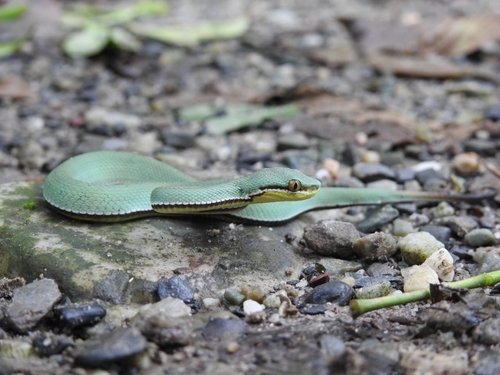
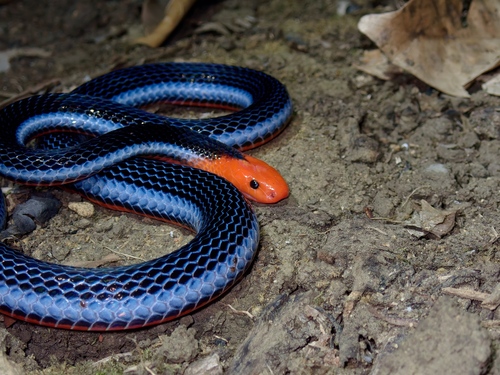
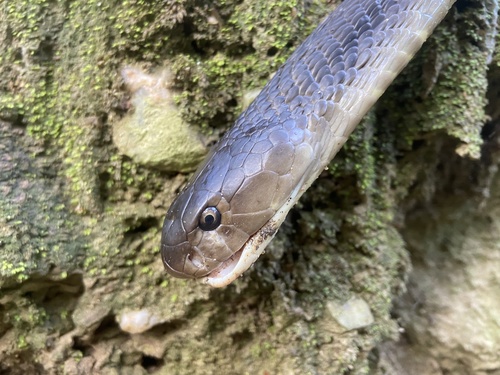
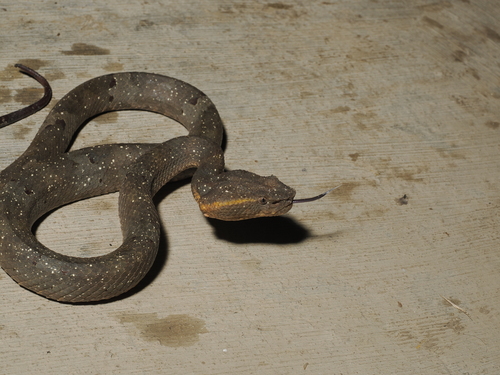
- Yes. 103 venomous snake species have verified records in India, including Brown Banded Cobra, Indian Cobra, Bungarus sagittatus, Malabarian Pit Viper. Most snakes in India, however, are harmless.
- How many snake species live in India?
- 350+ snake species have verified records in India, of which 103 are venomous.
- What is the most commonly seen snake in India?
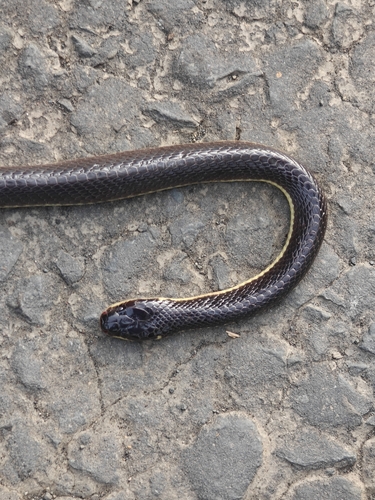
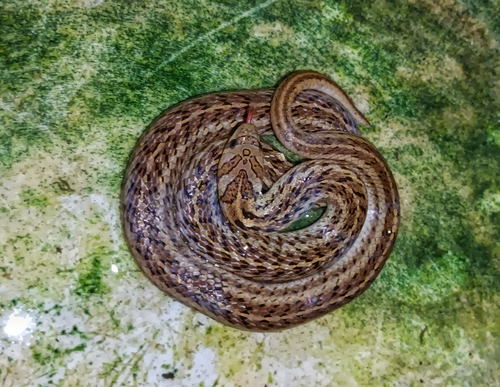
- The Tikiri Keelback is the most frequently reported snake in India, based on verified wildlife observations.
- What should I do if I see a venomous snake in India?
- Keep your distance and do not try to catch or kill it. Most bites happen when people handle or corner a snake. If someone is bitten, contact local emergency services or poison control immediately.
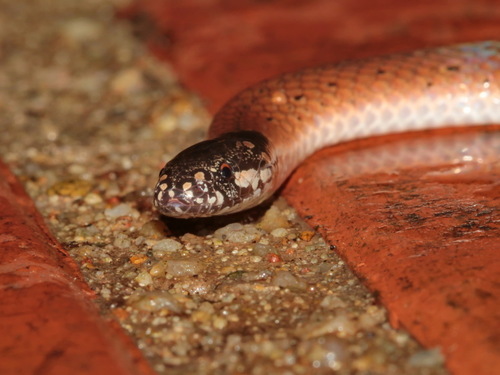
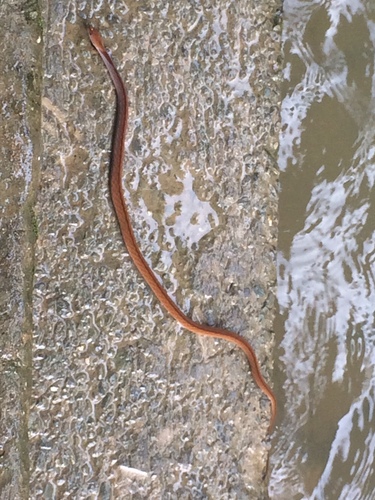
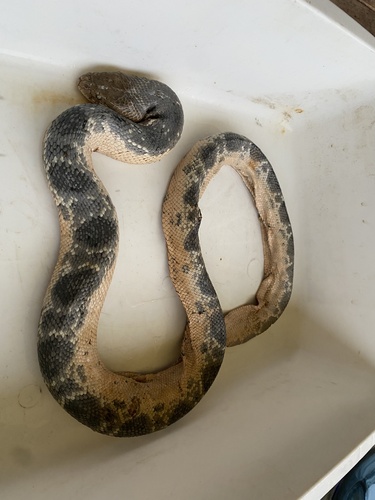
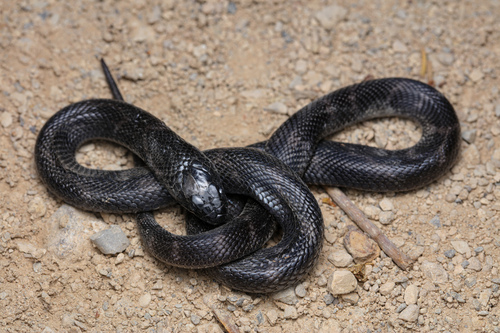
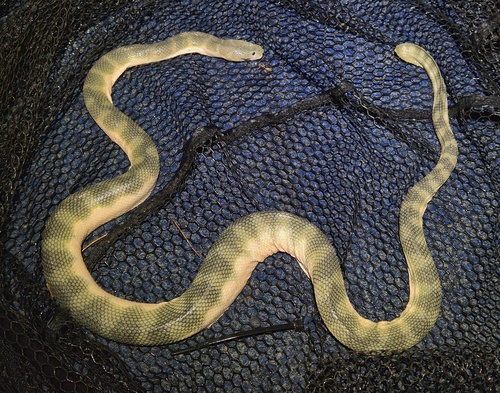
Venomous snakes in India
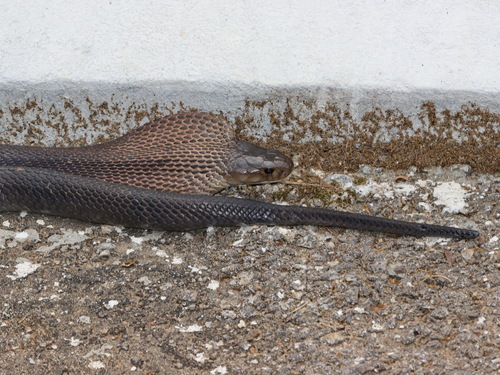
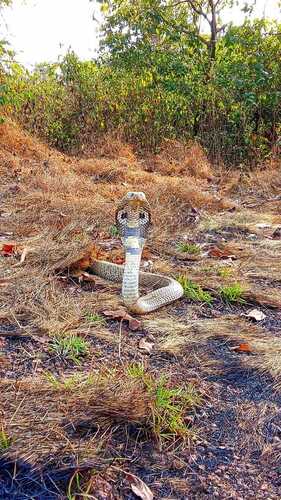
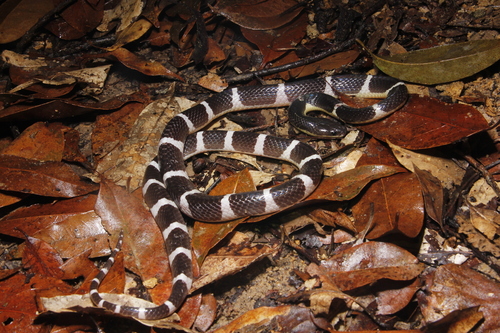
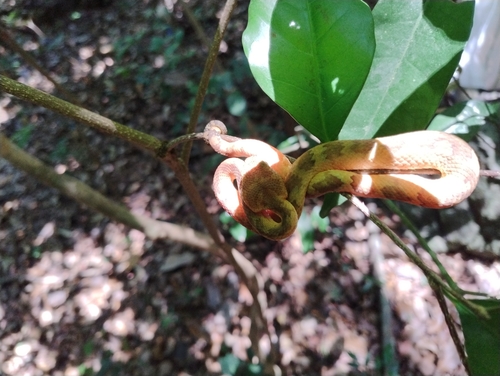
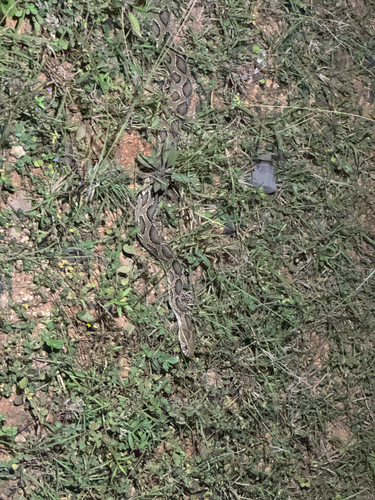
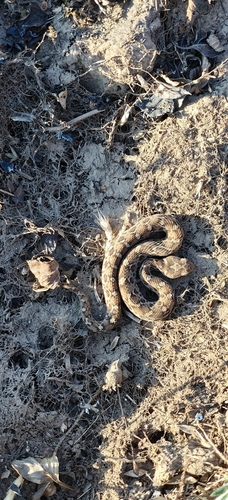
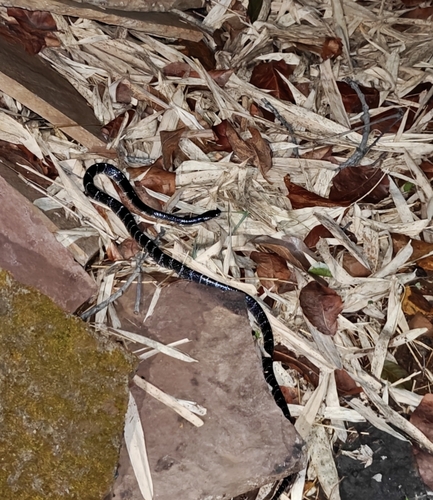
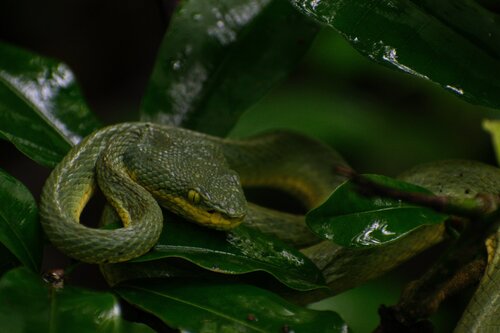
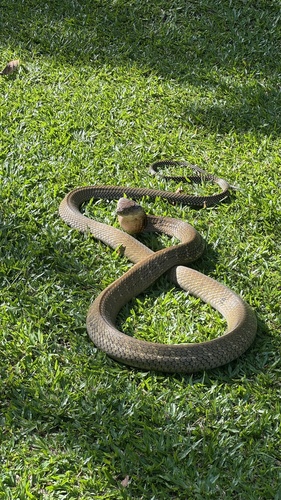
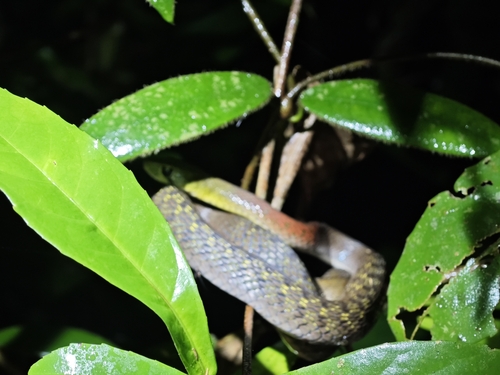
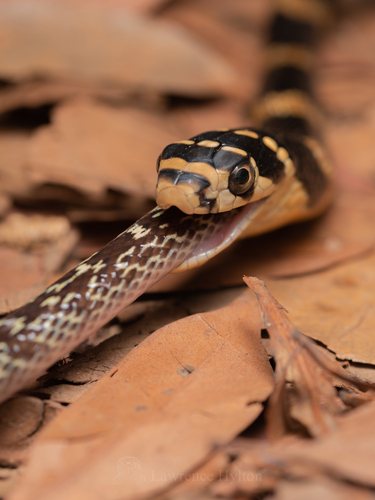


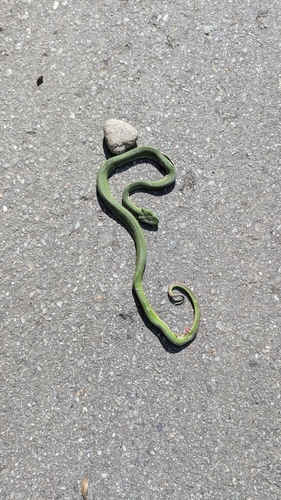

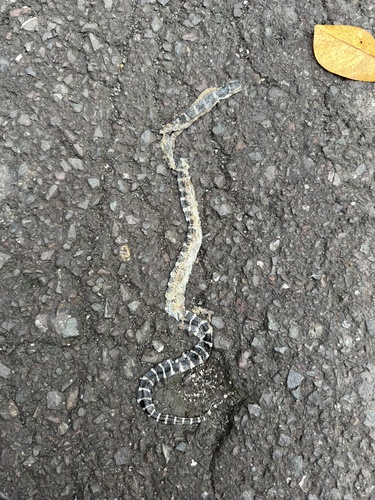
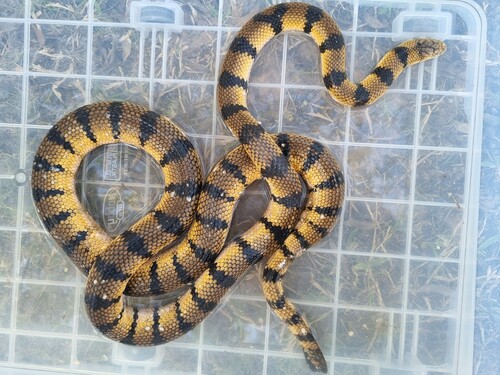
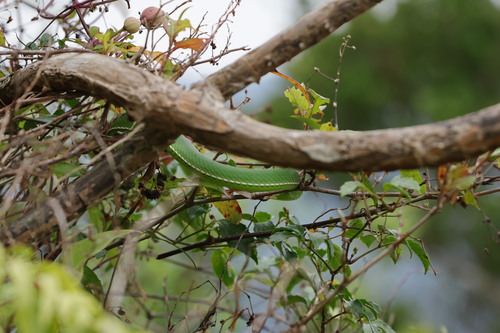
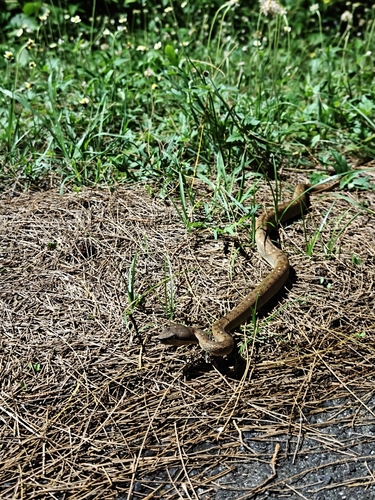

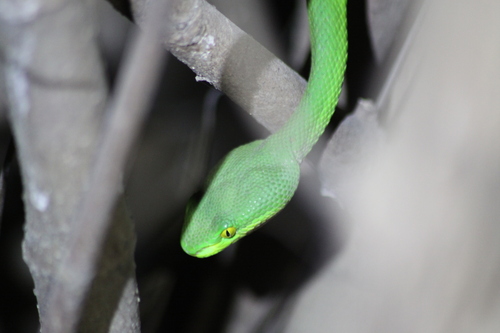
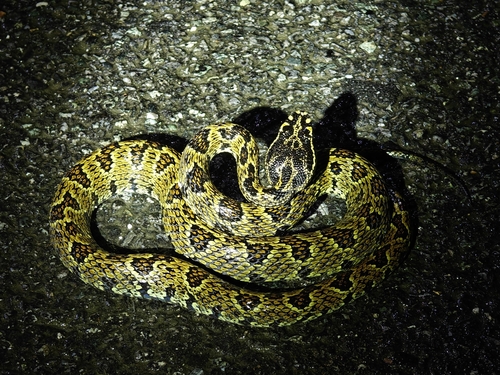
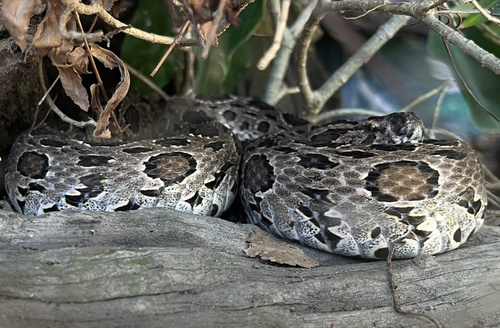

- No photo


- No photo

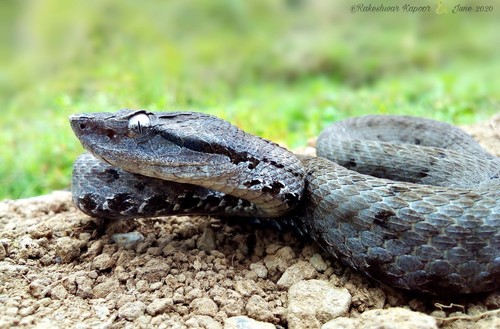
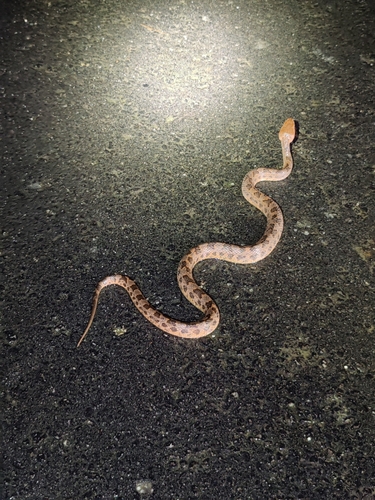
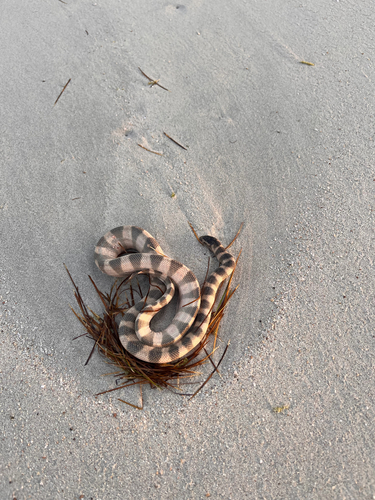

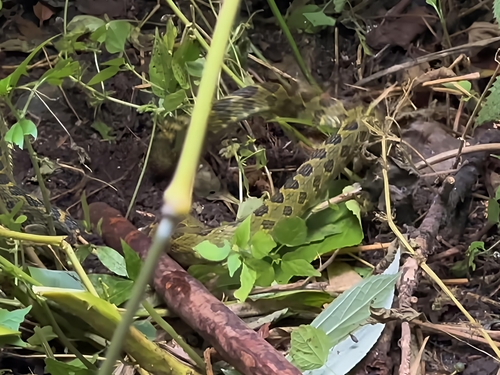
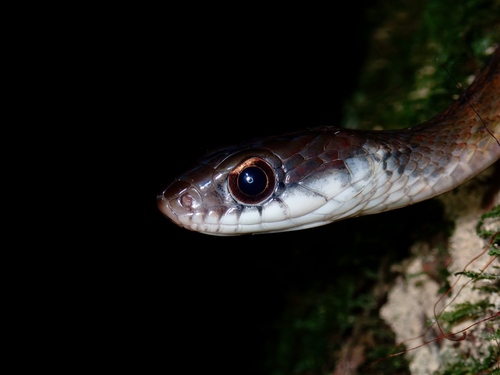
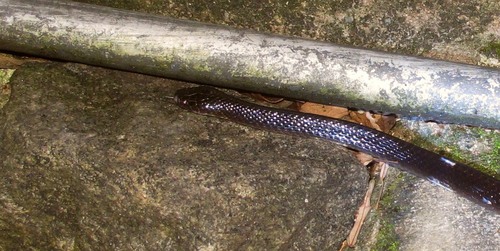
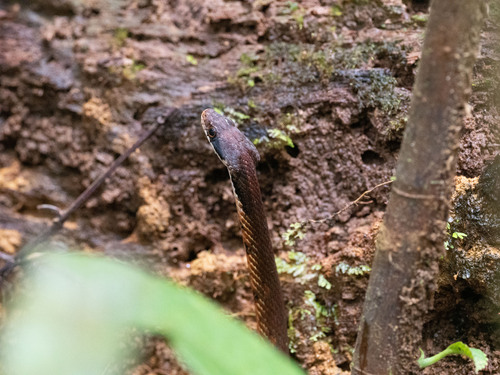
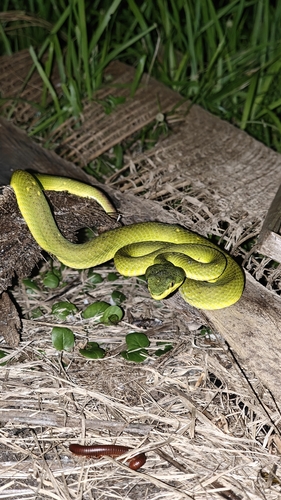
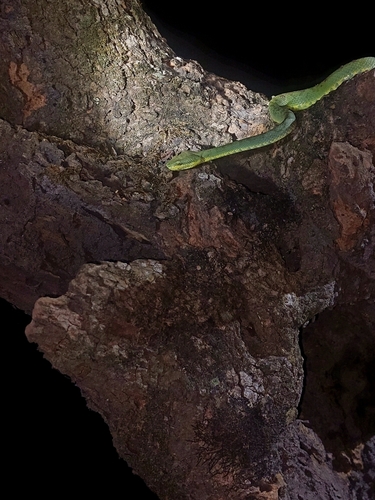
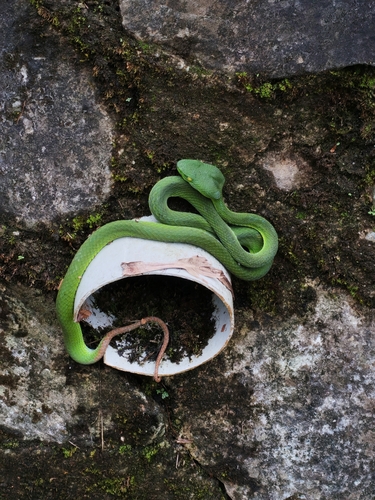
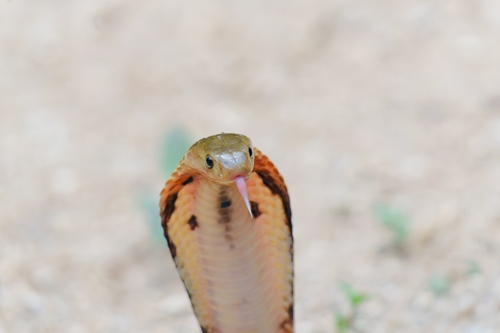
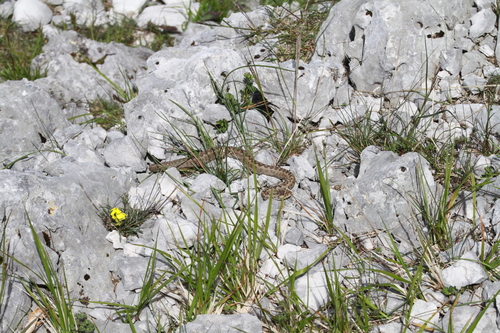


- No photo
Every snake recorded in India
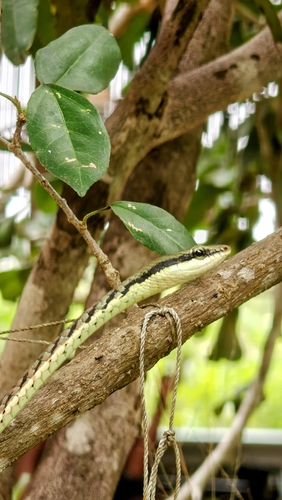
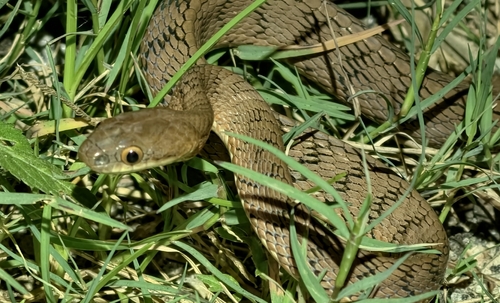
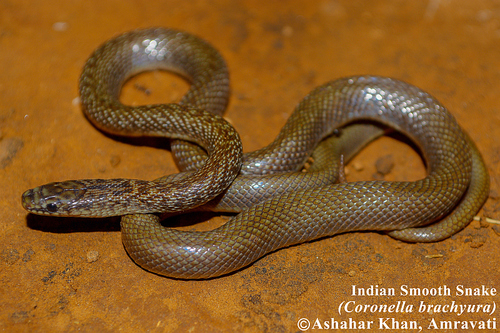
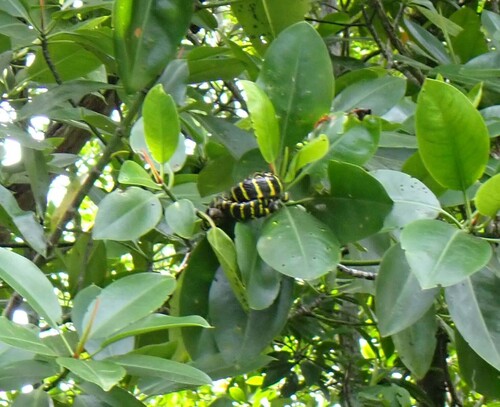
350+ species across 18 families, grouped by family. Venomous flagged.
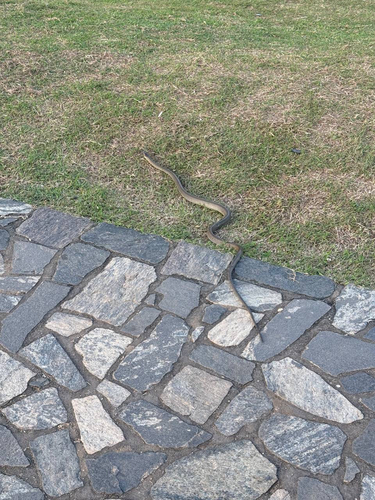
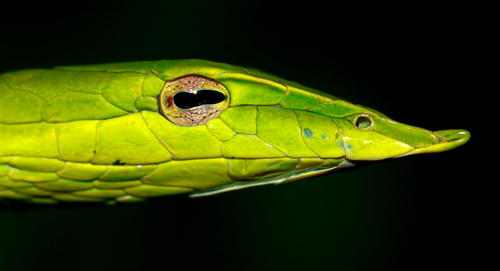
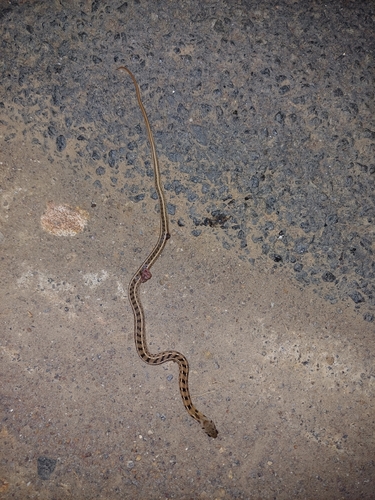
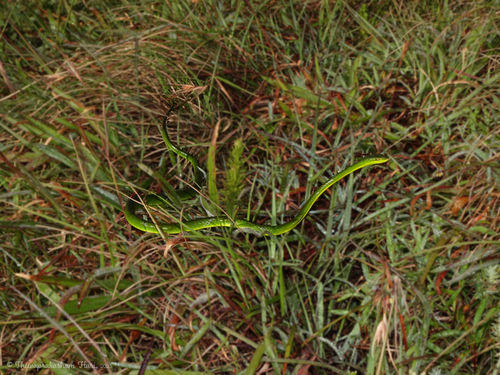
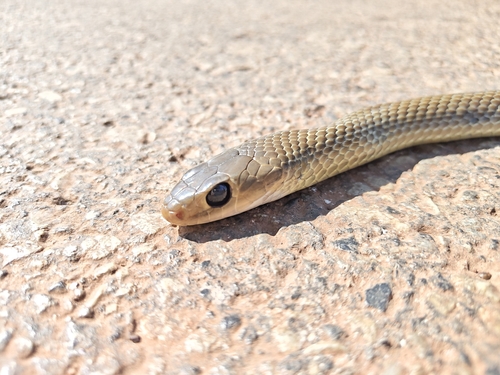
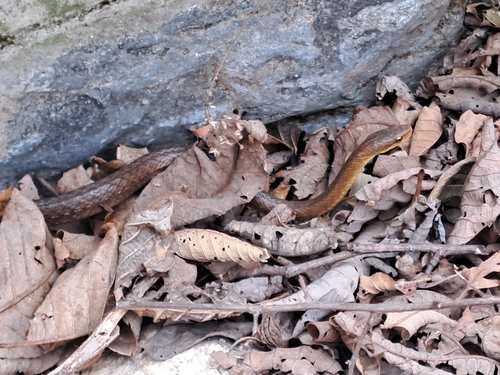
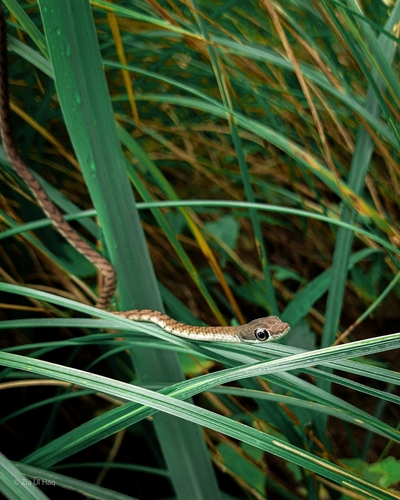
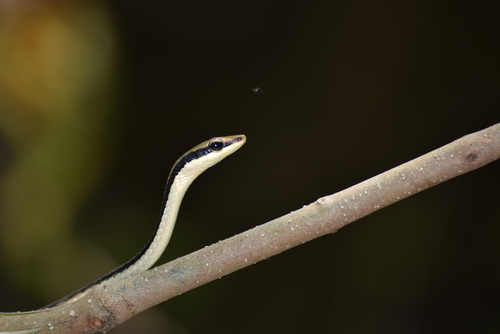
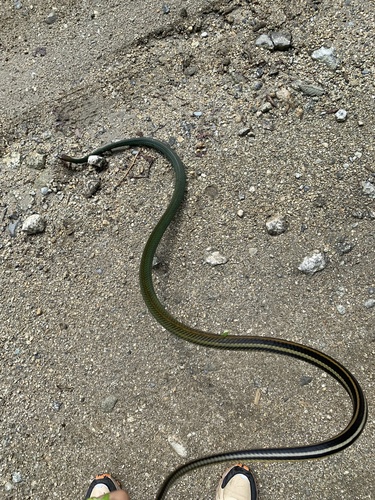
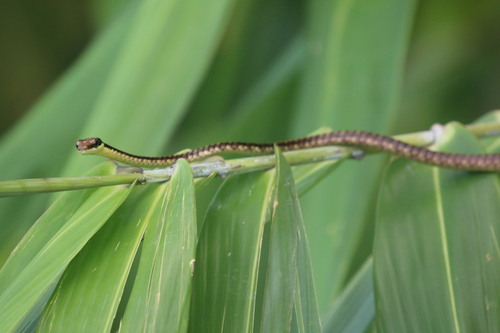
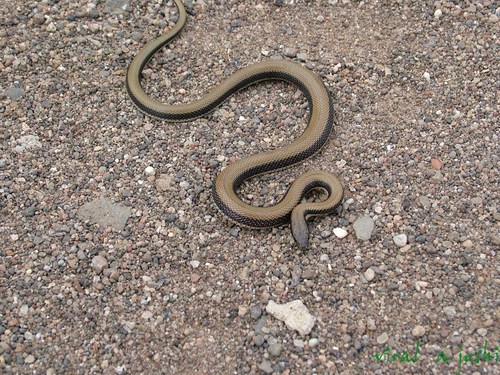
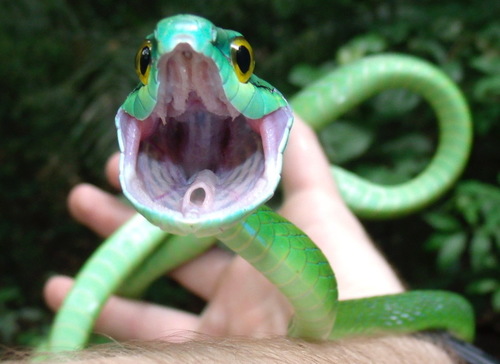
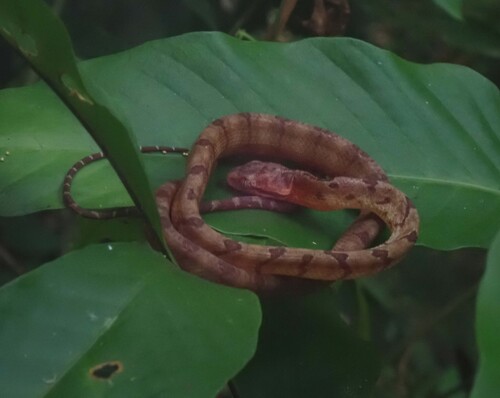
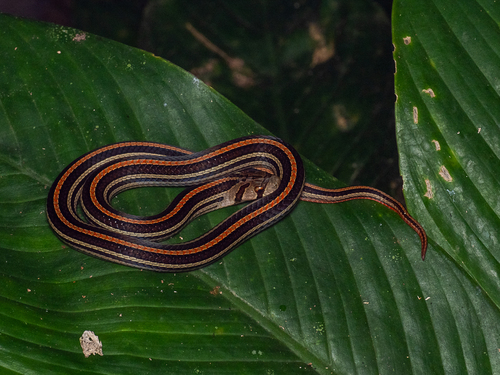
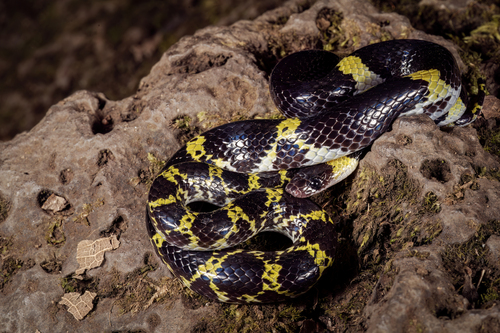
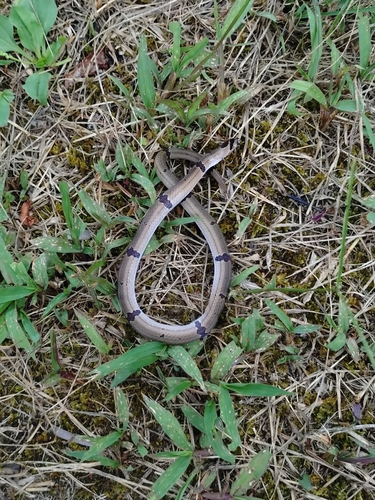
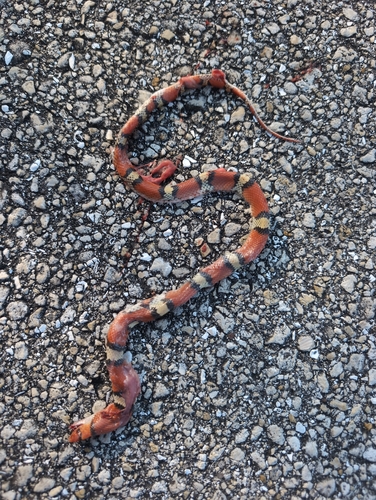
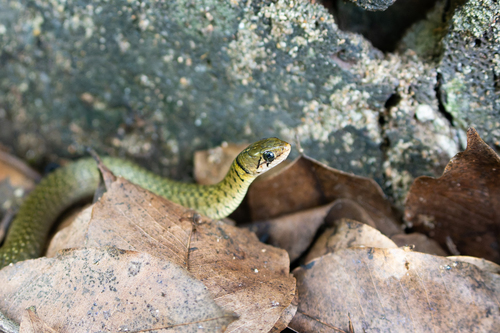
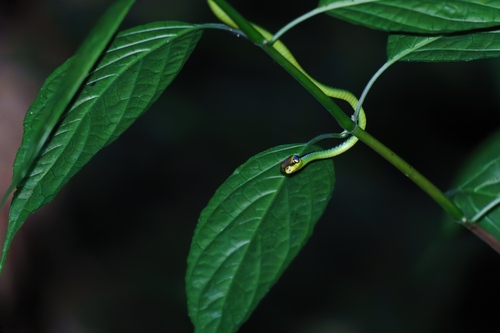
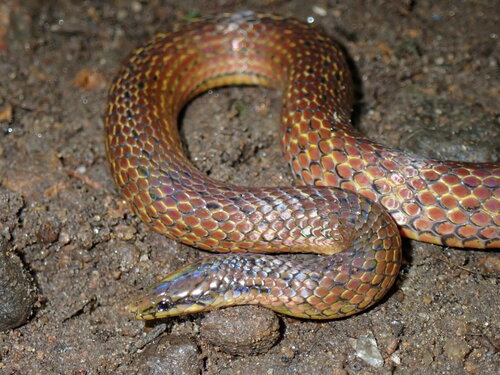
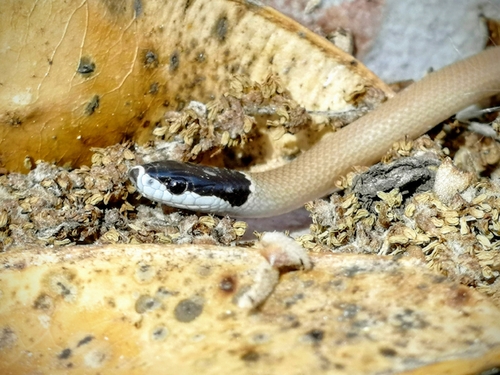
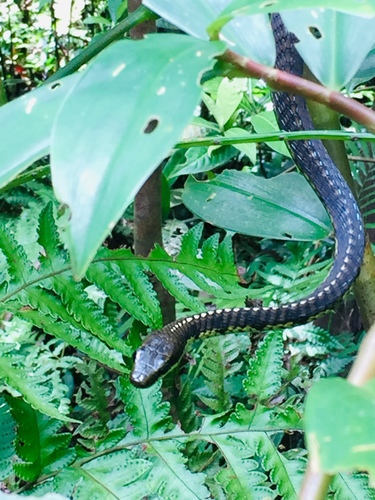
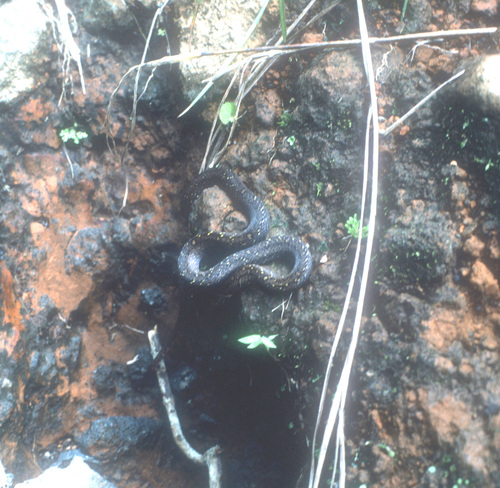
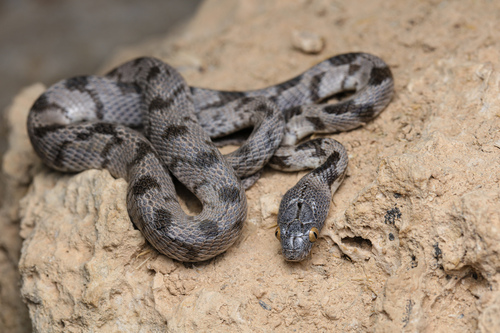
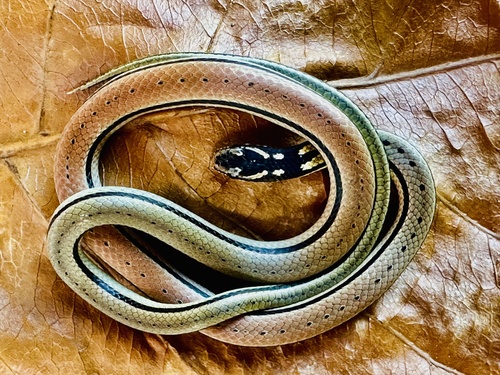
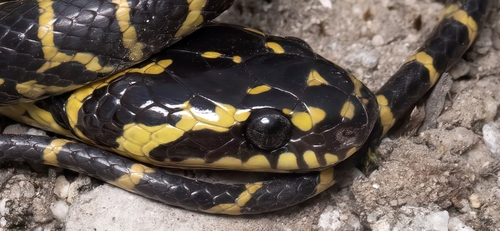
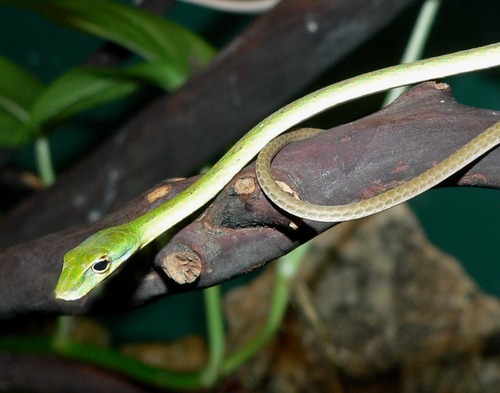
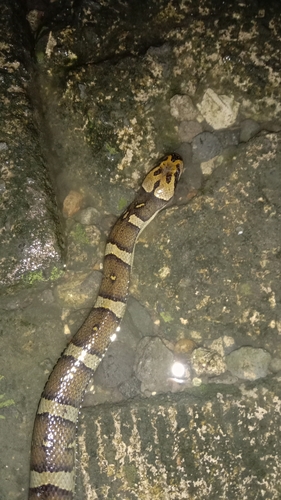
Colubridae (207)
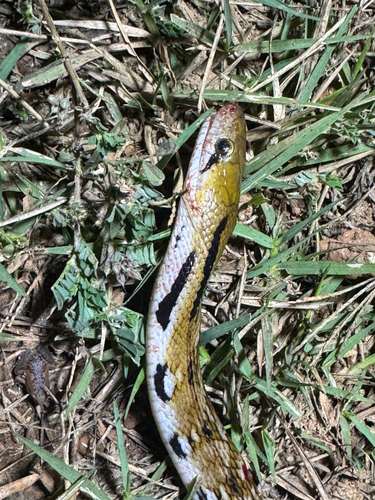
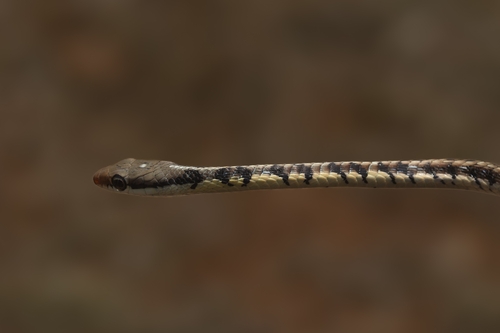
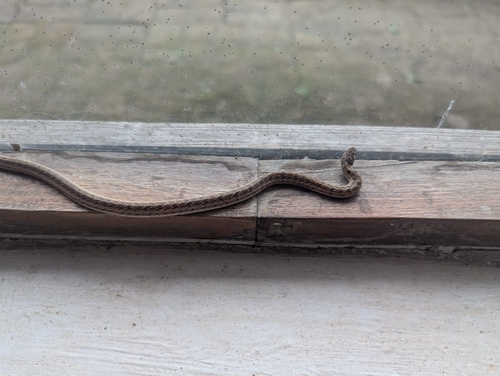
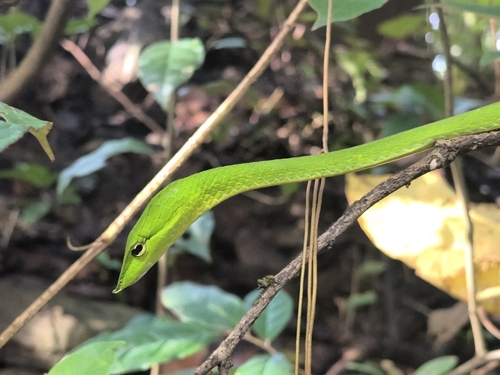
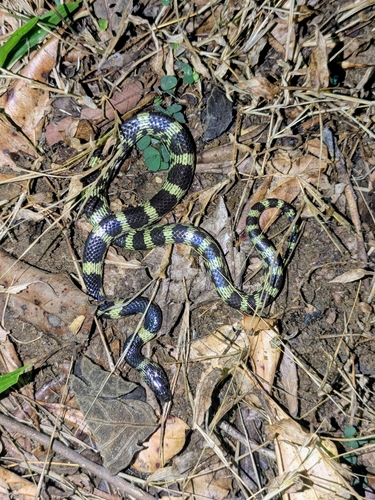
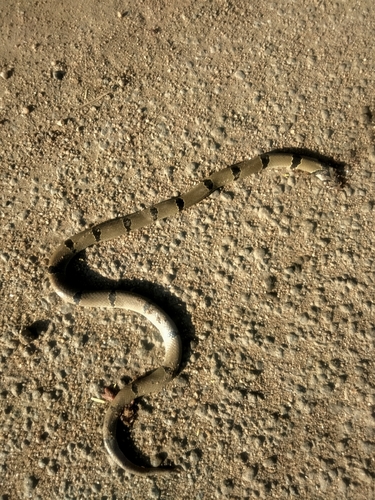
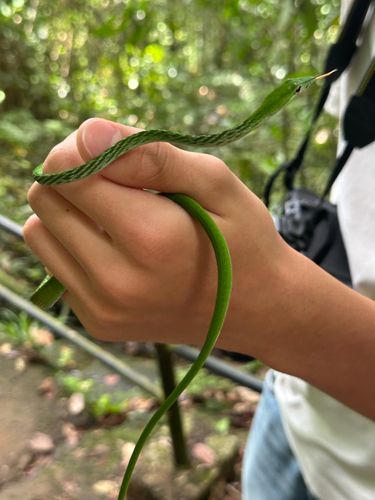
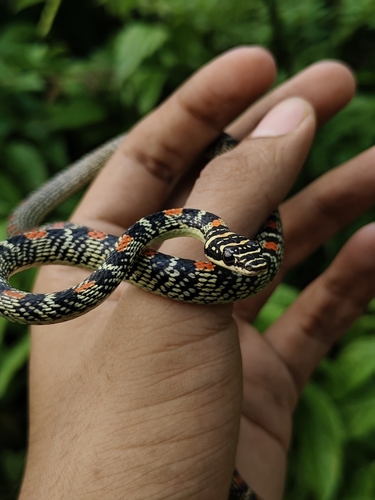
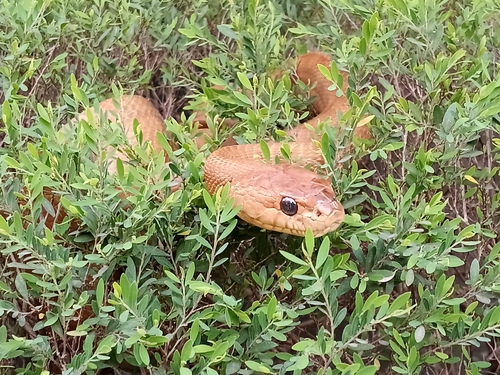
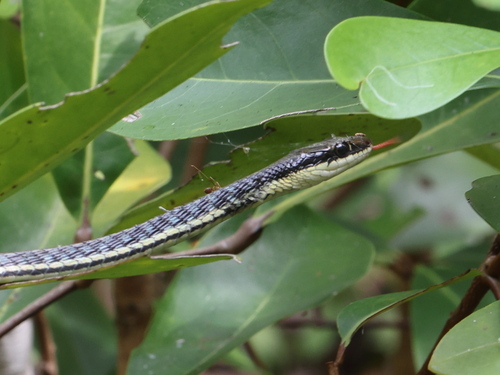
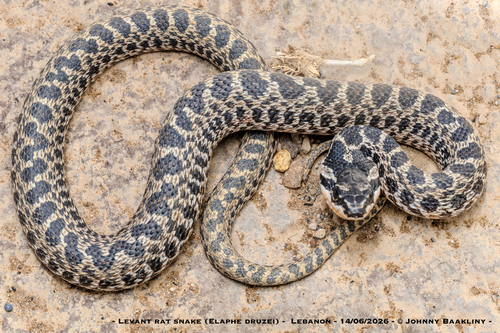
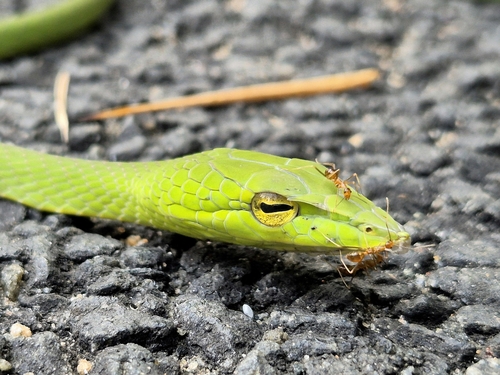
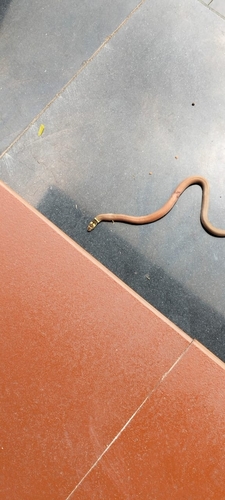
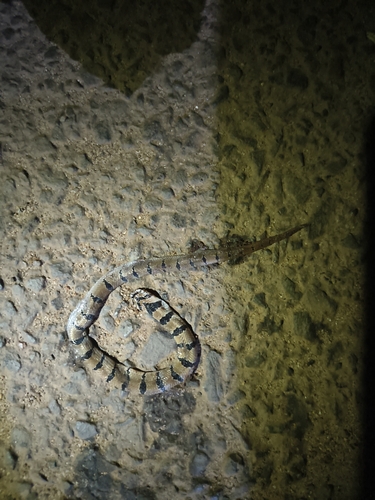
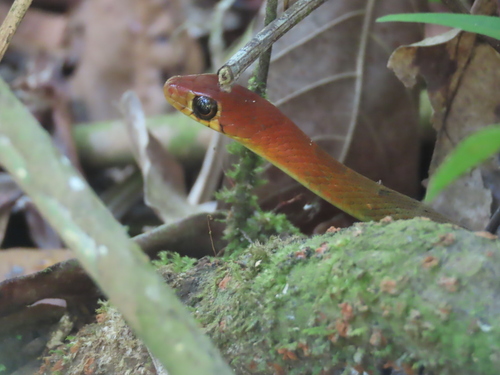
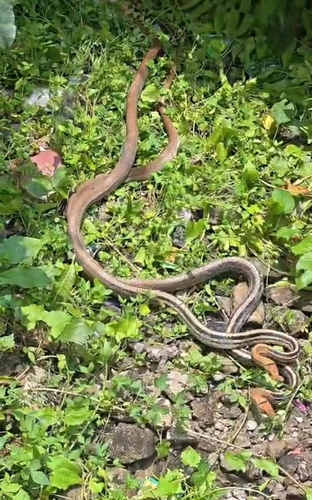
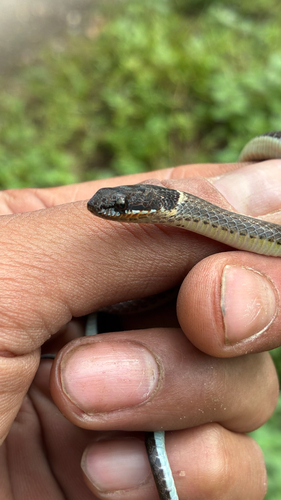
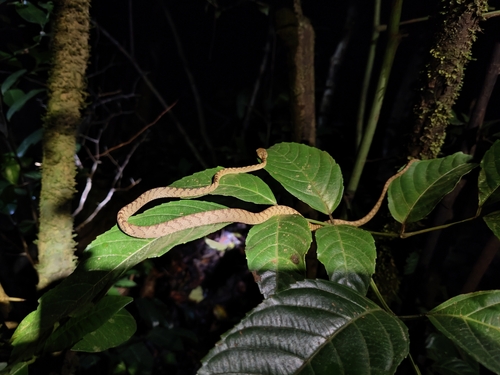
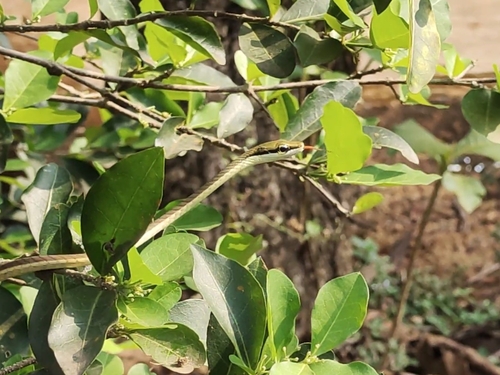
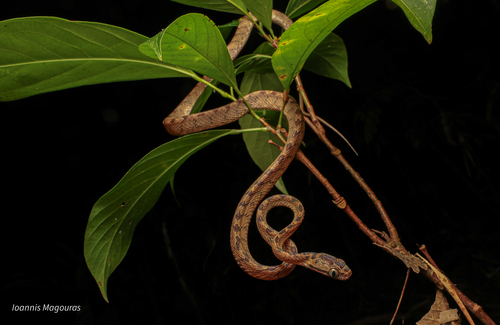
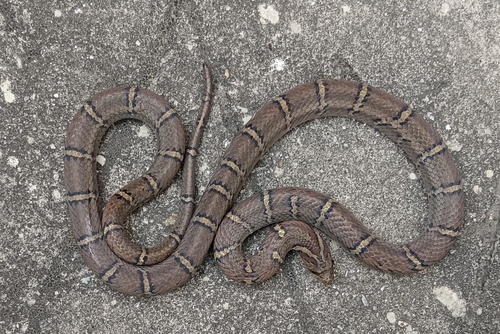
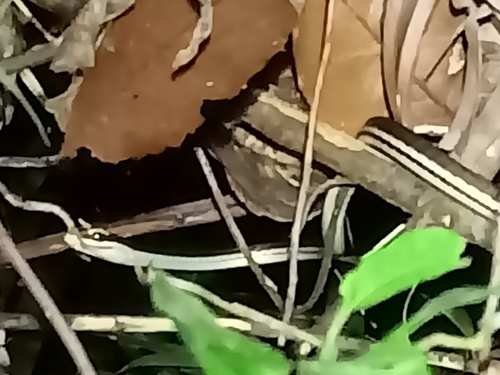
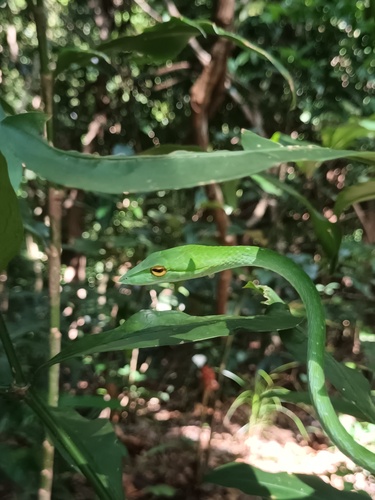
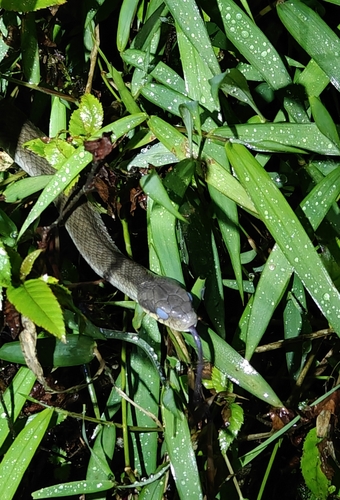
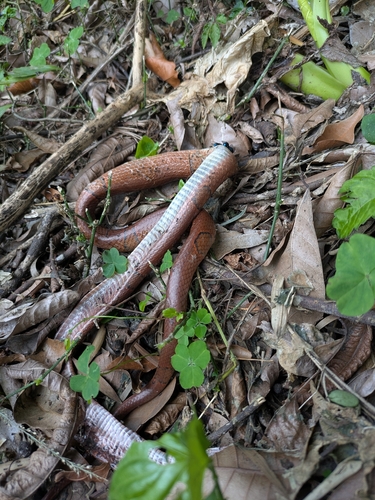
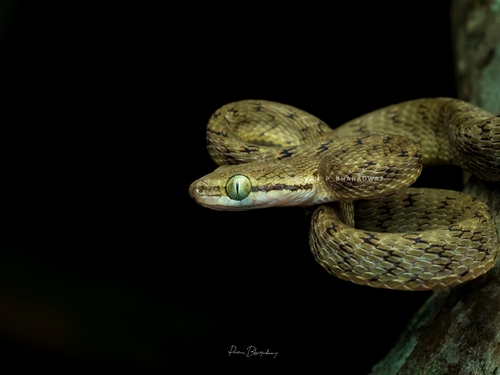
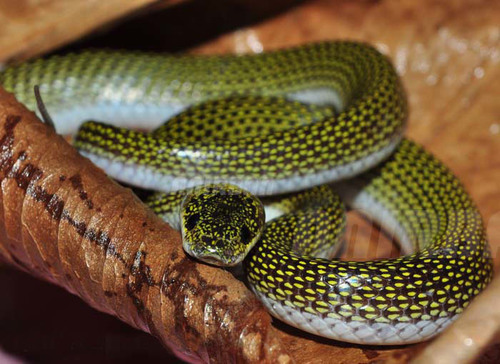
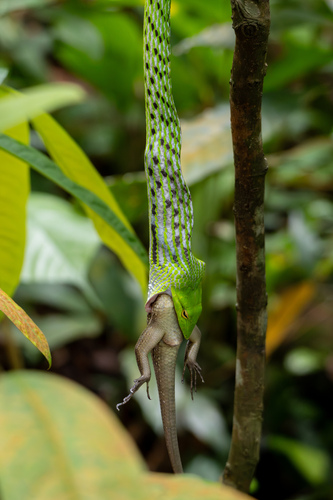
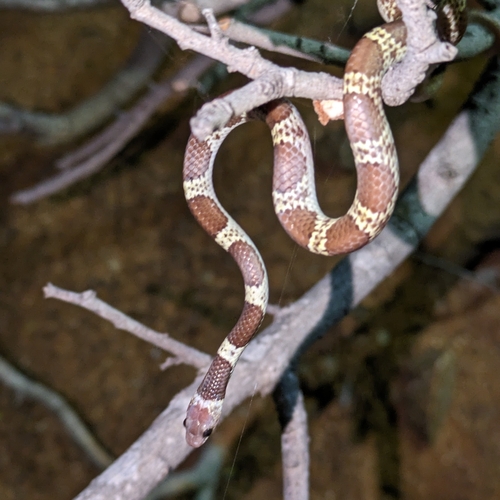
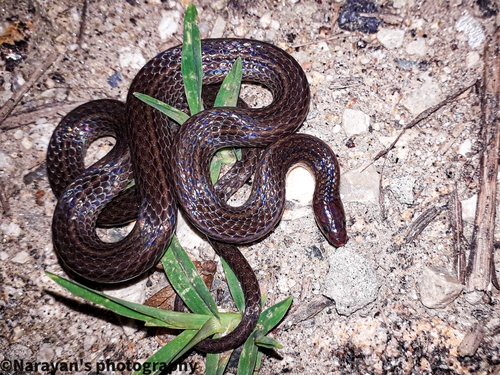
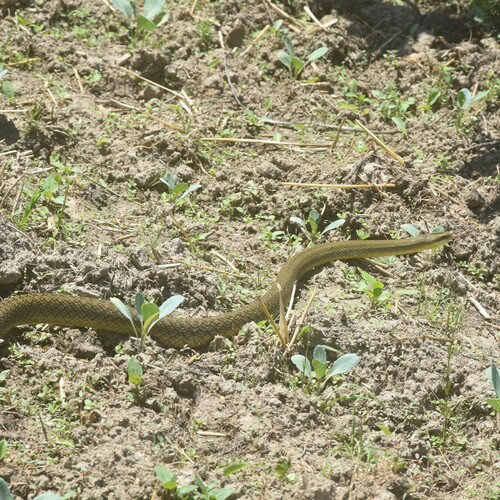
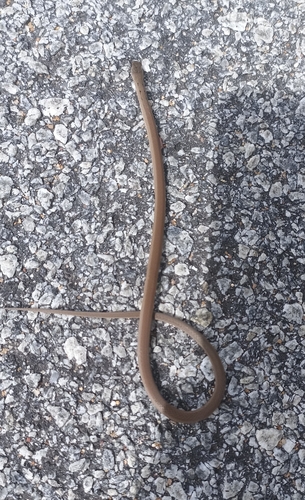
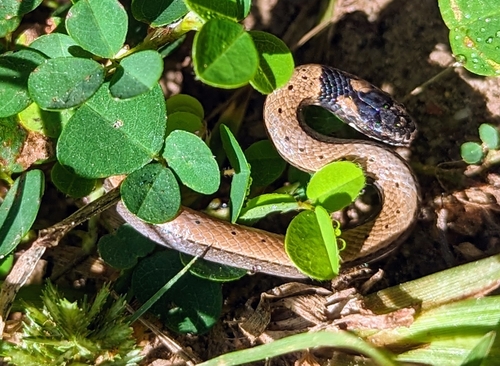
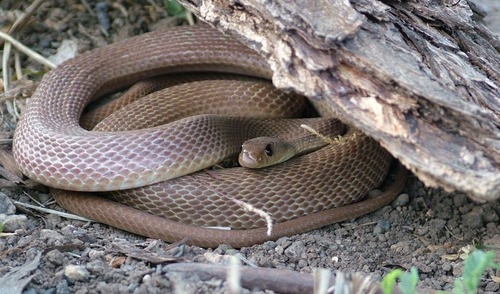
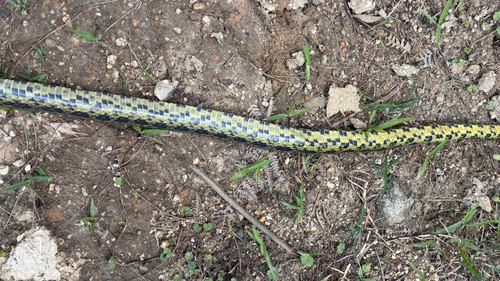
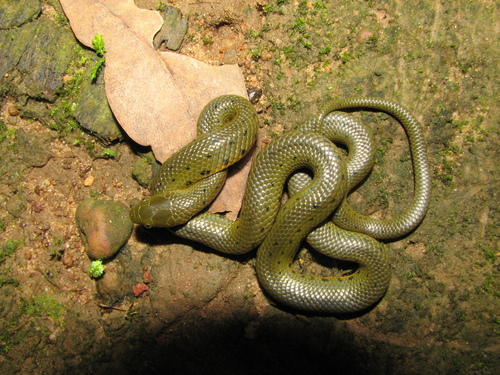

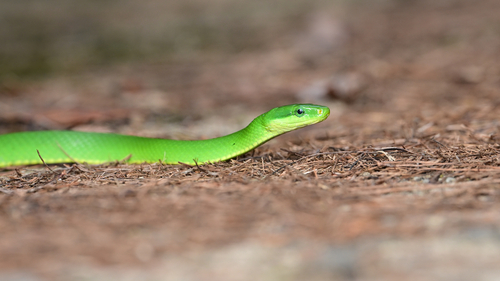
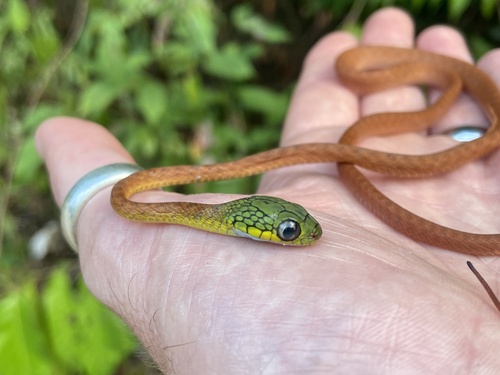
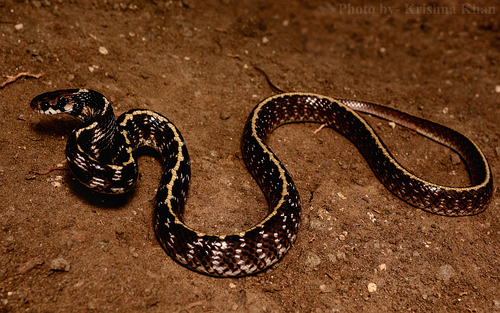
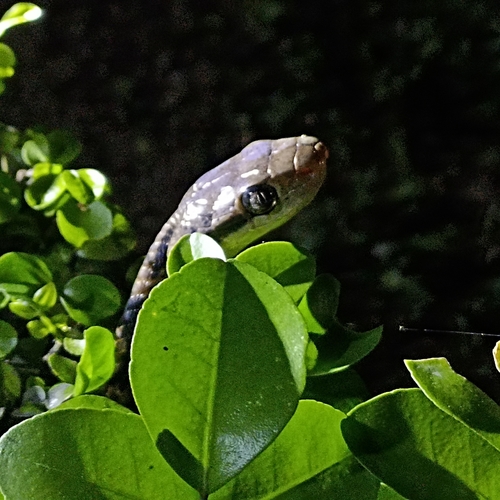
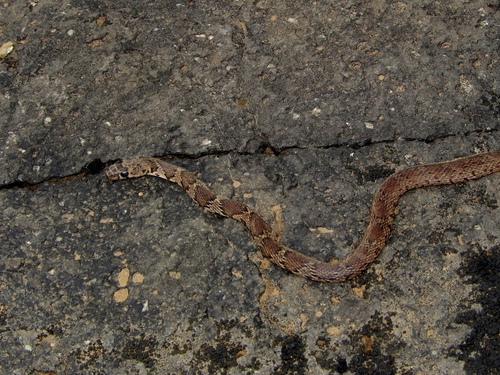

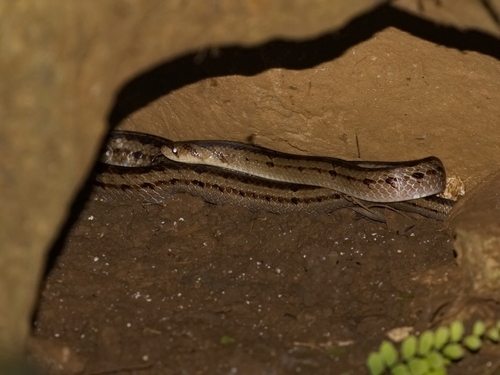
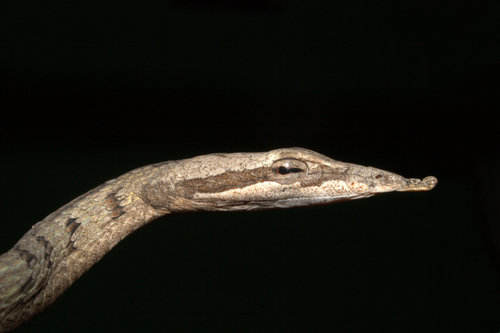
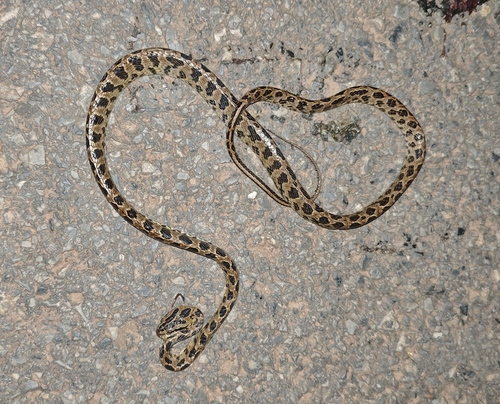
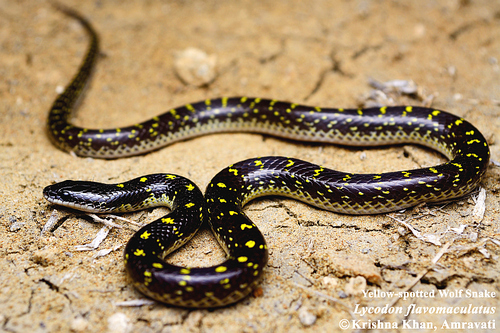
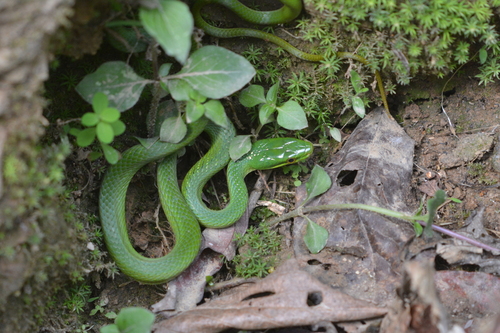
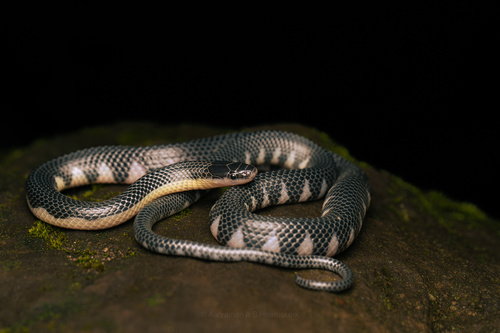
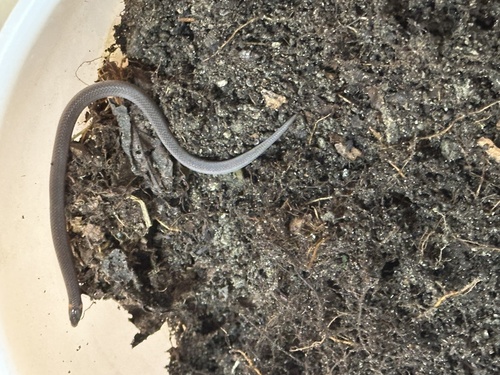
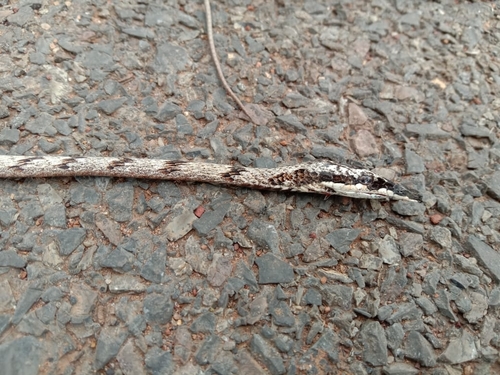
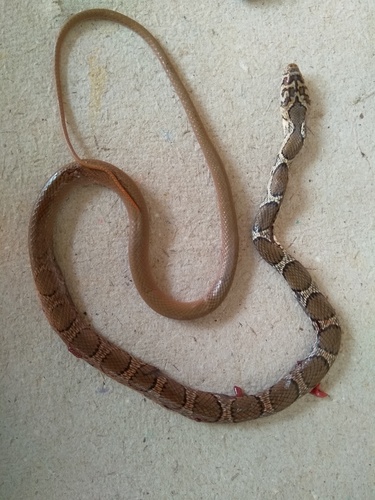
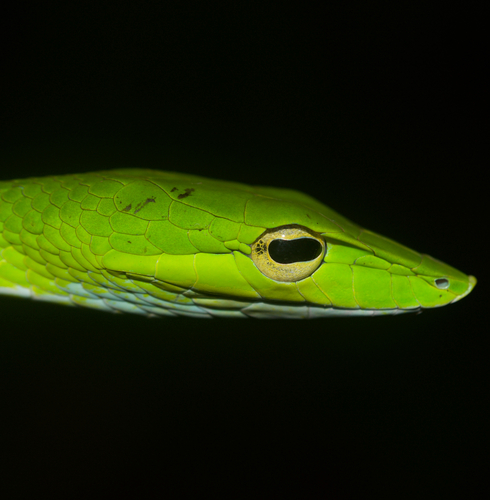
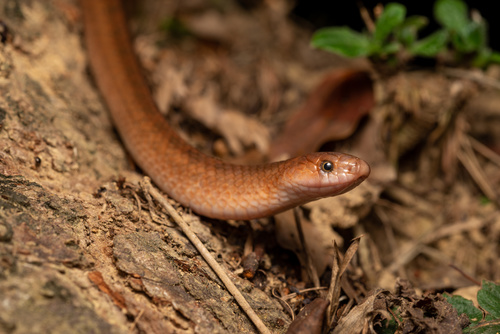
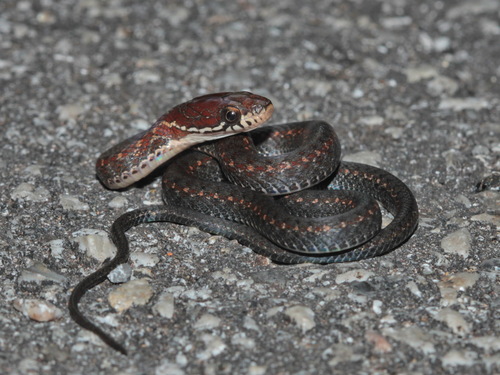
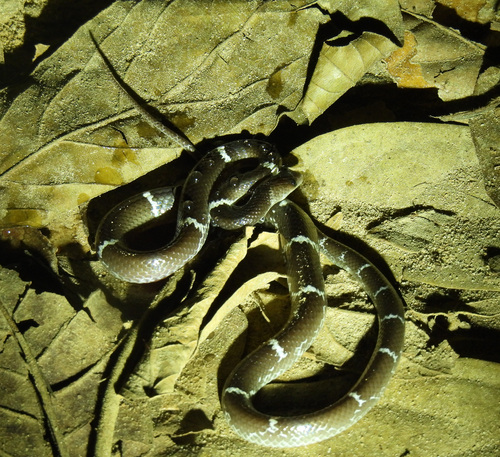
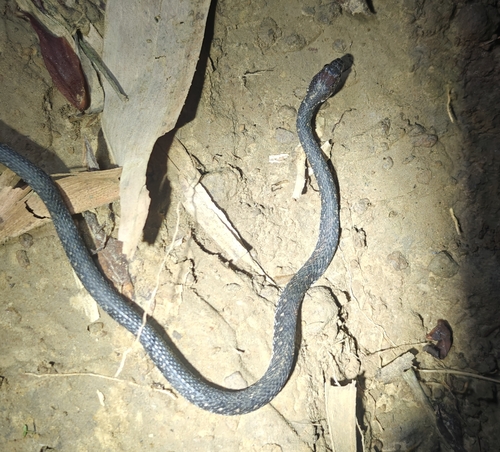
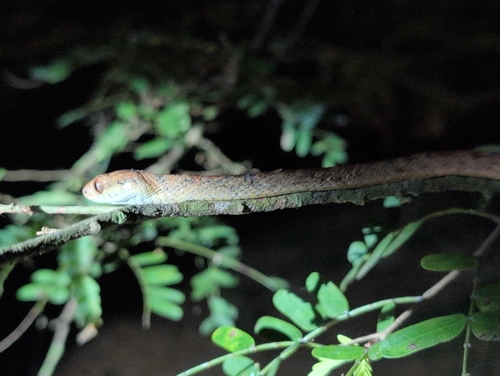
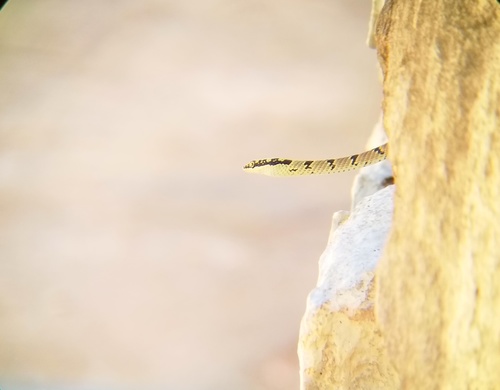
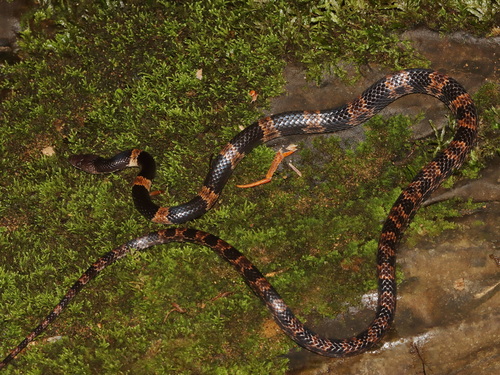

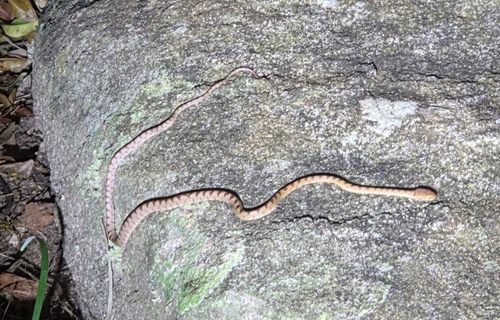
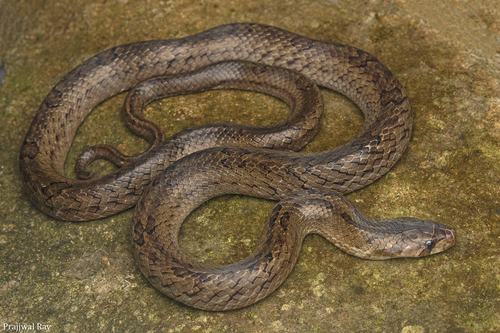


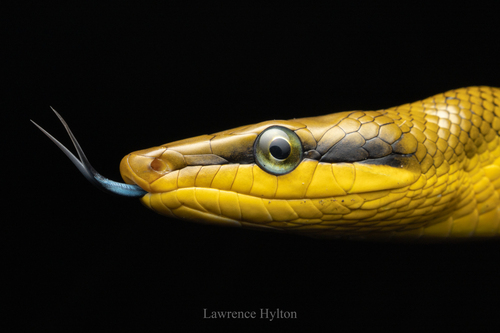

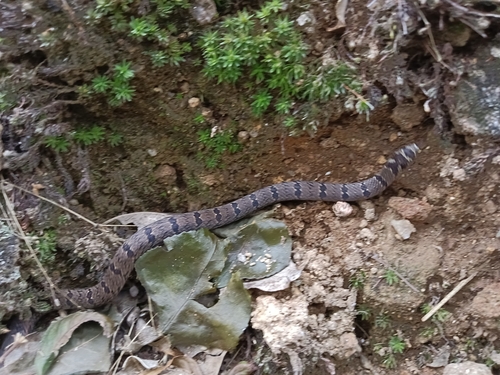

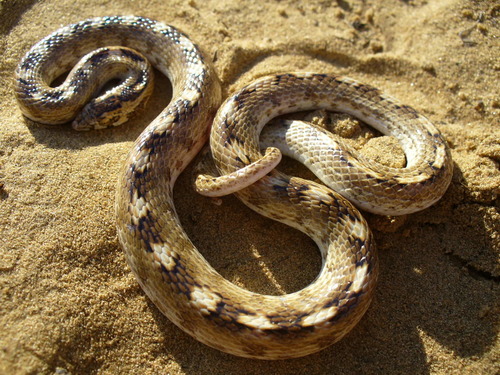
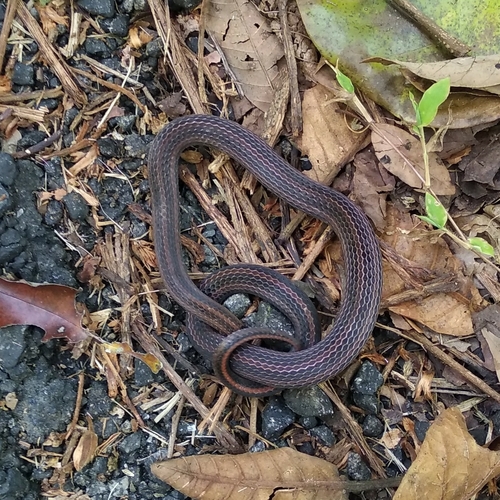

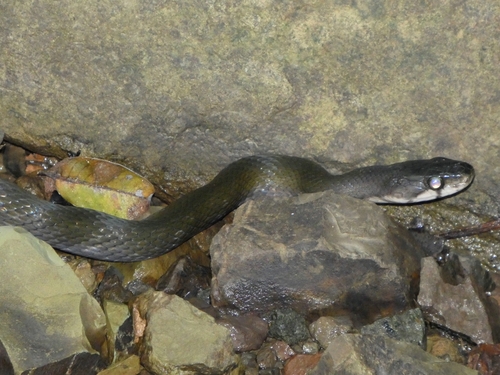
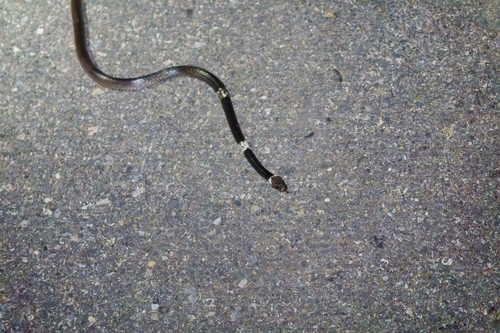
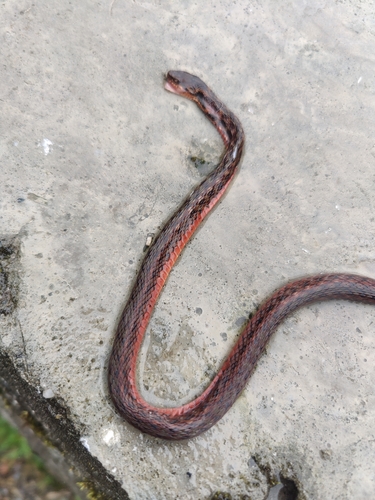
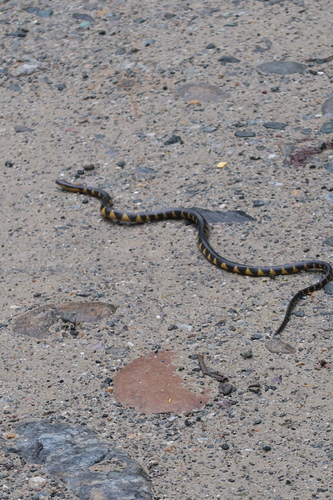
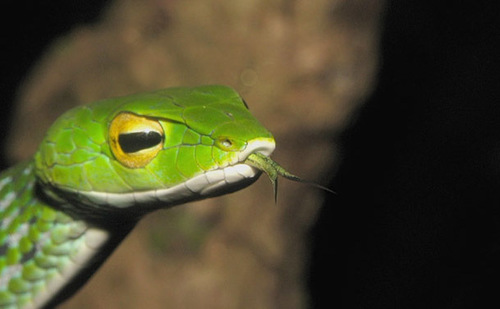
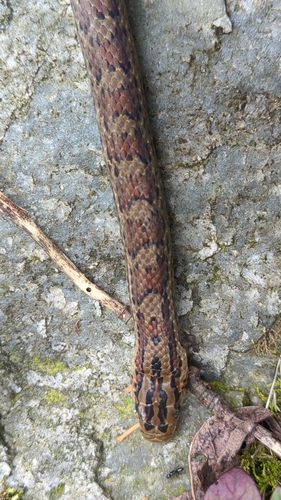

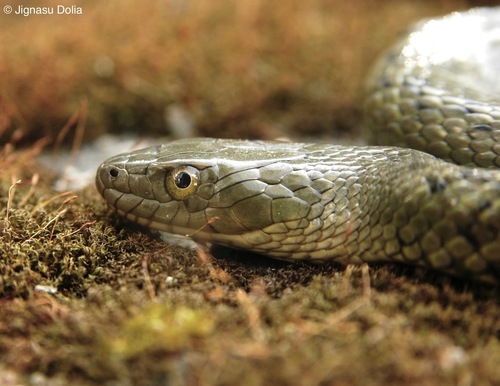


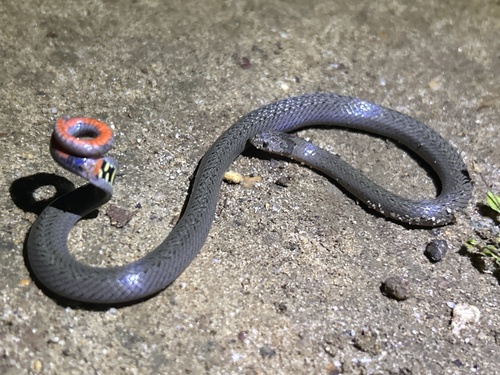
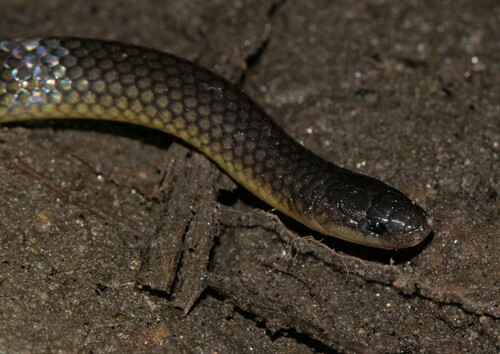

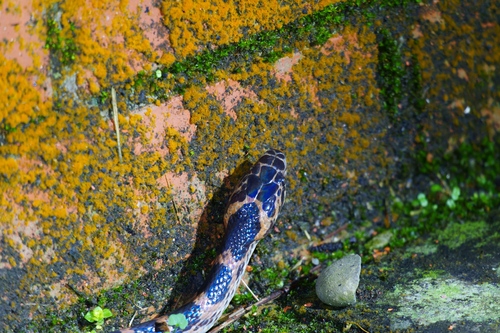
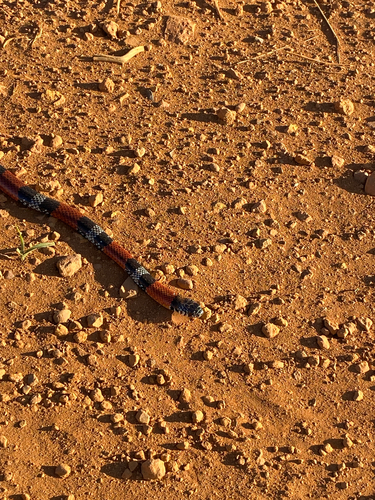

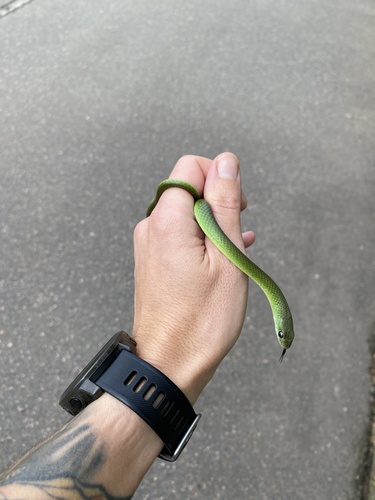
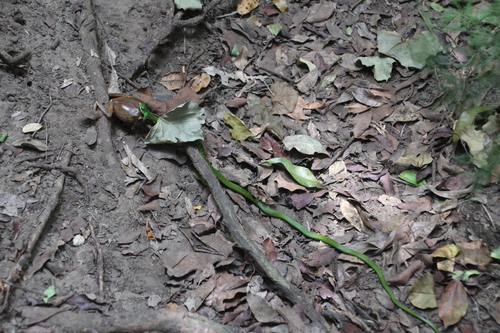
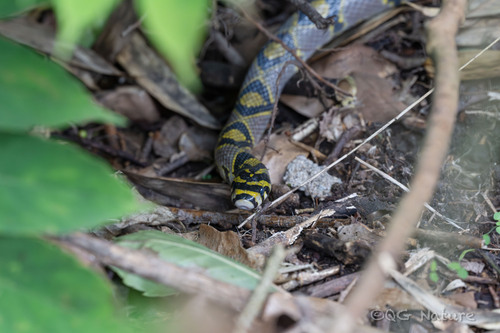
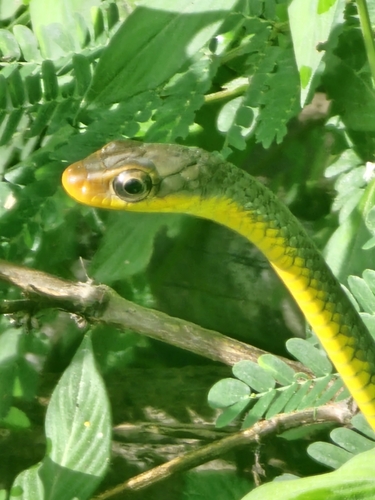
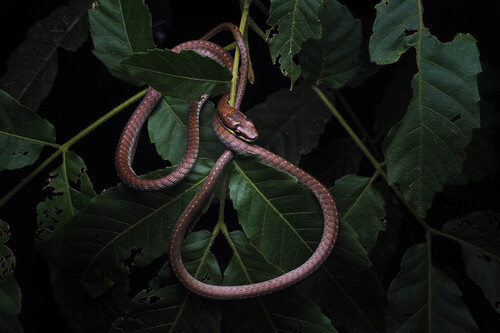
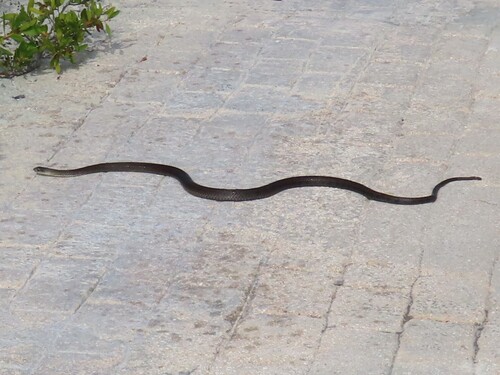
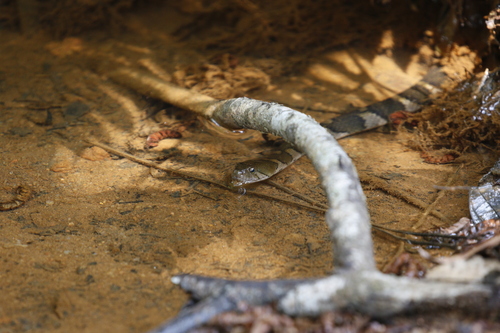
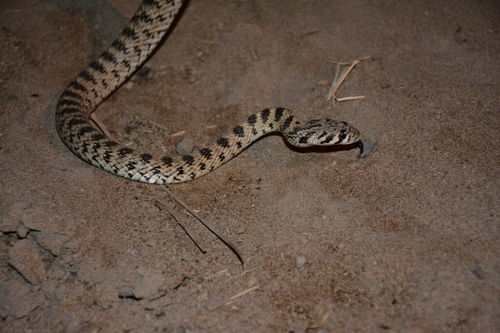
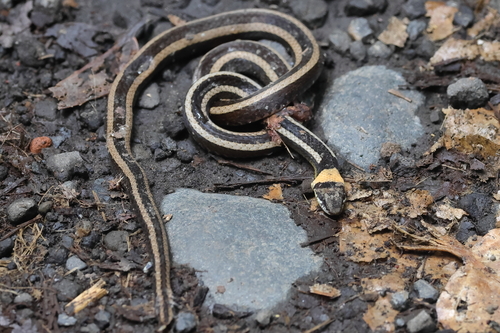
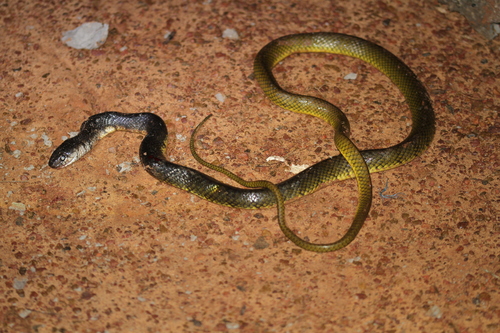
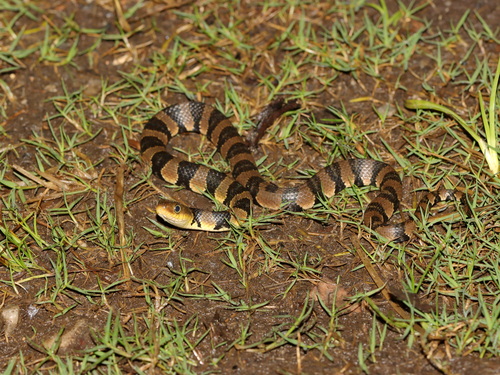



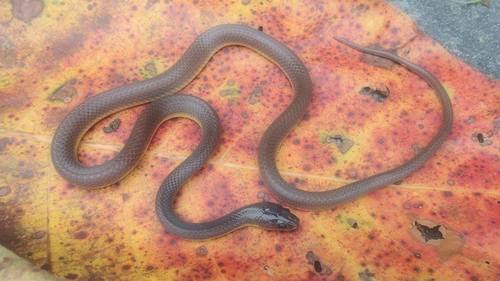
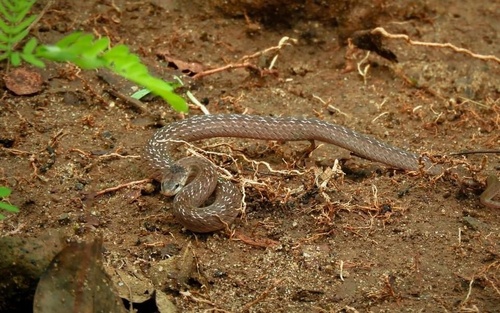
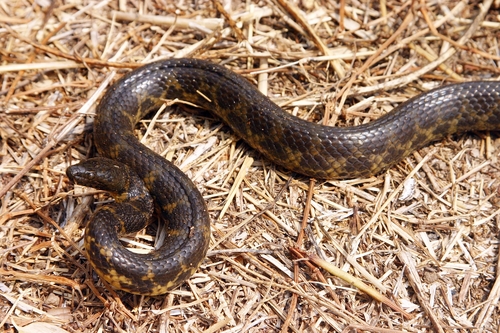

Elapidae (52)
Viperidae (40)
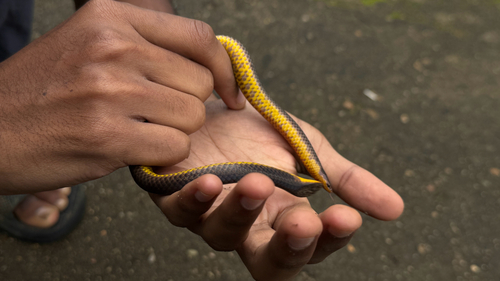
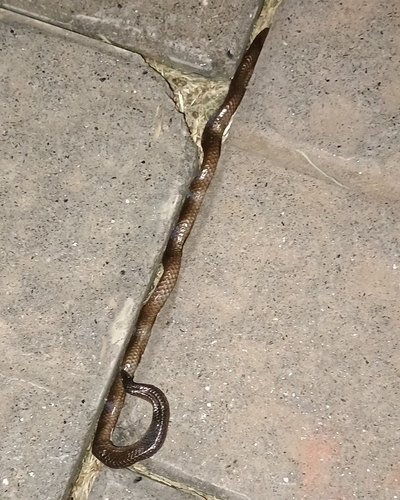
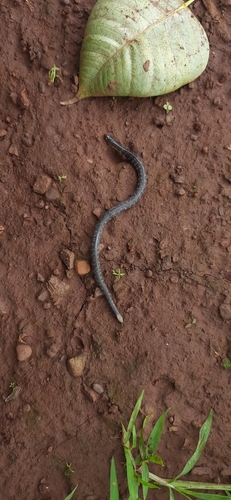
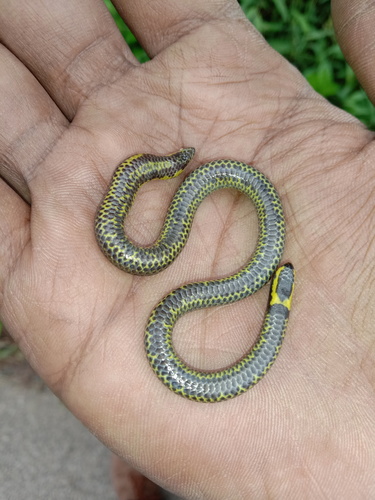
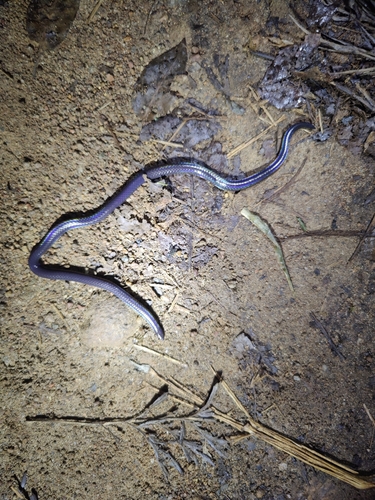
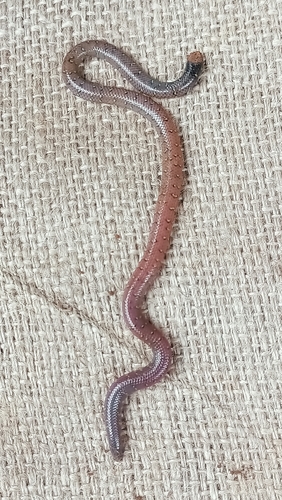
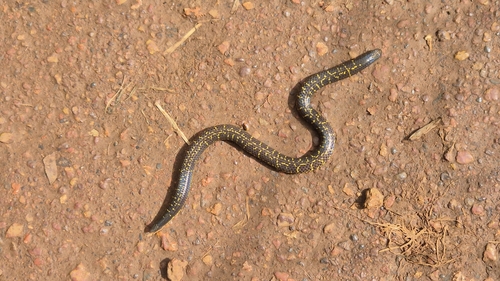
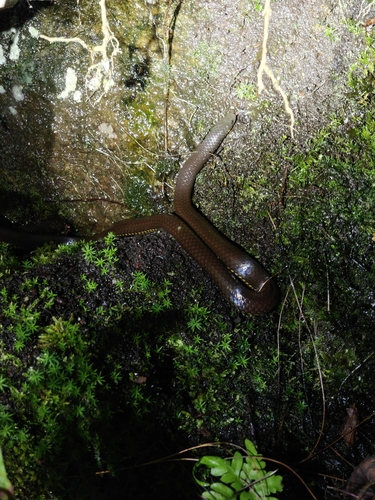
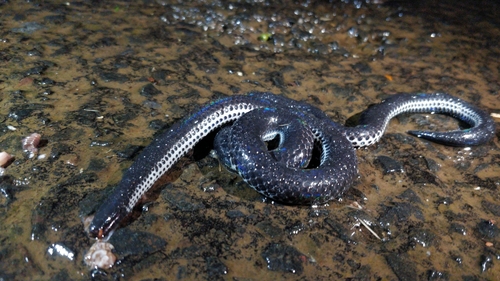
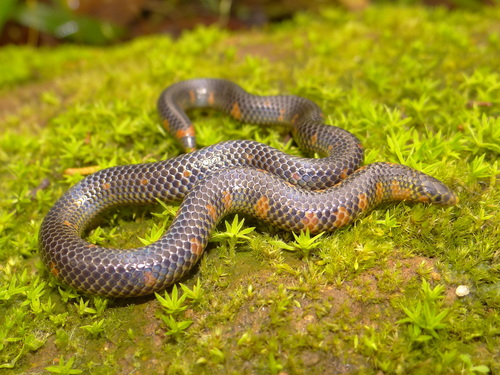
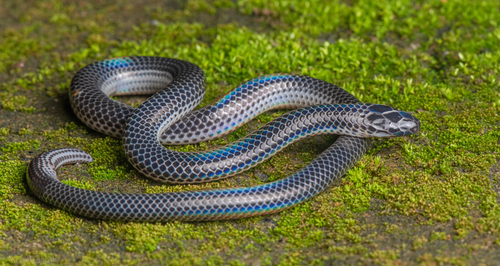
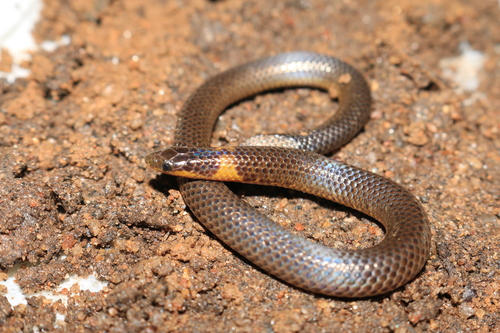
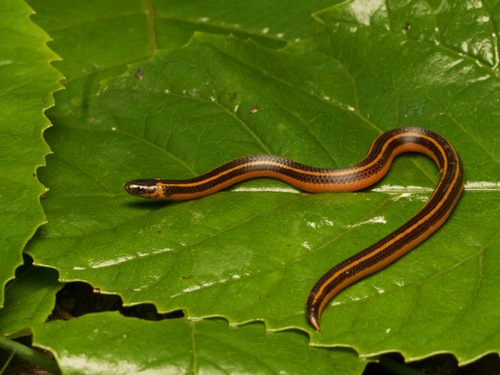
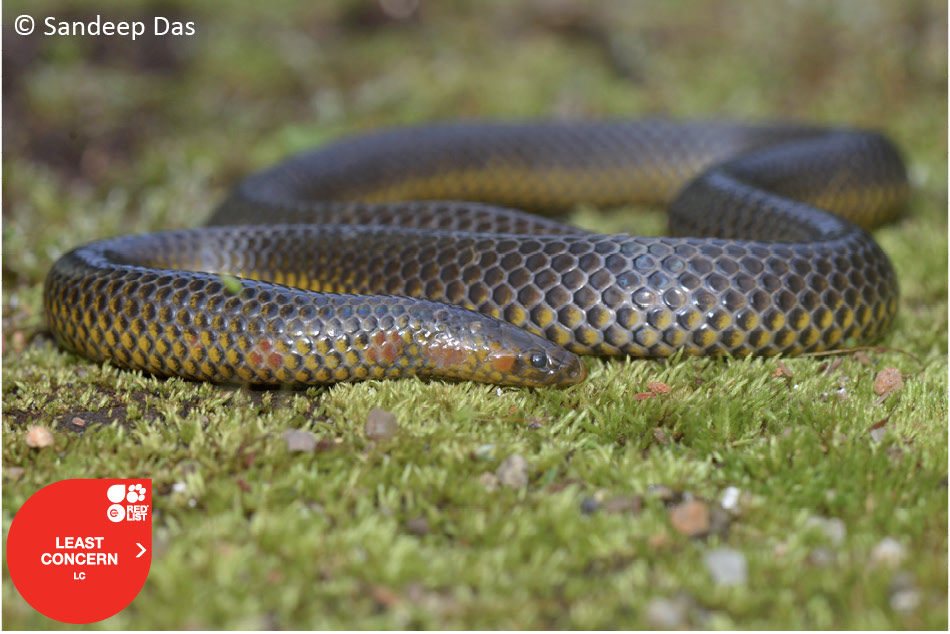
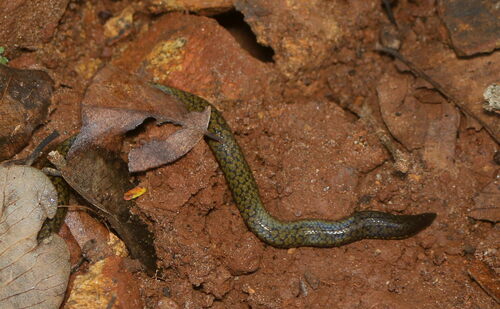
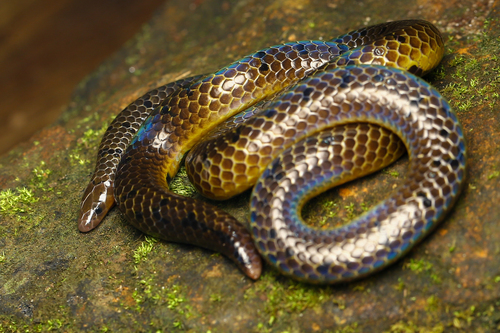
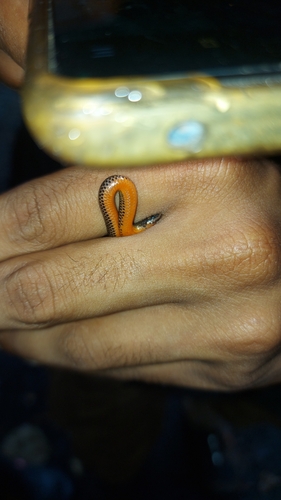
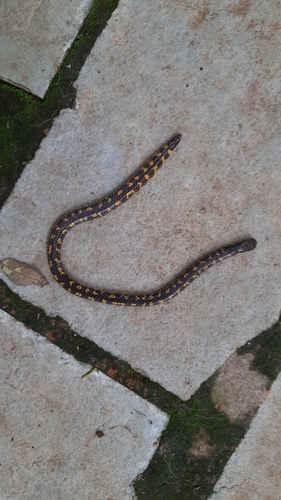
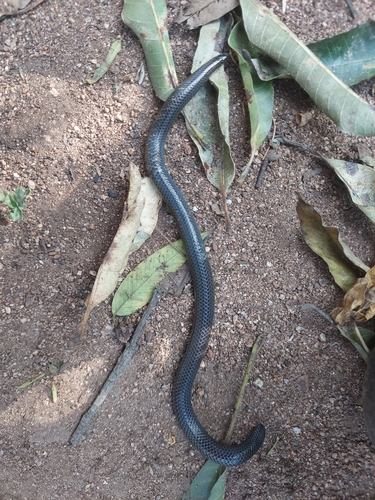
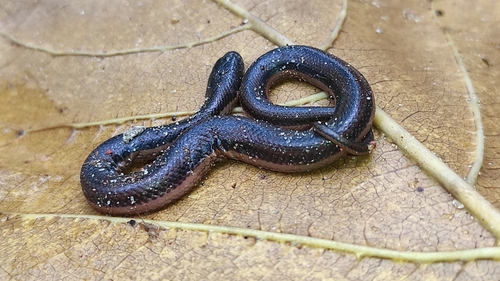
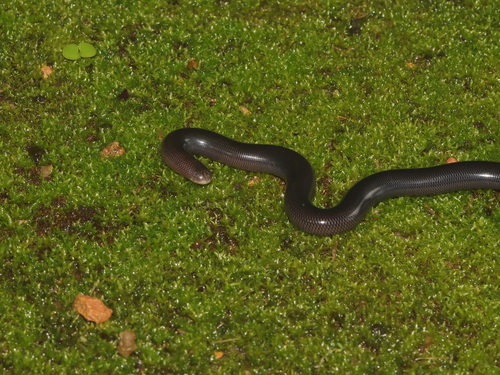
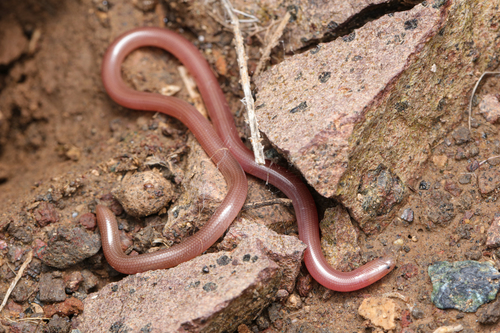
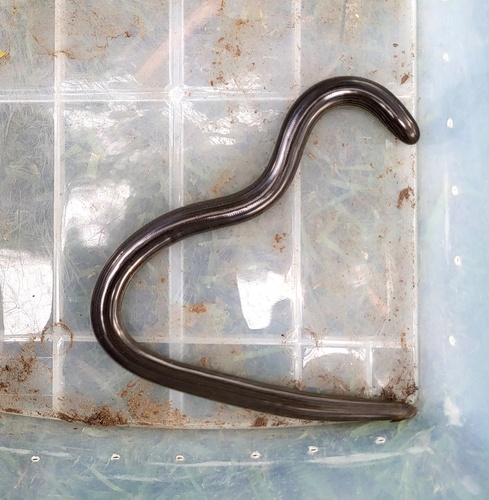
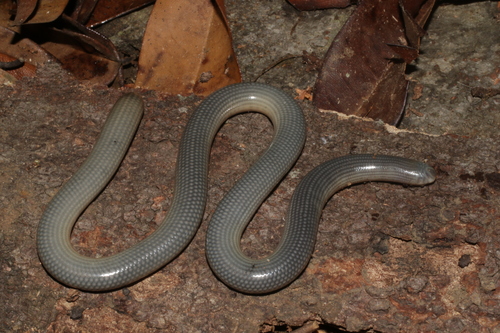
Uropeltidae (34)
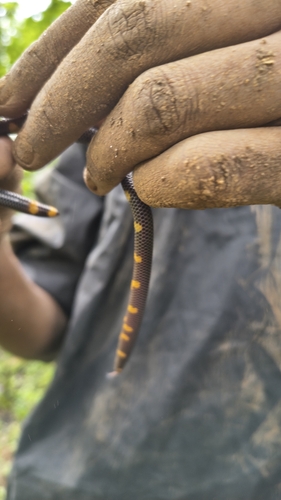

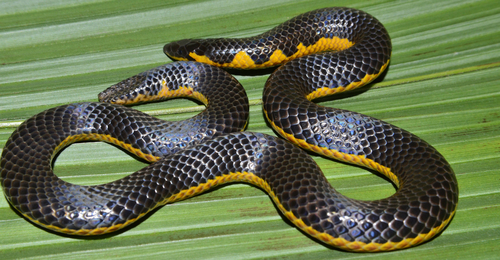

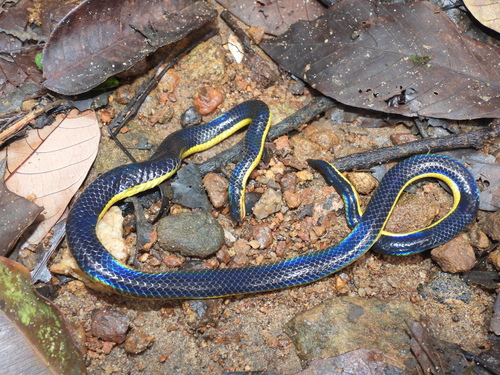
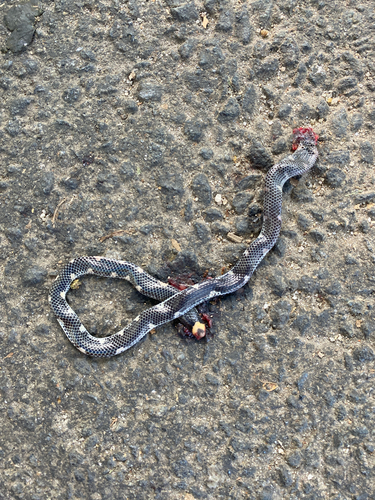
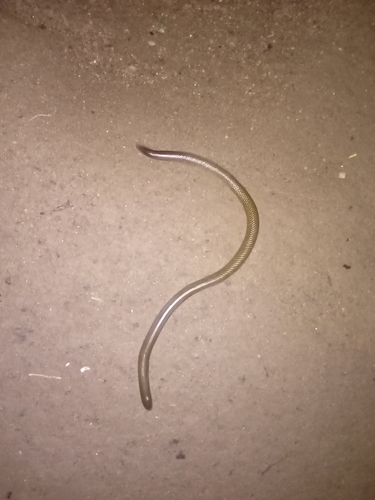
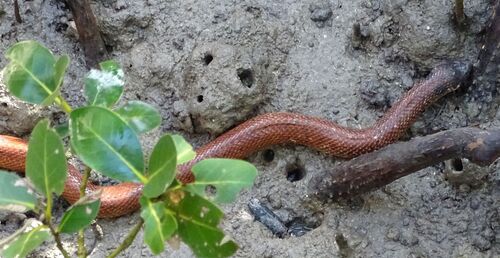
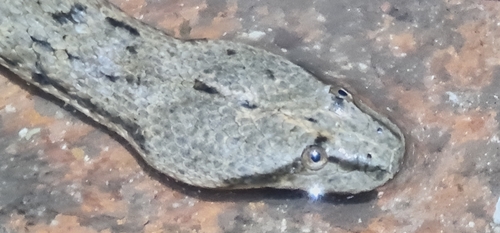
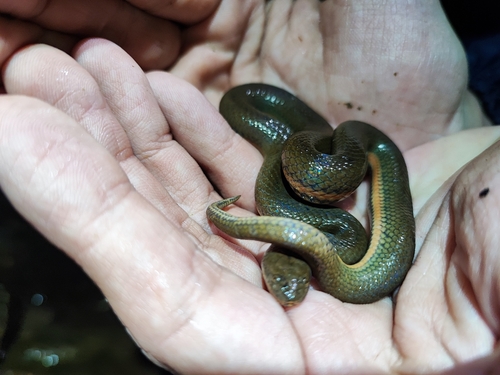
Homalopsidae (13)
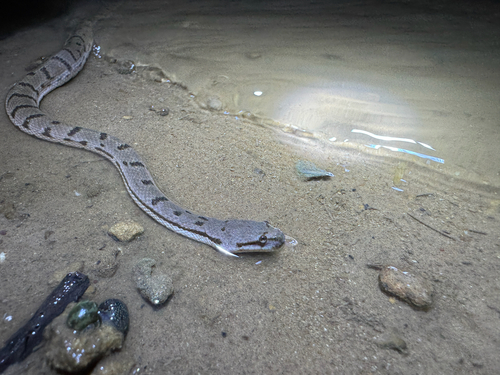
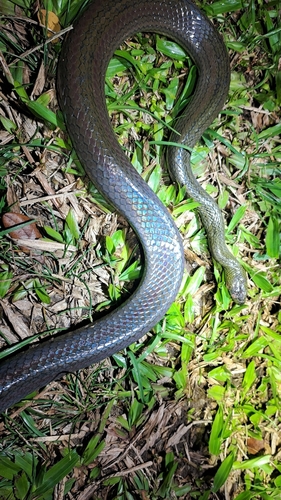

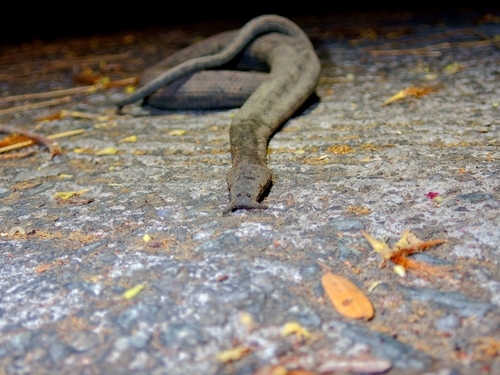
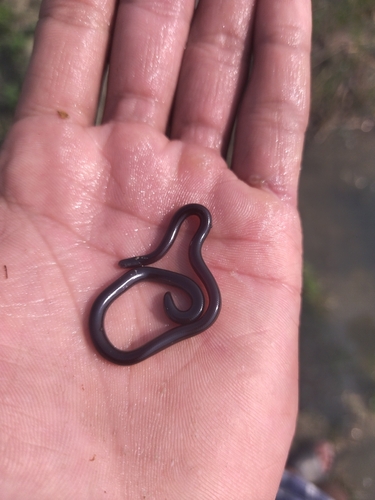
Typhlopidae (8)
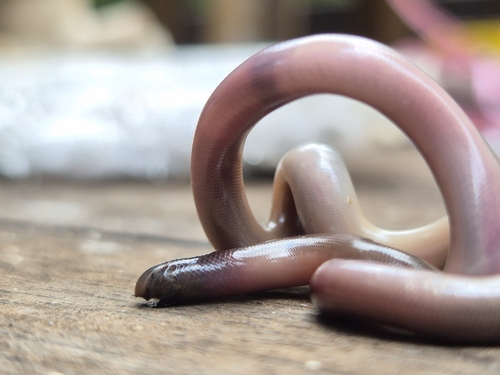
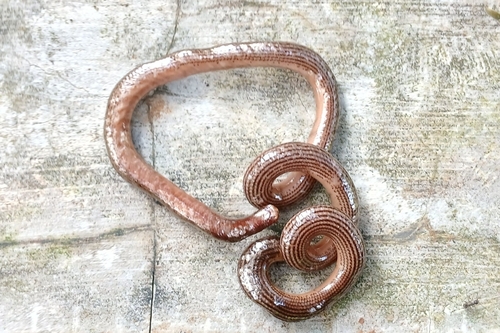
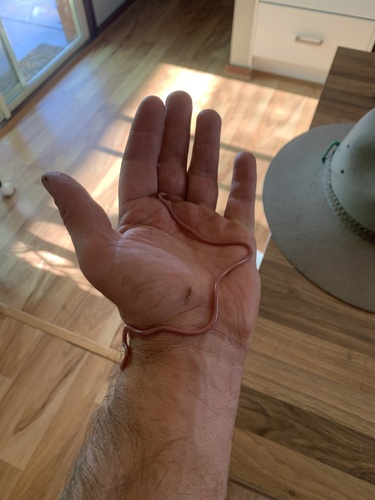
Pareidae (8)
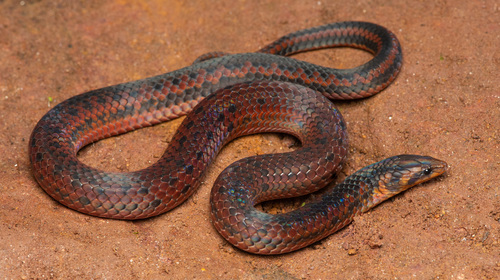
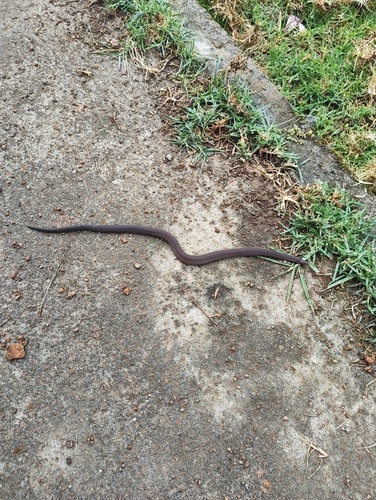
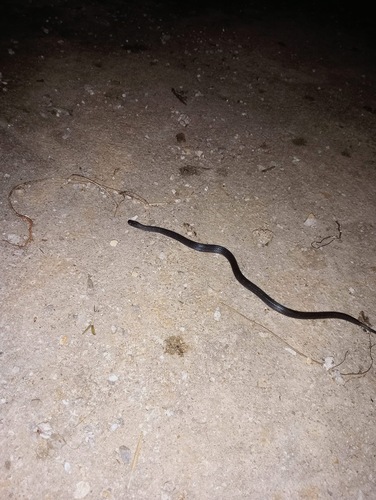
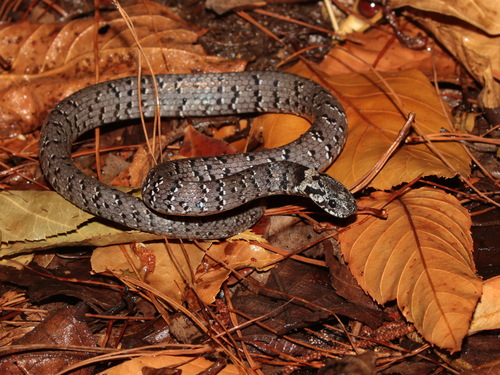
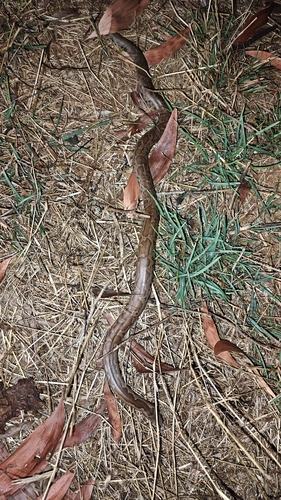
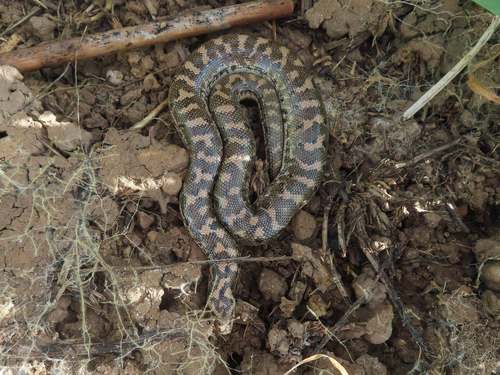
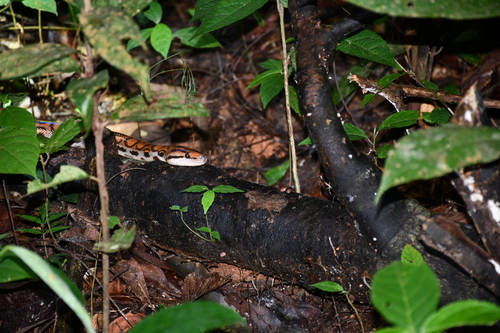
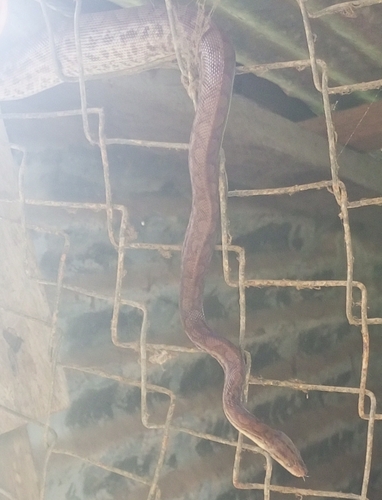
Boidae (7)
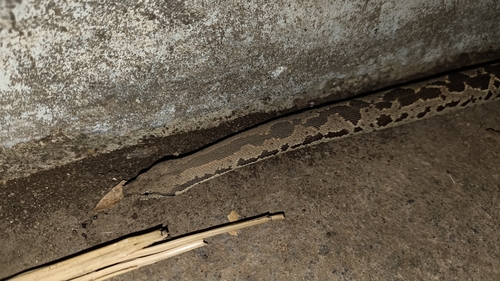
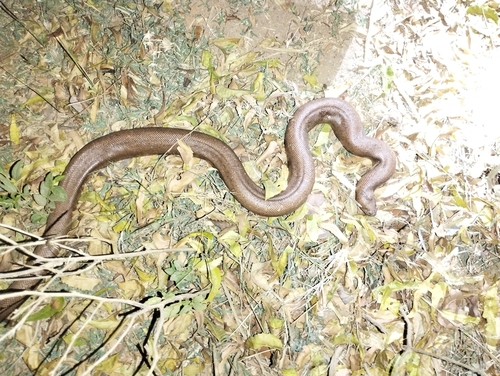
Psammophiidae (4)

Pythonidae (3)
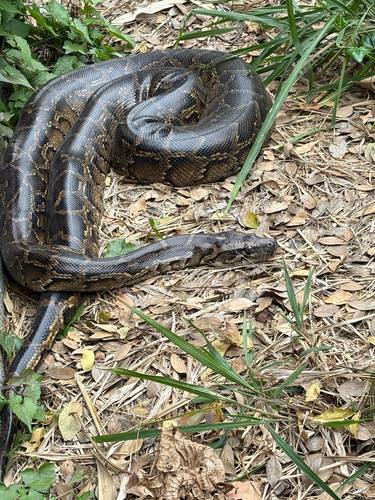
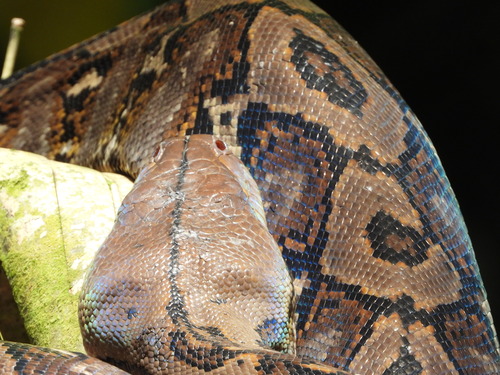
Pseudaspididae (2)
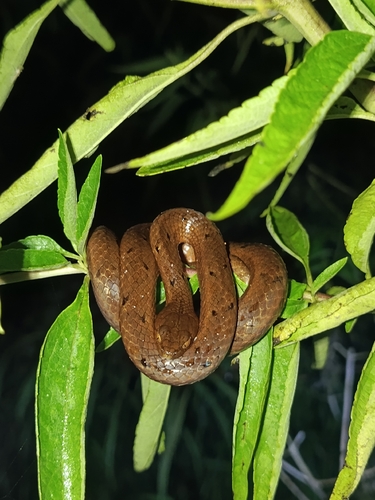
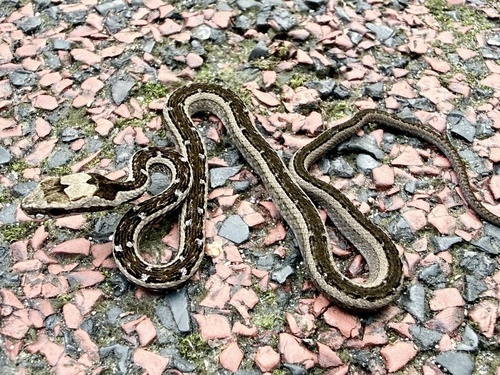
Cylindrophiidae (2)
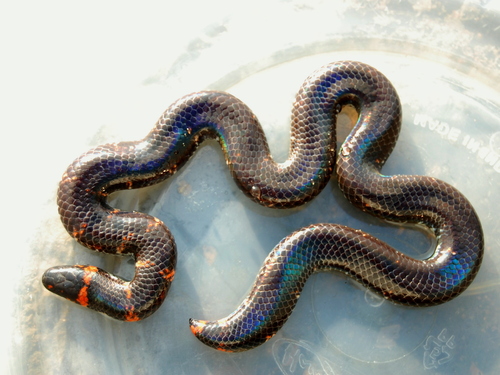
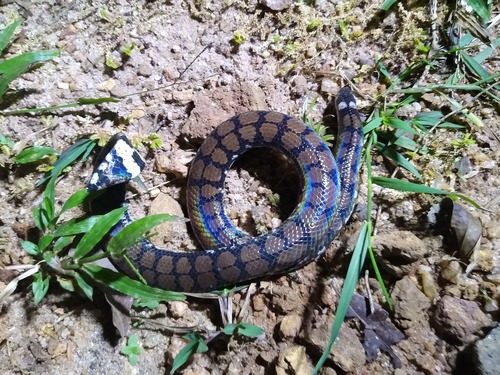
Acrochordidae (1)
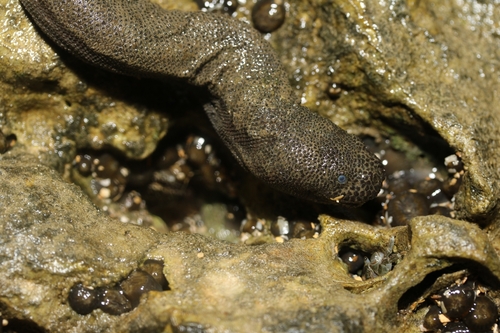
Xenopeltidae (1)
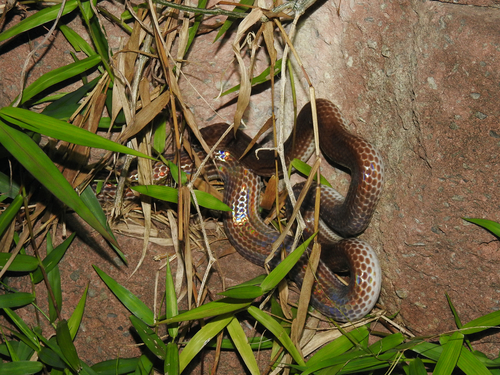
Xenodermidae (1)
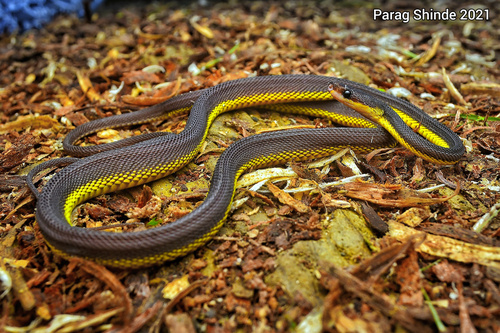
Leptotyphlopidae (1)
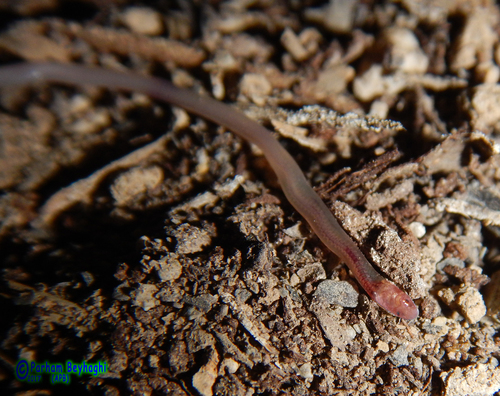
Gerrhopilidae (1)
Pseudoxyrhophiidae (1)

Compiled from verified GBIF & iNaturalist observations. "How often seen" reflects how frequently a snake is reported here, not how dangerous it is. Informational only.
Keep learning
- Are Snakes Dangerous? The Real Risk, in PerspectiveMost snakes are harmless and avoid people. Here is the honest picture of snakebite risk worldwide and how to lower your own.
- Snakebite First Aid: What to Do (and What Never to Do)A clear, CDC-based guide to snakebite first aid: the steps that help, the popular myths that hurt, and how to tell a serious bite from a minor one.
- Venomous vs Nonvenomous: How to Tell the DifferenceThe folk rules for telling venomous snakes apart, where each one fails, and why location-based identification beats guessing by sight.
- What to Do If You Find a SnakeFound a snake at home or on a trail? Here is how to stay calm, give it space, identify it safely, and know when to call a professional.