
Viperidae
Himalayan Pitviper
VenomousGloydius himalayanus
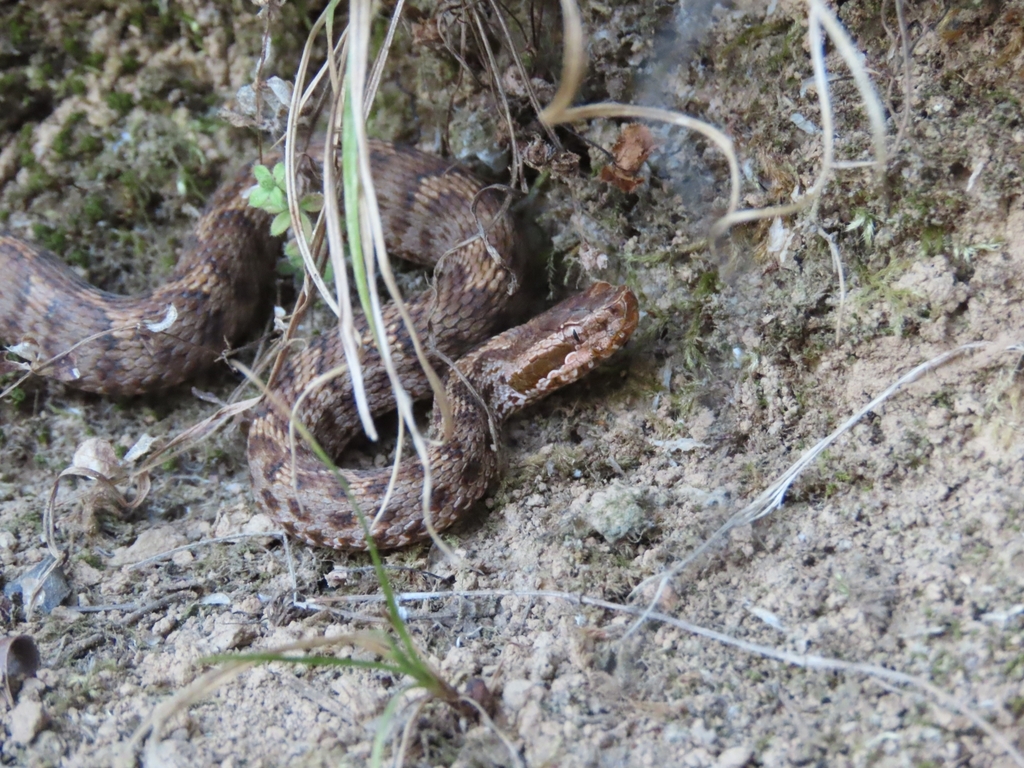
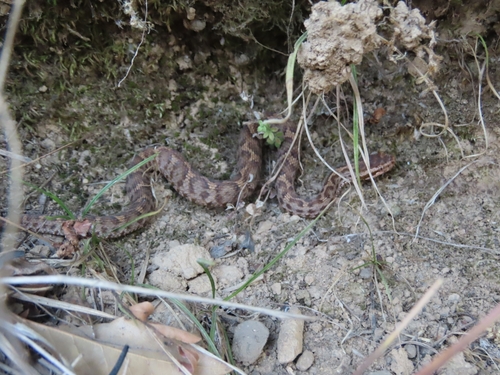
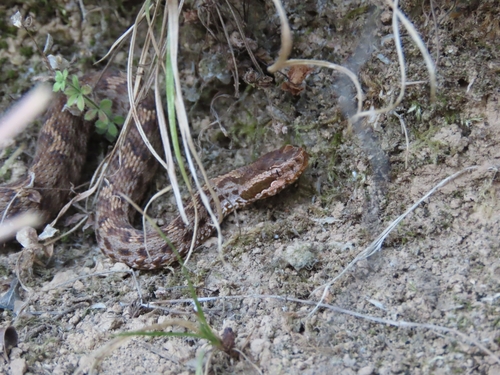
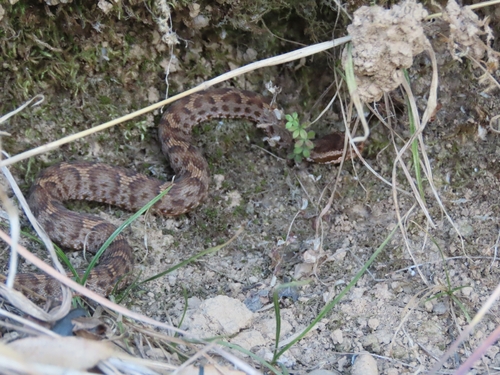
4 photographs of the Himalayan Pitviper. © Maya Lodhiyal.
The Himalayan Pitviper (Gloydius himalayanus) is a venomous snake in the Viperidae family, recorded in 3 countries.
If you are bitten
This is a venomous snake. Treat any bite as a medical emergency: stay calm, keep the bitten limb still and roughly level with the heart, remove rings and tight clothing, and get to emergency care immediately. Do not apply a tourniquet, cut the wound, apply ice, or try to suck out venom. Call your local emergency number or poison center.
- Family
- Viperidae
- Danger
- high
About the Himalayan Pitviper
Gloydius himalayanus also known as the Himalayan pit viper or the Himalayan viper
is a pit viper species found along the southern slopes of the Himalayas in Pakistan, India and Nepal. No subspecies are currently recognized. Himalayan pit vipers have been found up to 4900m above sea level, which makes it the highest living snake ever found.
Description
Its body color is light brown or dark brown. On the upper side of the body there are long infarct marks which seem to be intertwined due to their close proximity. Slightly larger, side row of spots of the same color. Dark spots on the head, abdomen is light gray in color. There are small dark spots on the abdomen.
The head is distinctly wide and elongated, with symmetrically arranged large scales. The dorsal scales are strongly keeled. An elongated postocular extends anteriorly to separate the eye from the supralabials. The dorsum is brownish, mottled or variegated to form a pattern of transverse bars. Ventral scales are white with black and red dots or speckles. Average length of these snakes is between 0.76 and 0.90 metres (2.5 and 3.0 ft). Dorsal scale count is "(20 to 23) - 21 (19 to 23) - 17 (15)", which means behind head, 20-23 rows; at midbody, usually 21 rows, but sometimes 19 or 23; just before vent, usually 17 rows, but sometimes 15.
Distribution
Occurs along the southern slopes of the Himalayas from northeastern Pakistan, to northern India (Jammu and Kashmir, Punjab, Ladakh and Uttarakhand) and Nepal. Reports that this species occurs in Sikkim, India, need to be confirmed. It is the only pit viper found in Pakistan .
Habitat
This is a highland snake and is found in altitudes ranging from 2,100 to 4,900 m (6,900 to 16,100 ft) in the mid and western Himalayas. It takes refuge under fallen timber, crevices, in or under rocks, beneath boulders, ledges, stones and fallen leaves.
Behavior and diet
This is a nocturnal and terrestrial species, often seen close to its hiding place, to which it retreats when disturbed. It is a lazy timid snake, moving slowly from one place to another. Its food consists mostly of millipedes, centipedes, and small rodents.
Venom
Bites from this species result in intense local pain and swelling, which usually subsides within two to three days, even without treatment.
Adapted from Wikipedia, available under CC BY-SA.
Local and regional names
The Himalayan Pitviper is known by these names across the regions where it lives:
- Chinese
- 喜山蝮
- Czech
- ploskolebec himálajský
- Danish
- Himalaya-mamushi
- English
- Himalayan Pit-viper
- Hungarian
- himalájai mokaszinkígyó
- Russian
- Гималайский щитомордник
Frequently asked: Himalayan Pitviper
- Is the Himalayan Pitviper venomous?
- Yes. The Himalayan Pitviper (Gloydius himalayanus) is venomous and belongs to the Viperidae family (viper). Its bite is considered high risk to people. Treat any bite as a medical emergency.
- Is the Himalayan Pitviper poisonous?
- Snakes are venomous, not poisonous. "Poisonous" means harmful to eat or touch; "venomous" means injecting toxins through a bite. The Himalayan Pitviper is venomous, delivering venom through a bite.
- Is the Himalayan Pitviper dangerous?
- This is a venomous snake. Treat any bite as a medical emergency: stay calm, keep the bitten limb still and roughly level with the heart, remove rings and tight clothing, and get to emergency care immediately. Do not apply a tourniquet, cut the wound, apply ice, or try to suck out venom. Call your local emergency number or poison center.
- Where does the Himalayan Pitviper live?
- The Himalayan Pitviper has verified records in 3 countries, including India, Pakistan, Nepal. See the distribution section below for its full range.
- What does the Himalayan Pitviper eat?
- This is a nocturnal and terrestrial species, often seen close to its hiding place, to which it retreats when disturbed. It is a lazy timid snake, moving slowly from one place to another. Its food consists mostly of millipedes, centipedes, and small rodents.
If you are bitten by the Himalayan Pitviper
Do
- Get away from the snake and stay calm. Most bites worsen when people panic or try again to handle the snake.
- Call 911 or Poison Control (1-800-222-1222) right away. Antivenom works best when given early.
- Note the time of the bite and, from a safe distance, the snake's color and pattern, a phone photo is enough. Do not chase it.
- Keep the bitten limb still and at roughly heart level. Sit or lie down and limit movement.
- Remove rings, watches, and tight clothing near the bite before swelling starts.
- Gently wash the bite with soap and water and cover it with a clean, dry dressing.
Do not
- Do not cut the wound or try to suck out the venom.
- Do not apply a tourniquet or ice.
- Do not drink alcohol or caffeine.
- Do not take aspirin or ibuprofen, they can worsen bleeding. Acetaminophen is safer for pain.
- Do not try to catch or kill the snake. A dead snake can still bite by reflex.
First-aid guidance adapted from the U.S. Centers for Disease Control and Prevention (CDC NIOSH), Venomous Snakes. Educational only; always follow the instructions of emergency responders.
Where it is found
More Viperidae snakes
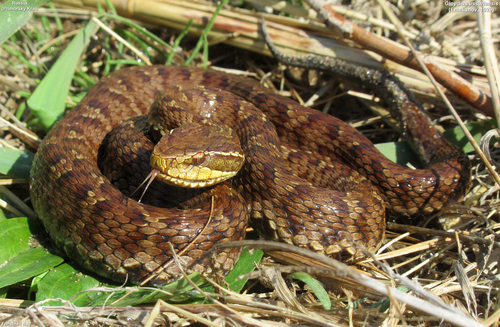 Ussuri MamushiGloydius ussuriensis
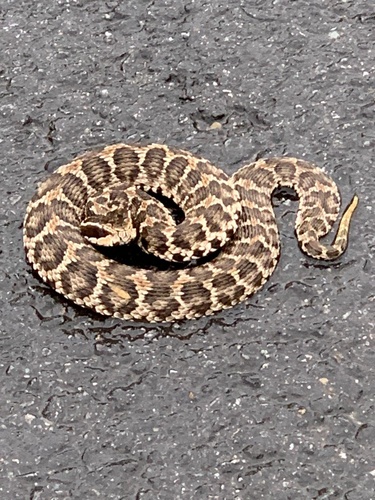 Short-tailed MamushiGloydius brevicaudus
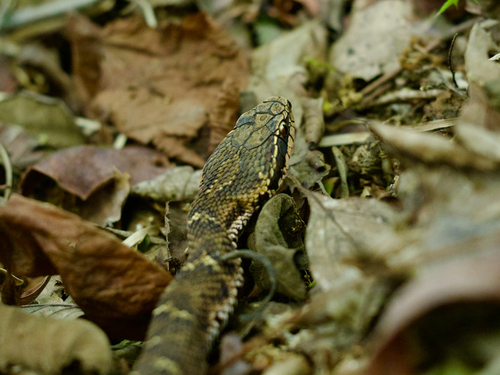 Short-tailed MamushiGloydius blomhoffii
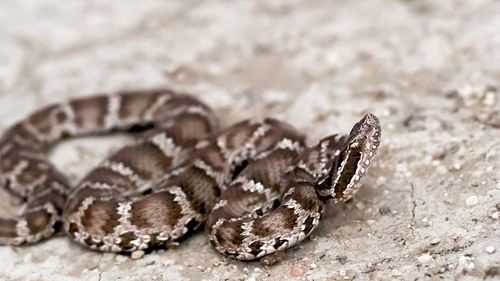 Halys Pit ViperGloydius halys
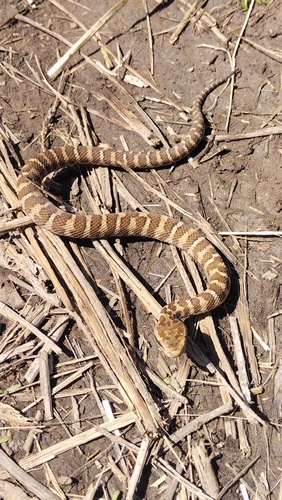 Central Asian PitviperGloydius intermedius
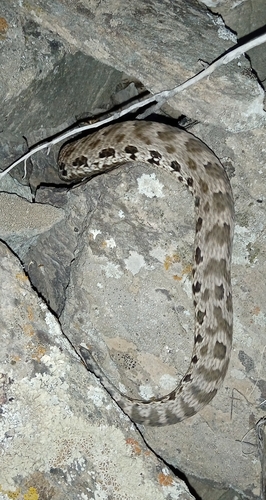 Karaganda pitviperGloydius caraganus
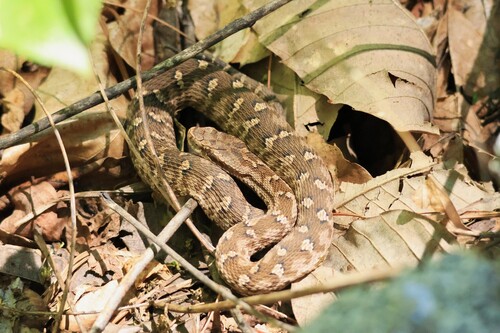 Gloydius changdaoensisGloydius changdaoensis
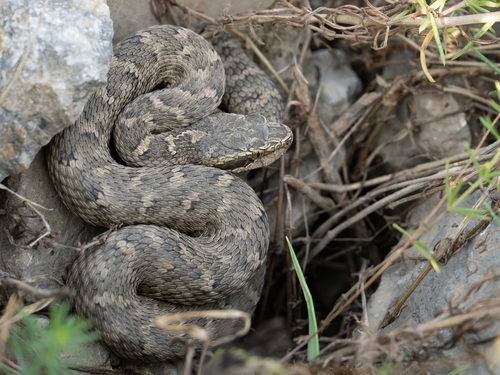 Caucasian pitviperGloydius caucasicus
Classification
How scientists group this snake, from the broadest category down to the exact species. Each step narrows to its closest relatives.
Keep learning
- Are Snakes Dangerous? The Real Risk, in PerspectiveMost snakes are harmless and avoid people. Here is the honest picture of snakebite risk worldwide and how to lower your own.
- Snakebite First Aid: What to Do (and What Never to Do)A clear, CDC-based guide to snakebite first aid: the steps that help, the popular myths that hurt, and how to tell a serious bite from a minor one.
- Venomous vs Nonvenomous: How to Tell the DifferenceThe folk rules for telling venomous snakes apart, where each one fails, and why location-based identification beats guessing by sight.
- What to Do If You Find a SnakeFound a snake at home or on a trail? Here is how to stay calm, give it space, identify it safely, and know when to call a professional.
Distribution from GBIF & iNaturalist. Venom status per CDC. Background: Wikipedia. Informational only. Never handle a snake to identify it.