
Colubridae
Sahyadri Hills Whipsnake
HarmlessAhaetulla sahyadrensis
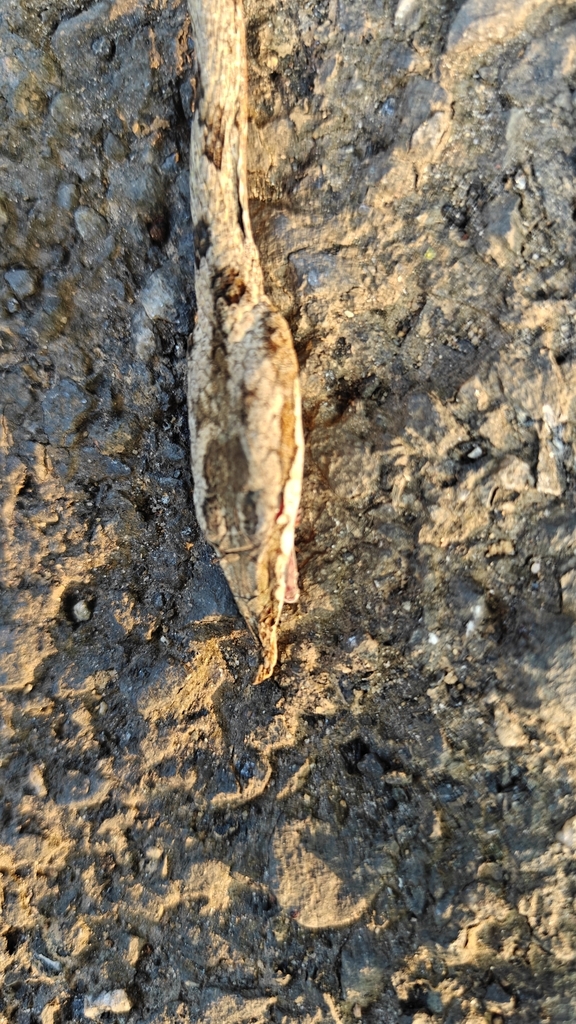
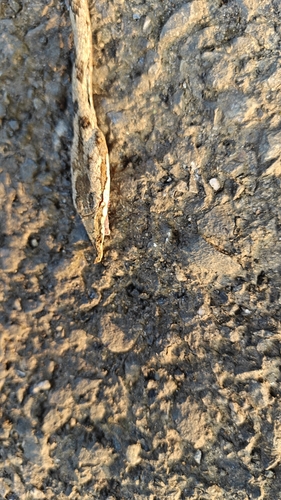
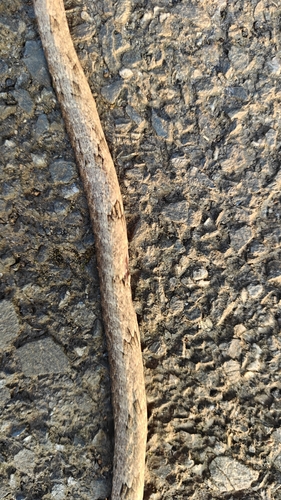
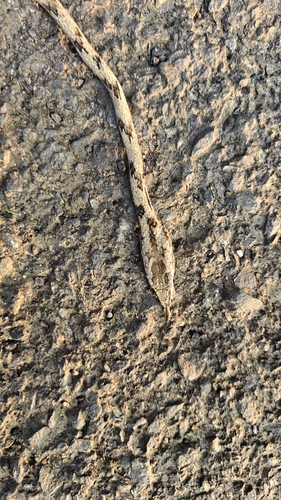
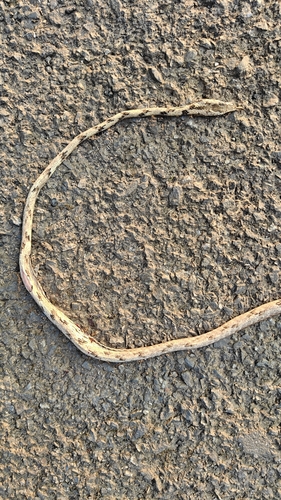
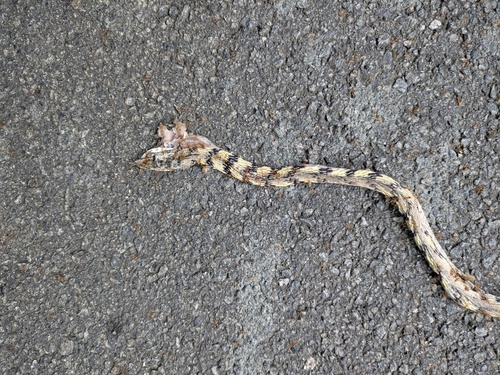
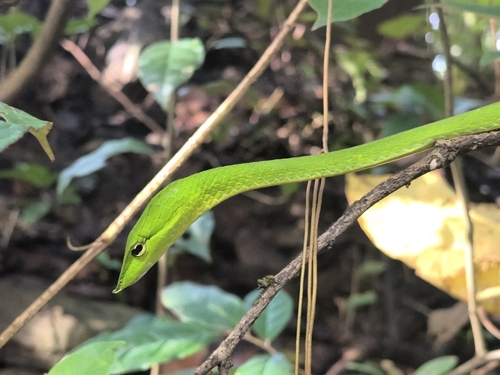
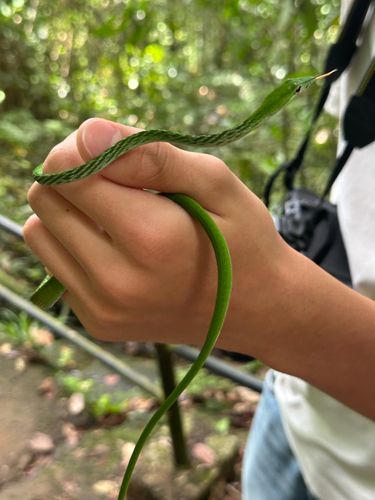
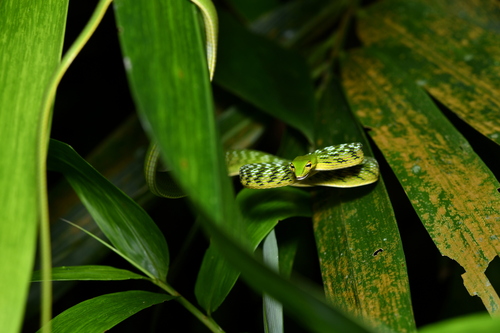
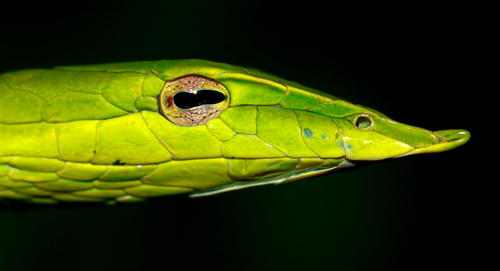
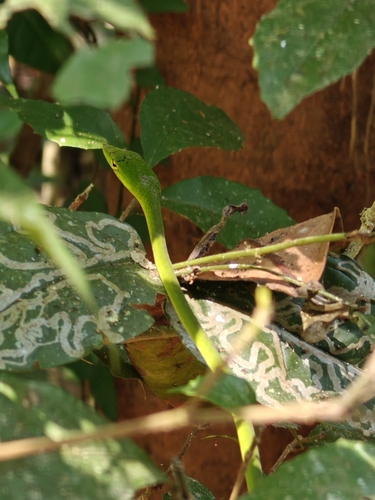
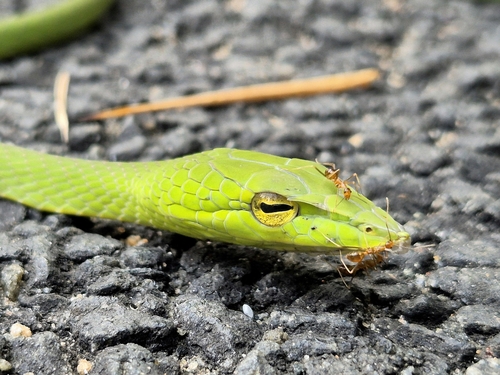
6 photographs of the Sahyadri Hills Whipsnake. © Rohit Naniwadekar.
The Sahyadri Hills Whipsnake (Ahaetulla sahyadrensis) is a rear-fanged, mildly venomous snake in the Colubridae family, recorded in 1 country.
- Family
- Colubridae
About the Sahyadri Hills Whipsnake
Ahaetulla sahyadrensis is a species of tree snake endemic to the Western Ghats of India. It is also reported from Bangladesh.
Taxonomy
It was formerly considered conspecific with A. pulverulenta (now considered to be restricted to Sri Lanka), and was described as a subspecies of it (A. p. indica) by Paulus Edward Pieris Deraniyagala in 1955. However, a 2020 study recovered it as a distinct species. In addition, a now-defunct subspecies of Ahaetulla prasina, A. p. indica, was described by Rudolf Mell in 1931. Thus, the combination Ahaetulla pulverulenta indica would be a homonym to Ahaetulla prasina indica. To solve this, a new replacement name, A. sahyadrensis, was erected in 2020.
Geographic range
This species is the most widespread of all vine snakes endemic to the Western Ghats, ranging from Gujarat south to Kerala and Tamil Nadu. It is also reported from Bangladesh.
Habitat
It is found in moist deciduous and evergreen forests from just above sea level up to 1500 msl. They are usually found in the vicinity of perennial streams.
Adapted from Wikipedia, available under CC BY-SA.
Frequently asked: Sahyadri Hills Whipsnake
- Is the Sahyadri Hills Whipsnake venomous?
- The Sahyadri Hills Whipsnake (Ahaetulla sahyadrensis) is rear-fanged and only mildly venomous. It is not considered dangerous to humans (its venom is weak and its fangs sit at the back of the mouth) but a bite can cause local swelling or irritation, so it should not be handled.
- Is the Sahyadri Hills Whipsnake poisonous?
- Snakes are venomous, not poisonous. "Poisonous" means harmful to eat or touch; "venomous" means injecting toxins through a bite. The Sahyadri Hills Whipsnake is neither poisonous nor venomous.
- Is the Sahyadri Hills Whipsnake dangerous?
- The Sahyadri Hills Whipsnake is not dangerous to humans. It has no medically significant venom and bites only defensively if cornered or handled.
- Where does the Sahyadri Hills Whipsnake live?
- The Sahyadri Hills Whipsnake has verified records in 1 country, including India. See the distribution section below for its full range.
Where it is found
More Colubridae snakes
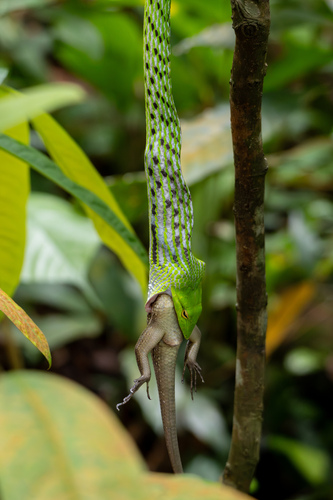 Oriental WhipsnakeAhaetulla prasina
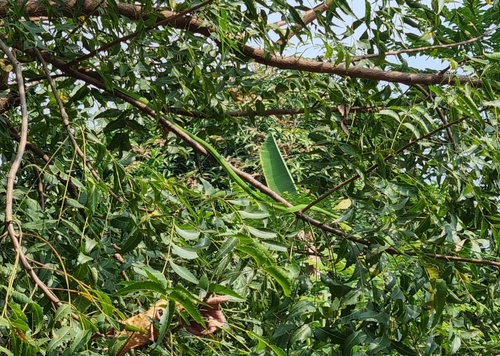 Indian Vine SnakeAhaetulla oxyrhynca
 Northern Western Ghats Vine SnakeAhaetulla borealis
 Long-nosed WhipsnakeAhaetulla nasuta
 Malayan WhipsnakeAhaetulla mycterizans
 Indochinese Long-nosed WhipsnakeAhaetulla fusca
 Farnsworth's Vine SnakeAhaetulla farnsworthi
 Malabar Vine SnakeAhaetulla malabarica
Classification
How scientists group this snake, from the broadest category down to the exact species. Each step narrows to its closest relatives.
- OrderThe broad group of scaled reptiles: all snakes and lizards
- Squamata
- FamilyA group of related snakes that share key traits
- Colubridae
- GenusA close-knit group of very similar species
- Ahaetulla
- SpeciesThis exact snake, named in the two-part scientific name
- Ahaetulla sahyadrensis
Keep learning
- What to Do If You Find a SnakeFound a snake at home or on a trail? Here is how to stay calm, give it space, identify it safely, and know when to call a professional.
- Venomous vs Nonvenomous: How to Tell the DifferenceThe folk rules for telling venomous snakes apart, where each one fails, and why location-based identification beats guessing by sight.
- What Is a Snake? Anatomy and the BasicsA clear overview of what makes a snake a snake: limbless body plan, anatomy, evolution from lizards, species diversity, and why they are ectothermic.
- How to Keep Snakes Out of Your Yard and HomeA practical guide to keeping snakes out of your yard and home using habitat changes that work, plus what to skip and what to do if one shows up.
Distribution from GBIF & iNaturalist. Venom status per CDC. Background: Wikipedia. Informational only. Never handle a snake to identify it.