
Viperidae
Meadow Viper
VenomousVipera ursinii
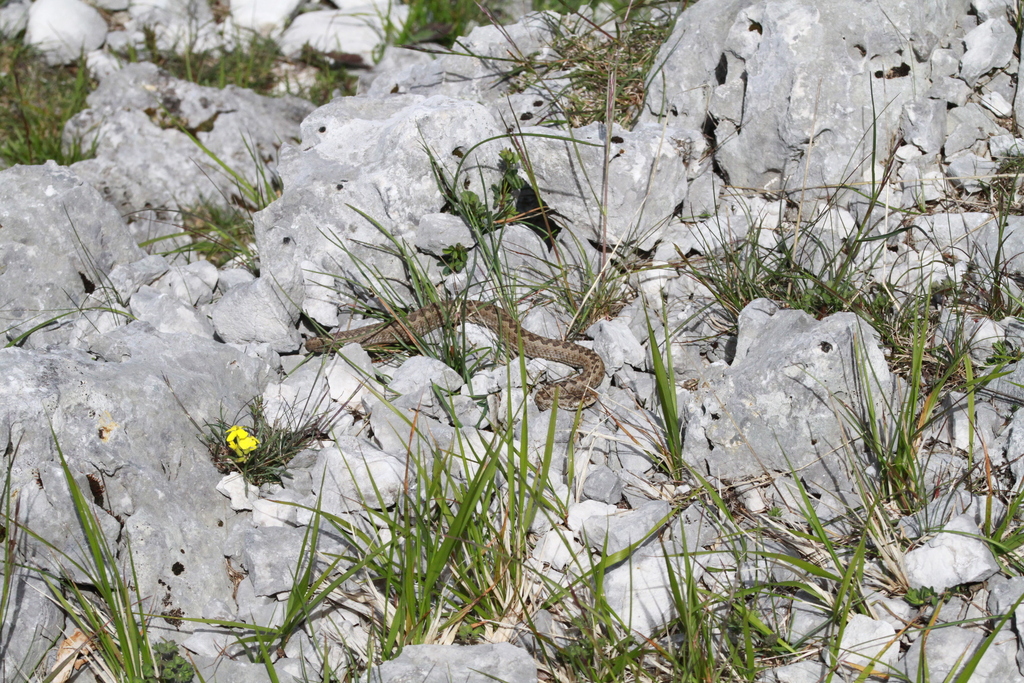
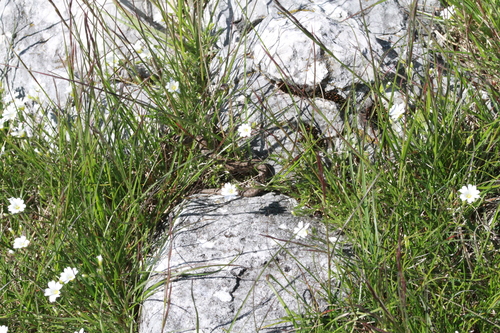
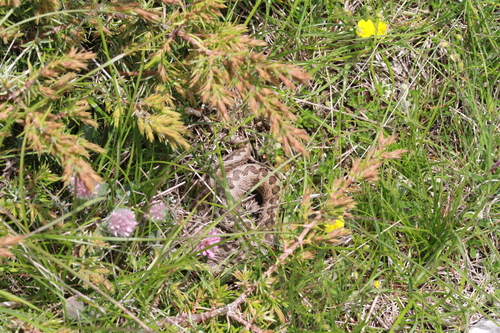
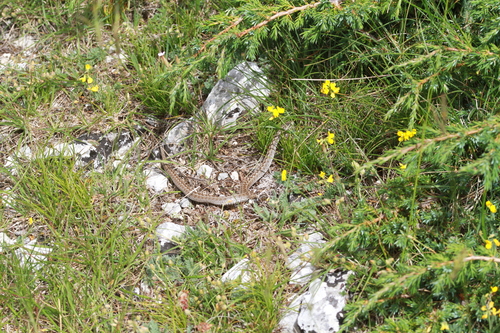
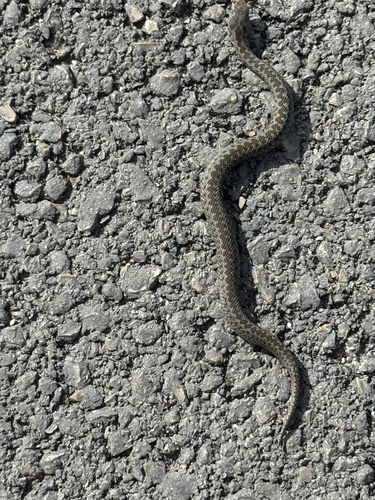
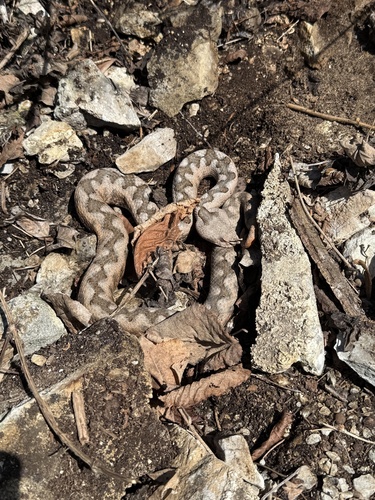
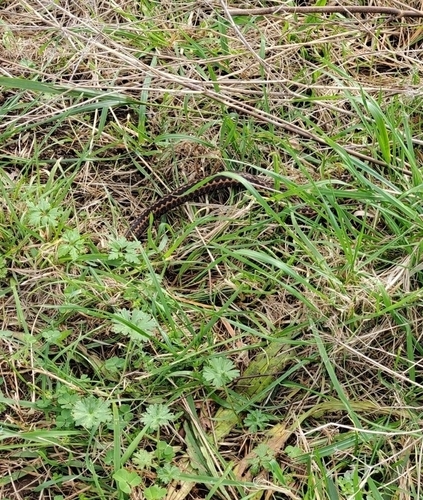
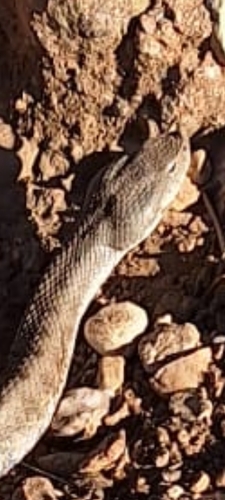
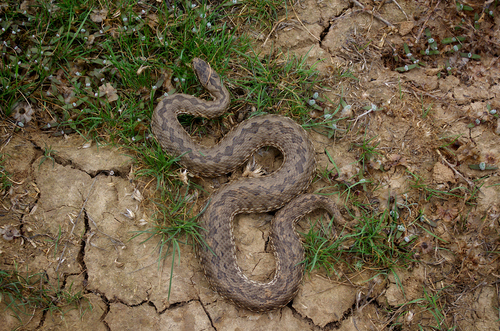
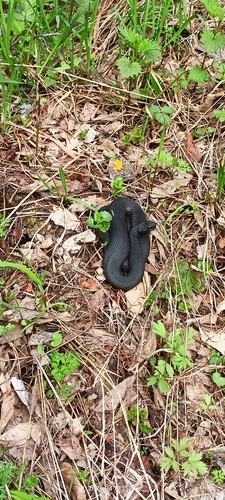
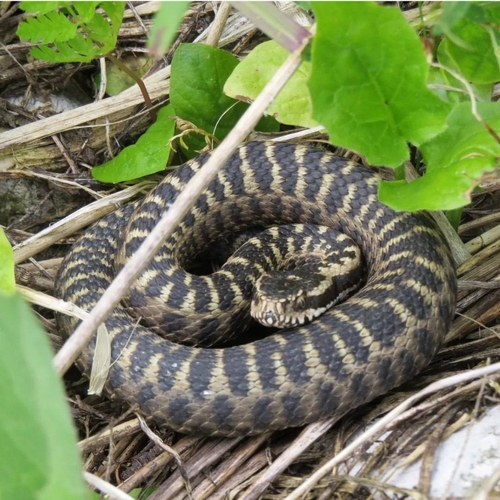
6 photographs of the Meadow Viper. © Samuel GUIRAUDOU.
The Meadow Viper (Vipera ursinii) is a venomous snake in the Viperidae family, recorded in 19 countries.
If you are bitten
This is a venomous snake. Treat any bite as a medical emergency: stay calm, keep the bitten limb still and roughly level with the heart, remove rings and tight clothing, and get to emergency care immediately. Do not apply a tourniquet, cut the wound, apply ice, or try to suck out venom. Call your local emergency number or poison center.
- Family
- Viperidae
- Danger
- high
About the Meadow Viper
Vipera ursinii is a species of venomous snake in the subfamily Viperinae of the family Viperidae. It is a very rare species, which is in danger of extinction. This species is commonly called the meadow viper, Orsini's viper, Ursini's viper, and the meadow adder. It is found in southeast France, the central Apennines in Italy, as well as fragmented areas of eastern Europe. Several subspecies are recognized.
Etymology
The specific name or epithet, ursinii, is in honor of Italian naturalist Antonio Orsini (1788–1870).
Description
Adults of Vipera ursini average 40–50 cm (15.75–19.69 inches) in total length (tail included), although specimens of 63–80 cm (24.8–31.5 inches) in total length have been reported. Females are larger than males. Although sometimes confused with V. aspis or V. berus, it differs from them in the following characters. The smallest viper in Europe, its body is thick, its head narrow, and its appearance rough. The snout is not upturned. There are always several large scales or plates on the top of the head. The prominently keeled dorsal scales are in only 19 rows, and often dark skin shows between them. It is gray, tan, or yellowish with a dark undulating dorsal stripe, which is edged with black.
Common names
Common names for Vipera ursinii include meadow viper, Ursini's viper, meadow adder, Orsini's viper, field viper, field adder. Although the following subspecies are currently invalid according to the taxonomy used here, their common names may still be encountered:
V. u. ursinii – Italian meadow viper.
V. u. macrops – karst viper, karst adder.
V. u. rakosiensis – Danubian meadow viper.
V. renardi – steppe viper, steppe adder, Renard's viper.
V. u. moldavica – Moldavian meadow viper.
Geographic distribution
Vipera ursinii is found in southeastern France, eastern Austria (extirpated), Hungary, central Italy, Serbia, Montenegro, Croatia, Bosnia and Herzegovina, northern and northeastern Republic of Kosovo, North Macedonia, Albania and Romania.
The species has likely gone extinct in Bulgaria, Moldova and Ukraine. It is close to extinction in Hungary and a record from southeast Ukraine is questioned.
Vipera ursinii rakosiensis is native to Hungary although the taxonomic status of this subspecies is disputed (see section "Taxonomy")
The type locality is " ...monti dell'Abruzzo prossimi alla provincia d'Ascoli... " (...mountains of Abruzzo near the Province of Ascoli Piceno, Italy...).
Conservation status
The species Vipera ursinii is considered to be a Vulnerable species on the IUCN Red List of Threatened Species, due to habitat destruction caused by changes in agricultural practices and climate change in mountain areas, and to collection for the pet trade.
Adapted from Wikipedia, available under CC BY-SA.
Local and regional names
The Meadow Viper is known by these names across the regions where it lives:
- Bulgarian
- Остромуцунеста усойница
- Chinese
- 草原蝰
- Croatian
- planinski žutokrug
- Czech
- zmije menší
- Danish
- Eng hugorm, Orsinis hugorm
- Dutch
- Spitssnuitadder, Weideadder
- English
- Orsini's Viper, Orsinis Viper, Steppe Viper
- Finnish
- kenttäkyy
- French
- Vipère d'Orsini, Vipère des steppes
- German
- Karstotter, Spitzkopfotter, Wiesenotter
- Greek
- Οχιά του Ursin
- Hungarian
- parlagi vipera, pusztai vipera
- Italian
- Vipera dell'Orsini, vipera di Orsini
- Japanese
- ノハラクサリヘビ
- Polish
- Żmija łąkowa
- Romanian
- Viperă de stepă
- Russian
- Гадюка степная, Западная степная гадюка, Степная гадюка
- Serbian
- Шарган
- Spanish
- Víbora de Orsini, Víbora de los Orsini
- Turkish
- Çayır engereği
Frequently asked: Meadow Viper
- Is the Meadow Viper venomous?
- Yes. The Meadow Viper (Vipera ursinii) is venomous and belongs to the Viperidae family (viper). Its bite is considered high risk to people. Treat any bite as a medical emergency.
- Is the Meadow Viper poisonous?
- Snakes are venomous, not poisonous. "Poisonous" means harmful to eat or touch; "venomous" means injecting toxins through a bite. The Meadow Viper is venomous, delivering venom through a bite.
- Is the Meadow Viper dangerous?
- This is a venomous snake. Treat any bite as a medical emergency: stay calm, keep the bitten limb still and roughly level with the heart, remove rings and tight clothing, and get to emergency care immediately. Do not apply a tourniquet, cut the wound, apply ice, or try to suck out venom. Call your local emergency number or poison center.
- Where does the Meadow Viper live?
- The Meadow Viper has verified records in 19 countries, including France, Austria, Italy. See the distribution section below for its full range.
- Why is it called the Meadow Viper?
- The specific name or epithet, ursinii, is in honor of Italian naturalist Antonio Orsini (1788–1870).
If you are bitten by the Meadow Viper
Do
- Get away from the snake and stay calm. Most bites worsen when people panic or try again to handle the snake.
- Call 911 or Poison Control (1-800-222-1222) right away. Antivenom works best when given early.
- Note the time of the bite and, from a safe distance, the snake's color and pattern, a phone photo is enough. Do not chase it.
- Keep the bitten limb still and at roughly heart level. Sit or lie down and limit movement.
- Remove rings, watches, and tight clothing near the bite before swelling starts.
- Gently wash the bite with soap and water and cover it with a clean, dry dressing.
Do not
- Do not cut the wound or try to suck out the venom.
- Do not apply a tourniquet or ice.
- Do not drink alcohol or caffeine.
- Do not take aspirin or ibuprofen, they can worsen bleeding. Acetaminophen is safer for pain.
- Do not try to catch or kill the snake. A dead snake can still bite by reflex.
First-aid guidance adapted from the U.S. Centers for Disease Control and Prevention (CDC NIOSH), Venomous Snakes. Educational only; always follow the instructions of emergency responders.
Where it is found
More Viperidae snakes
Classification
How scientists group this snake, from the broadest category down to the exact species. Each step narrows to its closest relatives.
Keep learning
- Are Snakes Dangerous? The Real Risk, in PerspectiveMost snakes are harmless and avoid people. Here is the honest picture of snakebite risk worldwide and how to lower your own.
- Snakebite First Aid: What to Do (and What Never to Do)A clear, CDC-based guide to snakebite first aid: the steps that help, the popular myths that hurt, and how to tell a serious bite from a minor one.
- Venomous vs Nonvenomous: How to Tell the DifferenceThe folk rules for telling venomous snakes apart, where each one fails, and why location-based identification beats guessing by sight.
- What to Do If You Find a SnakeFound a snake at home or on a trail? Here is how to stay calm, give it space, identify it safely, and know when to call a professional.
Distribution from GBIF & iNaturalist. Venom status per CDC. Background: Wikipedia. Informational only. Never handle a snake to identify it.