
Indonesia
Snakes in Indonesia
350+ snake species have been recorded in Indonesia, 83 venomous.
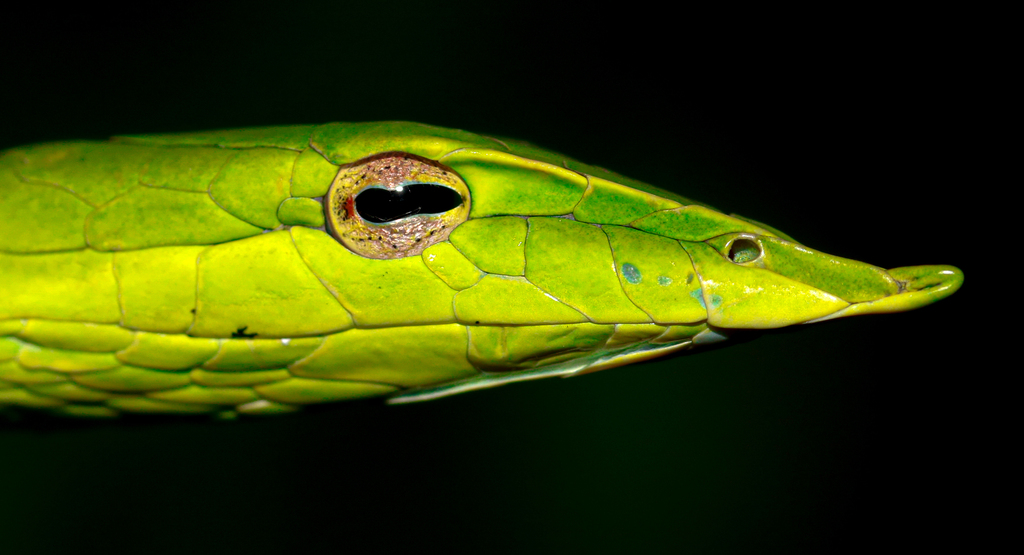
Snakes of Indonesia
Indonesia is one of the most snake-rich places on Earth, with 350+ species recorded here (358 in our data). The reason is geography. The country is a vast archipelago of thousands of islands stretched across the equator, straddling the famous Wallace Line that divides Asian fauna in the west from Australasian fauna in the east. Dense tropical rainforest, coastal mangroves, rivers, rice paddies, and warm surrounding seas all create overlapping habitats, and the meeting of two great faunal worlds means species from both sides pile up in the same region. Add the isolation of so many separate islands and you get a powerful engine for endemism, where snakes evolve on a single island or small chain and live nowhere else on the planet.
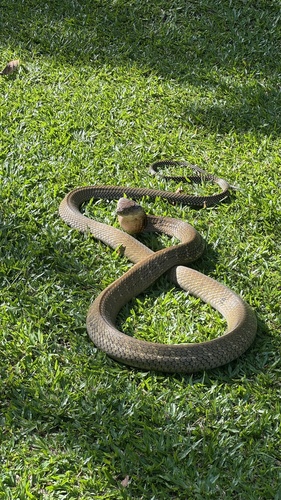
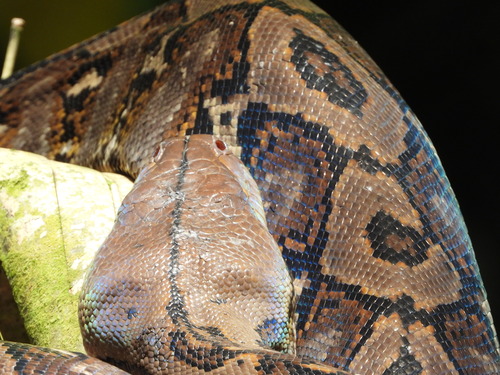
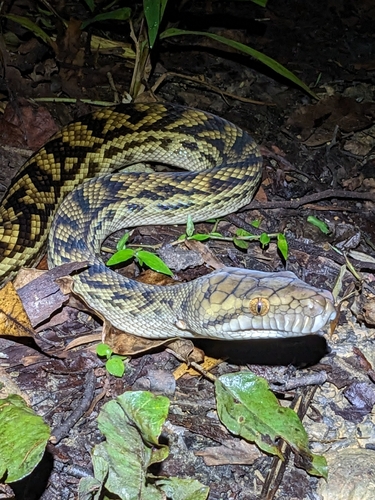
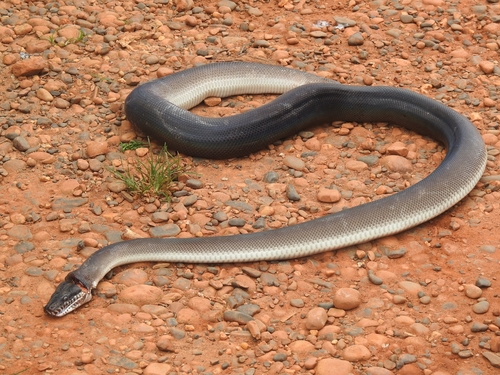
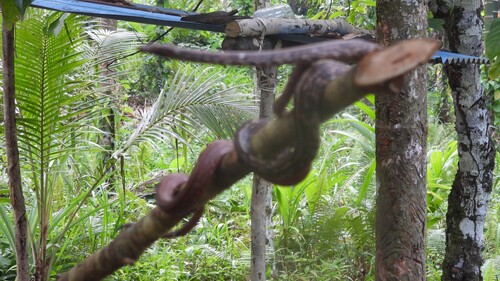
The headline species is the reticulated python (Malayopython reticulatus), the longest snake in the world, which is native here and reaches lengths that make it a genuine draw for naturalists and travelers. It is a non-venomous constrictor found near forests, rivers, and even the edges of villages. Indonesia is also home to the king cobra and a range of other large, impressive snakes. These big species capture attention, but they are a small fraction of the total diversity, most of which is made up of smaller, less conspicuous snakes that go unnoticed by casual visitors.
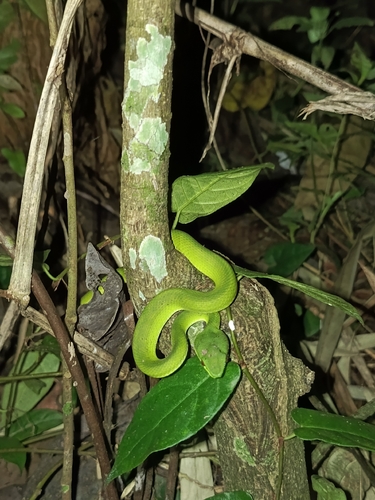
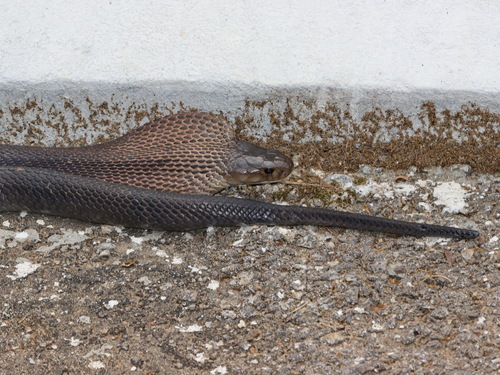
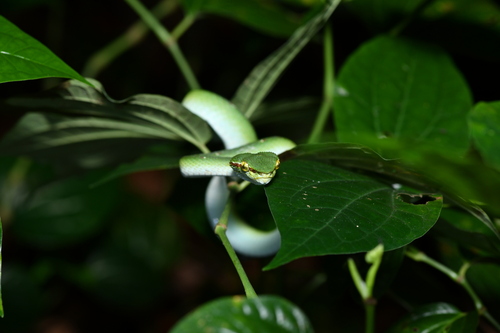
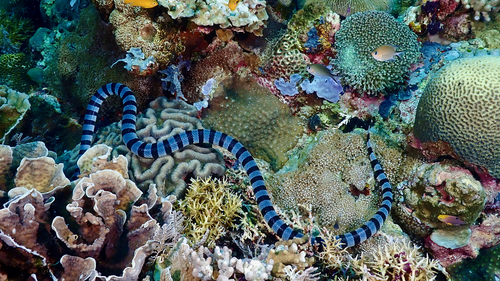
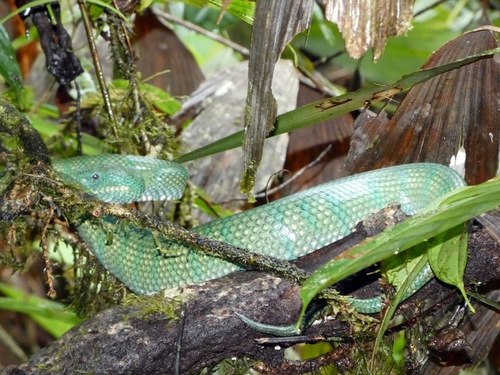
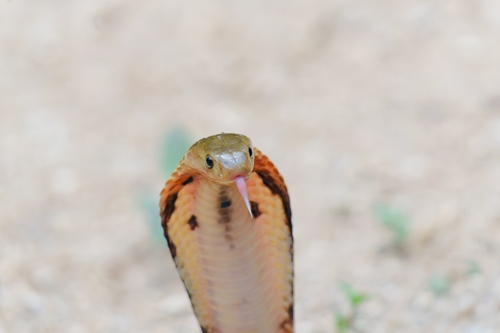
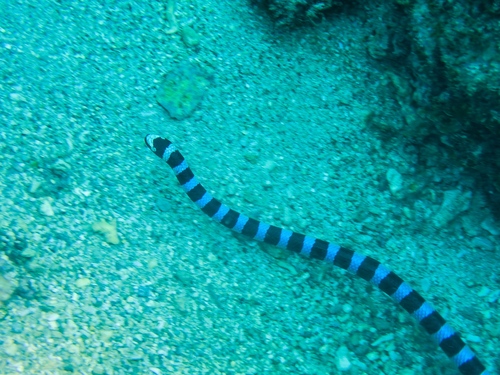
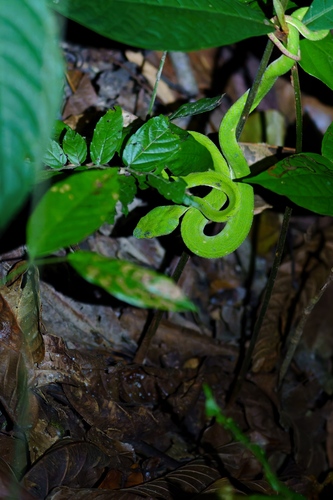
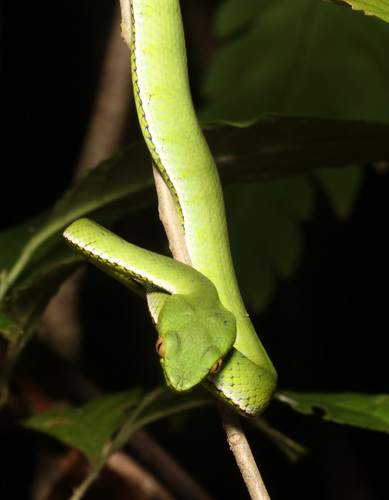
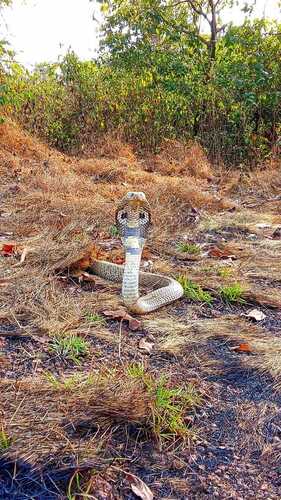
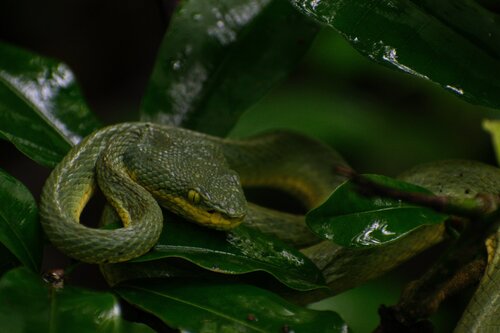
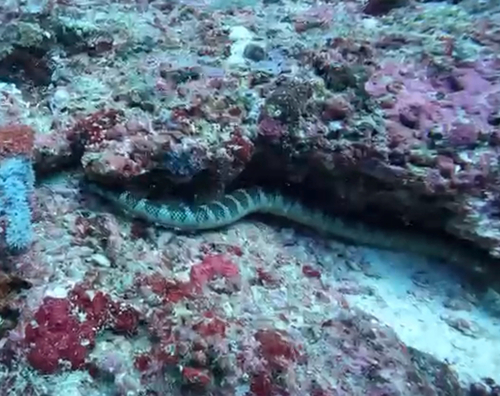
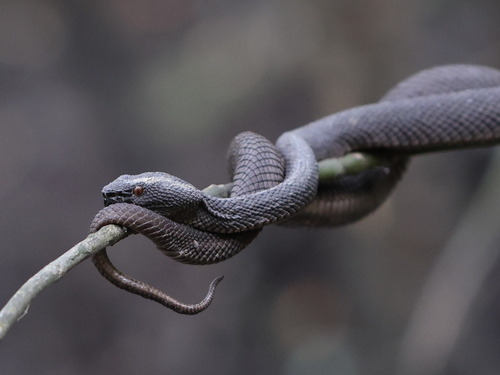
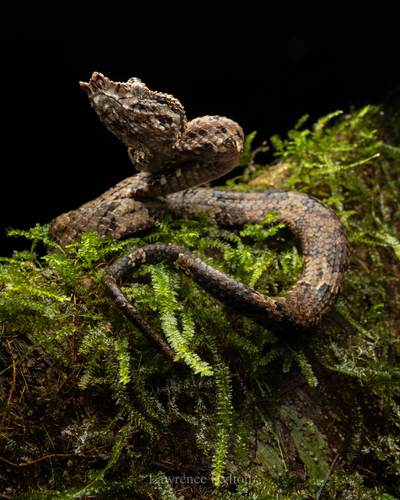
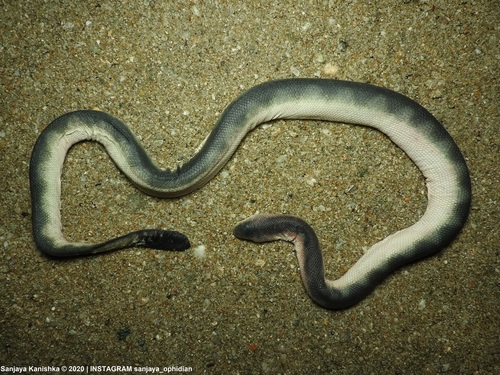
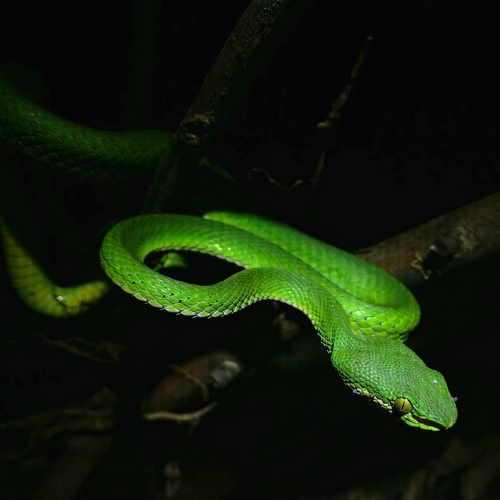
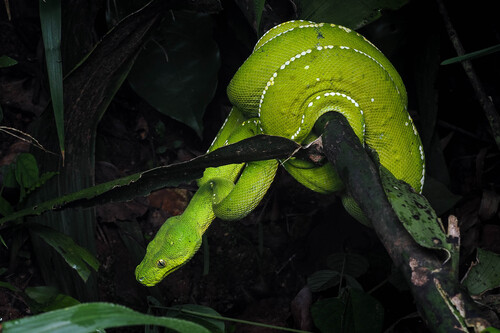
On the venomous side, several medically important groups occur. Cobras of the genus Naja, kraits of the genus Bungarus, and coral snakes are all present, along with a wide variety of pit vipers, including the bright green Trimeresurus pit vipers that ambush prey from low vegetation. The surrounding waters add another layer: Indonesia sits within one of the richest zones on Earth for sea snakes and sea kraits, many of which are highly venomous, though encounters with people are uncommon because most are not aggressive toward humans.
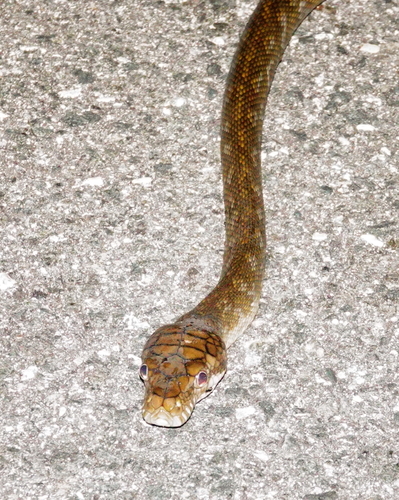
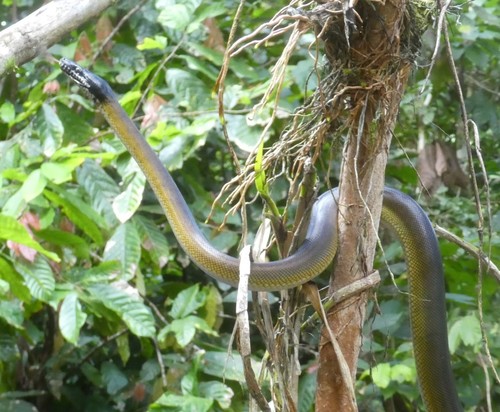
The non-venomous majority is enormous and includes pythons, water snakes, and a huge range of colubrids. Among the most remarkable are the flying snakes of the genus Chrysopelea, which flatten their bodies and glide between trees, an adaptation that fascinates biologists and visitors alike. These harmless species fill nearly every niche the islands offer, from forest canopy to streambed to garden, and they vastly outnumber the dangerous ones in both species count and everyday encounters.
For safety, the honest picture is that the great majority of Indonesian snakes are harmless to people, but venomous bites are a real risk, particularly in rural and agricultural areas where farm work brings people close to snakes. Antivenom availability varies considerably from island to island, which matters in a country this geographically spread out. No wild snake should be handled, picked up, or cornered regardless of how harmless it may appear, since identification is difficult and mistakes are dangerous. Anyone who is bitten should seek emergency medical care immediately rather than relying on field treatment.
Whether your interest is the record-setting reticulated python, a glimpse of a gliding flying snake, or simply understanding what lives in the landscape around you, Indonesia rewards careful, respectful observation. Learn to recognize the major groups, keep a safe distance, and treat every unidentified snake as one to leave alone. The country's extraordinary diversity is best appreciated from a few steps back, where the snakes can do what they do without putting anyone at risk.
Snakes in Indonesia: FAQ
- Are there venomous snakes in Indonesia?
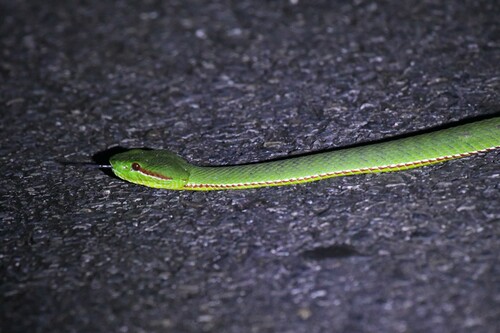
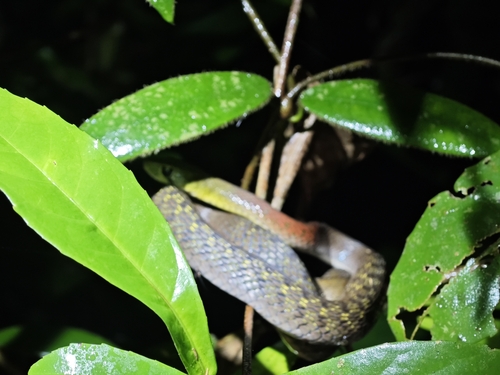
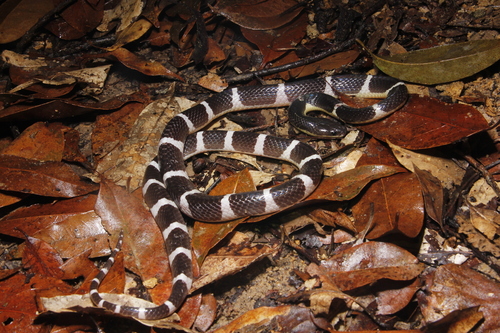
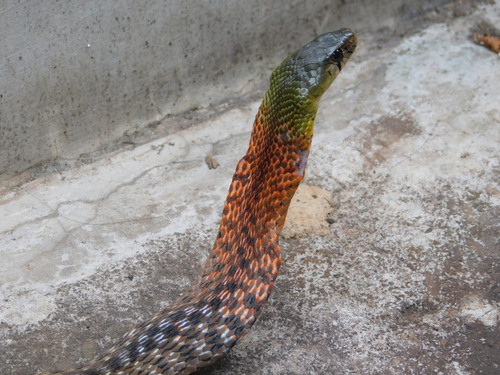
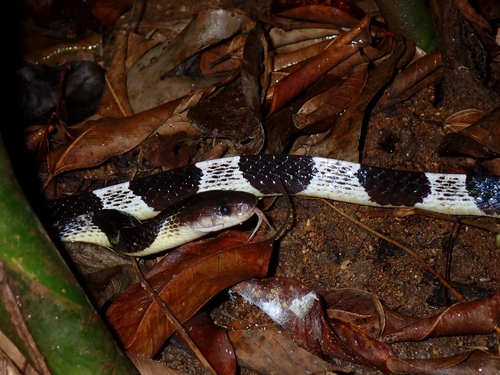
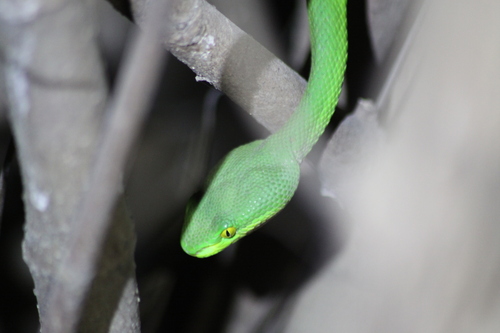
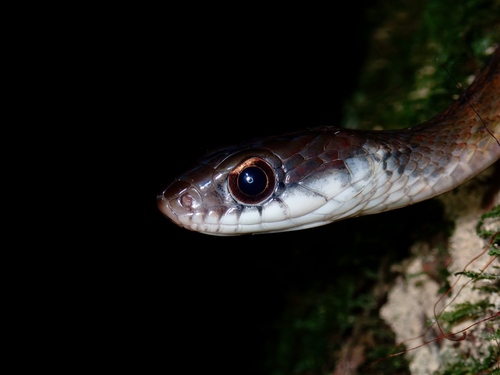
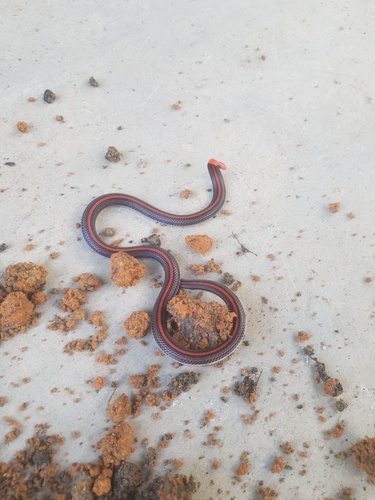
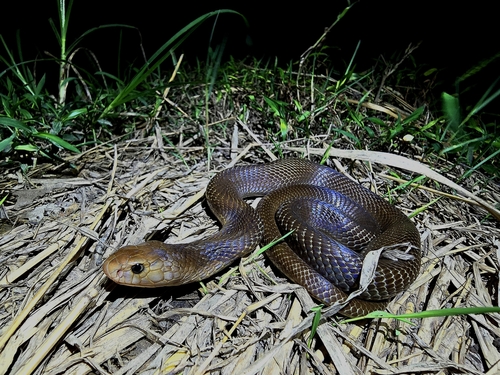
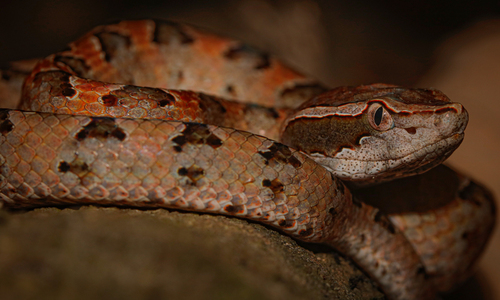
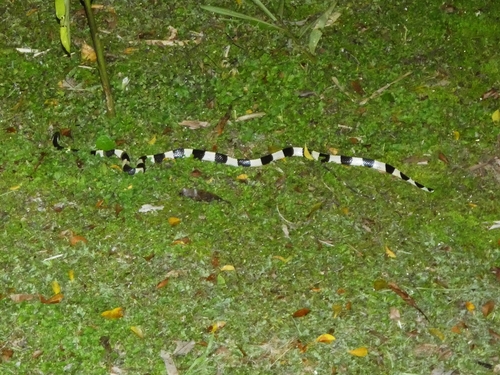
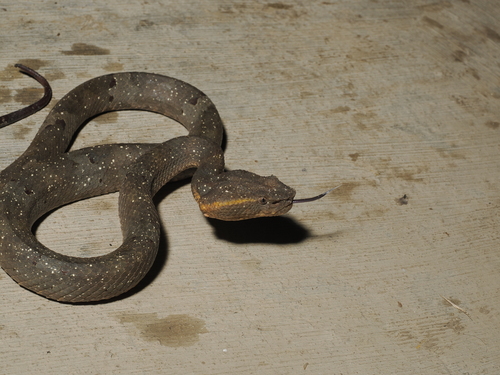
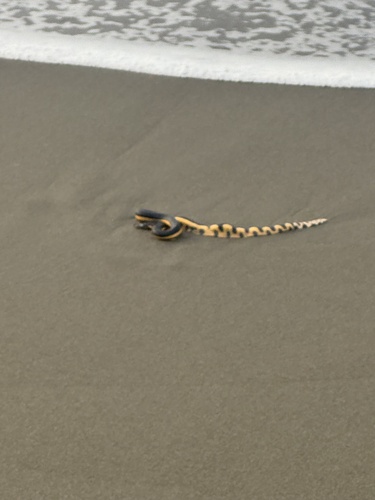
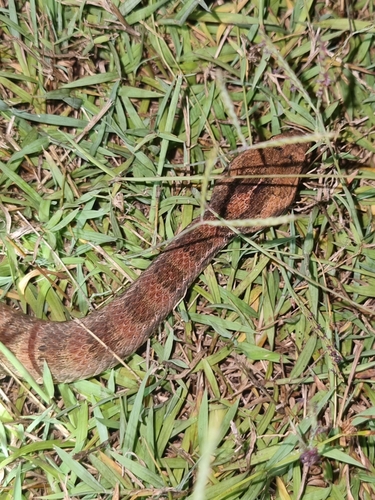
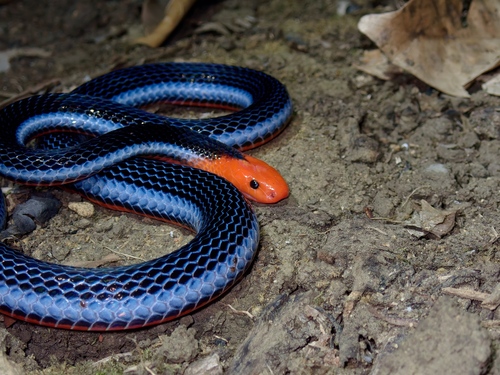
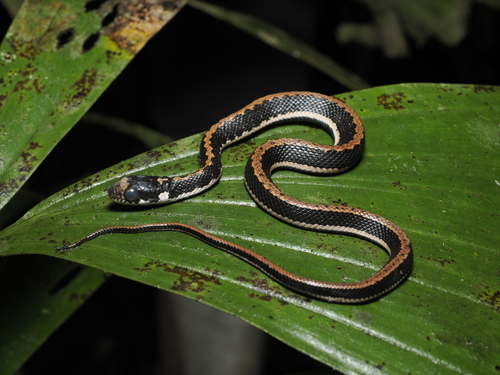
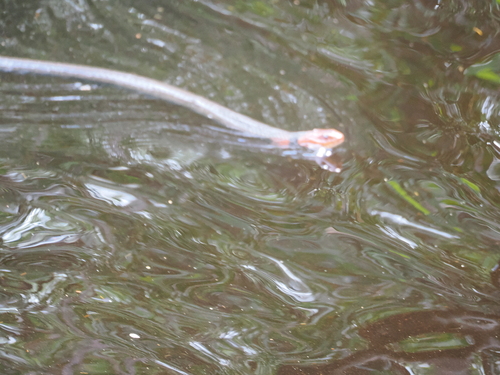
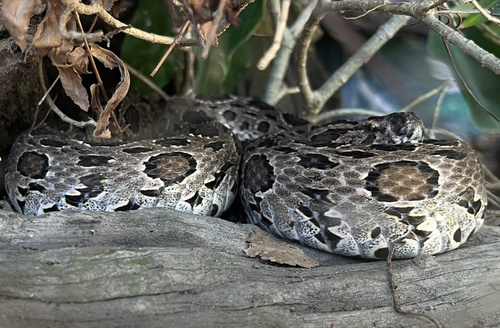
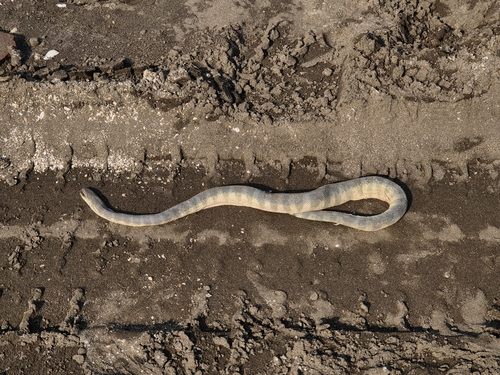
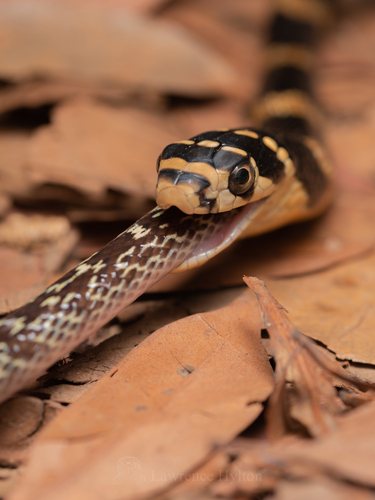
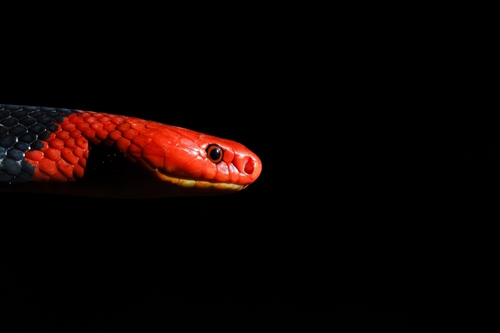
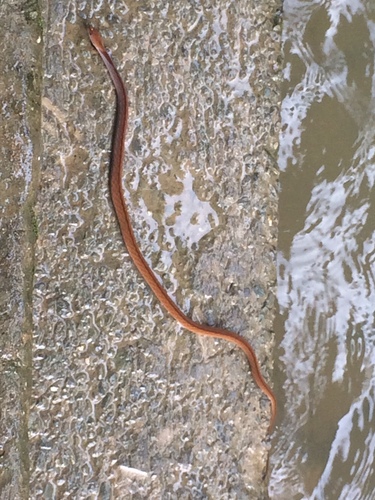
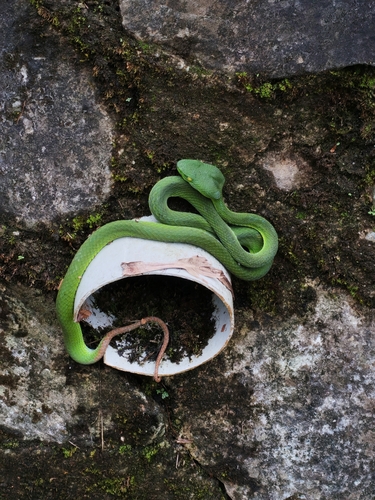
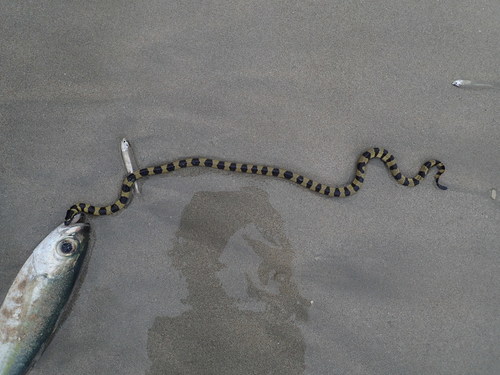
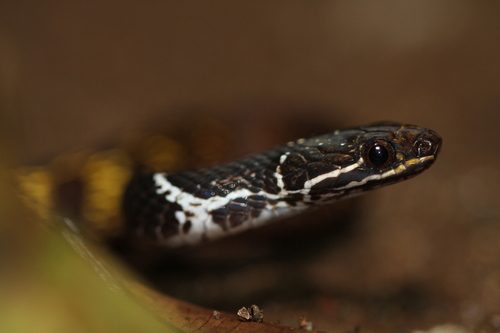
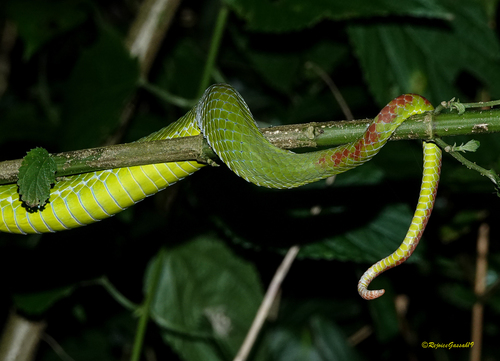
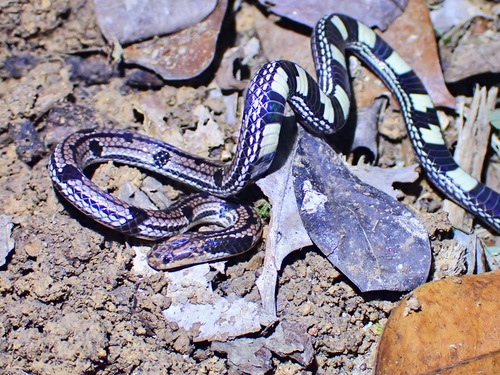
- Yes. 83 venomous snake species have verified records in Indonesia, including Lanna Green Pitviper, Siamese Red-necked Keelback, Bungarus sagittatus, White-lipped Island Pitviper. Most snakes in Indonesia, however, are harmless.
- How many snake species live in Indonesia?
- 350+ snake species have verified records in Indonesia, of which 83 are venomous.
- What is the most commonly seen snake in Indonesia?
- The Dendrelaphis thasuni is the most frequently reported snake in Indonesia, based on verified wildlife observations.
- What should I do if I see a venomous snake in Indonesia?
- Keep your distance and do not try to catch or kill it. Most bites happen when people handle or corner a snake. If someone is bitten, contact local emergency services or poison control immediately.
Venomous snakes in Indonesia

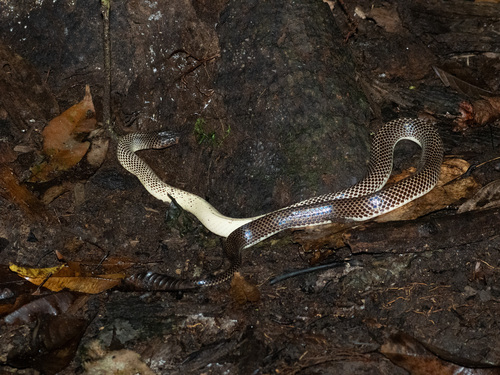
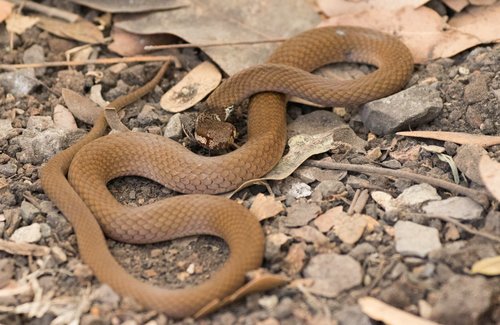
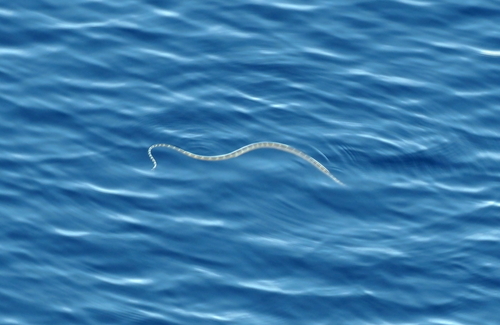
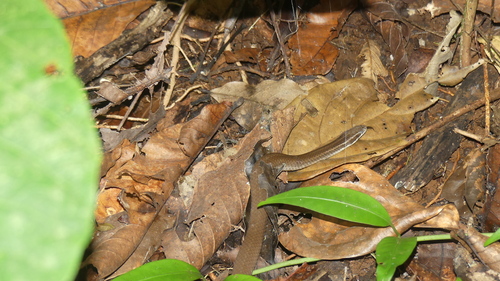



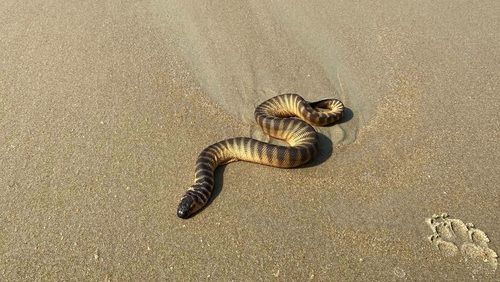
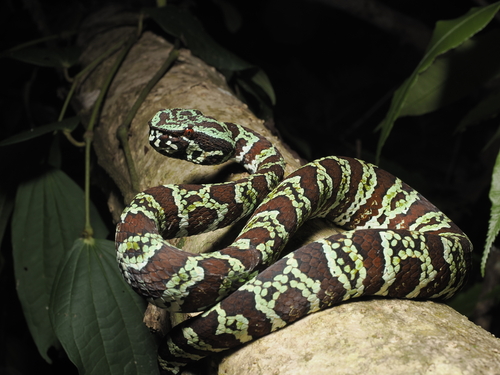
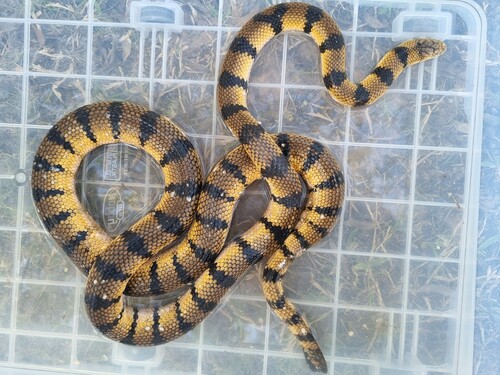
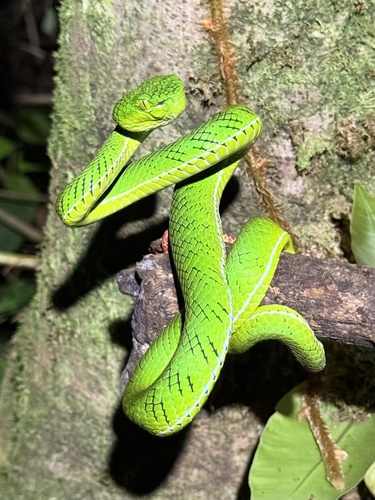
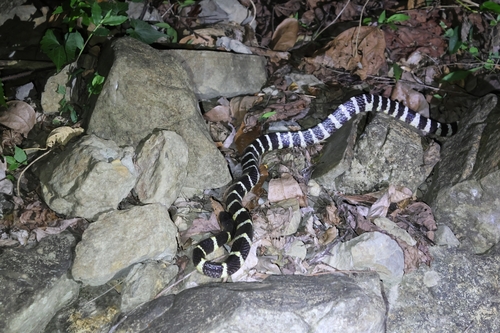
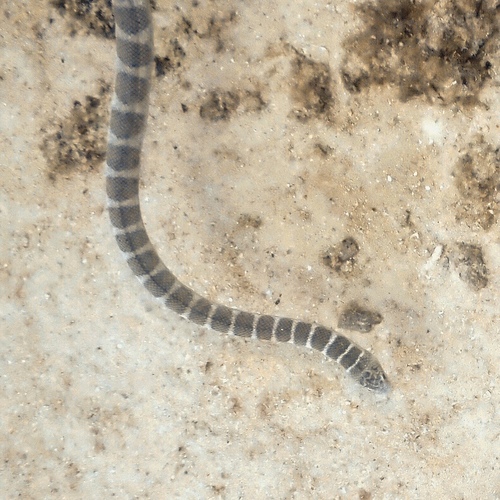
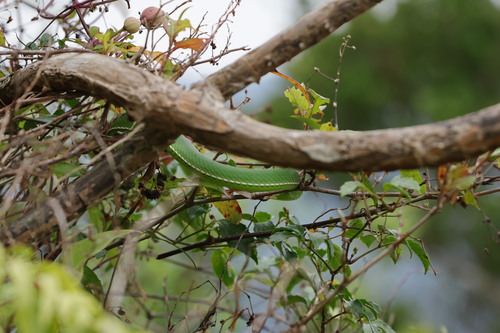
- No photo
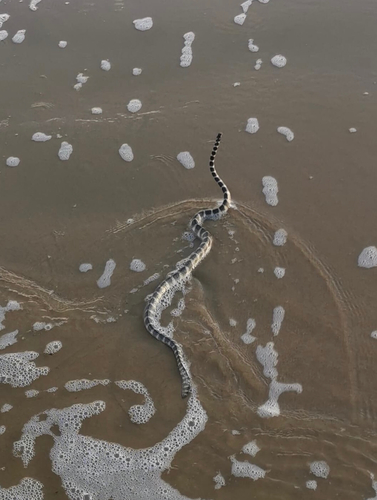
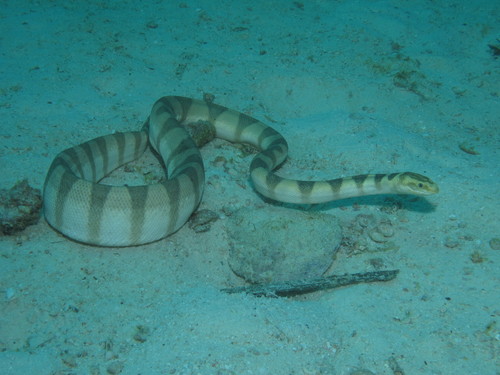

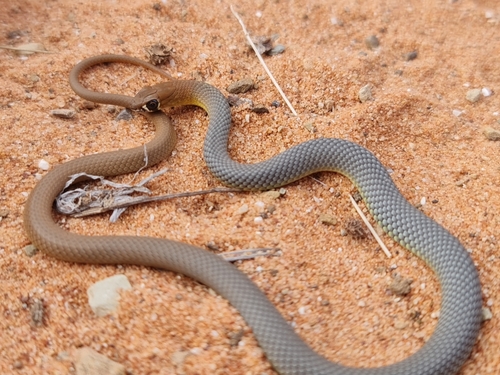
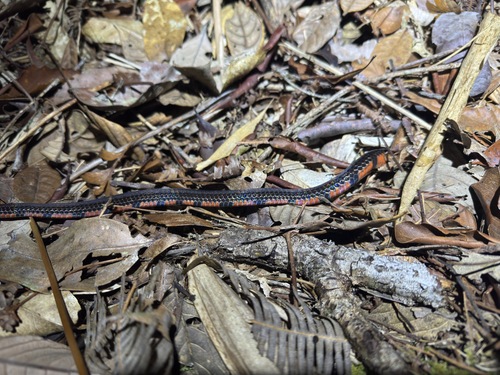
- No photo
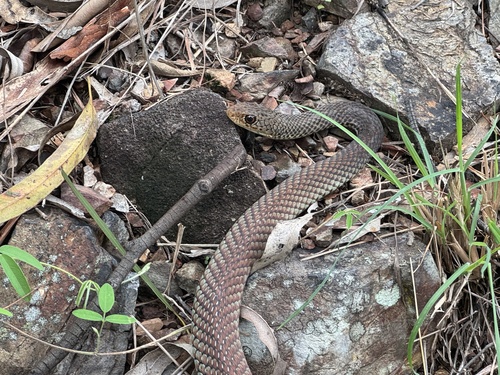
- No photo
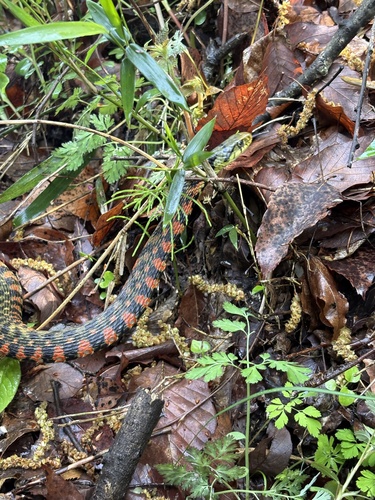
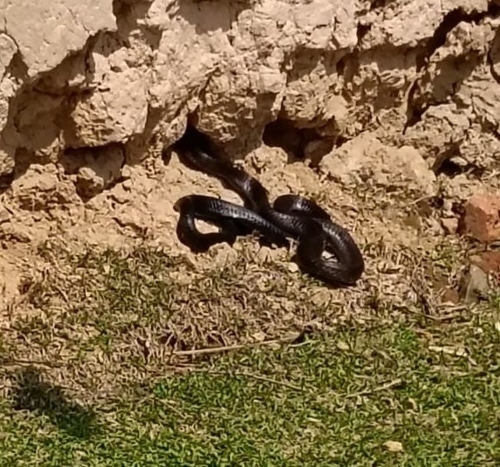
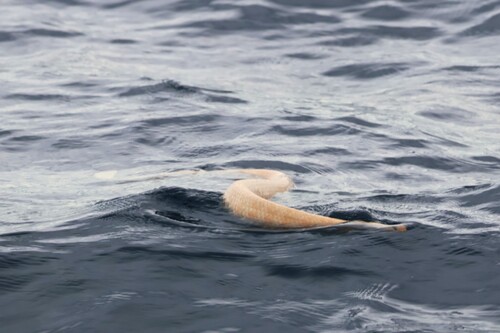
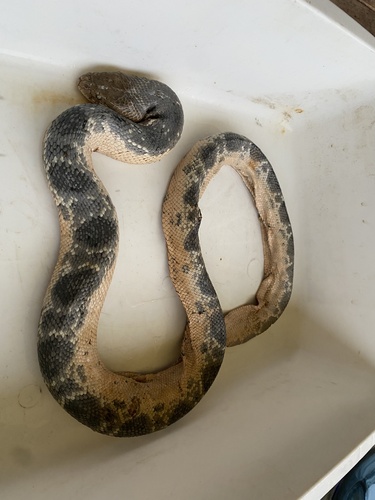

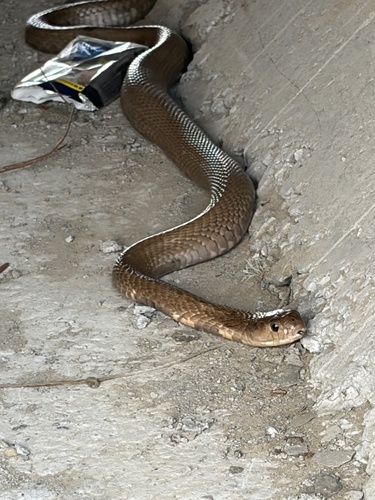
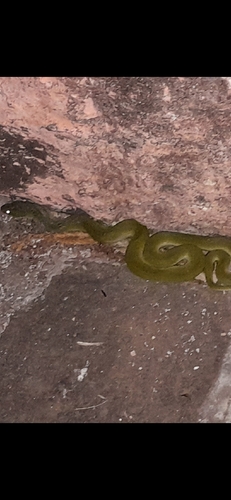

Every snake recorded in Indonesia
350+ species across 17 families, grouped by family. Venomous flagged.
Colubridae (193)
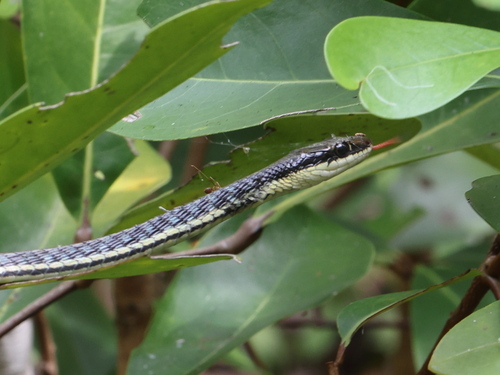
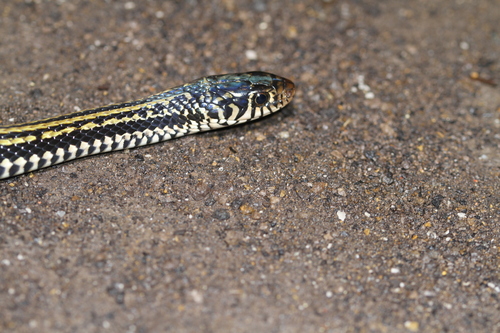
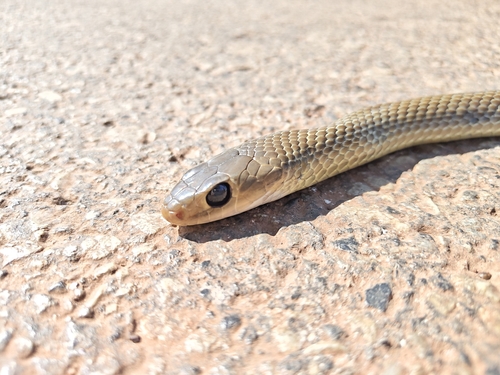
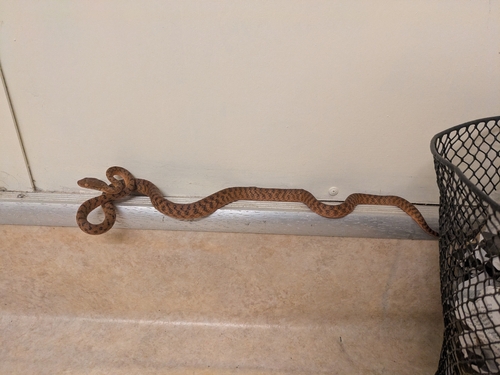
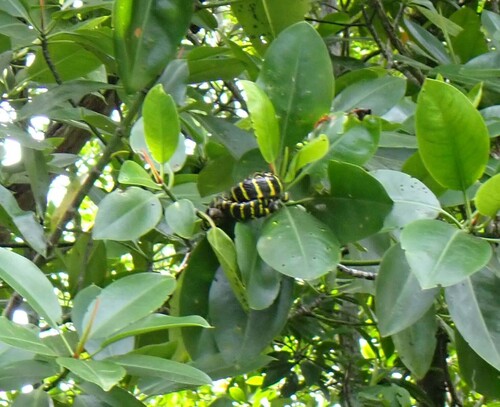
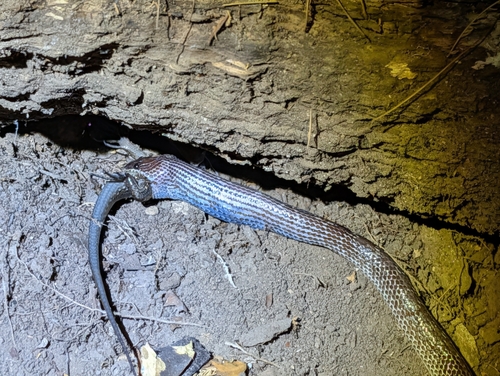
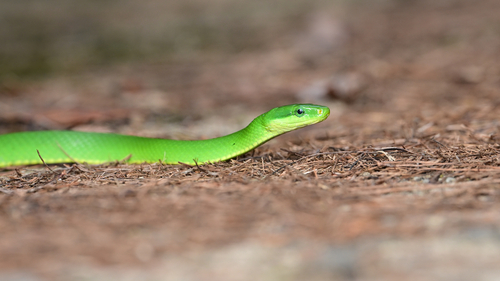
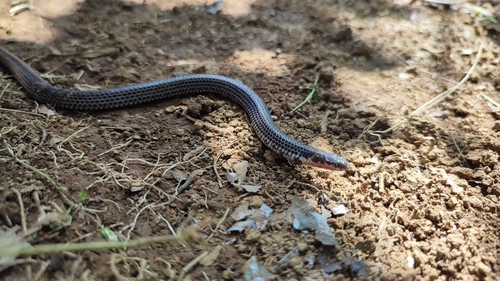
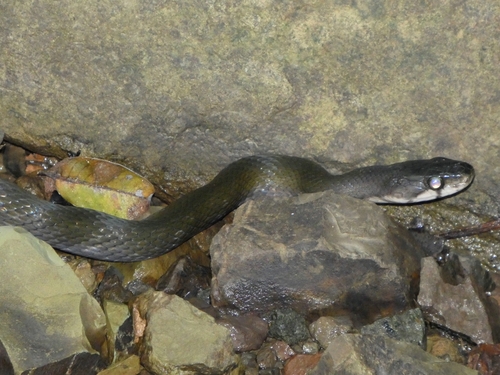
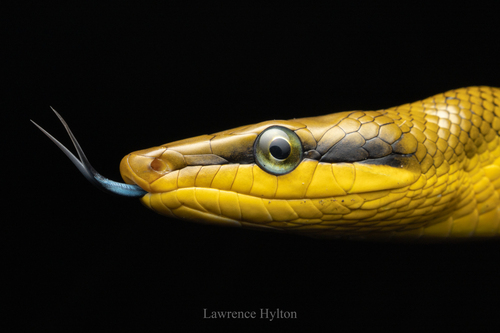
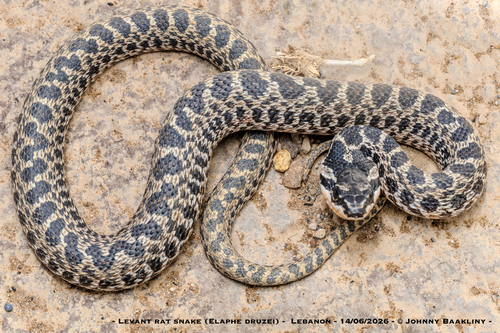
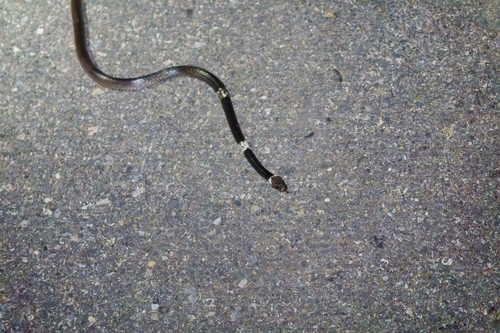
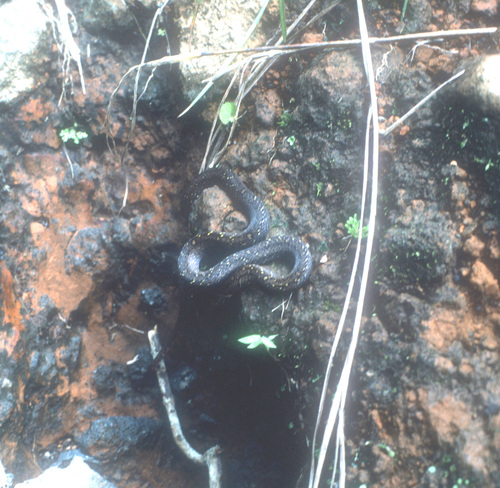
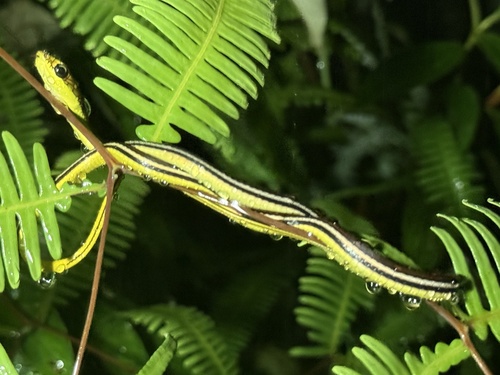
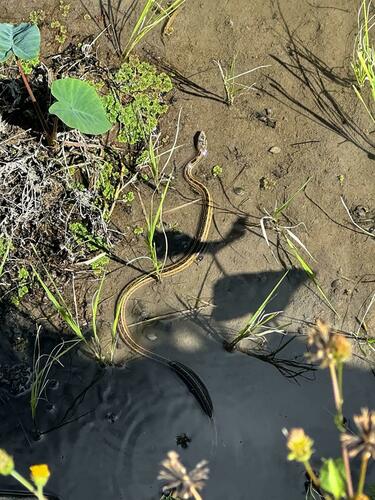
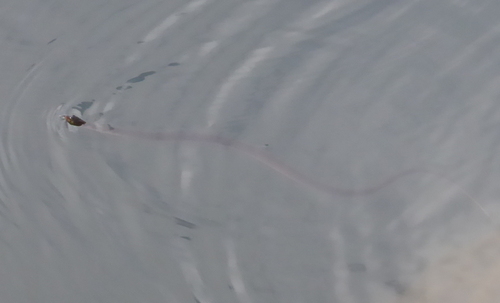
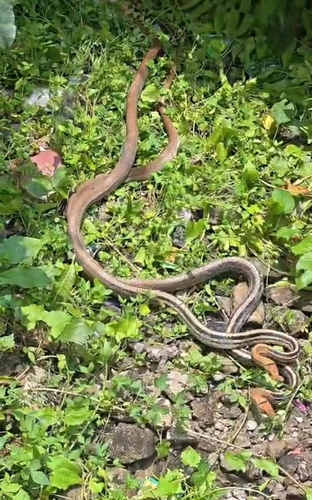
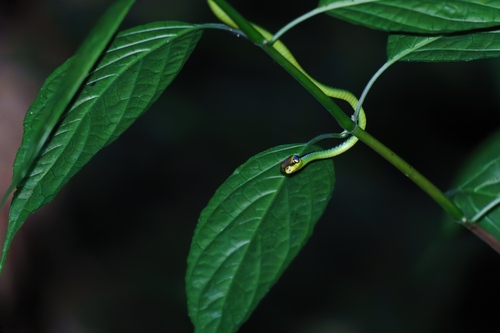
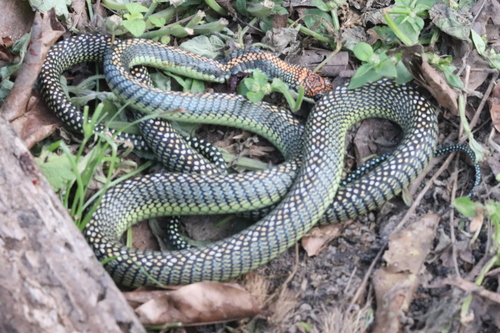
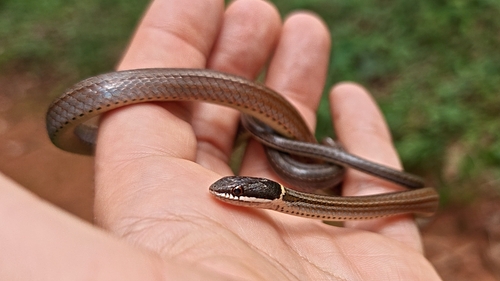
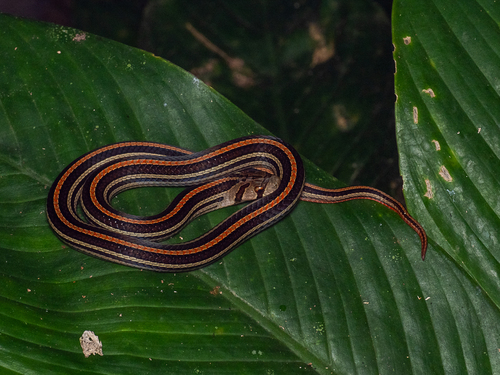
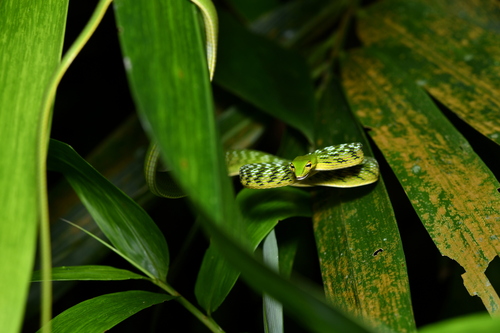
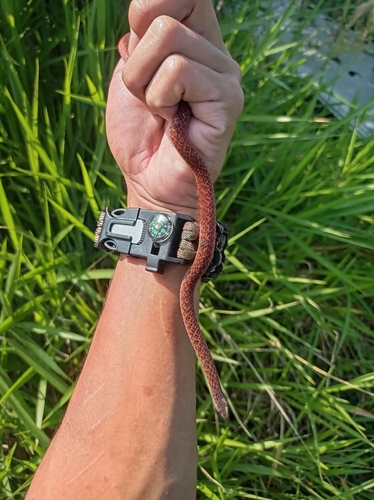
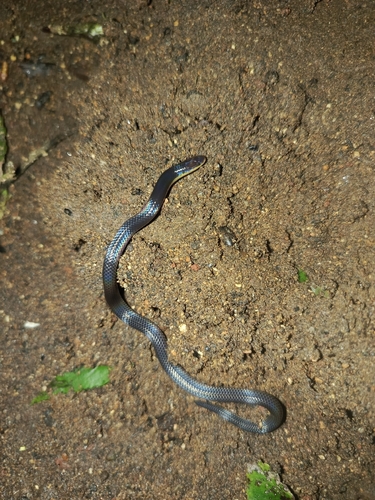
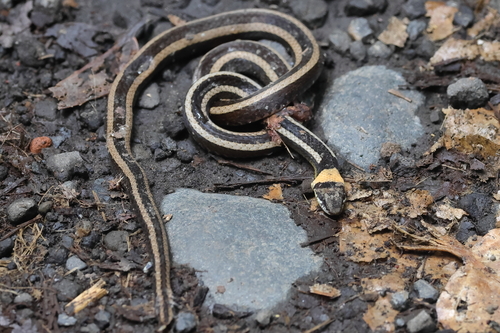
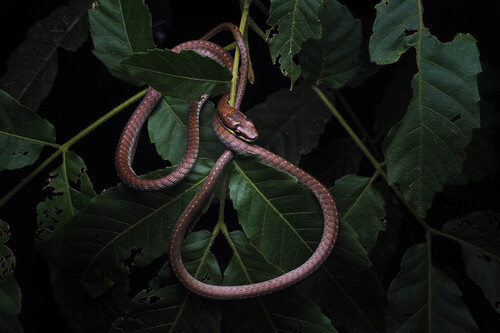
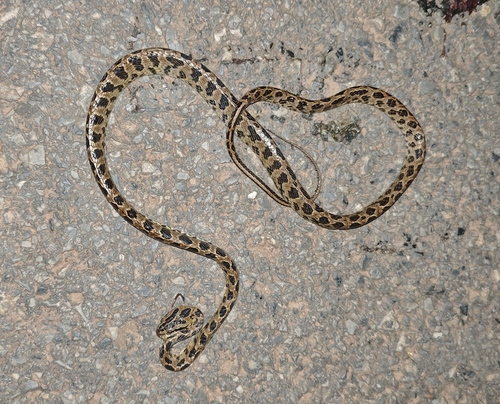
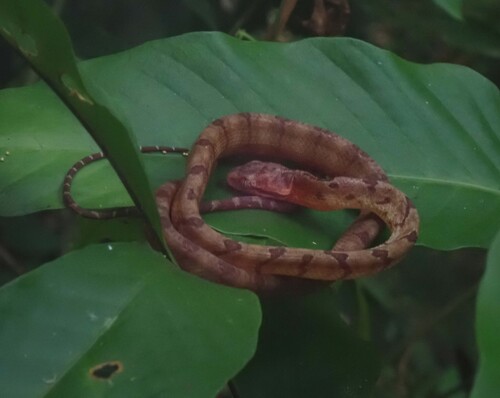
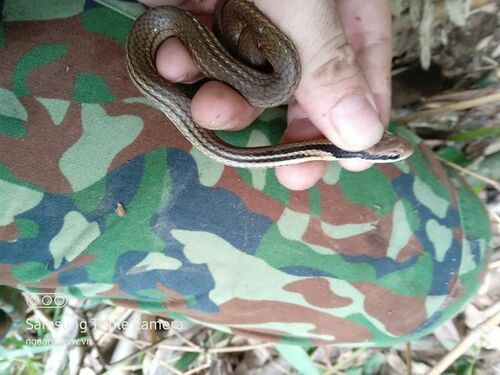
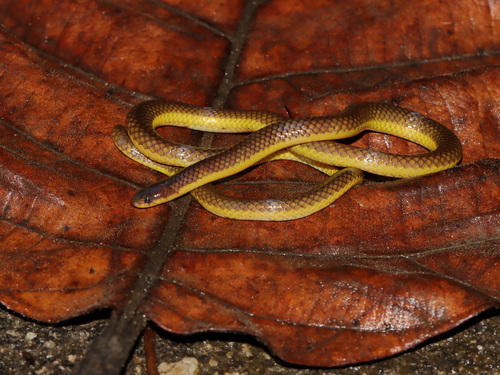
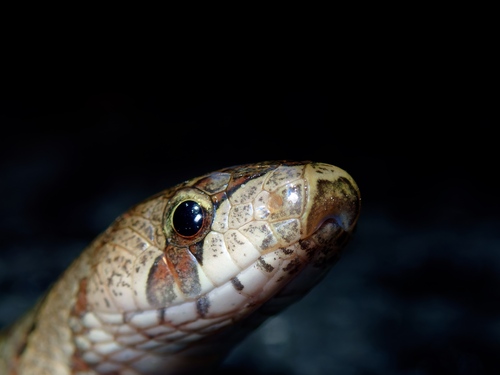
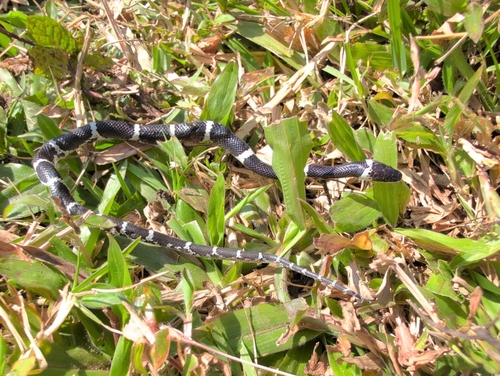
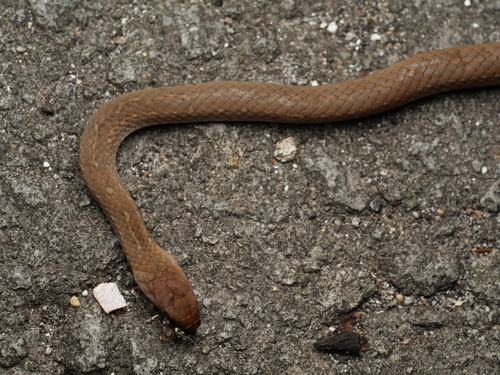
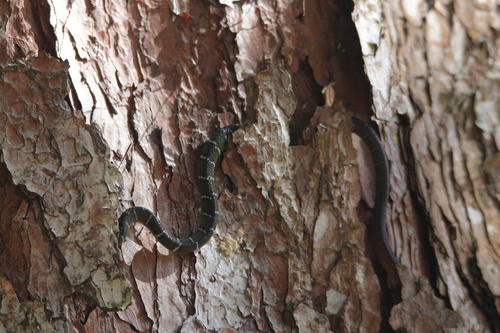
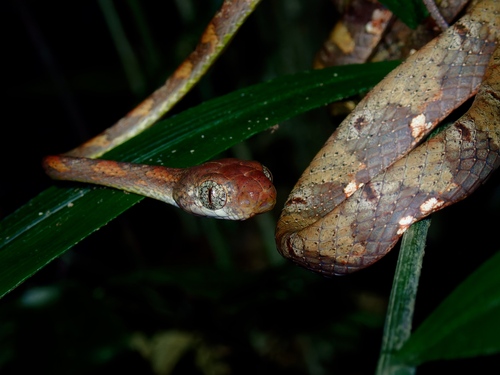
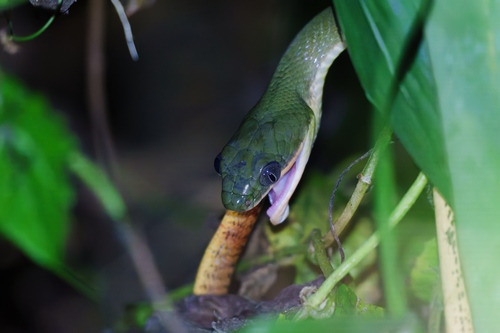
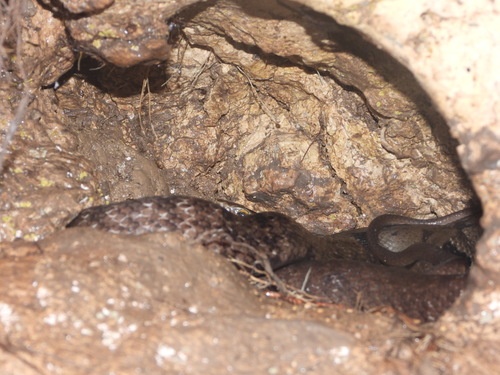
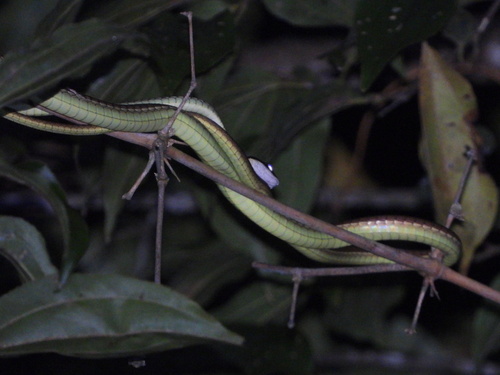
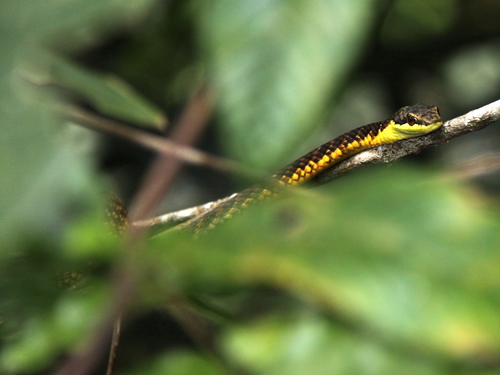
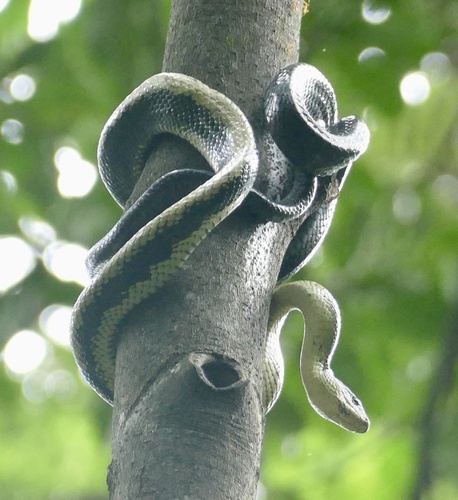
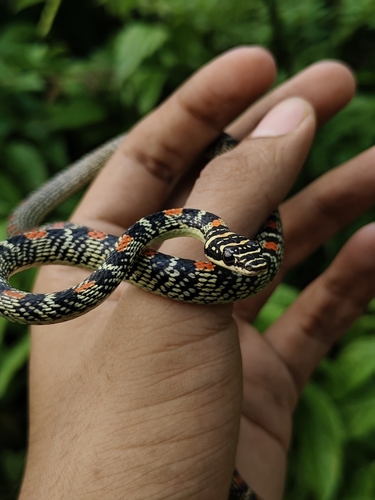
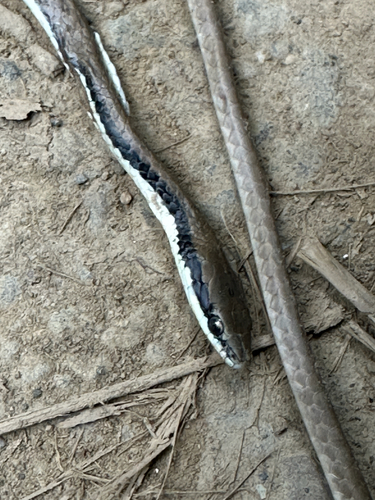
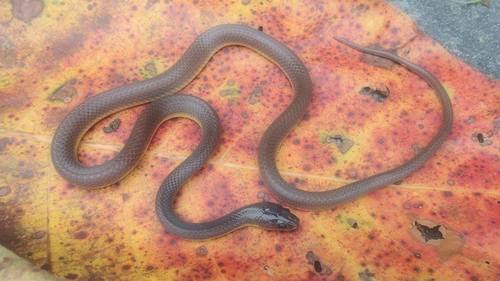
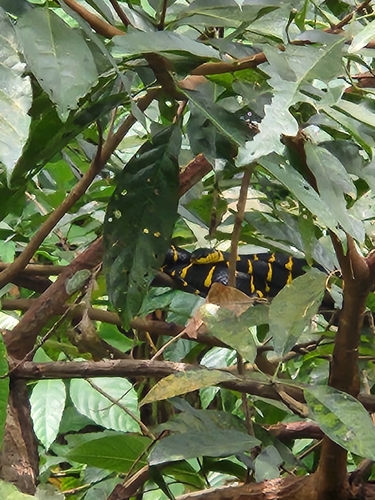
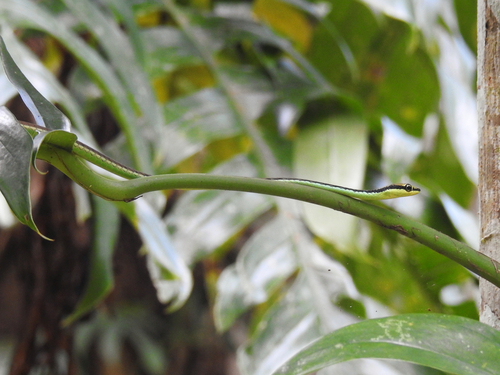
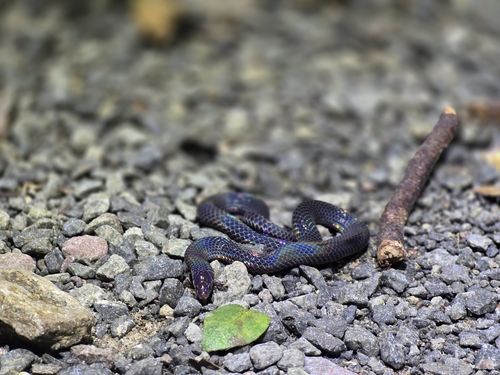
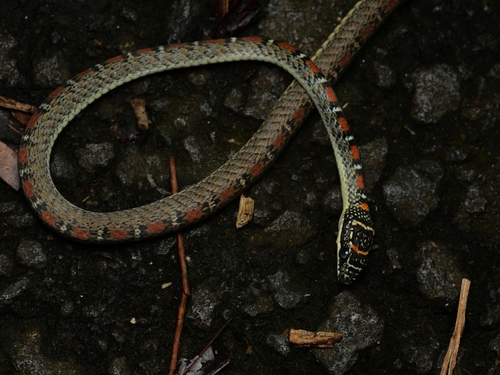
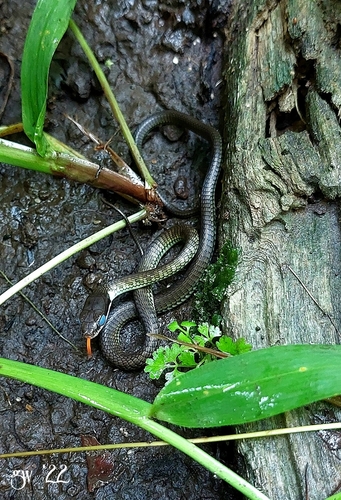
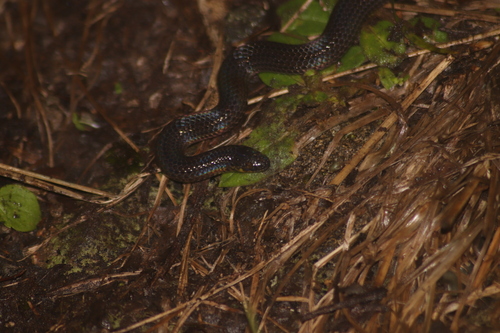
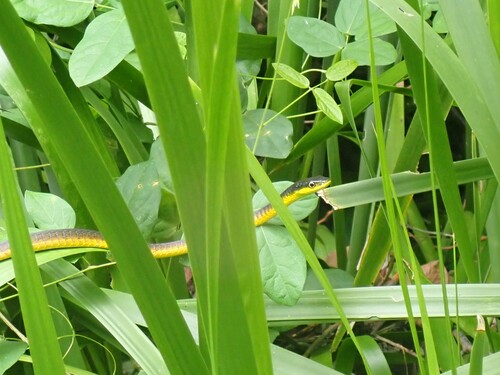
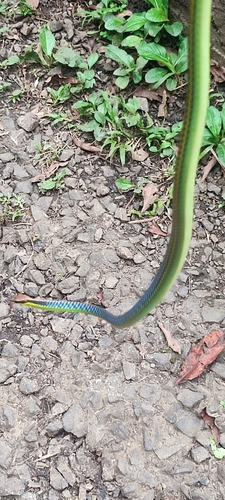
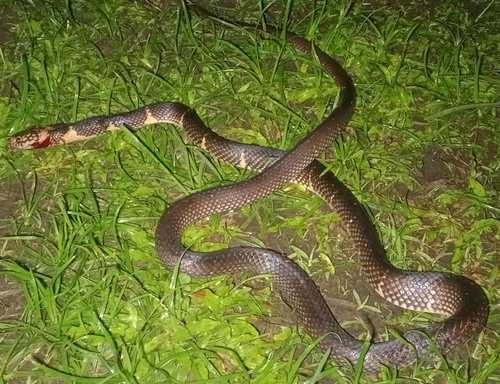
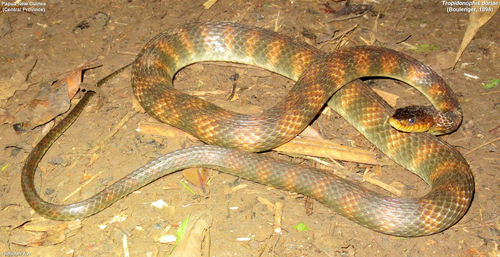
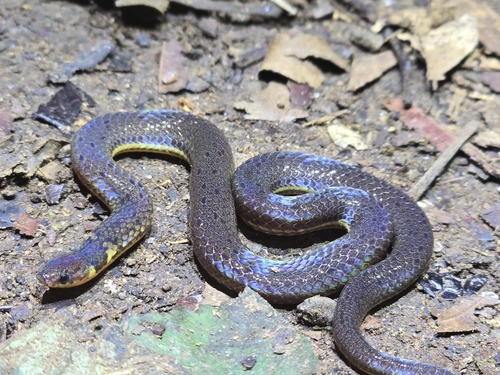
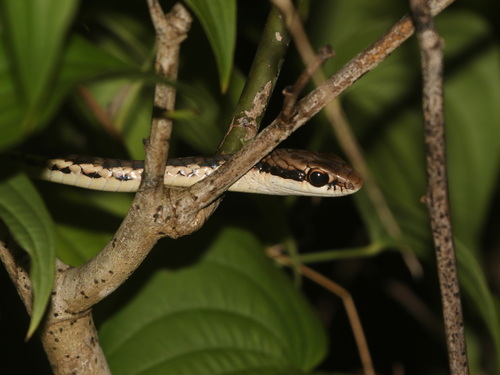
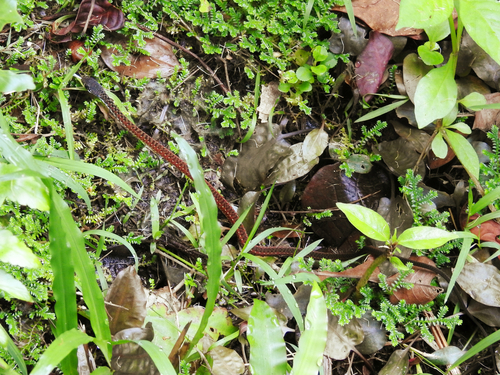
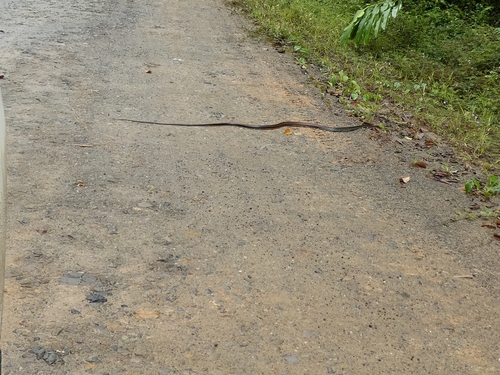
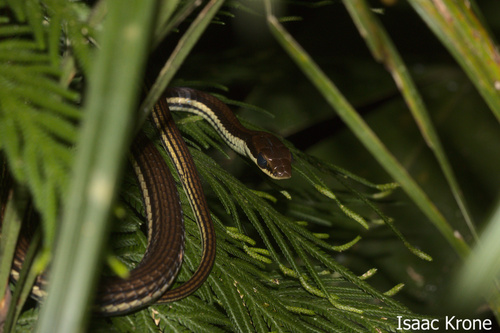
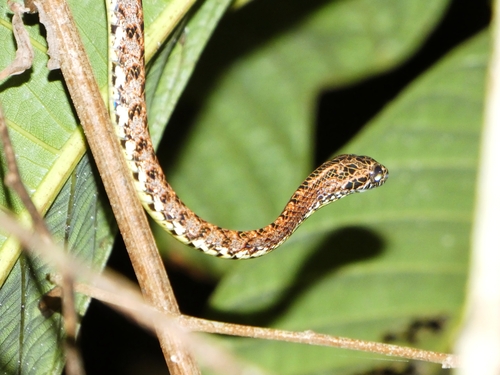
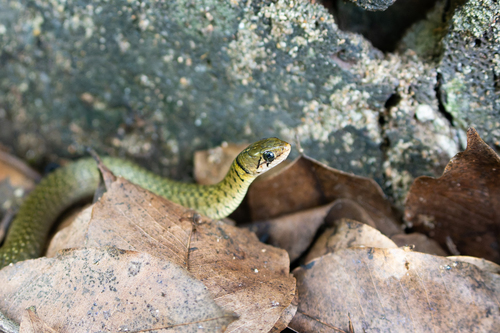
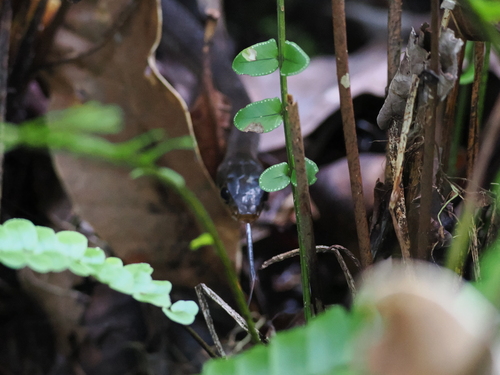
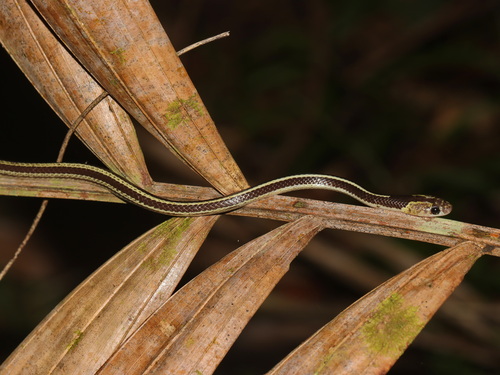
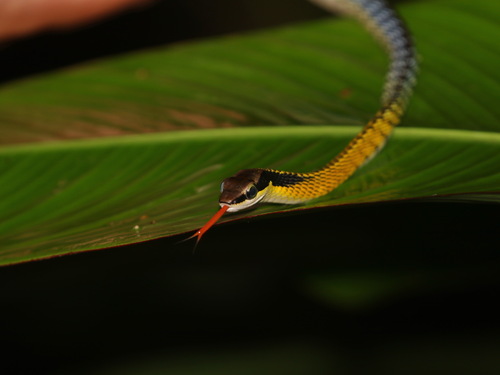
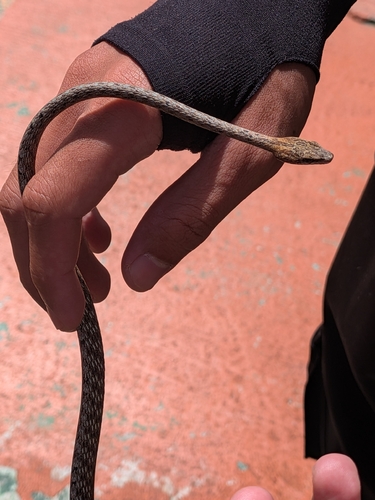
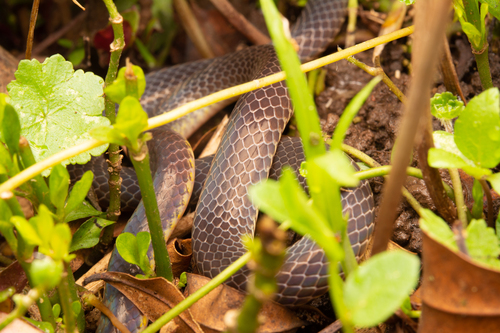
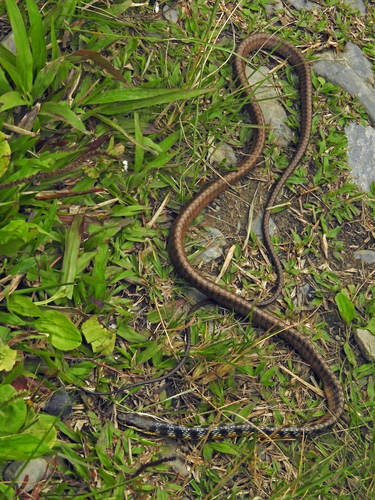
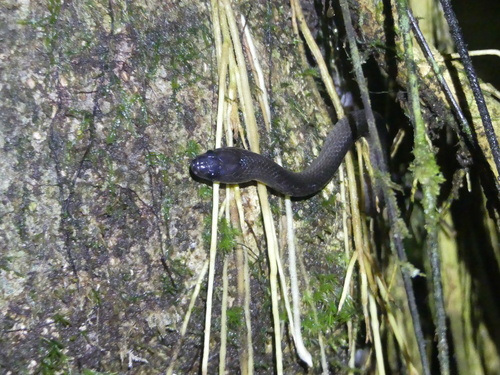
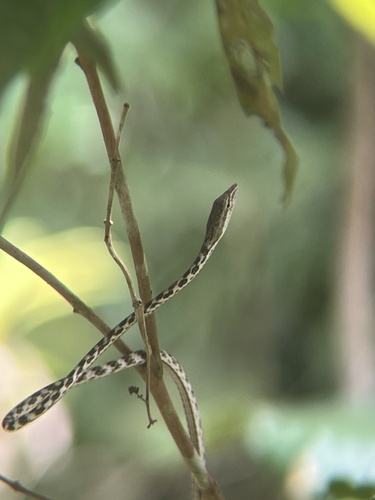
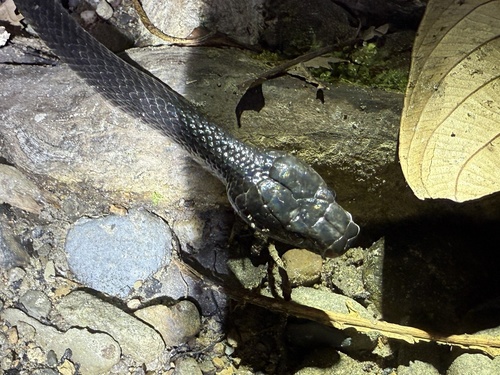
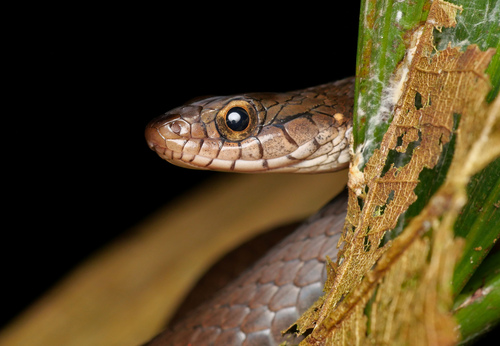
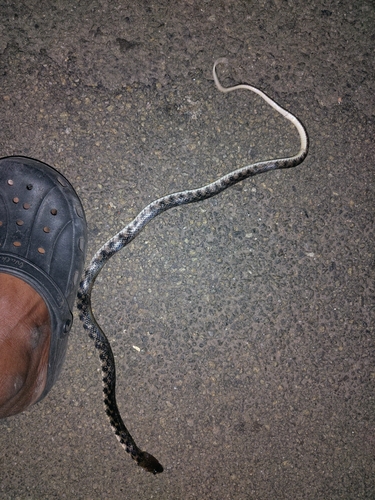
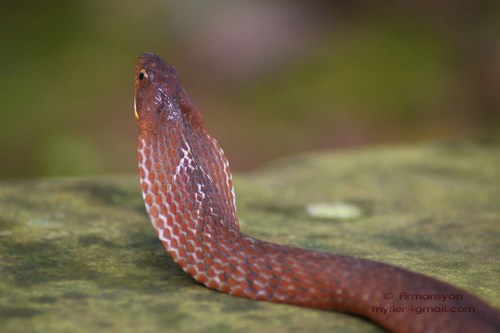
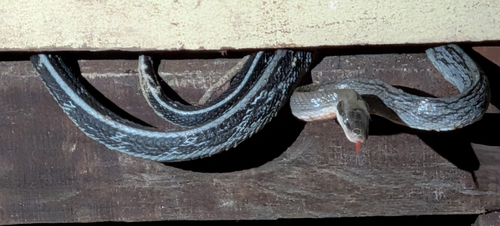
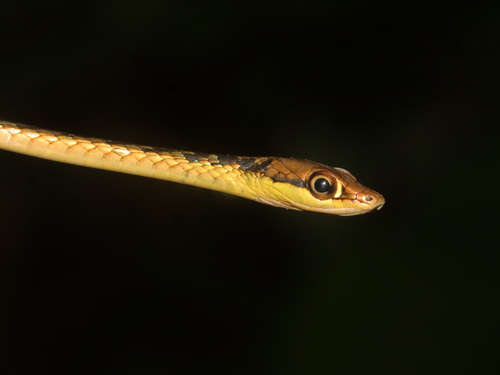
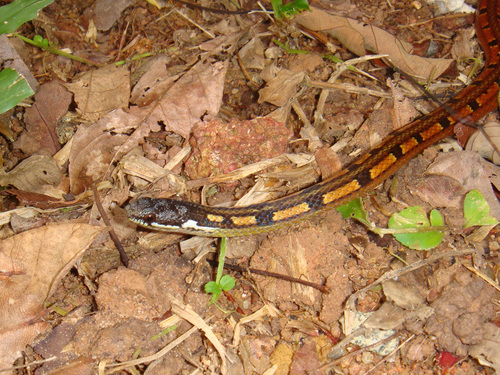
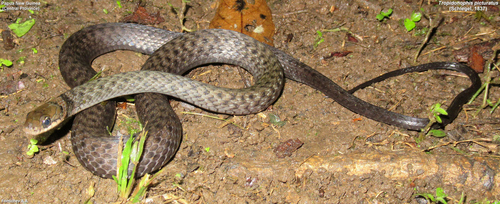
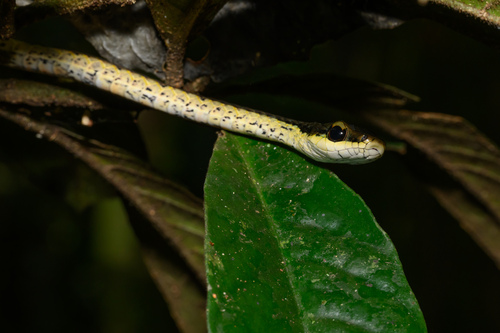
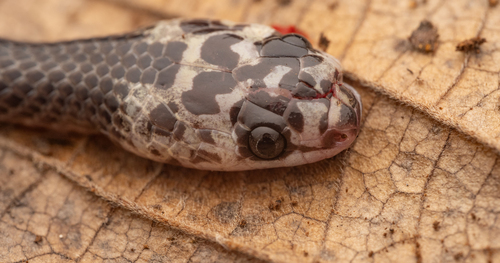
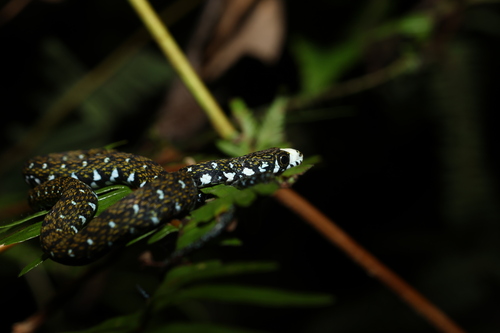
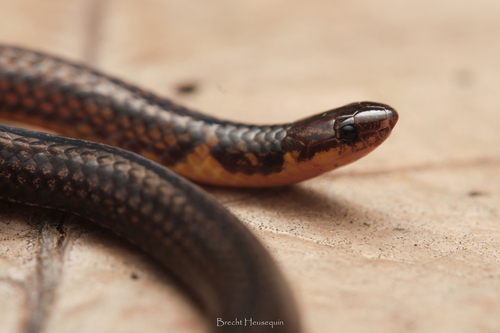
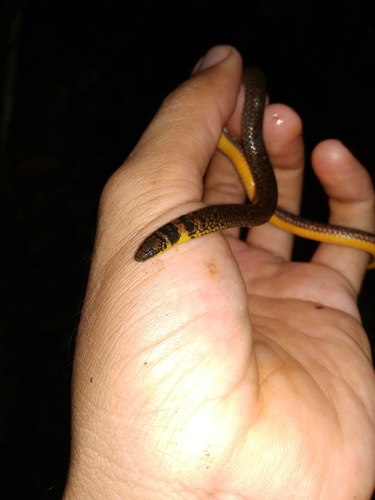
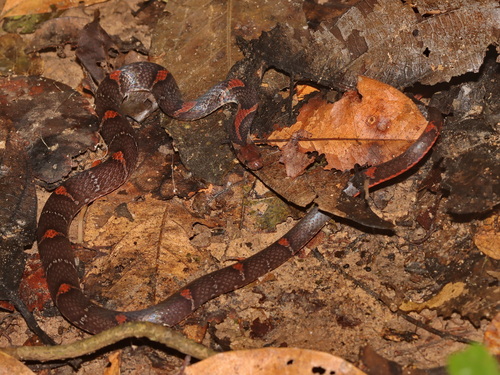
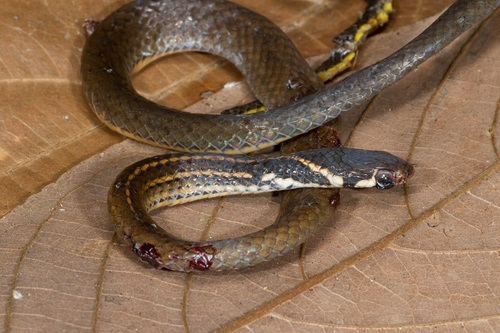
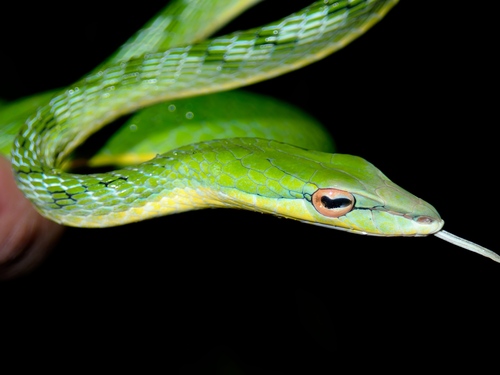
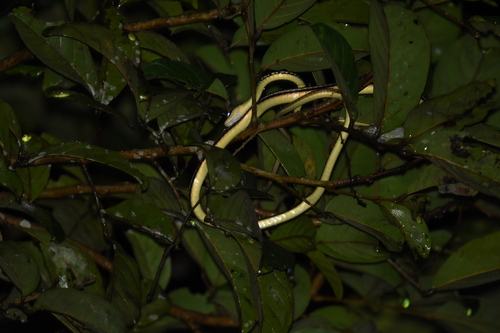
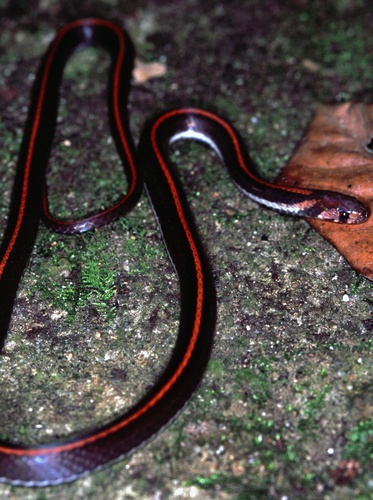
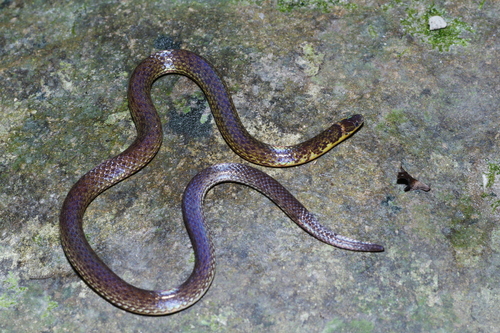
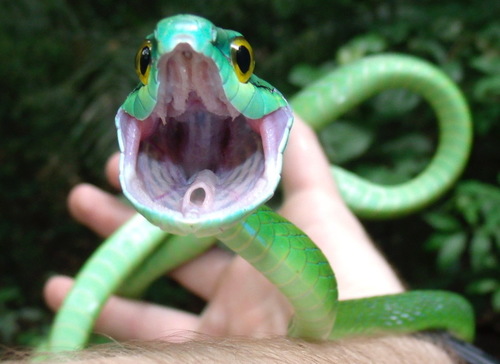
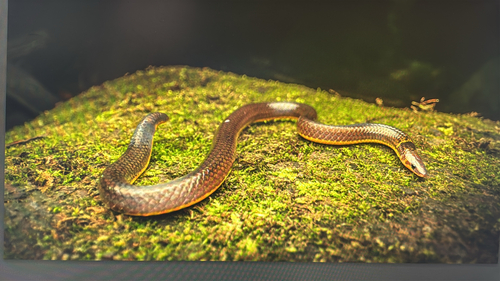
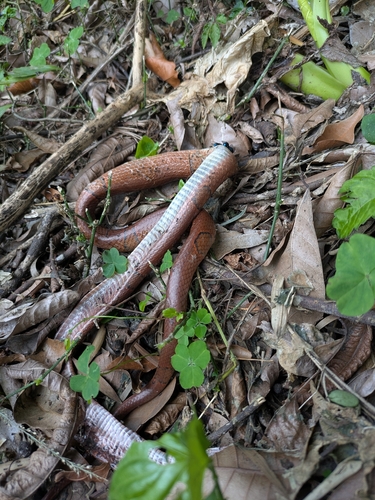
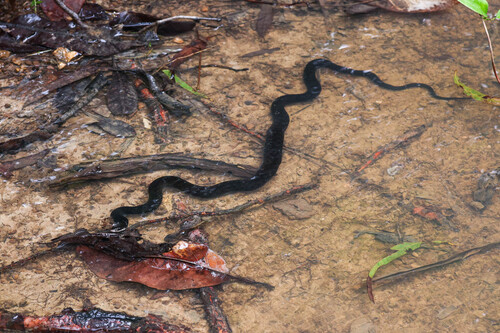
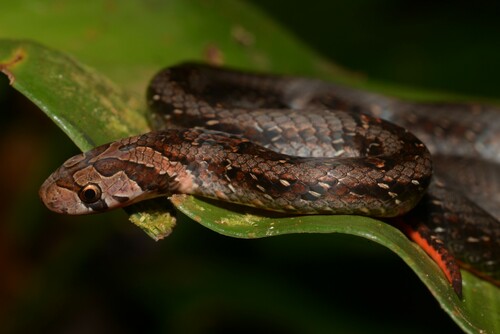
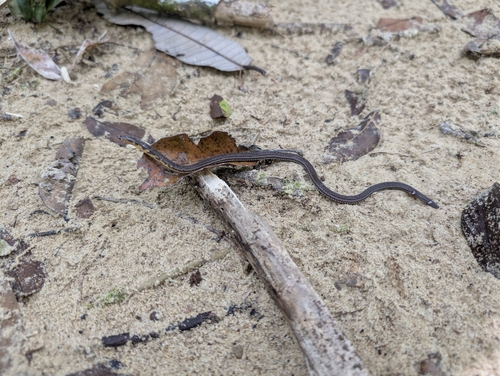
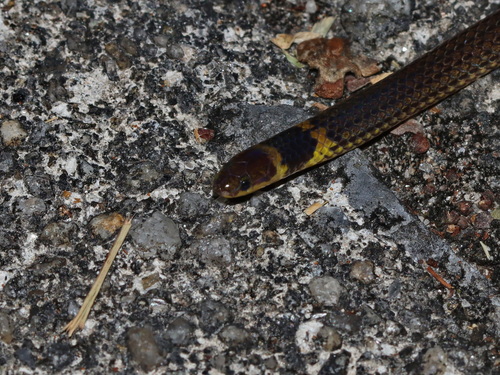
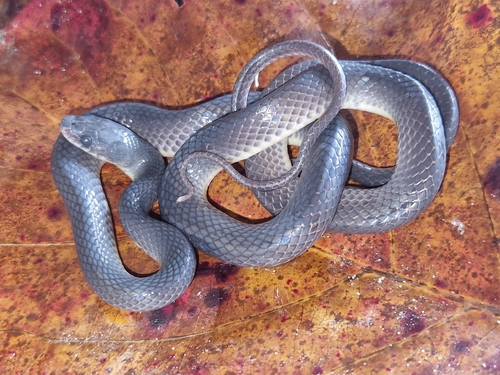
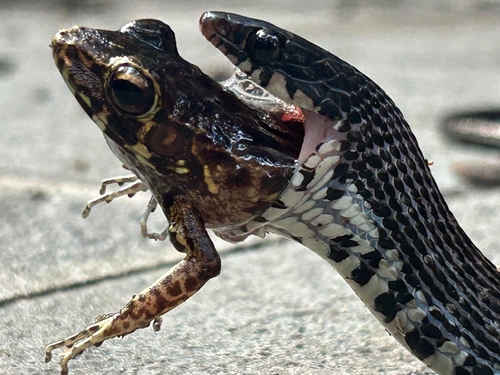
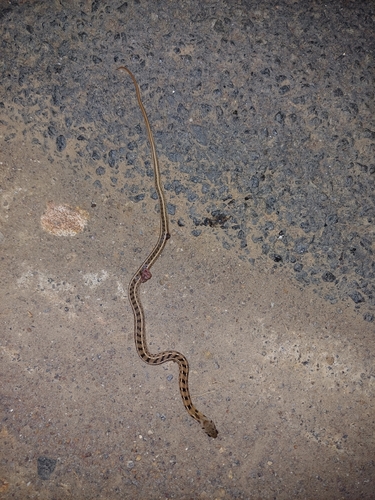
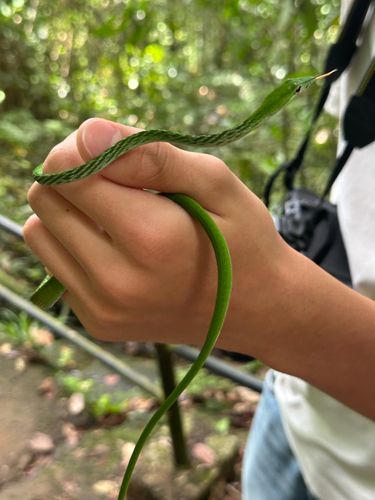
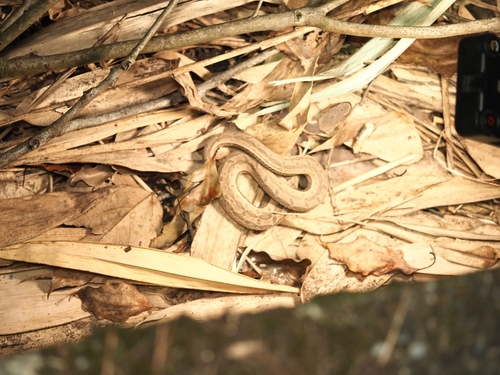
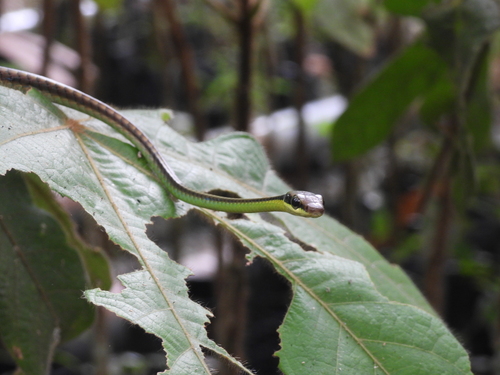
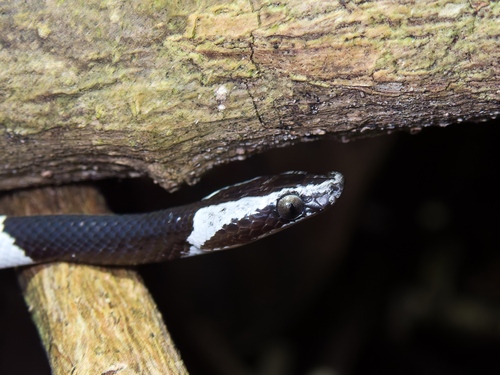
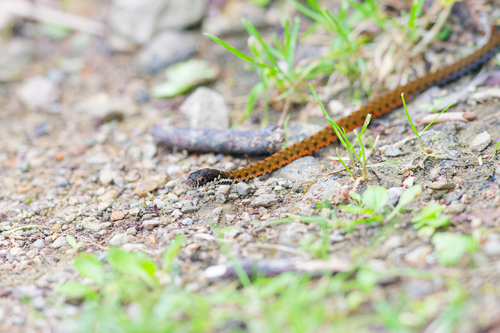
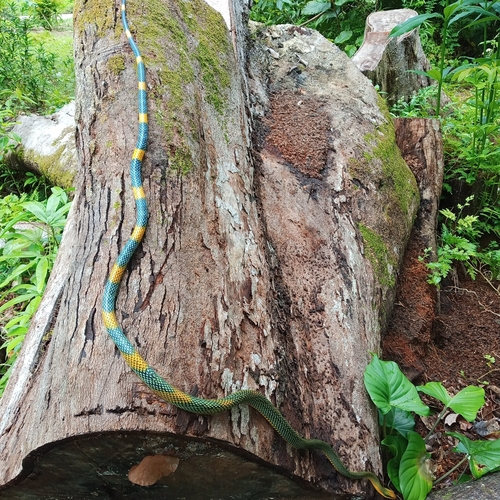
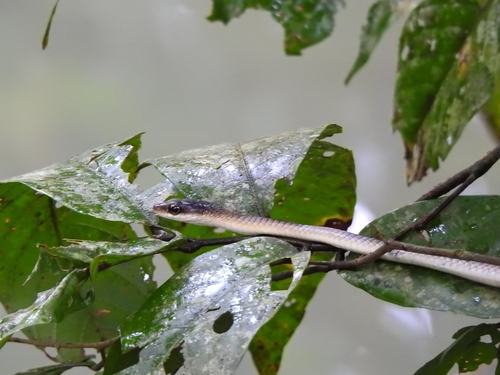
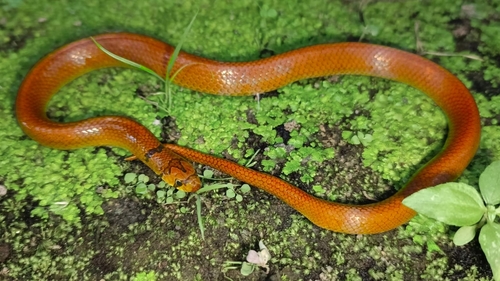
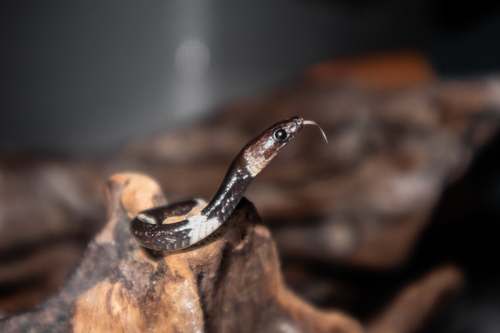
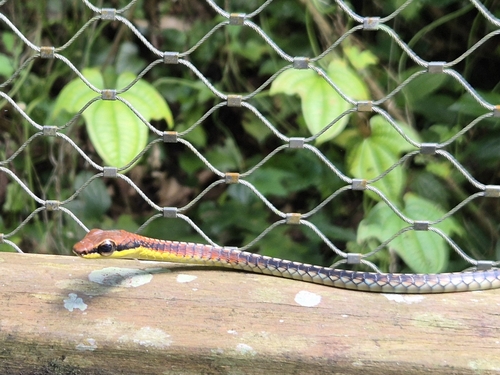
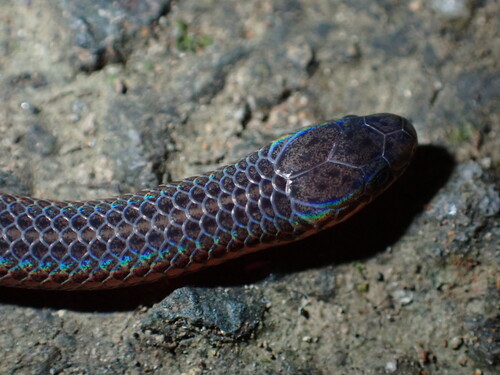
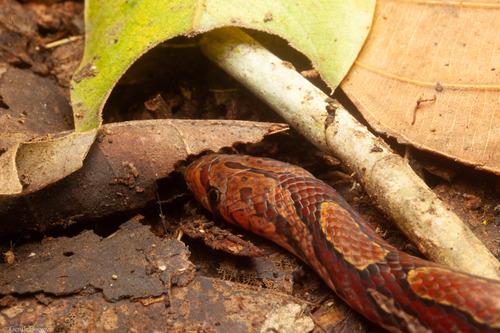
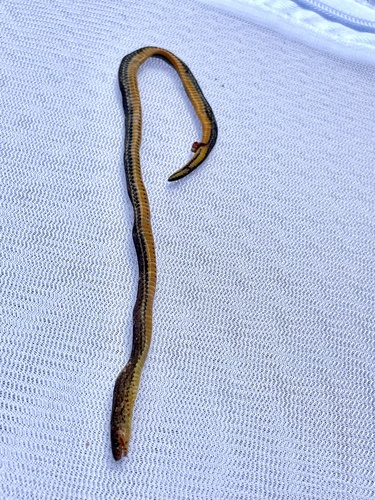
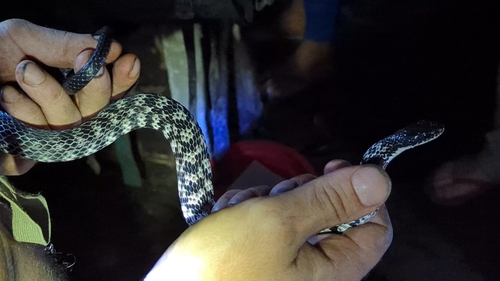
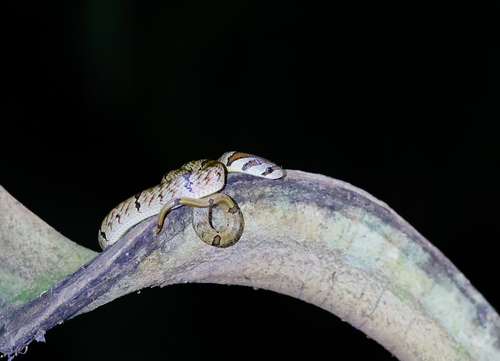
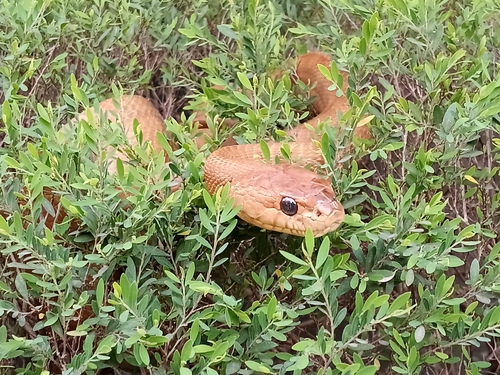
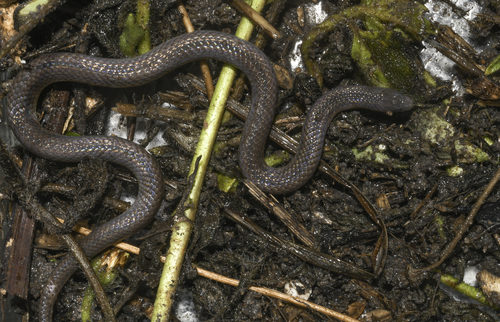
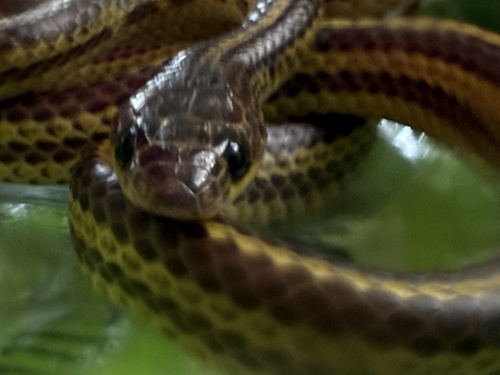
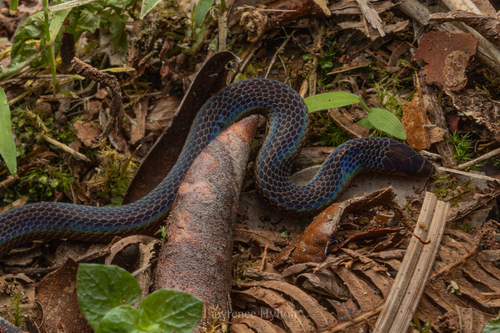
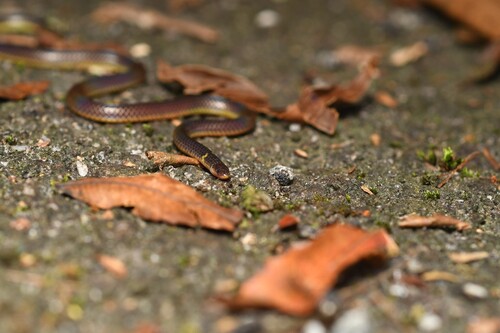
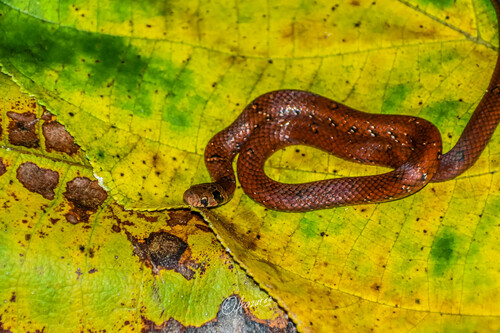
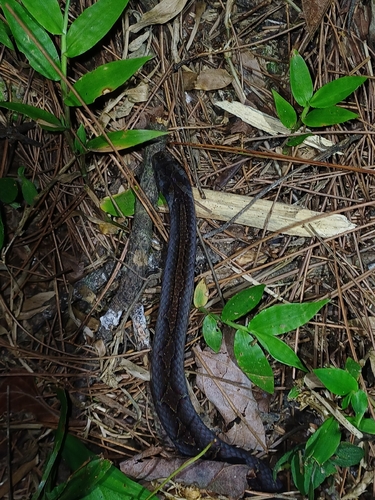
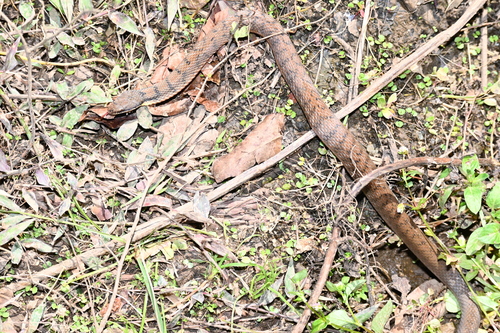
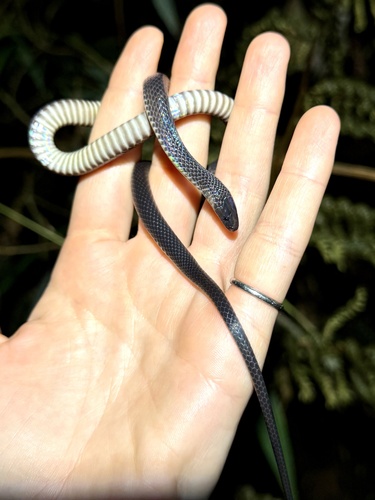
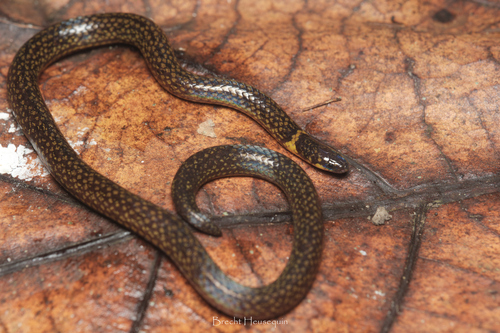
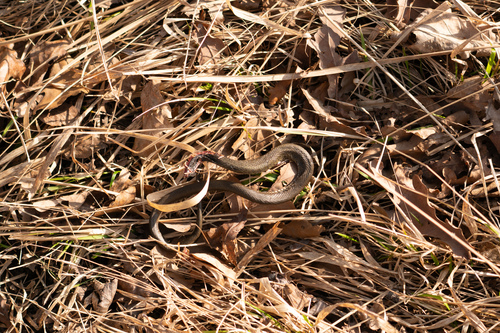
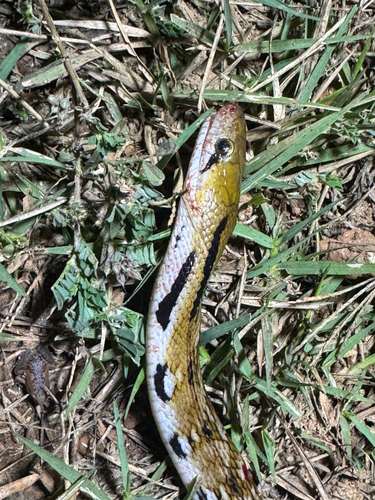
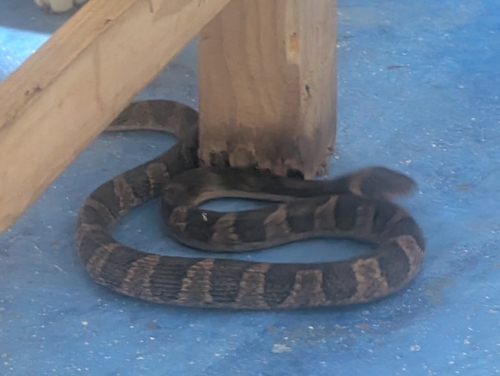
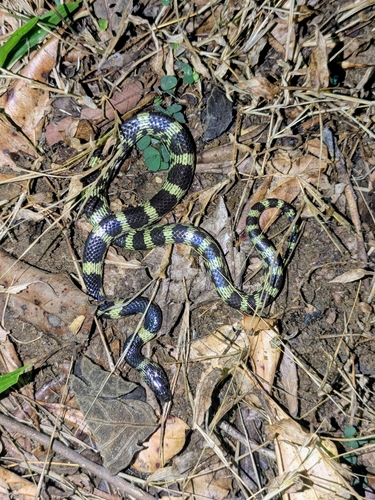
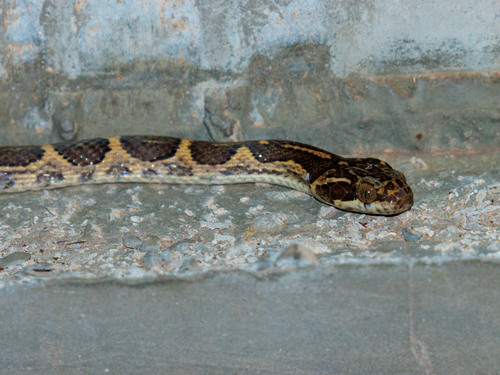
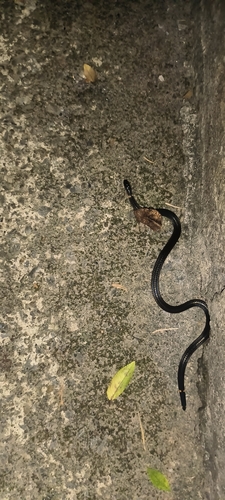
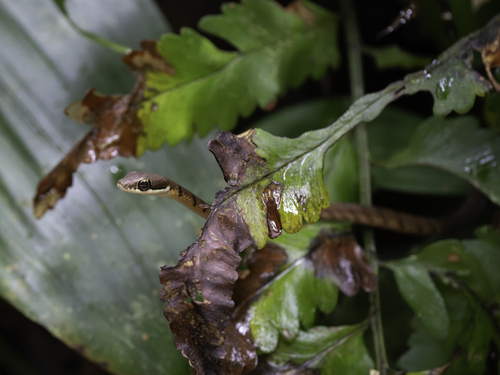
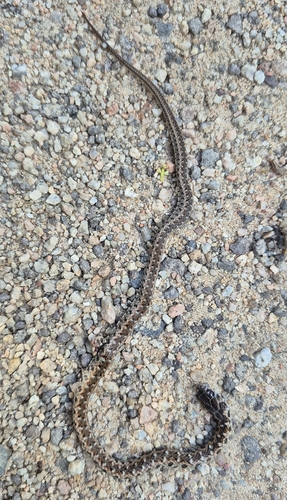
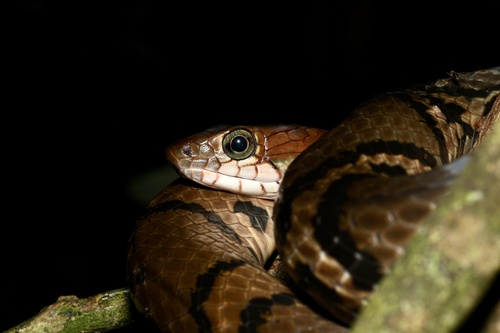
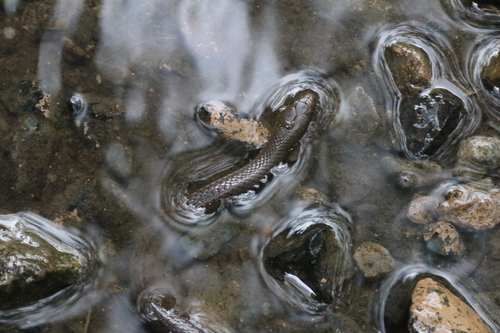
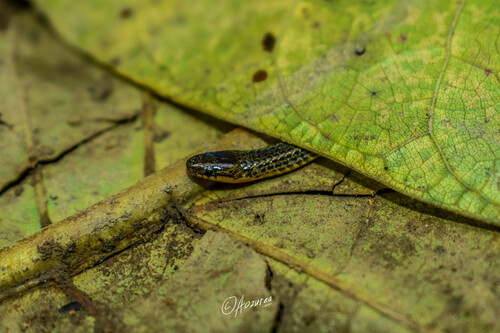
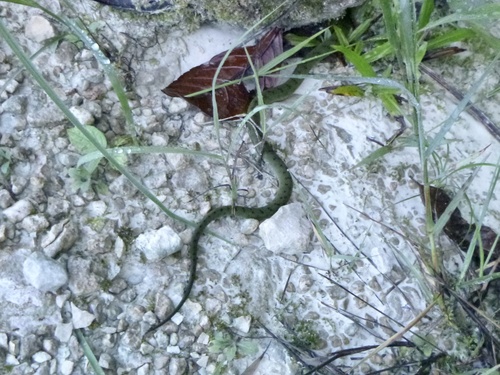
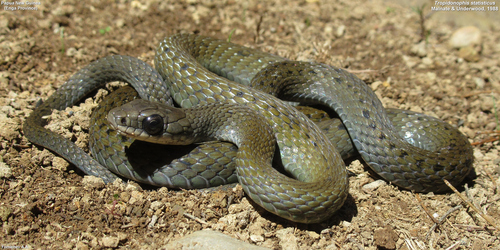
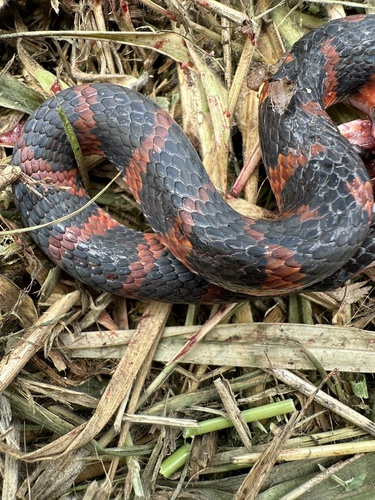
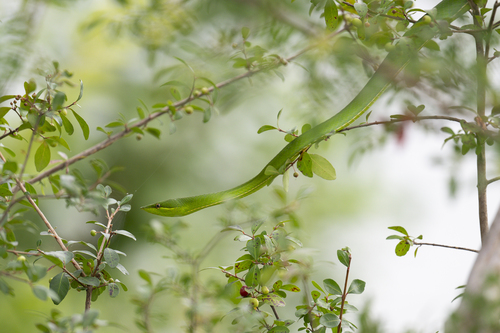
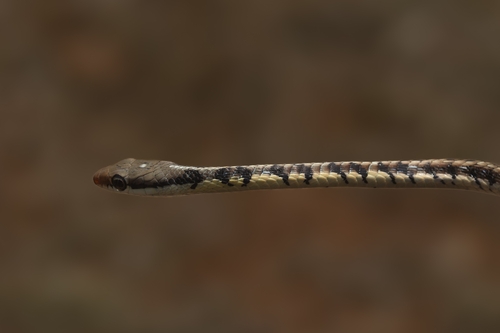
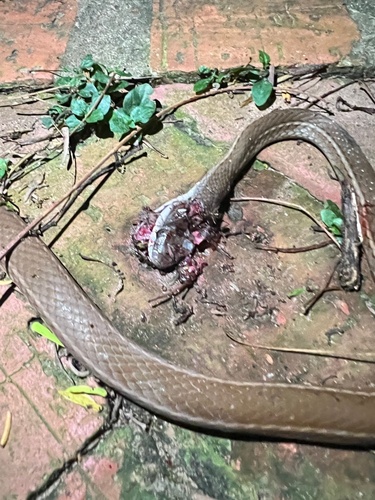
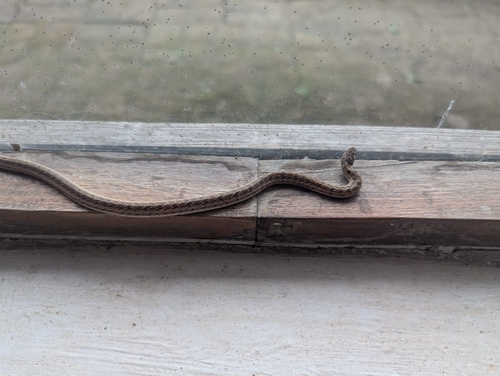
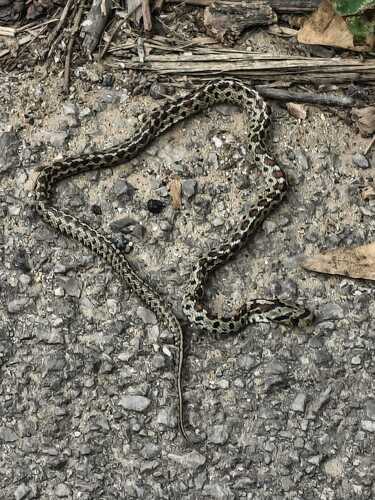
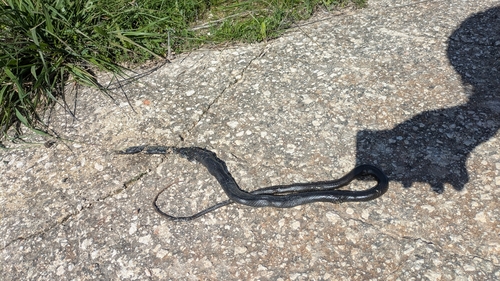
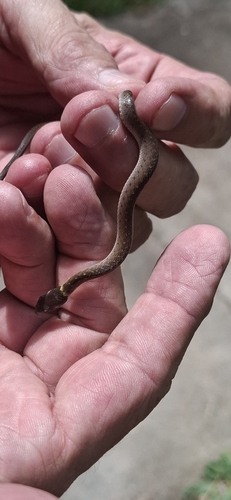
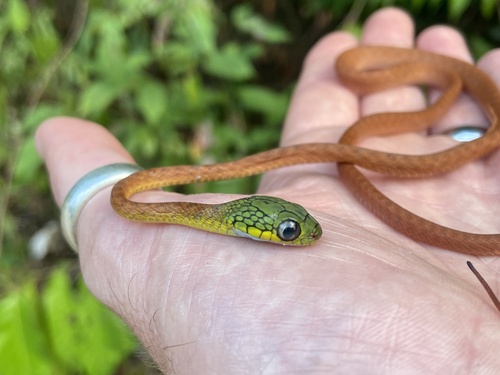
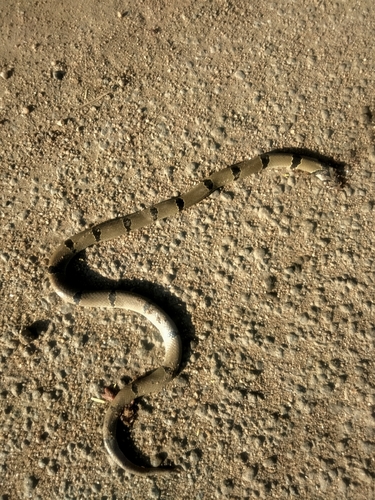
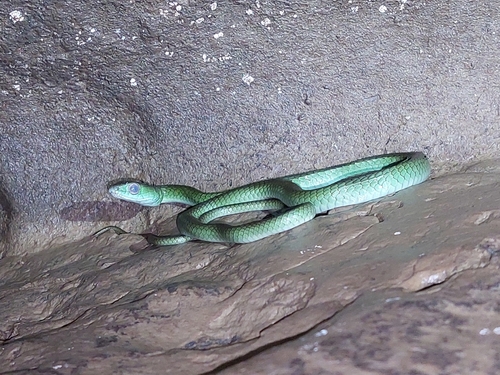
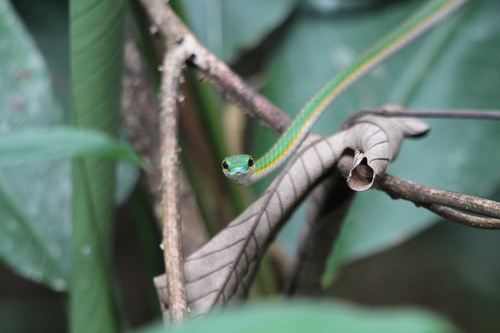
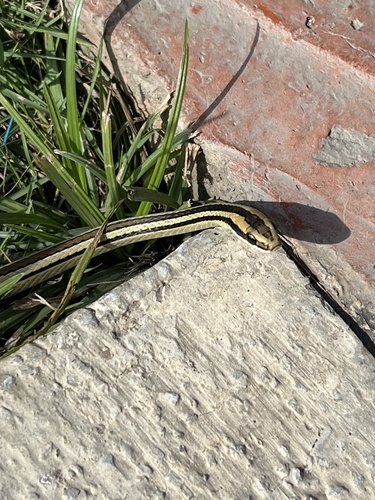
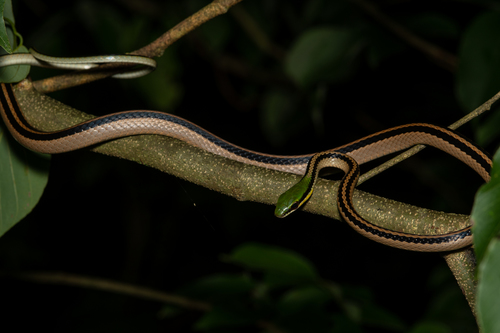
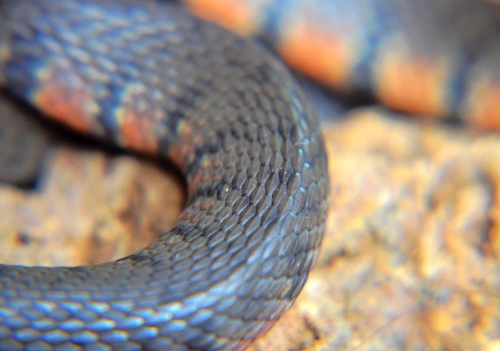
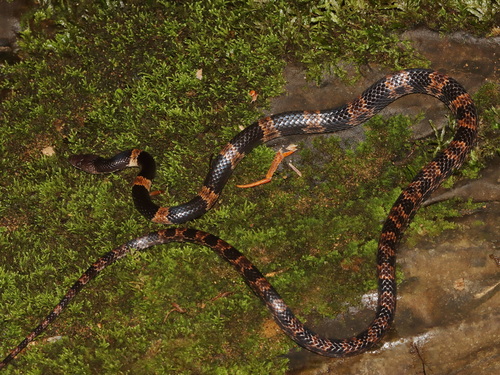
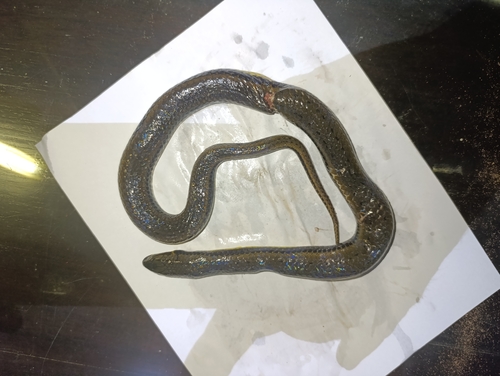
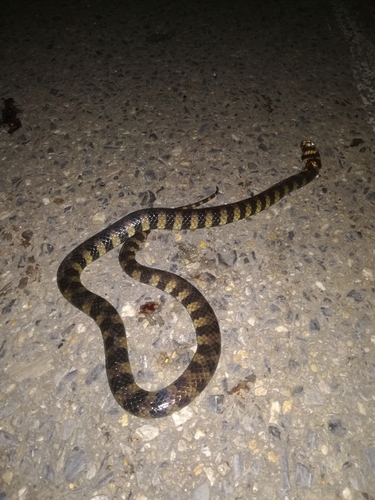
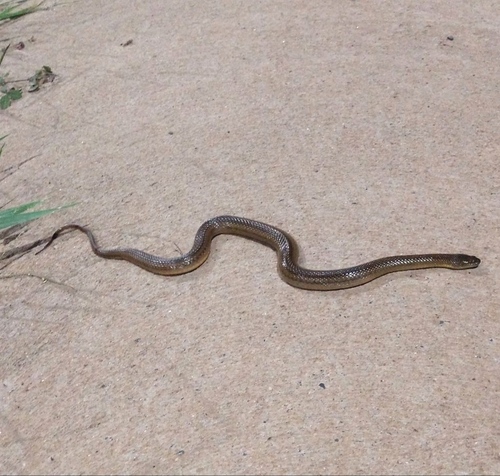
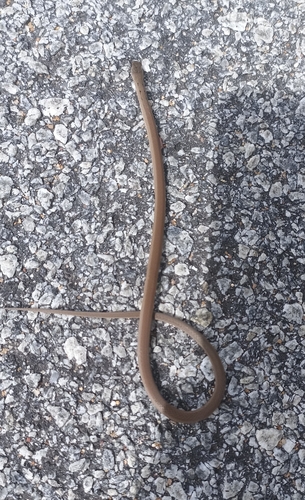
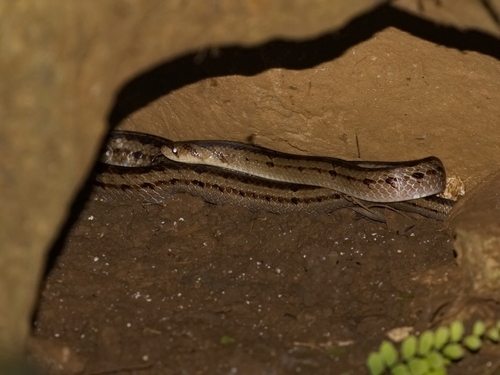
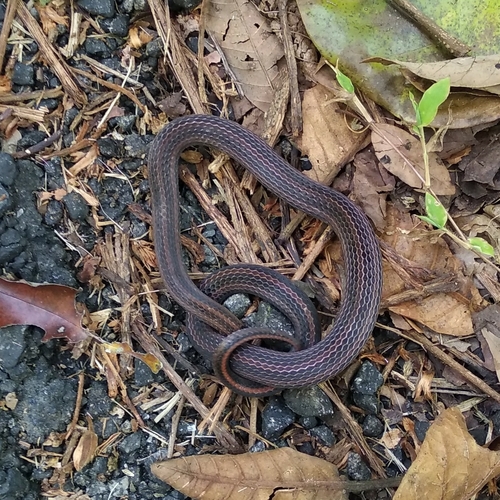

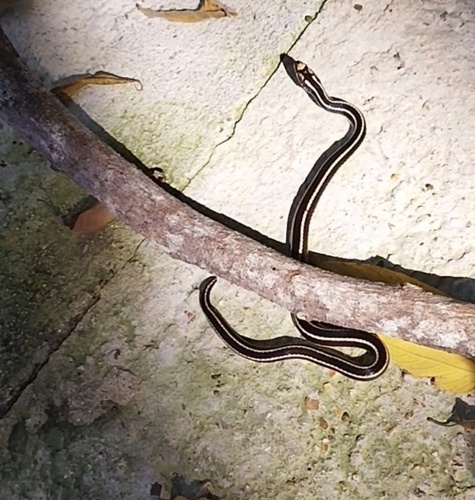
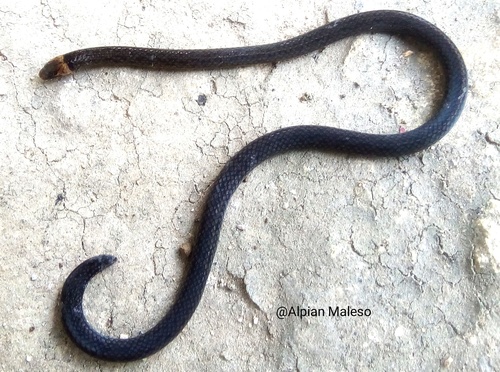
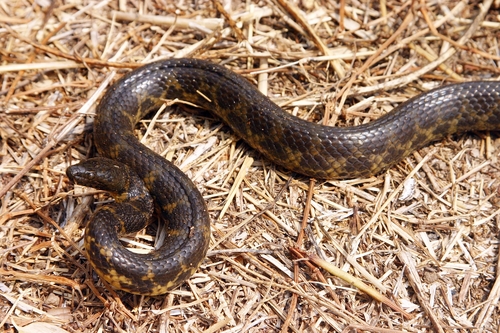
Elapidae (50)
Viperidae (24)
Homalopsidae (21)
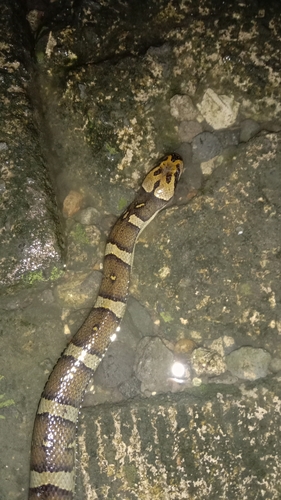
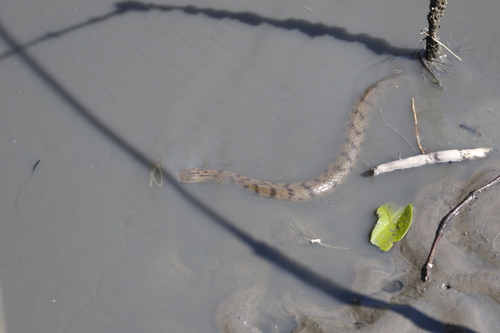
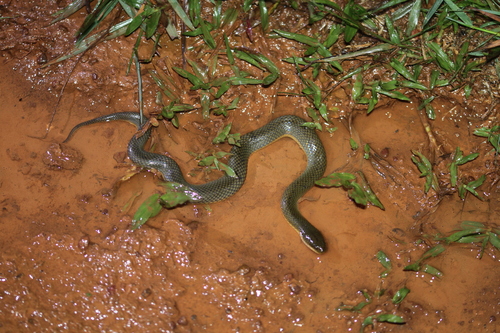
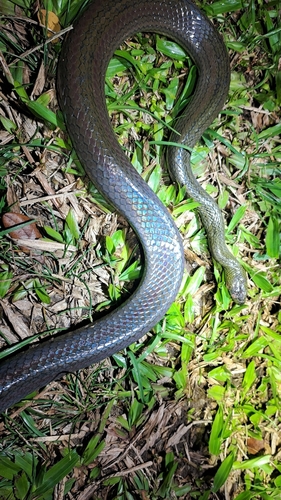
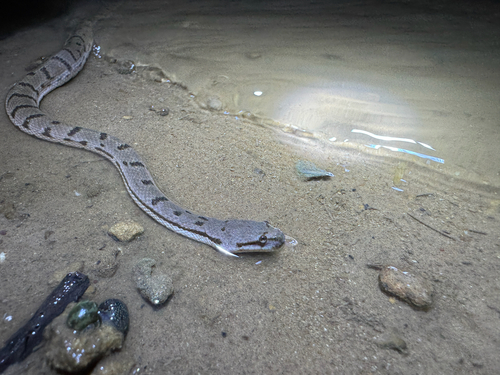
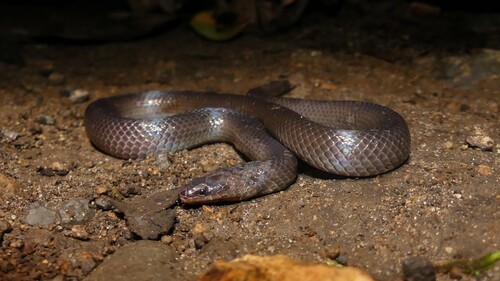
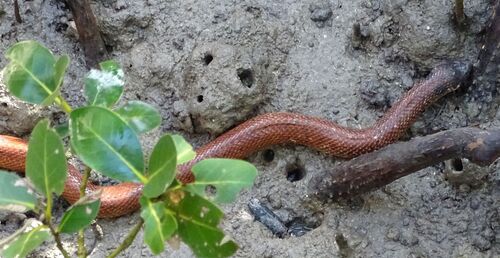

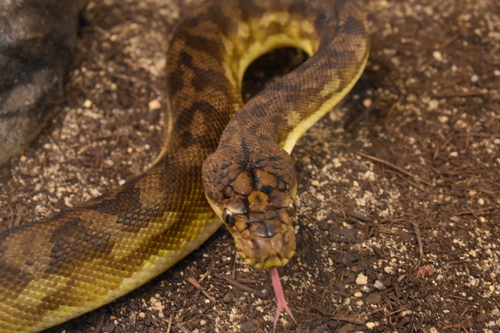
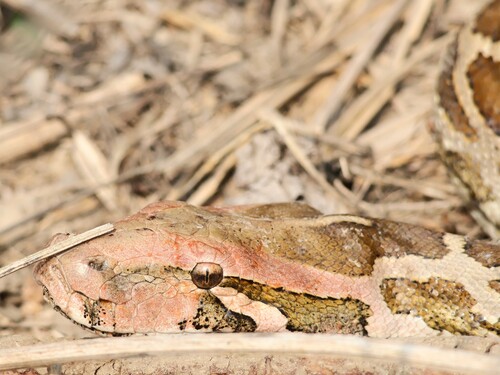
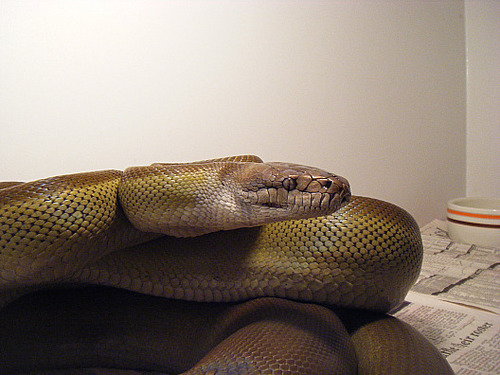
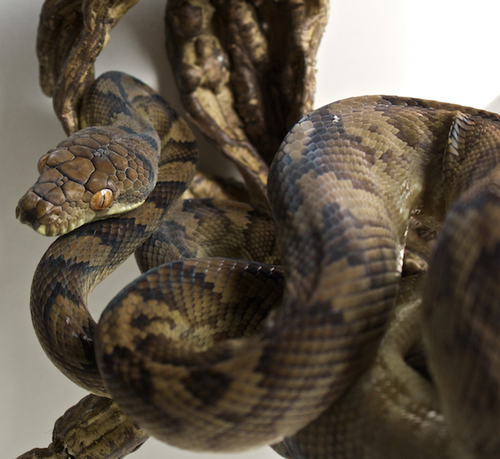
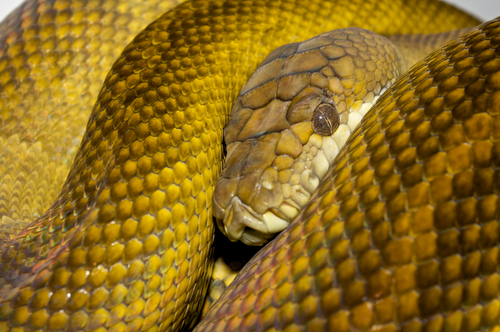
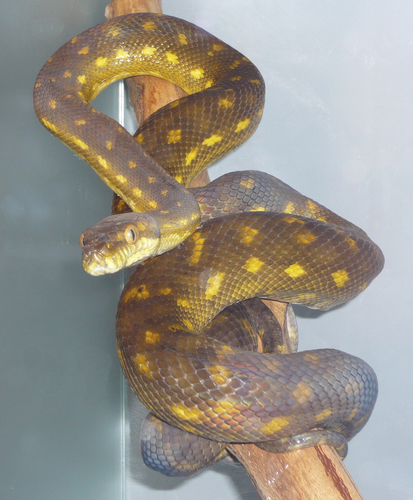
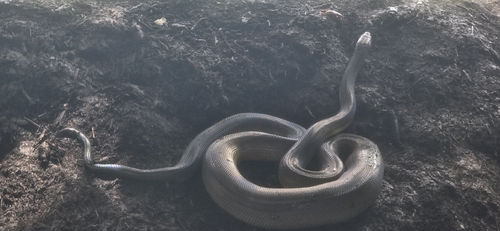
Pythonidae (19)

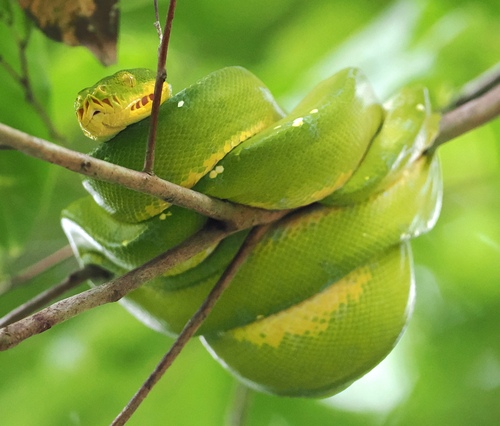

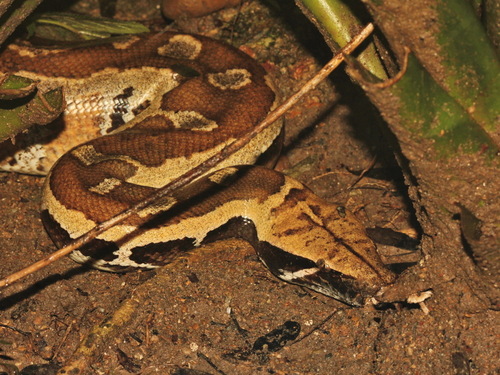
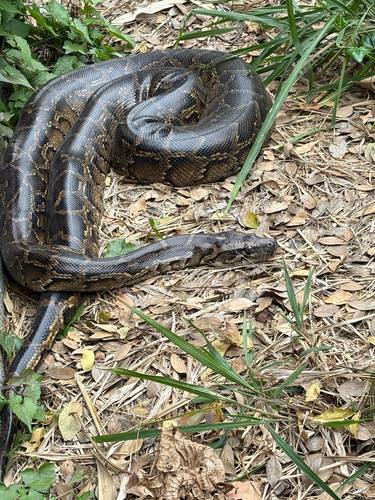
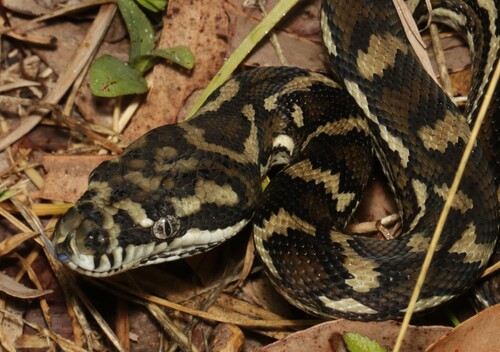
Pareidae (11)
Typhlopidae (10)
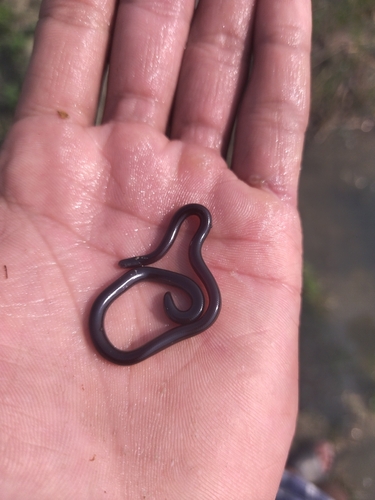
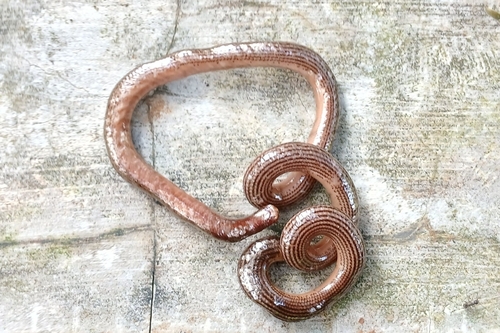
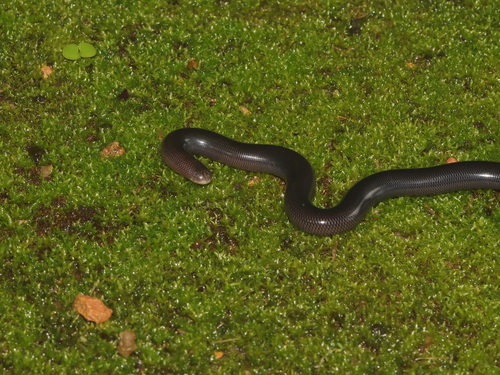
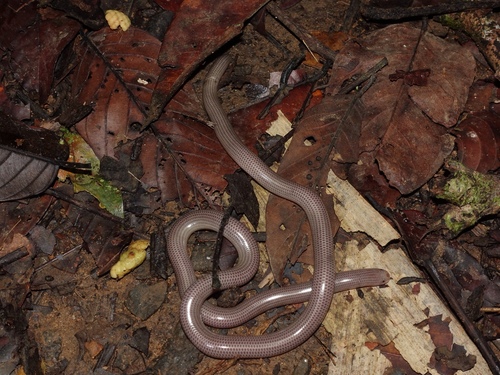
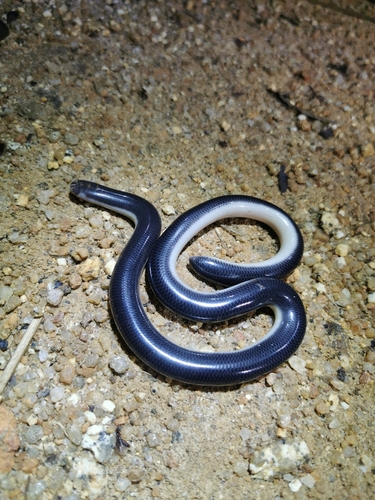
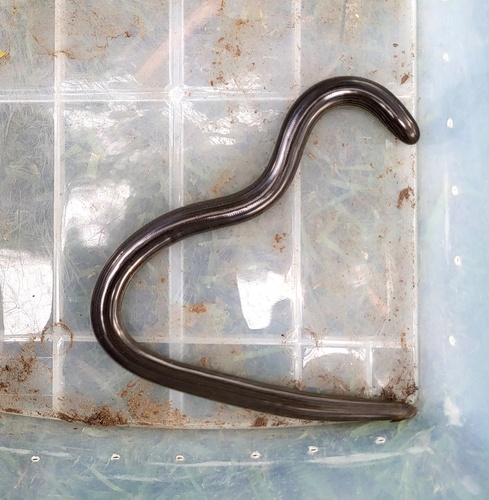
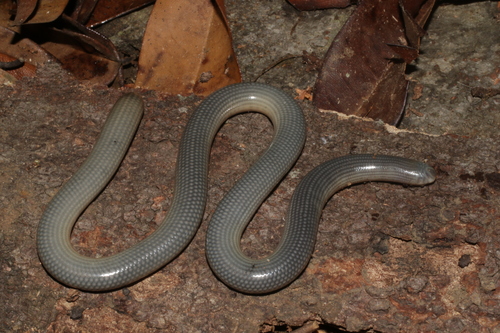
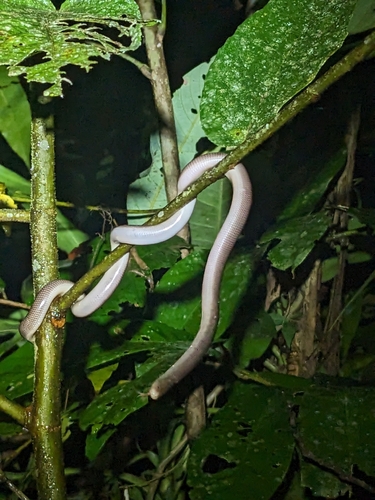
Cylindrophiidae (8)
Boidae (4)
Acrochordidae (3)
Pseudaspididae (2)
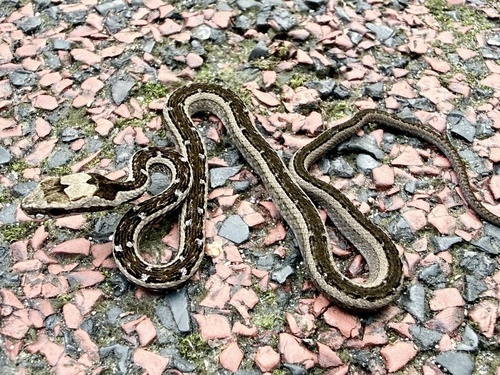
Xenodermidae (2)
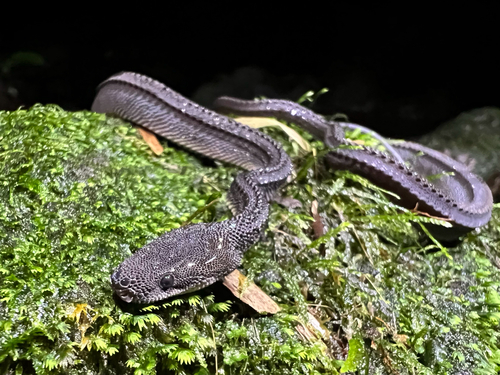
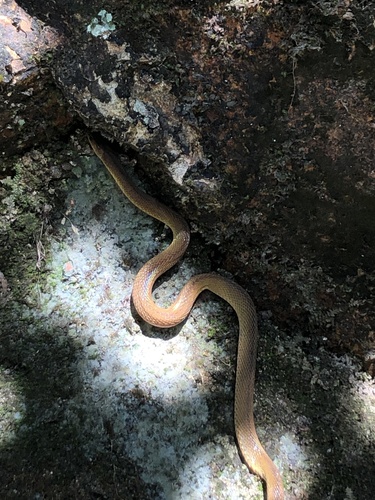
Psammophiidae (2)
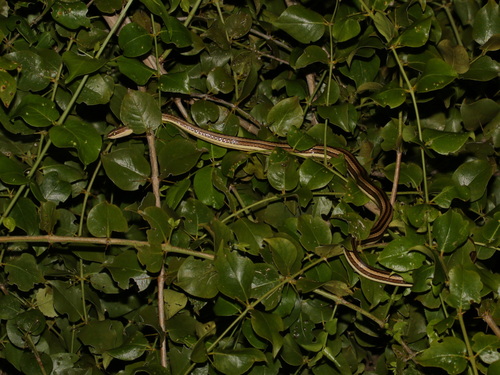
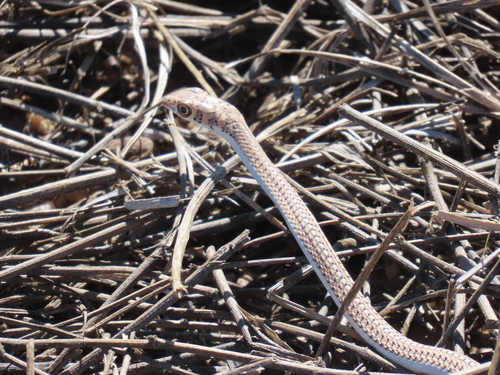
Anomochilidae (2)

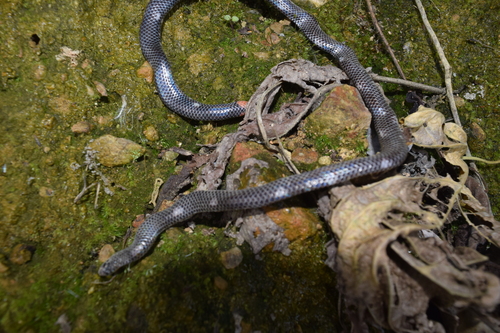
Xenopeltidae (1)
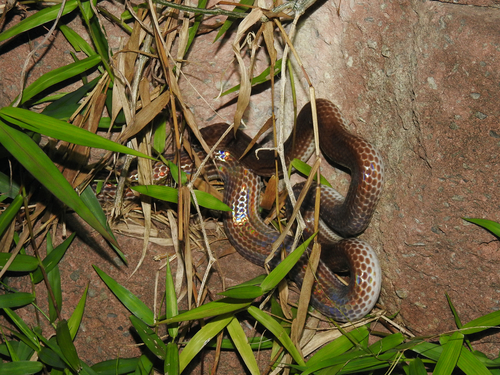
Gerrhopilidae (1)
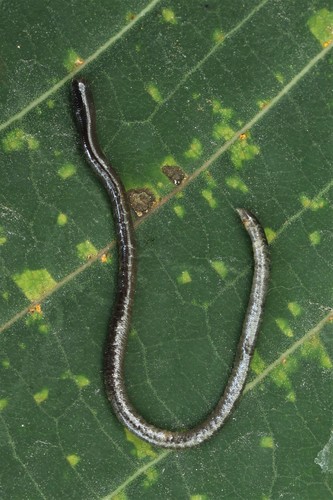
Atractaspididae (1)
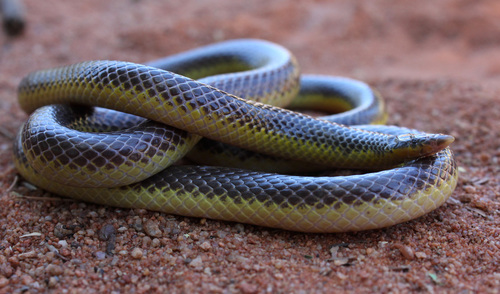
Compiled from verified GBIF & iNaturalist observations. "How often seen" reflects how frequently a snake is reported here, not how dangerous it is. Informational only.
Keep learning
- Are Snakes Dangerous? The Real Risk, in PerspectiveMost snakes are harmless and avoid people. Here is the honest picture of snakebite risk worldwide and how to lower your own.
- Snakebite First Aid: What to Do (and What Never to Do)A clear, CDC-based guide to snakebite first aid: the steps that help, the popular myths that hurt, and how to tell a serious bite from a minor one.
- Venomous vs Nonvenomous: How to Tell the DifferenceThe folk rules for telling venomous snakes apart, where each one fails, and why location-based identification beats guessing by sight.
- What to Do If You Find a SnakeFound a snake at home or on a trail? Here is how to stay calm, give it space, identify it safely, and know when to call a professional.