
Thailand
Snakes in Thailand
250+ snake species have been recorded in Thailand, 81 venomous.
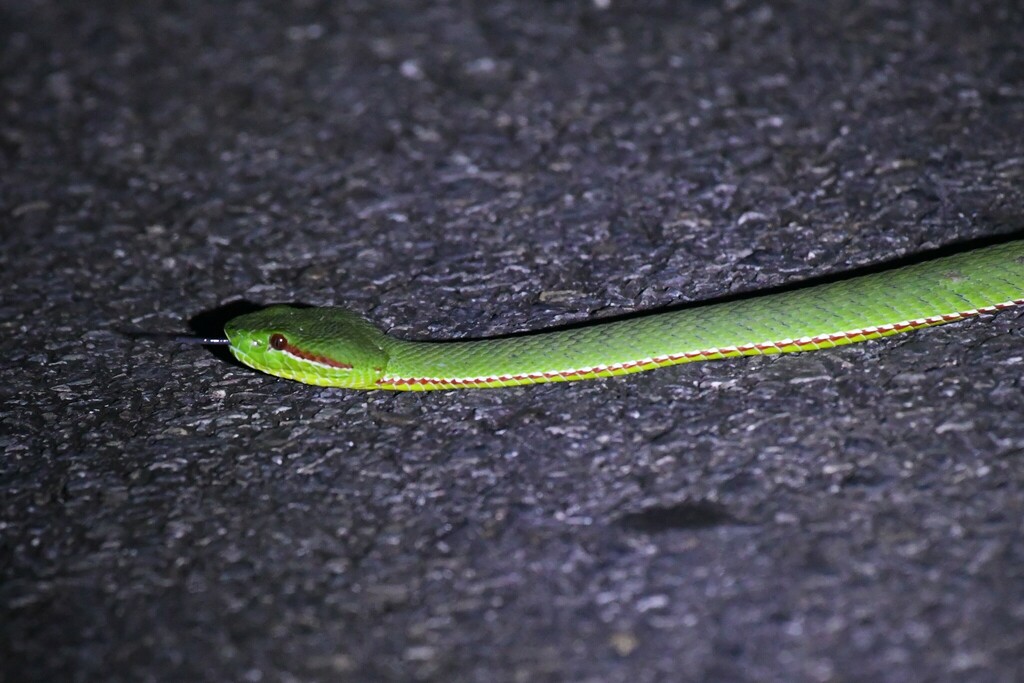
Snakes of Thailand
Thailand is one of the richest places on Earth for snakes, with 250+ species recorded in our data, of which 82 are venomous. That diversity is a product of geography and habitat. The country straddles the meeting point of the Indochinese and Sundaic faunal regions, so northern montane species, mainland Southeast Asian forms, and Malay Peninsula species all overlap here. Layered on top is a remarkable range of habitats: tropical monsoon and evergreen forests, dramatic limestone karst hills riddled with caves and crevices, vast rice paddies and irrigation canals, coastal mangroves, and brackish estuaries. Each of these supports its own community of snakes, and the warm, wet climate keeps them active year round.
Snakes are not confined to remote jungle. They are common across the agricultural lowlands and even in dense cities, where rats, frogs, and toads draw them into drains, gardens, and houses. Bangkok is a striking example: the city's Fire and Rescue Department removes thousands of snakes from homes and properties every year, ranging from harmless species to large pythons and cobras. This close overlap between people and snakes is normal in Thailand and is the main reason encounters happen, rather than any unusual aggression on the part of the animals.
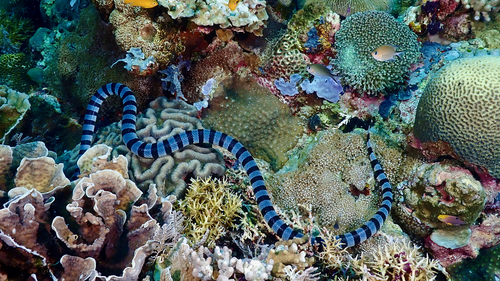
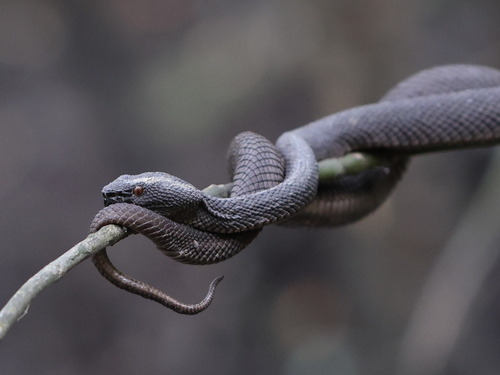
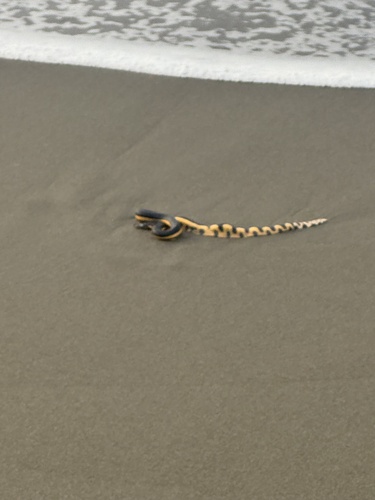
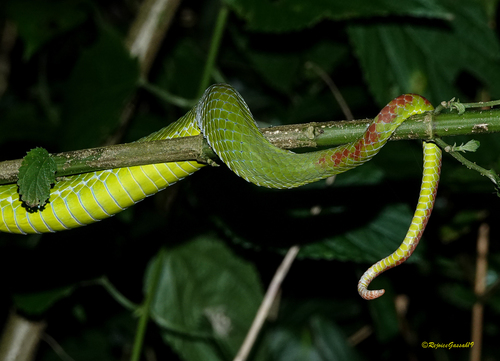
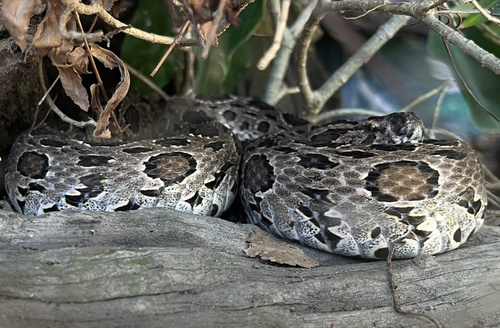
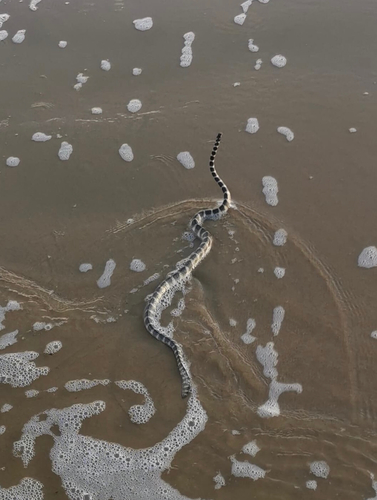
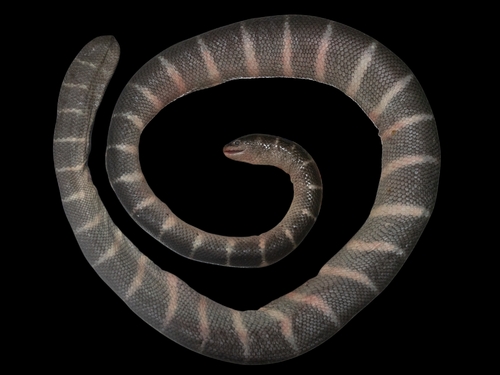
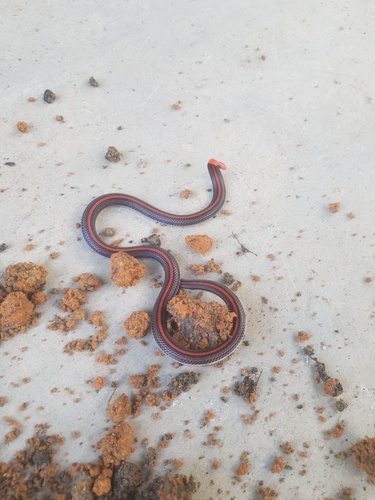
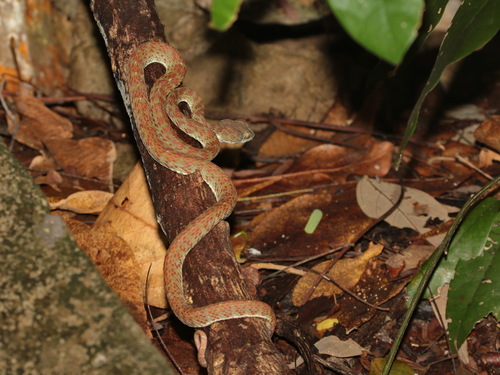
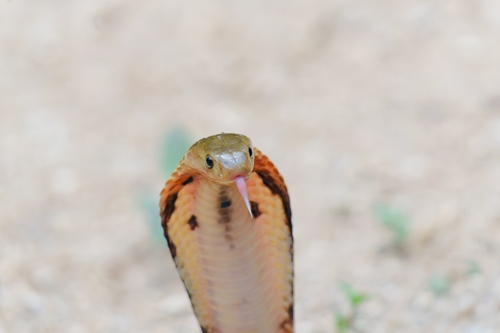
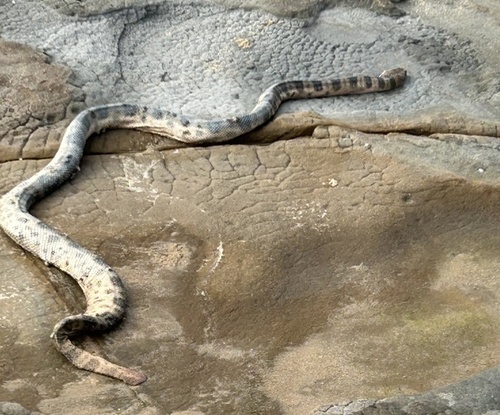
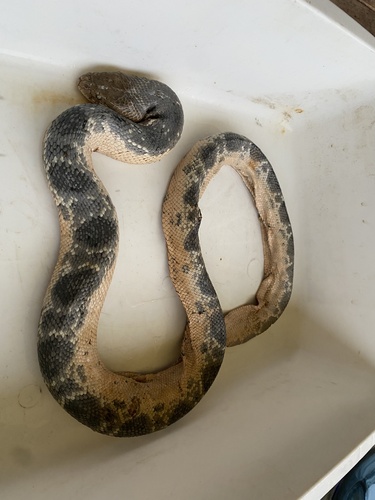
The medically important venomous snakes fall into a few groups. The elapids include cobras such as the monocled cobra (Naja kaouthia) and the Indochinese spitting cobra, the king cobra (the world's longest venomous snake), and the kraits (genus Bungarus), which are nocturnal and carry potent neurotoxic venom. Among vipers, Russell's viper is a serious cause of bites in open country, the Malayan pit viper (Calloselasma rhodostoma) is a frequent biter in plantations and scrub, and the many green pit vipers (genus Trimeresurus) are arboreal and well camouflaged. Offshore and in coastal waters, true sea snakes add another venomous group that fishermen and swimmers occasionally encounter.
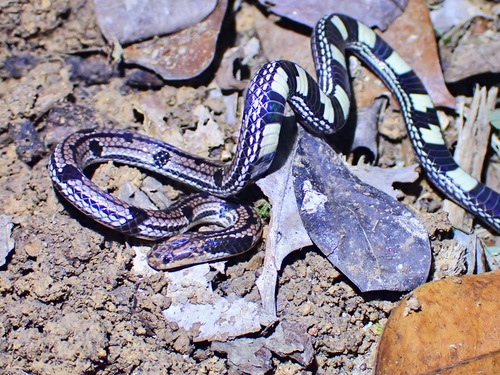
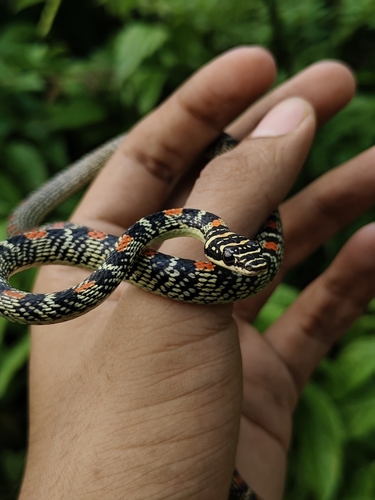
The large majority of Thailand's snakes are non-venomous or pose no real threat to people. The country is home to two giant constrictors, the reticulated python (one of the longest snakes alive) and the Burmese python, along with a great many smaller and often beautifully marked species. Water snakes thrive in the paddies and wetlands, rat snakes patrol fields and farm buildings, and the golden tree snake, one of the so called flying snakes that glide between trees, is a common and harmless garden visitor in many areas. These species play a useful role in controlling rodents and other pests.
On safety, the honest picture is reassuring but not casual. Most snakes you might see in Thailand are harmless, and the animals generally prefer to avoid people. At the same time, venomous bites are a genuine medical risk, especially in rural and agricultural settings where people work in fields, plantations, and tall grass, and where kraits and other species may enter homes at night. Thailand has long invested in treatment: the Queen Saovabha Memorial Institute, often called the snake farm, in Bangkok produces antivenoms for the country's important species and is a center for research and public education.
No wild snake should be picked up or handled, regardless of how harmless it appears, because identification is easy to get wrong and even non-venomous snakes can bite. If a person is bitten, the right response is to treat it as a medical emergency and get to a hospital or call local emergency services without delay, so that trained clinicians can assess the bite and give antivenom if it is needed. Identification guides like this one are for learning and appreciation, not for deciding whether an animal is safe to approach.
Snakes in Thailand: FAQ
- Are there venomous snakes in Thailand?
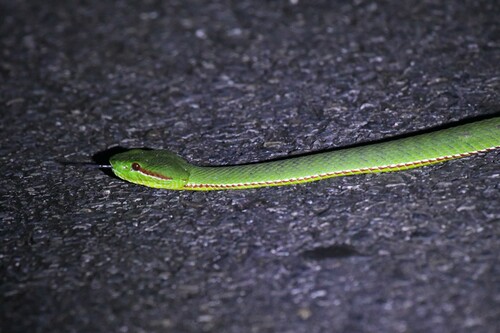
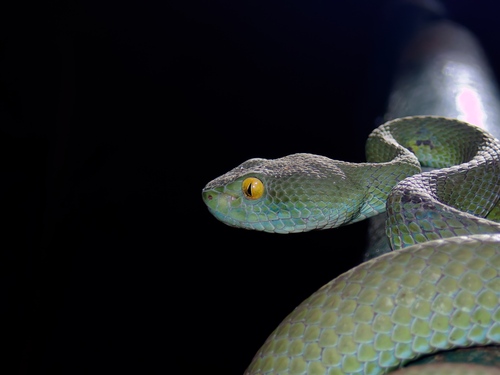
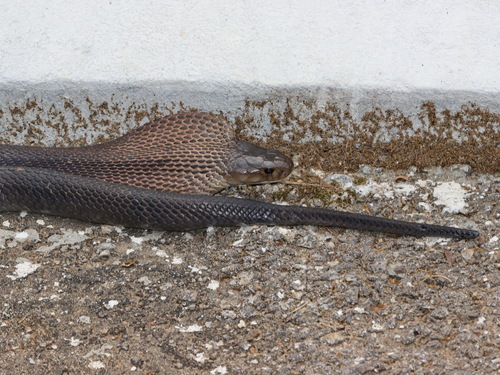
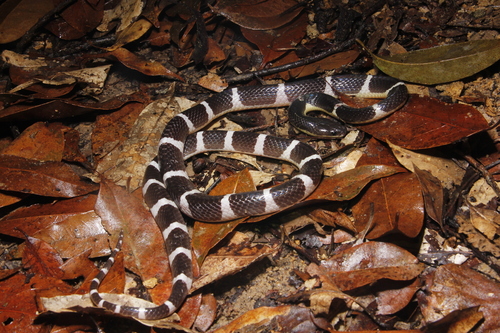
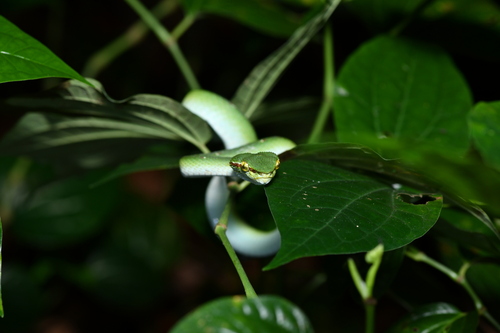
- Yes. 81 venomous snake species have verified records in Thailand, including Lanna Green Pitviper, Kramer's Pit Viper, Brown Banded Cobra, Siamese Red-necked Keelback. Most snakes in Thailand, however, are harmless.
- How many snake species live in Thailand?
- 250+ snake species have verified records in Thailand, of which 81 are venomous.
- What is the most commonly seen snake in Thailand?
- The Lanna Green Pitviper is the most frequently reported snake in Thailand, based on verified wildlife observations.
- What should I do if I see a venomous snake in Thailand?
- Keep your distance and do not try to catch or kill it. Most bites happen when people handle or corner a snake. If someone is bitten, contact local emergency services or poison control immediately.
Venomous snakes in Thailand
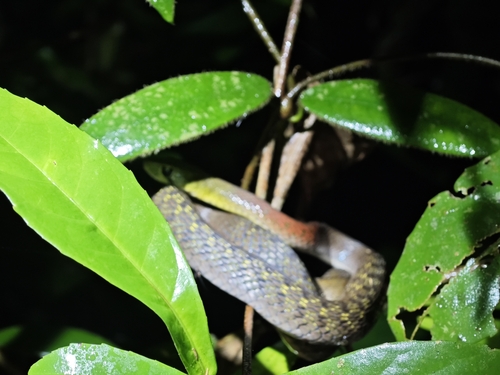
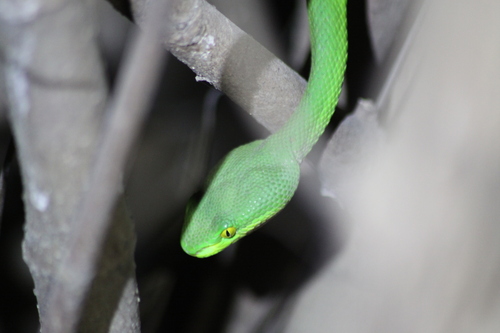
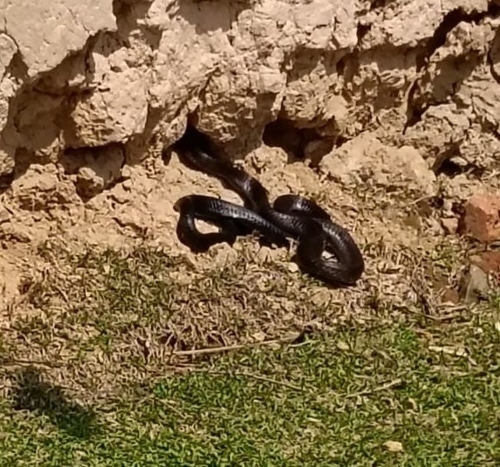
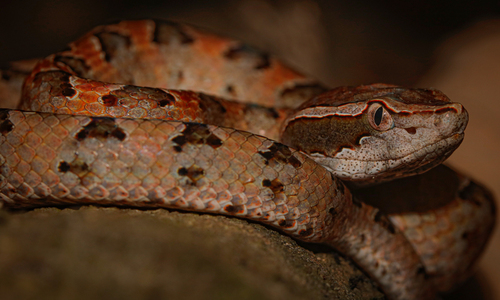
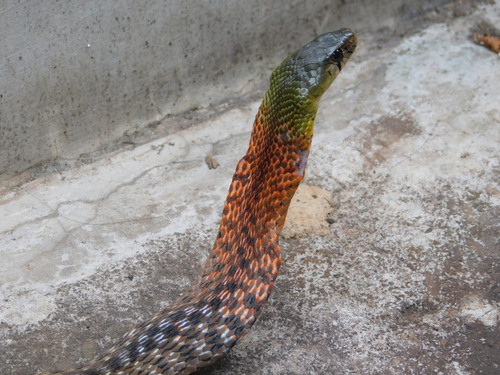
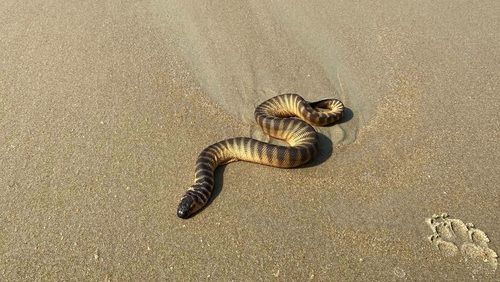
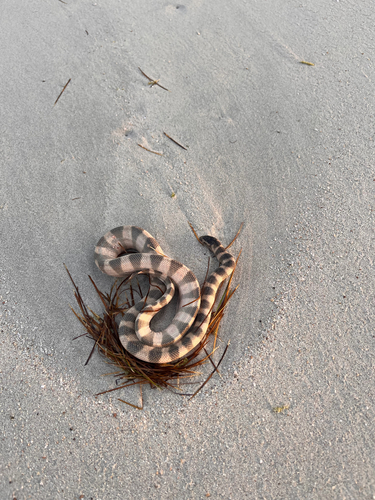
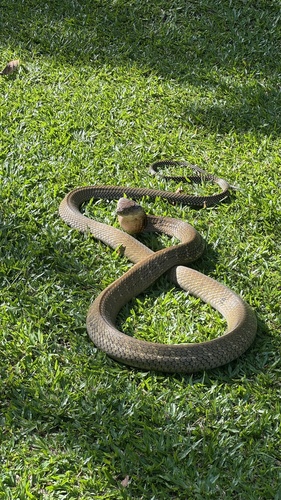
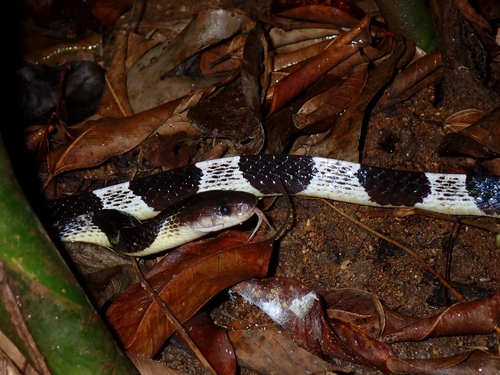
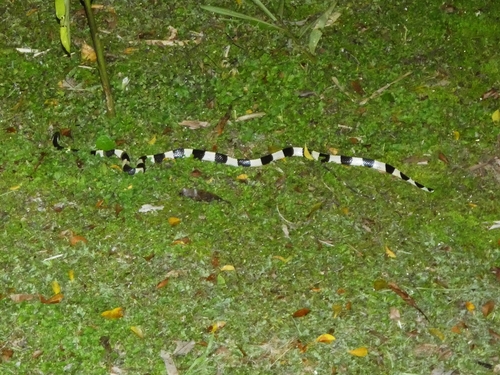
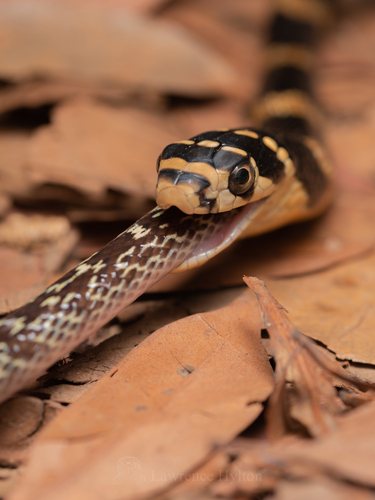
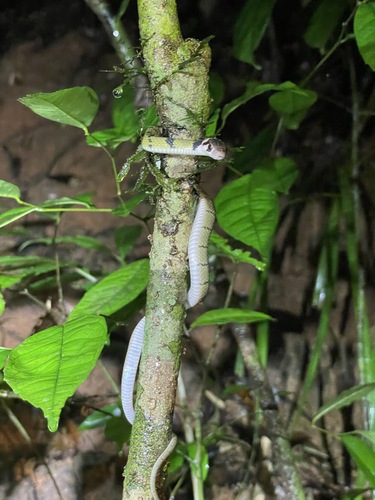

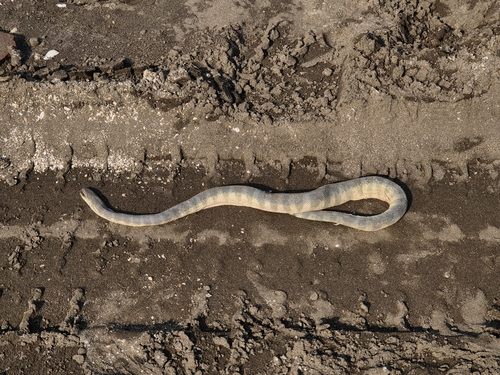
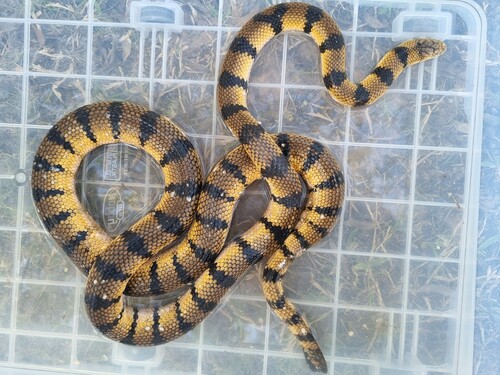

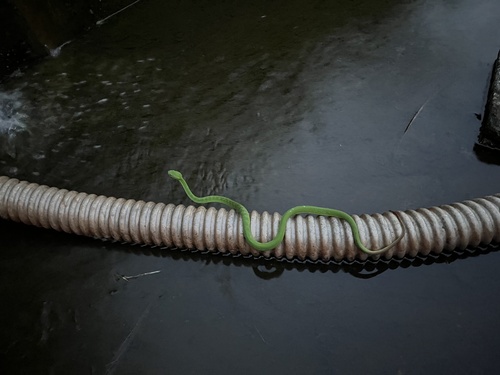
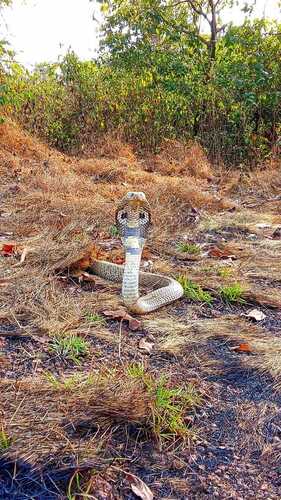
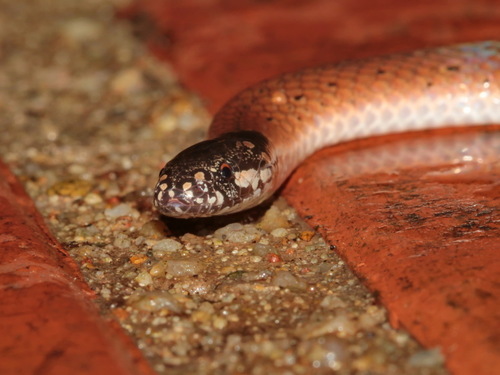
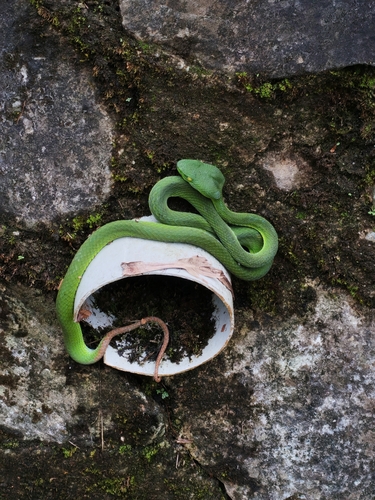
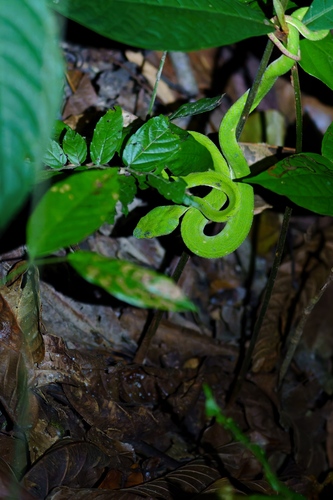
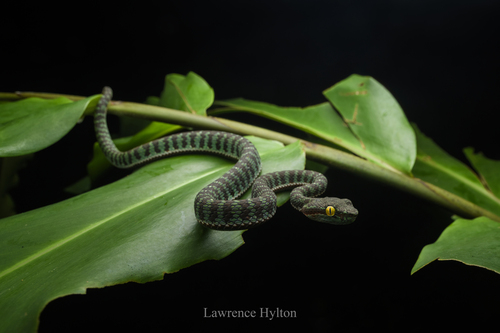

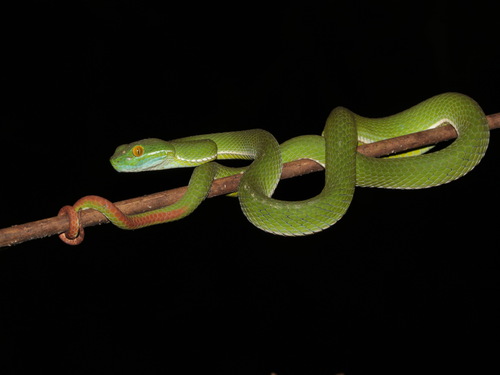
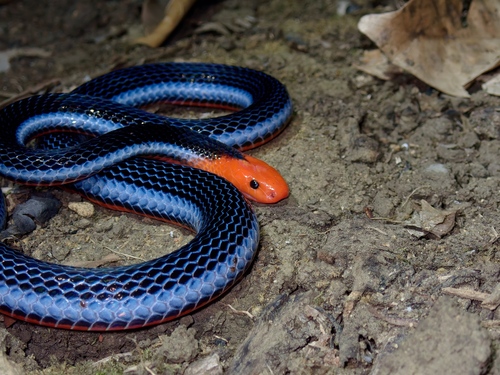
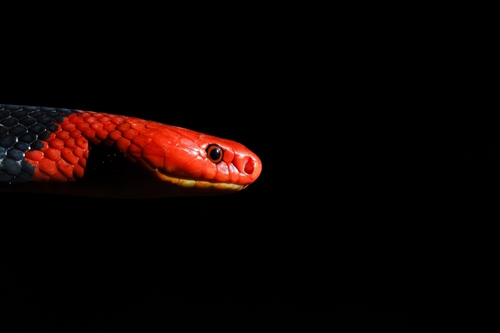
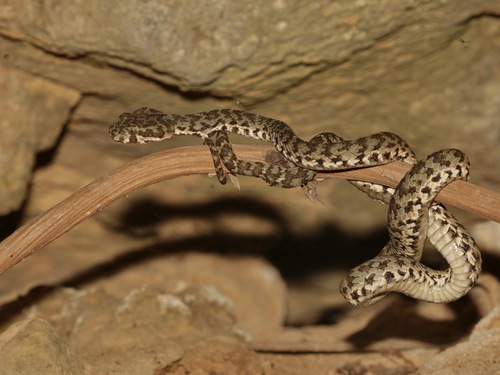
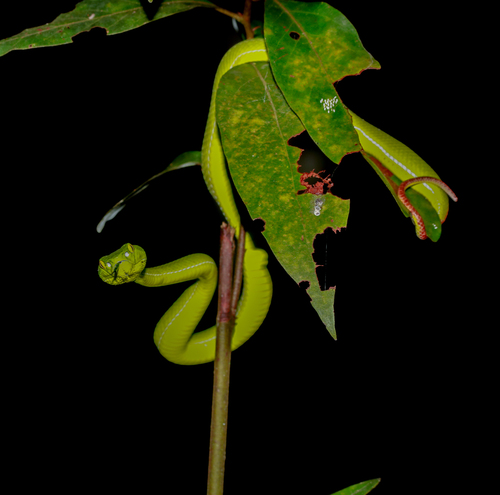
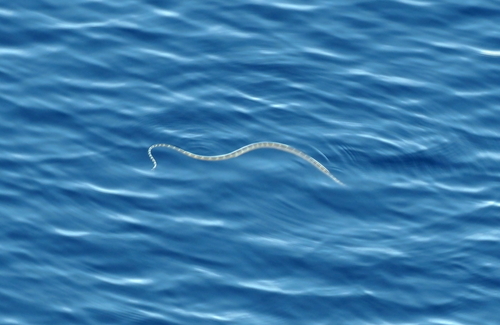

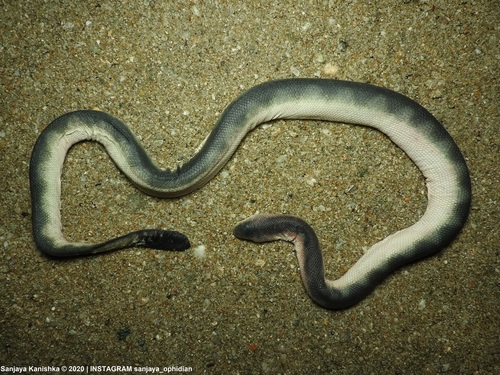
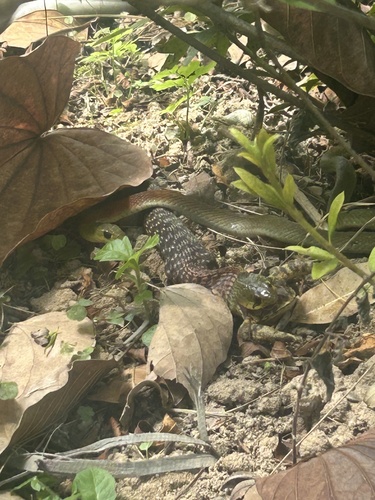
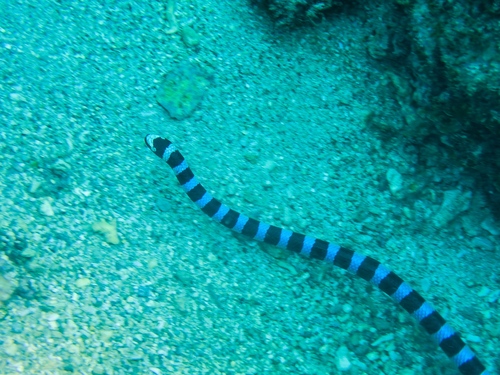
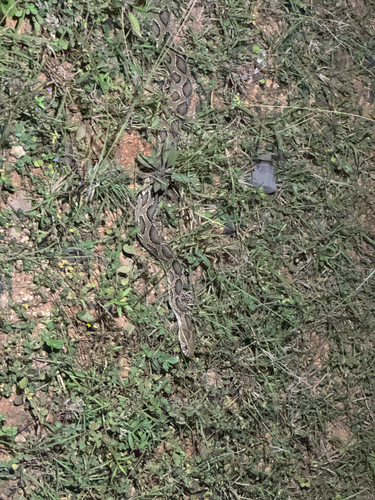
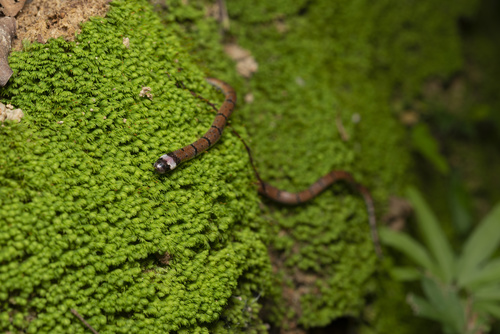
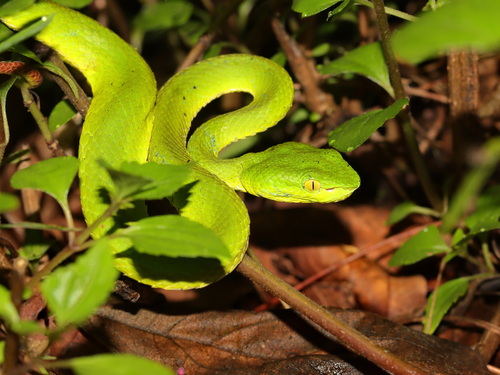
- No photo
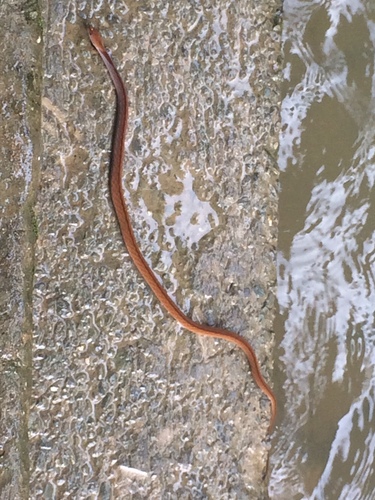
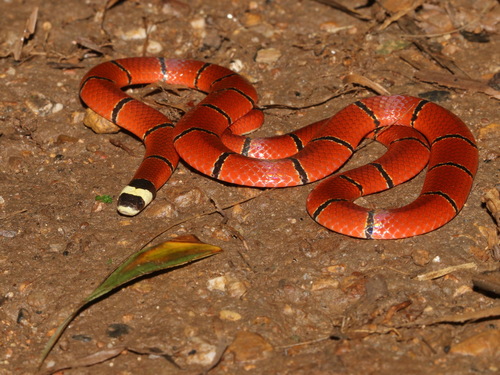
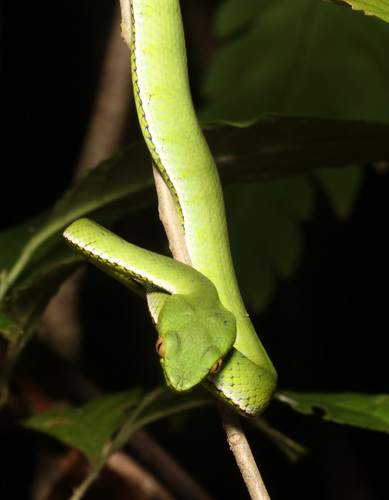
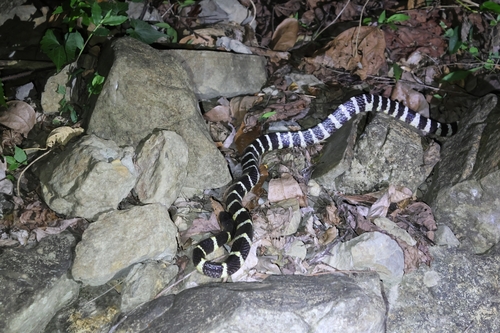
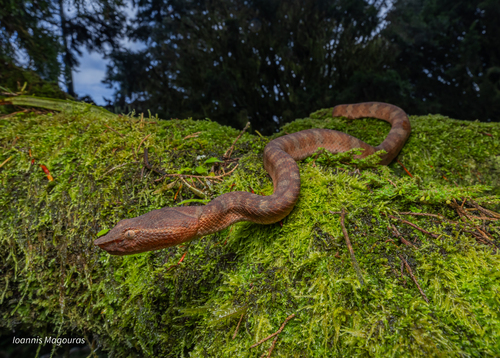
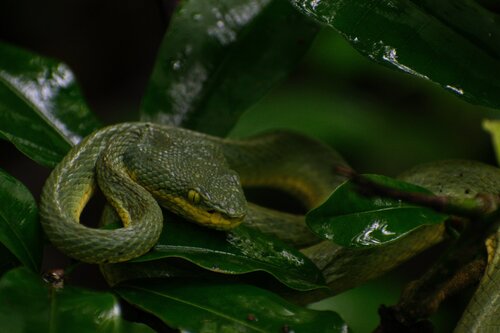
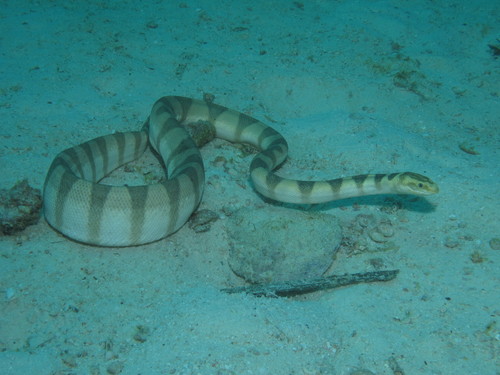
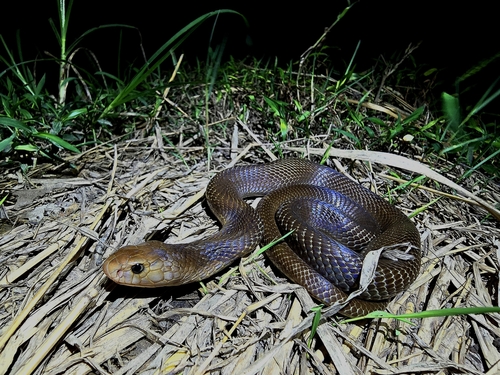
- No photo
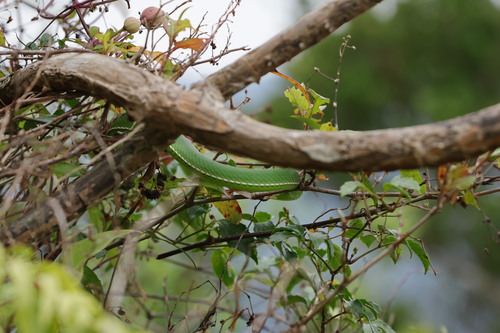
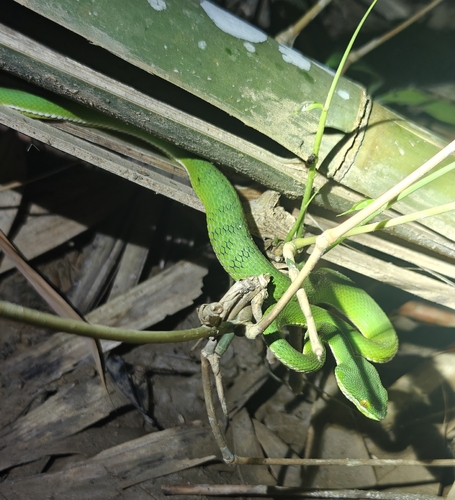
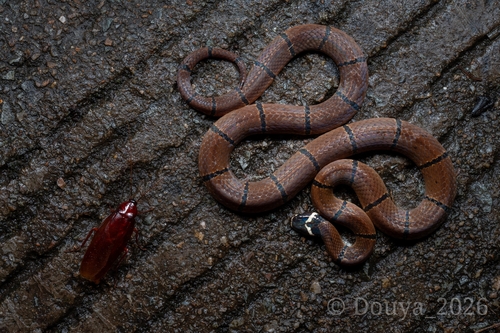
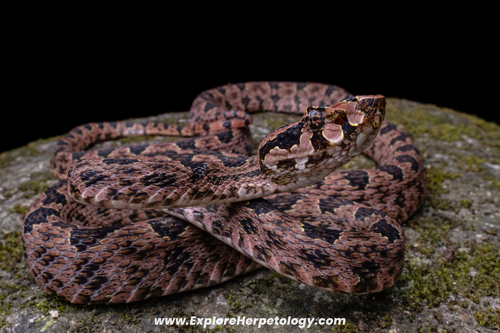

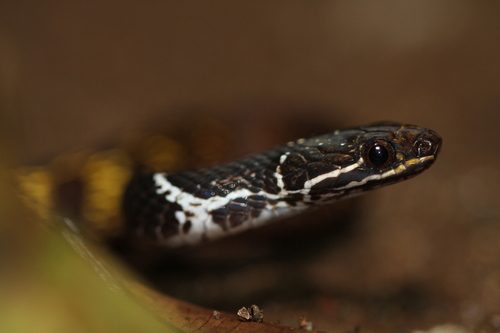
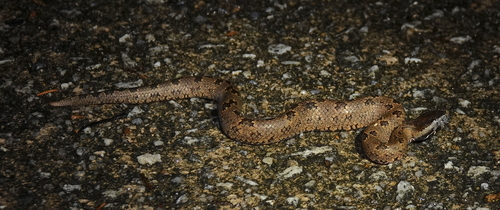
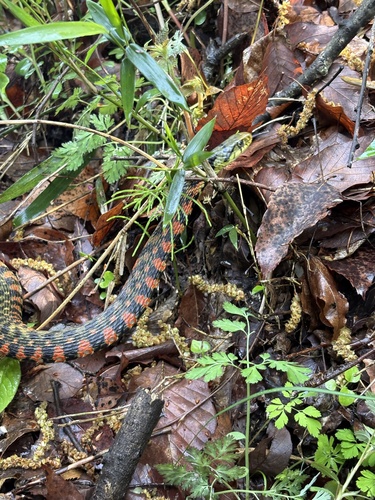
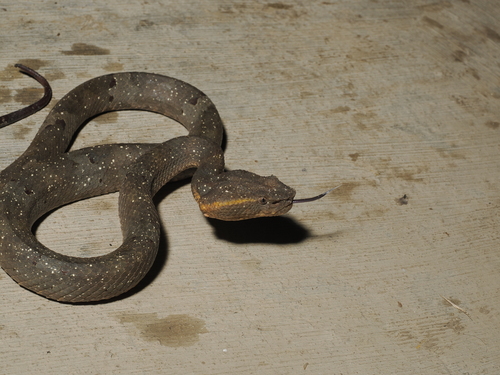
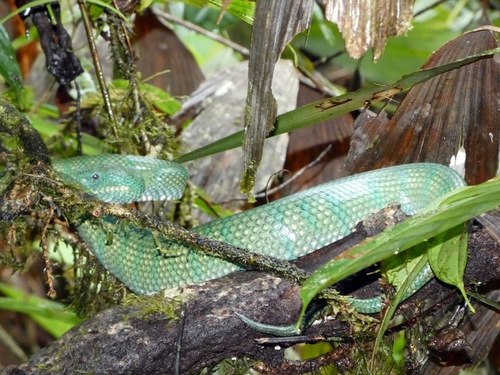
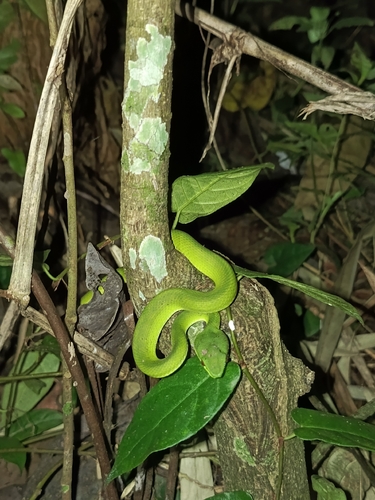
Every snake recorded in Thailand
250+ species across 14 families, grouped by family. Venomous flagged.
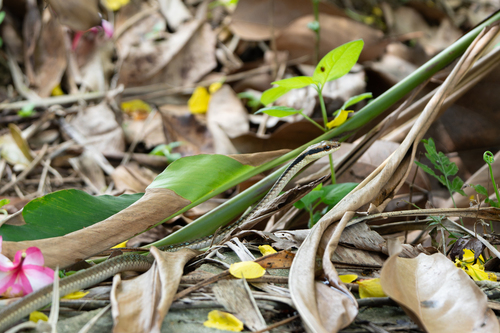
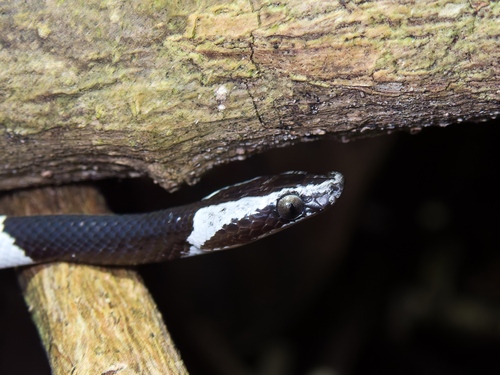
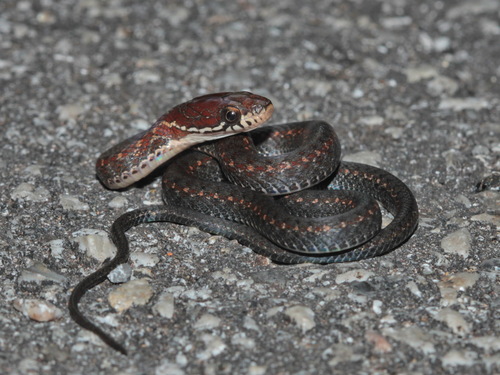
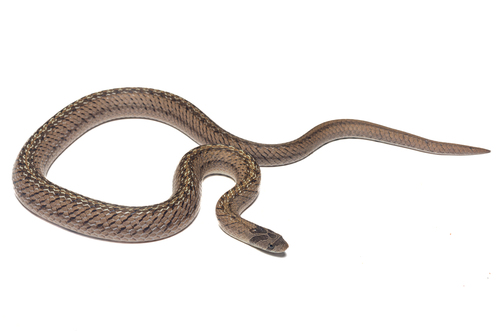
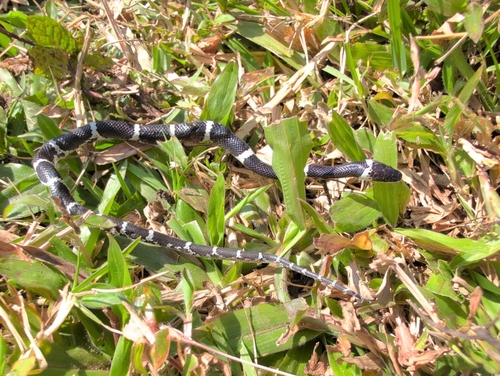
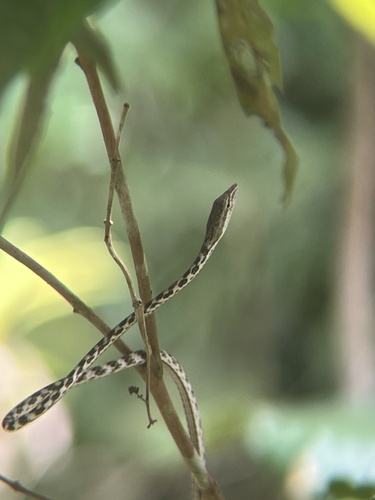
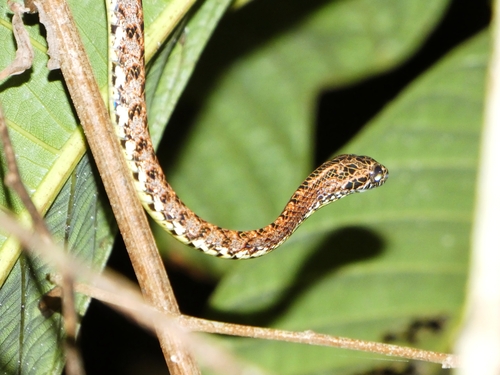
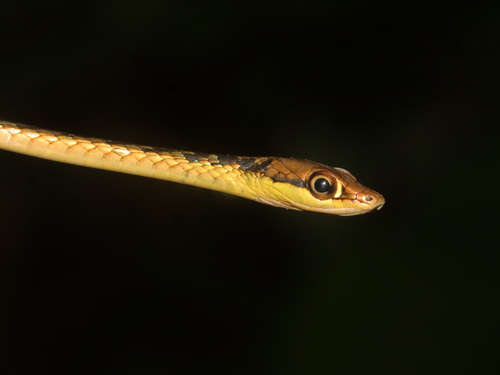
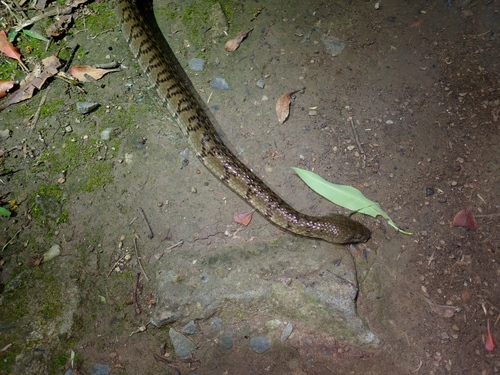
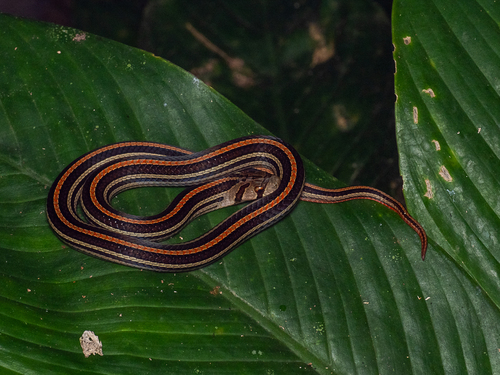
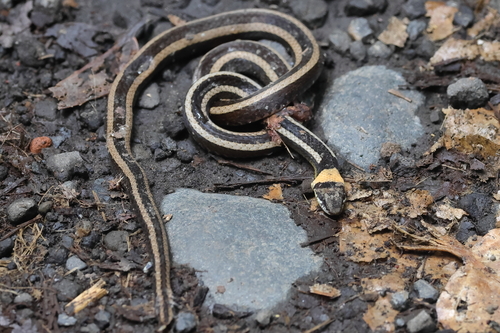
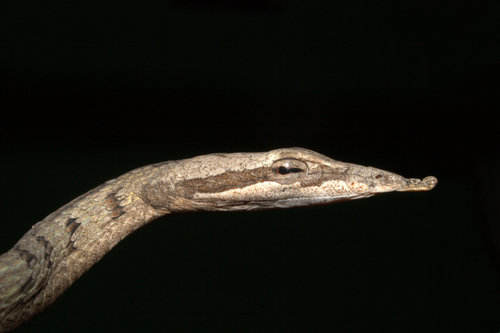
Colubridae (141)
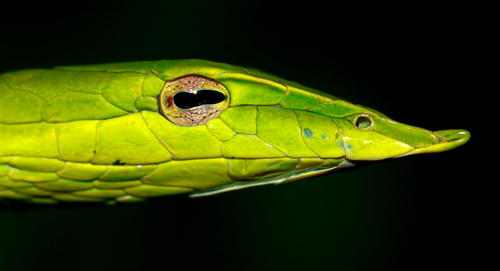
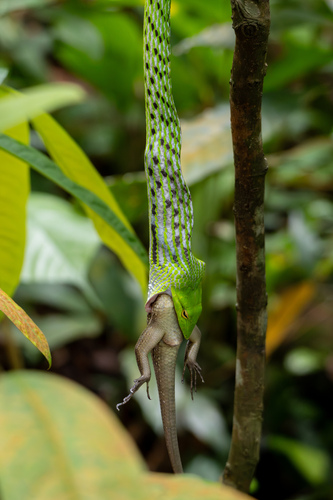
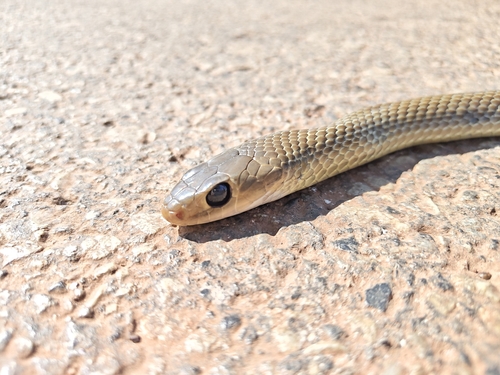
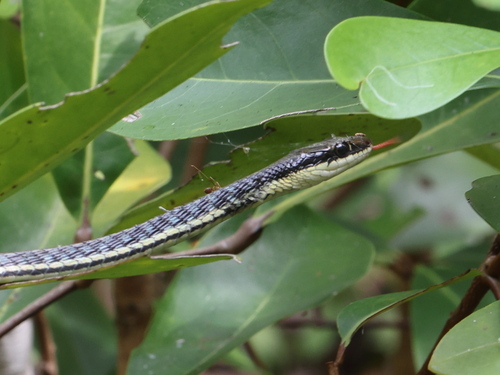
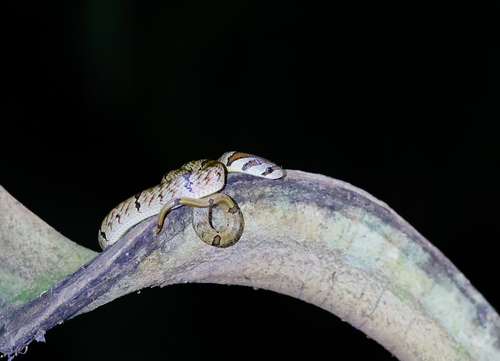
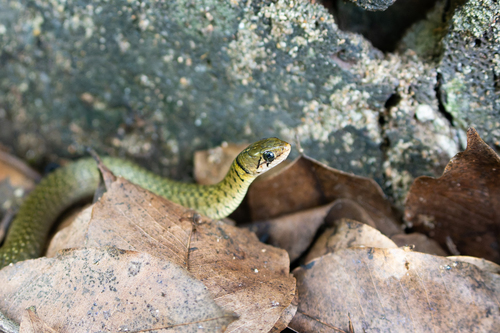
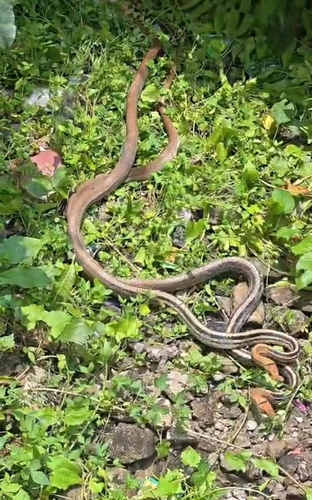
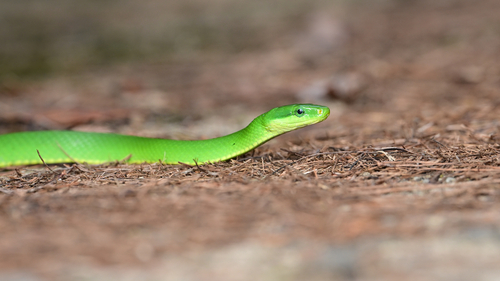
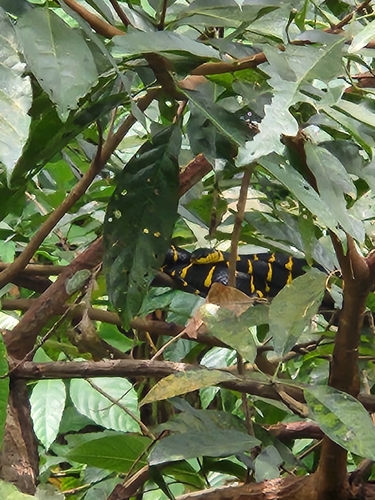
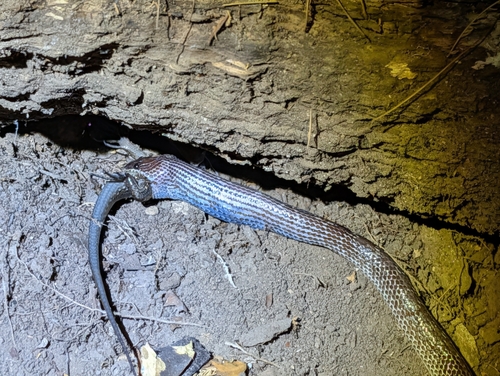
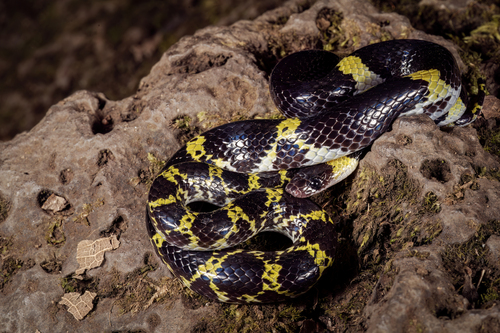
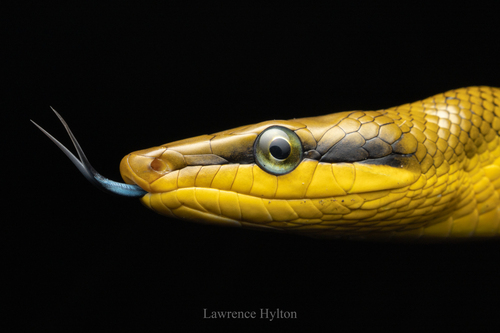
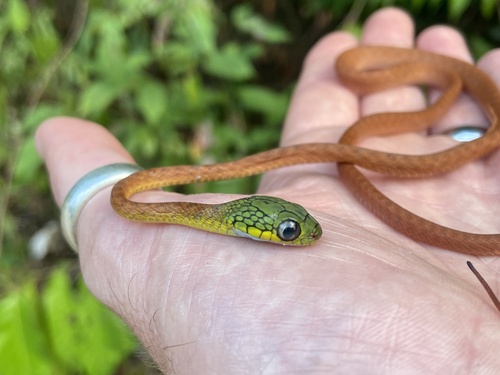
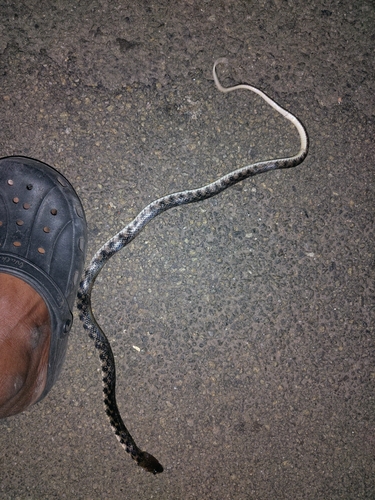
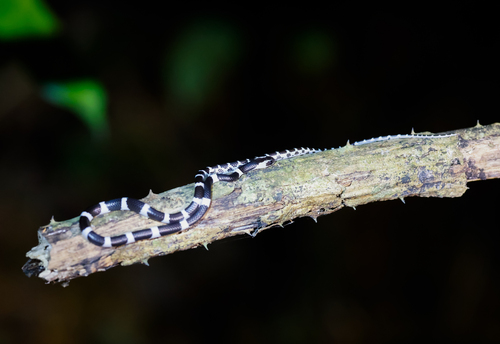
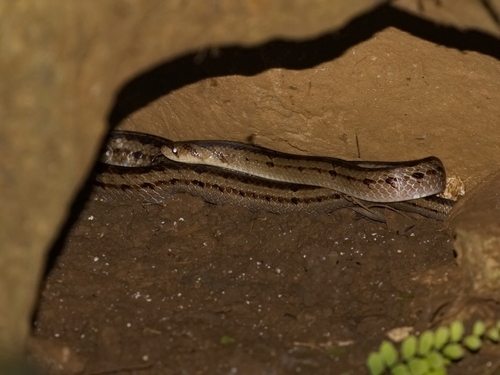
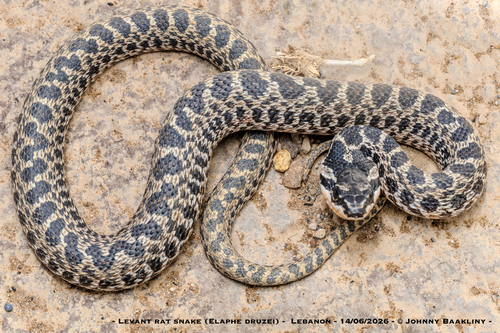
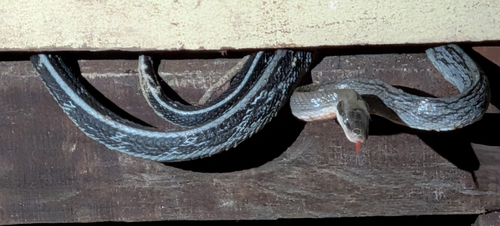
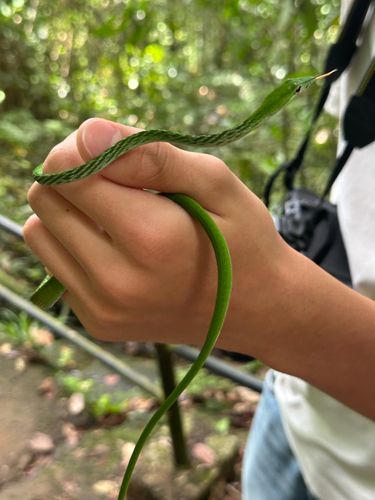
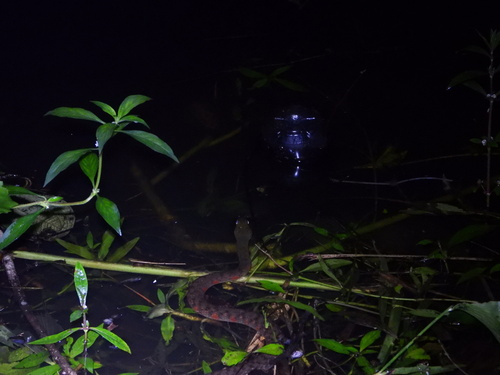
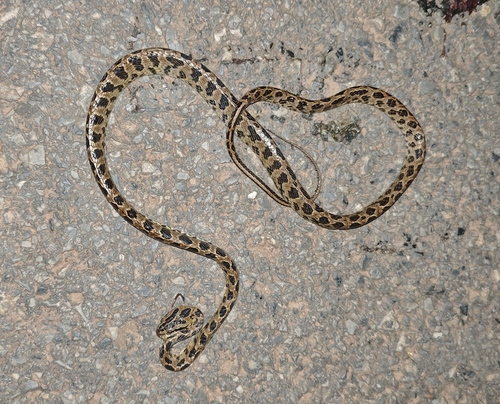
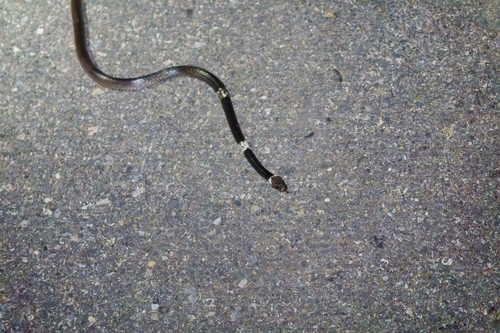
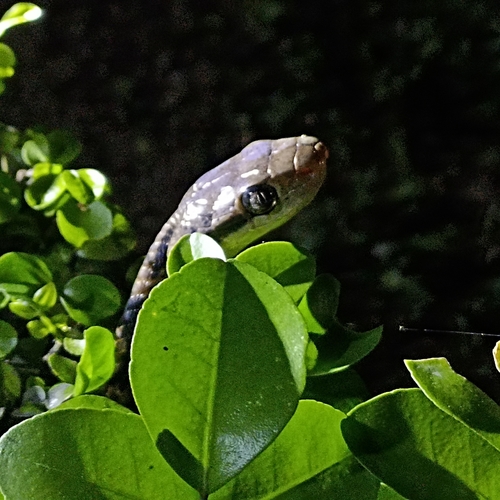
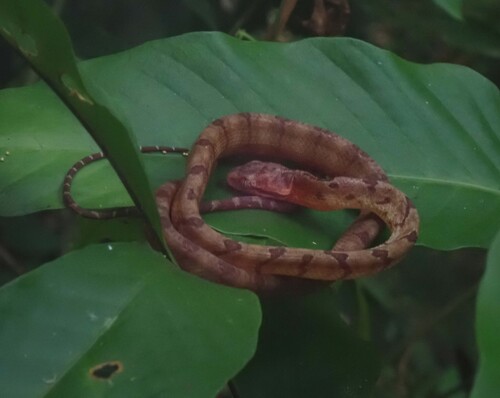
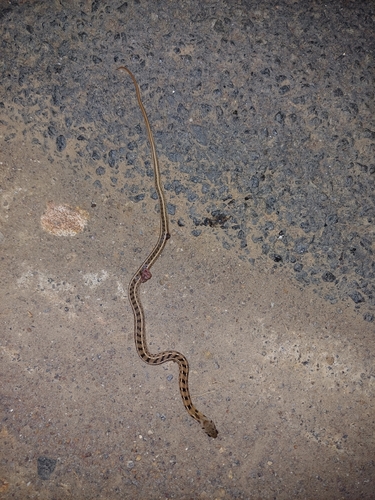
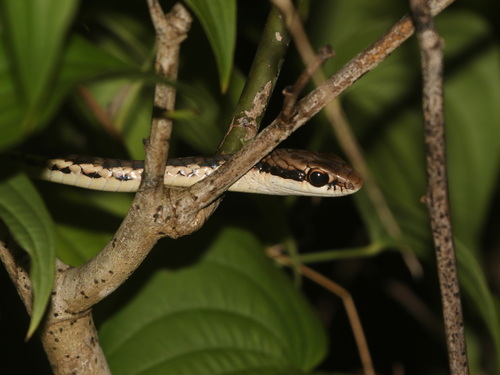
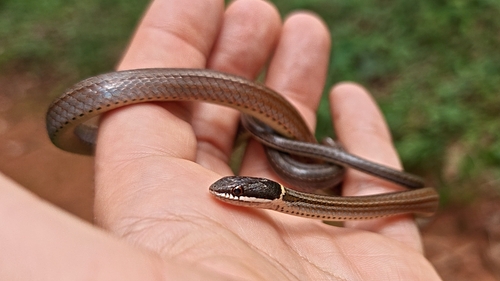
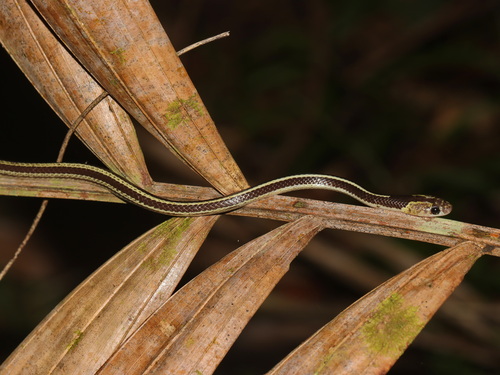
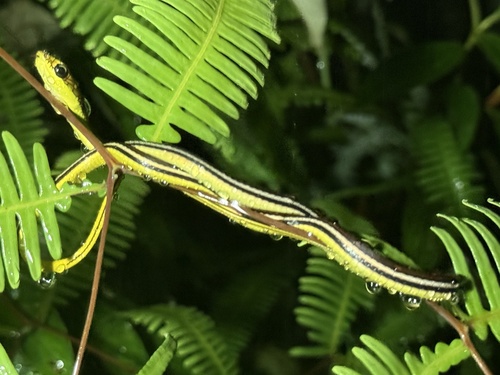
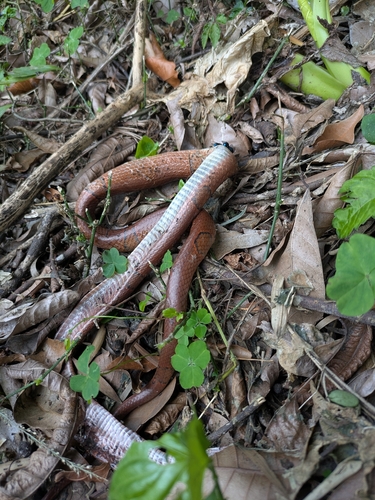
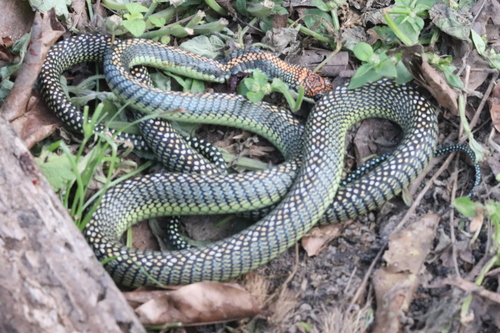
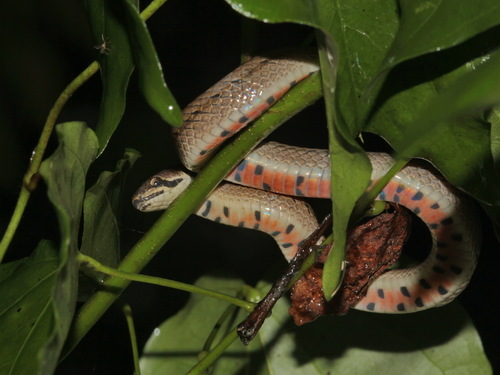
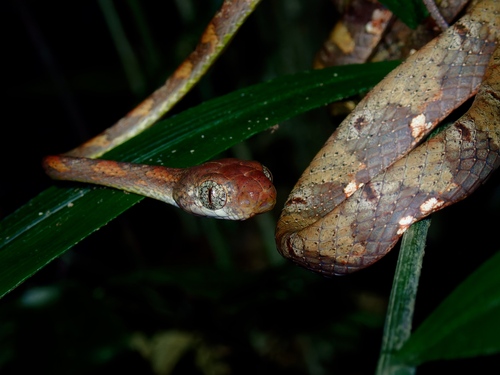
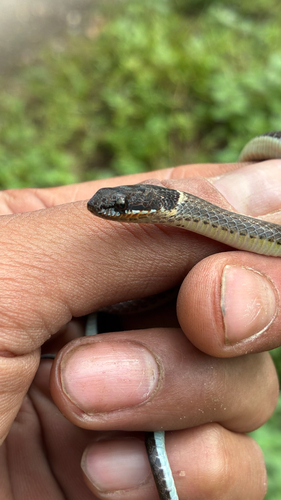
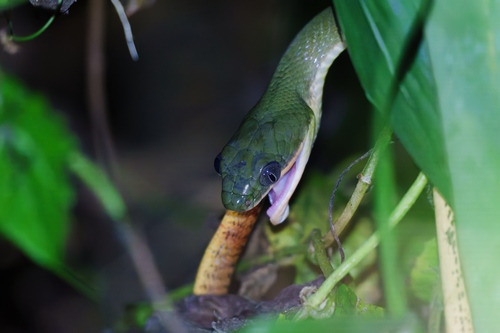
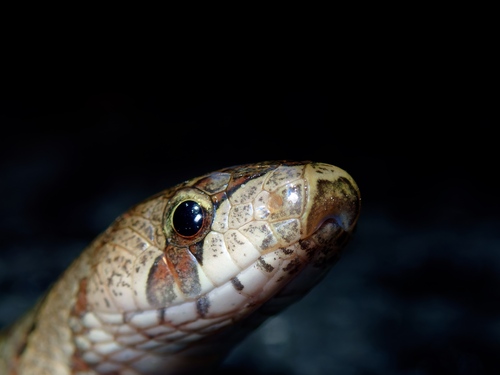
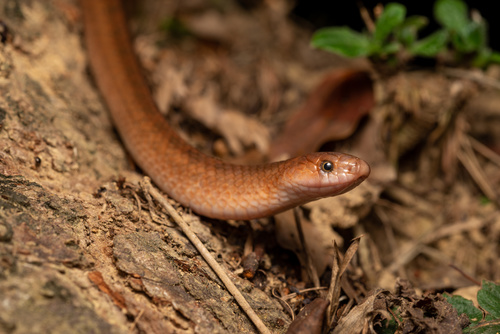
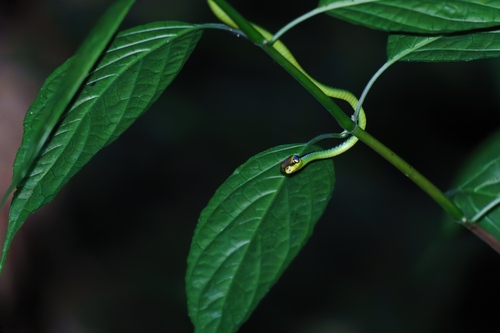
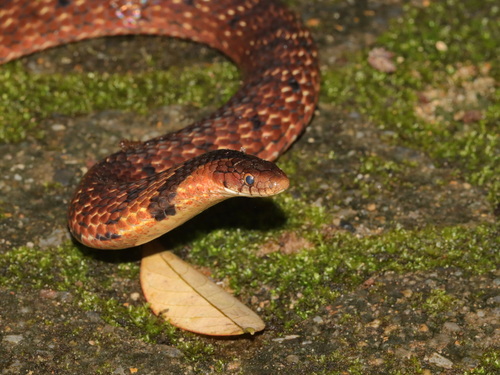
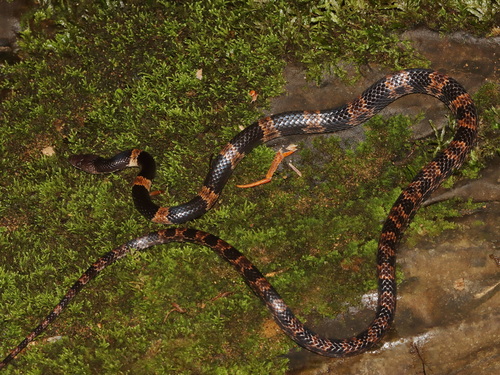
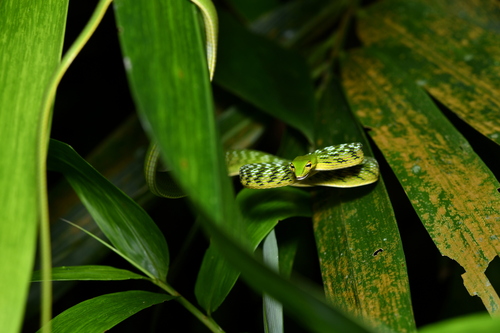
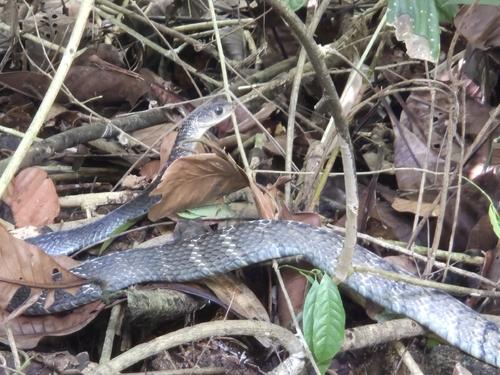
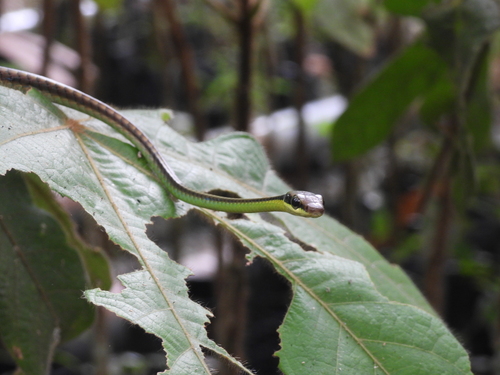
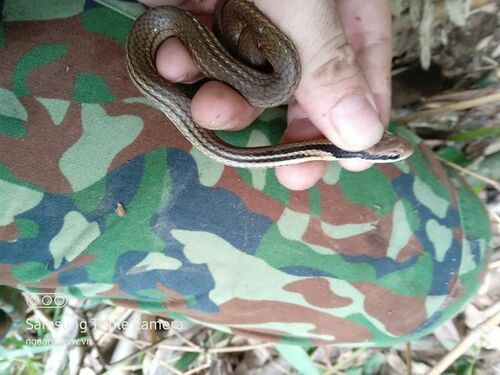
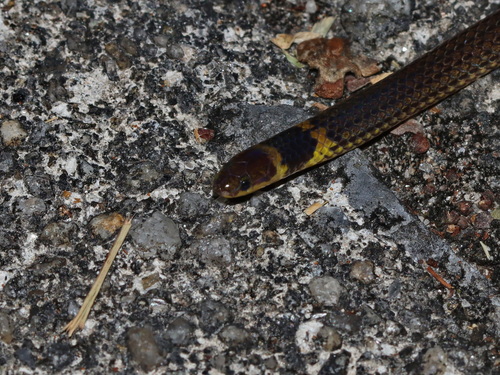
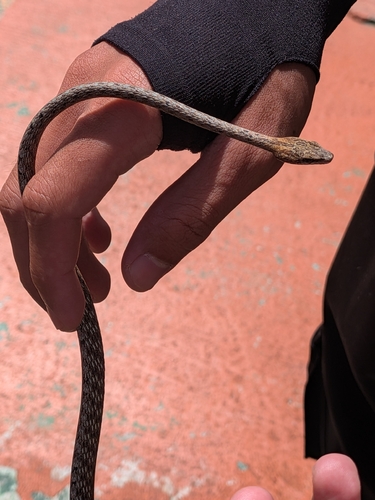
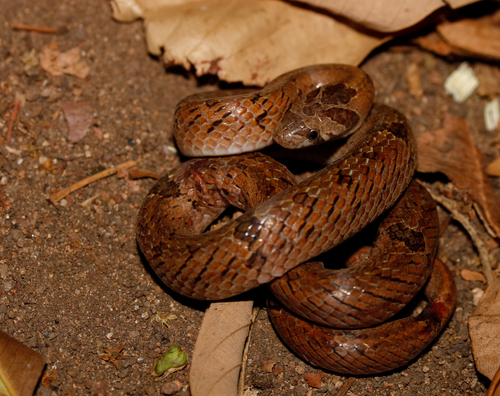
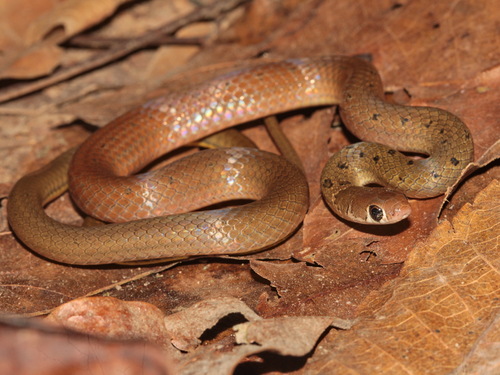
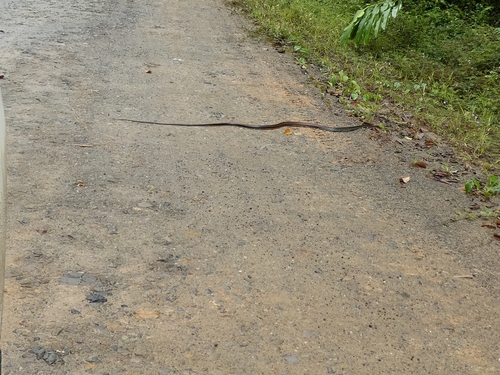
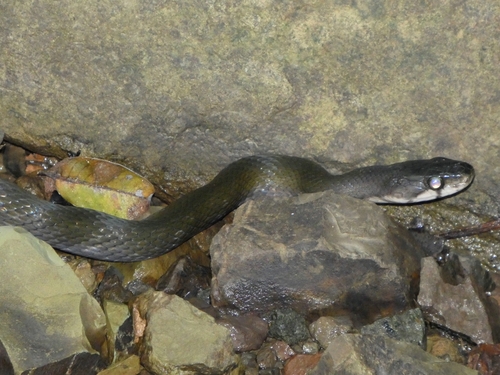
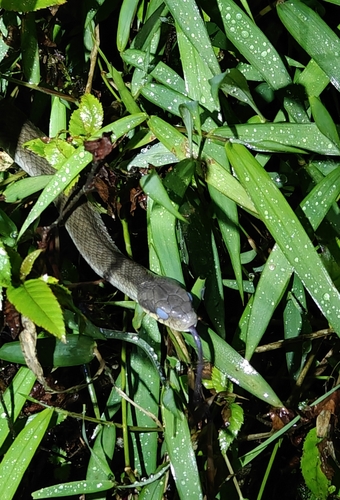
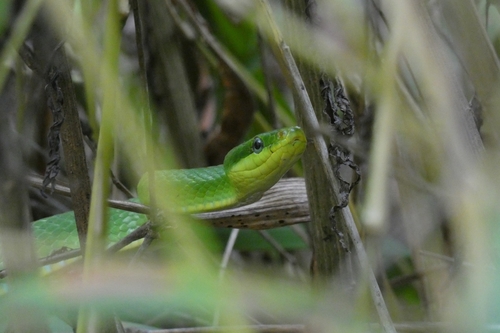
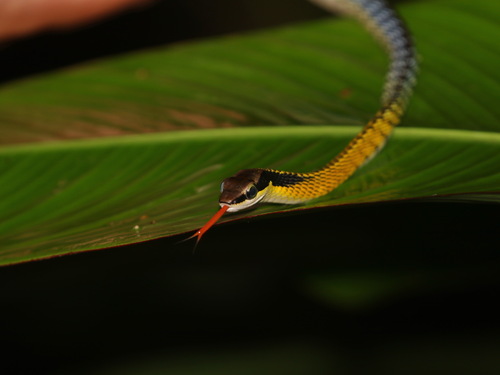
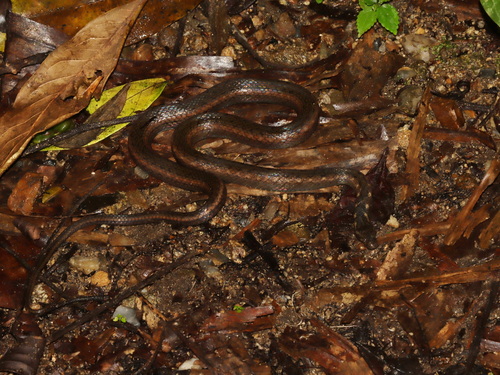
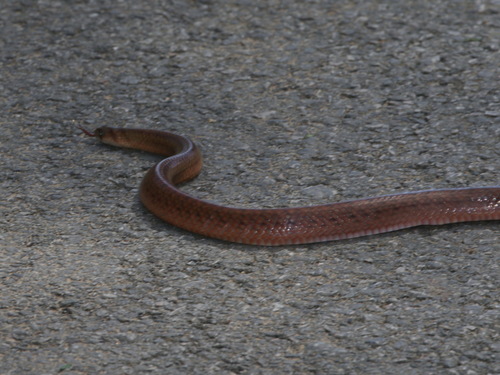
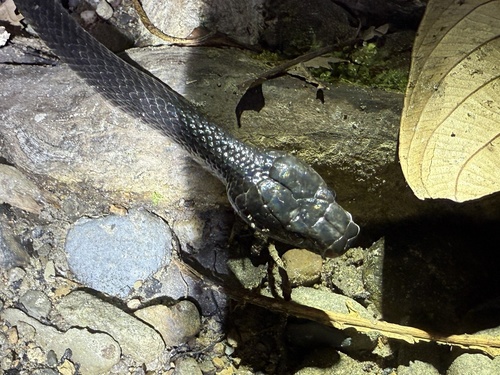
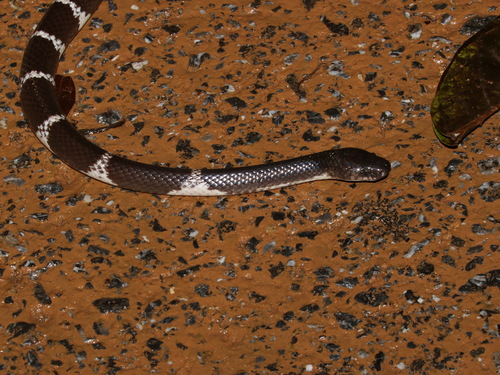
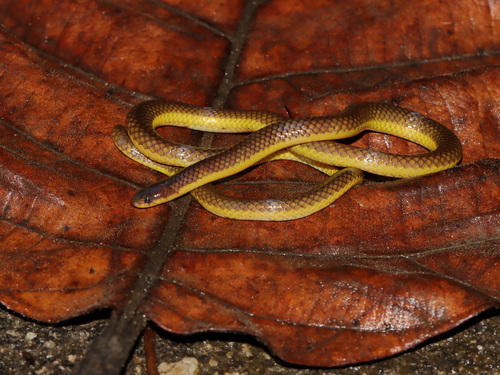
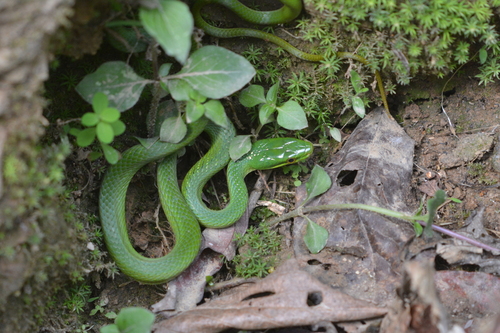
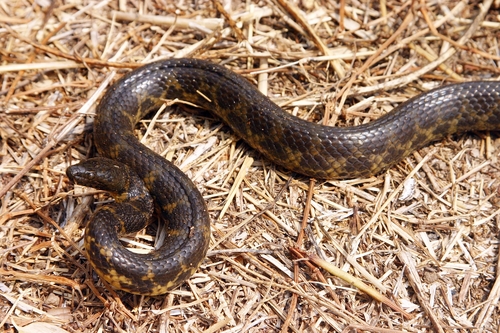
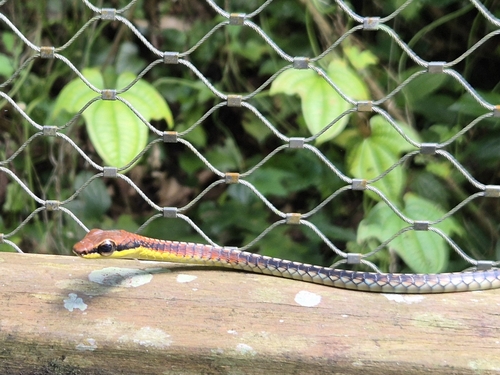
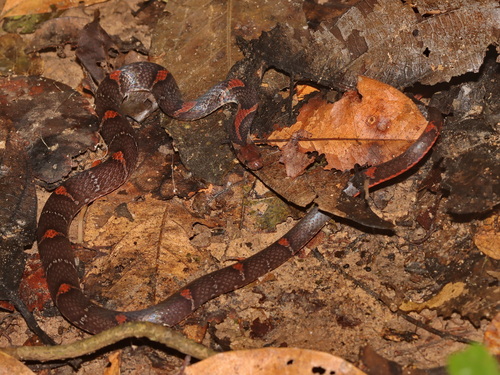
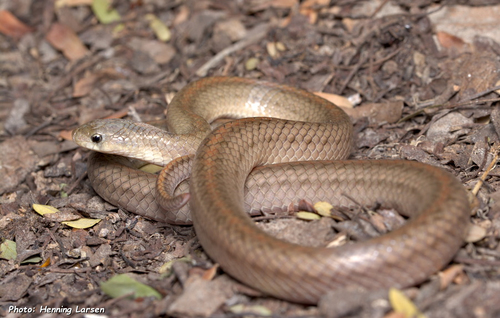
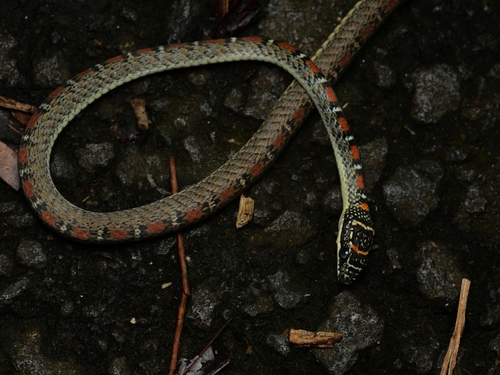
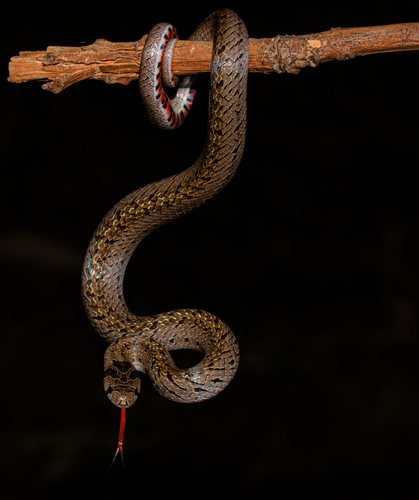

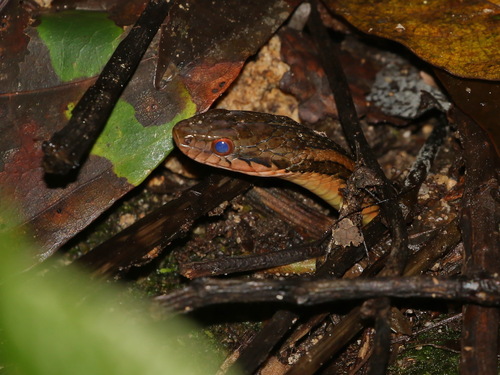
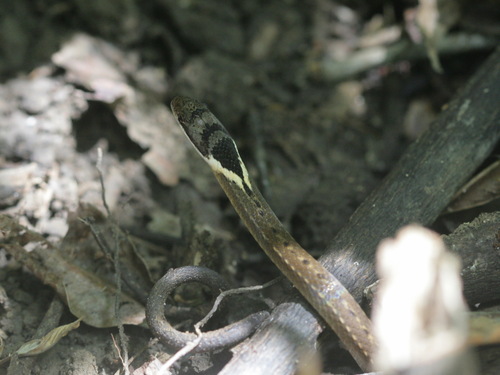
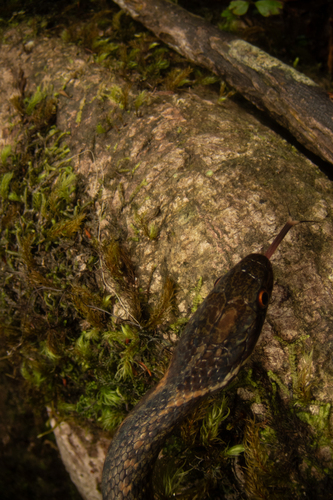
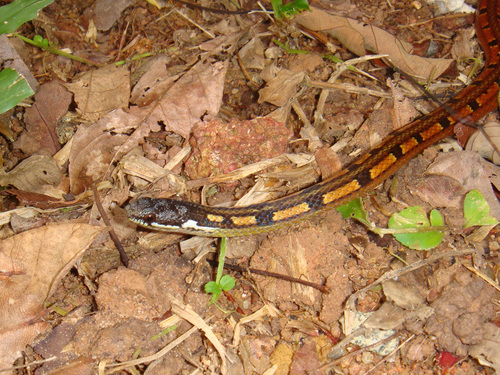
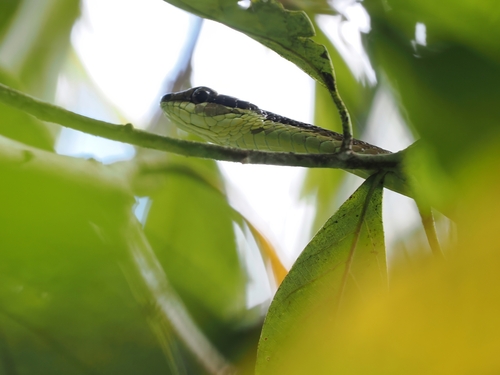
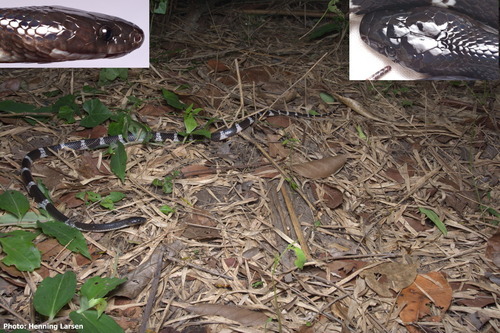
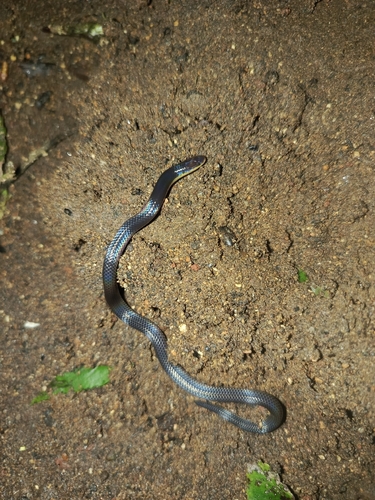
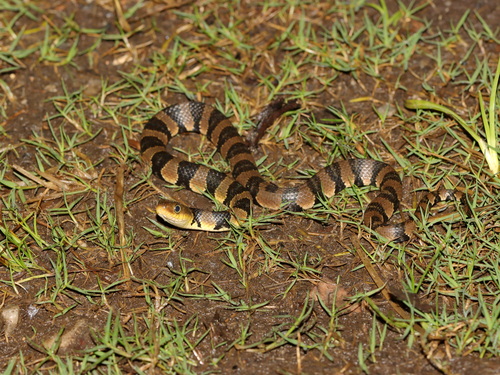
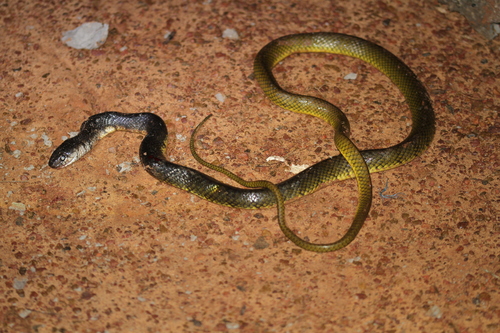

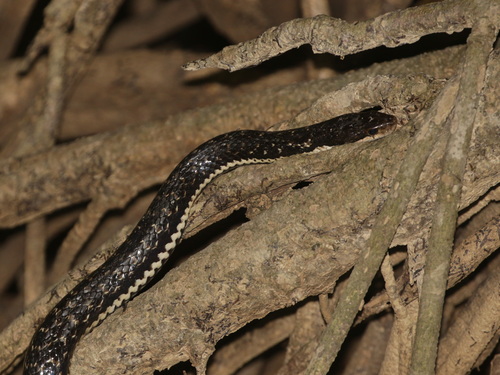
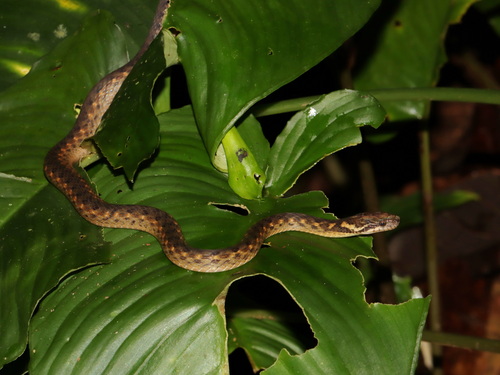
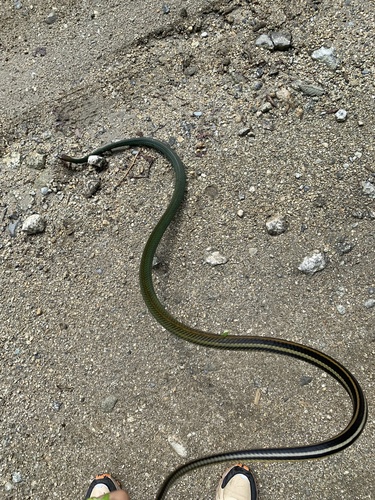
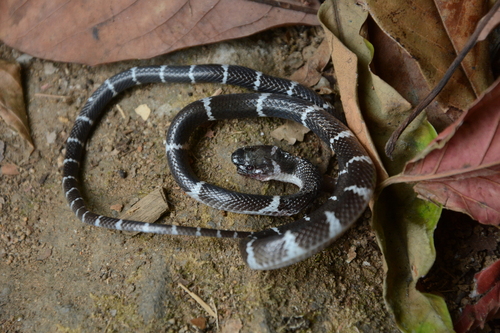
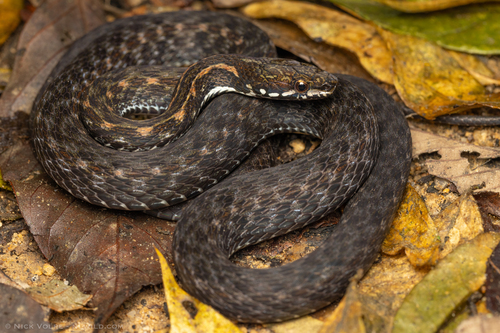
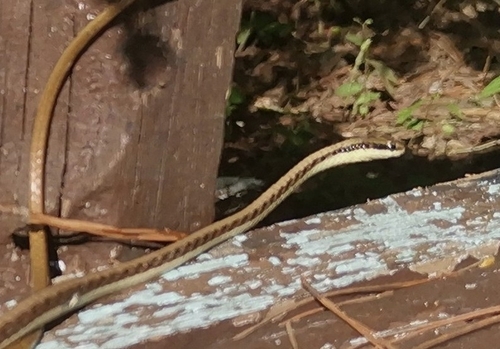
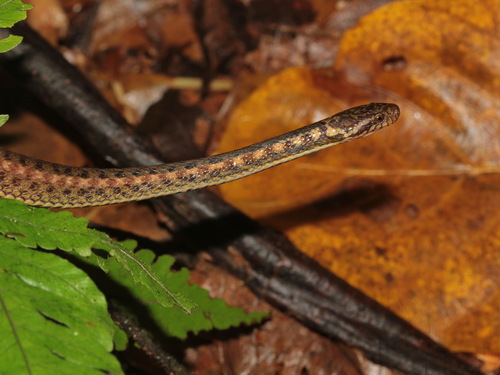
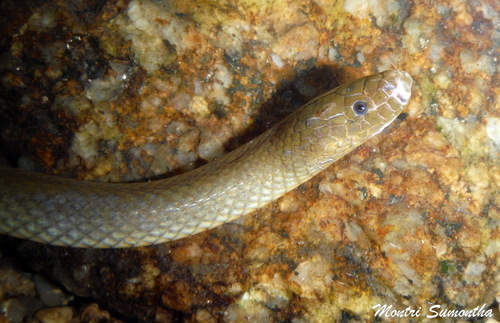
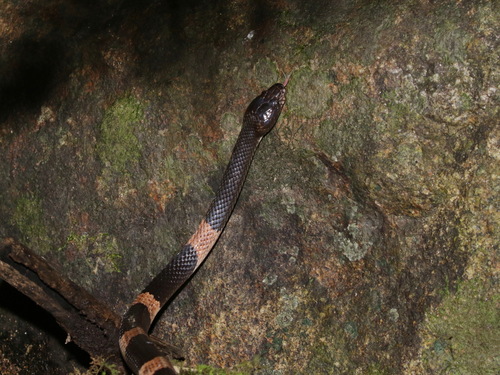
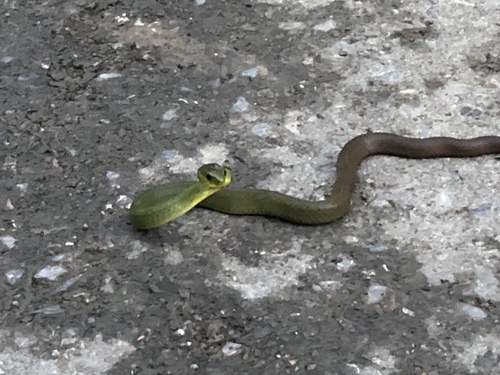
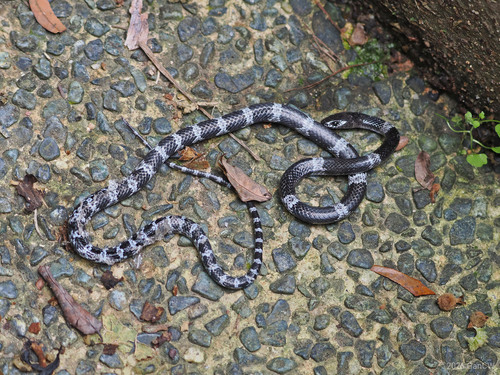
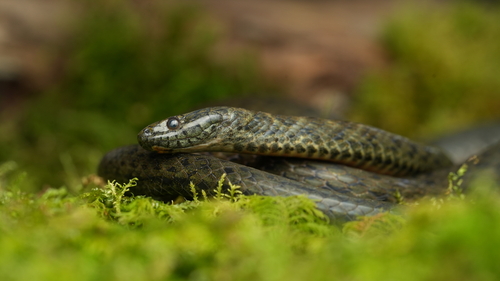
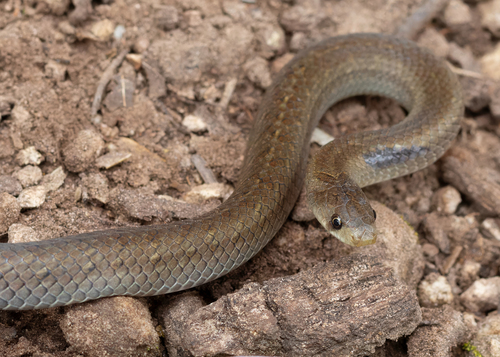
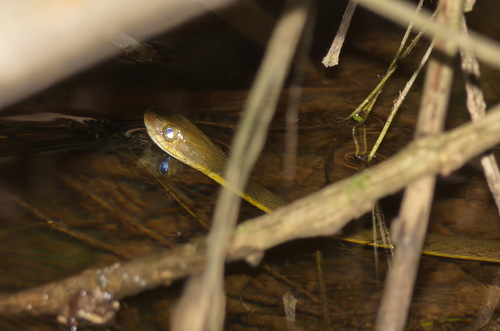
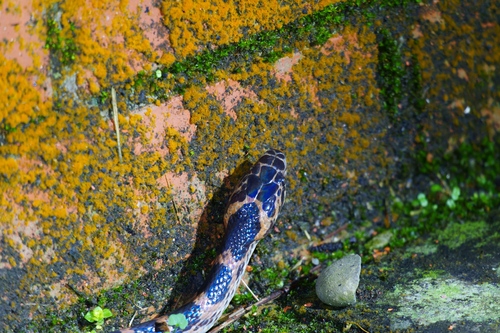
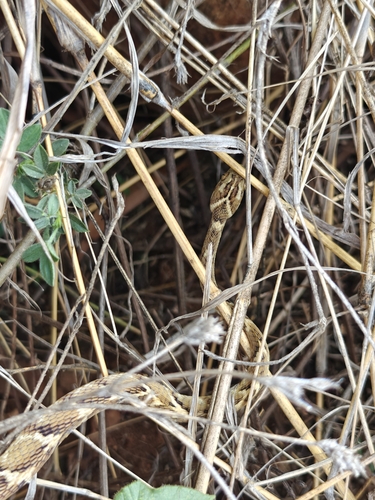
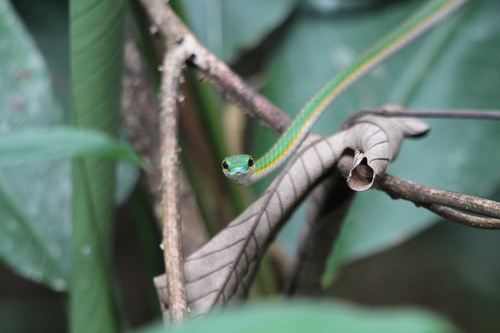
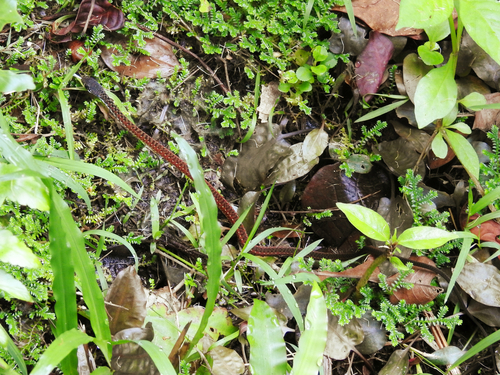
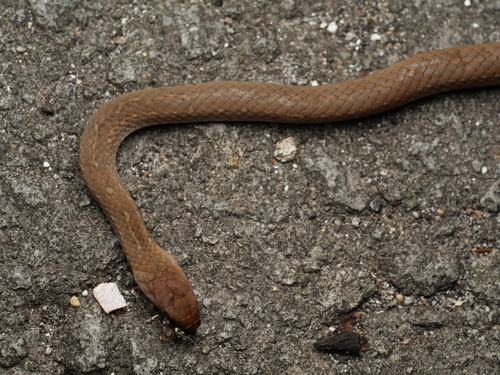
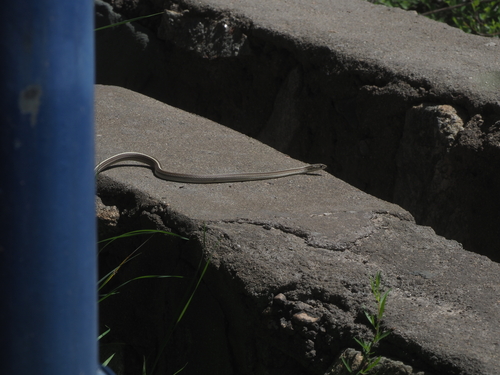
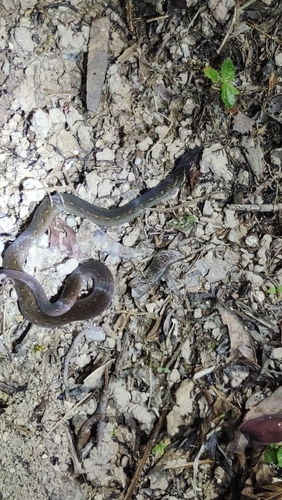
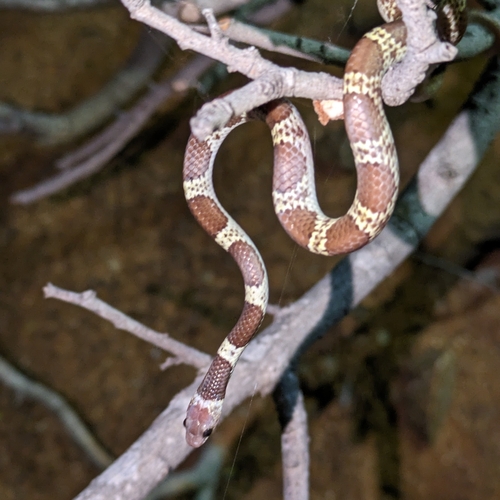
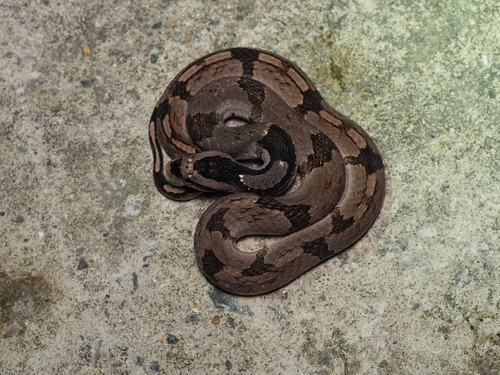
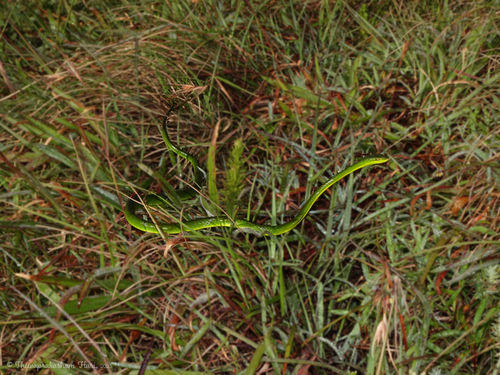
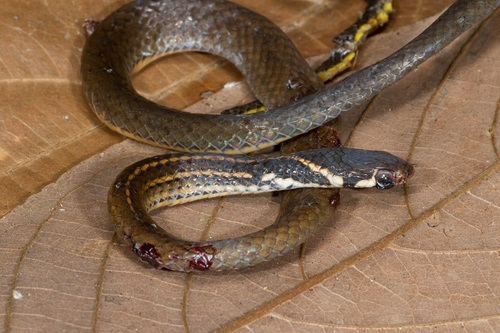
Elapidae (42)
Viperidae (30)
Homalopsidae (17)
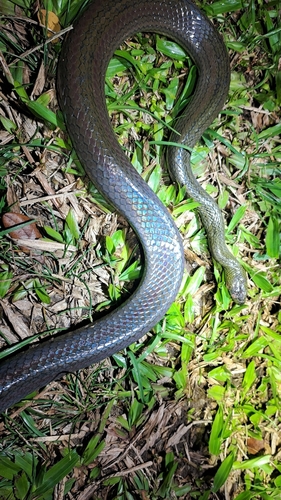
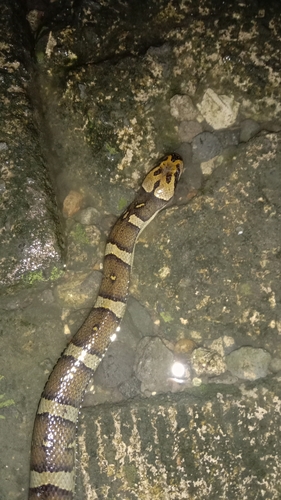
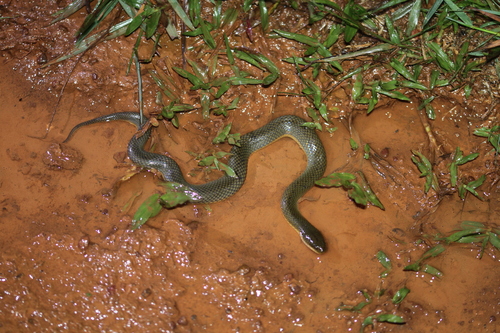
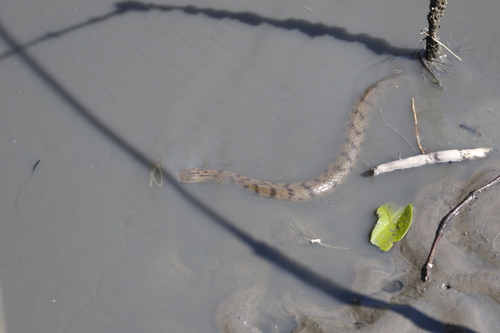
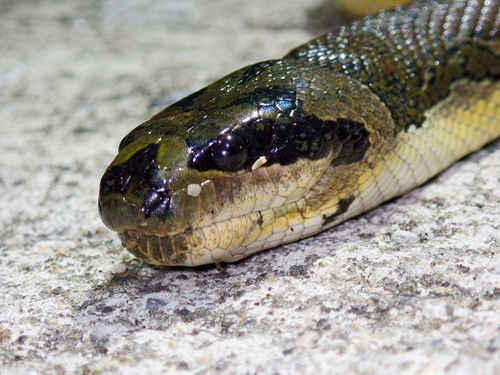
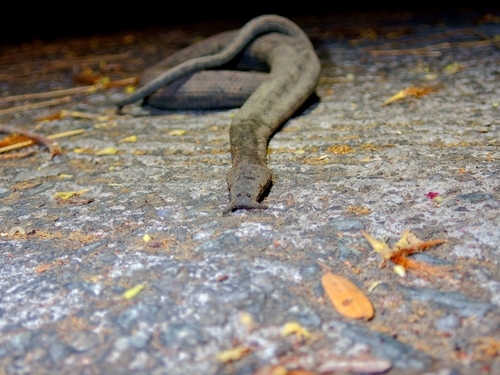
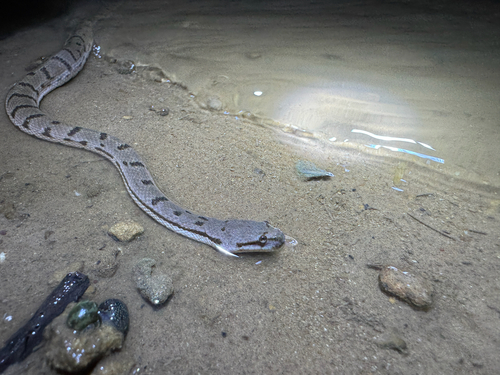
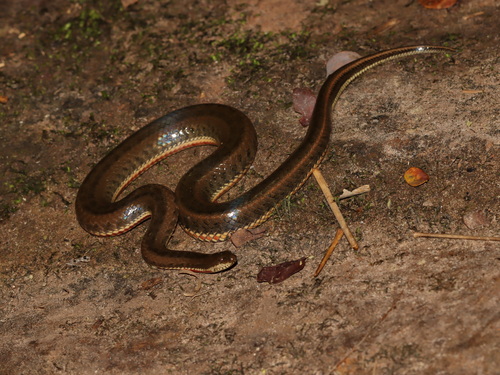
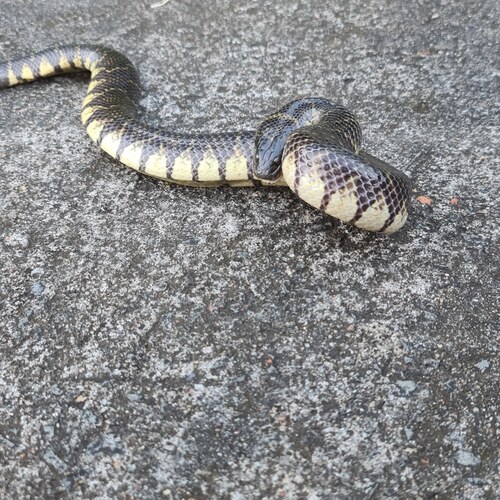
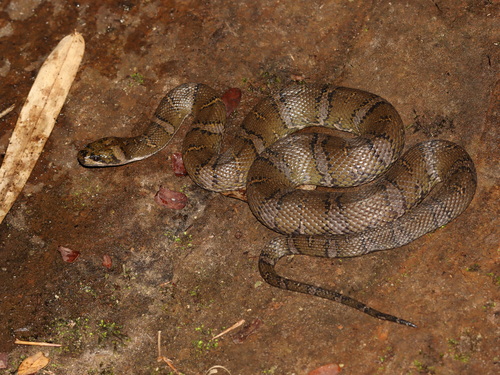
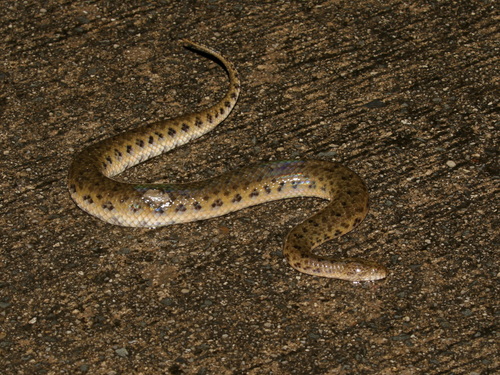
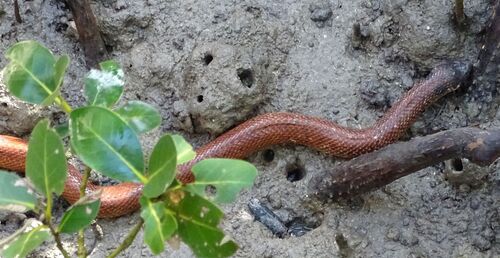
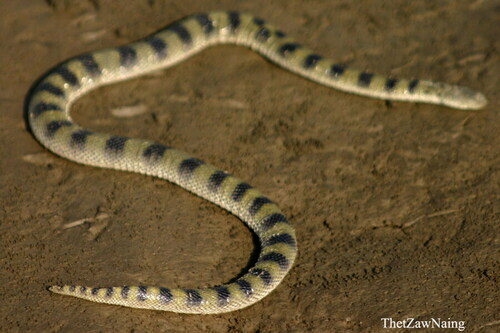
Pareidae (13)
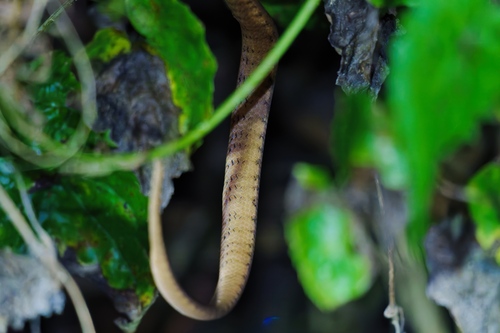
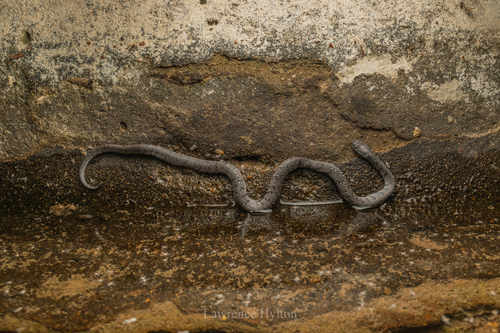
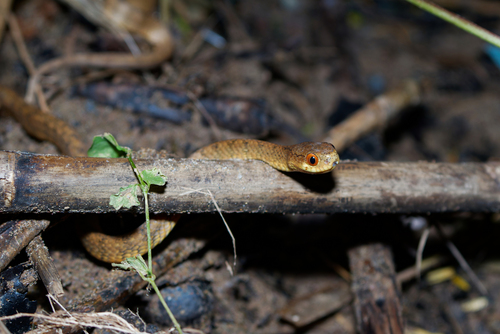

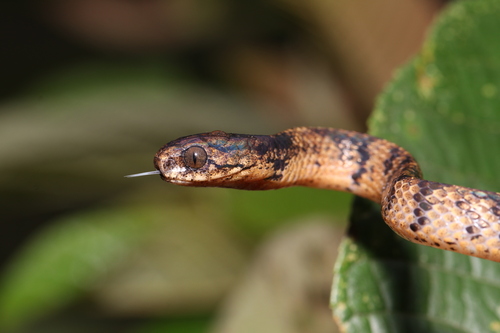
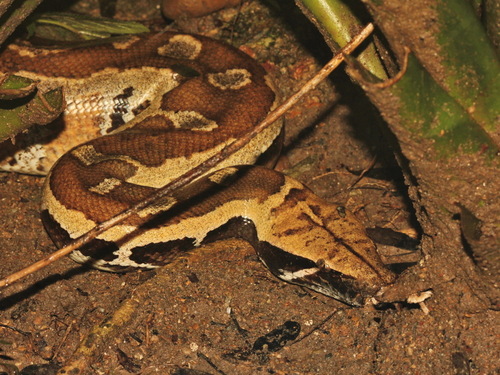
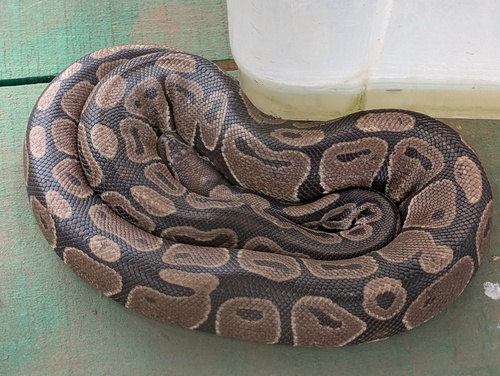
Pythonidae (6)
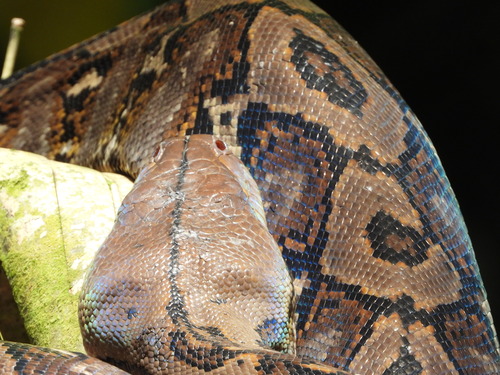
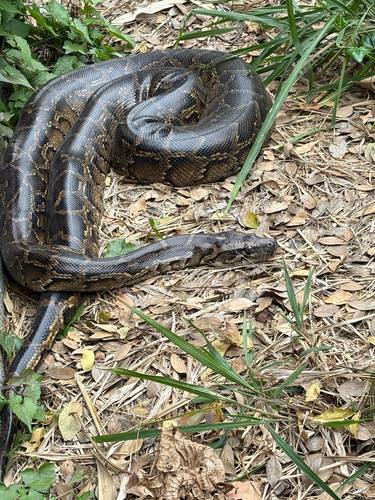
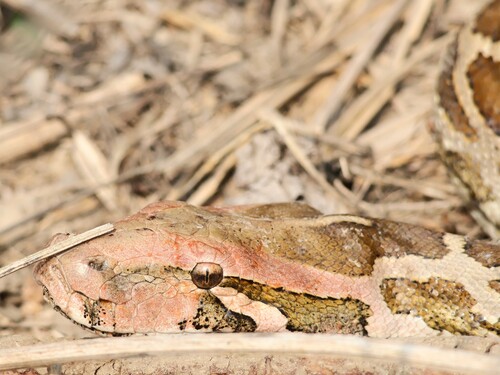

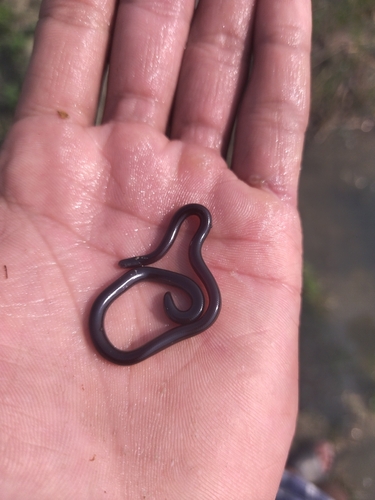
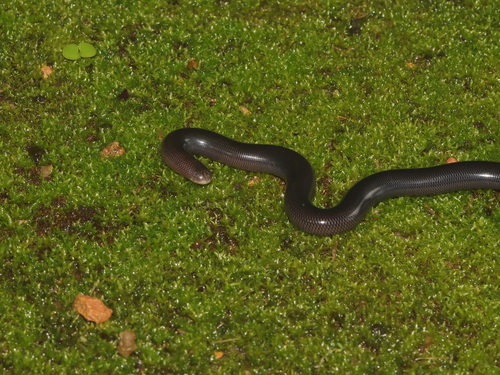
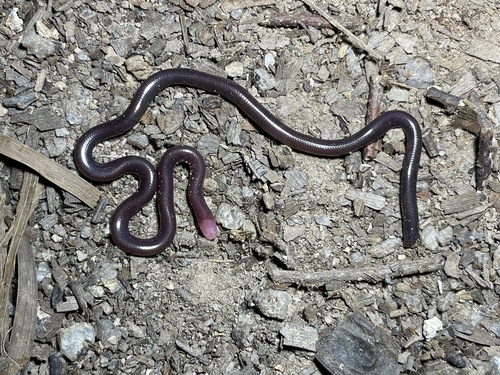
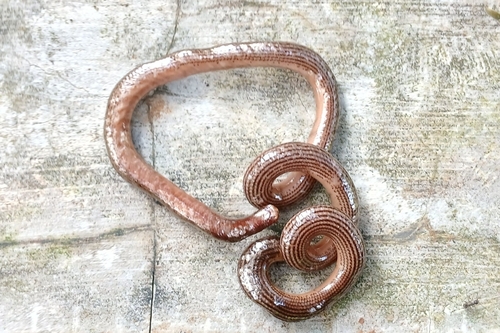
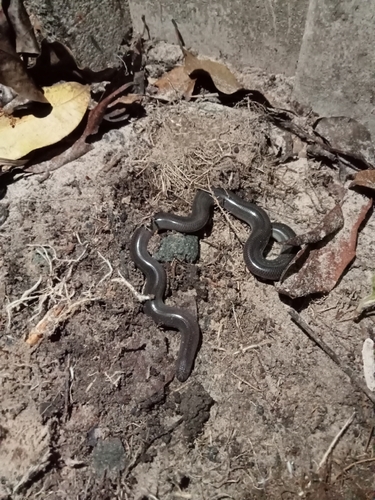
Typhlopidae (6)
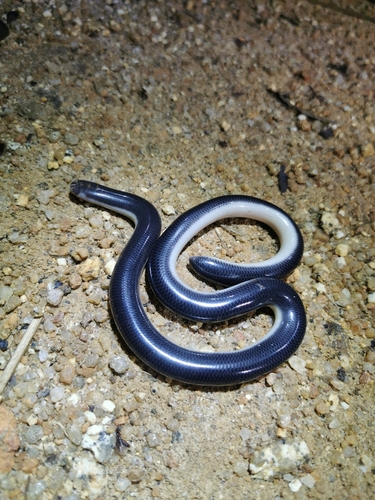
Psammophiidae (4)

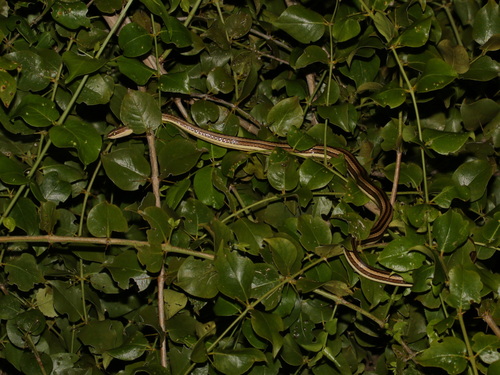
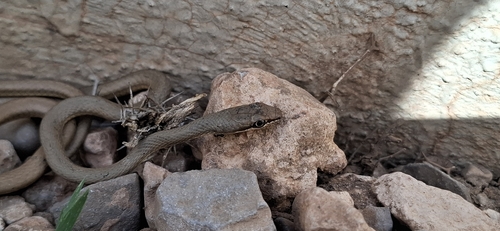
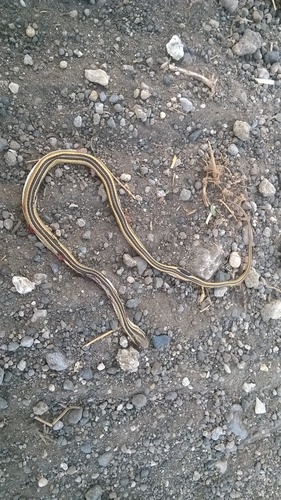
Xenodermidae (3)
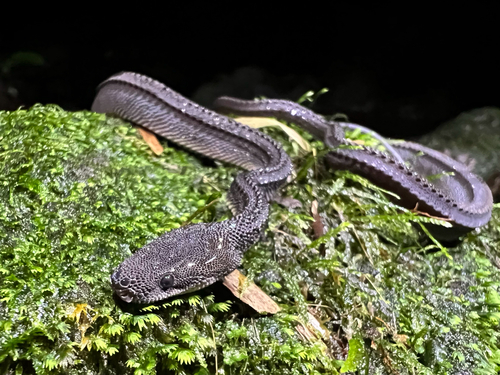
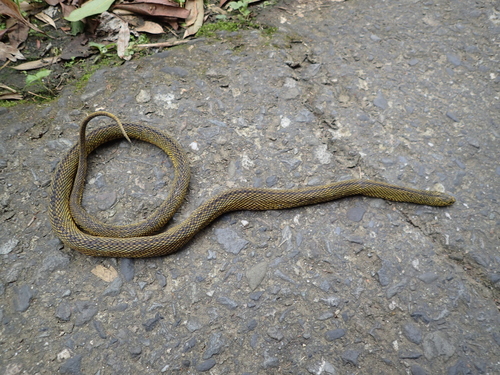
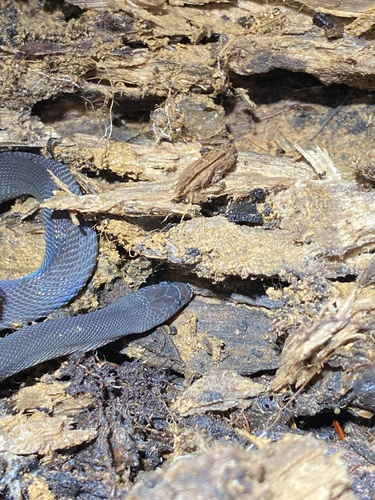
Pseudaspididae (2)
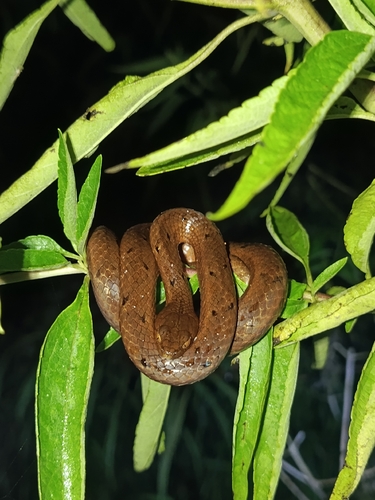
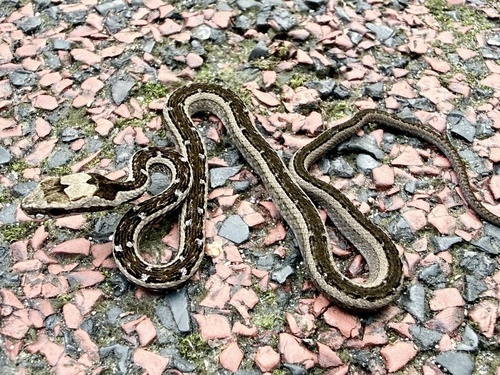
Cylindrophiidae (2)
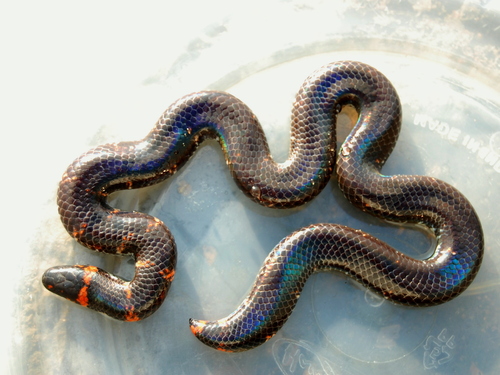
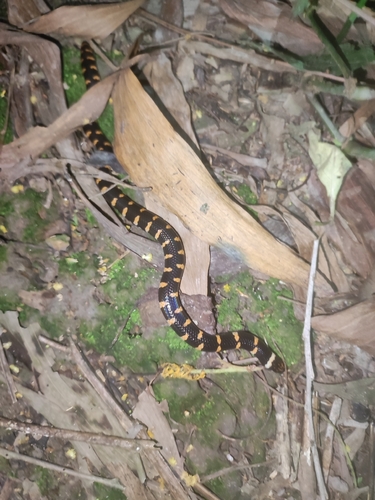
Acrochordidae (2)
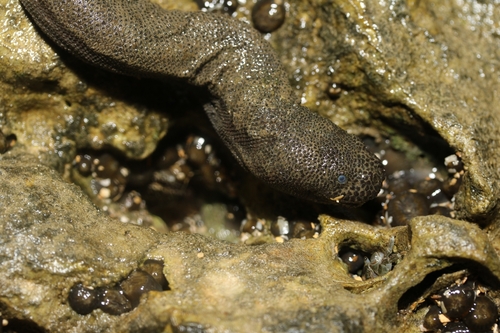
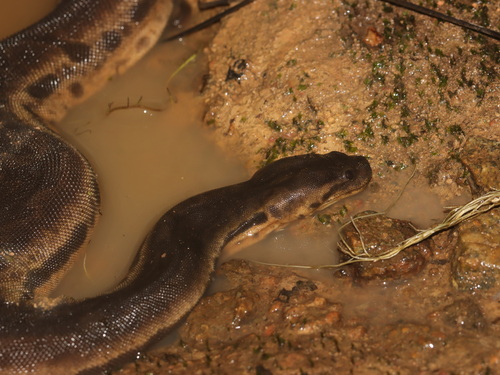
Xenopeltidae (1)
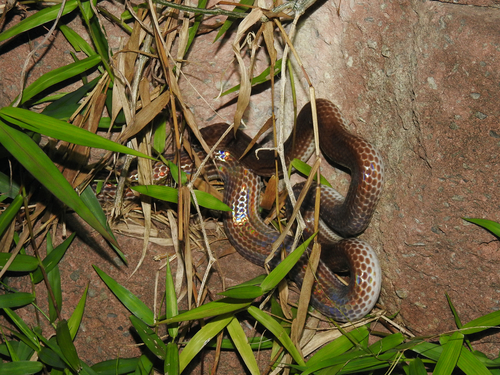
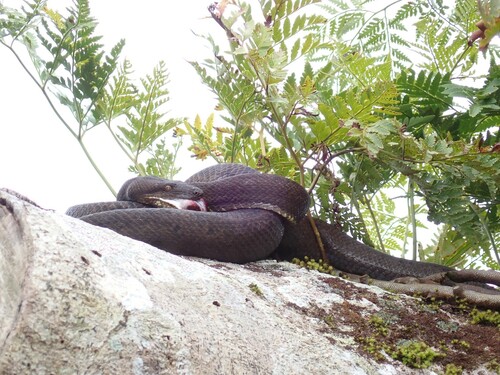
Compiled from verified GBIF & iNaturalist observations. "How often seen" reflects how frequently a snake is reported here, not how dangerous it is. Informational only.
Keep learning
- Are Snakes Dangerous? The Real Risk, in PerspectiveMost snakes are harmless and avoid people. Here is the honest picture of snakebite risk worldwide and how to lower your own.
- Snakebite First Aid: What to Do (and What Never to Do)A clear, CDC-based guide to snakebite first aid: the steps that help, the popular myths that hurt, and how to tell a serious bite from a minor one.
- Venomous vs Nonvenomous: How to Tell the DifferenceThe folk rules for telling venomous snakes apart, where each one fails, and why location-based identification beats guessing by sight.
- What to Do If You Find a SnakeFound a snake at home or on a trail? Here is how to stay calm, give it space, identify it safely, and know when to call a professional.