
Australia
Snakes in Australia
200+ snake species have been recorded in Australia, 140 venomous.
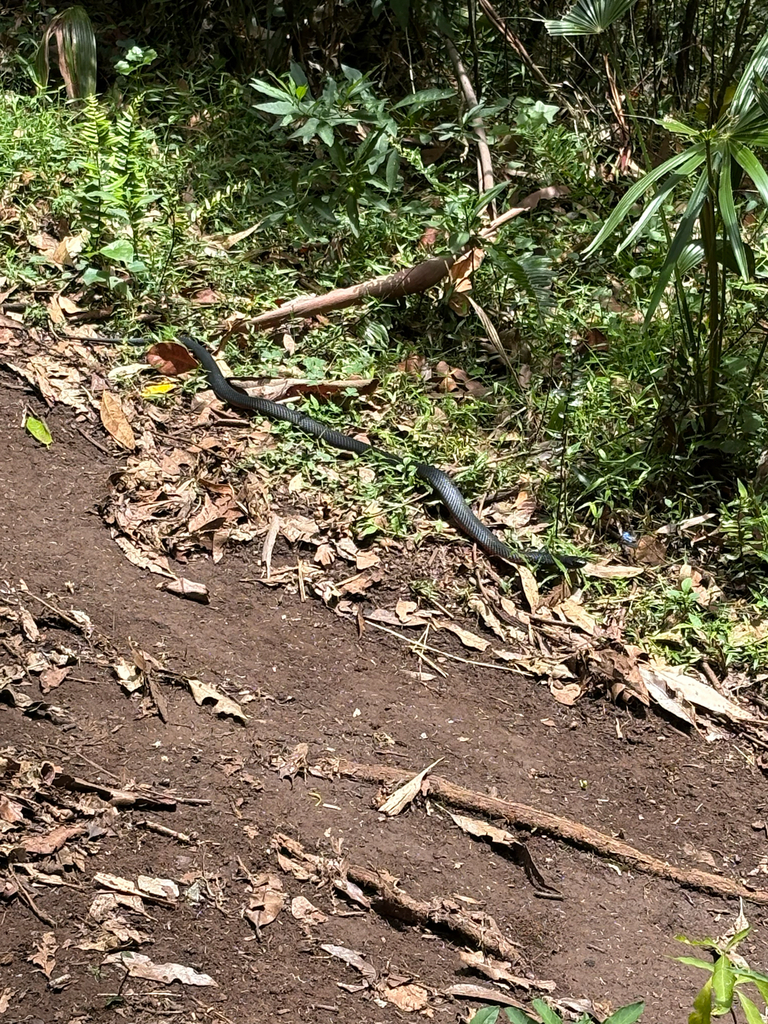
Snakes of Australia
Australia holds a distinction shared by no other continent: among the 200+ snake species recorded in our data, 141 are venomous, meaning more than half of Australia's snakes carry venom. Everywhere else on Earth the snake fauna is dominated by harmless colubrids, and venomous species are a minority. In Australia that ratio is flipped, which is why the continent has earned its reputation as the home of the world's most formidable snakes. Understanding why this is true reveals one of the more interesting stories in snake biogeography.
The explanation lies in the family Elapidae, the front-fanged venomous snakes that include cobras, mambas, and coral snakes elsewhere in the world. When ancestral elapids reached the Australian landmass, they arrived on a continent where typical colubrid snakes were scarce, and they radiated into the ecological roles that harmless snakes fill on other continents. The result is a fauna where venomous elapids became the everyday snakes of forests, deserts, grasslands, and suburban backyards, rather than the exception. This evolutionary radiation is the root cause of Australia's lopsided venomous-to-harmless ratio, and it makes the continent a living showcase of how a single family can come to dominate an entire region.
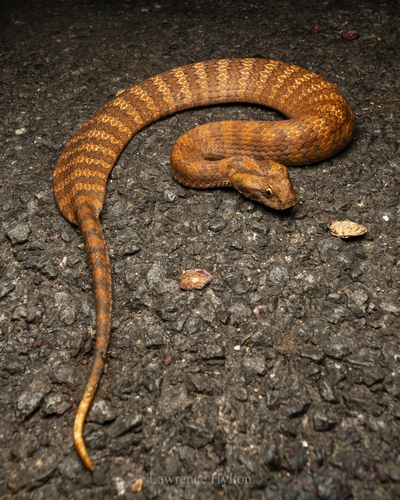
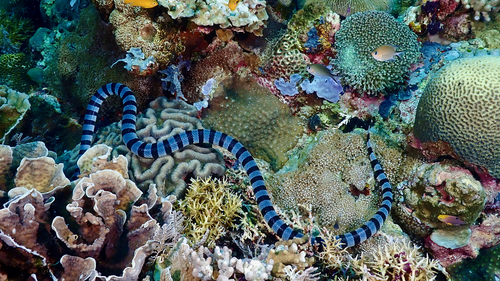
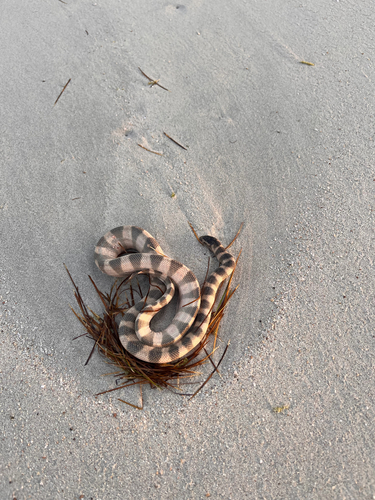
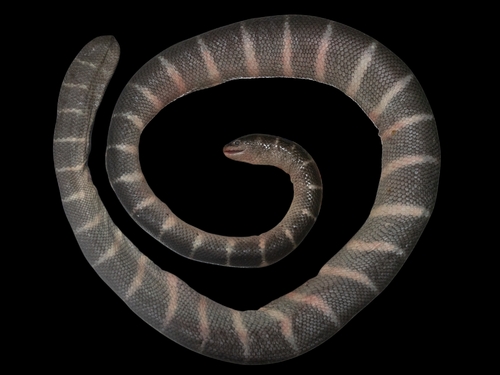
Australia is home to several of the most venomous land snakes on Earth, measured by the toxicity of their venom in laboratory tests. The inland taipan (Oxyuranus microlepidotus) has the most toxic venom of any land snake by that measure, though it is reclusive and rarely encountered. The eastern brown snake (Pseudonaja textilis) is responsible for the most snakebite deaths in Australia, owing to its wide range and its presence near where people live. The coastal taipan, the several species of tiger snakes, and the ambush-hunting death adders round out a roster of highly venomous elapids, while a diverse array of sea snakes inhabits the warm waters off the northern and eastern coasts.
Despite this abundance of venomous species, deaths from snakebite in Australia are very low, typically only a handful per year. This is not because the snakes are harmless but because of a combination of public awareness of a recommended first-aid method, the availability of effective antivenoms, and rapid, high-quality emergency medical care. The gap between Australia's fearsome venom and its low death toll is a genuine and reassuring fact, but it reflects good preparation and medical infrastructure rather than any reduced danger from the animals themselves. A bite from a venomous Australian snake remains a serious medical emergency.
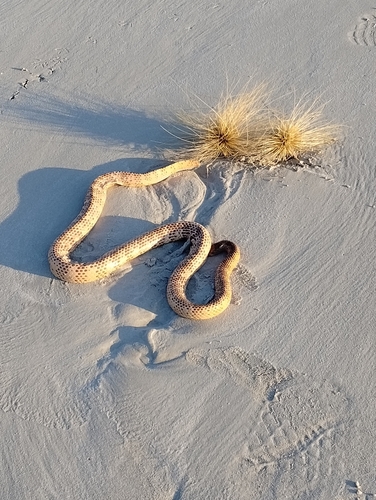
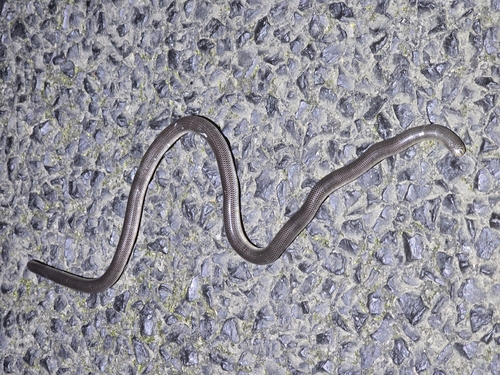
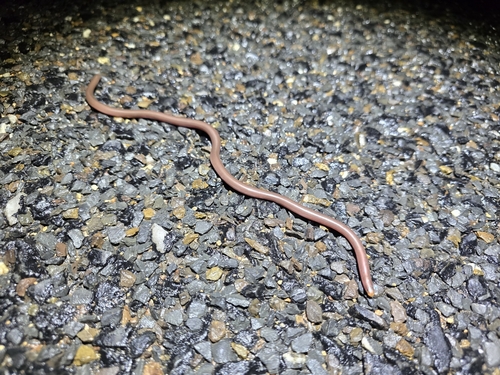
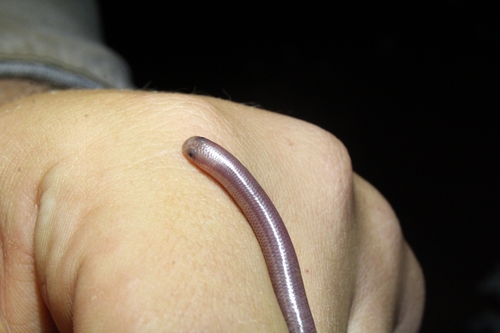
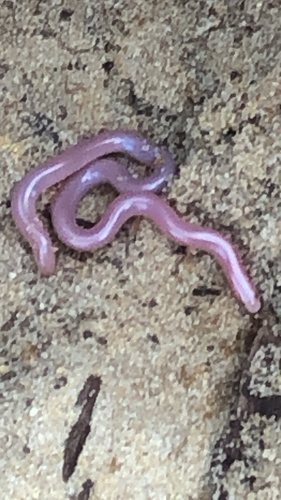
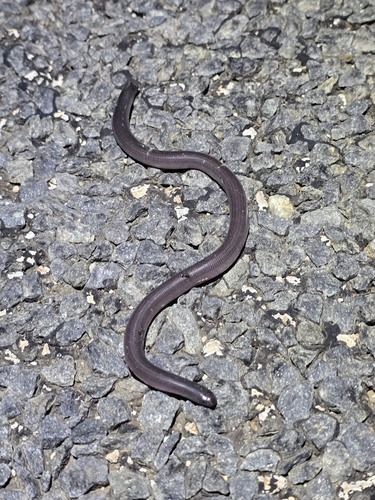
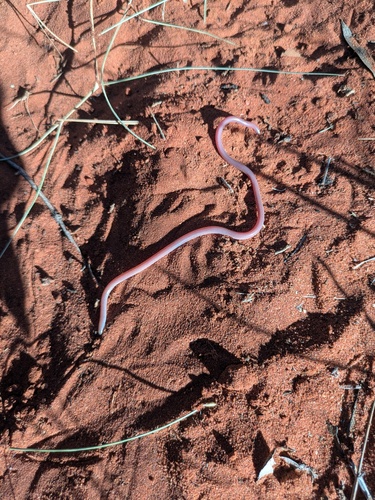
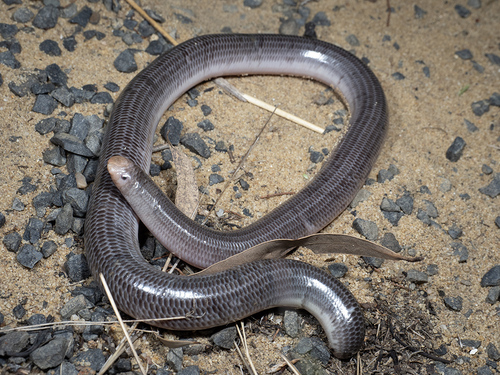
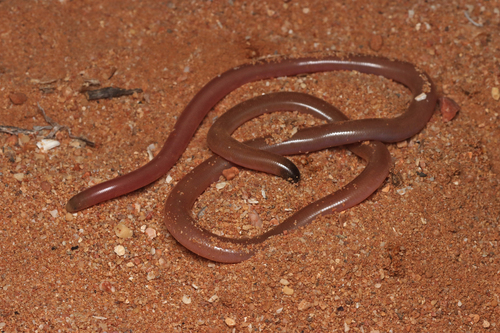
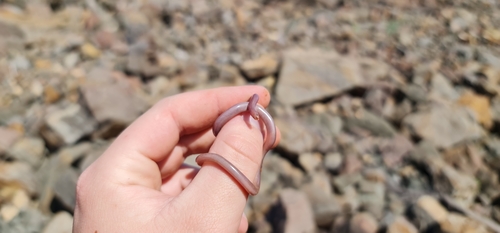
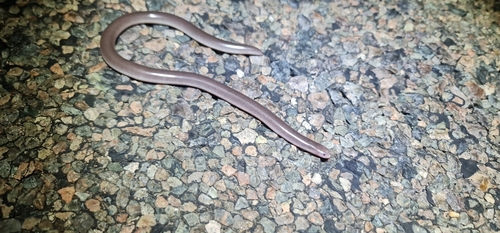
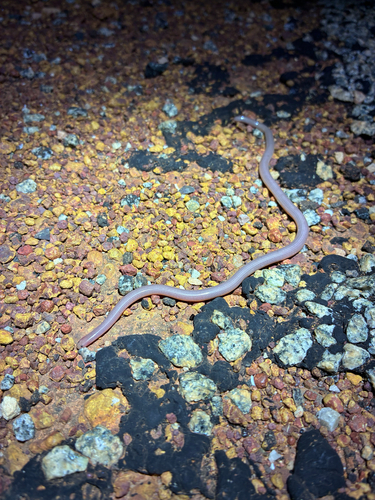
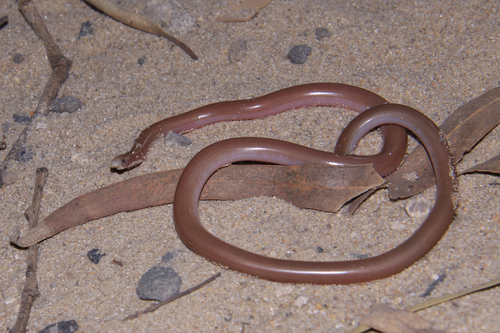
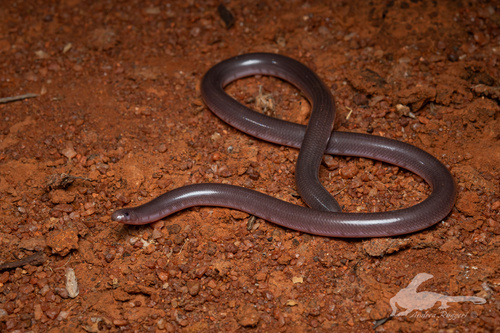
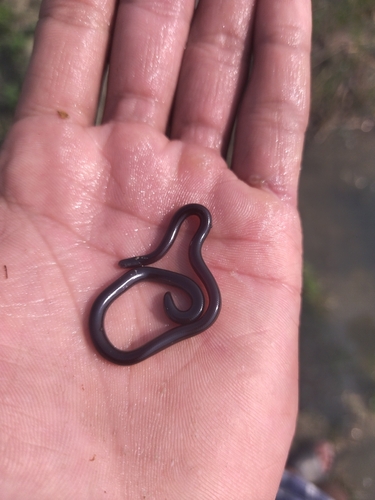
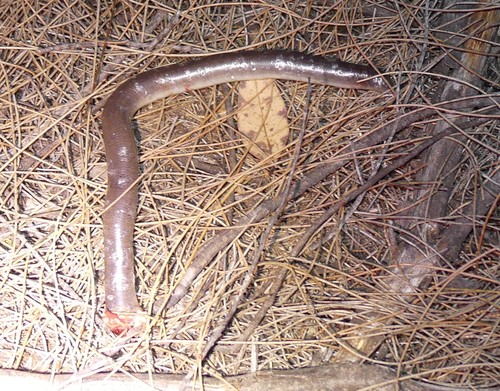
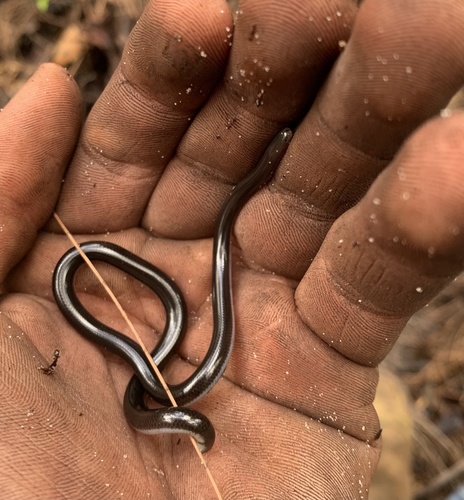
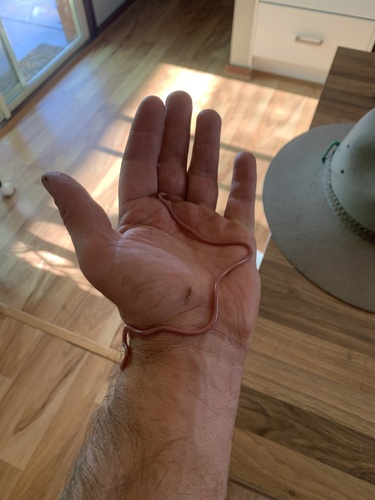
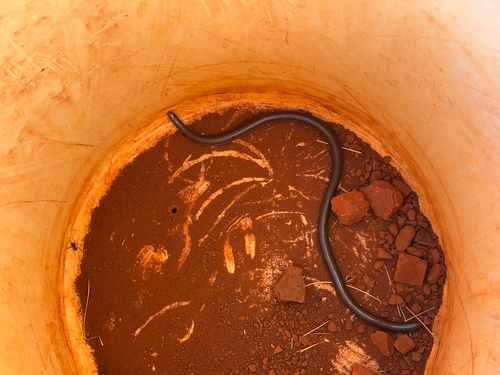
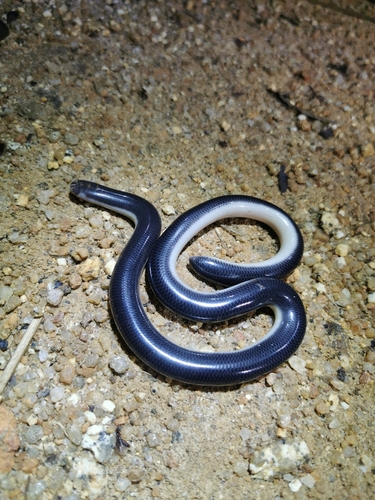
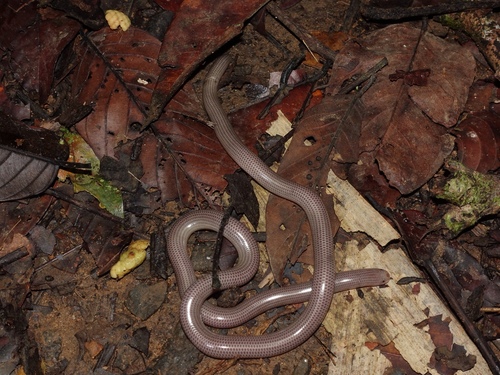
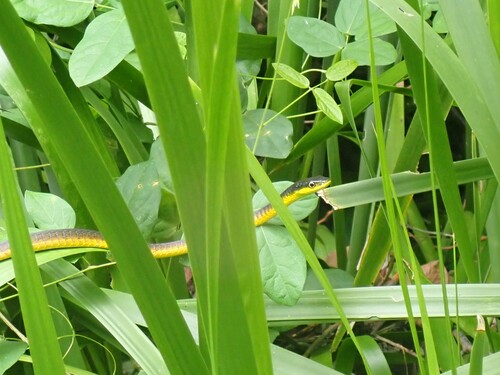
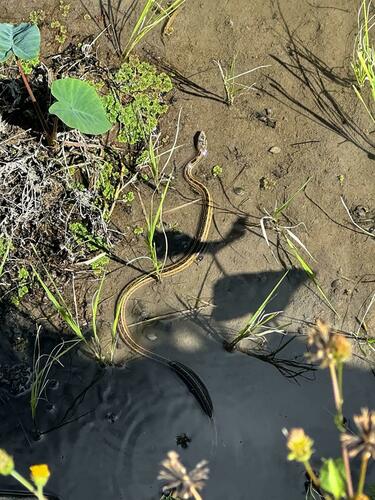
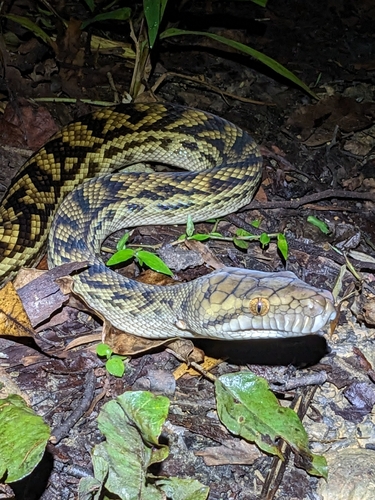
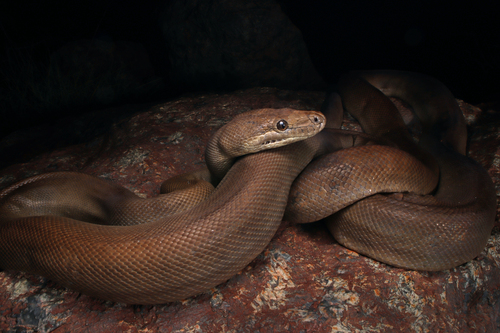
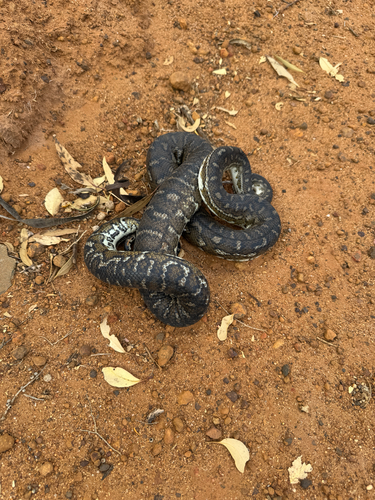
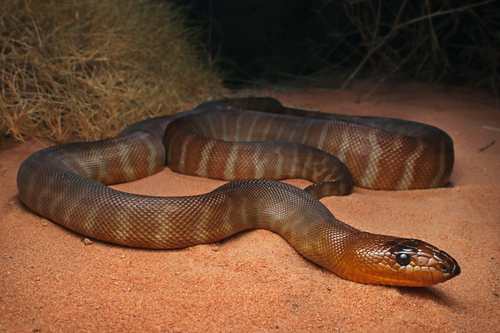
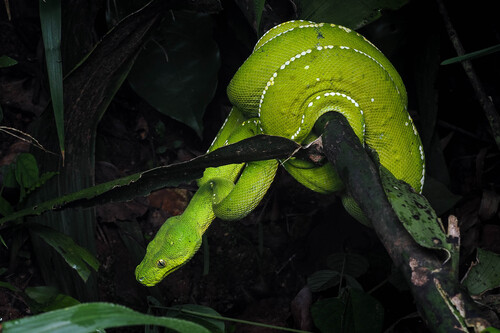
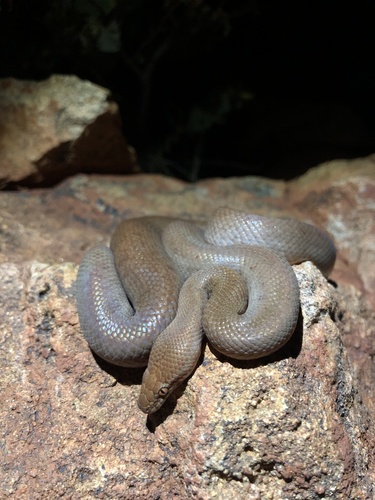
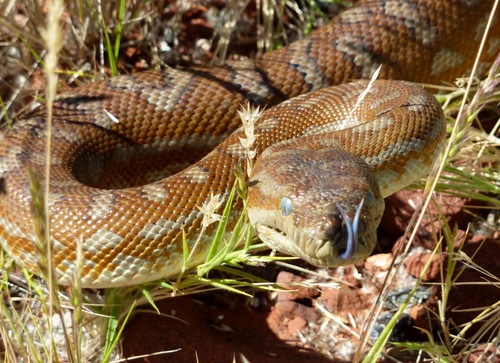
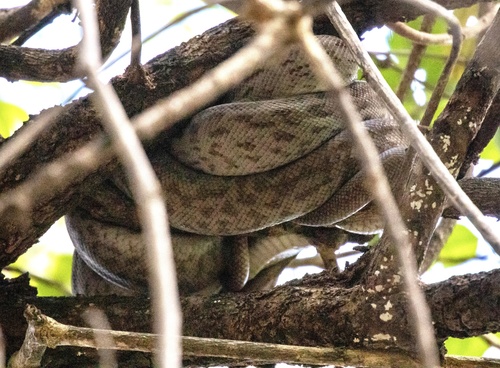
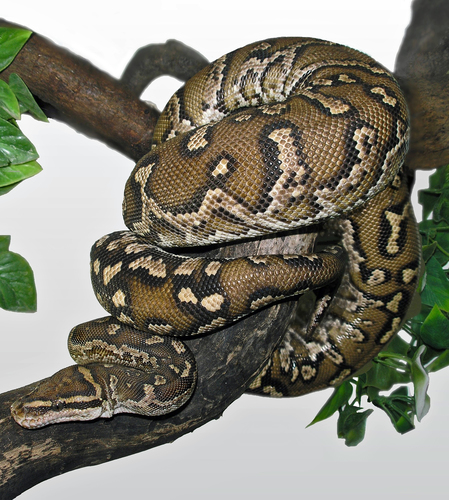
Not every Australian snake is venomous. The continent is also home to pythons, including very large species such as the scrub python, which constrict their prey rather than envenomate it. Colubrids, the harmless family that dominates snake faunas elsewhere, are present mainly in the tropical north. Tiny, worm-like blind snakes live underground and feed on ant and termite larvae, posing no threat to people at all. These non-venomous groups are an important reminder that Australia's snake diversity extends well beyond its famous elapids, even if the venomous species define its reputation.
If a snakebite occurs, treat it as a medical emergency: call 000, the Australian emergency number, and follow the guidance of medical professionals. Australia has an officially endorsed first-aid approach for snakebite, and the priority is always to get the patient to hospital quickly and calmly while awaiting professional care. No wild snake should ever be handled, regardless of whether it appears venomous, because reliable identification is difficult and many serious bites happen when people try to catch, kill, or move a snake. The safest response to any wild snake is to give it space and let it move away on its own.
Snakes in Australia: FAQ
- Are there venomous snakes in Australia?
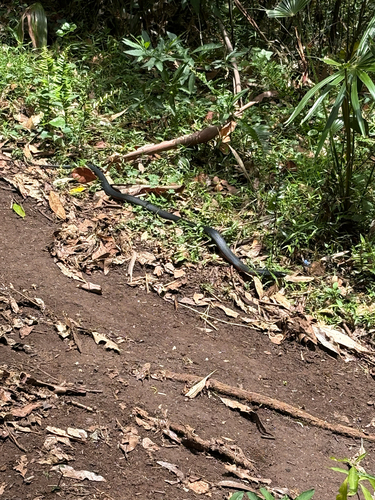
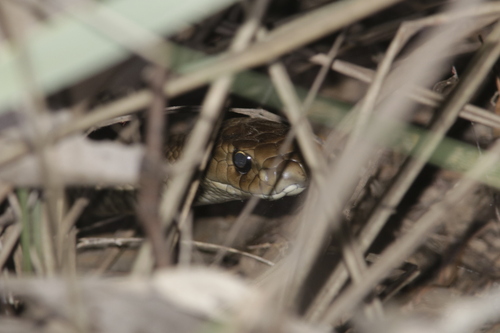
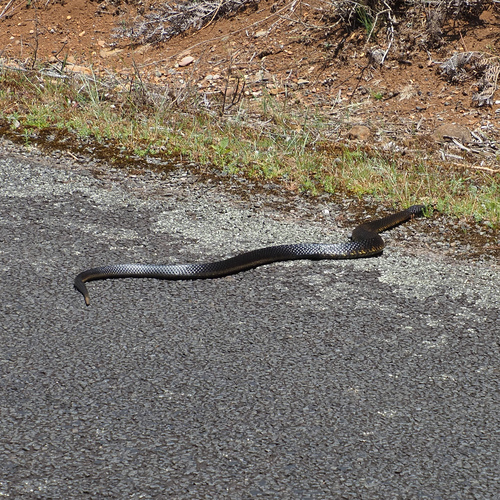
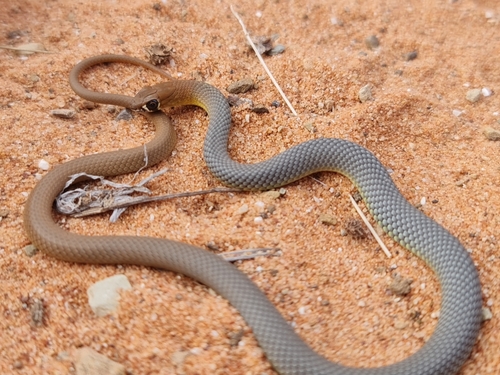
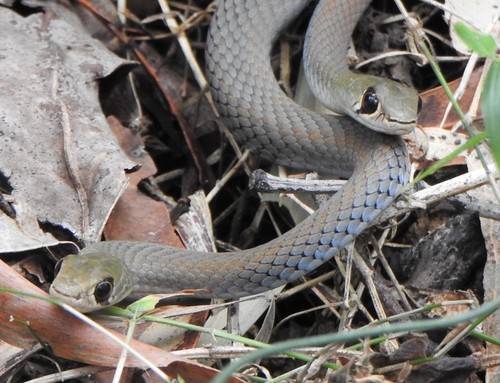
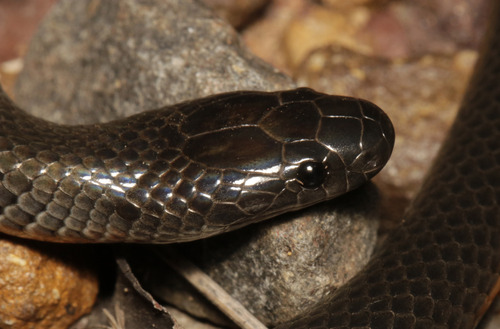
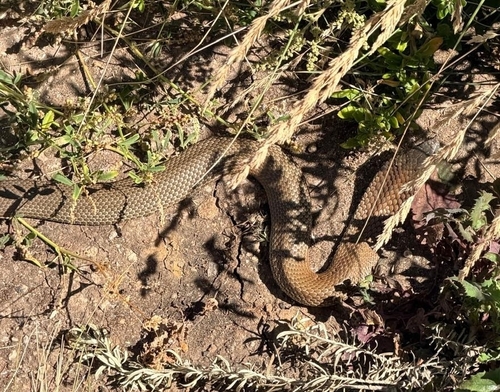
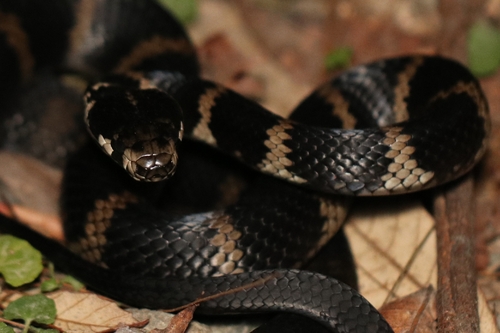
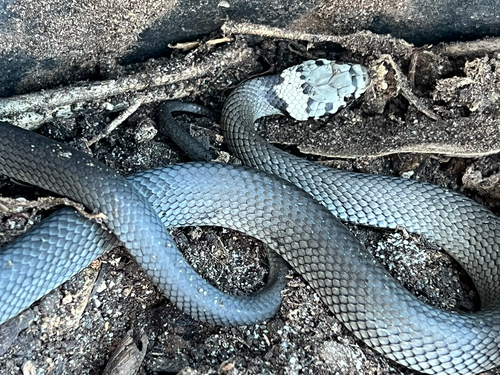
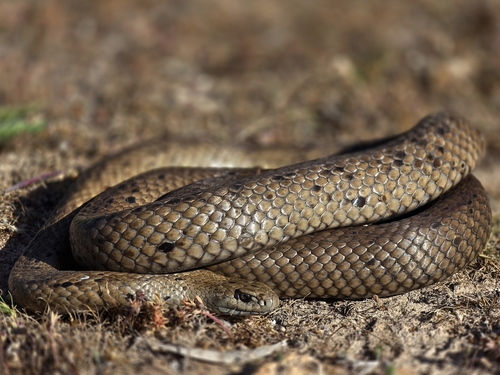
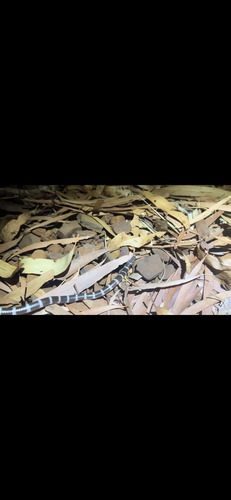
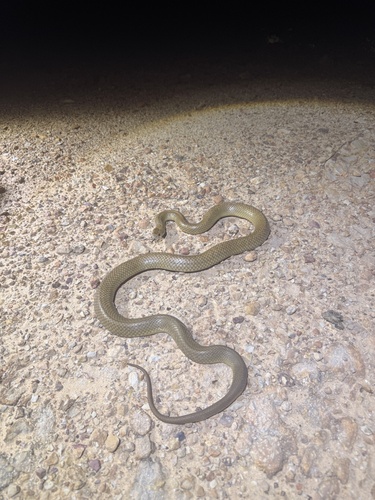
- Yes. 140 venomous snake species have verified records in Australia, including Red-bellied Black Snake, Eastern Brown Snake, Tiger Snake, Central Whipsnake. Most snakes in Australia, however, are harmless.
- How many snake species live in Australia?
- 200+ snake species have verified records in Australia, of which 140 are venomous.
- What is the most commonly seen snake in Australia?
- The Red-bellied Black Snake is the most frequently reported snake in Australia, based on verified wildlife observations.
- What should I do if I see a venomous snake in Australia?
- Keep your distance and do not try to catch or kill it. Most bites happen when people handle or corner a snake. If someone is bitten, contact local emergency services or poison control immediately.
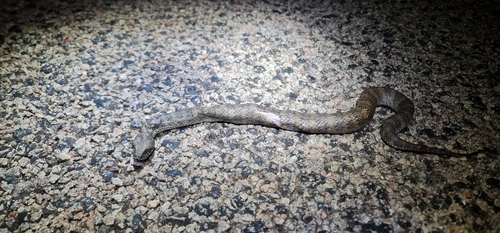
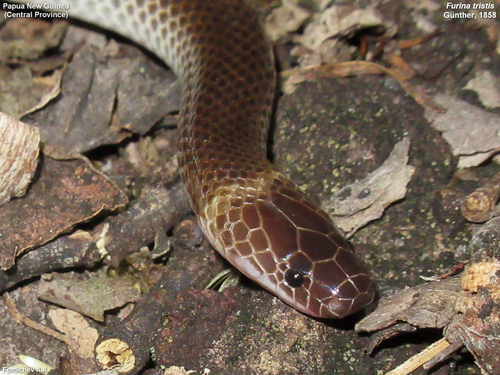
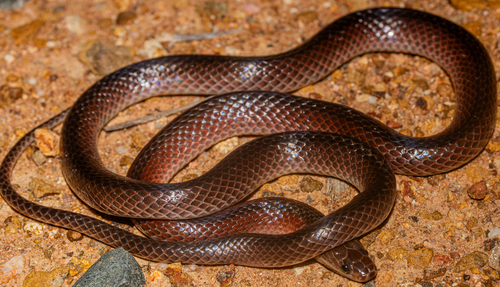
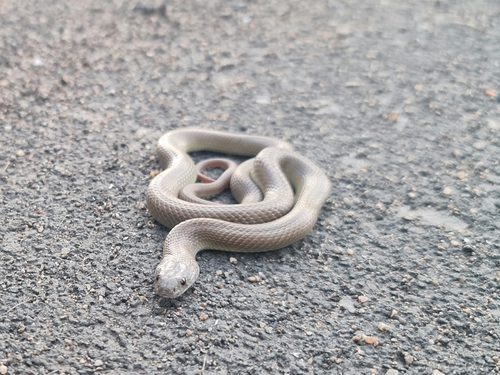
Venomous snakes in Australia
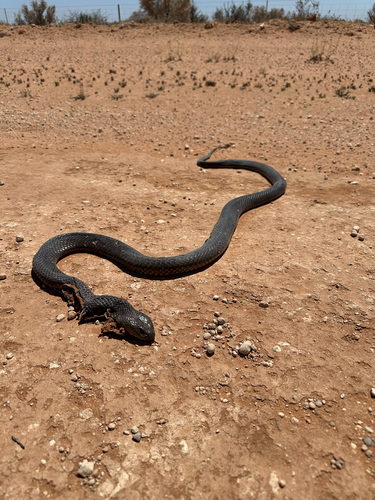
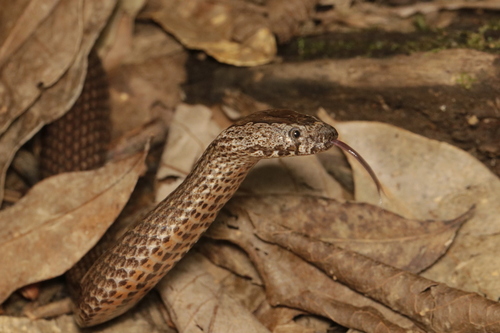
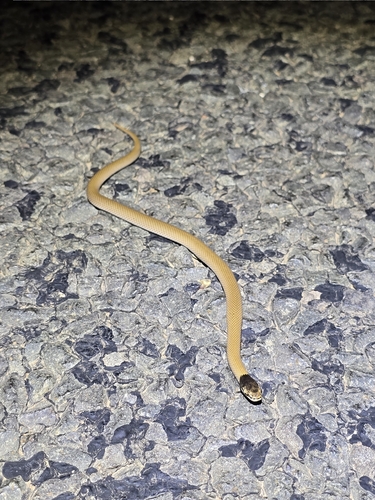
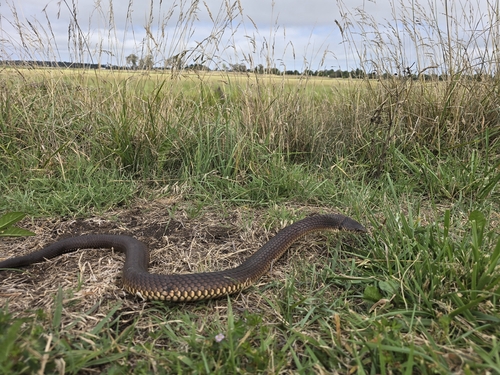
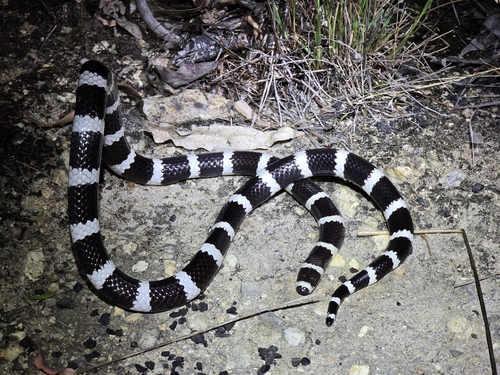
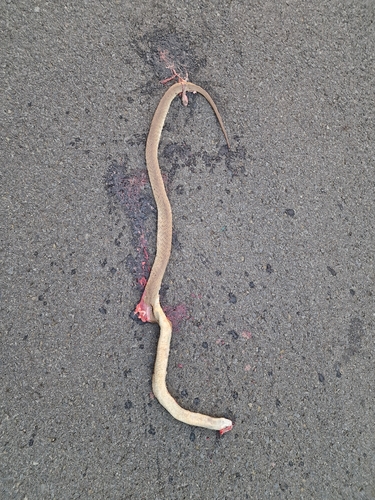
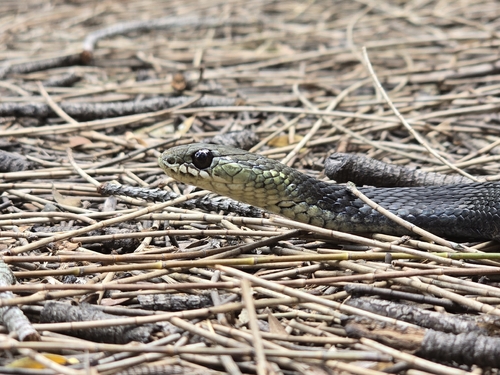
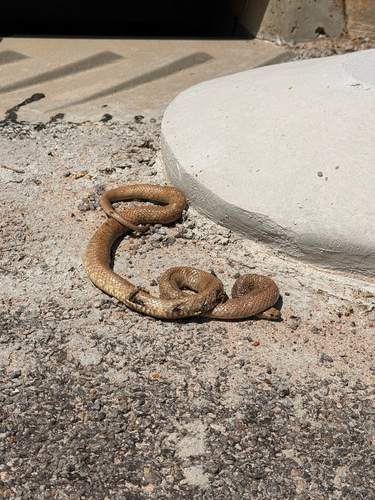
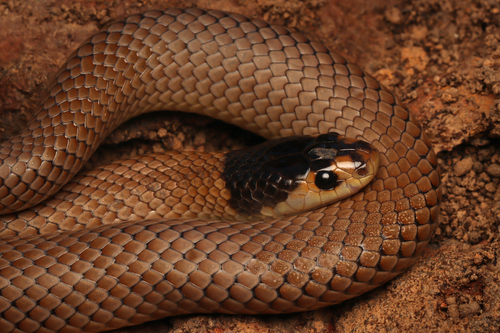
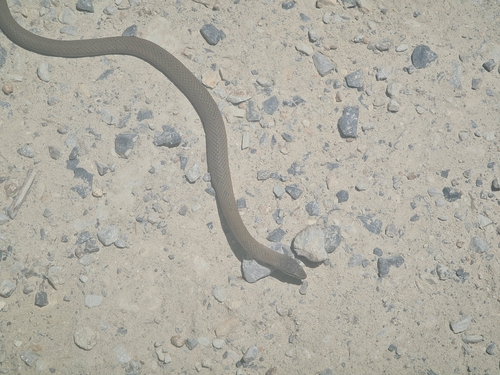
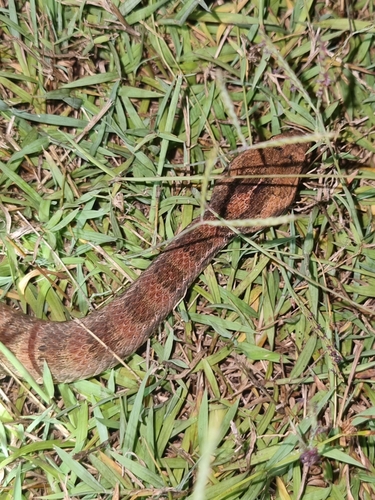
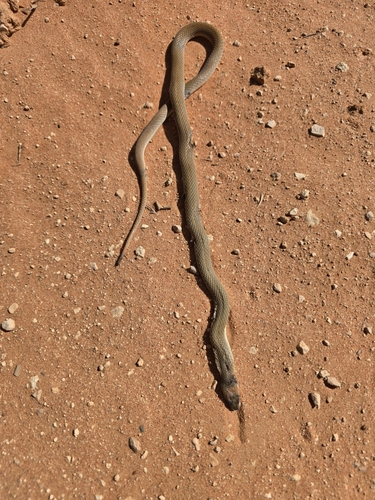
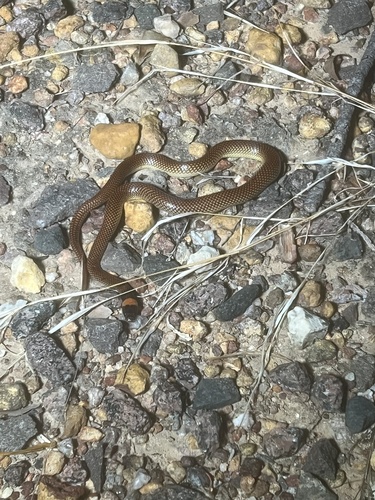
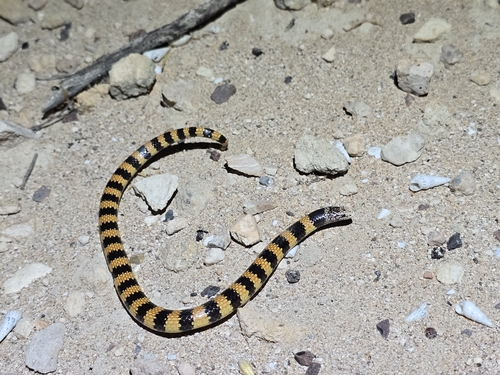
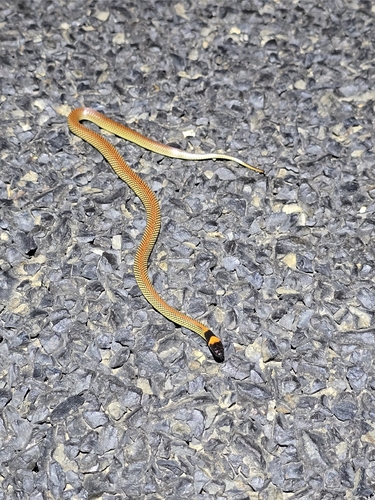
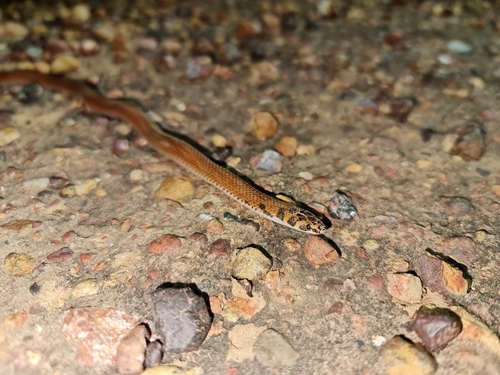
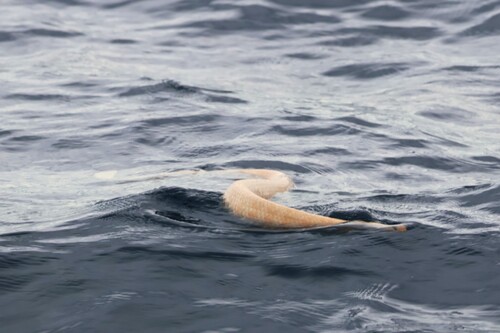
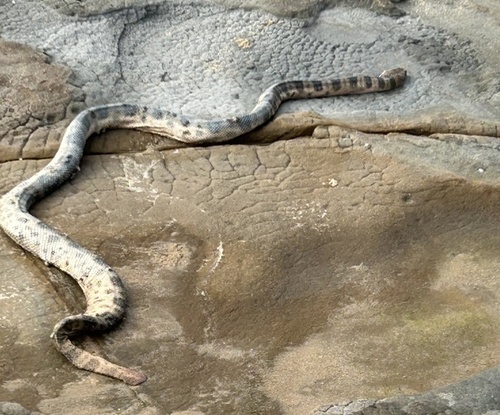
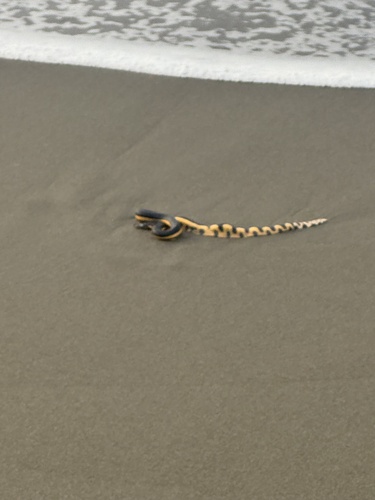
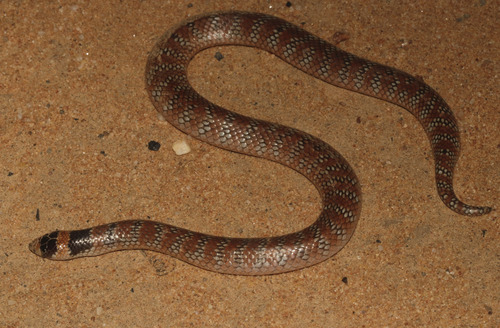
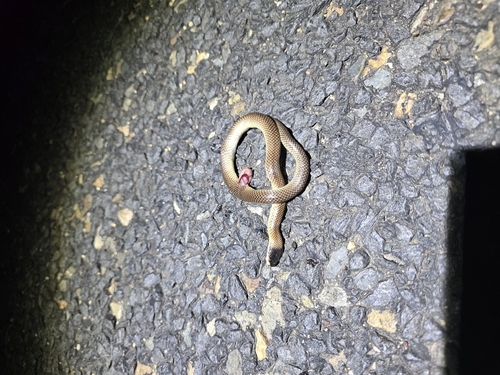
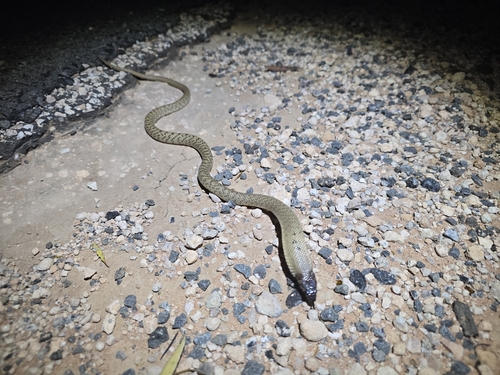
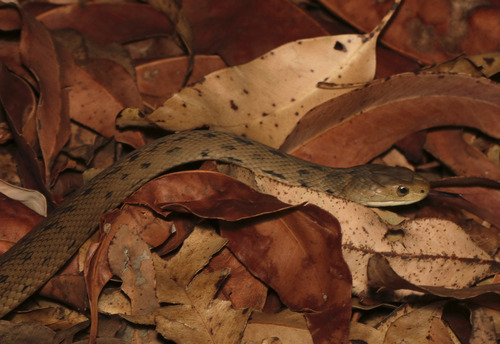
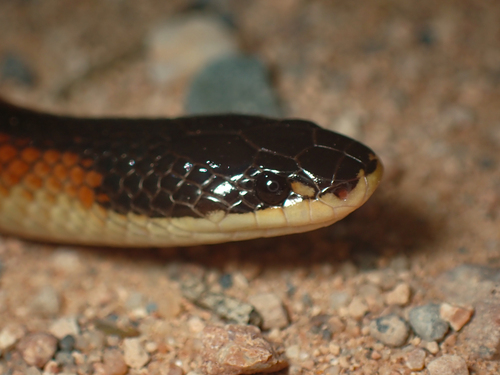
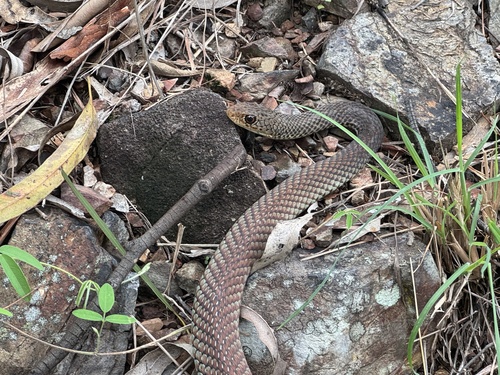
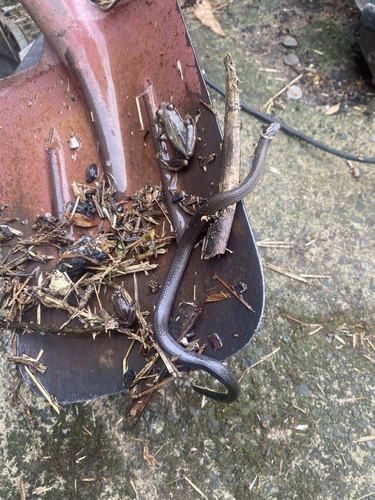
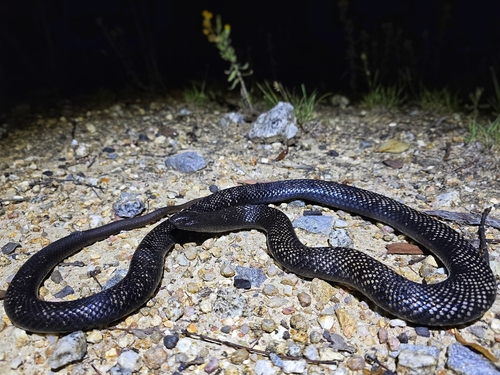
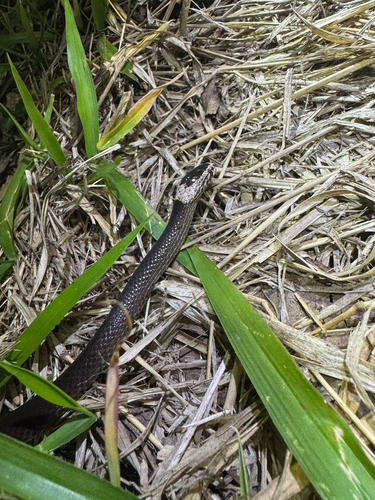
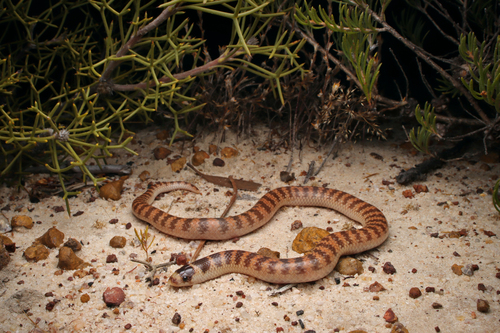
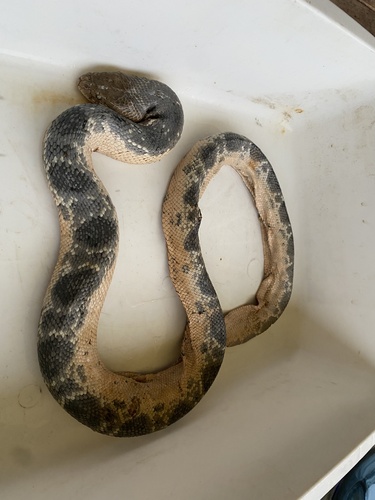
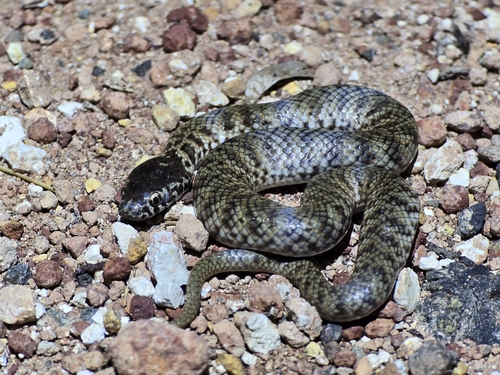
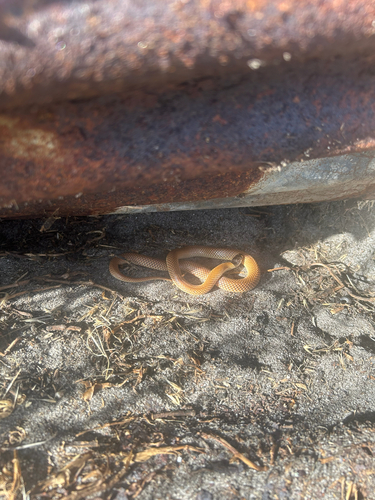
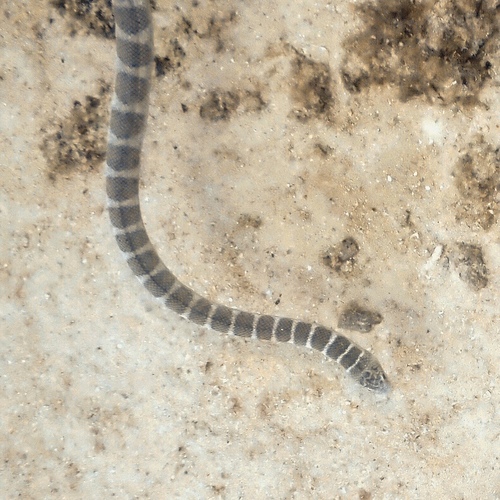
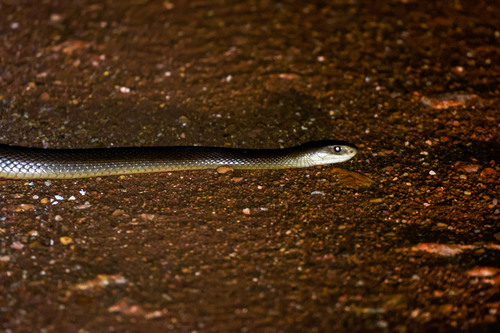
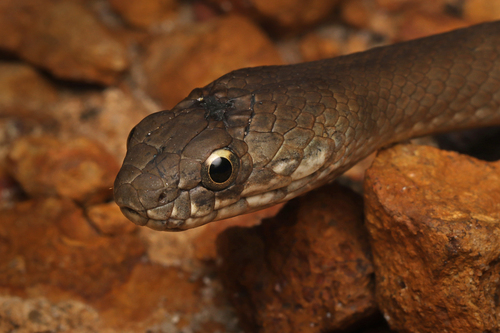
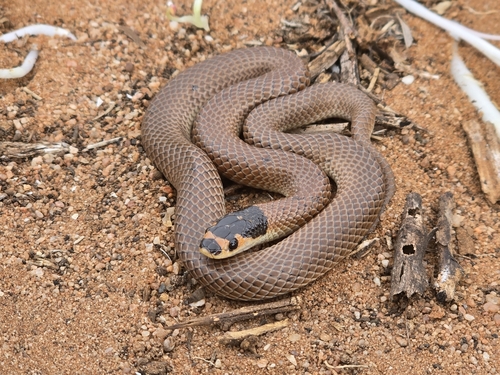
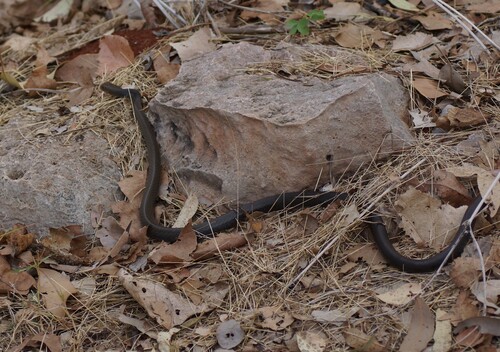
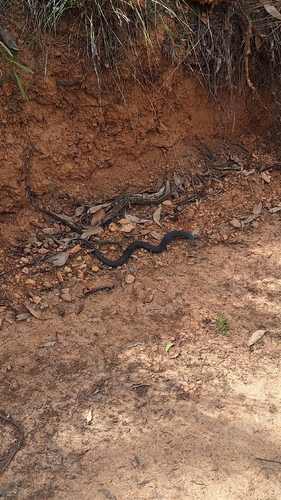
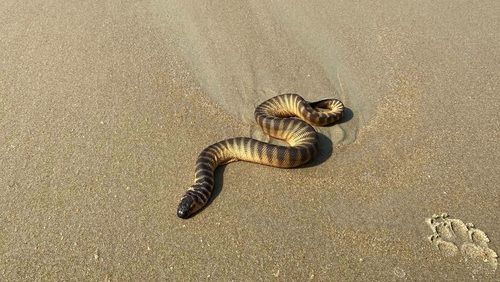
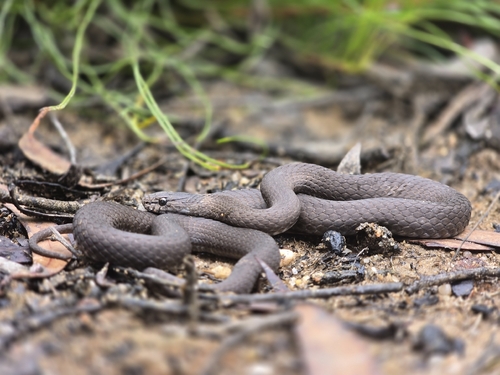

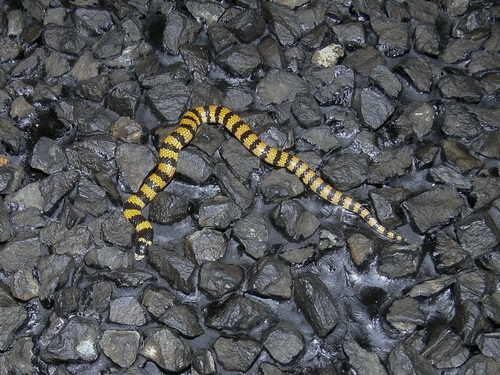
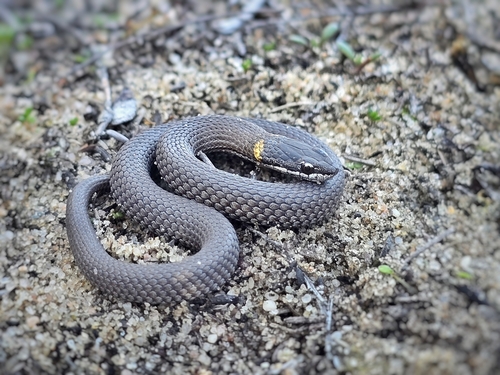
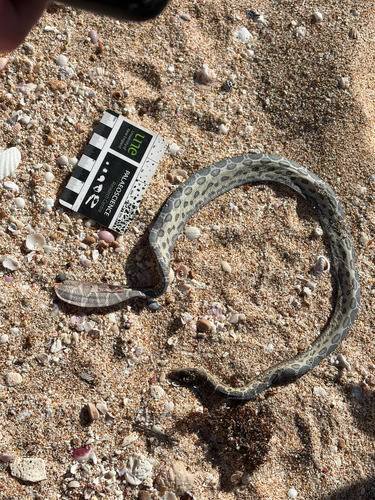

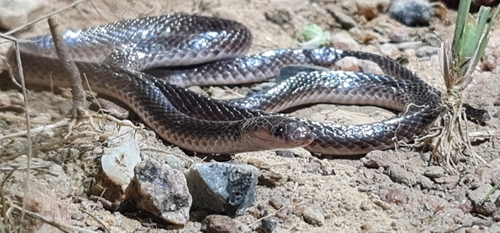
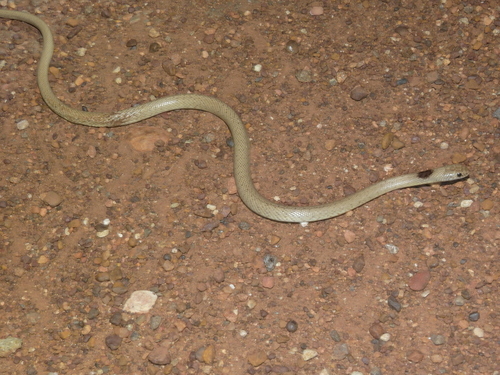
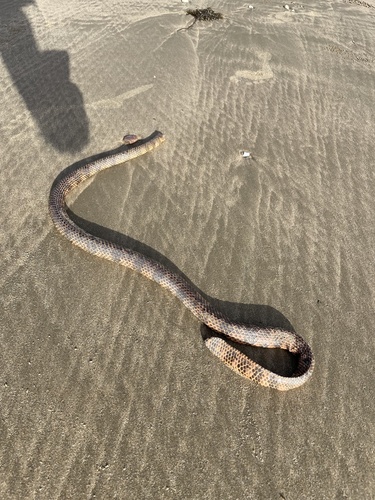
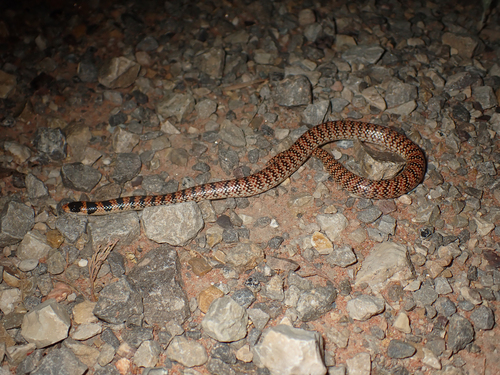
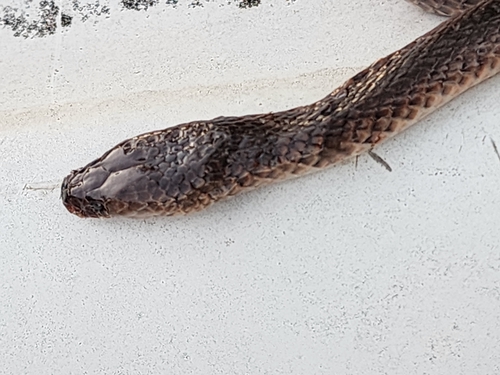
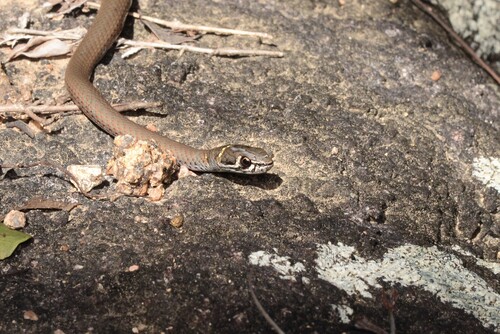
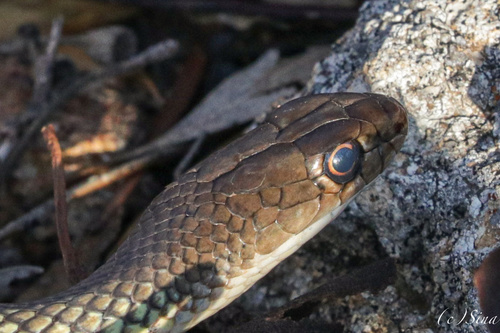
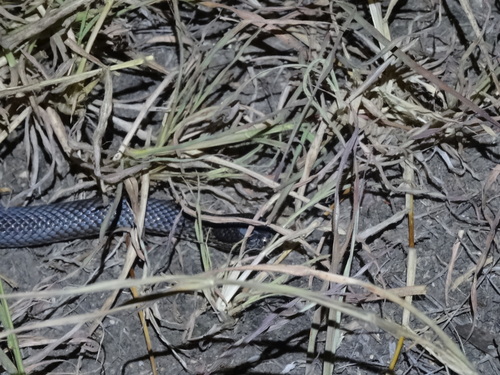
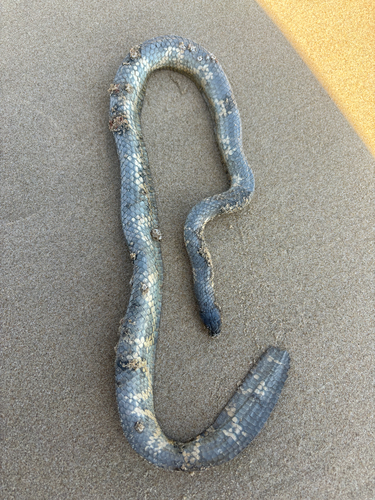
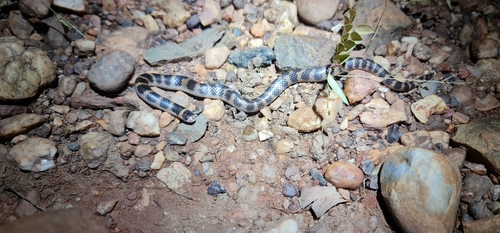
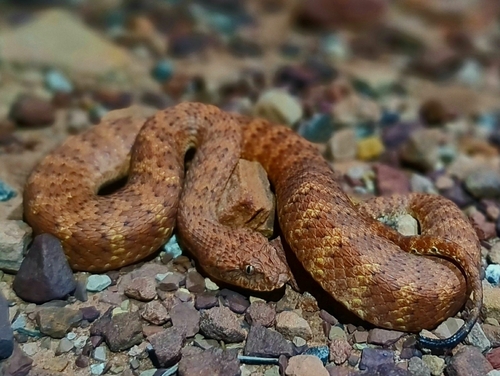
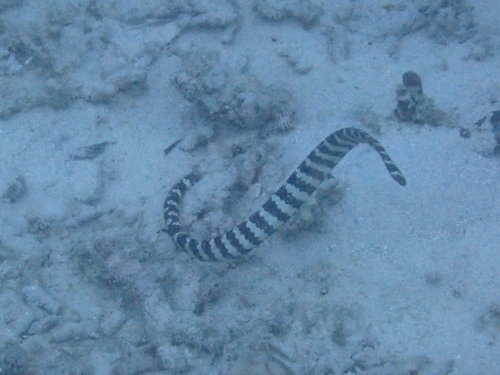
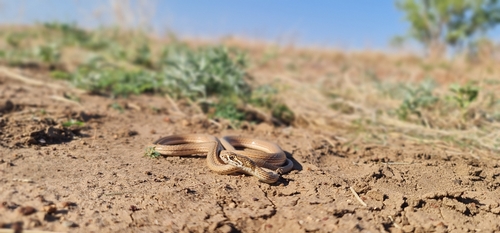
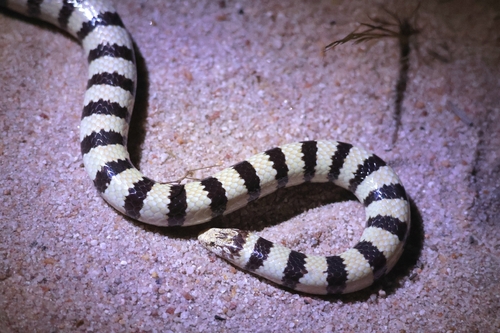
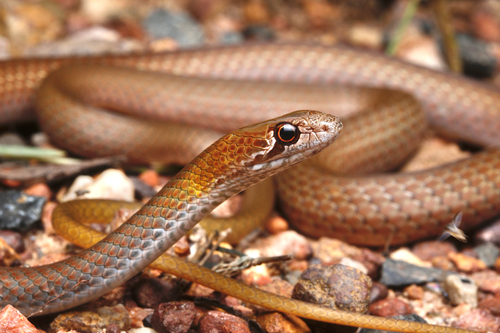
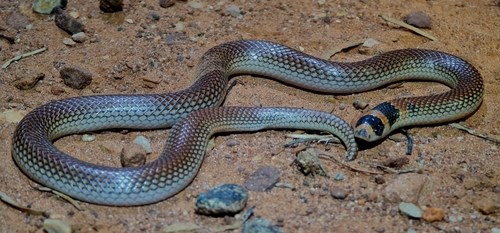
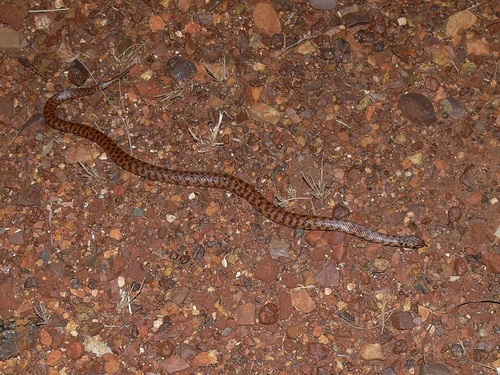

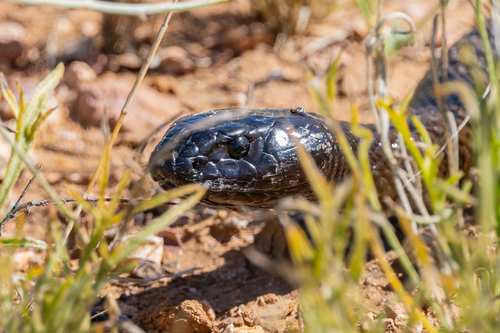
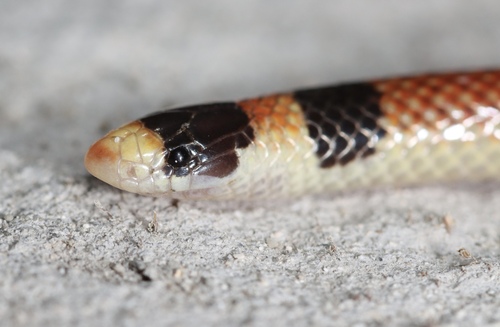
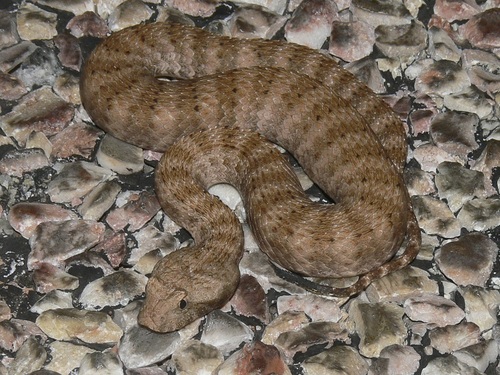
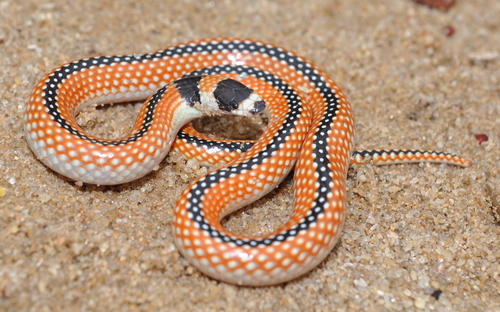

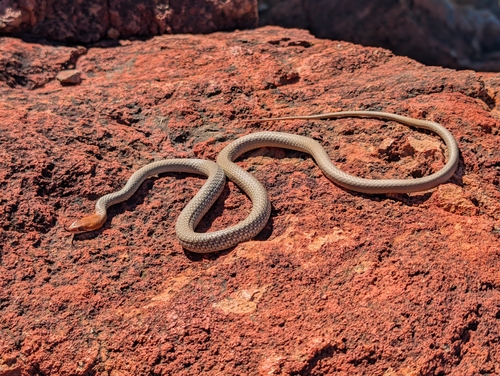
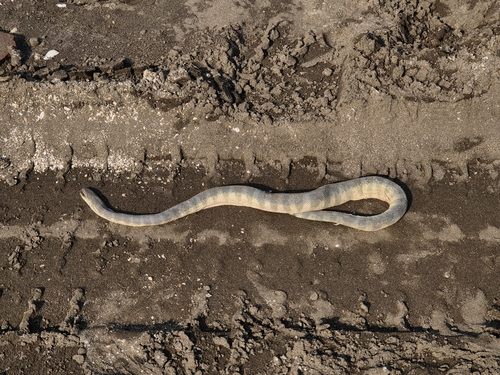
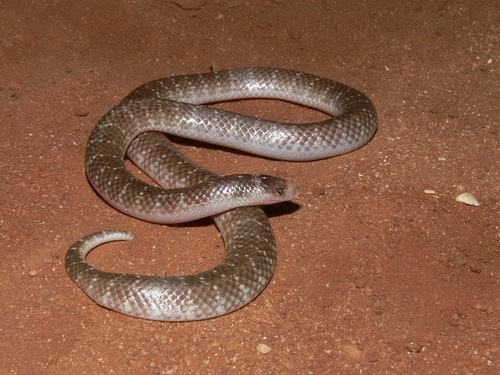
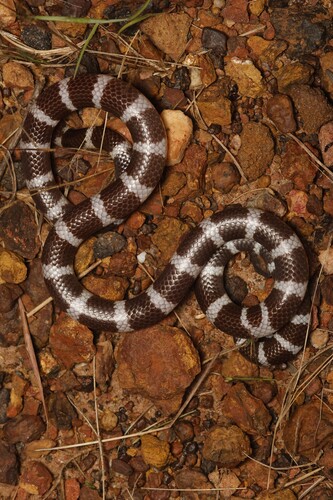

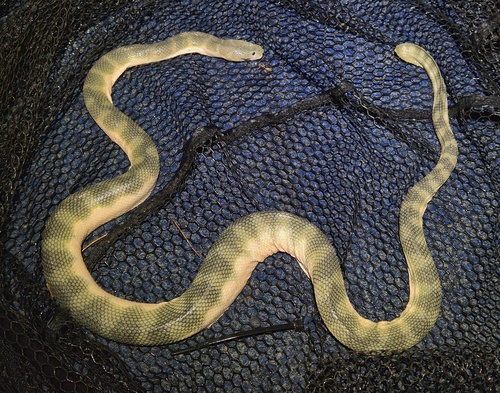
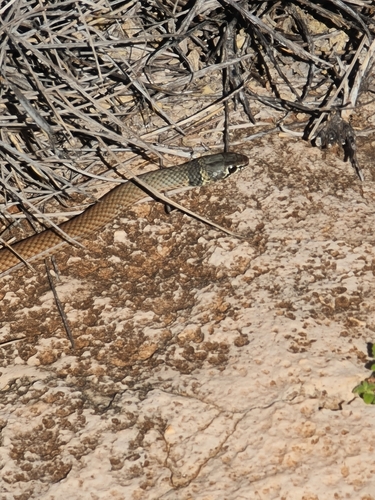

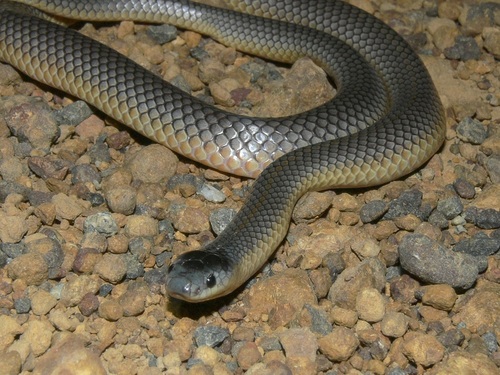
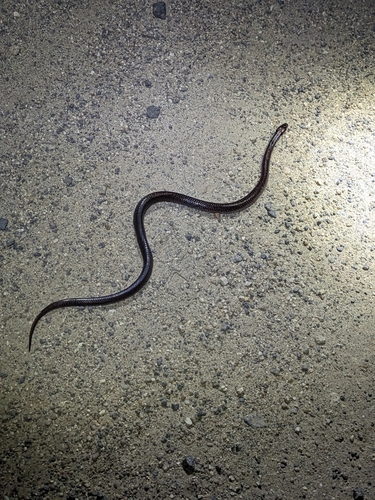
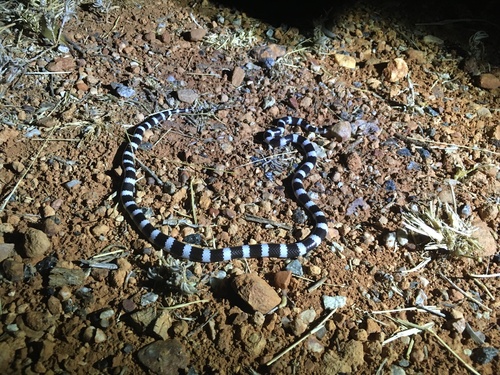
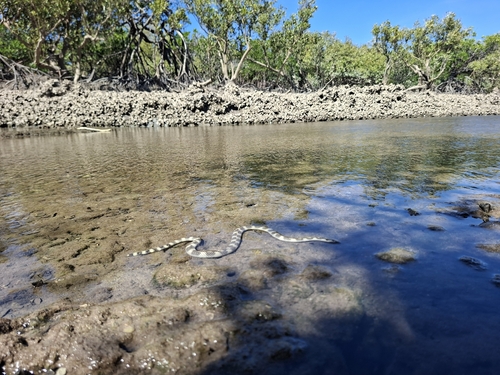
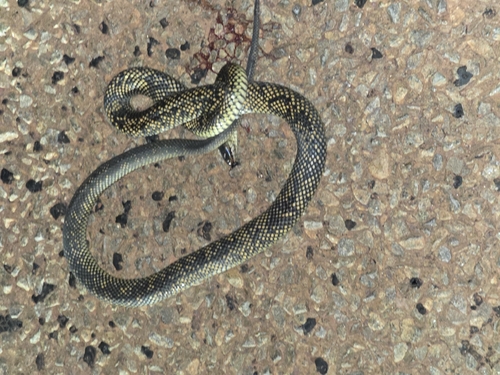
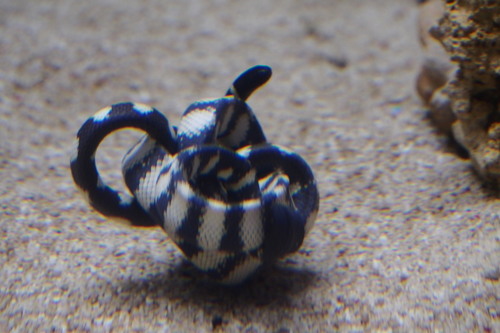
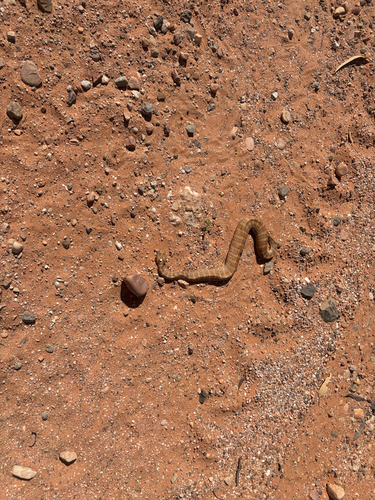
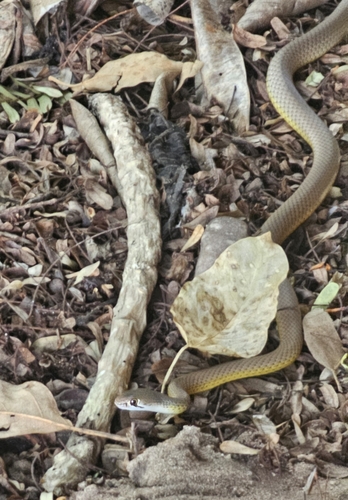
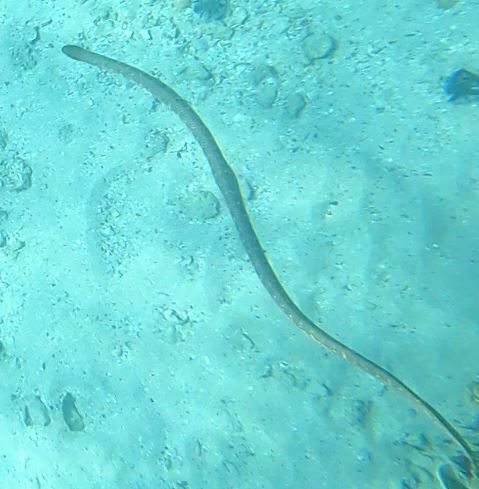
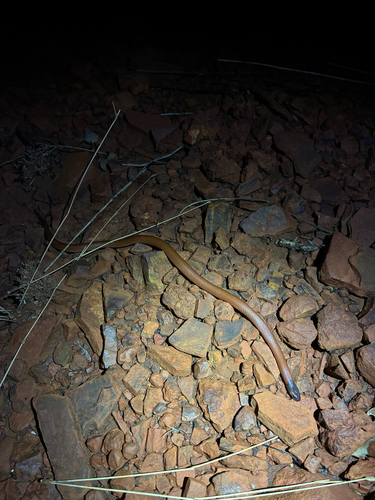
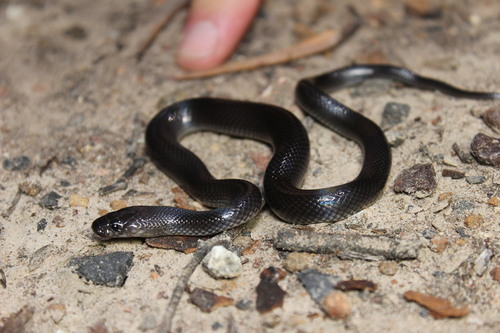
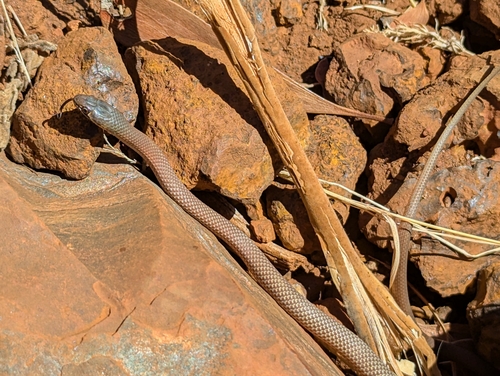
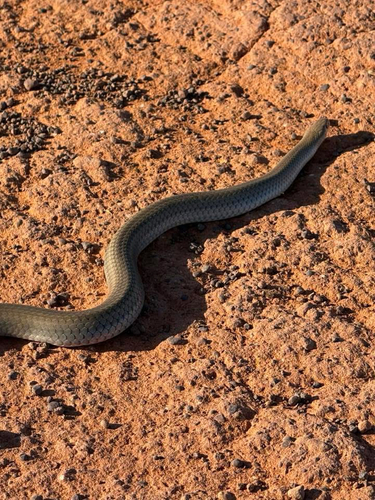
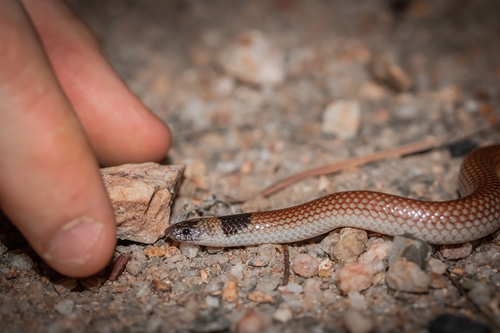
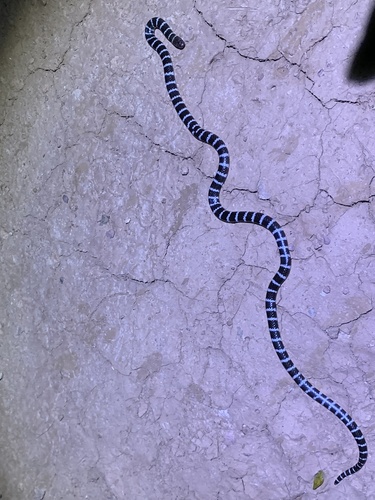
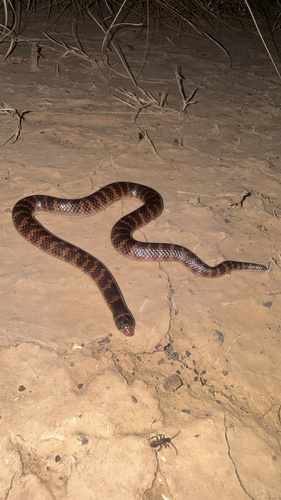


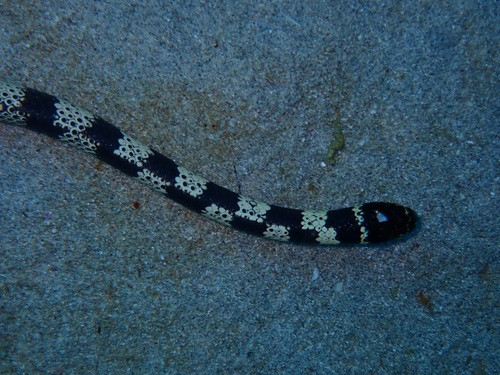
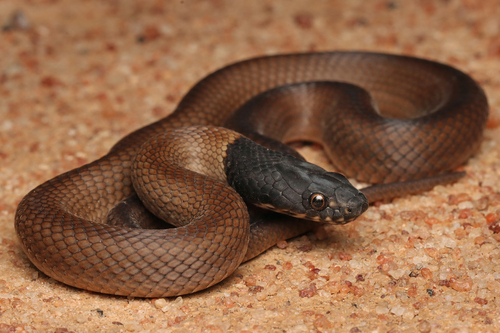
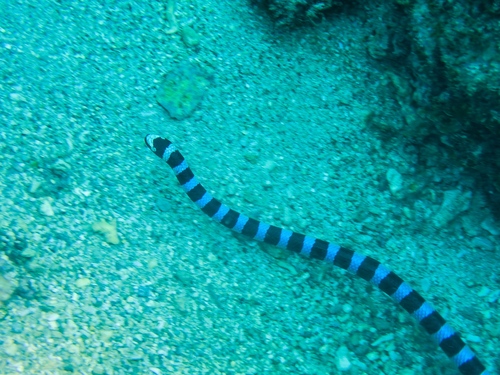
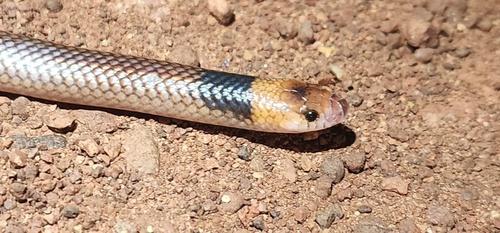
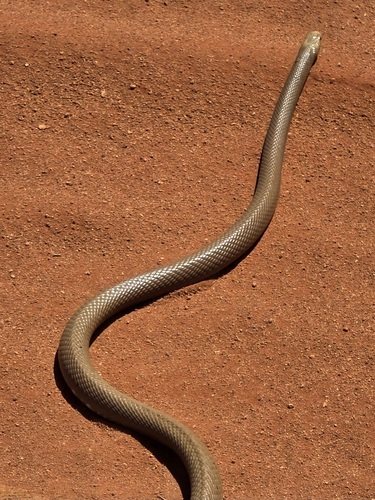
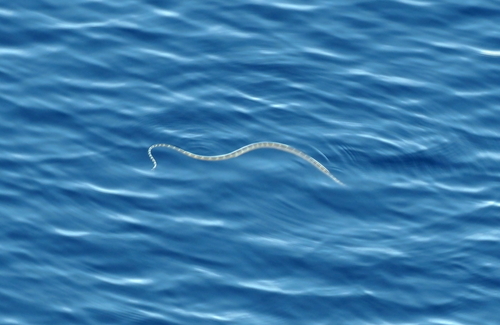
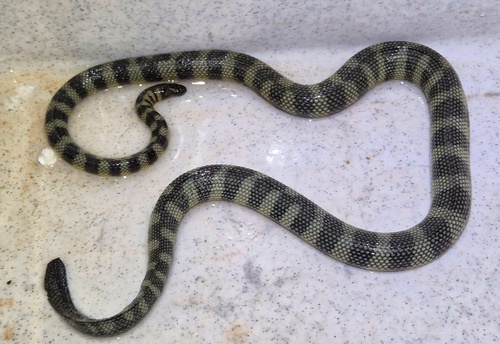

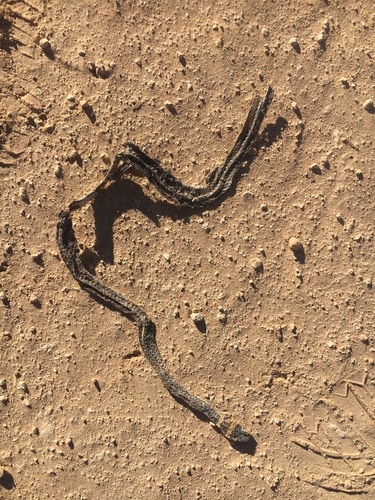
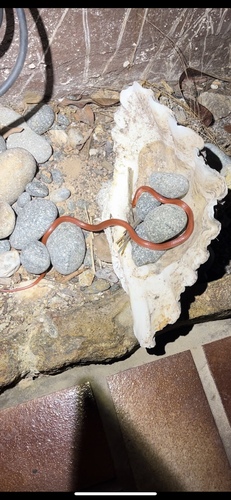
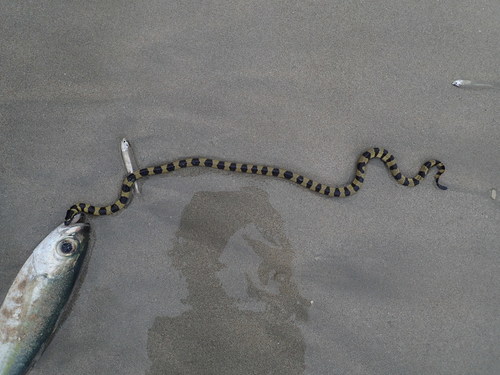
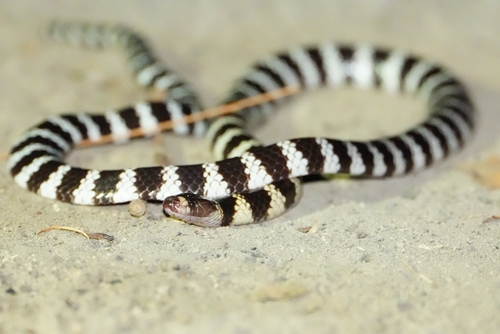
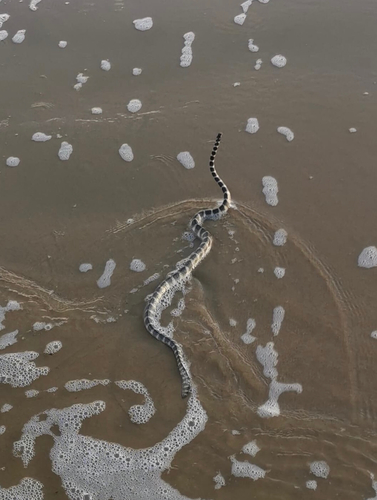
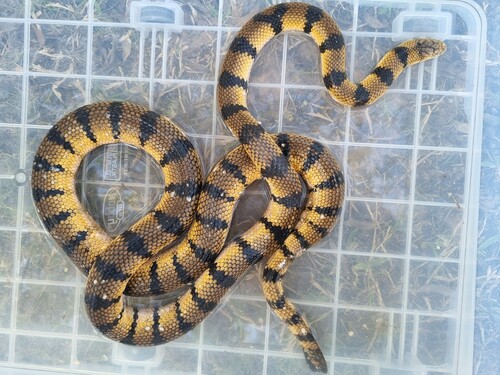
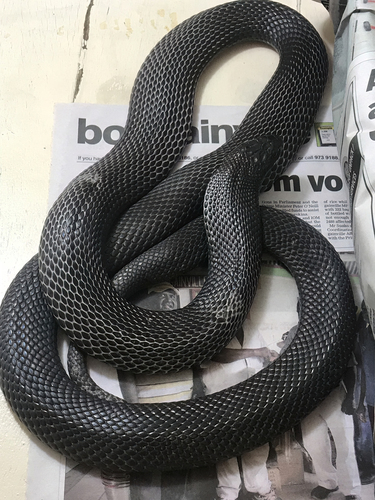
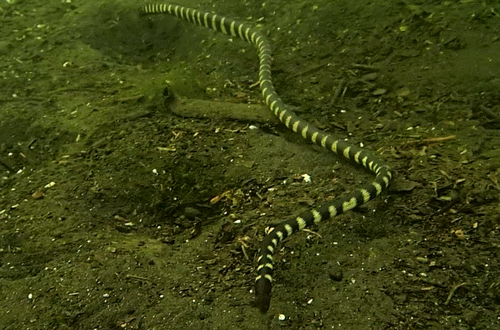

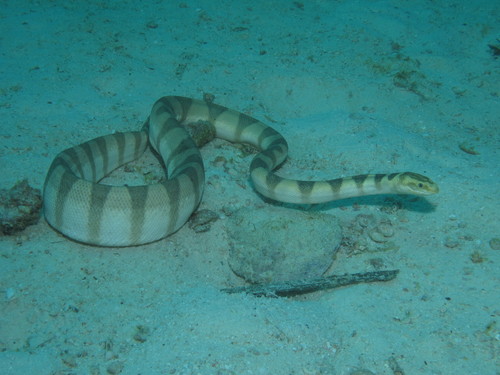
- No photo
Every snake recorded in Australia
200+ species across 8 families, grouped by family. Venomous flagged.
Elapidae (140)
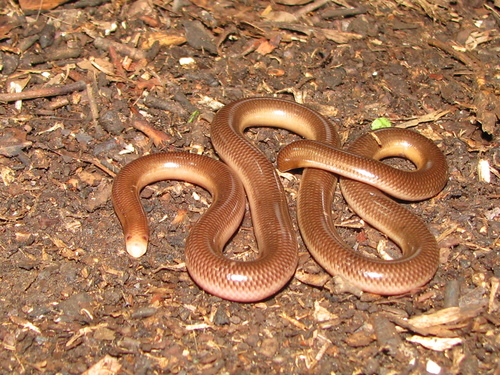
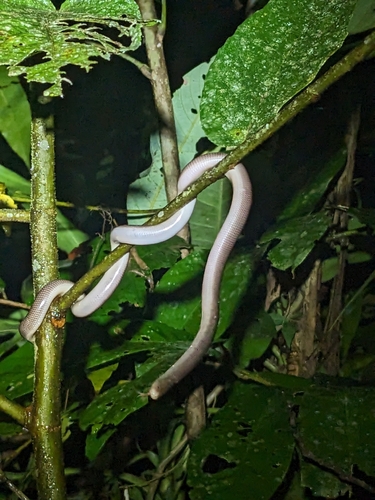
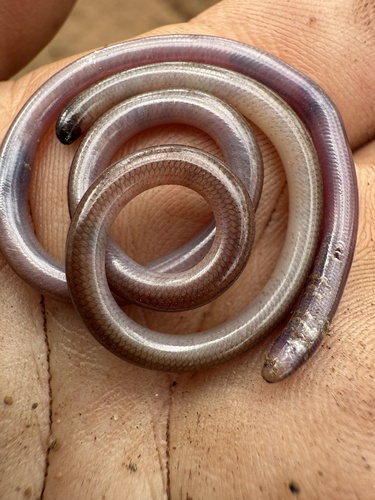
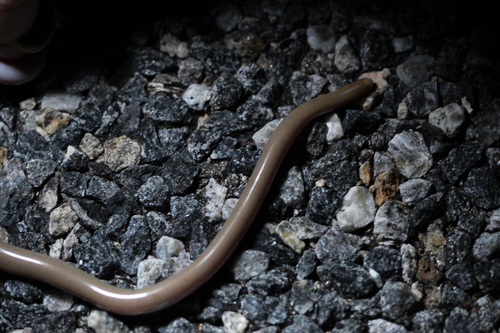
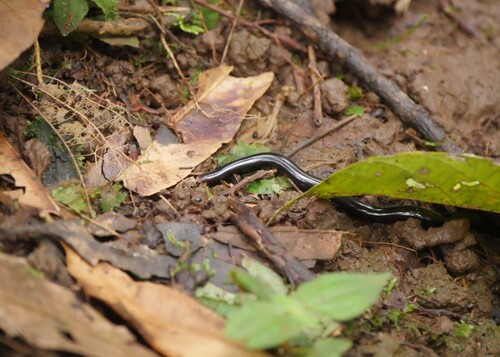
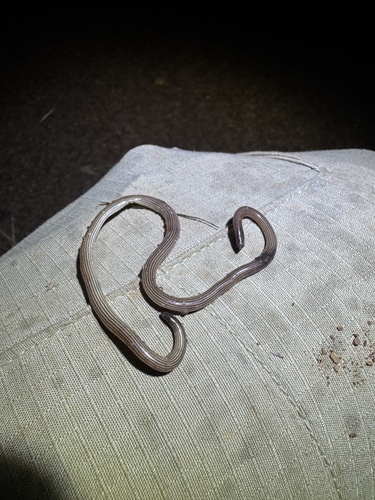
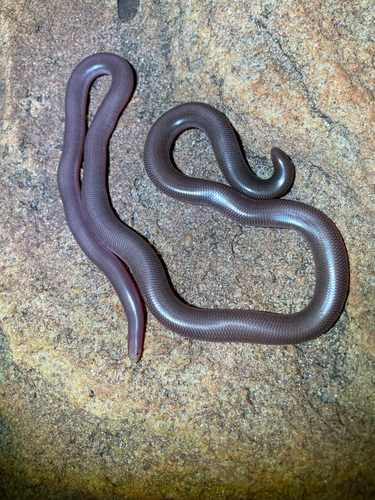
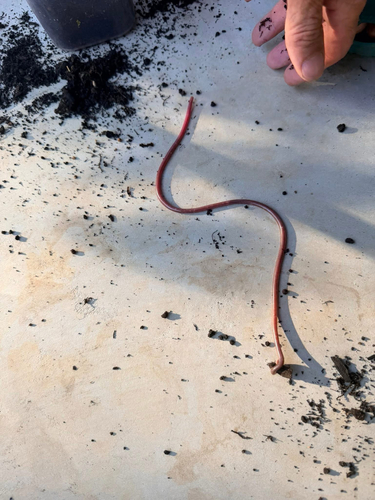
Typhlopidae (31)
Colubridae (24)
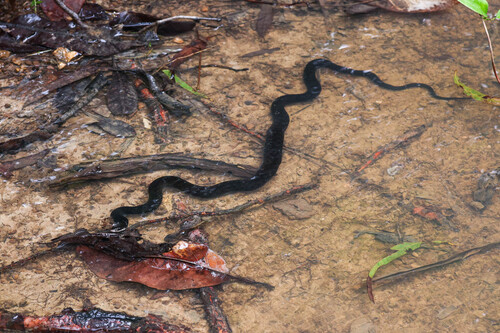
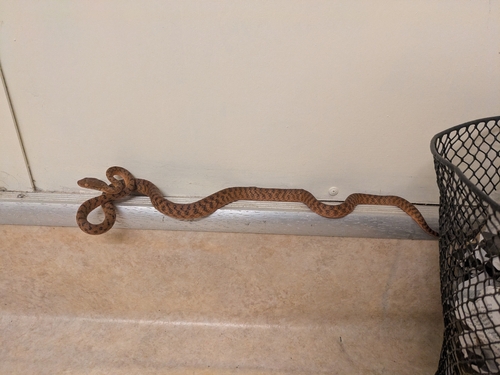
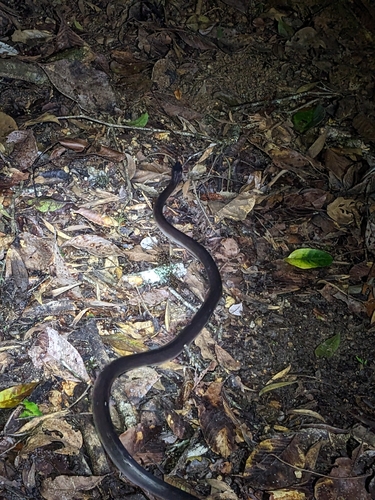
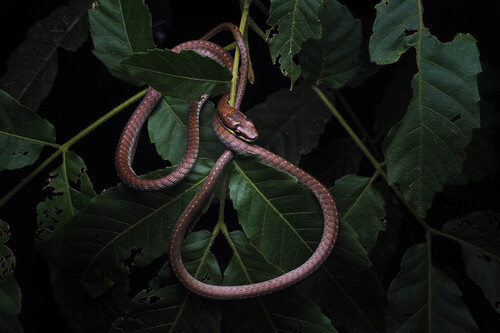
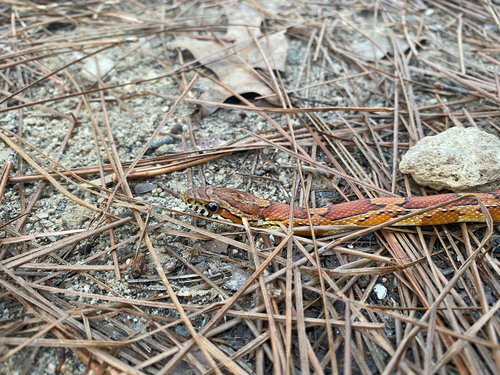
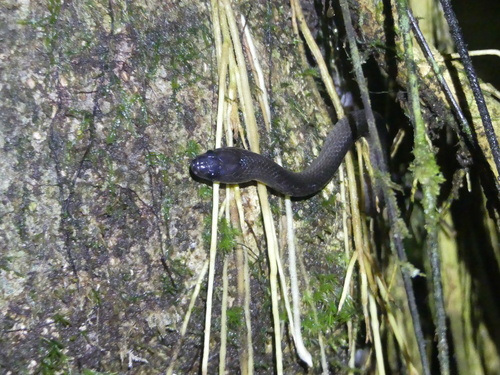
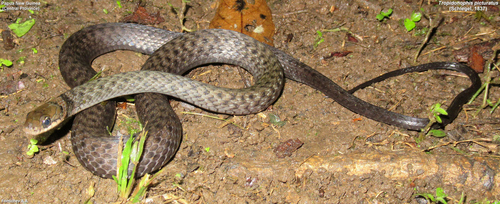
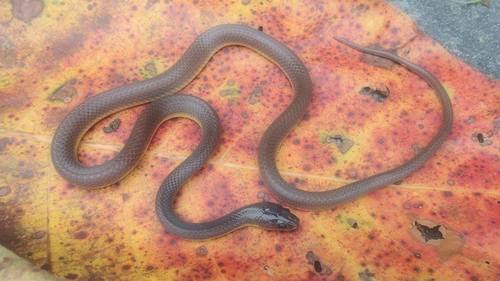
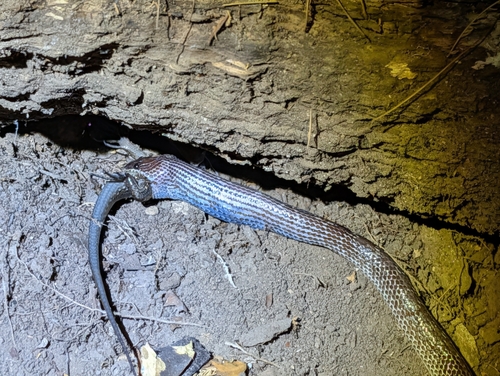
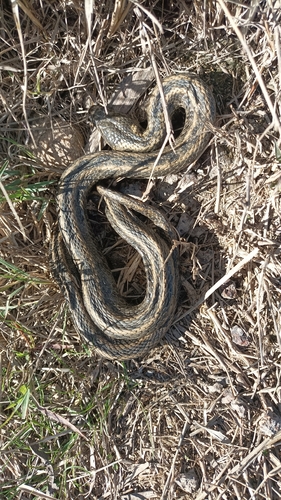
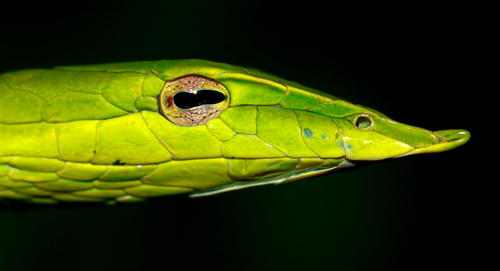
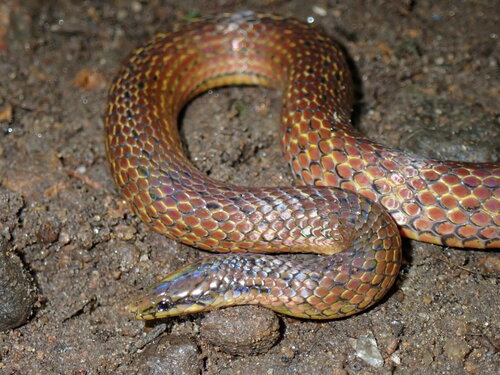
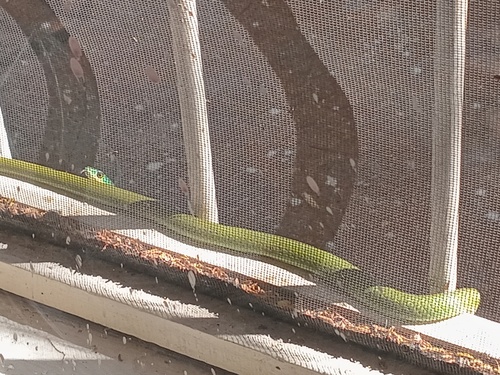
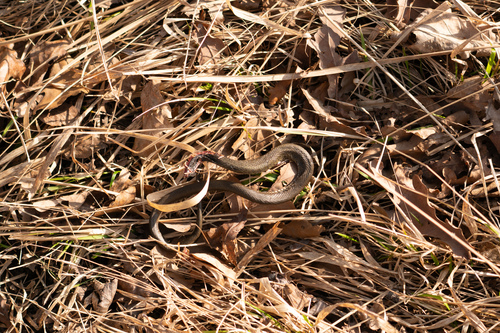
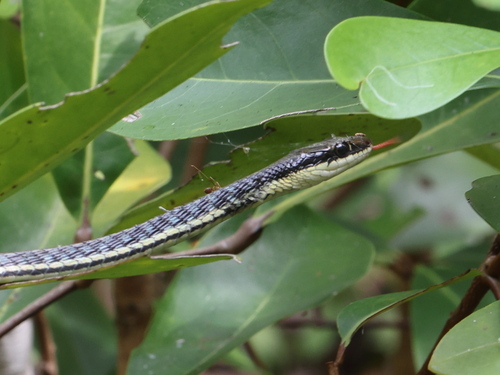
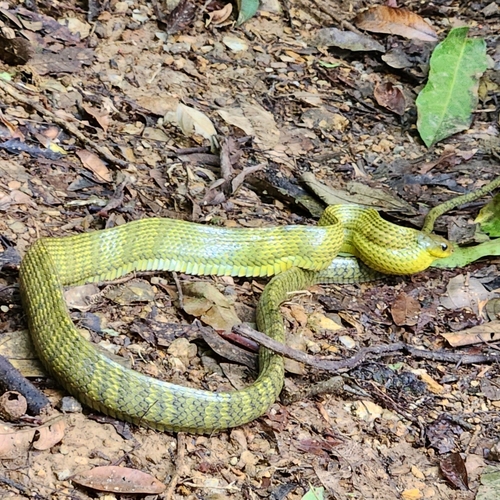
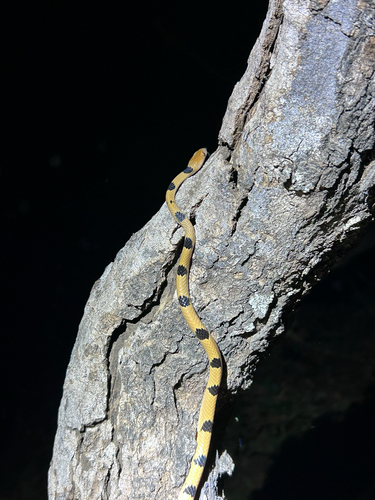
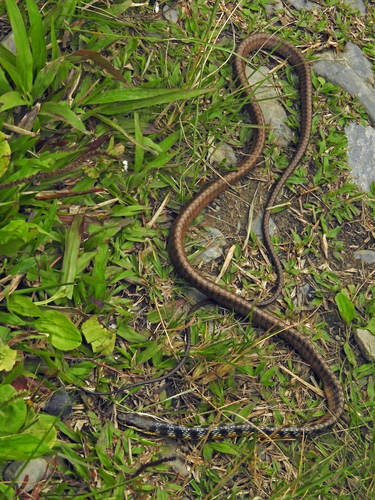

Pythonidae (23)
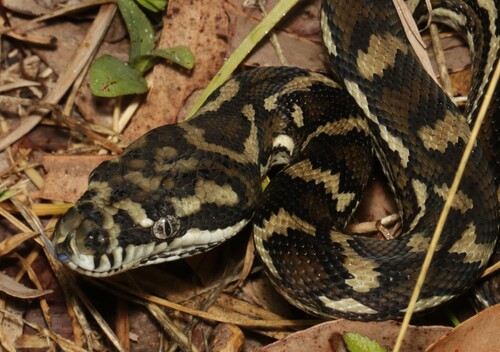
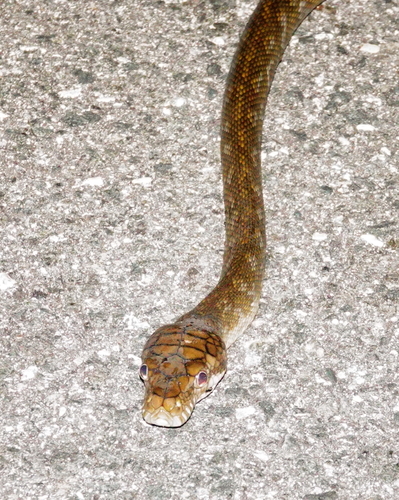

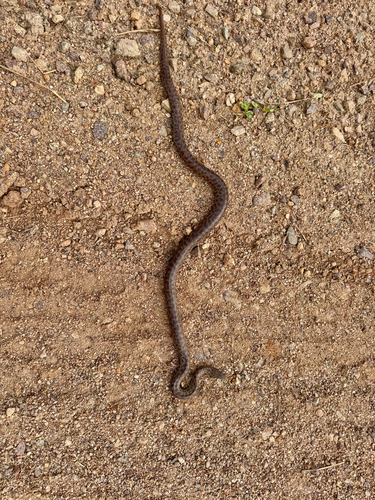

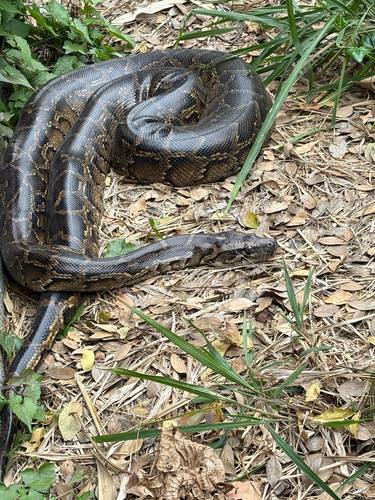
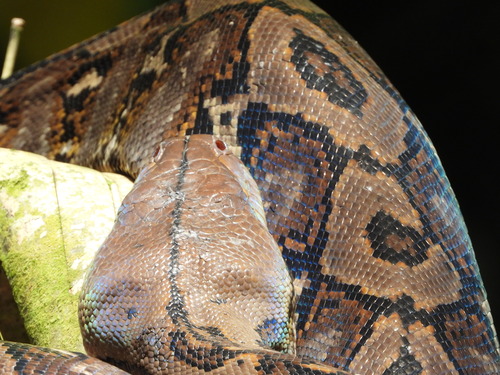
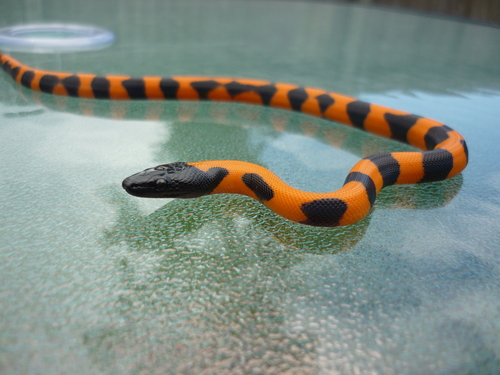
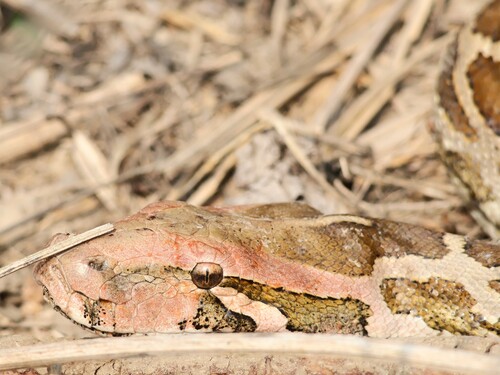
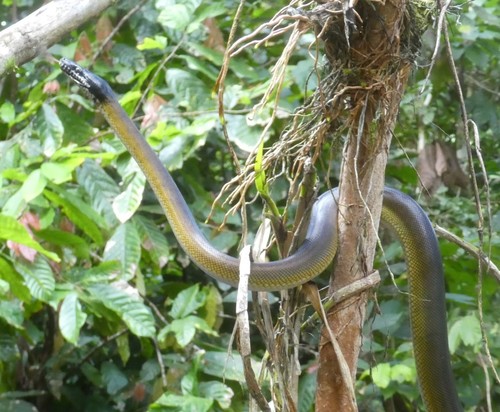
Homalopsidae (5)
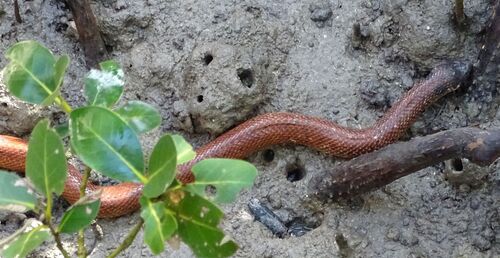
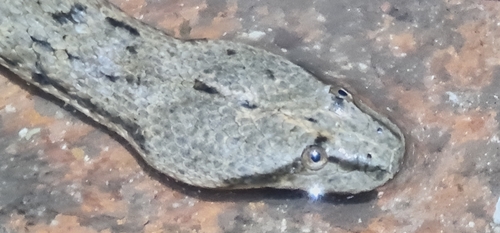
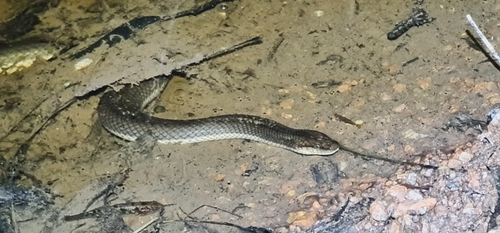
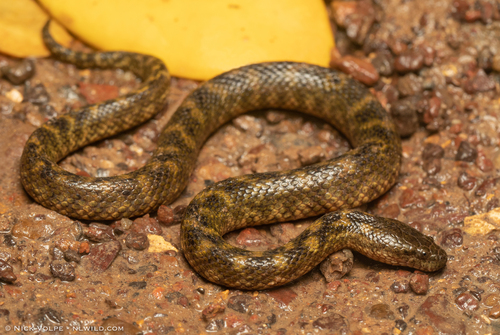
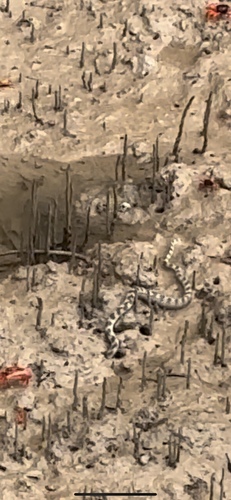
Acrochordidae (3)
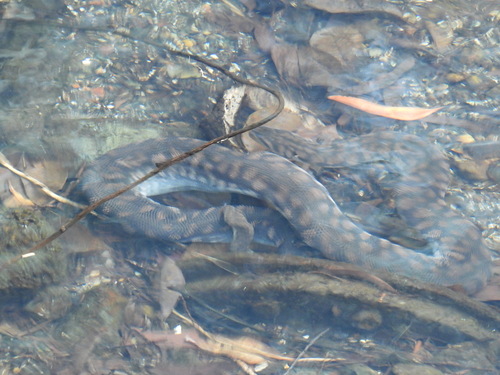
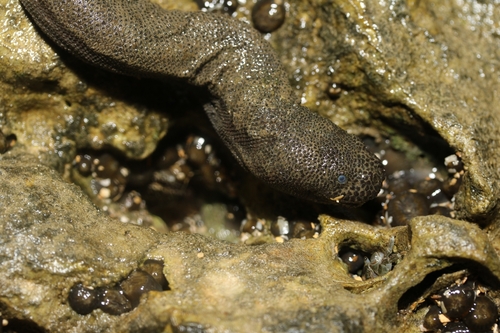
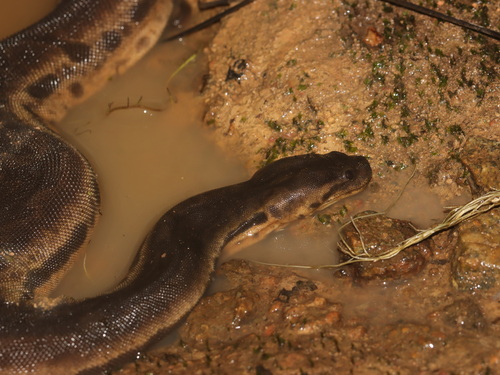
Boidae (3)
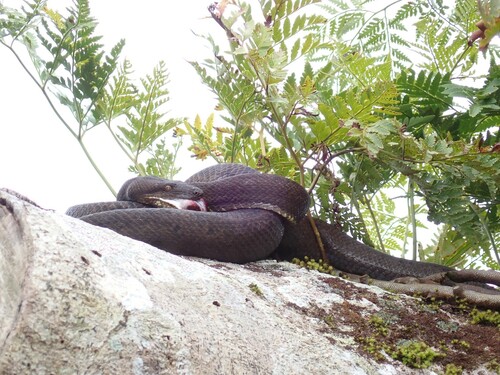
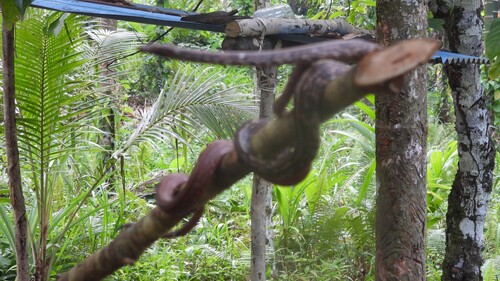
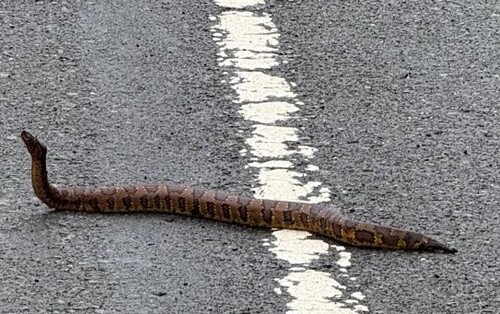
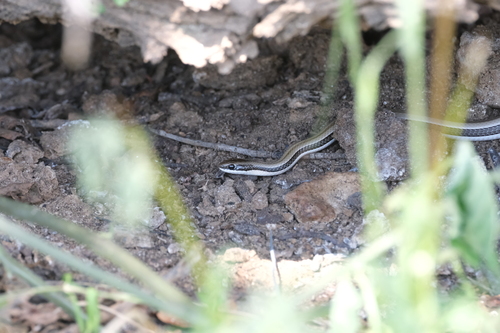
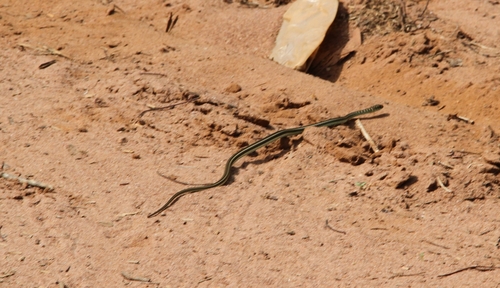
Compiled from verified GBIF & iNaturalist observations. "How often seen" reflects how frequently a snake is reported here, not how dangerous it is. Informational only.
Keep learning
- Are Snakes Dangerous? The Real Risk, in PerspectiveMost snakes are harmless and avoid people. Here is the honest picture of snakebite risk worldwide and how to lower your own.
- Snakebite First Aid: What to Do (and What Never to Do)A clear, CDC-based guide to snakebite first aid: the steps that help, the popular myths that hurt, and how to tell a serious bite from a minor one.
- Venomous vs Nonvenomous: How to Tell the DifferenceThe folk rules for telling venomous snakes apart, where each one fails, and why location-based identification beats guessing by sight.
- What to Do If You Find a SnakeFound a snake at home or on a trail? Here is how to stay calm, give it space, identify it safely, and know when to call a professional.