
Elapidae
Broad-headed Snake
VenomousHoplocephalus bungaroides
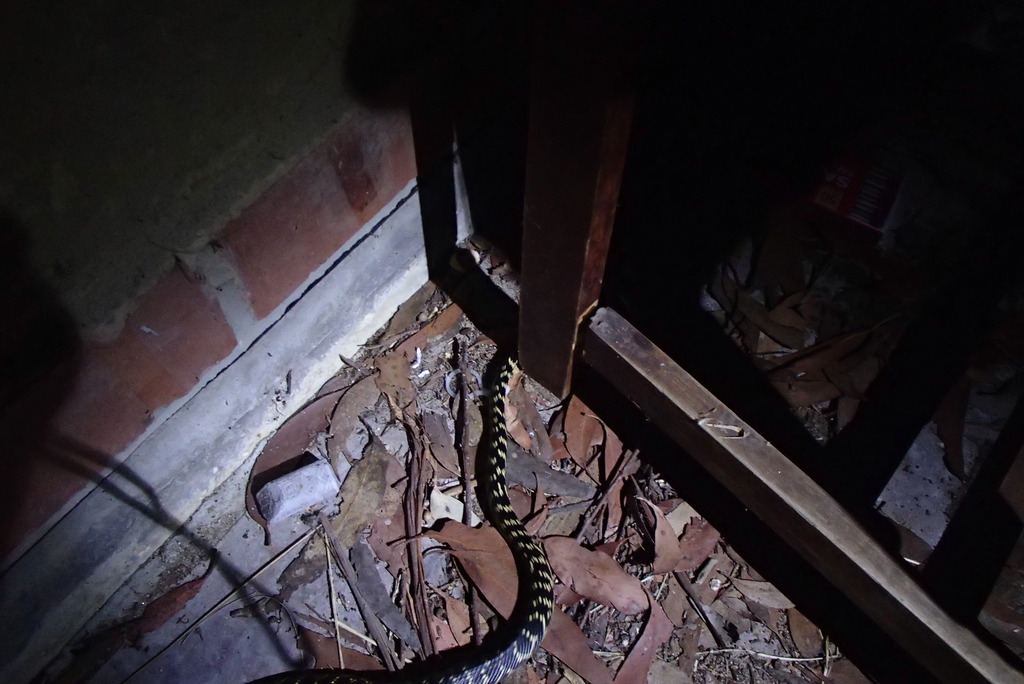
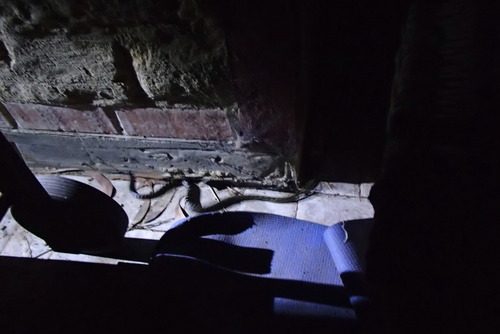
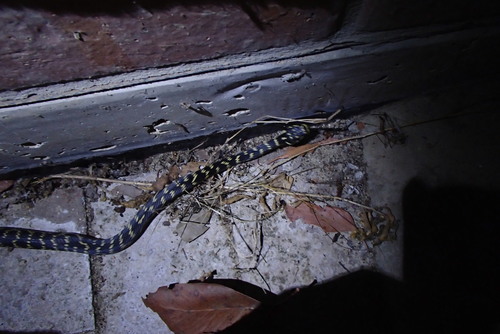
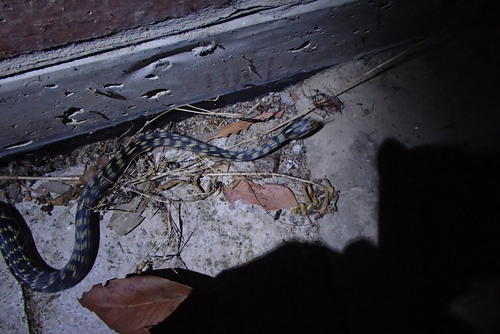
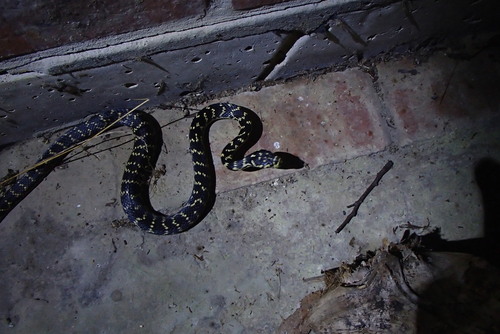
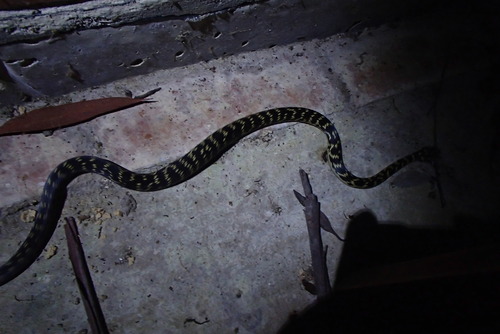
6 photographs of the Broad-headed Snake. © bunjaree_cottages.
The Broad-headed Snake (Hoplocephalus bungaroides) is a venomous snake in the Elapidae family, recorded in 1 country.
If you are bitten
This is a venomous snake. Treat any bite as a medical emergency: stay calm, keep the bitten limb still and roughly level with the heart, remove rings and tight clothing, and get to emergency care immediately. Do not apply a tourniquet, cut the wound, apply ice, or try to suck out venom. Call your local emergency number or poison center.
- Family
- Elapidae
- Danger
- high
About the Broad-headed Snake
The broad-headed snake (Hoplocephalus bungaroides) is a species of venomous snake in the family Elapidae. The species is restricted to the Sydney Basin in New South Wales, Australia. It is one of three snakes in the genus Hoplocephalus, all restricted to eastern Australia. It is currently endangered in New South Wales and is listed as vulnerable under the Commonwealth Legislation.
Taxonomy
The broad-headed snake has had a confused taxonomy. The species name Naja bungaroides, with an insufficient diagnosis, was originally coined in 1828 by Friedrich Boie for the king cobra. Johann Georg Wagler validated N. bungaroides in 1830 with a more accurate diagnosis and reclassified it into its own genus, Hoplocephalus. In 1837, German naturalist Hermann Schlegel officially described the broad-headed snake, but broke the principle of priority by using the name Naja bungaroides for it and moving the king cobra to Naja bungarus. The species name Hoplocephalus bungaroides became conflated with the broad-headed snake after this, despite technically being the oldest name for the king cobra. The discrepancy was finally discovered in 2024; due to the longstanding usage of the species name in the scientific literature, it was decided to maintain Hoplocephalus bungaroides as the scientific name for the broad-headed snake and designate a new type specimen for it.
Description
The broad-headed snake is a small to medium-sized species of venomous snake, which attains an average total length (including tail) of 60 cm (24 in), although some records show that it can grow as long as 90 cm (35 in). It is black with numerous irregular yellow markings arranged in narrow cross-bands, which for inexperienced people can easily lead to confusion with a young diamond python, which is superficially very similar and found in the same habitat.In 2023 a man was bitten in the Southern Highlands of NSW after capturing a Broad-headed snake he believed to be a Diamond Python to show his children.
Distribution and habitat
The broad-headed snake is found in the Sydney Basin in New South Wales, Australia. The snake's choice of habitat depends on temperature, age, sex, and breeding status. In the colder months, adult and juvenile snakes reside in the crevices of sandstone outcrops on exposed cliff edges to maximise warmth from the sun. When the temperature rises in spring, adult males and non-breeding females move to adjacent woodlands and forests, inhabiting hollow trees during the summer months. Juvenile snakes and gravid females remain in the rocks and move to cooler, shaded areas.
Their habitat has been degraded by urbanization, illegal rock removal, vandalisation and indiscriminate reptile collecting. The sandstone rocks that the snakes occupy are valued for landscaping purposes. Their removal has led to a loss of habitat for both the snakes and their prey.
Behavior
Diet
Adapted from Wikipedia, available under CC BY-SA.
Local and regional names
The Broad-headed Snake is known by these names across the regions where it lives:
- French
- Hoplocéphale de Schlegel
- German
- Breitkopfotter
Frequently asked: Broad-headed Snake
- Is the Broad-headed Snake venomous?
- Yes. The Broad-headed Snake (Hoplocephalus bungaroides) is venomous and belongs to the Elapidae family (cobra, mamba, coral or sea snake). Its bite is considered high risk to people. Treat any bite as a medical emergency.
- Is the Broad-headed Snake poisonous?
- Snakes are venomous, not poisonous. "Poisonous" means harmful to eat or touch; "venomous" means injecting toxins through a bite. The Broad-headed Snake is venomous, delivering venom through a bite.
- Is the Broad-headed Snake dangerous?
- This is a venomous snake. Treat any bite as a medical emergency: stay calm, keep the bitten limb still and roughly level with the heart, remove rings and tight clothing, and get to emergency care immediately. Do not apply a tourniquet, cut the wound, apply ice, or try to suck out venom. Call your local emergency number or poison center.
- Where does the Broad-headed Snake live?
- The Broad-headed Snake has verified records in 1 country, including Australia. See the distribution section below for its full range.
- What does the Broad-headed Snake eat?
- The broad-headed snake feeds infrequently on small reptiles and mammals. Snakes in captivity are able to maintain or gain weight when fed one to two newborn rats per month. In one documented case, a snake survived a fast lasting twelve months. Juveniles feed mostly on Lesueur's velvet gecko (Amalosia lesueurii) and occasionally on small skinks. Adults feed on Lesueur's velvet gecko, but also prey on other lizards, small snakes, and mice.
If you are bitten by the Broad-headed Snake
Do
- Get away from the snake and stay calm. Most bites worsen when people panic or try again to handle the snake.
- Call 911 or Poison Control (1-800-222-1222) right away. Antivenom works best when given early.
- Note the time of the bite and, from a safe distance, the snake's color and pattern, a phone photo is enough. Do not chase it.
- Keep the bitten limb still and at roughly heart level. Sit or lie down and limit movement.
- Remove rings, watches, and tight clothing near the bite before swelling starts.
- Gently wash the bite with soap and water and cover it with a clean, dry dressing.
Do not
- Do not cut the wound or try to suck out the venom.
- Do not apply a tourniquet or ice.
- Do not drink alcohol or caffeine.
- Do not take aspirin or ibuprofen, they can worsen bleeding. Acetaminophen is safer for pain.
- Do not try to catch or kill the snake. A dead snake can still bite by reflex.
First-aid guidance adapted from the U.S. Centers for Disease Control and Prevention (CDC NIOSH), Venomous Snakes. Educational only; always follow the instructions of emergency responders.
Where it is found
More Elapidae snakes
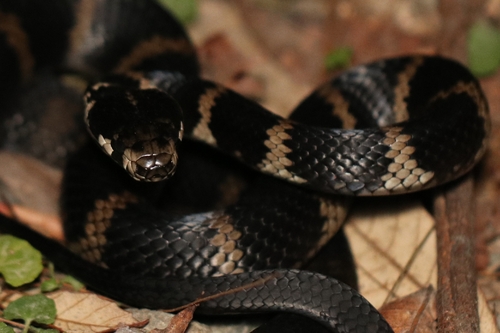 Stephens' Banded SnakeHoplocephalus stephensii
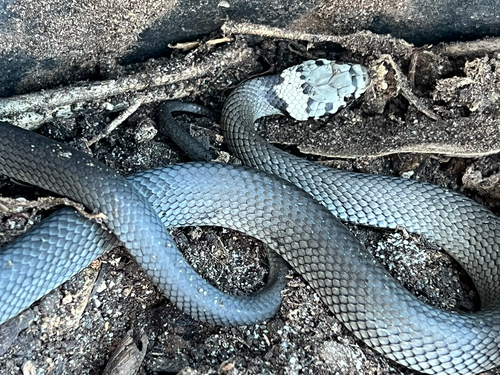 Pale-headed SnakeHoplocephalus bitorquatus
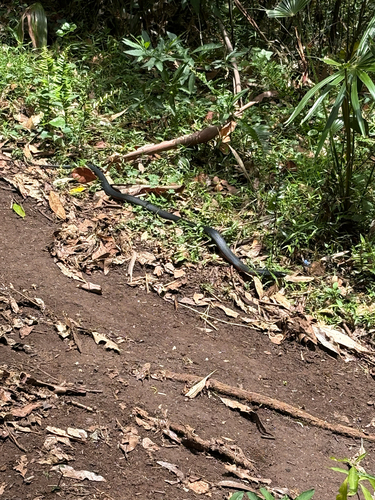 Red-bellied Black SnakePseudechis porphyriacus
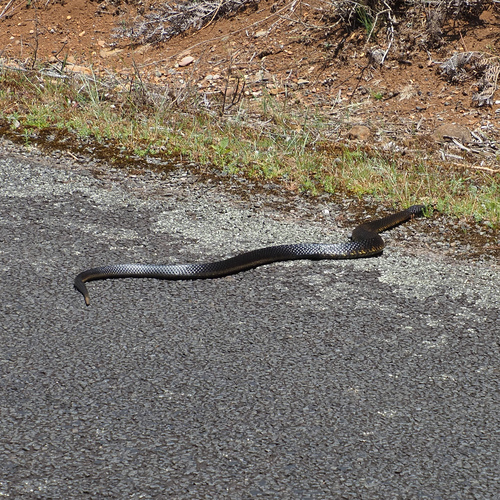 Tiger SnakeNotechis scutatus
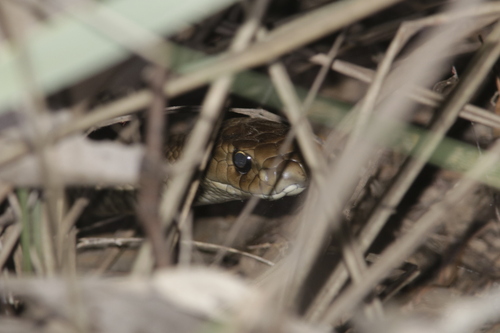 Eastern Brown SnakePseudonaja textilis
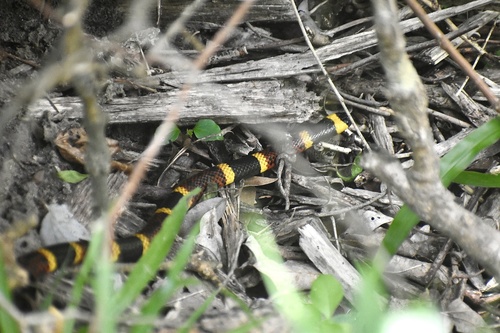 Texas CoralsnakeMicrurus tener
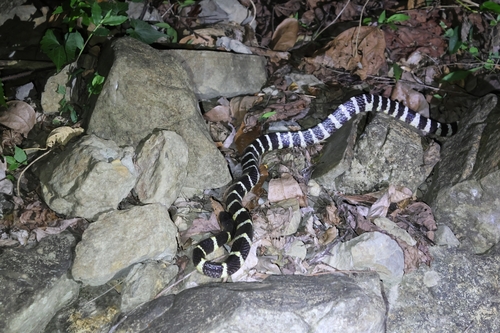 Many-banded KraitBungarus multicinctus
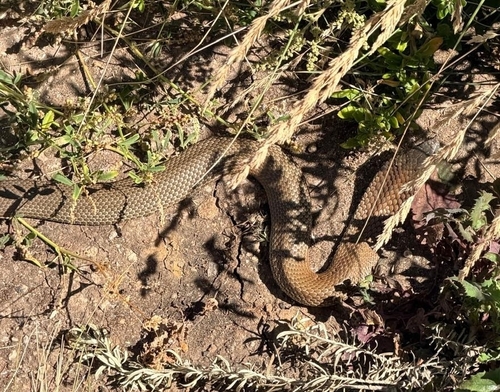 Lowlands CopperheadAustrelaps superbus
Classification
How scientists group this snake, from the broadest category down to the exact species. Each step narrows to its closest relatives.
- OrderThe broad group of scaled reptiles: all snakes and lizards
- Squamata
- FamilyA group of related snakes that share key traits
- Elapidae
- GenusA close-knit group of very similar species
- Hoplocephalus
- SpeciesThis exact snake, named in the two-part scientific name
- Hoplocephalus bungaroides
Keep learning
- Are Snakes Dangerous? The Real Risk, in PerspectiveMost snakes are harmless and avoid people. Here is the honest picture of snakebite risk worldwide and how to lower your own.
- Snakebite First Aid: What to Do (and What Never to Do)A clear, CDC-based guide to snakebite first aid: the steps that help, the popular myths that hurt, and how to tell a serious bite from a minor one.
- Venomous vs Nonvenomous: How to Tell the DifferenceThe folk rules for telling venomous snakes apart, where each one fails, and why location-based identification beats guessing by sight.
- What to Do If You Find a SnakeFound a snake at home or on a trail? Here is how to stay calm, give it space, identify it safely, and know when to call a professional.
Distribution from GBIF & iNaturalist. Venom status per CDC. Background: Wikipedia. Informational only. Never handle a snake to identify it.