
Viet Nam
Snakes in Viet Nam
250+ snake species have been recorded in Viet Nam, 70 venomous.
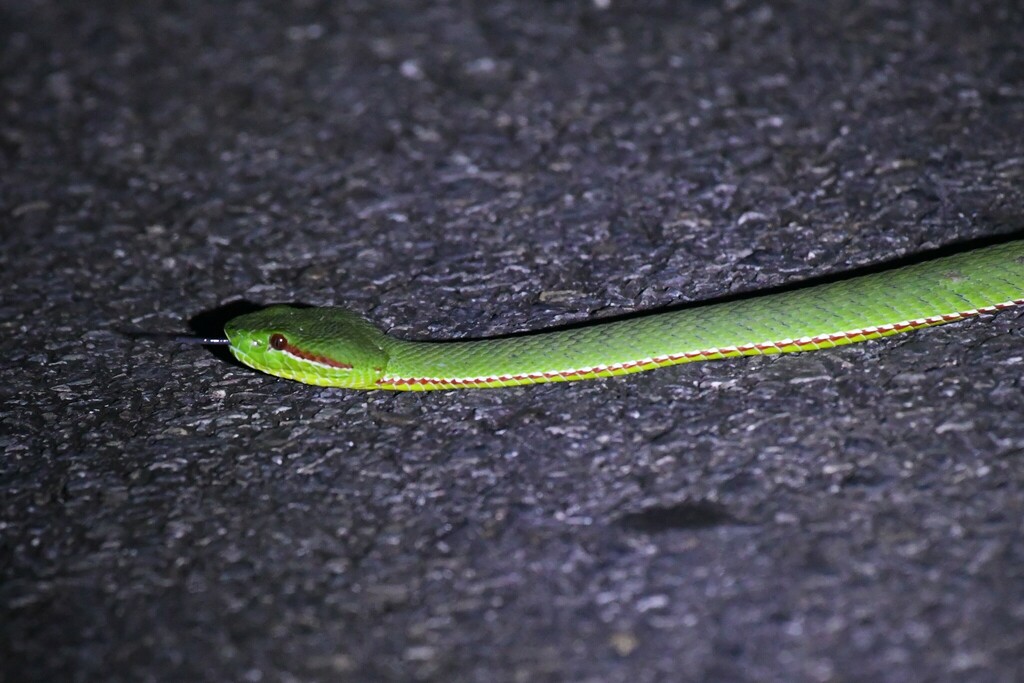
Snakes of Viet Nam
Vietnam is one of the richest snake countries in mainland Southeast Asia, with 250+ species recorded in our data, of which 70 are venomous. The reason for this abundance is geographic and ecological. The country stretches more than 1,600 kilometers from the cooler montane forests near the Chinese border in the north to the steamy tropical lowlands of the south, so it spans several climate zones in a single nation. Within that range sit dense evergreen rainforest, limestone karst hills riddled with caves and crevices, mangrove coastlines, and the vast wetland mosaic of the Mekong Delta. Each of these habitats supports its own community of snakes, and the rugged, fragmented terrain has let many populations diverge into distinct species.
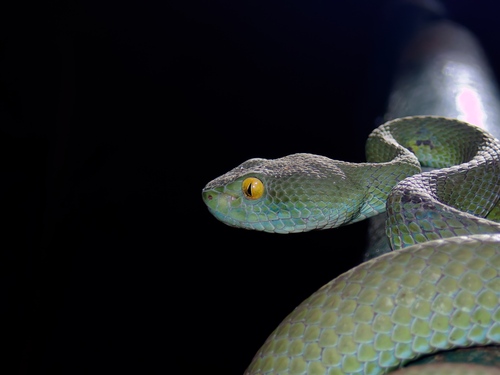
That same complexity makes Vietnam a hotspot for ongoing discovery. Herpetologists continue to describe new species here, especially pit vipers in the genus Trimeresurus and snakes tied to isolated limestone karst formations that act like islands of habitat. Many of these animals are small-range endemics found only on a single massif or in one forest block, which is part of why the national species count keeps climbing as fieldwork expands into remote areas. The picture of Vietnam's snake life is still being filled in, and the true total is almost certainly higher than what has been formally documented so far.
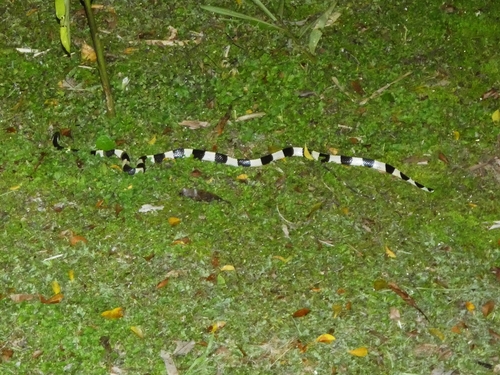
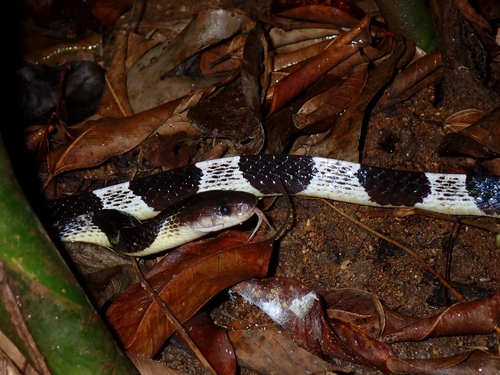
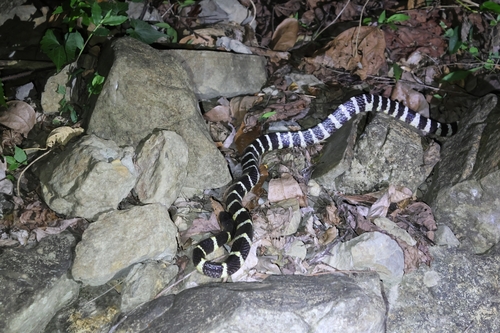
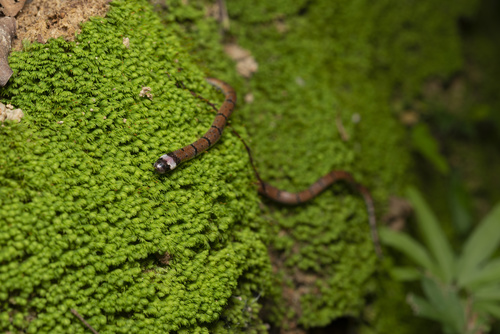
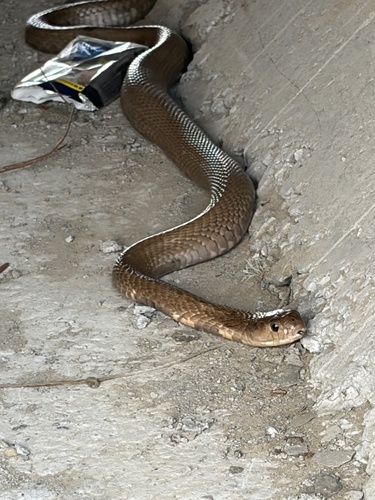
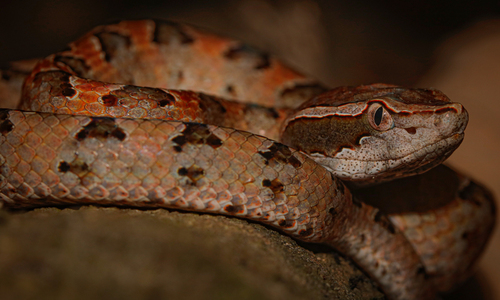
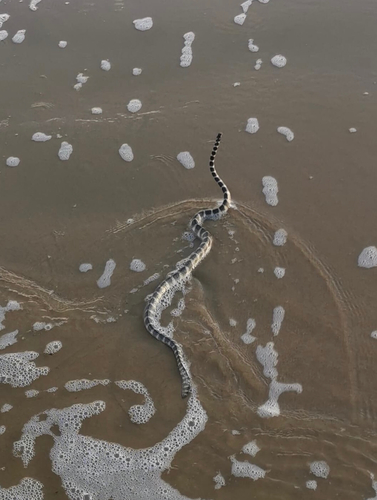
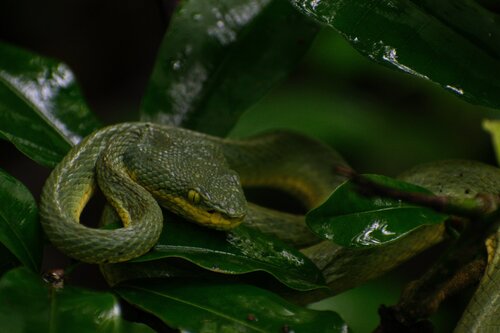
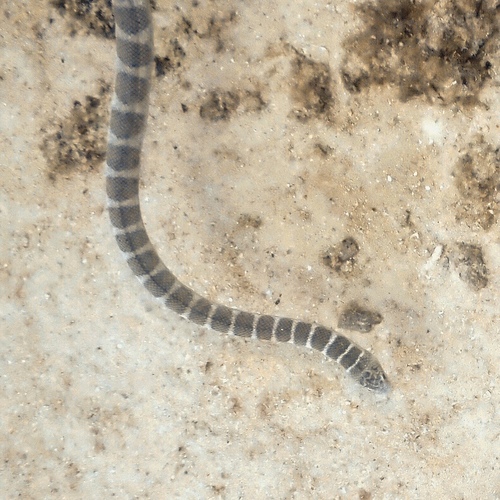
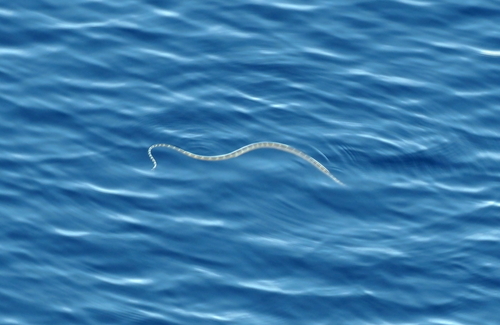
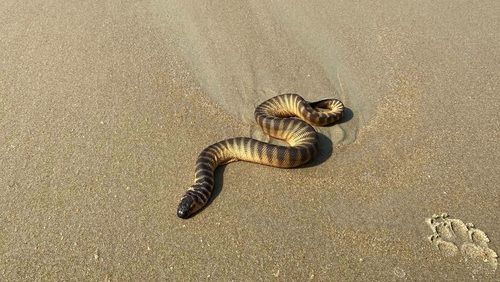
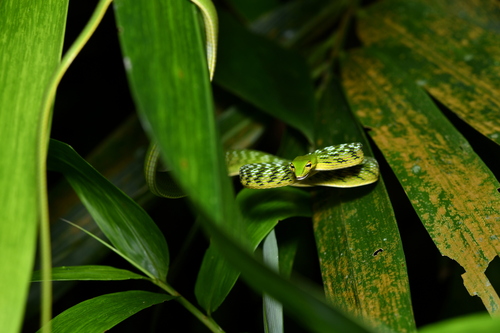
The venomous snakes belong to a few well-known groups. Cobras are present, including the monocled cobra (Naja kaouthia) and the king cobra, the longest venomous snake in the world. Kraits in the genus Bungarus, such as the many-banded krait, are nocturnal and carry potent neurotoxic venom. Pit vipers are the most diverse venomous group, from the many green pit vipers of the genus Trimeresurus that drape in low vegetation to the ground-dwelling Malayan pit viper. Along the coast and in estuaries live sea snakes, which are highly venomous but generally not aggressive toward people. Together these account for the 70 venomous species in the data.
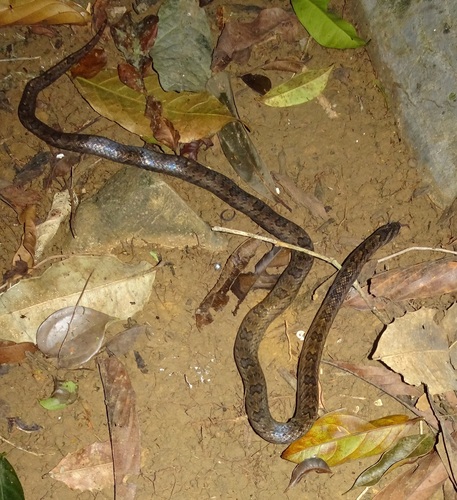
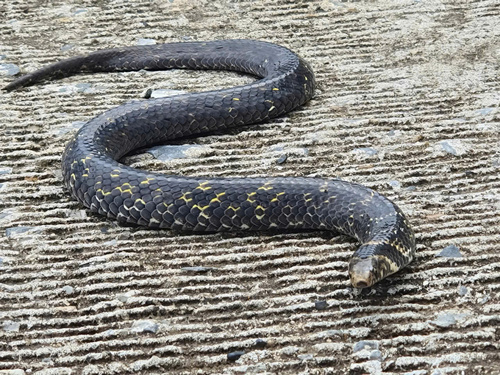
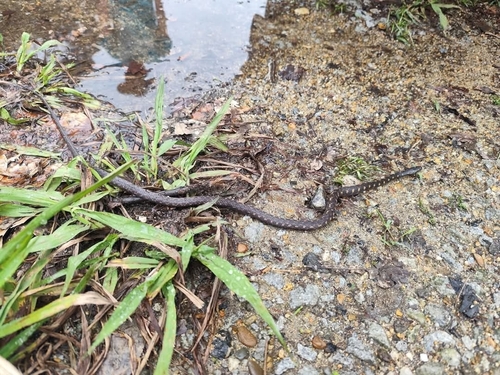
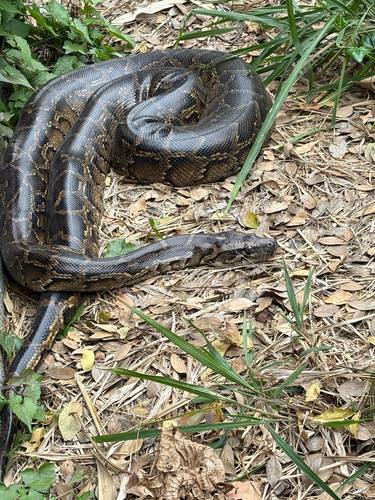
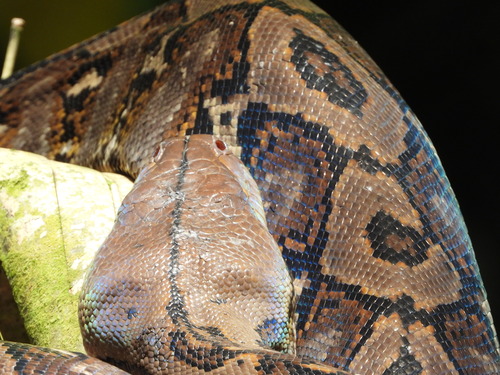
The large majority of Vietnam's snakes, however, are non-venomous or pose no serious medical threat. The country is home to giant constrictors including the reticulated python, one of the longest snakes on Earth, and the Burmese python. Rat snakes are common in farmland and around villages, where they help control rodents, and a wide variety of water snakes and freshwater species thrive in the rivers, rice paddies, and the Mekong Delta. Many small forest and leaf-litter snakes are harmless and rarely encountered. For most species, the role they play is ecological rather than dangerous.
On safety, the honest picture is reassuring with real caveats. The vast majority of snakes you might encounter are harmless, and most serious bites in Vietnam happen in rural and agricultural settings, often to farmers working in fields or rice paddies where snakes and people overlap. Antivenom exists for the major venomous groups, but availability and the specific products stocked can vary by region and by hospital, which matters because correct treatment depends on identifying the type of snake involved. Risk is concentrated among people who work the land daily, not casual visitors.
If a bite does occur, treat it as a medical emergency and get to a hospital or clinic as quickly as possible, and try to safely note what the snake looked like to help clinicians choose treatment. No wild snake should ever be handled, picked up, or provoked, even one that appears dead or harmless, because identification in the field is unreliable and defensive bites are exactly how most envenomations happen. Defer to emergency medical professionals for any bite or suspected envenomation rather than attempting to manage it yourself.
Snakes in Viet Nam: FAQ
- Are there venomous snakes in Viet Nam?
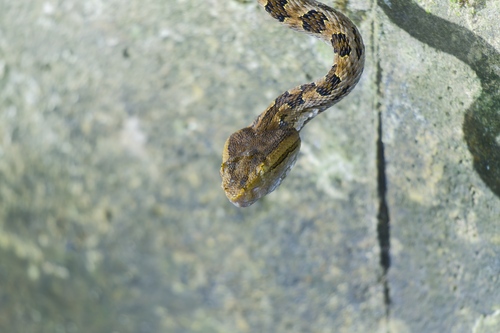
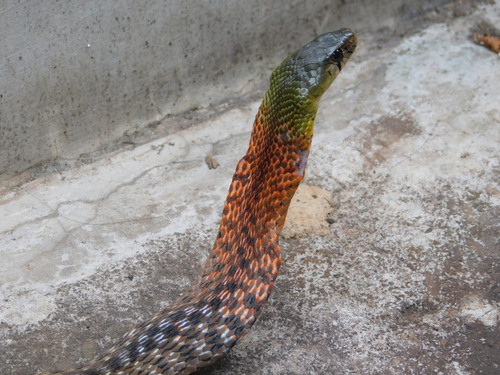
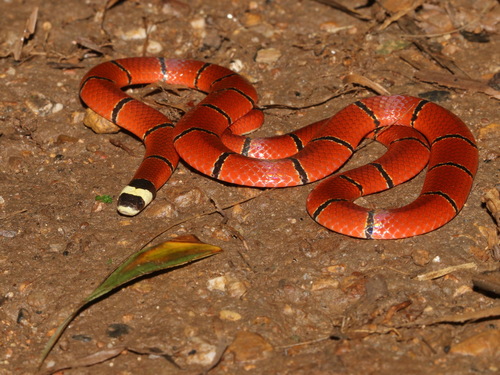
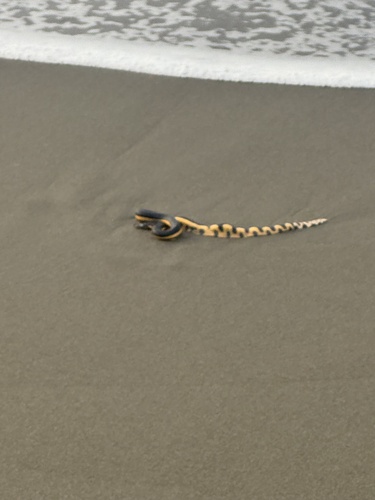
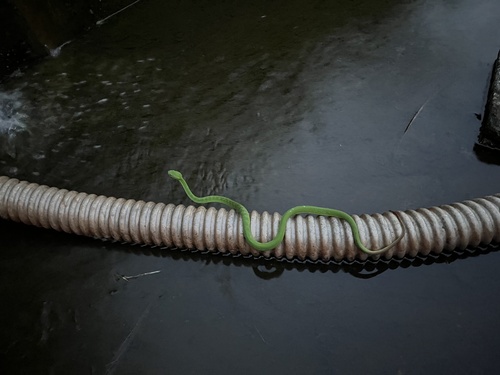
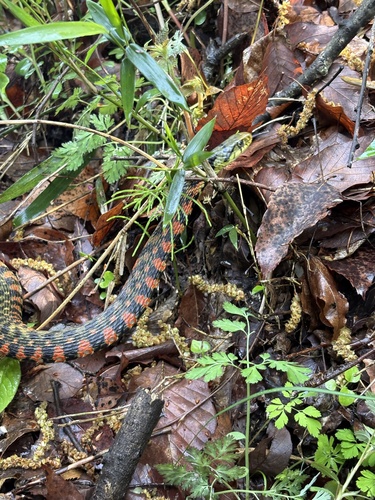
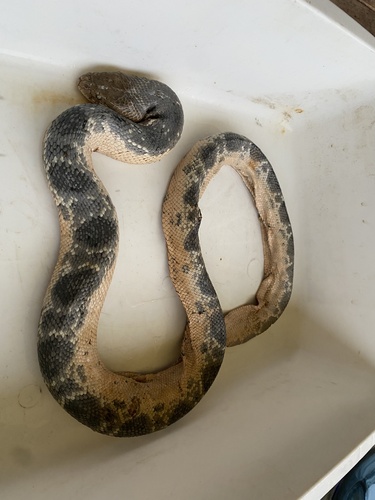
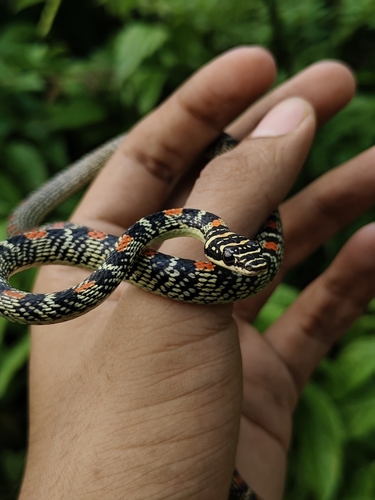
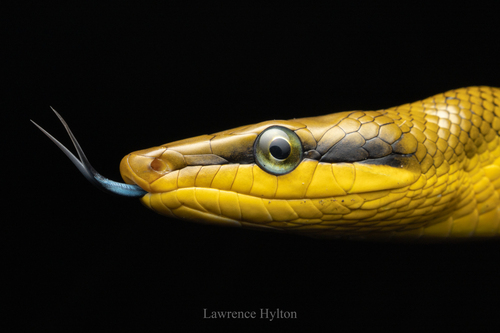
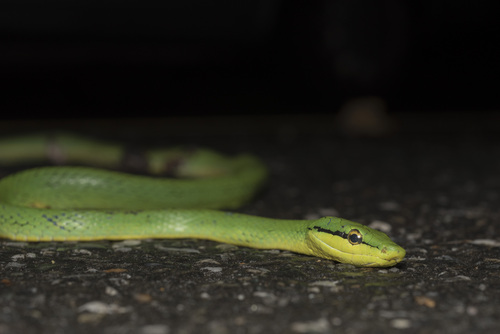
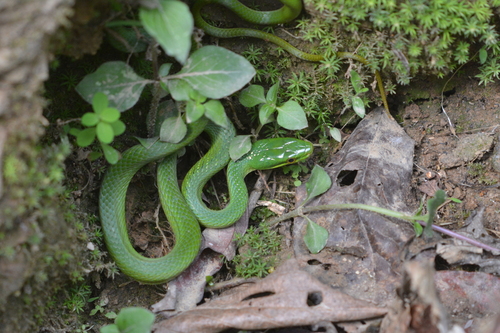
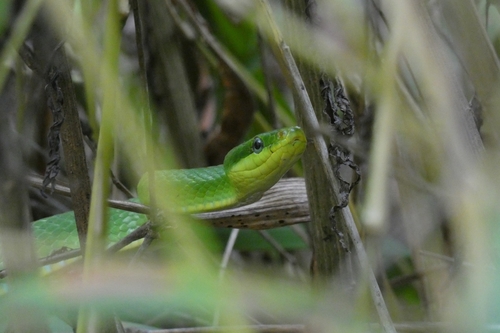
- Yes. 70 venomous snake species have verified records in Viet Nam, including Lanna Green Pitviper, White-lipped Pit Viper, Siamese Red-necked Keelback, Bungarus sagittatus. Most snakes in Viet Nam, however, are harmless.
- How many snake species live in Viet Nam?
- 250+ snake species have verified records in Viet Nam, of which 70 are venomous.
- What is the most commonly seen snake in Viet Nam?
- The Lanna Green Pitviper is the most frequently reported snake in Viet Nam, based on verified wildlife observations.
- What should I do if I see a venomous snake in Viet Nam?
- Keep your distance and do not try to catch or kill it. Most bites happen when people handle or corner a snake. If someone is bitten, contact local emergency services or poison control immediately.
Venomous snakes in Viet Nam
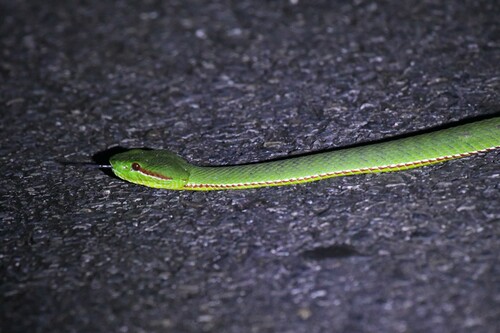
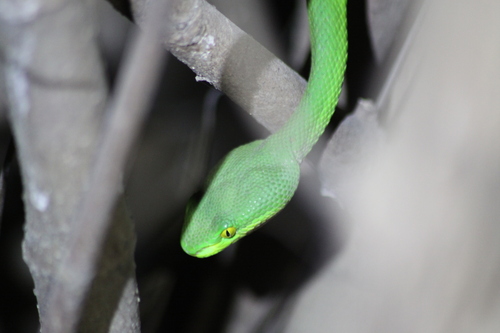
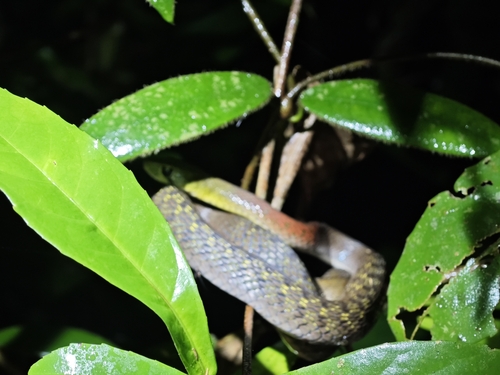
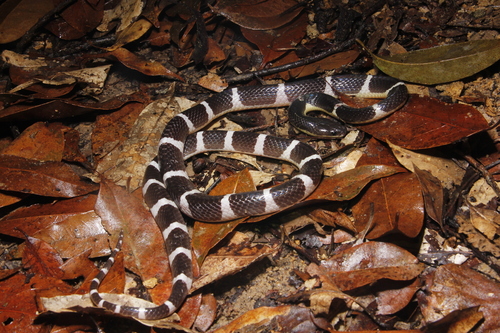
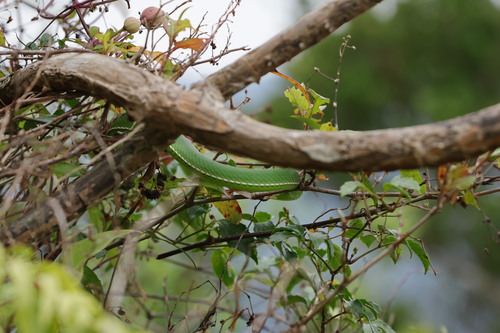

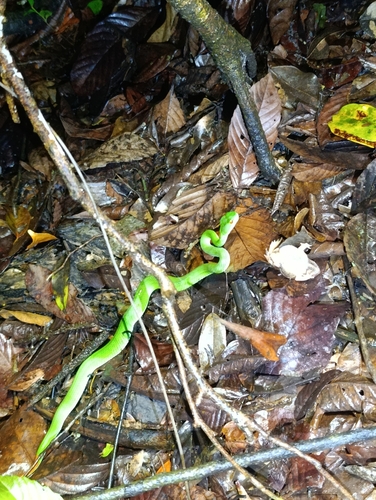
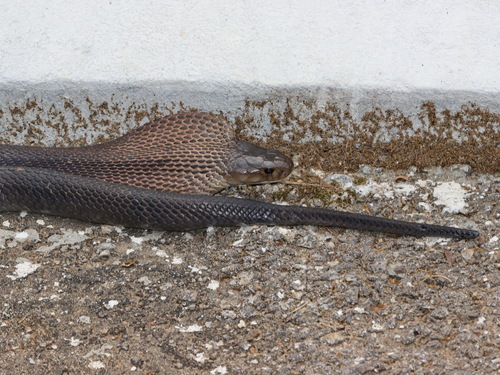
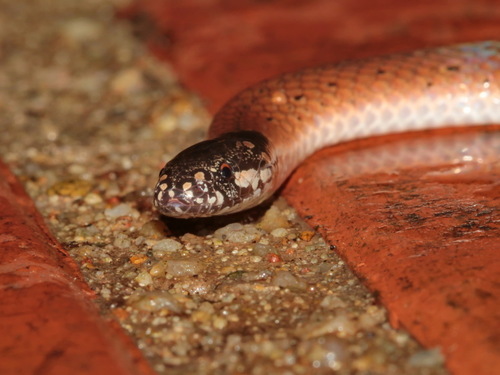
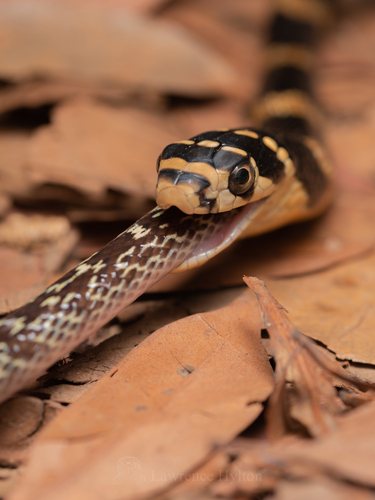
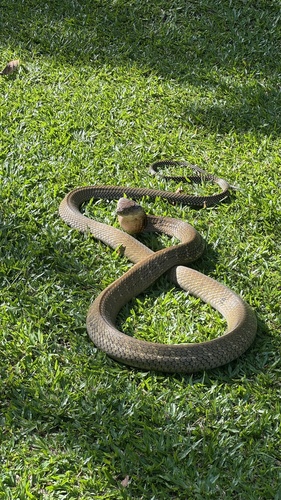
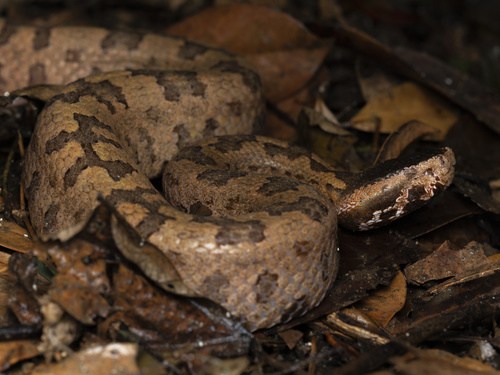
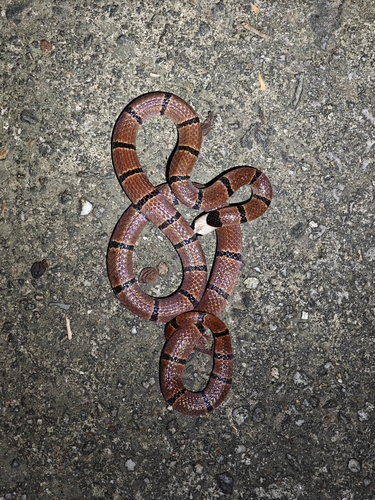
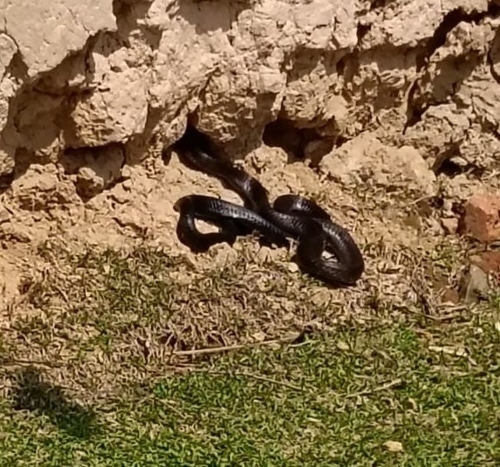
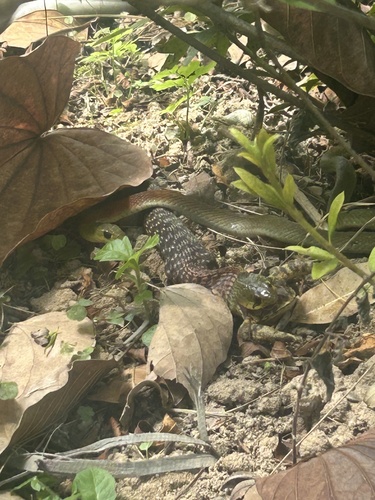
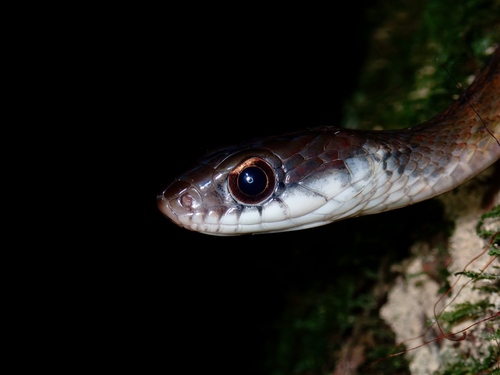
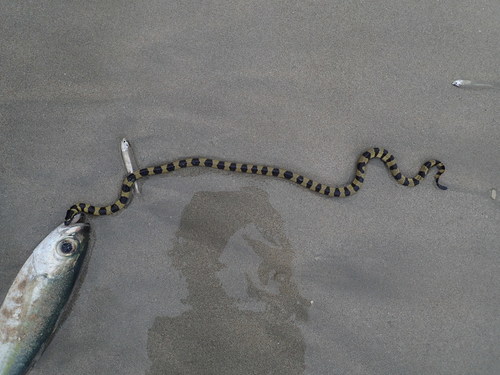
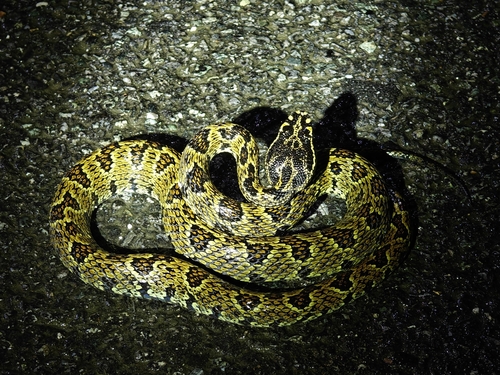
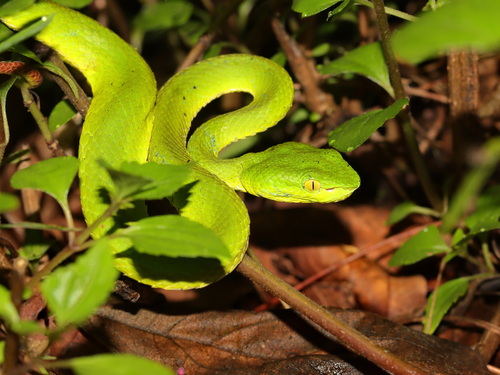
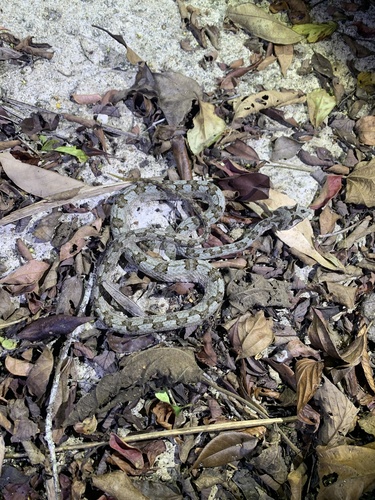
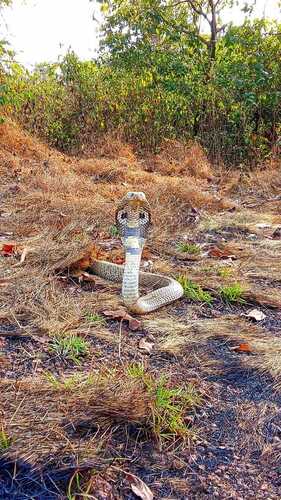
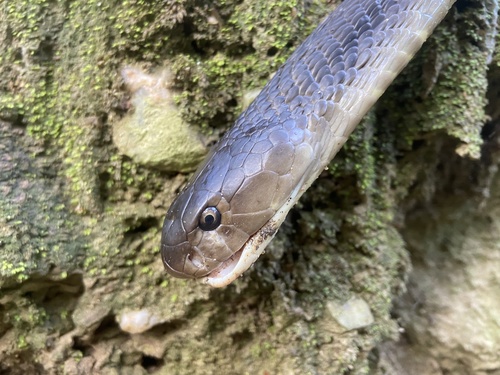
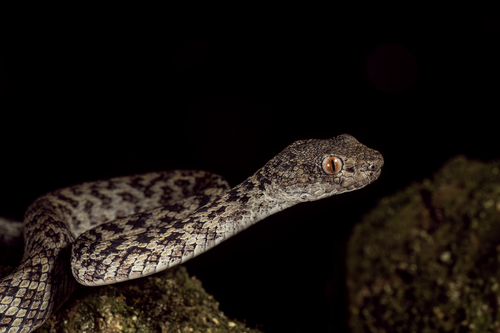
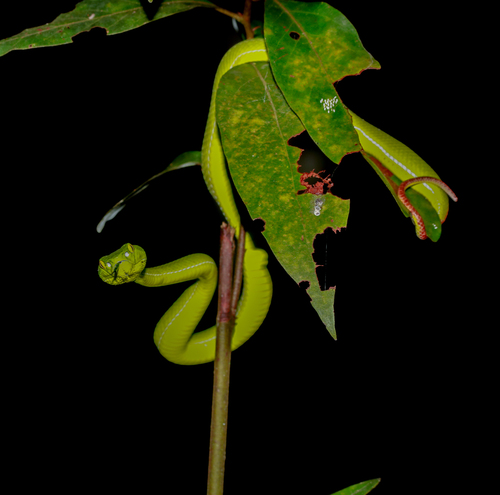

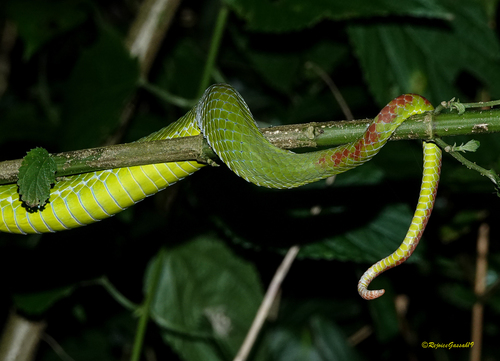
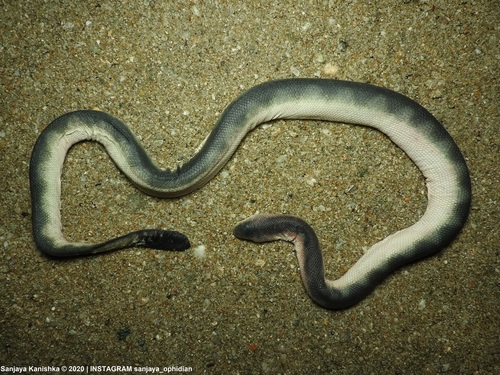
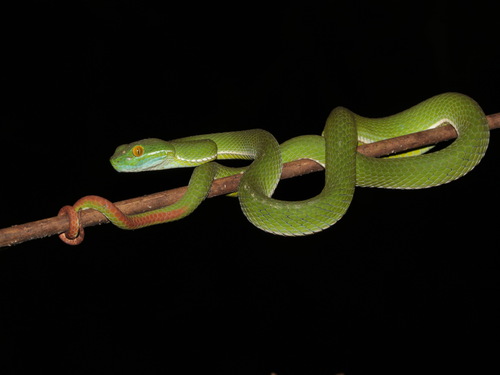

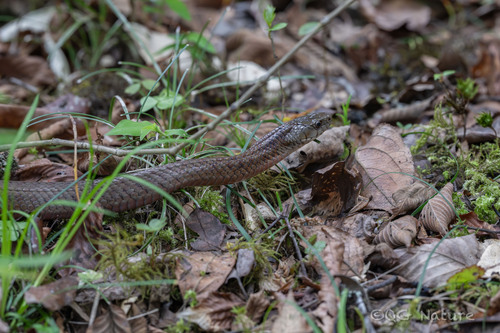
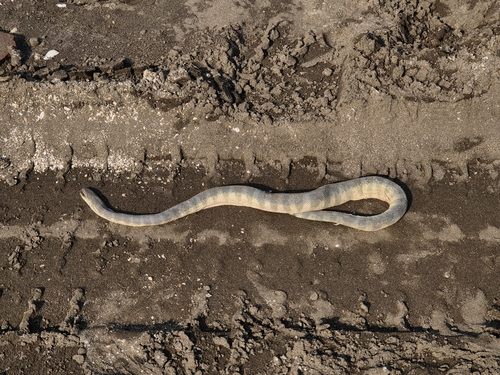
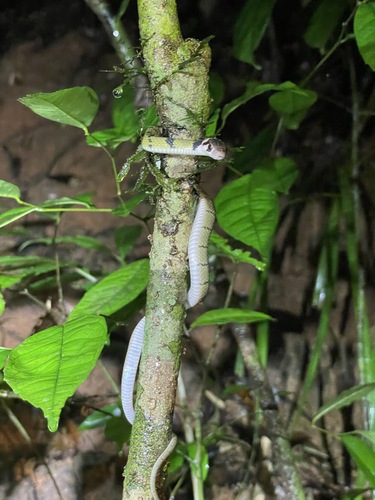
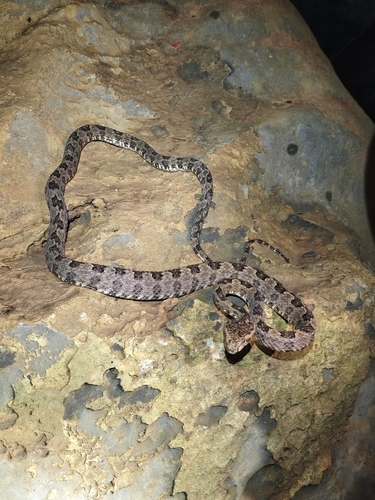
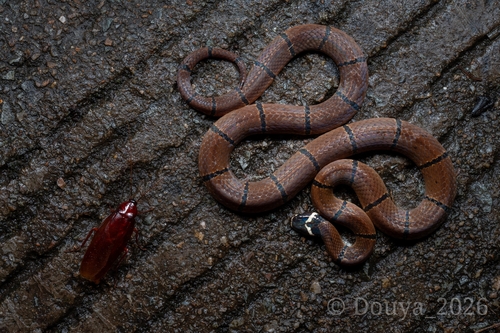
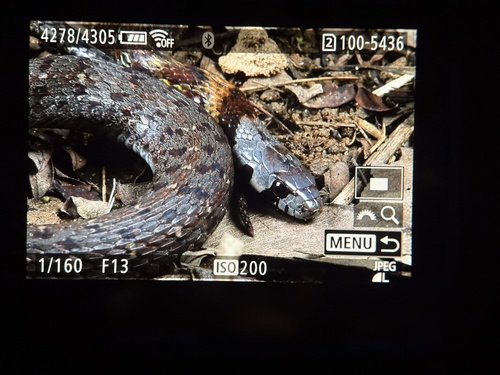
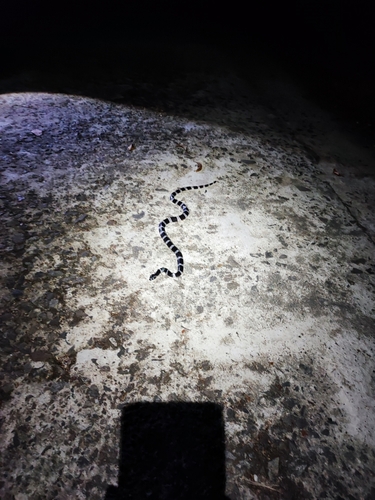
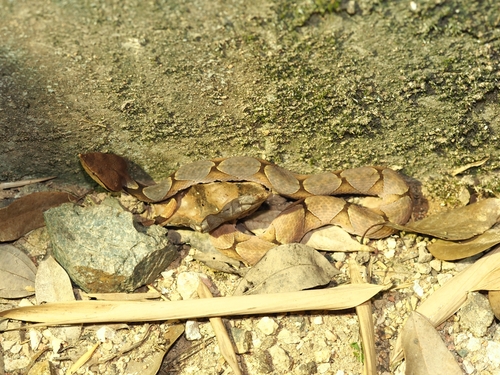


- No photo

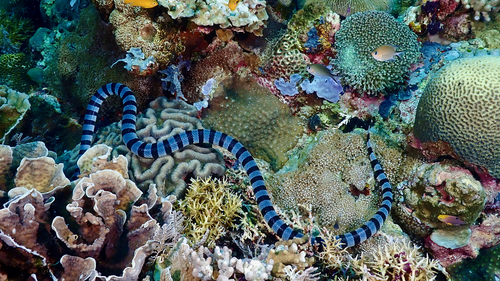
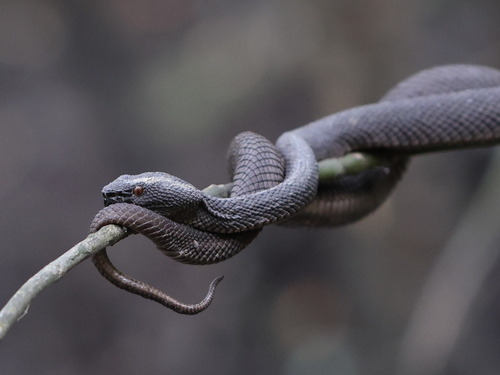
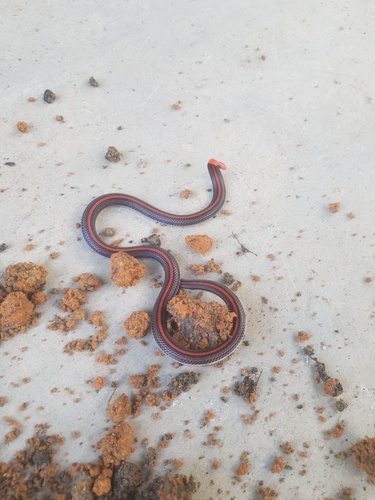
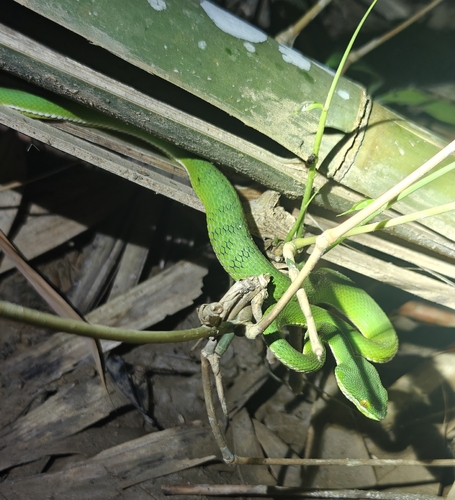

Every snake recorded in Viet Nam
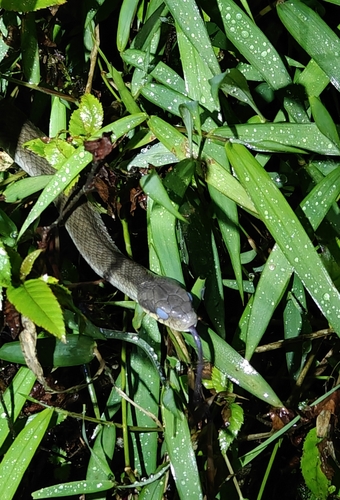
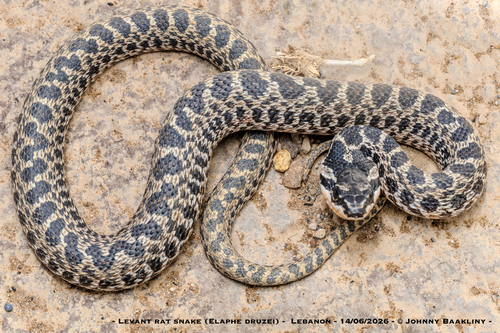
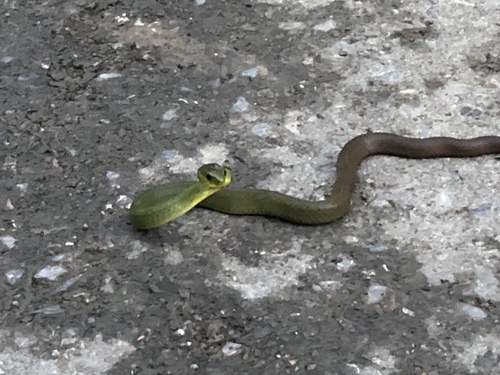
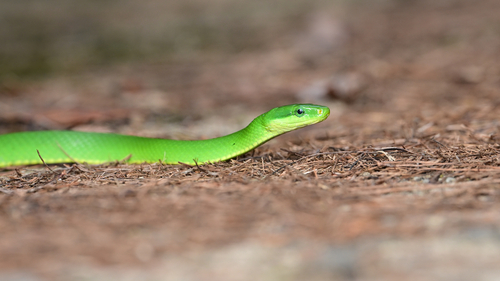
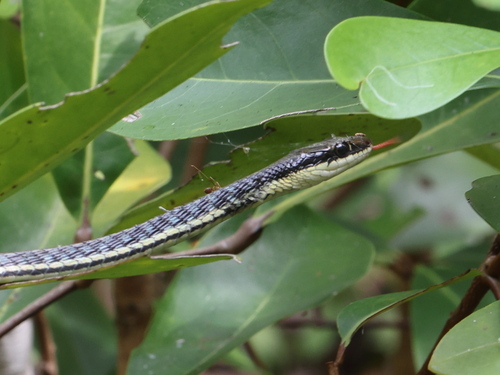
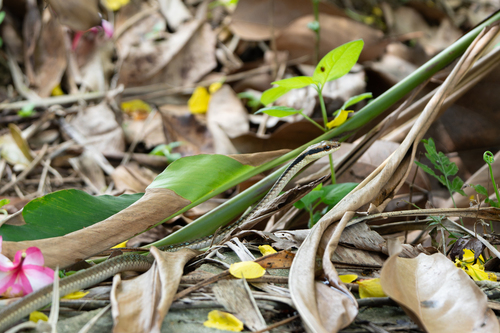
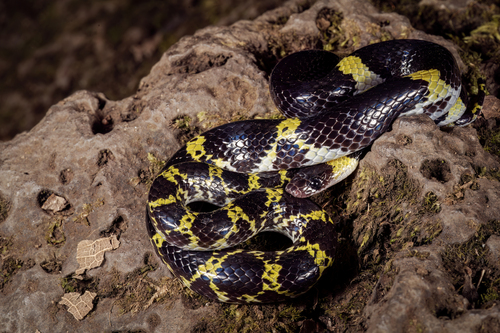
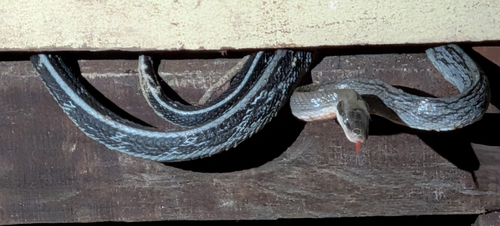
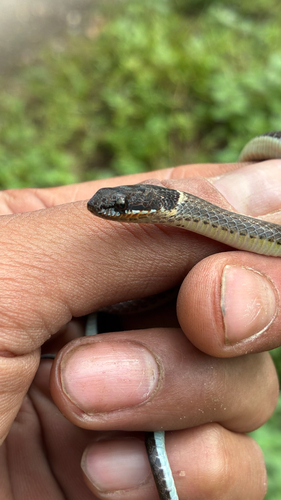
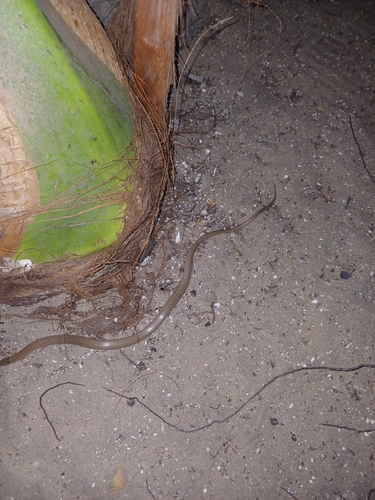
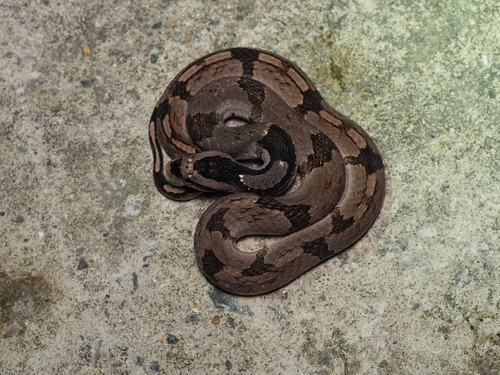
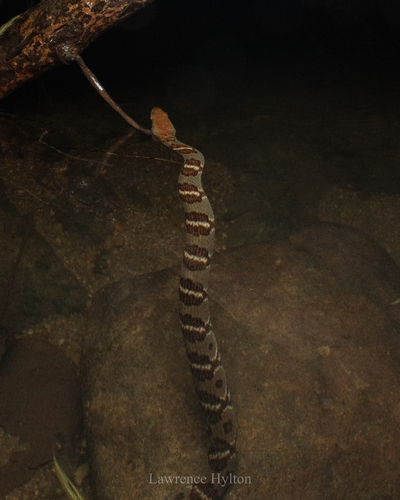
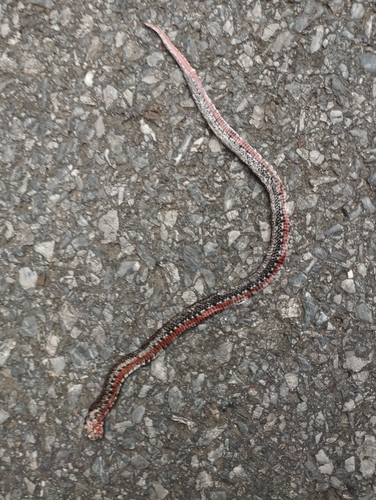
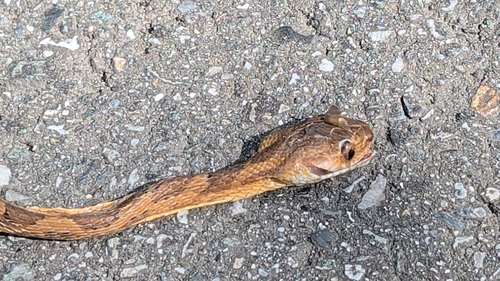
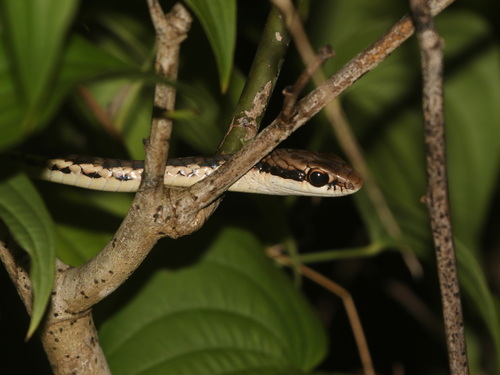
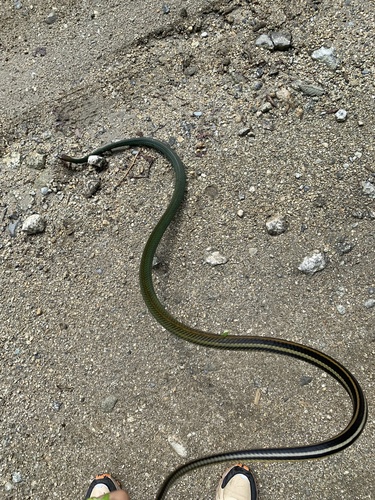
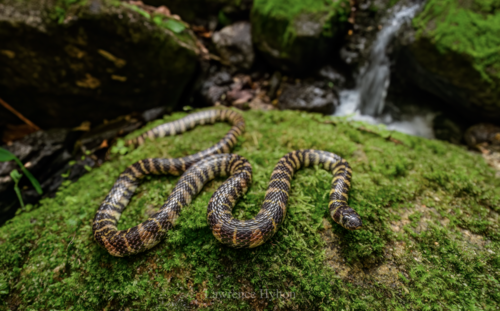
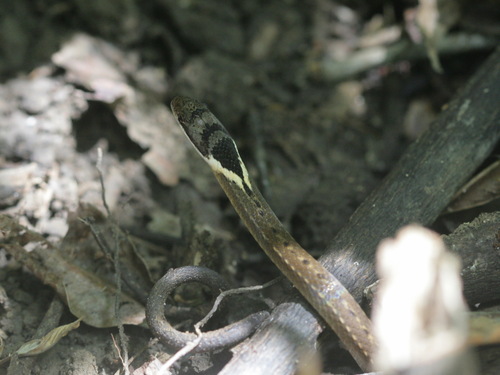
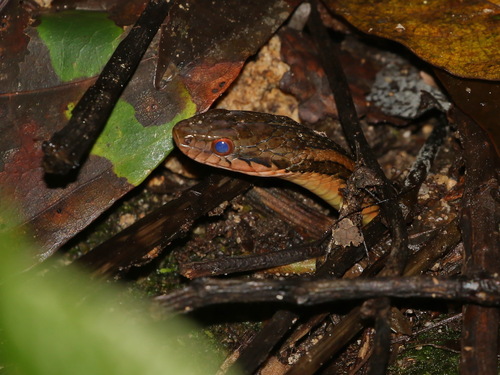
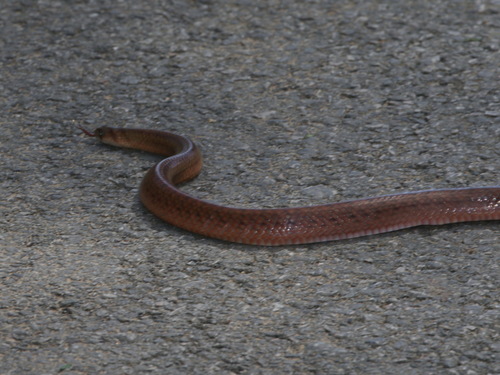
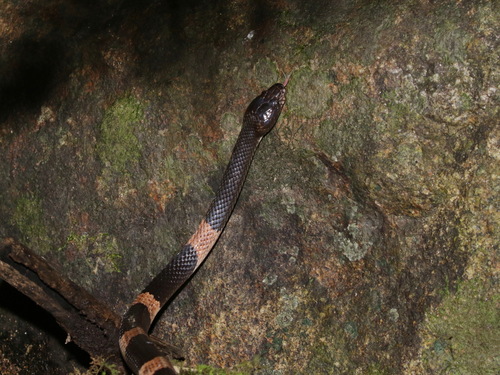
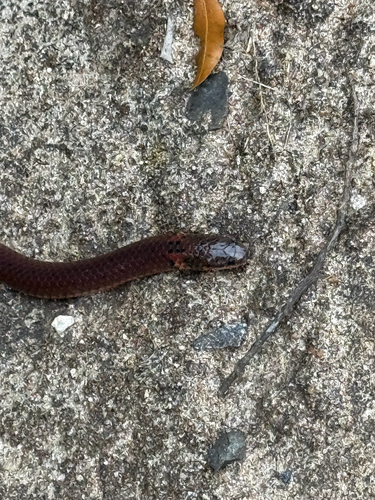
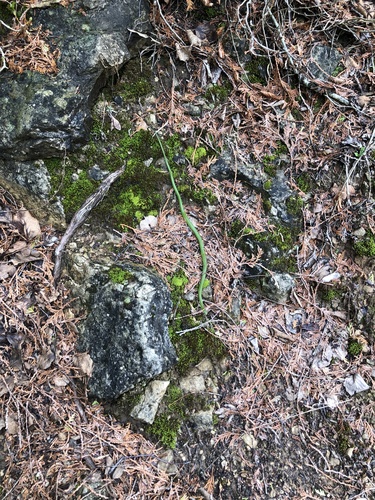
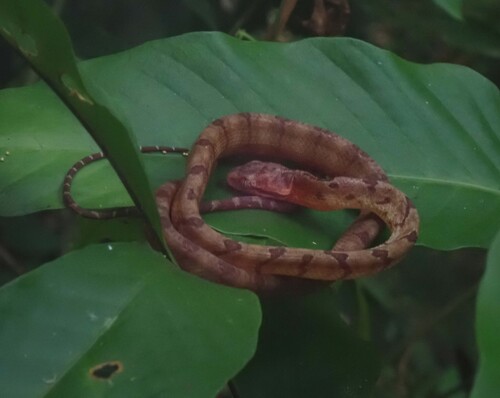
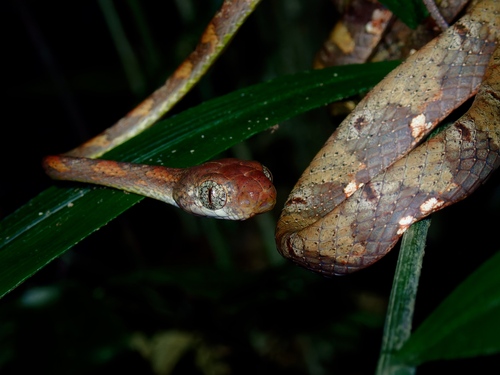
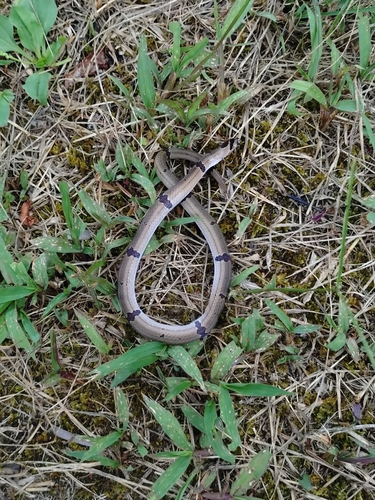
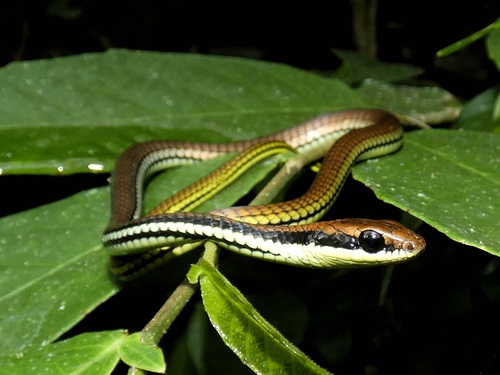
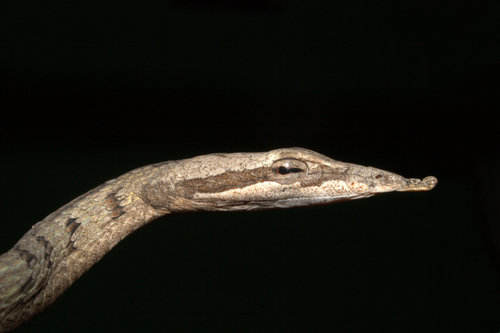
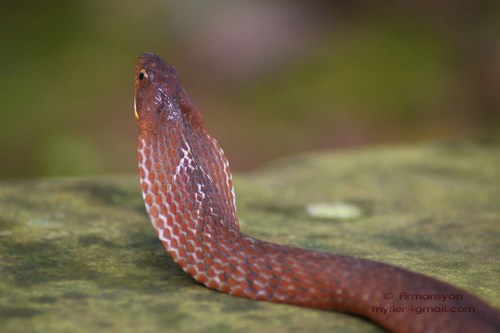
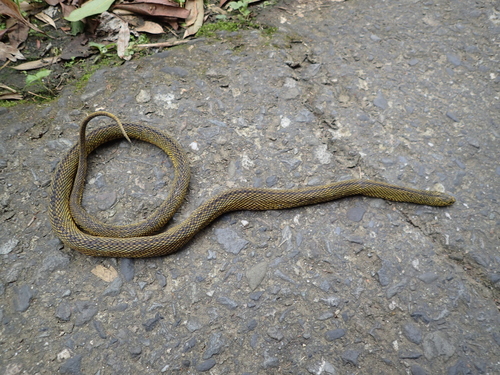
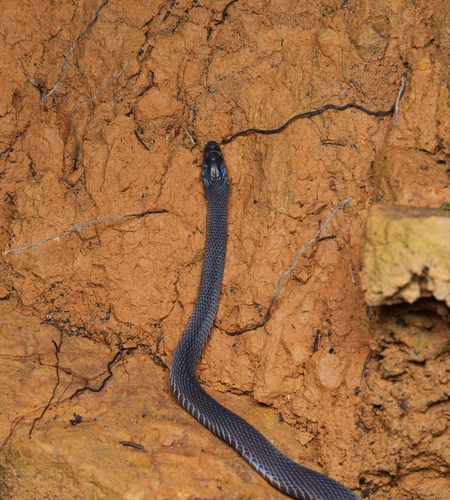
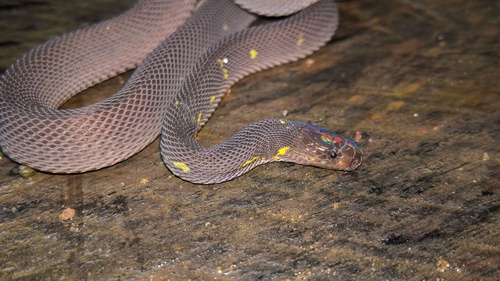
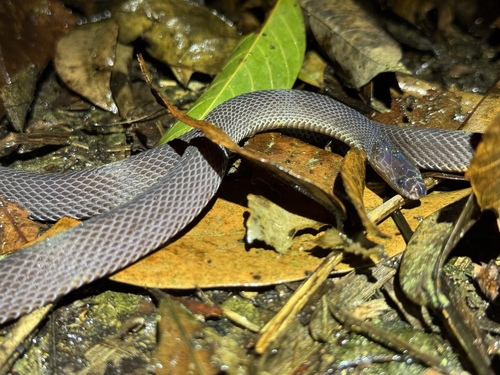
250+ species across 14 families, grouped by family. Venomous flagged.
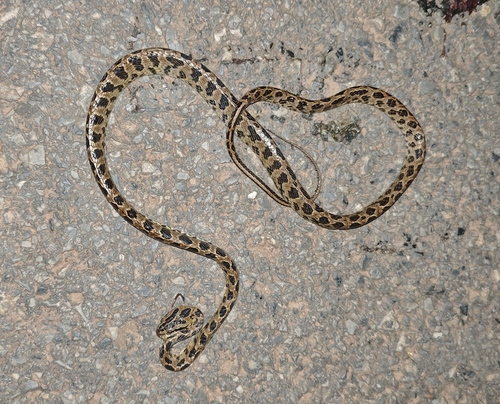
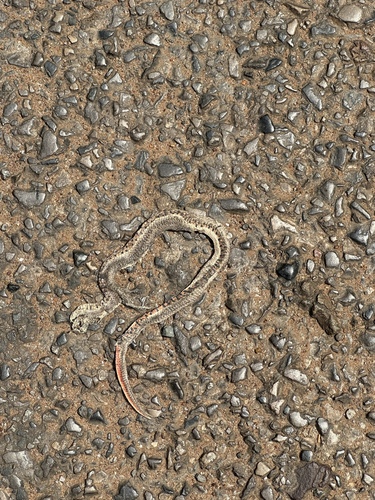
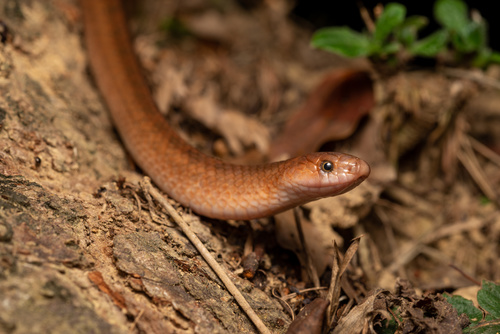
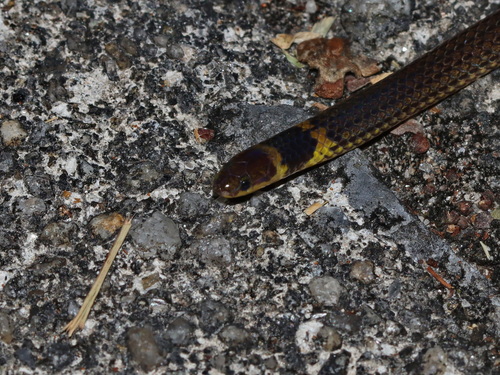
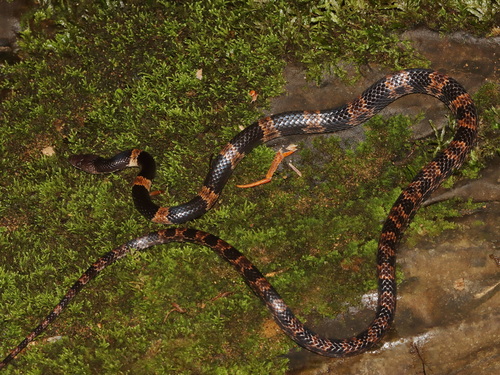
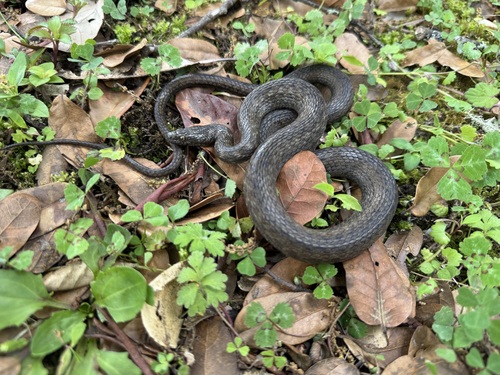
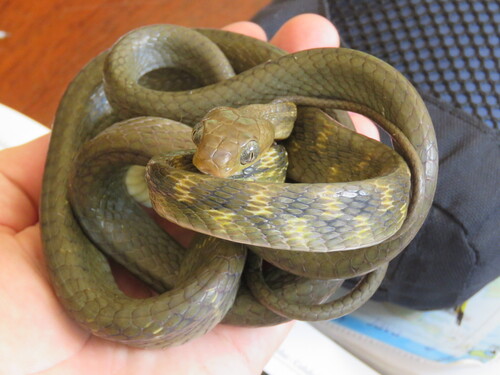
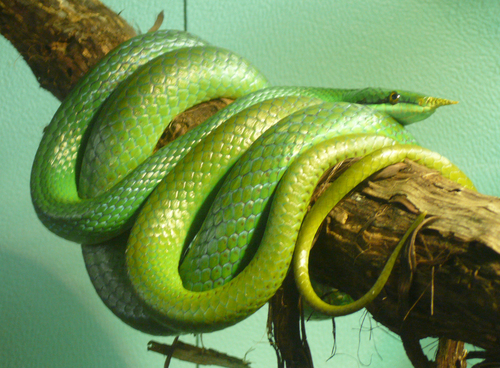
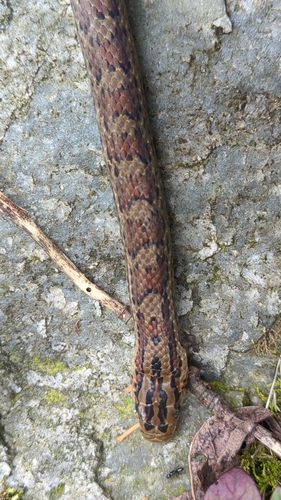
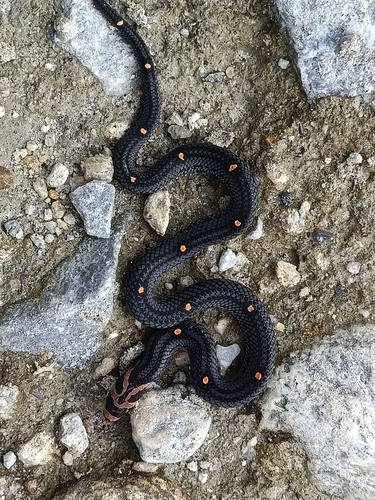
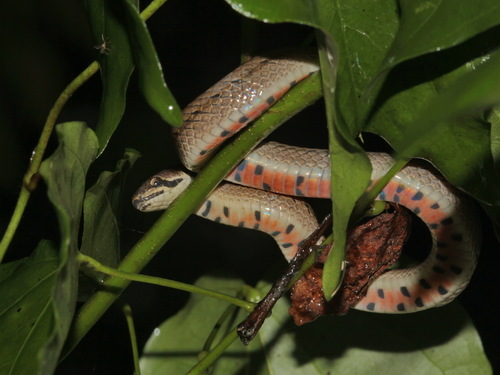
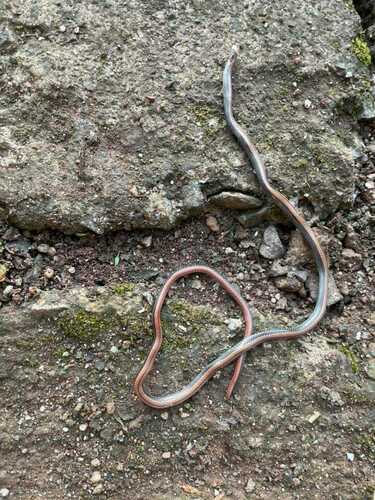
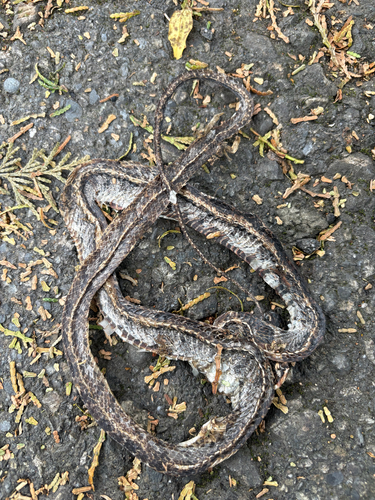
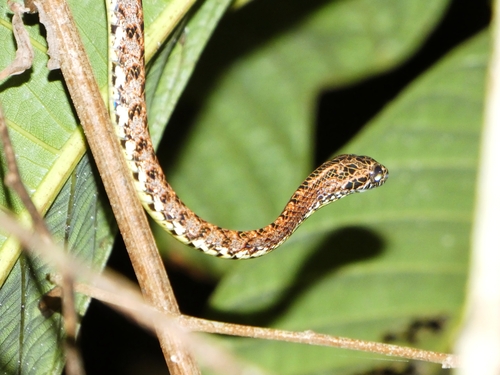
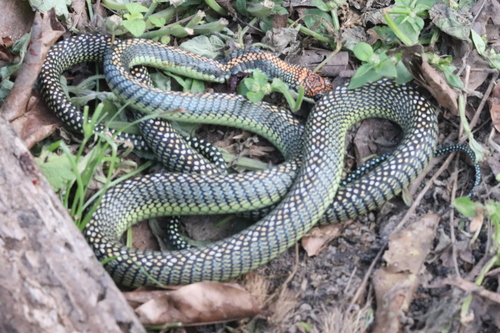
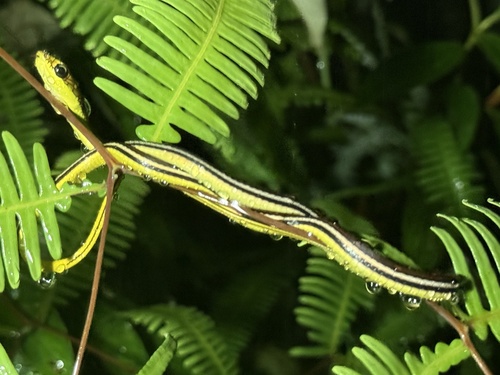
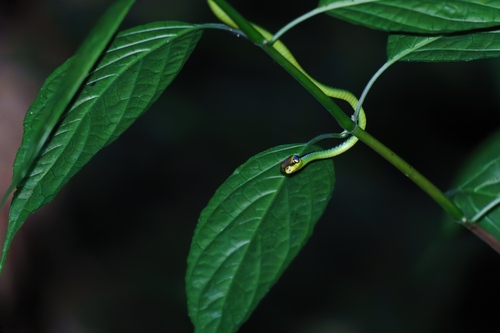
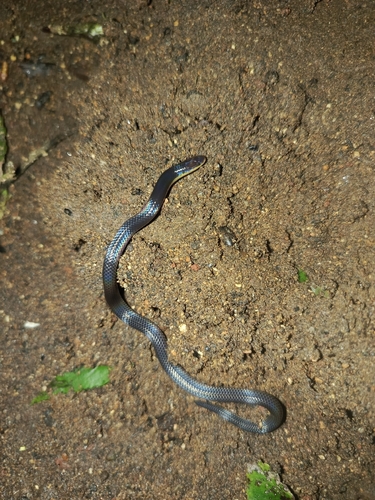
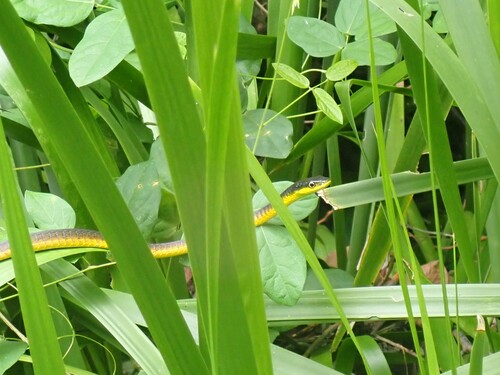
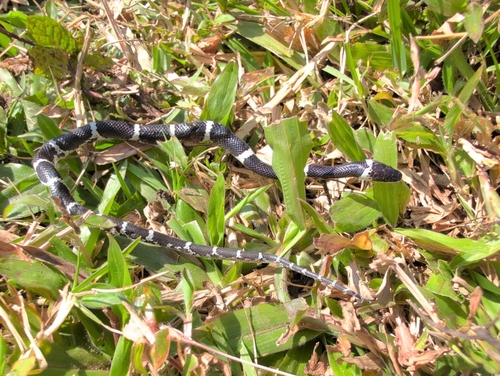
Colubridae (153)
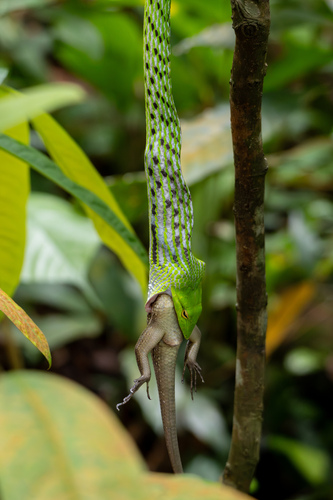
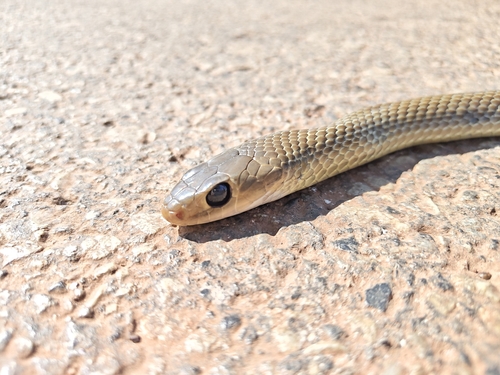
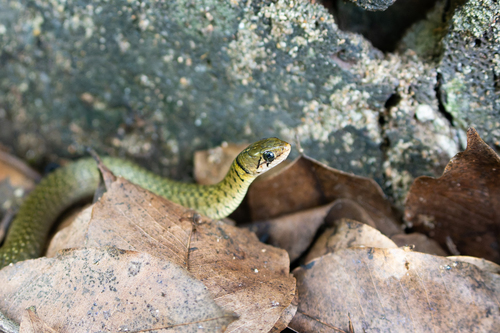
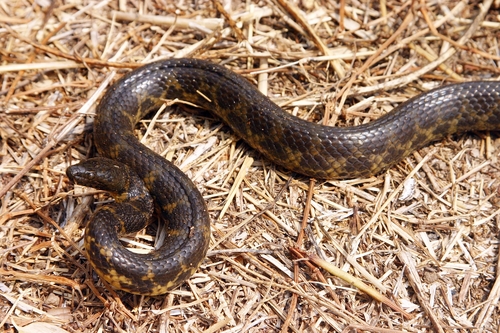
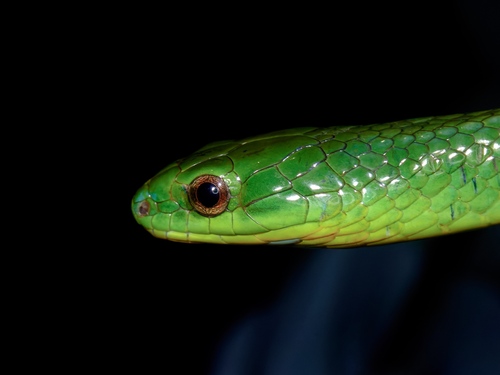
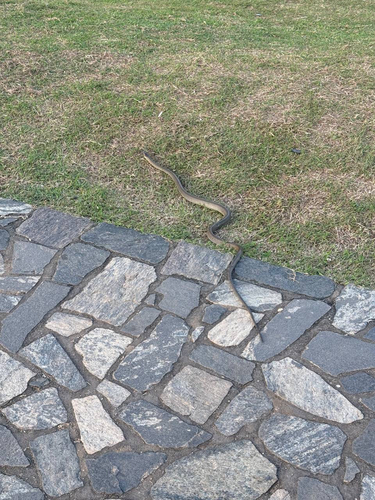
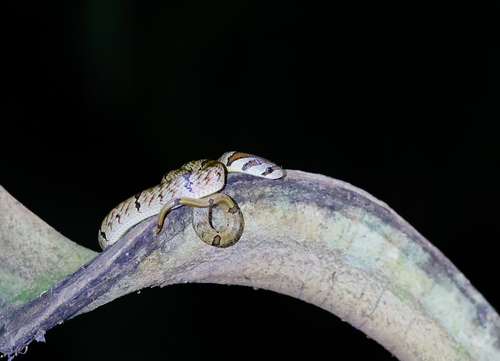
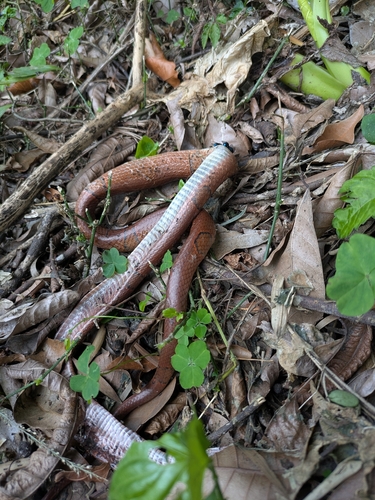
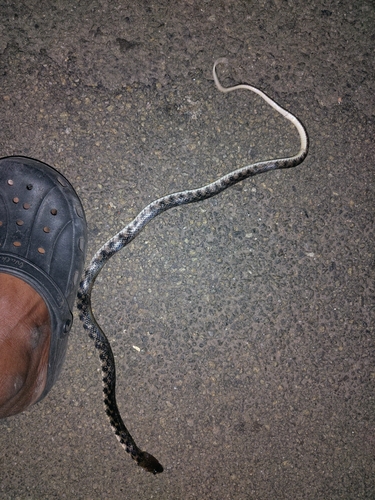
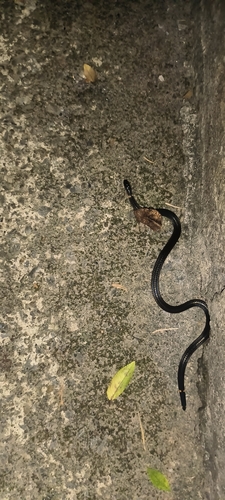
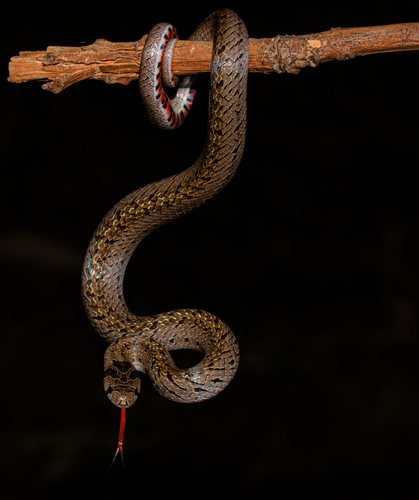
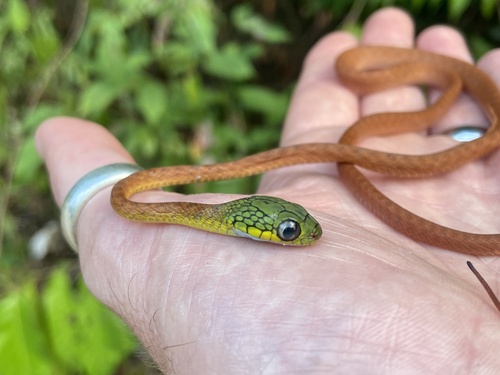



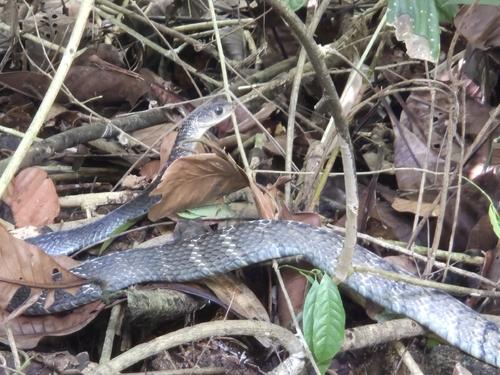
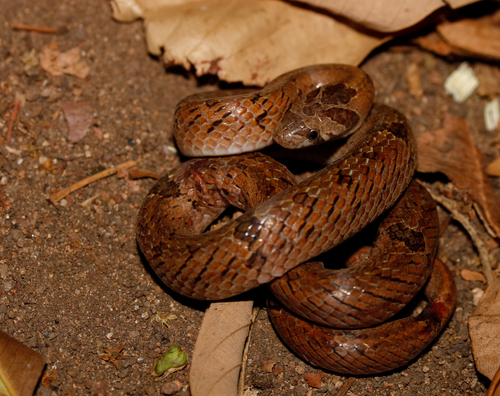
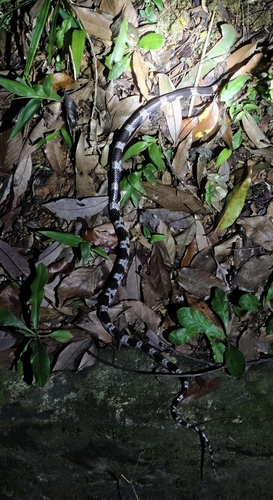
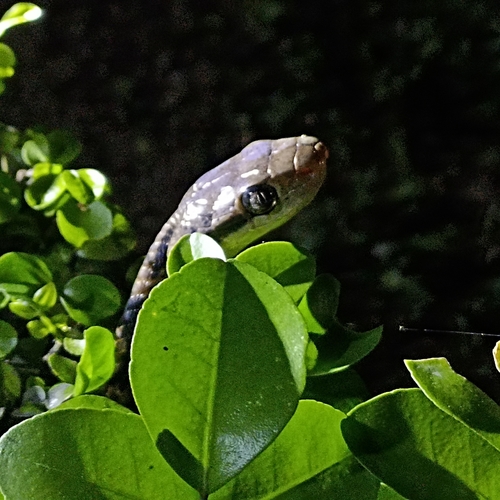
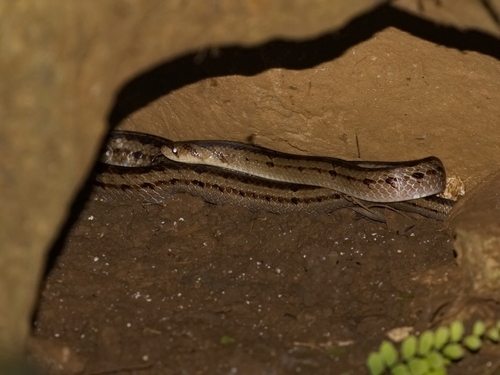
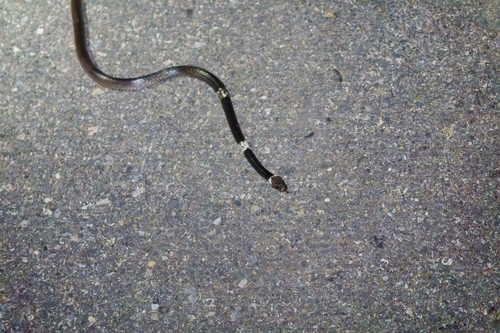
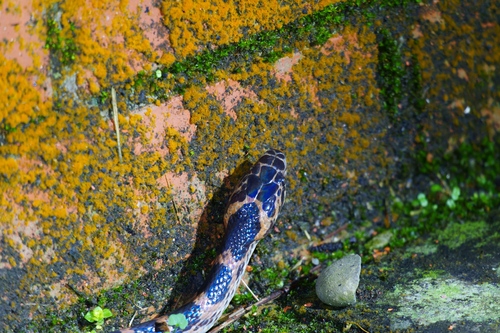
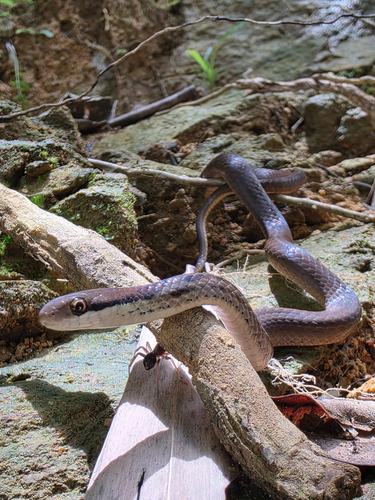
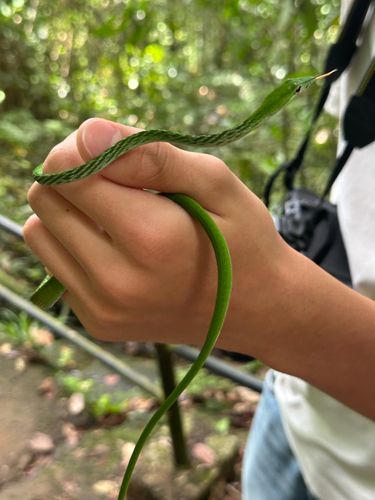
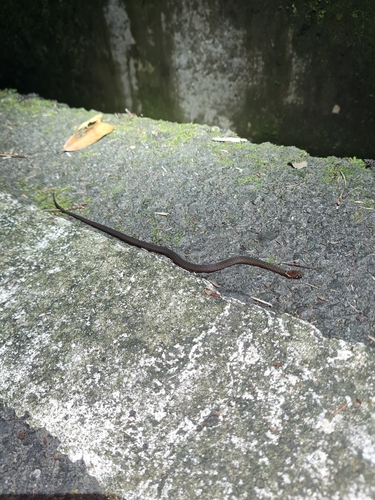
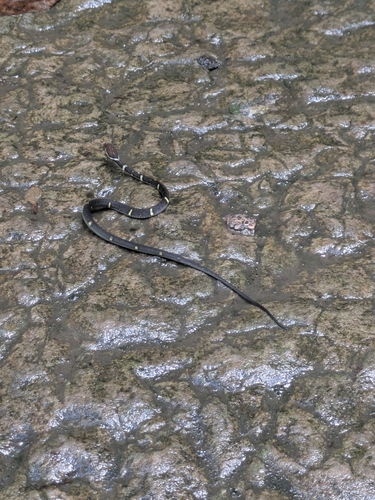
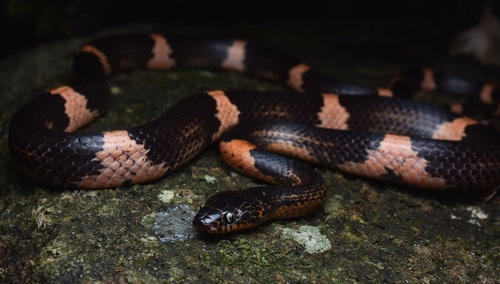
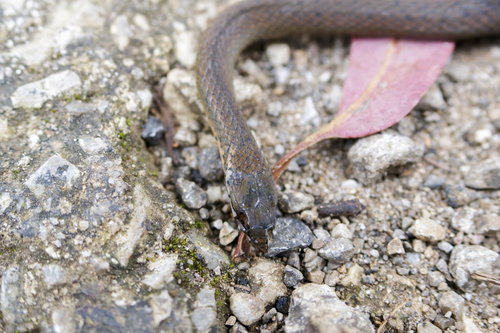
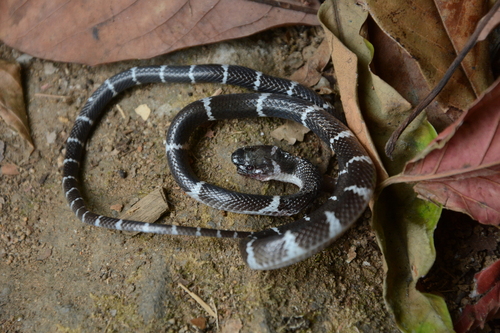
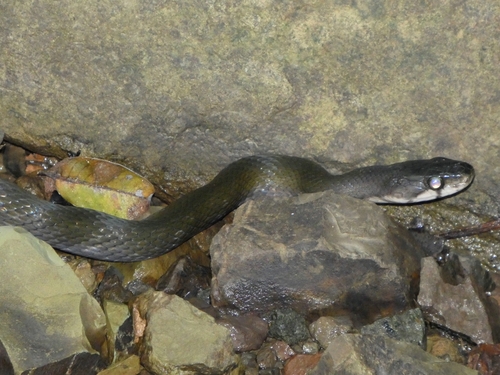
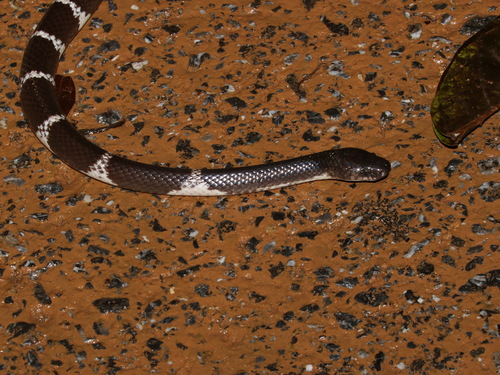
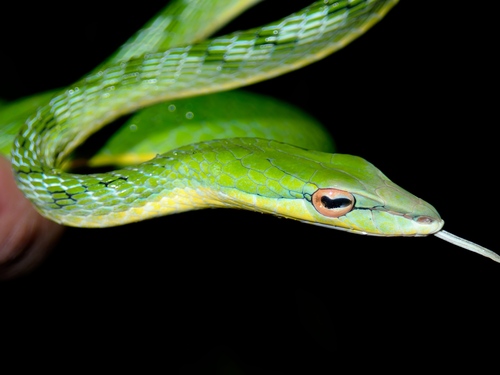
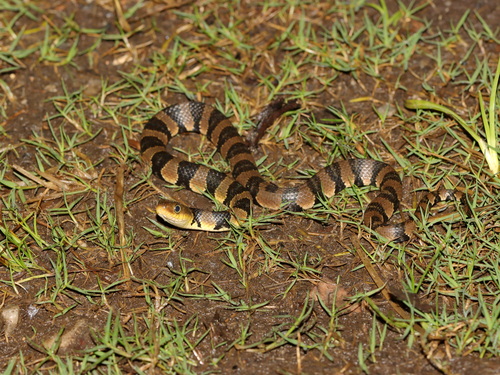
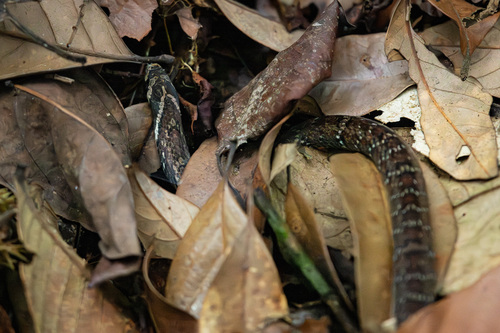
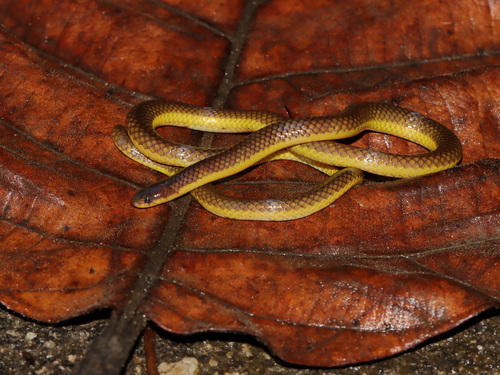

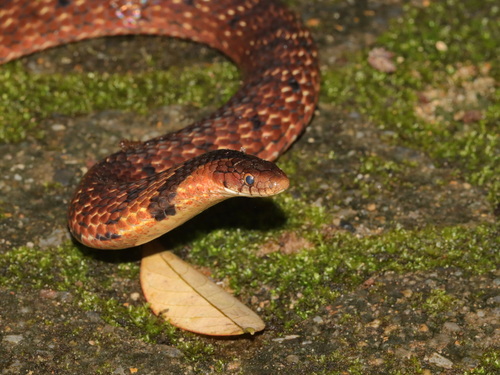
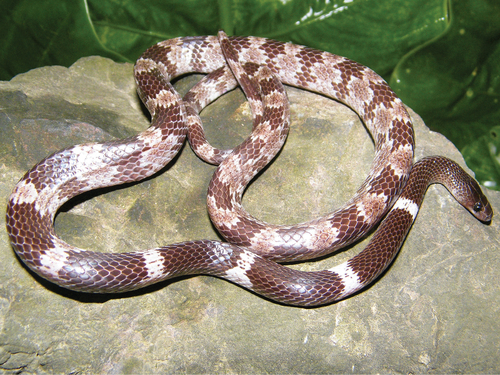
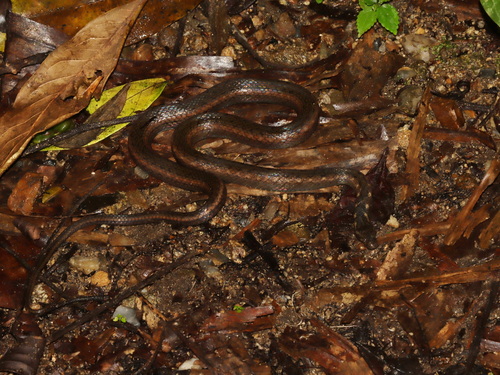
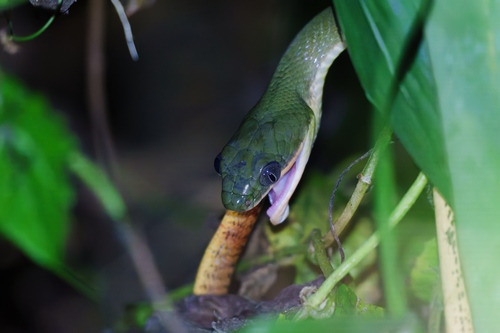
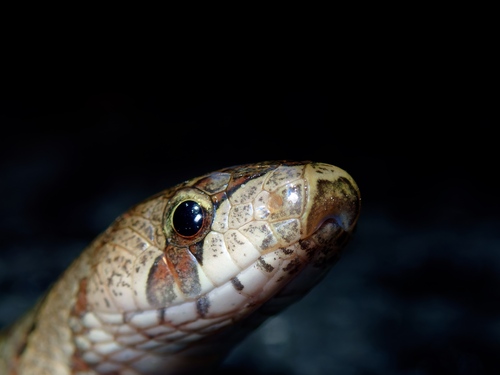
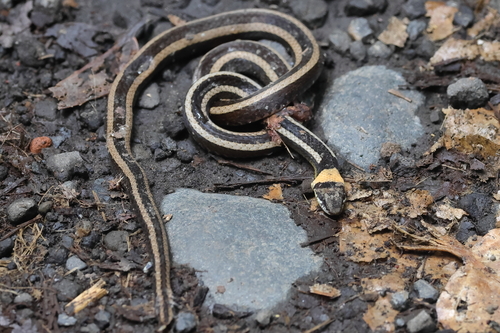
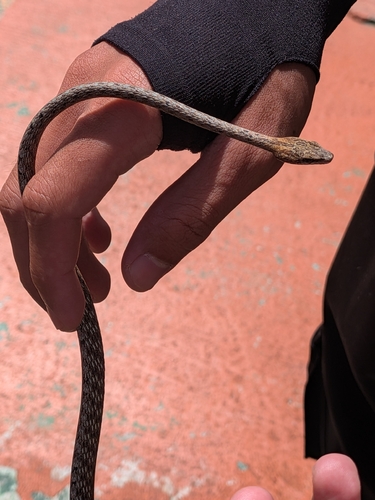
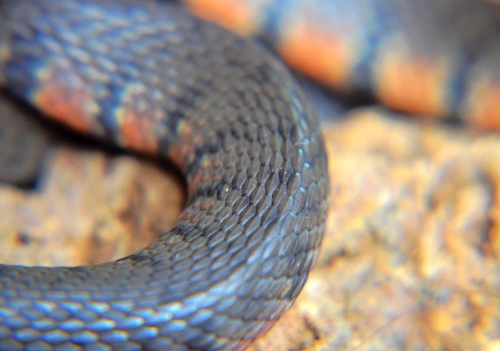
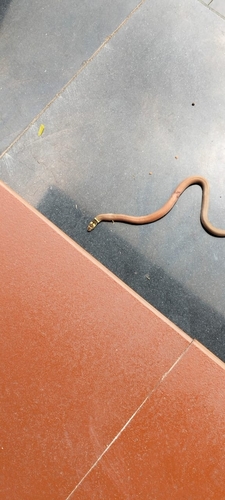
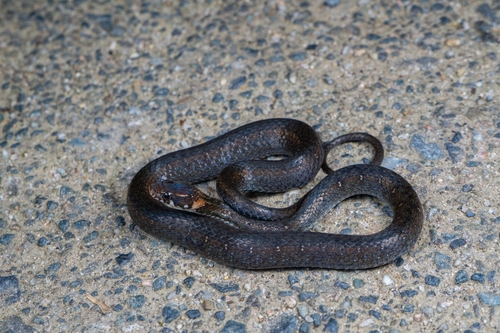
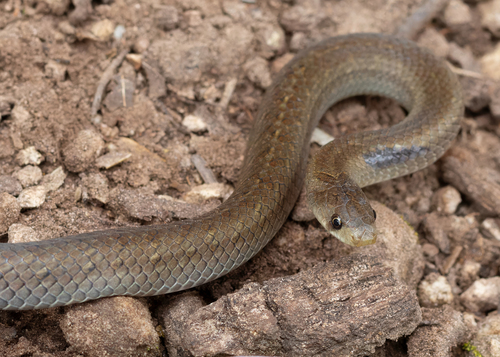
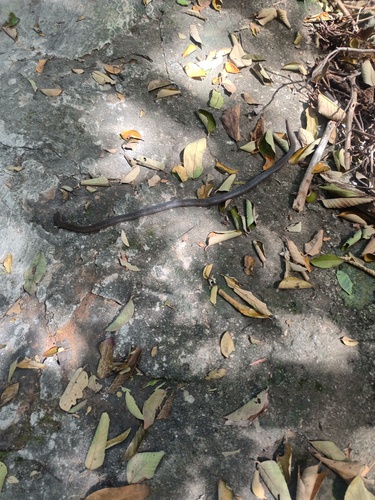

Elapidae (34)
Viperidae (26)
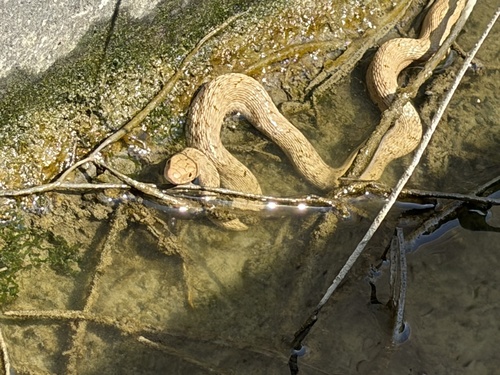
Homalopsidae (16)
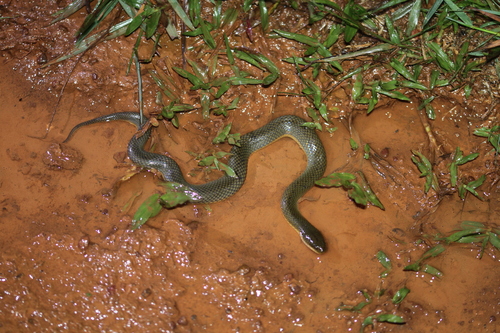
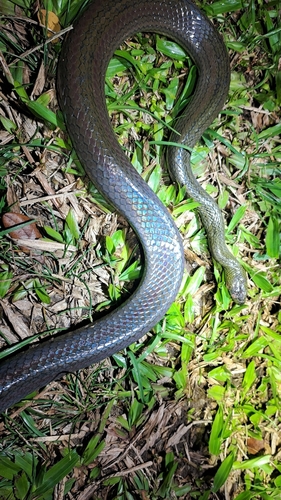
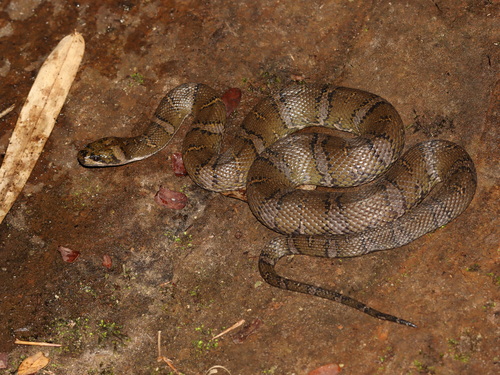
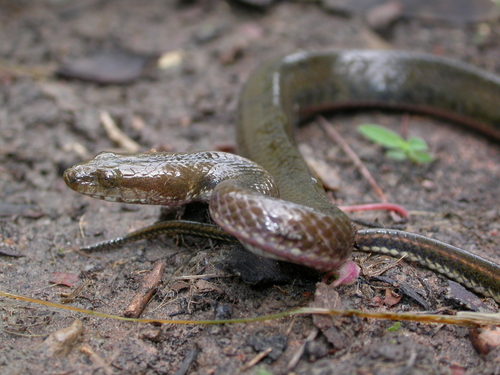
Pareidae (9)
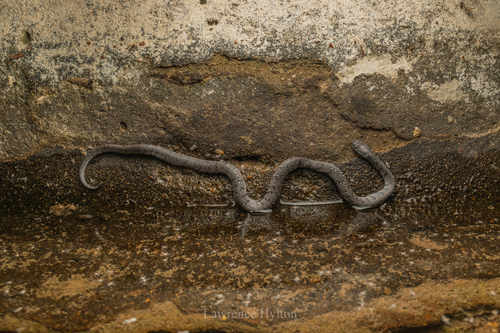

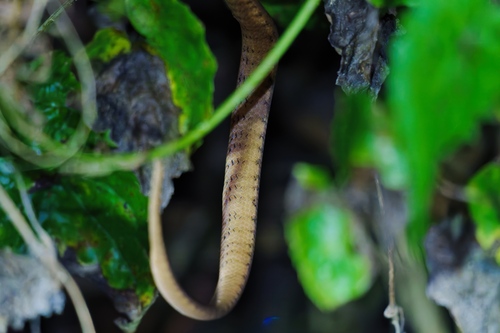

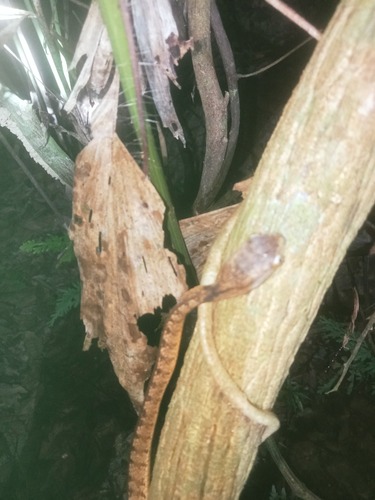
Xenodermidae (7)
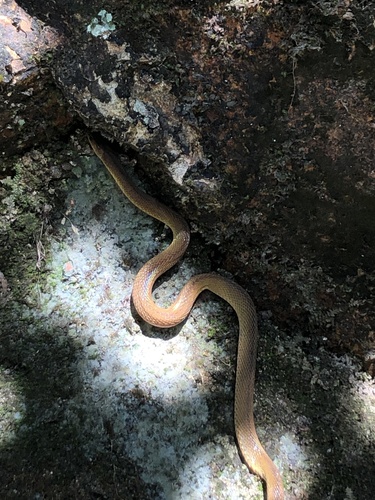
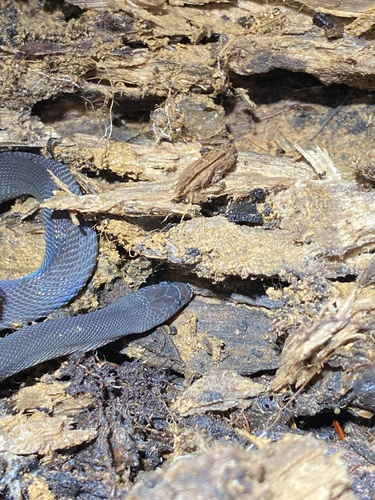
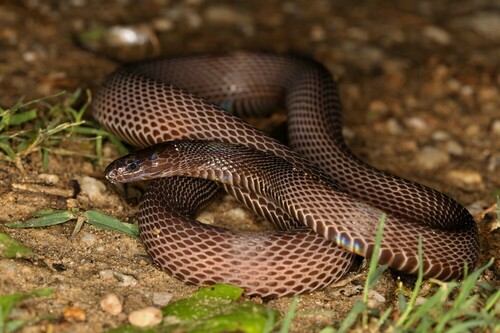
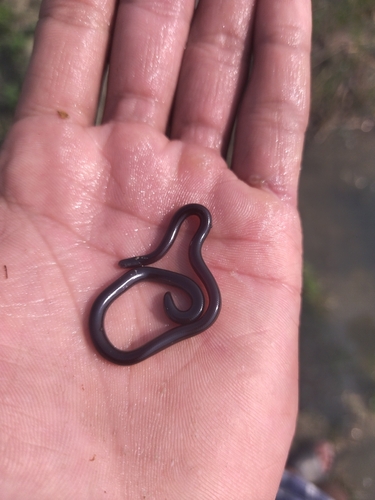
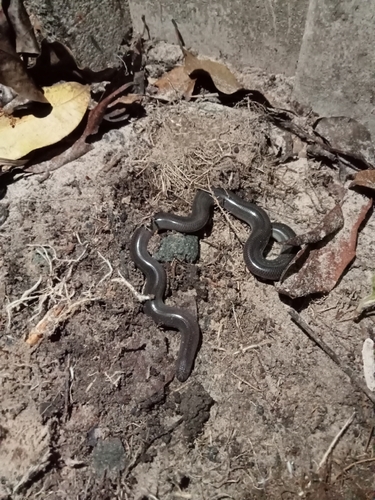
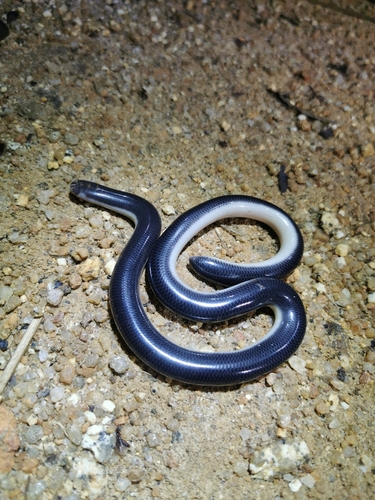
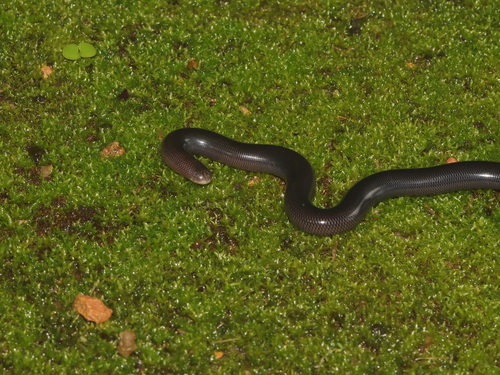
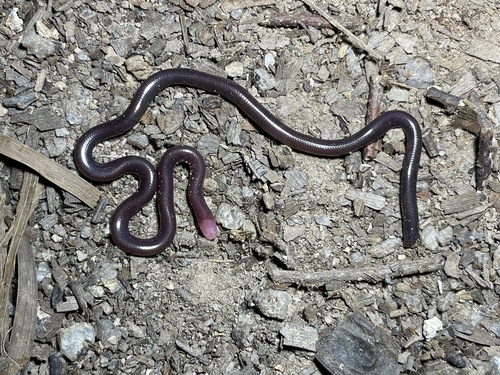
Typhlopidae (5)
Pythonidae (3)
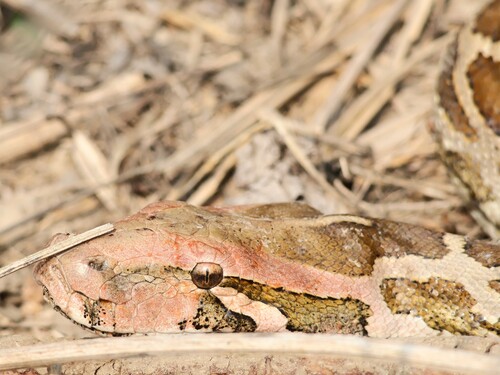
Xenopeltidae (2)
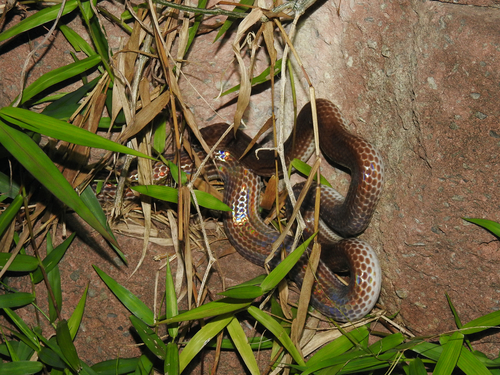
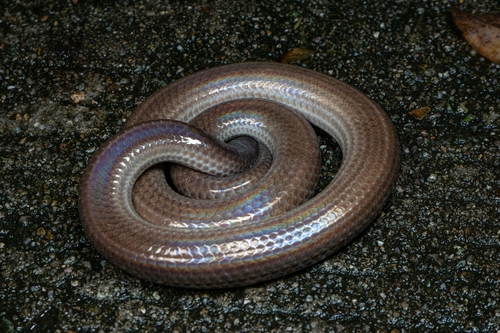
Cylindrophiidae (2)
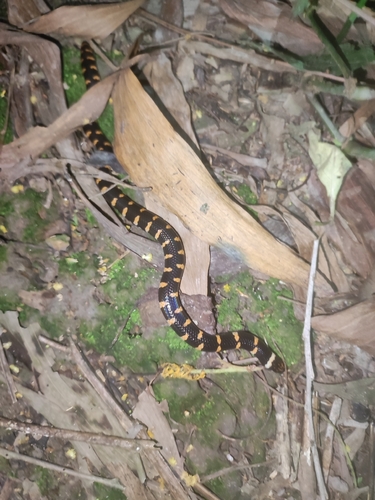
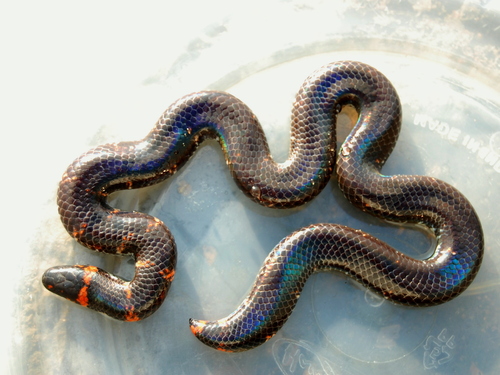
Acrochordidae (2)
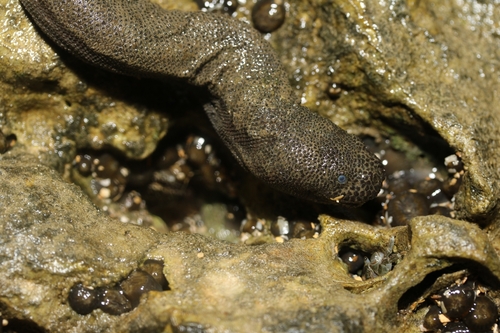
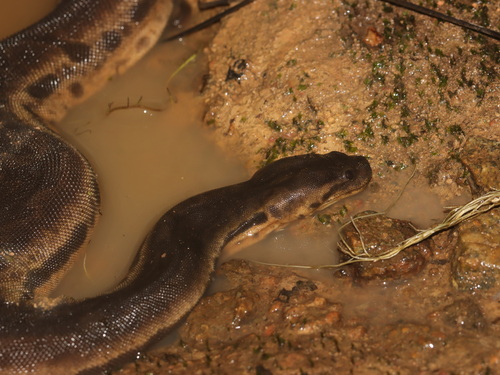
Psammophiidae (2)
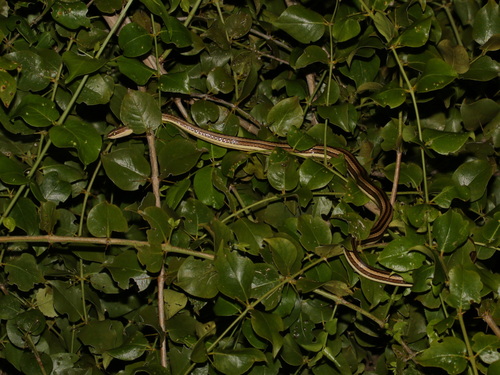

Pseudaspididae (1)
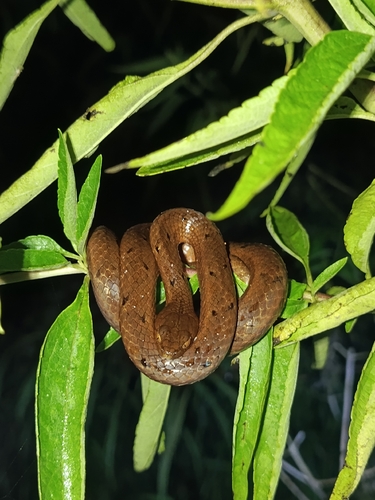
Cyclocoridae (1)
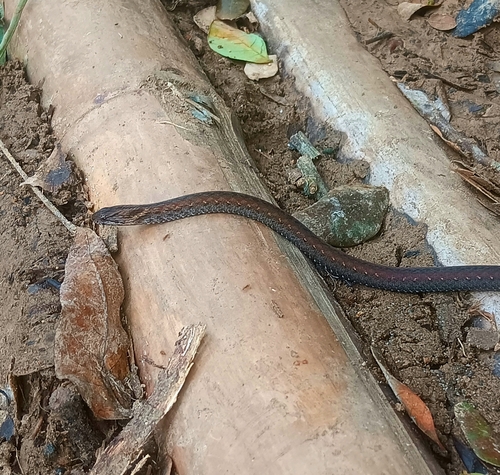
Compiled from verified GBIF & iNaturalist observations. "How often seen" reflects how frequently a snake is reported here, not how dangerous it is. Informational only.
Keep learning
- Are Snakes Dangerous? The Real Risk, in PerspectiveMost snakes are harmless and avoid people. Here is the honest picture of snakebite risk worldwide and how to lower your own.
- Snakebite First Aid: What to Do (and What Never to Do)A clear, CDC-based guide to snakebite first aid: the steps that help, the popular myths that hurt, and how to tell a serious bite from a minor one.
- Venomous vs Nonvenomous: How to Tell the DifferenceThe folk rules for telling venomous snakes apart, where each one fails, and why location-based identification beats guessing by sight.
- What to Do If You Find a SnakeFound a snake at home or on a trail? Here is how to stay calm, give it space, identify it safely, and know when to call a professional.