
Colubridae
King Ratsnake
HarmlessElaphe carinata
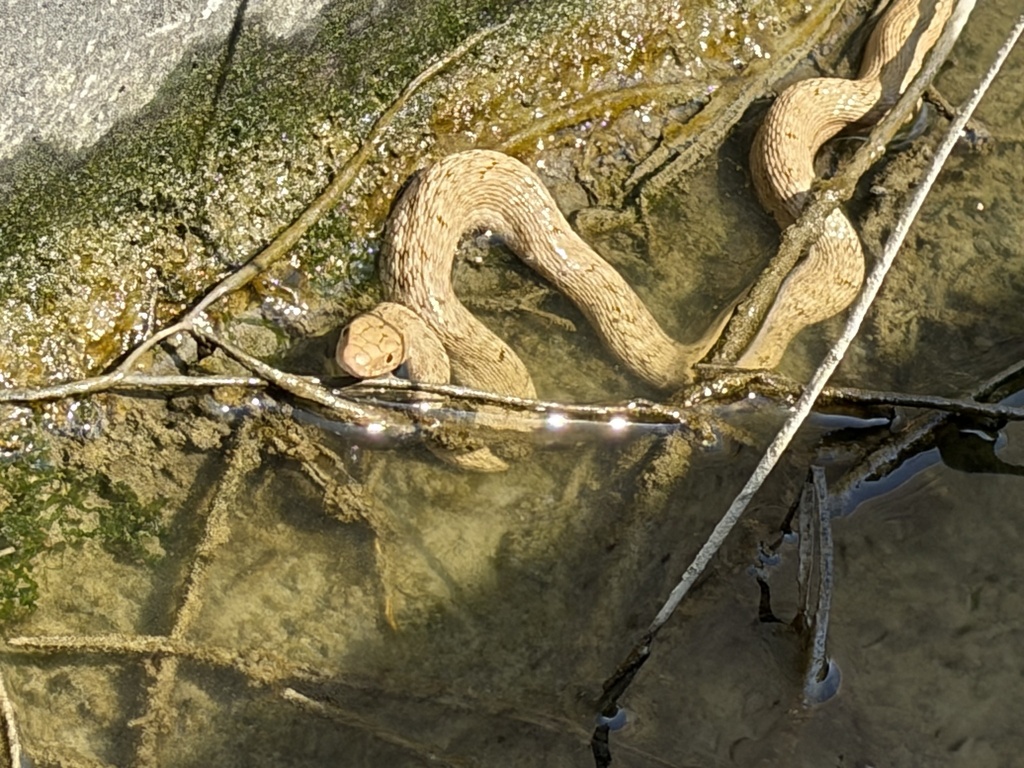
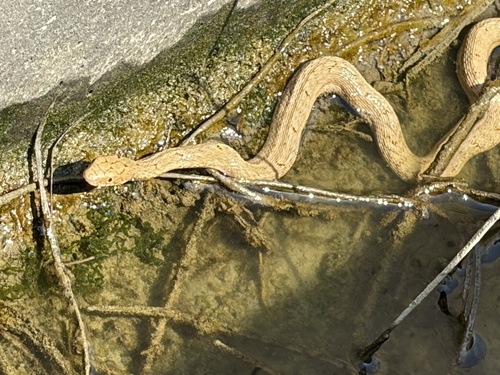
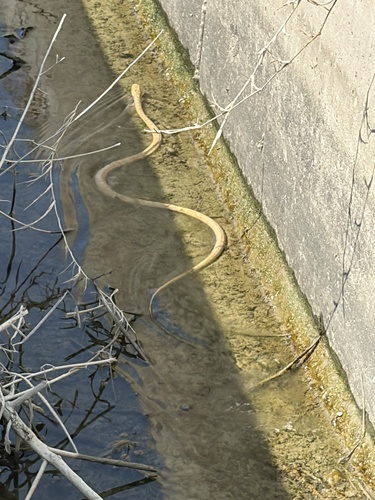
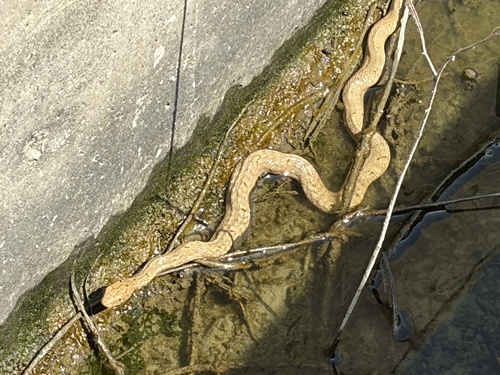
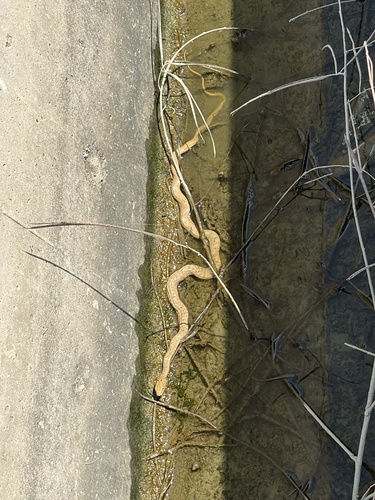
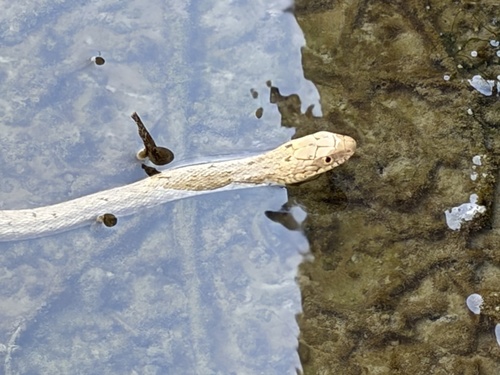
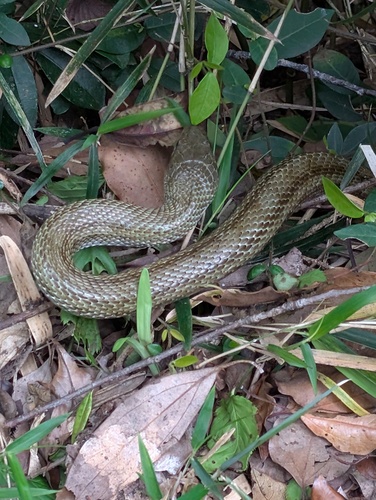
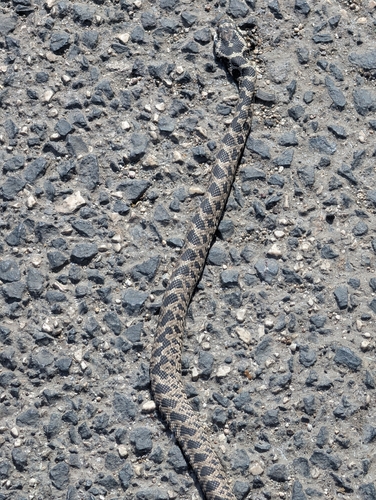
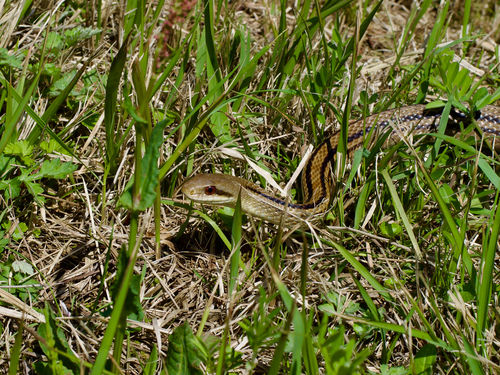
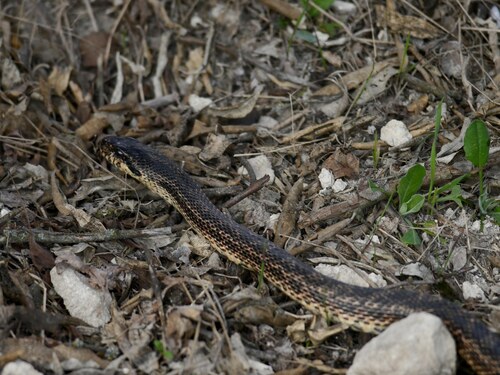
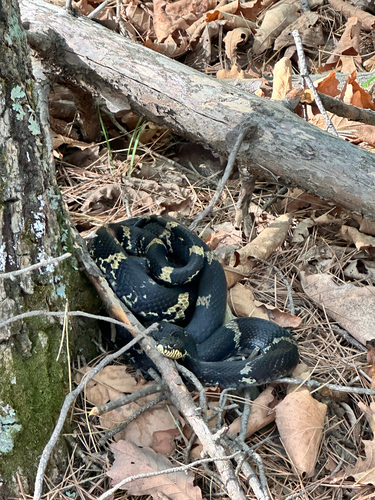
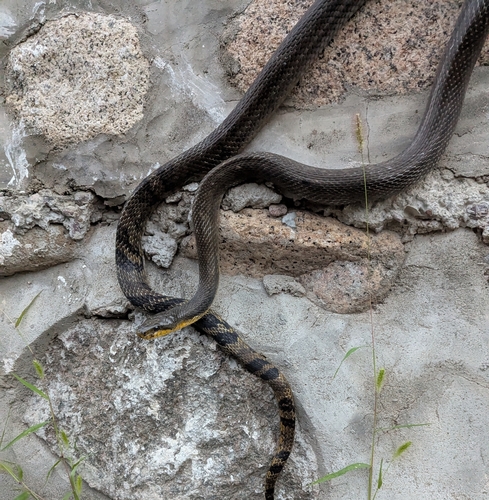
6 photographs of the King Ratsnake. © 謝鈞諭.
The King Ratsnake (Elaphe carinata) is a non-venomous snake in the Colubridae family, recorded in 6 countries.
- Family
- Colubridae
About the King Ratsnake
Elaphe carinata, the king ratsnake, is a species of Colubrid snake found in Southeast and East Asia.
Description
Elaphe carinata is a large species of snake with total length up to 240 cm (7.9 ft). It is an active, predatory snake that preys extensively on mice, birds, bird eggs and frogs, and sometimes on grasshoppers, beetles, lizards or other snakes.
Taxonomy
Etymology
The common name refers to its habit of eating other snakes, including venomous species such as the sharp-nosed viper. It suffocates its prey by constriction, similar to the hunting technique of boas and pythons. Elaphe carinata also preys on rodents and other small animals. They are opportunistic hunters and will even forage nests.
It is also known as Taiwan stink snake and stinking goddess, referring to this species' highly developed post-anal glands, which are frequently emptied when the snake is picked up, resulting in a very strong, unpleasant odour.
Classification
This species shares similar characteristics and behaviours with Lampropeltis, Thamnophis, and Ophiophagus. However, regardless of speculation among herpetoculturists, the king ratsnake shares very little direct genetic relationship with them. Aside from appearance, the perceived similarity is due in part to the dietary habits of the king ratsnake, in particular its preference for ectothermic prey such as snakes and lizards, as well as invertebrates.
In actuality, they share much in common genetically with other Eurasian rat snakes such as the Russian rat snake (Elaphe schrenkii) and the Japanese rat snake (Elaphe climacophora). They may also share a common lineage with the genera Coelognathus, Gonyosoma and Orthriophis. External morphological characteristics and behaviour alone are generally not considered reliable keys to taxonomic relationships between species, as the majority of current classification is now based on DNA evidence. The superficial resemblance to American kingsnakes is more likely an example of convergent evolution, much like the similarities between the South American emerald tree boa (Corallus caninus) and the Indo-Australian green tree python (Morelia viridis).
Distribution
Elaphe carinata is found in China, northern Vietnam, Taiwan, and Japan (Ryukyu Islands).
Commercial use
Elaphe carinata is one of the major species in the snake trade in China, particularly in the skin trade but also that of live animals; it is the most commonly available snake in restaurants.
The king ratsnake is also found in the exotic pet trade. Although once considered undesirable due to their nervous nature and strong odour, this species is growing in popularity among keepers. There are also several genetic colour mutations that are being bred, one being Albino.
Adapted from Wikipedia, available under CC BY-SA.
Frequently asked: King Ratsnake
- Is the King Ratsnake venomous?
- No. The King Ratsnake (Elaphe carinata) is non-venomous and is not considered dangerous to humans. Like most snakes, it will retreat rather than bite when given the chance.
- Is the King Ratsnake poisonous?
- Snakes are venomous, not poisonous. "Poisonous" means harmful to eat or touch; "venomous" means injecting toxins through a bite. The King Ratsnake is neither poisonous nor venomous.
- Is the King Ratsnake dangerous?
- The King Ratsnake is not dangerous to humans. It has no medically significant venom and bites only defensively if cornered or handled.
- Where does the King Ratsnake live?
- The King Ratsnake has verified records in 6 countries, including Chinese Taipei, China, Japan. See the distribution section below for its full range.
- Why is it called the King Ratsnake?
- The common name refers to its habit of eating other snakes, including venomous species such as the sharp-nosed viper. It suffocates its prey by constriction, similar to the hunting technique of boas and pythons. Elaphe carinata also preys on rodents and other small animals. They are opportunistic hunters and will even forage nests. It is also known as Taiwan stink snake and stinking goddess, referring to this species' highly developed post-anal glands, which are frequently emptied when the snake is picked up, resulting in a very strong, unpleasant odour.
Where it is found
More Colubridae snakes
Classification
How scientists group this snake, from the broadest category down to the exact species. Each step narrows to its closest relatives.
- OrderThe broad group of scaled reptiles: all snakes and lizards
- Squamata
- FamilyA group of related snakes that share key traits
- Colubridae
- GenusA close-knit group of very similar species
- Elaphe
- SpeciesThis exact snake, named in the two-part scientific name
- Elaphe carinata
Keep learning
- What to Do If You Find a SnakeFound a snake at home or on a trail? Here is how to stay calm, give it space, identify it safely, and know when to call a professional.
- Venomous vs Nonvenomous: How to Tell the DifferenceThe folk rules for telling venomous snakes apart, where each one fails, and why location-based identification beats guessing by sight.
- What Is a Snake? Anatomy and the BasicsA clear overview of what makes a snake a snake: limbless body plan, anatomy, evolution from lizards, species diversity, and why they are ectothermic.
- How to Keep Snakes Out of Your Yard and HomeA practical guide to keeping snakes out of your yard and home using habitat changes that work, plus what to skip and what to do if one shows up.
Distribution from GBIF & iNaturalist. Venom status per CDC. Background: Wikipedia. Informational only. Never handle a snake to identify it.