
South Africa
Snakes in South Africa
150+ snake species have been recorded in South Africa, 50 venomous.
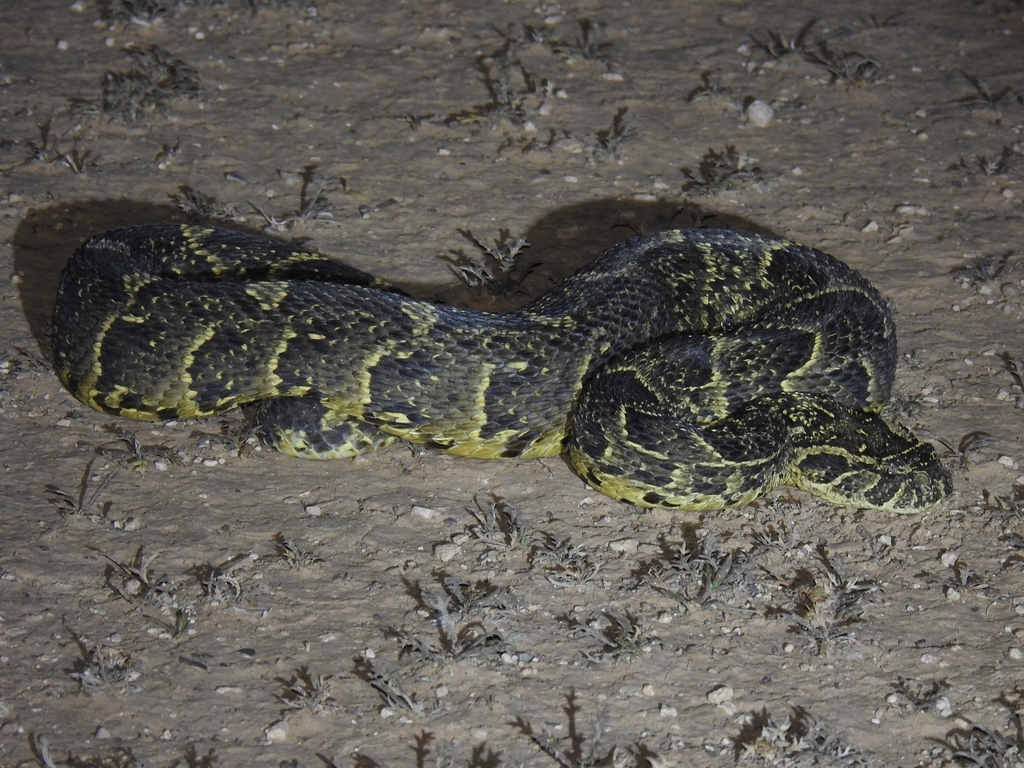
Snakes of South Africa
South Africa is one of the most snake-rich countries on the African continent, with 150+ species recorded in our database. The country sits at the meeting point of several major biomes, and that variety of habitat is the main reason its snake fauna is so diverse. Of those 150+ species, 61 are venomous, which means the great majority are non-venomous and pose no medical threat to people at all.
The geography does most of the work. South Africa spans arid Karoo scrub and Kalahari sand in the interior, subtropical coastal forest and bushveld in the east and north, cool fynbos shrubland around the Cape, high inland grasslands of the Highveld, and the mountains of the Drakensberg. Each of these settings supports its own community of snakes adapted to the local climate, prey, and cover. Coastal and subtropical zones in KwaZulu-Natal and the Lowveld tend to hold the highest snake diversity, while the dry interior and cold high ground hold fewer but specialized species.
The medically important venomous snakes of South Africa fall into a few well-established groups. The elapids include cobras such as the Cape cobra, the snouted cobra, and the Mozambique spitting cobra, along with the rinkhals, a spitting elapid, and the mambas, most notably the black mamba and the green mambas. The vipers and adders are the other major group, led by the puff adder, which is responsible for a large share of serious bites, plus smaller adders across the Cape and interior. The boomslang and the vine or twig snakes are rear-fanged colubrids whose venom, though delivered by snakes that rarely bite people, is genuinely dangerous. Marine elapids in the form of sea snakes can occur in warm coastal waters but are not a common land hazard. There are no rattlesnakes or pit vipers in South Africa, as those groups belong to the Americas and Asia.
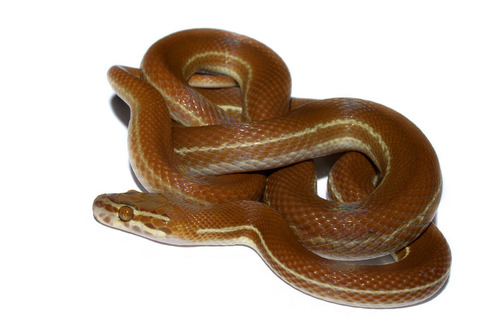
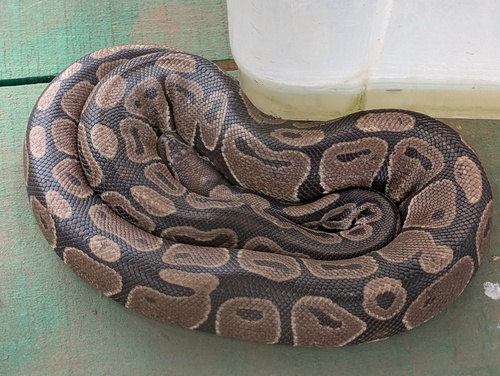
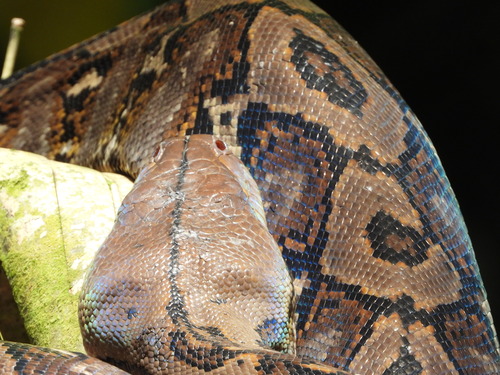
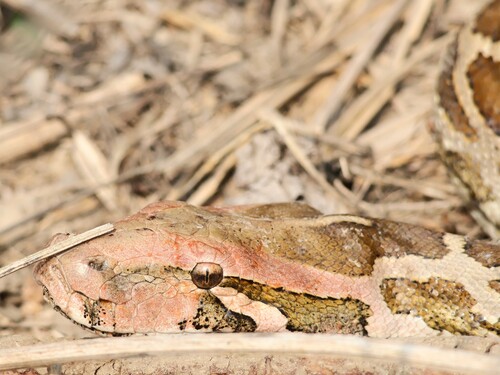
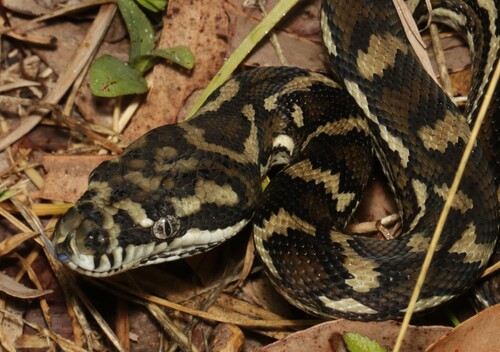
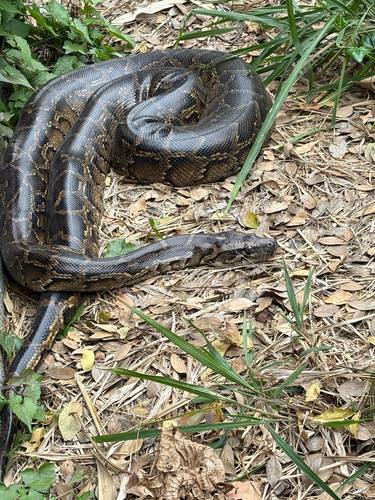
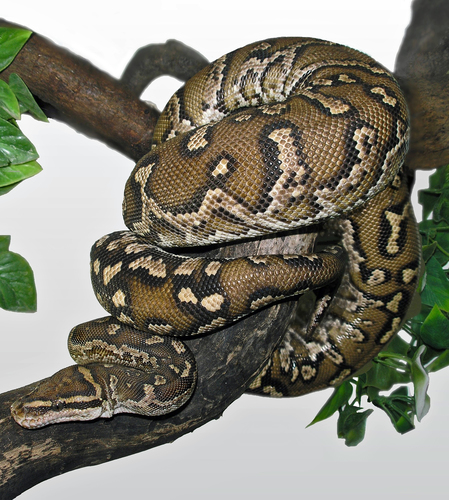
The non-venomous majority is large and ecologically central. It includes the python family, represented by the Southern African python, the country's biggest snake, along with many house snakes, grass snakes, sand snakes, mole snakes, egg eaters, and water snakes. These animals are harmless to humans and make up the bulk of what people actually encounter in gardens, farmland, and the bush. The Southern African python is the most famous of the country's snakes, but mole snakes and brown house snakes are far more often seen near homes.
Snakes earn their place in these ecosystems mainly by controlling rodents and other small pests. House snakes, mole snakes, and many others hunt rats and mice that would otherwise damage crops, contaminate stored food, and spread disease. Removing snakes from an area tends to let rodent populations climb, so the snakes around a property are usually doing quiet, useful work.
On safety, the honest picture is that most South African snakes are harmless and want nothing to do with people. The real medical threats are concentrated in a short list, chiefly the puff adder, the cobras, the mambas, and the boomslang. No wild venomous snake should ever be handled, regardless of how calm it looks, and there is no safe way to pick one up. The correct response to a venomous bite is professional medical care: antivenom and hospital treatment are what work, and getting the person to emergency services quickly is what matters. If a bite occurs, contact local emergency services right away, or in the United States call Poison Control at 1-800-222-1222. Do not rely on field first aid in place of a hospital.
Snakes in South Africa: FAQ
- Are there venomous snakes in South Africa?
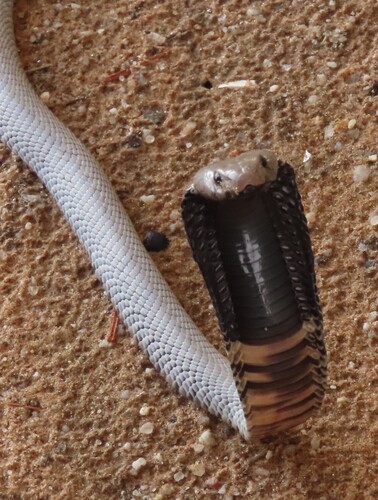
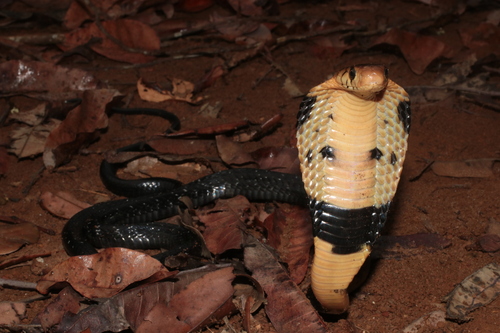
- Yes. 50 venomous snake species have verified records in South Africa, including Puff Adder, Brown Banded Cobra, Boomslang, Rhombic Night Adder. Most snakes in South Africa, however, are harmless.
- How many snake species live in South Africa?
- 150+ snake species have verified records in South Africa, of which 50 are venomous.
- What is the most commonly seen snake in South Africa?
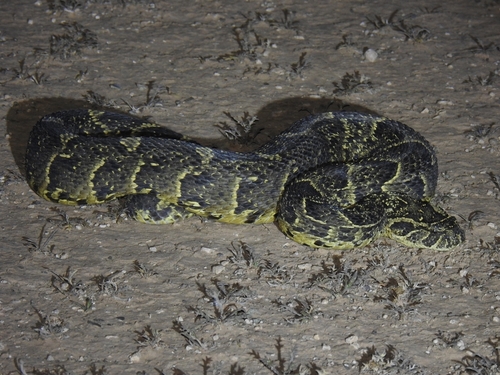
- The Puff Adder is the most frequently reported snake in South Africa, based on verified wildlife observations.
- What should I do if I see a venomous snake in South Africa?
- Keep your distance and do not try to catch or kill it. Most bites happen when people handle or corner a snake. If someone is bitten, contact local emergency services or poison control immediately.
Venomous snakes in South Africa
Every snake recorded in South Africa
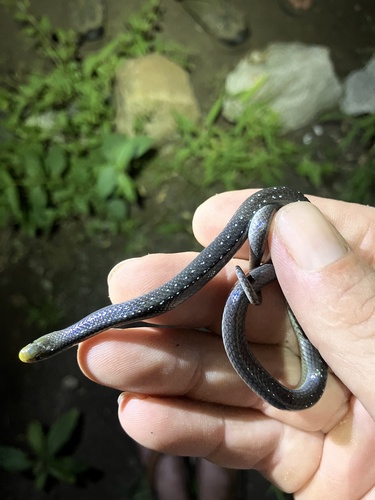
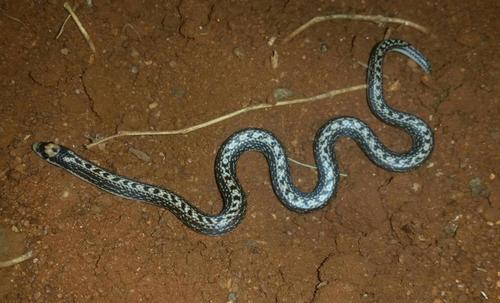
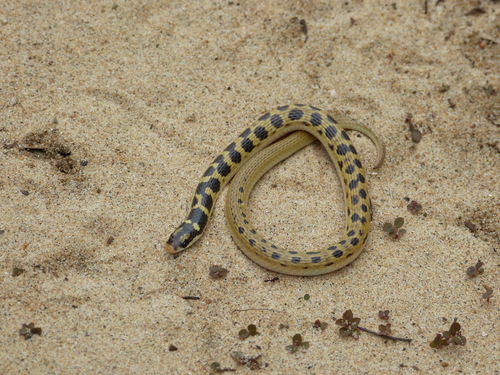
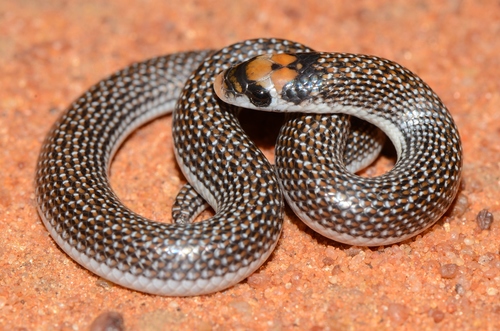
150+ species across 14 families, grouped by family. Venomous flagged.
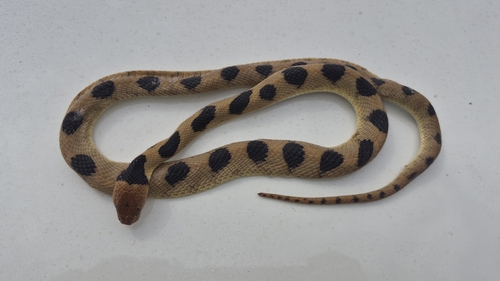
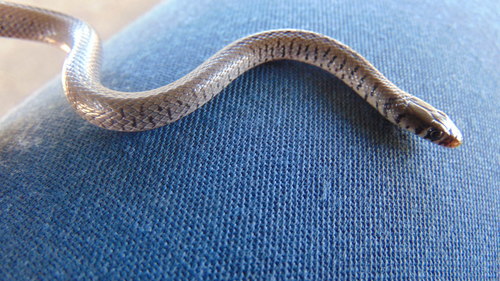
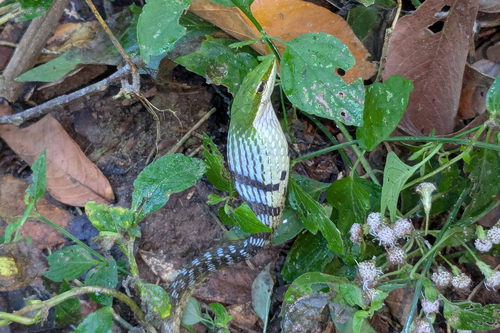
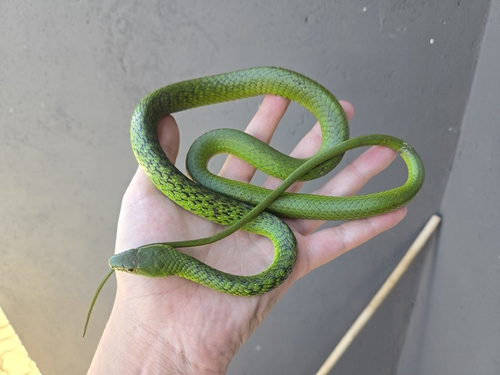
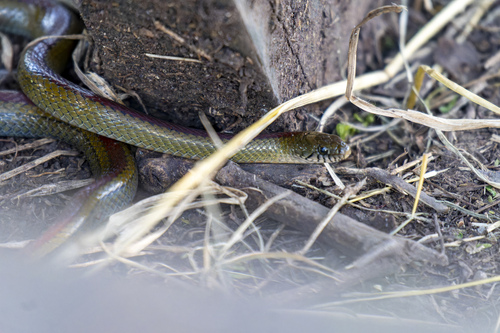
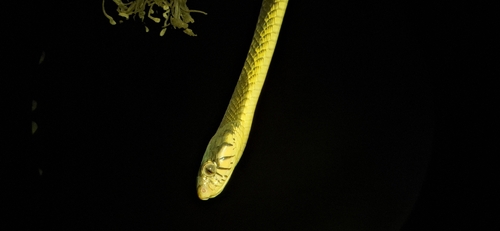
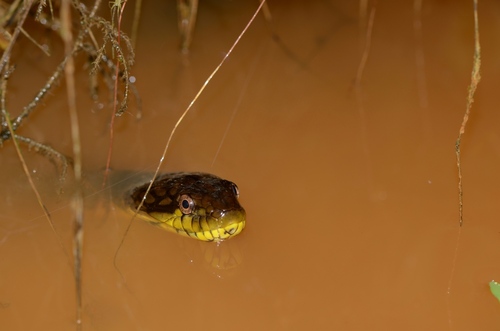
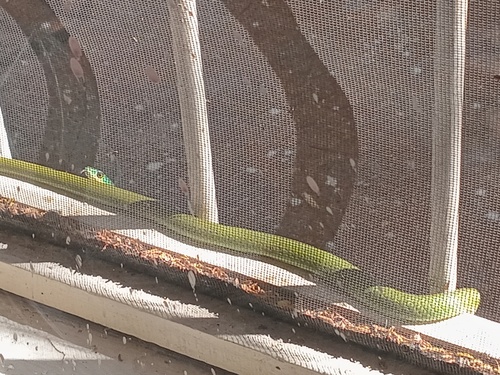
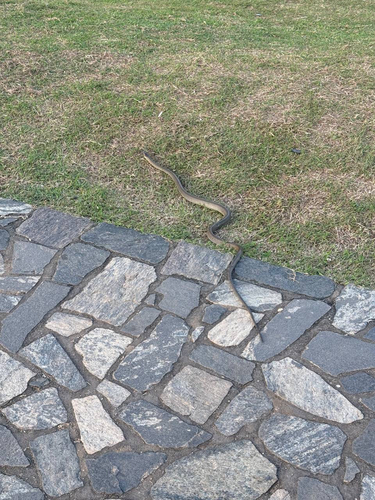
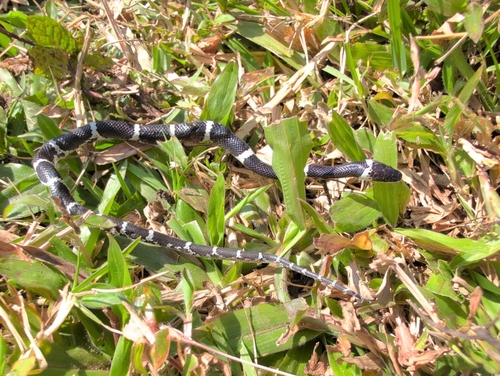
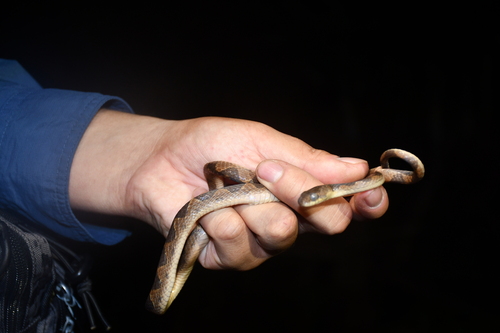
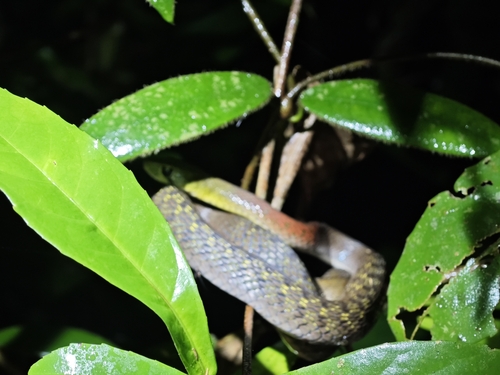
Colubridae (34)
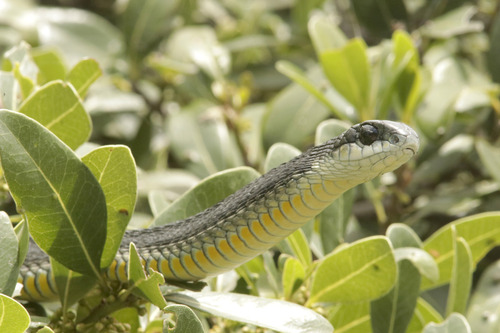
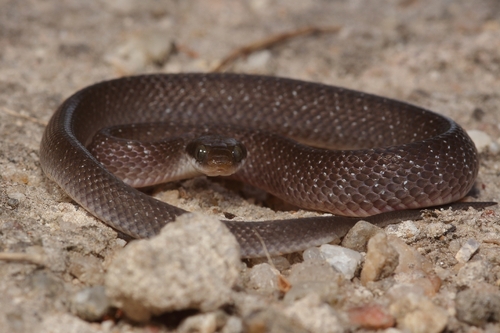
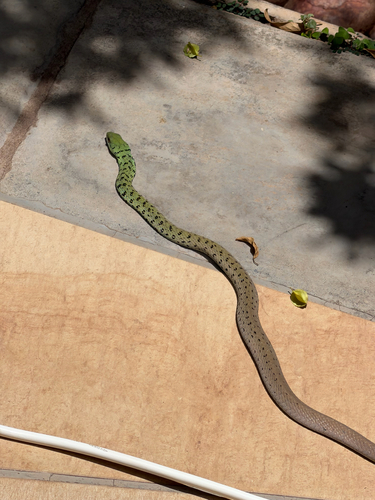
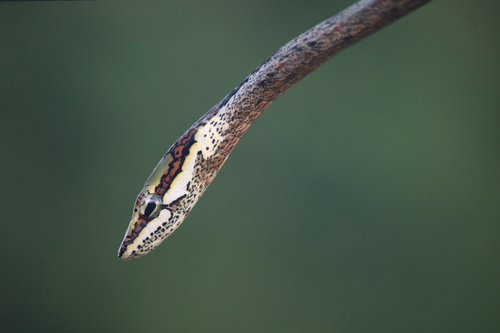
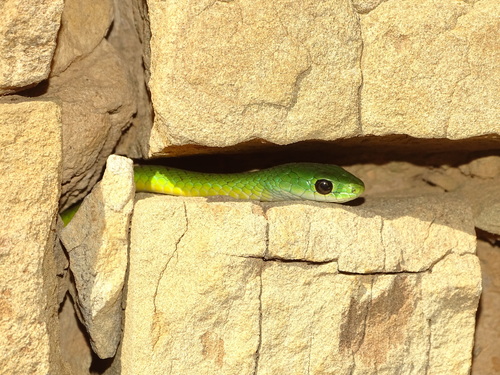
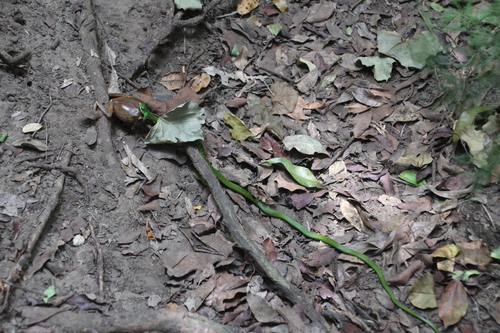
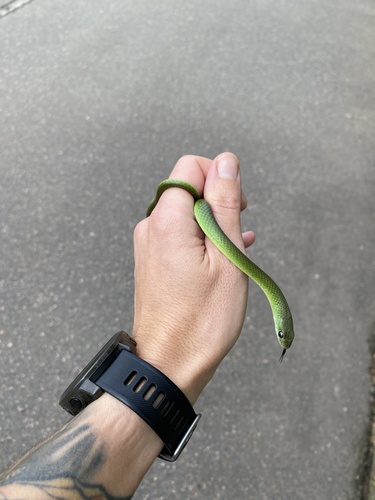
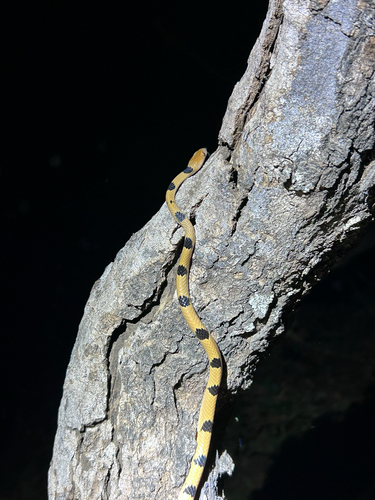
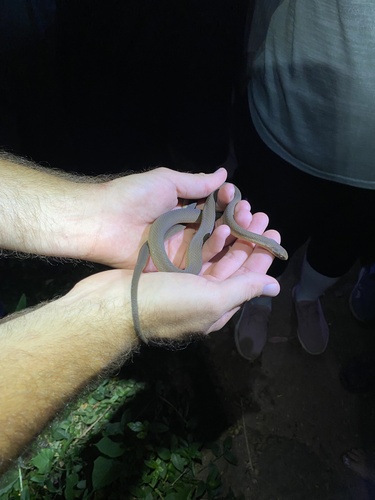
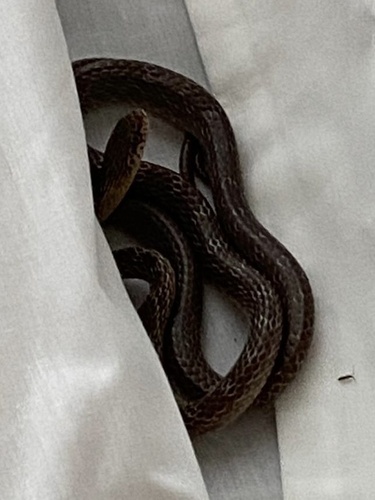
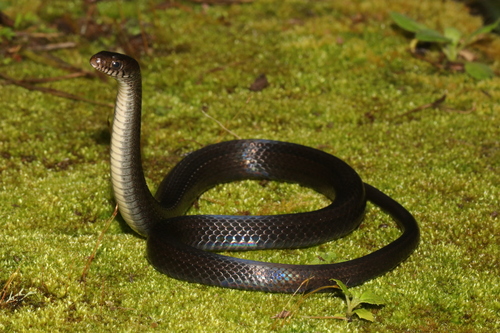
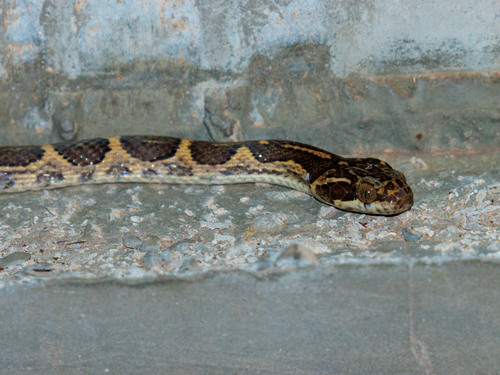
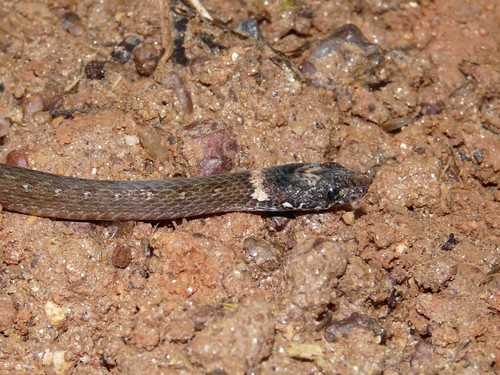
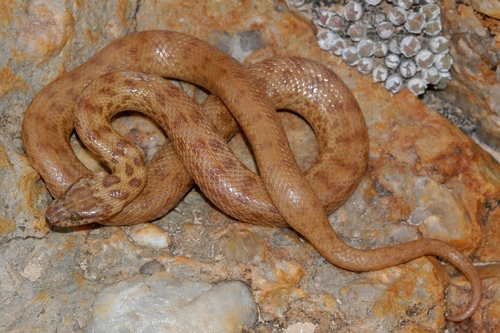
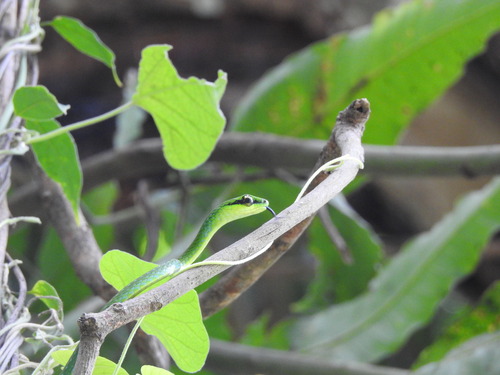
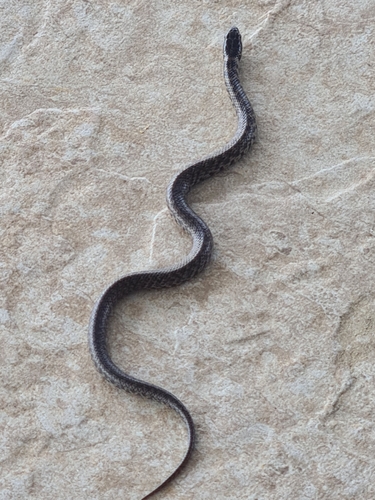
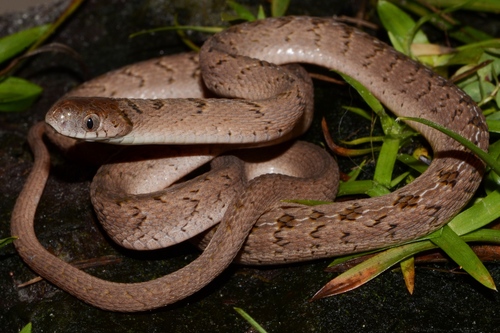
Elapidae (22)
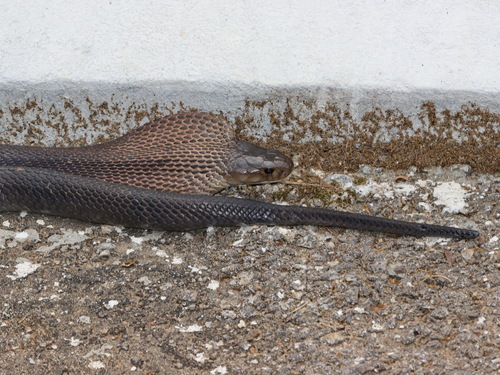
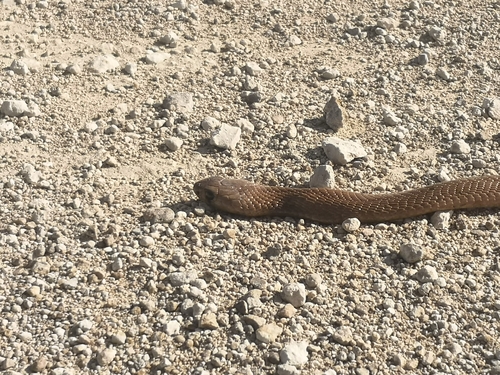
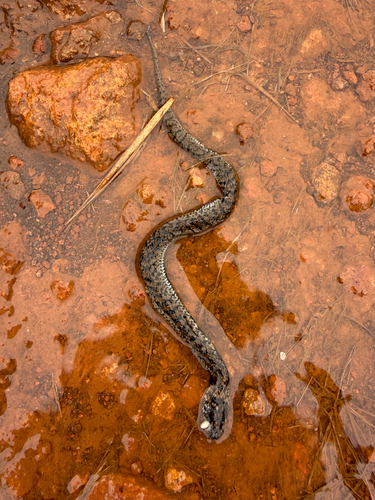
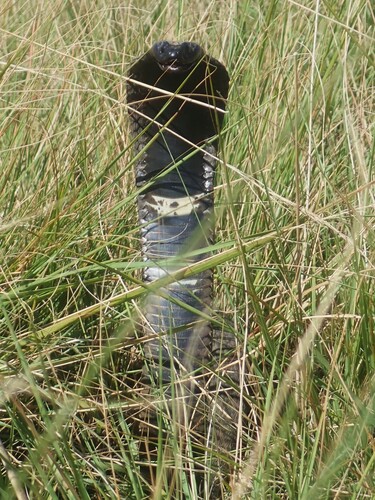
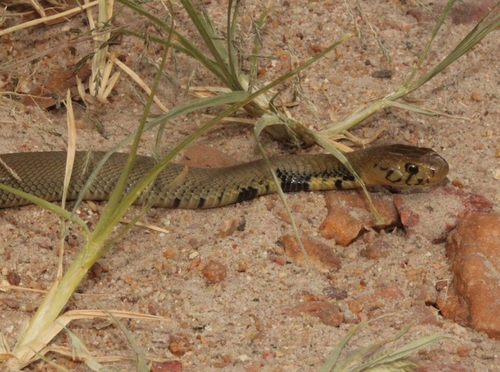
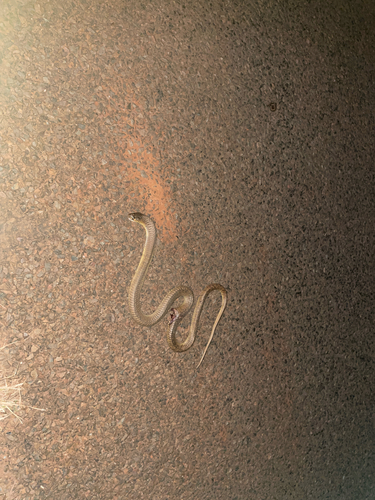
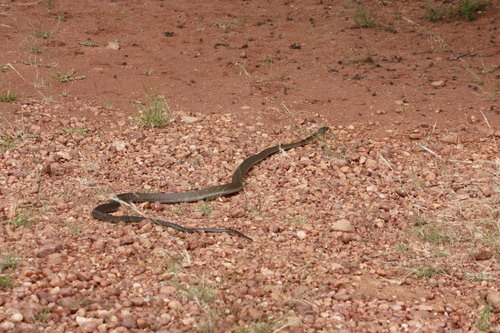
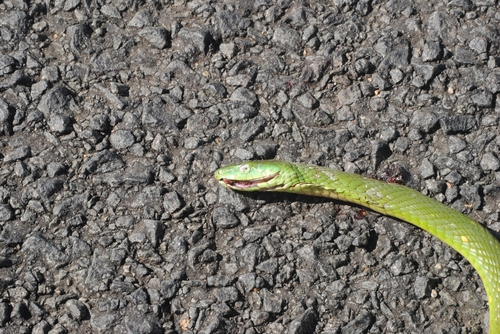
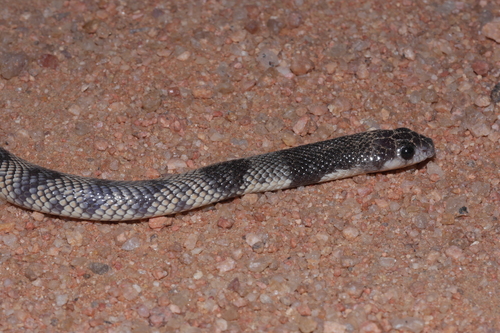
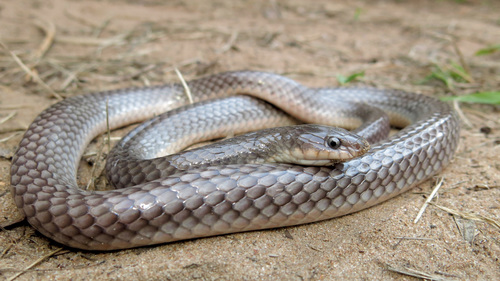
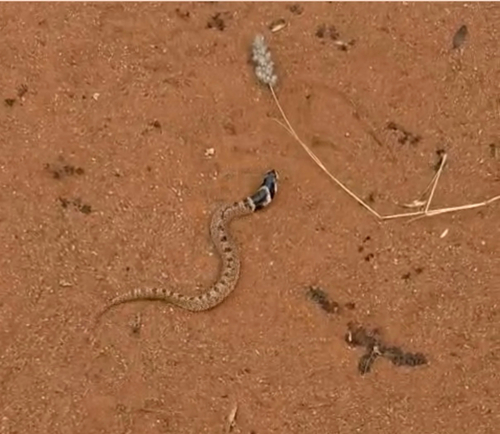
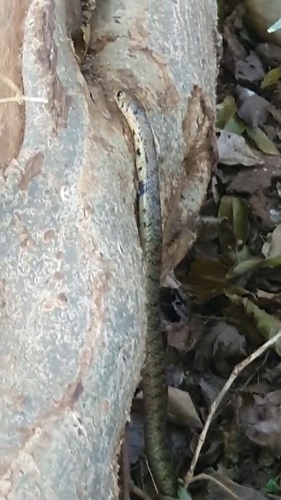
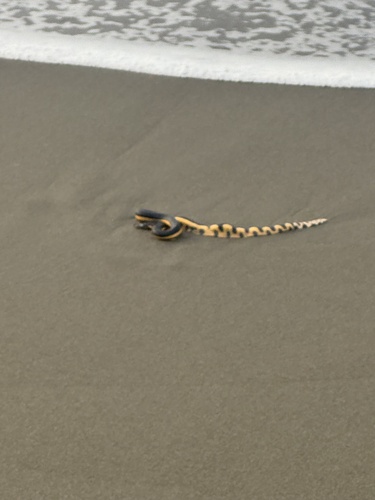
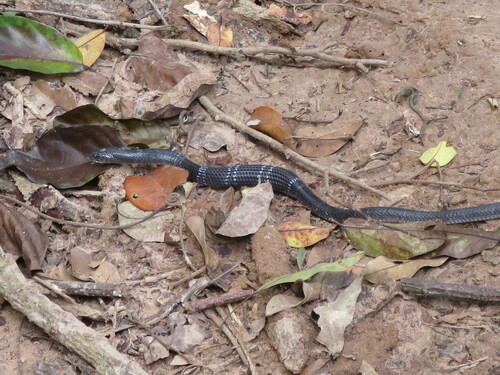
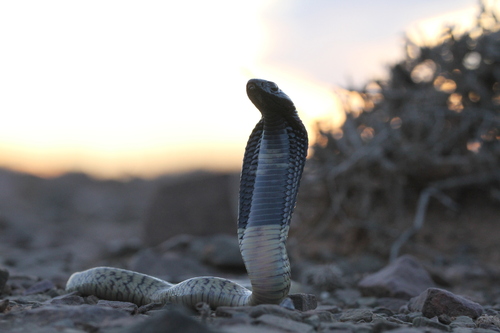
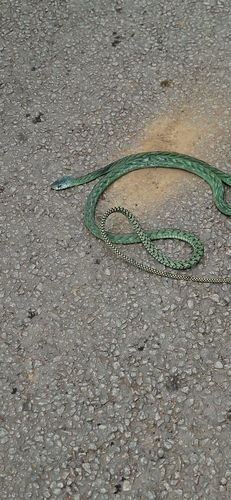

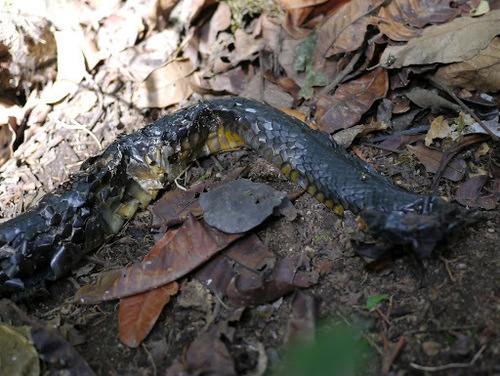
Lamprophiidae (21)
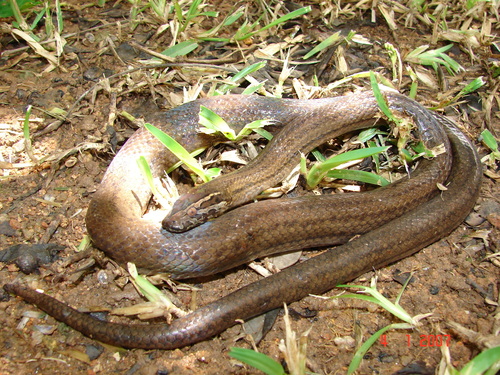
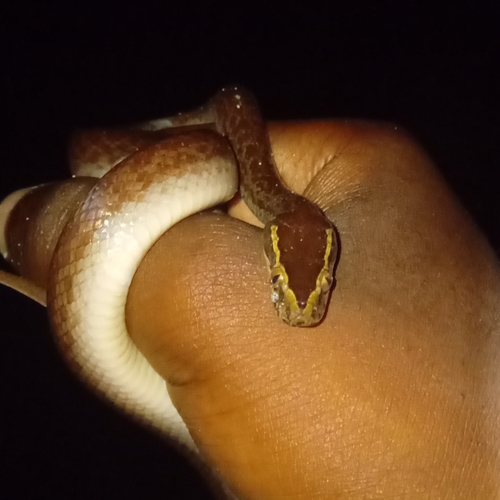
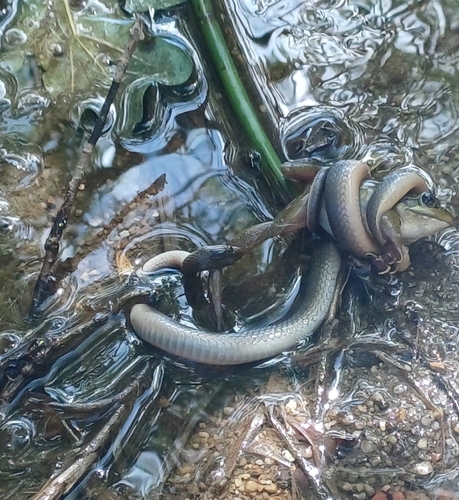
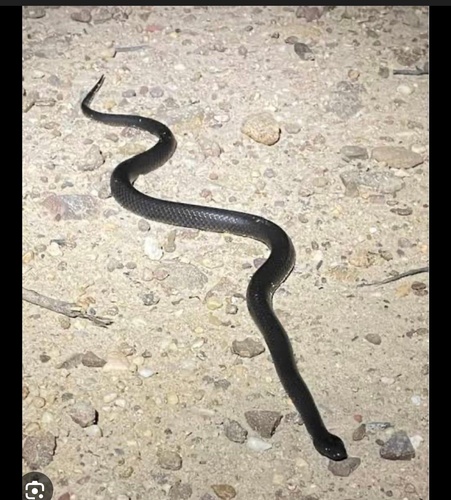
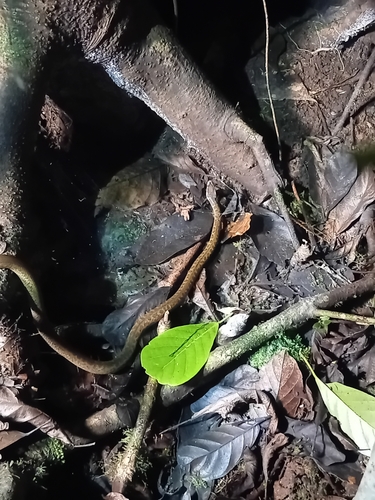
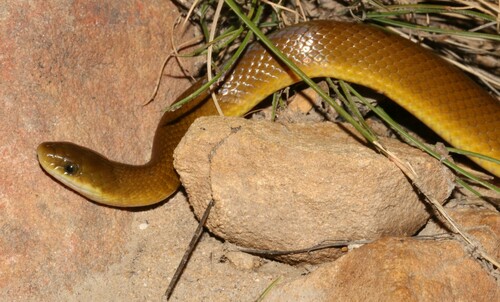
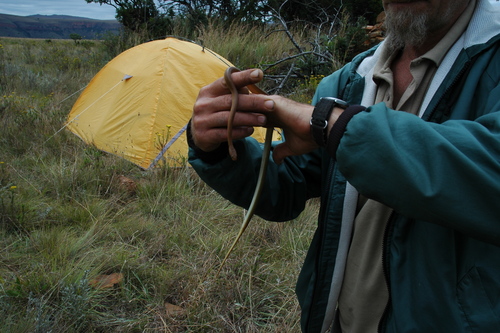
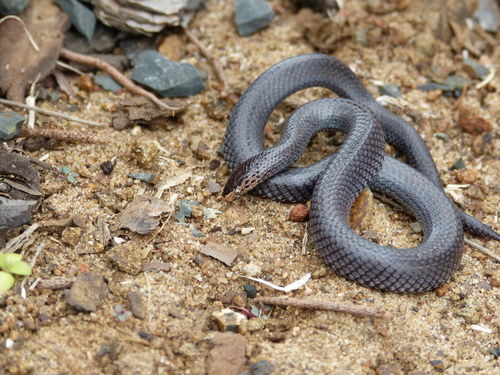
Viperidae (17)
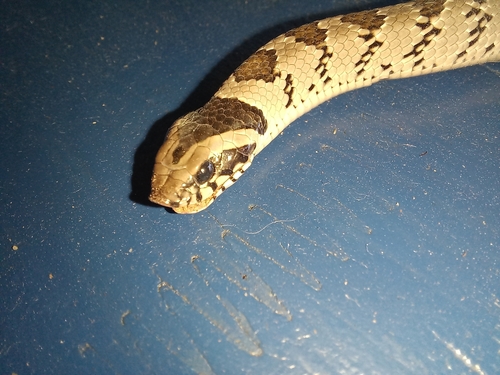
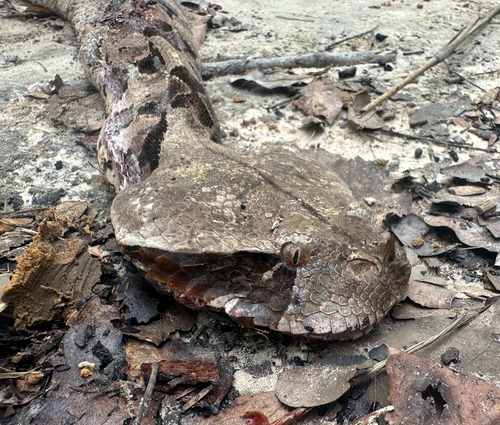
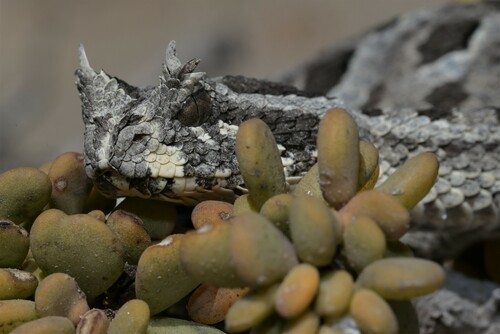
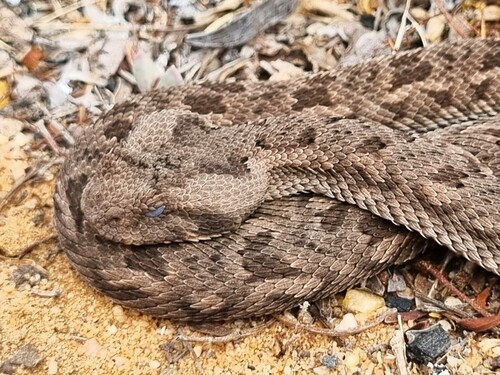
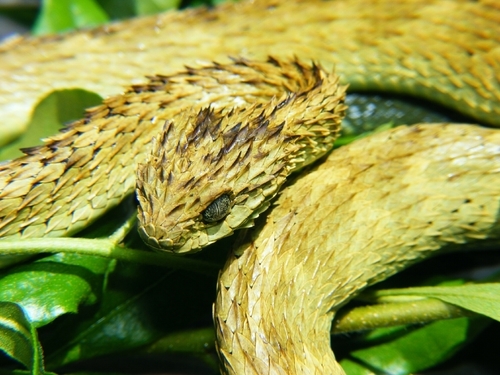
Psammophiidae (17)
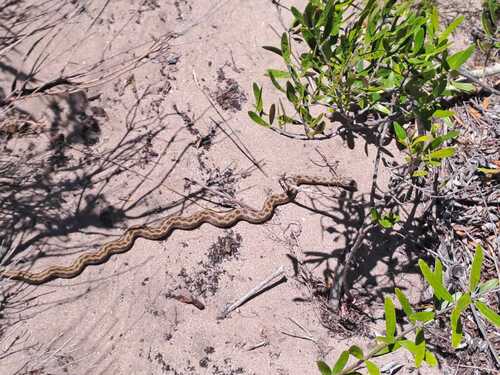
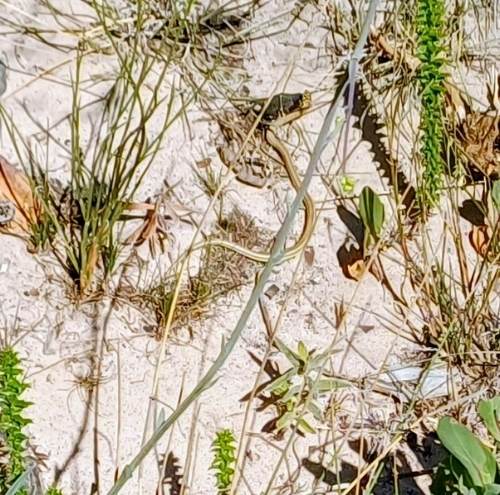
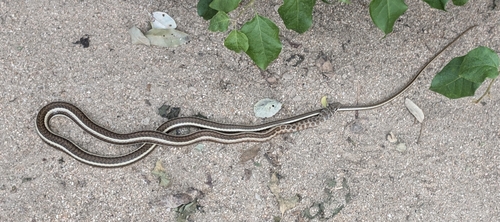

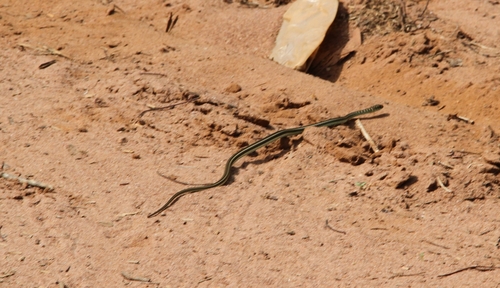
Atractaspididae (16)
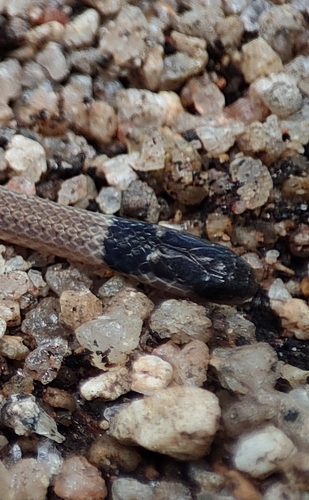
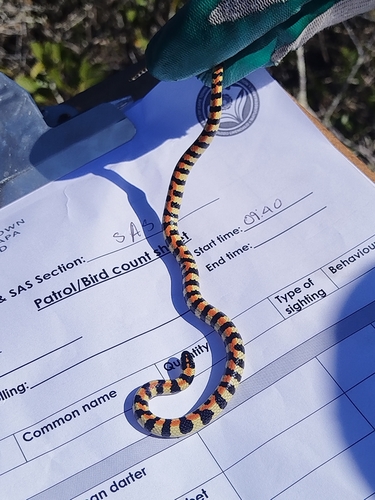
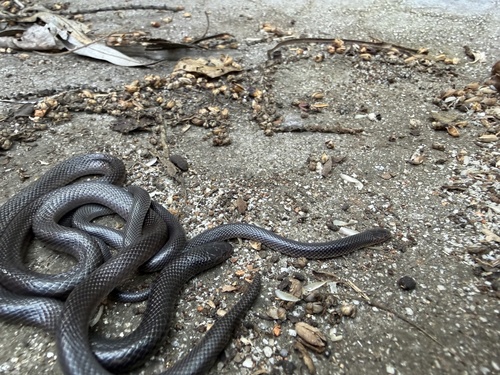
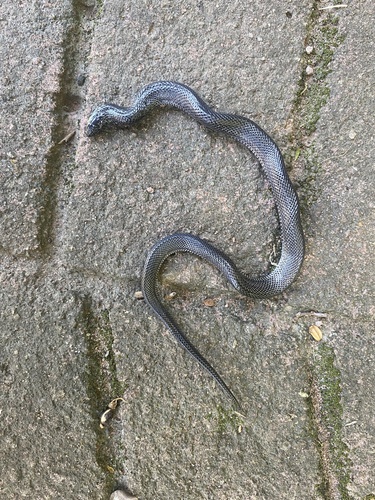
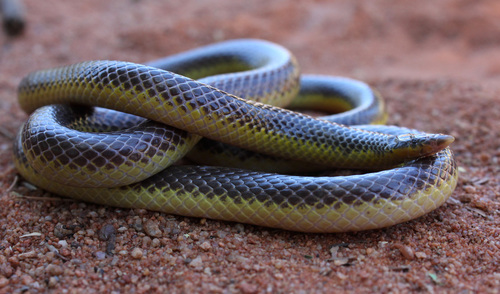
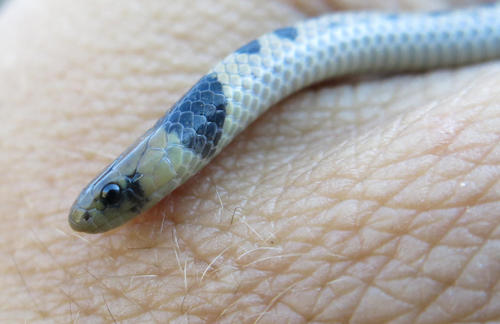
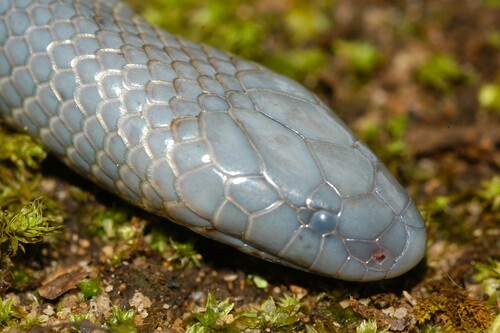
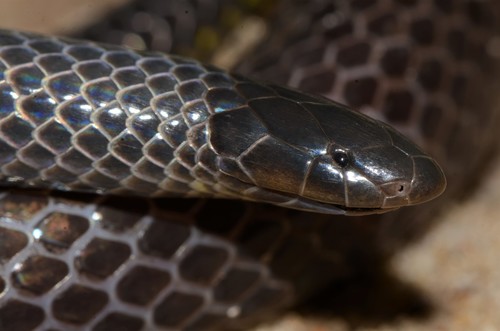
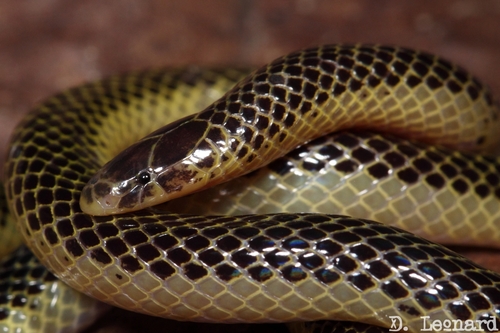
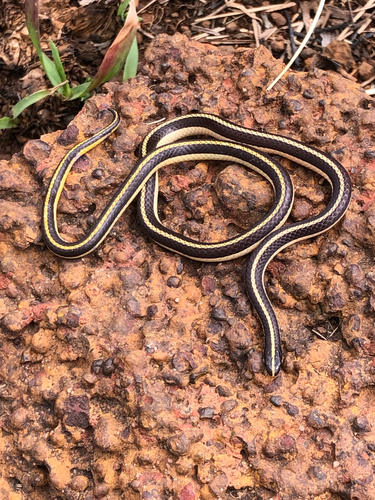
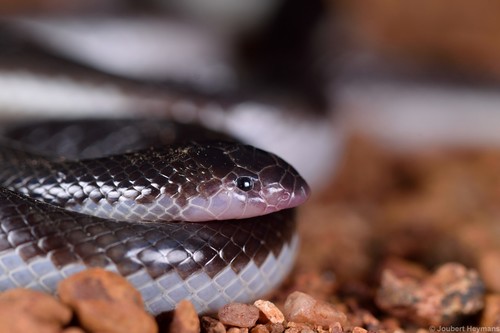
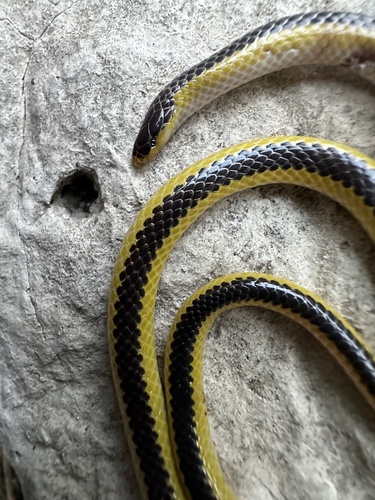
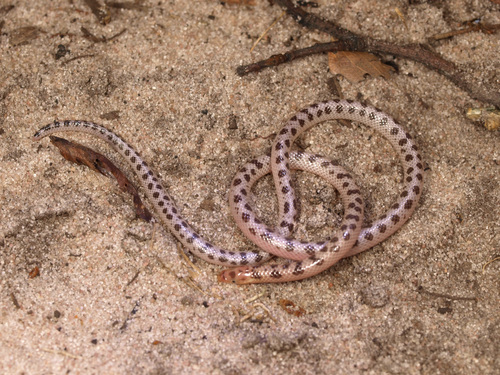


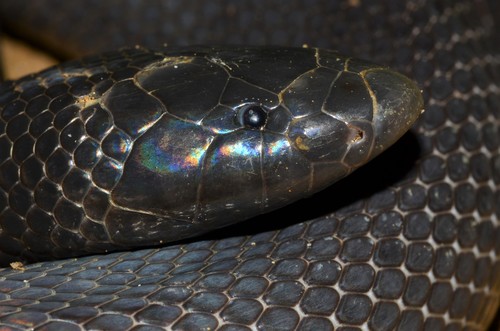
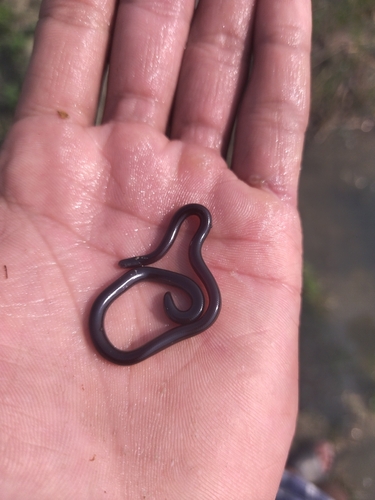
Leptotyphlopidae (11)
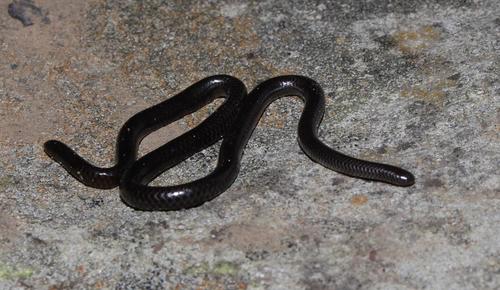
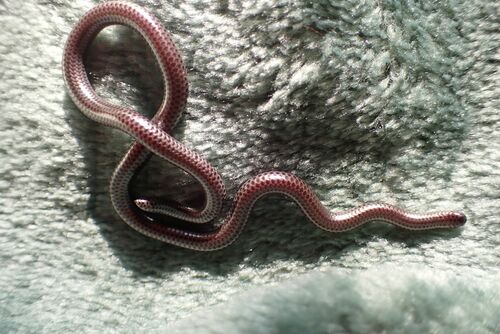
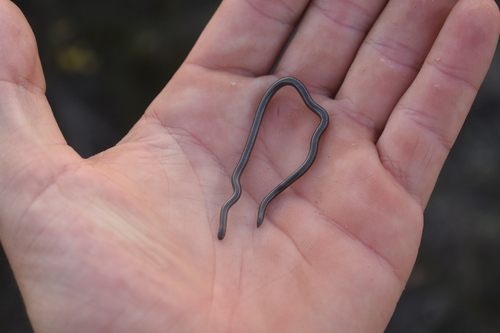
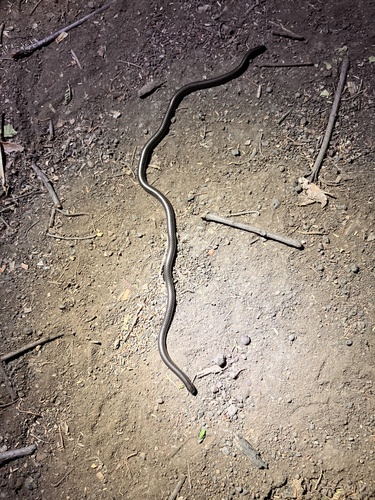
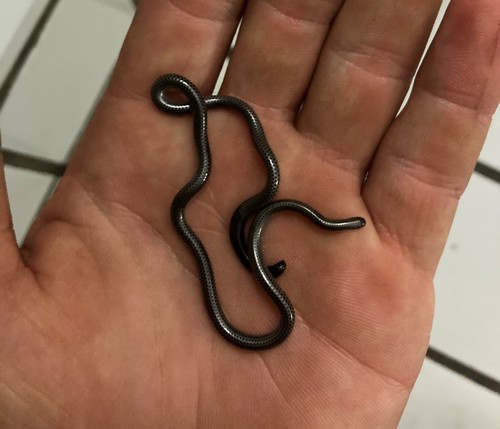
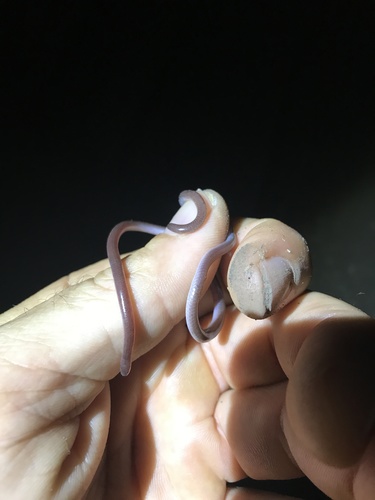
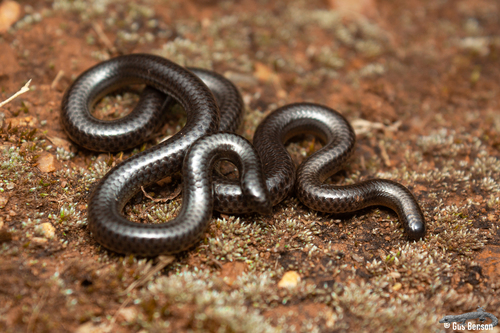
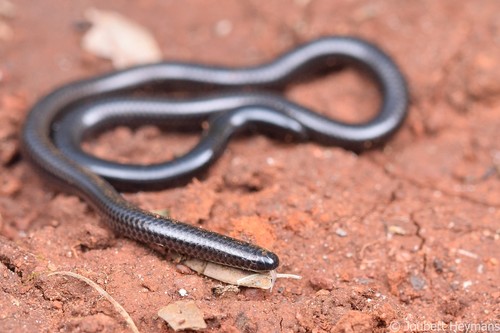
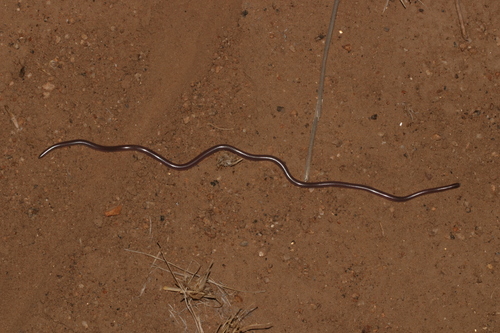
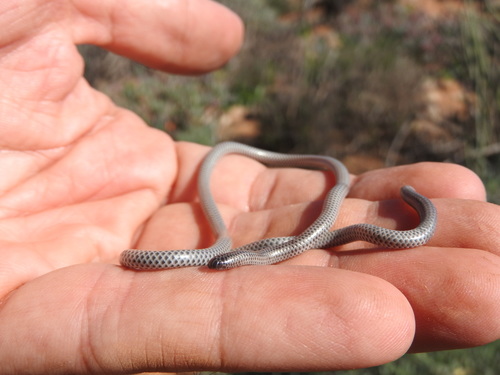
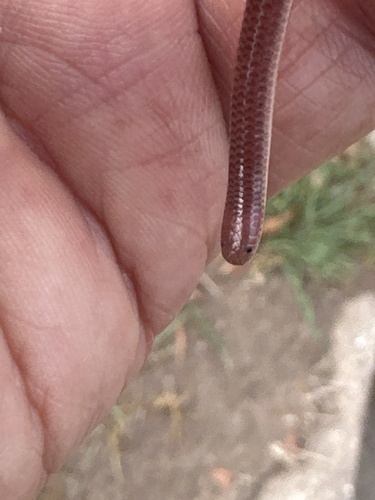
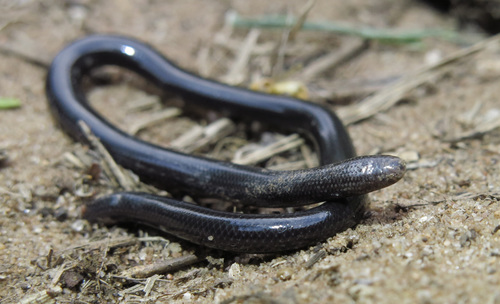
Typhlopidae (9)
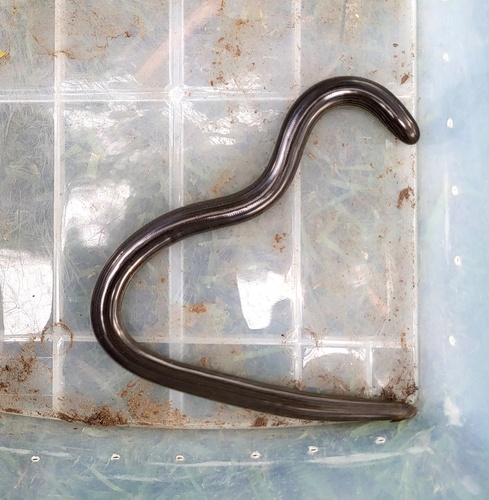
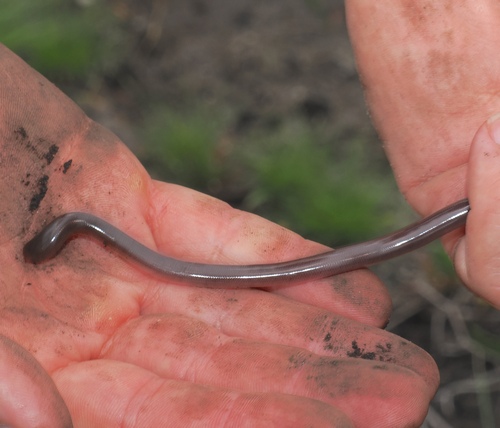
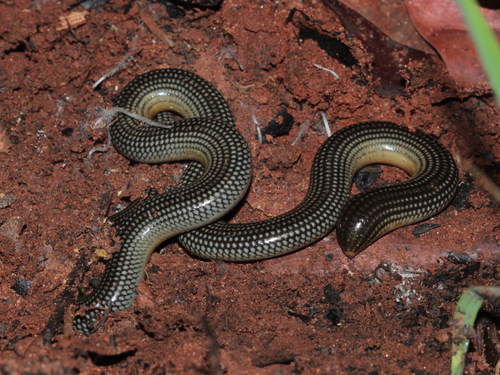
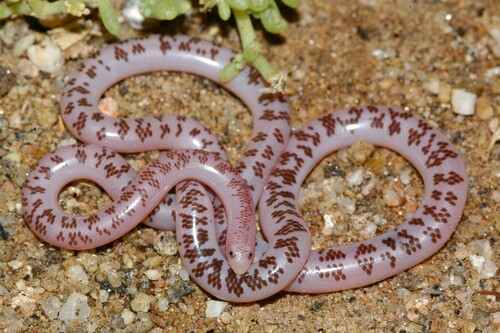
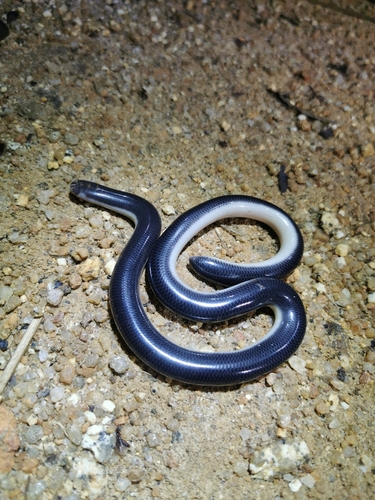
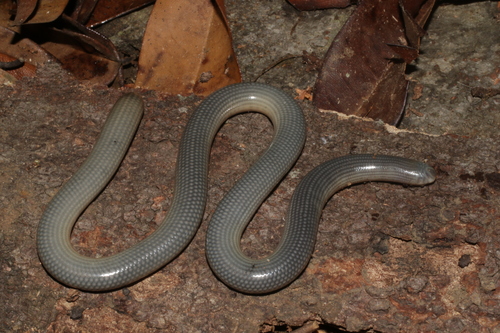
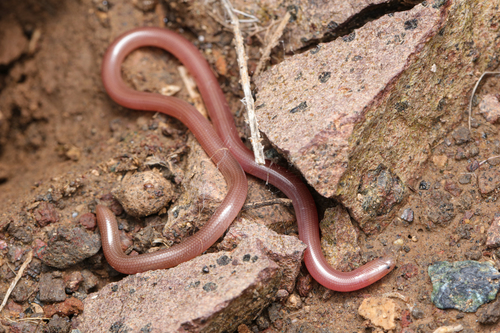
Prosymnidae (8)
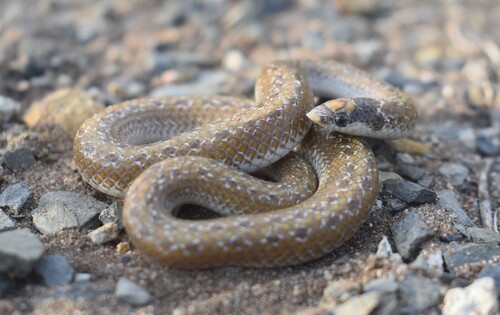
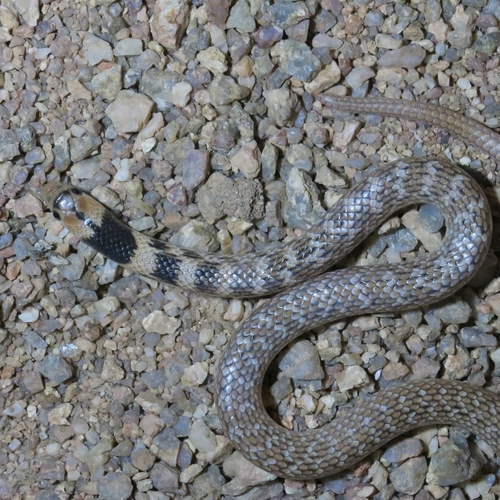
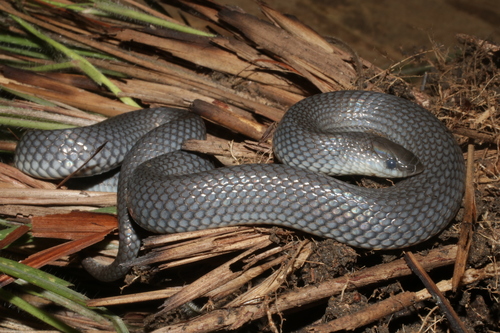
Pythonidae (7)
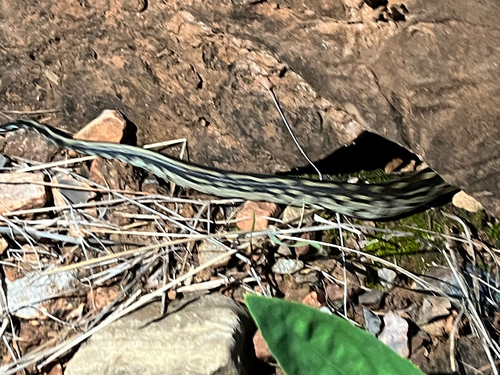
Pseudoxyrhophiidae (5)
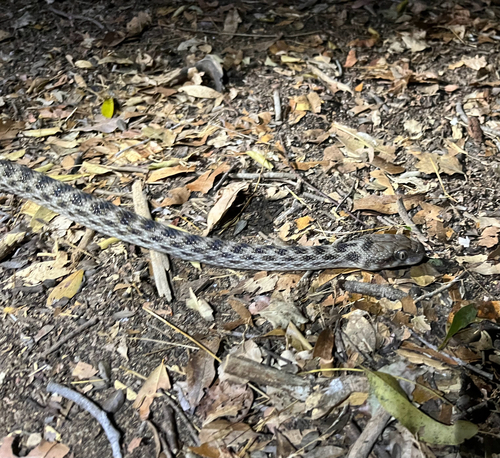
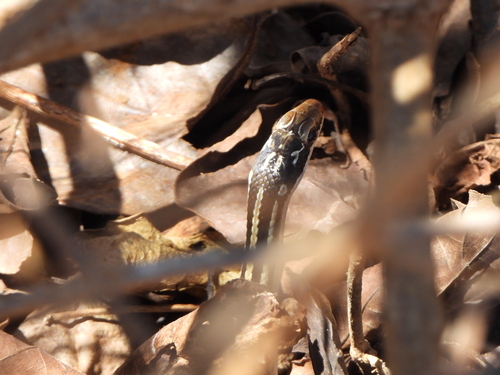
Pseudaspididae (1)
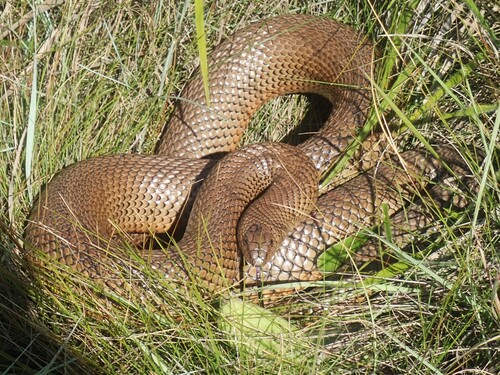
Pareidae (1)
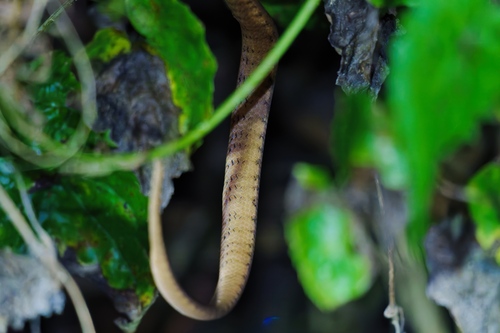
Homalopsidae (1)
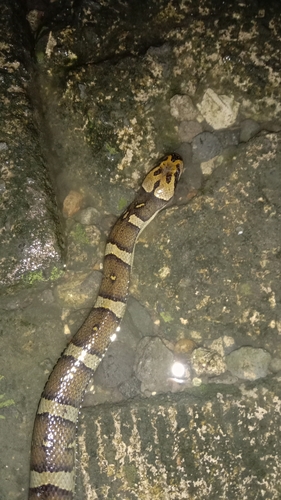
Compiled from verified GBIF & iNaturalist observations. "How often seen" reflects how frequently a snake is reported here, not how dangerous it is. Informational only.
Keep learning
- Are Snakes Dangerous? The Real Risk, in PerspectiveMost snakes are harmless and avoid people. Here is the honest picture of snakebite risk worldwide and how to lower your own.
- Snakebite First Aid: What to Do (and What Never to Do)A clear, CDC-based guide to snakebite first aid: the steps that help, the popular myths that hurt, and how to tell a serious bite from a minor one.
- Venomous vs Nonvenomous: How to Tell the DifferenceThe folk rules for telling venomous snakes apart, where each one fails, and why location-based identification beats guessing by sight.
- What to Do If You Find a SnakeFound a snake at home or on a trail? Here is how to stay calm, give it space, identify it safely, and know when to call a professional.