
Psammophiidae
Rhombic Skaapsteker
HarmlessPsammophylax rhombeatus
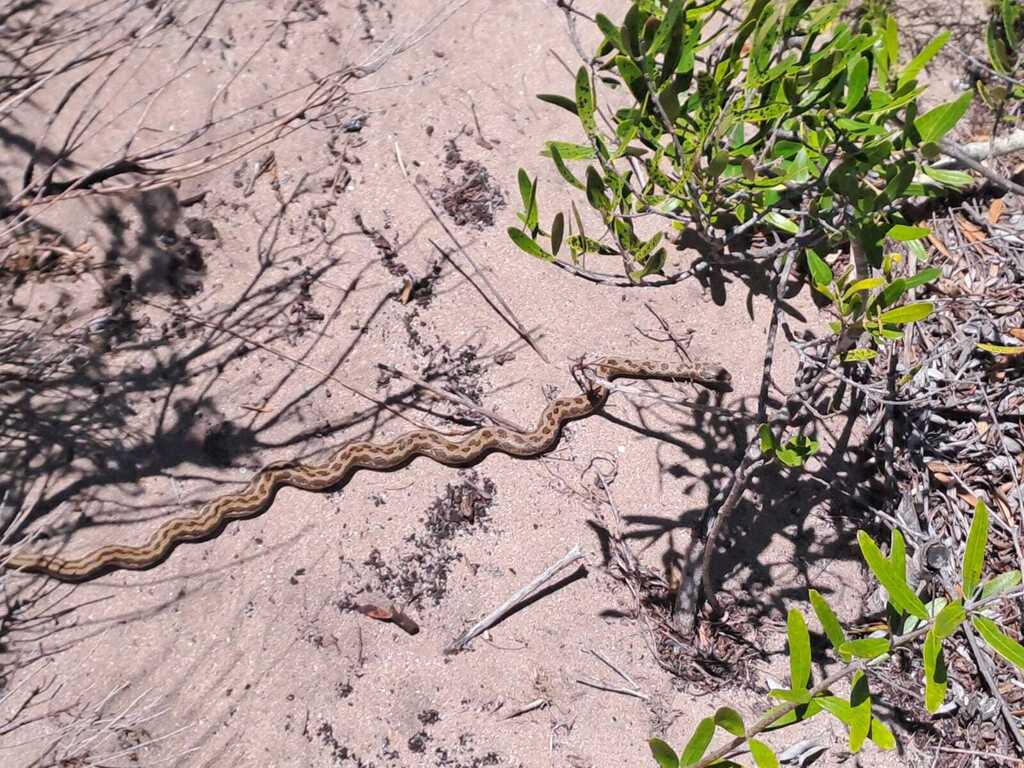
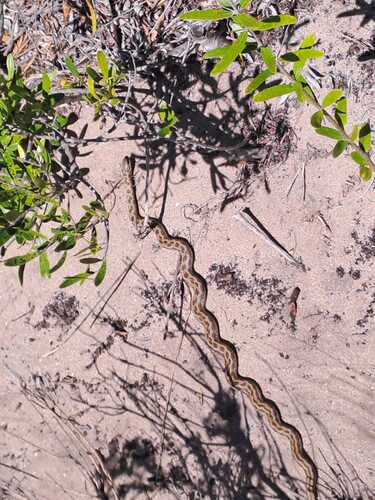
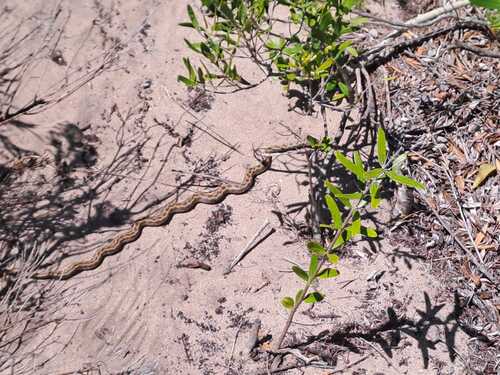
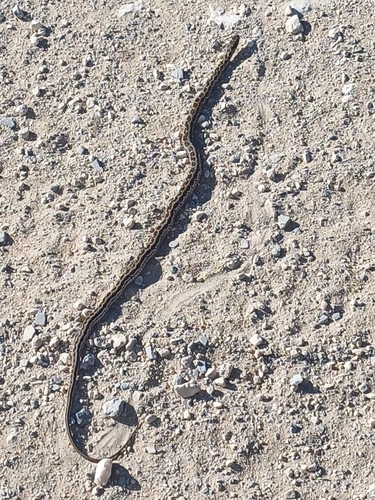
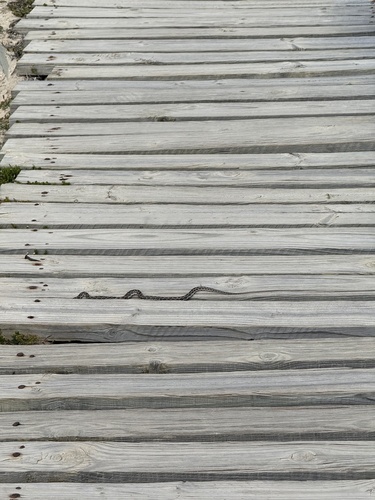
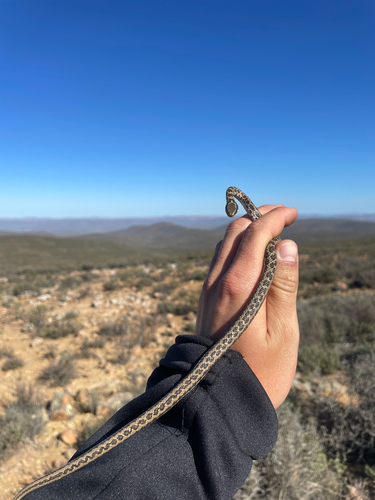
6 photographs of the Rhombic Skaapsteker. © Amy Riordan.
The Rhombic Skaapsteker (Psammophylax rhombeatus) is a non-venomous snake in the Psammophiidae family, recorded in 7 countries.
- Family
- Psammophiidae
About the Rhombic Skaapsteker
Psammophylax rhombeatus is a reptile commonly found throughout Southern Africa. This mildly venomous snake has a similar role in its ecosystem and has many ancestral similarities to other Psammophis snakes.
Etymology
The Psammophylax rhombeatus (psammo meaning "sand", phylax meaning "guard") has many common names. Some of those names include: spotted grass snake, rhombic skaapsteker, getpikkelde skaapsteker, spotted skaapsteker, rhomben-skaapsteker, gefleckter skaapsteker, and gevlekte skaapsteker.
The origin of the name Skaapsteker is another meaning for 'sheep stabber' or 'sheep stinger.' This is from the common misbelief that the Psammophylax rhombeatus was responsible for the death of large numbers of sheep. This was incorrect because the sheep deaths were caused by another snake, most likely the naja nivea, also known as the Cape cobra. It is known that the Psammophylax rhombeatus did not prey on sheep because of the formation of their jaws. This and the toxicity of their venom would not allow them to cause any real harm to the sheep, or any other large animal.
Description
The Psammophylax rhombeatus ranges in colour from grey, to different shades of brown. Relating to its name, this species' back is patterned with rhombuses. The rhombuses show up in different patterns and colours. The colour of the snake underneath ranges from yellow to white. In length, the Psammophylax rhombeatus is typically 45 to 85 centimetres; however, there have been measurements recorded up to 140 centimetres.
Psammophylax rhombeatus, much like its close relatives in the genus Psammophylax, lay eggs and actively hunt for its prey. This portrays behaviours typical of whipsnakes. However, unlike the slender-bodied whipsnakes, Psammophylax has a more robust build. This difference in body shape likely reflects how each species has adapted to its specific environment and lifestyle.
Reproduction
The species falls between oviparous (animals that reproduce by laying an egg, which will in turn hatch into a juvenile animal) and ovoviviparous (giving birth to living young from within the body rather than laying eggs) as it lays its eggs partly incubated.The breeding season for rhombic skaapstekers typically occurs during the summer months, and a female snake can lay a clutch of eggs ranging from 8 to 30. The eggs are usually deposited in concealed locations such as under rocks or in leaf litter to protect them from predators and environmental conditions.
During the incubation period, the female rhombic skaapsteker displays protective behaviour towards her eggs. She may coil around the clutch to provide warmth and safeguard them until they hatch. This maternal care is crucial for the survival of the developing embryos. The incubation period can vary but generally lasts several weeks to a couple of months, depending on environmental factors like temperature and humidity.
Adapted from Wikipedia, available under CC BY-SA.
Frequently asked: Rhombic Skaapsteker
- Is the Rhombic Skaapsteker venomous?
- No. The Rhombic Skaapsteker (Psammophylax rhombeatus) is non-venomous and is not considered dangerous to humans. Like most snakes, it will retreat rather than bite when given the chance.
- Is the Rhombic Skaapsteker poisonous?
- Snakes are venomous, not poisonous. "Poisonous" means harmful to eat or touch; "venomous" means injecting toxins through a bite. The Rhombic Skaapsteker is neither poisonous nor venomous.
- Is the Rhombic Skaapsteker dangerous?
- The Rhombic Skaapsteker is not dangerous to humans. It has no medically significant venom and bites only defensively if cornered or handled.
- Where does the Rhombic Skaapsteker live?
- The Rhombic Skaapsteker has verified records in 7 countries, including South Africa, Eswatini, Lesotho. See the distribution section below for its full range.
- Why is it called the Rhombic Skaapsteker?
- The Psammophylax rhombeatus (psammo meaning "sand", phylax meaning "guard") has many common names. Some of those names include: spotted grass snake, rhombic skaapsteker, getpikkelde skaapsteker, spotted skaapsteker, rhomben-skaapsteker, gefleckter skaapsteker, and gevlekte skaapsteker. The origin of the name Skaapsteker is another meaning for 'sheep stabber' or 'sheep stinger.' This is from the common misbelief that the Psammophylax rhombeatus was responsible for the death of large numbers of sheep.
Where it is found
More Psammophiidae snakes
 Striped SkaapstekerPsammophylax tritaeniatus
 Grey-bellied SkaapstekerPsammophylax variabilis
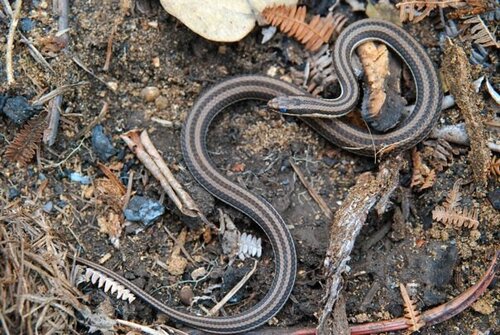 Kenyan Striped SkaapstekerPsammophylax multisquamis
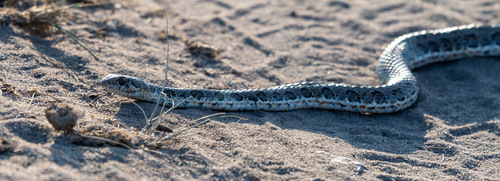 Angolan skaapstekerPsammophylax ocellatus
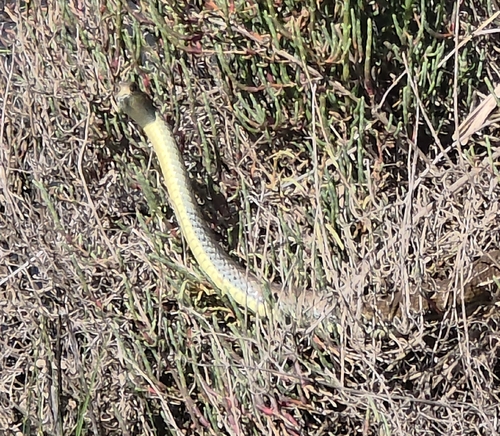 Western Montpellier SnakeMalpolon monspessulanus
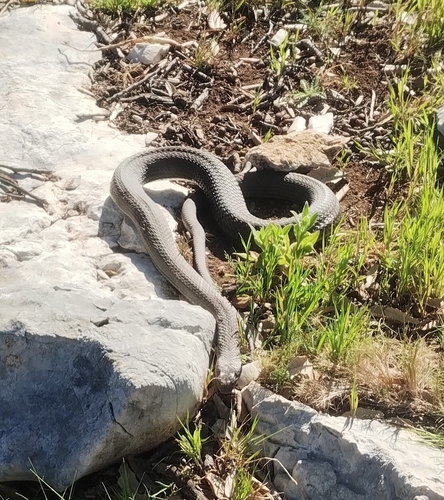 Eastern Montpellier SnakeMalpolon insignitus
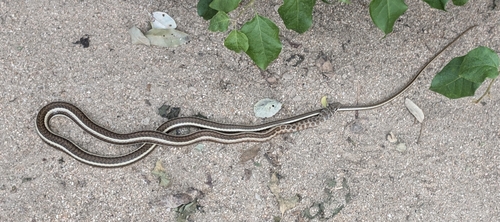 Stripe-bellied Sand SnakePsammophis subtaeniatus
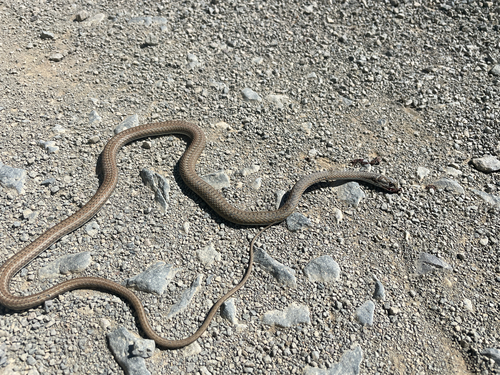 Karoo Sand SnakePsammophis notostictus
Classification
How scientists group this snake, from the broadest category down to the exact species. Each step narrows to its closest relatives.
- OrderThe broad group of scaled reptiles: all snakes and lizards
- Squamata
- FamilyA group of related snakes that share key traits
- Psammophiidae
- GenusA close-knit group of very similar species
- Psammophylax
- SpeciesThis exact snake, named in the two-part scientific name
- Psammophylax rhombeatus
Keep learning
- What to Do If You Find a SnakeFound a snake at home or on a trail? Here is how to stay calm, give it space, identify it safely, and know when to call a professional.
- Venomous vs Nonvenomous: How to Tell the DifferenceThe folk rules for telling venomous snakes apart, where each one fails, and why location-based identification beats guessing by sight.
- What Is a Snake? Anatomy and the BasicsA clear overview of what makes a snake a snake: limbless body plan, anatomy, evolution from lizards, species diversity, and why they are ectothermic.
- How to Keep Snakes Out of Your Yard and HomeA practical guide to keeping snakes out of your yard and home using habitat changes that work, plus what to skip and what to do if one shows up.
Distribution from GBIF & iNaturalist. Venom status per CDC. Background: Wikipedia. Informational only. Never handle a snake to identify it.