
Elapidae
Mozambique Spitting Cobra
VenomousNaja mossambica
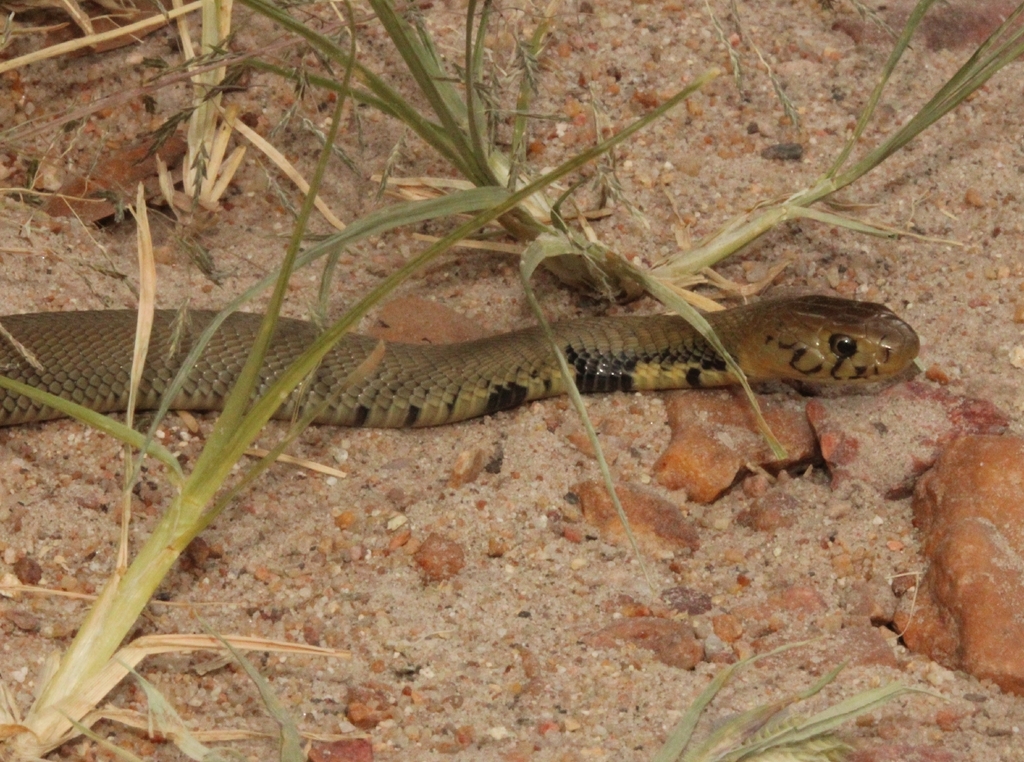
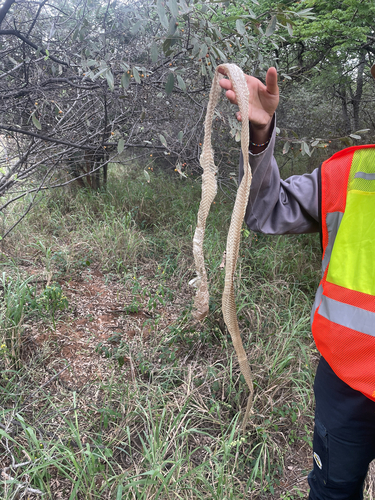
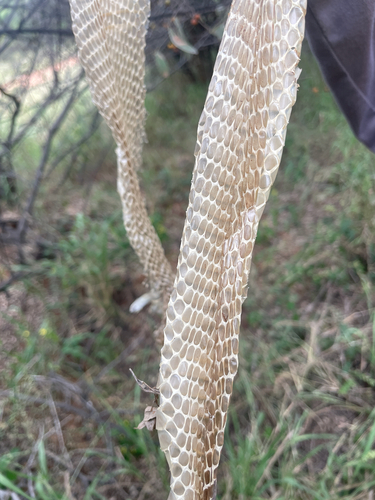
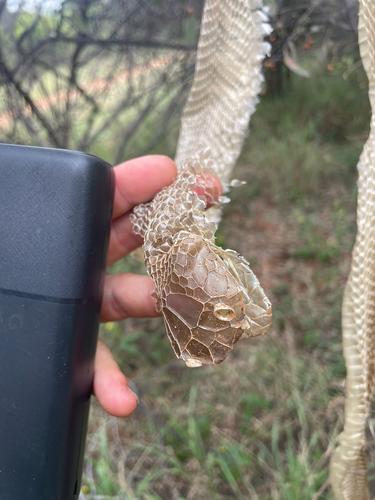
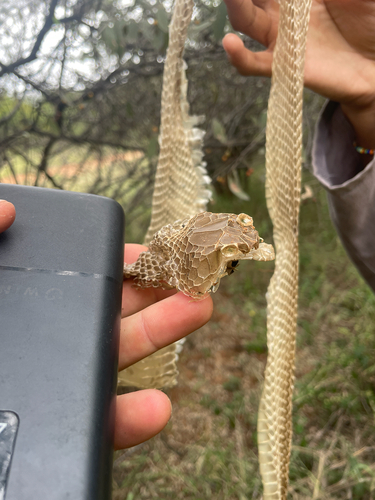
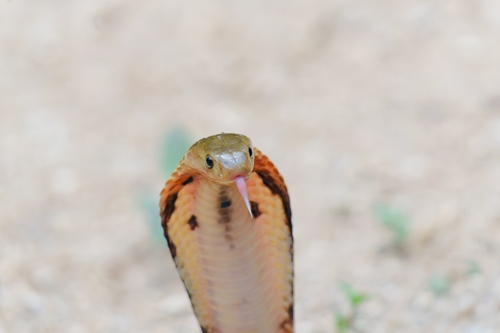
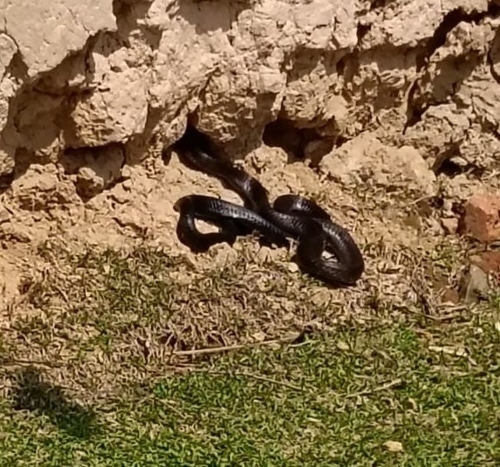
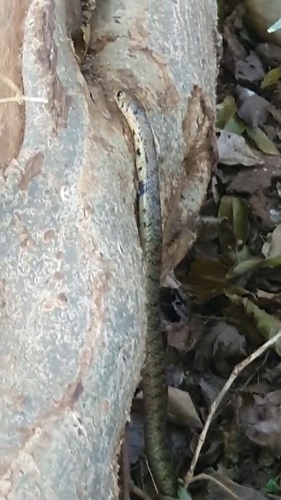
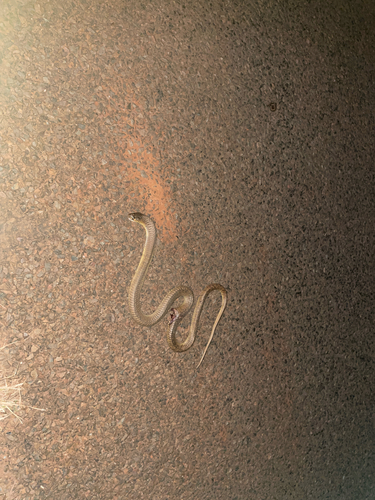
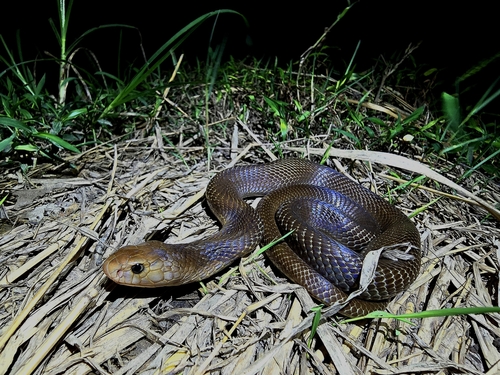
5 photographs of the Mozambique Spitting Cobra. © Dan Lee.
The Mozambique Spitting Cobra (Naja mossambica) is a venomous snake in the Elapidae family, recorded in 17 countries.
If you are bitten
This is a venomous snake. Treat any bite as a medical emergency: stay calm, keep the bitten limb still and roughly level with the heart, remove rings and tight clothing, and get to emergency care immediately. Do not apply a tourniquet, cut the wound, apply ice, or try to suck out venom. Call your local emergency number or poison center.
- Family
- Elapidae
- Danger
- high
About the Mozambique Spitting Cobra
The Mozambique spitting cobra (Naja mossambica) is a highly venomous species of spitting cobra in the family Elapidae. The species is native to Africa, and it is found in Angola, Botswana, Malawi, Mozambique, Namibia, South Africa, Tanzania, Zambia, and Zimbabwe.
Taxonomy
German naturalist Wilhelm Peters described Naja mossambica as a species new to science in 1854.
Description
In colour, Naja mossambica is slate to blue, olive or tawny black above, with some or all scales having black edging. Below, it is salmon pink to purple yellowish, with black bars across the neck and ventrals speckled or edged with brown or black; young specimens sometimes have pink or yellow bars on the throat.
The average length of adults is between 90 cm and 105 cm (3–3½ feet), but the largest specimen measured was a male 154 cm (5 feet) long in Durban, KwaZulu-Natal, South Africa.
Distribution
Naja mossambica is the most common cobra of the savanna regions of tropical and subtropical Africa. The distribution includes all of Mozambique; KwaZulu-Natal, as far south as Durban; Mpumalanga's lowveld region; southeastern Tanzania and Pemba Island; and west to far southeastern Angola and northeastern Namibia. Younger specimens are much more frequently encountered in the open at daytime. Unlike the Egyptian Cobra, this species prefers localities near water, to which it will readily take when disturbed.
Venom
Naja mossambica is considered one of the most dangerous snakes in Africa. Its venom is about as toxic as the American Mojave rattlesnake, considered the world's most venomous rattlesnake. Like the rinkhals, it can spit its venom. Its bite causes severe local tissue destruction (similar to that of the puff adder). Venom to the eyes can also cause impaired vision or blindness.
The venom of this species contains postsynaptic neurotoxin and cytotoxin. There have been only a few fatalities resulting from bites of this species, and survivors are mostly disfigured.
A polyvalent antivenom is currently being developed by the Universidad de Costa Rica's Instituto Clodomiro Picado.
Diet
The diet of Naja mossambica mainly consists of amphibians, other snakes, birds, eggs, small mammals, and occasionally even insects. This cobra has been reported to scavenge and eat carcasses in an advanced stage of decomposition. It has been documented feeding on venomous snakes such as black mambas and has developed immunity to mamba venom.
Habits
Naja mossambica is nervous and temperamental. When confronted at close quarters, it can rear up as much as two-thirds of its length and spread its long narrow hood, and will readily spit in defense, usually from a reared-up position. The venom can be propelled 2–3 metres (6½–10 feet), with great accuracy. This species also can spit its venom without rearing up and flare out its neck into a hood, as well as spit from very tight spaces. The spitting cobra might bite instead of spitting depending on its circumstances, and like the rinkhals, it may feign death to avoid further molestation.
Reproduction
Adapted from Wikipedia, available under CC BY-SA.
Local and regional names
The Mozambique Spitting Cobra is known by these names across the regions where it lives:
- Afrikaans
- Spuugslang
- Arabic
- الناشر الموزمبيقي البصَّاق
- Chinese
- 莫三比克射毒眼鏡蛇
- Czech
- kobra mosambická
- Danish
- Sydøstafrikansk Spyttekobra
- English
- Black-necked Spitting Cobra
- French
- Cobra cracheur du Mozambique
- German
- Mosambik-Speikobra
- Hungarian
- mozambiki köpködőkobra
- Italian
- Cobra sputatore del Mozambico
- Portuguese
- Cobra-cuspideira
- Russian
- Мозамбикская кобра
- Zulu
- imFezi
Frequently asked: Mozambique Spitting Cobra
- Is the Mozambique Spitting Cobra venomous?
- Yes. The Mozambique Spitting Cobra (Naja mossambica) is venomous and belongs to the Elapidae family (cobra, mamba, coral or sea snake). Its bite is considered high risk to people. Treat any bite as a medical emergency.
- Is the Mozambique Spitting Cobra poisonous?
- Snakes are venomous, not poisonous. "Poisonous" means harmful to eat or touch; "venomous" means injecting toxins through a bite. The Mozambique Spitting Cobra is venomous, delivering venom through a bite.
- Is the Mozambique Spitting Cobra dangerous?
- This is a venomous snake. Treat any bite as a medical emergency: stay calm, keep the bitten limb still and roughly level with the heart, remove rings and tight clothing, and get to emergency care immediately. Do not apply a tourniquet, cut the wound, apply ice, or try to suck out venom. Call your local emergency number or poison center.
- Where does the Mozambique Spitting Cobra live?
- The Mozambique Spitting Cobra has verified records in 17 countries, including South Africa, Zimbabwe, Zambia. See the distribution section below for its full range.
- What does the Mozambique Spitting Cobra eat?
- The diet of Naja mossambica mainly consists of amphibians, other snakes, birds, eggs, small mammals, and occasionally even insects. This cobra has been reported to scavenge and eat carcasses in an advanced stage of decomposition. It has been documented feeding on venomous snakes such as black mambas and has developed immunity to mamba venom.
If you are bitten by the Mozambique Spitting Cobra
Do
- Get away from the snake and stay calm. Most bites worsen when people panic or try again to handle the snake.
- Call 911 or Poison Control (1-800-222-1222) right away. Antivenom works best when given early.
- Note the time of the bite and, from a safe distance, the snake's color and pattern, a phone photo is enough. Do not chase it.
- Keep the bitten limb still and at roughly heart level. Sit or lie down and limit movement.
- Remove rings, watches, and tight clothing near the bite before swelling starts.
- Gently wash the bite with soap and water and cover it with a clean, dry dressing.
Do not
- Do not cut the wound or try to suck out the venom.
- Do not apply a tourniquet or ice.
- Do not drink alcohol or caffeine.
- Do not take aspirin or ibuprofen, they can worsen bleeding. Acetaminophen is safer for pain.
- Do not try to catch or kill the snake. A dead snake can still bite by reflex.
First-aid guidance adapted from the U.S. Centers for Disease Control and Prevention (CDC NIOSH), Venomous Snakes. Educational only; always follow the instructions of emergency responders.
Where it is found
More Elapidae snakes
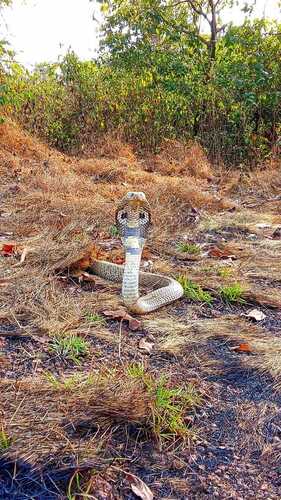
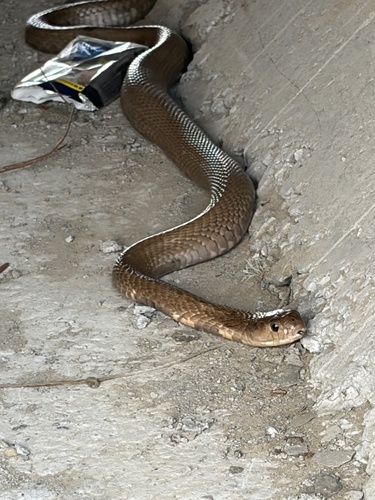
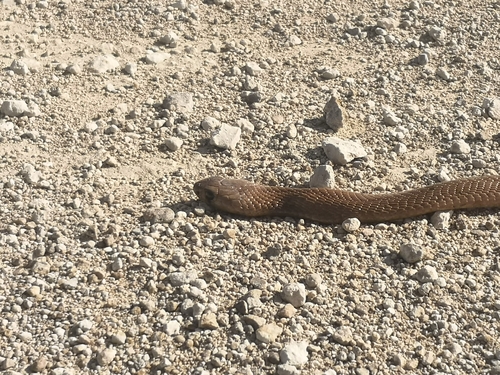
Classification
How scientists group this snake, from the broadest category down to the exact species. Each step narrows to its closest relatives.
Keep learning
- Are Snakes Dangerous? The Real Risk, in PerspectiveMost snakes are harmless and avoid people. Here is the honest picture of snakebite risk worldwide and how to lower your own.
- Snakebite First Aid: What to Do (and What Never to Do)A clear, CDC-based guide to snakebite first aid: the steps that help, the popular myths that hurt, and how to tell a serious bite from a minor one.
- Venomous vs Nonvenomous: How to Tell the DifferenceThe folk rules for telling venomous snakes apart, where each one fails, and why location-based identification beats guessing by sight.
- What to Do If You Find a SnakeFound a snake at home or on a trail? Here is how to stay calm, give it space, identify it safely, and know when to call a professional.
Distribution from GBIF & iNaturalist. Venom status per CDC. Background: Wikipedia. Informational only. Never handle a snake to identify it.