
Namibia
Snakes in Namibia
125+ snake species have been recorded in Namibia, 37 venomous.
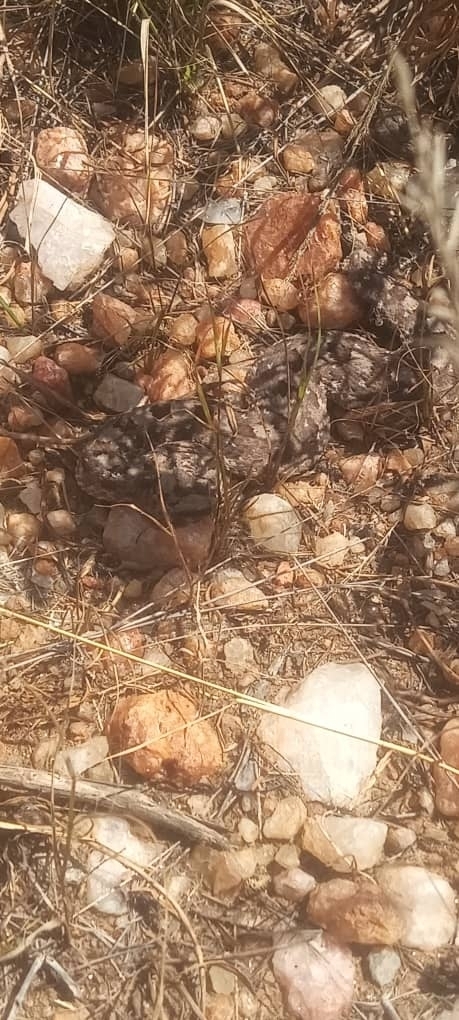
Snakes of Namibia
Namibia has 125+ snake species recorded in our database, 53 of them venomous. Despite that count of venomous species, the great majority of snakes in the country are non-venomous or pose no serious threat to people. Namibia is one of the driest countries in sub-Saharan Africa, and its snakes are shaped by that aridity. The landscape ranges from the fog-fed dunes and gravel plains of the Namib Desert along the Atlantic coast, to the rocky escarpment and central highlands, the dry savanna and bushveld of the interior, and the wetter, more tropical Caprivi (Zambezi) Strip in the far northeast. Each of these zones supports a different mix of species, which is why a country this dry still holds such a varied snake fauna.
Geography and climate drive that diversity. The desert and semi-desert west favor small, specialized burrowers and sand-adapted species that move and hunt below the surface or shelter from extreme heat. The rocky central and northern terrain supports rock-dwelling snakes that use crevices for cover and ambush. The bushveld and the wetter northeast, where rivers and floodplains hold more permanent water, support the largest and most varied community, including bigger constrictors and a wider range of both harmless and venomous species. Rainfall, temperature, soil type, and the availability of prey all set the boundaries of where each species can live.
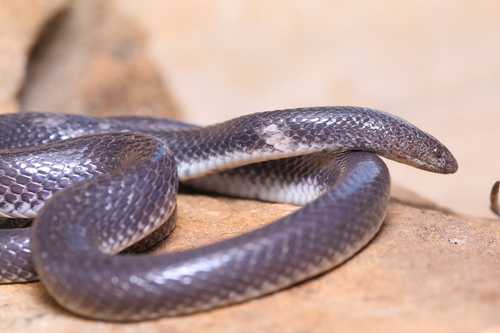
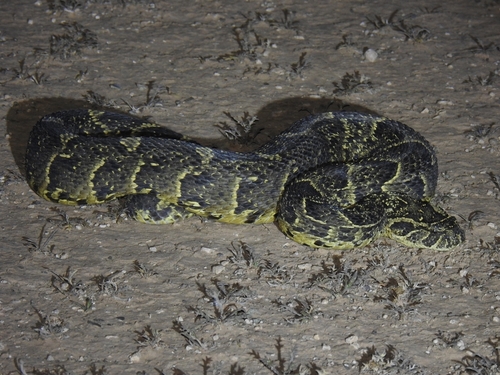
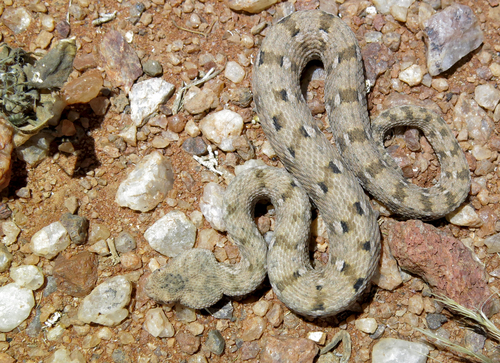
Several medically important venomous groups occur in Namibia. The elapids include cobras, among them spitting cobras that can spray venom toward the eyes as a defense, as well as the highly venomous black mamba in suitable habitat in the north and east. The country is well known for its adders and vipers, including the puff adder, a thick-bodied, widespread snake responsible for many serious bites across its range, along with smaller desert-adapted adders. Burrowing asps, sometimes called stiletto snakes, are also present and deliver venom through fangs that can strike sideways. These are the groups that account for the bites that need medical attention. Many other snakes carry mild venom that is not dangerous to humans, and a large share of species are entirely harmless.
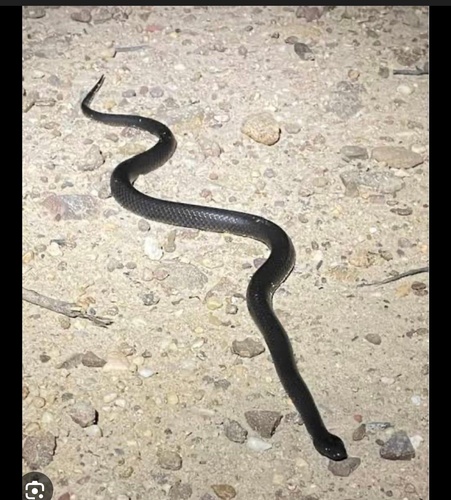
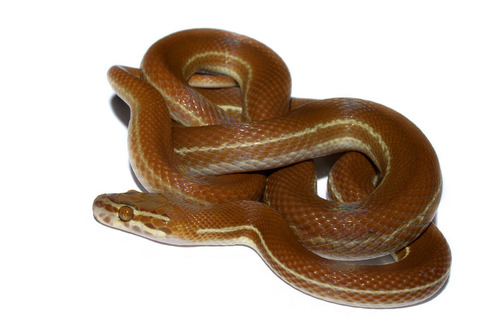
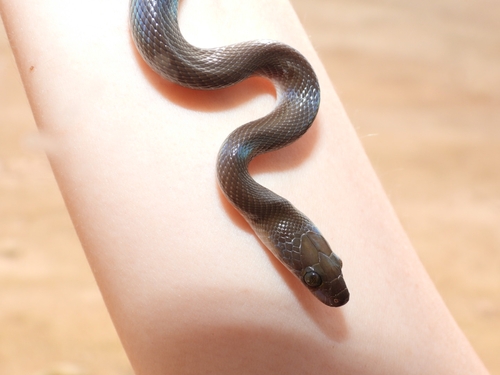
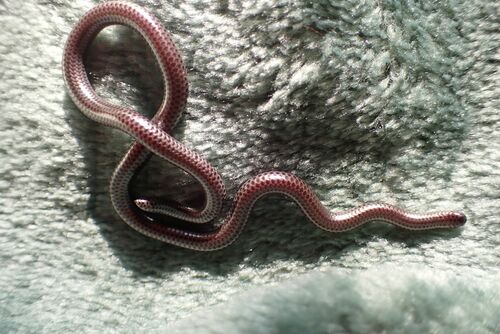
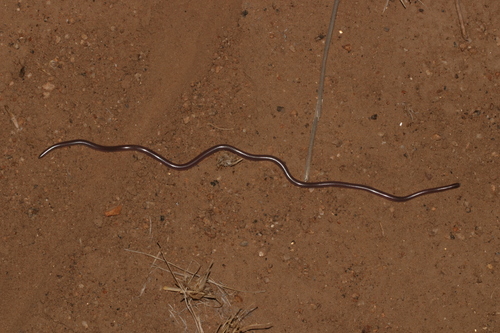
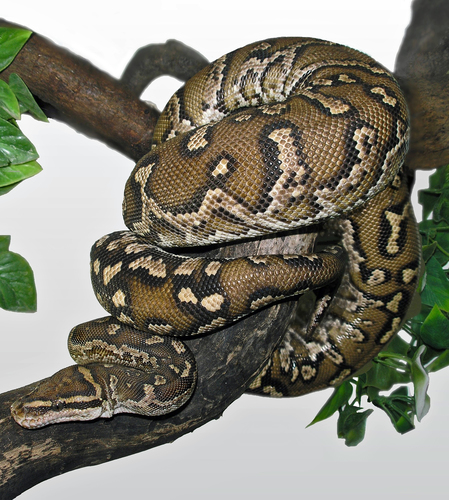
The non-venomous majority is the larger and more visible part of Namibia's snake life. The African rock python is the country's giant, a powerful constrictor that kills prey by squeezing rather than venom and is the largest snake in the region. Beyond the python, the fauna includes many sand snakes, grass snakes, house snakes, egg-eaters, and a range of small burrowing and thread snakes that spend most of their lives out of sight. These snakes are common around farms, settlements, and natural habitat, and most people who encounter a snake in Namibia are seeing a harmless or low-risk species rather than a dangerous one.
Snakes earn their place in Namibia's ecosystems. They are efficient predators of rodents, and rodent control matters in a dry country where rats and mice damage stored grain, raid crops, and spread disease. By keeping rodent and other small-animal numbers in check, snakes provide a natural service to farms, homes, and the wider environment, and they in turn feed birds of prey, larger reptiles, and other predators. Removing snakes from an area often allows pest populations to climb, so a healthy snake community is a sign of a functioning landscape.
On safety, the honest picture is reassuring but not careless. Most snakes you might meet in Namibia are harmless, and snakes generally avoid people and bite only when cornered, trodden on, or handled. The main medical threats come from the puff adder and the larger elapids such as cobras and the black mamba, and spitting cobras can also cause eye injury at a distance. No wild snake should ever be picked up or handled, regardless of how harmless it appears, because identification mistakes are easy and even non-target species can injure you. If a bite or a venom-to-the-eyes incident happens, the correct response is immediate professional medical care: antivenom and hospital treatment are what work, and the patient should reach emergency services without delay. In the United States contact Poison Control at 1-800-222-1222, and anywhere else call your local emergency number or get to the nearest hospital.
Snakes in Namibia: FAQ
- Are there venomous snakes in Namibia?
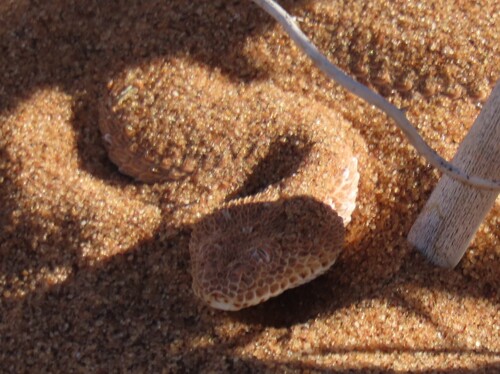
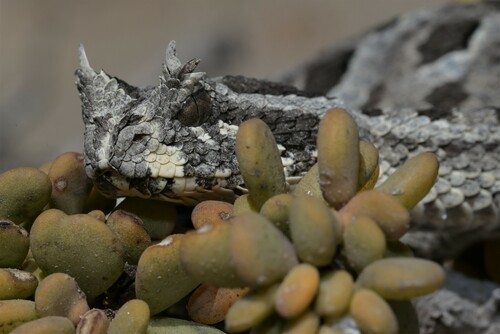
- Yes. 37 venomous snake species have verified records in Namibia, including Horned Adder, Peringuey's Adder, Brown Banded Cobra, Puff Adder. Most snakes in Namibia, however, are harmless.
- How many snake species live in Namibia?
- 125+ snake species have verified records in Namibia, of which 37 are venomous.
- What is the most commonly seen snake in Namibia?
- The Horned Adder is the most frequently reported snake in Namibia, based on verified wildlife observations.
- What should I do if I see a venomous snake in Namibia?
- Keep your distance and do not try to catch or kill it. Most bites happen when people handle or corner a snake. If someone is bitten, contact local emergency services or poison control immediately.
Venomous snakes in Namibia
Every snake recorded in Namibia
125+ species across 15 families, grouped by family. Venomous flagged.
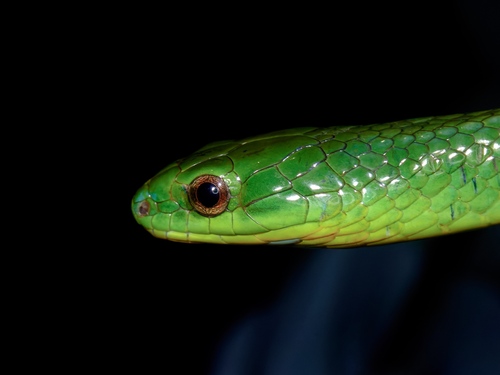
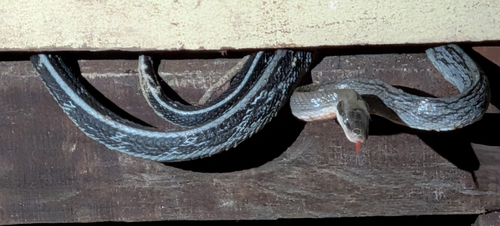
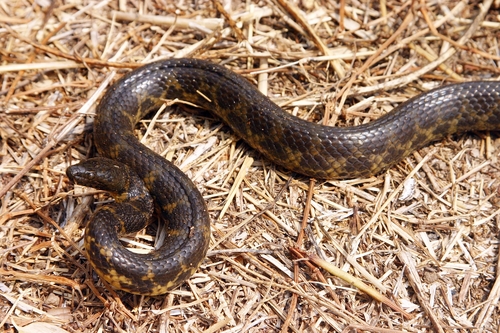
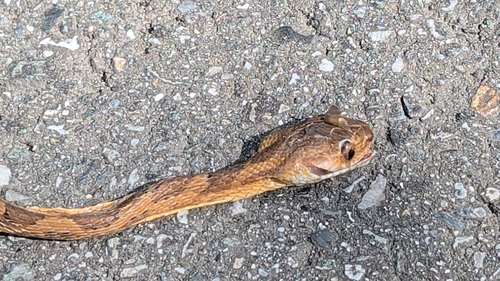
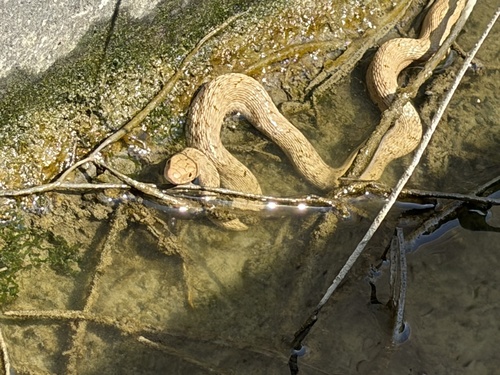
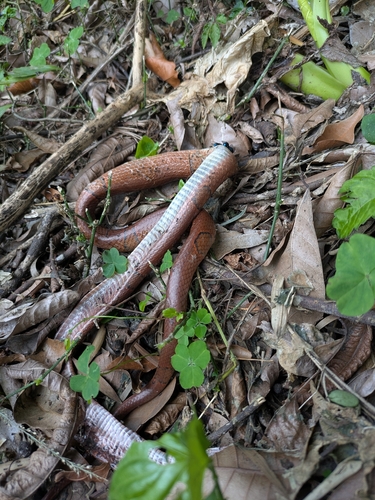
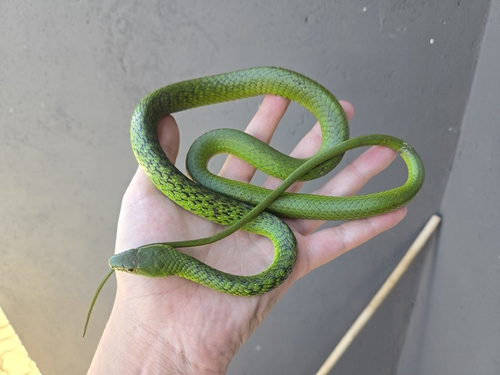
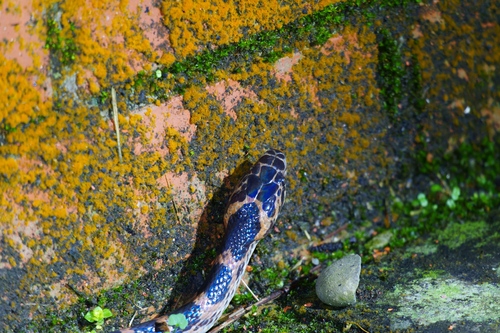
Colubridae (39)
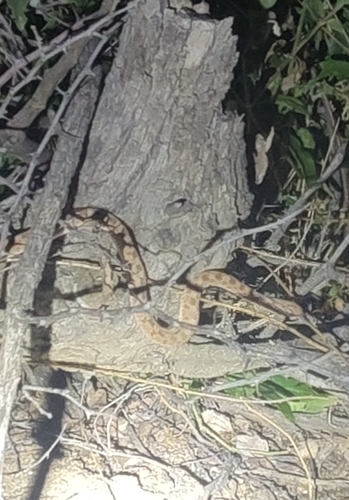
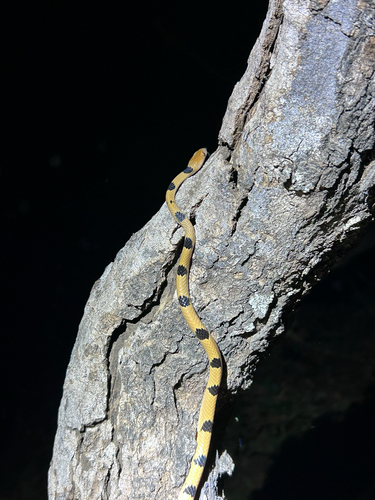
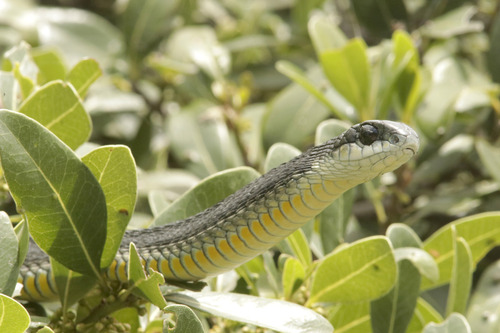
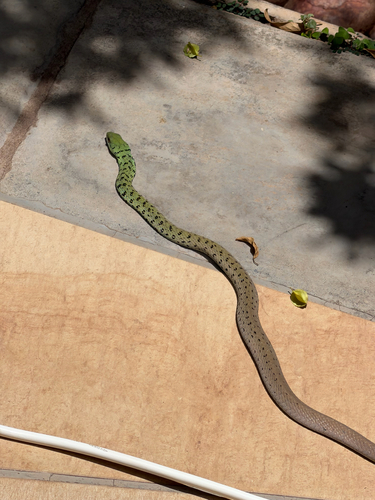
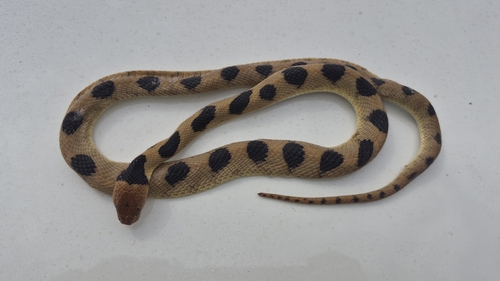
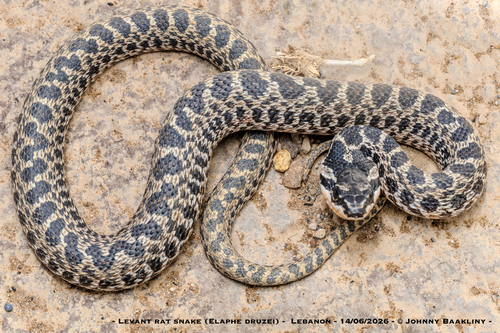
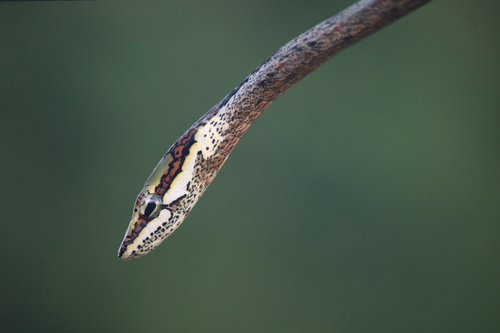
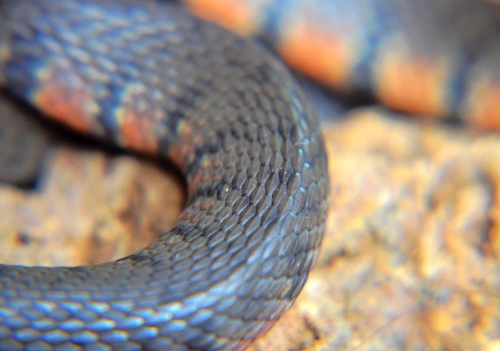
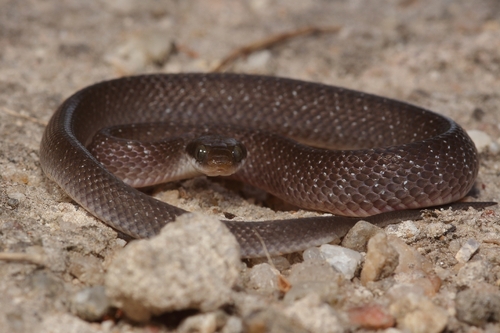
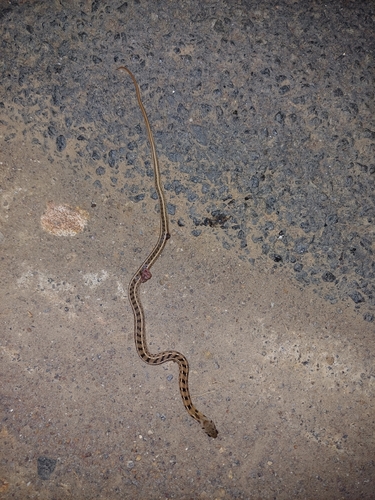
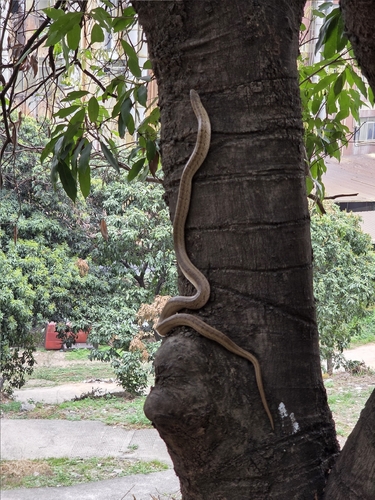
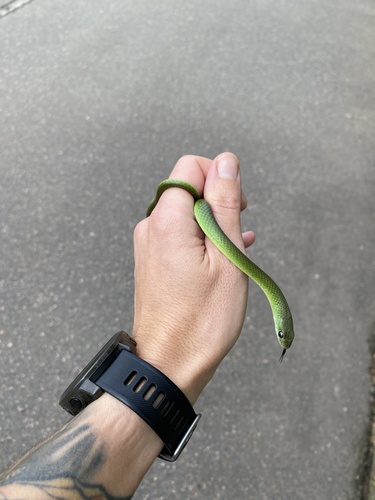
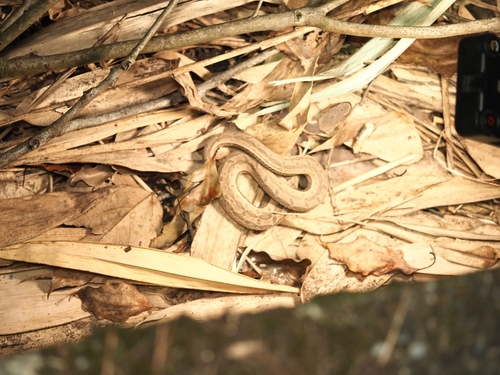
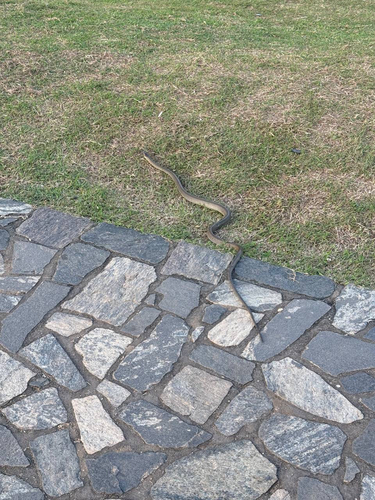
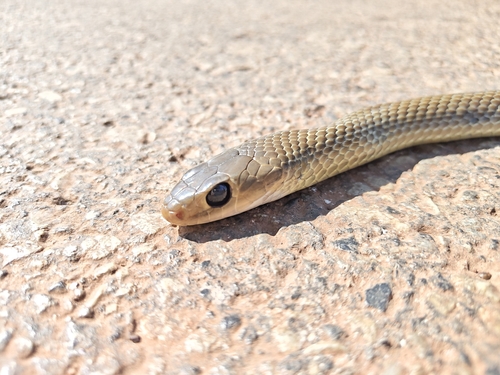
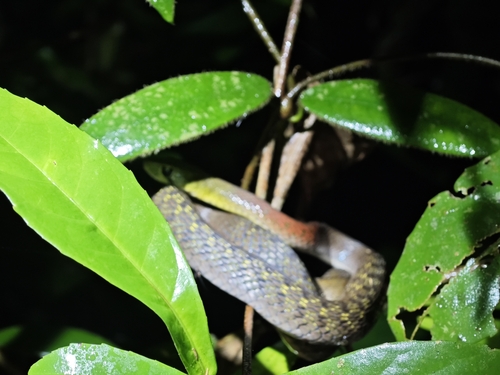
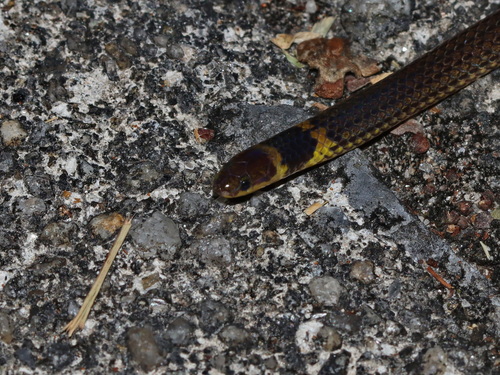
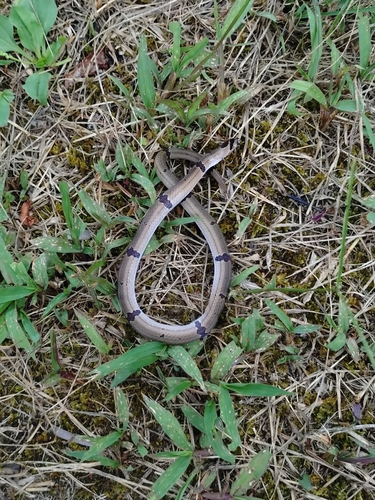
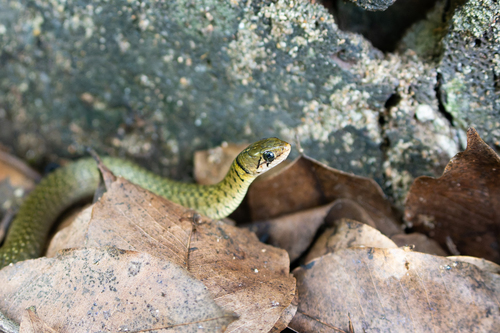
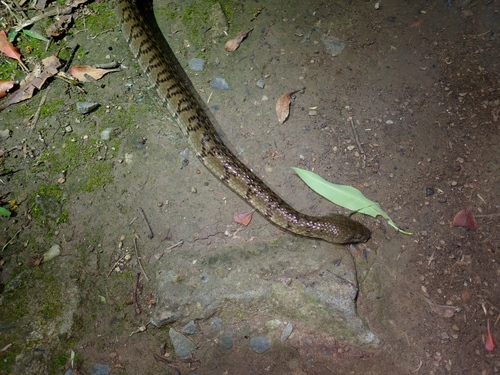
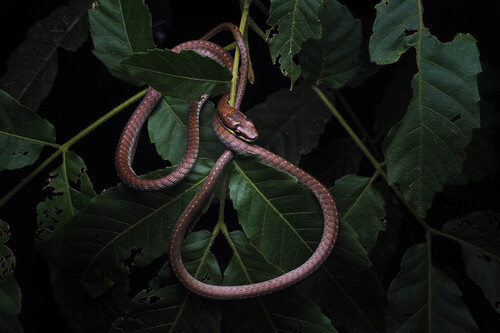
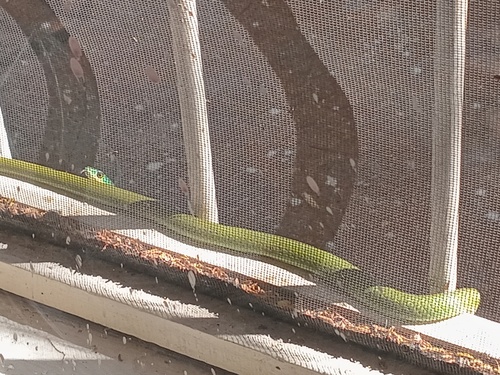
Elapidae (21)
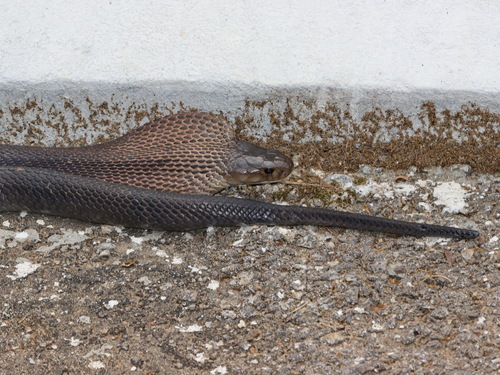
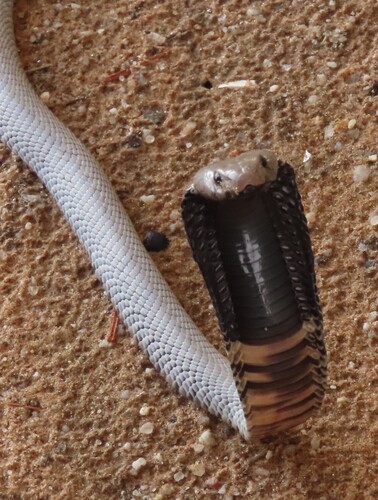
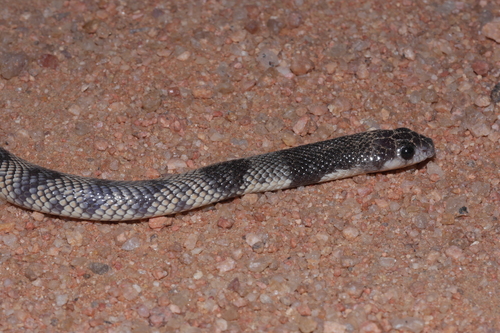
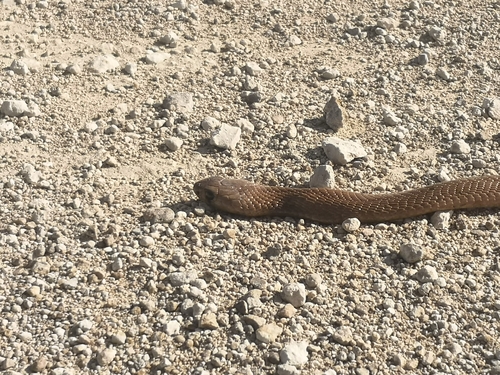
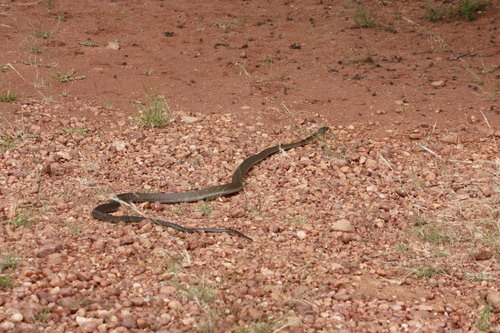
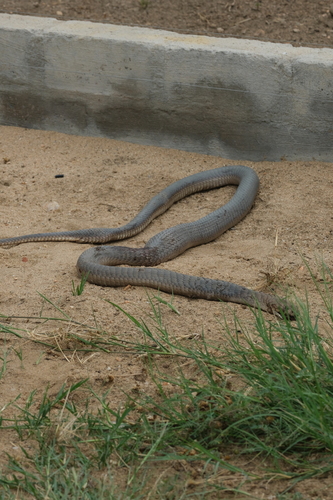
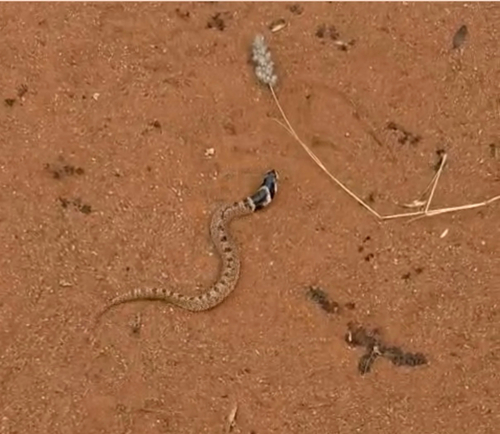
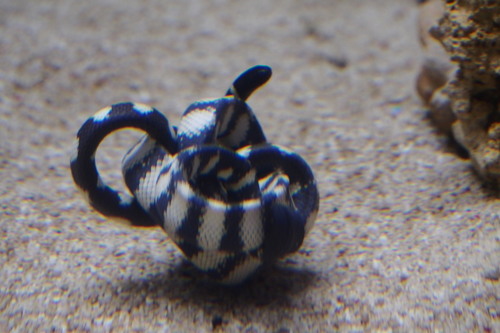
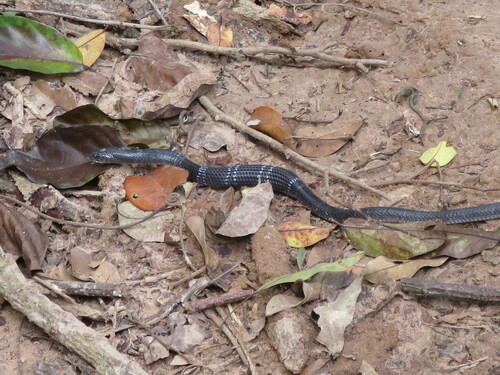
Psammophiidae (16)
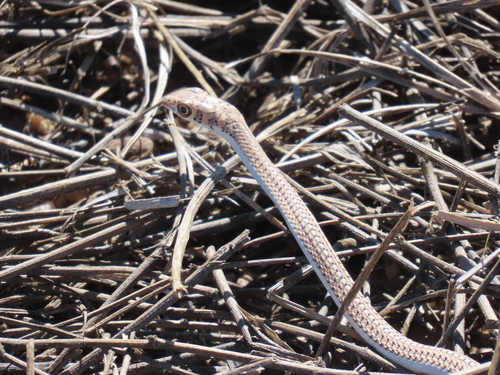
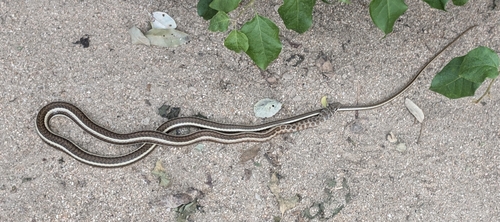
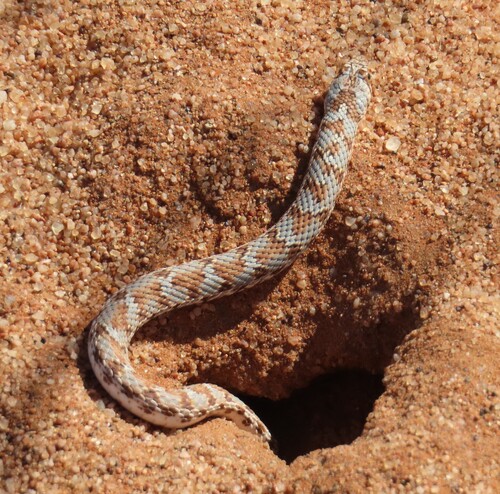
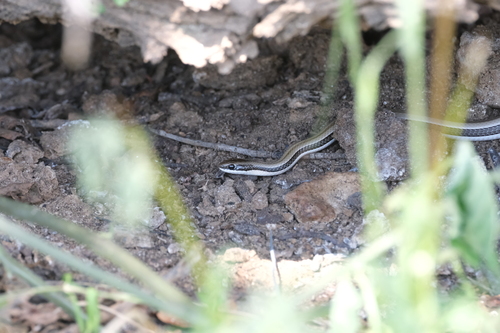
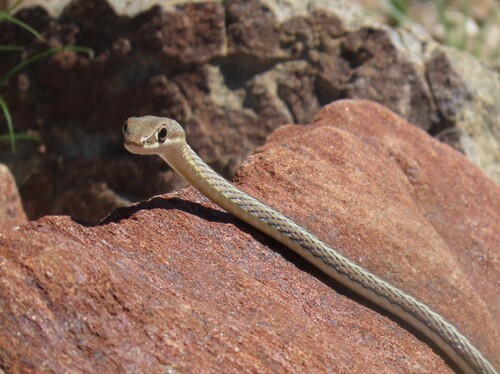
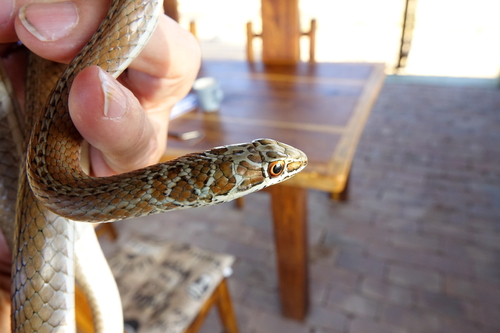
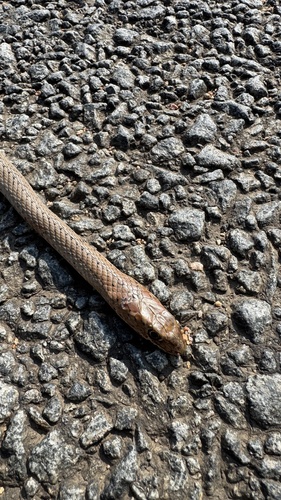
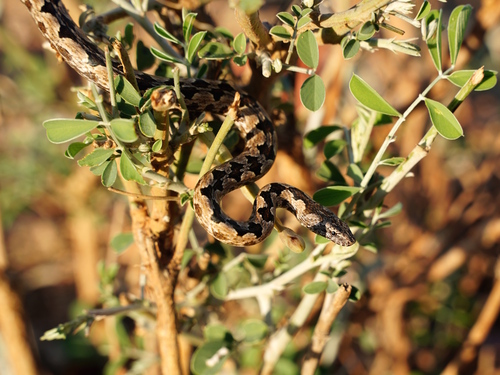
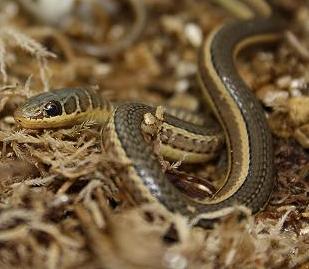

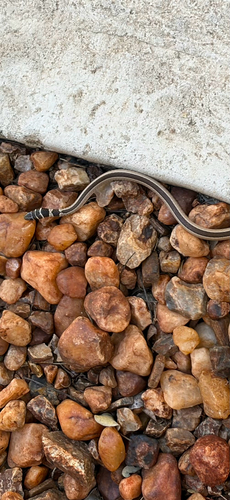
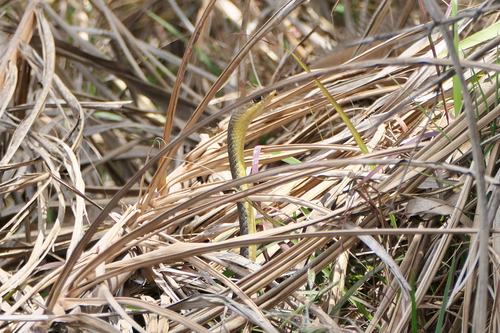
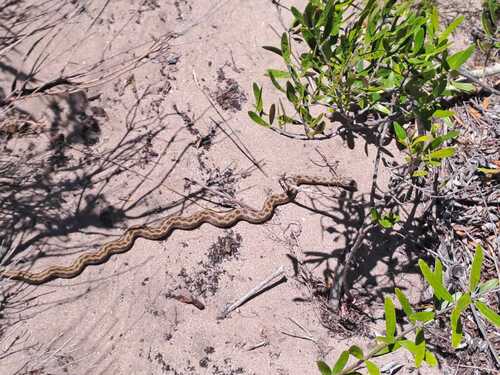
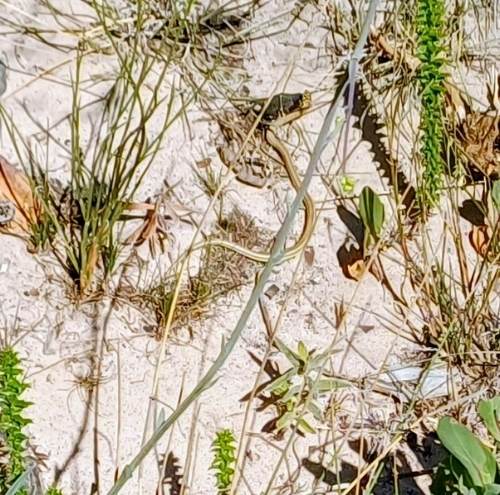
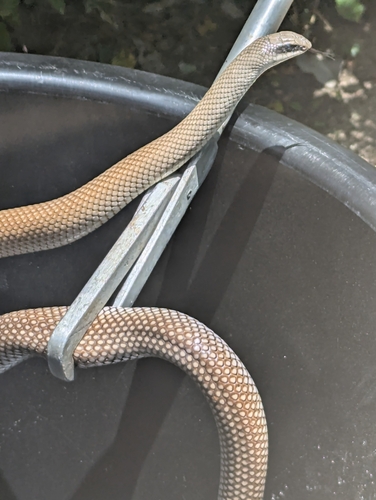
Lamprophiidae (15)
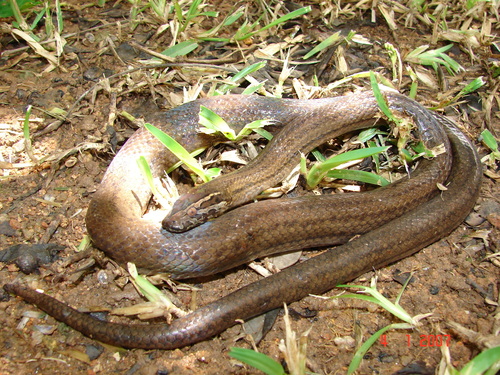
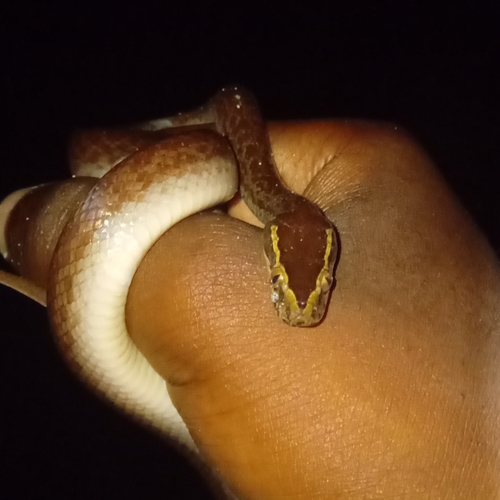
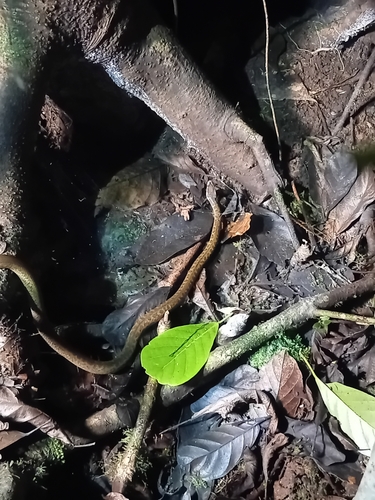
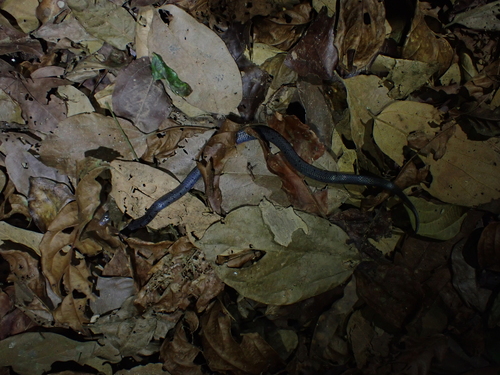
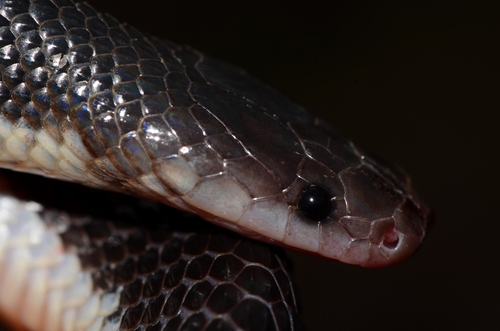
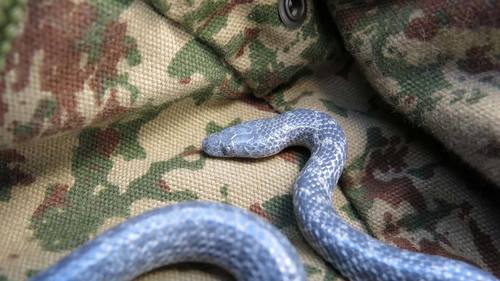
Viperidae (11)

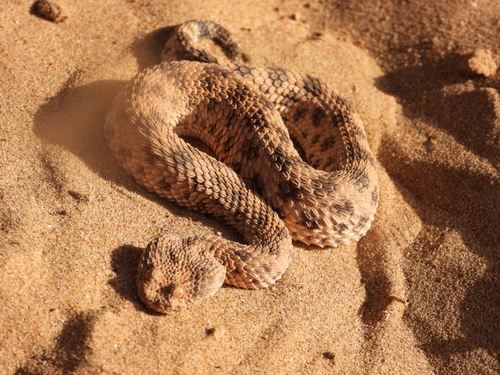
Atractaspididae (7)
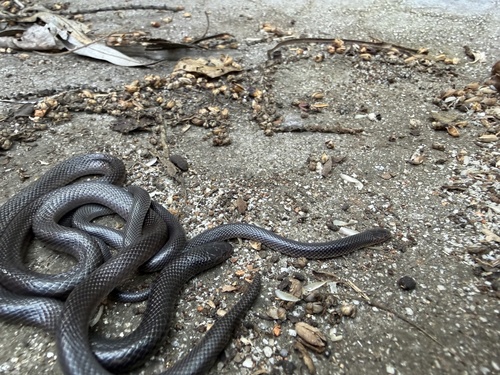
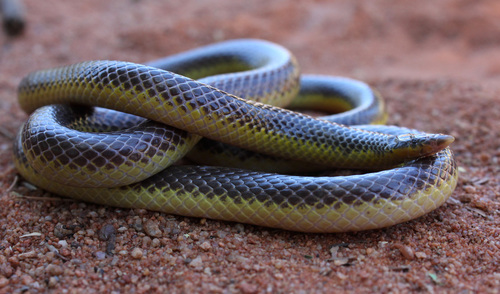
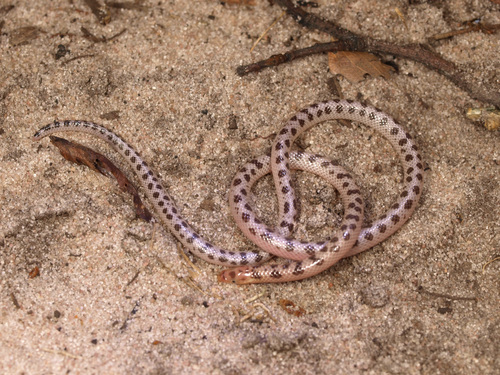
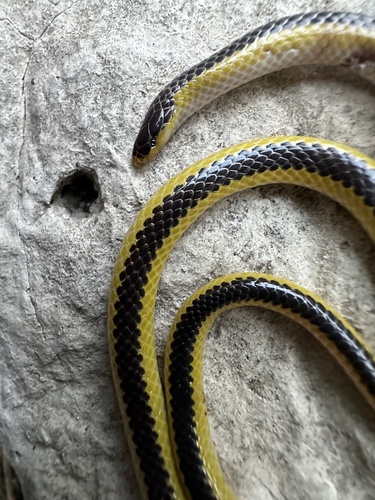
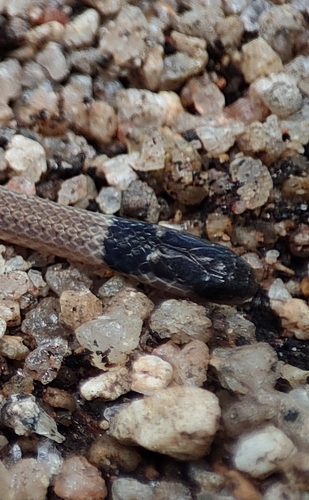
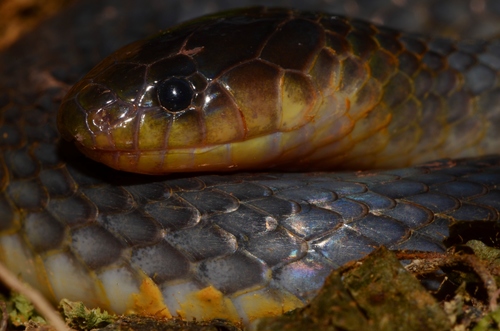
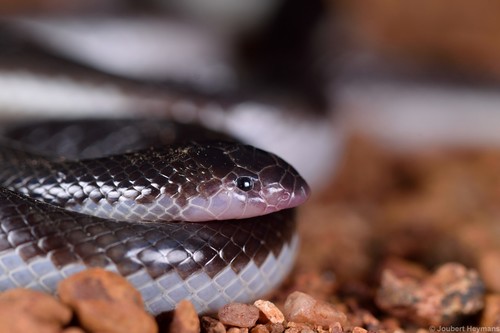
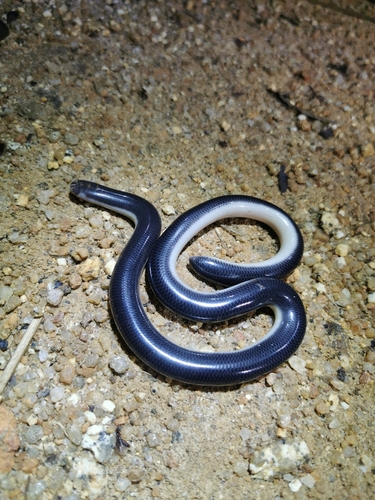
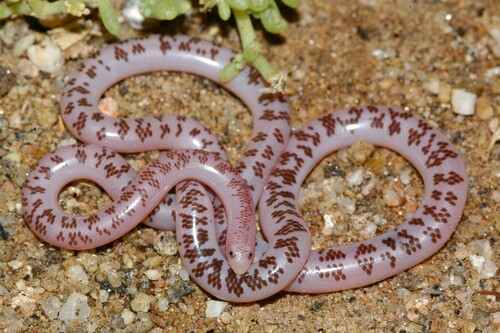
Leptotyphlopidae (6)
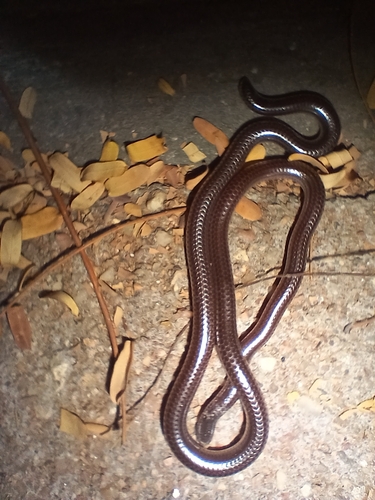
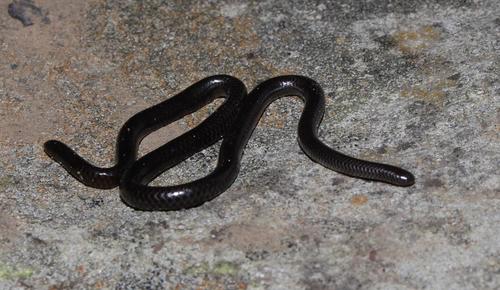
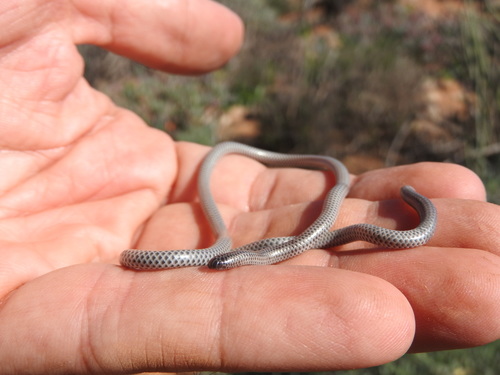
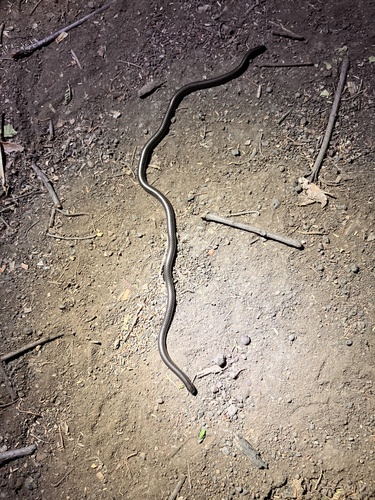
Prosymnidae (6)
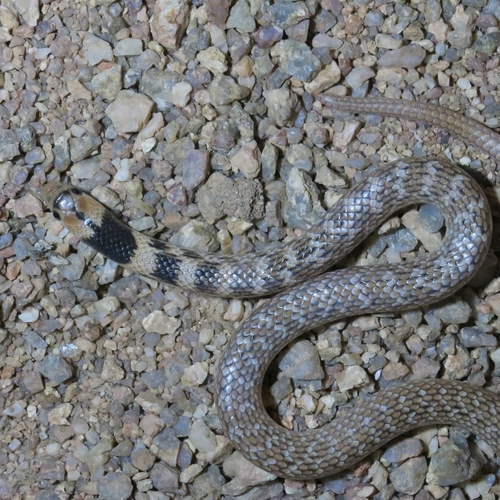
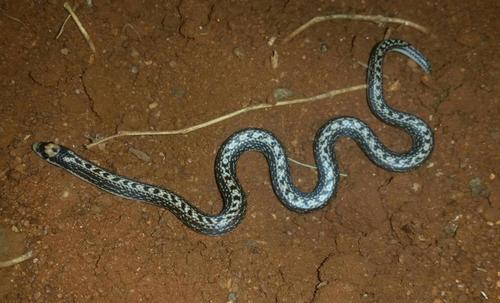
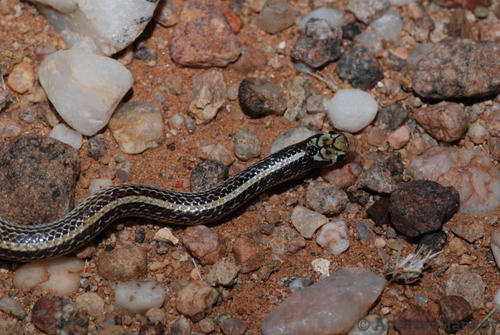
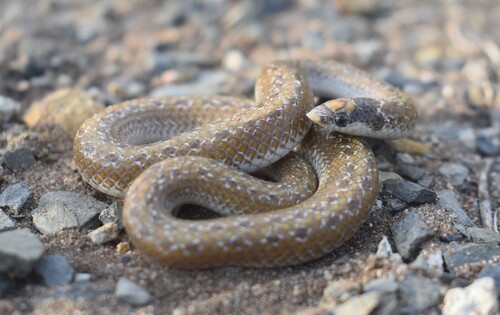

Pythonidae (5)
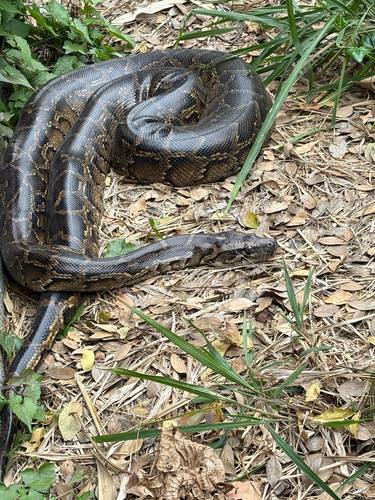
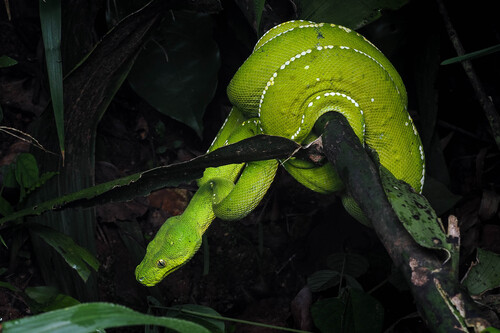
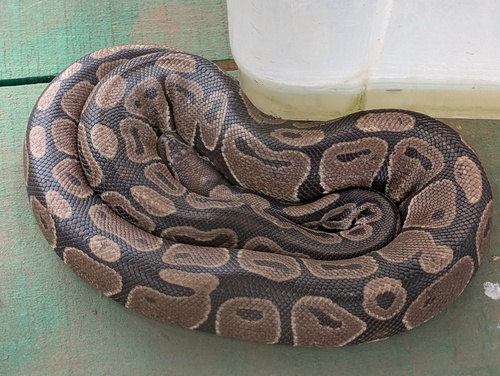
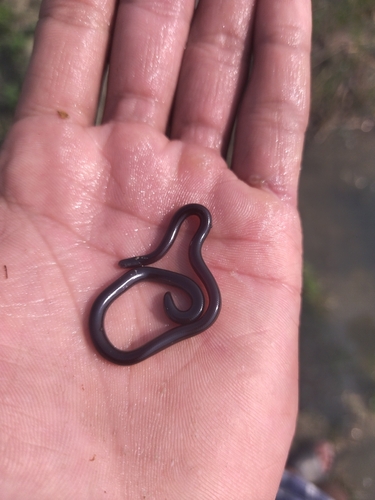
Typhlopidae (4)
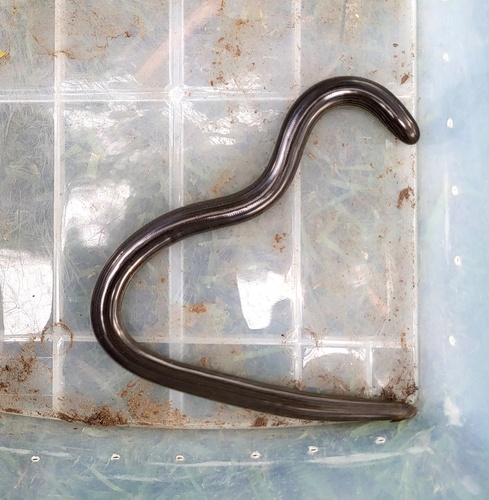
Pseudaspididae (3)
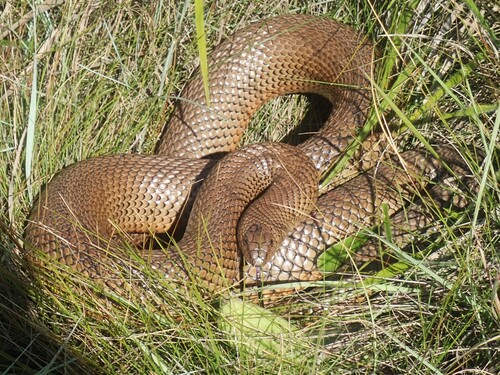
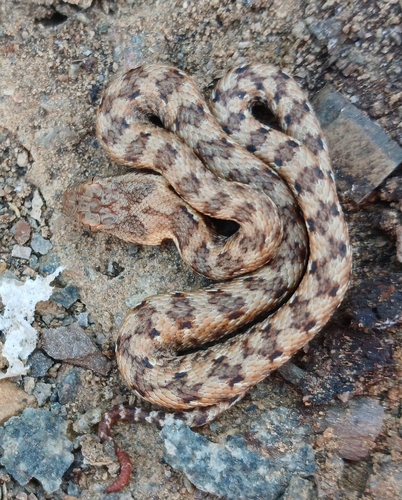
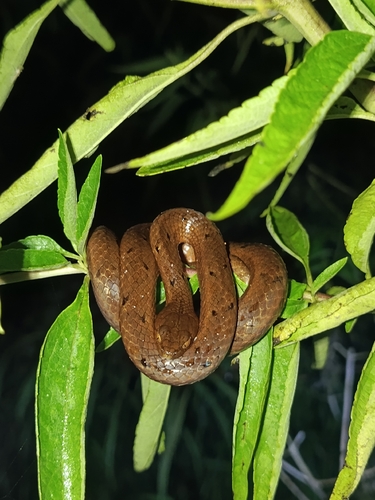
Pareidae (2)
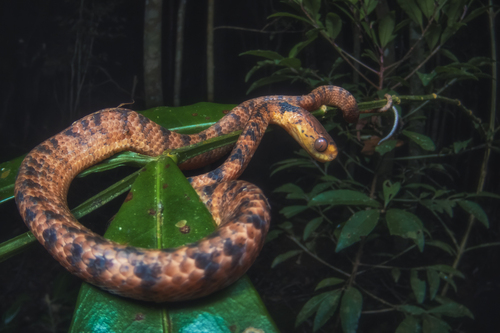
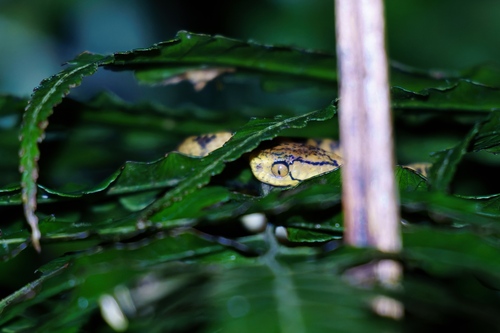
Homalopsidae (1)
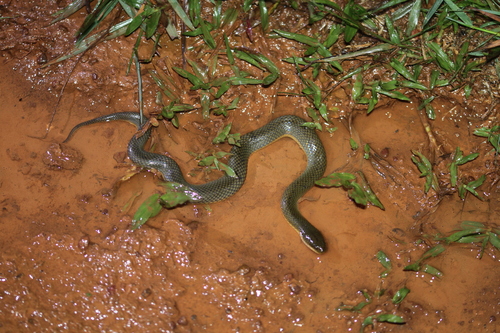
Boidae (1)
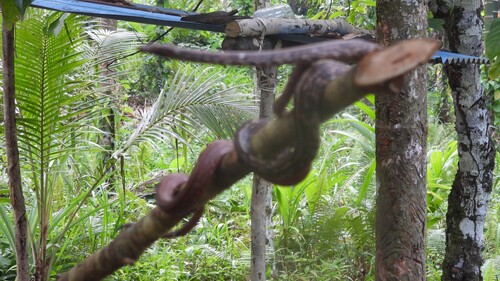
Xenodermidae (1)
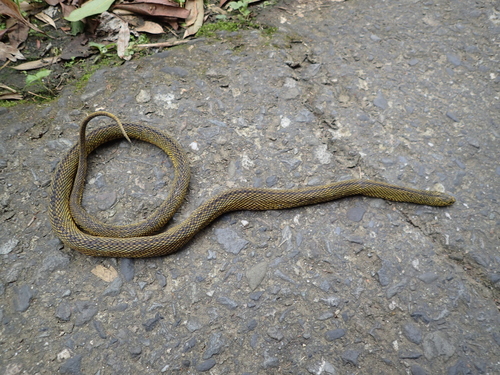
Compiled from verified GBIF & iNaturalist observations. "How often seen" reflects how frequently a snake is reported here, not how dangerous it is. Informational only.
Keep learning
- Are Snakes Dangerous? The Real Risk, in PerspectiveMost snakes are harmless and avoid people. Here is the honest picture of snakebite risk worldwide and how to lower your own.
- Snakebite First Aid: What to Do (and What Never to Do)A clear, CDC-based guide to snakebite first aid: the steps that help, the popular myths that hurt, and how to tell a serious bite from a minor one.
- Venomous vs Nonvenomous: How to Tell the DifferenceThe folk rules for telling venomous snakes apart, where each one fails, and why location-based identification beats guessing by sight.
- What to Do If You Find a SnakeFound a snake at home or on a trail? Here is how to stay calm, give it space, identify it safely, and know when to call a professional.