
Myanmar
Snakes in Myanmar
200+ snake species have been recorded in Myanmar, 66 venomous.
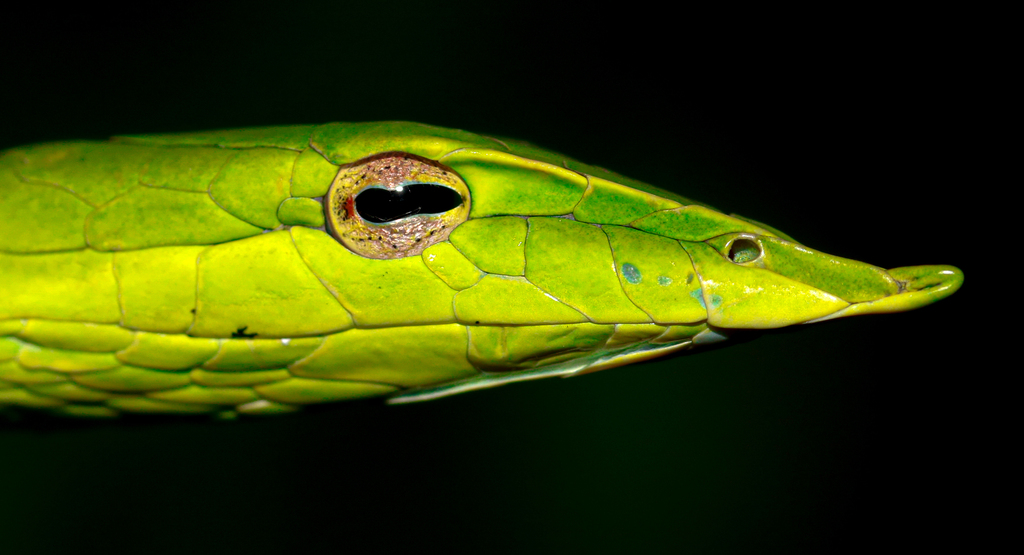
Snakes of Myanmar
Myanmar is one of the most snake-rich countries in Asia, with 200+ species recorded in our data, of which 66 are venomous. The country sits at a biological crossroads where the fauna of South Asia meets that of Southeast Asia, and that overlap is a big part of why the snake list runs so long. Few places of comparable size pack in this much reptile diversity.
The geography does most of the work. In the north, the Himalayan foothills rise into cool, forested highlands that support montane species. Through the center runs the Irrawaddy basin, a vast river system whose floodplains and delta create warm, wet, low-lying habitat that snakes thrive in. Across the rest of the country, tropical and monsoon forests provide dense cover, year-round prey, and the kind of humid heat that reptiles depend on. Each of these zones holds its own communities of species, and together they explain the headline number.
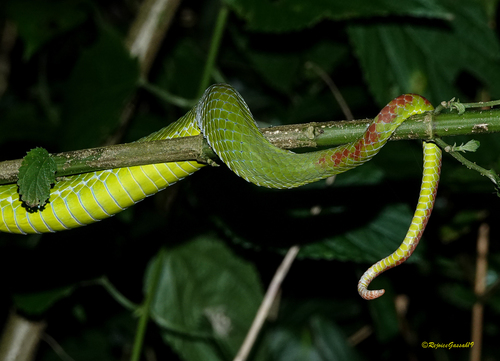
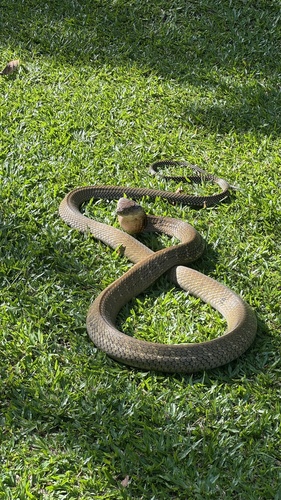
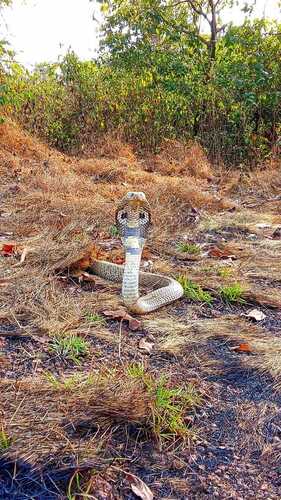
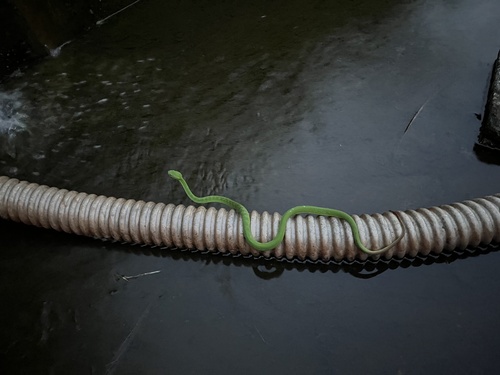
The venomous snakes belong to a handful of well-known groups. Russell's viper (genus Daboia) is the standout and a leading cause of fatal bites in Myanmar, falling heavily on rice farmers who work the flooded fields where the snake hunts rodents. The monocled cobra (Naja kaouthia) is widespread, the king cobra reaches impressive size in forested areas, and several kraits (genus Bungarus) are active at night and easily overlooked. Green pit vipers, often arboreal and well camouflaged, round out the medically important set. These are the species behind most serious envenomings.
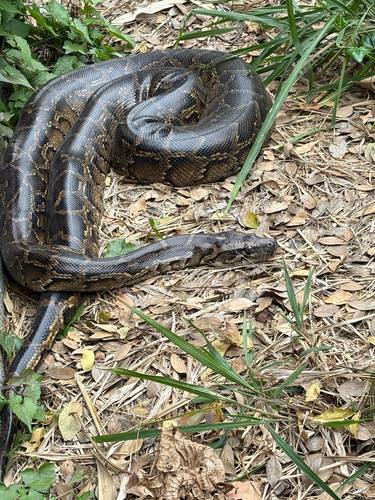
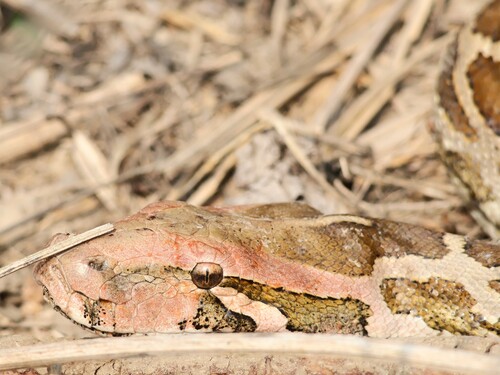
The large majority of Myanmar's snakes are not venomous to people. The Burmese python and the reticulated python are the giants, killing by constriction rather than venom. Rat snakes are common around farms and villages where they help control rodents, and a long roster of colubrids fills out the forests, wetlands, and grasslands. Most of the snakes a person is likely to encounter pose no venom threat at all, even if telling species apart by sight is genuinely difficult.
On safety, the honest picture is sobering. Myanmar carries one of the highest snakebite burdens in Asia, and Russell's viper is the dominant threat, with agricultural workers most exposed. Reliable antivenom supply remains a real public-health challenge across much of the country, which raises the stakes of every serious bite. None of this is a reason to fear the landscape, but it is a reason to take encounters seriously and to know that timely medical care matters.
No wild snake should be handled, regardless of how harmless it may appear, because identification in the field is unreliable and the consequences of a mistake can be severe. If a bite occurs, the right response is to get to professional emergency medical care as quickly as possible and let trained clinicians manage treatment. Antivenom and supportive care given in a hospital are what save lives here, and that decision belongs to medical professionals rather than to anything attempted on the spot.
Snakes in Myanmar: FAQ
- Are there venomous snakes in Myanmar?
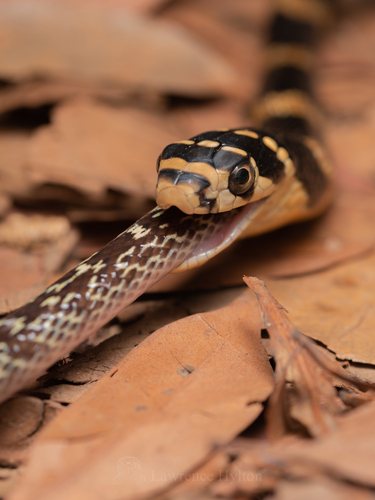
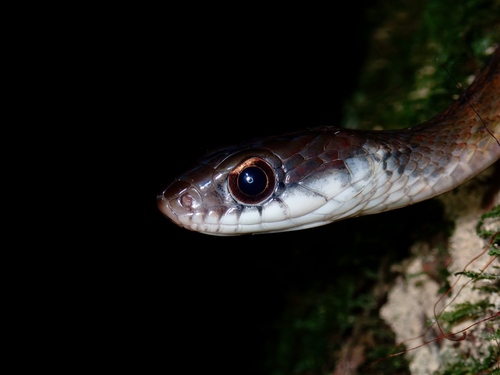
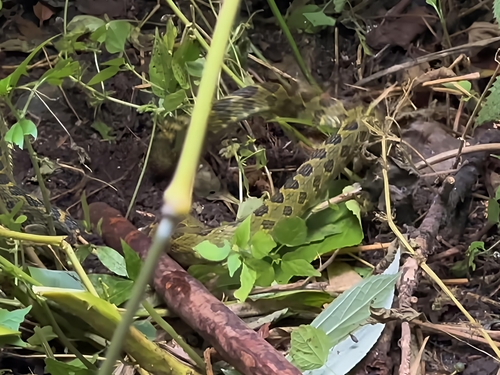
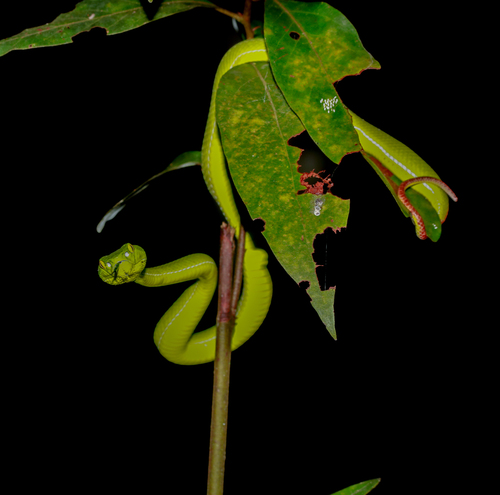
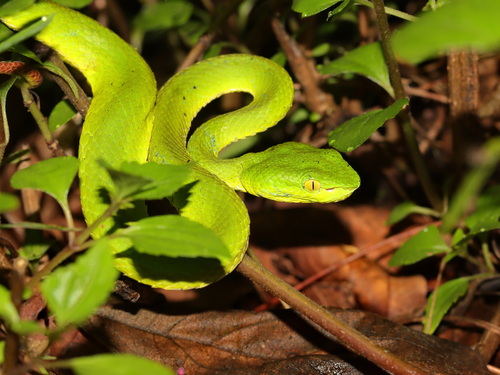
- Yes. 66 venomous snake species have verified records in Myanmar, including Lanna Green Pitviper, Siamese Red-necked Keelback, Red-necked Keelback, Bungarus sagittatus. Most snakes in Myanmar, however, are harmless.
- How many snake species live in Myanmar?
- 200+ snake species have verified records in Myanmar, of which 66 are venomous.
- What is the most commonly seen snake in Myanmar?
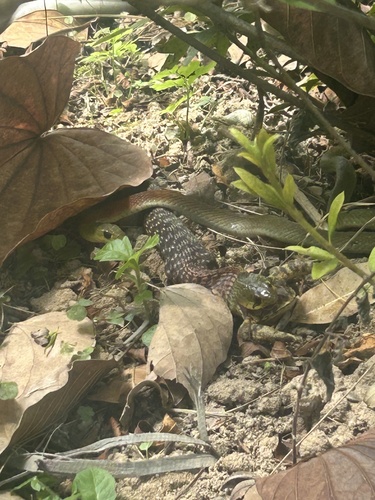
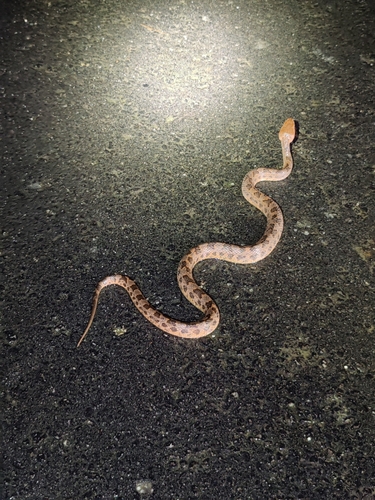
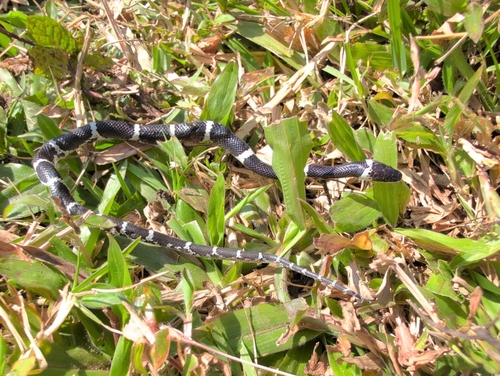
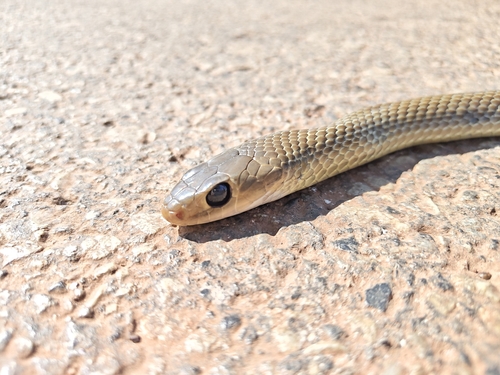
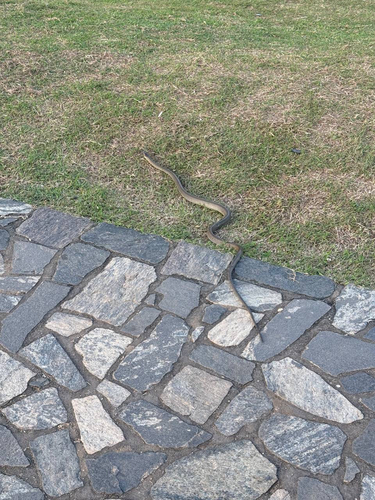
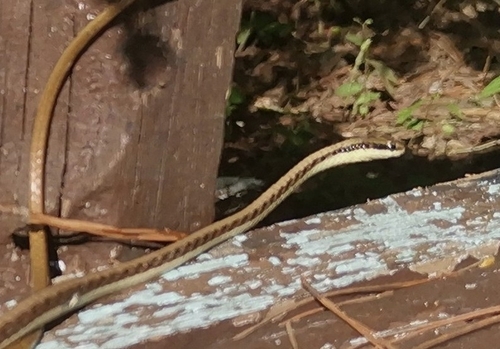
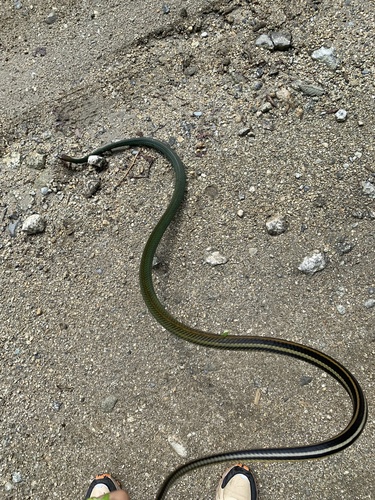
- The Indochinese Long-nosed Whipsnake is the most frequently reported snake in Myanmar, based on verified wildlife observations.
- What should I do if I see a venomous snake in Myanmar?
- Keep your distance and do not try to catch or kill it. Most bites happen when people handle or corner a snake. If someone is bitten, contact local emergency services or poison control immediately.
Venomous snakes in Myanmar
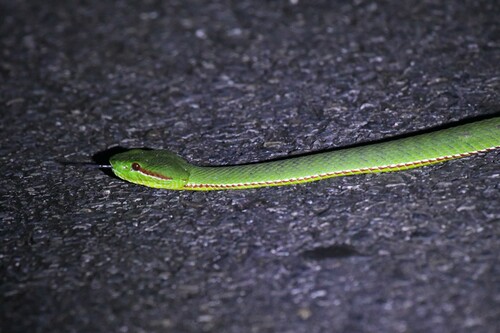
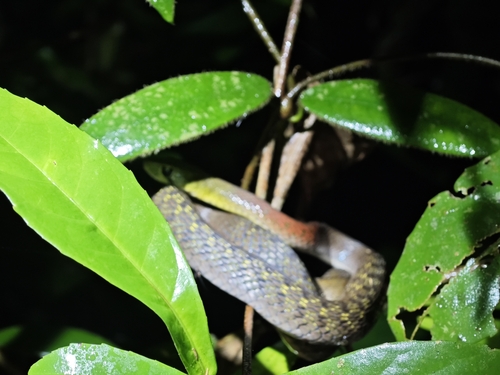
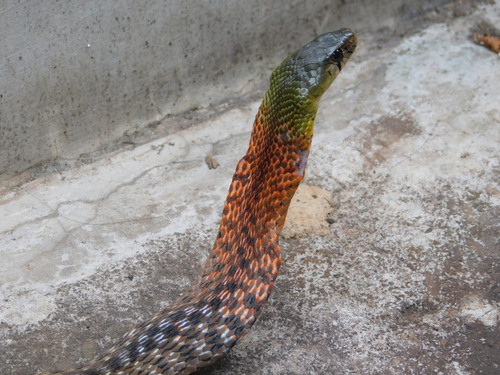
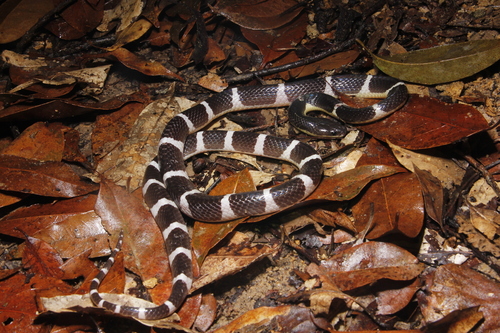
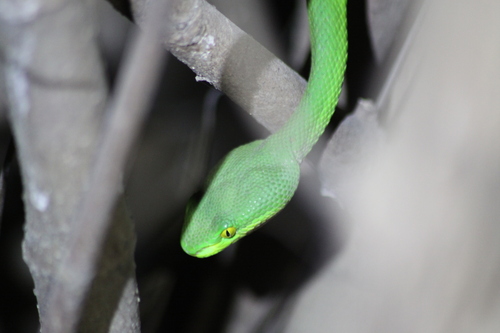
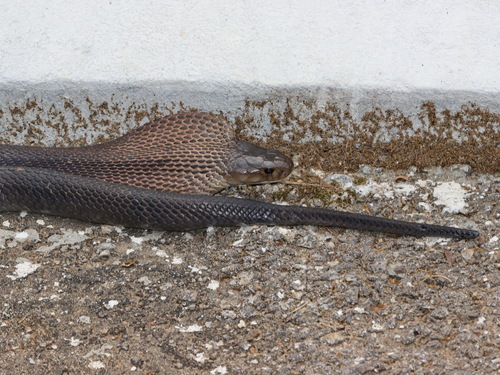
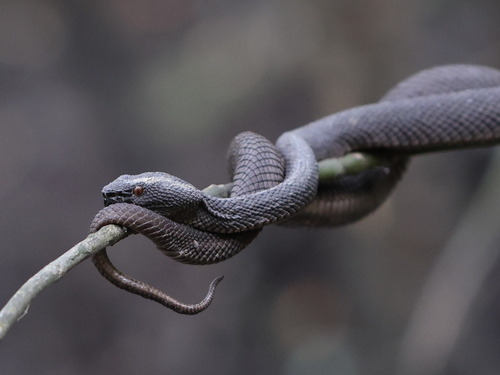
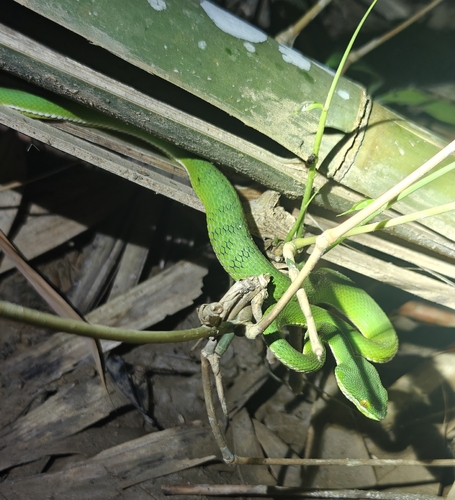

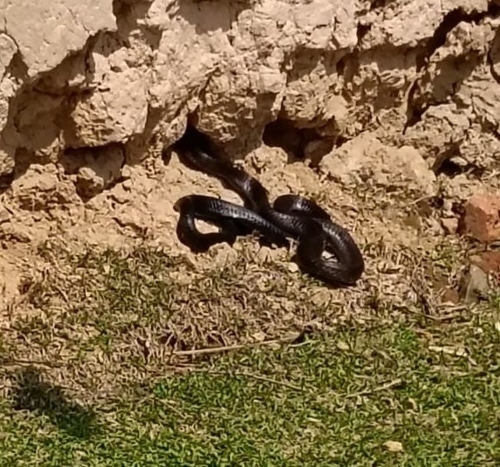
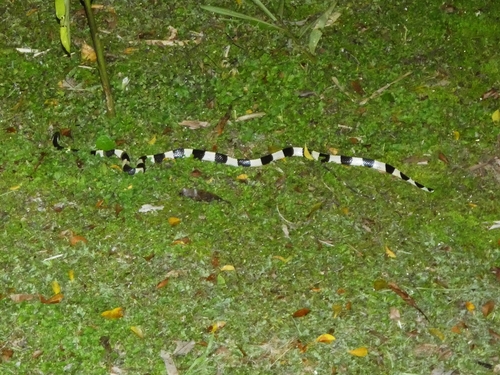
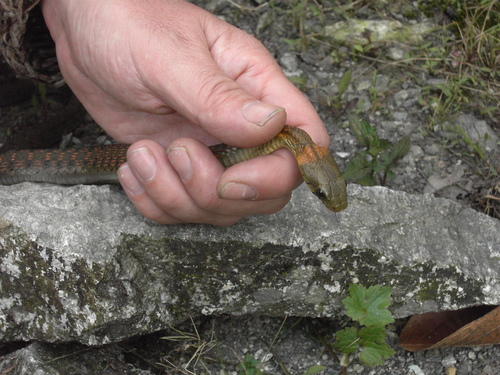
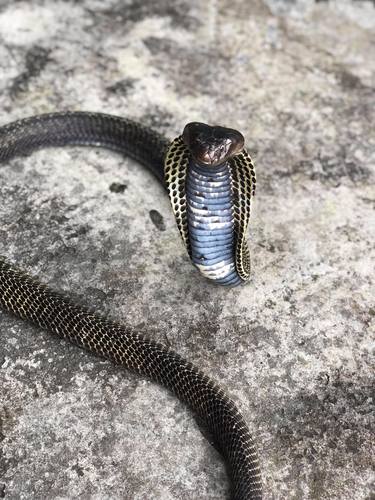
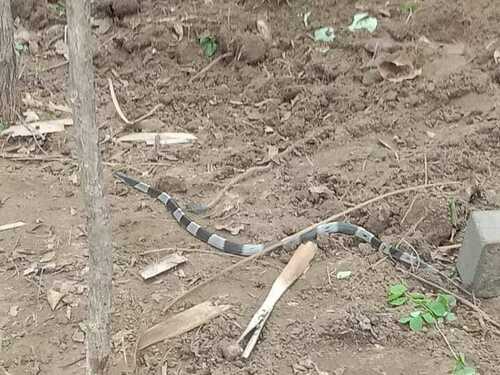
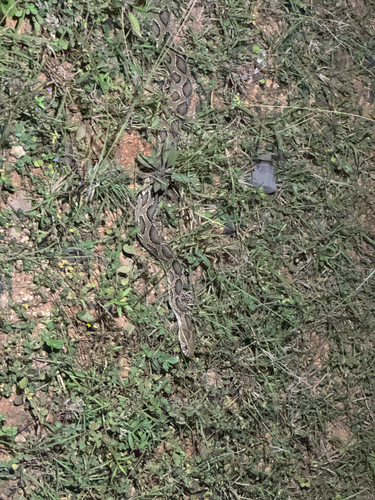
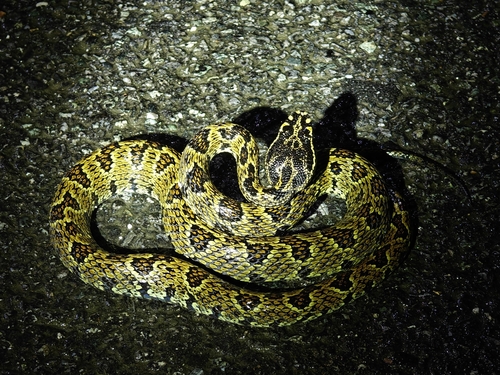
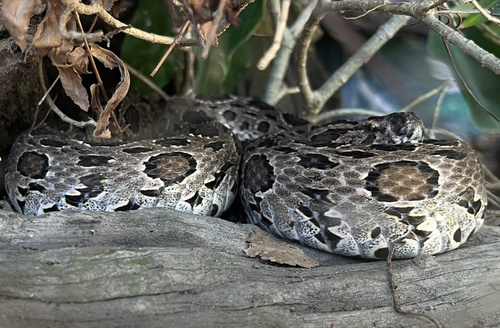
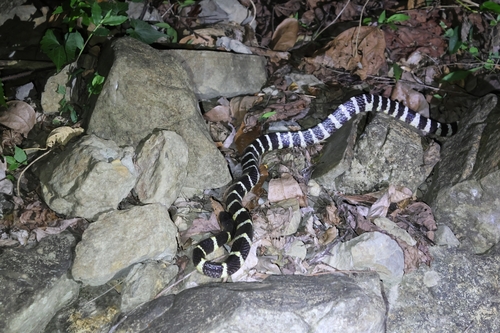
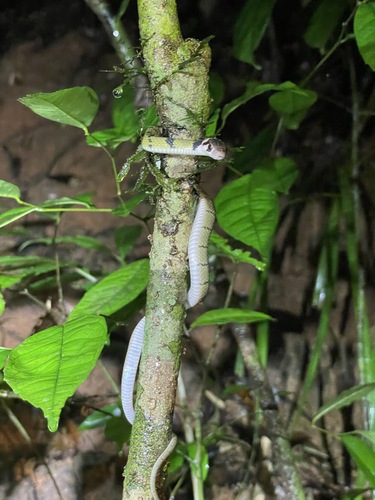
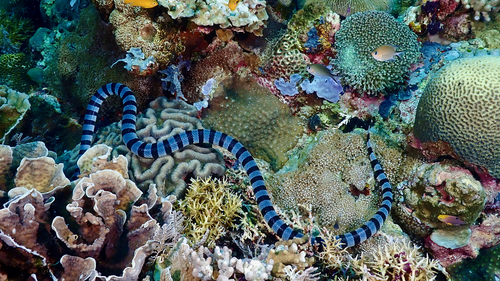
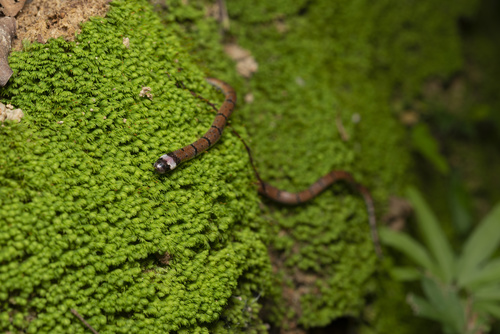
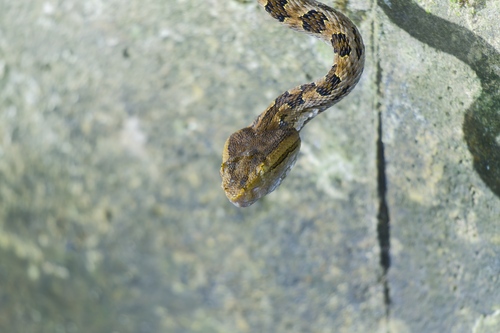
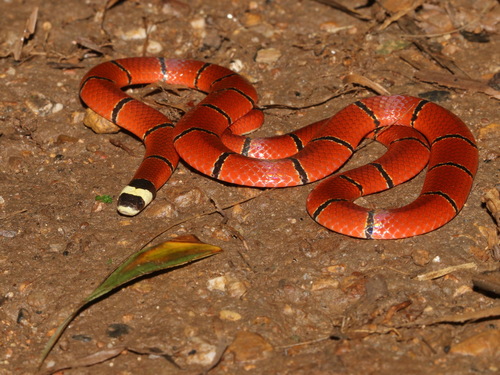

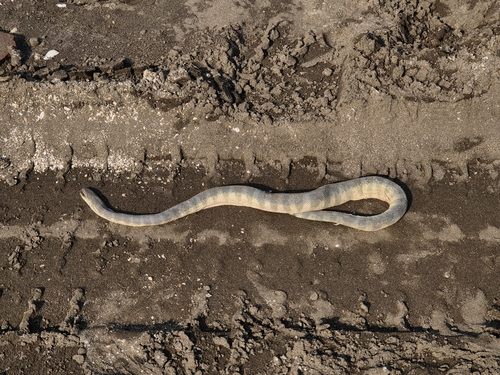
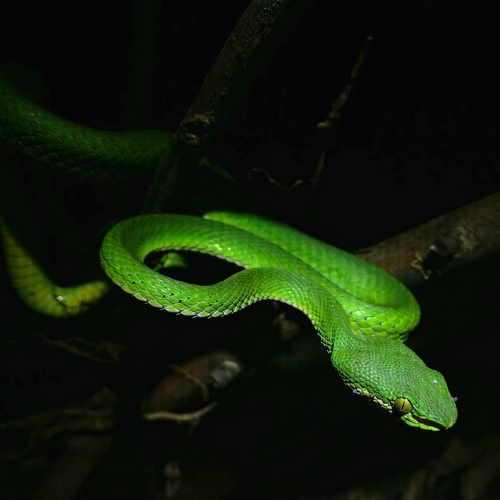
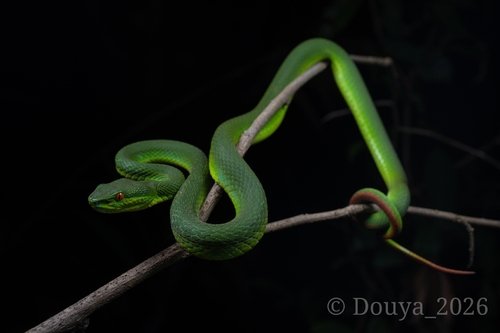
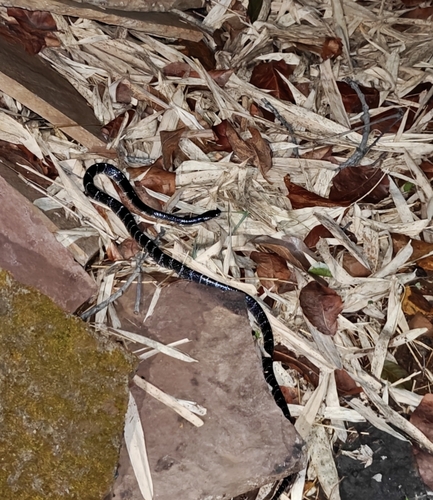

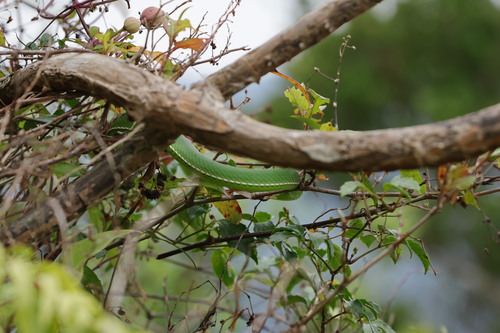
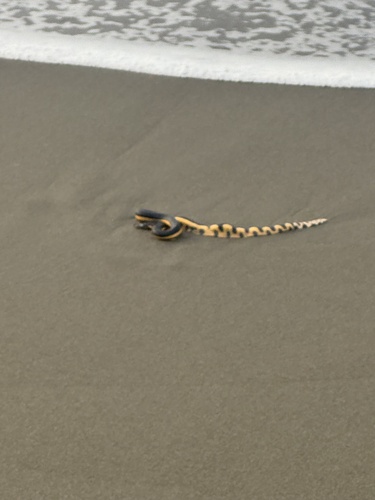
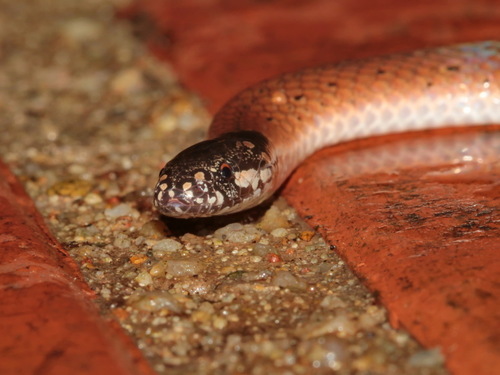
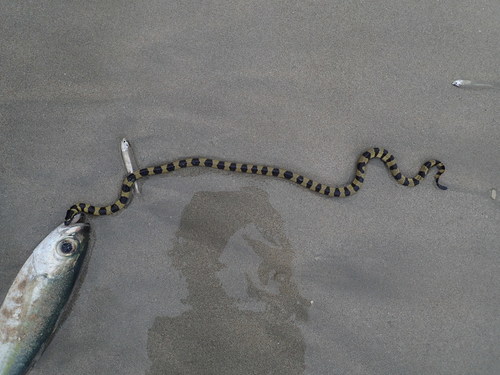
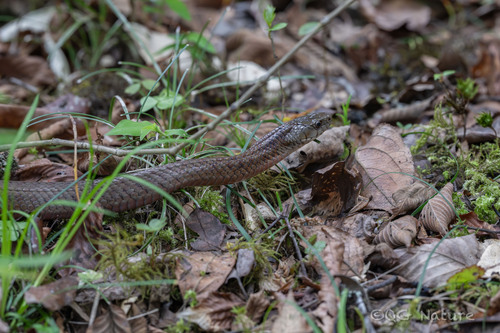
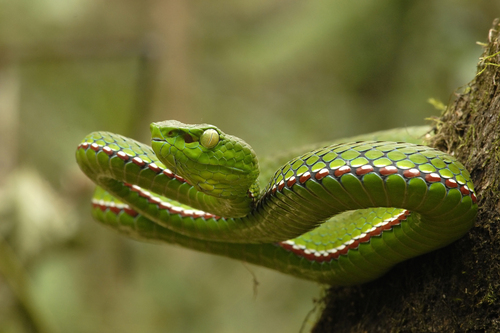
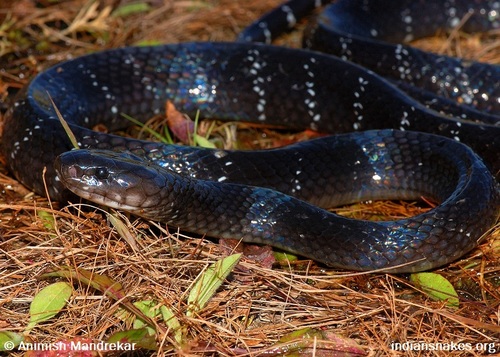
- No photo
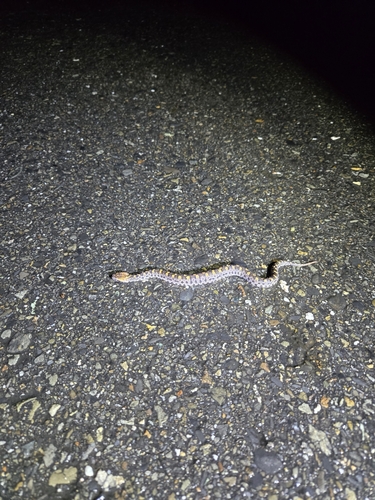
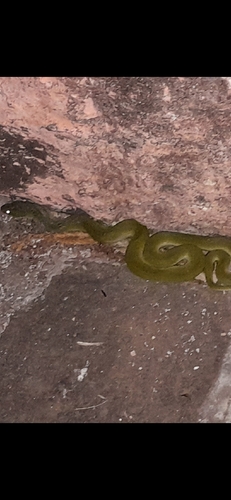

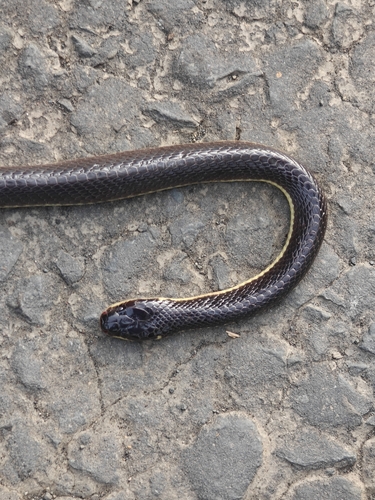

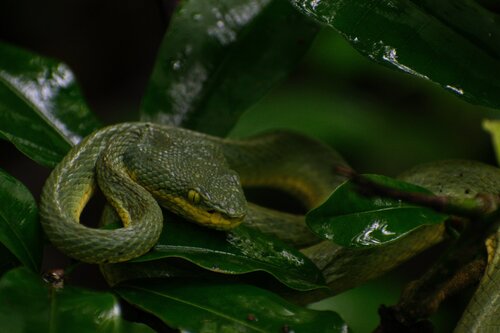
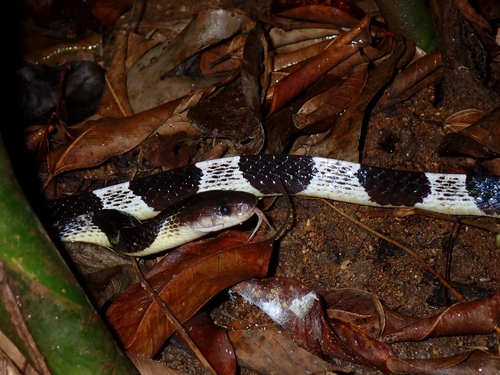
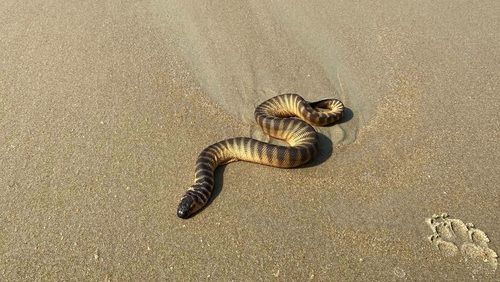
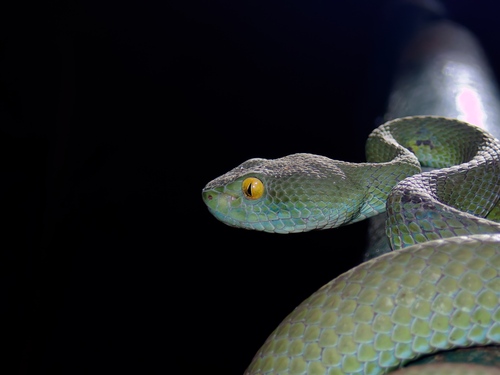
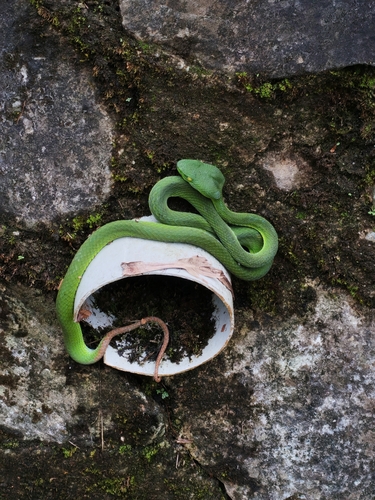
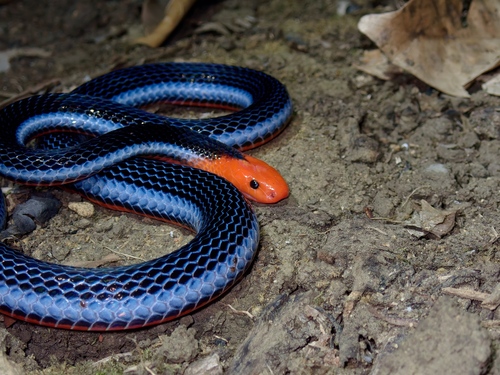
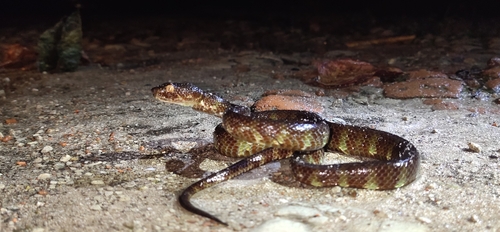
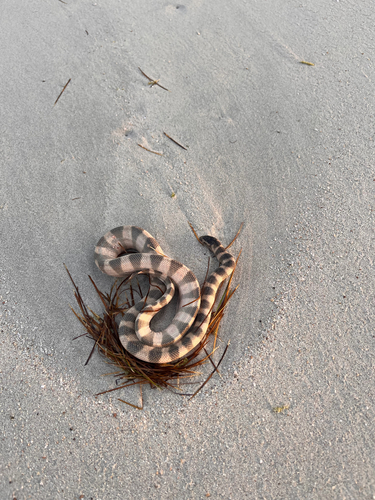
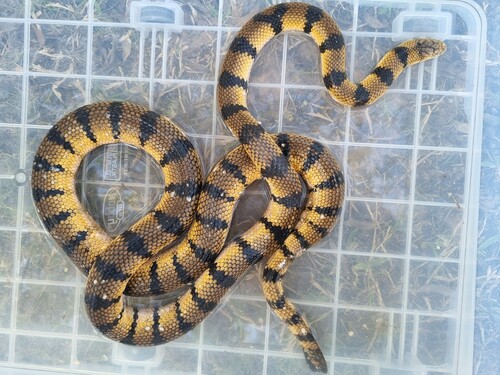

Every snake recorded in Myanmar
200+ species across 13 families, grouped by family. Venomous flagged.
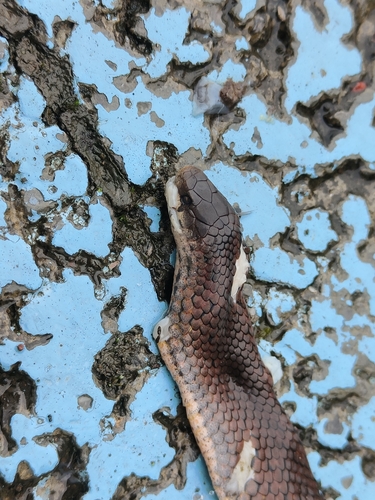
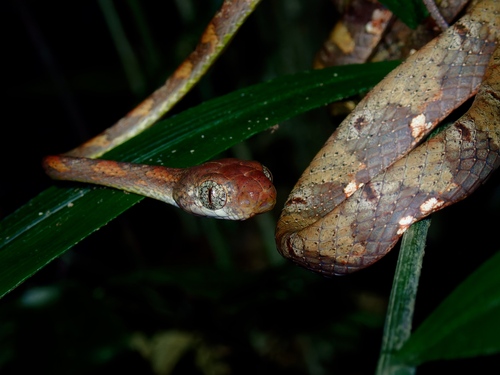
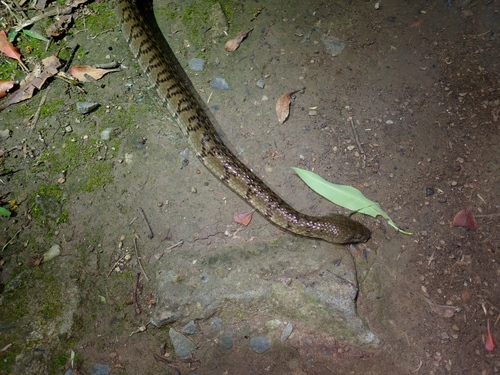
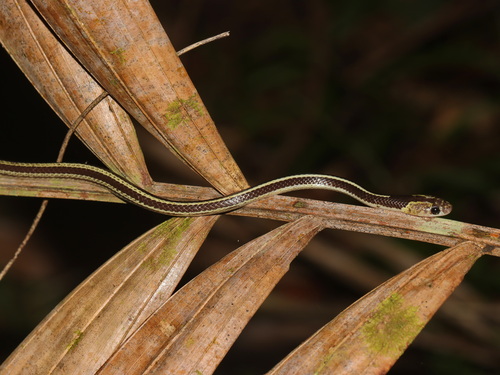
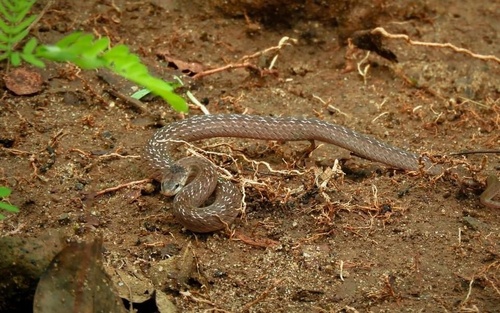
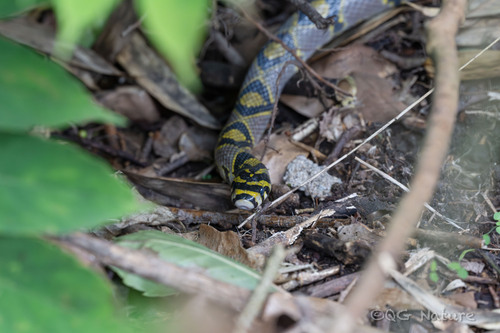
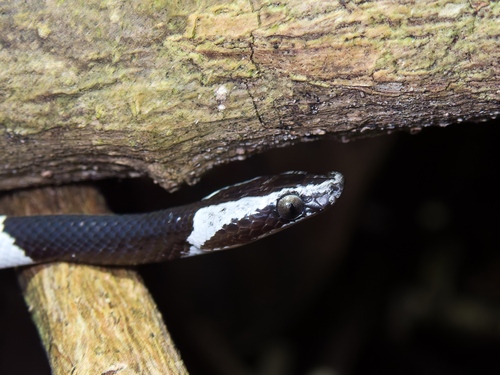
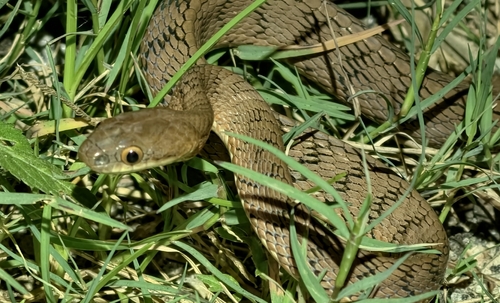
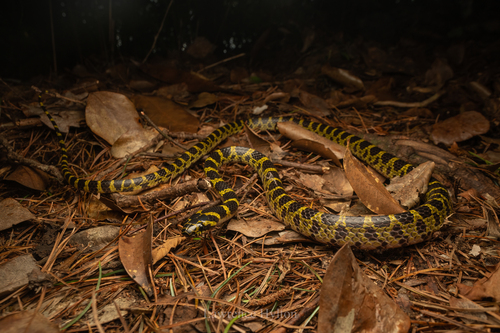
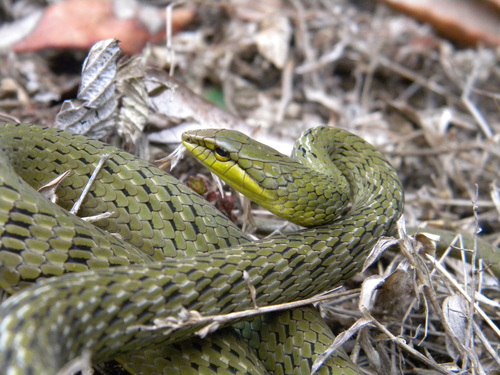
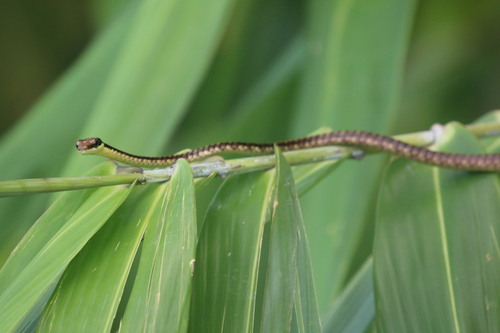
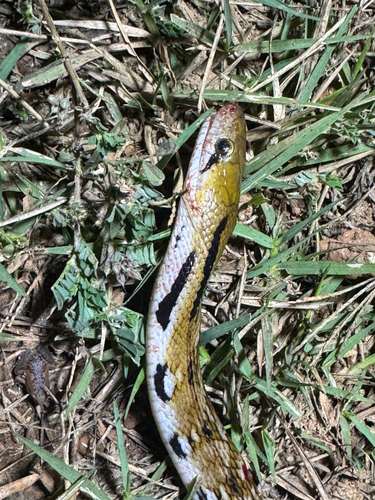
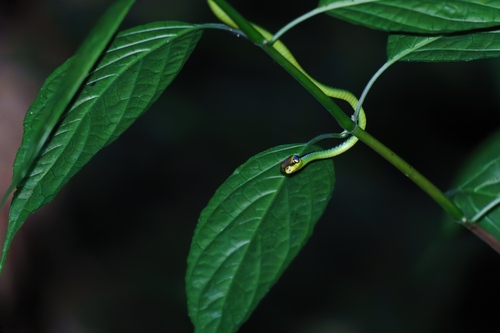
Colubridae (123)
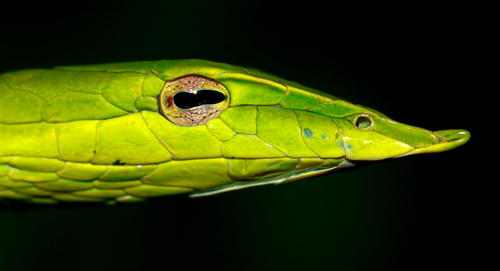
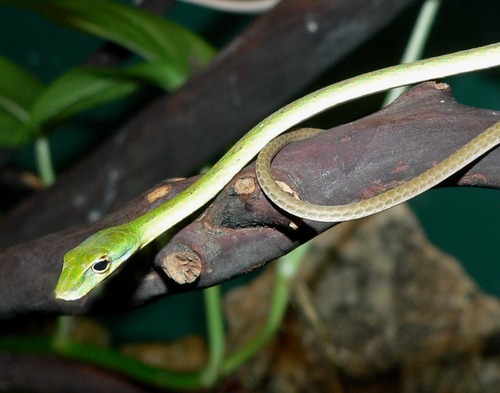
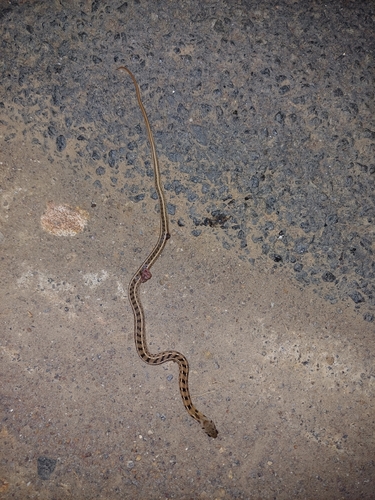
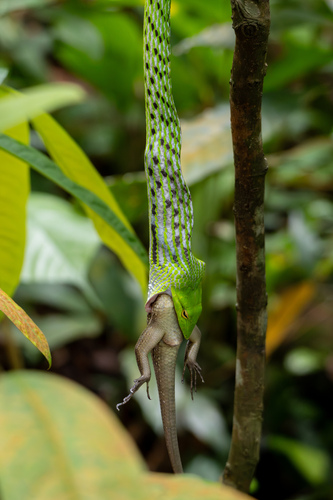
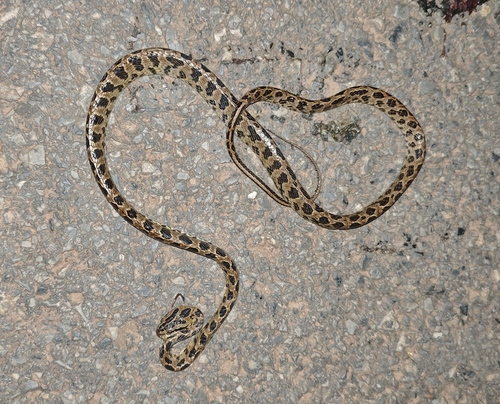
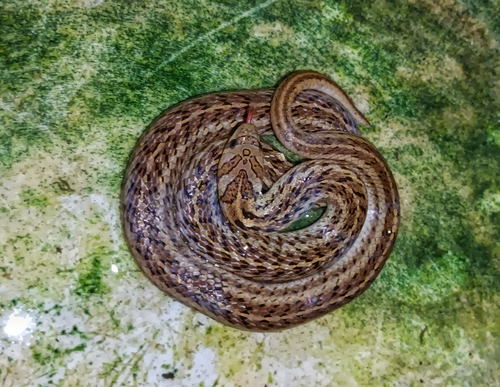
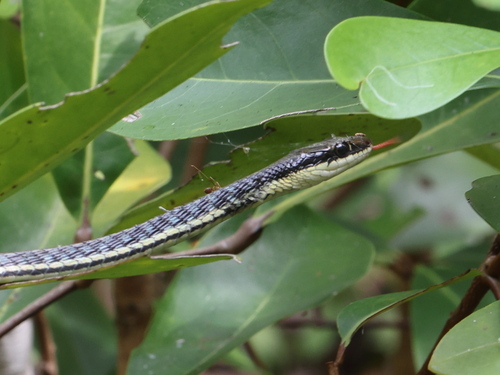
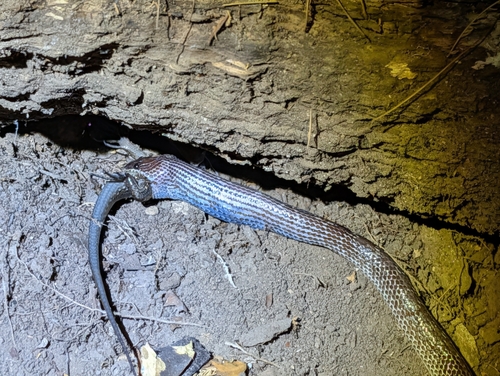
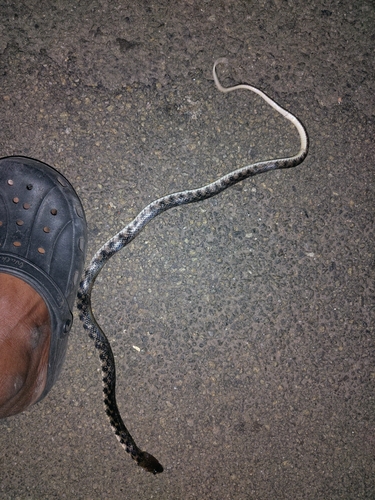
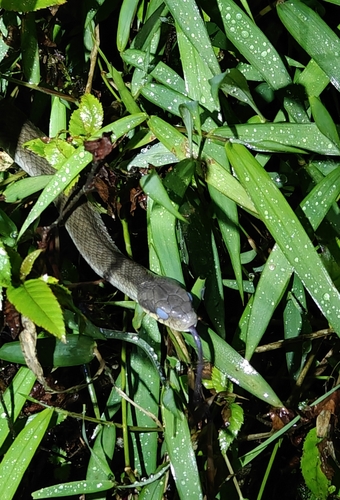
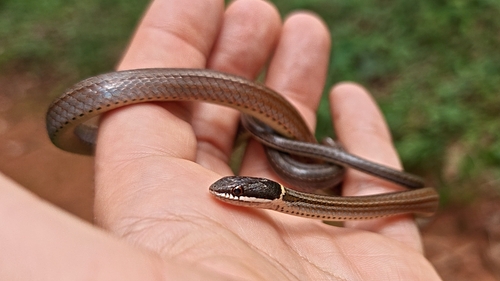
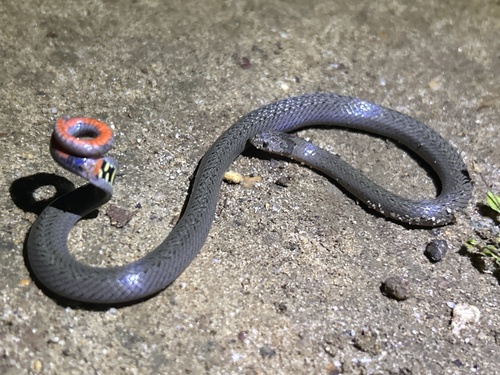
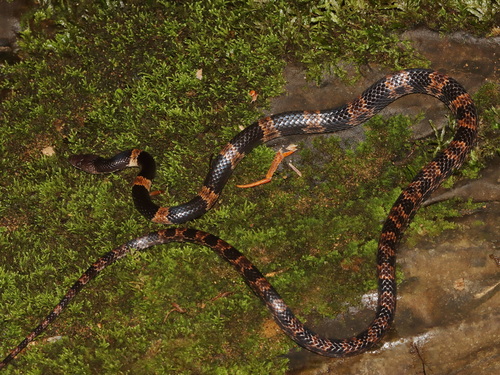
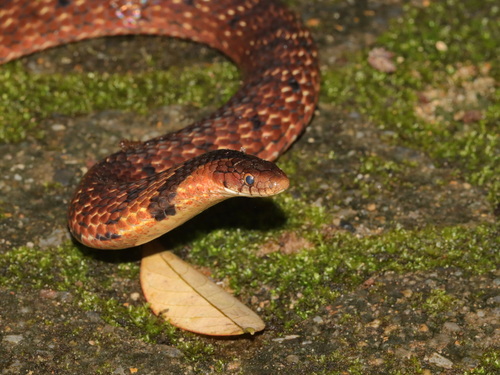
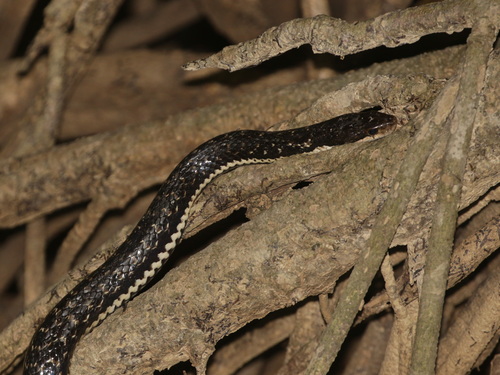
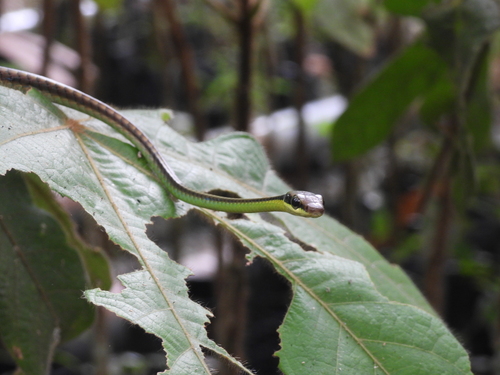
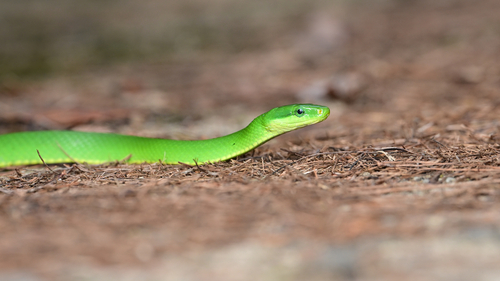

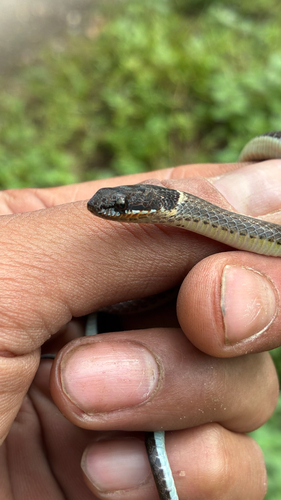
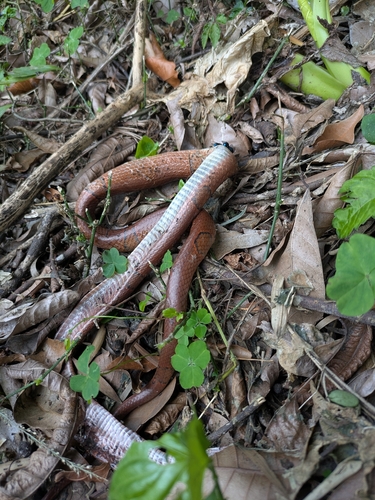
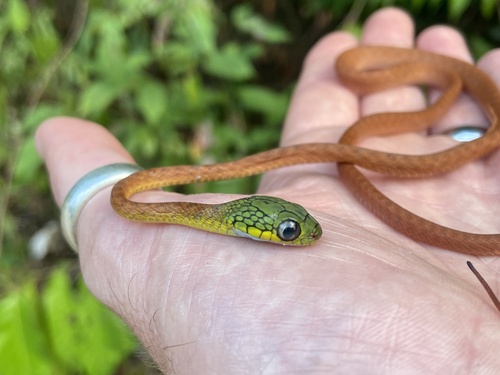
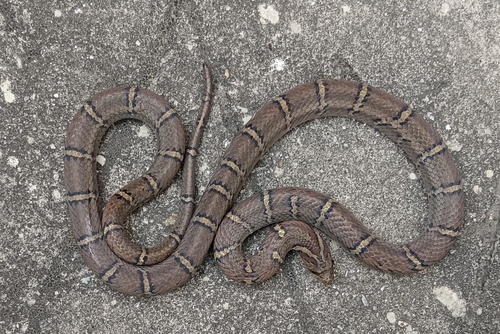
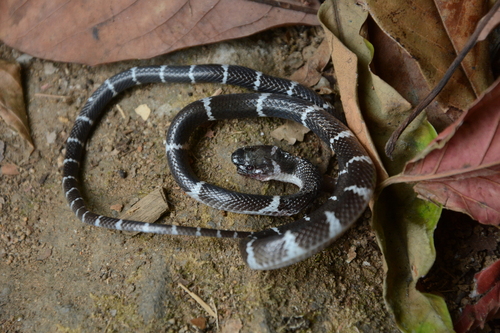
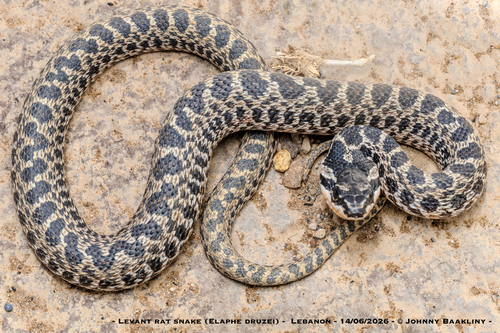
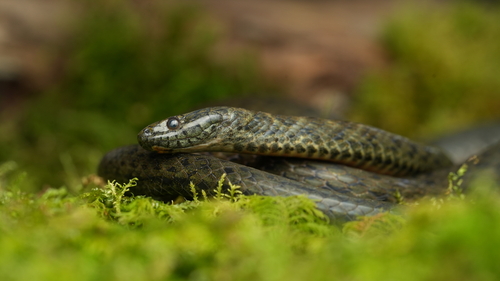
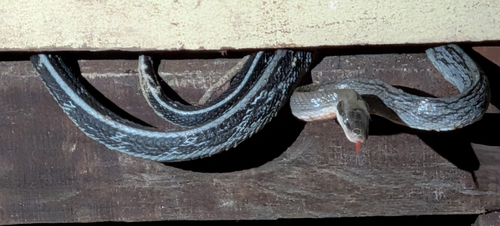
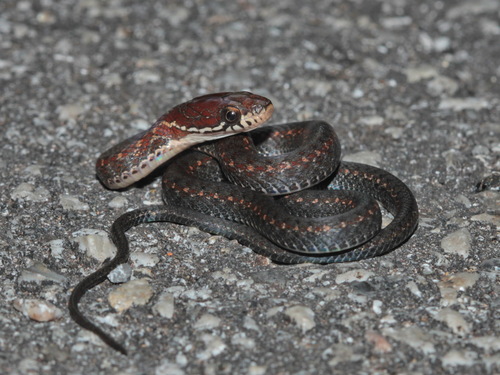
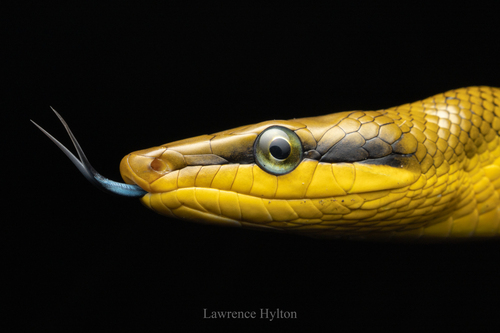

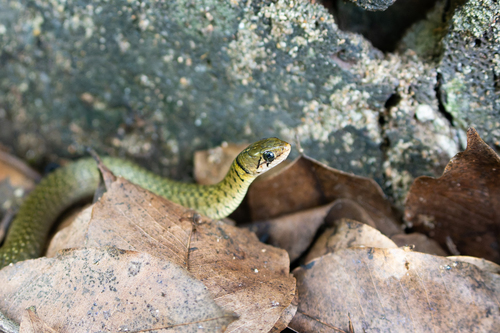
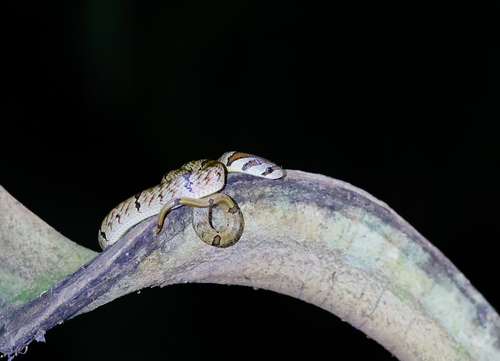
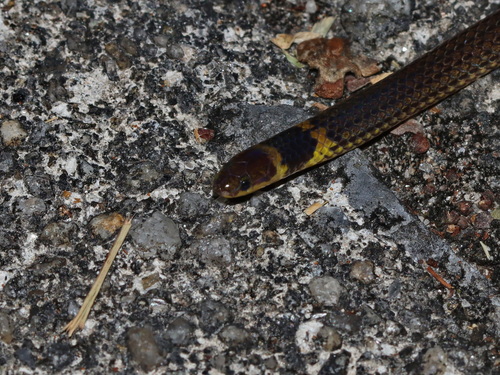
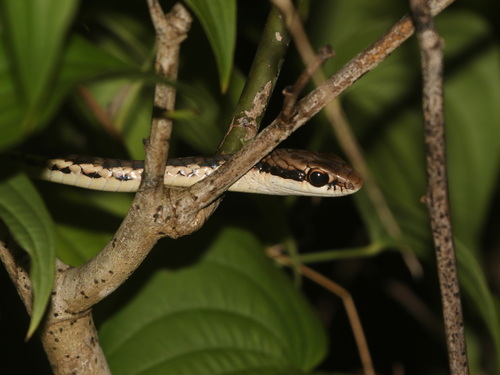
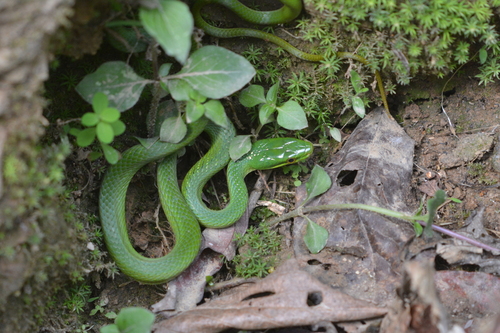
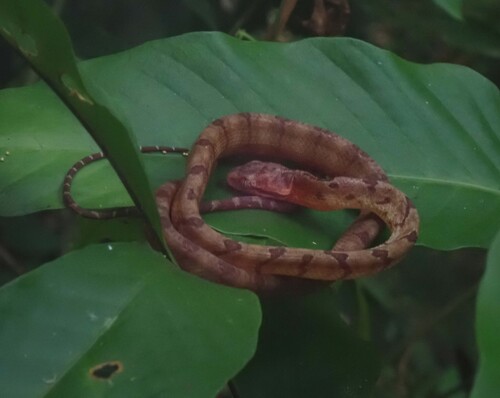

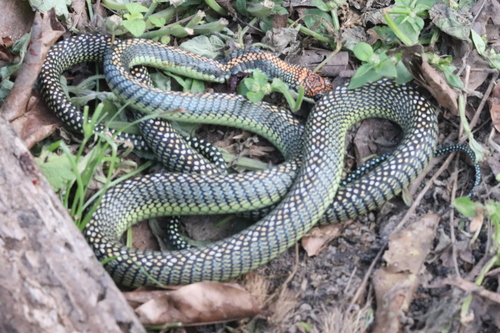
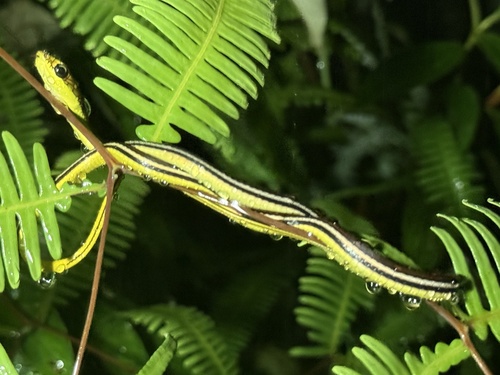
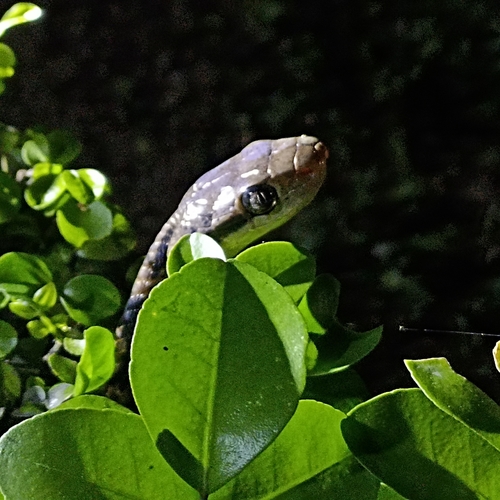
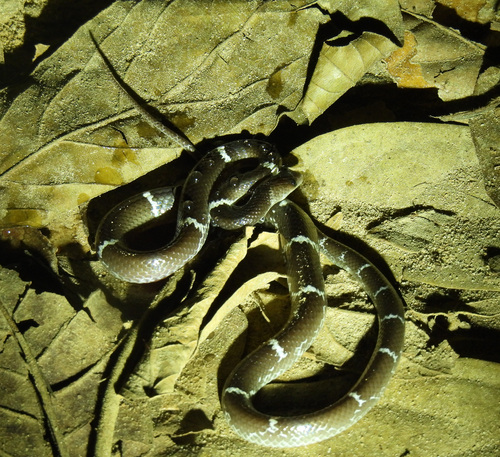
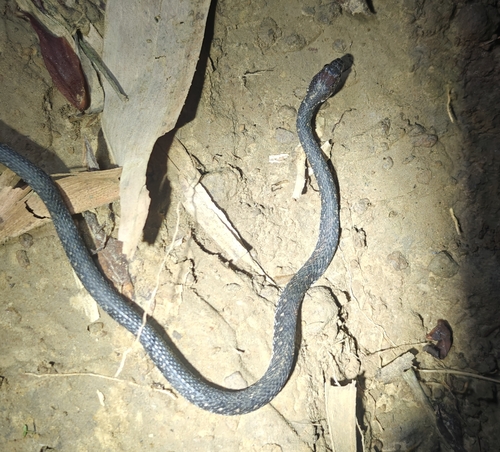
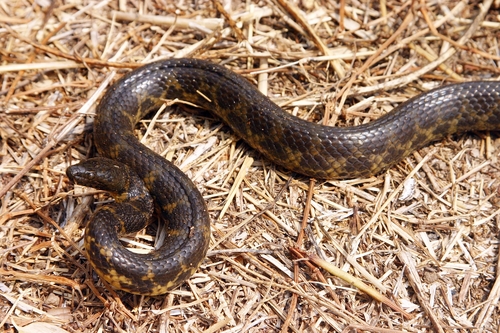
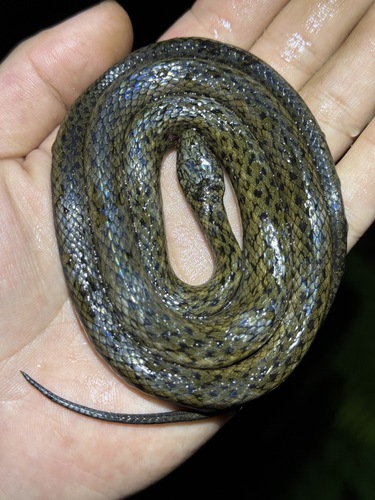
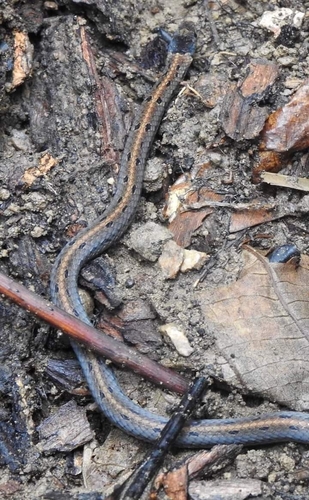
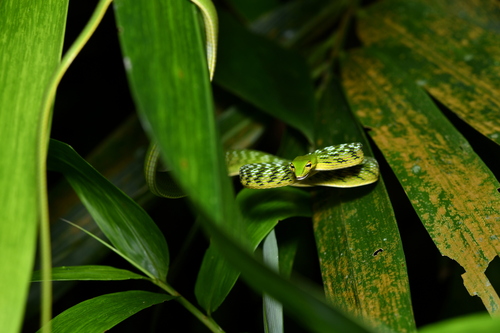
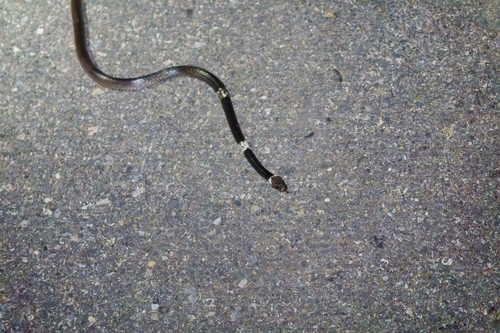
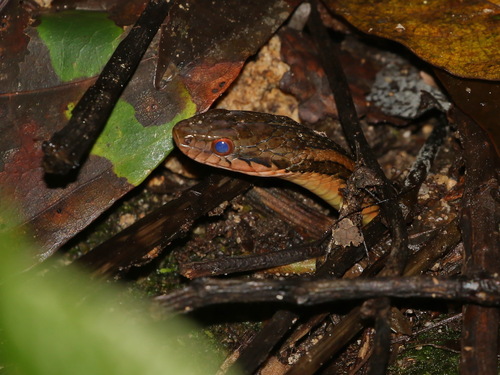
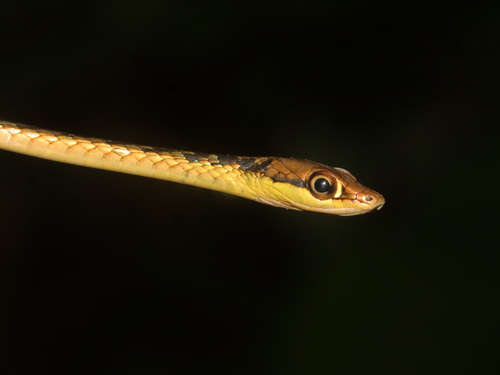
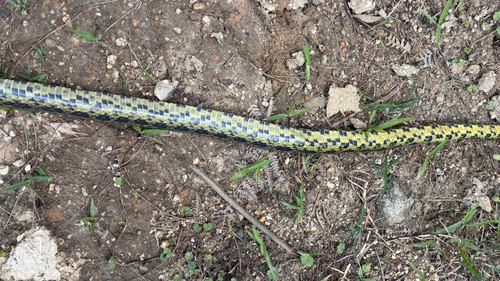
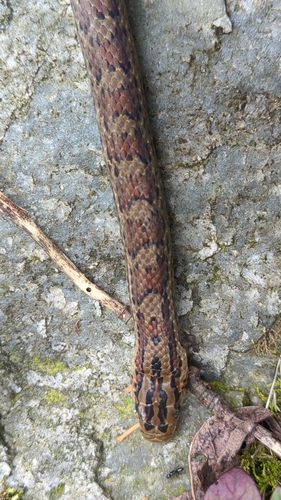
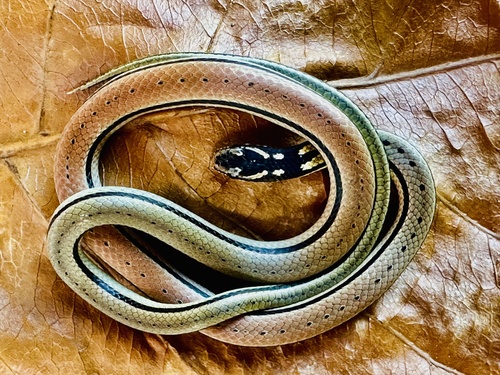
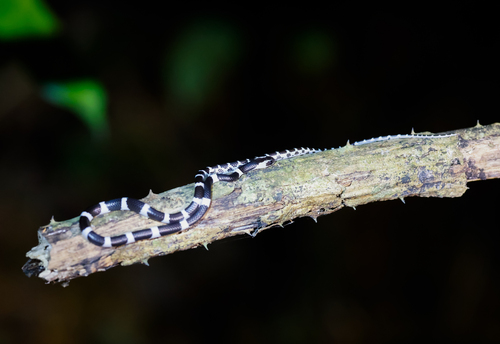
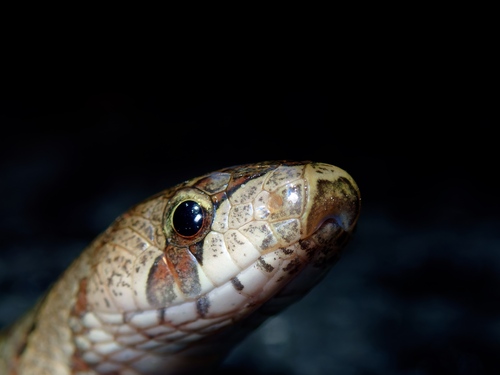
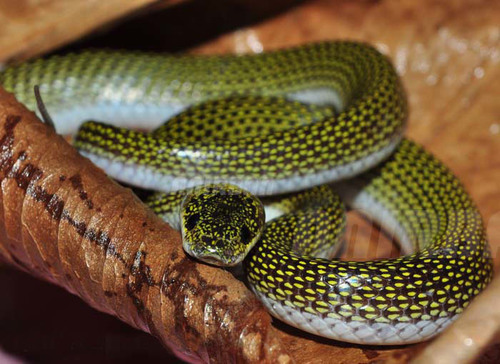

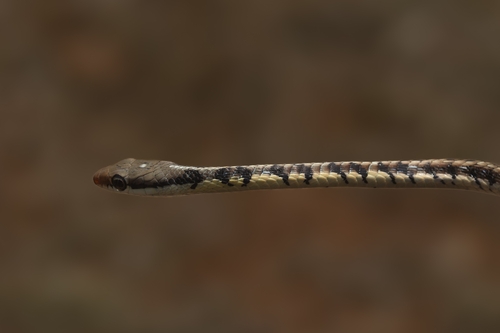
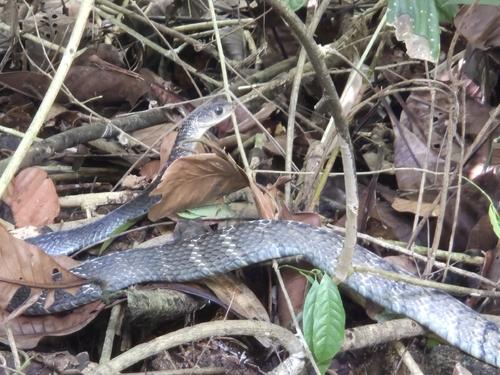
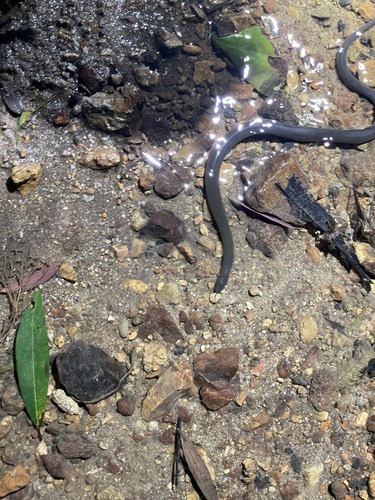
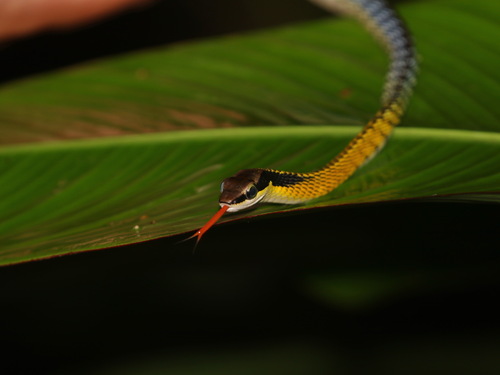
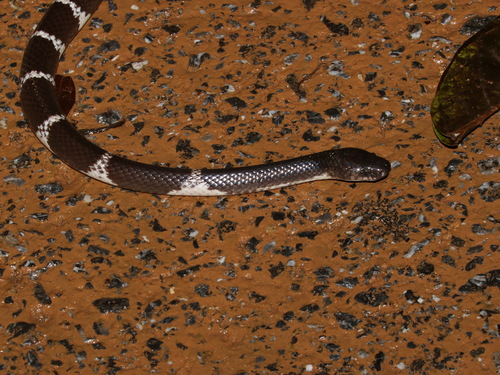
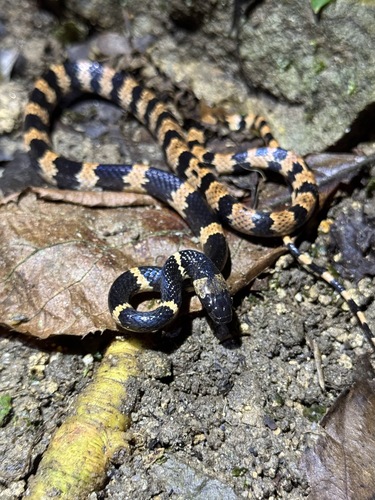
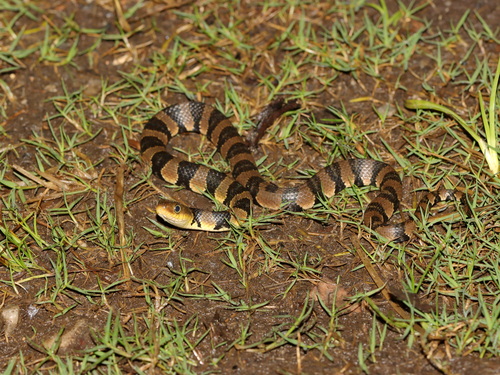
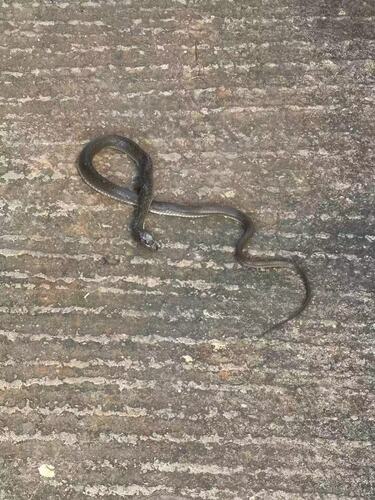
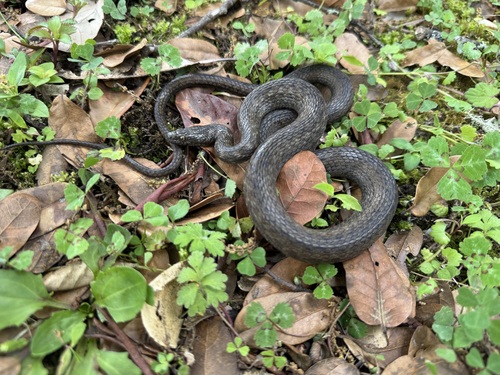
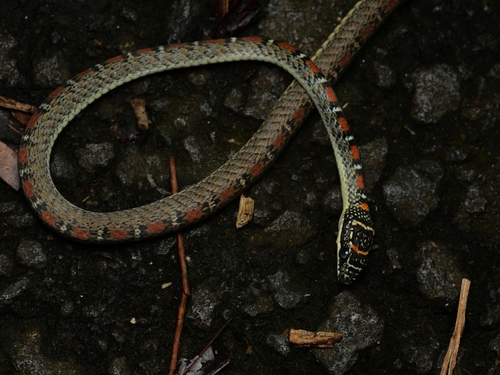
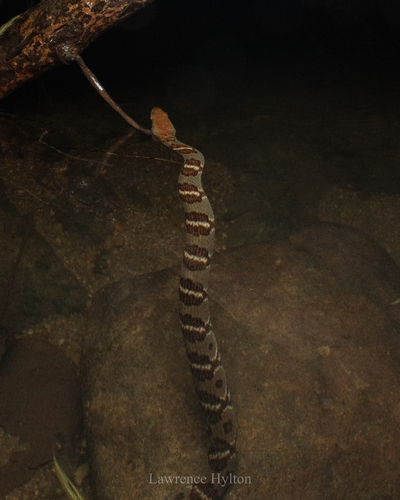
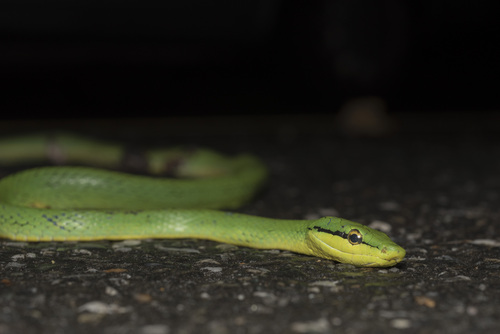
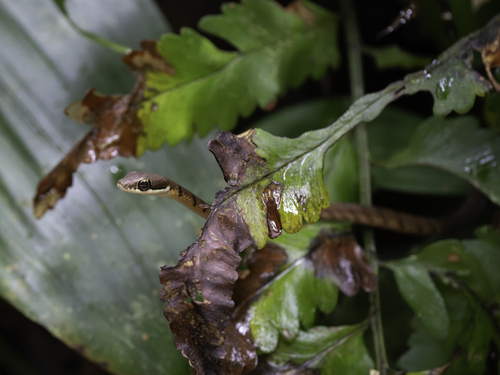
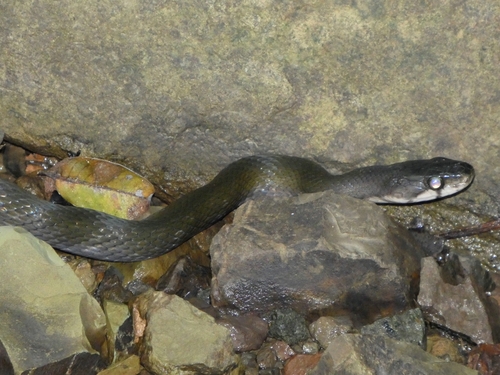
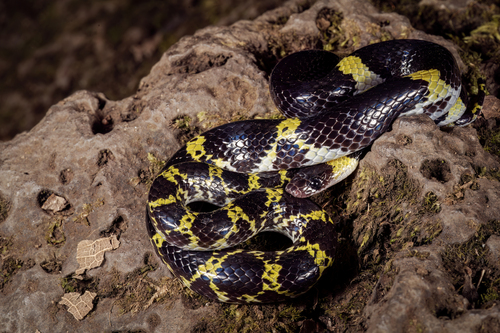
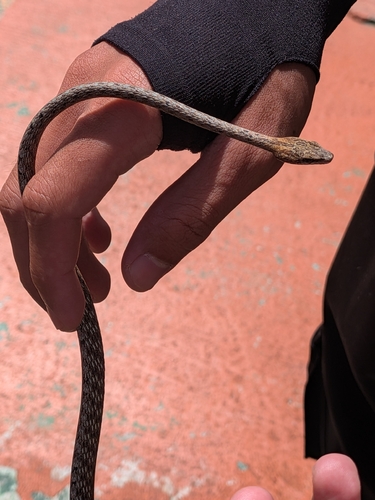
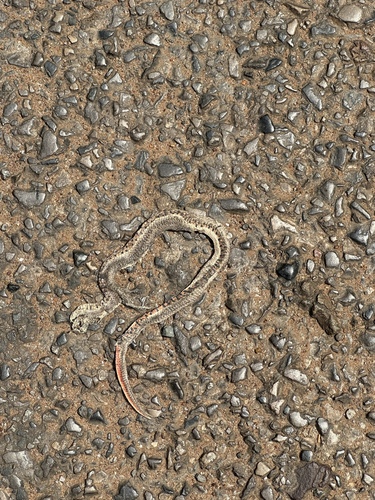
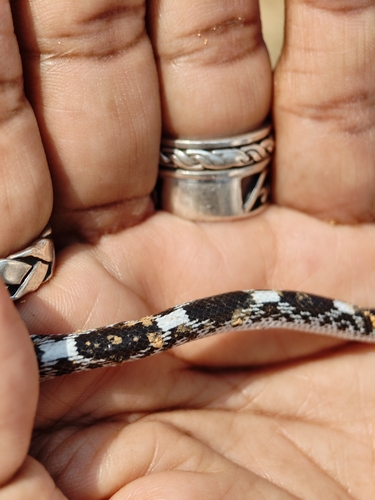
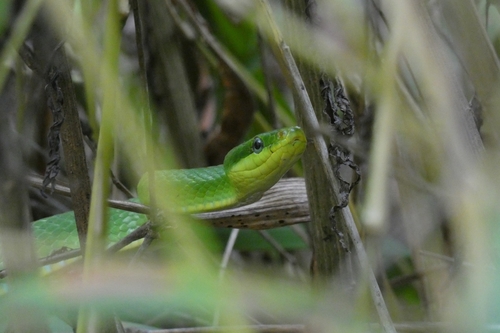
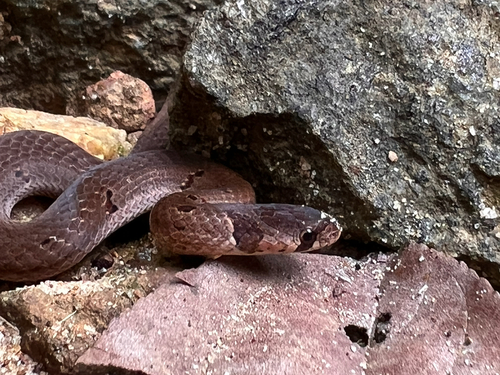
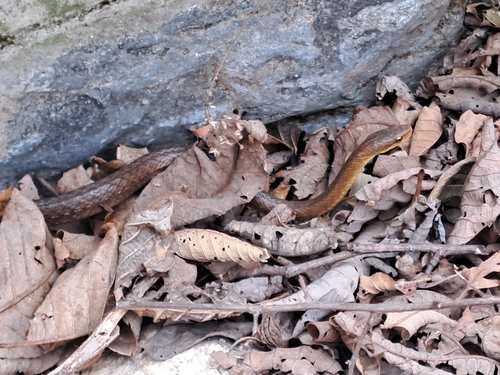
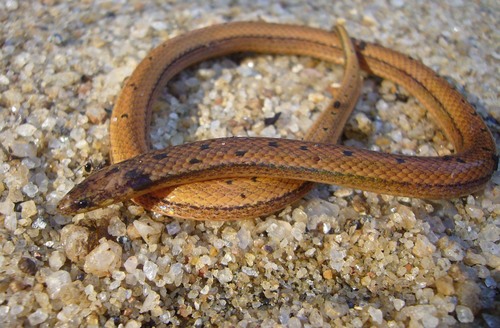
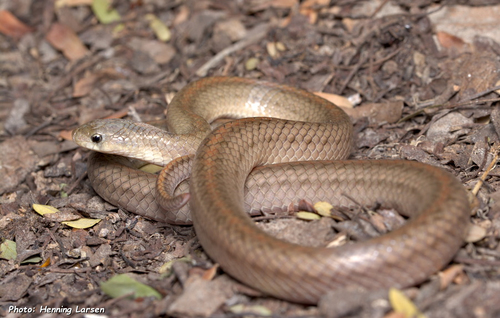
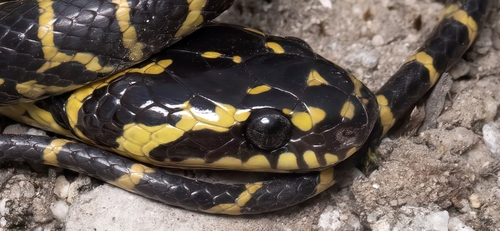
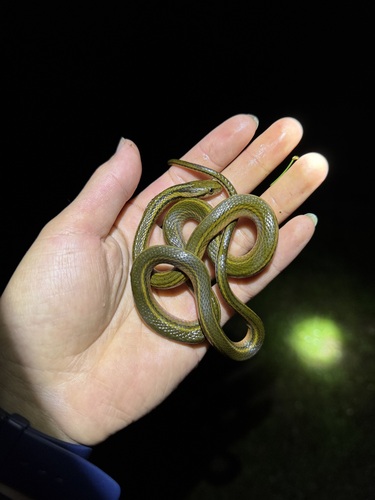
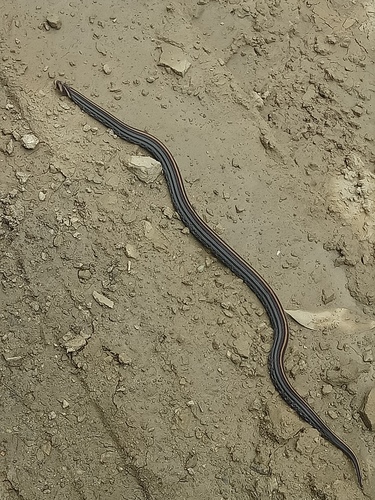
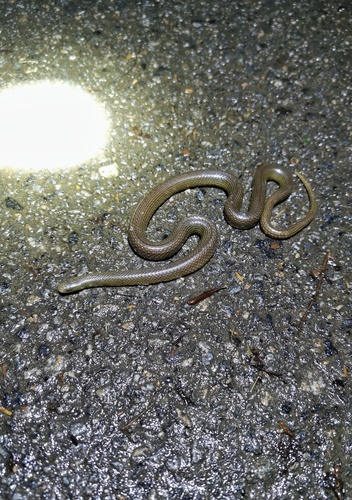
Elapidae (31)
Viperidae (26)
Homalopsidae (11)
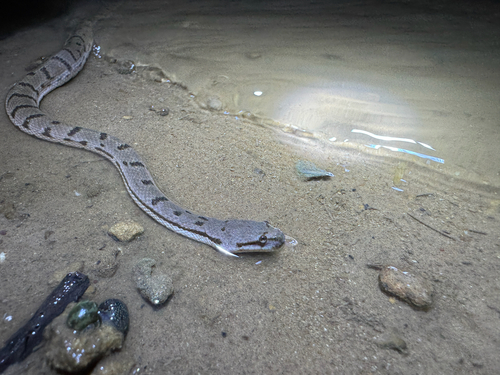
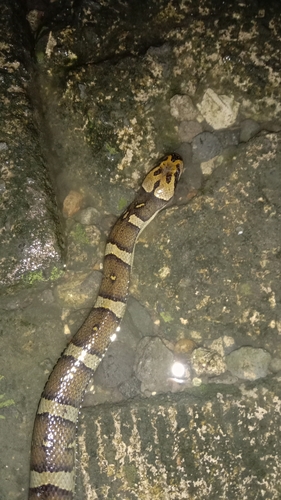
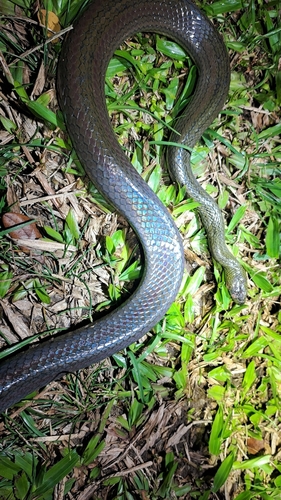
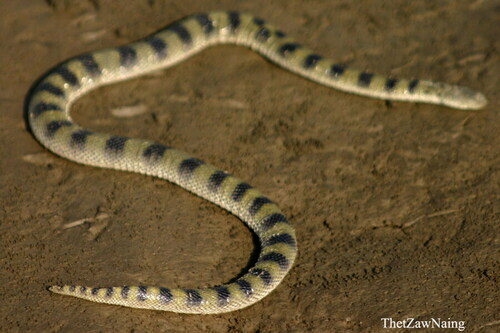
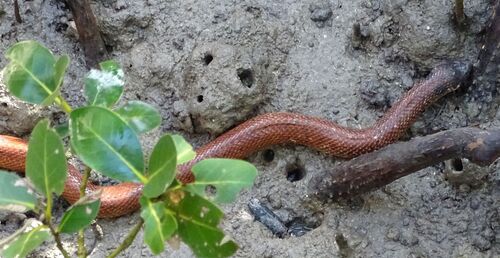
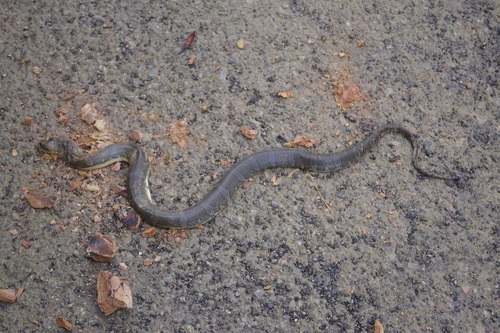
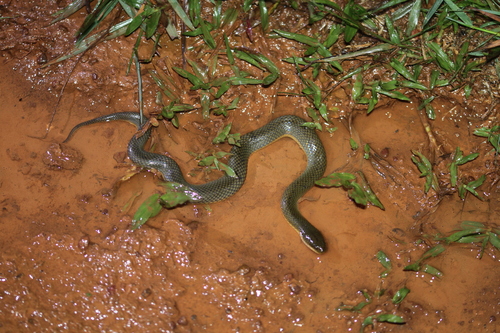
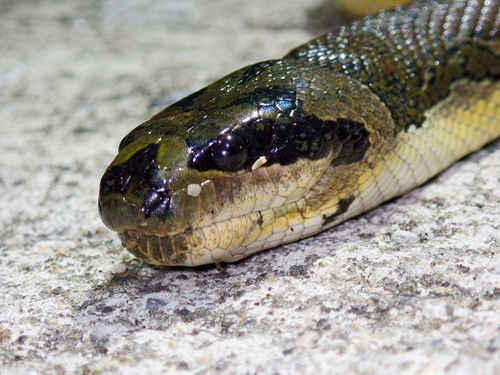
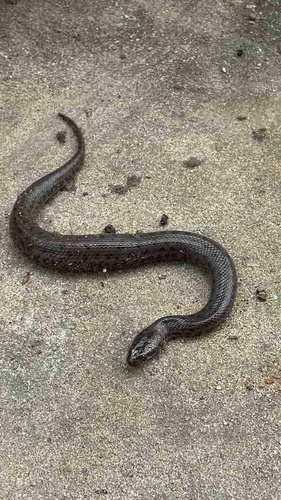
Pareidae (9)
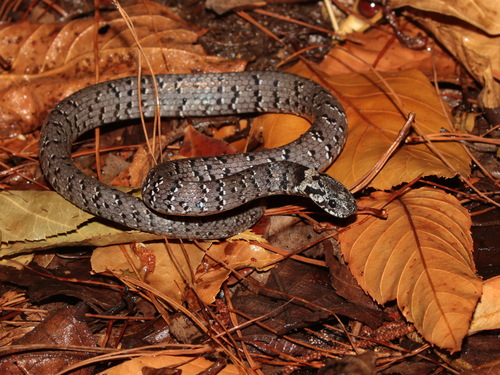
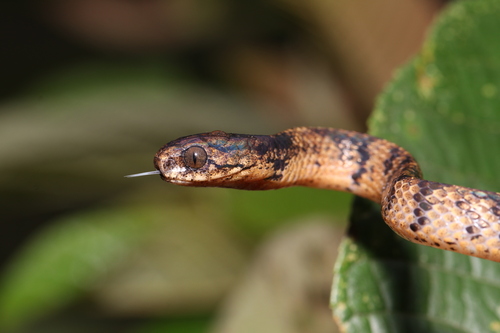

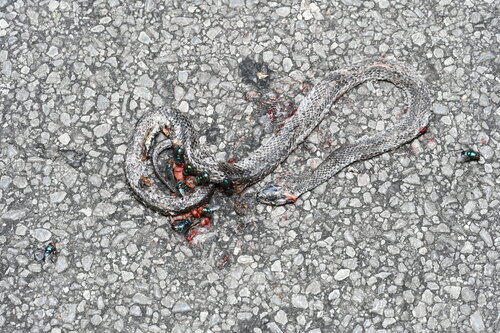
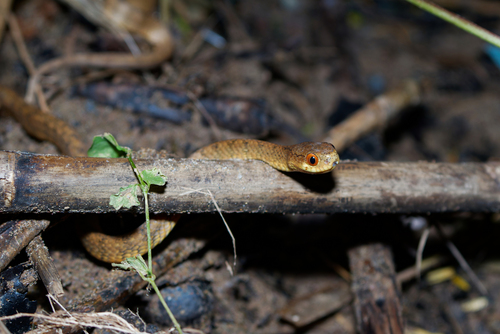
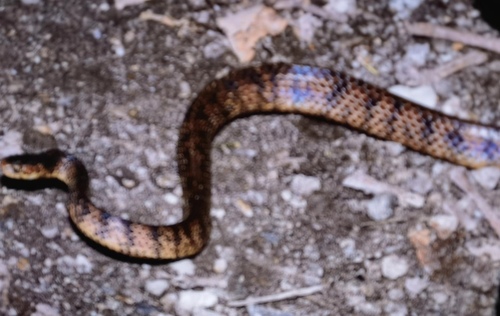
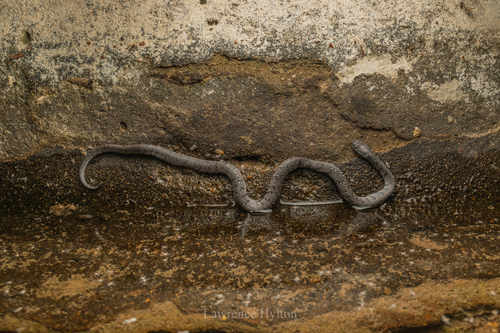
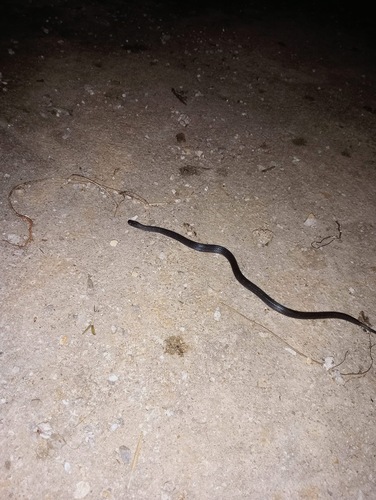
Cylindrophiidae (5)
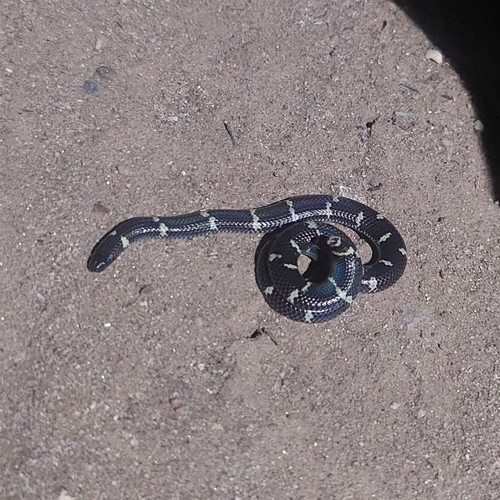
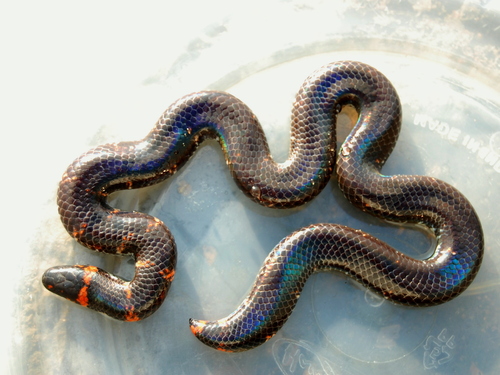
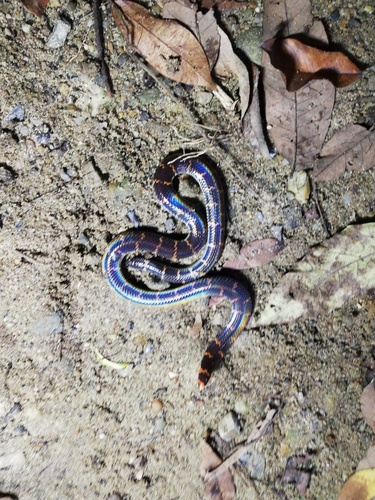
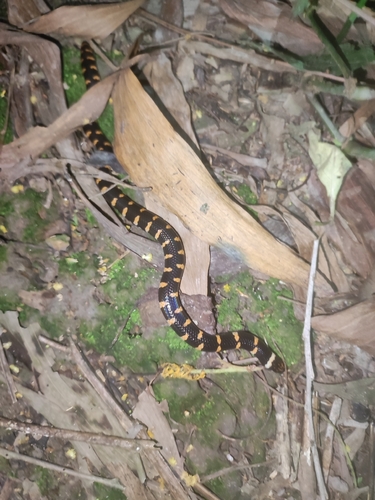
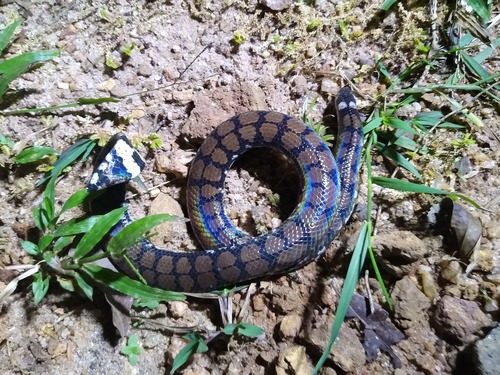
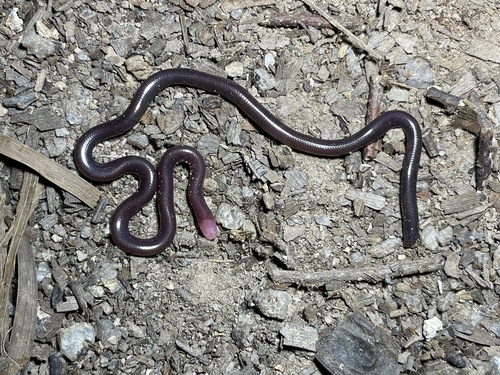
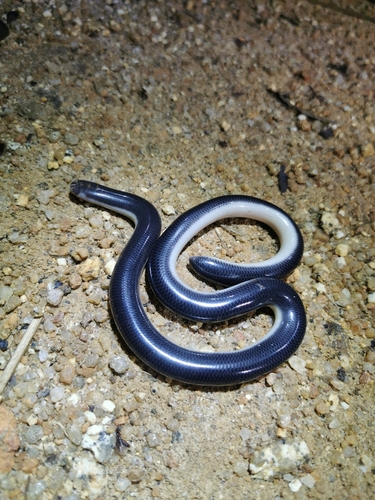
Typhlopidae (4)
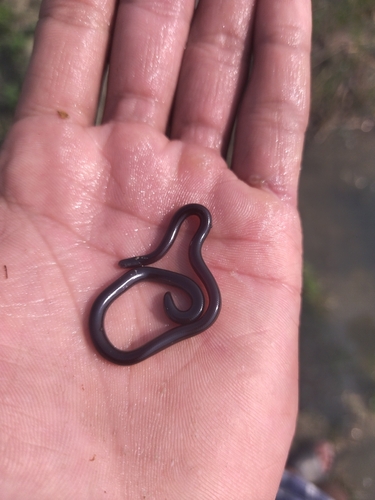
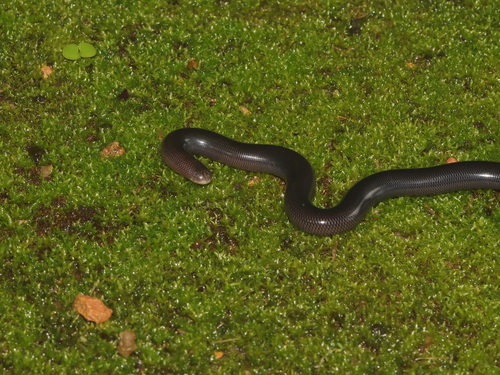
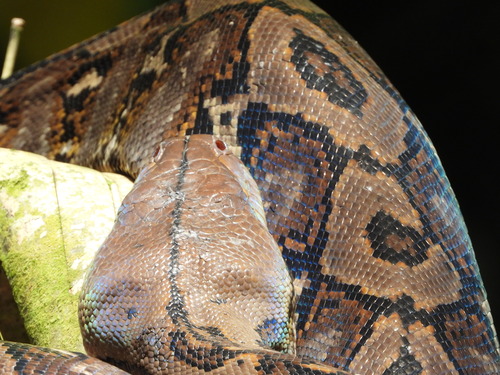
Pythonidae (3)
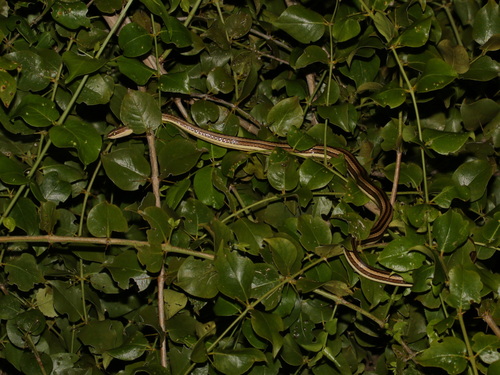
Psammophiidae (2)

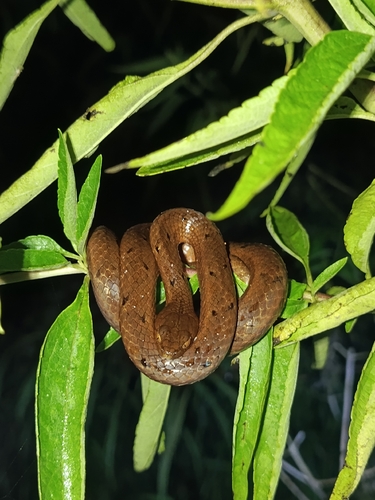
Pseudaspididae (1)
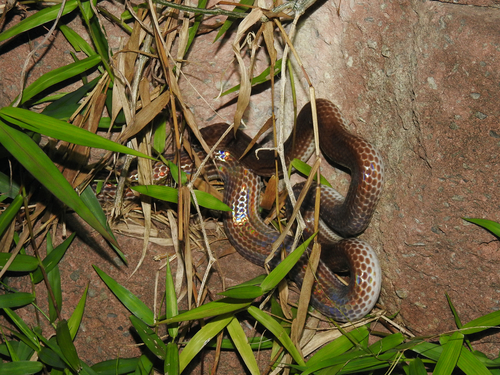
Xenopeltidae (1)
Acrochordidae (1)
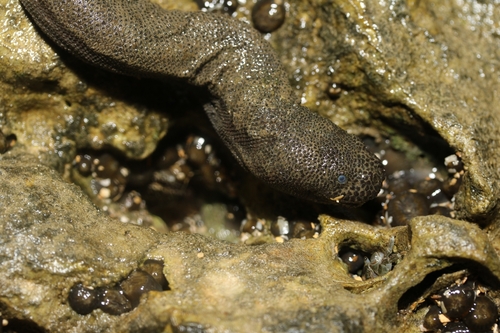
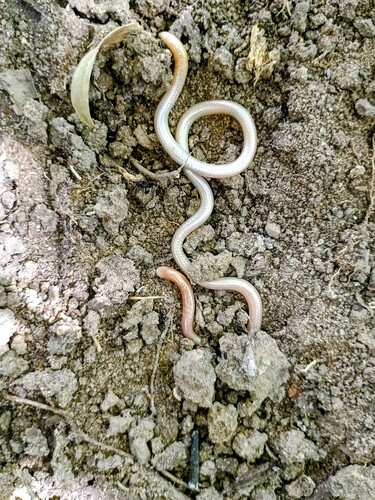
Leptotyphlopidae (1)
Compiled from verified GBIF & iNaturalist observations. "How often seen" reflects how frequently a snake is reported here, not how dangerous it is. Informational only.
Keep learning
- Are Snakes Dangerous? The Real Risk, in PerspectiveMost snakes are harmless and avoid people. Here is the honest picture of snakebite risk worldwide and how to lower your own.
- Snakebite First Aid: What to Do (and What Never to Do)A clear, CDC-based guide to snakebite first aid: the steps that help, the popular myths that hurt, and how to tell a serious bite from a minor one.
- Venomous vs Nonvenomous: How to Tell the DifferenceThe folk rules for telling venomous snakes apart, where each one fails, and why location-based identification beats guessing by sight.
- What to Do If You Find a SnakeFound a snake at home or on a trail? Here is how to stay calm, give it space, identify it safely, and know when to call a professional.