
Colombia
Snakes in Colombia
350+ snake species have been recorded in Colombia, 60 venomous.
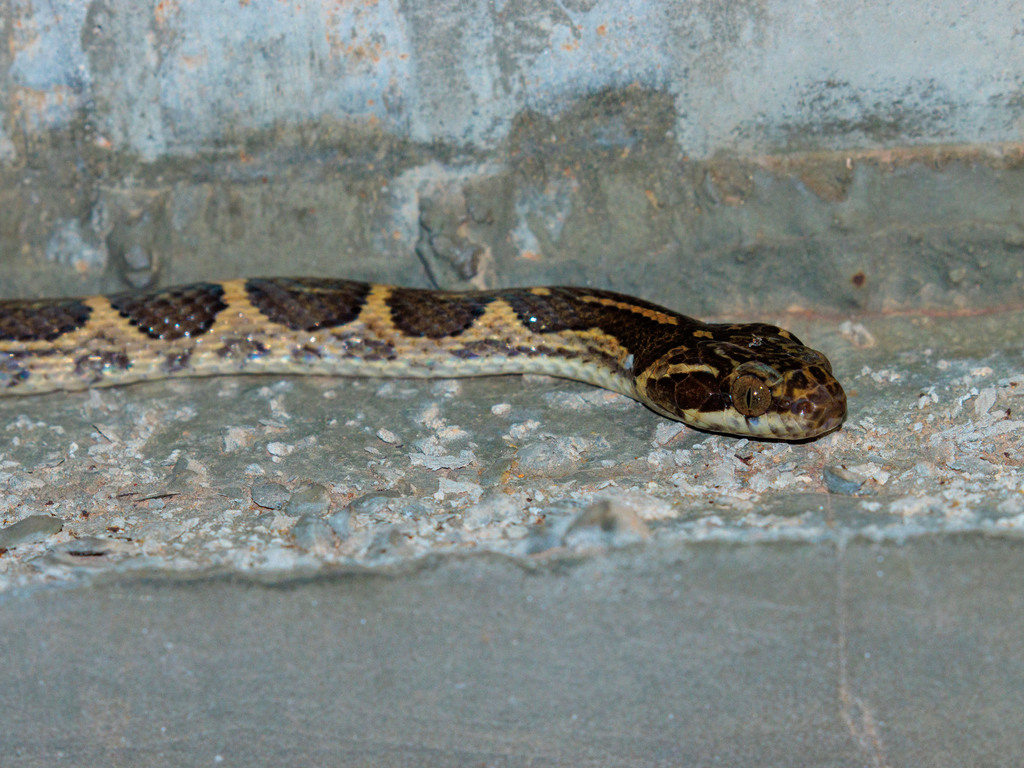
Snakes of Colombia
Colombia is among the most biodiverse countries on Earth, and its snakes reflect that abundance. Our data records 350+ species here, 359 in total, of which about 60 are venomous. That richness is not an accident of counting. Colombia sits at the meeting point of several of the planet's great ecological zones, and each one adds its own assemblage of reptiles. Few countries pack so many distinct habitats into a single set of borders, and snakes have radiated into nearly all of them.
The reason for this diversity is geography. The Andes enter Colombia and split into three separate mountain ranges, the western, central, and eastern cordilleras, creating isolated valleys and elevation bands where species evolve apart from one another. To the east lie the vast Amazon rainforest and the Llanos, the seasonally flooded grasslands shared with Venezuela. Along the Pacific coast is the Choco, one of the wettest places on Earth, where near constant rainfall feeds a dense lowland rainforest. The Caribbean coast adds drier tropical forest and coastal habitat. Each of these regions, mountain, jungle, grassland, and coast, supports snakes adapted to its particular conditions, which is why a single country can hold such an enormous range of species.
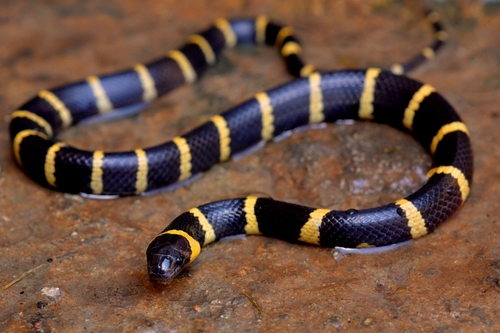
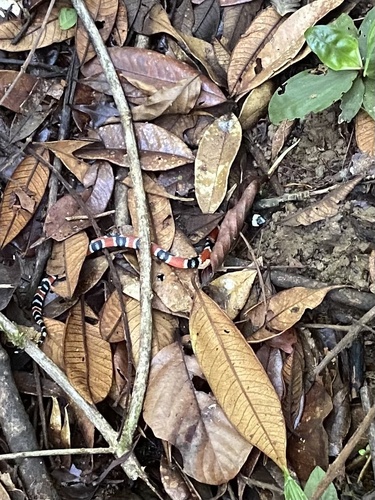
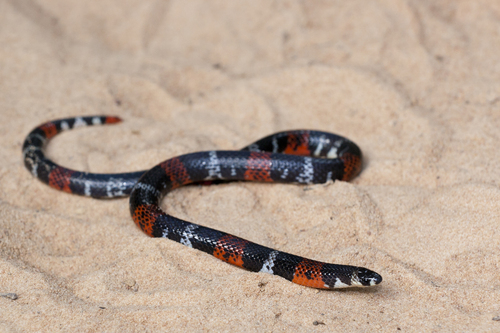
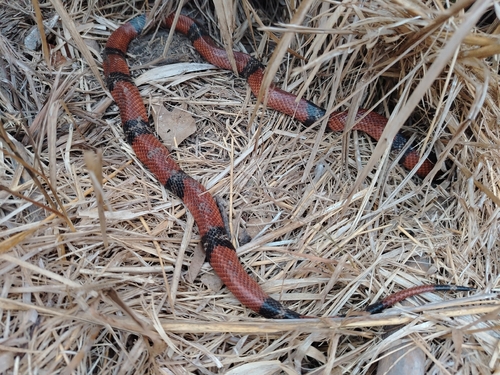
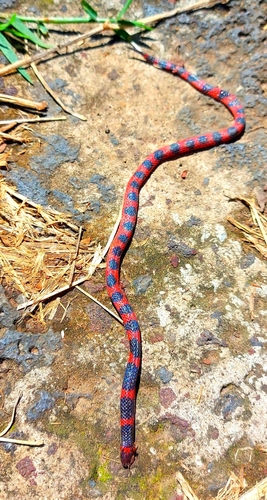
The venomous snakes of Colombia belong to a few main groups. Pit vipers in the genus Bothrops are the most significant for human health, and the fer-de-lance, Bothrops asper, accounts for most serious bites in the country because it is widespread, lives near agricultural and rural areas, and delivers a potent venom. The bushmaster, Lachesis, is a large pit viper of remote forest interiors. Coral snakes in the genus Micrurus carry a different, neurotoxic venom and are recognizable by their banded coloring, though they are reclusive. The tropical rattlesnake, Crotalus durissus, occurs in drier open country. Together these groups represent the snakes that warrant the most caution.
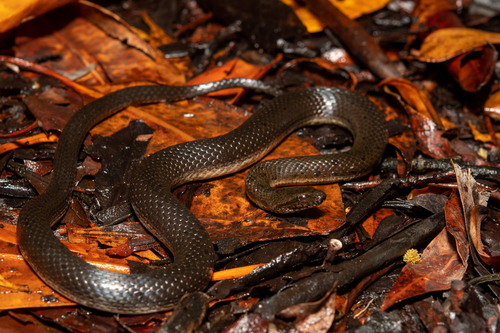
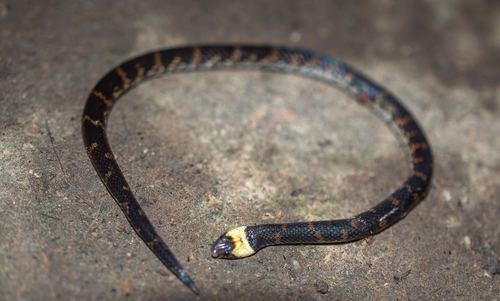
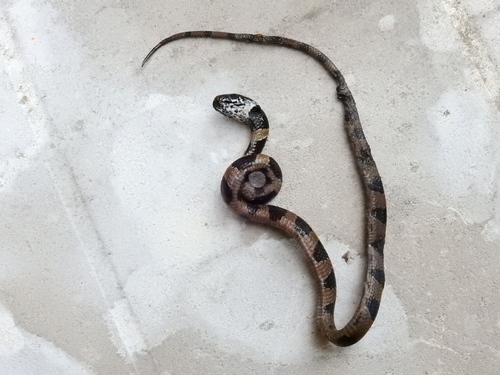
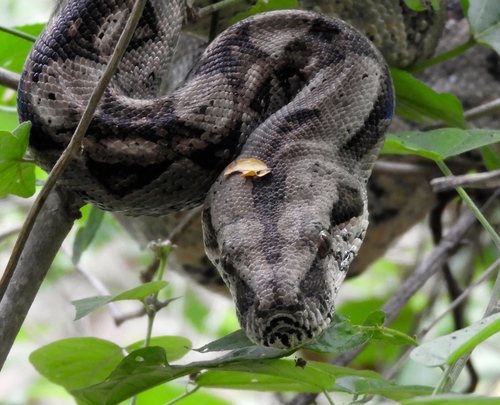
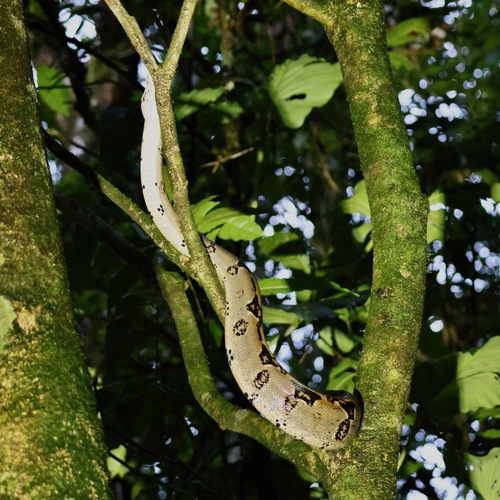
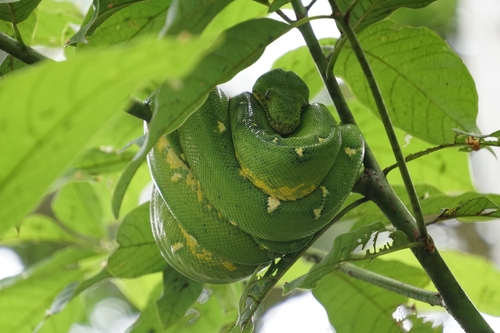
Despite this, the large majority of Colombian snakes are non-venomous and pose no danger to people. This group includes the boa constrictor, a heavy bodied snake that subdues prey by constriction rather than venom, and in the eastern lowlands the green anaconda, one of the largest snakes in the world, which lives in and around slow water in the Amazon and Llanos. Countless smaller colubrids and other harmless species fill the forests, fields, and waterways, feeding on rodents, frogs, fish, and insects. Most snakes a person encounters in Colombia are harmless and are far more interested in avoiding contact than in confronting anyone.
Honest safety comes down to a few points. The great majority of species cannot seriously harm a human, and the main medical threat is Bothrops, particularly the fer-de-lance, which is responsible for most dangerous bites. The practical response to any snakebite is to treat it as a medical emergency: get the person to a hospital as quickly as possible, because antivenom is administered there under medical supervision. No wild snake should ever be handled, regardless of how harmless it may appear, and identification should never be attempted by getting close. If a bite occurs, do not rely on field remedies; seek professional emergency care without delay.
Understanding Colombia's snakes is ultimately about respecting the landscape they inhabit. The same geography that makes the country a global center of biodiversity also means that hikers, farmers, and travelers share space with a wide variety of reptiles. Awareness, calm distance, and a clear plan to reach medical care if needed are what keep people safe. The vast majority of these animals play quiet, beneficial roles in their ecosystems, controlling rodent and pest populations, and they are best appreciated from a respectful distance rather than feared.
Snakes in Colombia: FAQ
- Are there venomous snakes in Colombia?
- Yes. 60 venomous snake species have verified records in Colombia, including Common Lancehead, Terciopelo, Lansberg's Hognose Viper, Transandean Capuchin Coralsnake. Most snakes in Colombia, however, are harmless.
- How many snake species live in Colombia?
- 350+ snake species have verified records in Colombia, of which 60 are venomous.
- What is the most commonly seen snake in Colombia?
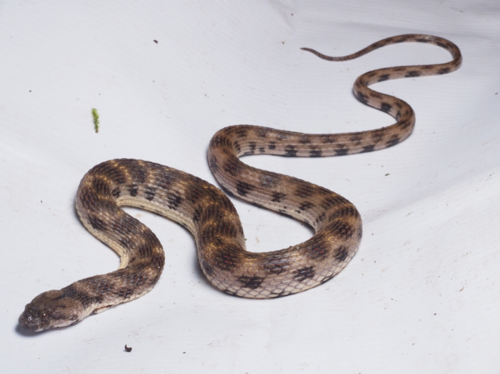
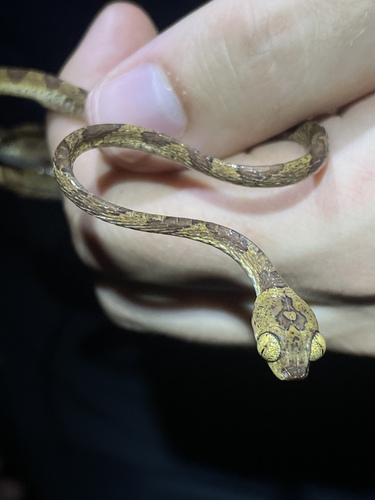
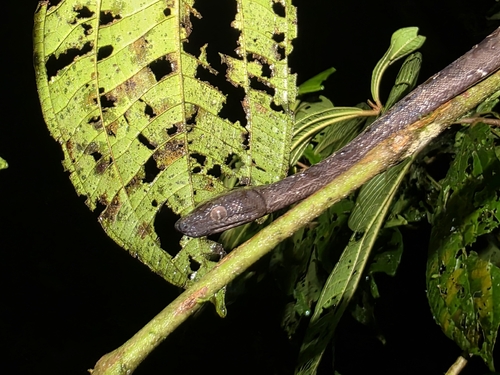
- The Paraiba Cat-eyed Snake is the most frequently reported snake in Colombia, based on verified wildlife observations.
- What should I do if I see a venomous snake in Colombia?
- Keep your distance and do not try to catch or kill it. Most bites happen when people handle or corner a snake. If someone is bitten, contact local emergency services or poison control immediately.
Venomous snakes in Colombia
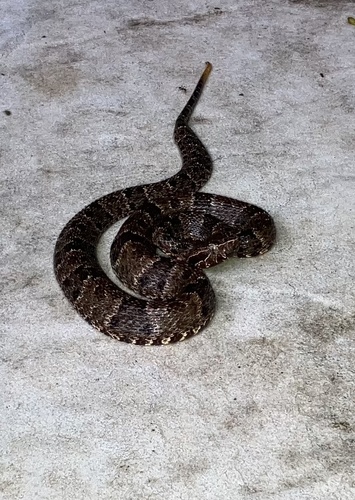
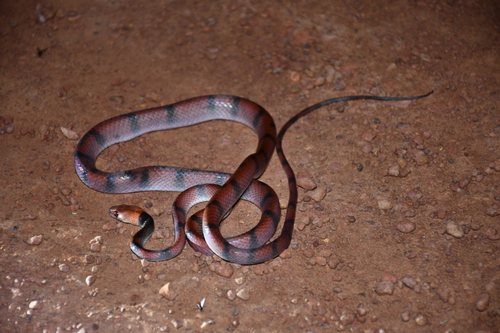
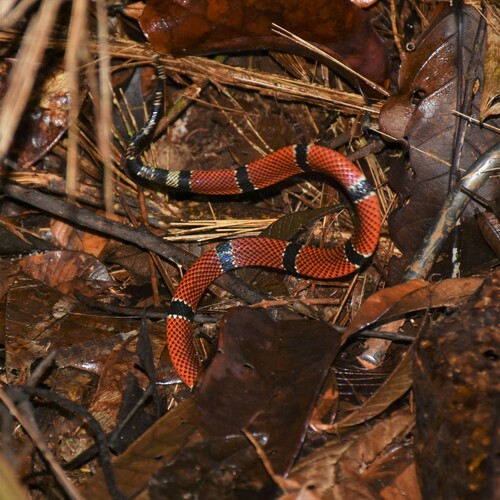 Transandean Capuchin CoralsnakeMicrurus dumeriliiVenomous
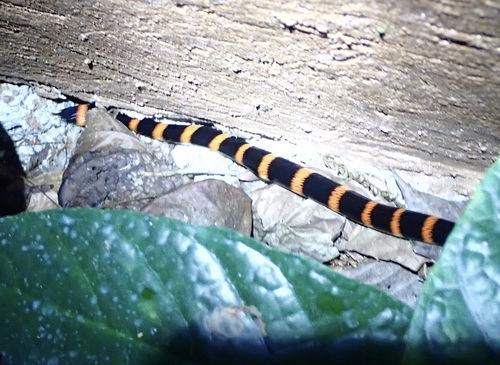
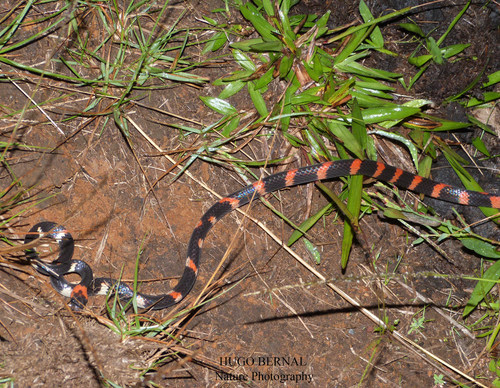
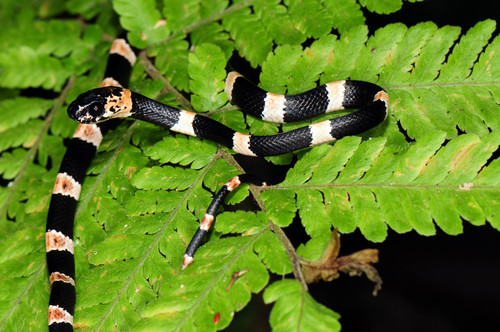
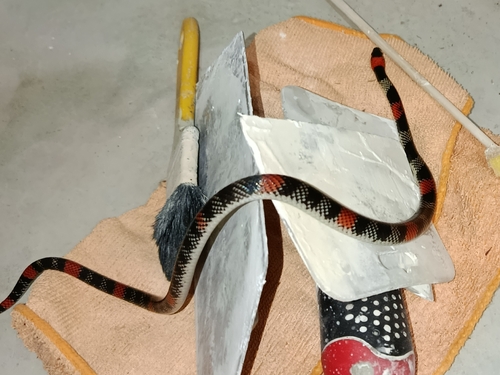
Rings of red, yellow, and black where red touches yellow; small rounded head and round pupils.
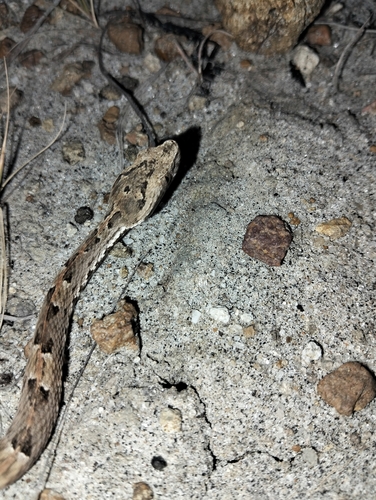
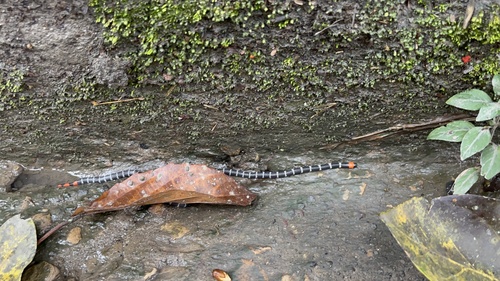 Redtail CoralsnakeMicrurus mipartitusVenomous
Rings of red, yellow, and black where red touches yellow; small rounded head and round pupils.
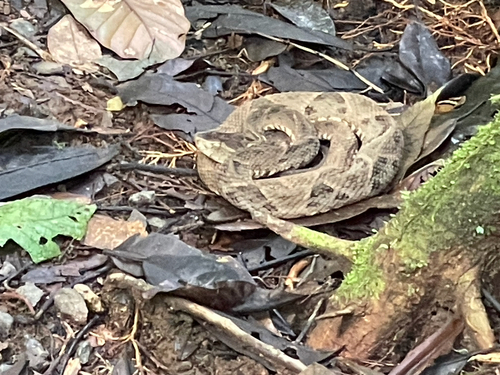
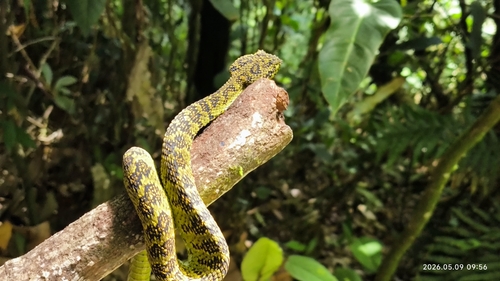
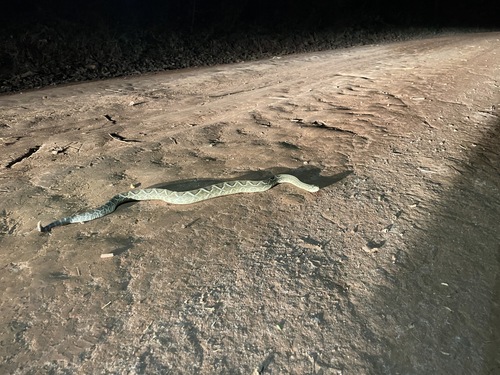 Neotropical RattlesnakeCrotalus durissusVenomous
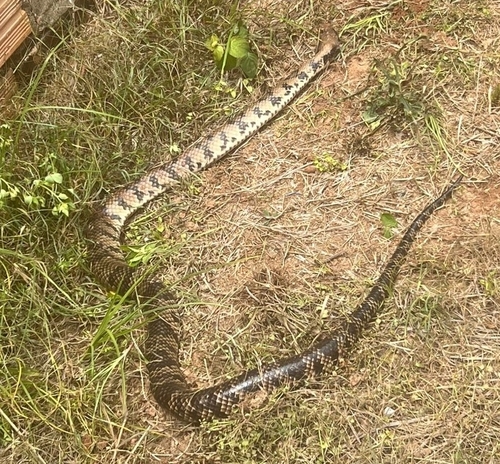
Heavy body, broad triangular head, vertical (cat-like) pupils, and a segmented keratin rattle at the tail tip.
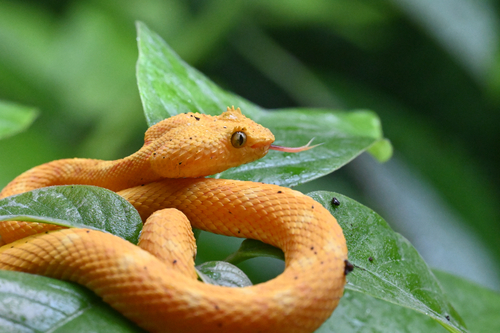
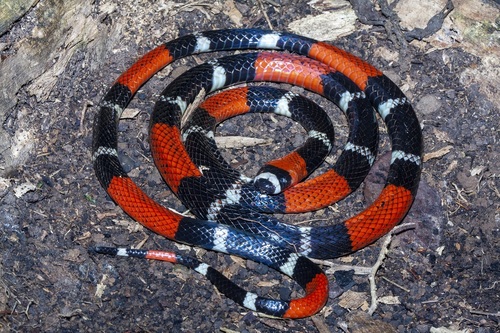 Ribbon CoralsnakeMicrurus lemniscatusVenomous
Rings of red, yellow, and black where red touches yellow; small rounded head and round pupils.
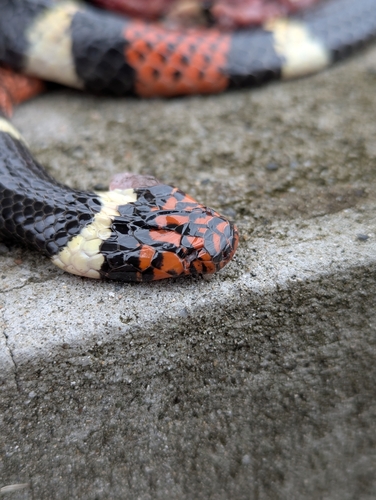 Aquatic CoralsnakeMicrurus surinamensisVenomous
Rings of red, yellow, and black where red touches yellow; small rounded head and round pupils.
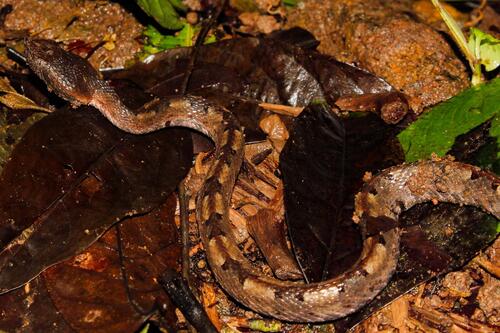
 Pygmy CoralsnakeMicrurus dissoleucusVenomous
Rings of red, yellow, and black where red touches yellow; small rounded head and round pupils.
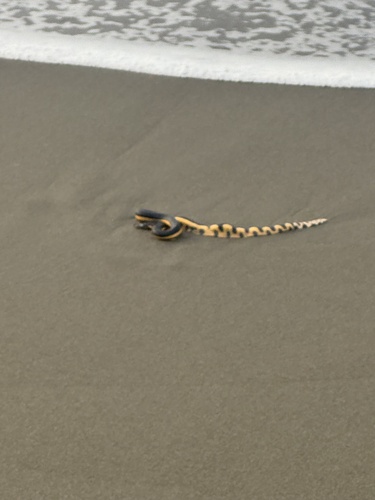
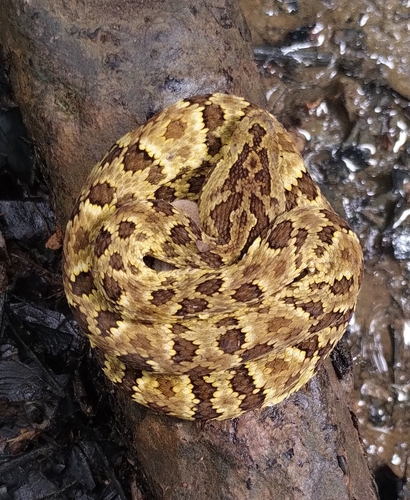
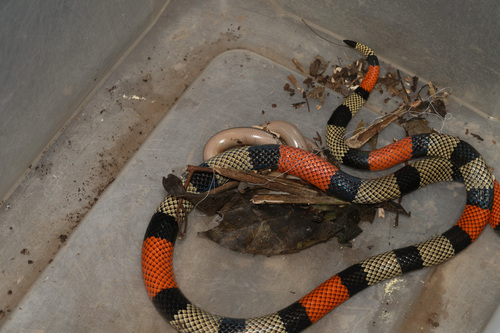 Black-necked Amazonian CoralsnakeMicrurus obscurusVenomous
Rings of red, yellow, and black where red touches yellow; small rounded head and round pupils.
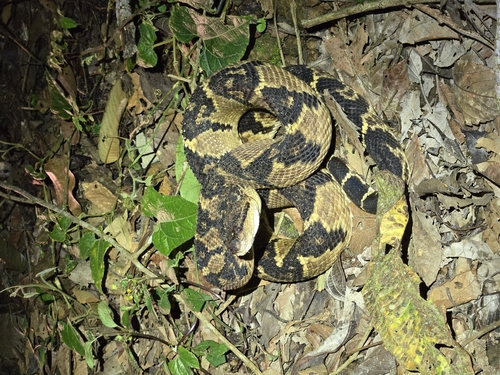
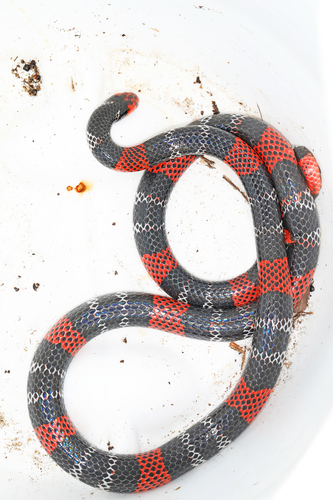 Regal CoralsnakeMicrurus ancoralisVenomous
Rings of red, yellow, and black where red touches yellow; small rounded head and round pupils.
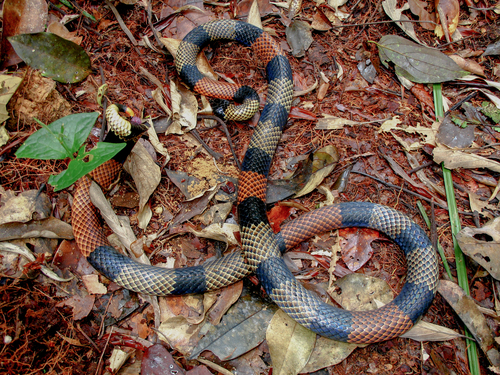 Amazon CoralsnakeMicrurus spixiiVenomous
Rings of red, yellow, and black where red touches yellow; small rounded head and round pupils.
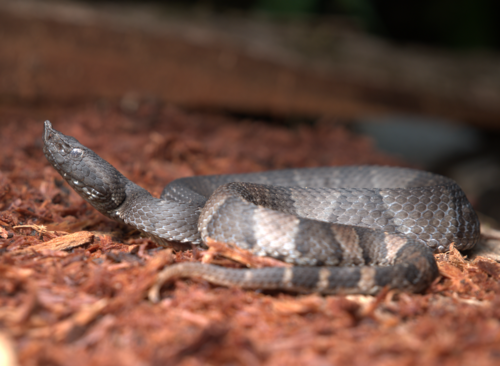
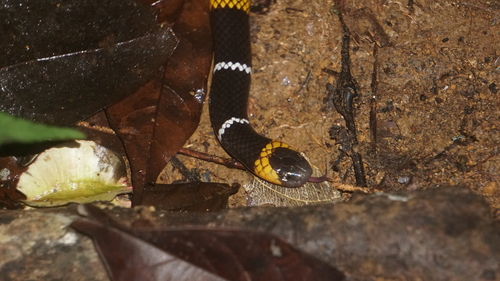 Hemprich's CoralsnakeMicrurus hemprichiiVenomous
Rings of red, yellow, and black where red touches yellow; small rounded head and round pupils.
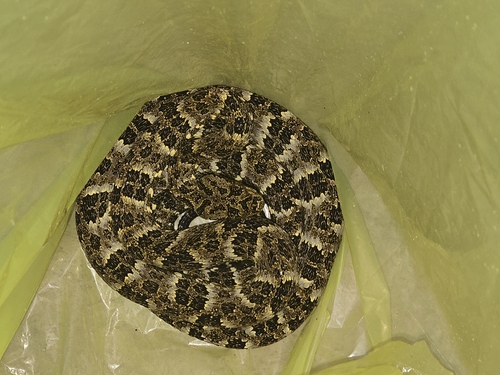
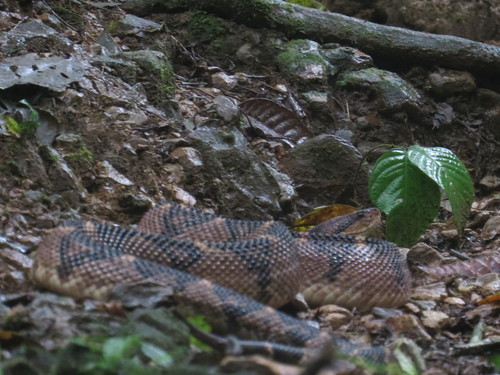
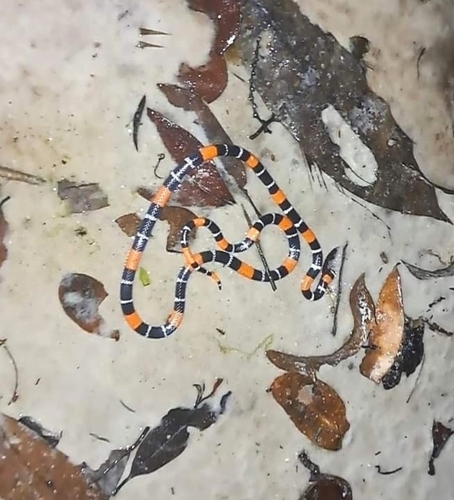 Slender CoralsnakeMicrurus filiformisVenomous
Rings of red, yellow, and black where red touches yellow; small rounded head and round pupils.
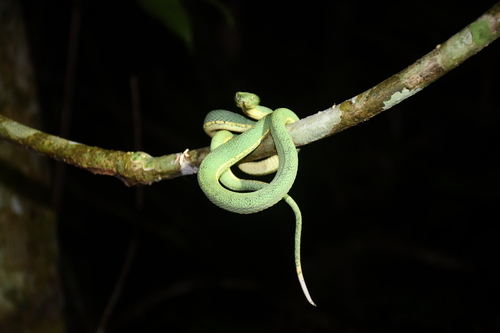
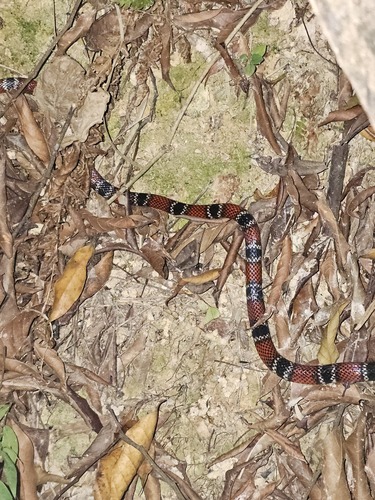 Santander CoralsnakeMicrurus sangilensisVenomous
Rings of red, yellow, and black where red touches yellow; small rounded head and round pupils.
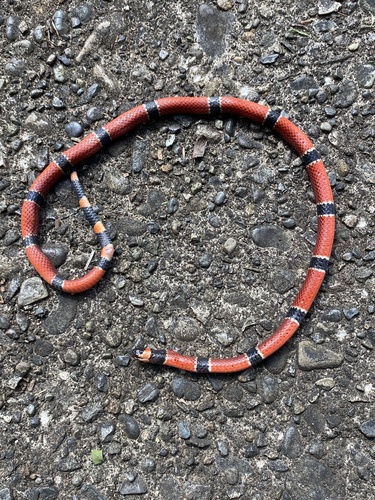 Central American CoralsnakeMicrurus nigrocinctusVenomous
Rings of red, yellow, and black where red touches yellow; small rounded head and round pupils.
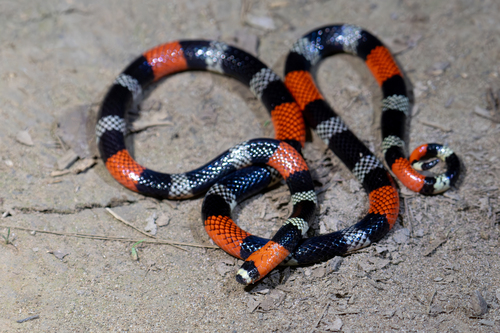 Western Ribbon CoralsnakeMicrurus helleriVenomous
Rings of red, yellow, and black where red touches yellow; small rounded head and round pupils.
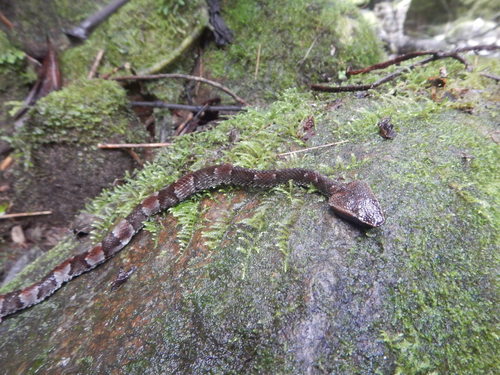
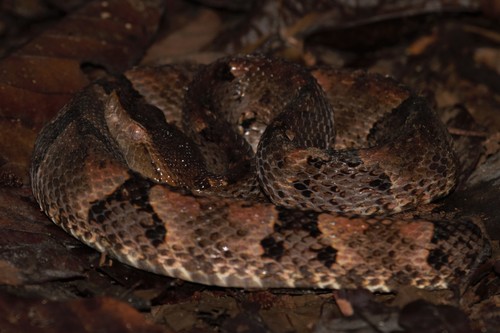
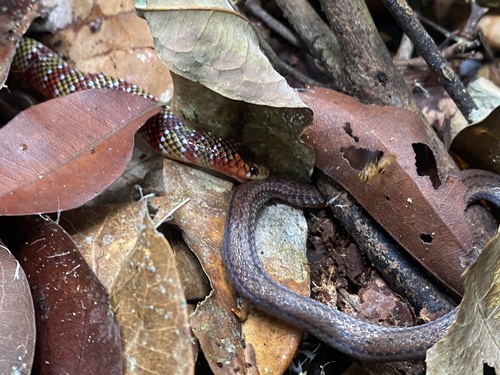 Langsdorff's CoralsnakeMicrurus langsdorffiVenomous
Rings of red, yellow, and black where red touches yellow; small rounded head and round pupils.
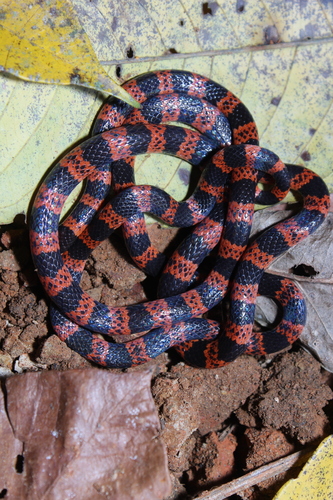 Cauca CoralsnakeMicrurus multiscutatusVenomous
Rings of red, yellow, and black where red touches yellow; small rounded head and round pupils.
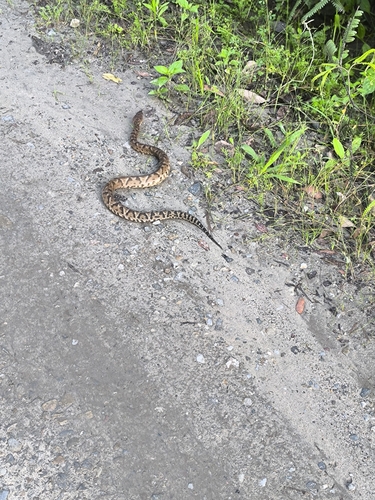
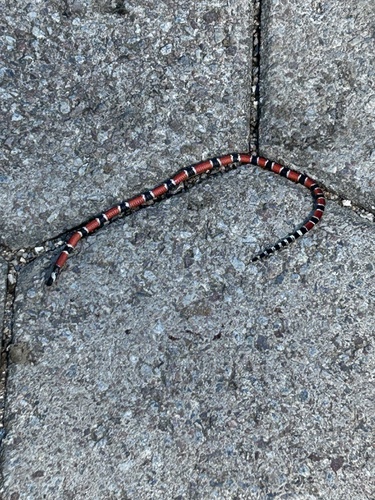 Painted CoralsnakeMicrurus corallinusVenomous
Rings of red, yellow, and black where red touches yellow; small rounded head and round pupils.
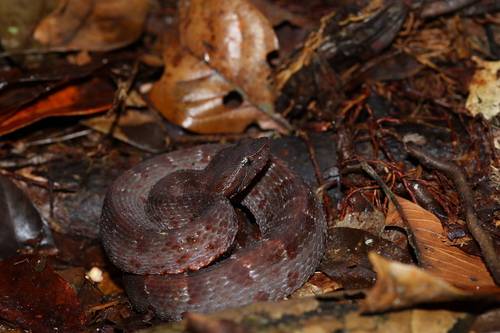
 Venezuelan CoralsnakeMicrurus isozonusVenomous
Rings of red, yellow, and black where red touches yellow; small rounded head and round pupils.
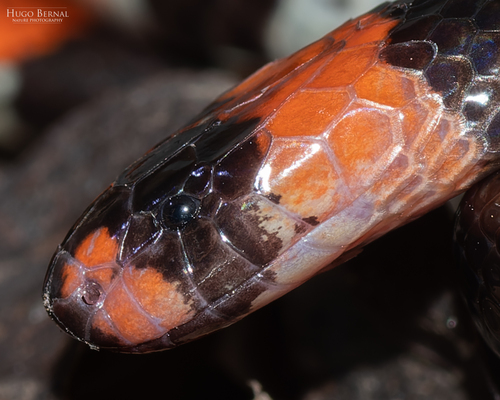 Camila's CoralsnakeMicrurus camilaeVenomous
Rings of red, yellow, and black where red touches yellow; small rounded head and round pupils.
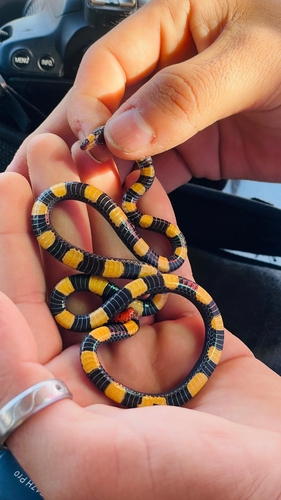 Pygmy Slender CoralsnakeMicrurus scutiventrisVenomous
Rings of red, yellow, and black where red touches yellow; small rounded head and round pupils.
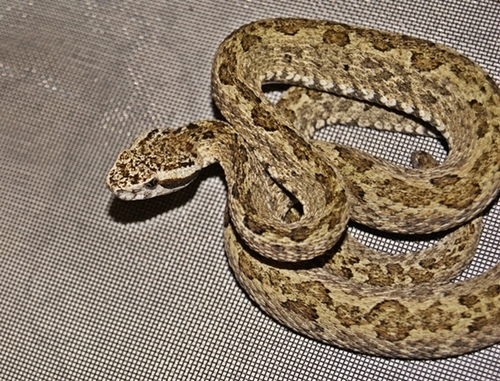
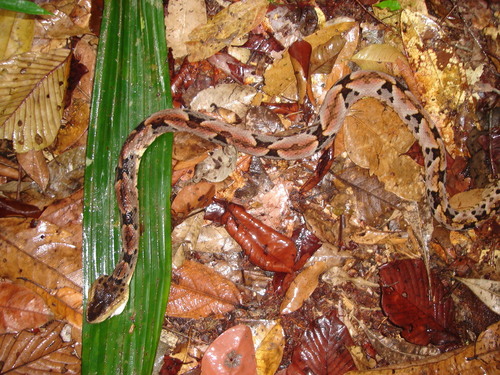
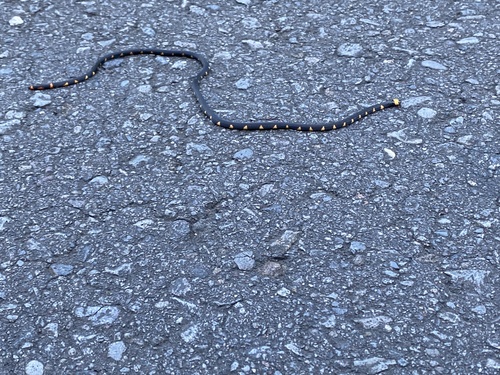 Andean Blackback CoralsnakeMicrurus narducciiVenomous
Rings of red, yellow, and black where red touches yellow; small rounded head and round pupils.
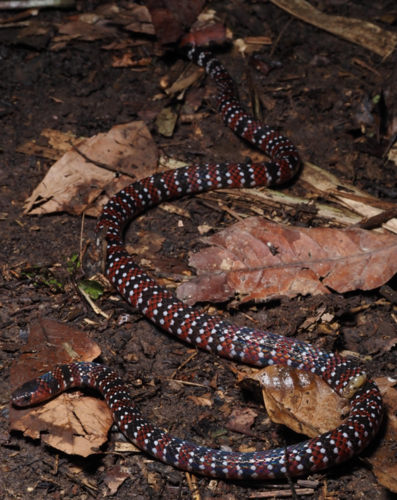 Ornate CoralsnakeMicrurus ornatissimusVenomous
Rings of red, yellow, and black where red touches yellow; small rounded head and round pupils.
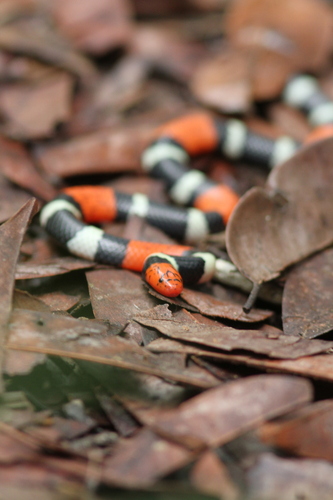 Natterer's CoralsnakeMicrurus nattereriVenomous
Rings of red, yellow, and black where red touches yellow; small rounded head and round pupils.
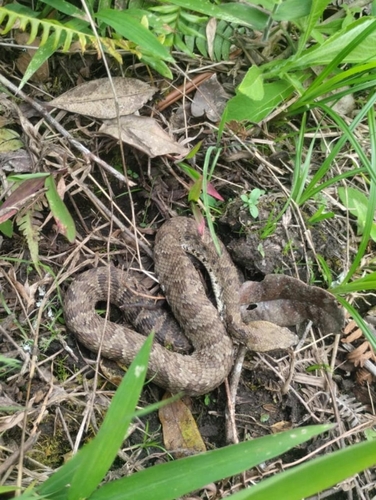
 Tikuna CoralsnakeMicrurus tikunaVenomous
Rings of red, yellow, and black where red touches yellow; small rounded head and round pupils.
- No photoColombian CoralsnakeMicrurus spurrelliVenomous
Rings of red, yellow, and black where red touches yellow; small rounded head and round pupils.
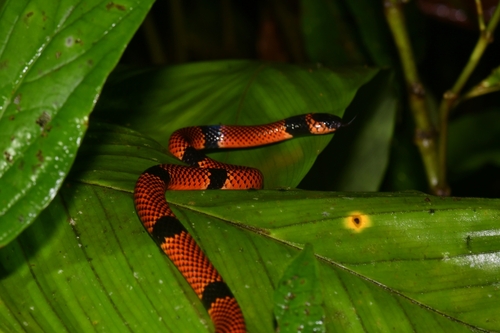 Clark's CoralsnakeMicrurus clarkiVenomous
Rings of red, yellow, and black where red touches yellow; small rounded head and round pupils.
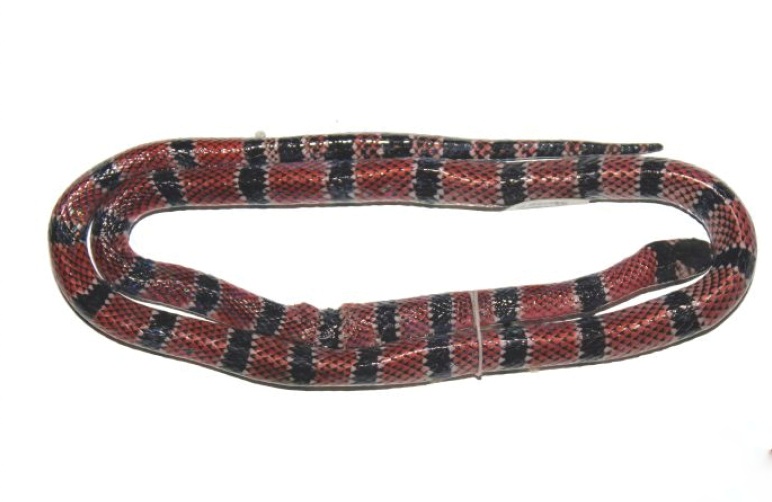 Neblina CoralsnakeMicrurus remotusVenomous
Rings of red, yellow, and black where red touches yellow; small rounded head and round pupils.
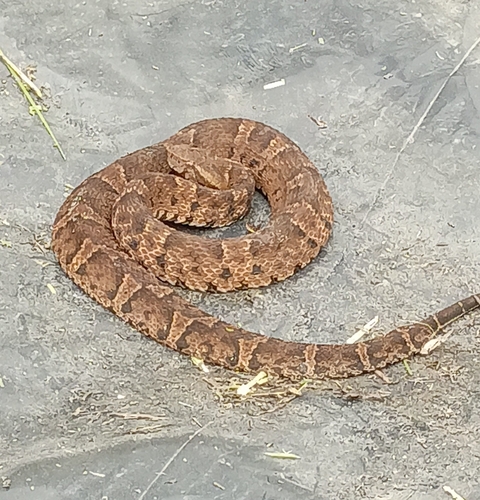
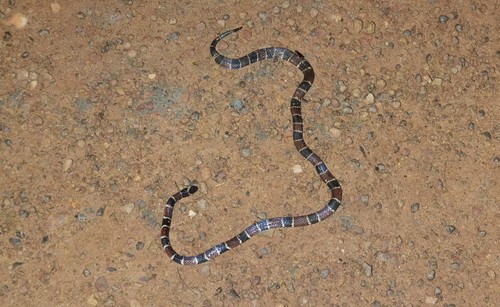 Carib CoralsnakeMicrurus psychesVenomous
Rings of red, yellow, and black where red touches yellow; small rounded head and round pupils.
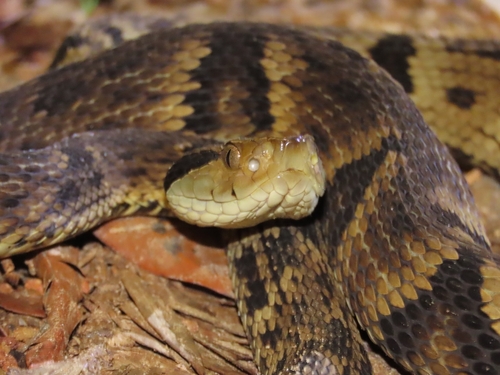
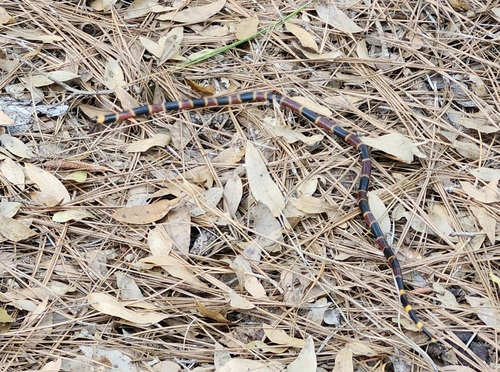 Eastern CoralsnakeMicrurus fulviusVenomous
Rings of red, yellow, and black where red touches yellow; small rounded head and round pupils.
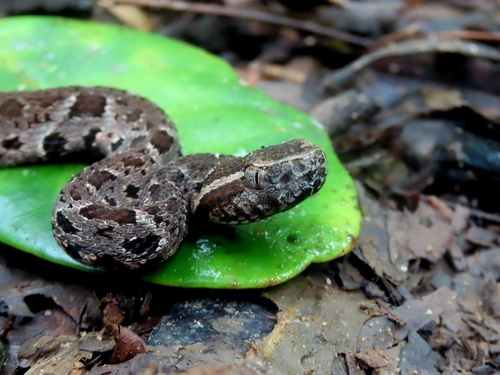
 Ecuador CoralsnakeMicrurus bocourtiVenomous
Rings of red, yellow, and black where red touches yellow; small rounded head and round pupils.
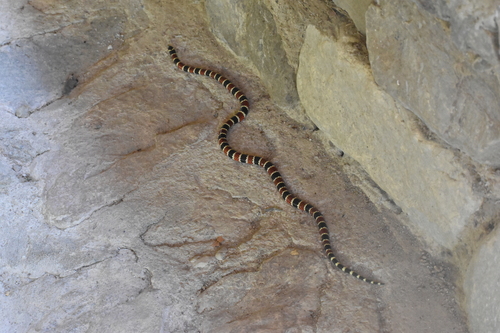 Mertens' CoralsnakeMicrurus mertensiVenomous
Rings of red, yellow, and black where red touches yellow; small rounded head and round pupils.
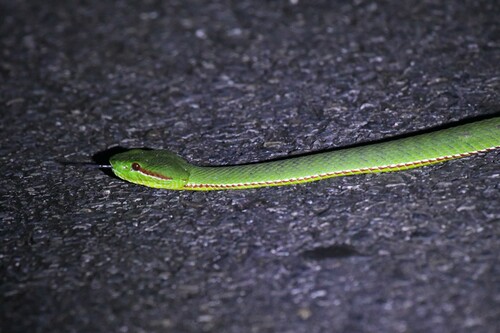
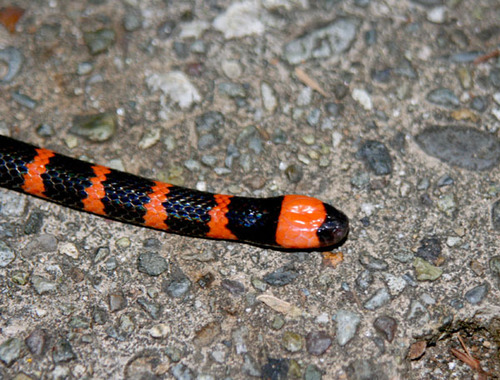 Many-banded CoralsnakeMicrurus multifasciatusVenomous
Rings of red, yellow, and black where red touches yellow; small rounded head and round pupils.
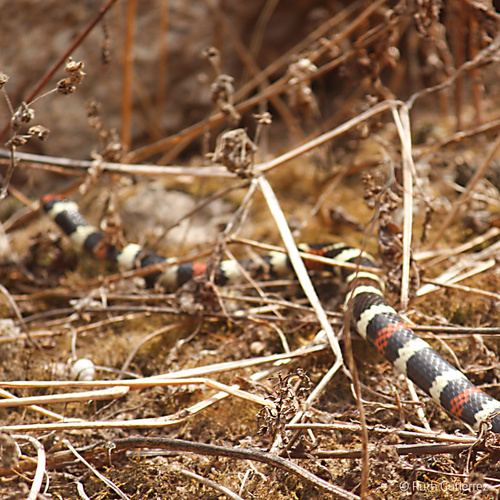 Desert CoralsnakeMicrurus tschudiiVenomous
Rings of red, yellow, and black where red touches yellow; small rounded head and round pupils.
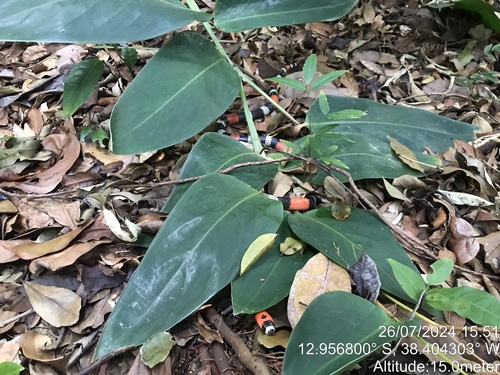 Caatinga CoralsnakeMicrurus ibibobocaVenomous
Rings of red, yellow, and black where red touches yellow; small rounded head and round pupils.
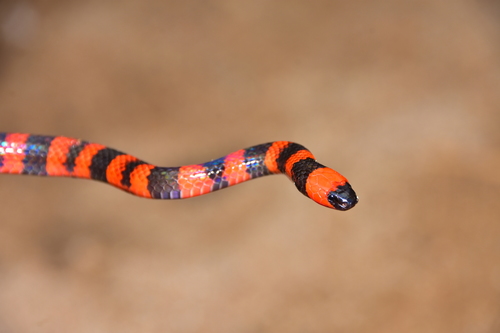 Roatán CoralsnakeMicrurus ruatanusVenomous
Rings of red, yellow, and black where red touches yellow; small rounded head and round pupils.
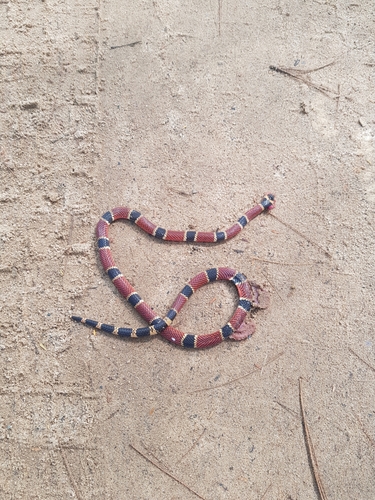 Peru CoralsnakeMicrurus peruvianusVenomous
Rings of red, yellow, and black where red touches yellow; small rounded head and round pupils.
Every snake recorded in Colombia
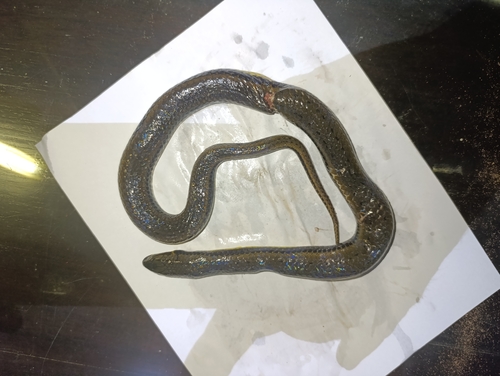
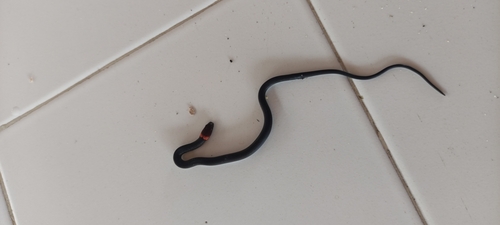
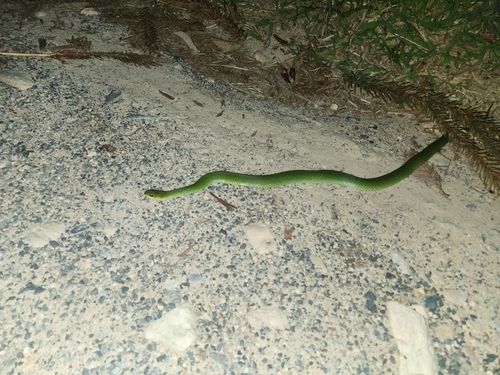
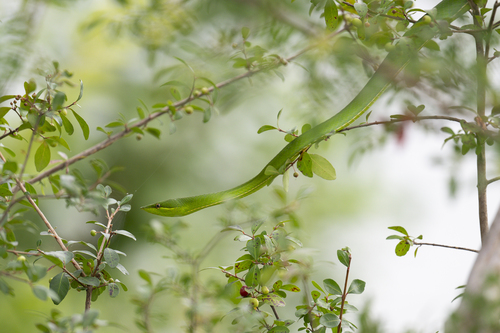
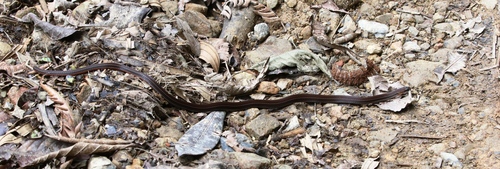
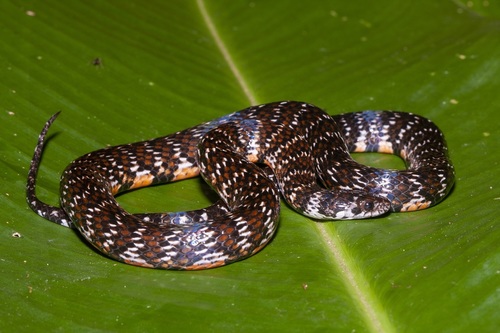
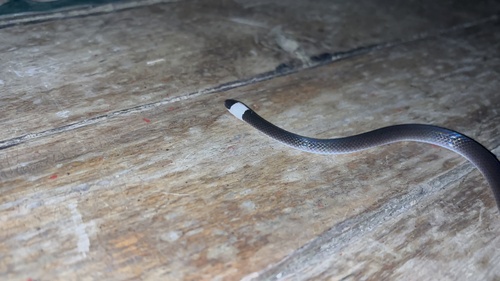
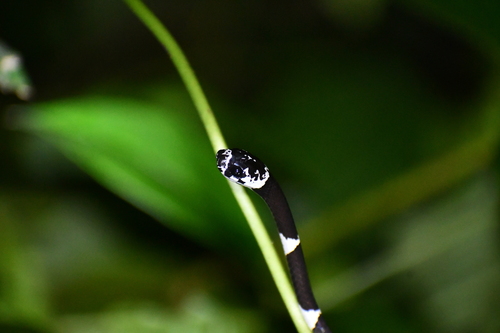
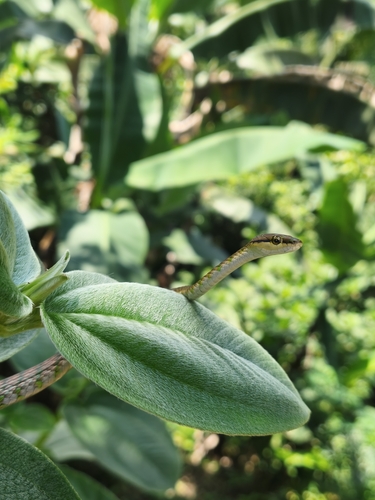
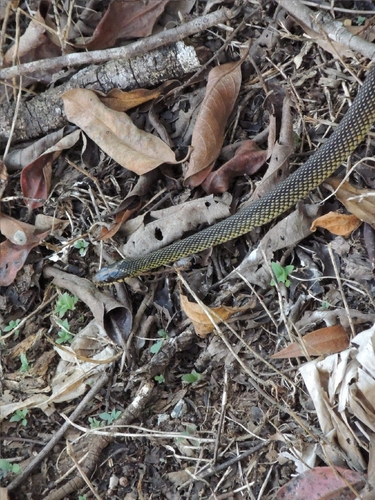
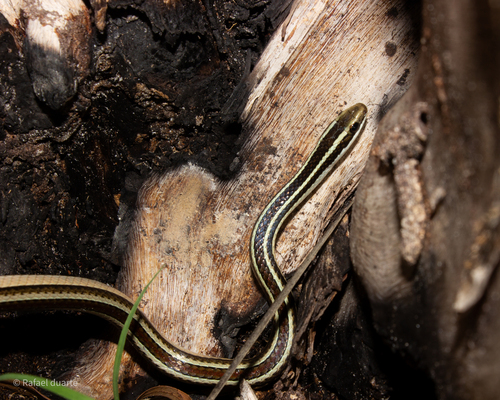
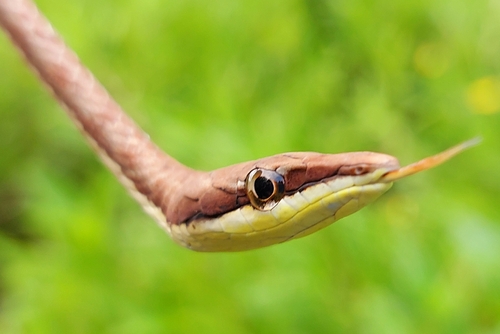
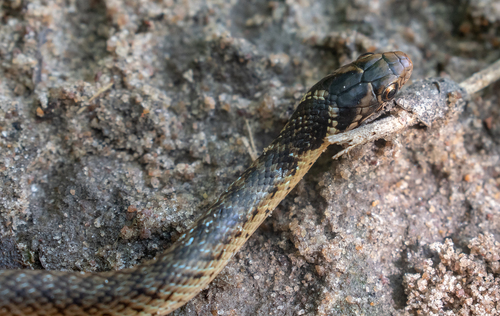
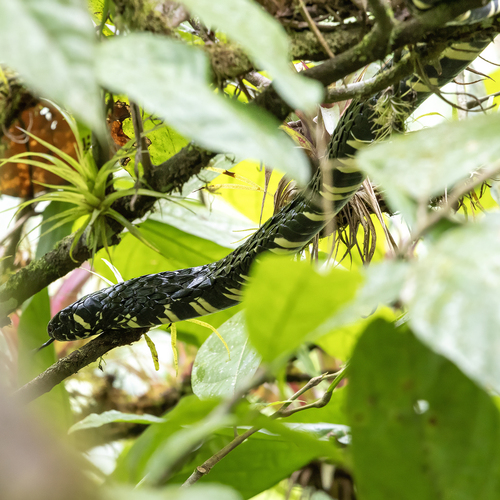
350+ species across 10 families, grouped by family. Venomous flagged.
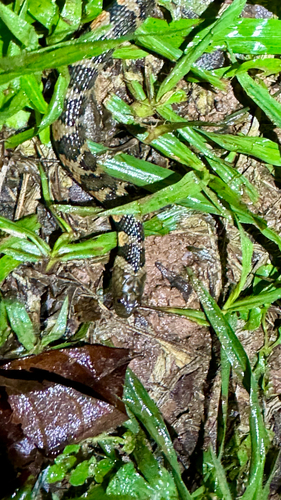
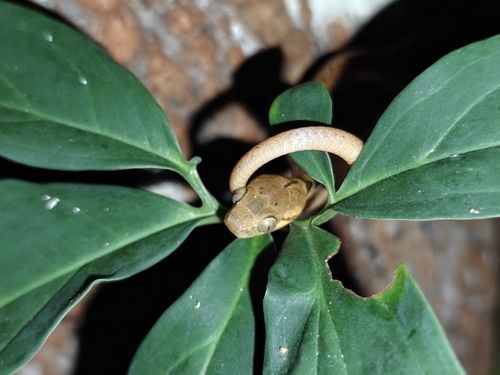
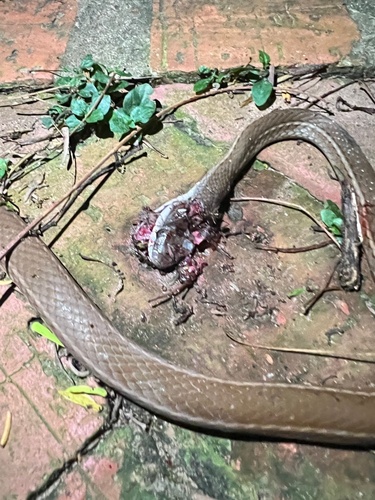
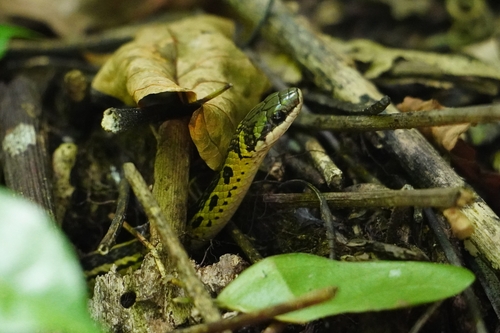
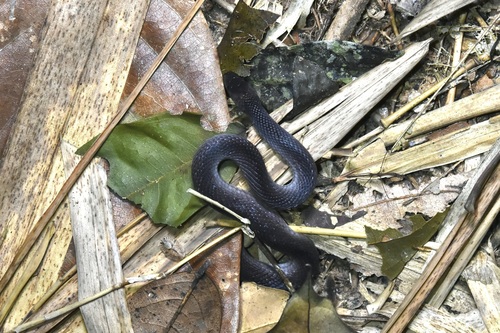
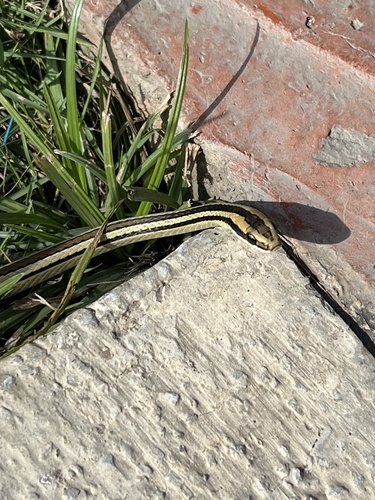
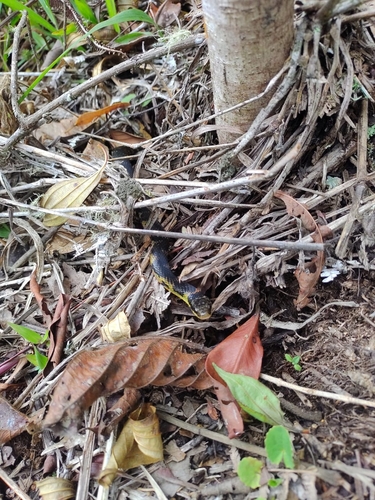
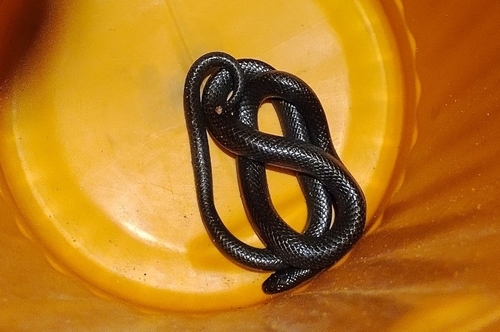
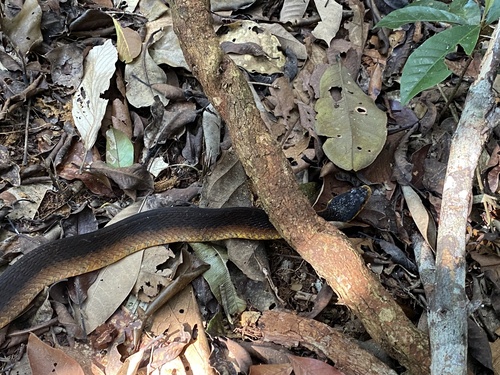
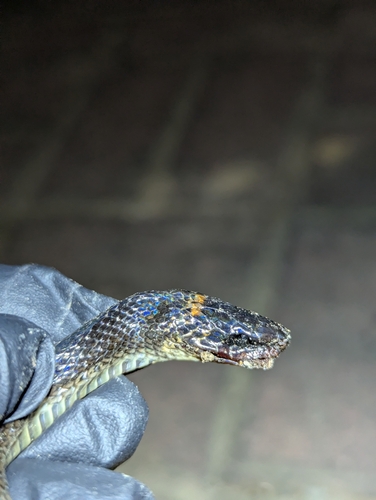
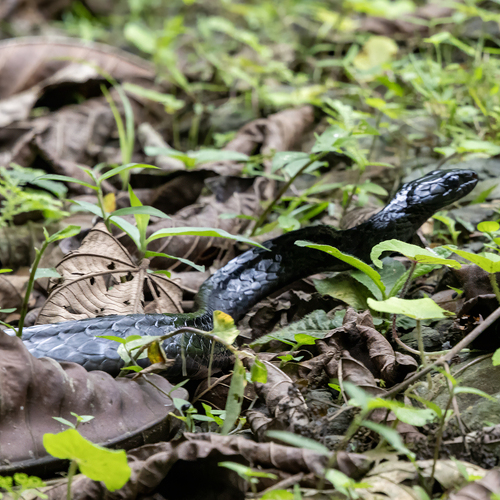
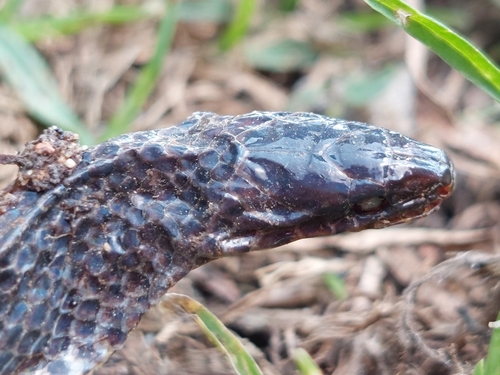
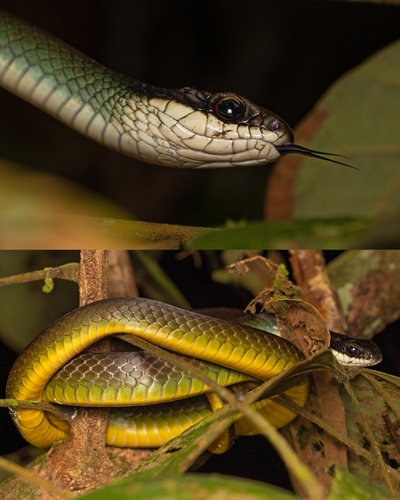
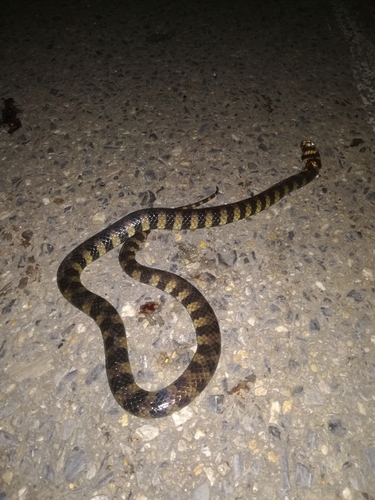
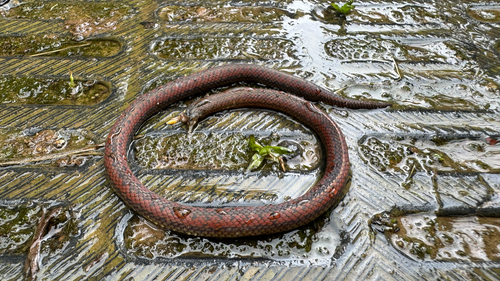
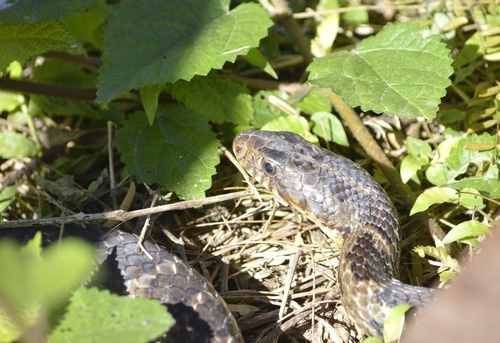
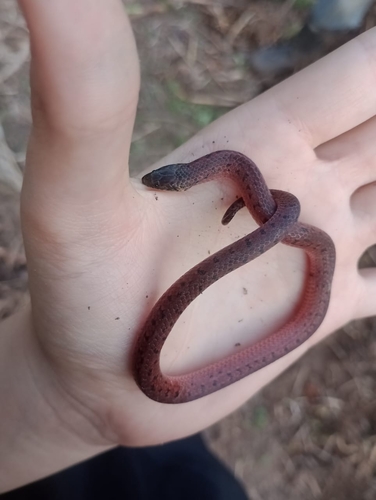
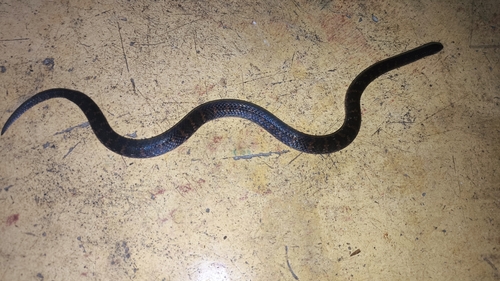
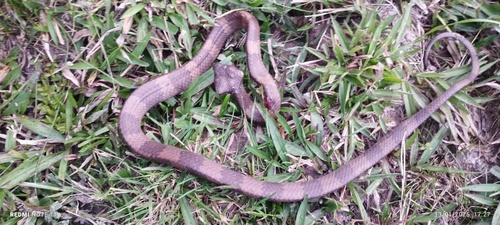
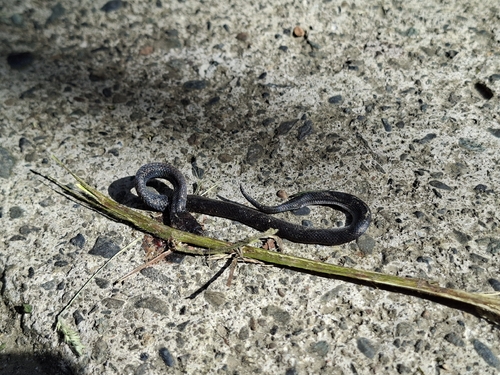
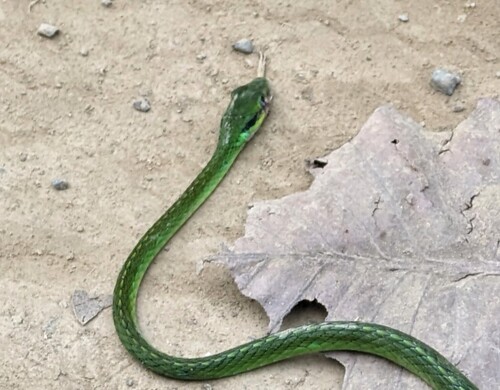
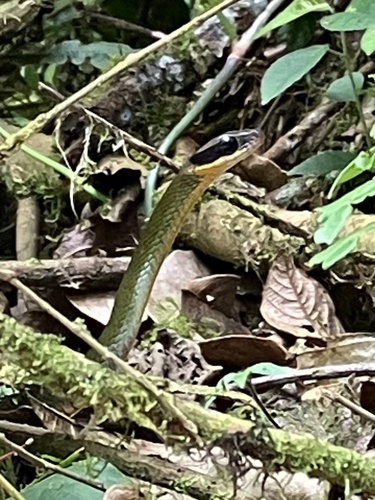
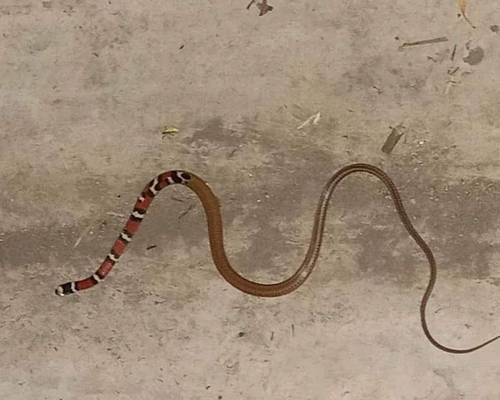
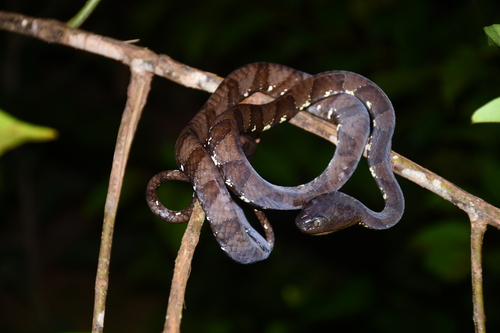
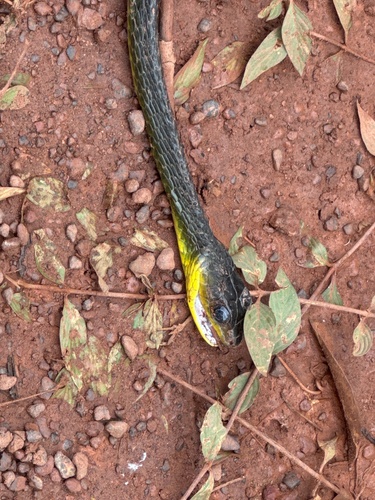
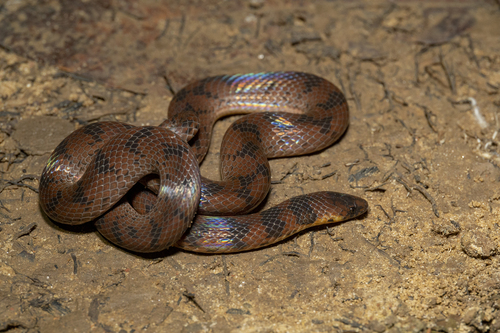
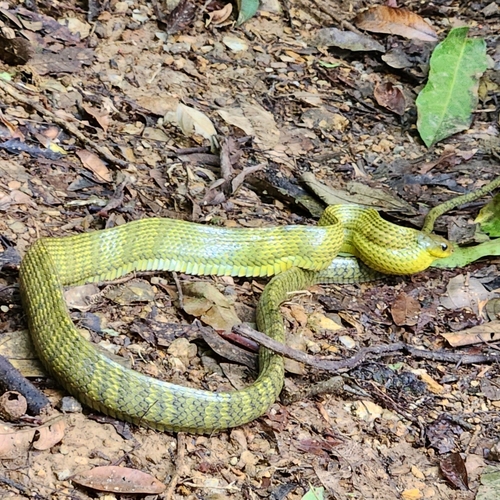
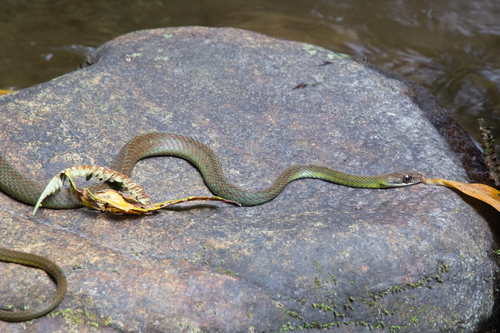
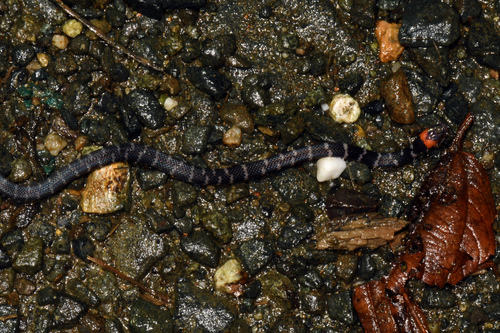
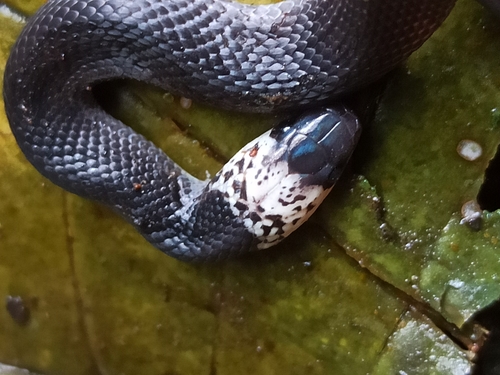
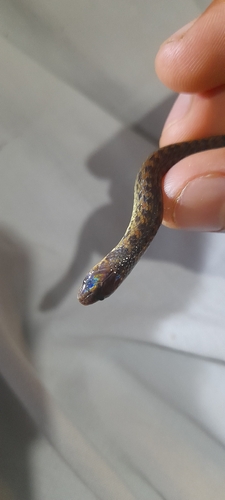
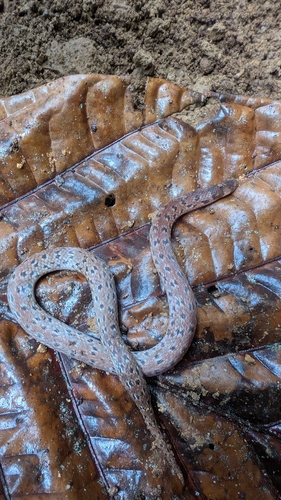
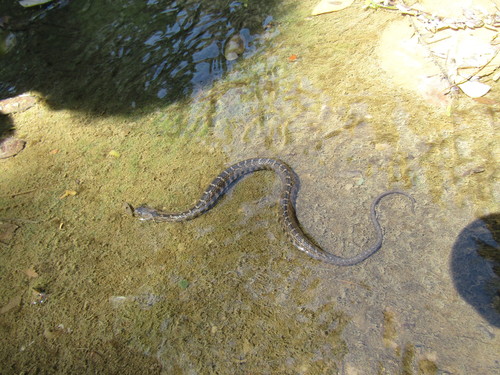
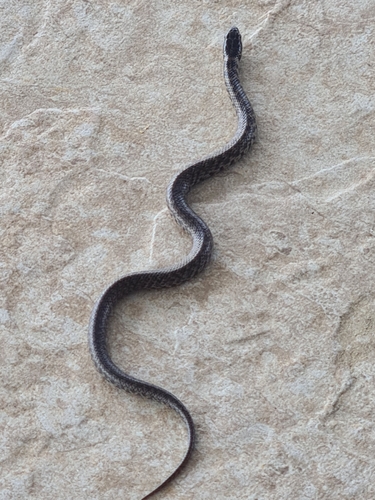
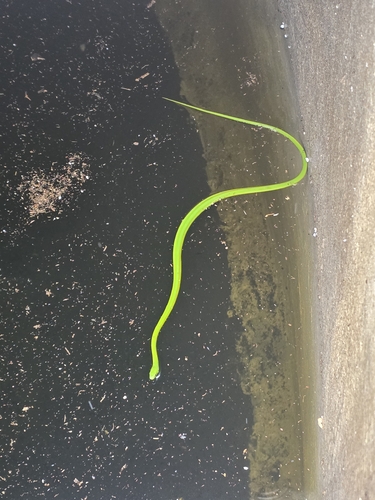
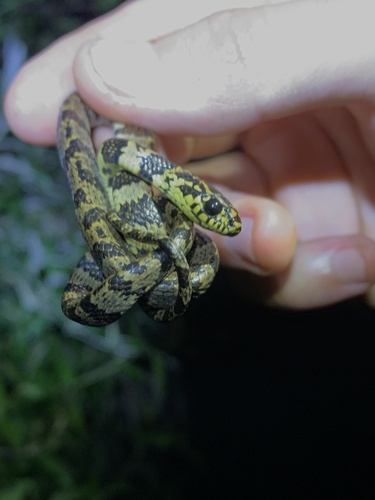
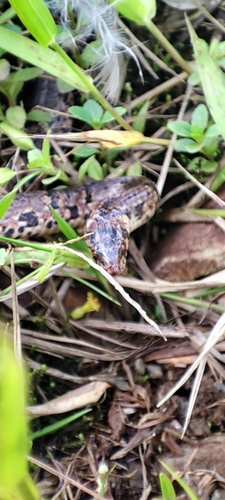
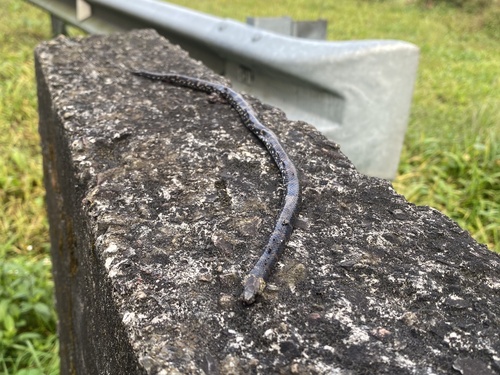
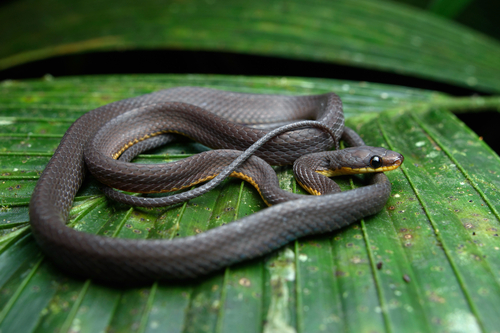
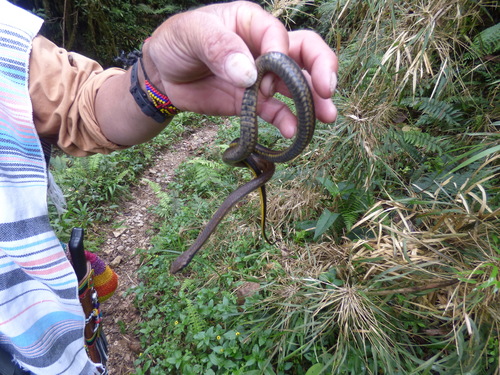
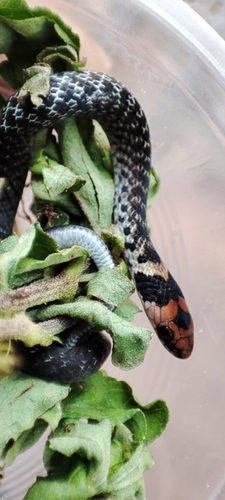
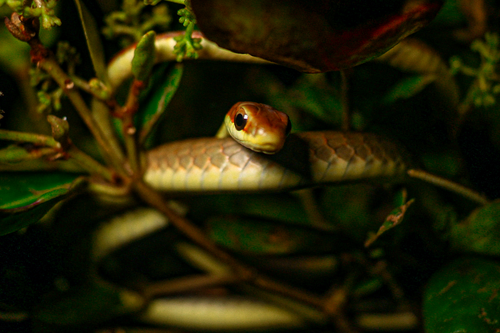
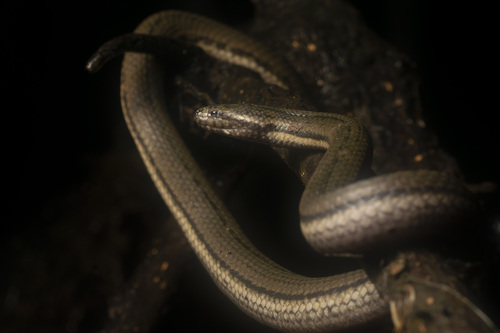
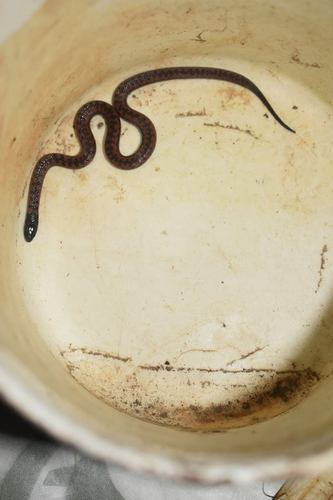
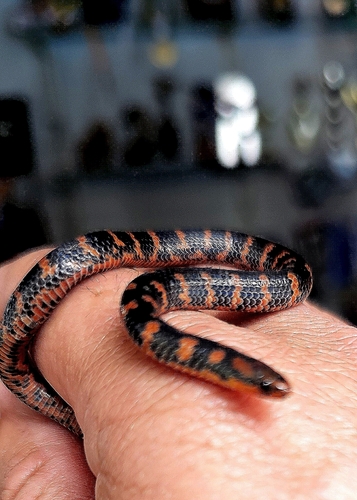
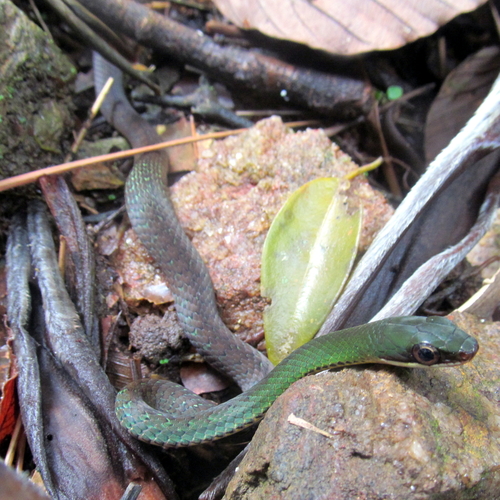
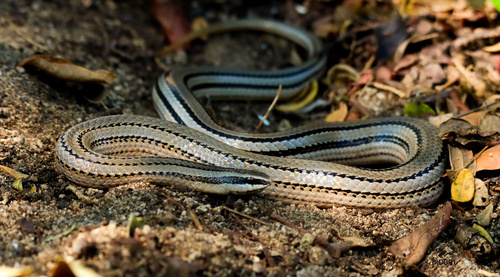
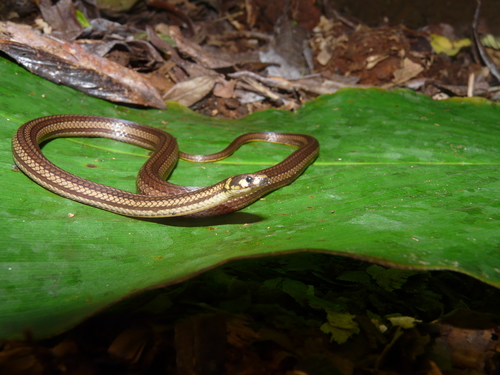
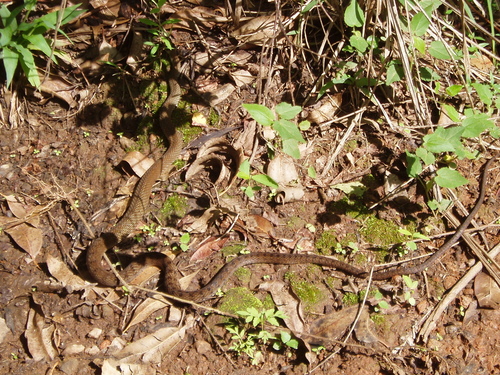
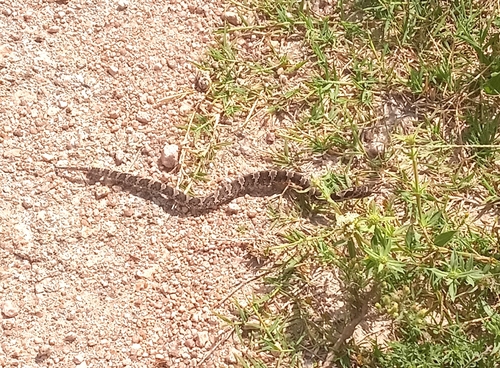
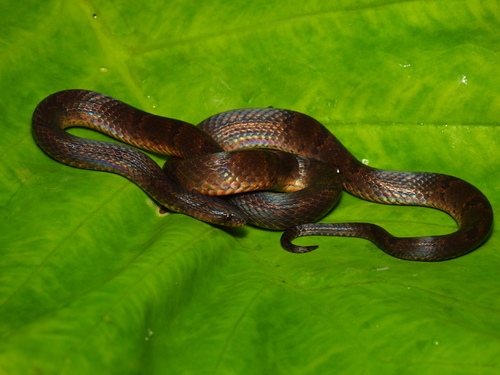
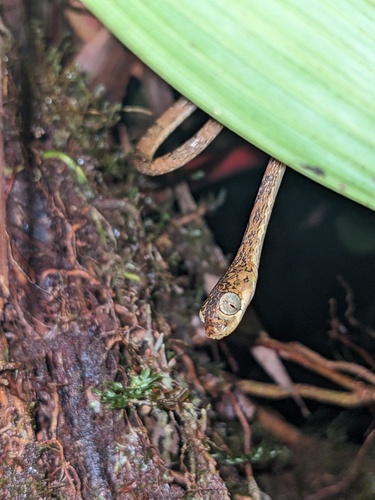
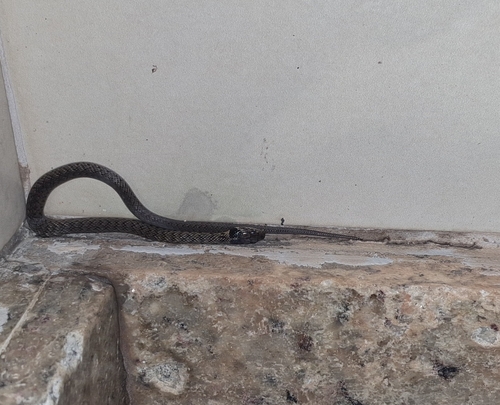
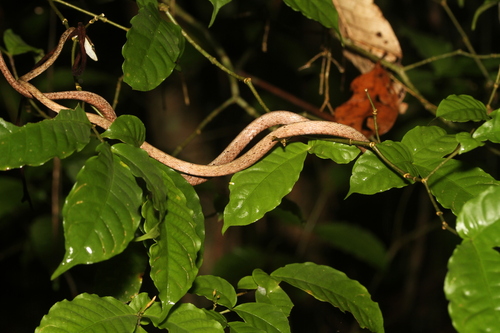
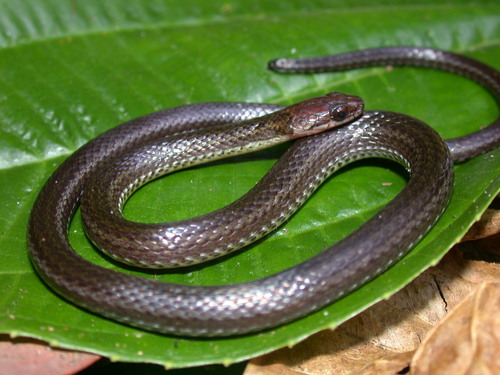
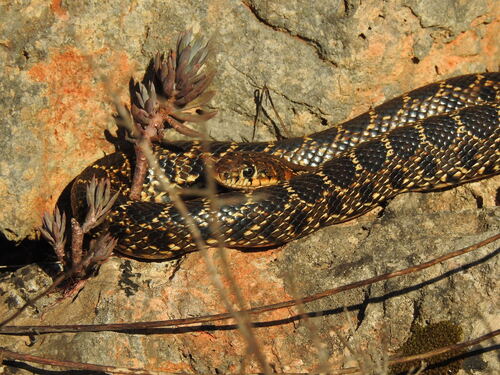
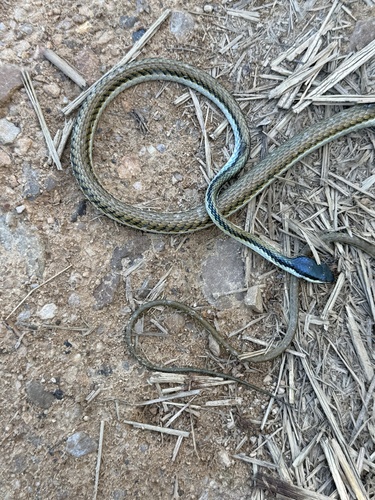
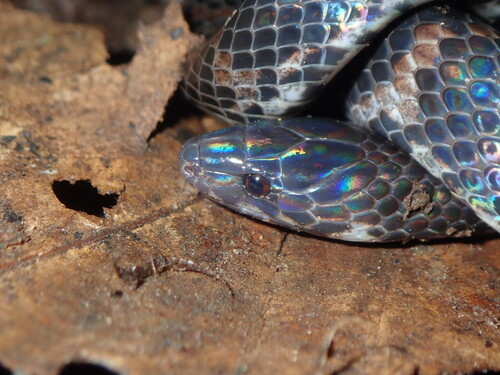
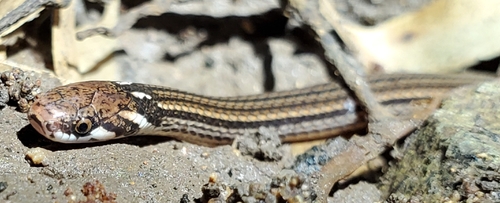
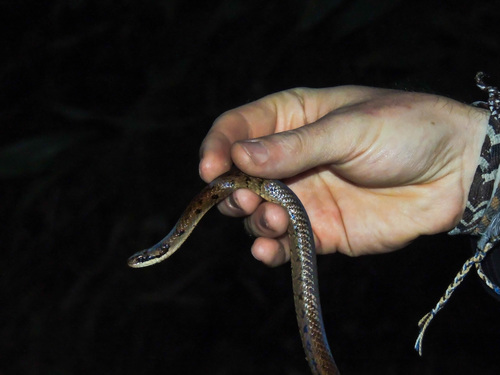
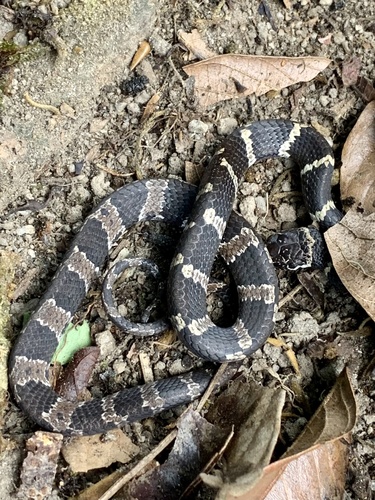
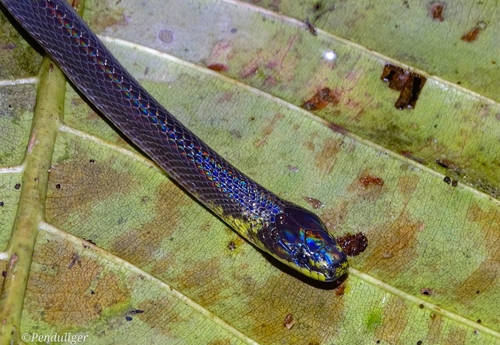
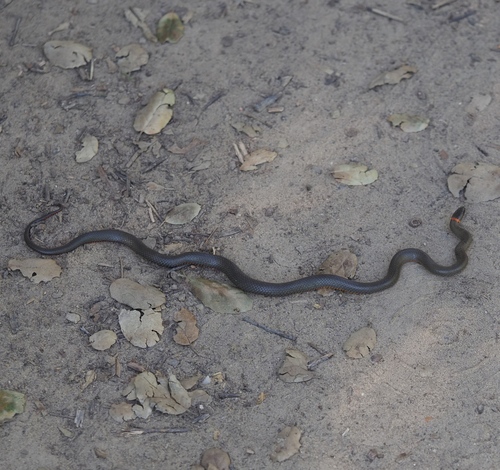
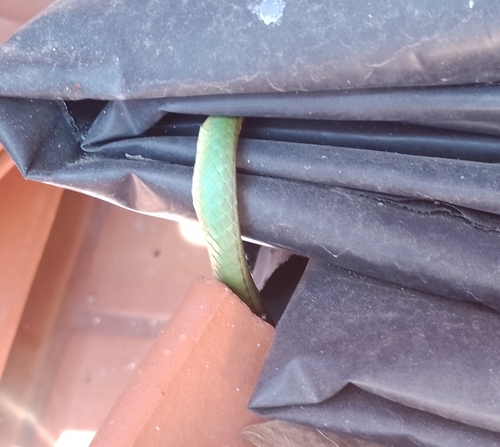
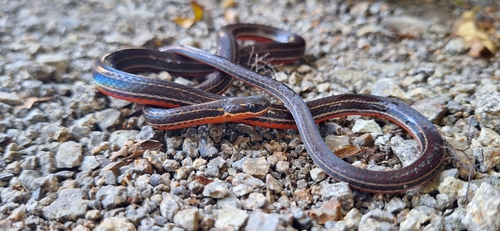
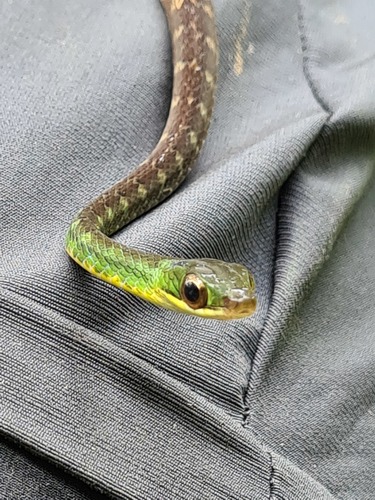
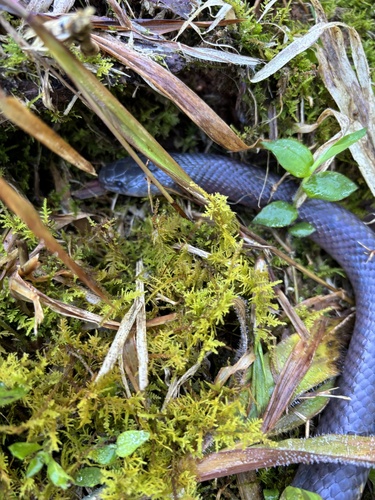
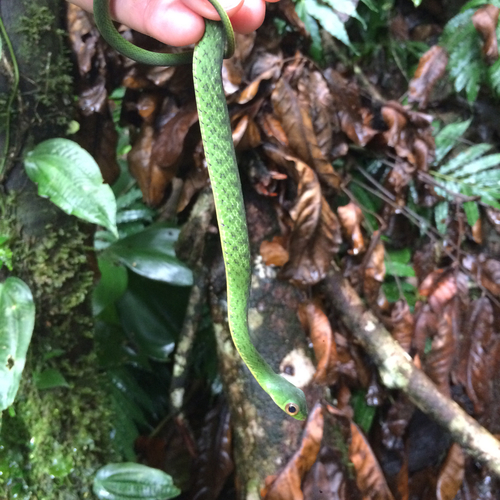
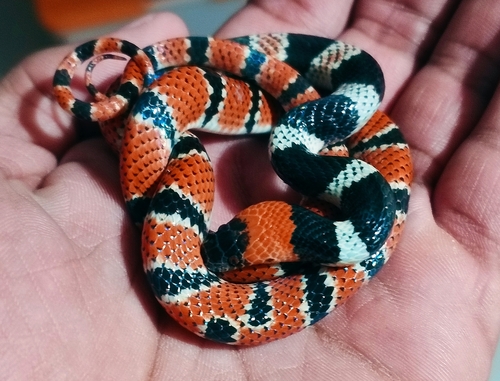
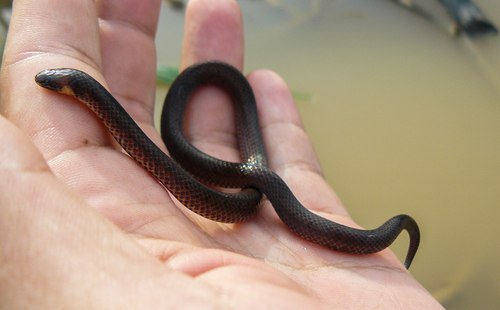
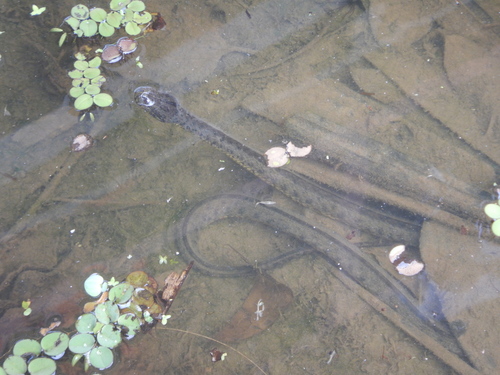
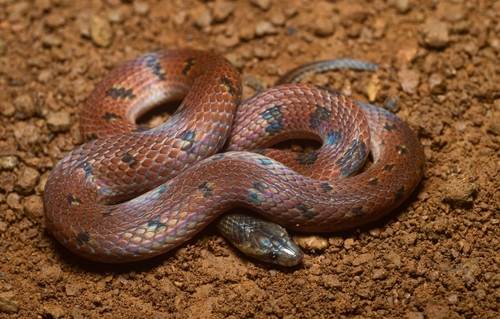
Colubridae (257)
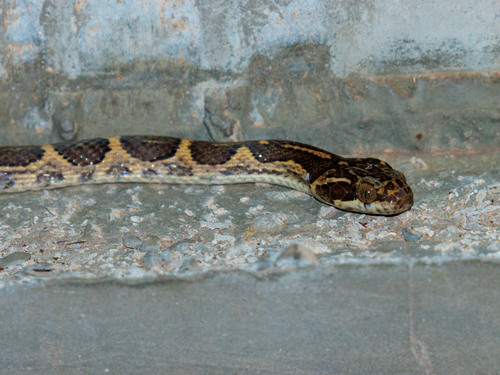
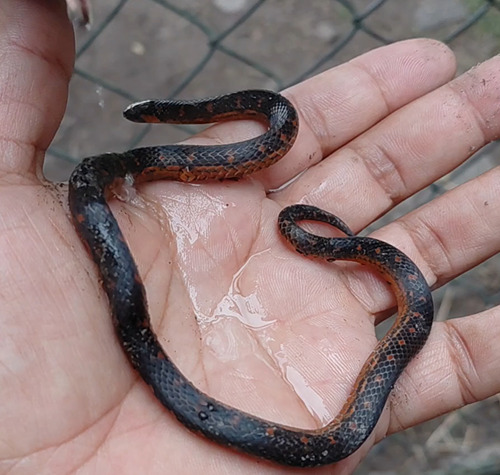
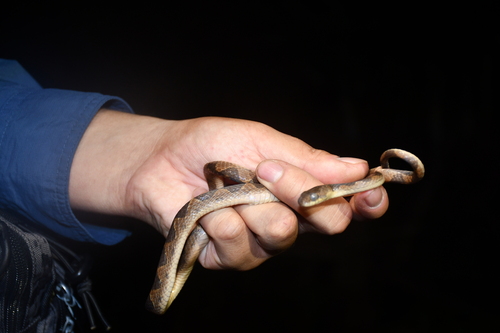
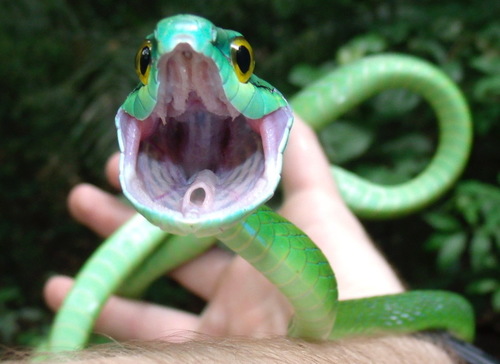
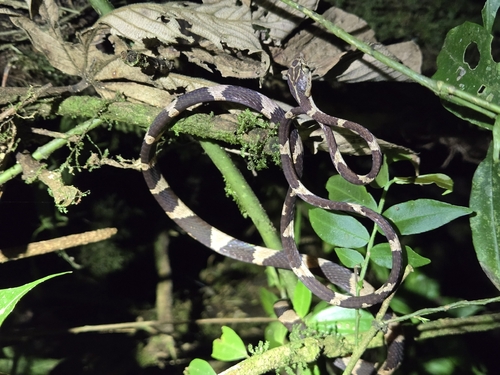
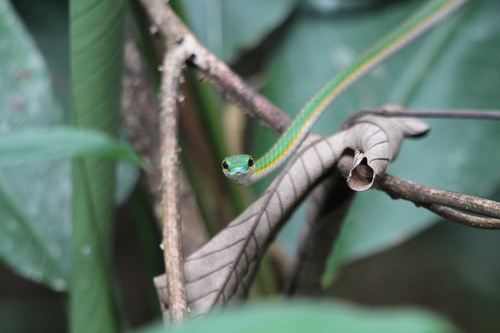
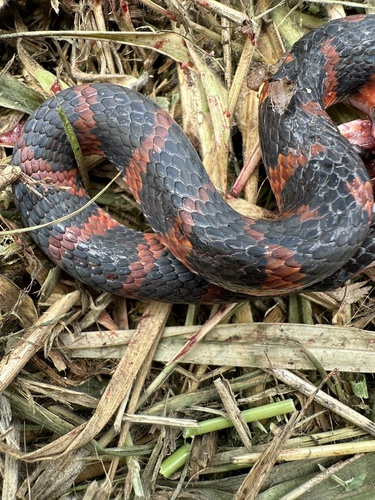
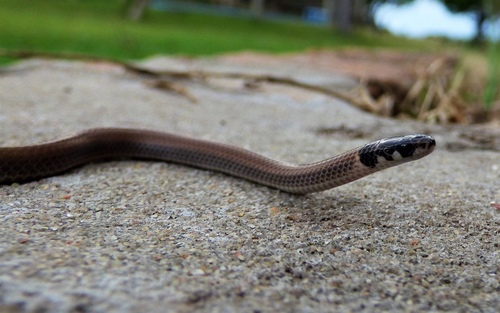
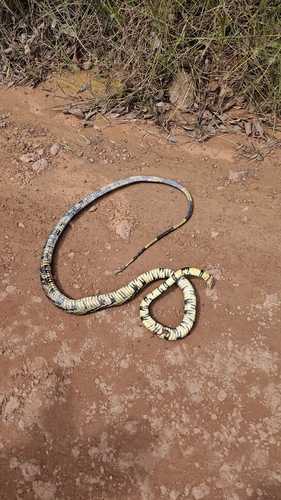
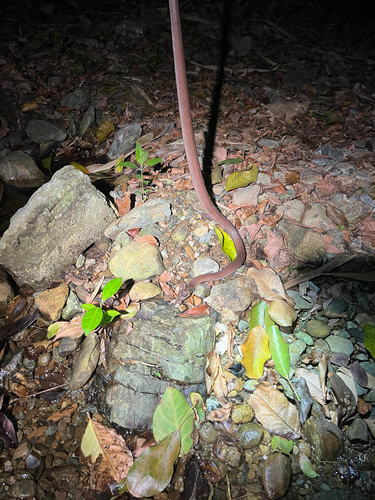
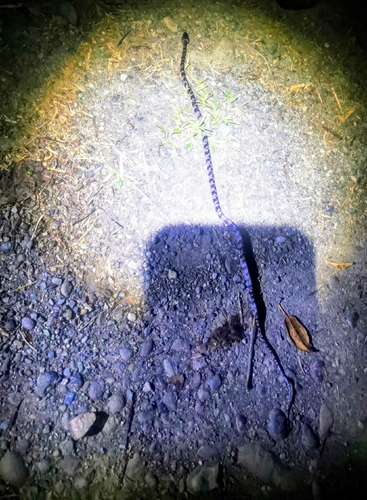
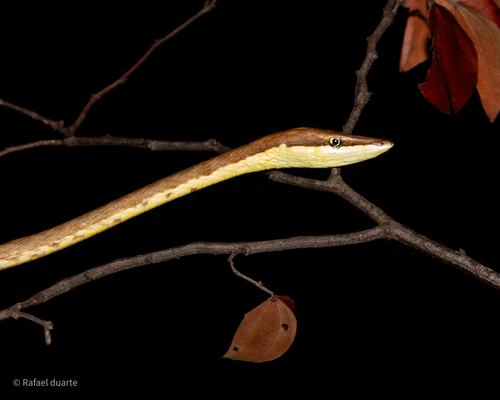
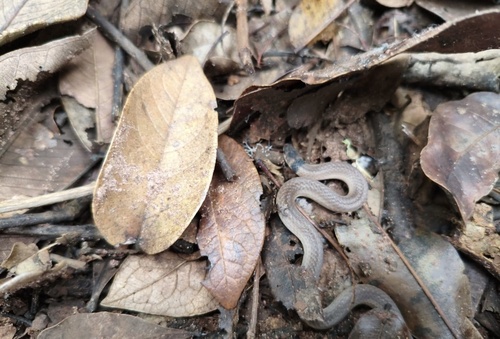
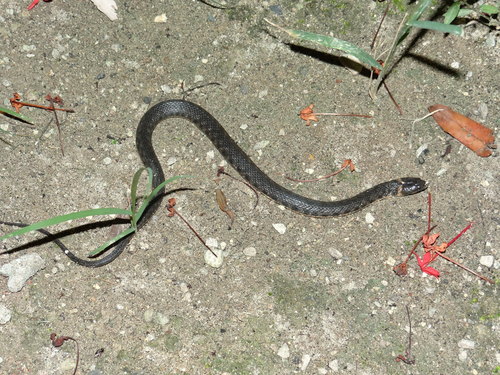
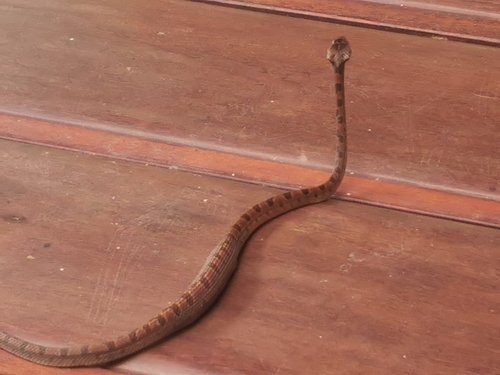
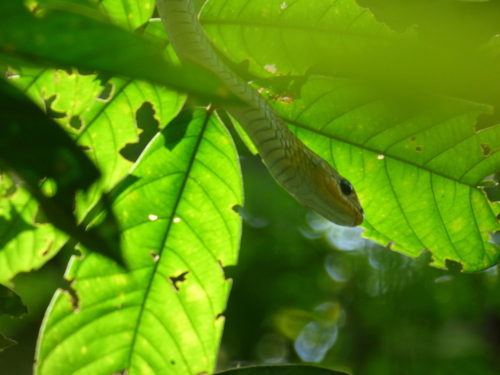
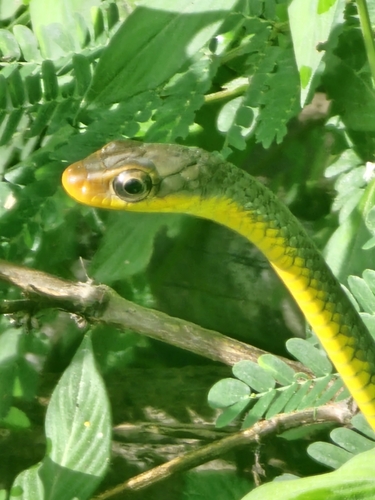
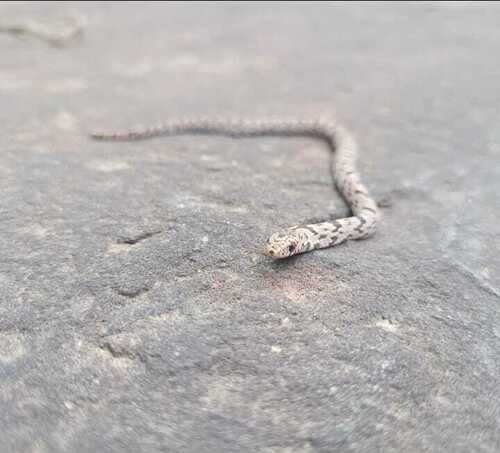
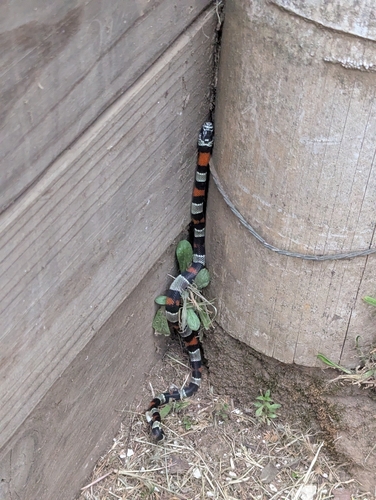
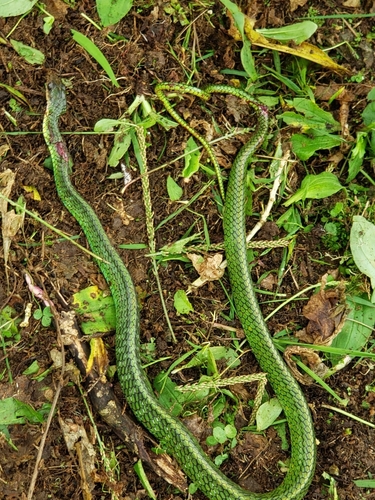
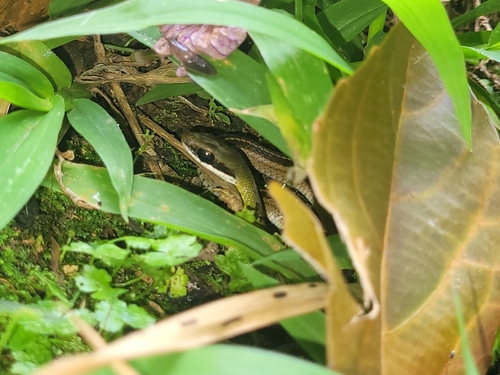
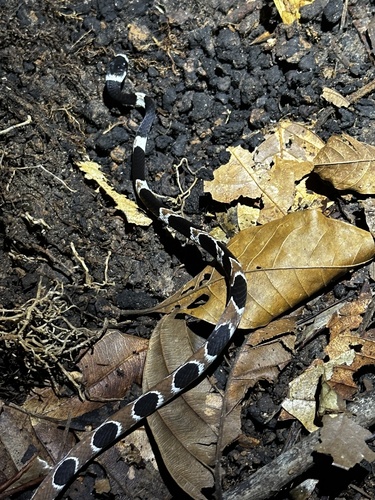
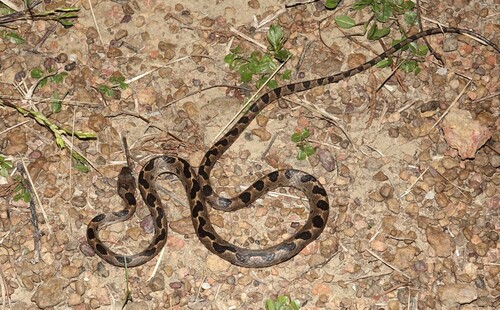
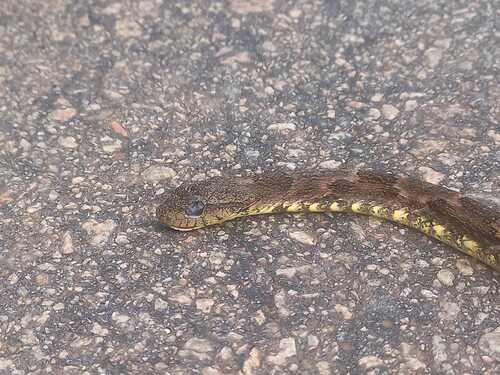
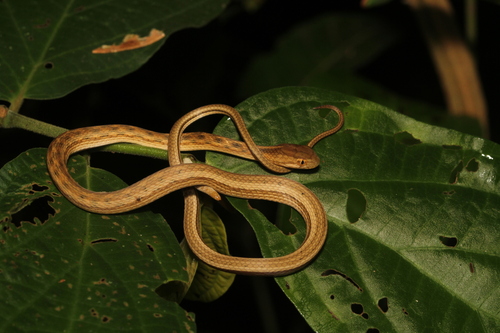
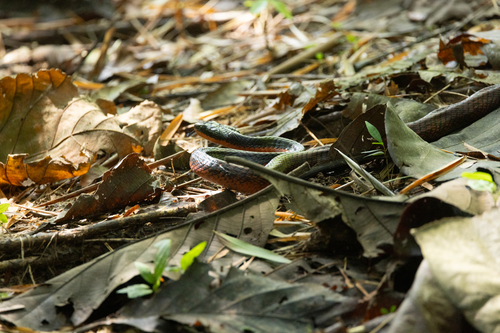
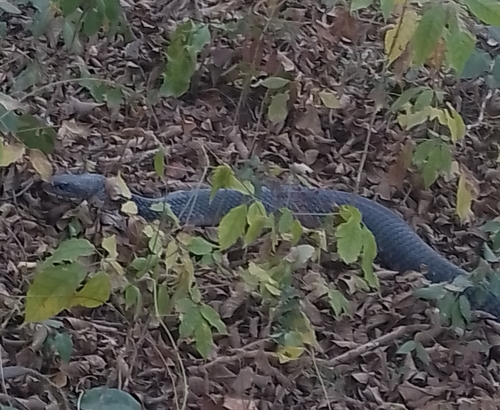
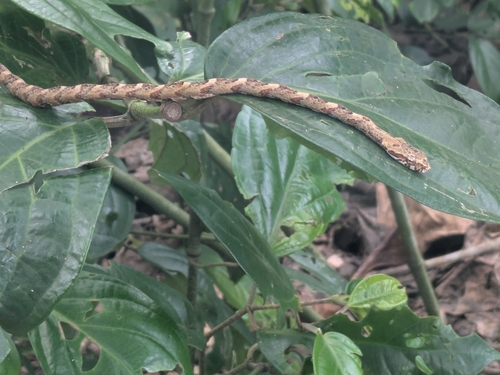
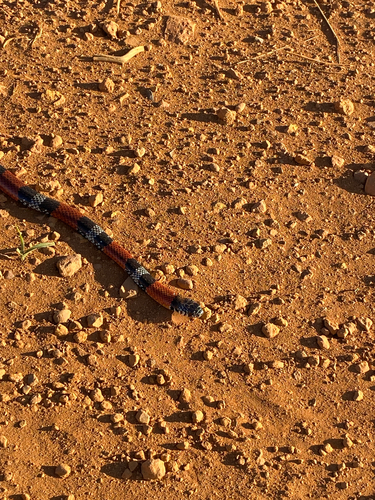
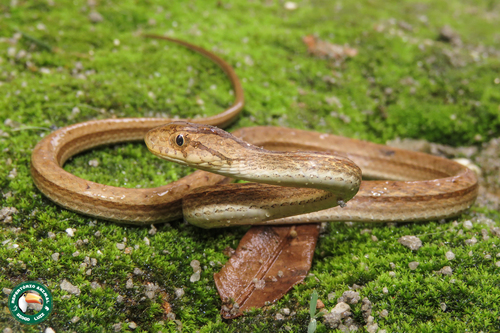
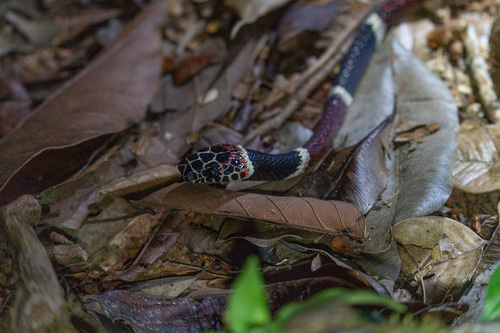
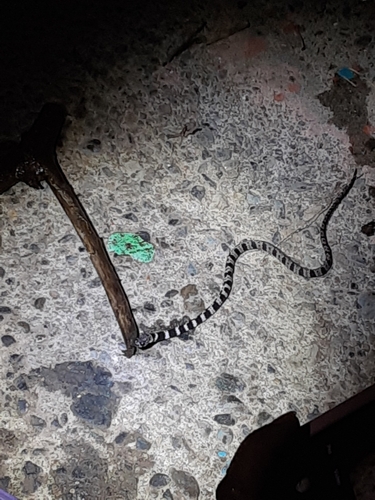
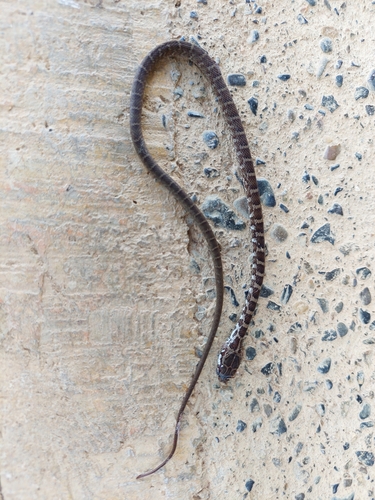
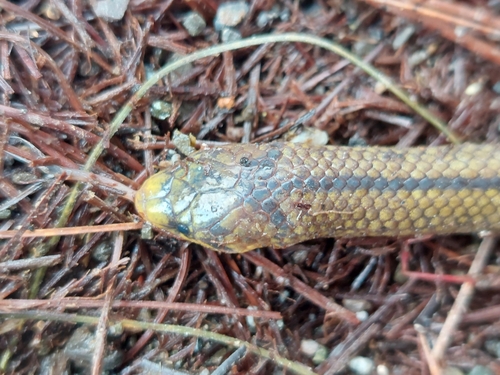
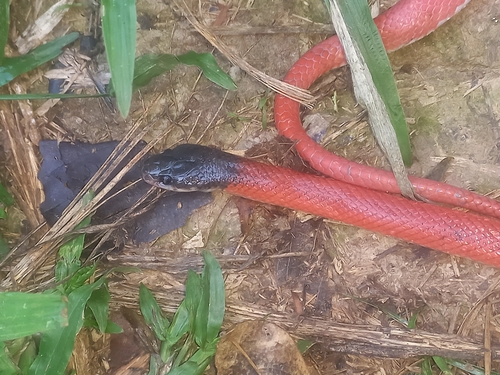
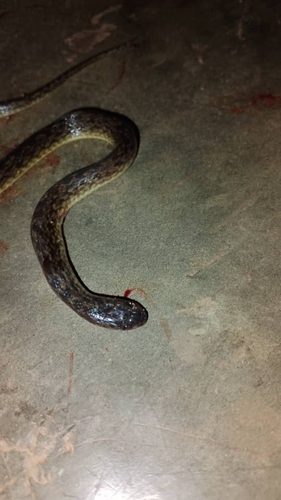
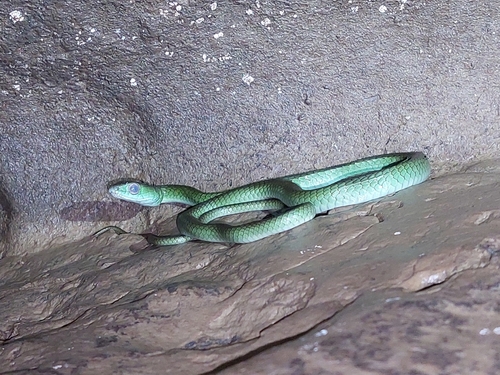
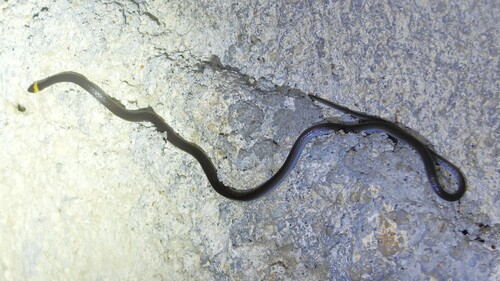
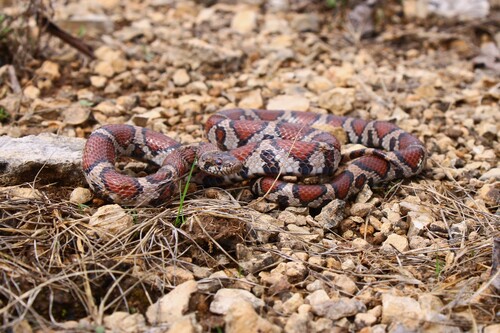
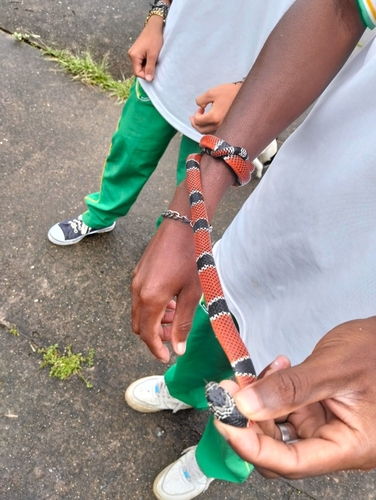
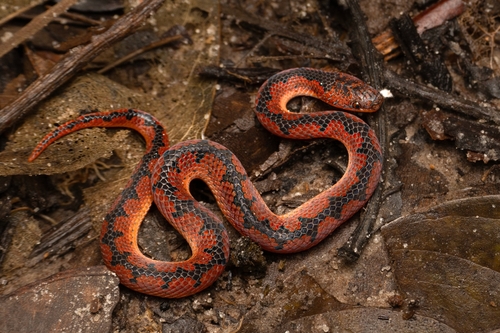
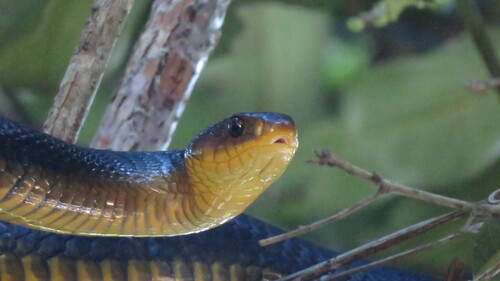
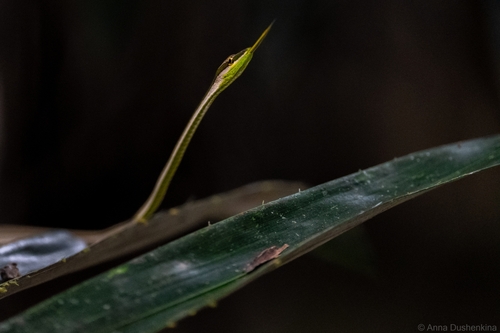
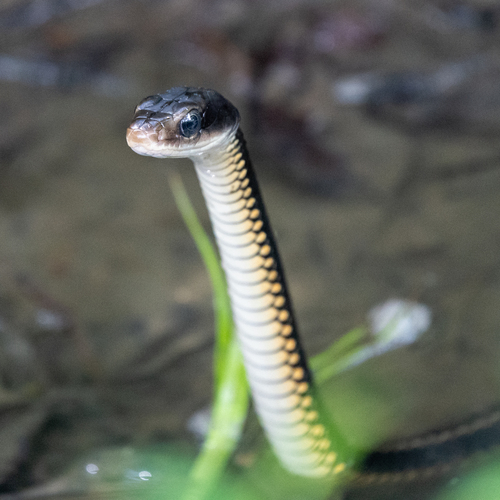
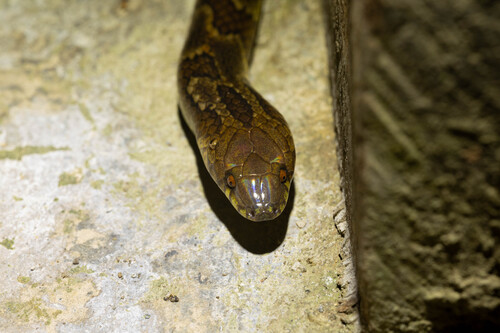
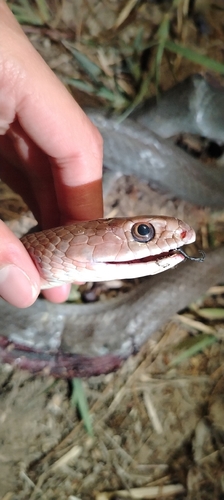
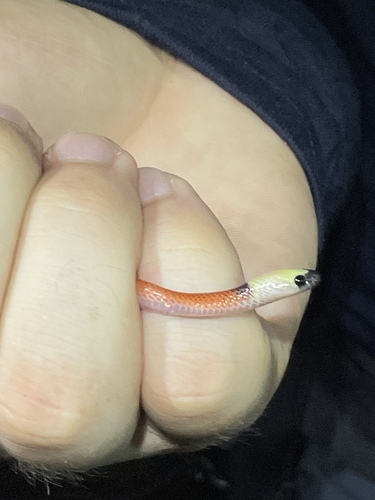
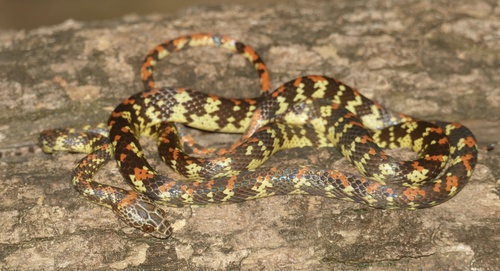
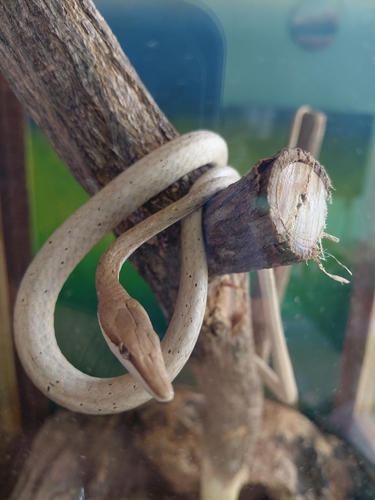
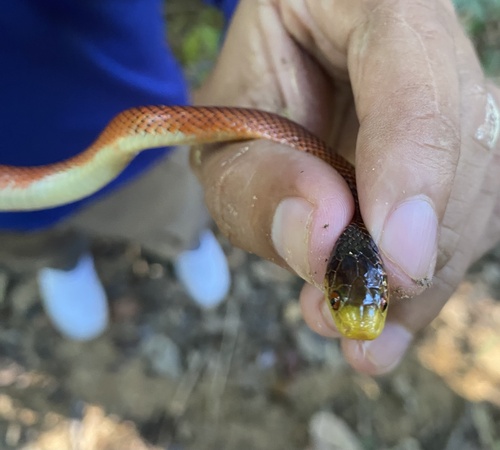
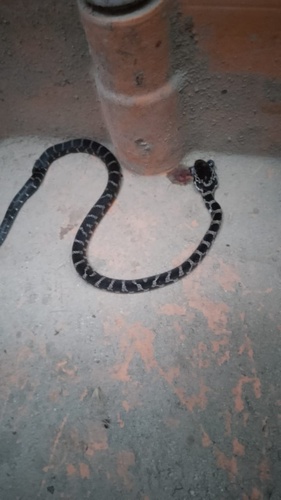
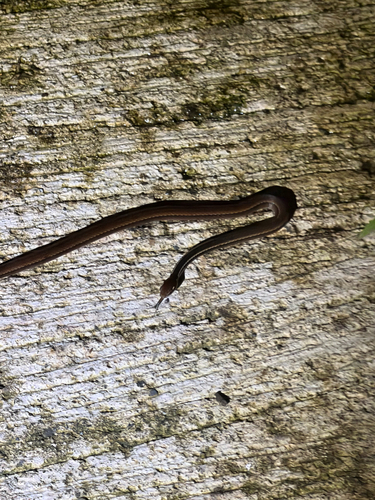
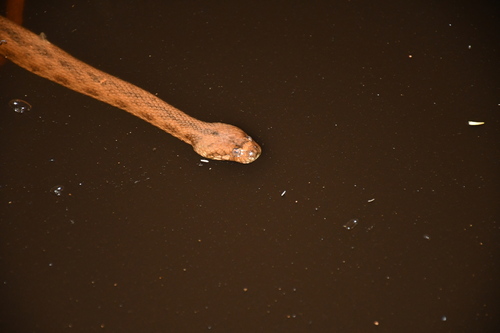
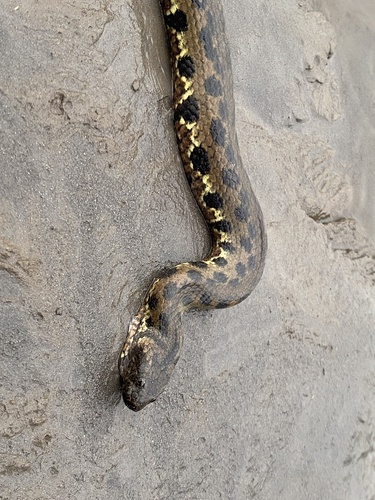
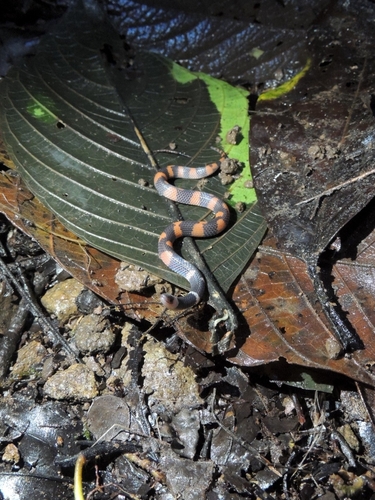
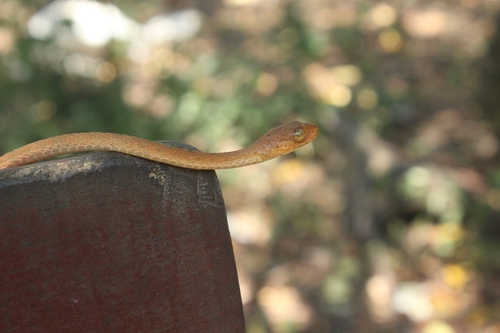
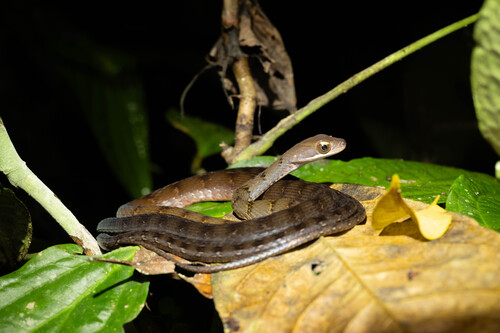
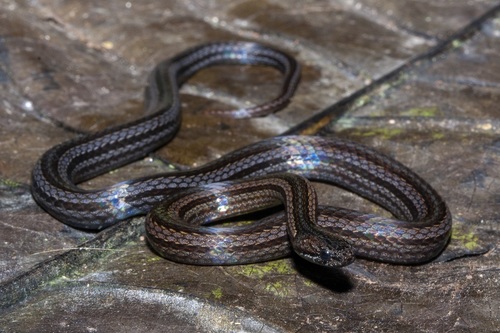
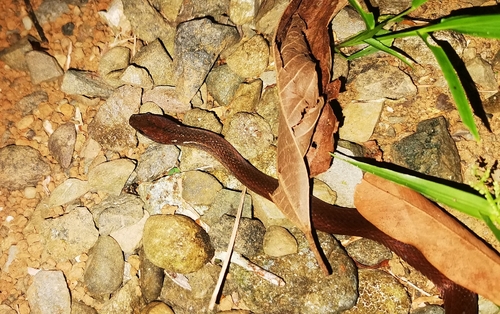
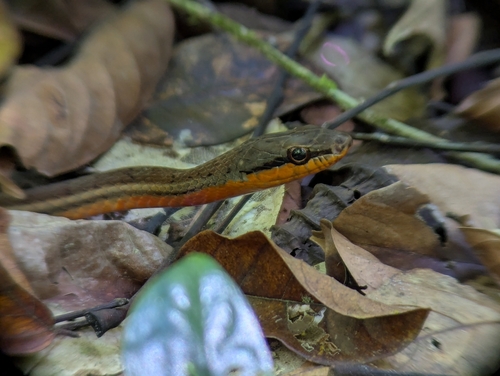
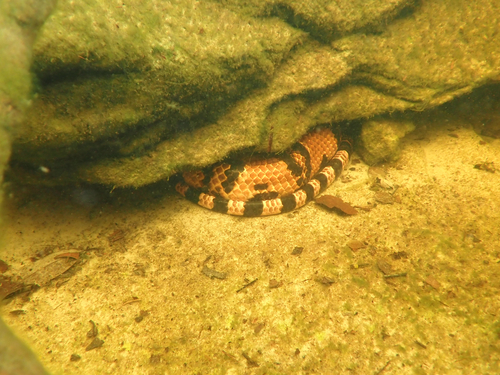
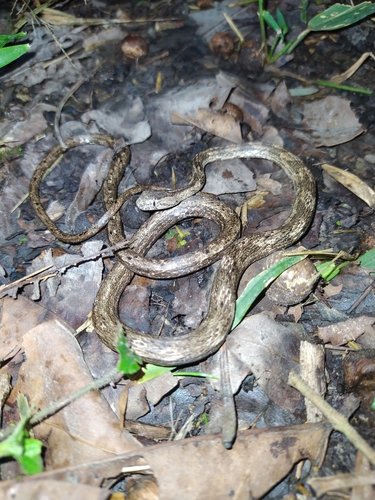
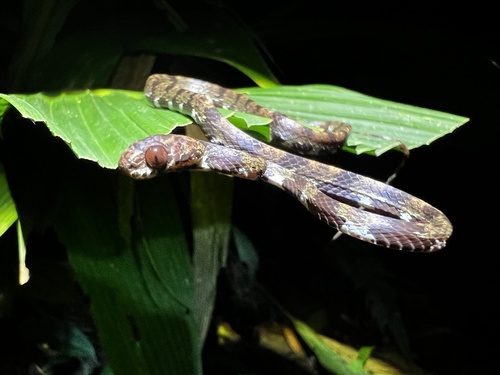
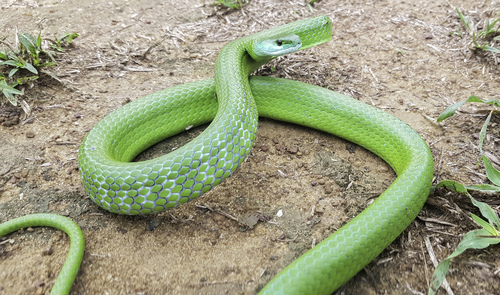
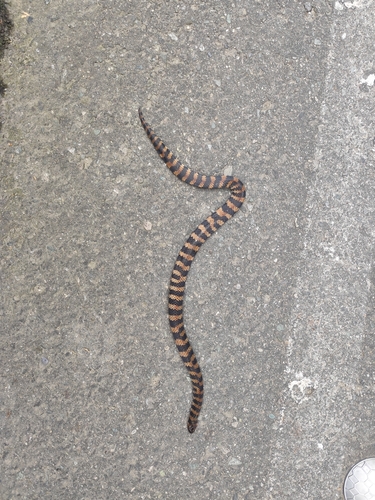
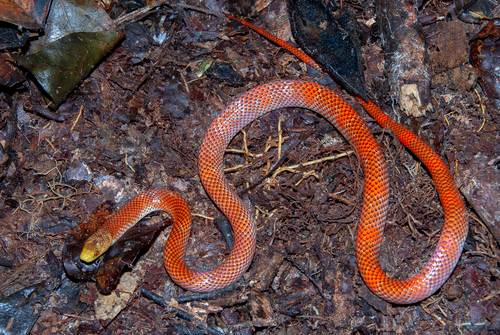
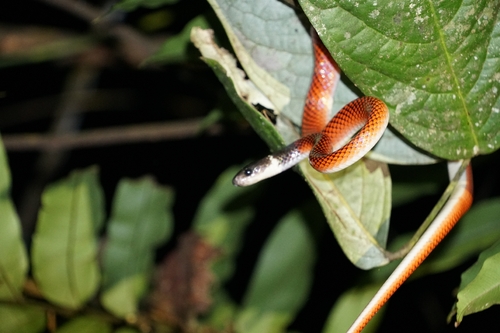
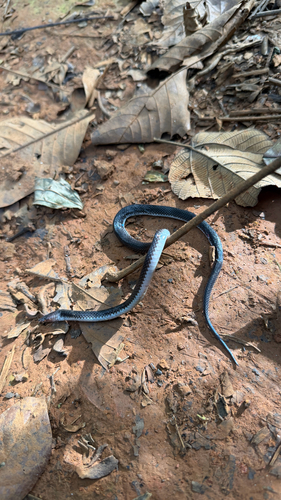
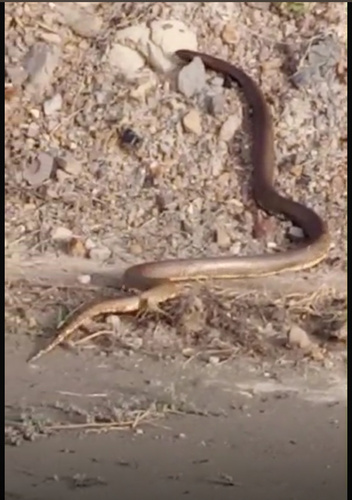
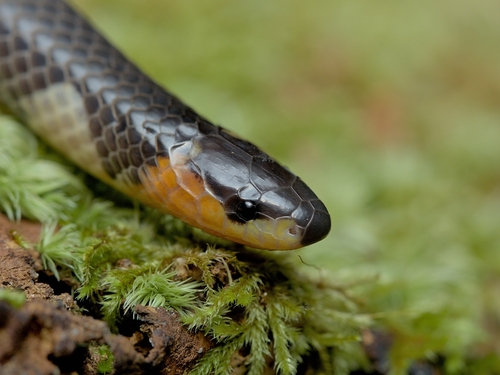
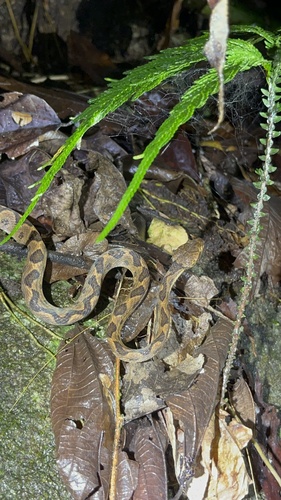
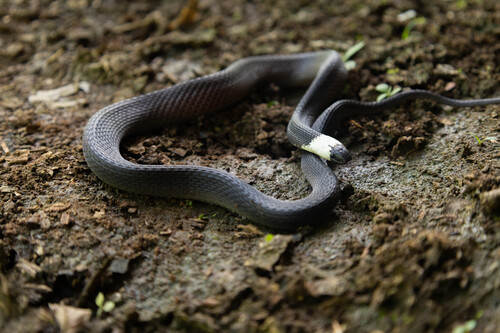

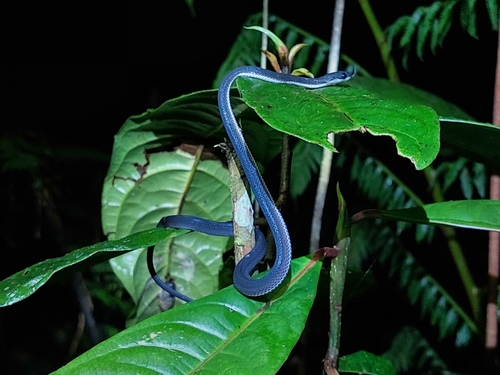
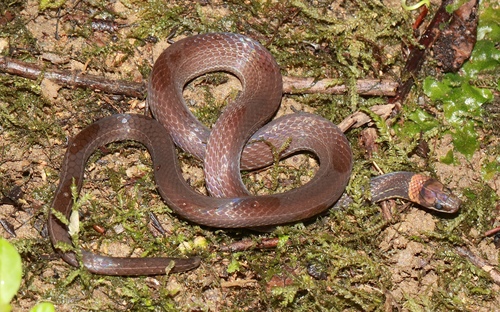
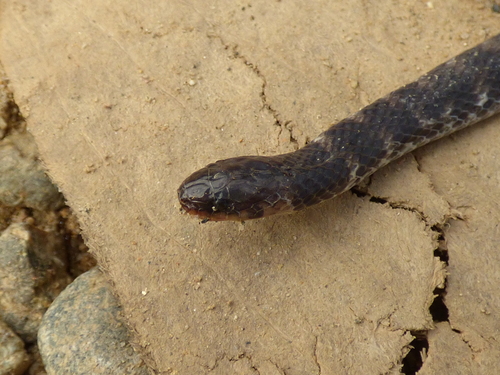
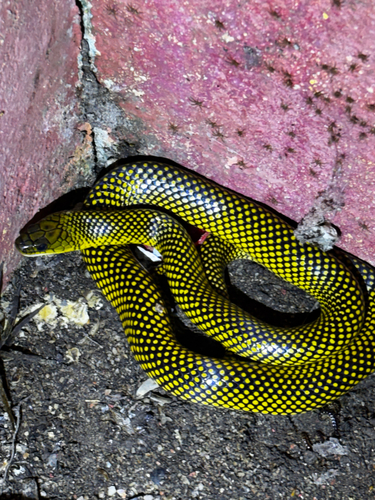
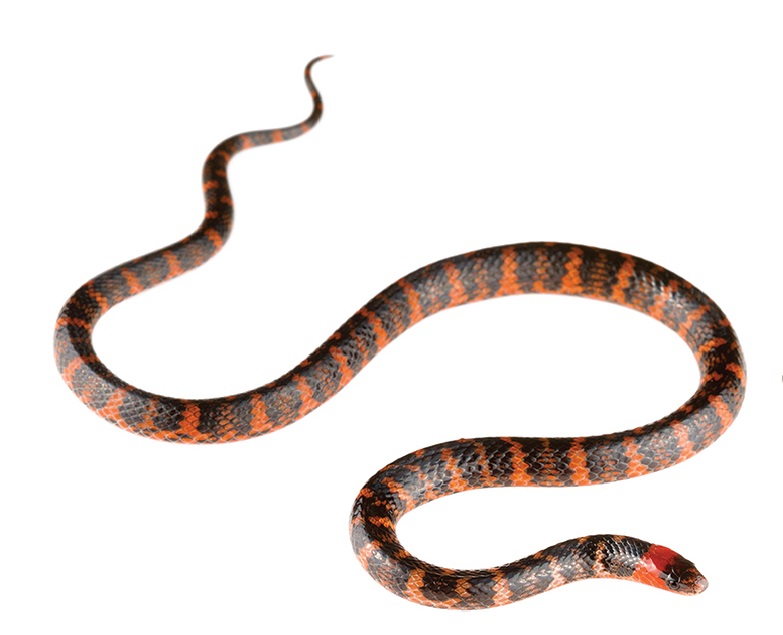

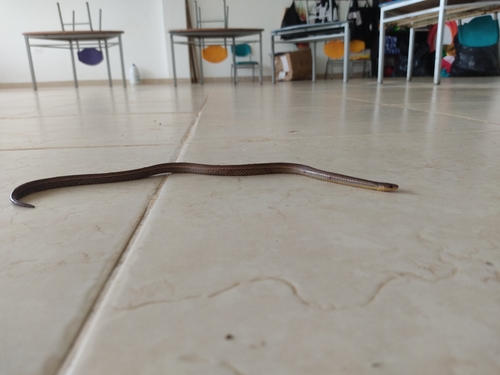
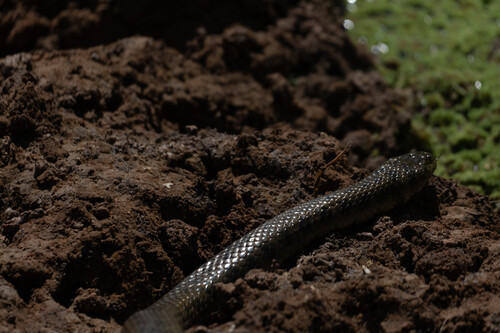
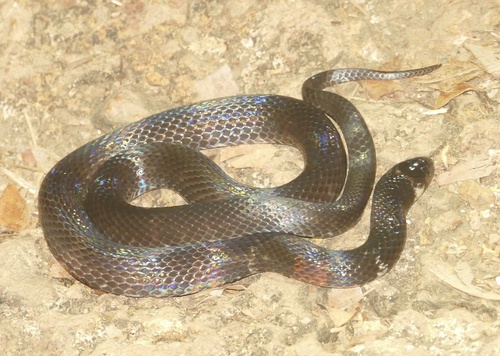
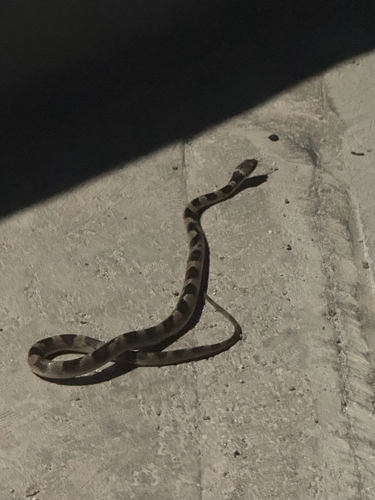
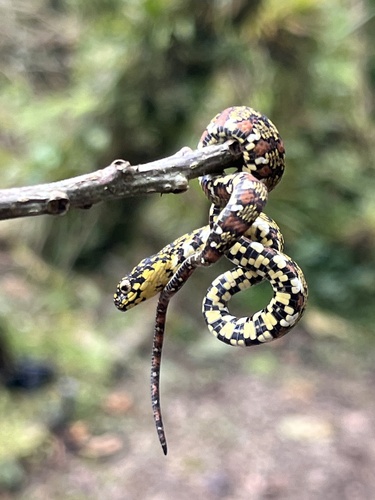
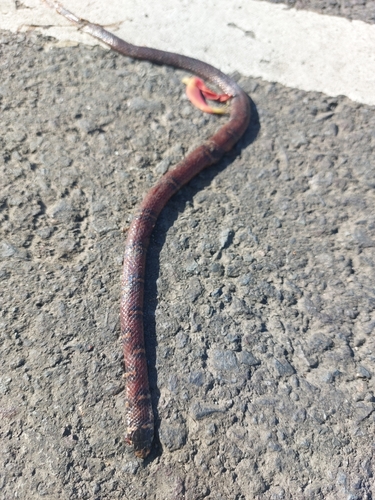
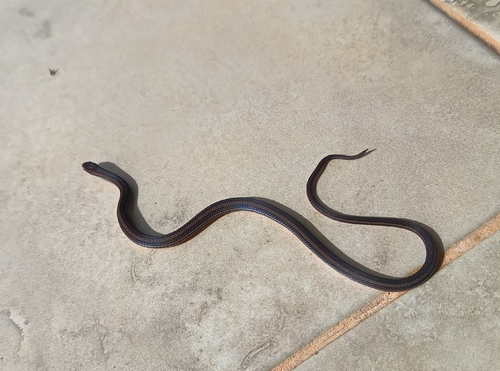
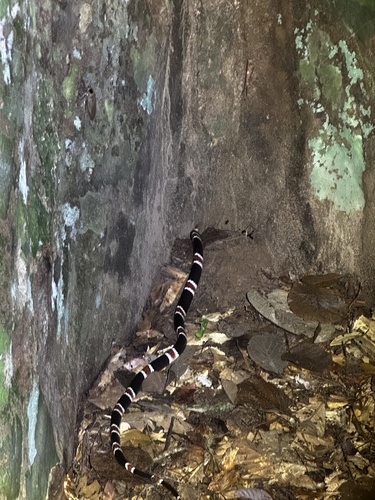
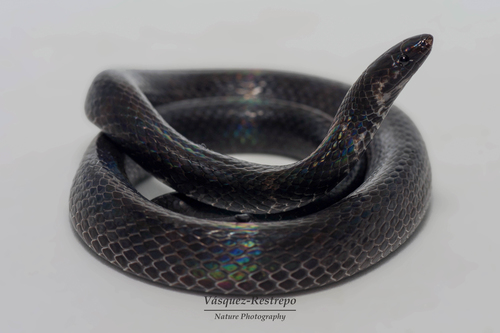
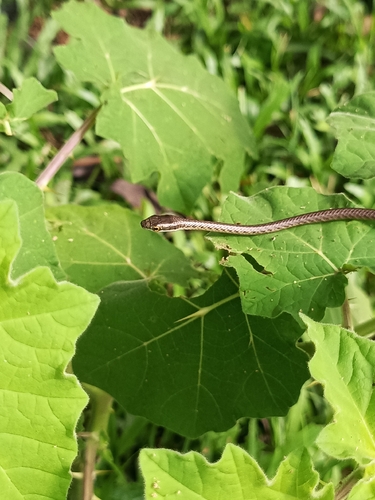

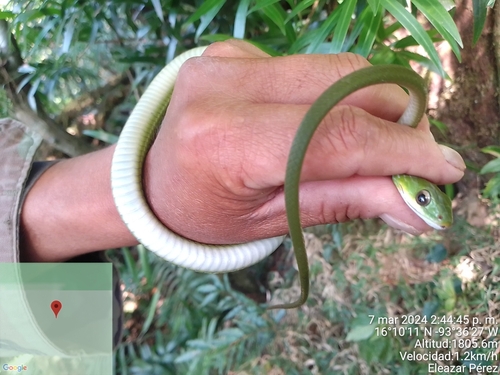


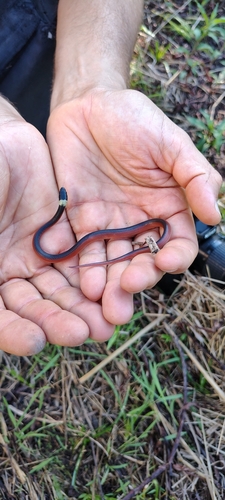
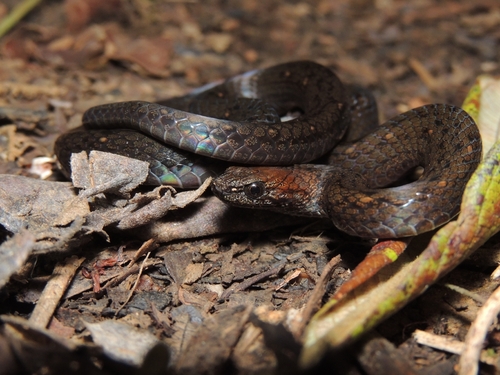
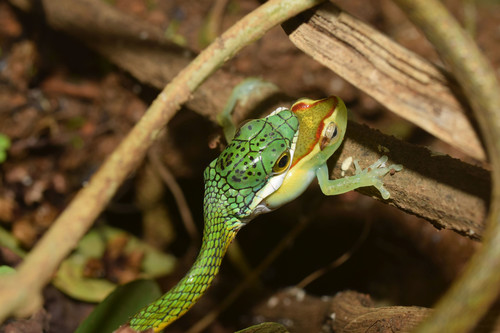



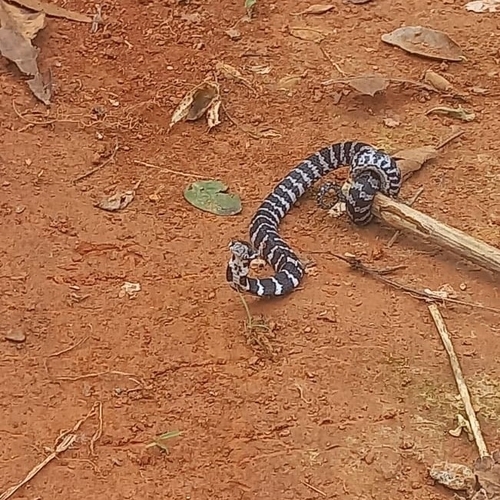
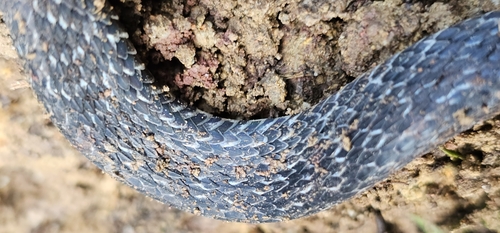
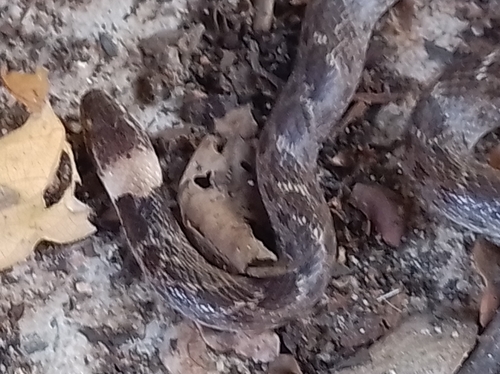
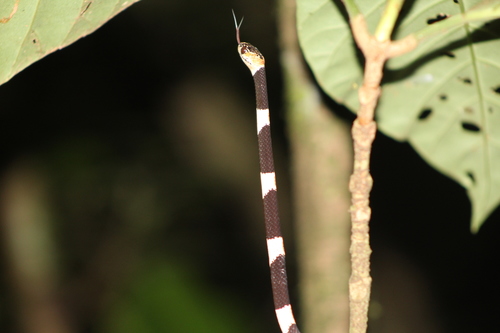
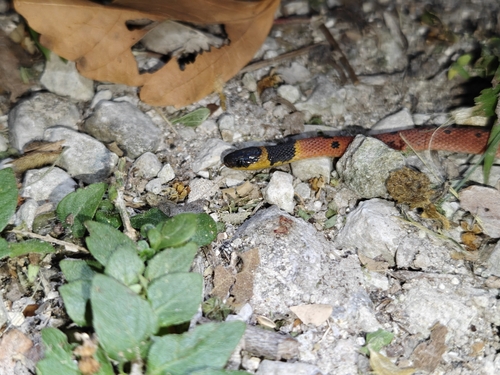
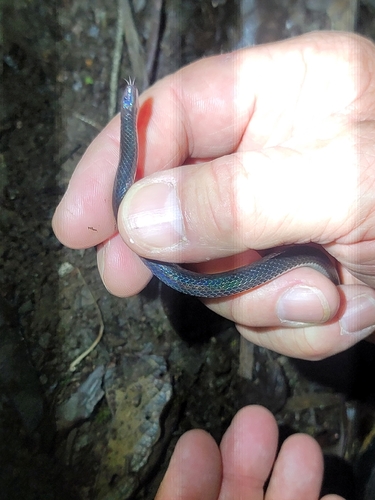
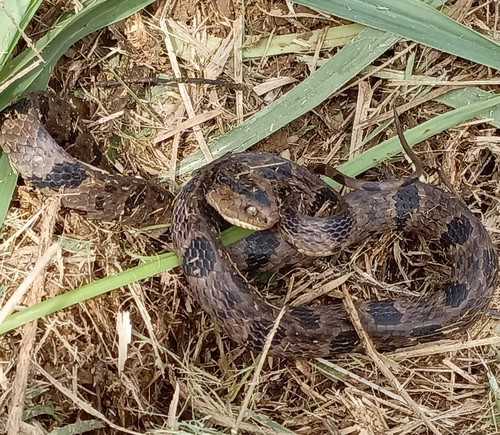
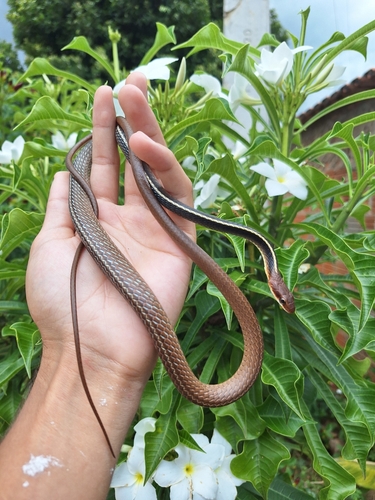
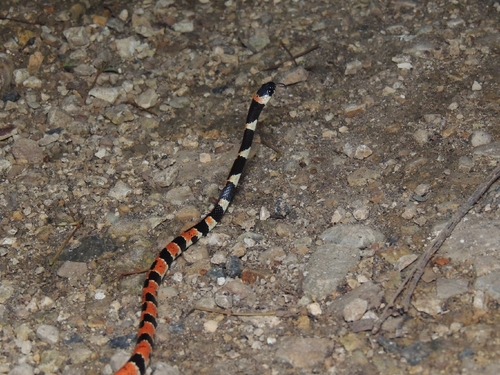
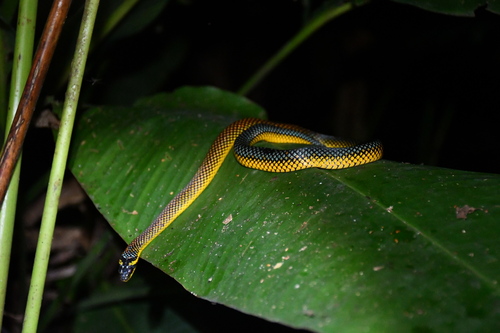
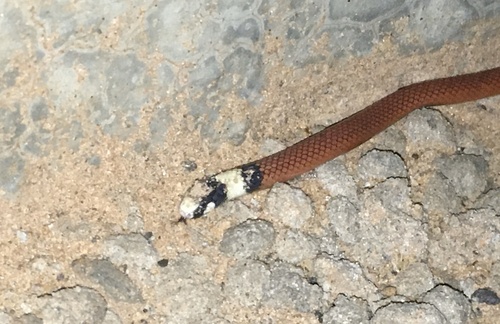
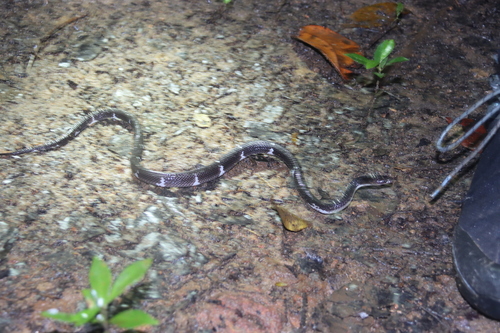
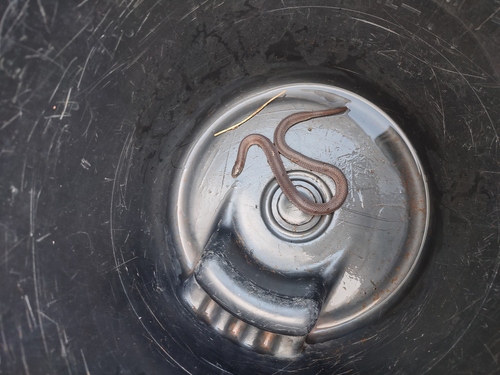
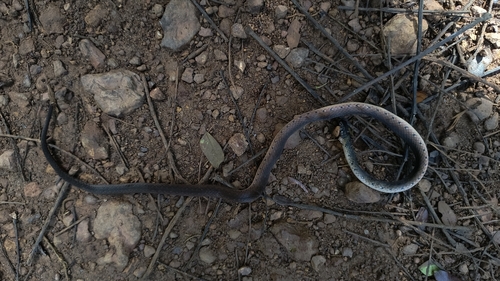
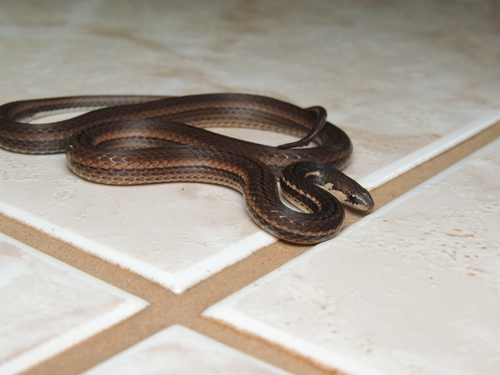

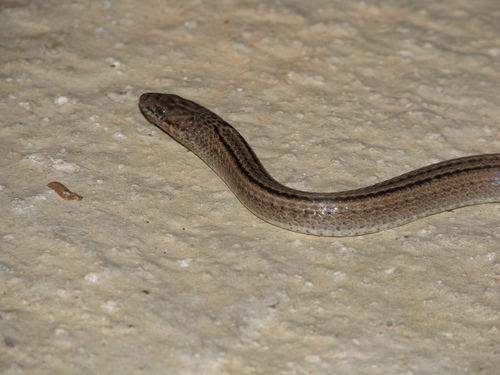
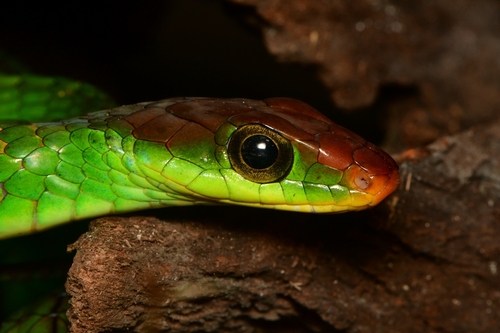
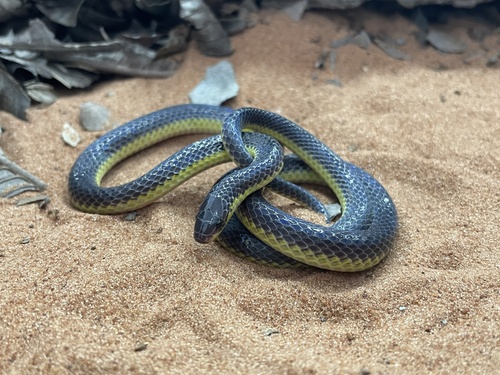
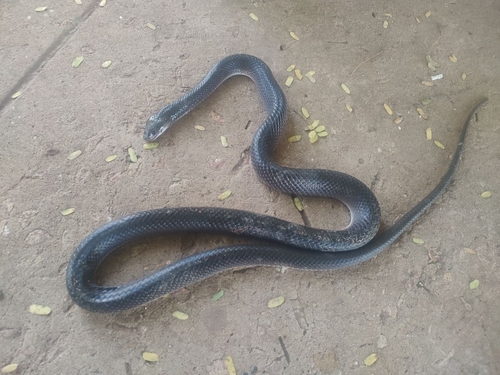

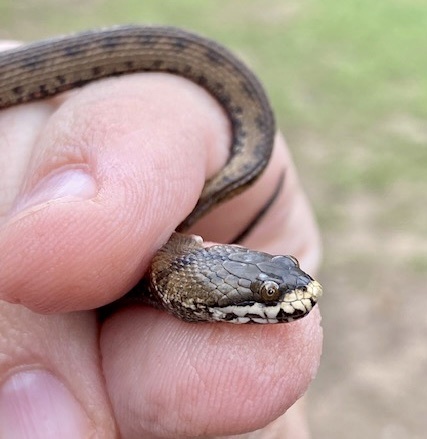
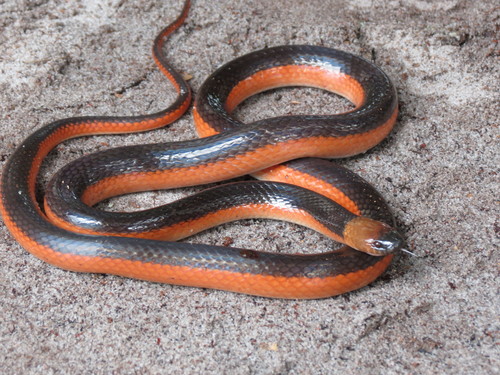
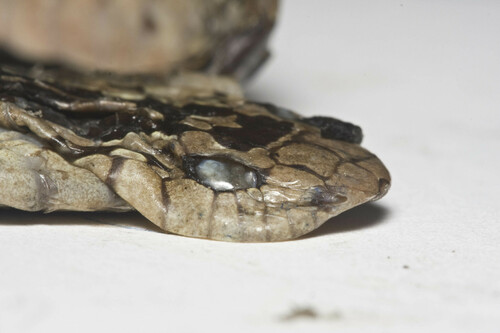
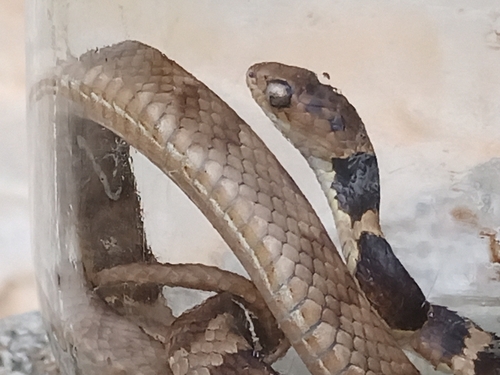
Elapidae (36)
Viperidae (24)
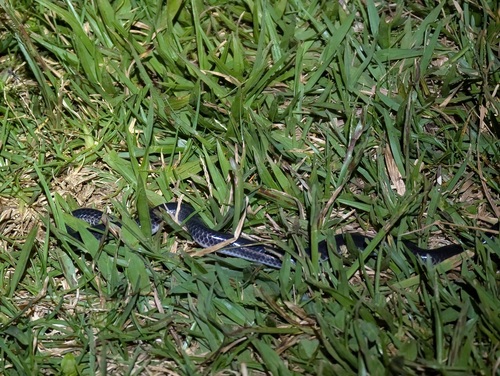
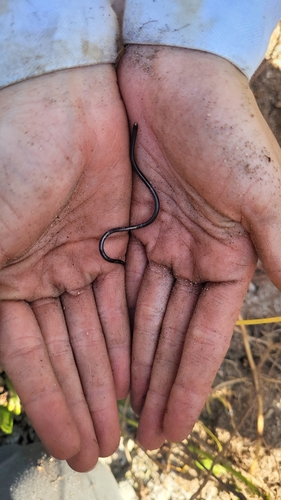
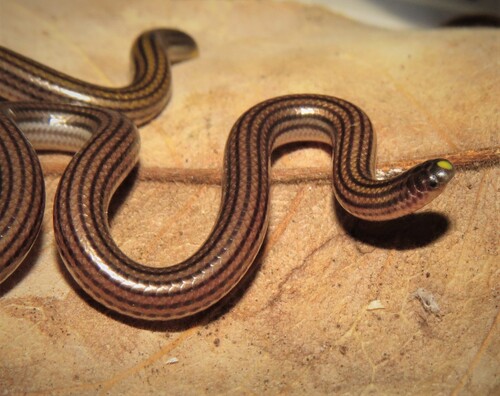
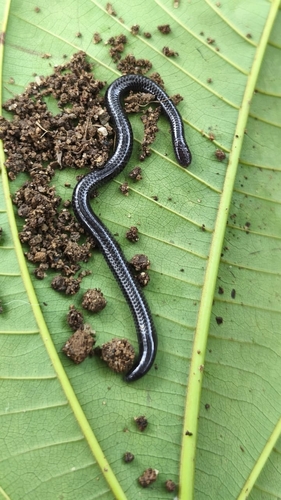
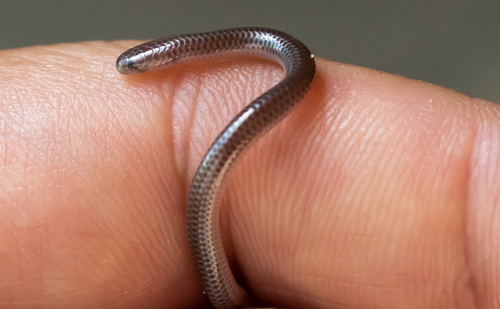
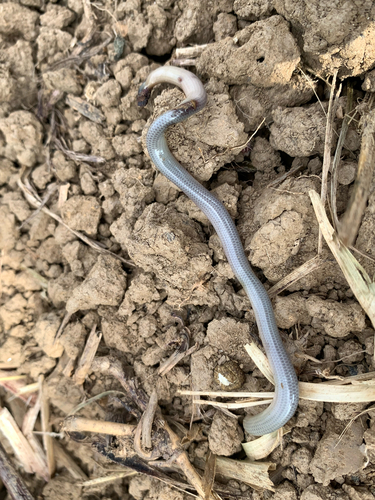
Leptotyphlopidae (14)
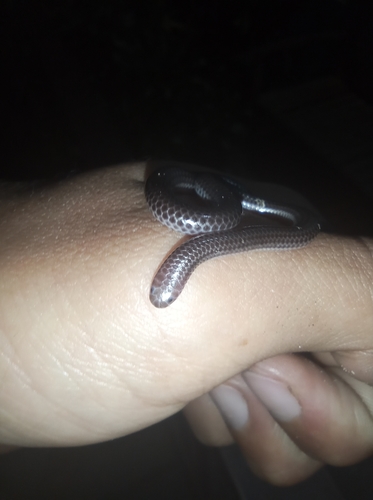
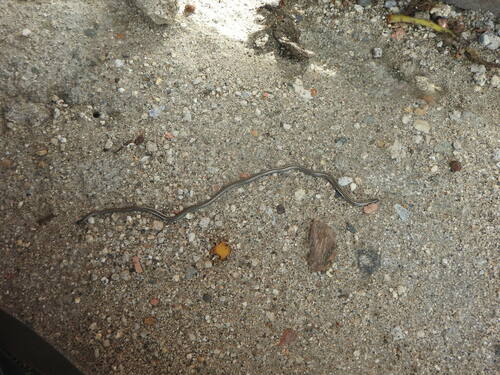
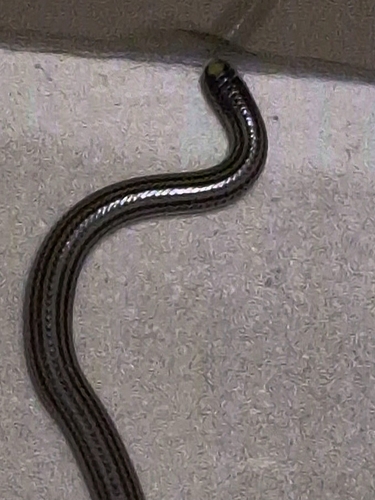
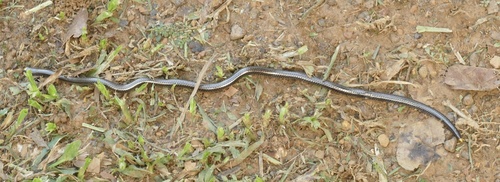
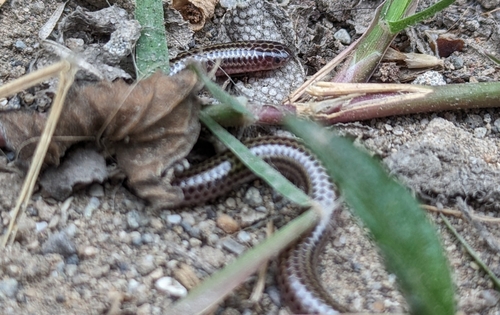
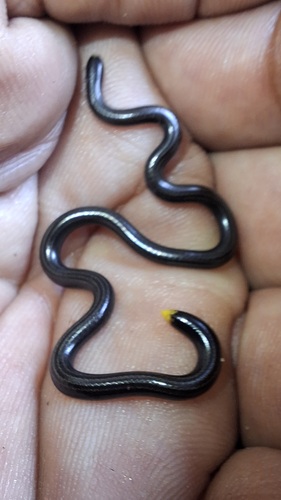
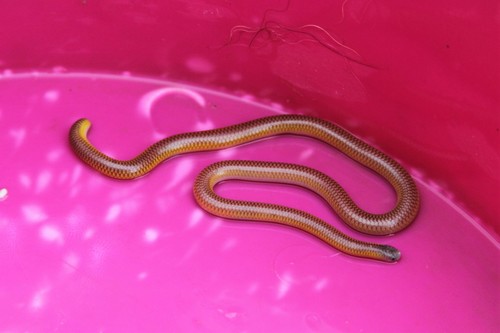
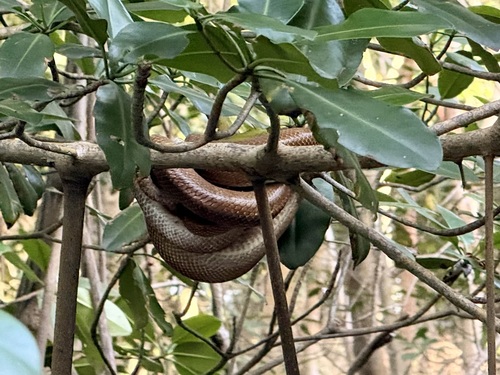
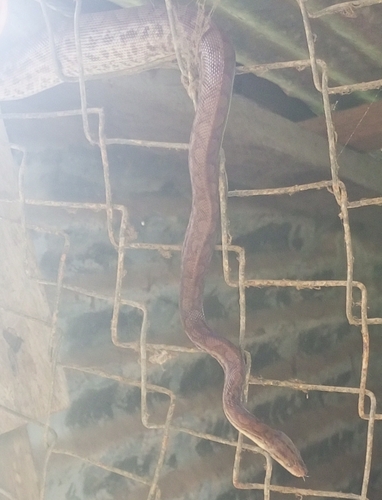
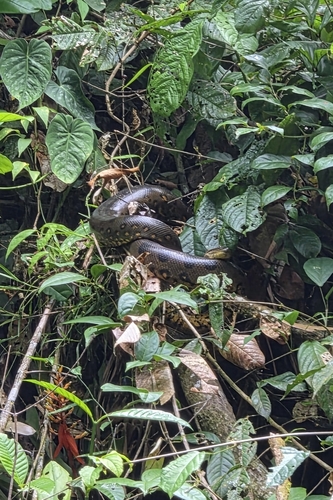
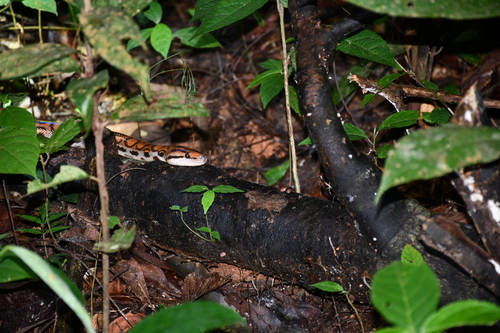
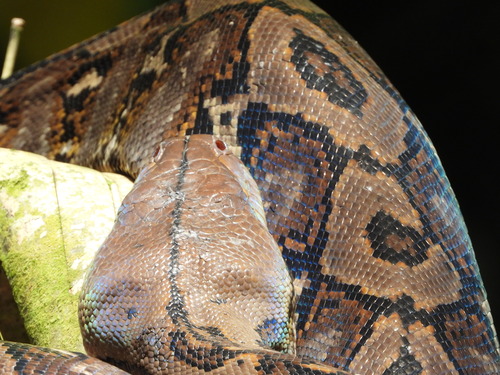
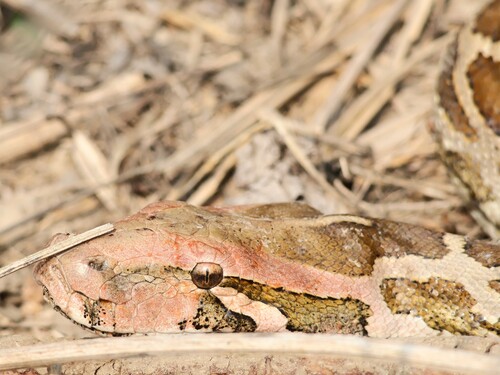
Boidae (13)
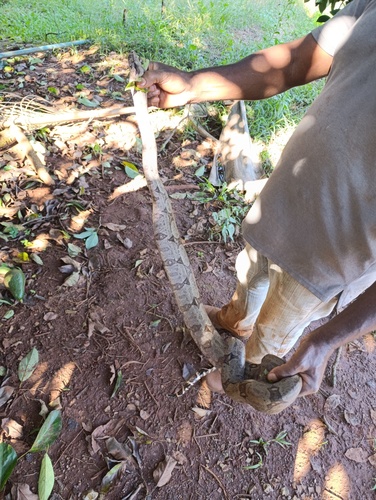

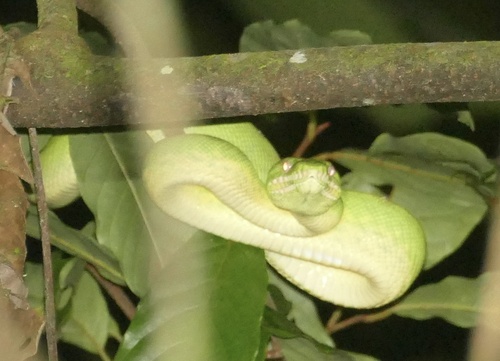
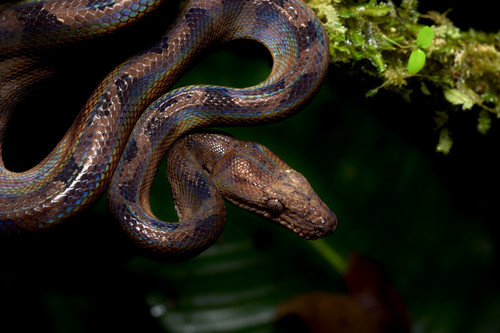
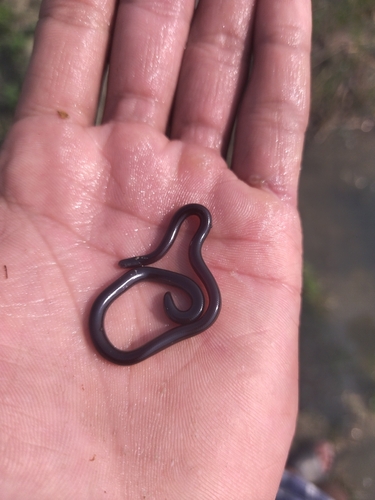
Anomalepididae (7)
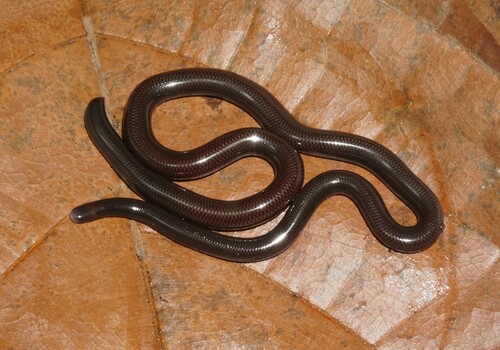
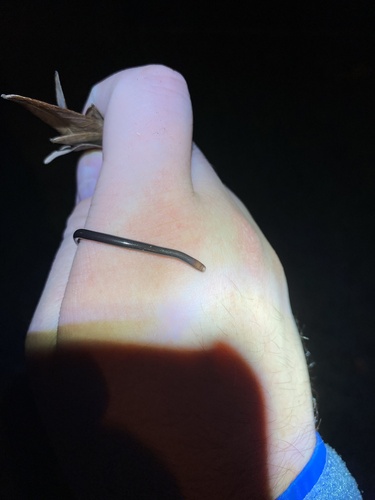
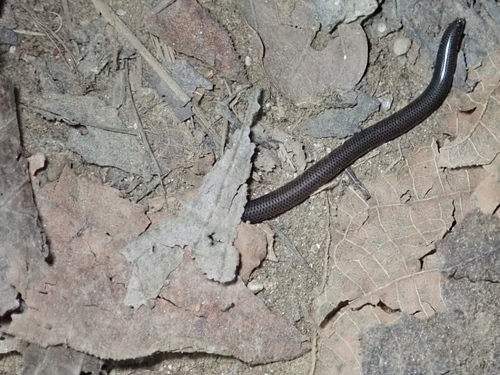
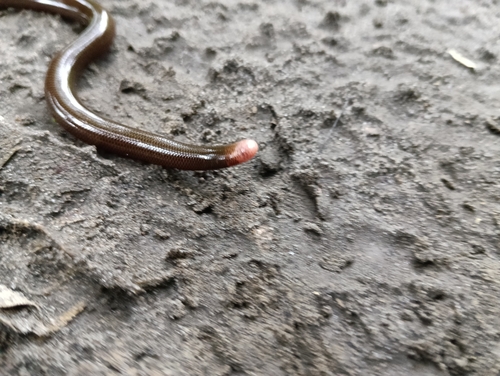
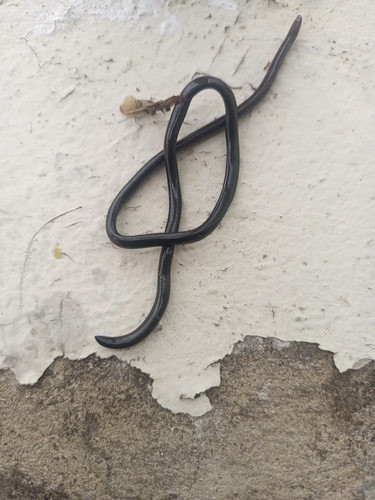
Typhlopidae (4)
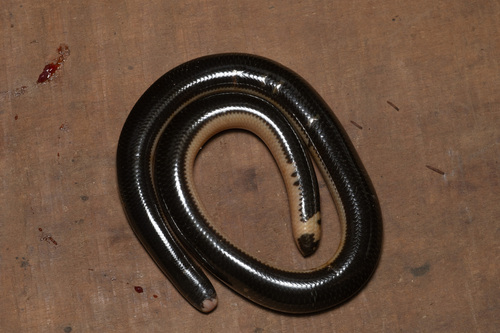
Aniliidae (1)
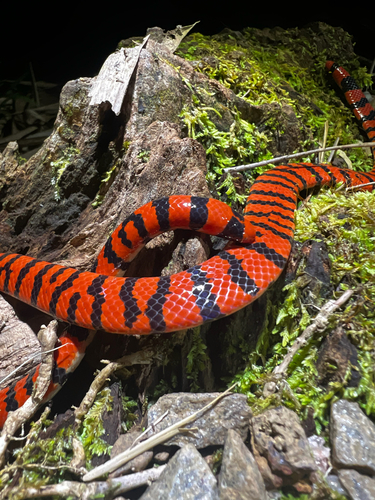
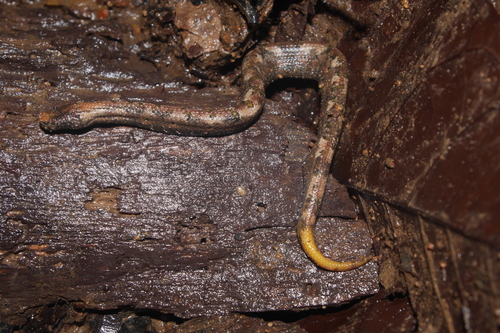
Tropidophiidae (1)
Compiled from verified GBIF & iNaturalist observations. "How often seen" reflects how frequently a snake is reported here, not how dangerous it is. Informational only.
Keep learning
- Are Snakes Dangerous? The Real Risk, in PerspectiveMost snakes are harmless and avoid people. Here is the honest picture of snakebite risk worldwide and how to lower your own.
- Snakebite First Aid: What to Do (and What Never to Do)A clear, CDC-based guide to snakebite first aid: the steps that help, the popular myths that hurt, and how to tell a serious bite from a minor one.
- Venomous vs Nonvenomous: How to Tell the DifferenceThe folk rules for telling venomous snakes apart, where each one fails, and why location-based identification beats guessing by sight.
- What to Do If You Find a SnakeFound a snake at home or on a trail? Here is how to stay calm, give it space, identify it safely, and know when to call a professional.