
Brazil
Snakes in Brazil
400+ snake species have been recorded in Brazil, 71 venomous.
Snakes of Brazil
Brazil ranks among the most snake-rich nations on Earth, with 400+ species recorded here (416 in our data), of which 76 are venomous. That diversity is a direct product of geography. The country spans an extraordinary range of habitats, each with its own snake communities: the vast Amazon rainforest in the north, the threatened coastal Atlantic Forest, the open Cerrado savanna of the central plateau, the seasonally flooded Pantanal wetlands, and the dry, thorny Caatinga of the northeast. Snakes have radiated across all of these, from tree canopies and forest leaf litter to riverbanks, grasslands, and rocky scrub, which is why a single country can hold such a large share of the planet's serpent variety.
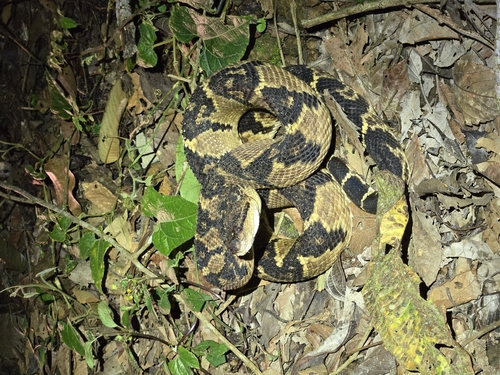
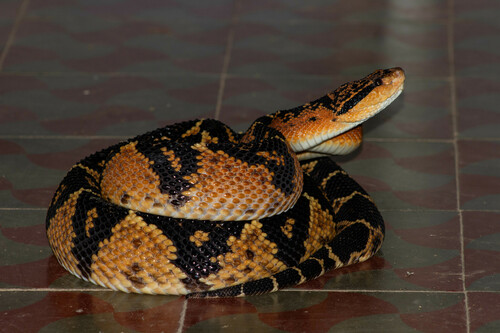
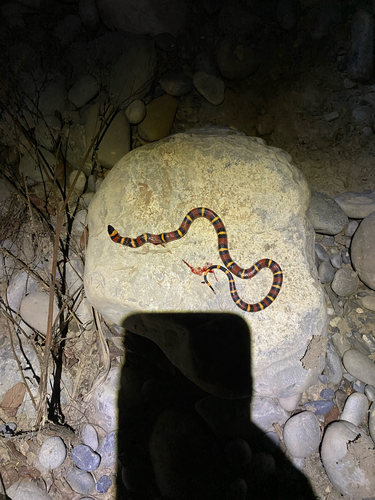
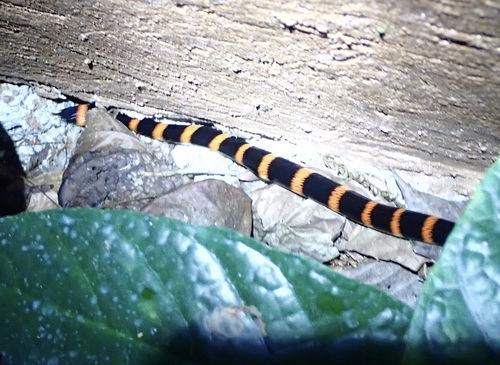
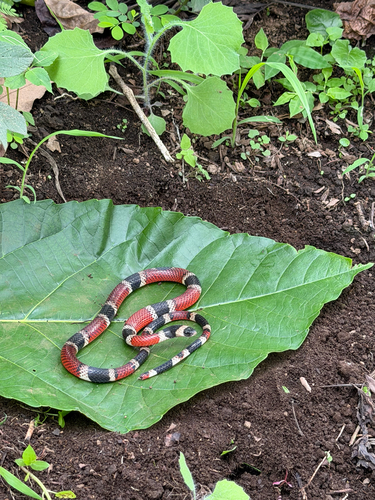
The venomous species belong to a few well-defined groups. Pit vipers in the genus Bothrops, which includes the jararaca and the lanceheads often called fer-de-lance, are the most medically important snakes in Brazil and are responsible for the large majority of serious bites. Closely related is the bushmaster, Lachesis muta, the largest viper in the Americas and a powerful ambush predator of deep forest. Coral snakes of the genus Micrurus carry potent venom and are widespread but secretive, while the Neotropical rattlesnake, Crotalus durissus, occupies open and dry country across much of the interior. Knowing these groups exist matters far more for safety than trying to identify any individual snake in the field.
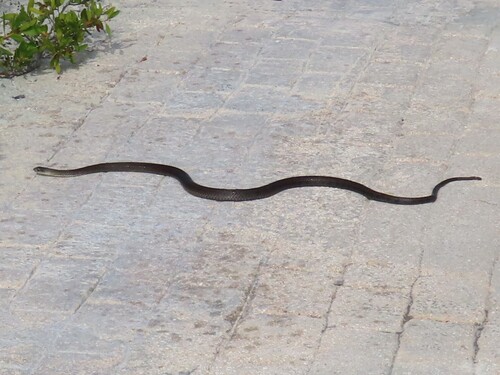
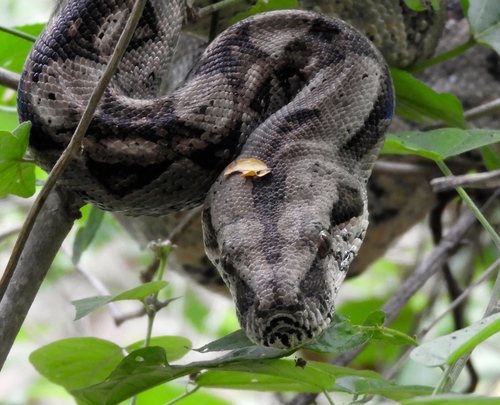
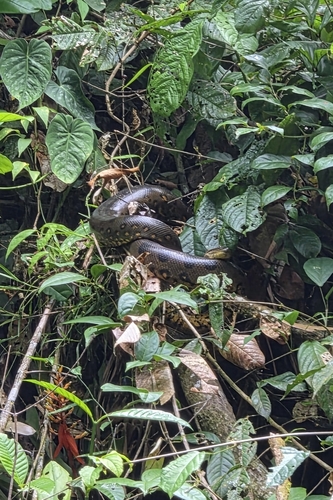
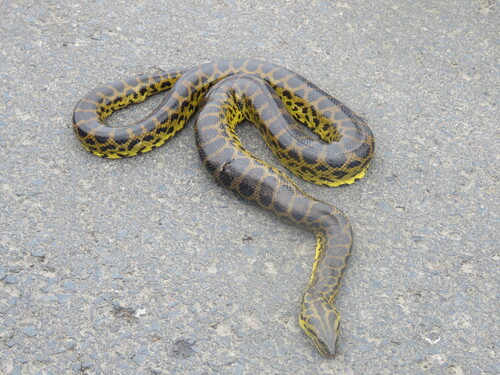
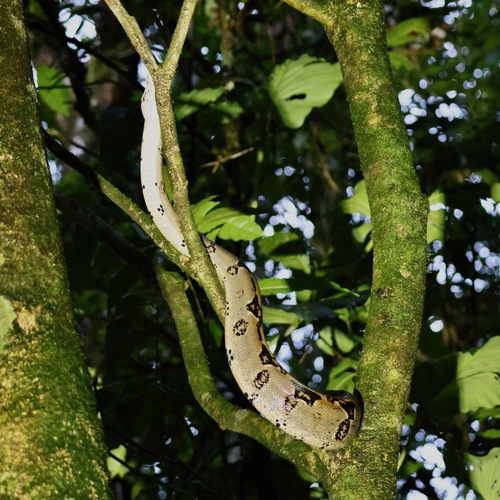
Despite that venomous diversity, the overwhelming majority of Brazil's snakes are non-venomous and harmless to people. This majority includes some of the most famous reptiles in the world. The green anaconda, Eunectes murinus, is the heaviest snake on the planet and haunts the slow waters and flooded margins of the Amazon and Pantanal, where it ambushes prey and subdues it by constriction rather than venom. The boa constrictor is widespread across many Brazilian habitats and, like the anaconda, kills by constriction. Countless smaller colubrid and dipsadid snakes fill the forests and grasslands, feeding on frogs, fish, rodents, and other small animals, and most people will never even notice them.
One of the most striking points of interest is Ilha da Queimada Grande, an island off the coast of Sao Paulo state widely known as Snake Island. It is the only home of the golden lancehead, Bothrops insularis, a pit viper found nowhere else in the world. Isolated on the island for thousands of years, this snake evolved alongside migratory birds as its primary prey, and access to the island is tightly restricted by Brazilian authorities for both human safety and species conservation. It is a vivid example of how isolation can produce a snake unique to a single patch of land.
On safety, the honest framing is reassuring but serious. Most species you might encounter are harmless, and snakes generally avoid people when given the chance. The bites that matter medically come overwhelmingly from Bothrops pit vipers, with coral snakes, bushmasters, and rattlesnakes accounting for a smaller share. Brazil also runs one of the strongest public antivenom programs in the world, anchored by the Instituto Butantan, which produces antivenom and supports treatment nationwide. No wild snake should ever be handled, regardless of how harmless it may appear, and identification should never delay care. If a bite occurs, treat it as a medical emergency and seek professional emergency care immediately.
Snakes in Brazil: FAQ
- Are there venomous snakes in Brazil?
- Yes. 71 venomous snake species have verified records in Brazil, including Yarará Lancehead, Common Lancehead, Neotropical Rattlesnake, Uruguayan Coralsnake. Most snakes in Brazil, however, are harmless.
- How many snake species live in Brazil?
- 400+ snake species have verified records in Brazil, of which 71 are venomous.
- What is the most commonly seen snake in Brazil?
- The Yarará Lancehead is the most frequently reported snake in Brazil, based on verified wildlife observations.
- What should I do if I see a venomous snake in Brazil?
- Keep your distance and do not try to catch or kill it. Most bites happen when people handle or corner a snake. If someone is bitten, contact local emergency services or poison control immediately.
Venomous snakes in Brazil
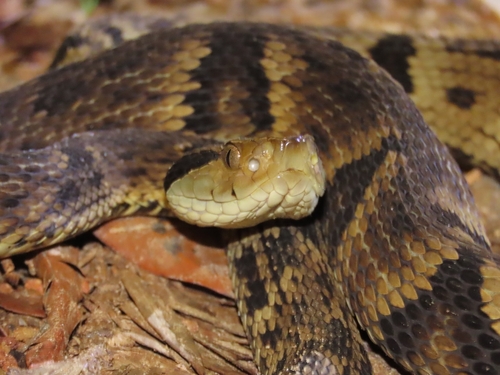
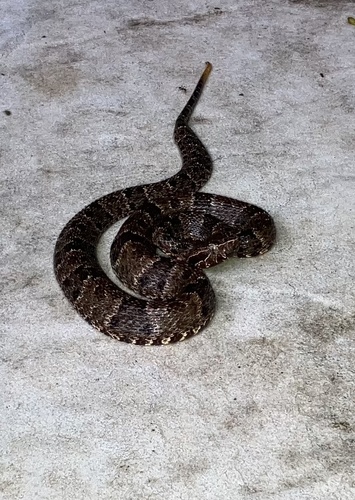
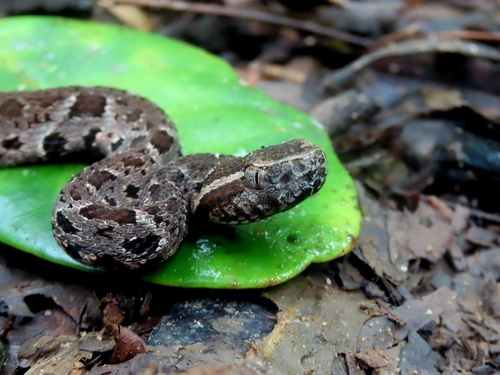
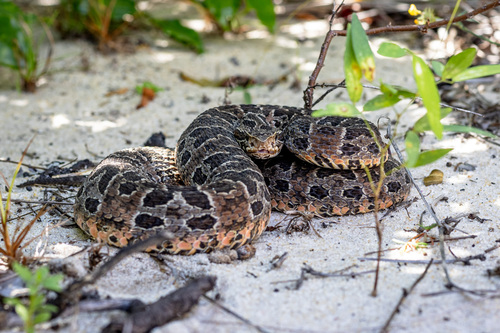
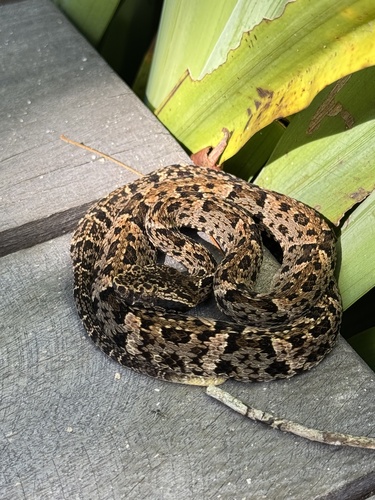
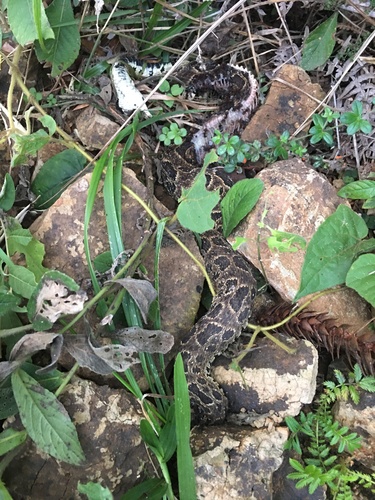
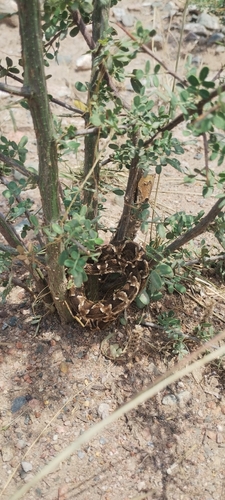
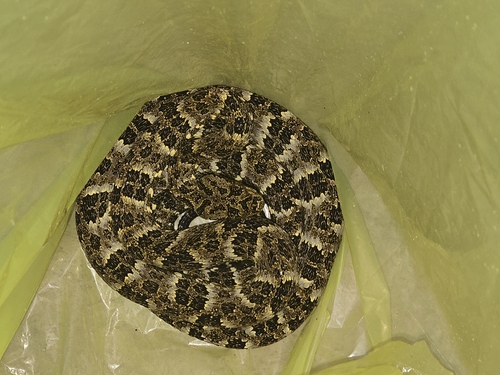
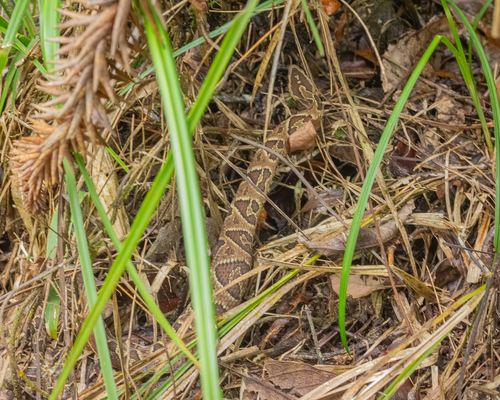
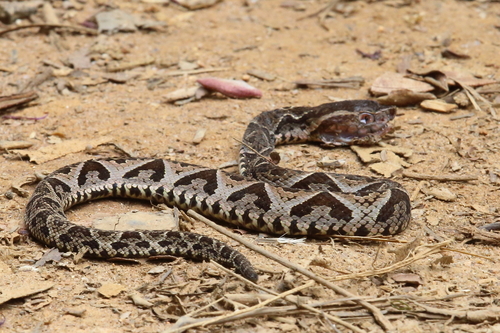
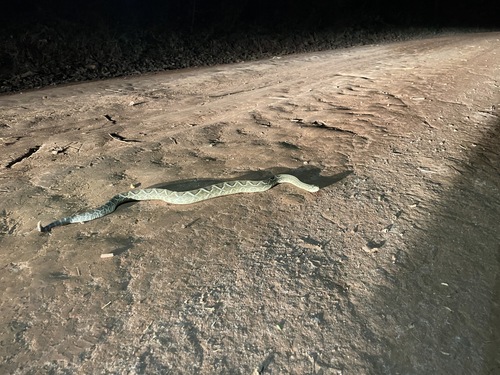 Neotropical RattlesnakeCrotalus durissusVenomous
Heavy body, broad triangular head, vertical (cat-like) pupils, and a segmented keratin rattle at the tail tip.
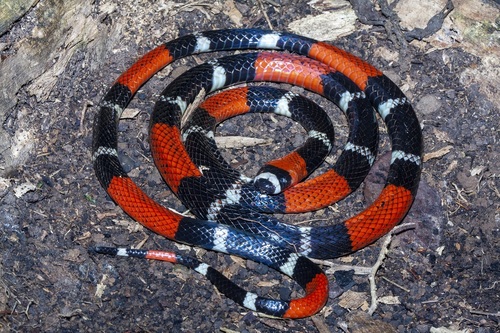
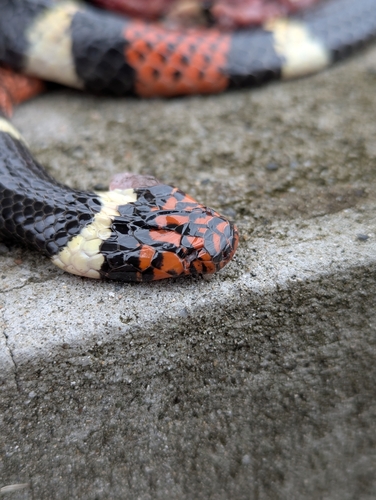
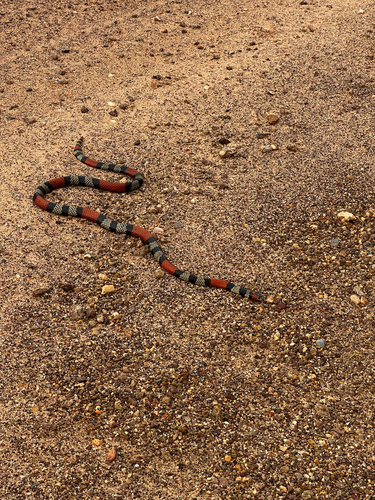
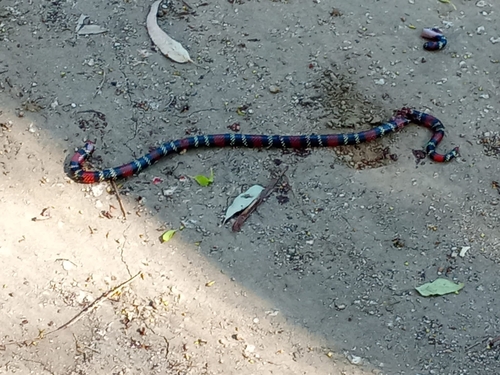 Uruguayan CoralsnakeMicrurus altirostrisVenomous
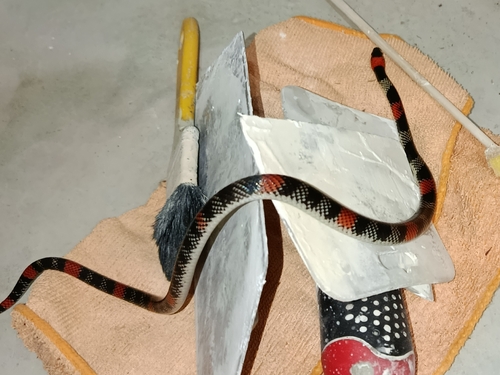
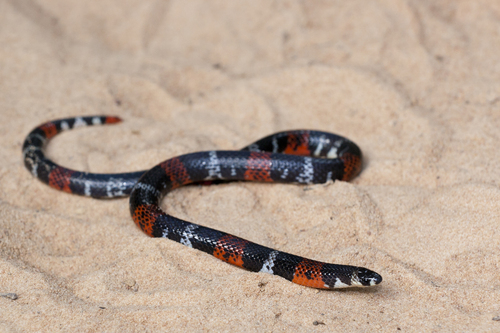
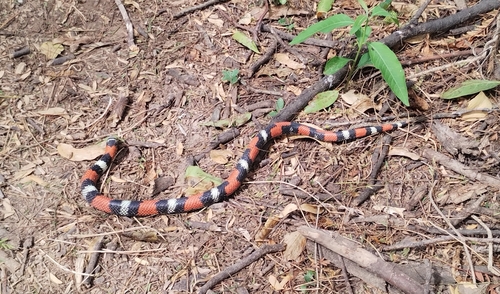
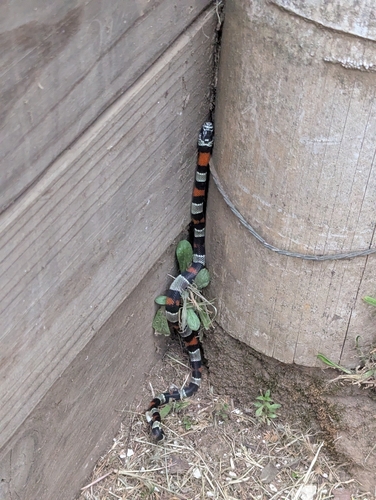
Rings of red, yellow, and black where red touches yellow; small rounded head and round pupils.
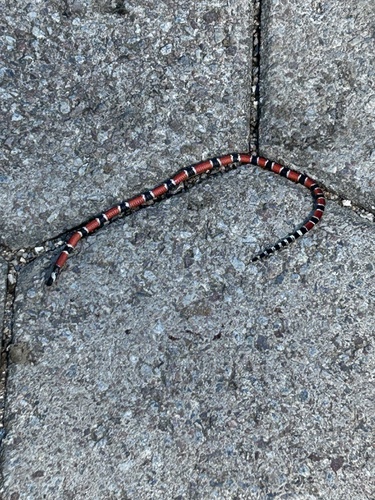 Painted CoralsnakeMicrurus corallinusVenomous
Rings of red, yellow, and black where red touches yellow; small rounded head and round pupils.
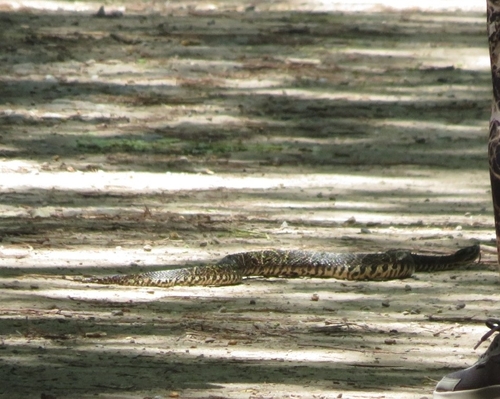
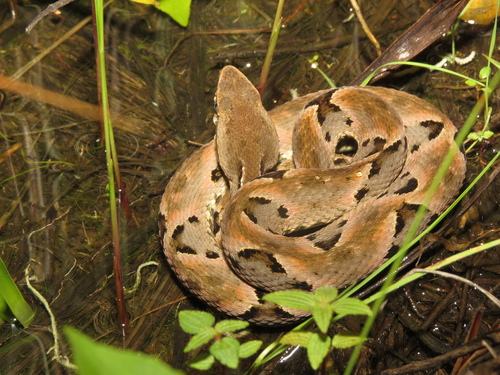
 Ribbon CoralsnakeMicrurus lemniscatusVenomous
Rings of red, yellow, and black where red touches yellow; small rounded head and round pupils.
 Aquatic CoralsnakeMicrurus surinamensisVenomous
Rings of red, yellow, and black where red touches yellow; small rounded head and round pupils.
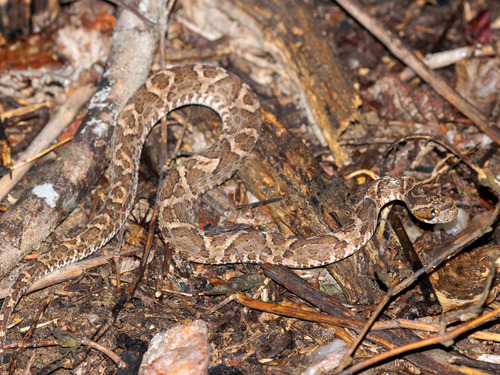
 Southern CoralsnakeMicrurus frontalisVenomous
Rings of red, yellow, and black where red touches yellow; small rounded head and round pupils.
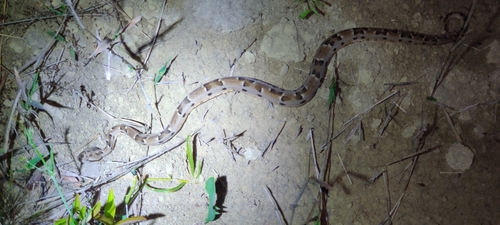
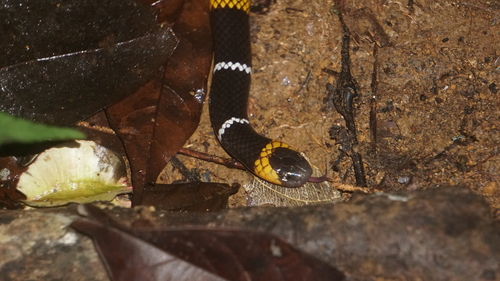 Hemprich's CoralsnakeMicrurus hemprichiiVenomous
Rings of red, yellow, and black where red touches yellow; small rounded head and round pupils.
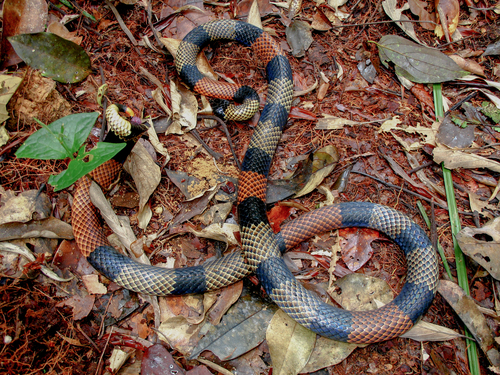 Amazon CoralsnakeMicrurus spixiiVenomous
Rings of red, yellow, and black where red touches yellow; small rounded head and round pupils.
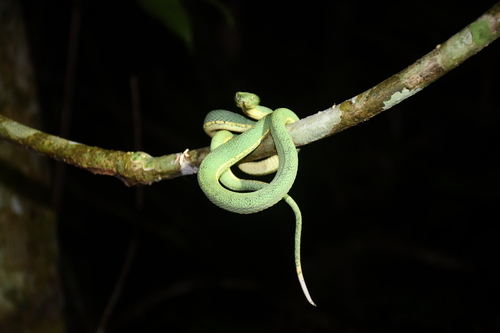
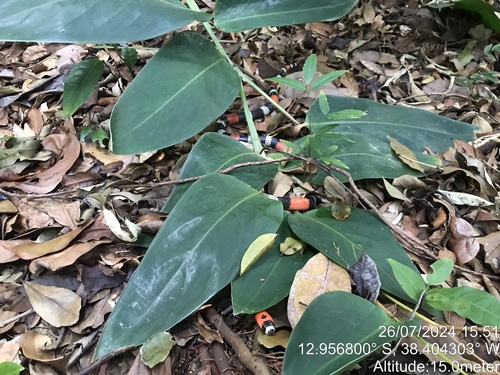 Caatinga CoralsnakeMicrurus ibibobocaVenomous
Rings of red, yellow, and black where red touches yellow; small rounded head and round pupils.
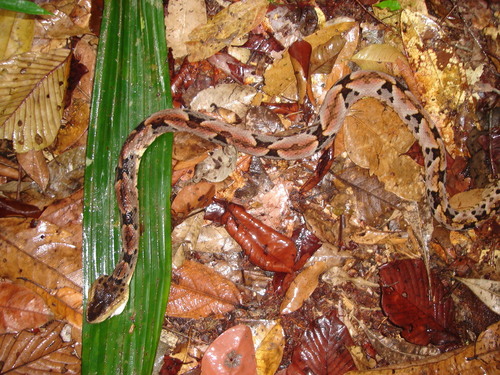
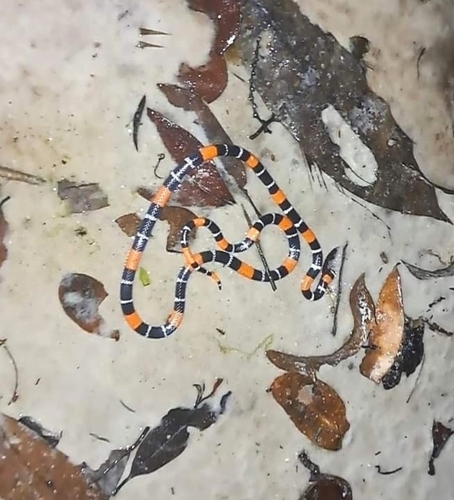 Slender CoralsnakeMicrurus filiformisVenomous
Rings of red, yellow, and black where red touches yellow; small rounded head and round pupils.
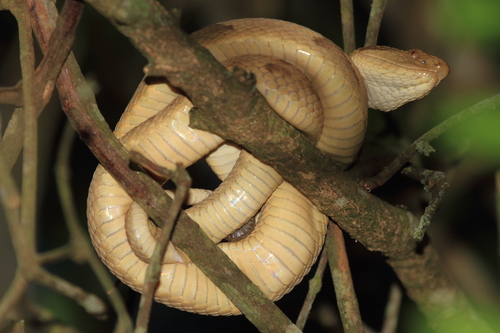
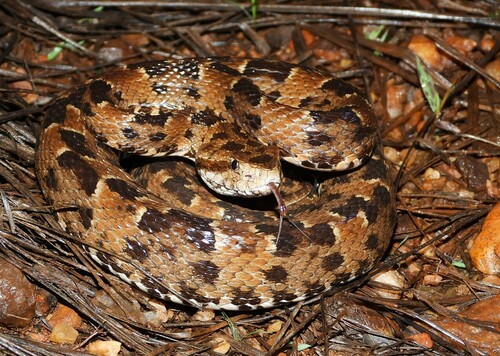
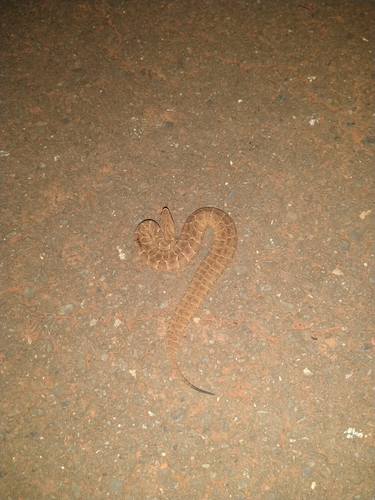
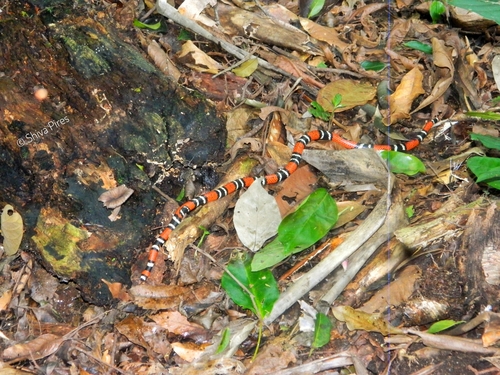 Decorated CoralsnakeMicrurus decoratusVenomous
Rings of red, yellow, and black where red touches yellow; small rounded head and round pupils.
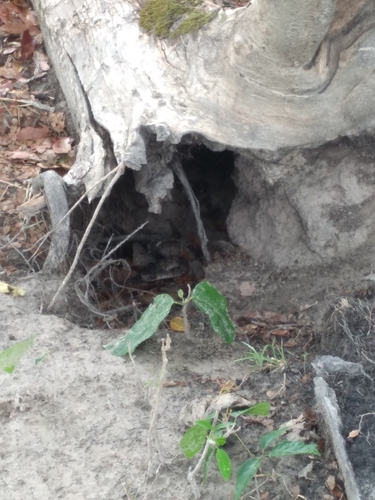
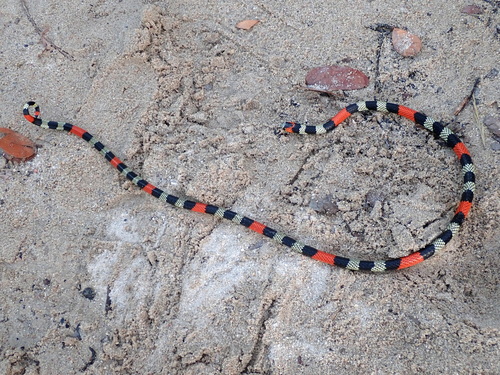 Brazilian Short-tail CoralsnakeMicrurus brasiliensisVenomous
Rings of red, yellow, and black where red touches yellow; small rounded head and round pupils.
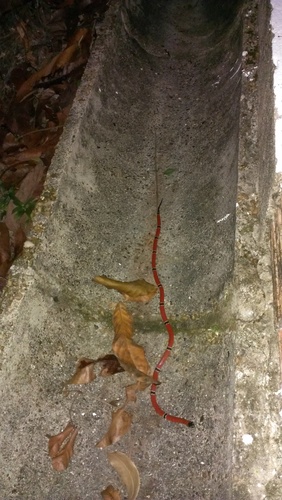 Black-headed CoralsnakeMicrurus averyiVenomous
Rings of red, yellow, and black where red touches yellow; small rounded head and round pupils.
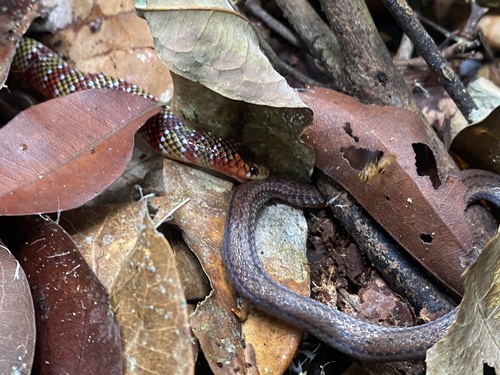 Langsdorff's CoralsnakeMicrurus langsdorffiVenomous
Rings of red, yellow, and black where red touches yellow; small rounded head and round pupils.
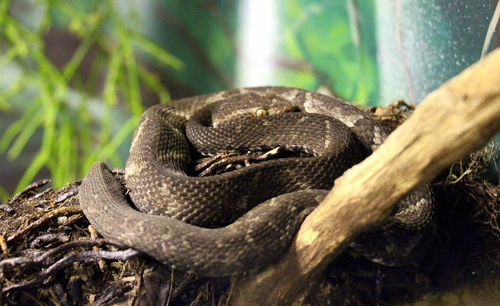
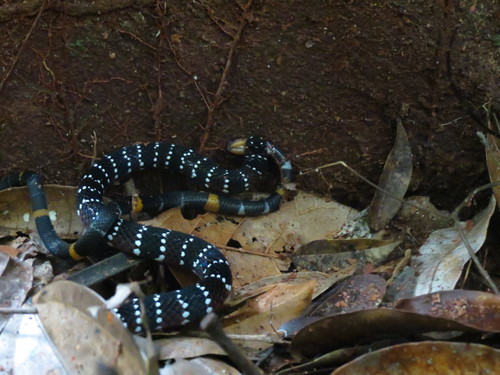 White-banded CoralsnakeMicrurus albicinctusVenomous
Rings of red, yellow, and black where red touches yellow; small rounded head and round pupils.
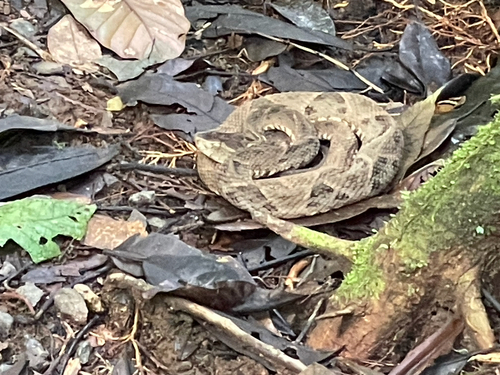
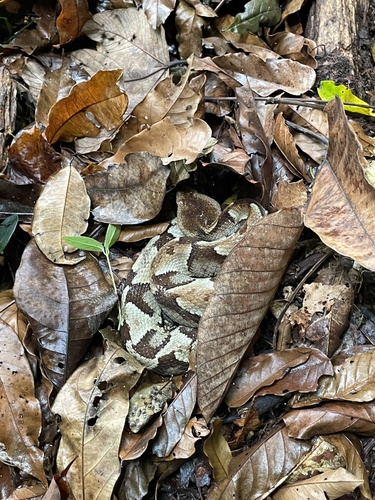
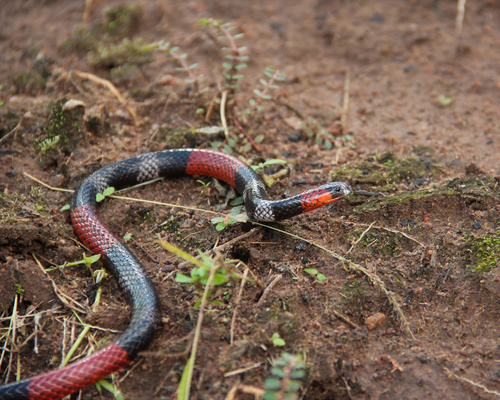 Paraíba CoralsnakeMicrurus potyguaraVenomous
Rings of red, yellow, and black where red touches yellow; small rounded head and round pupils.
- No photo
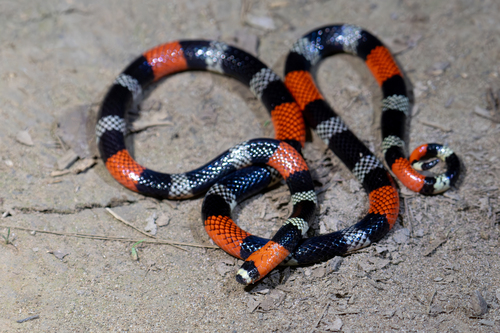 Western Ribbon CoralsnakeMicrurus helleriVenomous
Rings of red, yellow, and black where red touches yellow; small rounded head and round pupils.
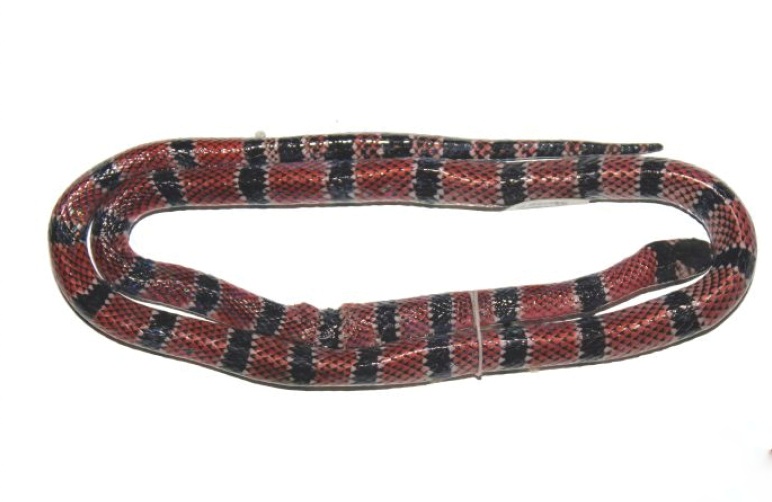 Neblina CoralsnakeMicrurus remotusVenomous
Rings of red, yellow, and black where red touches yellow; small rounded head and round pupils.
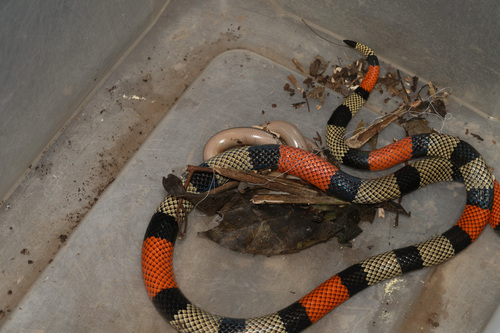 Black-necked Amazonian CoralsnakeMicrurus obscurusVenomous
Rings of red, yellow, and black where red touches yellow; small rounded head and round pupils.
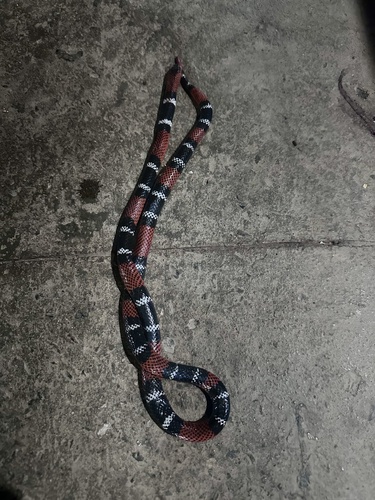 Argentinean CoralsnakeMicrurus tricolorVenomous
Rings of red, yellow, and black where red touches yellow; small rounded head and round pupils.
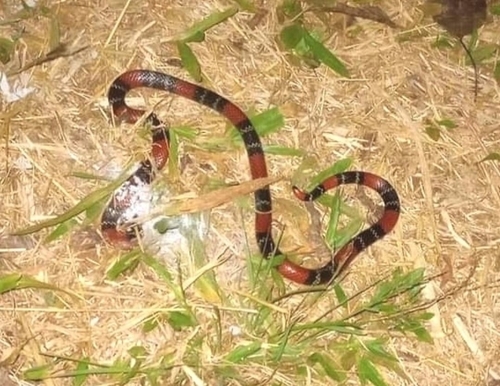 Silvia's CoralsnakeMicrurus silviaeVenomous
Rings of red, yellow, and black where red touches yellow; small rounded head and round pupils.
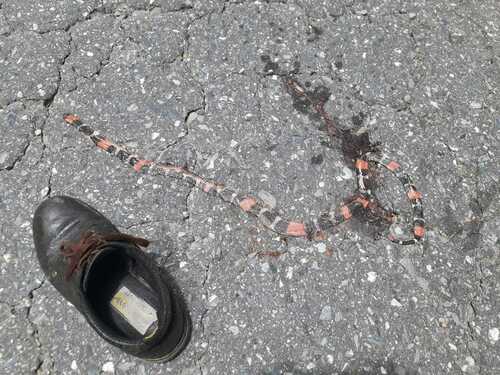 Trinidad Ribbon Coral SnakeMicrurus diutiusVenomous
Rings of red, yellow, and black where red touches yellow; small rounded head and round pupils.
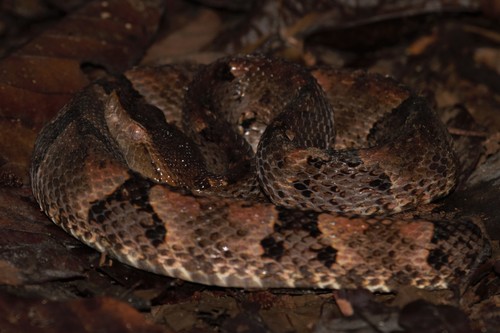
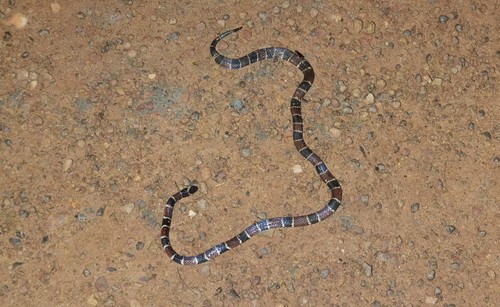 Carib CoralsnakeMicrurus psychesVenomous
Rings of red, yellow, and black where red touches yellow; small rounded head and round pupils.
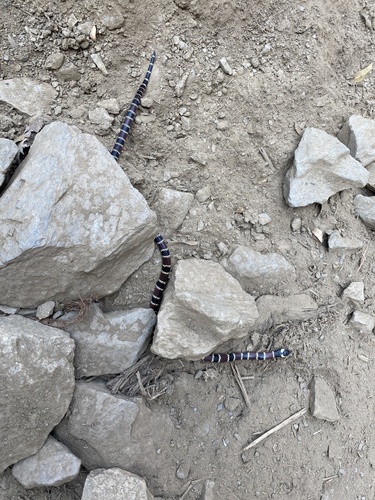 Annellated CoralsnakeMicrurus annellatusVenomous
Rings of red, yellow, and black where red touches yellow; small rounded head and round pupils.
 Venezuelan CoralsnakeMicrurus isozonusVenomous
Rings of red, yellow, and black where red touches yellow; small rounded head and round pupils.
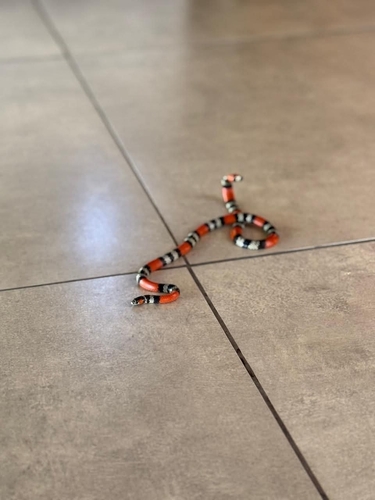 Diana's CoralsnakeMicrurus dianaVenomous
Rings of red, yellow, and black where red touches yellow; small rounded head and round pupils.
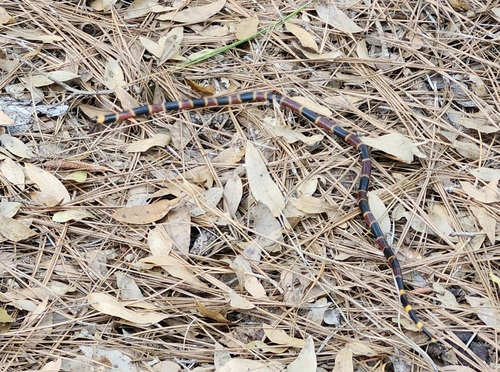 Eastern CoralsnakeMicrurus fulviusVenomous
Rings of red, yellow, and black where red touches yellow; small rounded head and round pupils.
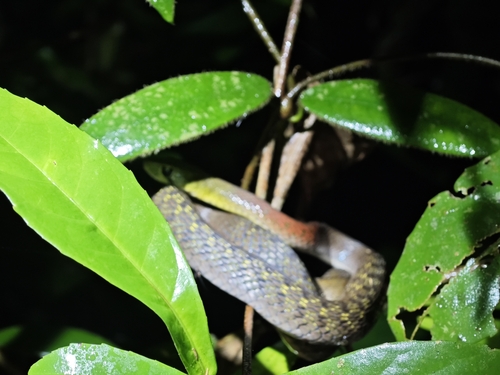
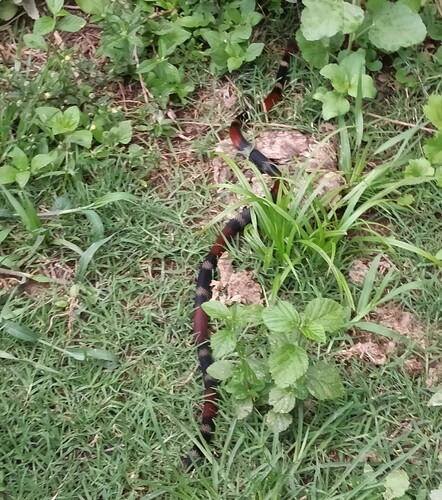 Argentinian CoralsnakeMicrurus pyrrhocryptusVenomous
Rings of red, yellow, and black where red touches yellow; small rounded head and round pupils.
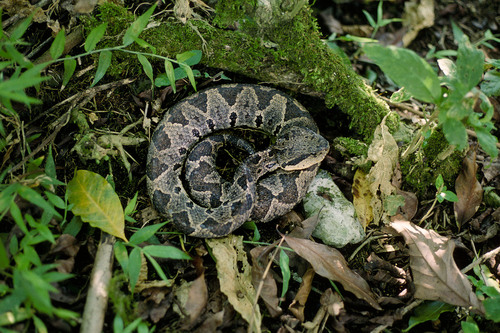
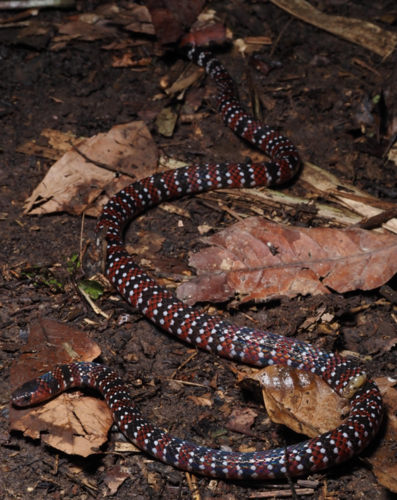 Ornate CoralsnakeMicrurus ornatissimusVenomous
Rings of red, yellow, and black where red touches yellow; small rounded head and round pupils.
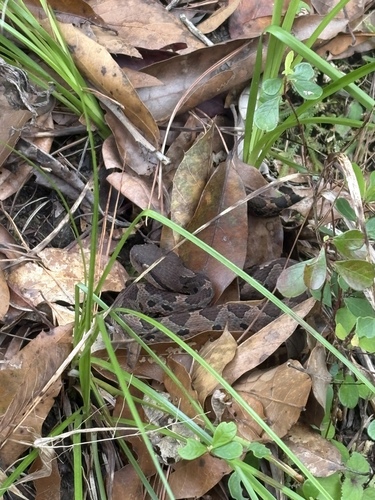
 Tikuna CoralsnakeMicrurus tikunaVenomous
Rings of red, yellow, and black where red touches yellow; small rounded head and round pupils.
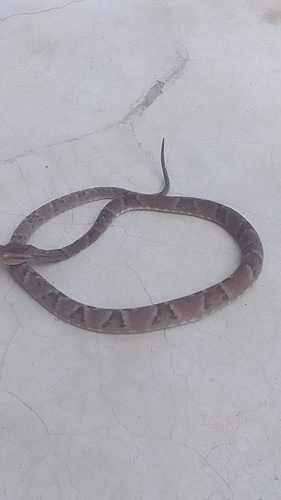
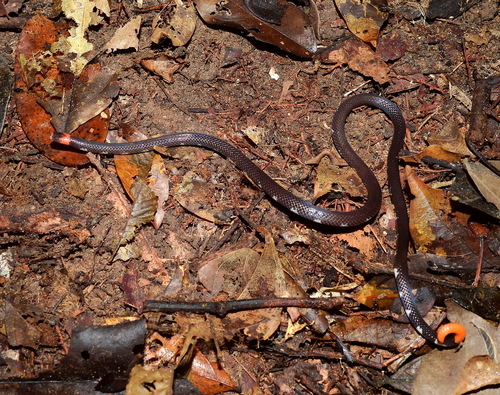 Guyana Blackback CoralsnakeMicrurus collarisVenomous
Rings of red, yellow, and black where red touches yellow; small rounded head and round pupils.
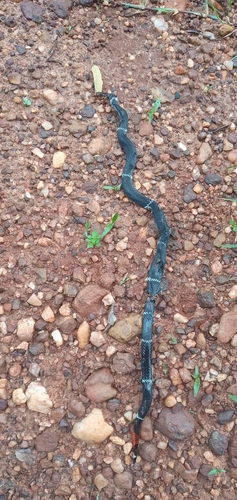 Boicorá Coral SnakeMicrurus boicoraVenomous
Rings of red, yellow, and black where red touches yellow; small rounded head and round pupils.
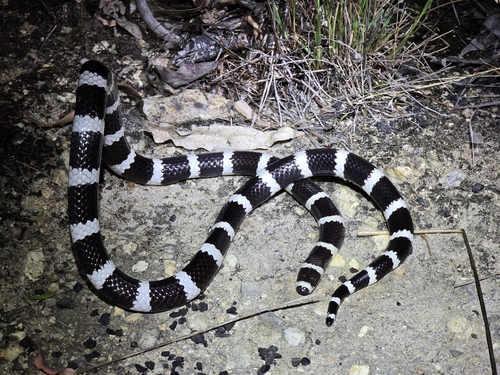
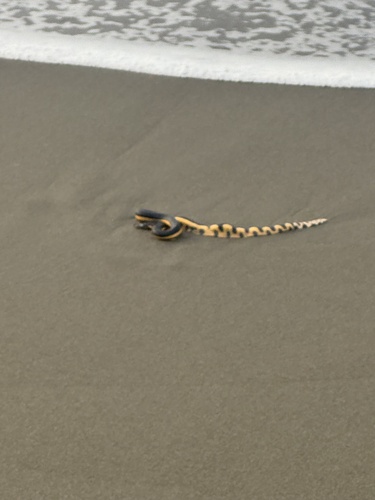
 Pygmy CoralsnakeMicrurus dissoleucusVenomous
Rings of red, yellow, and black where red touches yellow; small rounded head and round pupils.
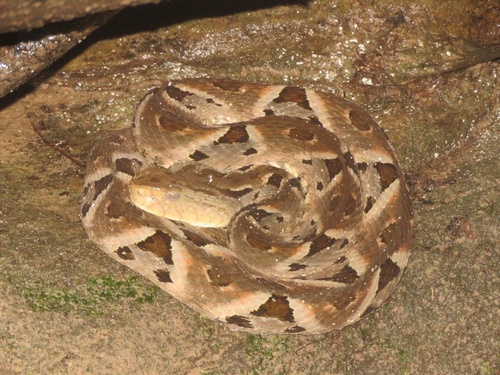
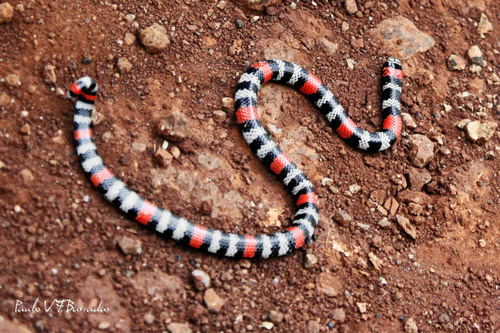 Mesopotamian CoralsnakeMicrurus baliocoryphusVenomous
Rings of red, yellow, and black where red touches yellow; small rounded head and round pupils.
Every snake recorded in Brazil
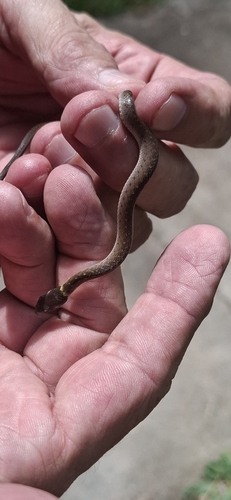
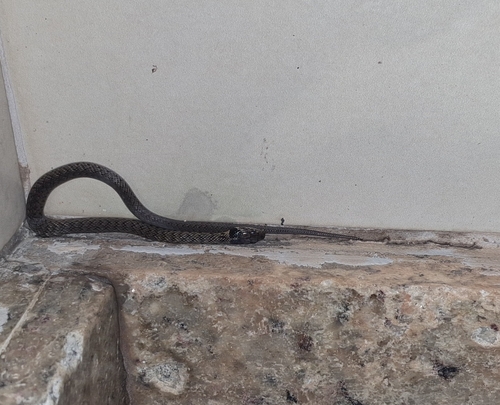
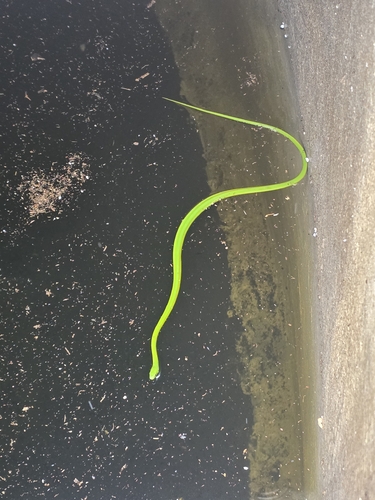
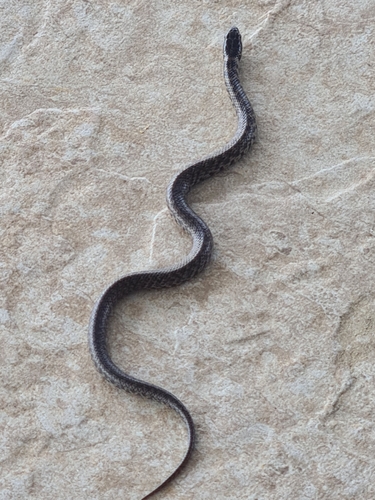
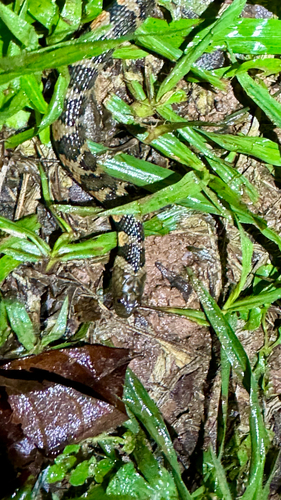
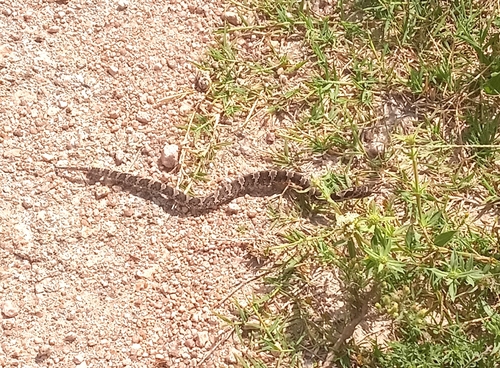
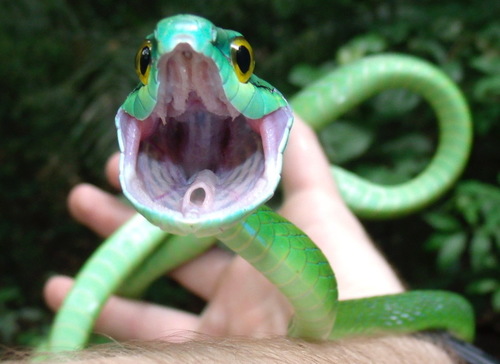
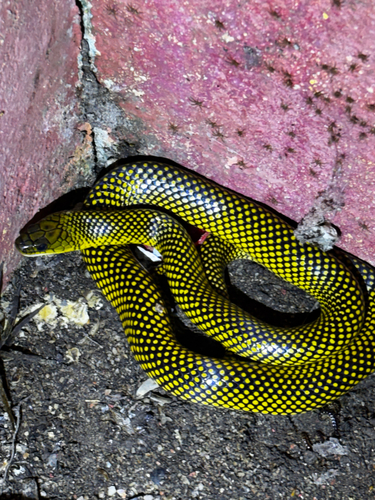
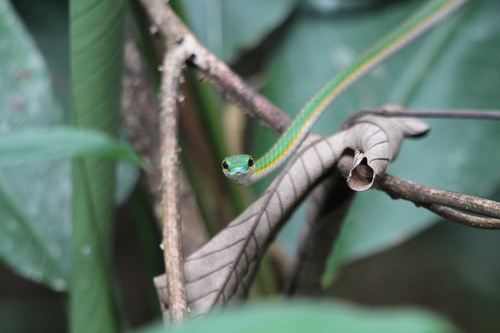
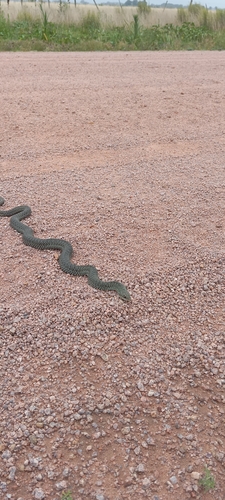
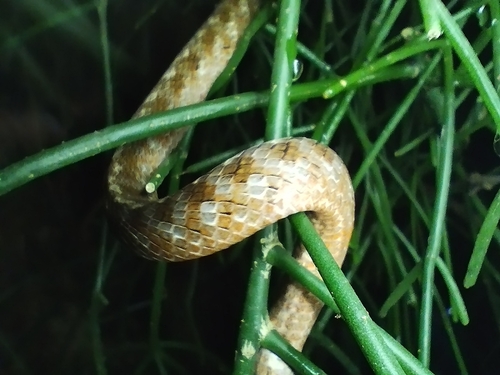
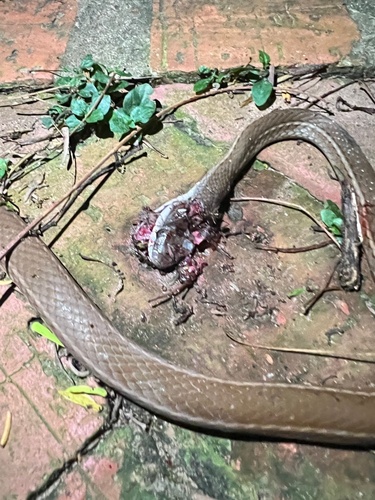
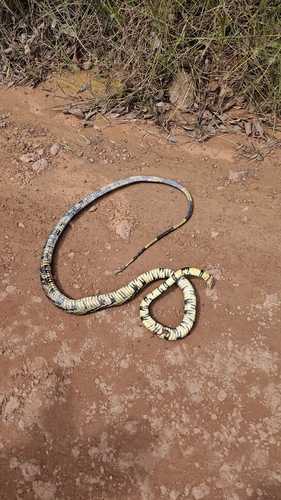
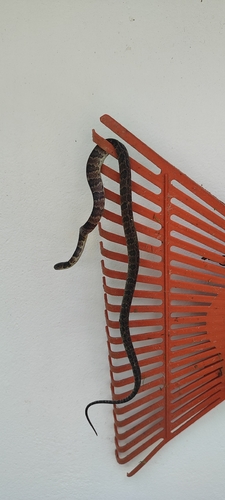
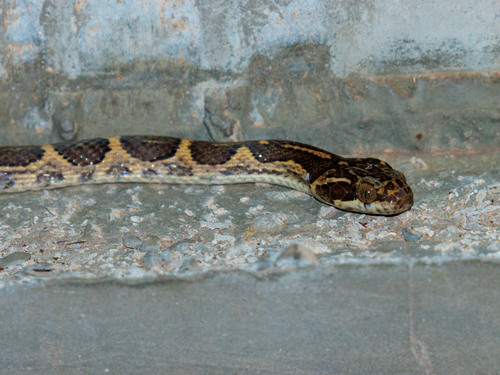
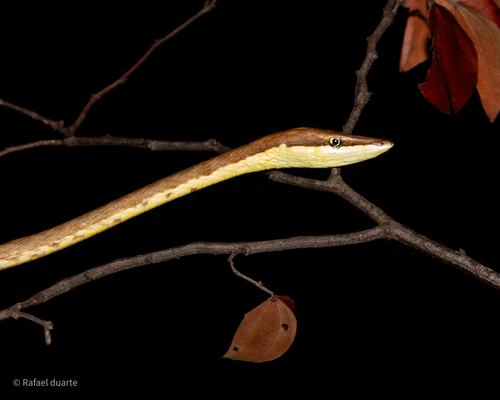
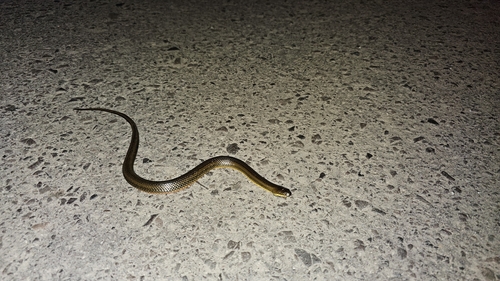
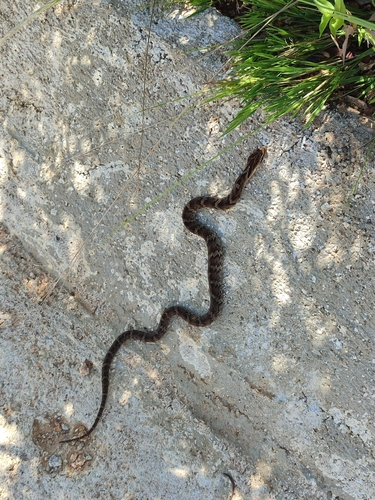
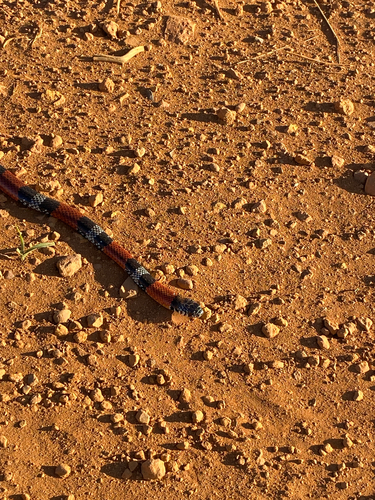
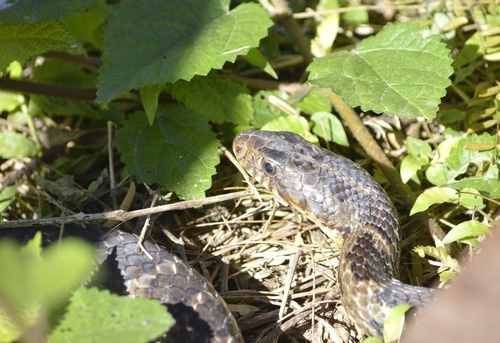
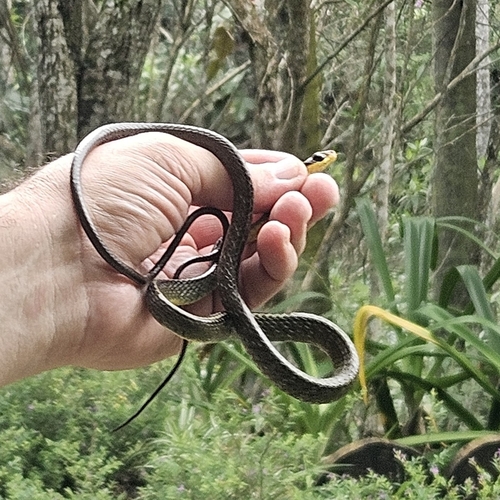
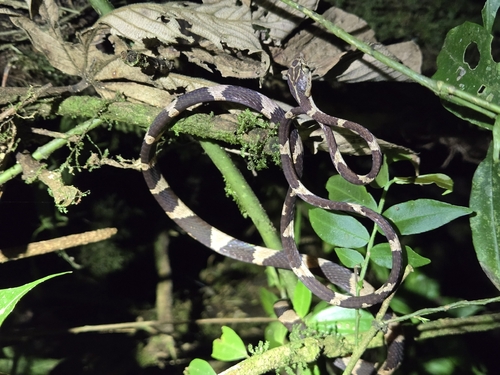
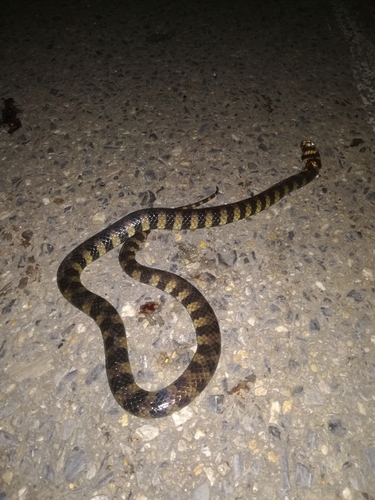
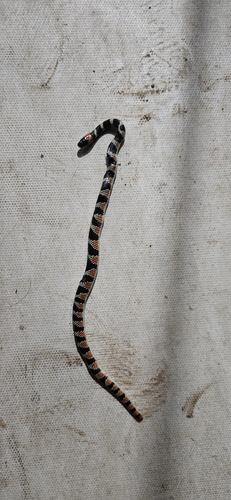
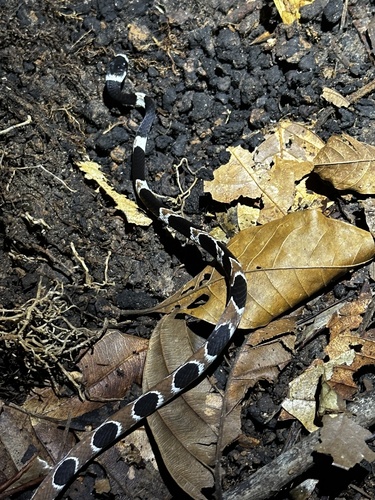
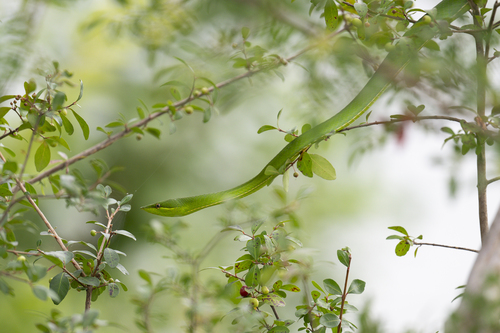
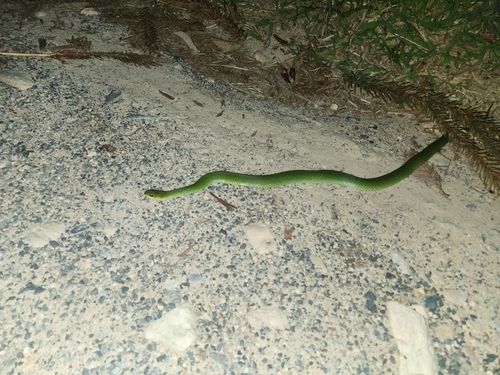
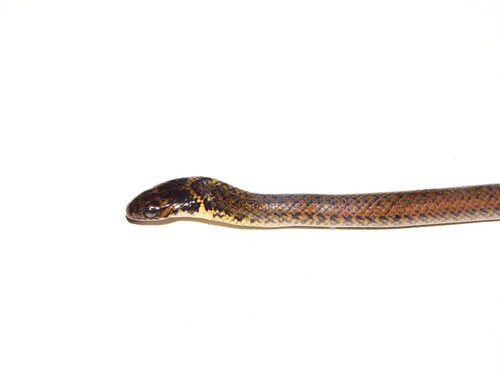
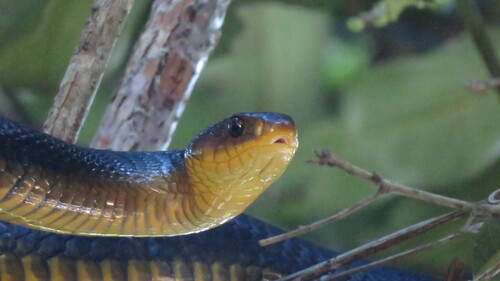
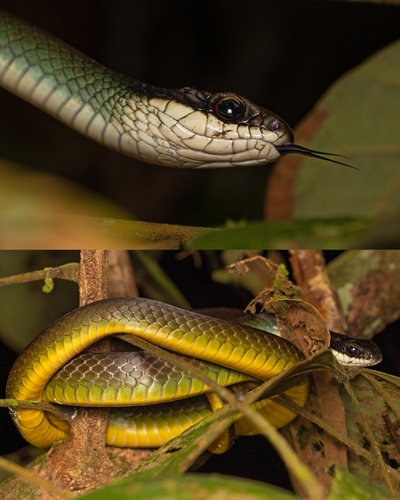
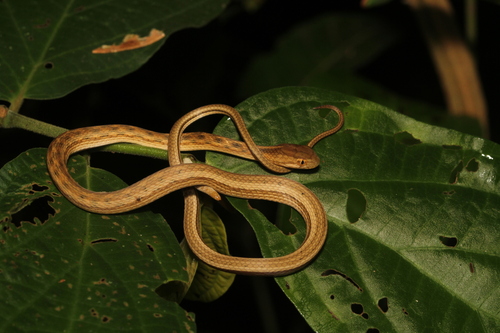
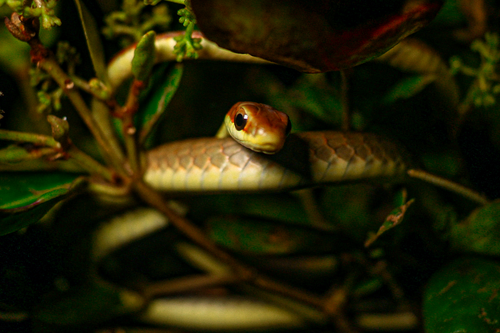
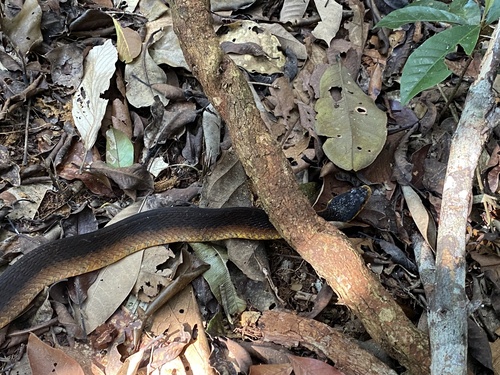
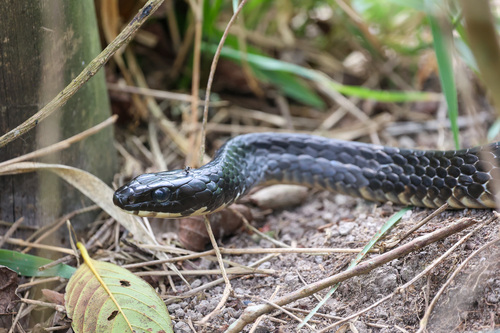
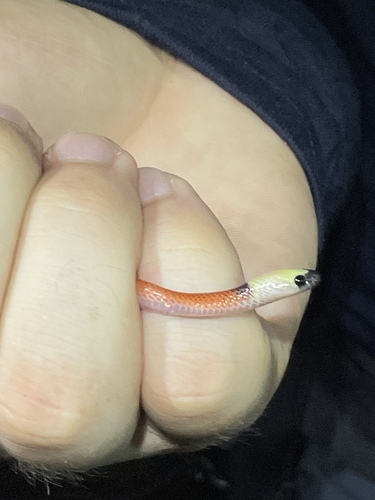
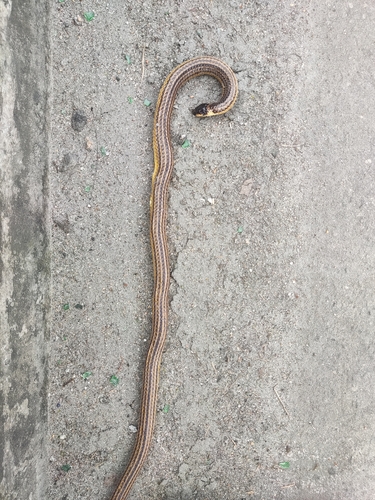
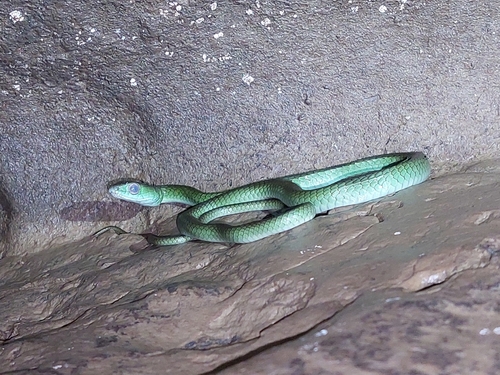
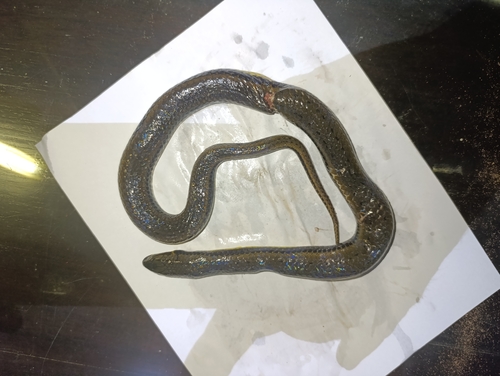
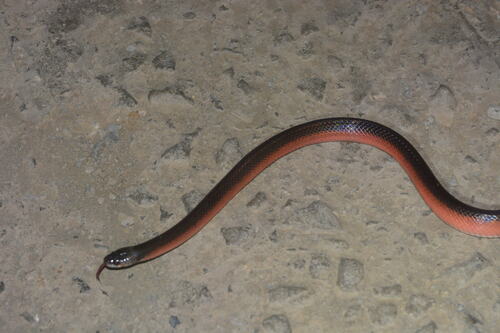
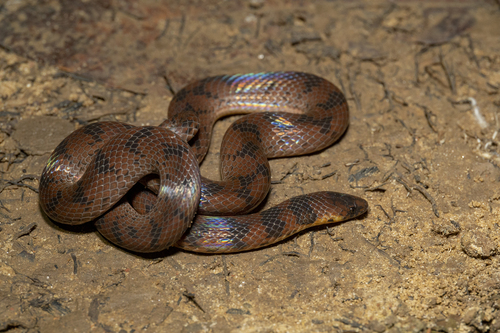
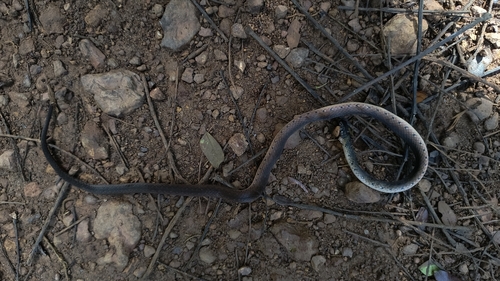
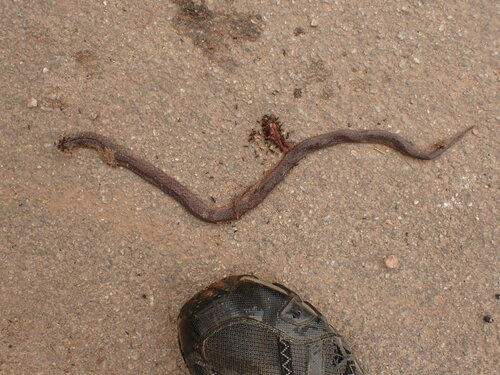
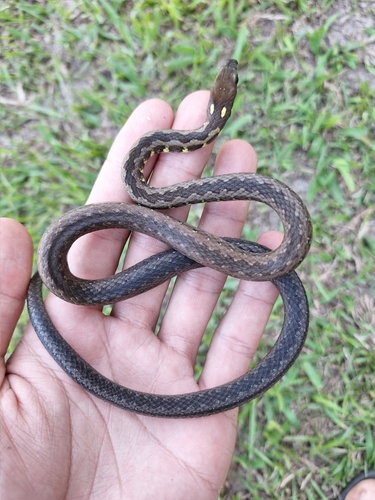
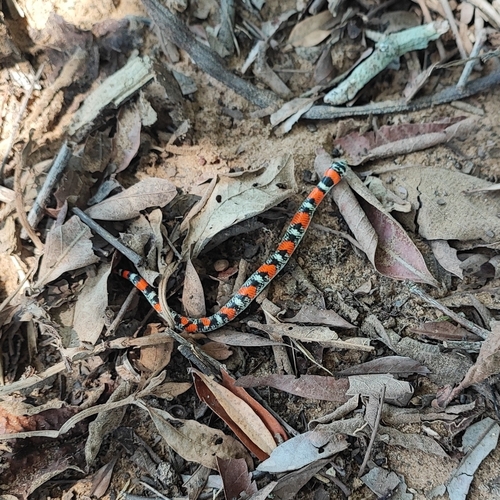
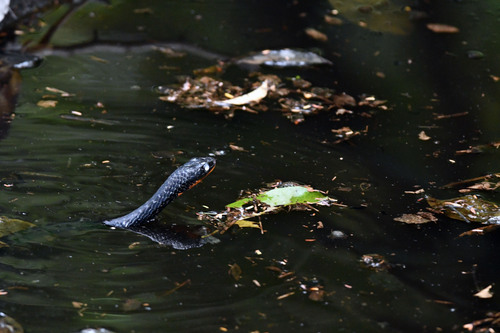
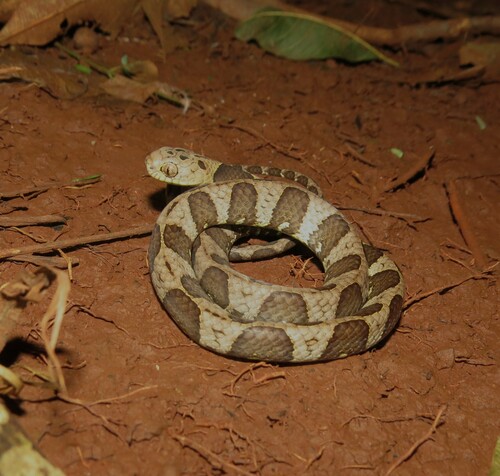
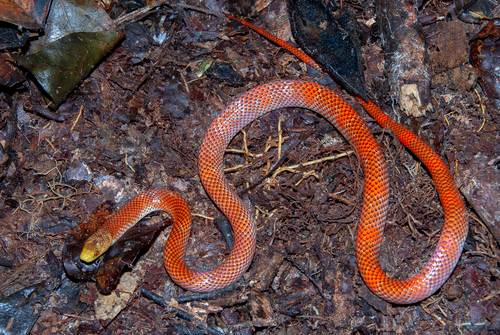
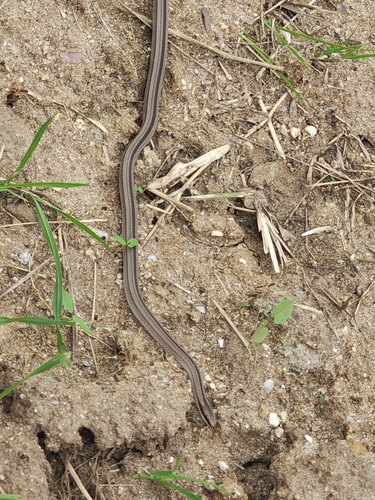
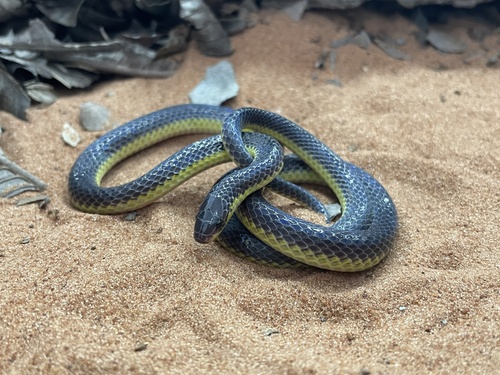
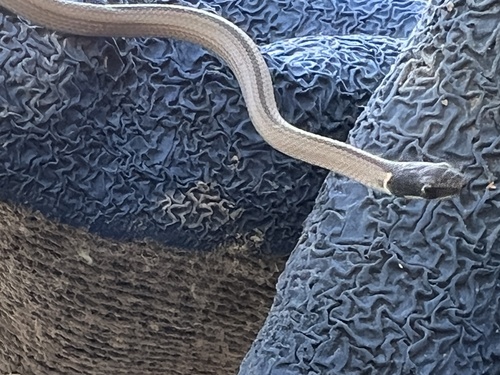
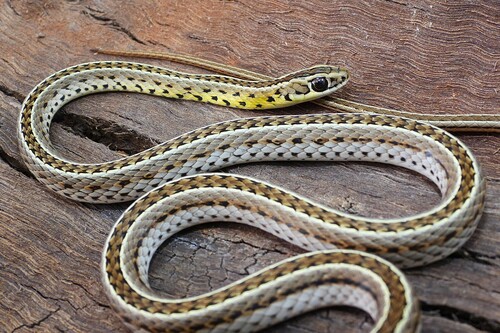
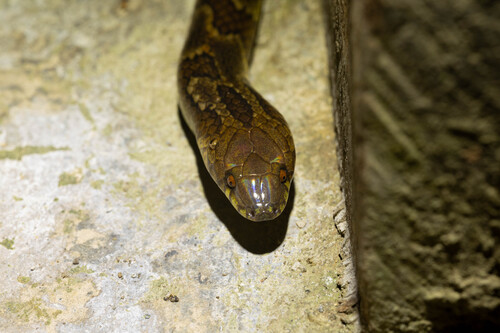
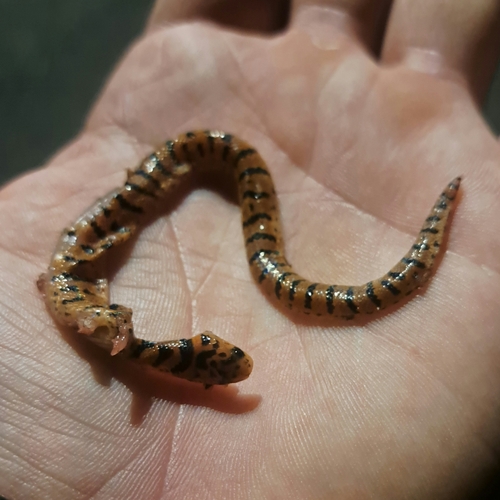
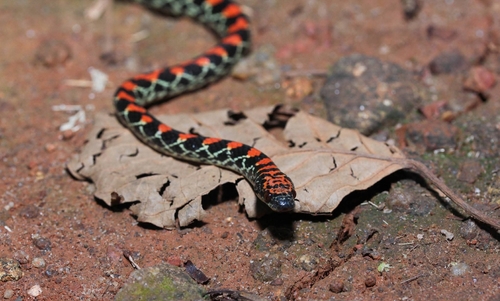
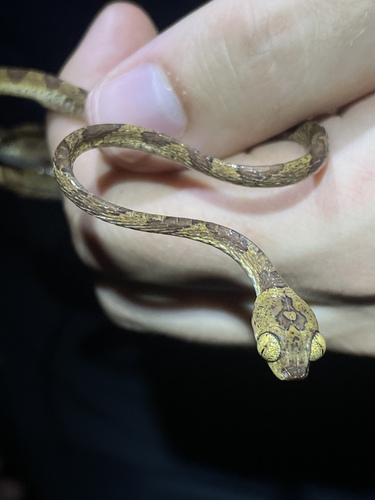
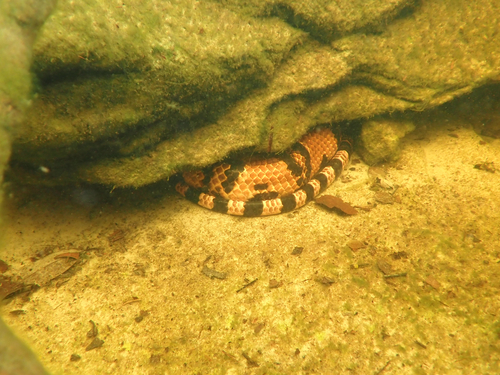
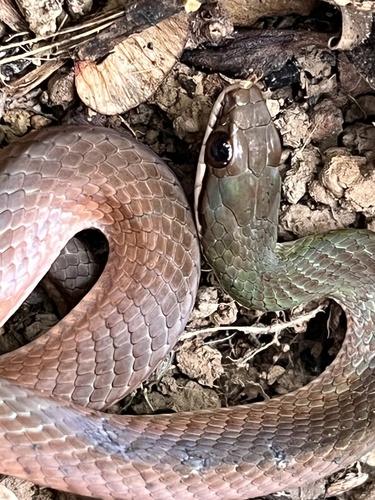
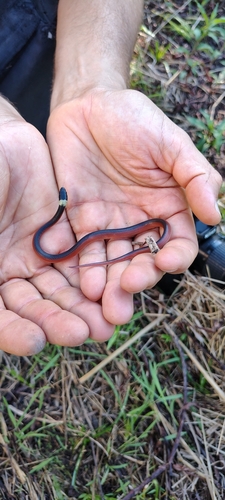
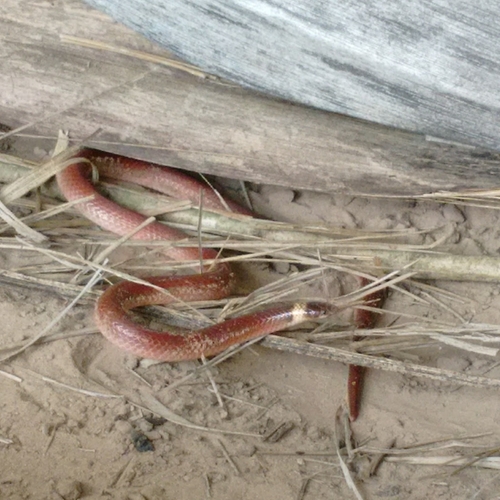
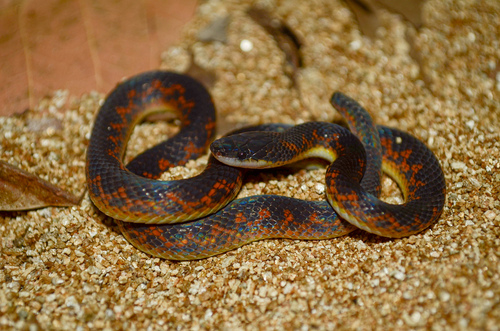
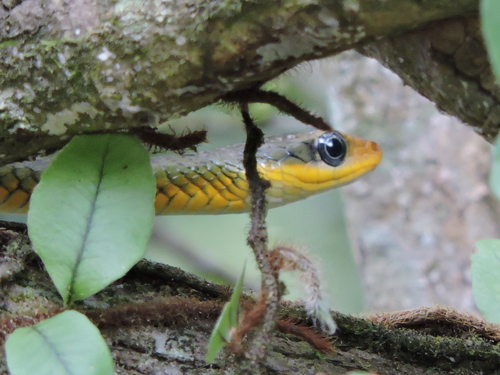
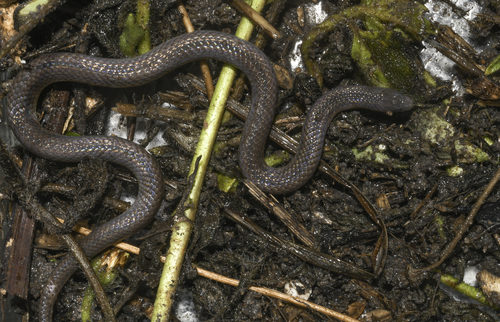
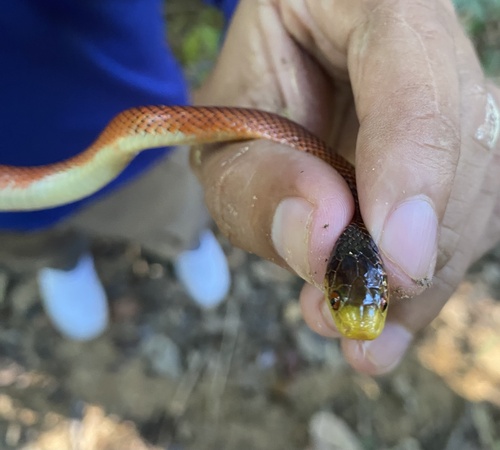
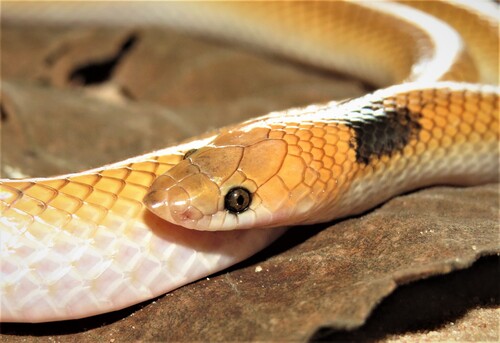
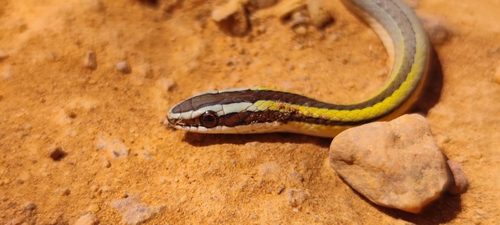
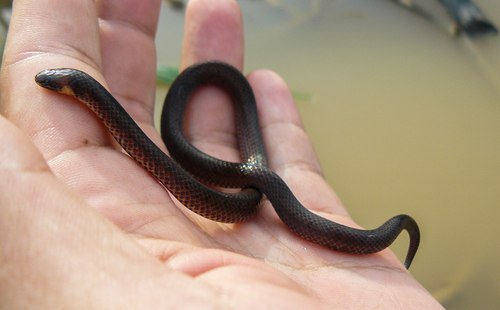
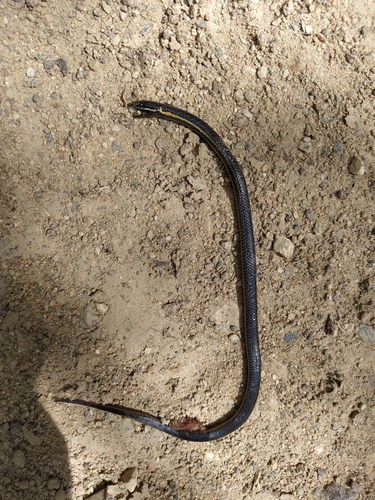
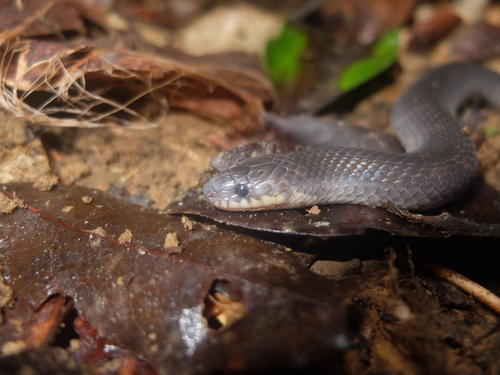
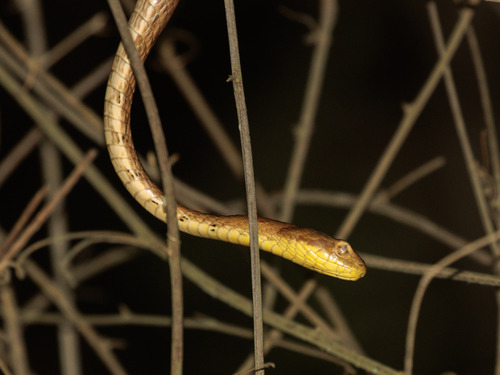
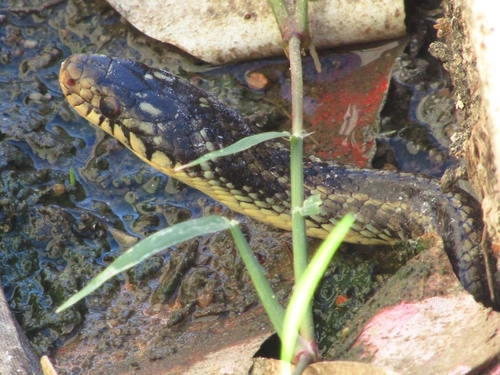
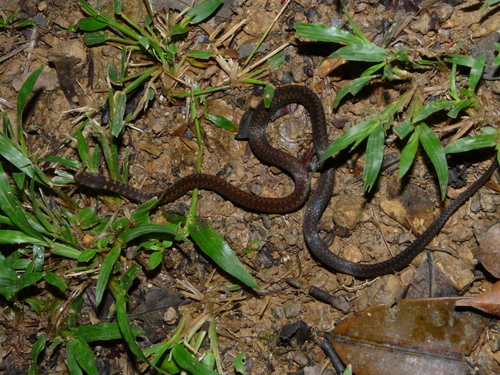
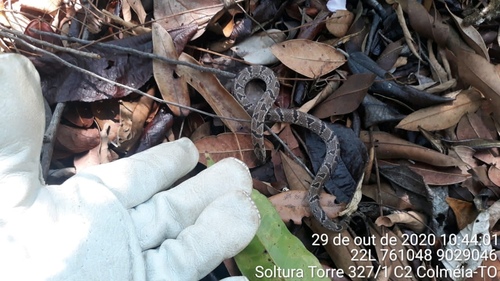
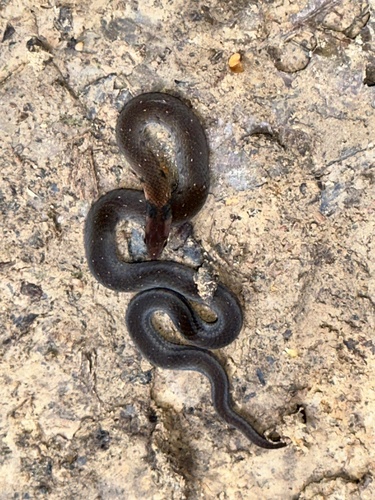
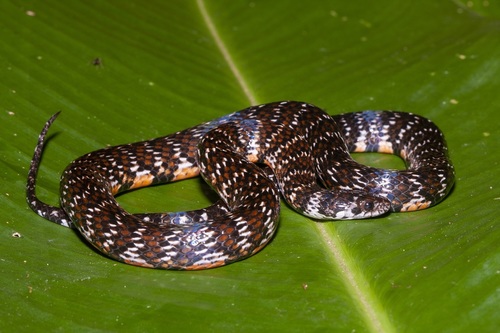
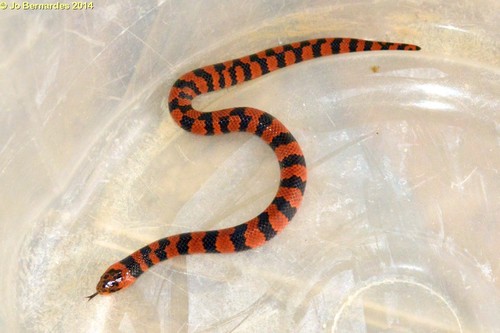
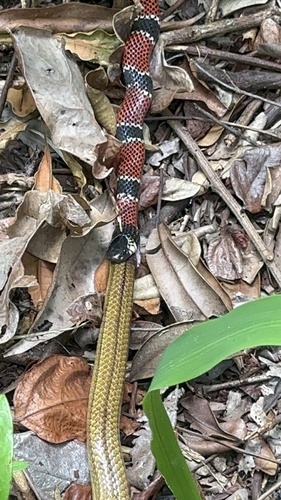
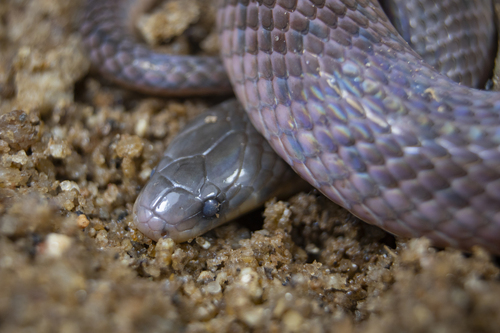
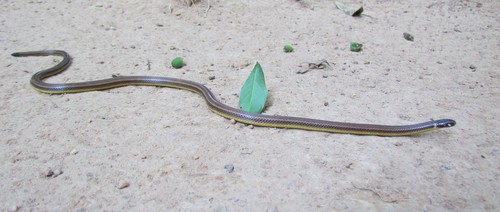
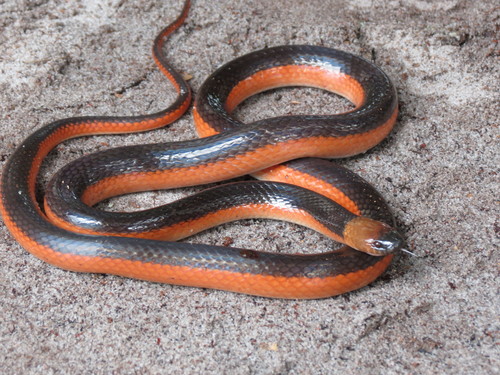
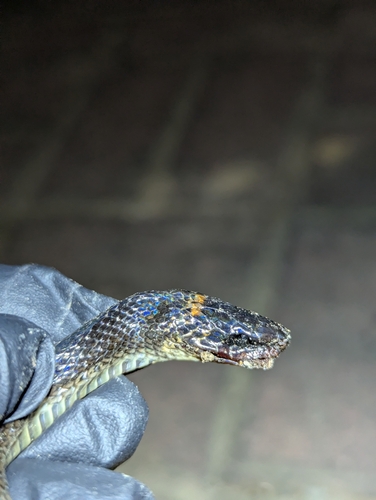
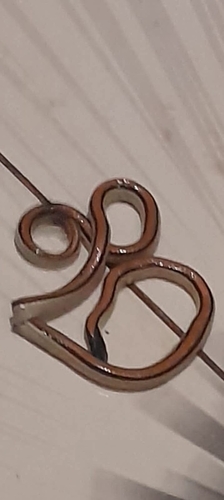
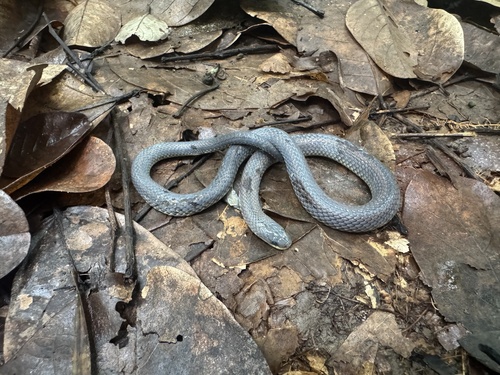
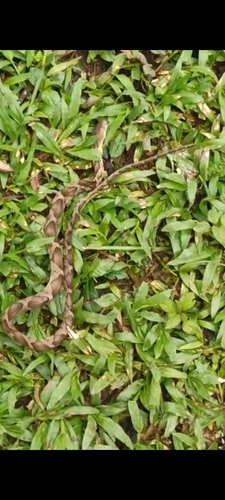
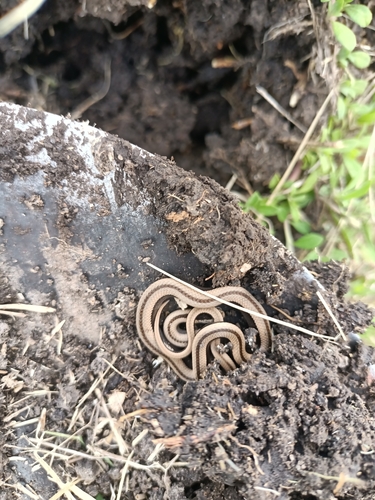
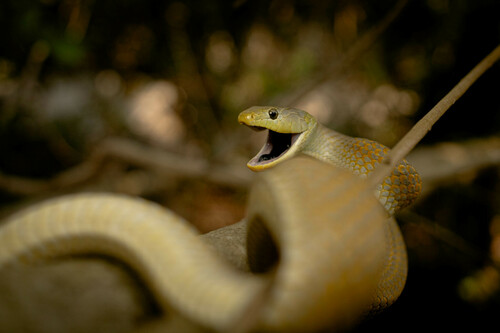
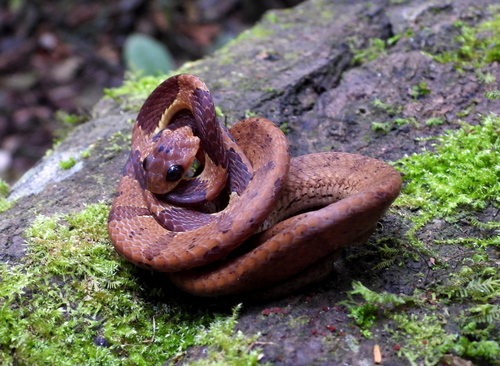
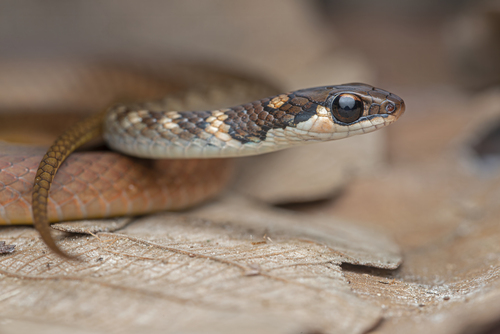
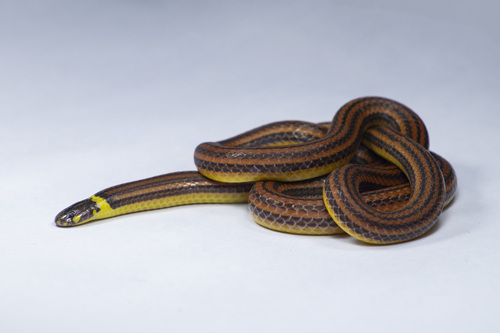
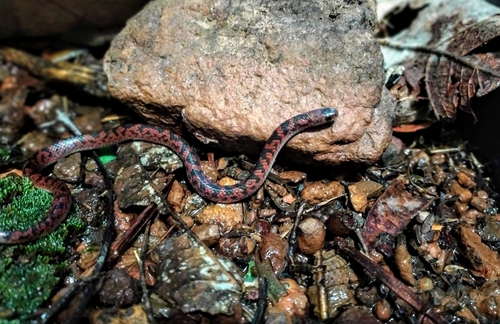
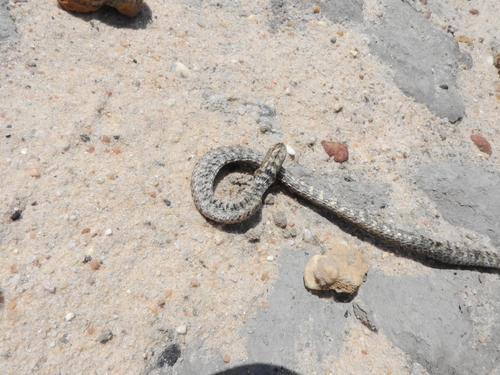
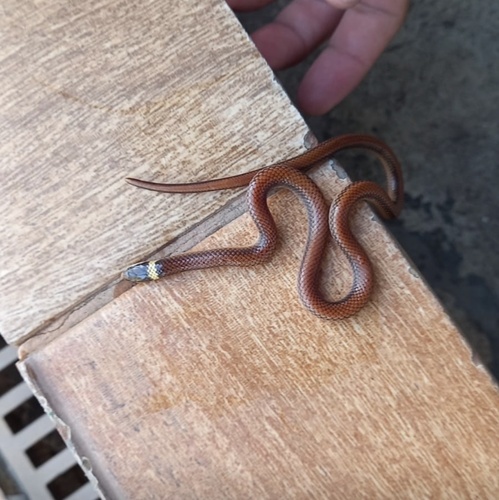
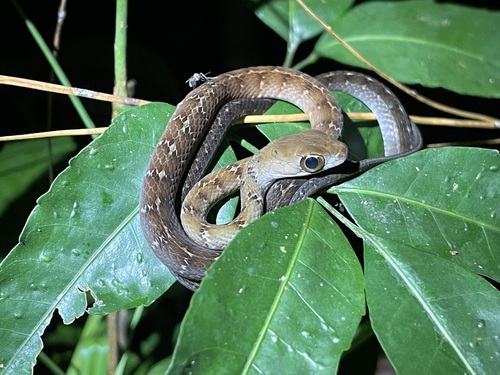
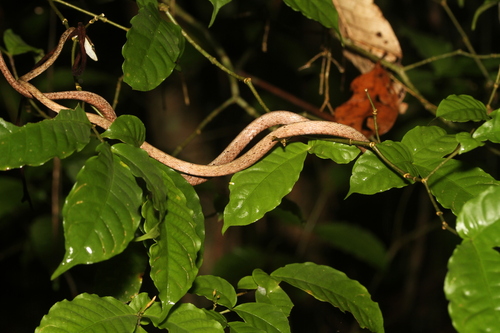
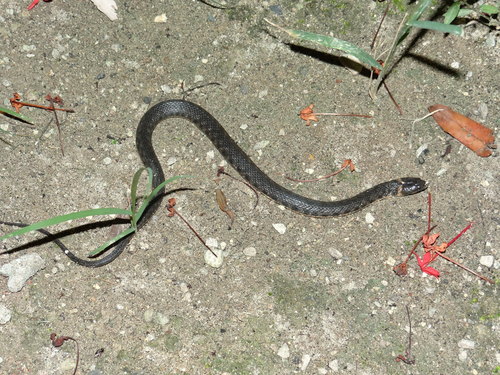
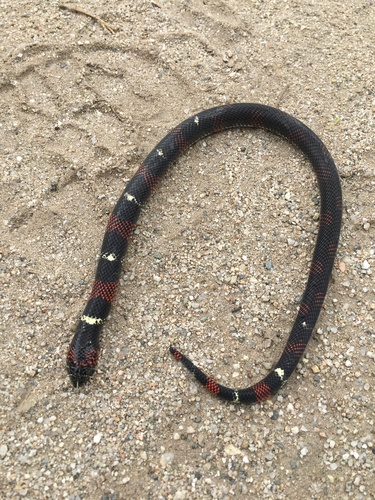
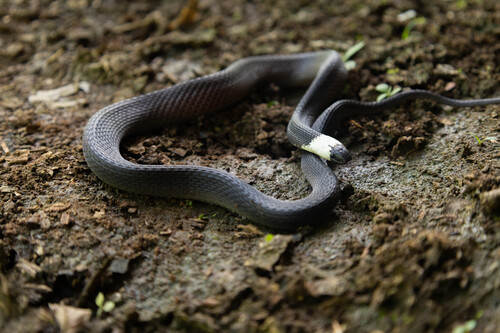
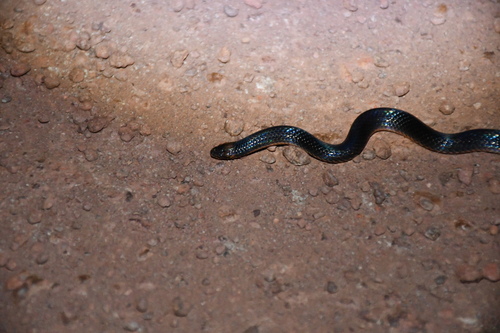
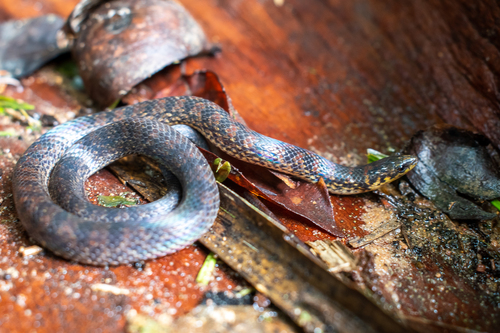
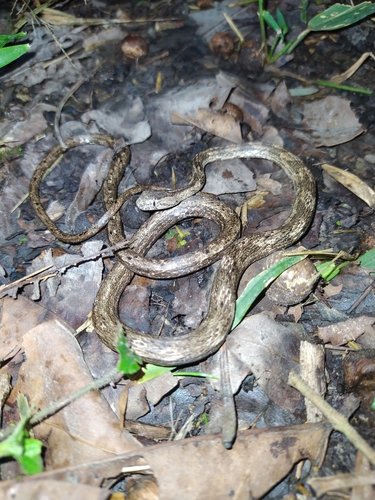
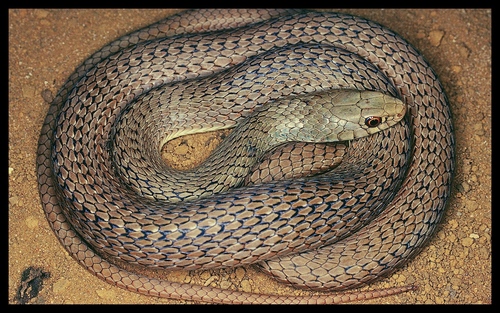
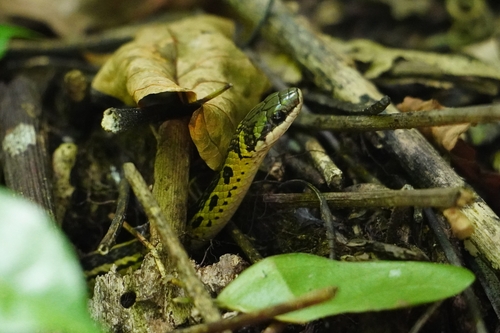
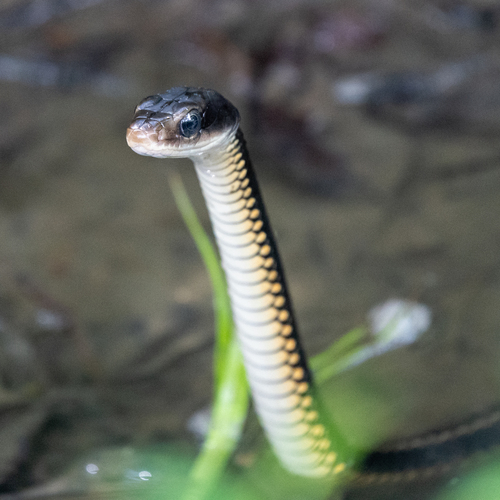
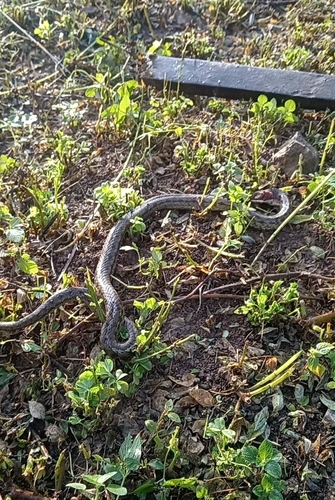
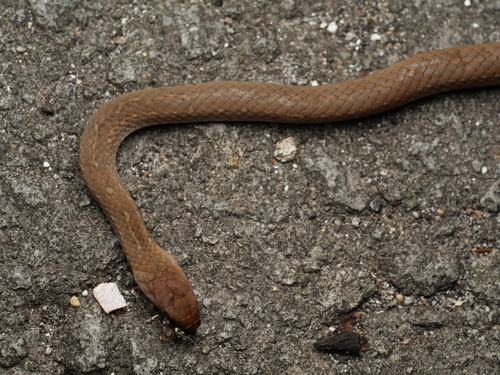
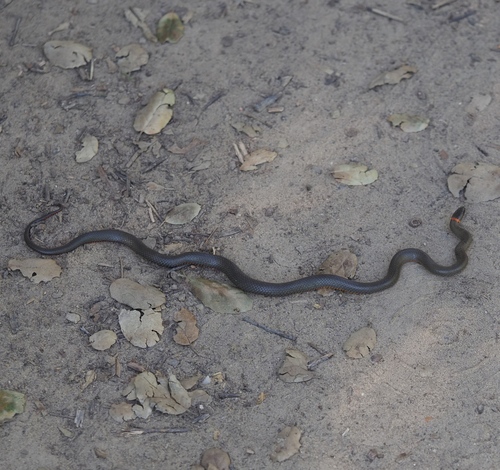
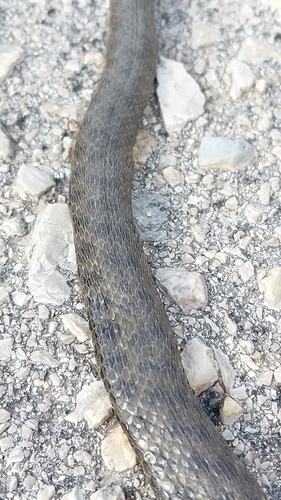
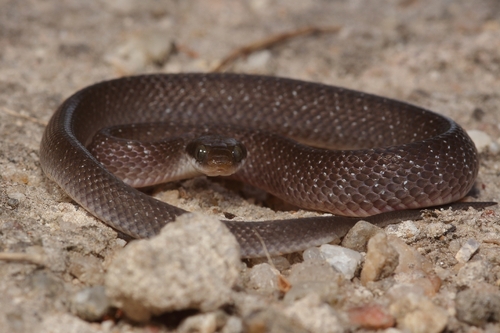
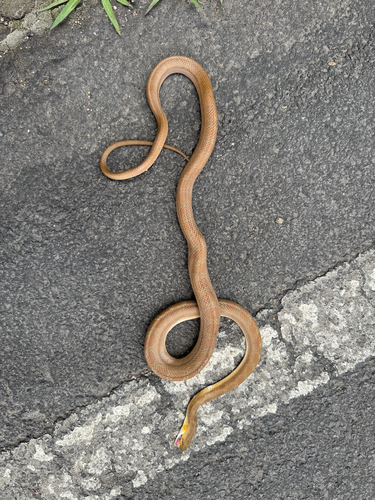
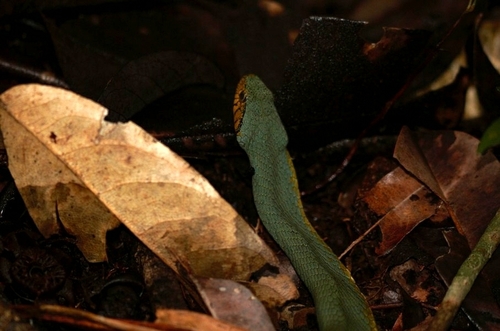
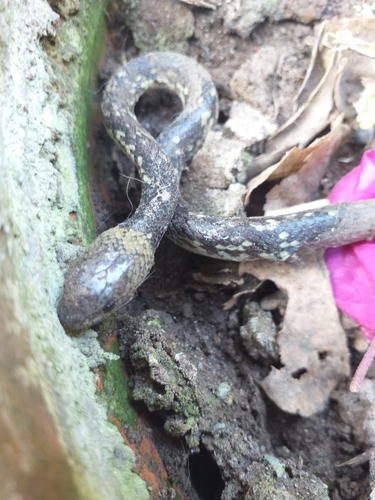
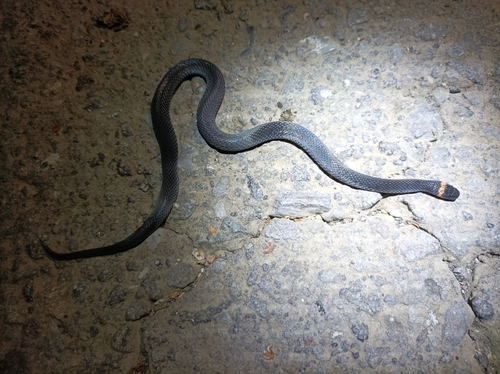
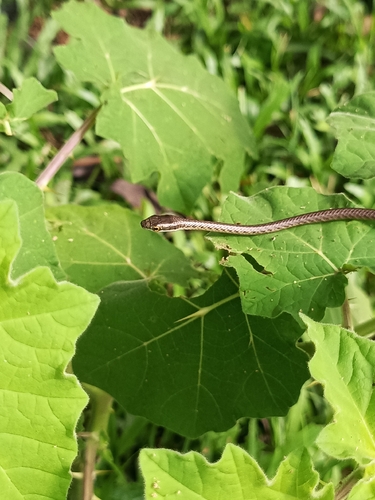
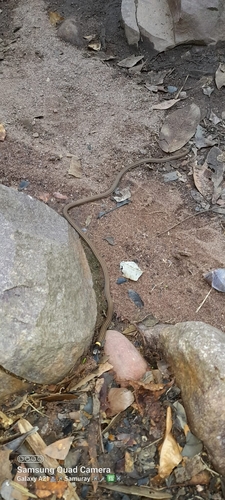
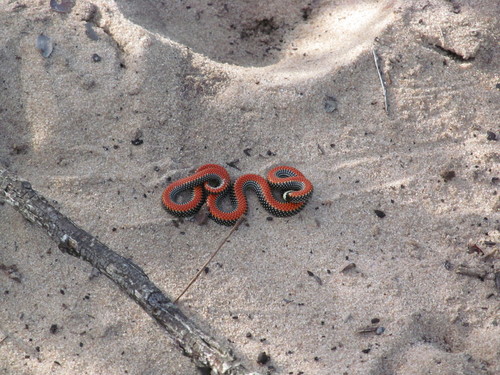
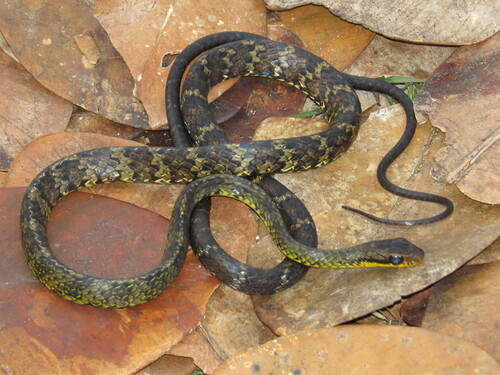
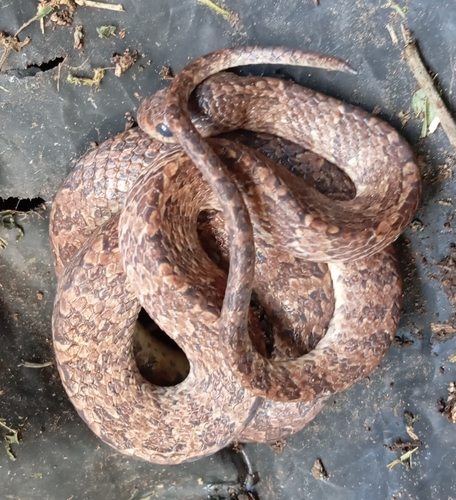
400+ species across 13 families, grouped by family. Venomous flagged.
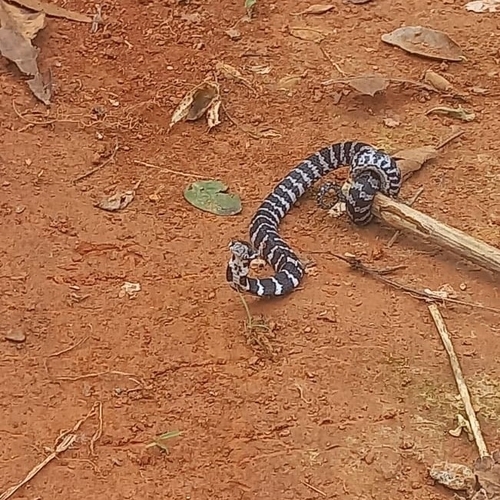
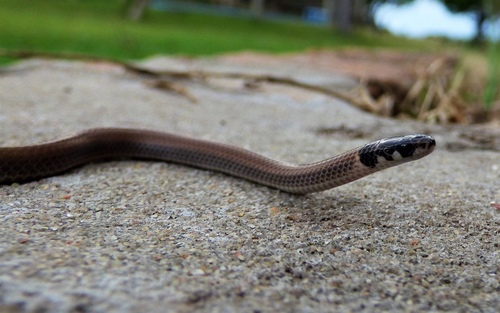
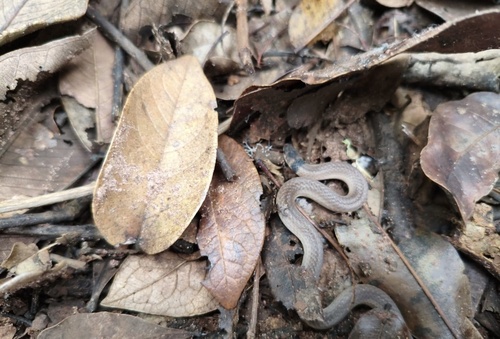
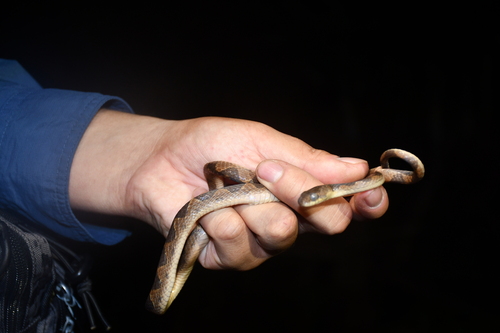
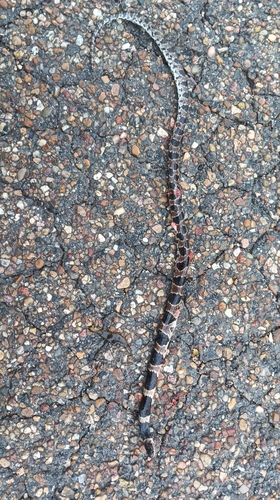
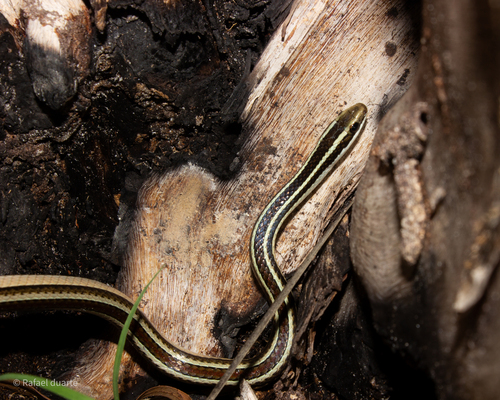
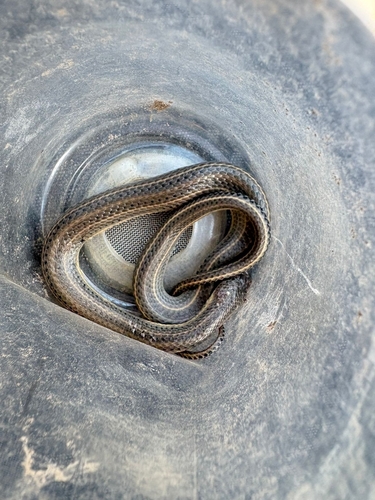
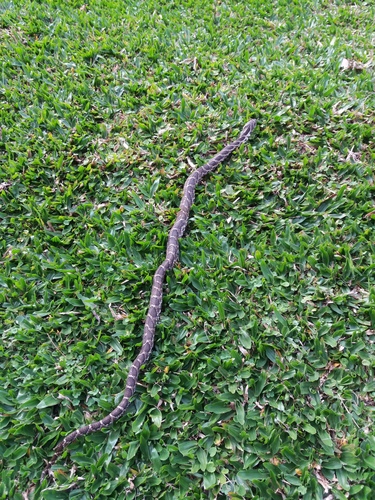
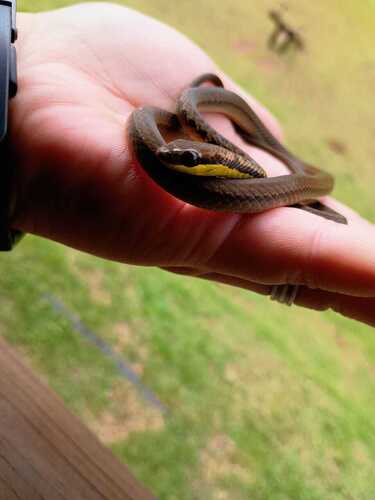
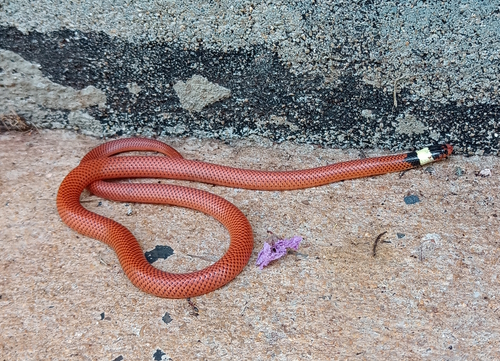
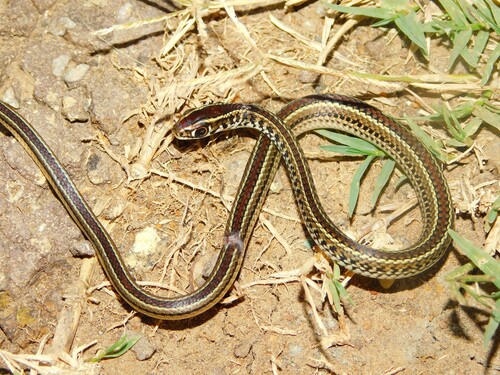
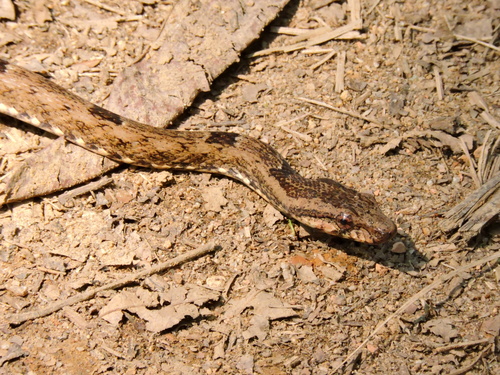
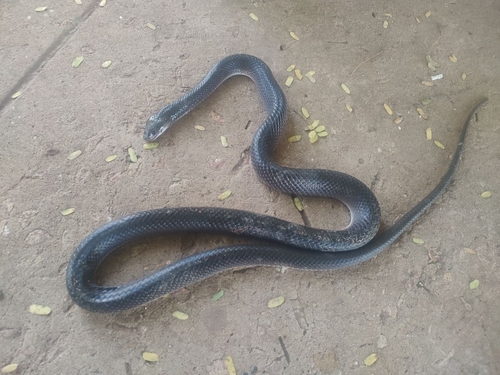
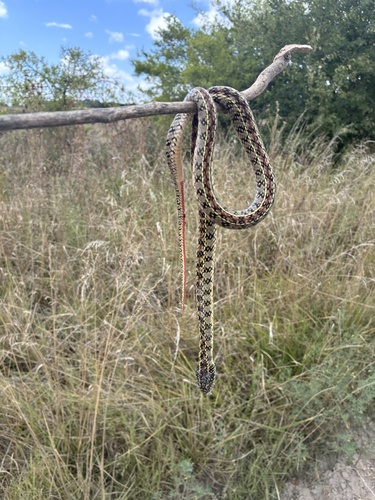
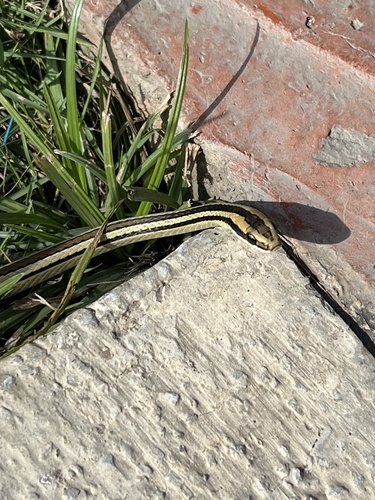
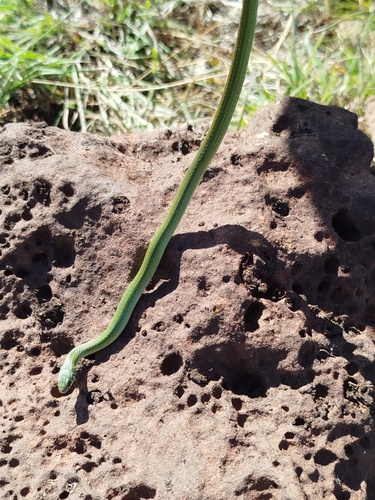
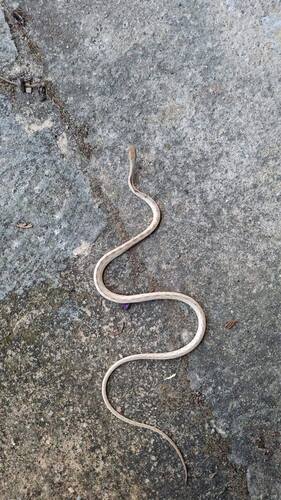
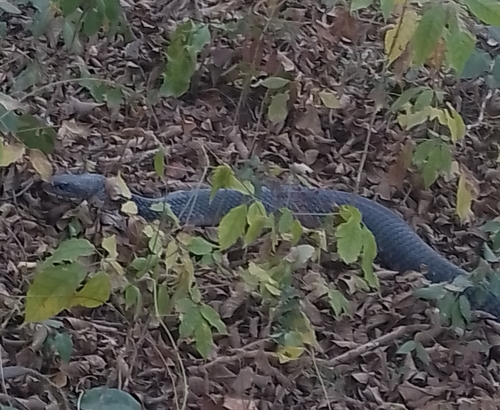
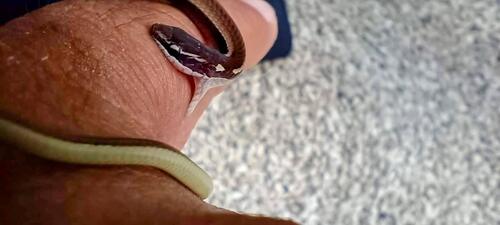
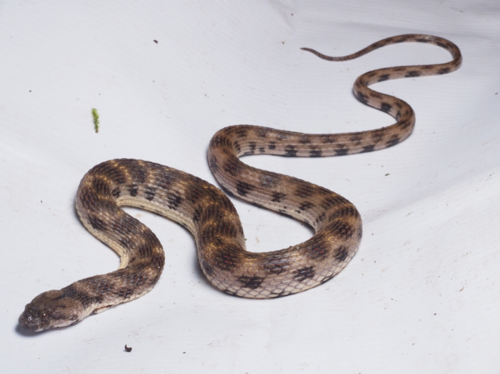
Colubridae (281)
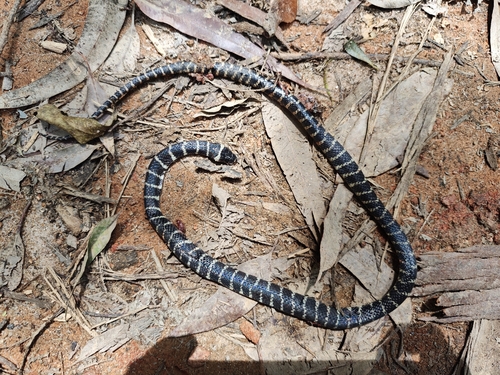
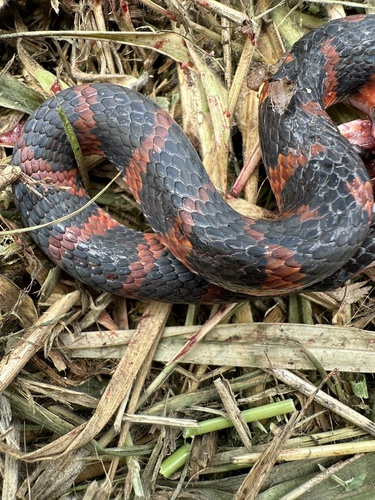
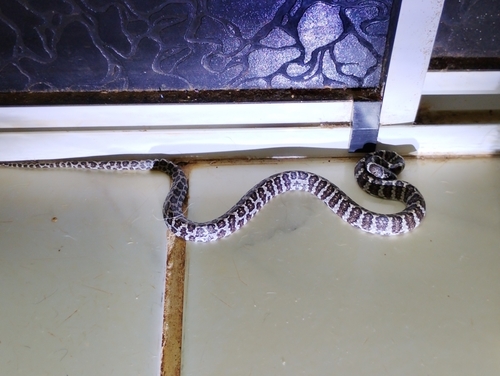
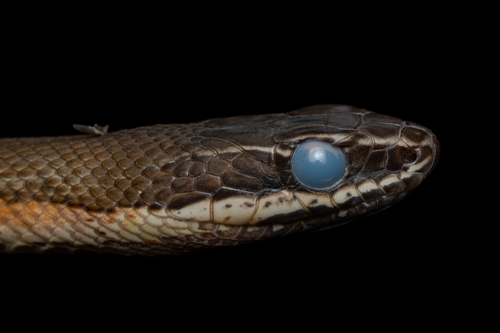
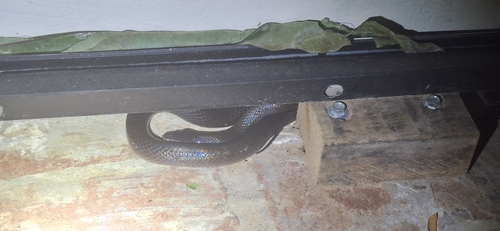
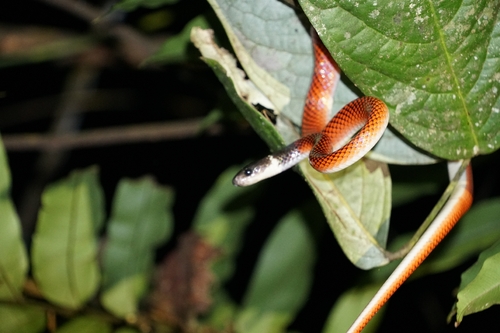
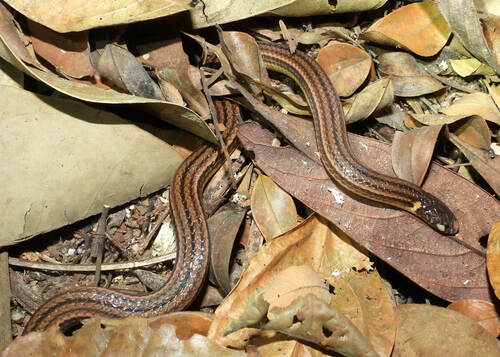
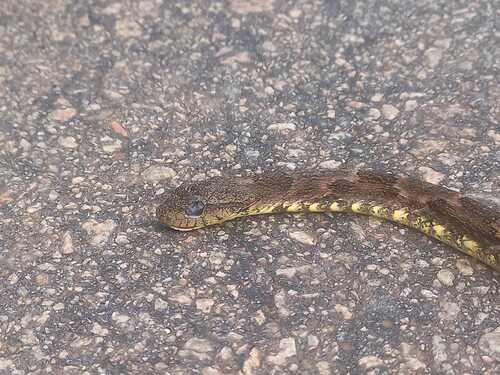
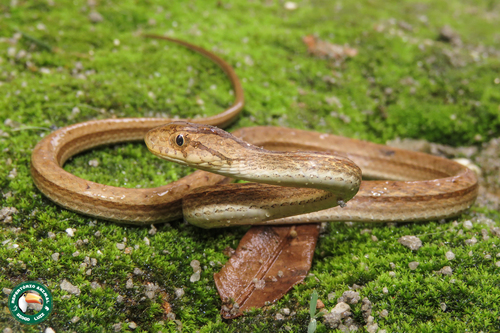
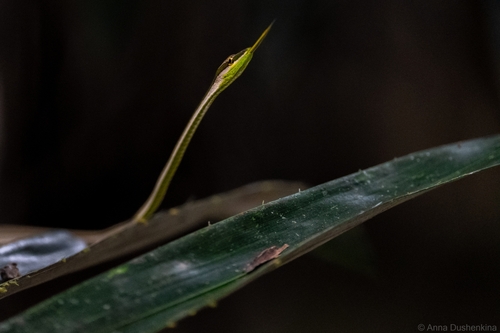
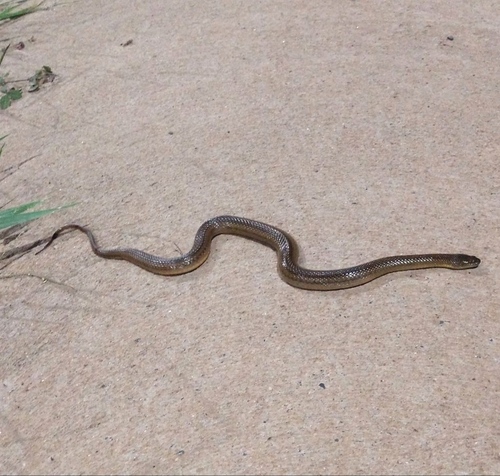
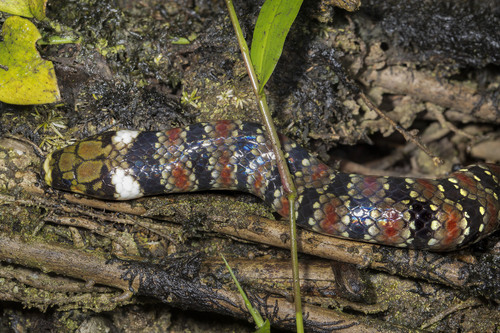
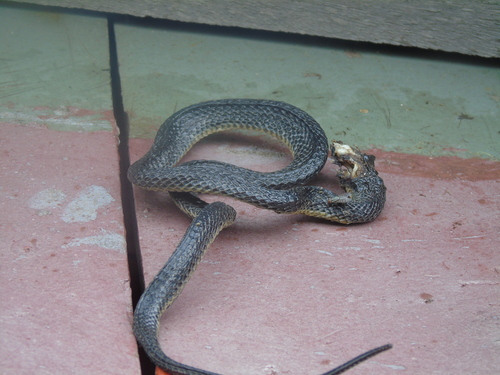
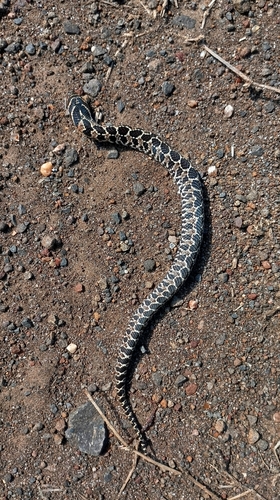
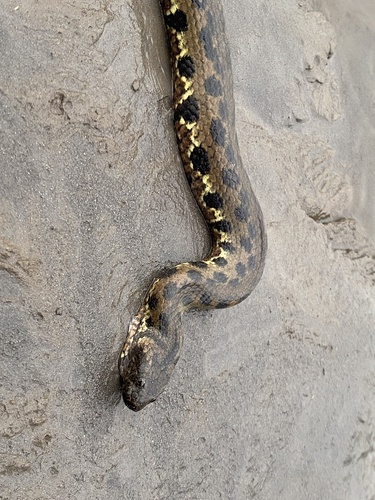
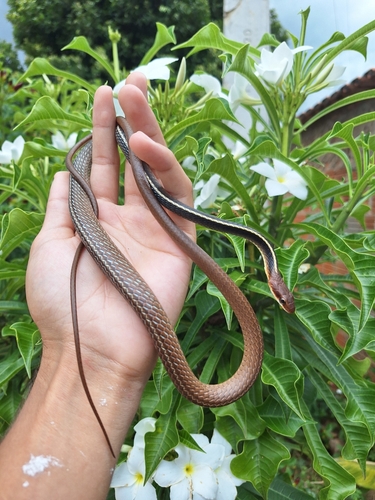
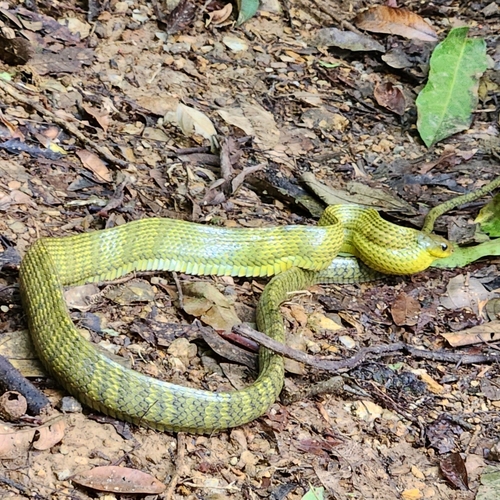
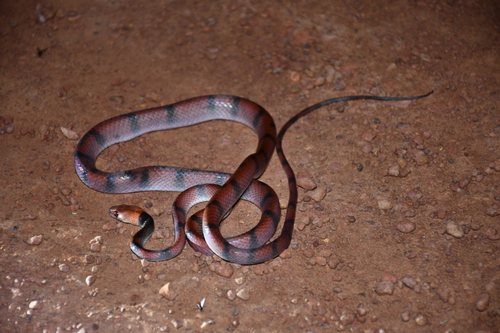
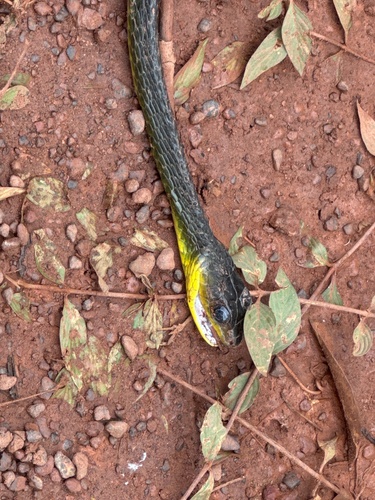
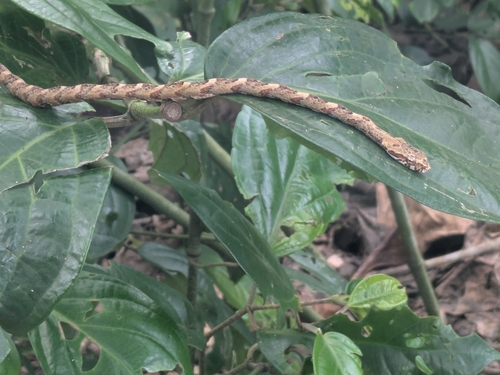
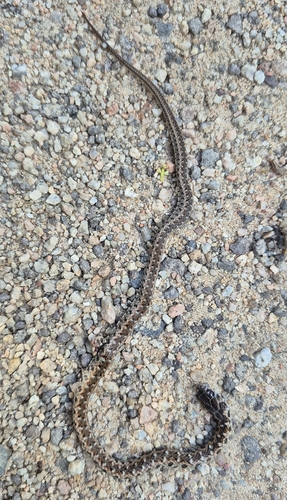
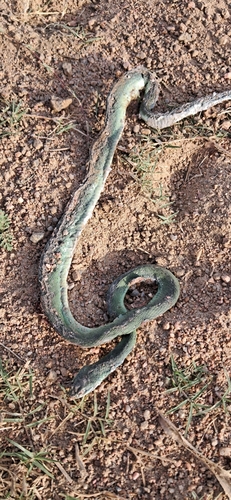
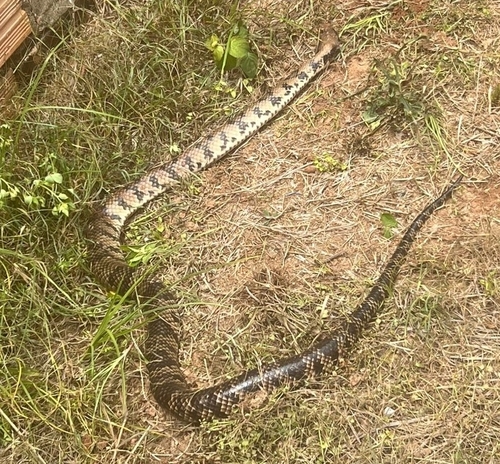
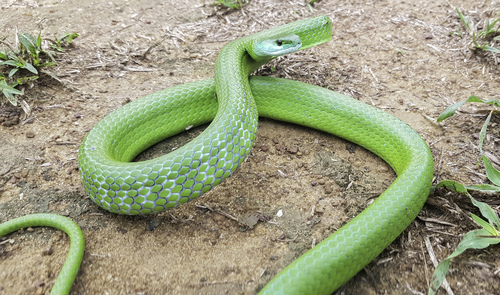
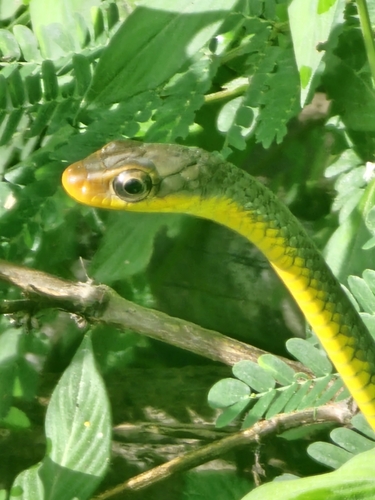
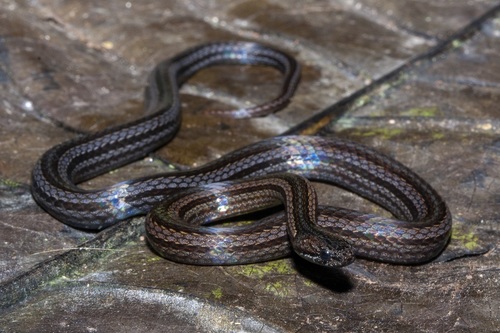
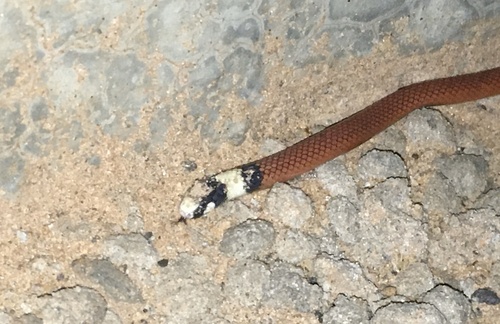
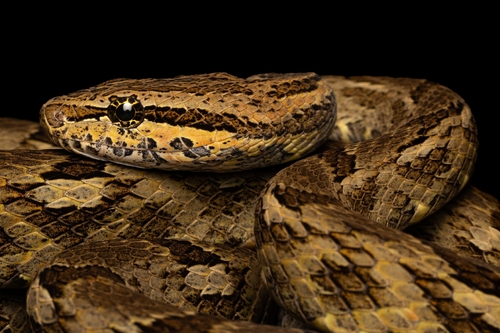
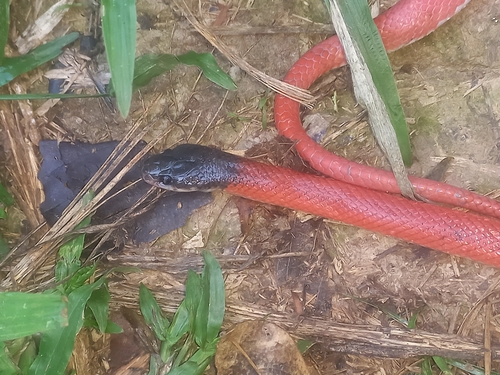
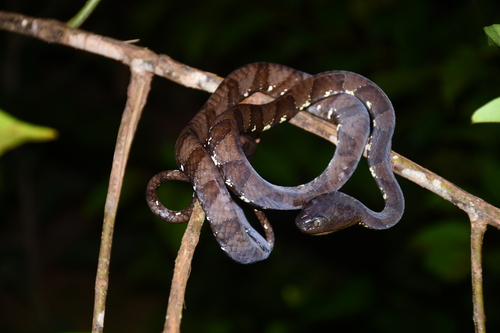
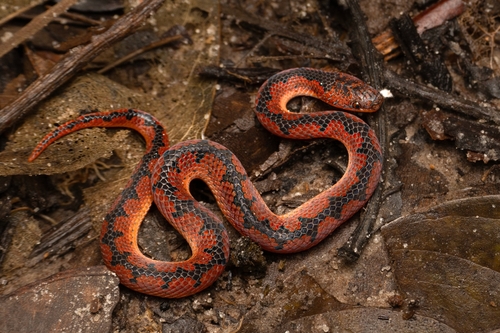
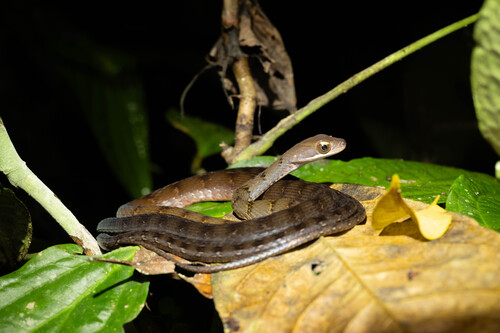
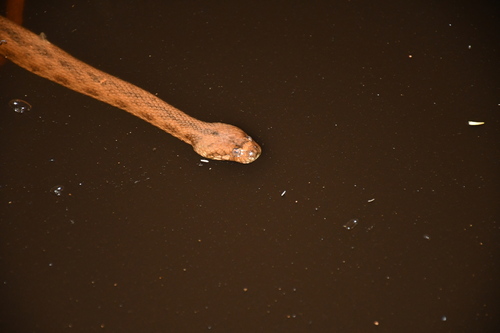
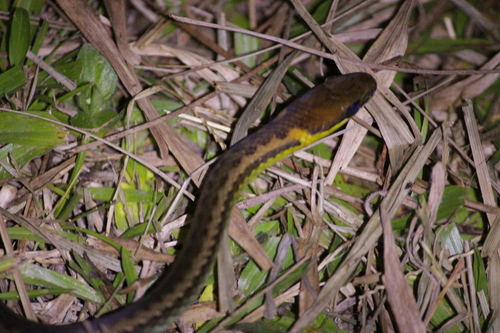
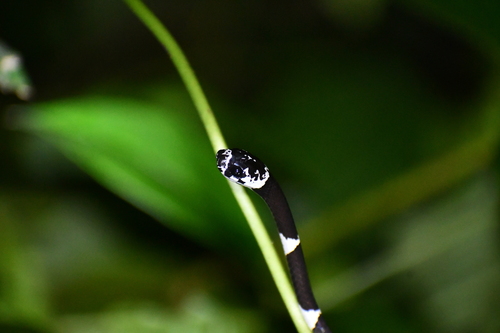
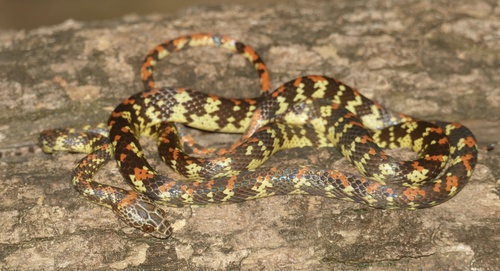
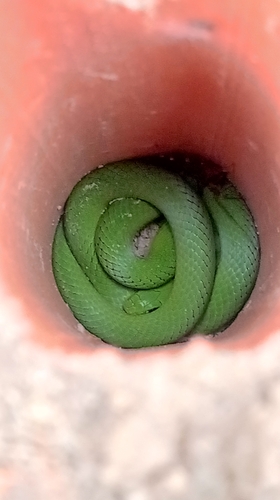
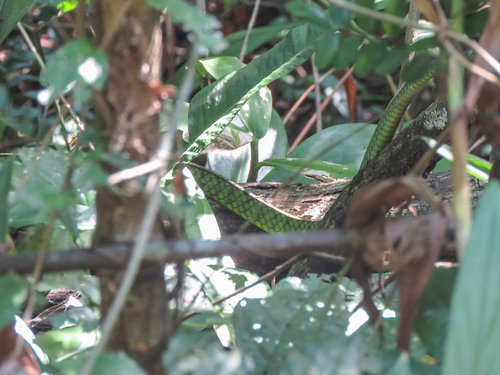
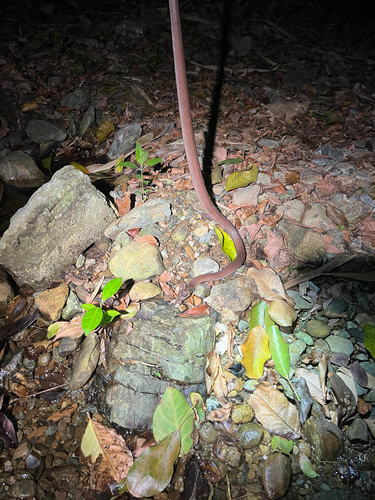
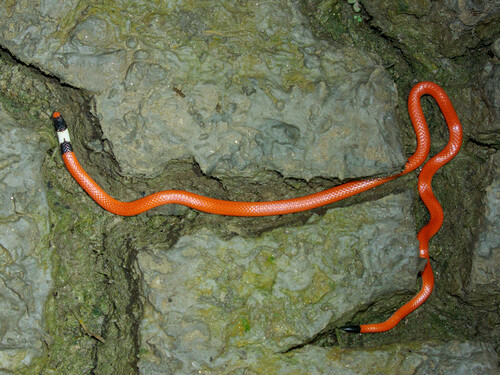
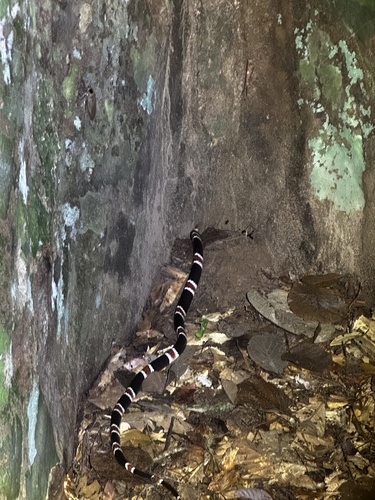
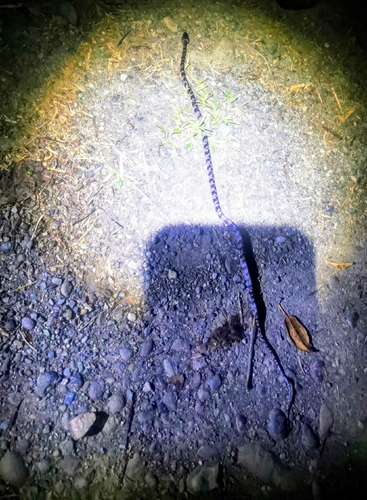
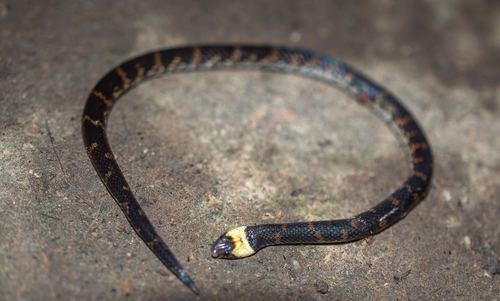
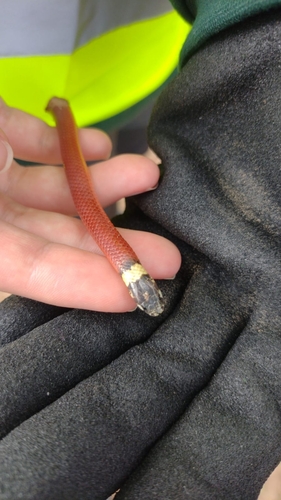

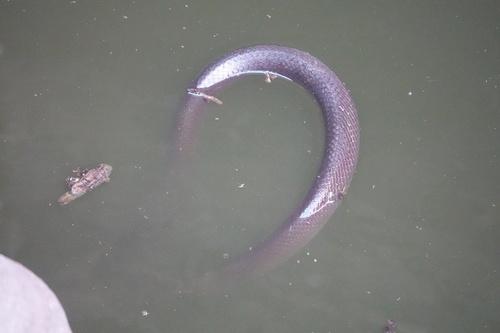
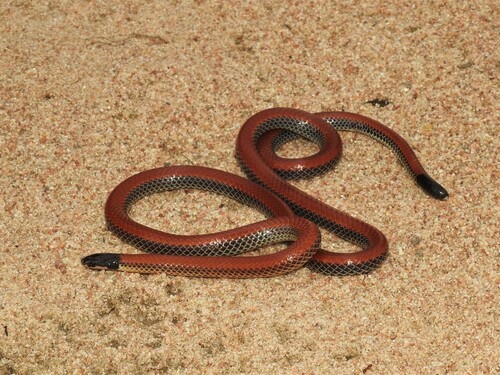
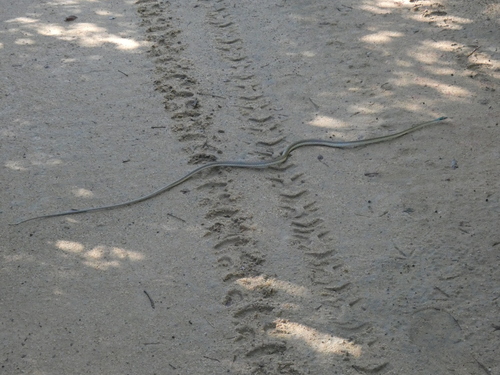
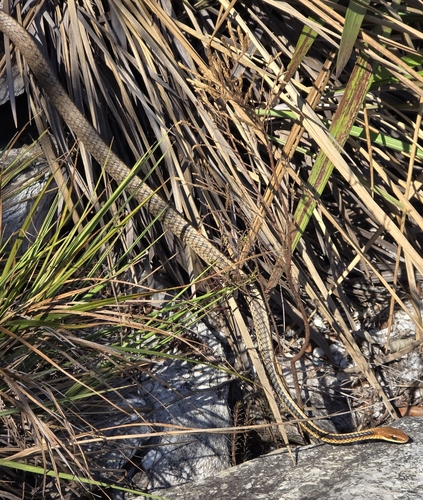
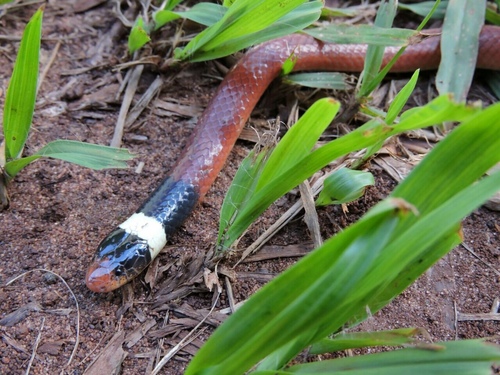
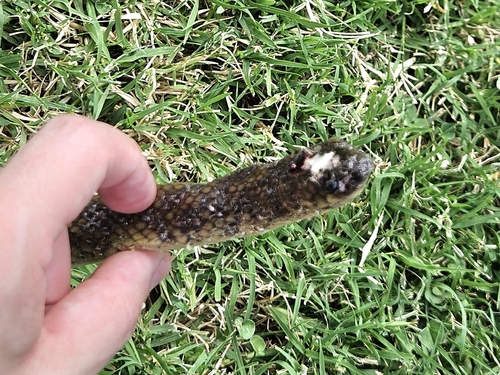
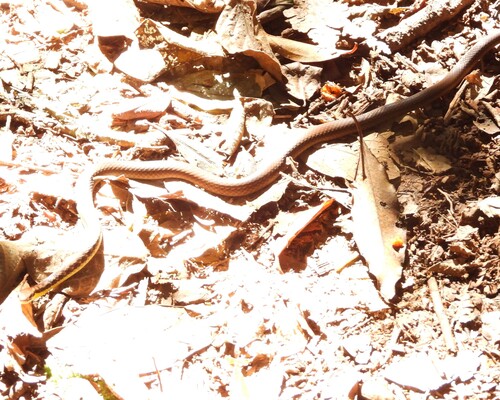
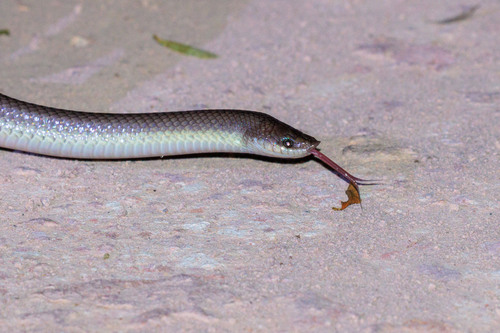

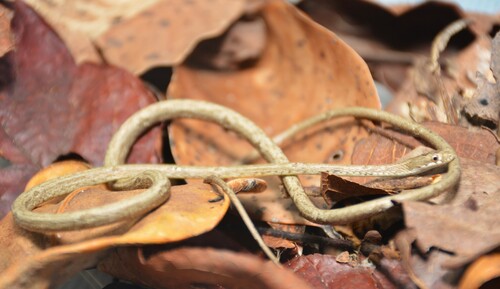
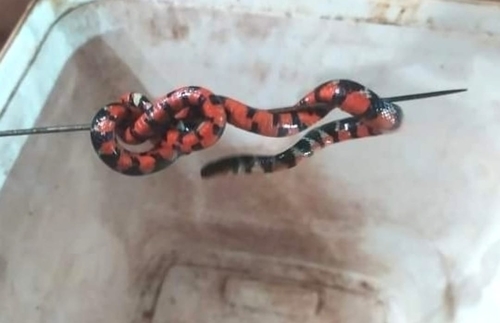
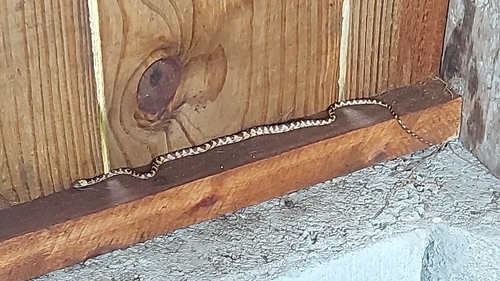
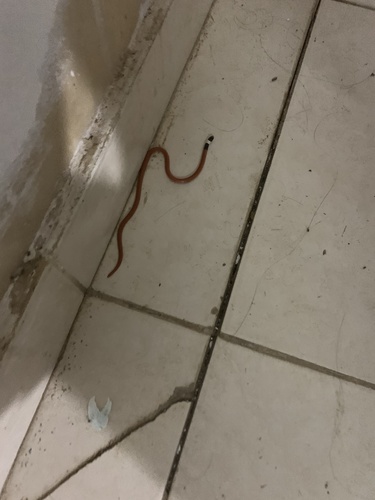
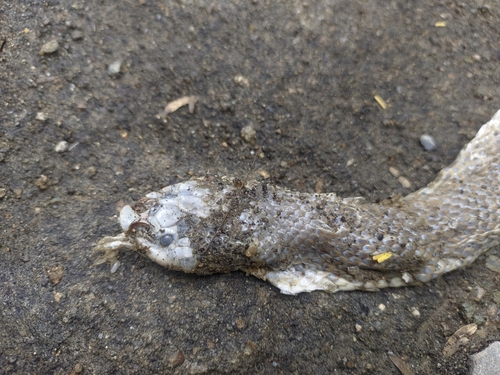
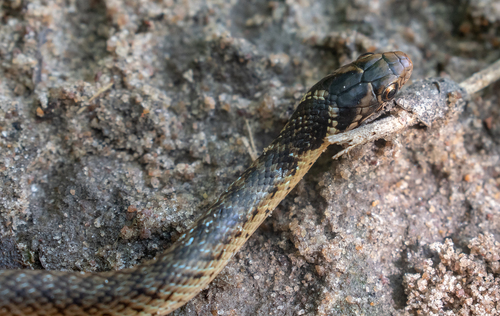

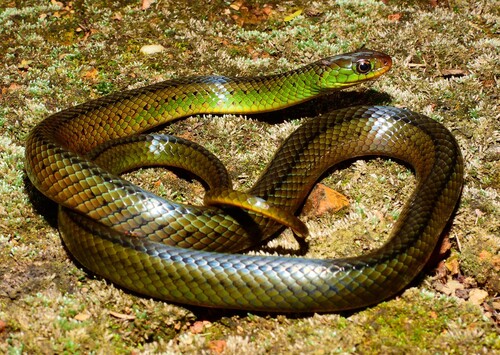
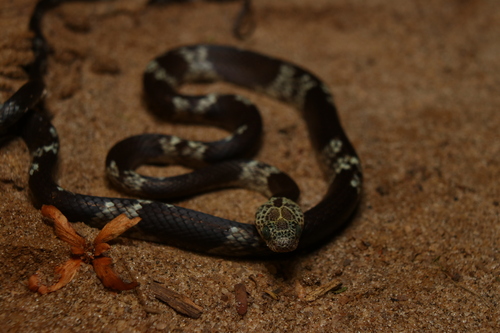
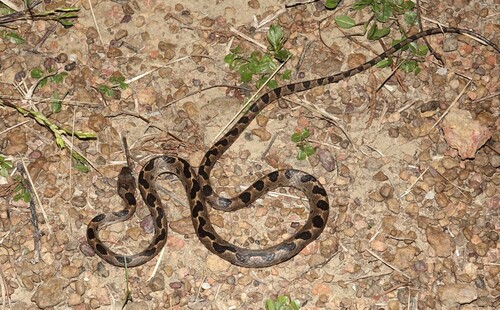
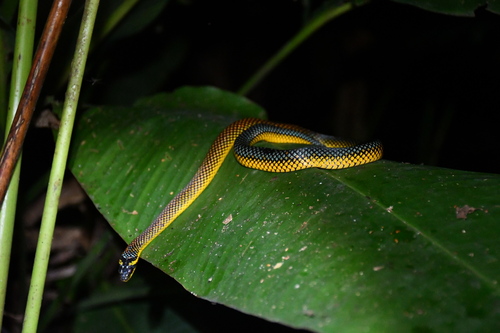
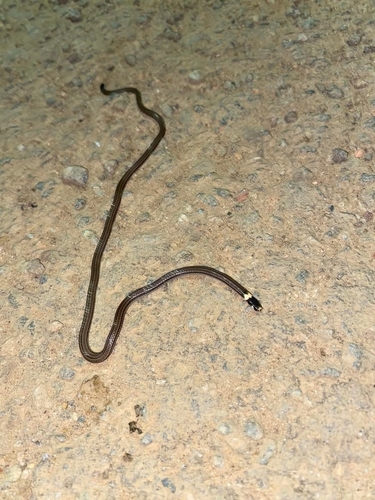
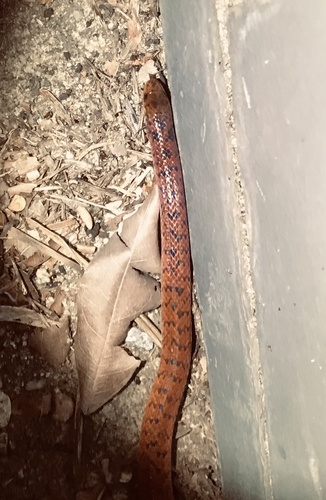
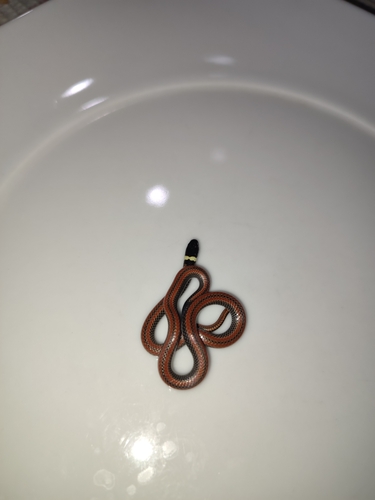
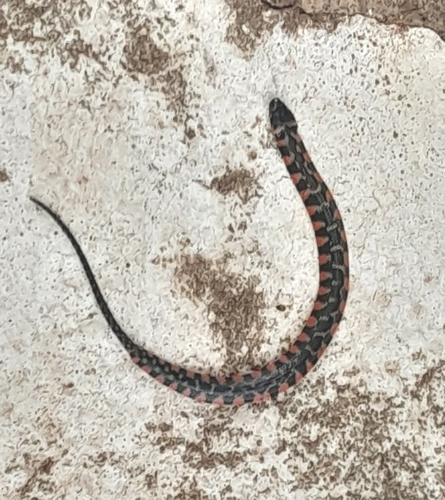
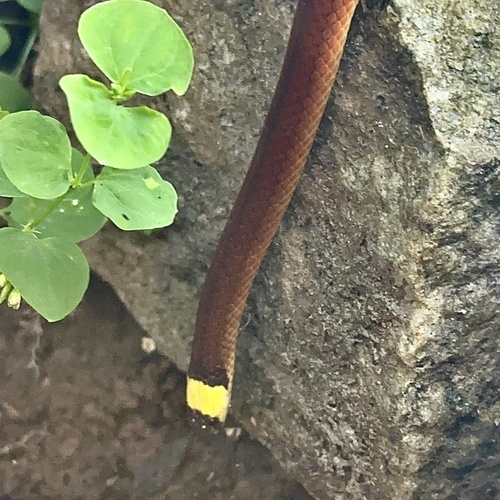
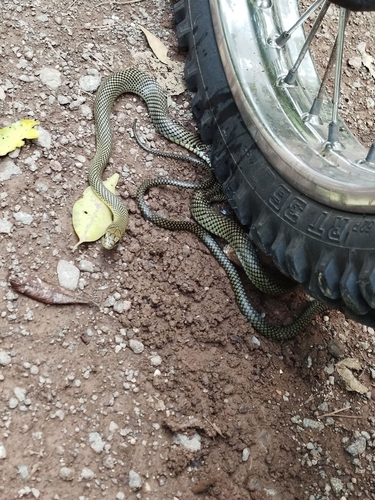
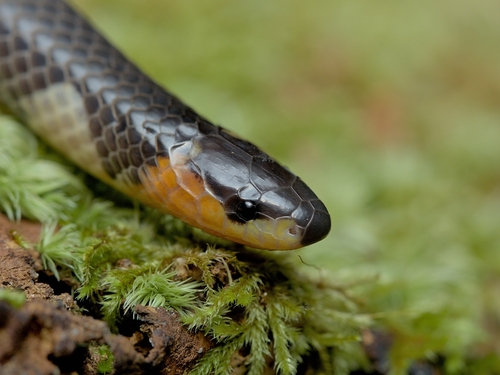
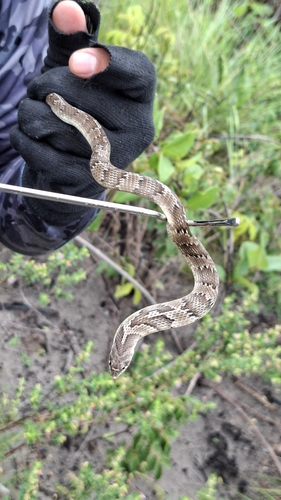
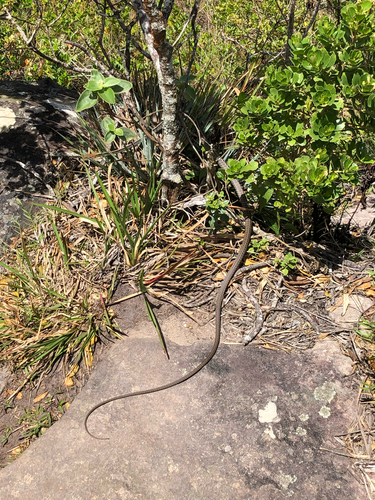
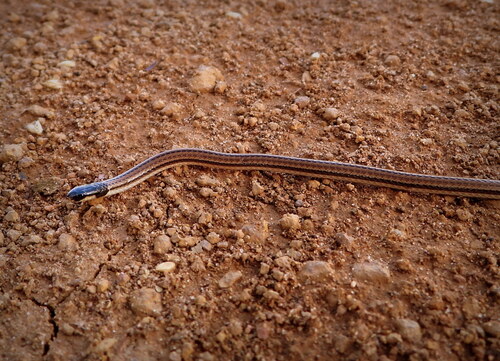
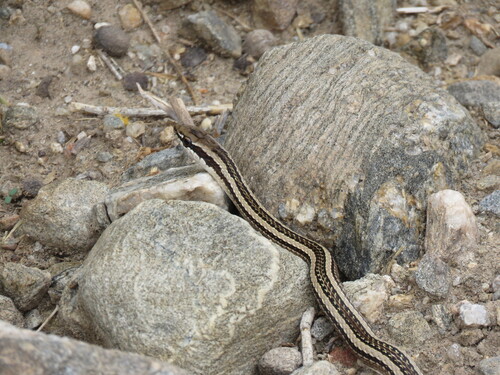
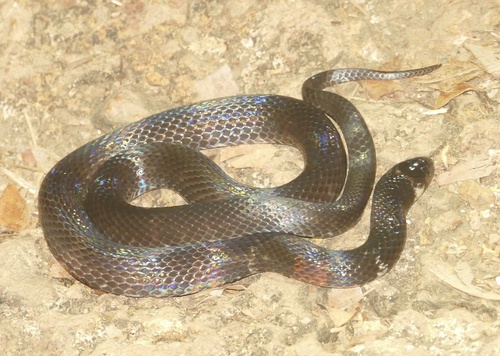
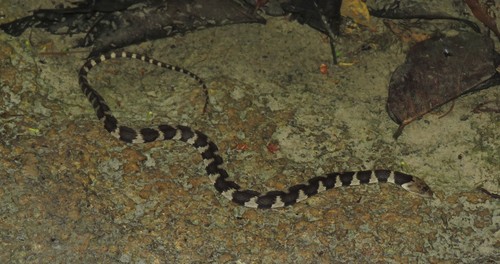
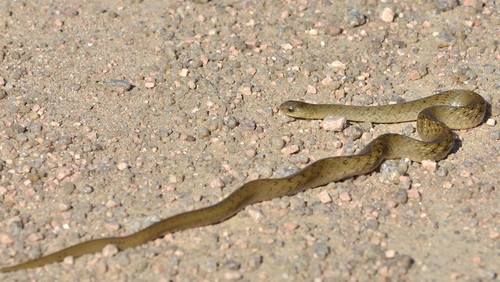

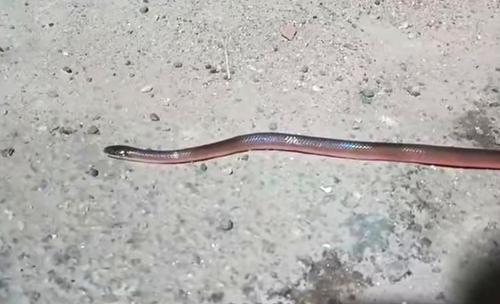
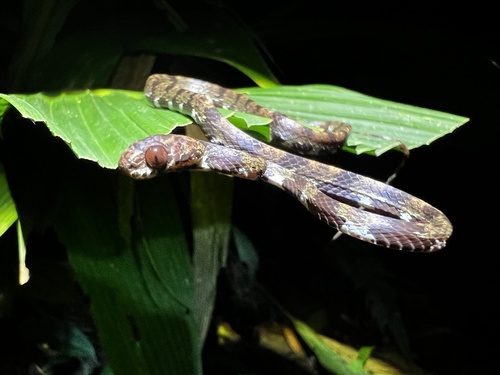
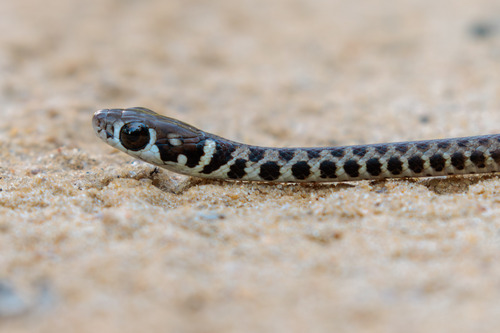
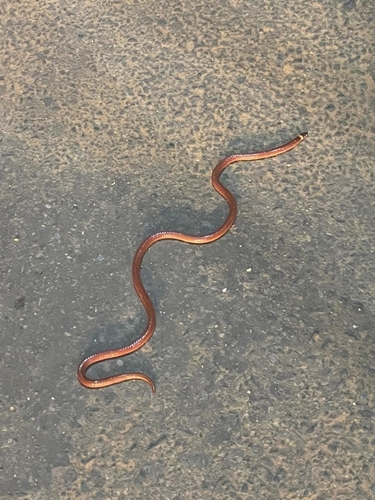
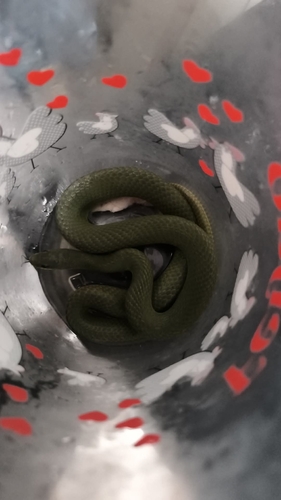
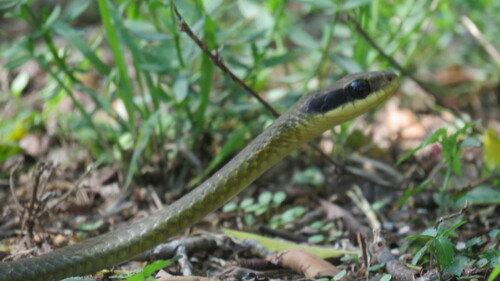
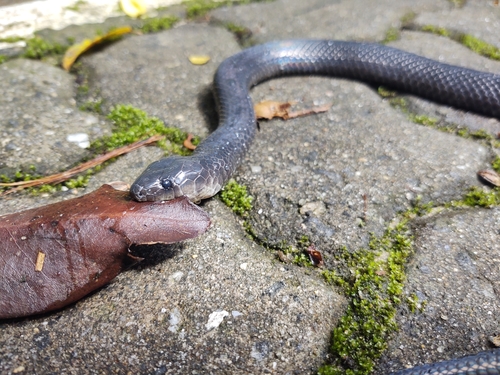

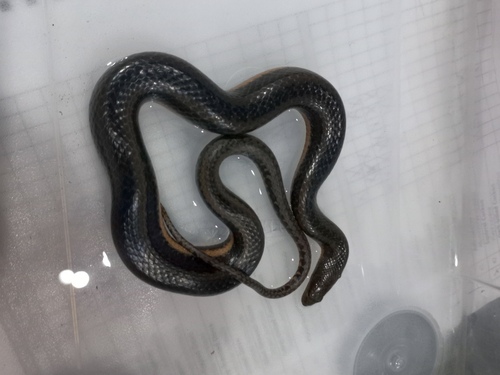
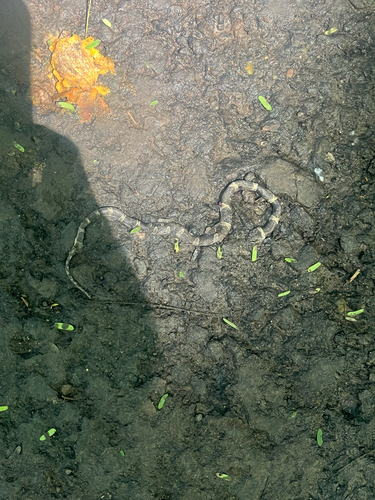
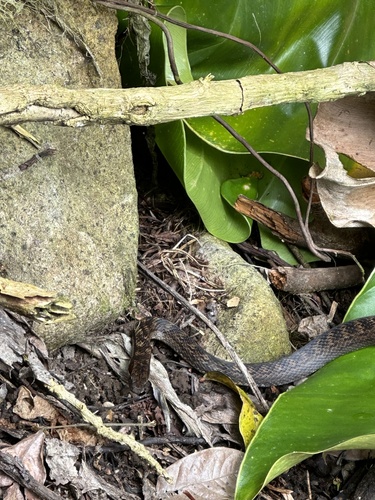

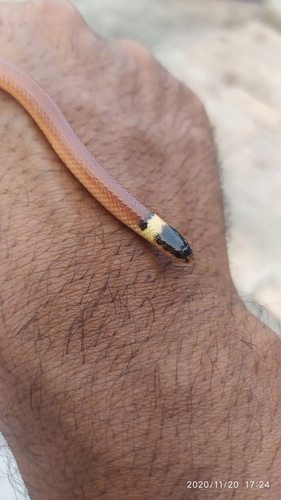

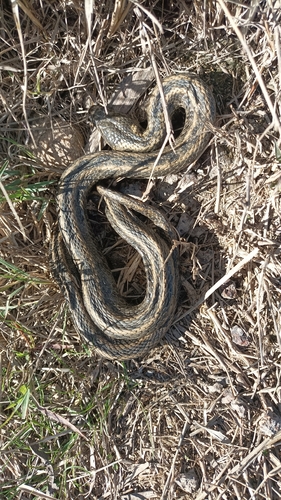
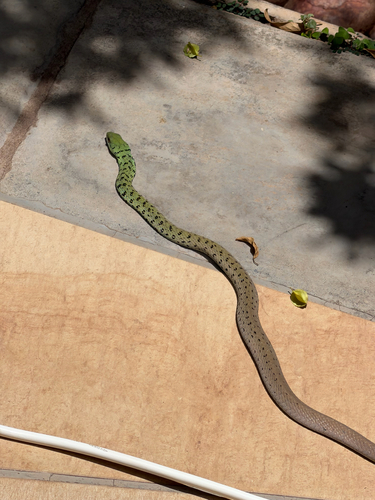
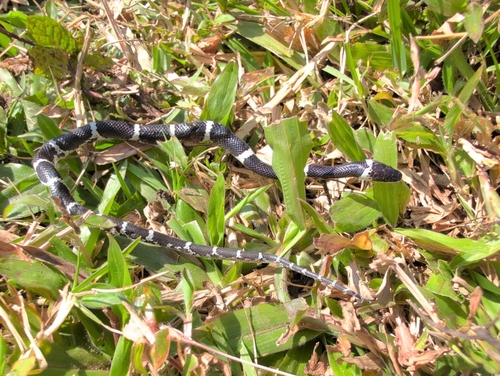
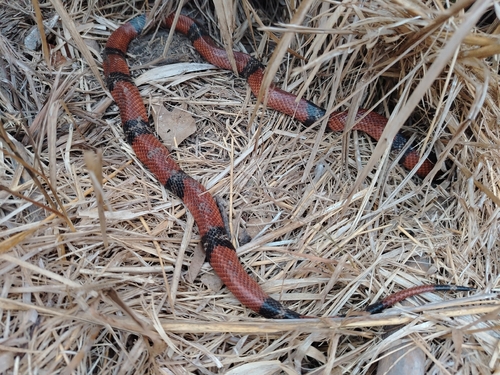
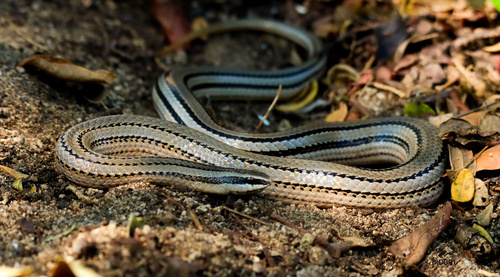
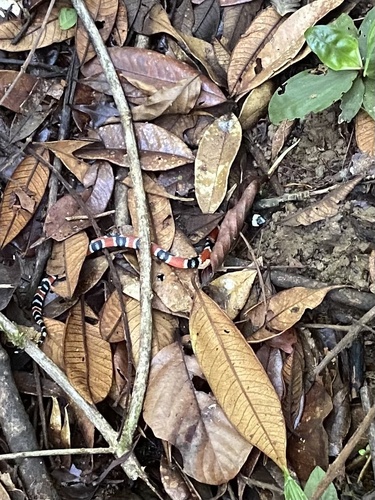
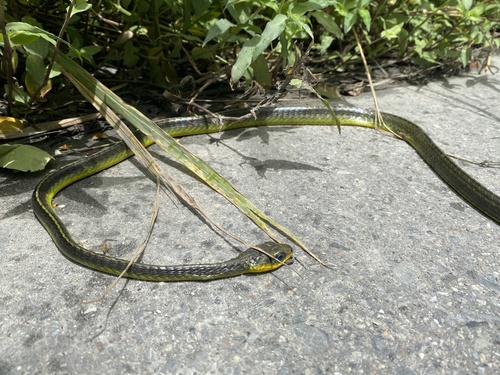
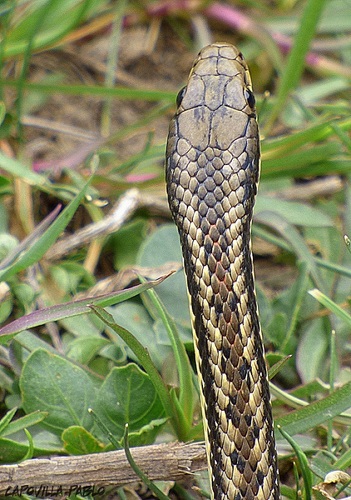
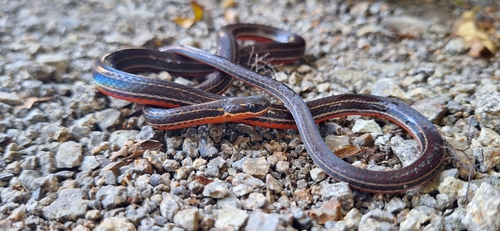

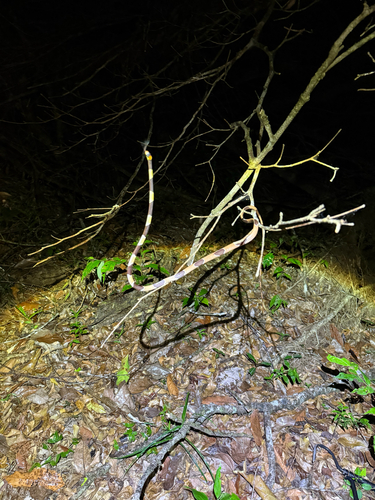
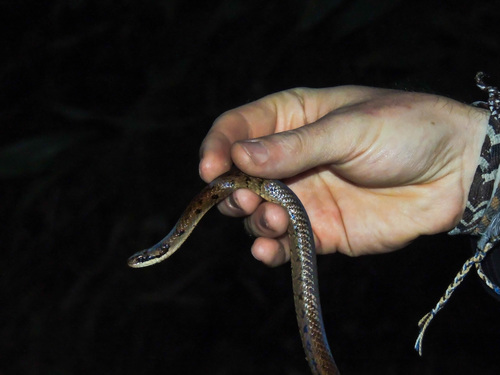

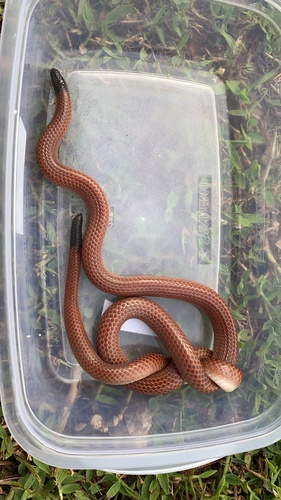
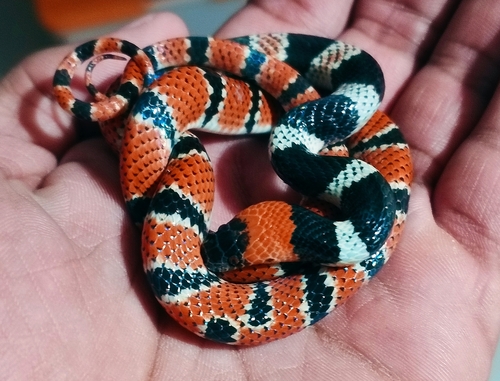
Viperidae (35)
Elapidae (35)
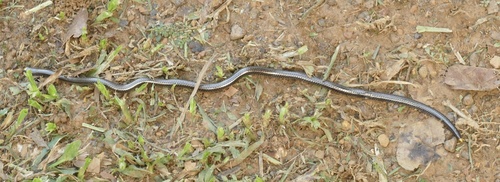
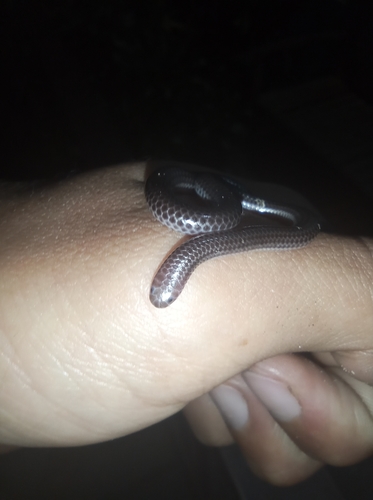
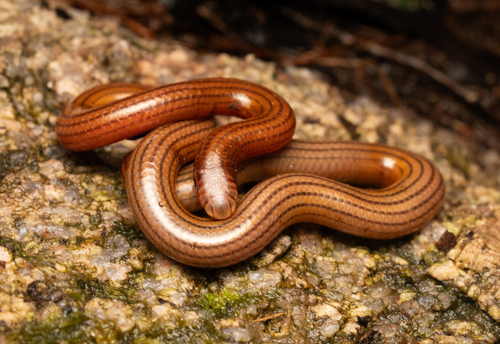
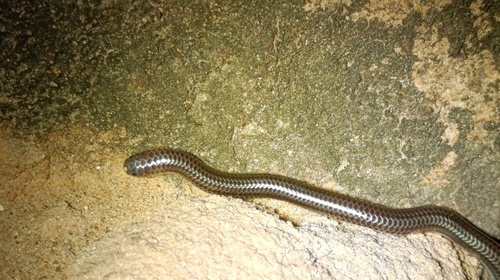
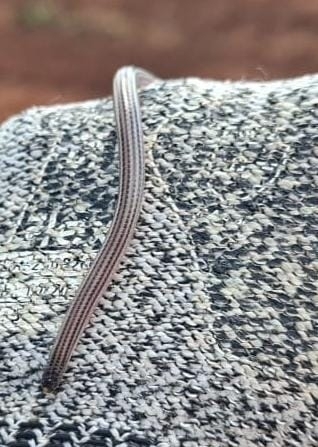
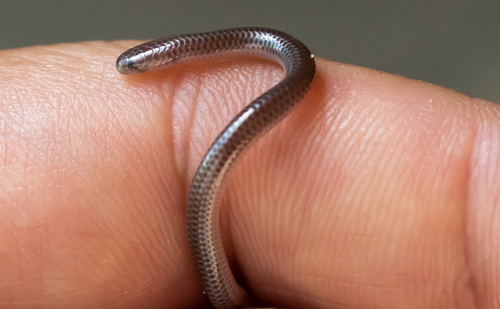
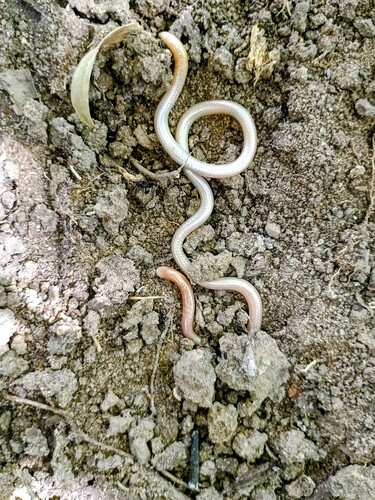
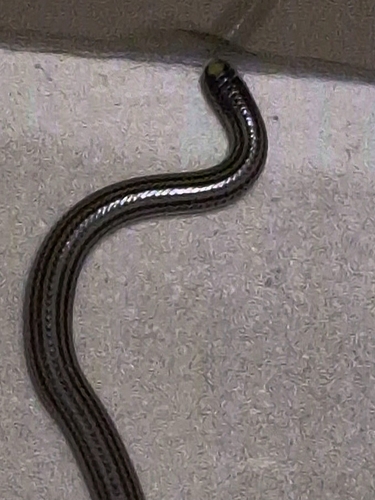
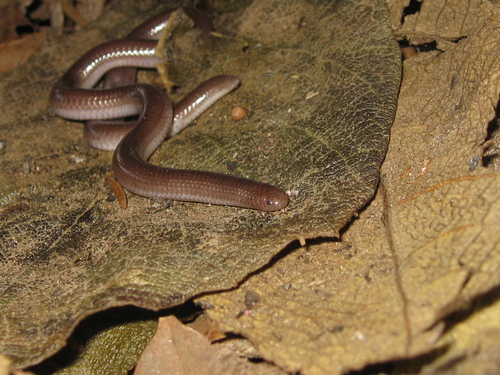
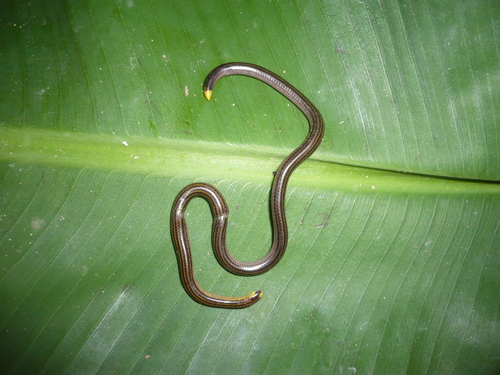
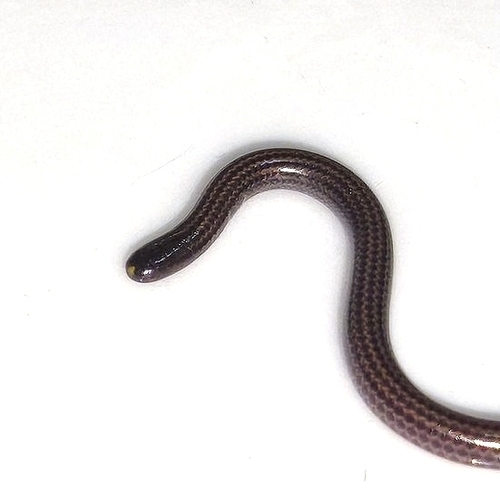
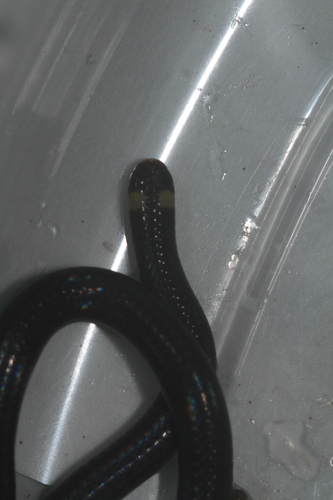
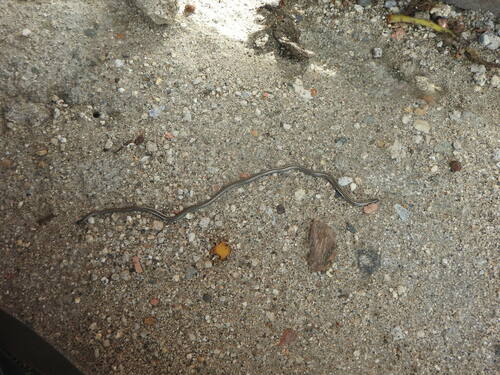
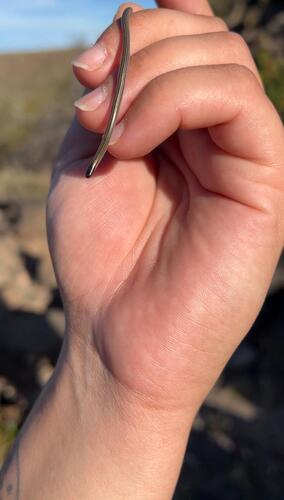
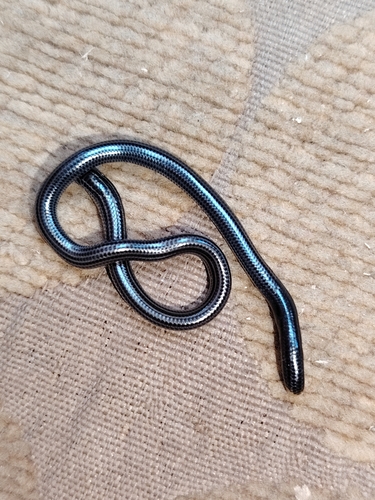
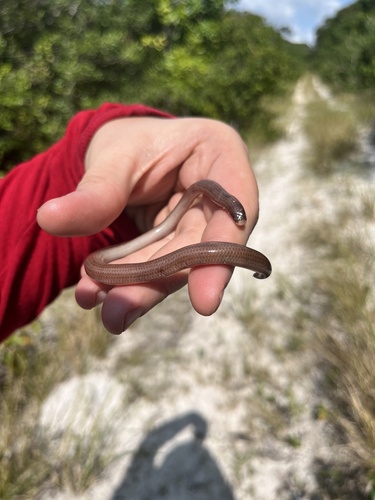
Leptotyphlopidae (23)

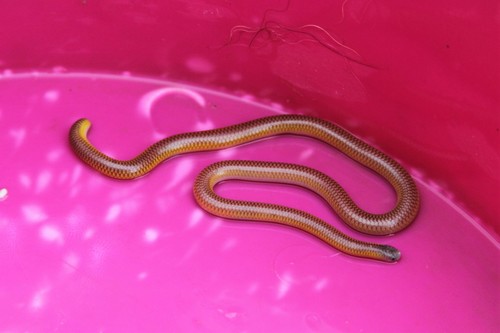
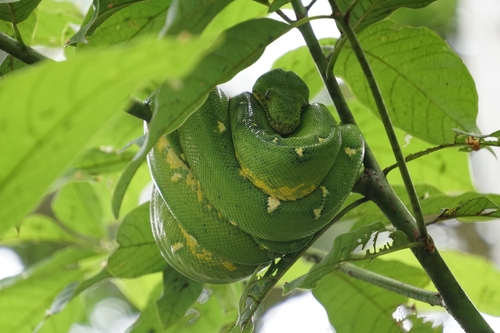
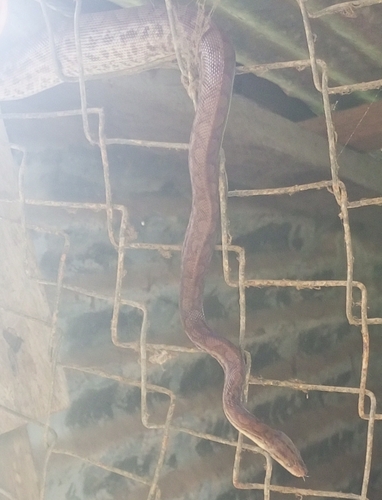
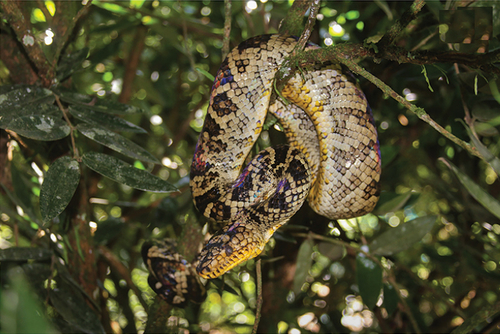
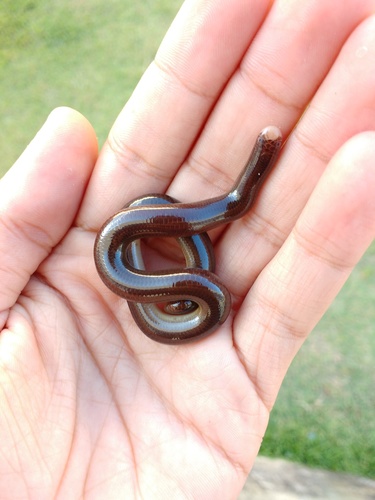
Boidae (14)


Anomalepididae (7)
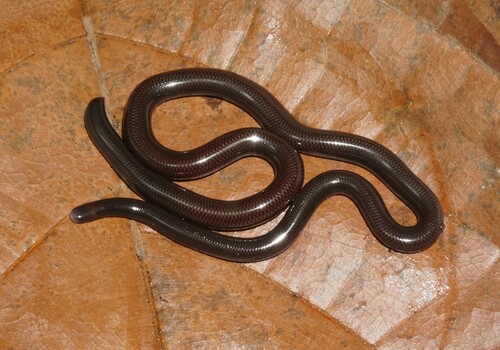
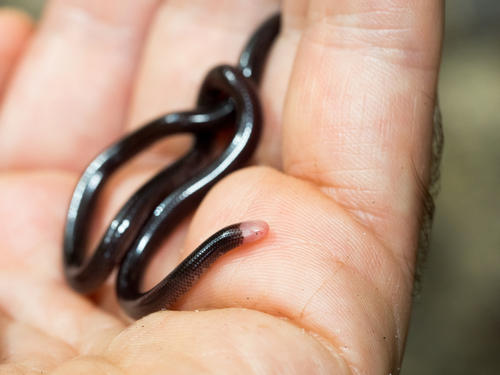
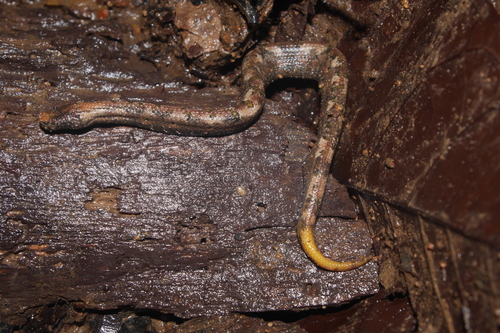
Typhlopidae (6)

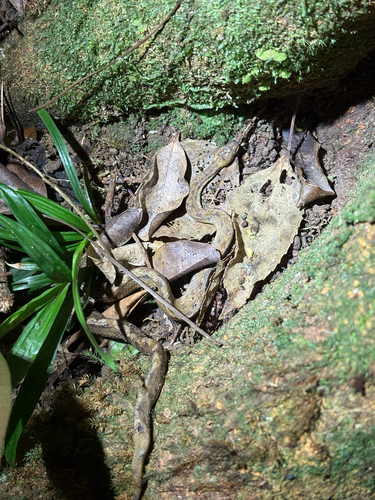
Tropidophiidae (4)
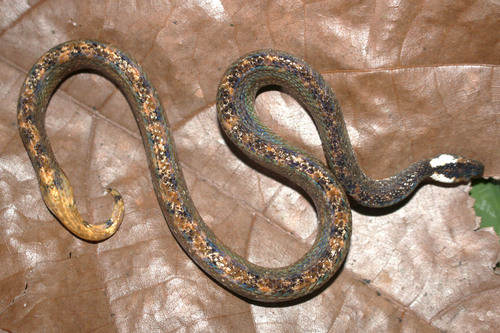
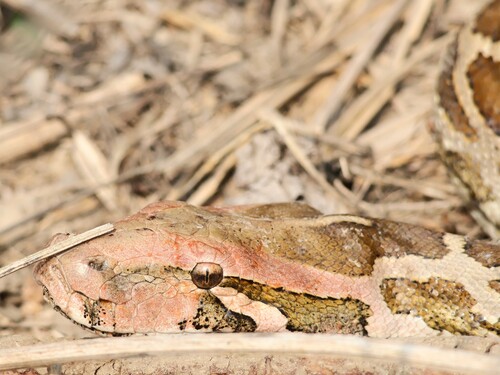
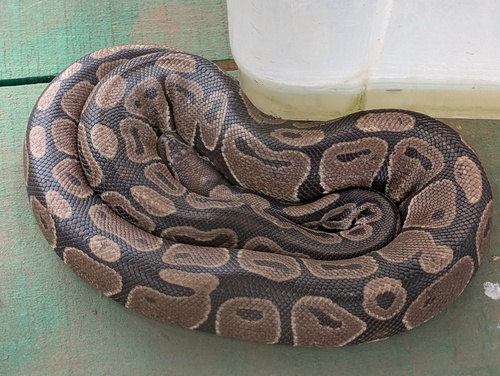
Aniliidae (1)
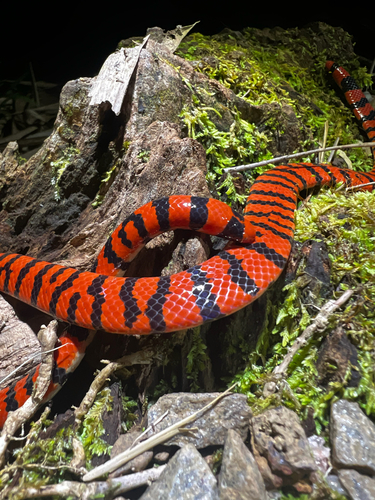
Dipsadidae (1)
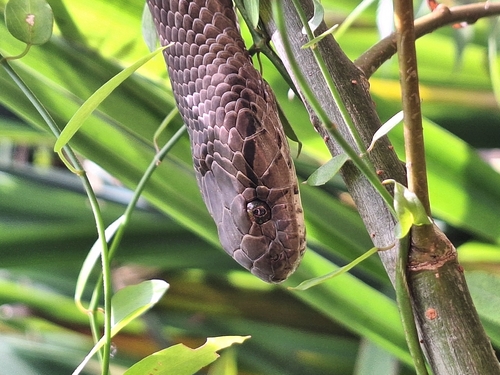
Psammophiidae (1)
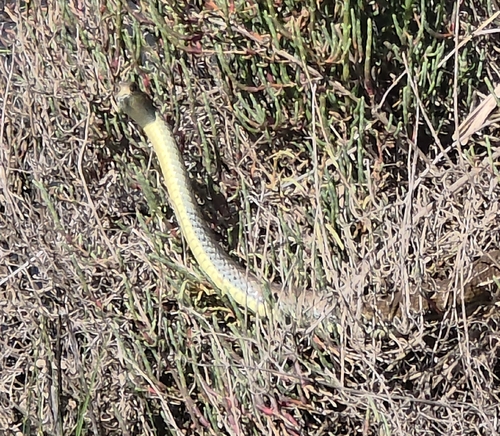
Acrochordidae (1)
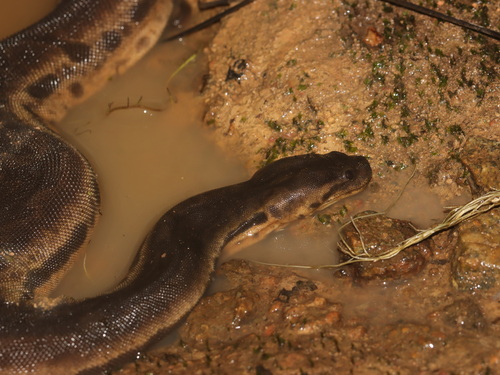
Compiled from verified GBIF & iNaturalist observations. "How often seen" reflects how frequently a snake is reported here, not how dangerous it is. Informational only.
Keep learning
- Are Snakes Dangerous? The Real Risk, in PerspectiveMost snakes are harmless and avoid people. Here is the honest picture of snakebite risk worldwide and how to lower your own.
- Snakebite First Aid: What to Do (and What Never to Do)A clear, CDC-based guide to snakebite first aid: the steps that help, the popular myths that hurt, and how to tell a serious bite from a minor one.
- Venomous vs Nonvenomous: How to Tell the DifferenceThe folk rules for telling venomous snakes apart, where each one fails, and why location-based identification beats guessing by sight.
- What to Do If You Find a SnakeFound a snake at home or on a trail? Here is how to stay calm, give it space, identify it safely, and know when to call a professional.