
Viperidae
Alcatrazes Lancehead
VenomousBothrops alcatraz
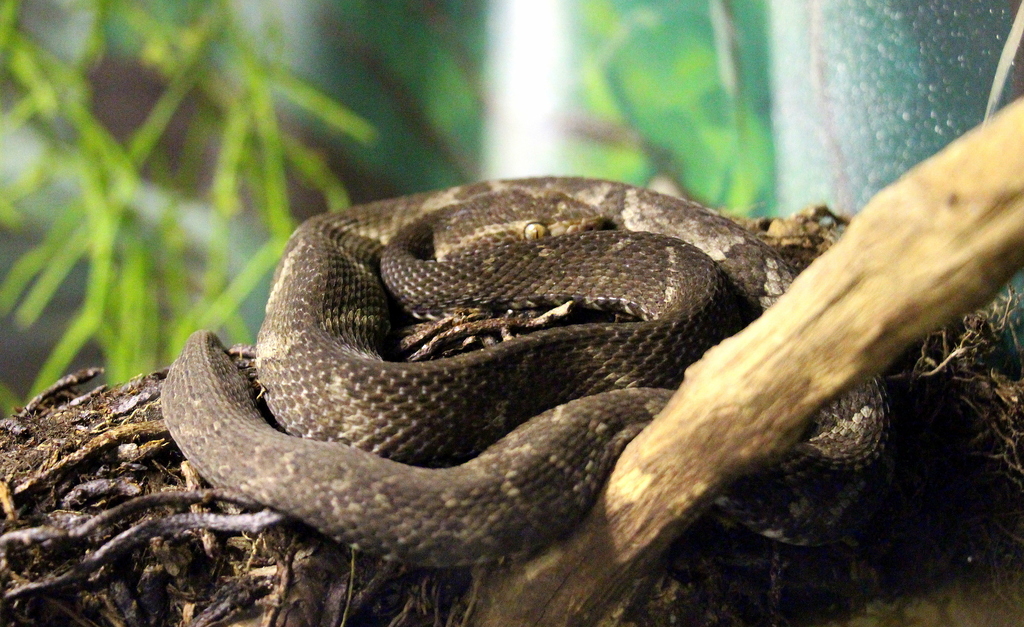
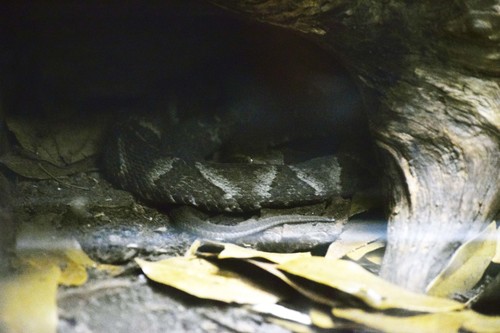
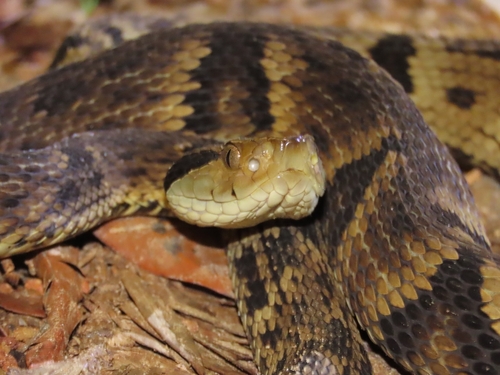
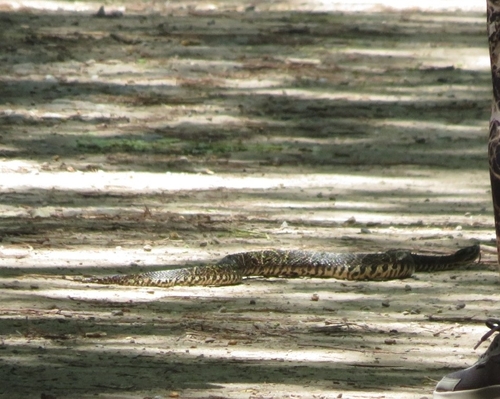
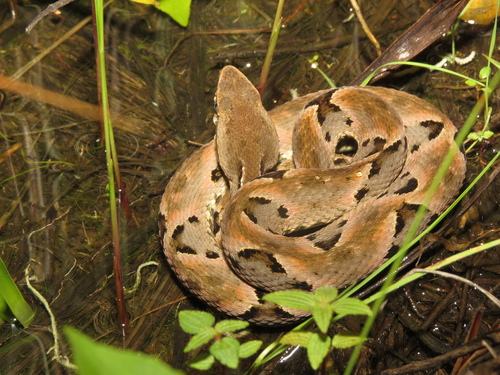
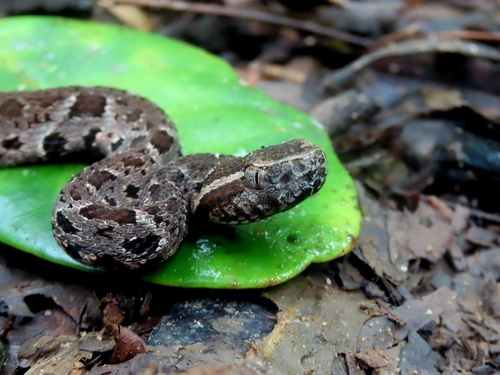
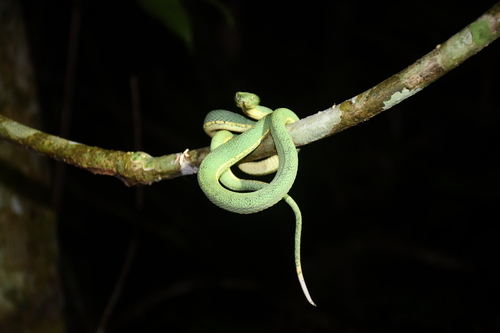
2 photographs of the Alcatrazes Lancehead. (c) Douglas Bete, some rights reserved (CC BY).
The Alcatrazes Lancehead (Bothrops alcatraz) is a venomous snake in the Viperidae family, recorded in 1 country.
If you are bitten
This is a venomous snake. Treat any bite as a medical emergency: stay calm, keep the bitten limb still and roughly level with the heart, remove rings and tight clothing, and get to emergency care immediately. Do not apply a tourniquet, cut the wound, apply ice, or try to suck out venom. Call your local emergency number or poison center.
- Family
- Viperidae
- Danger
- high
About the Alcatrazes Lancehead
Bothrops alcatraz, also known as the Alcatrazes lancehead, is a pitviper species found only on the Alcatrazes Islands off the coast of southeastern Brazil. It eats small lizards, centipedes and amphibians. No subspecies are currently recognized. Like all pit vipers, it is venomous.
Description
Grows to a maximum size of 46.2/50.5 cm for males/females. Its small size and relatively large eyes are considered paedomorphic (juvenile) characteristics. Until 15,000 years ago, only common Bothrops lived by the island, which was at that time still connected to the continent due to the receded sea waters. When the sea rose back again (with the end of the last glacial period) and the mountain returned to its archipelago status, the Bothrops that became isolated there quickly fed on all available rodents, which are its main food. They ended up resorting to cockroaches and scolopendra and, due to their much smaller nutritional value, the snakes slowly shrunk their size until they couldn't grow beyond 50 cm – a process known as allopatric speciation.
Geographic range
Found only on Ilha Alcatrazes, 35 km off the coast of São Paulo, southeastern Brazil. This island, which has a total area of only 1.35 km², is one of four islands than make up the Alcatrazes Archipelago. The type locality given is therefore the same: "Alcatrazes Island, (24°06'S, 45°42'W), São Sebastião, São Paulo, Brazil".
Habitat
Described as "low Atlantic Forest vegetation". The highest point on island is 266 metres (873 ft).
Conservation status
This species is classified as vulnerable on the IUCN Red List. Although Bothrops alcatrazt is relatively abundant on Alcatrazes, its range is very small (less than 1.35 km²), making it vulnerable to stochastic events. Previously, the island was used as a Naval target practice area.
Cited references
Adapted from Wikipedia, available under CC BY-SA.
Local and regional names
The Alcatrazes Lancehead is known by these names across the regions where it lives:
- Portuguese
- Jararaca-das-alcatrazes, Jararaca-de-Alcatrazes
Frequently asked: Alcatrazes Lancehead
- Is the Alcatrazes Lancehead venomous?
- Yes. The Alcatrazes Lancehead (Bothrops alcatraz) is venomous and belongs to the Viperidae family (viper). Its bite is considered high risk to people. Treat any bite as a medical emergency.
- Is the Alcatrazes Lancehead poisonous?
- Snakes are venomous, not poisonous. "Poisonous" means harmful to eat or touch; "venomous" means injecting toxins through a bite. The Alcatrazes Lancehead is venomous, delivering venom through a bite.
- Is the Alcatrazes Lancehead dangerous?
- This is a venomous snake. Treat any bite as a medical emergency: stay calm, keep the bitten limb still and roughly level with the heart, remove rings and tight clothing, and get to emergency care immediately. Do not apply a tourniquet, cut the wound, apply ice, or try to suck out venom. Call your local emergency number or poison center.
- Where does the Alcatrazes Lancehead live?
- The Alcatrazes Lancehead has verified records in 1 country, including Brazil. See the distribution section below for its full range.
If you are bitten by the Alcatrazes Lancehead
Do
- Get away from the snake and stay calm. Most bites worsen when people panic or try again to handle the snake.
- Call 911 or Poison Control (1-800-222-1222) right away. Antivenom works best when given early.
- Note the time of the bite and, from a safe distance, the snake's color and pattern, a phone photo is enough. Do not chase it.
- Keep the bitten limb still and at roughly heart level. Sit or lie down and limit movement.
- Remove rings, watches, and tight clothing near the bite before swelling starts.
- Gently wash the bite with soap and water and cover it with a clean, dry dressing.
Do not
- Do not cut the wound or try to suck out the venom.
- Do not apply a tourniquet or ice.
- Do not drink alcohol or caffeine.
- Do not take aspirin or ibuprofen, they can worsen bleeding. Acetaminophen is safer for pain.
- Do not try to catch or kill the snake. A dead snake can still bite by reflex.
First-aid guidance adapted from the U.S. Centers for Disease Control and Prevention (CDC NIOSH), Venomous Snakes. Educational only; always follow the instructions of emergency responders.
Where it is found
More Viperidae snakes
Classification
How scientists group this snake, from the broadest category down to the exact species. Each step narrows to its closest relatives.
Keep learning
- Are Snakes Dangerous? The Real Risk, in PerspectiveMost snakes are harmless and avoid people. Here is the honest picture of snakebite risk worldwide and how to lower your own.
- Snakebite First Aid: What to Do (and What Never to Do)A clear, CDC-based guide to snakebite first aid: the steps that help, the popular myths that hurt, and how to tell a serious bite from a minor one.
- Venomous vs Nonvenomous: How to Tell the DifferenceThe folk rules for telling venomous snakes apart, where each one fails, and why location-based identification beats guessing by sight.
- What to Do If You Find a SnakeFound a snake at home or on a trail? Here is how to stay calm, give it space, identify it safely, and know when to call a professional.
Distribution from GBIF & iNaturalist. Venom status per CDC. Background: Wikipedia. Informational only. Never handle a snake to identify it.