
Colubridae
Banded Hognose Snake
HarmlessXenodon pulcher
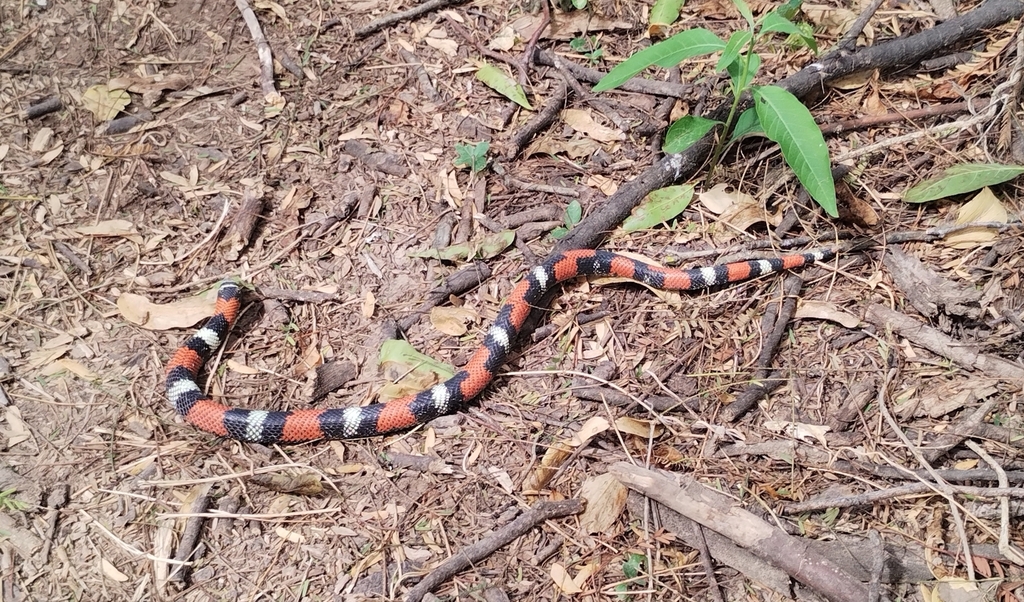
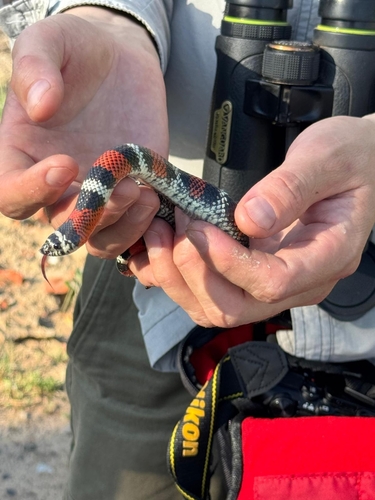
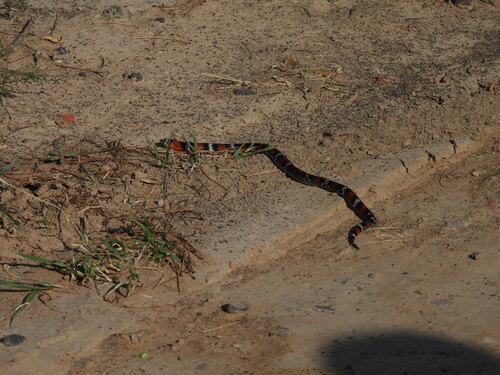
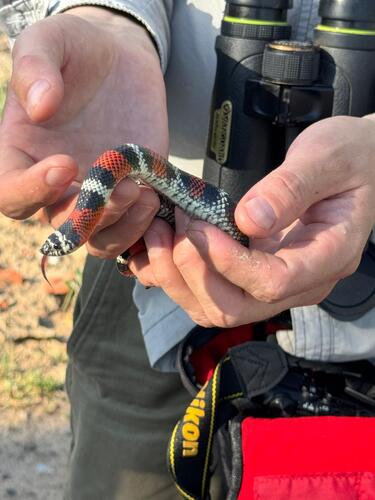
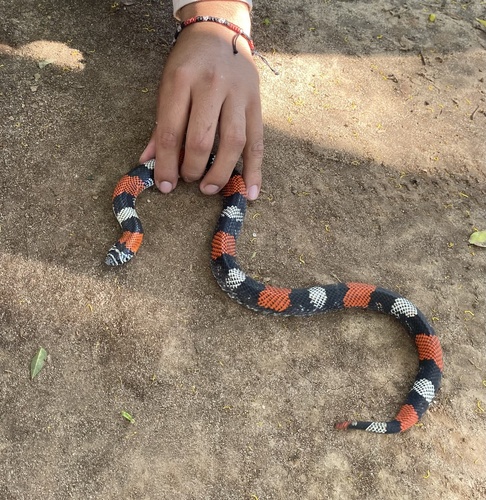
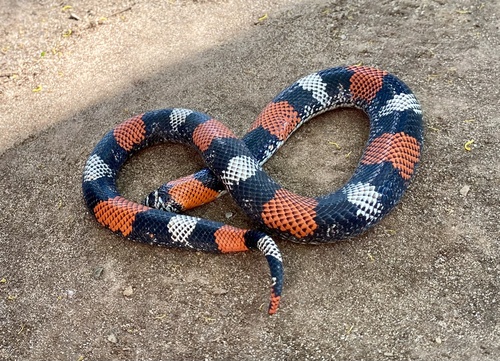
6 photographs of the Banded Hognose Snake. © E Santos Ortega.
The Banded Hognose Snake (Xenodon pulcher) is a non-venomous snake in the Colubridae family, recorded in 5 countries.
- Family
- Colubridae
About the Banded Hognose Snake
Xenodon pulcher is a species of fossorial snake in the family Colubridae. It is found in southern South America.
Taxonomy
Xenodon pulcher was sometimes previously described as Lystrophis pulcher. This genus describes the South American hognose snakes, which while similar in appearance to North American (Heterodon) and Madagascan (Leioheterodon) hognoses, are not closely related.
This snake's common names include tricolor hognose snake, banded hognose snake, culebra falsa, and false coral snake. It is sometimes incorrectly called ringed hognose snake, the common name for Xenodon semicinctus. Both X. pulcher and X. semicinctus are similar in appearance, which may be the cause of naming confusion.
Description
This snake is distinguishable by its namesake upturned rostral scale and striking banded pattern of white stripes bordered with black on a red base. They use mimicry for defense, as they display the same colors and patterns as some venomous coral snakes. When threatened, it may use a defensive display involving bluff strikes, neck flattening, and spastic movements similar to coral snakes. While these snakes possess a relatively stocky body shape similar to Heterodon, they are usually somewhat smaller and slimmer. Female snakes grow up to 24 inches, while males stay smaller at 18–20 inches. Both have a lifespan of 7–8 years, considerably shorter than most hognose snakes.
Xenodon pulcher are rear-fanged venomous like members of Heterodon. While the latter have extremely mild venom that only causes minor pain and swelling in humans, some anecdotal evidence shows X. pulcher venom may be slightly more toxic.
Range
X. pulcher is primarily found in the Chaco bioregion, extending through Bolivia, Paraguay, and northern Argentina. Their range may extend into Chile and parts of southwestern Brazil. This region is a dry, sandy environment on the eastern foothills of the Andes, characterized by dry scrubland, grasslands, and savannahs. They are typically found near streams, as their diet consists mainly of amphibians (similar to other hognose snakes).
Adapted from Wikipedia, available under CC BY-SA.
Frequently asked: Banded Hognose Snake
- Is the Banded Hognose Snake venomous?
- No. The Banded Hognose Snake (Xenodon pulcher) is non-venomous and is not considered dangerous to humans. Like most snakes, it will retreat rather than bite when given the chance.
- Is the Banded Hognose Snake poisonous?
- Snakes are venomous, not poisonous. "Poisonous" means harmful to eat or touch; "venomous" means injecting toxins through a bite. The Banded Hognose Snake is neither poisonous nor venomous.
- Is the Banded Hognose Snake dangerous?
- The Banded Hognose Snake is not dangerous to humans. It has no medically significant venom and bites only defensively if cornered or handled.
- Where does the Banded Hognose Snake live?
- The Banded Hognose Snake has verified records in 5 countries, including Argentina, Bolivia (Plurinational State of), Paraguay. See the distribution section below for its full range.
Where it is found
More Colubridae snakes
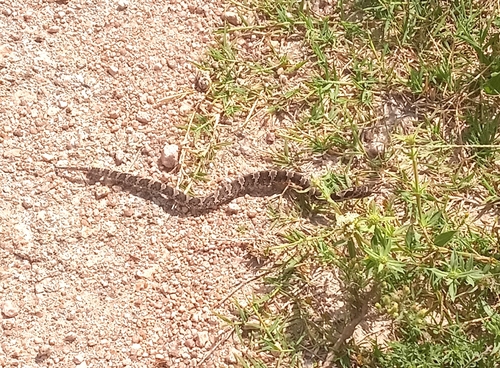 Wagler's SnakeXenodon merremii
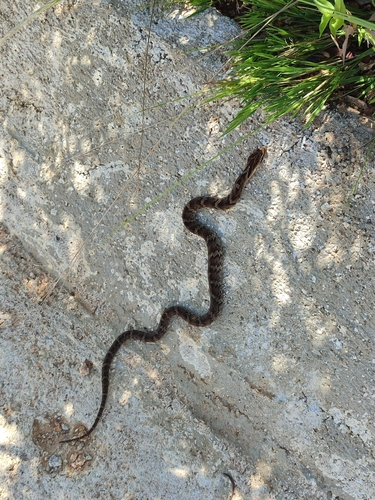 Neuwied's False Fer-de-lanceXenodon neuwiedii
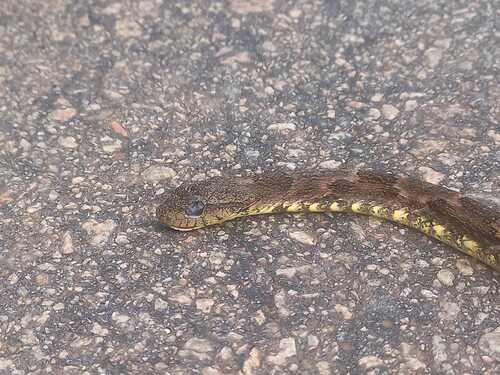 False Fer-de-lanceXenodon rabdocephalus
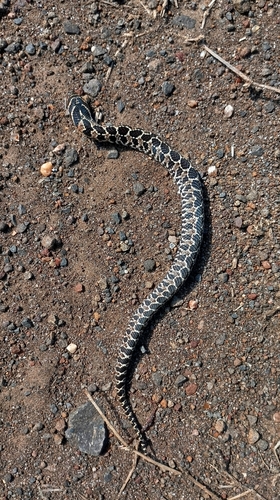 South American Hognose SnakeXenodon dorbignyi
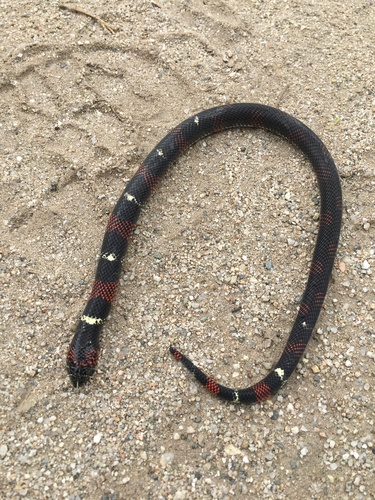 Ringed Hognose SnakeXenodon semicinctus
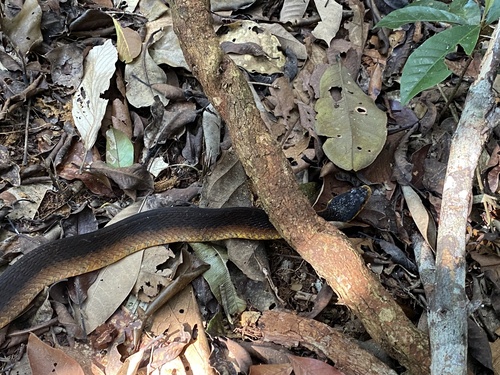 Amazon False Fer-de-lanceXenodon severus
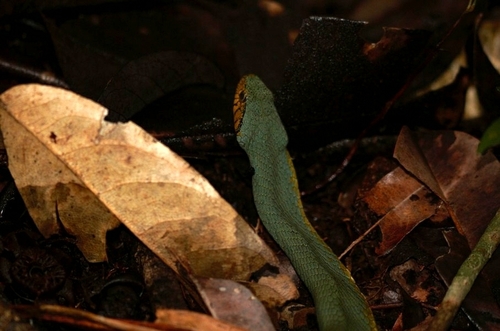 Guianan Green SnakeXenodon werneri
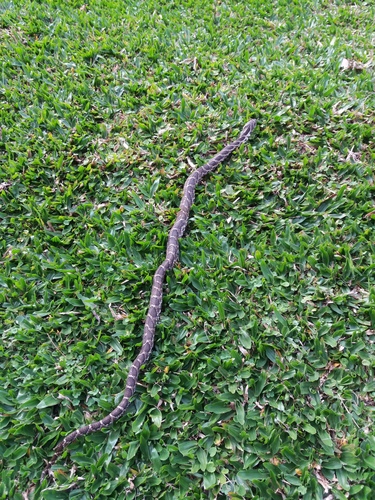 Günther's False Fer-de-lanceXenodon guentheri
Classification
How scientists group this snake, from the broadest category down to the exact species. Each step narrows to its closest relatives.
- OrderThe broad group of scaled reptiles: all snakes and lizards
- Squamata
- FamilyA group of related snakes that share key traits
- Colubridae
- GenusA close-knit group of very similar species
- Xenodon
- SpeciesThis exact snake, named in the two-part scientific name
- Xenodon pulcher
Keep learning
- What to Do If You Find a SnakeFound a snake at home or on a trail? Here is how to stay calm, give it space, identify it safely, and know when to call a professional.
- Venomous vs Nonvenomous: How to Tell the DifferenceThe folk rules for telling venomous snakes apart, where each one fails, and why location-based identification beats guessing by sight.
- What Is a Snake? Anatomy and the BasicsA clear overview of what makes a snake a snake: limbless body plan, anatomy, evolution from lizards, species diversity, and why they are ectothermic.
- How to Keep Snakes Out of Your Yard and HomeA practical guide to keeping snakes out of your yard and home using habitat changes that work, plus what to skip and what to do if one shows up.
Distribution from GBIF & iNaturalist. Venom status per CDC. Background: Wikipedia. Informational only. Never handle a snake to identify it.