
Snake basics
The Most Venomous Snakes in the World
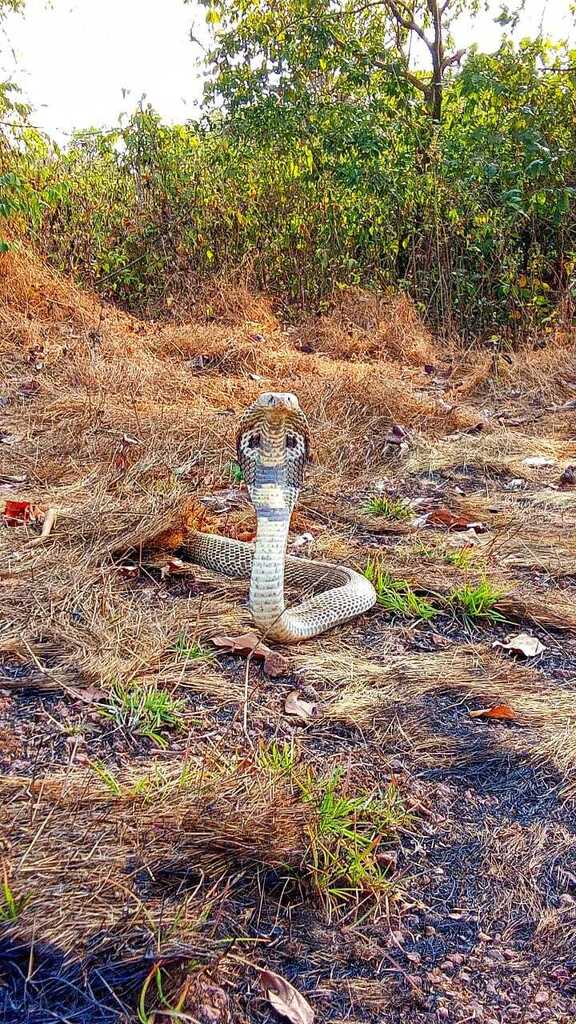
Calling a snake the most venomous sounds simple, but the answer depends on what you measure. Lab toxicity, the amount of venom a snake delivers, and how many people a species actually kills can point to completely different snakes. This guide explains those measures and walks through the standout species so you can tell apart the most toxic in a test tube from the most dangerous to people.
What "most venomous" actually means
There is no single ranking that everyone agrees on, because most venomous can be measured in at least three different ways.
The most common lab measure is venom toxicity, usually expressed as an LD50 (the dose that is lethal to half of a test group of animals, typically mice). A lower LD50 means more toxic venom drop for drop. But LD50 results vary by the test animal, the injection method (under the skin, into a vein, into the muscle), and the lab, so the numbers are estimates rather than fixed facts.
A second measure is venom yield, meaning how much venom a snake can deliver in a single bite. A snake with moderately toxic venom but a huge yield can still be extremely dangerous.
A third measure is real-world impact: how many people a species bites and kills each year. This depends on the snake's range, temperament, proximity to people, and access to medical care, not just venom chemistry.
Inland taipan: most toxic venom by lab measure
The inland taipan (Oxyuranus microlepidotus) of central Australia is widely regarded as having the most toxic venom of any land snake by LD50 in mice. Drop for drop, its venom outranks every other snake commonly tested.
Despite that, the inland taipan is responsible for very few recorded bites. It lives in remote, sparsely populated regions and is generally shy, retreating rather than confronting people.
This is the clearest example of why lab toxicity is not the same as danger to people. The most toxic venom in the world belongs to a snake almost no one ever encounters.
Coastal taipan and eastern brown snake
The coastal taipan (Oxyuranus scutellatus) is a close relative of the inland taipan and also has highly toxic venom, but it lives nearer to populated areas of northern and eastern Australia. It can deliver a large dose and was historically a major cause of snakebite deaths in Australia before effective antivenom.
The eastern brown snake (Pseudonaja textilis) ranks among the most toxic land snakes by LD50 and is responsible for a large share of snakebite deaths in Australia. It is fast, often found near homes and farms, and can be defensive when cornered.
Both species show how toxicity plus overlap with human activity raises real-world risk well above that of the more remote inland taipan.
Kraits and the black mamba
Kraits (genus Bungarus) of South and Southeast Asia have potent venom that attacks the nervous system. Bites can occur at night, sometimes while people sleep, and may be relatively painless at first, which can delay treatment.
The black mamba (Dendroaspis polylepis) of sub-Saharan Africa is known for highly toxic venom, speed, and large venom yield. Untreated bites have a very high fatality rate, and the species' reputation comes from a combination of potency, the amount delivered, and how rapidly symptoms progress.
These snakes illustrate that fast-acting, neurotoxic venom can make a bite a true emergency even when LD50 rankings place other species higher.
King cobra: enormous venom yield
The king cobra (Ophiophagus hannah) of Asia is the world's longest venomous snake and stands out for venom yield rather than for topping toxicity charts.
Its venom is not the most toxic by LD50, but a single bite can inject a very large volume, enough to be life-threatening. The sheer quantity is what makes it so dangerous.
The king cobra is a good reminder that delivered dose matters as much as raw potency. A large amount of moderately toxic venom can be more harmful than a tiny amount of extremely toxic venom.
Russell's viper and saw-scaled viper: the deadliest to people
By the measure that matters most to public health, the number of people killed, Russell's viper (Daboia russelii) and the saw-scaled viper (genus Echis) are among the deadliest snakes on Earth, especially across South Asia, the Middle East, and parts of Africa.
Neither has the most toxic venom by LD50. They are so deadly because they are common, often live close to farmland and villages, and bite large numbers of people who may not have quick access to antivenom.
These vipers are the strongest case for separating lab toxicity from real-world danger. The snakes that kill the most people are not the ones with the most toxic venom.
Tiger snake, boomslang, and sea snakes
The tiger snake (genus Notechis) of southern Australia has highly toxic venom and was a significant cause of bites before antivenom became available. It is often found near water and settled areas.
The boomslang (Dispholidus typus) of sub-Saharan Africa is a rear-fanged tree snake whose venom affects blood clotting. Bites are uncommon because the snake is shy, but envenomation can be serious and symptoms may be delayed by many hours.
Many sea snakes carry extremely toxic venom, and some rank very high on LD50 charts. Bites are rare because the snakes are generally not aggressive toward people and many encounters happen with fishers handling nets. Their venom potency, however, places them firmly among the world's most venomous snakes.
Toxic in a lab is not the same as dangerous to people
The snake with the most toxic venom (the inland taipan) almost never bites anyone, while the snakes that kill the most people (Russell's viper and the saw-scaled viper) do not top toxicity charts. The gap between these two facts is the central point of this topic.
Real-world danger depends on venom toxicity, venom yield, the snake's temperament and range, how often it overlaps with people, and access to antivenom and medical care. No single number captures all of that.
When you see a most venomous list, check which measure it uses. A ranking by LD50, by yield, or by deaths will look very different, and each is correct for the question it answers.
Frequently asked
- What is the most venomous snake in the world?
- By laboratory toxicity (LD50 in mice), the inland taipan of Australia is generally considered to have the most toxic venom of any land snake. By the number of people killed, however, Russell's viper and the saw-scaled viper rank as the most dangerous. The answer depends on which measure you use.
- Why isn't the most toxic snake the one that kills the most people?
- Toxicity is only one factor. A snake's range, temperament, how often it lives near people, how much venom it delivers, and access to antivenom all affect real-world deaths. The inland taipan has the most toxic venom but lives in remote areas and rarely bites anyone.
- What does LD50 mean?
- LD50 is the dose that is lethal to half of a test group of animals, usually mice in a lab. A lower LD50 means more toxic venom per unit. It is a useful comparison but varies by test animal, injection method, and lab, so the numbers are estimates rather than exact values.
- Which snakes kill the most people each year?
- Across South Asia, the Middle East, and parts of Africa, Russell's viper and the saw-scaled viper are responsible for large numbers of snakebite deaths. They are deadly mainly because they are common, live near farmland and villages, and bite many people who may lack quick access to antivenom.
- Is venom yield as important as toxicity?
- Yes. Venom yield is how much venom a snake delivers in a bite. The king cobra does not have the most toxic venom, but it can inject a very large volume, which makes its bite life-threatening. A large dose of moderately toxic venom can be more harmful than a tiny dose of highly toxic venom.
- What should I do if a venomous snake bites me?
- Treat any venomous snakebite as a medical emergency and seek professional medical help immediately. This guide is informational only and does not provide medical advice.
Last reviewed June 22, 2026. Informational only, and not a substitute for professional medical or wildlife advice.