
Sri Lanka
Snakes in Sri Lanka
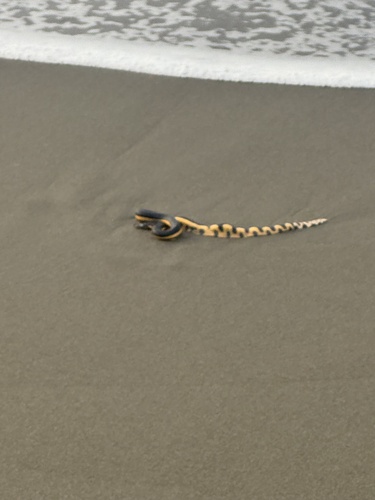
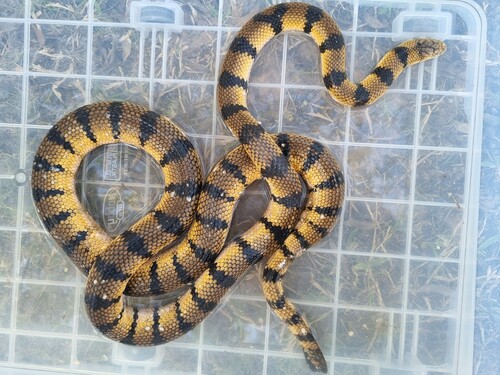
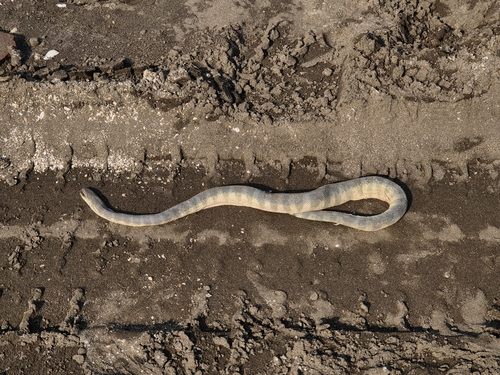
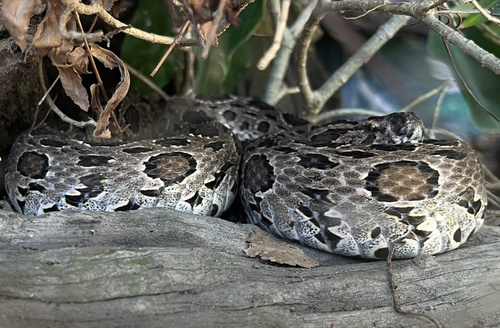
125+ snake species have been recorded in Sri Lanka, 36 venomous.
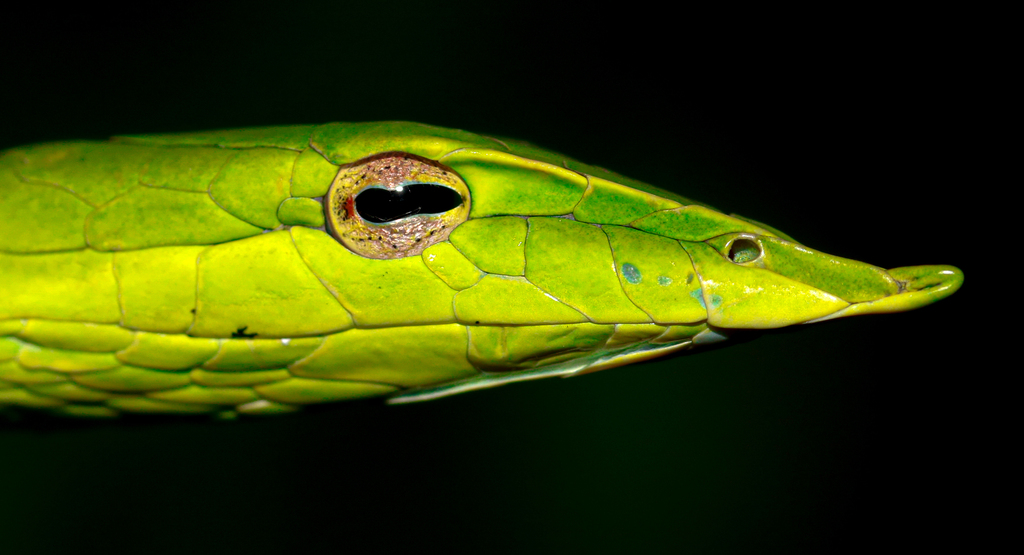
Snakes of Sri Lanka
Sri Lanka packs an extraordinary diversity of snakes into a single island, with around 125+ species recorded here and 36 of them venomous. What makes the island remarkable is not just the count but the endemism: more than half of its snakes are found nowhere else on Earth. Millions of years of isolation from the Indian mainland, combined with sharply different climate zones, turned Sri Lanka into a laboratory for snake evolution. The result is a fauna that herpetologists travel across the world to study.
Geography drives that uniqueness. The southwestern wet zone, with its lowland and montane rainforests, is a hotspot of endemic species that evolved in damp, forested isolation, while the larger dry zone in the north and east supports a separate community of snakes adapted to scrub, grassland, and seasonal drought. Many of the island's endemic colubrids and other forest snakes are tied closely to the wet zone, which is why habitat loss there carries an outsized risk for species that exist in no other country.
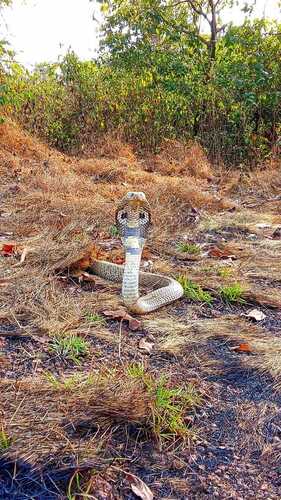
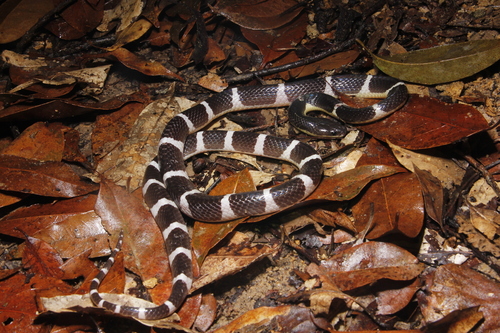
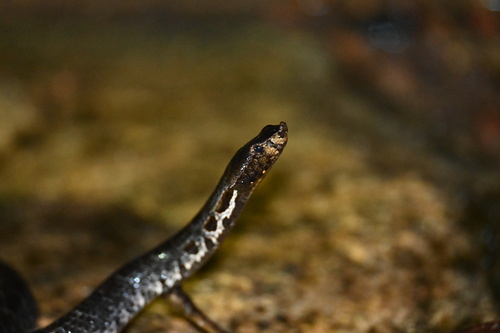
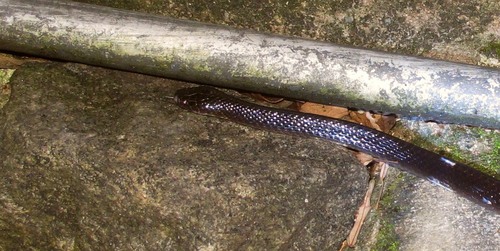
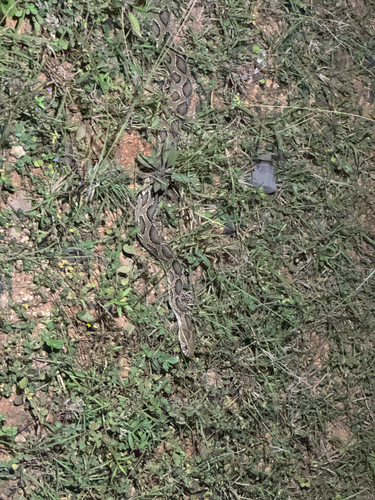
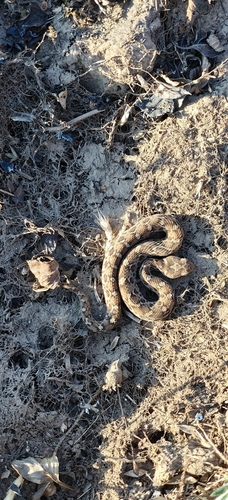
The medically important venomous snakes belong to a handful of groups. Russell's viper (Daboia russelii) and the saw-scaled viper are vipers responsible for serious envenoming. The Indian cobra (Naja naja) and two kraits, the common krait and the endemic Ceylon krait (genus Bungarus), are elapids whose venom affects the nervous system. The endemic hump-nosed pit vipers (genus Hypnale) deserve particular attention: they are widespread, easily encountered, and cause a very large share of bites on the island, with effects that were long underestimated.
Sri Lanka has one of the highest snakebite rates in the world, and the burden falls heavily on rice farmers and other agricultural workers who encounter snakes in flooded paddies and fields, often at night and without protective footwear. Snakebite here is a genuine rural public health issue, not a rare freak event. Treatment relies on hospital-based care and antivenom, and supply of effective antivenom can be limited or mismatched to the species involved, which is one reason rapid transport to a medical facility matters so much.
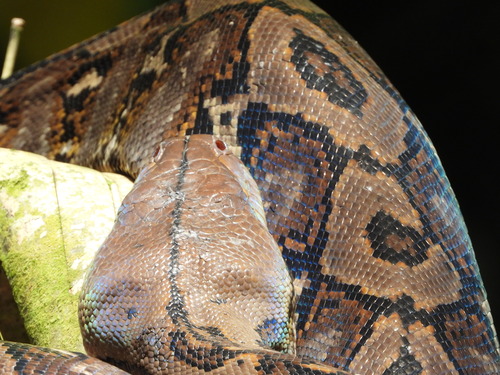
The large majority of Sri Lanka's snakes are not venomous to humans. The island is home to the Indian or Sri Lankan python, several rat snakes, and a deep roster of endemic colubrids and other harmless species that play important roles controlling rodents and balancing local ecosystems. For most people, the snakes they see are far more beneficial than dangerous, and the rich endemic fauna is a point of national and scientific pride.
Safety here is honest and simple: never handle, corner, or attempt to identify a wild snake up close, because hump-nosed pit vipers, kraits, and other dangerous species can be mistaken for harmless ones, and a calm-looking snake is not a safe one. If a bite occurs, treat it as a medical emergency and get the person to a hospital as quickly as possible, where clinicians can assess envenoming and administer antivenom if needed. Defer entirely to professional emergency care rather than relying on field remedies.
Snakes in Sri Lanka: FAQ
- Are there venomous snakes in Sri Lanka?
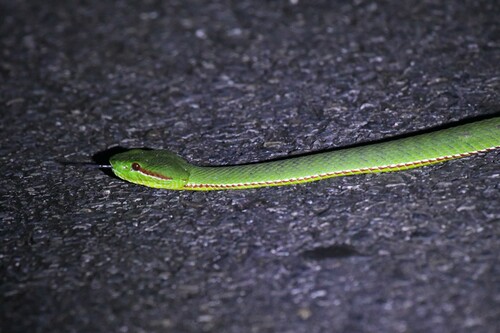
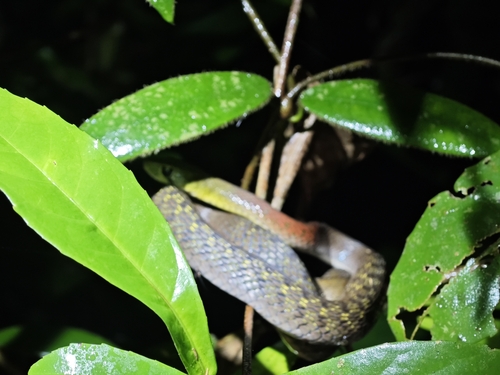
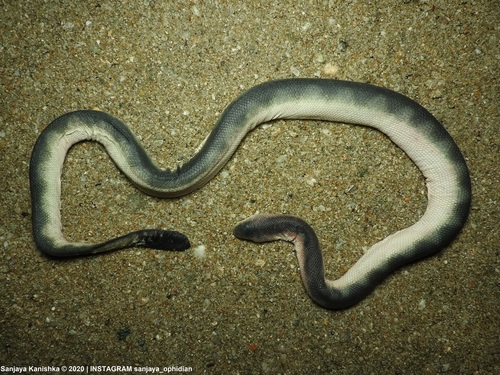
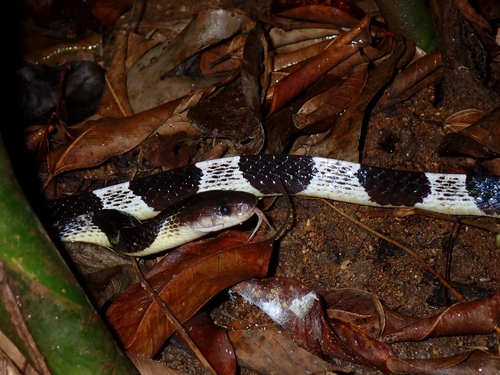
- Yes. 36 venomous snake species have verified records in Sri Lanka, including Sri Lankan Green Pit Viper, Hump-nosed Viper, Brown Banded Cobra, Indian Cobra. Most snakes in Sri Lanka, however, are harmless.
- How many snake species live in Sri Lanka?
- 125+ snake species have verified records in Sri Lanka, of which 36 are venomous.
- What is the most commonly seen snake in Sri Lanka?
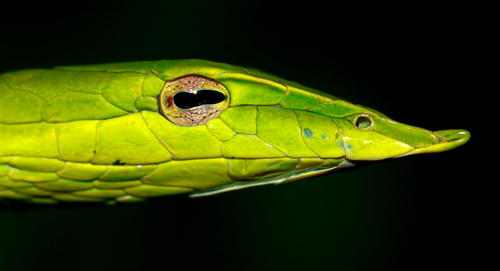
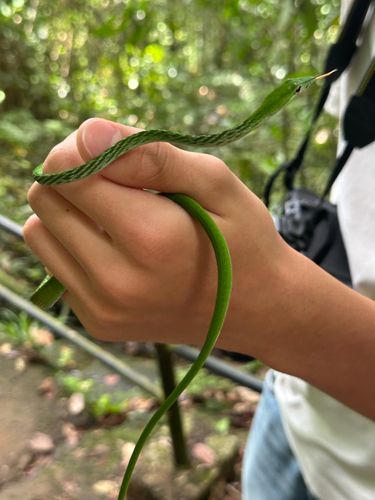
- The Indochinese Long-nosed Whipsnake is the most frequently reported snake in Sri Lanka, based on verified wildlife observations.
- What should I do if I see a venomous snake in Sri Lanka?
- Keep your distance and do not try to catch or kill it. Most bites happen when people handle or corner a snake. If someone is bitten, contact local emergency services or poison control immediately.
Venomous snakes in Sri Lanka
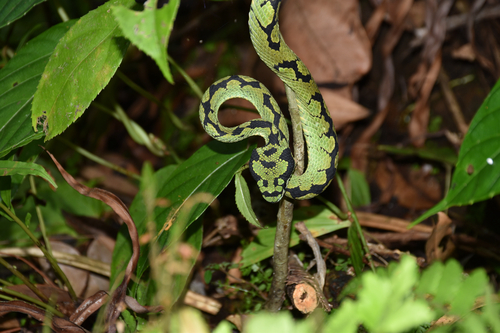
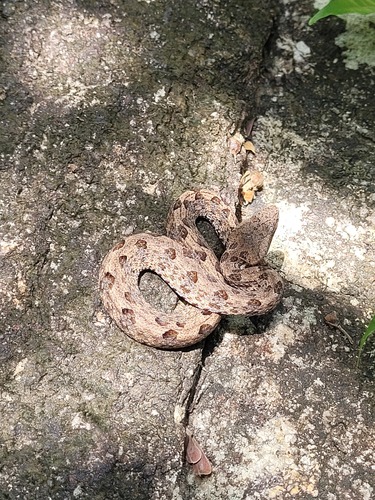
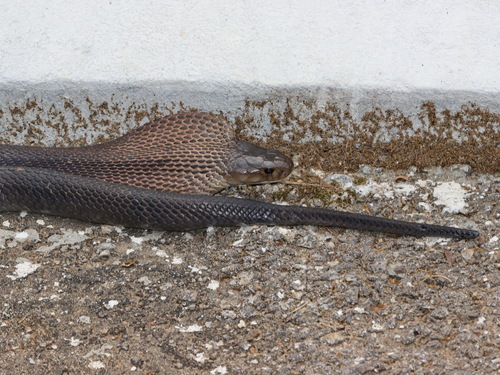

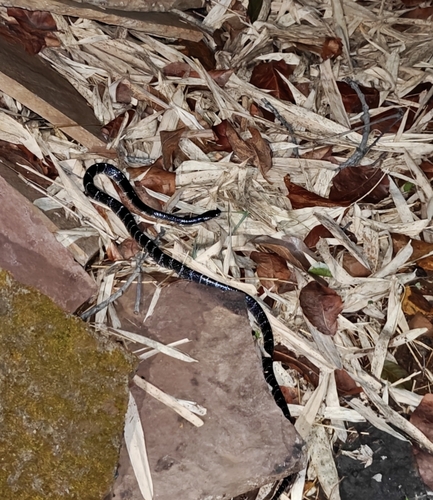
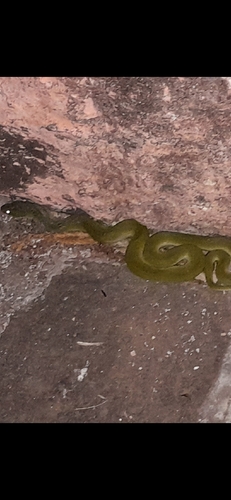
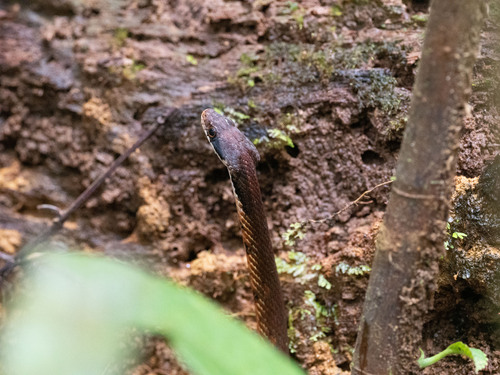
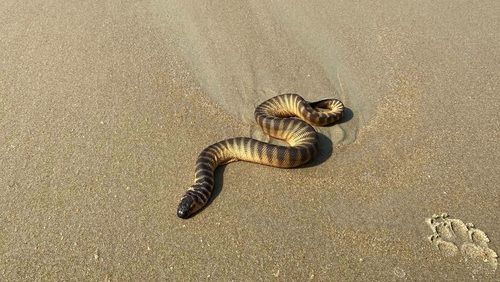
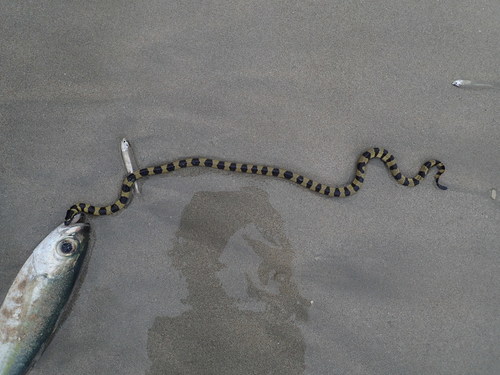
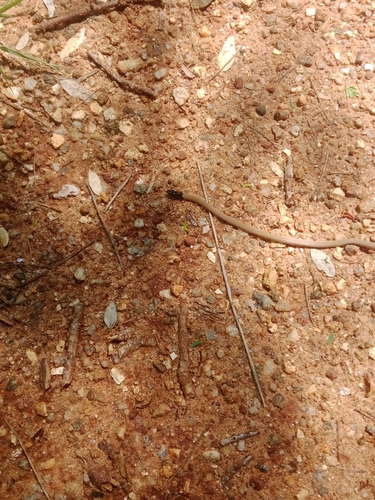
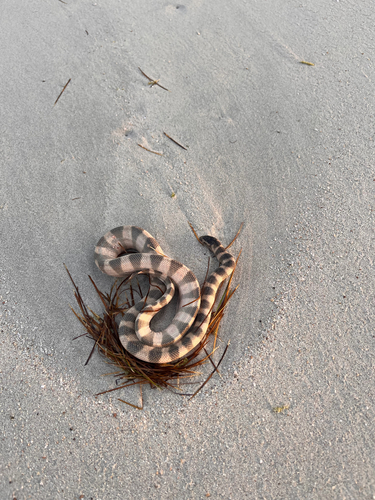
- No photo
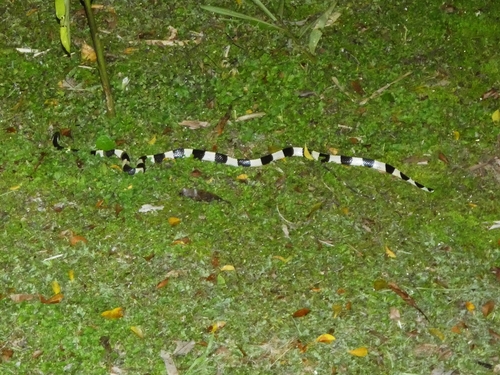


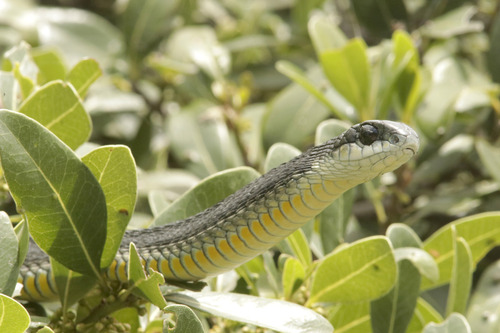
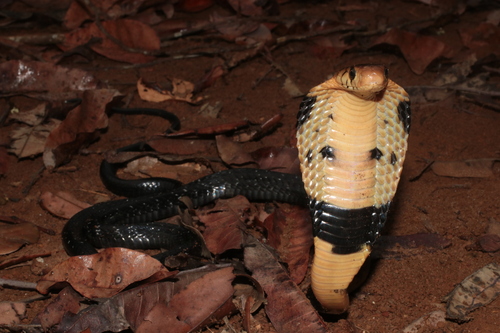
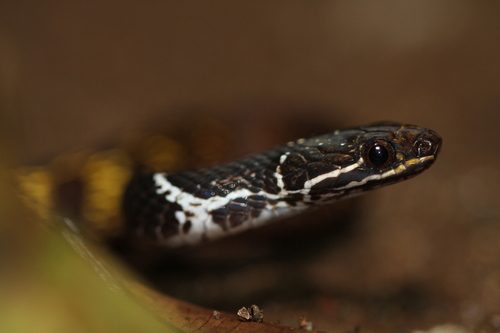
- No photo
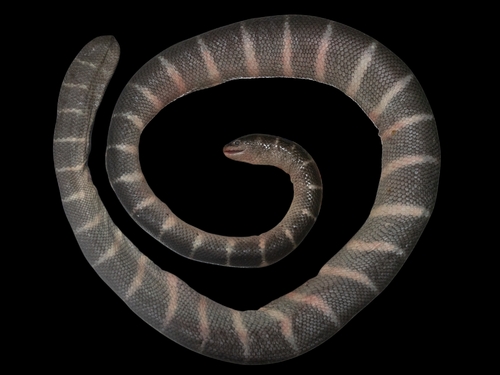
Every snake recorded in Sri Lanka
125+ species across 12 families, grouped by family. Venomous flagged.
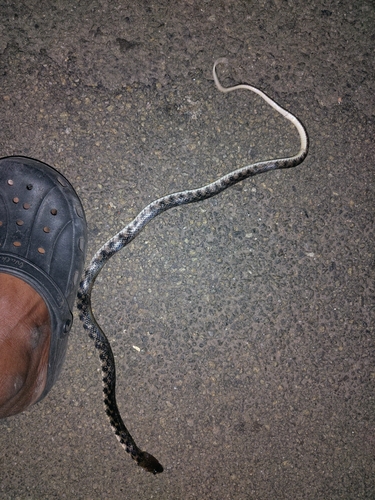
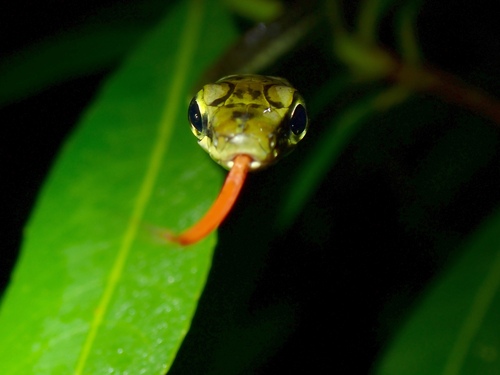
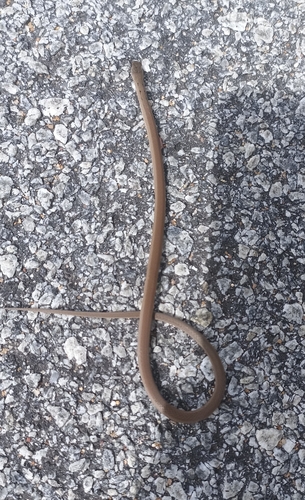
Colubridae (66)
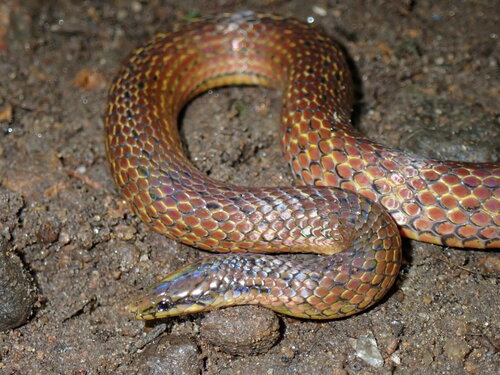
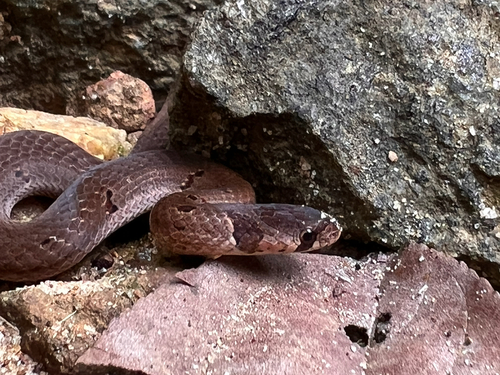
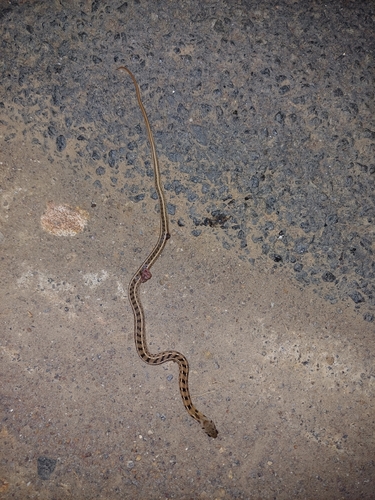
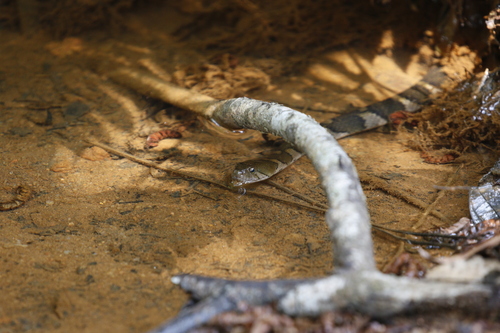
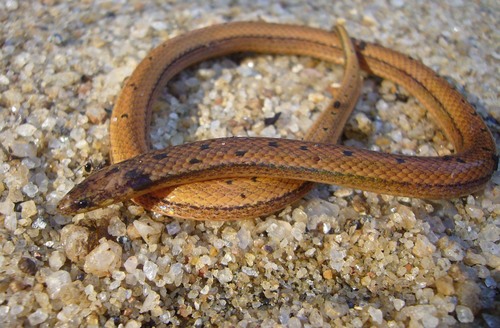
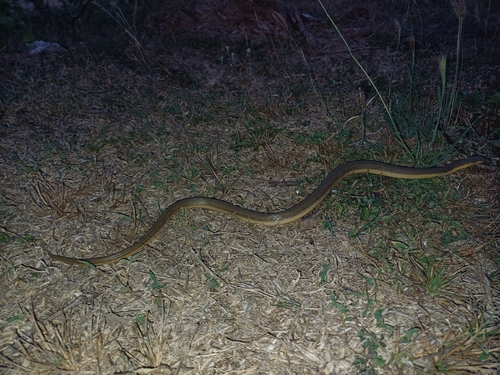
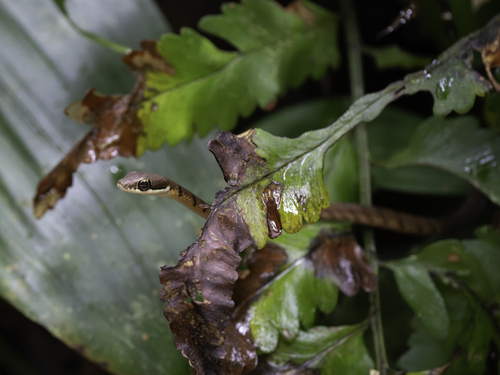
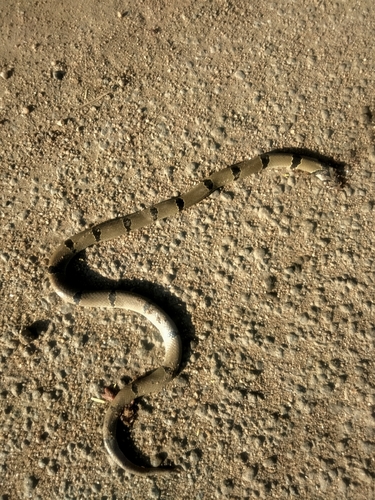
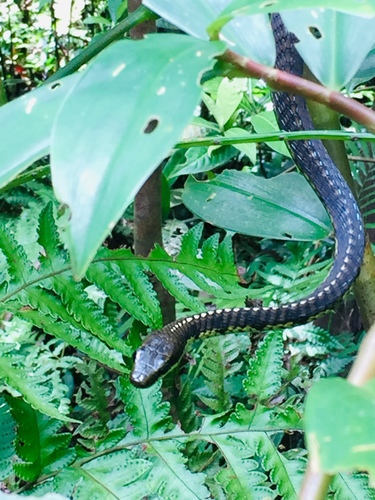
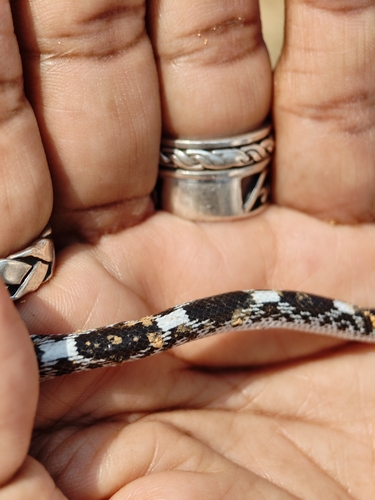
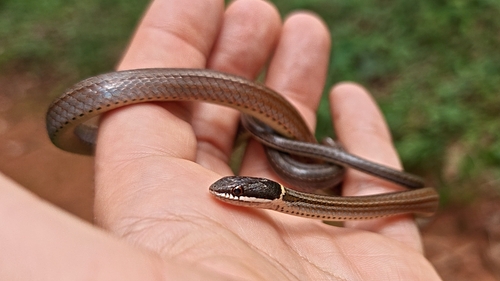
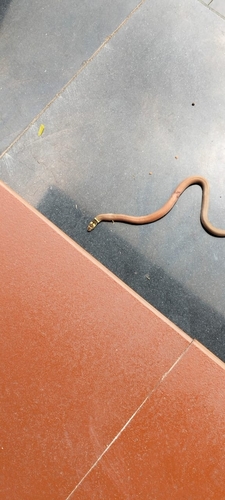

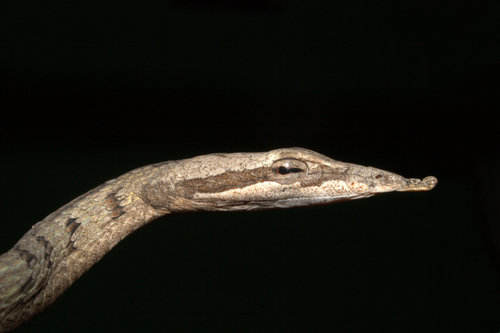
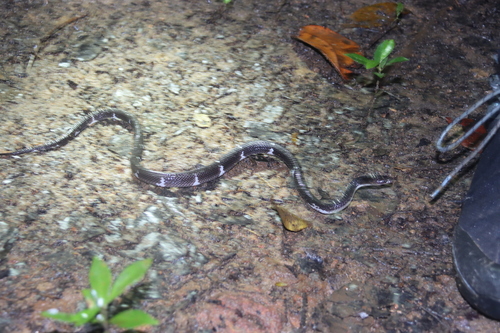
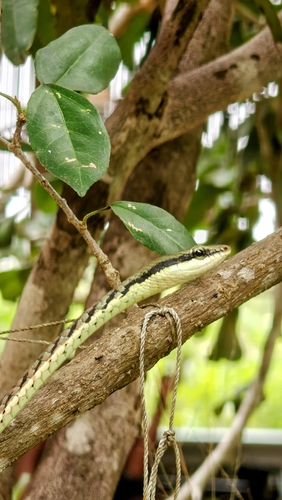
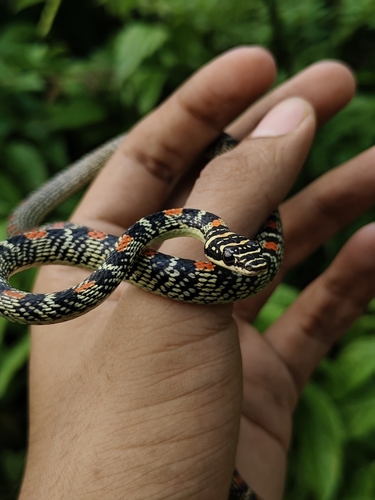
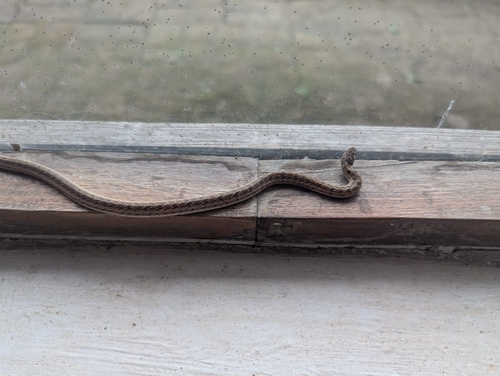
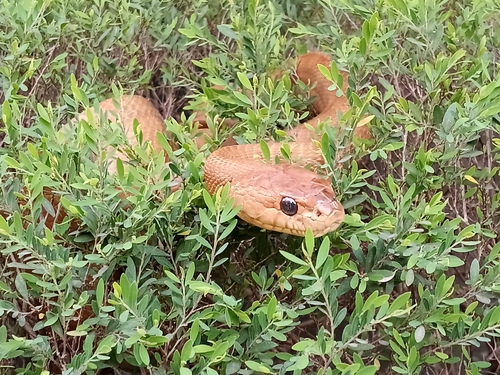
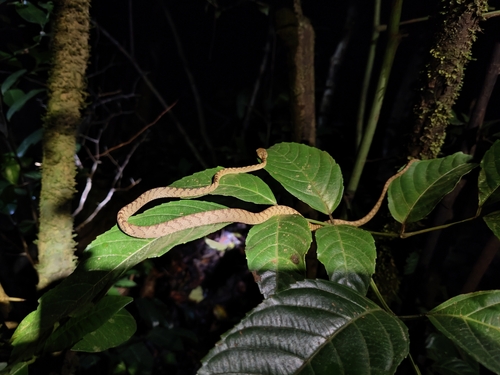

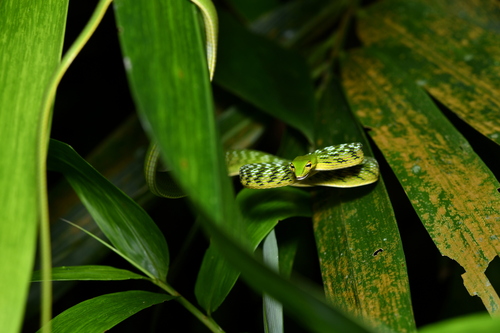
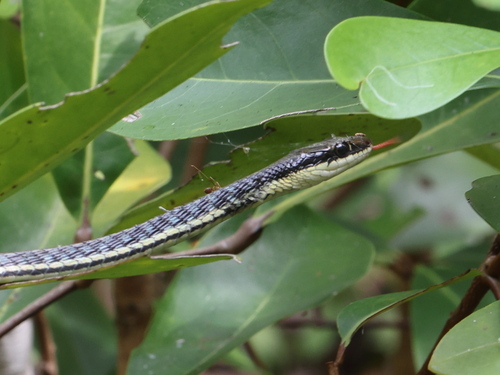
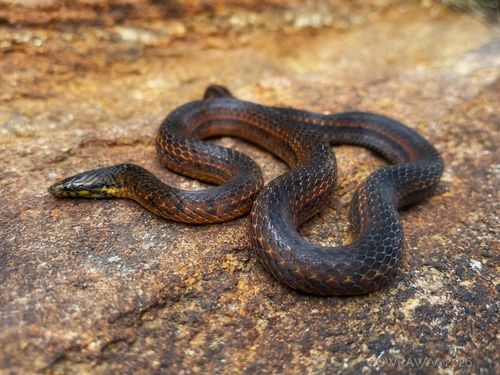
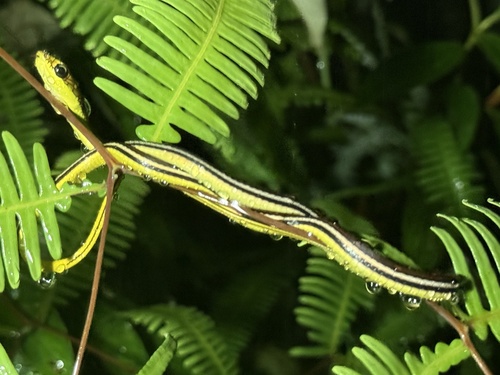
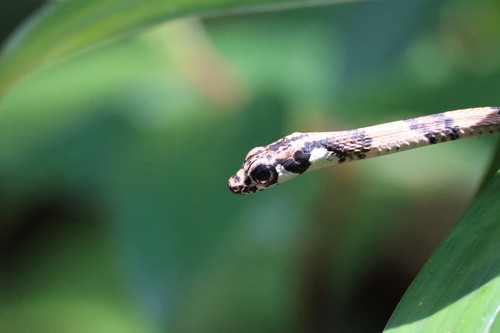
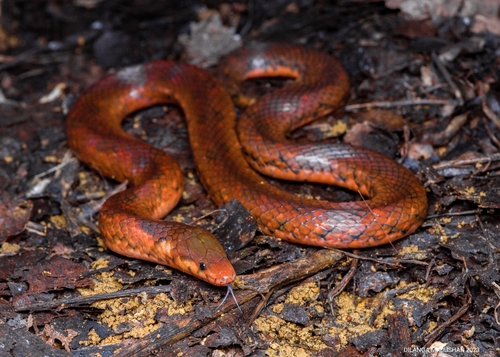
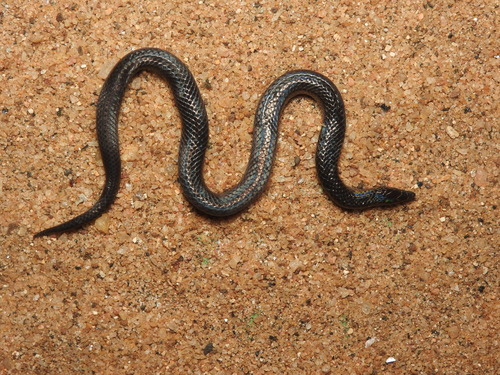
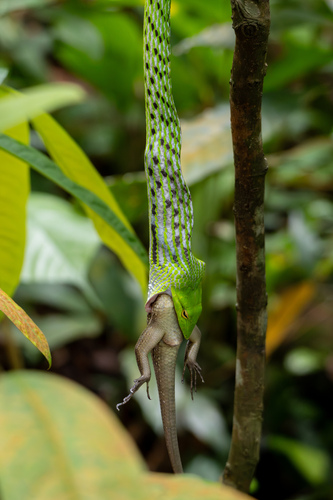
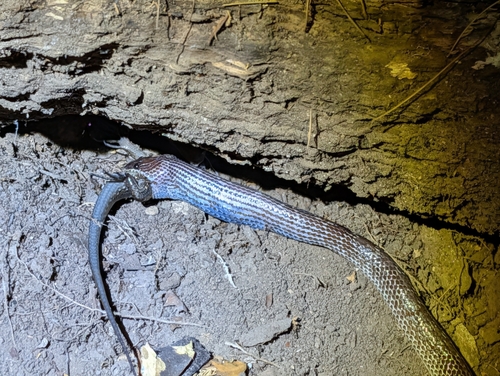
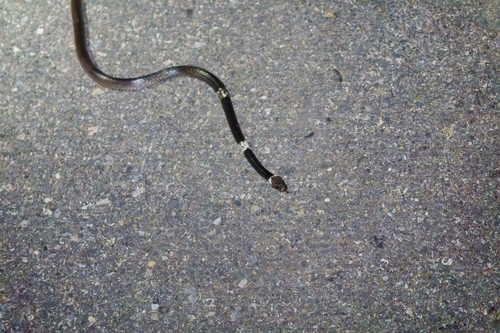
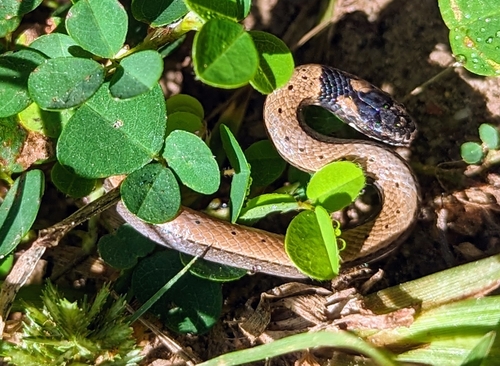
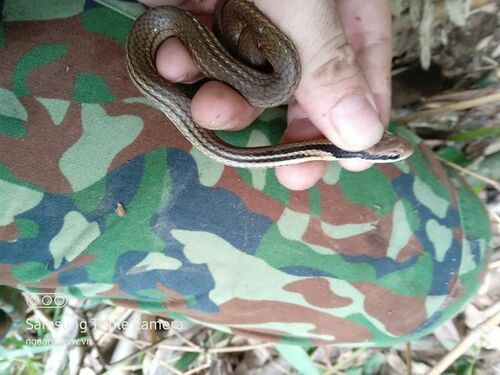
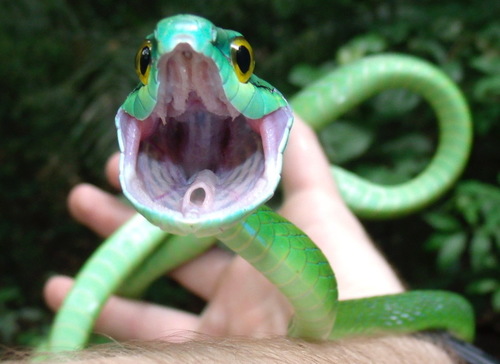
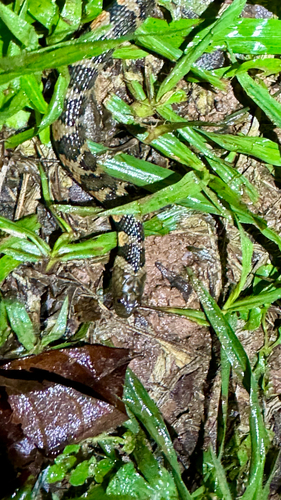
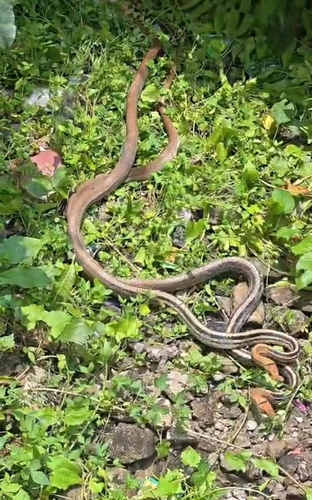
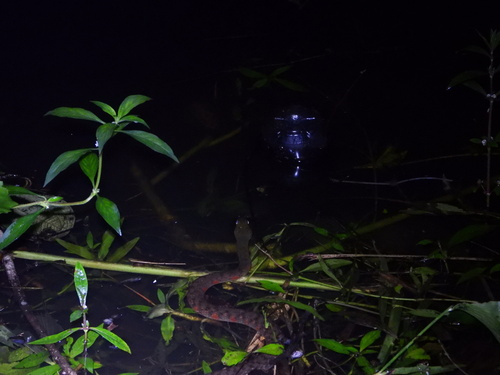
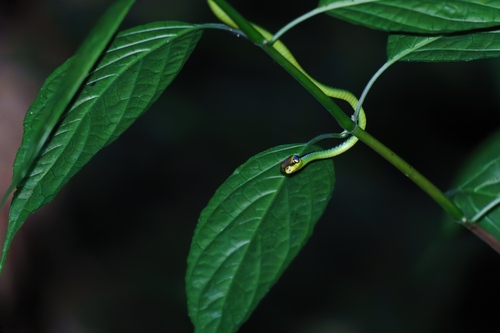
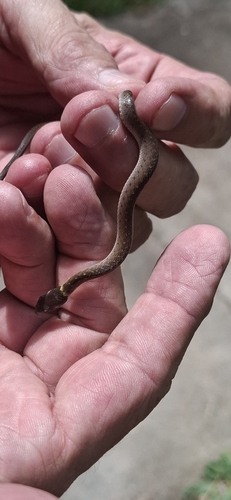
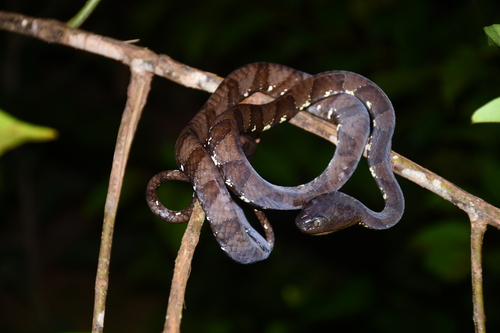
Elapidae (23)
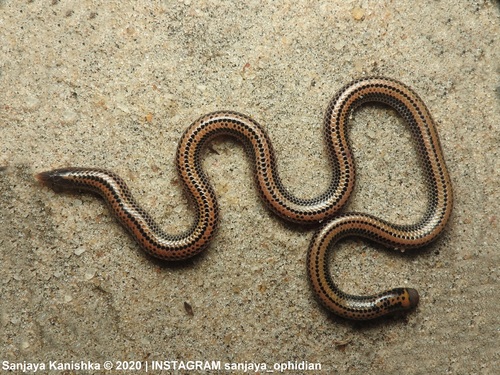
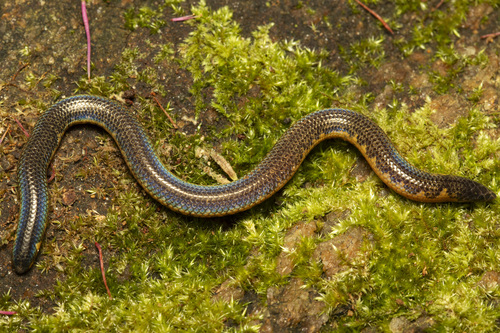
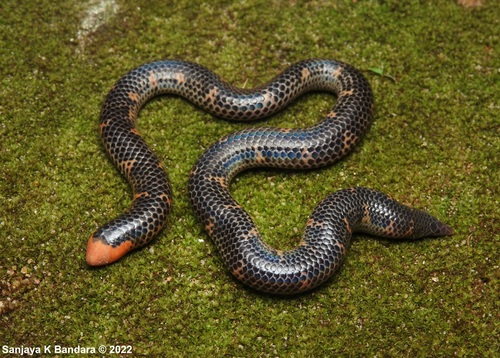
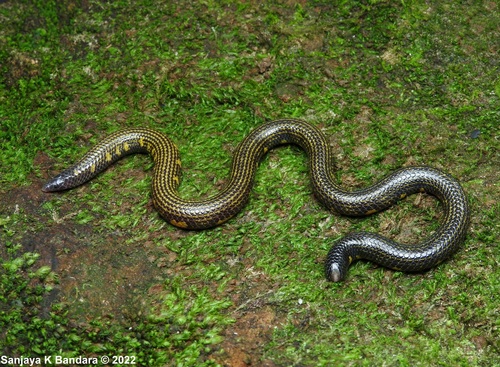
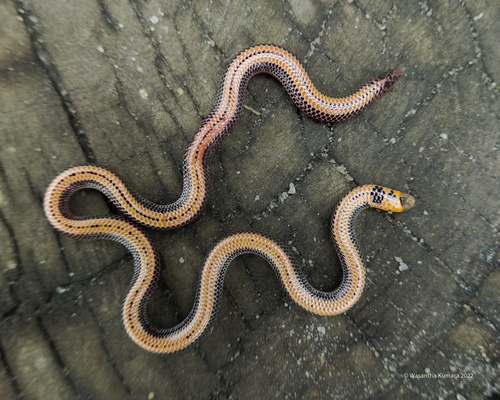
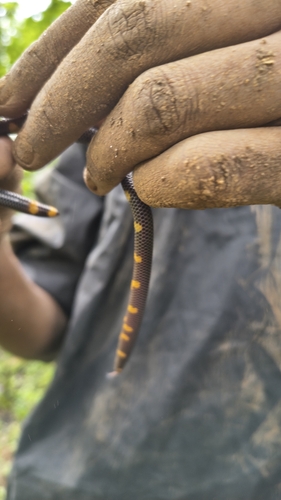
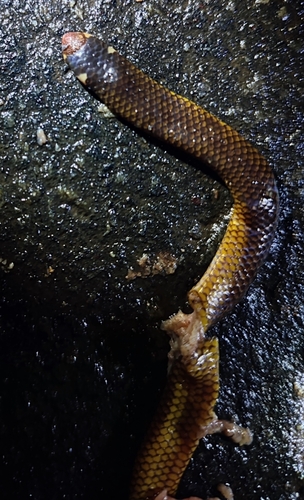
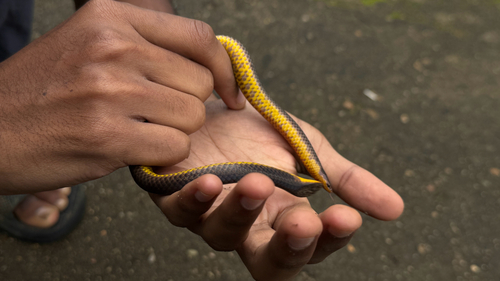
Uropeltidae (20)

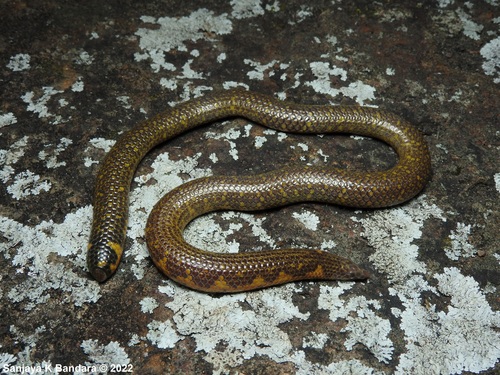
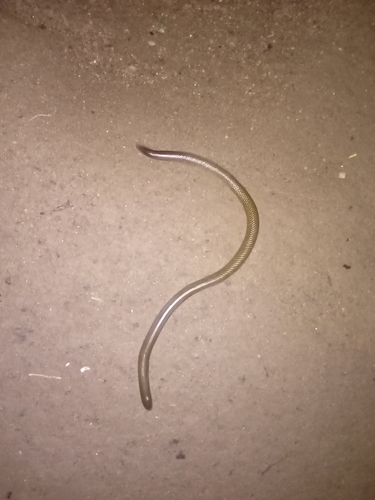
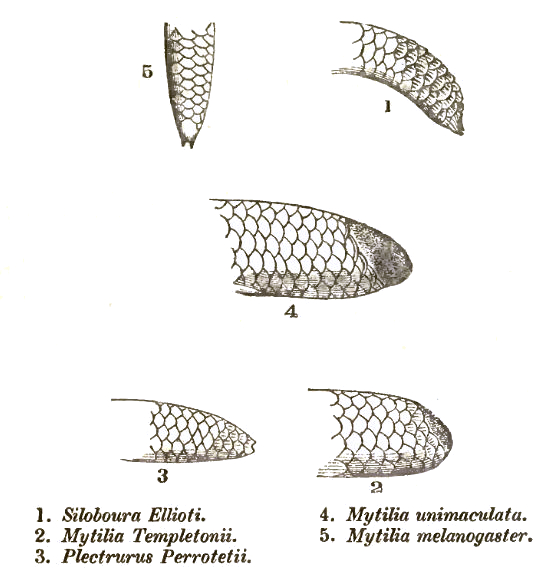
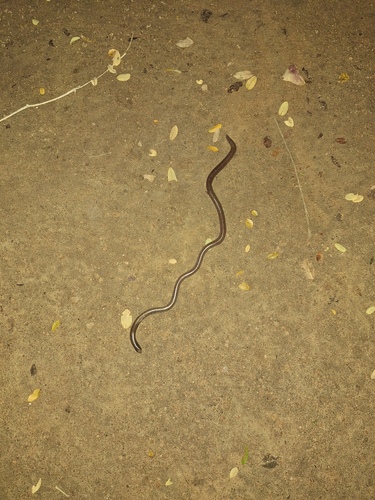
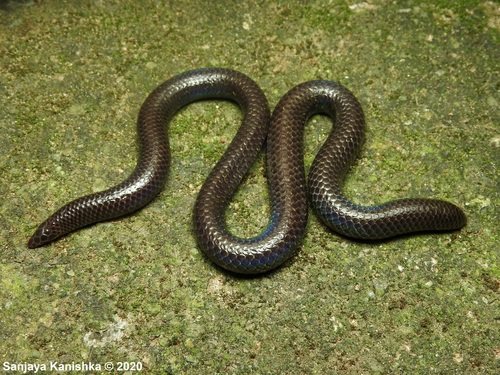
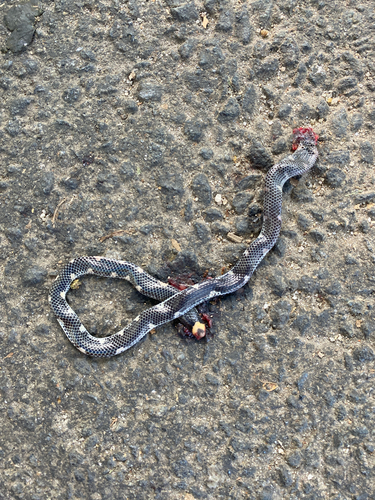
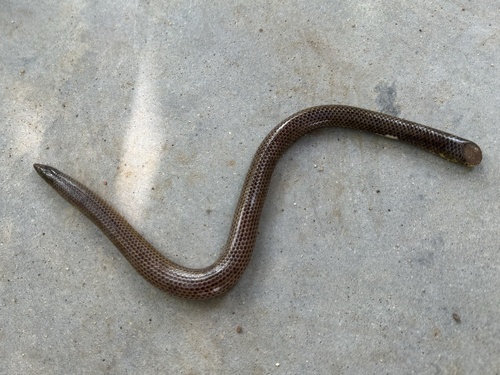
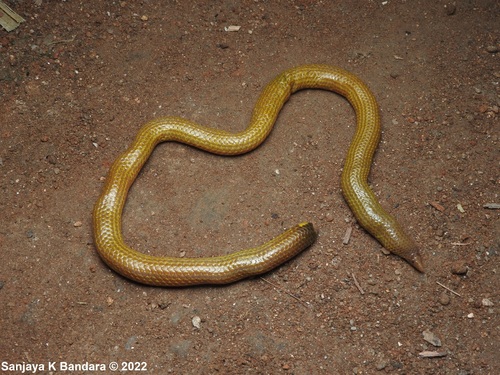
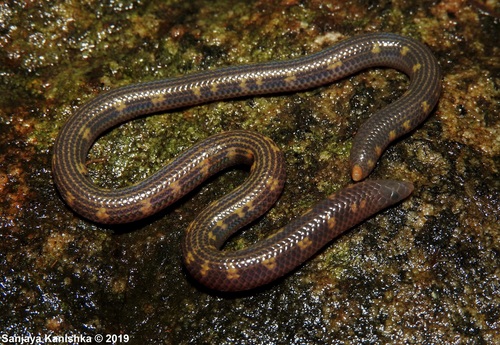
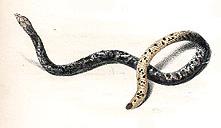
Viperidae (8)
Cylindrophiidae (2)
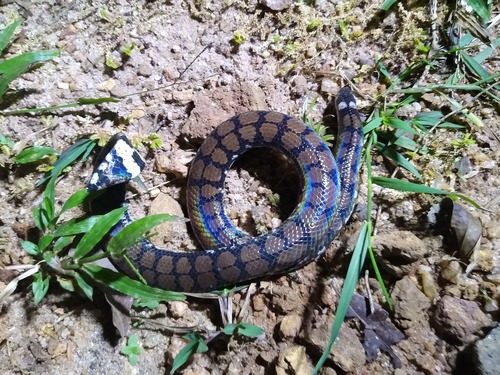
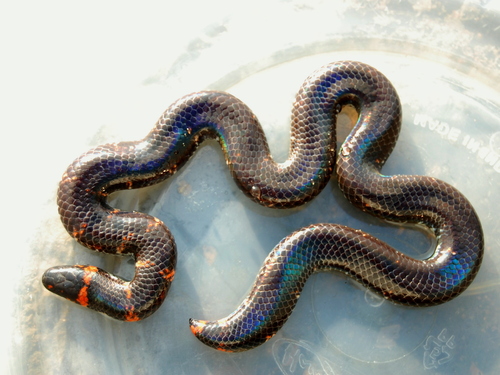
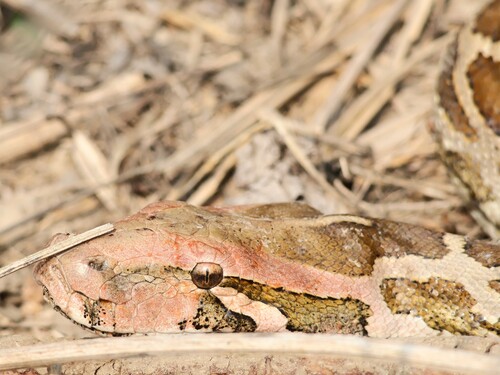
Gerrhopilidae (2)
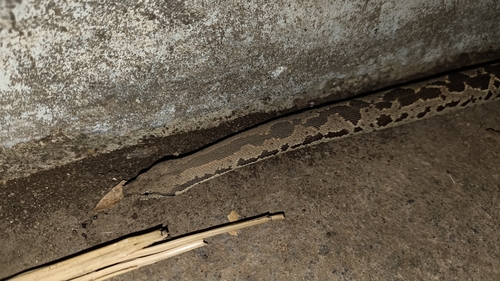
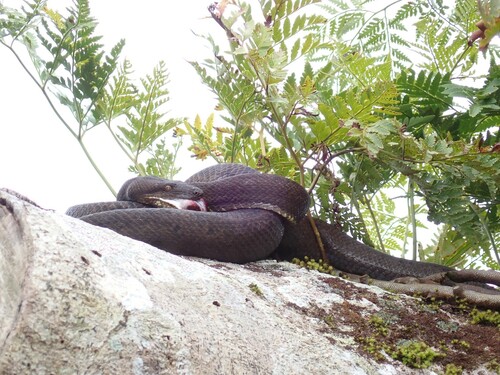
Typhlopidae (1)
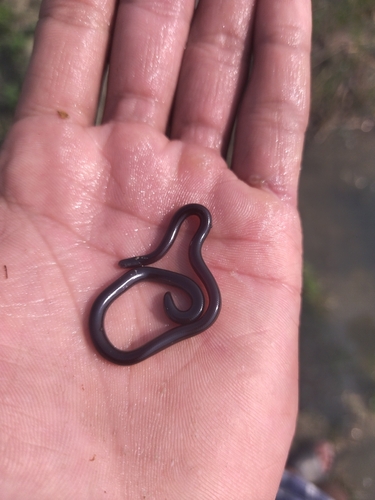
Acrochordidae (1)
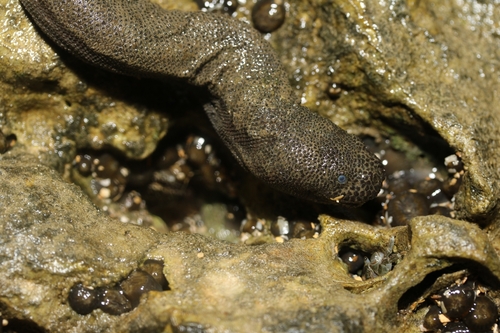
Psammophiidae (1)
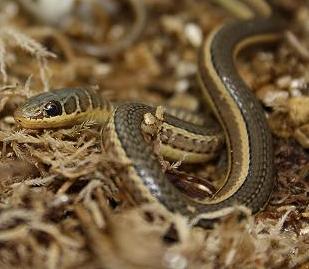
Compiled from verified GBIF & iNaturalist observations. "How often seen" reflects how frequently a snake is reported here, not how dangerous it is. Informational only.
Keep learning
- Are Snakes Dangerous? The Real Risk, in PerspectiveMost snakes are harmless and avoid people. Here is the honest picture of snakebite risk worldwide and how to lower your own.
- Snakebite First Aid: What to Do (and What Never to Do)A clear, CDC-based guide to snakebite first aid: the steps that help, the popular myths that hurt, and how to tell a serious bite from a minor one.
- Venomous vs Nonvenomous: How to Tell the DifferenceThe folk rules for telling venomous snakes apart, where each one fails, and why location-based identification beats guessing by sight.
- What to Do If You Find a SnakeFound a snake at home or on a trail? Here is how to stay calm, give it space, identify it safely, and know when to call a professional.