
DR Congo
Snakes in DR Congo
200+ snake species have been recorded in DR Congo, 42 venomous.
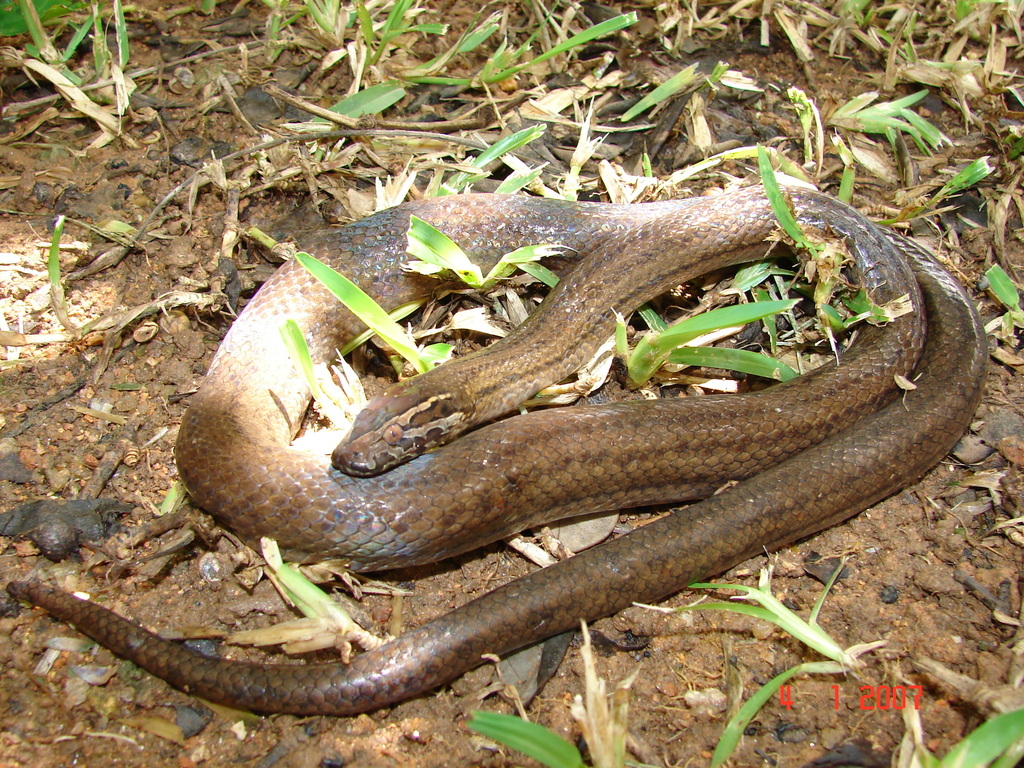
Snakes of DR Congo
The Democratic Republic of the Congo holds one of the richest snake faunas in Africa, with 200+ species recorded in our database. Of these, 57 are venomous, while the great majority are non-venomous and pose no medical threat to people. The country sits across the heart of the continent and spans the entire Congo Basin, so its snakes range from rainforest canopy dwellers to species of open savanna, wetland, and mountain forest.
Geography drives this diversity. The vast central rainforest, the second largest tropical forest on Earth, supports a dense community of arboreal, ground, and burrowing snakes that thrive in warm, humid, high-rainfall conditions. Around the basin lie savannas and woodland to the south and southeast, the great rivers and swamps of the Congo and its tributaries, and the cooler highland forests of the eastern Albertine Rift along the borders with Uganda, Rwanda, and Burundi. Each of these settings holds its own set of specialists, and the overlap of forest, water, and grassland is what produces such a long species list.
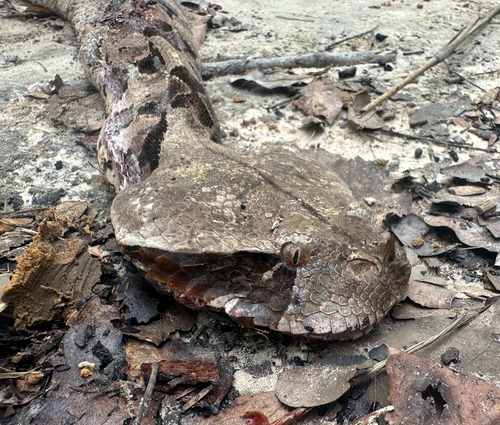
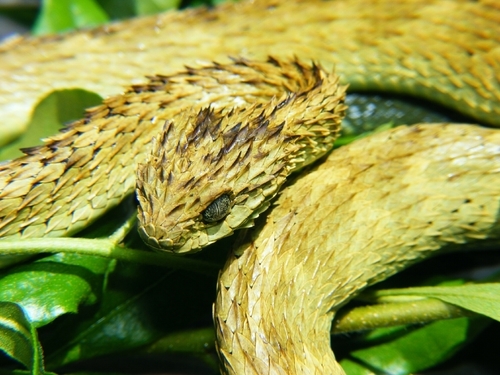
The medically important venomous snakes belong to a few well established groups. Cobras are present, including forest and water associated cobras and spitting cobras whose venom can also cause eye injury if sprayed. Mambas occur here, among them the green mambas of forested areas and, in more open country, the formidable black mamba. Vipers are the other major concern: the puff adder is widespread and is a leading cause of serious bites across its range, the gaboon viper and rhinoceros viper inhabit the rainforest floor and carry very large venom yields, and several night adders and bush vipers round out the group. The country also has many burrowing asps and small fanged rear-fanged colubrids; most of these are of little or no danger to humans.
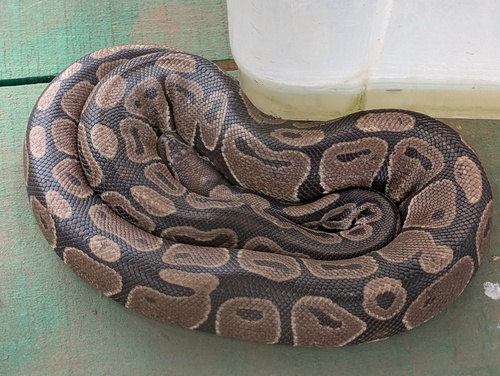
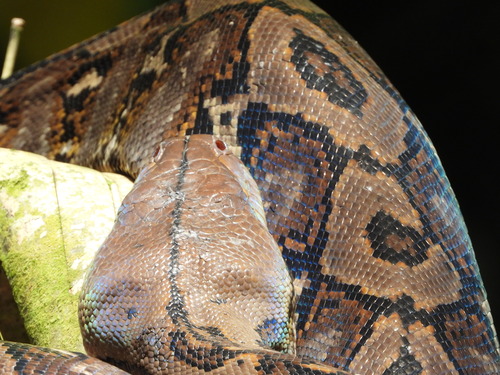
The non-venomous majority is what most people will actually encounter. Pythons are the famous large snakes of the region, including the African rock python, the largest snake on the continent, along with smaller species such as the ball python kept worldwide in the pet trade. House snakes, file snakes, sand snakes, egg-eating snakes, and a wide variety of water snakes and tree snakes make up the bulk of the fauna. These animals are harmless to people and are a normal part of healthy forest, farm, and wetland habitats.
Snakes earn their place in these ecosystems. By preying on rodents they hold down populations of rats and mice that damage stored grain, raid crops, and carry disease, which directly benefits farms and villages. Many snakes also eat frogs, lizards, insects, and other small animals, and in turn feed birds of prey, mongooses, and larger predators. Removing snakes does not make an area safer; it usually means more rodents and more of the problems they bring.
On safety, the honest picture is reassuring. Most snakes in the Democratic Republic of the Congo are harmless, and bites are far less common than the size of the snake fauna might suggest. The main medical threats are the vipers, especially the puff adder and gaboon viper, along with the cobras and mambas. The correct treatment for a venomous bite is professional medical care: antivenom and supportive treatment given at a hospital. Never attempt to handle, catch, or kill a wild snake, since this is when most bites happen, and a snake that looks calm or harmless can still be dangerous. If a bite occurs, get to emergency medical services as quickly as possible. In the United States you can also reach Poison Control at 1-800-222-1222; elsewhere, contact your local emergency number.
Snakes in DR Congo: FAQ
- Are there venomous snakes in DR Congo?
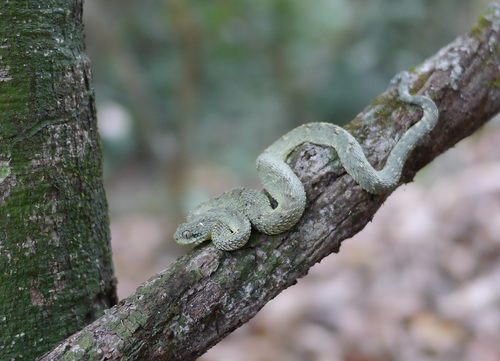
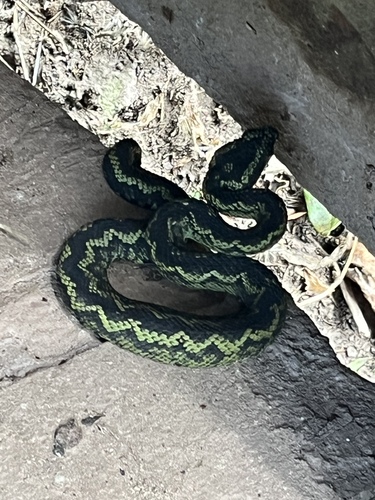
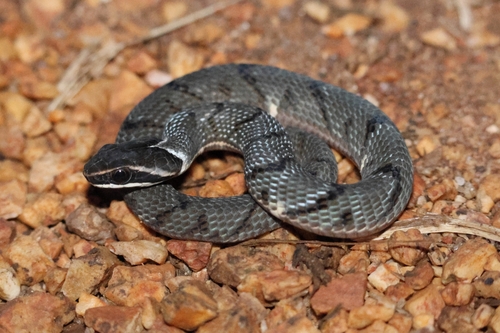
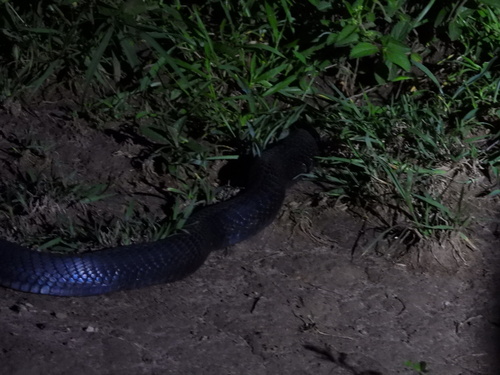
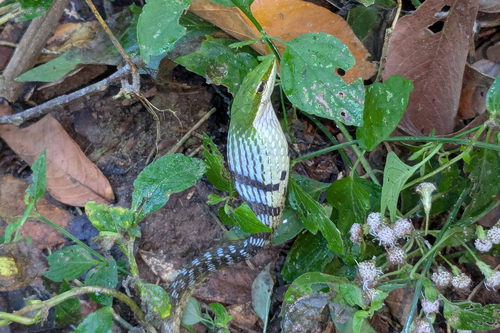
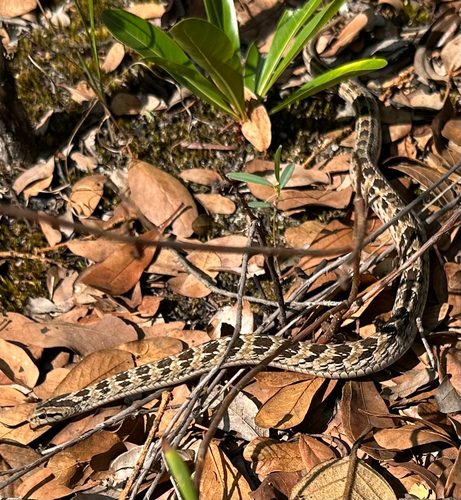
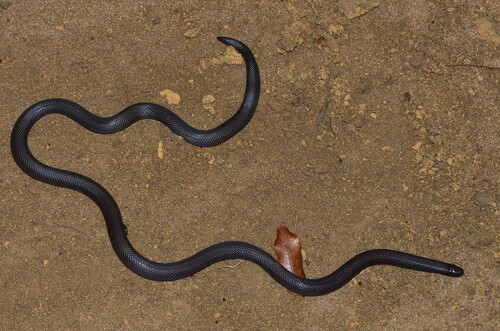
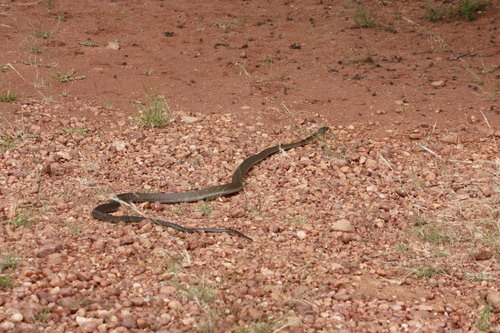
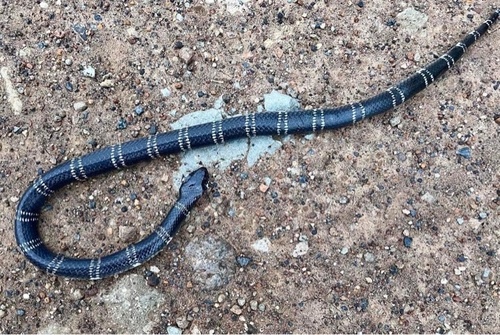
- Yes. 42 venomous snake species have verified records in DR Congo, including Brown Banded Cobra, Rhombic Night Adder, Puff Adder, Forest Cobra. Most snakes in DR Congo, however, are harmless.
- How many snake species live in DR Congo?
- 200+ snake species have verified records in DR Congo, of which 42 are venomous.
- What is the most commonly seen snake in DR Congo?
- The Seychelles House Snake is the most frequently reported snake in DR Congo, based on verified wildlife observations.
- What should I do if I see a venomous snake in DR Congo?
- Keep your distance and do not try to catch or kill it. Most bites happen when people handle or corner a snake. If someone is bitten, contact local emergency services or poison control immediately.
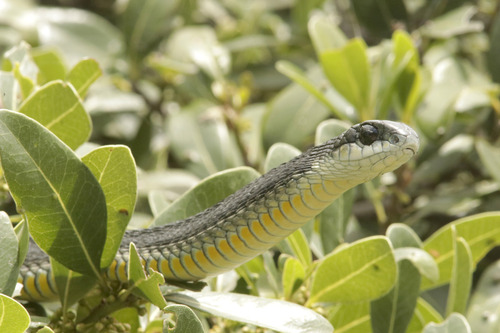
Venomous snakes in DR Congo
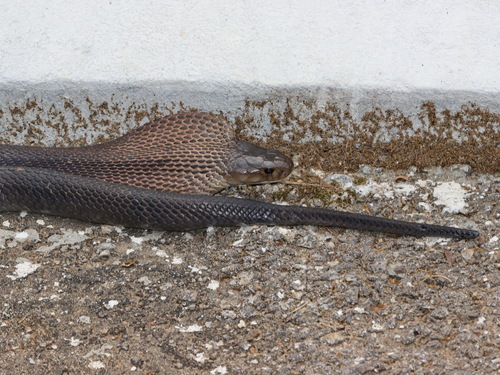
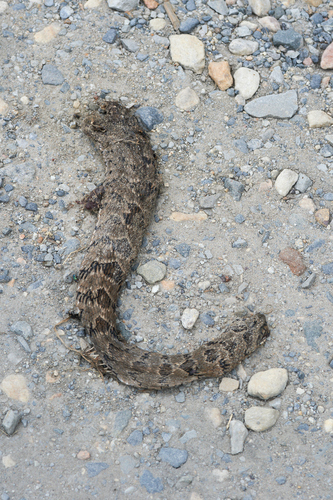
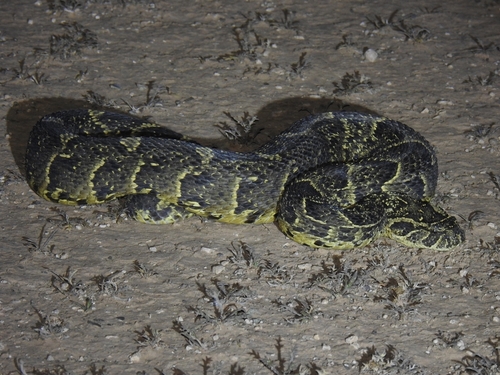
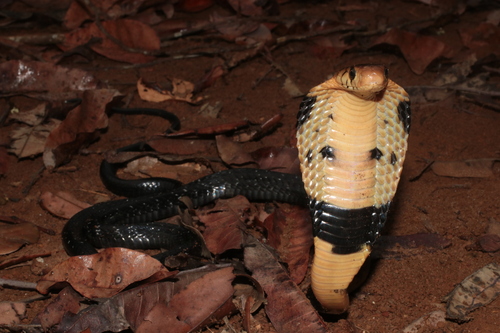
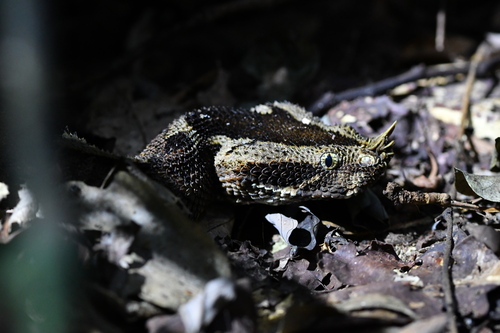
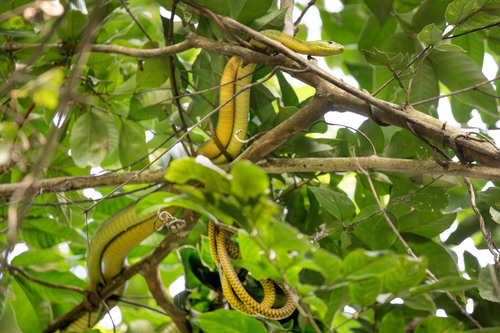
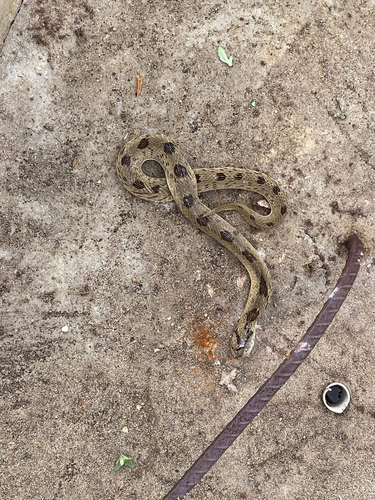

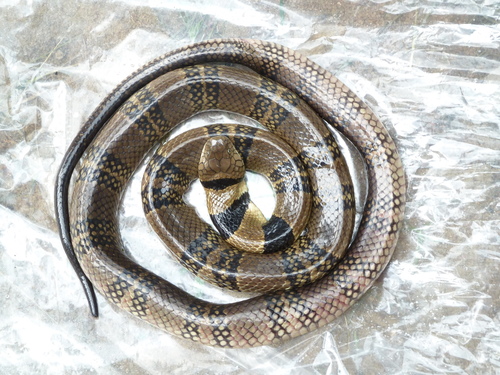
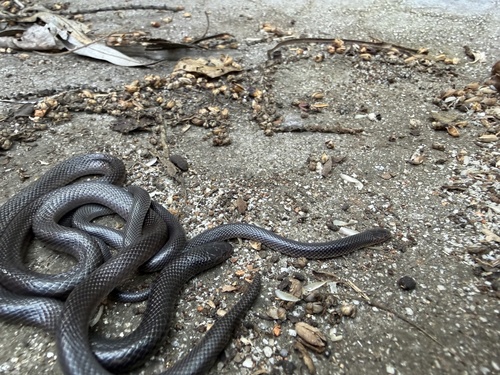
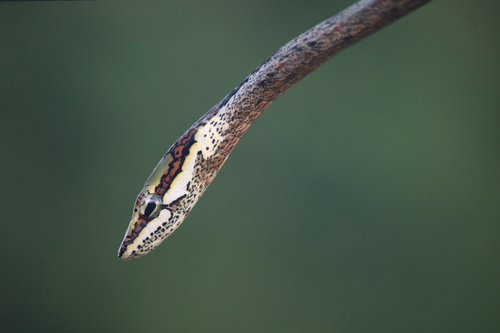
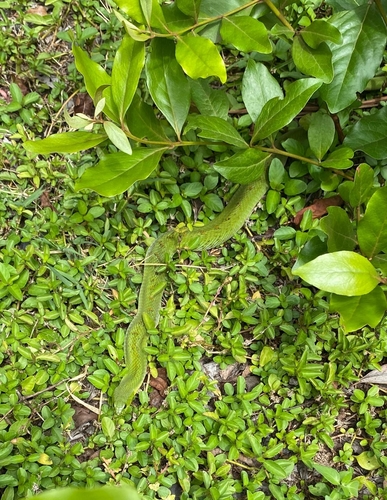
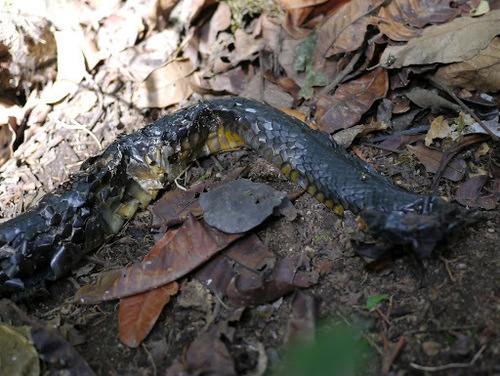
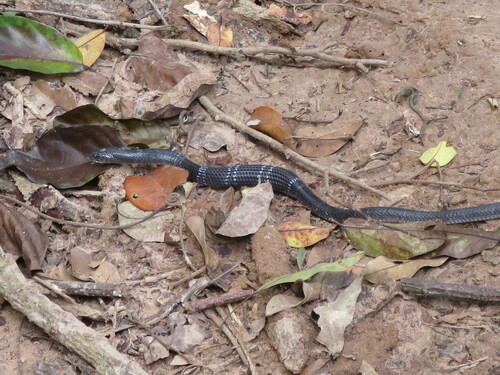
- No photo
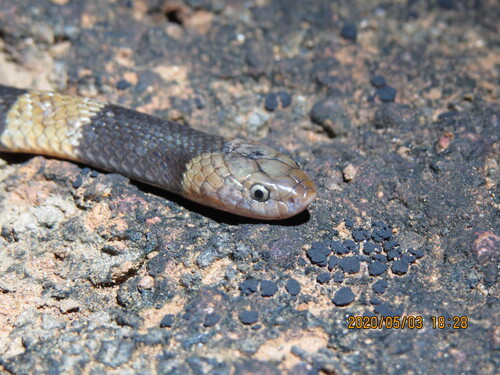
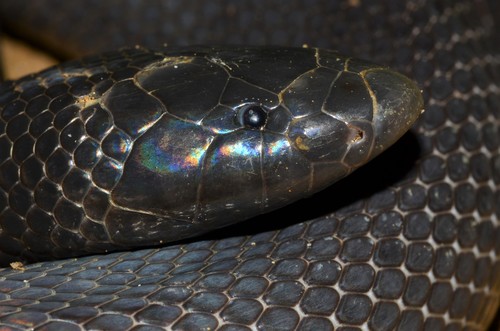
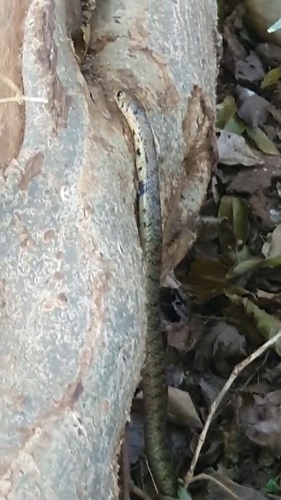
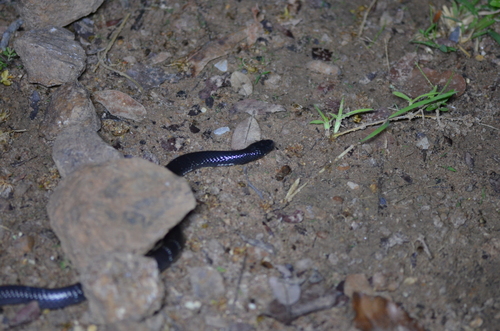
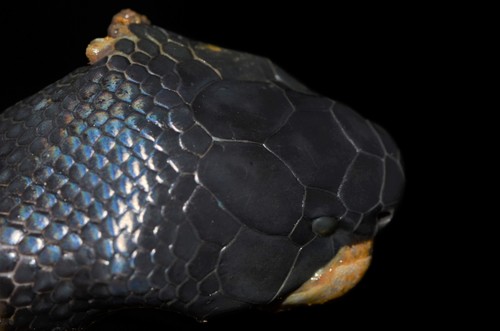
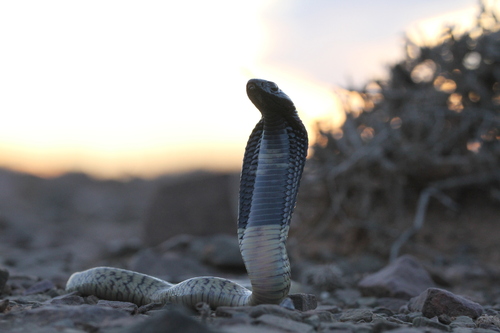
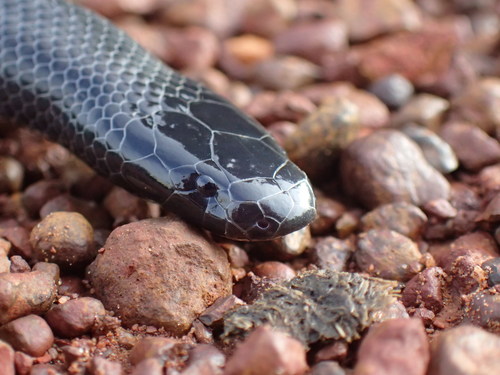
- No photo
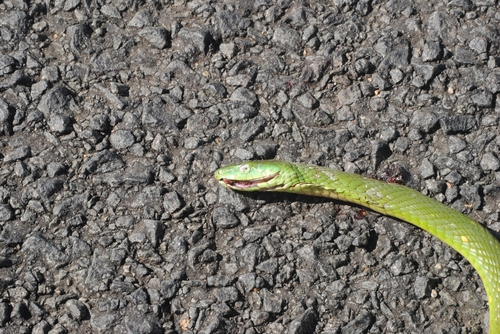
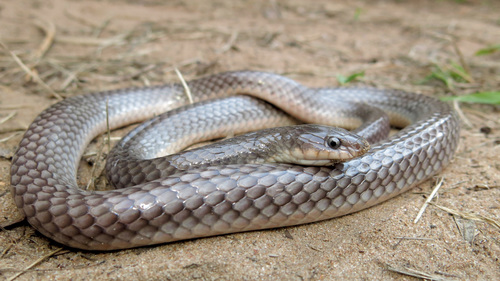
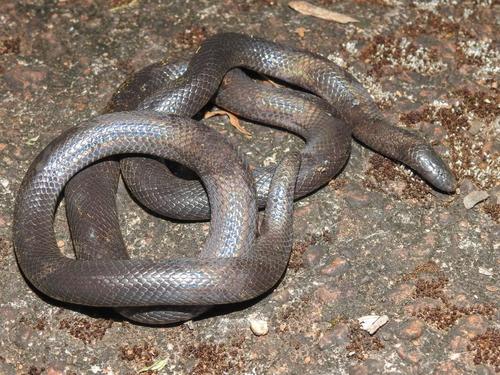
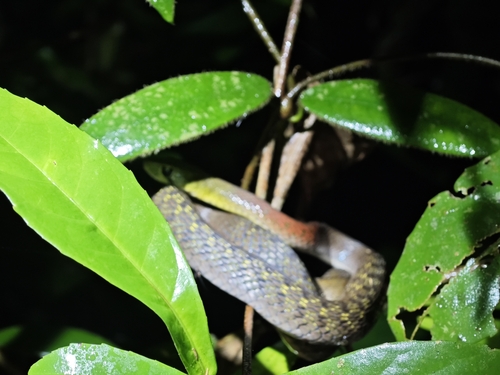
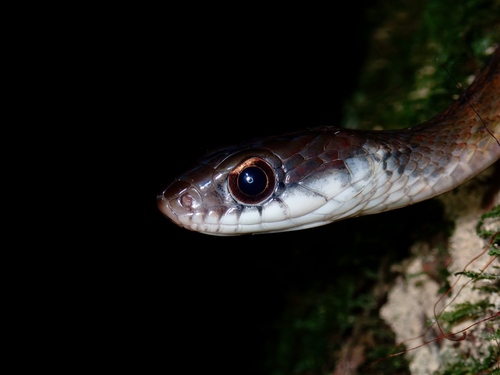
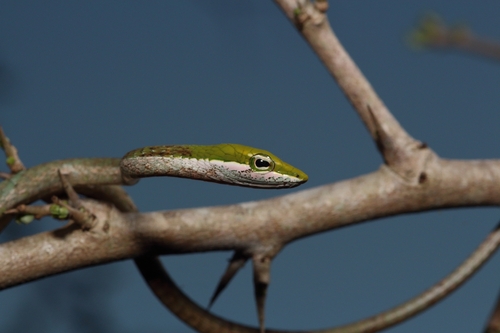
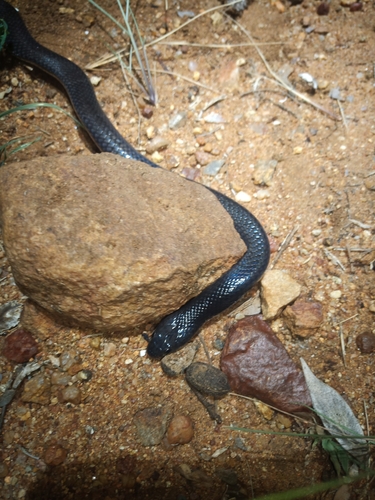
Every snake recorded in DR Congo
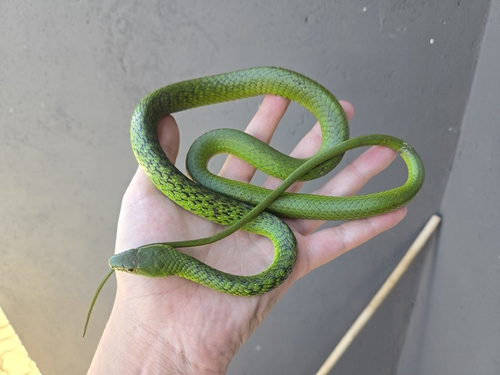
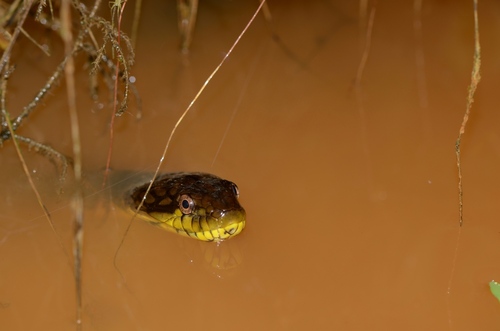
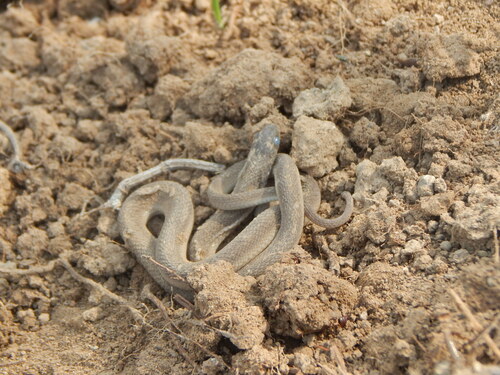
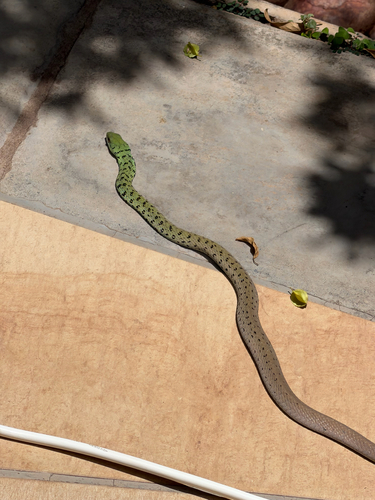
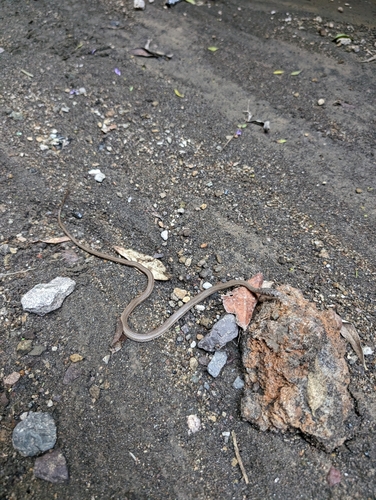
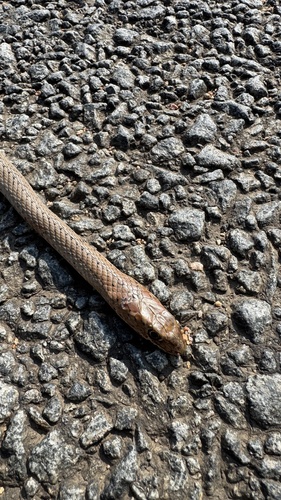
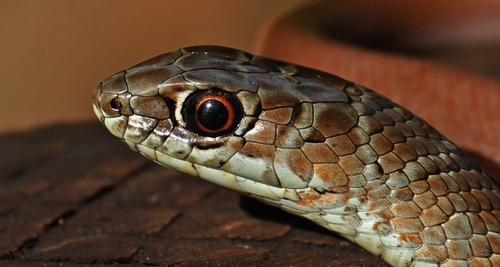
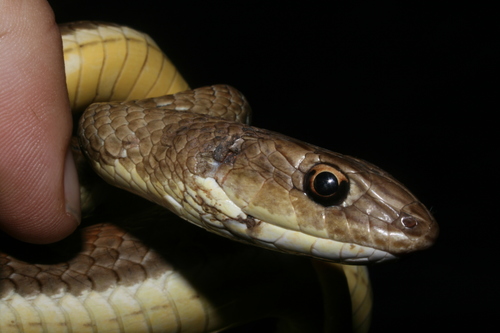
200+ species across 15 families, grouped by family. Venomous flagged.
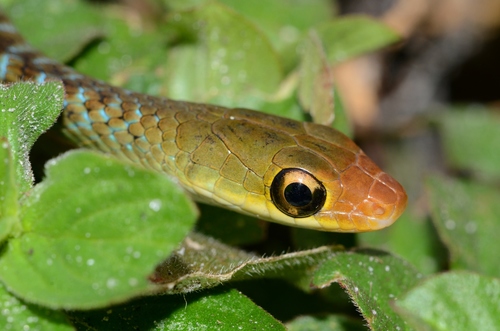
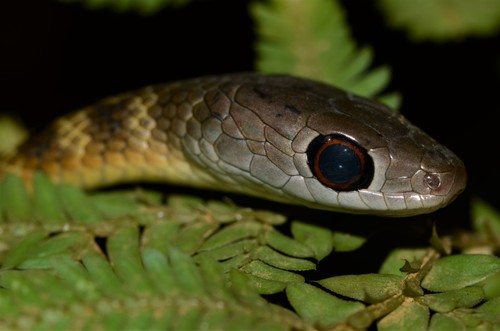
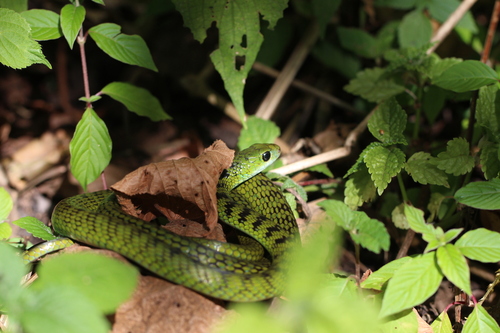
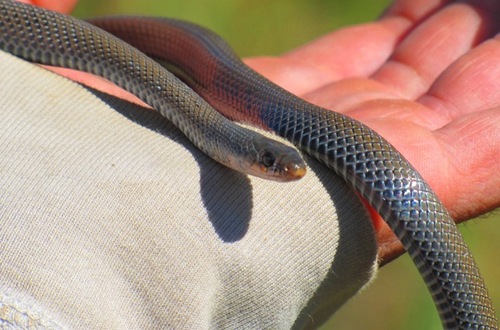
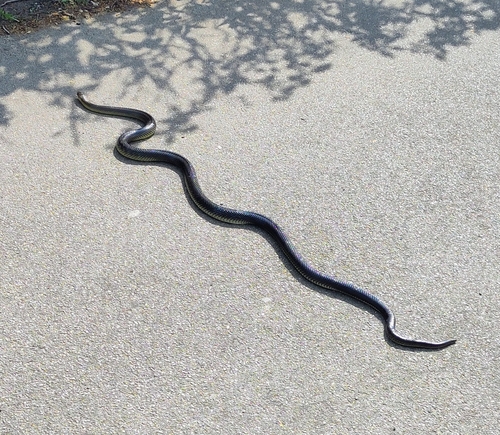
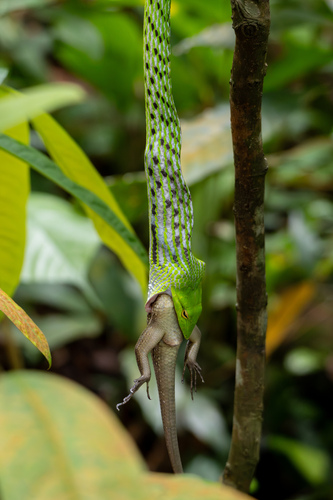
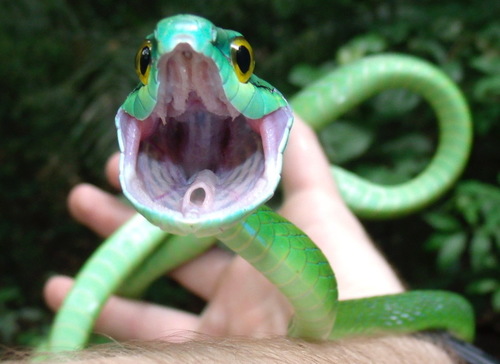
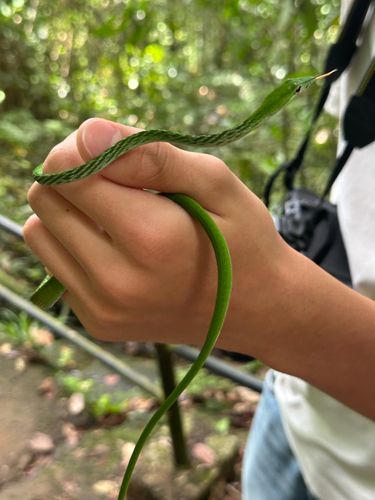
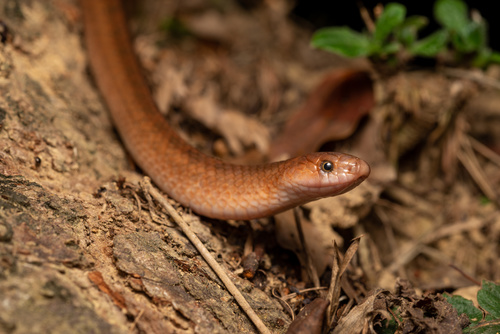
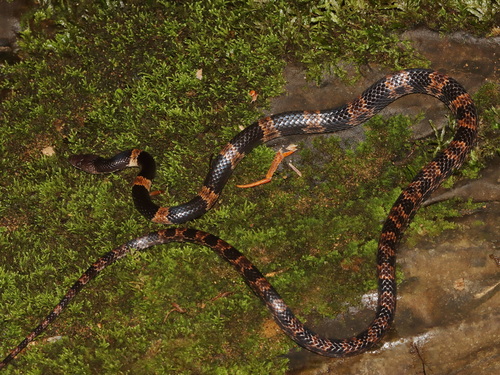
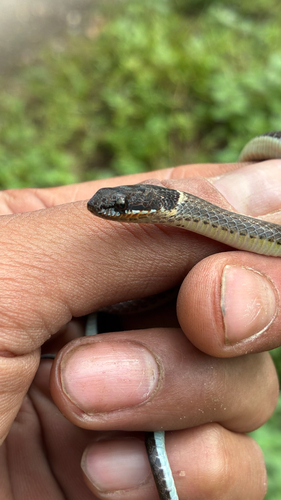
Colubridae (88)
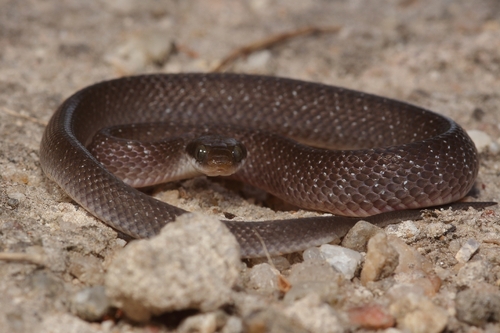
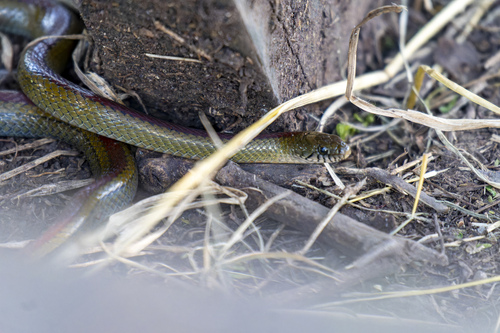
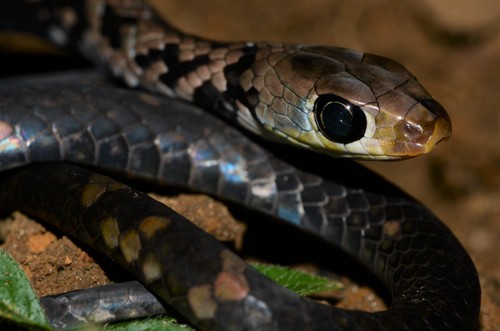
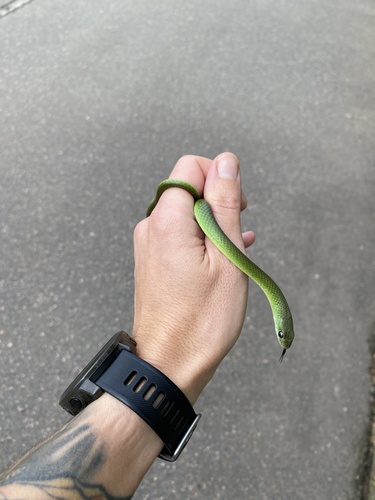
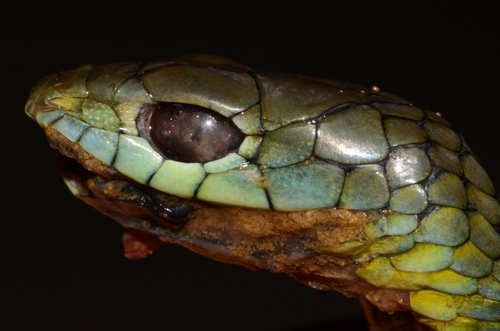
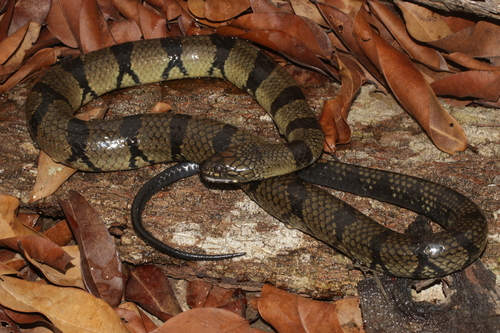
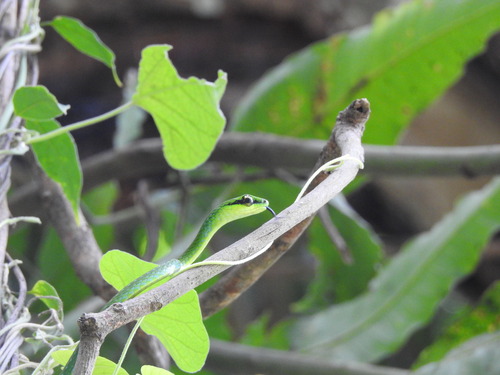

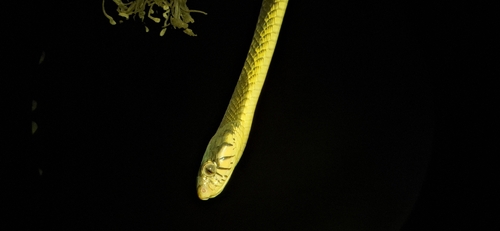
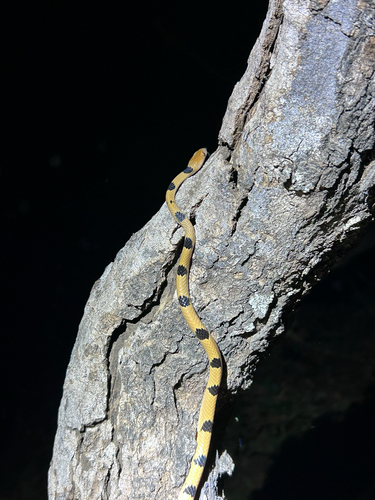
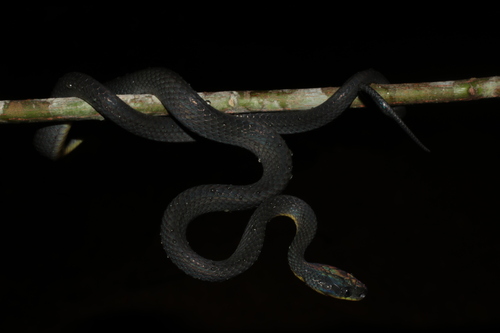
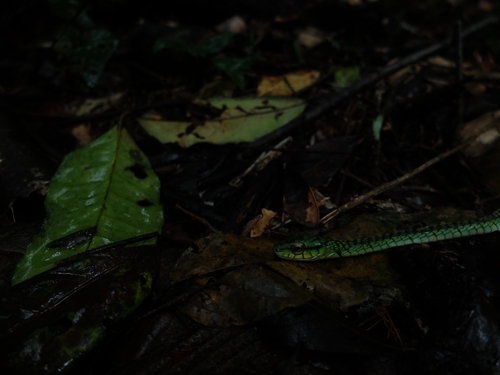
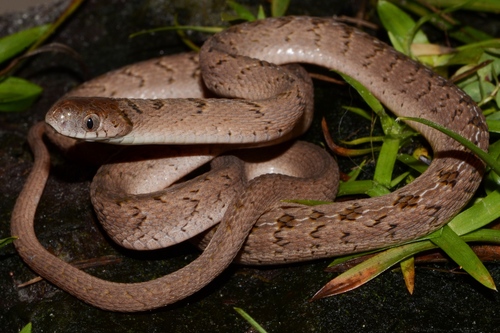


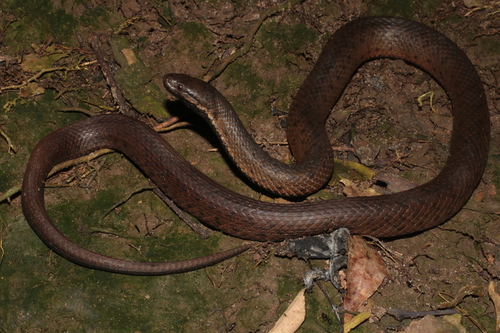
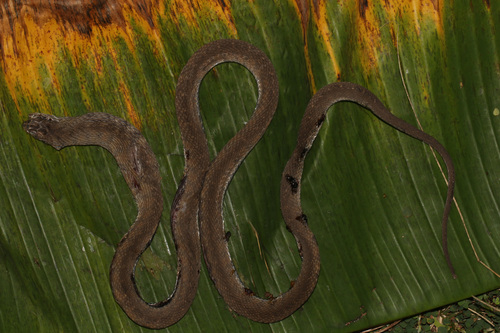
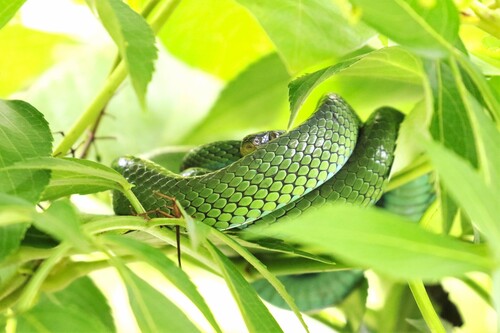
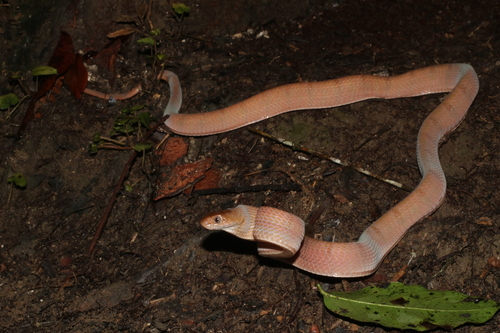
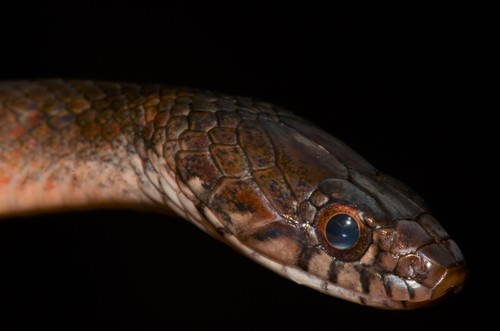

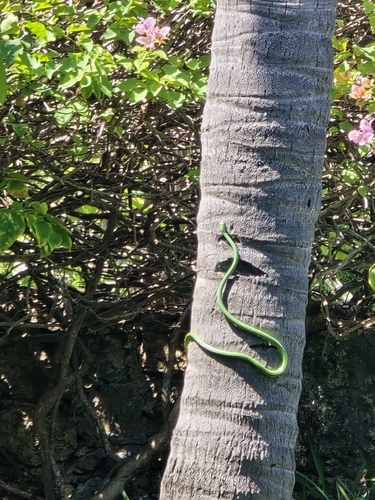
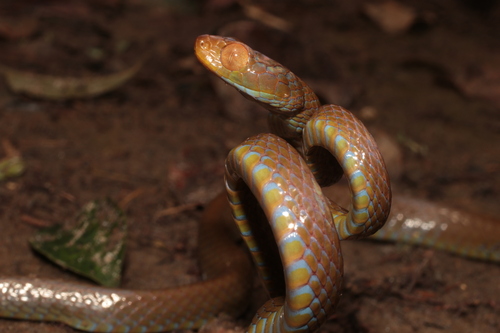
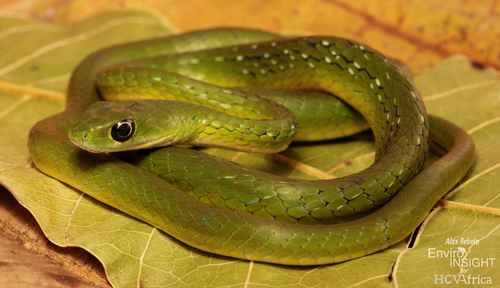
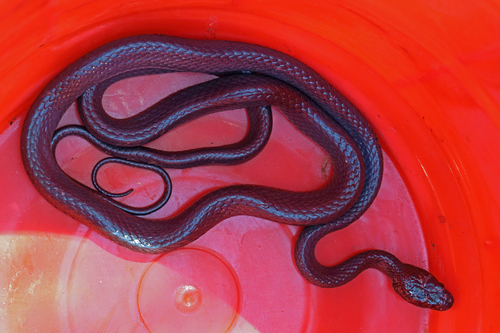
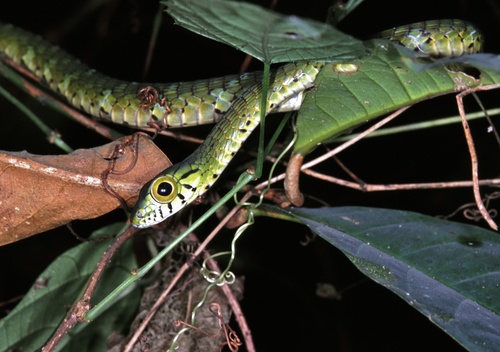
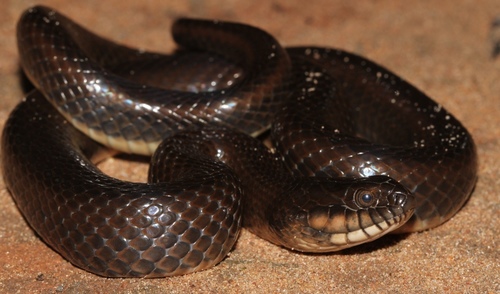
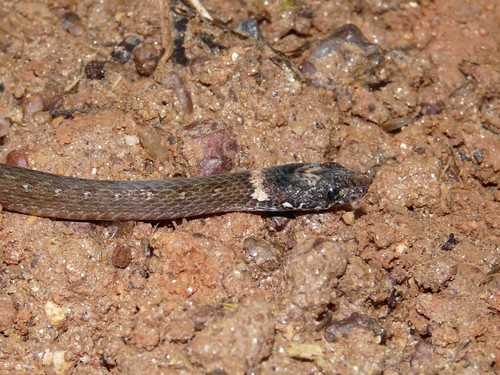
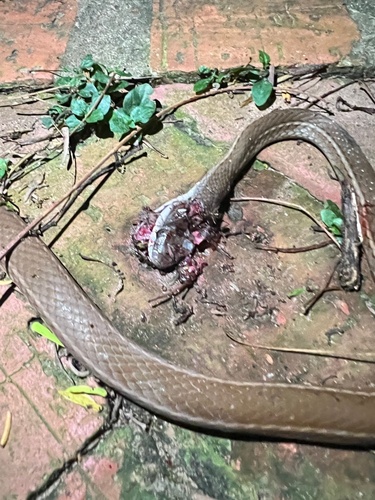
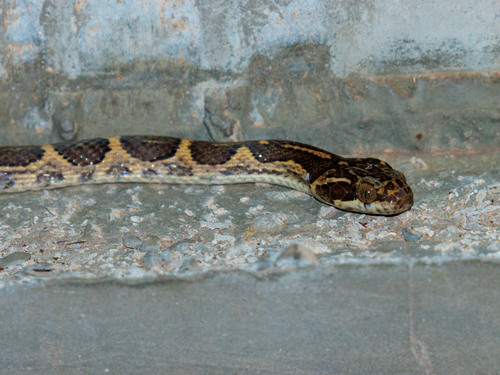
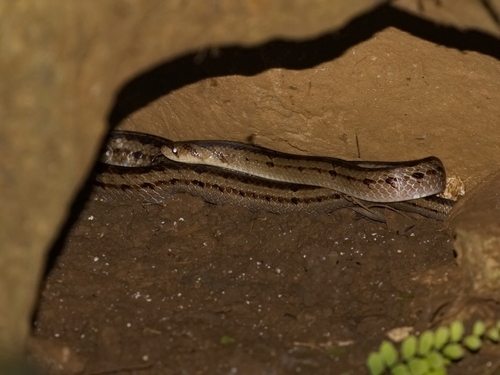
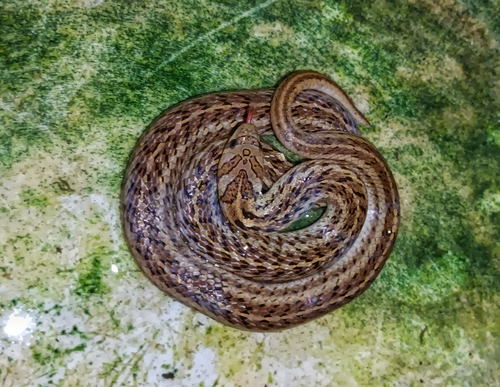
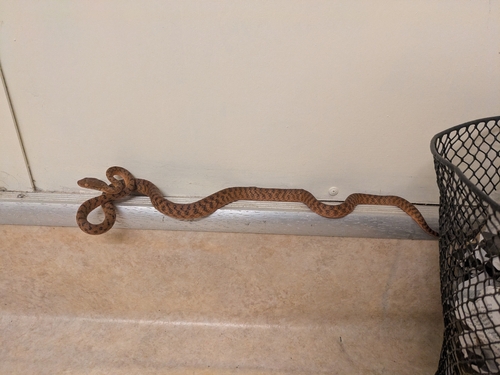
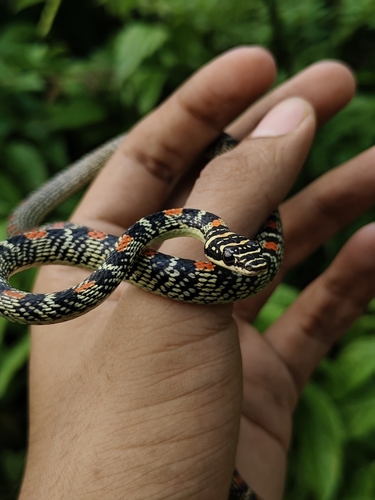
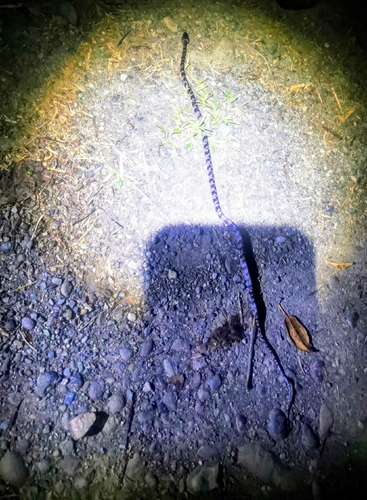
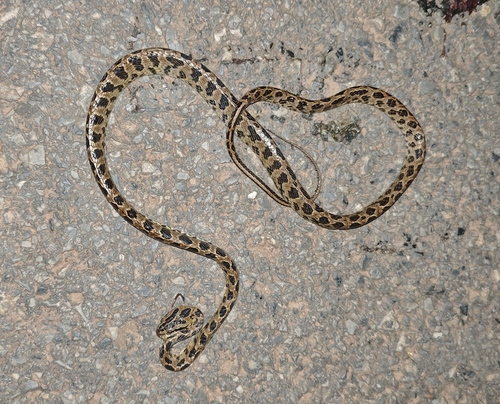
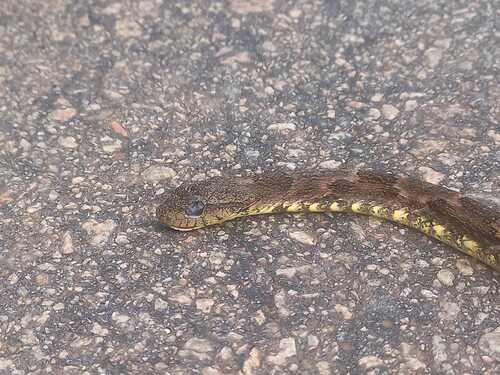
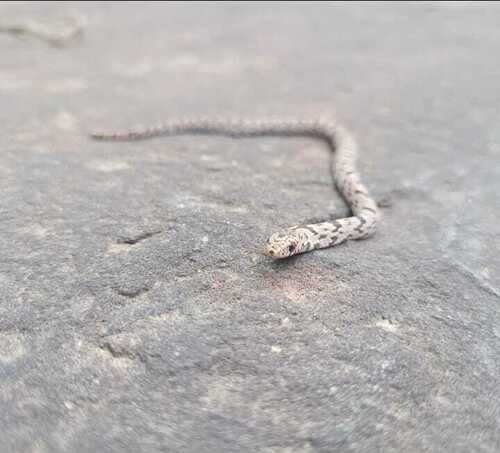
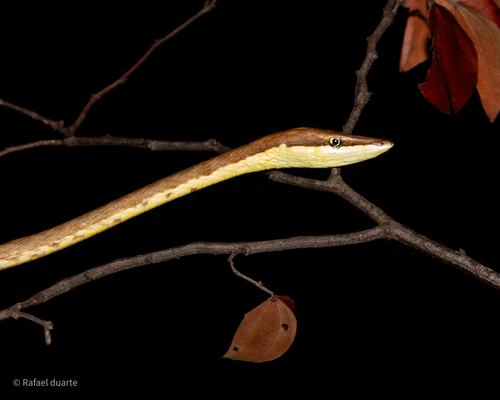
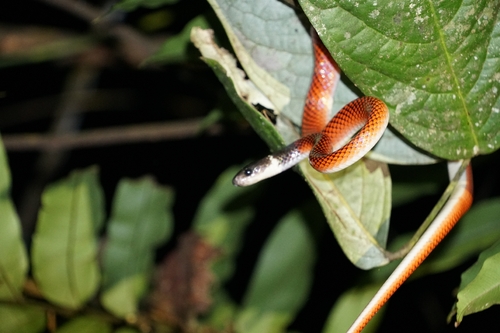
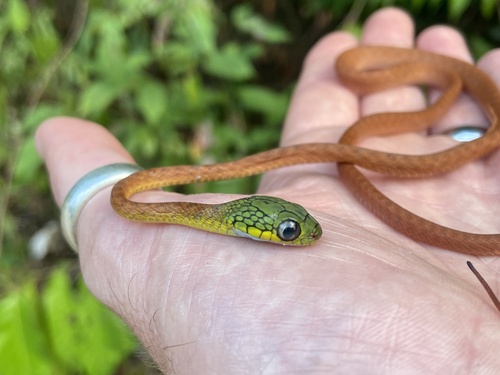
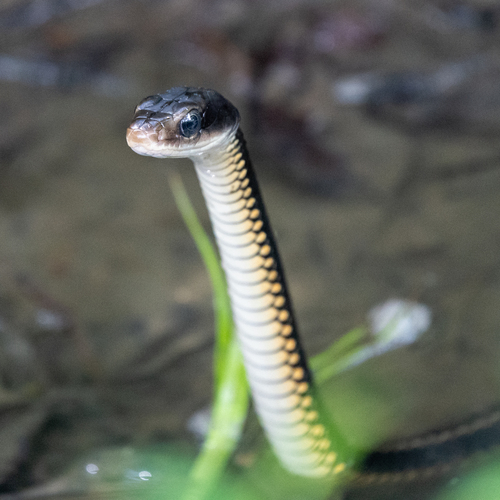
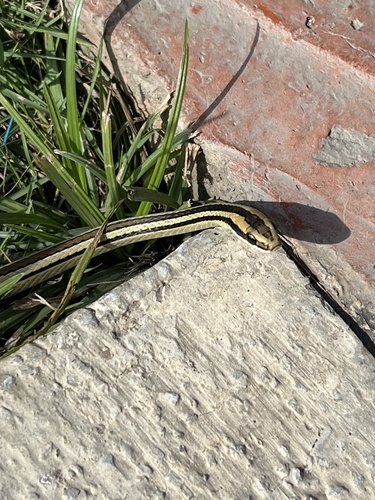
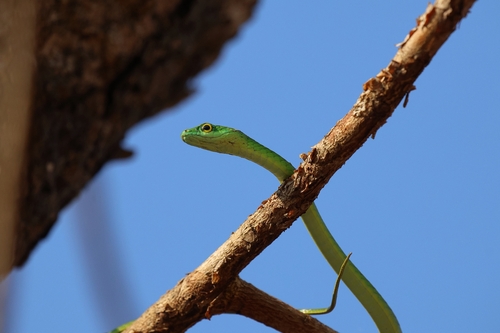
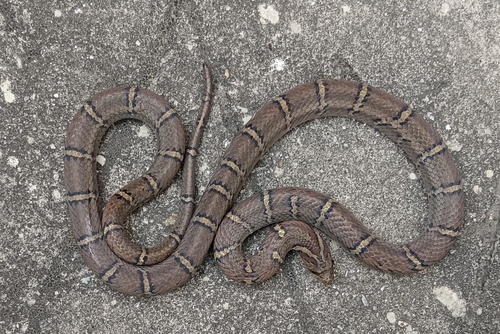
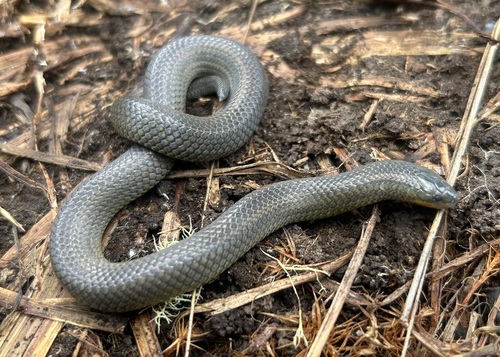
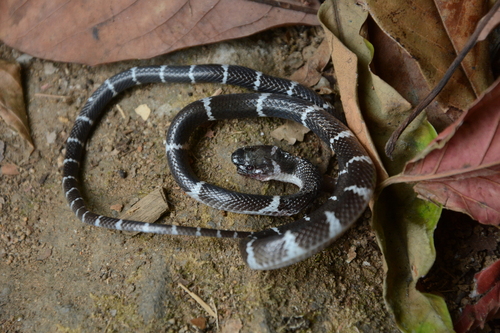
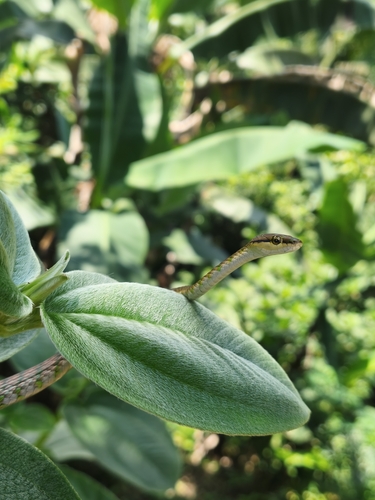
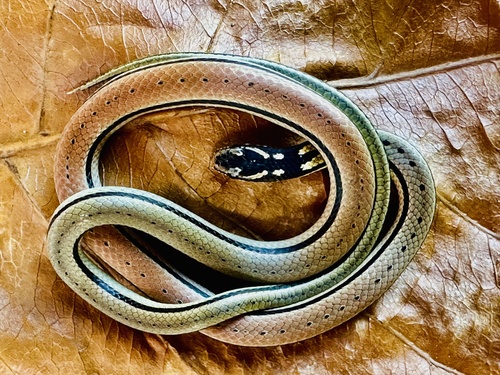

Lamprophiidae (29)
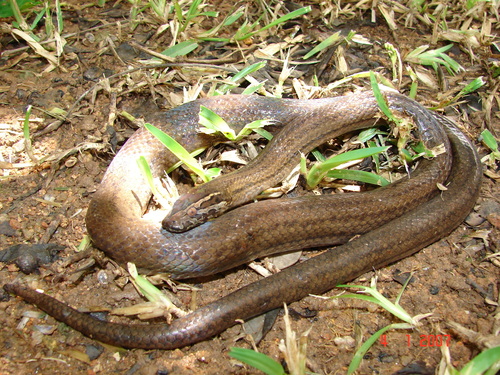
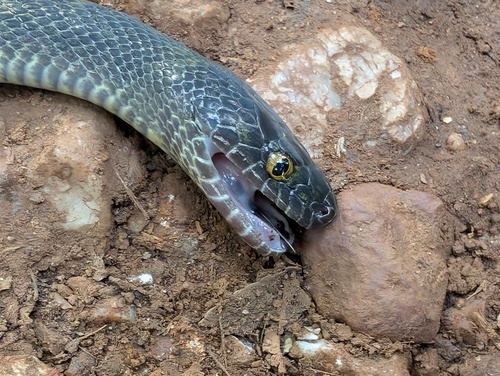
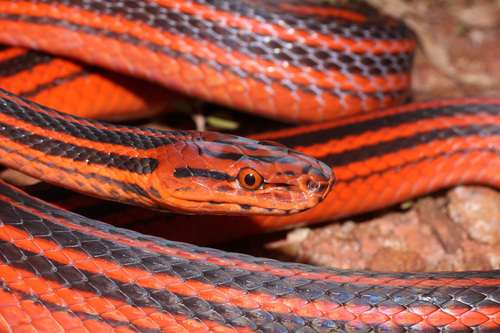
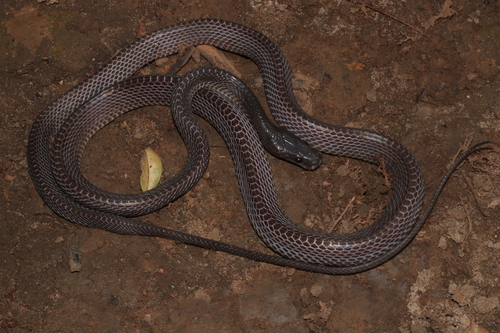
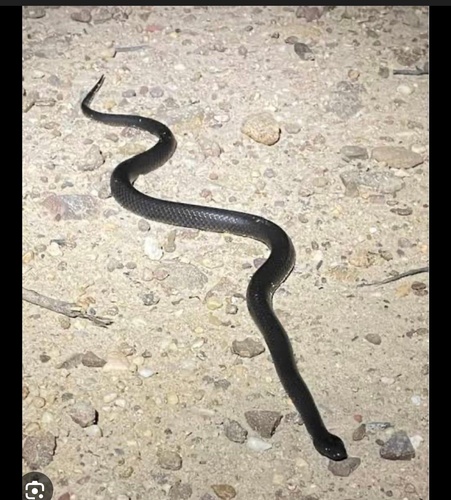
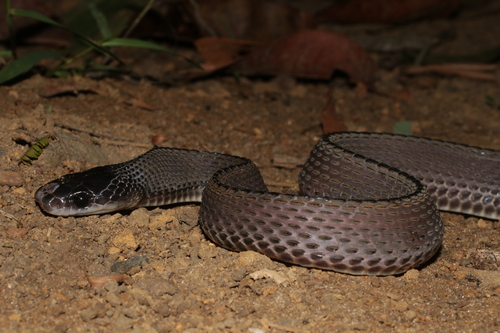
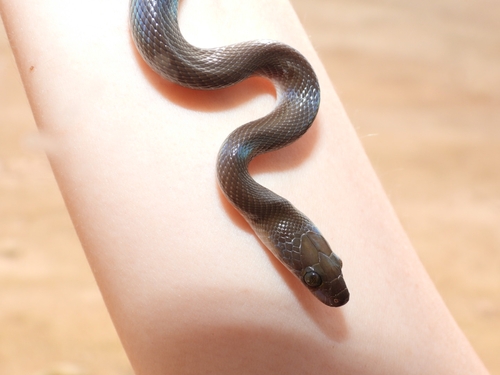
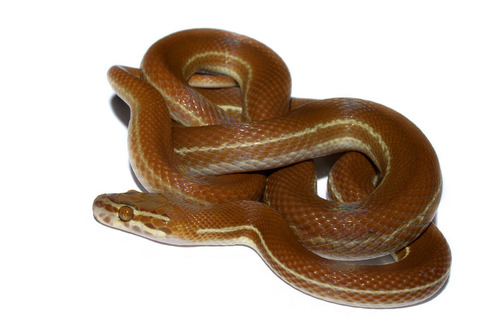
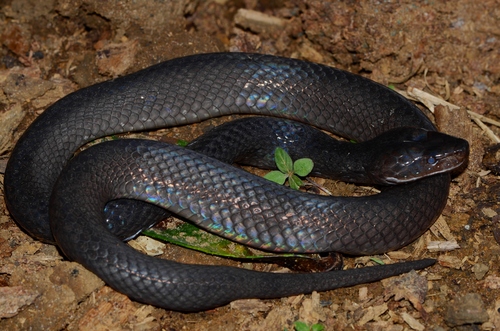
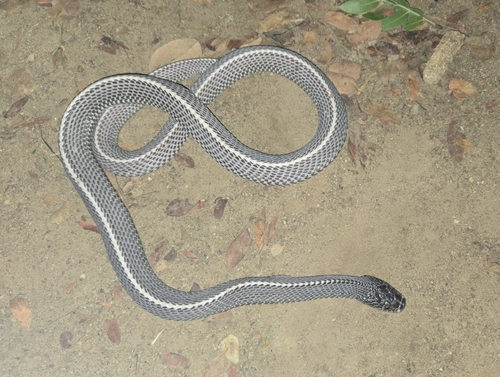
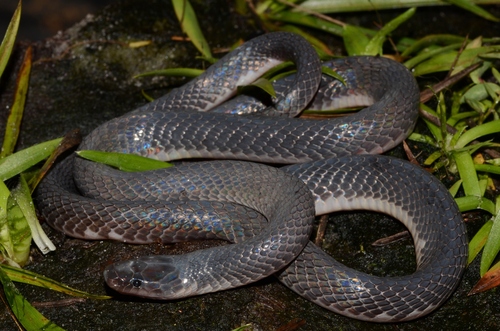
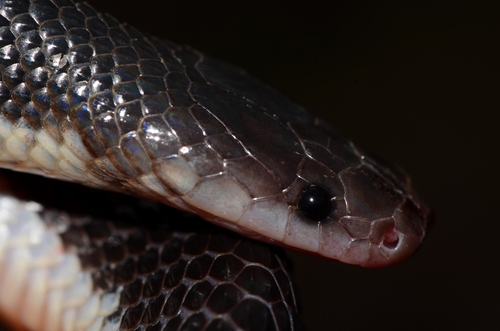
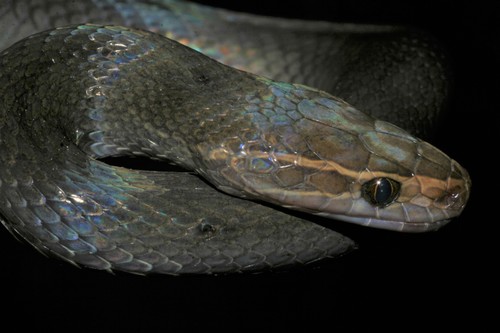
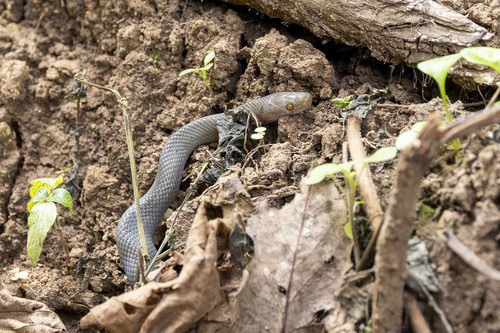
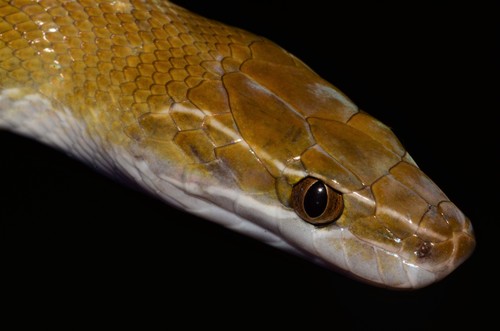
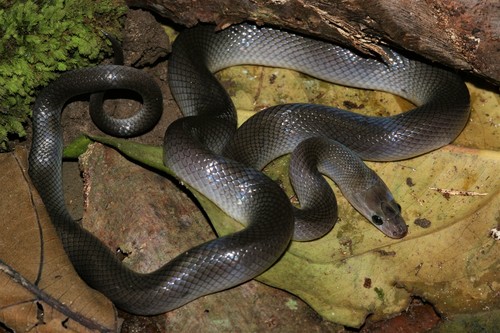

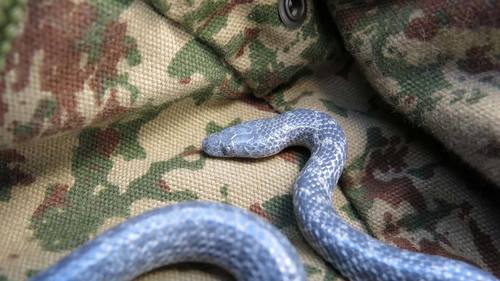
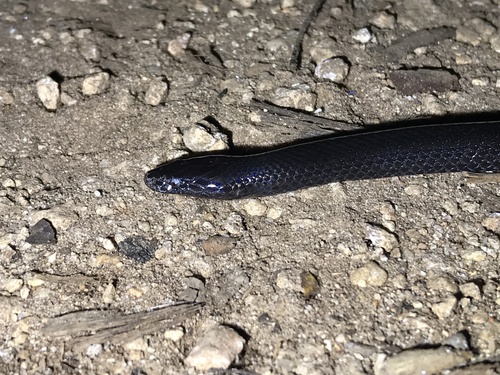
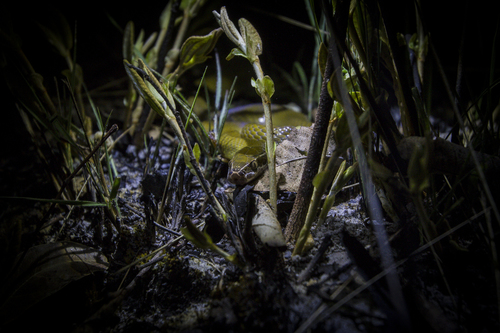
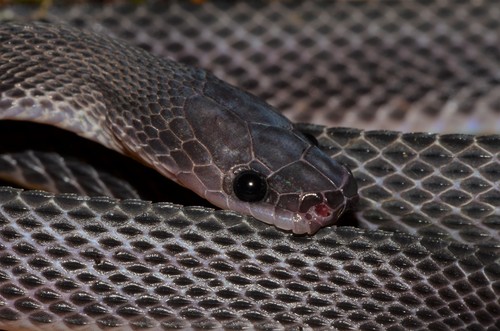
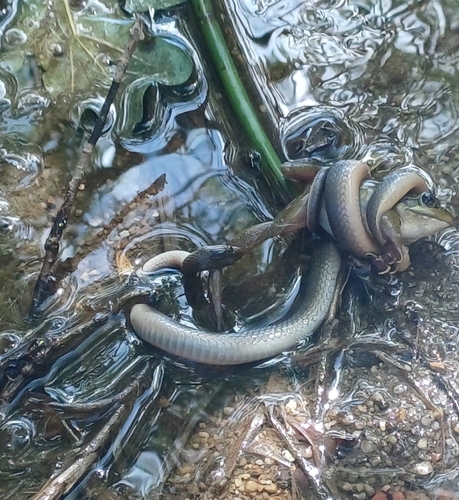
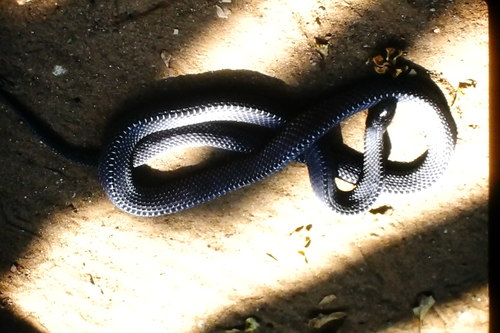
Atractaspididae (19)
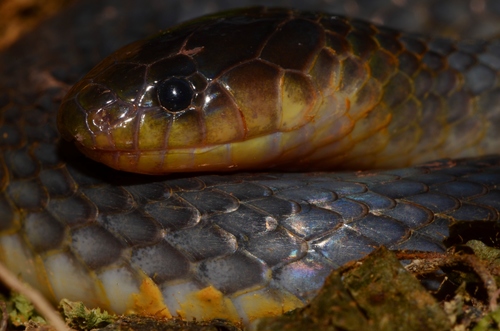
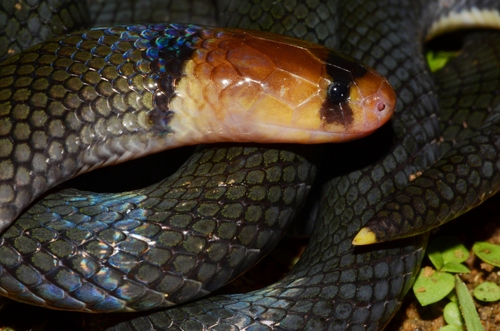
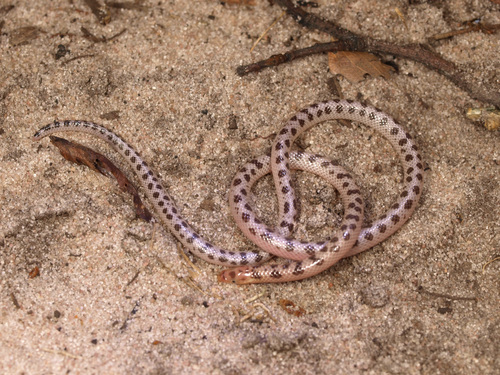
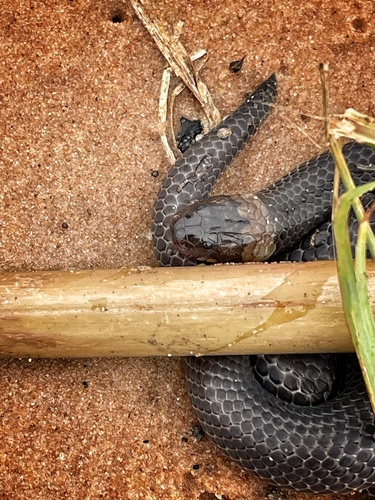
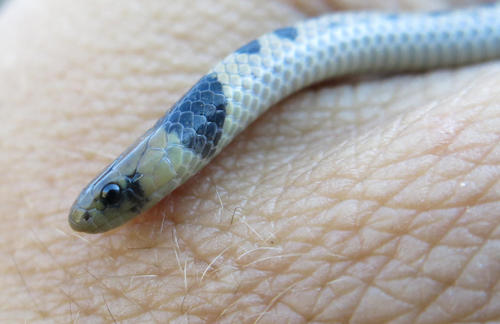

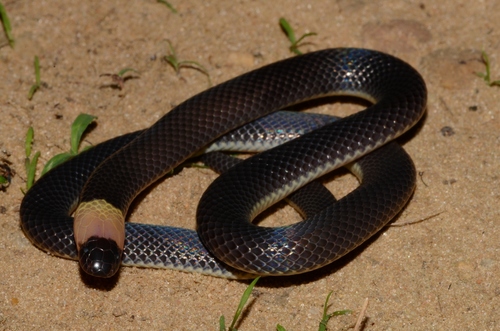
Elapidae (16)
Viperidae (13)
Psammophiidae (13)
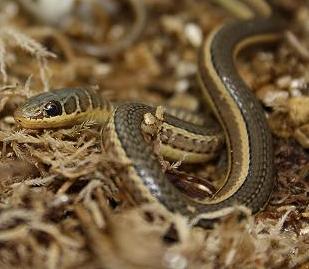
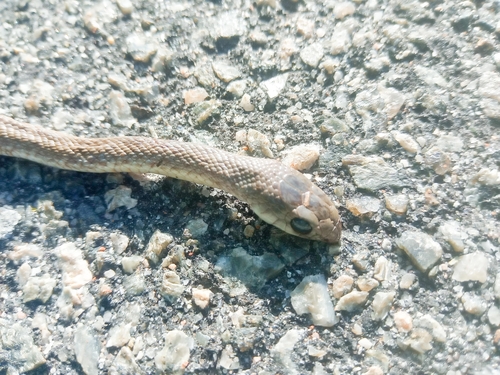

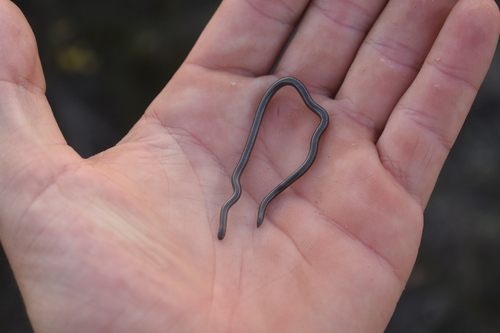
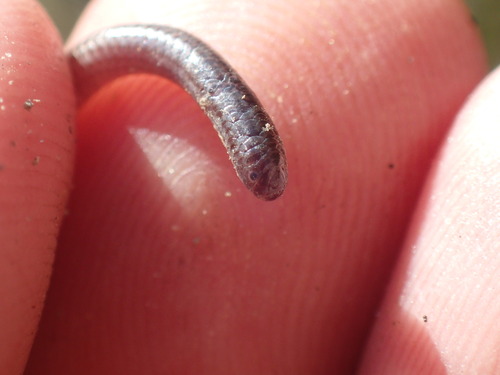
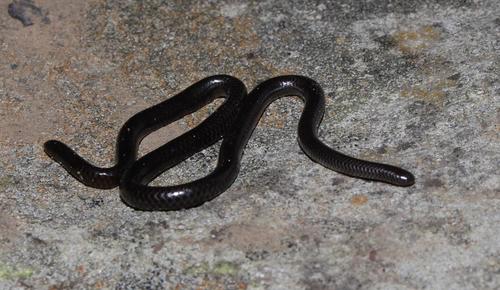
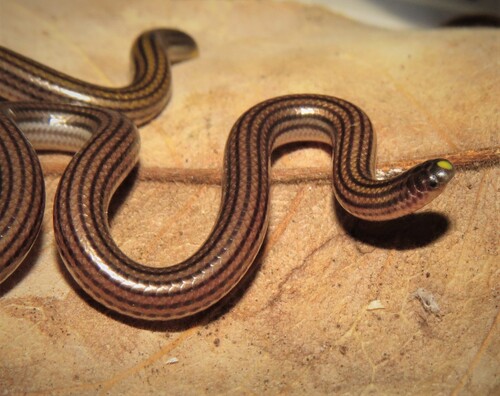
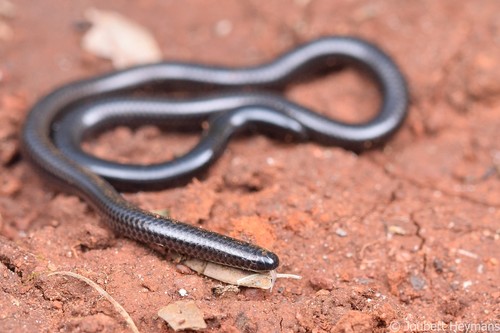
Typhlopidae (12)
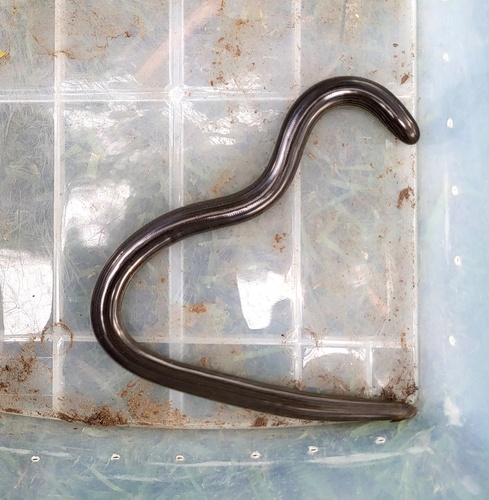
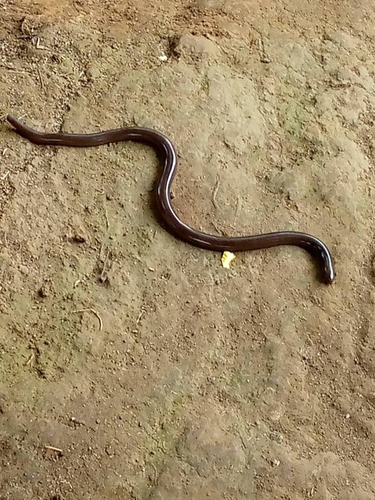
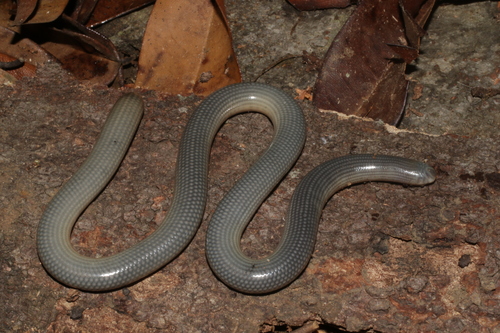

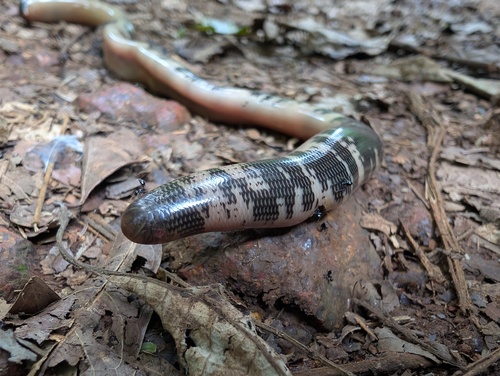
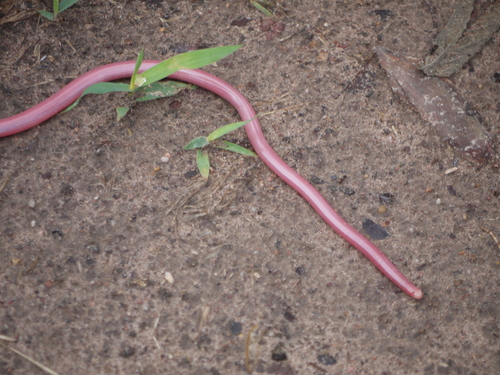
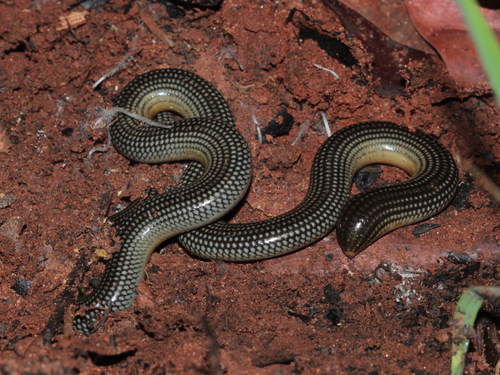
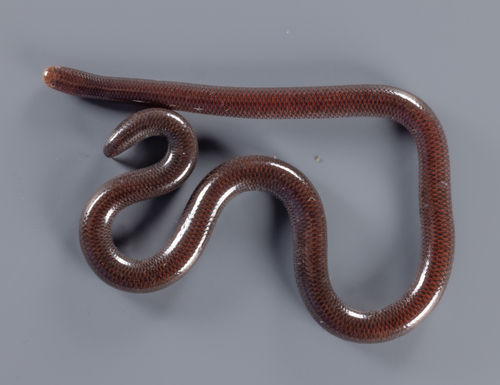
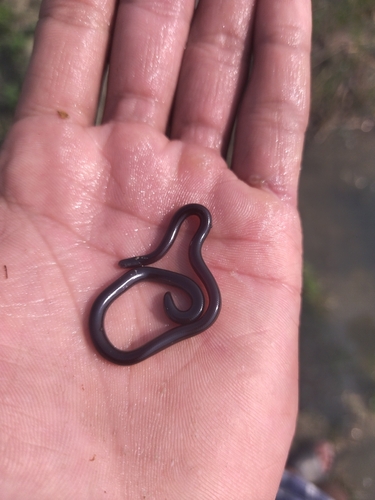
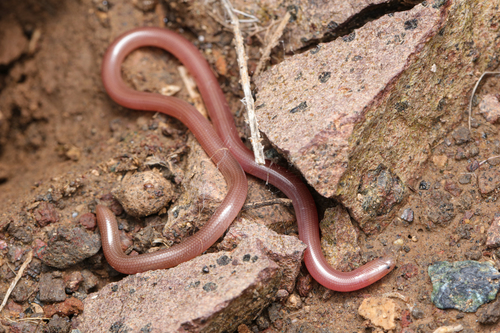
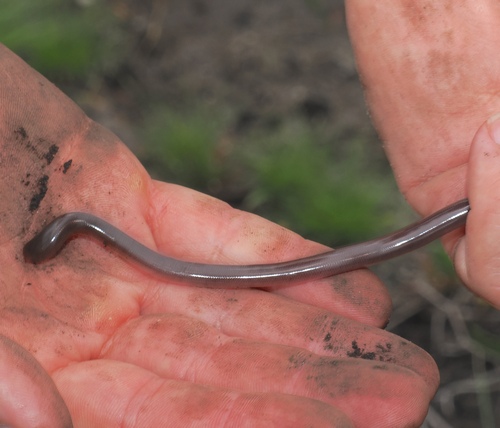
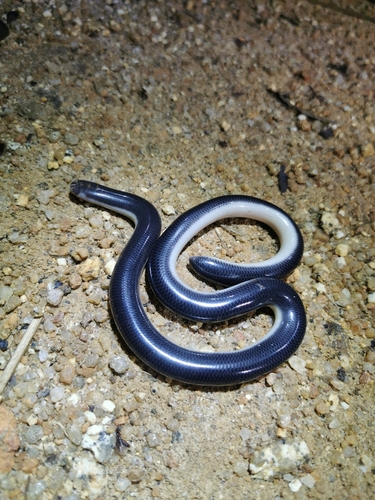
Leptotyphlopidae (5)
Pythonidae (4)
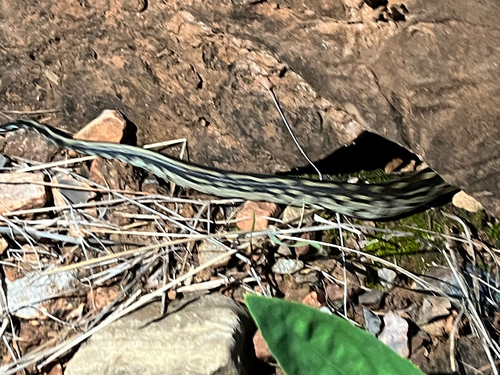
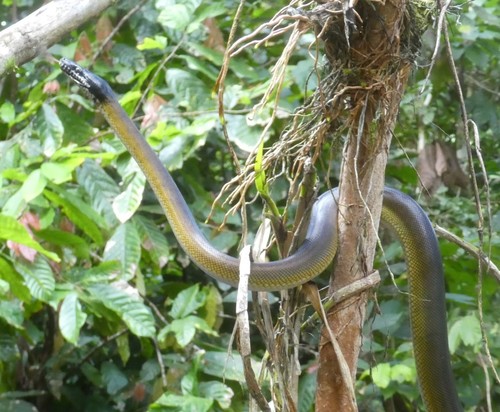
Pseudoxyrhophiidae (3)
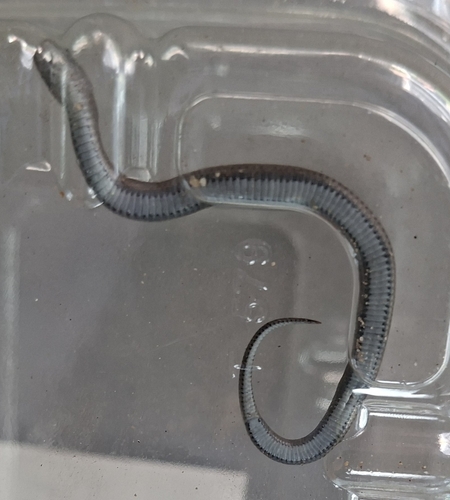
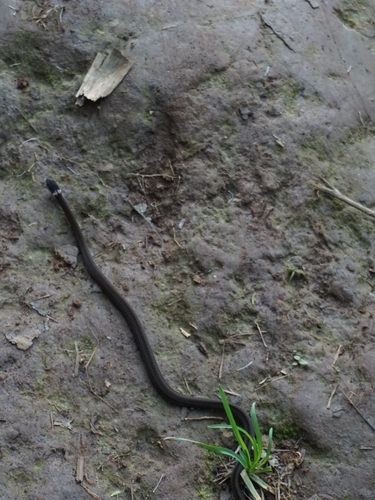
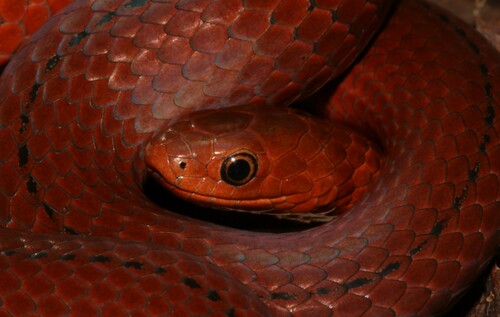
Homalopsidae (3)
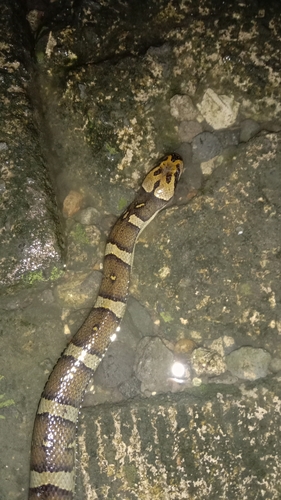
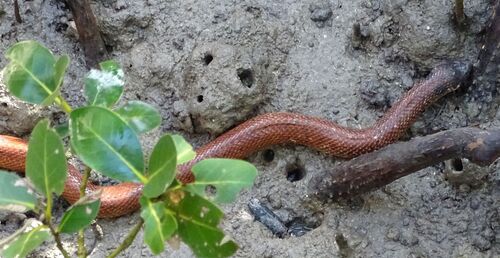
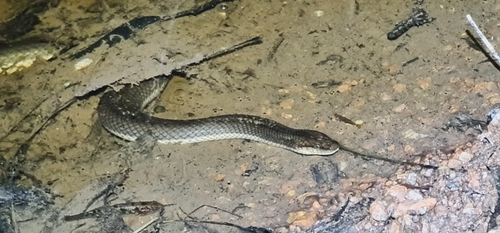
Boidae (2)
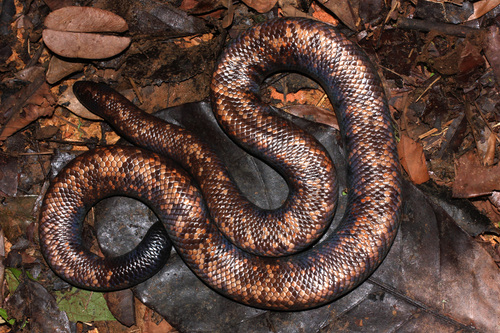
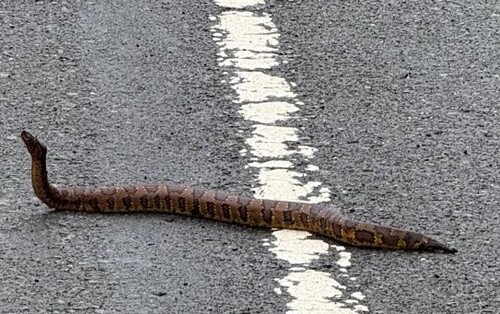
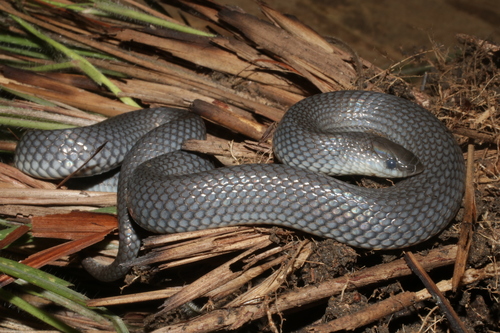
Pseudaspididae (1)
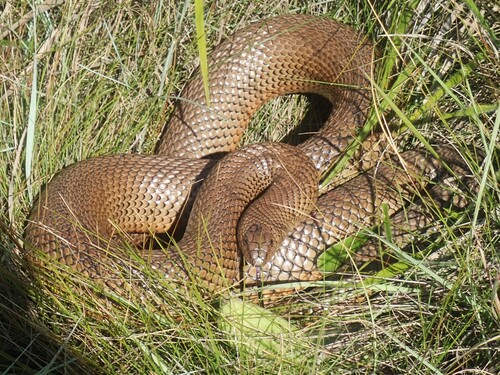
Pareidae (1)
Compiled from verified GBIF & iNaturalist observations. "How often seen" reflects how frequently a snake is reported here, not how dangerous it is. Informational only.
Keep learning
- Are Snakes Dangerous? The Real Risk, in PerspectiveMost snakes are harmless and avoid people. Here is the honest picture of snakebite risk worldwide and how to lower your own.
- Snakebite First Aid: What to Do (and What Never to Do)A clear, CDC-based guide to snakebite first aid: the steps that help, the popular myths that hurt, and how to tell a serious bite from a minor one.
- Venomous vs Nonvenomous: How to Tell the DifferenceThe folk rules for telling venomous snakes apart, where each one fails, and why location-based identification beats guessing by sight.
- What to Do If You Find a SnakeFound a snake at home or on a trail? Here is how to stay calm, give it space, identify it safely, and know when to call a professional.