
Tanzania
Snakes in Tanzania
175+ snake species have been recorded in Tanzania, 44 venomous.
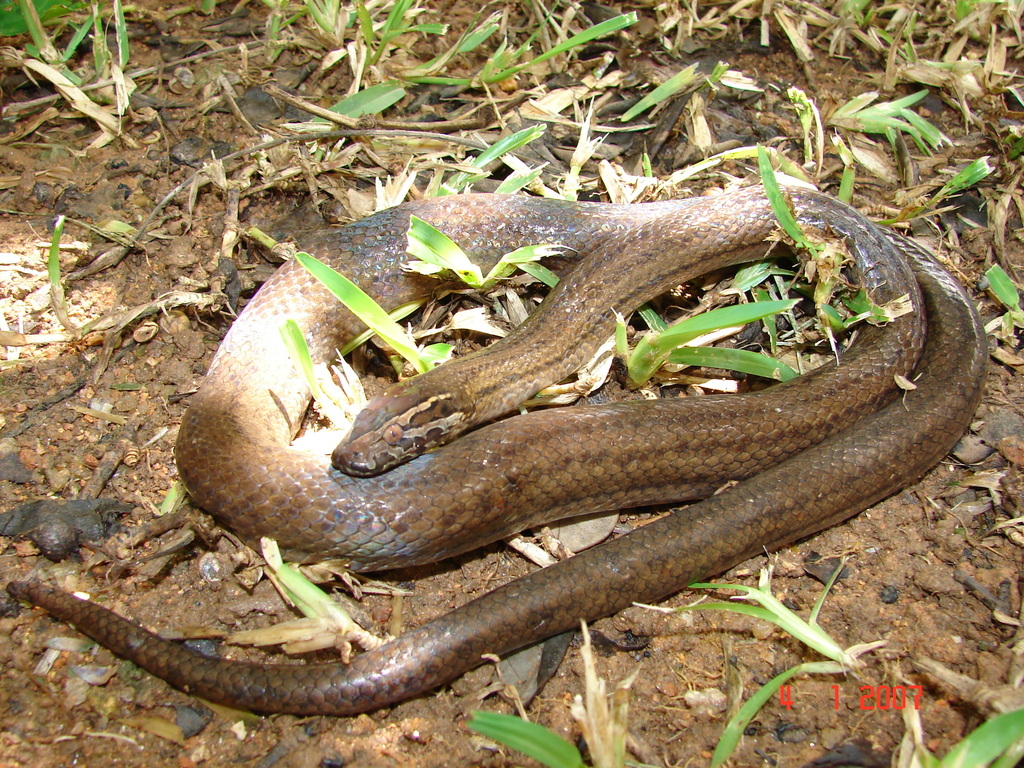
Snakes of Tanzania
Tanzania has 175+ snake species recorded in our database, 55 of them venomous. The great majority of species are non-venomous, a pattern that holds across East Africa. The country sits in one of the richest herpetological regions on the continent, and its snake fauna reflects an unusually wide spread of habitats packed into a single nation.
The diversity is driven by geography. Tanzania runs from the Indian Ocean coast and its humid lowland forests up through the savanna woodlands of the interior, the Eastern Arc Mountains with their isolated montane forests, the Great Rift Valley and its lakes, and the high open grasslands around the Serengeti and Ngorongoro. Mount Kilimanjaro adds cool highland zones, while the southern and western reaches hold miombo woodland and wetland systems. Each of these zones supports its own set of snakes, from forest specialists to arid-country burrowers, and the Eastern Arc forests in particular harbor species found nowhere else.
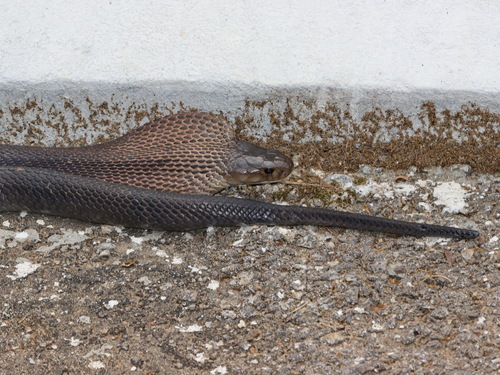
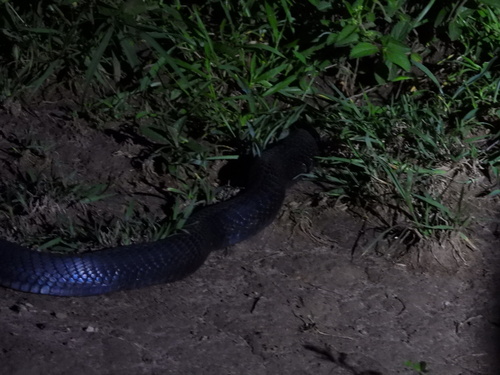
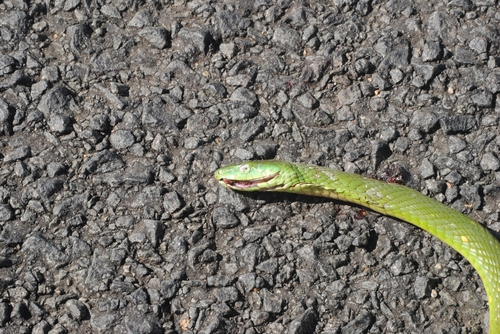
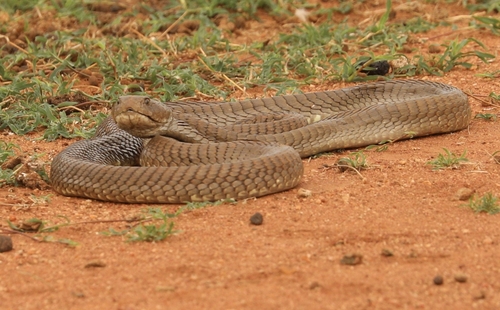
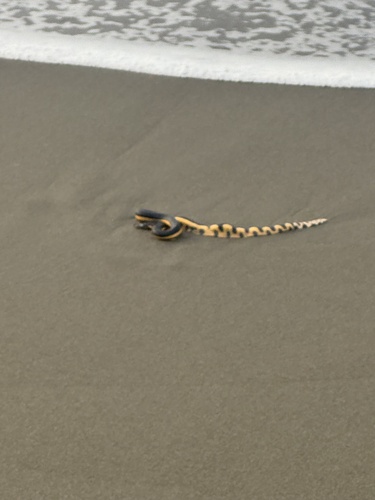
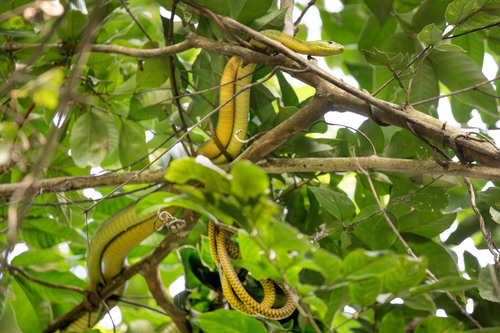
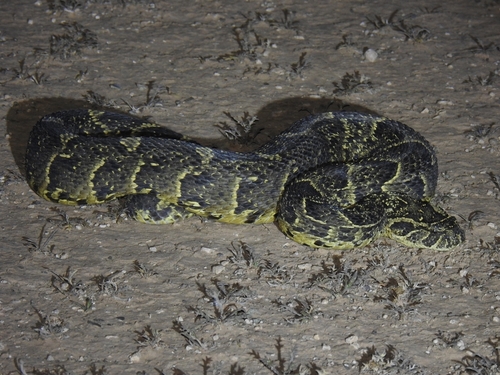
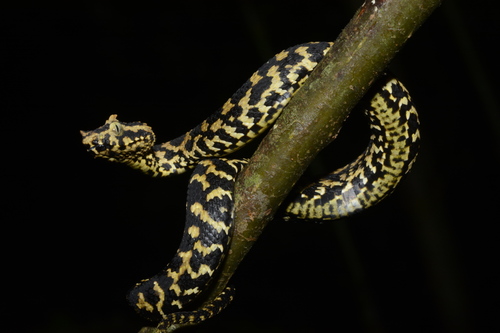
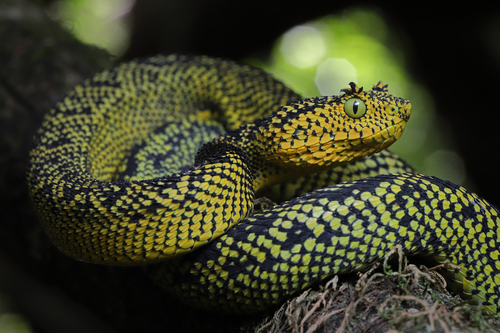
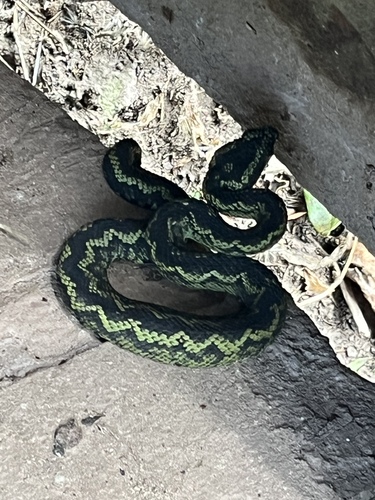
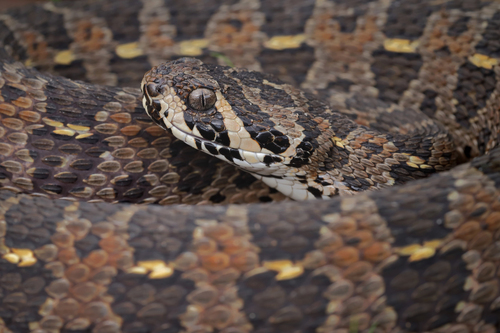
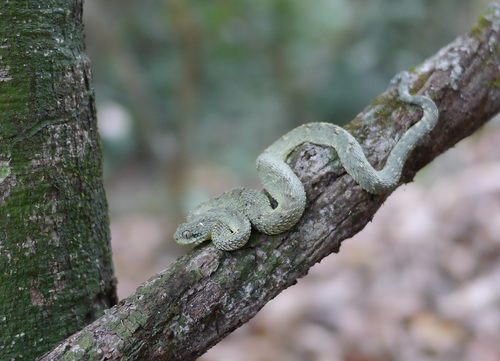
Several medically important venomous groups occur in Tanzania. Elapids include cobras, with spitting cobras among them that can eject venom toward the eyes, plus mambas, where both green and black mambas are present in suitable habitat. The black mamba is the large terrestrial species of greatest concern, while green mambas keep to forest and coastal thicket. Vipers are well represented by the puff adder, a heavy-bodied ground snake responsible for a large share of serious bites across Africa, along with smaller adders and arboreal bush vipers of the genus Atheris in the forests. Burrowing asps, also called stiletto snakes, deliver bites with a sideways fang strike. Along the Indian Ocean coast the yellow-bellied sea snake may be encountered in the water. Boomslang and twig snakes are rear-fanged colubrids that are also capable of dangerous bites.
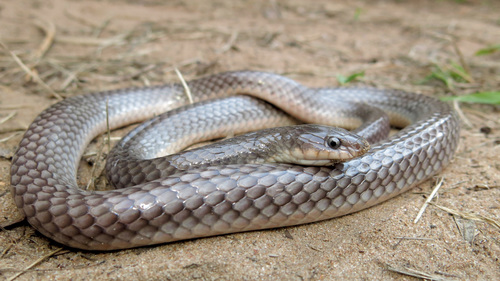
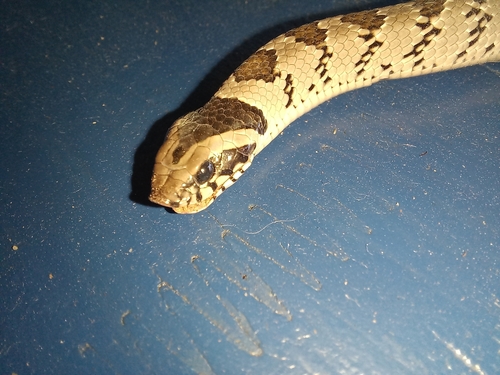
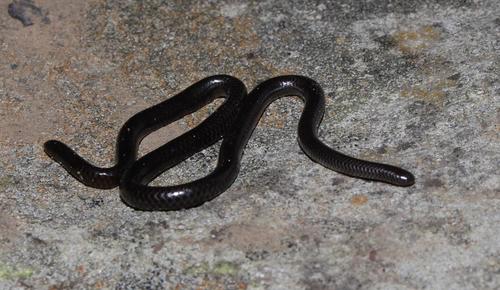
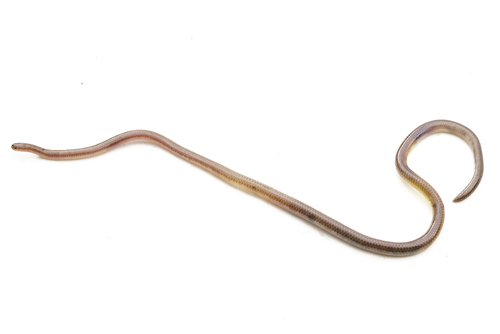
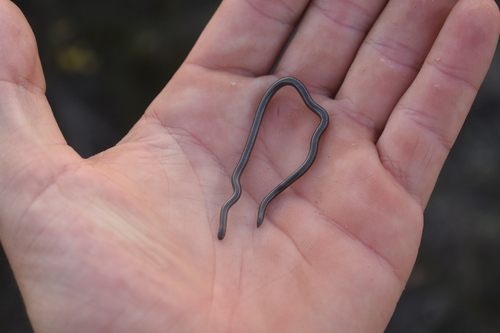
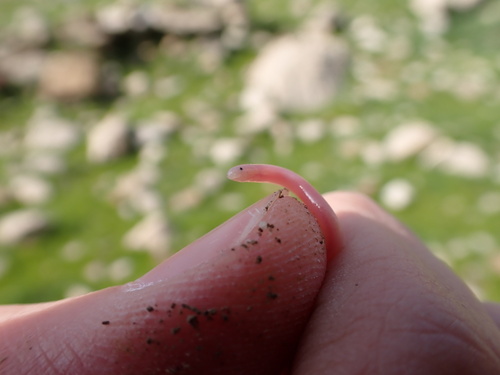
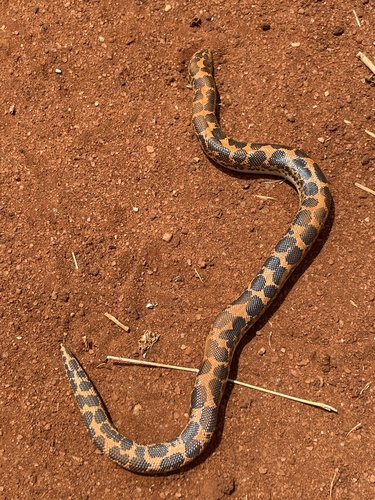
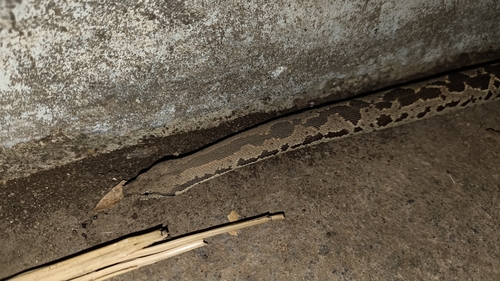
The non-venomous majority is the larger story. Tanzania is home to the African rock python, the continent's largest snake, a powerful non-venomous constrictor that kills prey by coiling. Sand boas, house snakes, sand snakes, egg-eating snakes, and many species of harmless colubrids fill out the fauna, alongside the small, worm-like blind snakes that spend their lives underground. Most snakes a person actually encounters in Tanzania are harmless and shy, and many are rarely seen at all.
Snakes earn their place in these ecosystems. They are among the most effective natural controls on rodents, which damage stored grain, raid crops, and carry disease. A single python or large colubrid removes a steady stream of rats and mice over a season, and smaller snakes take insects, frogs, and other pests. Removing snakes from an area tends to let rodent populations climb, so the animals provide real value to farms and rural communities.
On safety, the honest framing is that most species here are harmless and most bites happen when a snake is stepped on or handled. The puff adder, cobras, and mambas are the main medical threats, and bites from them are emergencies. The treatment for a serious envenomation is antivenom and supportive hospital care delivered by medical professionals, not any field remedy. Never handle a wild snake, even one you believe is harmless, since identification errors are common. If a bite occurs, get the person to emergency medical care as quickly as possible. In the United States contact Poison Control at 1-800-222-1222; in Tanzania or elsewhere, call local emergency services and reach the nearest hospital.
Snakes in Tanzania: FAQ
- Are there venomous snakes in Tanzania?
- Yes. 44 venomous snake species have verified records in Tanzania, including Puff Adder, Brown Banded Cobra, Snouted Night Adder, Boomslang. Most snakes in Tanzania, however, are harmless.
- How many snake species live in Tanzania?
- 175+ snake species have verified records in Tanzania, of which 44 are venomous.
- What is the most commonly seen snake in Tanzania?
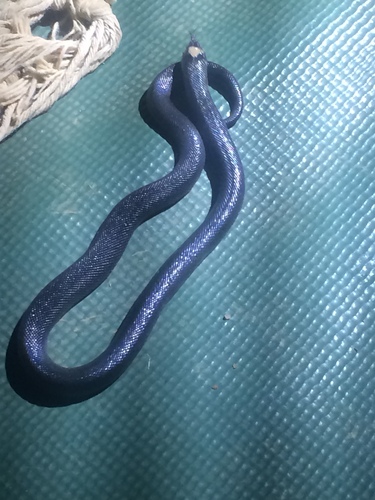
- The Seychelles House Snake is the most frequently reported snake in Tanzania, based on verified wildlife observations.
- What should I do if I see a venomous snake in Tanzania?
- Keep your distance and do not try to catch or kill it. Most bites happen when people handle or corner a snake. If someone is bitten, contact local emergency services or poison control immediately.
Venomous snakes in Tanzania
Every snake recorded in Tanzania
175+ species across 13 families, grouped by family. Venomous flagged.
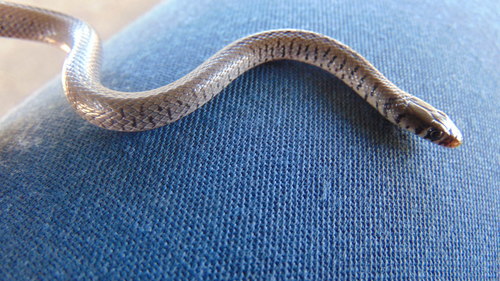
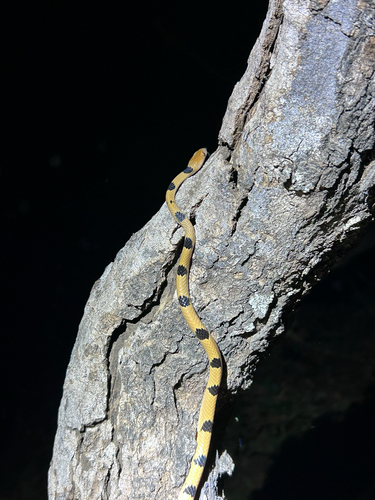
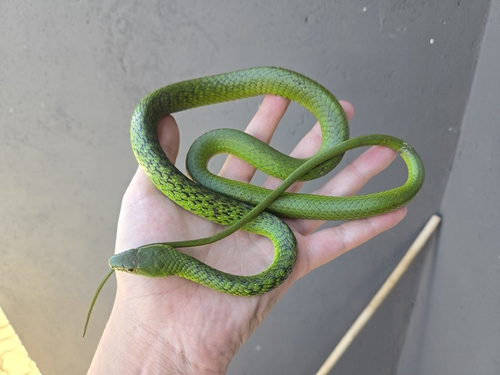
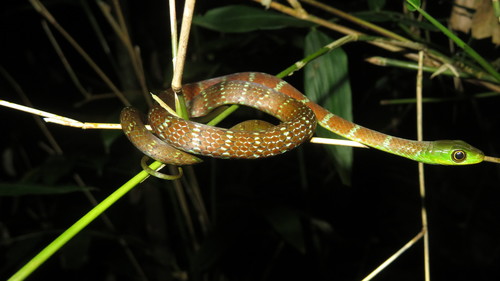
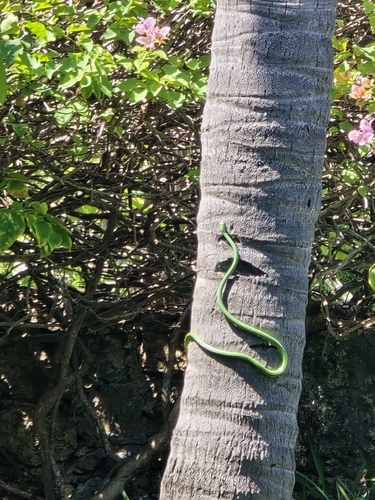
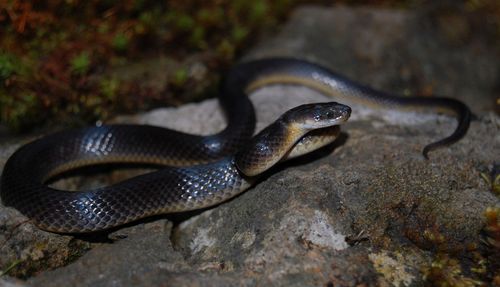
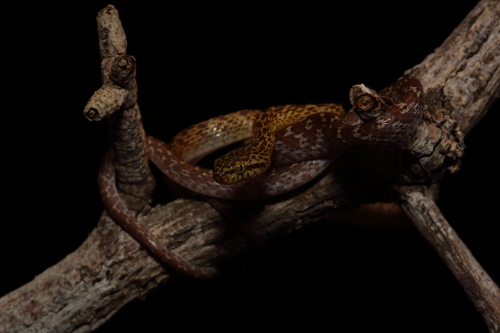
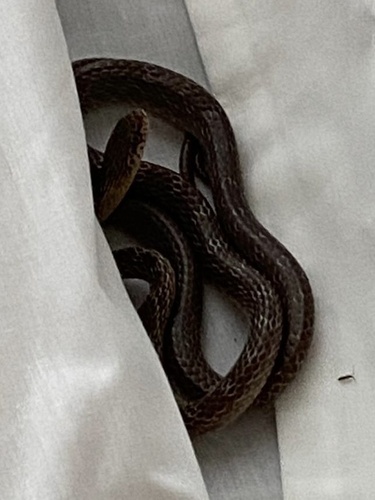
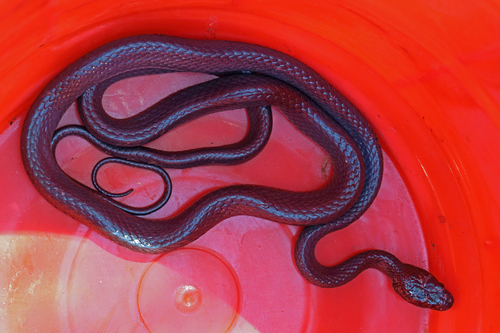
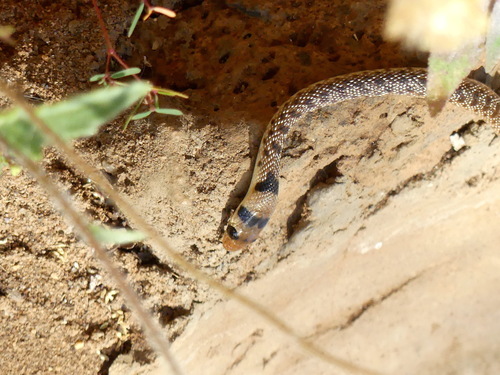
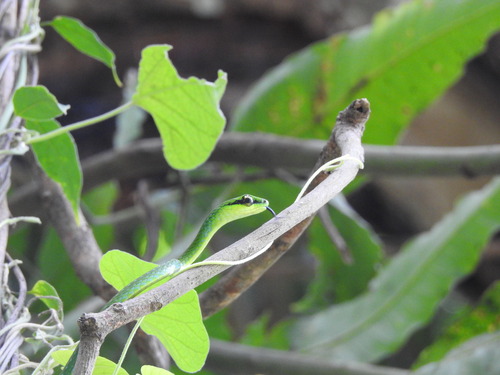
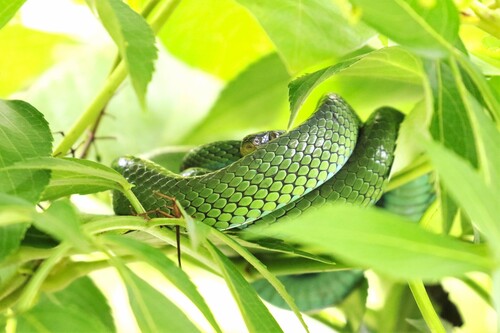
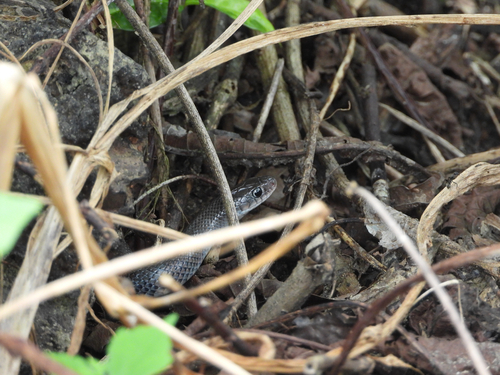
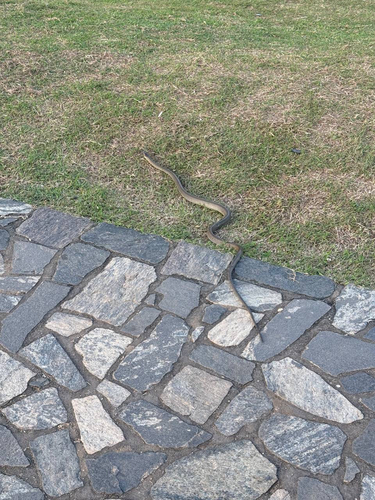
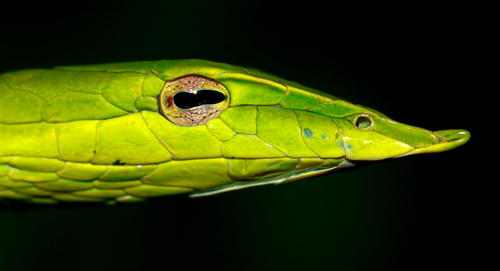
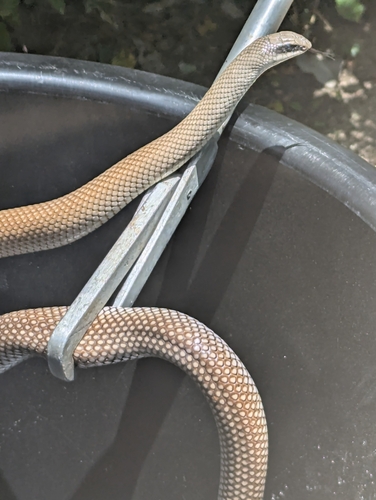
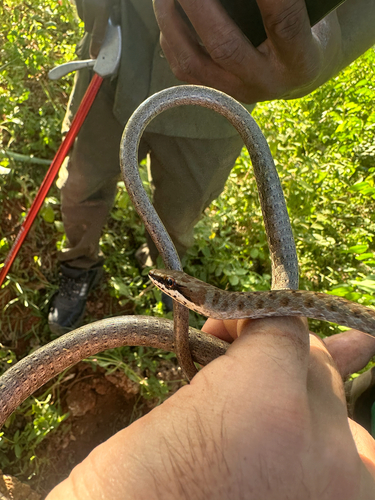
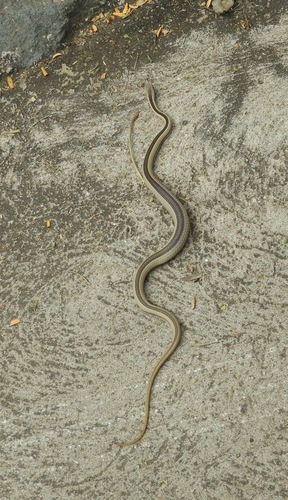
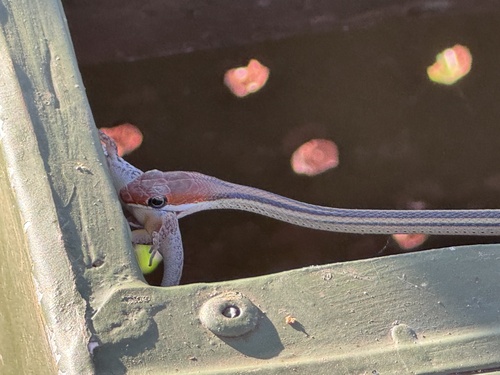
Colubridae (55)
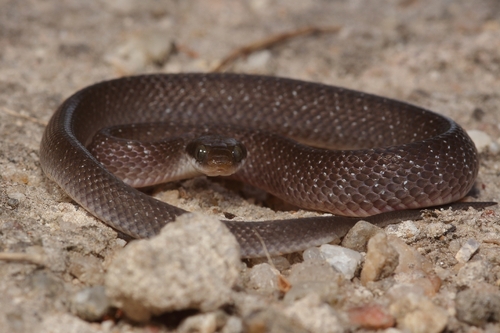
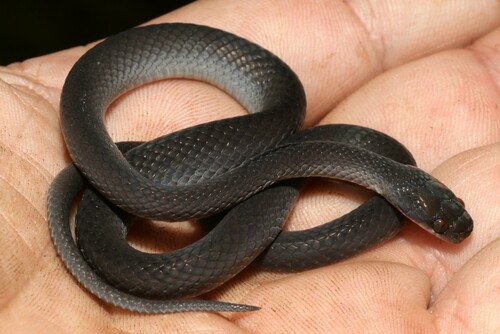
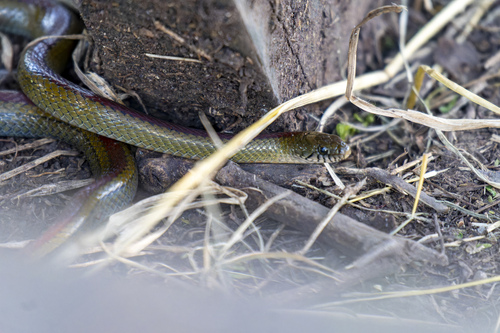
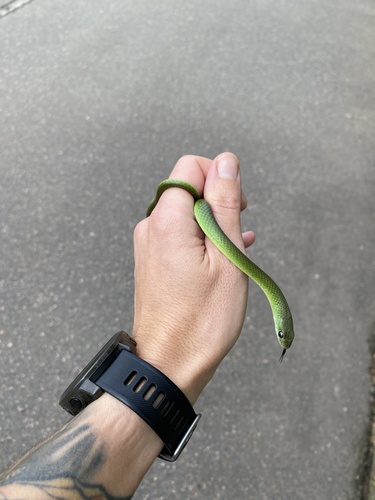
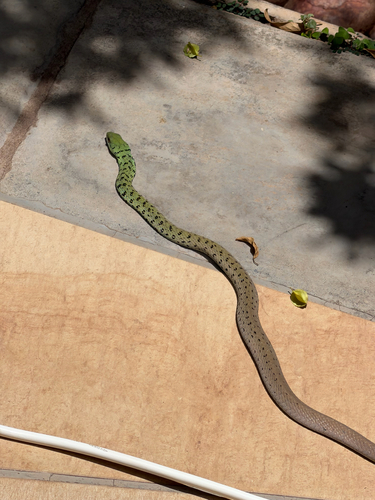
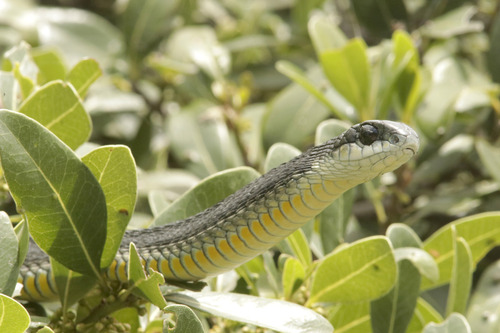
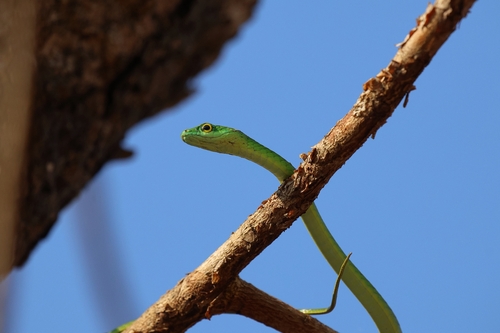
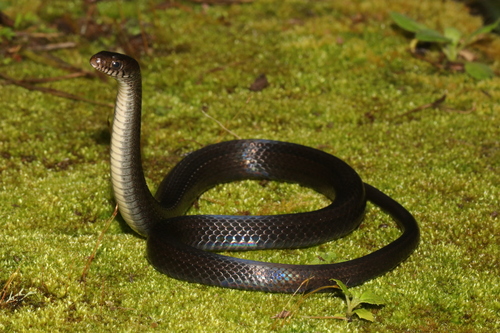
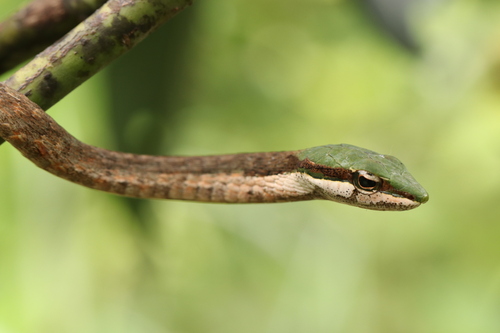
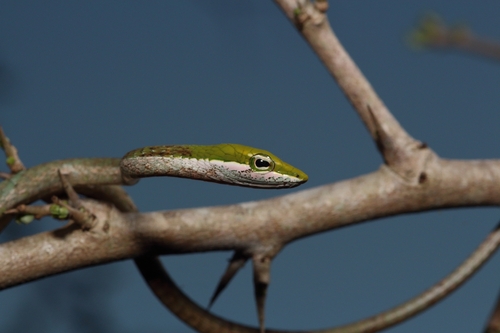
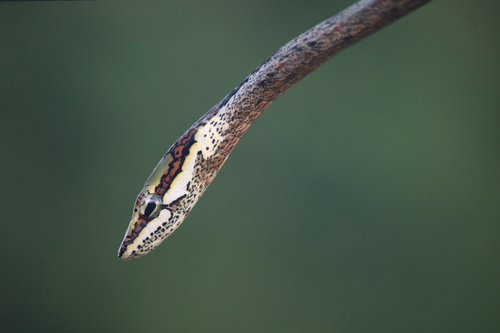

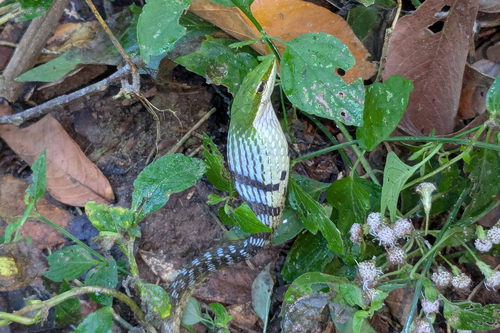
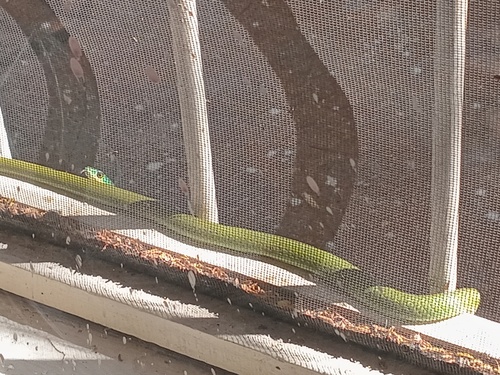
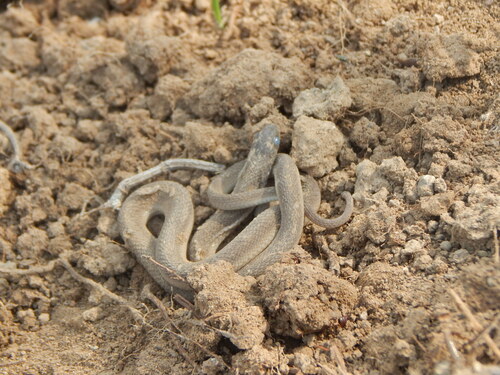
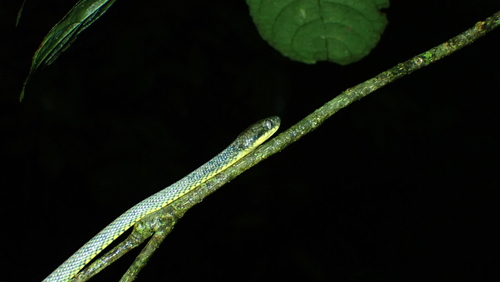
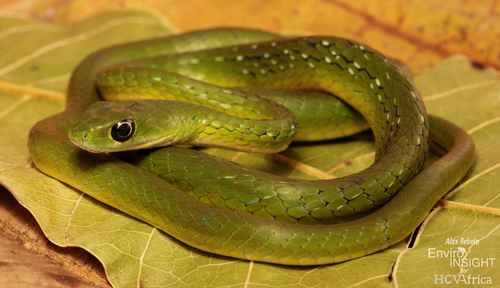
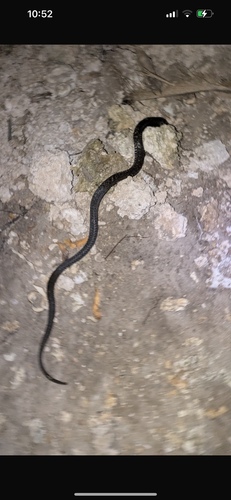
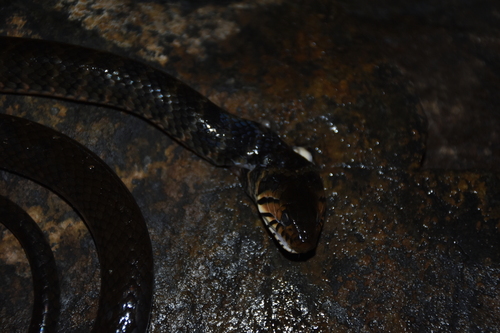
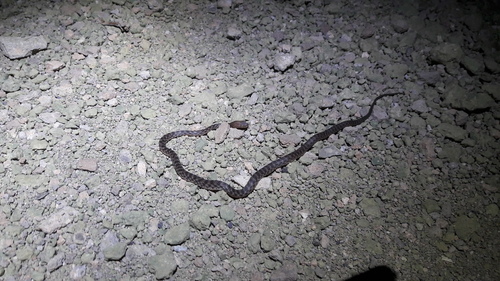
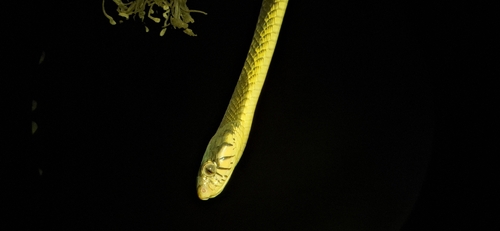
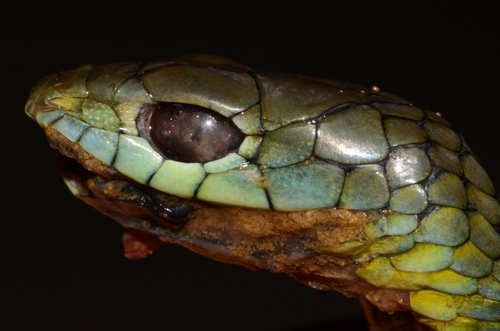
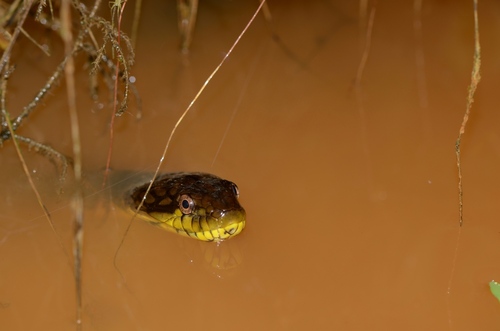

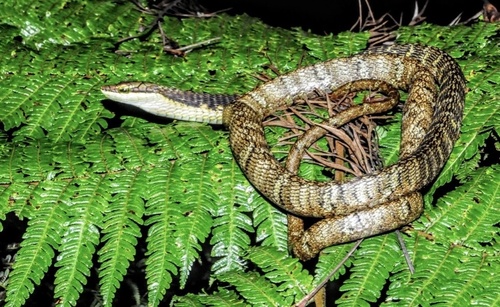
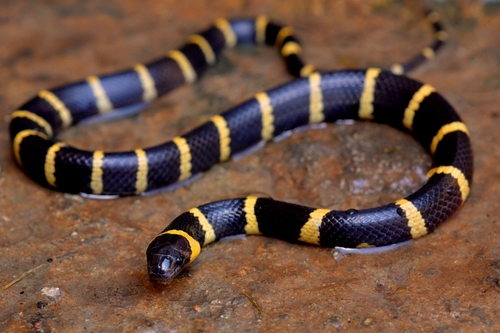
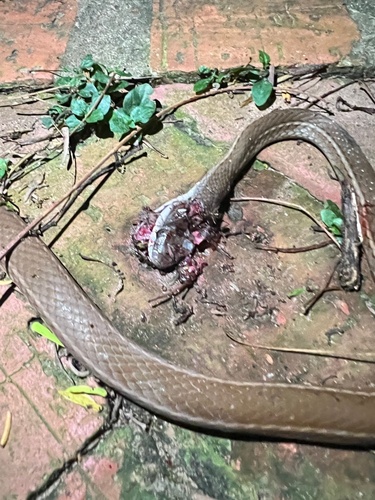
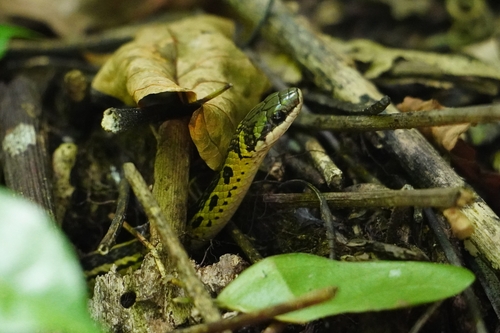
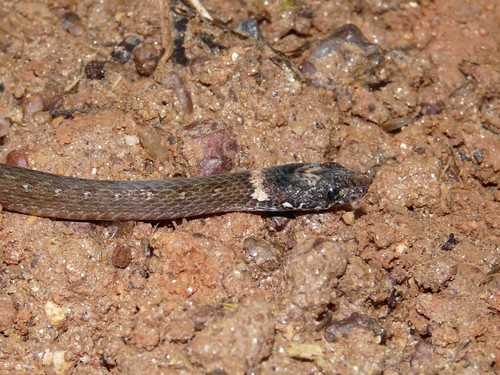
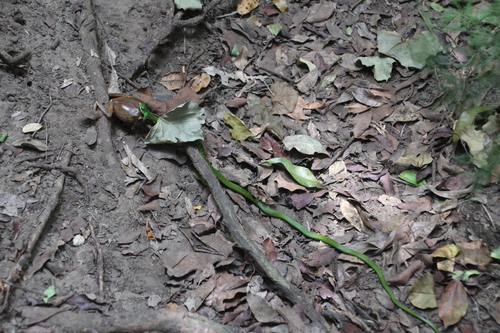
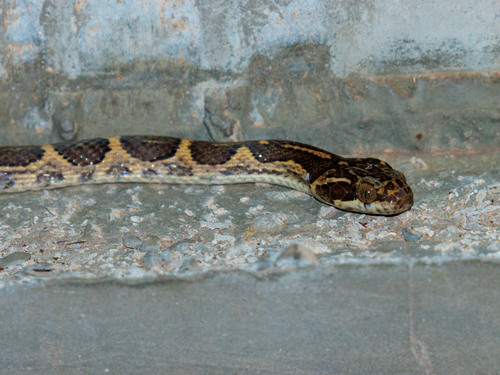
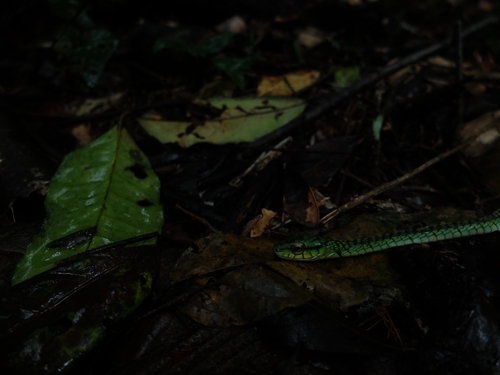
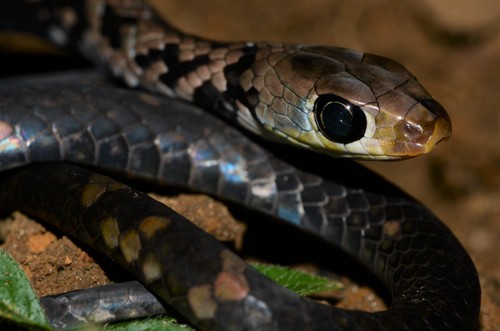
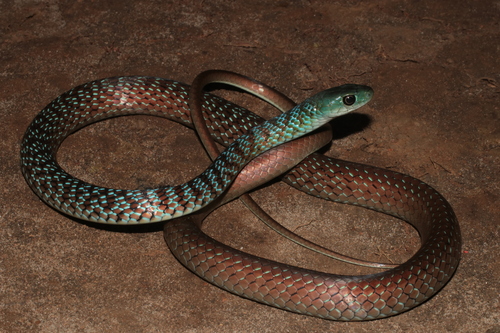
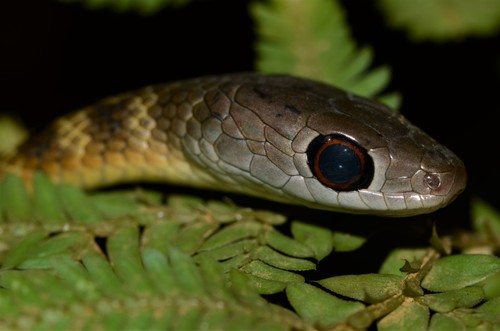
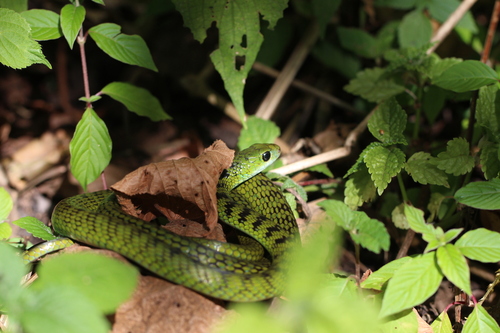
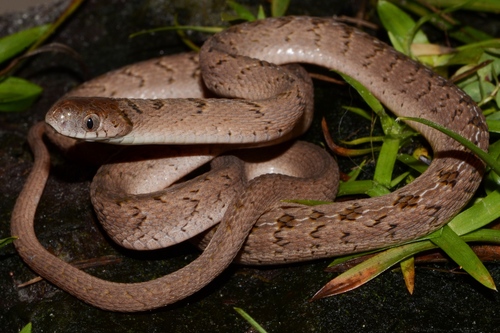
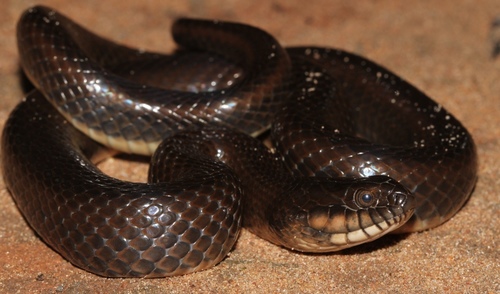
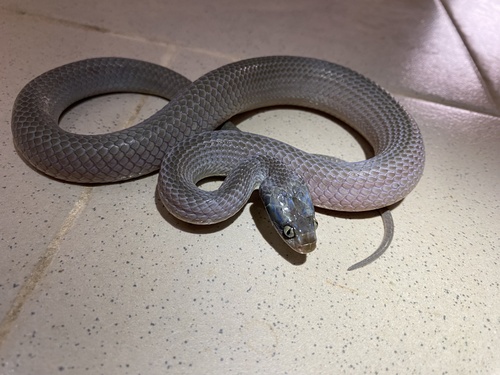
Lamprophiidae (22)
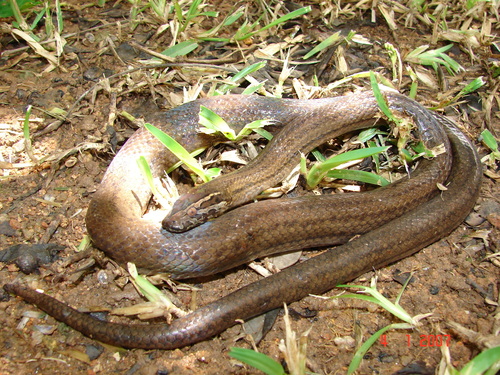
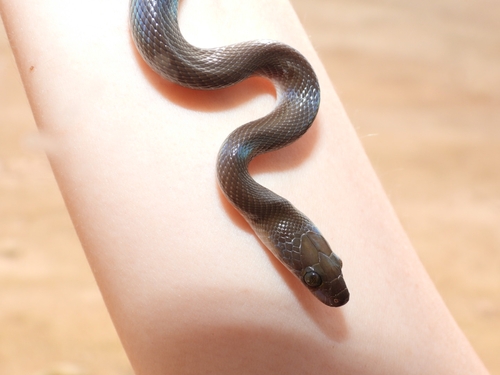
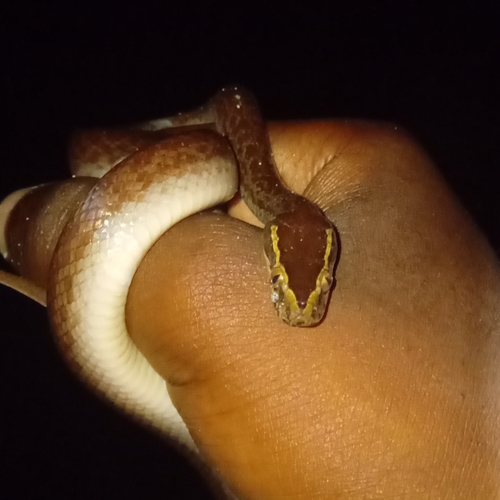
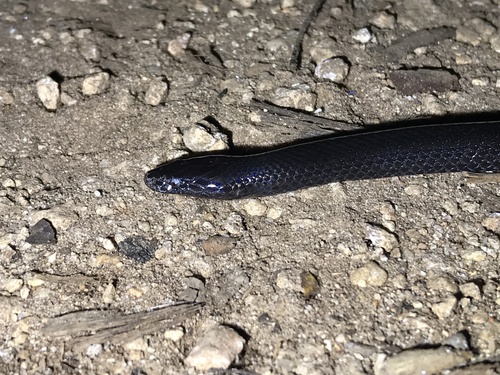
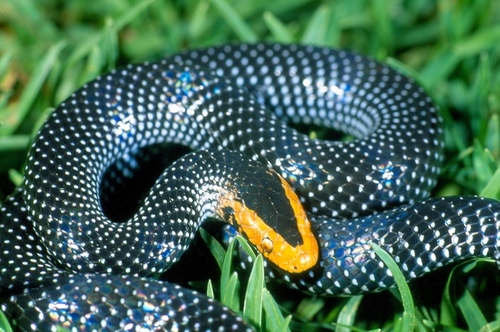
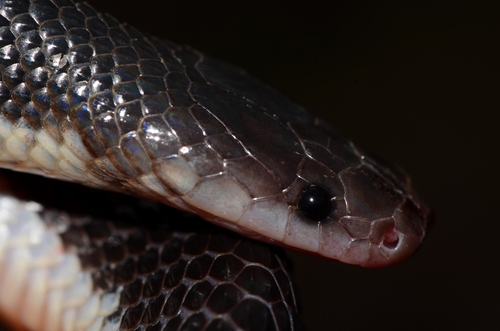
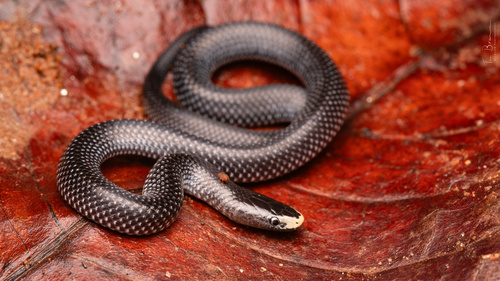
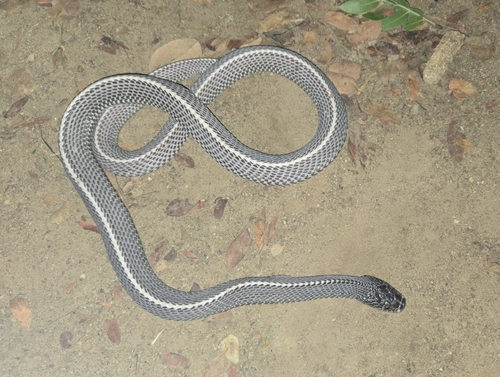
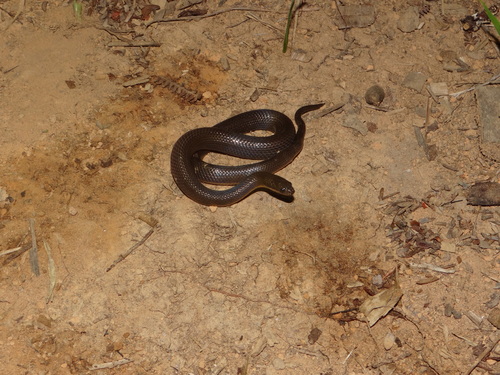
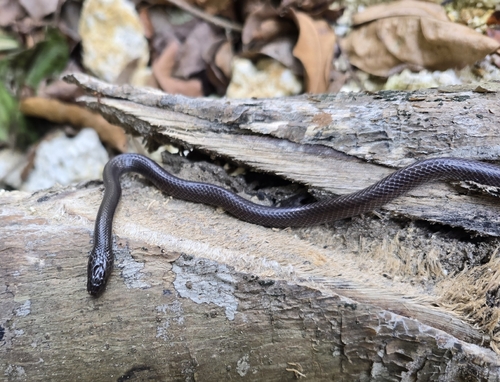
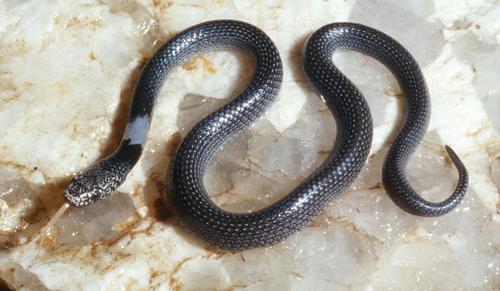
Elapidae (20)
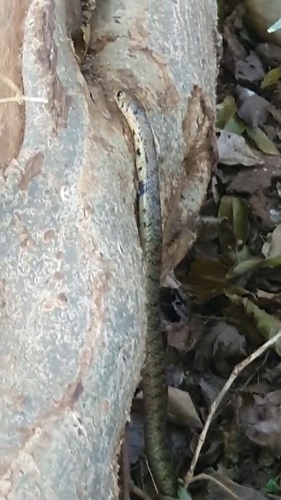
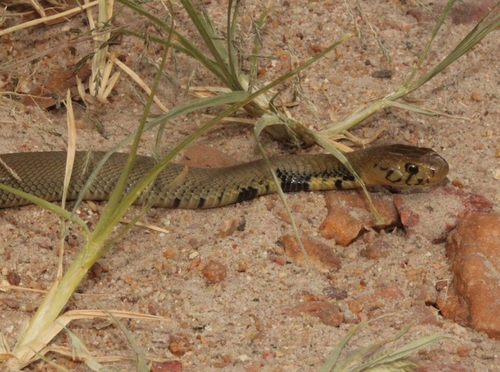
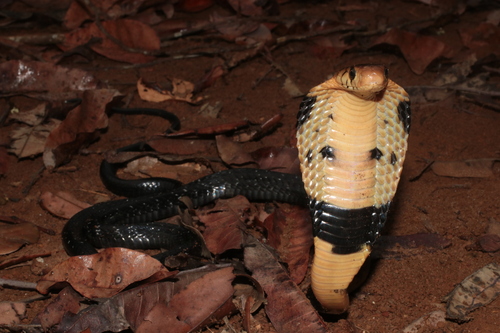
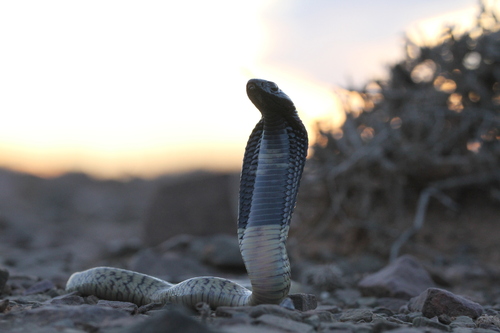
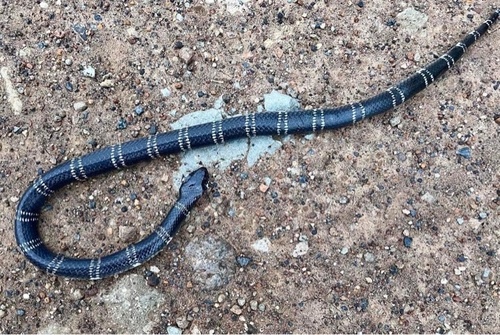
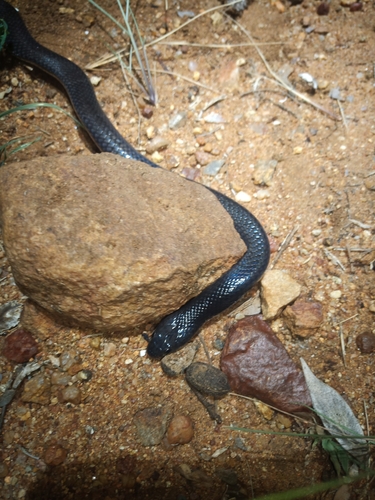
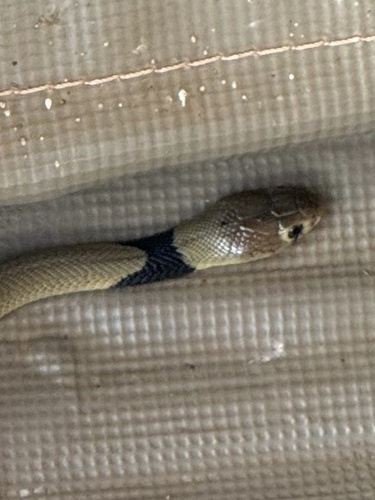
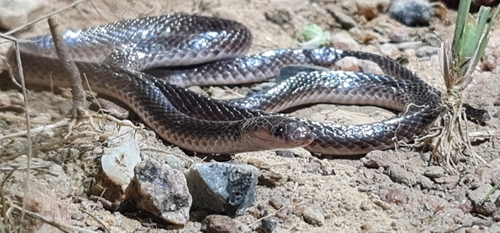
Psammophiidae (20)
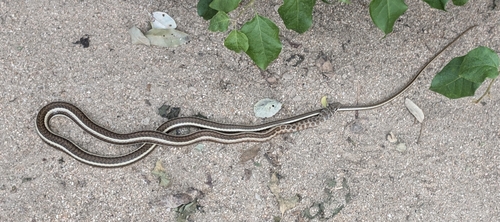
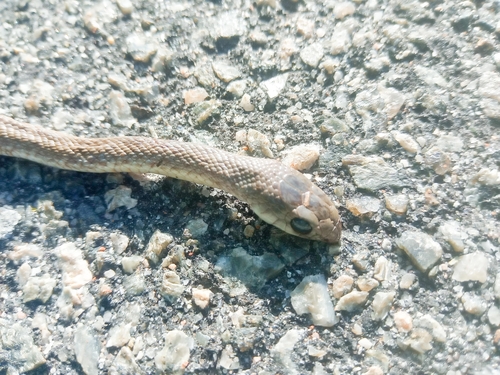
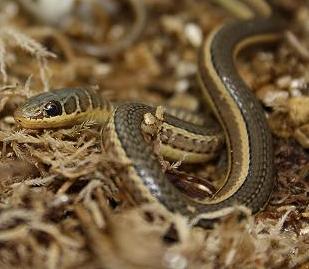
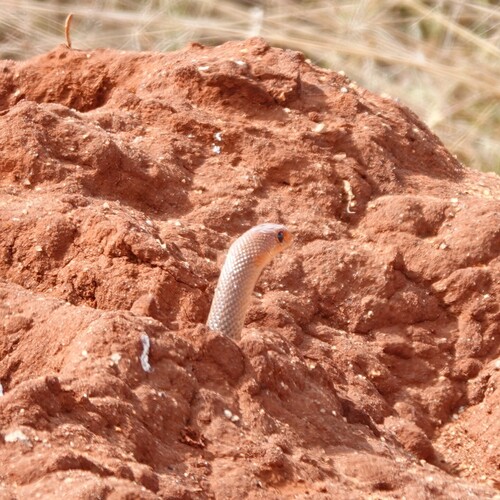
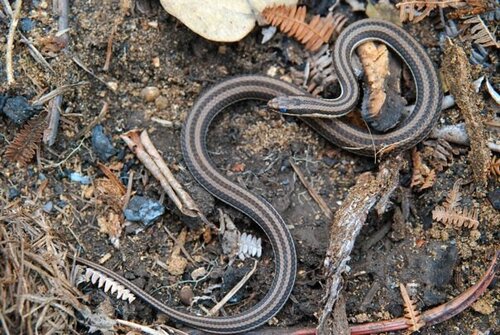
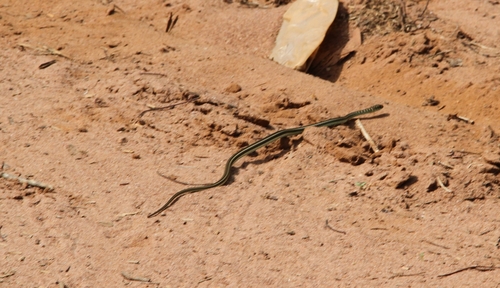
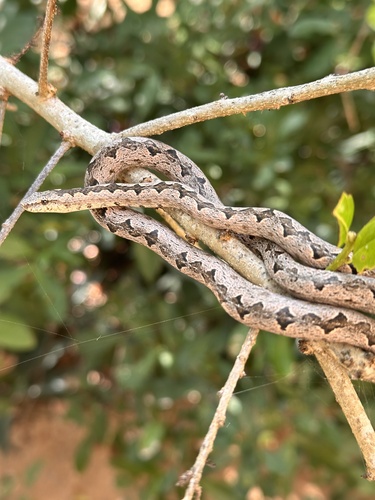
Atractaspididae (16)
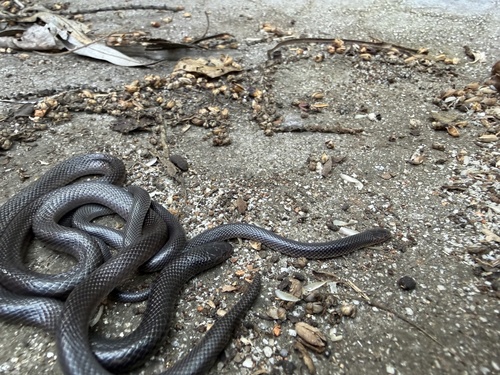
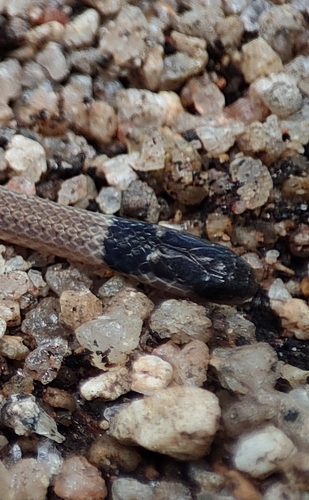
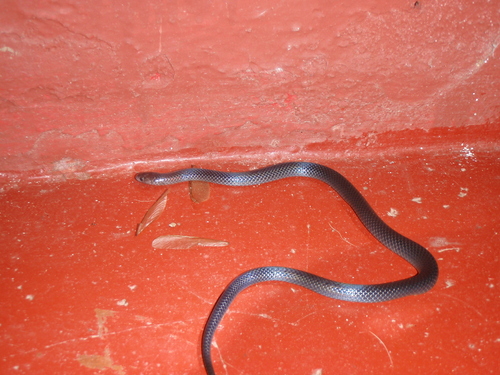
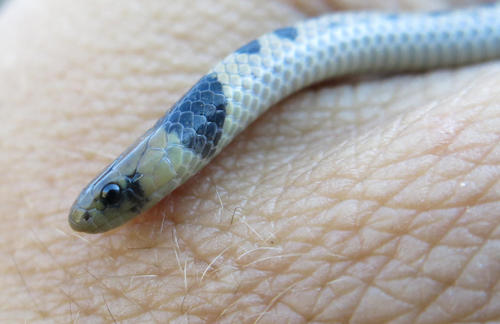
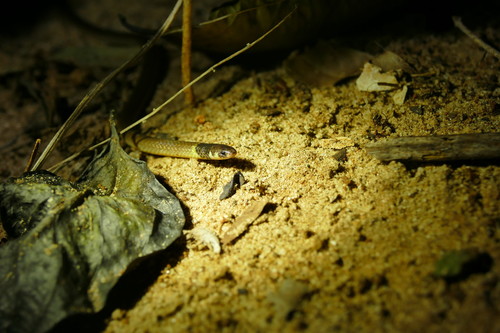

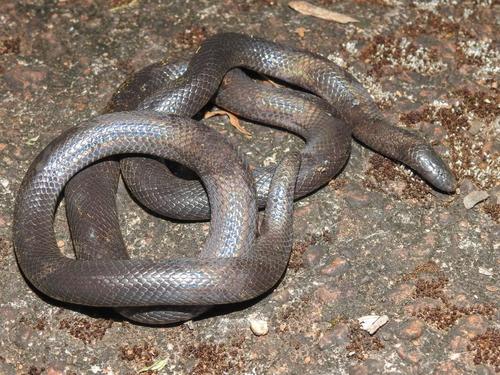
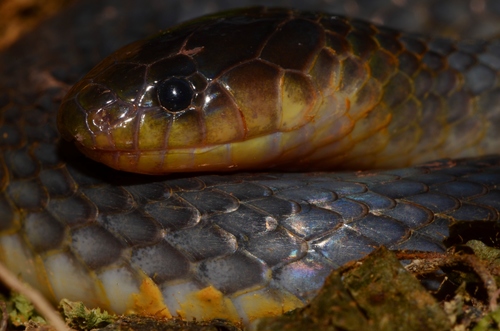

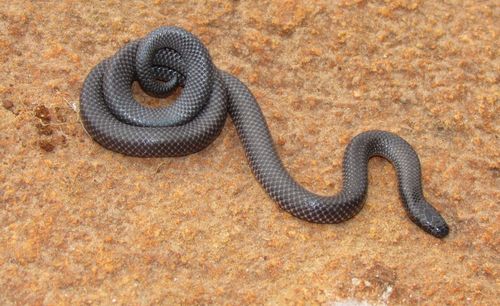

Viperidae (13)
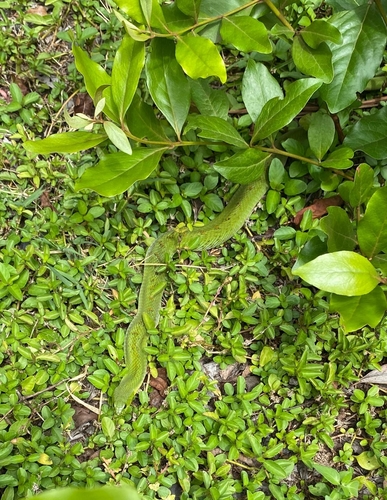
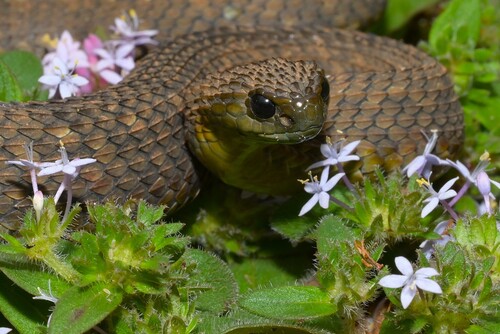
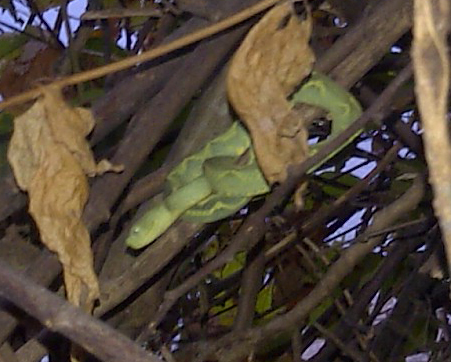
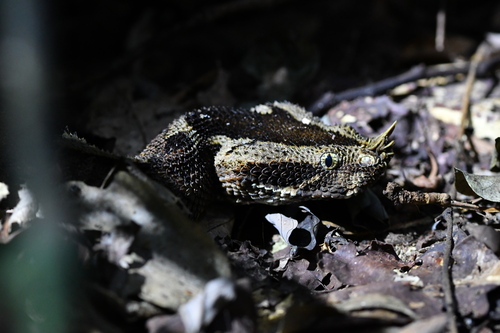
Typhlopidae (11)
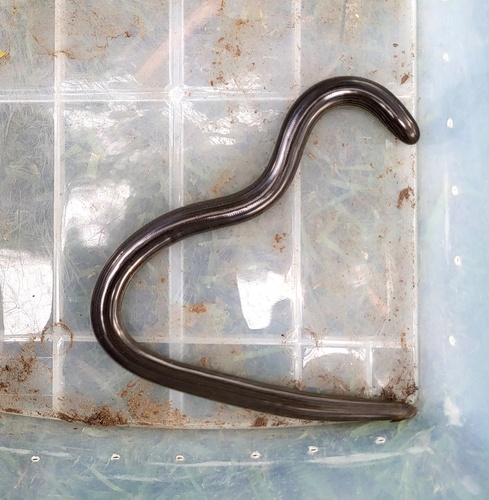
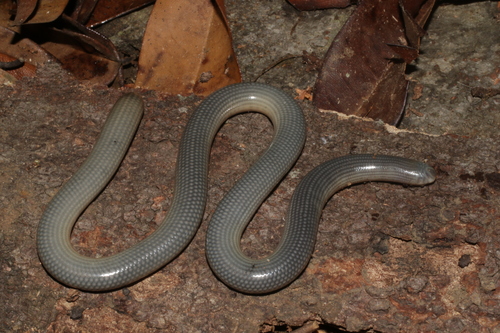
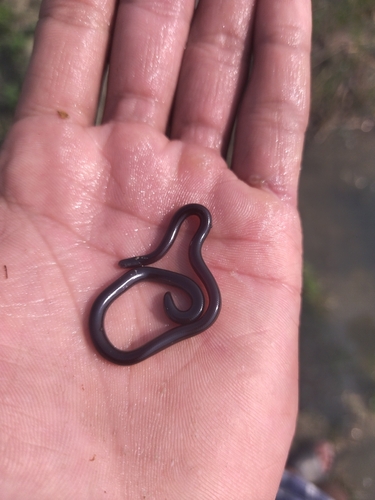
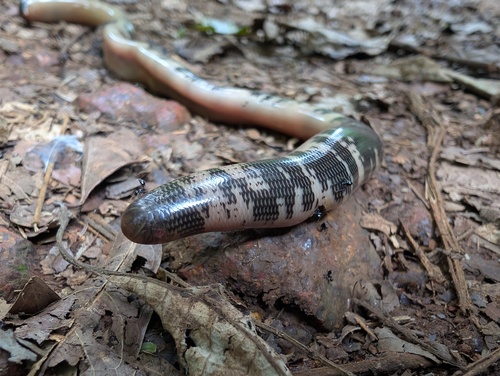
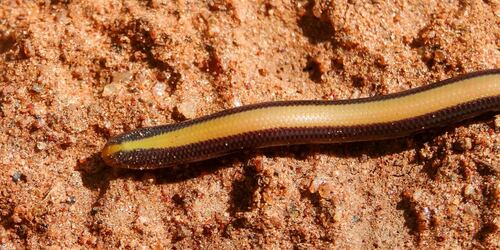
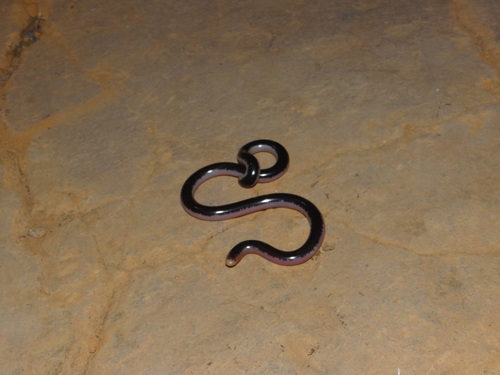
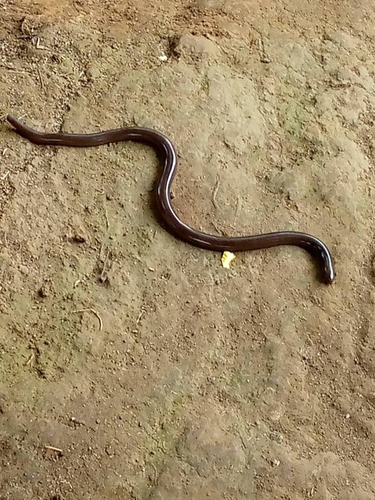
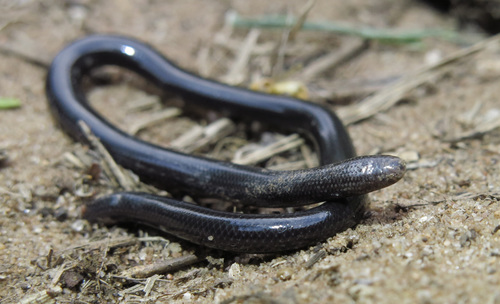
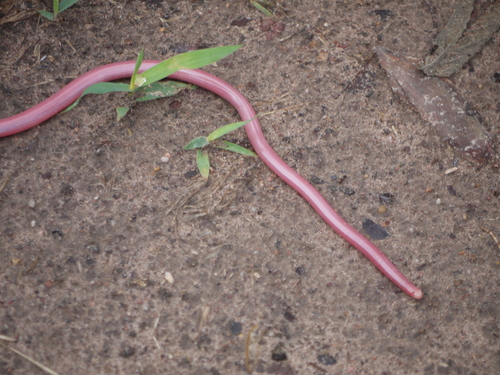
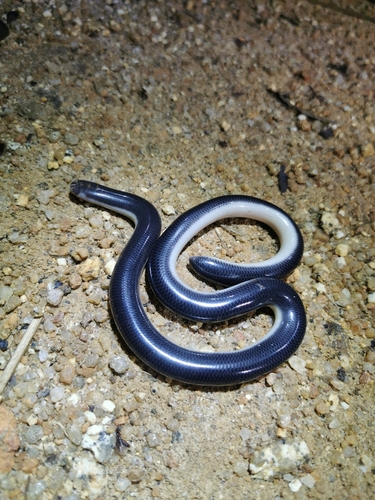
Leptotyphlopidae (9)
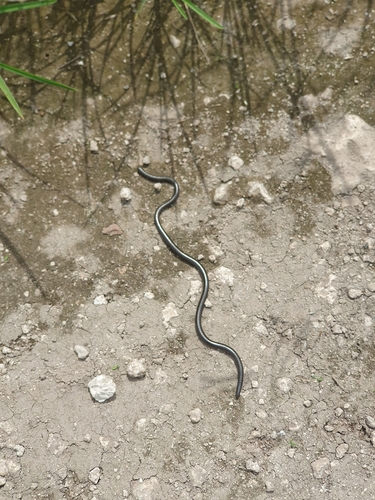
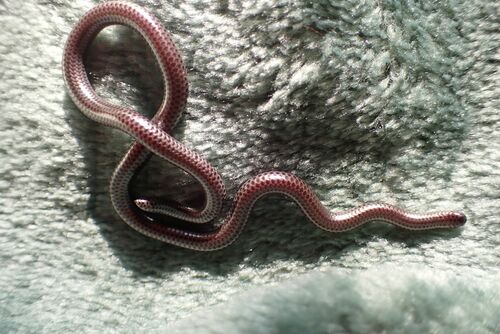
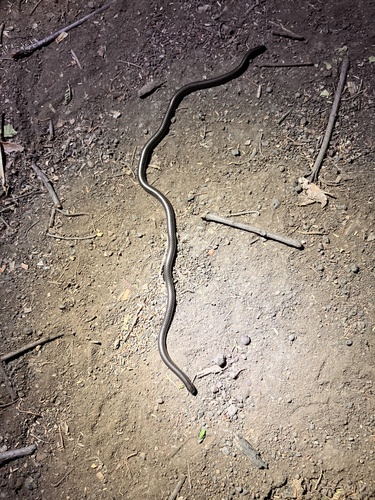
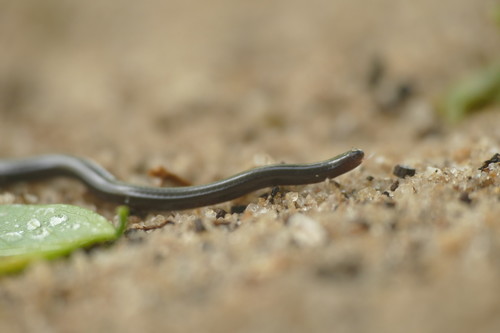
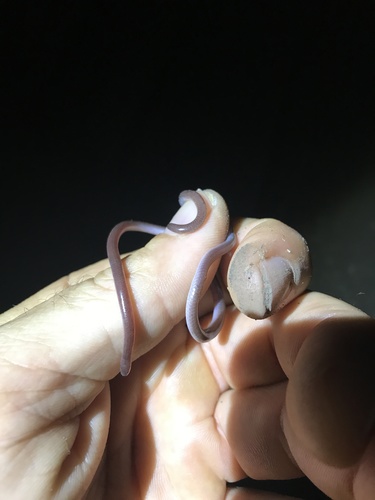
Prosymnidae (7)
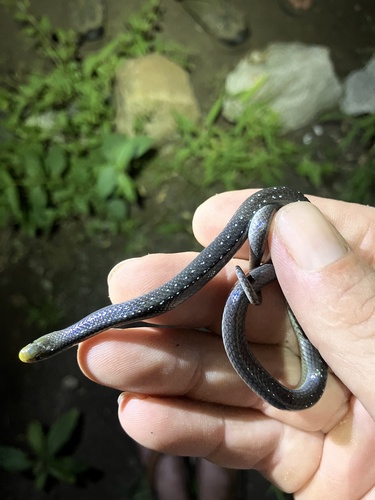
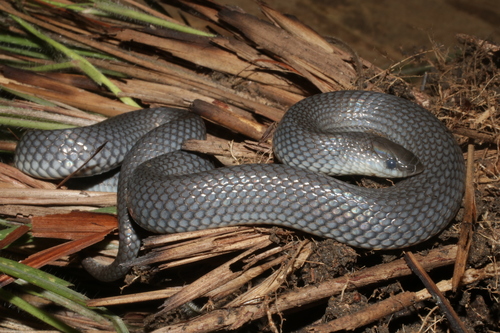
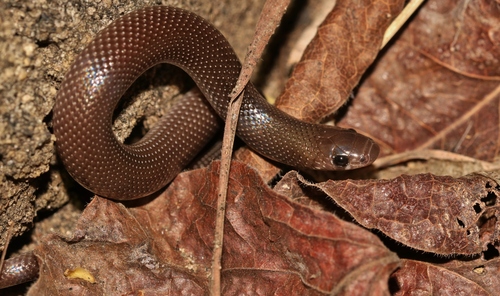
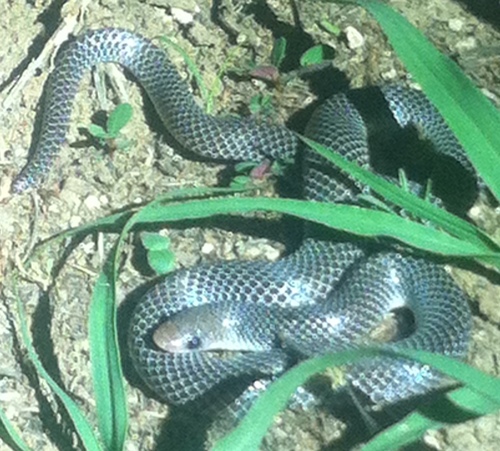
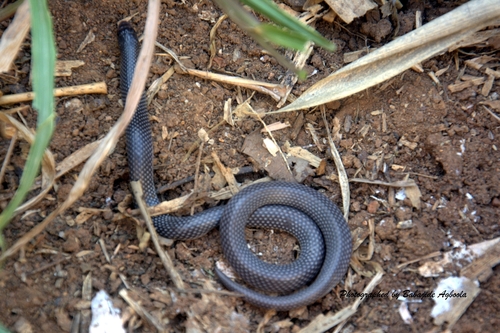
Pseudoxyrhophiidae (3)
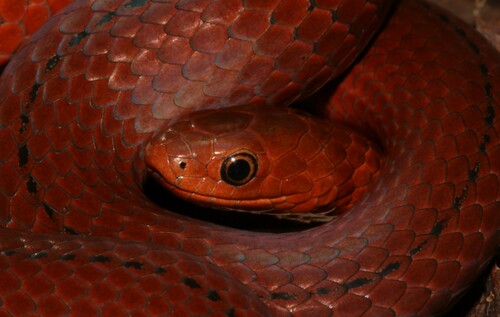
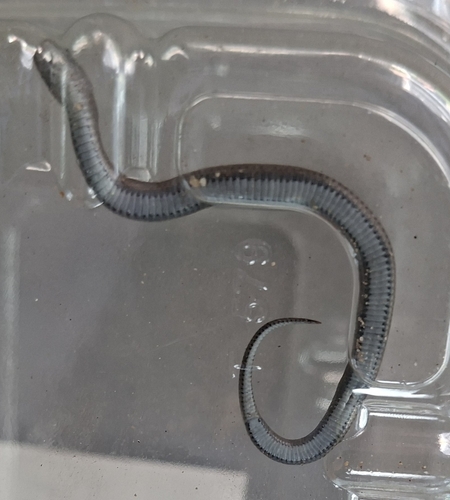
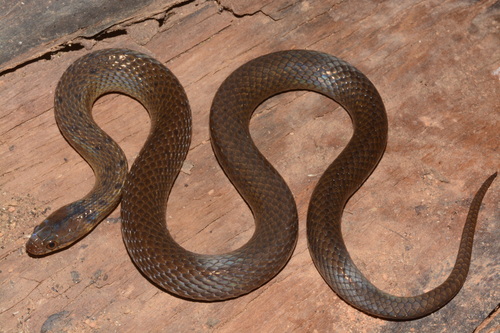
Pythonidae (1)
Pseudaspididae (1)
Compiled from verified GBIF & iNaturalist observations. "How often seen" reflects how frequently a snake is reported here, not how dangerous it is. Informational only.
Keep learning
- Are Snakes Dangerous? The Real Risk, in PerspectiveMost snakes are harmless and avoid people. Here is the honest picture of snakebite risk worldwide and how to lower your own.
- Snakebite First Aid: What to Do (and What Never to Do)A clear, CDC-based guide to snakebite first aid: the steps that help, the popular myths that hurt, and how to tell a serious bite from a minor one.
- Venomous vs Nonvenomous: How to Tell the DifferenceThe folk rules for telling venomous snakes apart, where each one fails, and why location-based identification beats guessing by sight.
- What to Do If You Find a SnakeFound a snake at home or on a trail? Here is how to stay calm, give it space, identify it safely, and know when to call a professional.