
Psammophiidae
Link-marked Sand Snake
HarmlessPsammophis biseriatus
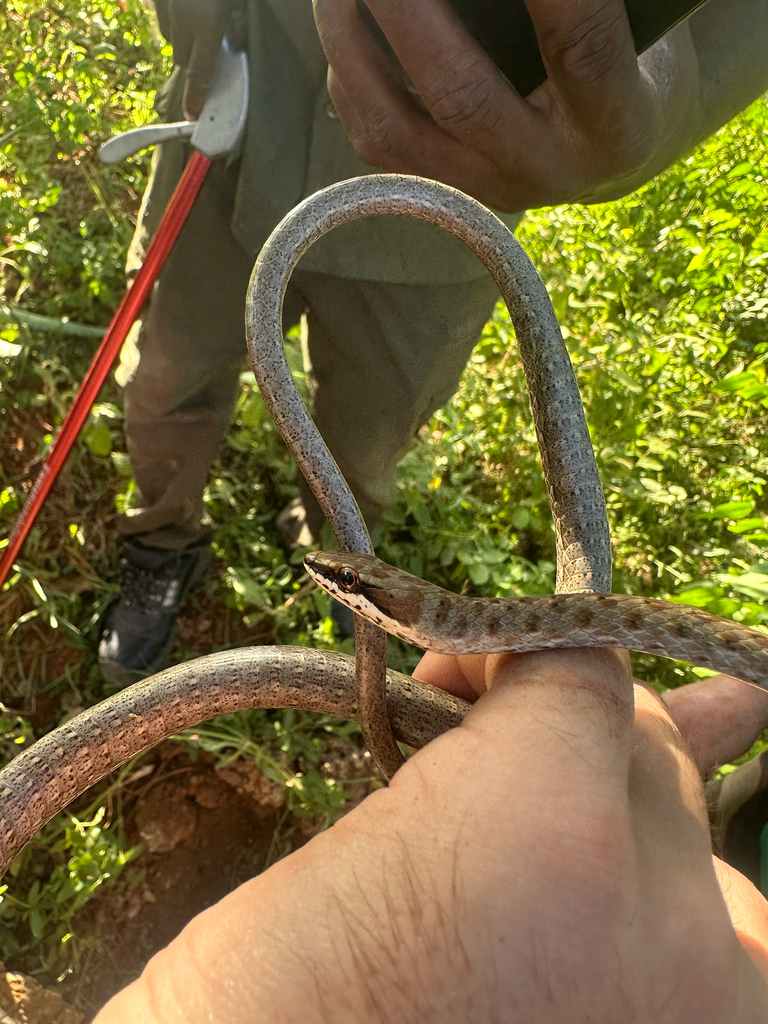
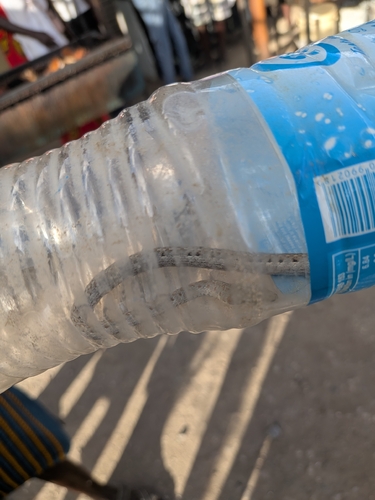
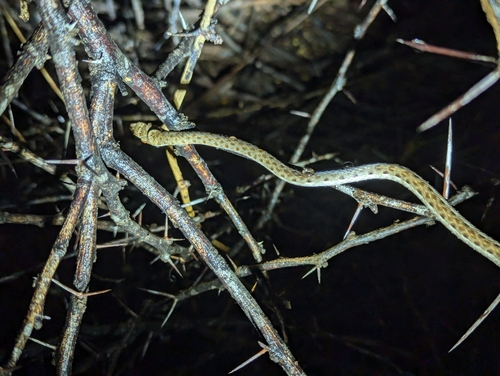
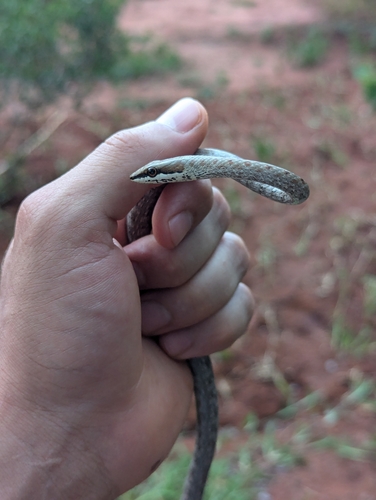
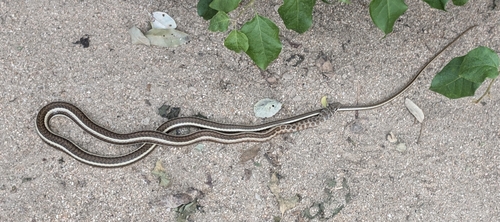
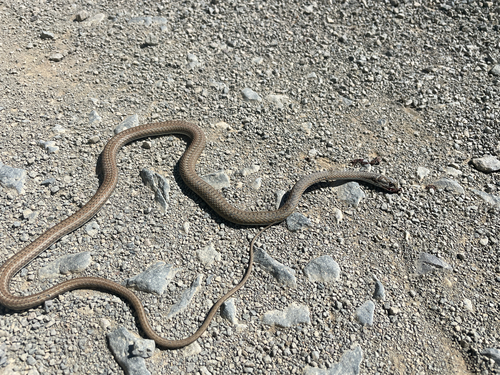
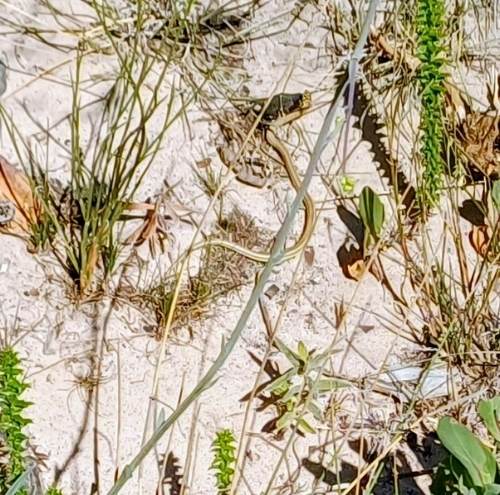
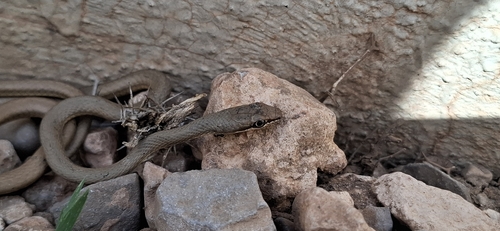
4 photographs of the Link-marked Sand Snake. (c) olliesaunders, some rights reserved (CC BY-SA).
The Link-marked Sand Snake (Psammophis biseriatus) is a rear-fanged, mildly venomous snake in the Psammophiidae family, recorded in 5 countries.
- Family
- Psammophiidae
About the Link-marked Sand Snake
The Link-marked Sand Snake belongs to the Psammophiidae family, sand & grass snakes. Fast, slender, day-active snakes of open country.
Psammophiids are alert, fast-moving snakes of grasslands and deserts, including the sand racers and the Montpellier snakes. Many are rear-fanged. They often raise the head to scan for prey and can move at surprising speed.
Its genus, Psammophis, covers sand snakes. Fast, slender African and Asian racers built for hot open ground, mildly venomous but not considered dangerous to people.
The Link-marked Sand Snake is rear-fanged and only mildly venomous. It is not considered dangerous to people, but like any wild snake it is best observed from a distance and left undisturbed.
It has been recorded in Kenya, Somalia, Tanzania, United Republic of, Ethiopia and Uganda.
Field-guide summary compiled from taxonomy and verified occurrence records. Detailed natural-history notes for this species are still being added.
Frequently asked: Link-marked Sand Snake
- Is the Link-marked Sand Snake venomous?
- The Link-marked Sand Snake (Psammophis biseriatus) is rear-fanged and only mildly venomous. It is not considered dangerous to humans (its venom is weak and its fangs sit at the back of the mouth) but a bite can cause local swelling or irritation, so it should not be handled.
- Is the Link-marked Sand Snake poisonous?
- Snakes are venomous, not poisonous. "Poisonous" means harmful to eat or touch; "venomous" means injecting toxins through a bite. The Link-marked Sand Snake is neither poisonous nor venomous.
- Is the Link-marked Sand Snake dangerous?
- The Link-marked Sand Snake is not dangerous to humans. It has no medically significant venom and bites only defensively if cornered or handled.
- Where does the Link-marked Sand Snake live?
- The Link-marked Sand Snake has verified records in 5 countries, including Kenya, Somalia, Tanzania, United Republic of. See the distribution section below for its full range.
Where it is found
More Psammophiidae snakes
 Stripe-bellied Sand SnakePsammophis subtaeniatus
 Karoo Sand SnakePsammophis notostictus
 Cross-marked Sand SnakePsammophis crucifer
 Forskal Sand SnakePsammophis schokari
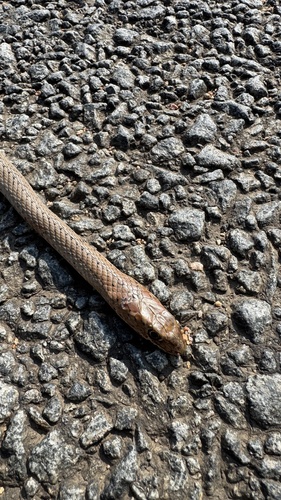 Olive Whip SnakePsammophis mossambicus
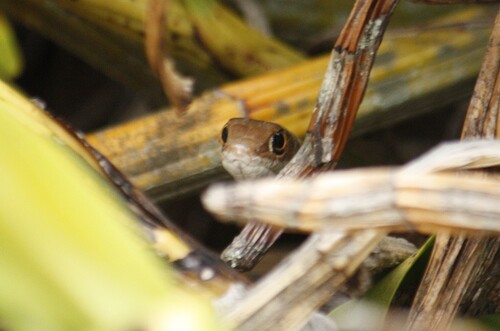 Short-snouted Whip SnakePsammophis brevirostris
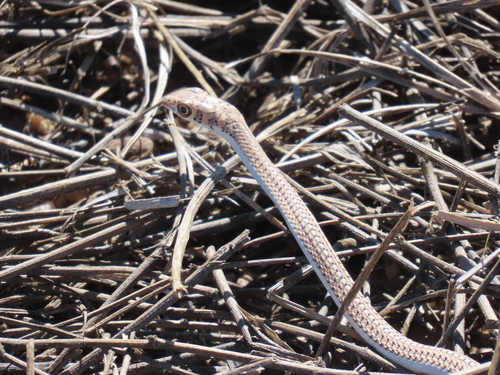 Cape Sand SnakePsammophis leightoni
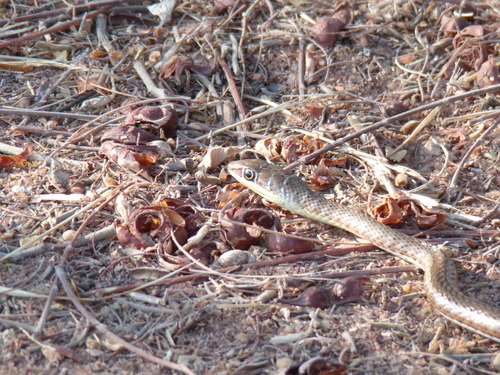 Eastern Stripe-bellied Sand SnakePsammophis orientalis
Classification
How scientists group this snake, from the broadest category down to the exact species. Each step narrows to its closest relatives.
- OrderThe broad group of scaled reptiles: all snakes and lizards
- Squamata
- FamilyA group of related snakes that share key traits
- Psammophiidae
- GenusA close-knit group of very similar species
- Psammophis
- SpeciesThis exact snake, named in the two-part scientific name
- Psammophis biseriatus
Keep learning
- What to Do If You Find a SnakeFound a snake at home or on a trail? Here is how to stay calm, give it space, identify it safely, and know when to call a professional.
- Venomous vs Nonvenomous: How to Tell the DifferenceThe folk rules for telling venomous snakes apart, where each one fails, and why location-based identification beats guessing by sight.
- What Is a Snake? Anatomy and the BasicsA clear overview of what makes a snake a snake: limbless body plan, anatomy, evolution from lizards, species diversity, and why they are ectothermic.
- How to Keep Snakes Out of Your Yard and HomeA practical guide to keeping snakes out of your yard and home using habitat changes that work, plus what to skip and what to do if one shows up.
Distribution from GBIF & iNaturalist. Venom status per CDC. Informational only. Never handle a snake to identify it.