
Continent
Snakes of Africa
Snakes have verified records across 57 countries in Africa. DR Congo has the most documented species. Choose a country to see exactly which snakes live there, which are venomous, and how to tell them apart.
Snakes of Africa
Africa holds one of the richest and most varied snake faunas on Earth, a direct product of its enormous range of habitats. From the deep rainforests of the Congo Basin to the open savannas of the east, the deserts of the Sahara and Namib, the Mediterranean fringe of the north, and the temperate fynbos of the Cape, each zone has produced snakes adapted to its conditions. Arboreal species thrive in the canopy, burrowing species hide in sandy soils, and water-loving species patrol rivers and wetlands. This diversity means that the snakes of Morocco have little in common with those of Madagascar, an island that split away long enough ago to evolve its own distinct lineages.
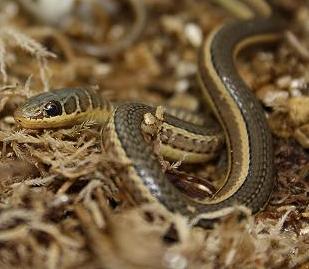
Several snake families dominate the continent. The elapids, fixed-fang front-fanged snakes, include the cobras, mambas, and the burrowing garter snakes of the genus Elapsoidea. The vipers are widespread and varied, ranging from the heavy-bodied adders to the slender bush vipers of the rainforests. The largest group by far is the colubrid assemblage, a broad collection of typically harmless or mildly venomous snakes that fills countless ecological roles. Pythons represent the constrictors, and the blind and thread snakes account for many of the small, worm-like burrowers. Africa's long isolation and its later land connections to Eurasia shaped which of these groups arrived, radiated, and specialized across the continent.
The headline venomous snakes vary by region but are well known to science and to the people who share land with them. The puff adder is among the most widespread and is responsible for many serious bites across sub-Saharan Africa because it is common, well camouflaged, and slow to move off paths. The saw-scaled vipers of the dry north and the Sahel are small but medically significant. The cobras include the Egyptian cobra, the Cape cobra, the forest cobra, and several spitting cobras whose venom can be projected toward the eyes. The mambas, including the black mamba and the green mambas, are fast, alert, and highly venomous. The boomslang and the twig snakes are rear-fanged colubrids whose venom is also dangerous and acts slowly, which historically led people to underestimate them.
Africa is also a continent of record-setting and famous snakes. The African rock python is the largest snake on the continent and one of the largest in the world, capable of reaching lengths that rival the great Asian pythons. The black mamba is often described as the longest venomous snake in Africa and is celebrated for its speed and reputation, though that reputation is frequently exaggerated. The Gaboon viper carries the longest fangs of any snake and one of the highest venom yields, while its intricate patterning makes it nearly invisible on the forest floor. The egg-eating snakes of the genus Dasypeltis are famous for a different reason, having evolved to swallow eggs far larger than their own heads and crush them internally.
It is worth emphasizing that the vast majority of African snakes are non-venomous or harmless to humans. House snakes, sand snakes, egg-eaters, file snakes, and the many small burrowers go about their lives unnoticed, and they perform essential ecological work. Snakes control populations of rodents that damage stored grain and spread disease, they keep amphibian and insect numbers in balance, and they themselves feed birds of prey, mongooses, and other predators. A landscape with healthy snake populations is generally a landscape with a functioning food web. Removing snakes tends to bring more rodents, not fewer problems.
Anyone living in or traveling through snake country in Africa should treat wild snakes with respect and distance. Watch where you place hands and feet, wear sturdy footwear in the bush, use a light at night, and keep yards clear of debris and rodent attractants that draw snakes in. Never attempt to handle, catch, or kill a wild venomous snake, since most serious bites happen during exactly those attempts, and identification in the moment is unreliable. If a bite occurs, keep the person calm and still, remove tight items near the bite, and get to medical care as fast as possible. In the United States contact Poison Control at 1-800-222-1222, and anywhere else call local emergency services. Antivenom and professional treatment, not field remedies, are what save lives.
Countries in Africa
- DR Congo200+
- Tanzania175+
- South Africa150+
- Kenya150+
- Cameroon125+
- Namibia125+
- Nigeria125+
- Angola125+
- Uganda100+
- Congo100+
- Central African Republic100+
- Ghana100+
- Zambia100+
- Zimbabwe100+
- Côte d’Ivoire100+
- Mozambique100+
- Guinea100+
- Benin75+
- Sudan75+
- Madagascar75+
- Gabon75+
- Malawi75+
- Ethiopia75+
- Chad75+
- Liberia75+
- Togo75+
- Mali50+
- Sierra Leone50+
- Senegal50+
- Botswana50+
- Somalia50+
- South Sudan50+
- Rwanda50+
- Egypt50+
- Eswatini50+
- Equatorial Guinea50+
- Niger50+
- Burundi50+
- Gambia40+
- Guinea-Bissau40+
- Algeria40+
- Burkina Faso40+
- Morocco30+
- Mauritania30+
- Tunisia20+
- Lesotho20+
- Libya20+
- Eritrea10+
- Djibouti10+
- Sao Tome and Principe10+
- Mauritius11
- Western Sahara9
- Réunion8
- Comoros7
- Mayotte4
- Seychelles4
- Cabo Verde1




Numbers show how many snake species have verified records in each country.
Keep learning
- Are Snakes Dangerous? The Real Risk, in PerspectiveMost snakes are harmless and avoid people. Here is the honest picture of snakebite risk worldwide and how to lower your own.
- Venomous vs Nonvenomous: How to Tell the DifferenceThe folk rules for telling venomous snakes apart, where each one fails, and why location-based identification beats guessing by sight.
- The Most Venomous Snakes in the WorldWhat makes a snake the most venomous, why lab toxicity differs from real-world danger, and the species that stand out worldwide.
- What Is a Snake? Anatomy and the BasicsA clear overview of what makes a snake a snake: limbless body plan, anatomy, evolution from lizards, species diversity, and why they are ectothermic.