
Western Sahara
Snakes in Western Sahara
9 snake species have been recorded in Western Sahara, 2 venomous.
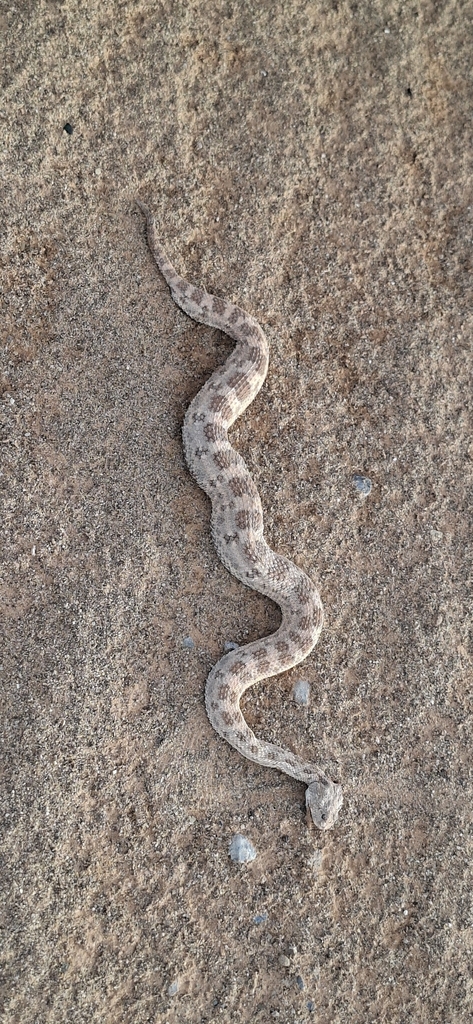
Snakes of Western Sahara
Western Sahara has 9 snake species recorded in our database, 2 of them venomous. The territory is a hot, arid stretch of the northwest African desert, bordered by the Atlantic coast to the west and the deep Sahara to the east. Its snake fauna is shaped almost entirely by aridity. There is little permanent surface water, daytime ground temperatures are extreme, and the landscape ranges from gravel plains and rocky hamada to sand sheets, dune fields, and the slightly milder coastal fringe where fog and ocean influence soften conditions. Snakes here are desert specialists, most active at dusk and night, sheltering by day in rodent burrows, under rocks, or buried in loose sand.
The two venomous species belong to the groups you would expect across the Saharan region: the vipers and the front-fanged elapids and burrowing snakes adapted to sand. Saharan desert vipers in this area are small, stout, well-camouflaged ambush predators that often bury themselves in sand with only the eyes and a sensory line exposed, striking small prey that passes close. Their bite carries a tissue-active venom that warrants serious medical attention. The region also hosts at least one elapid-line desert species adapted to soft sand. The great majority of the 9 recorded species, however, are non-venomous.
The harmless majority covers the typical desert assemblage of northwest Africa: fast-moving diurnal racers and whip snakes that chase lizards across open ground, sand-adapted colubrids that move below the surface, and small egg-eating or rodent-hunting species. Some carry mild rear-fanged venom that is not considered dangerous to people and is used only to subdue small prey. These snakes are generally shy, quick to flee, and rarely encountered because they avoid the open heat of the day. The desert-adapted body forms, pale sandy coloration, and burrowing habits across this fauna are textbook examples of how reptiles survive one of the harshest environments on Earth.
Snakes play a real ecological role in this sparse desert system. As mid-level predators they control populations of rodents, lizards, and large insects, and in turn they are prey for raptors, larger reptiles, and desert mammals. In an environment where food and water are scarce, these predator-prey links matter for the stability of the whole community. Removing snakes tends to allow rodent numbers to climb, which affects vegetation and the people and livestock that depend on it.
On safety: most snakes in Western Sahara are harmless to humans, and nearly all bites happen when a snake is cornered, stepped on, or handled. The main medical threat comes from the desert vipers. Watch where you place hands and feet around rocks, burrows, and loose sand, especially at night, and never attempt to catch, kill, or handle any wild snake, including ones you believe are harmless. If a bite occurs, the correct response is to get the person to a hospital quickly, because the definitive treatment is professional medical care and antivenom where indicated. Do not rely on field remedies. In the United States contact Poison Control at 1-800-222-1222, and anywhere else call local emergency services.
Snakes in Western Sahara: FAQ
- Are there venomous snakes in Western Sahara?
- Yes. 2 venomous snake species have verified records in Western Sahara, including Desert Horned Viper, Sahara Sand Viper. Most snakes in Western Sahara, however, are harmless.
- How many snake species live in Western Sahara?
- 9 snake species have verified records in Western Sahara, of which 2 are venomous.
- What is the most commonly seen snake in Western Sahara?
- The Desert Horned Viper is the most frequently reported snake in Western Sahara, based on verified wildlife observations.
- What should I do if I see a venomous snake in Western Sahara?
- Keep your distance and do not try to catch or kill it. Most bites happen when people handle or corner a snake. If someone is bitten, contact local emergency services or poison control immediately.
Venomous snakes in Western Sahara
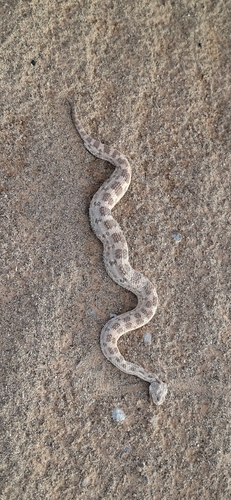
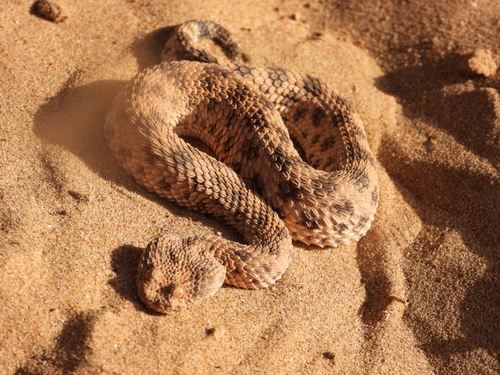
Every snake recorded in Western Sahara
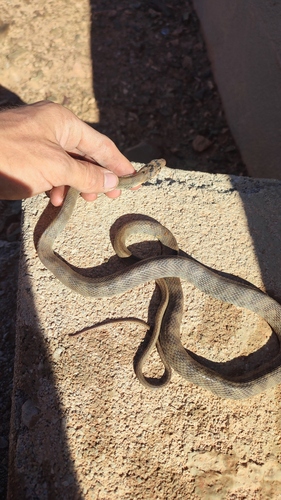
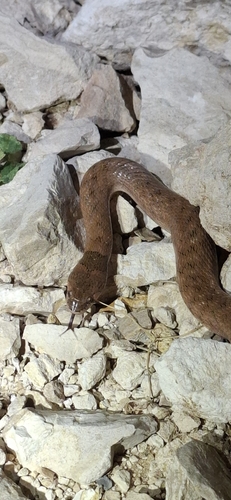
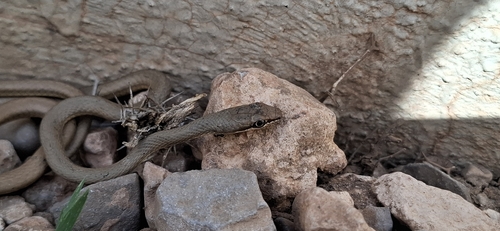
9 species across 3 families, grouped by family. Venomous flagged.
Colubridae (4)
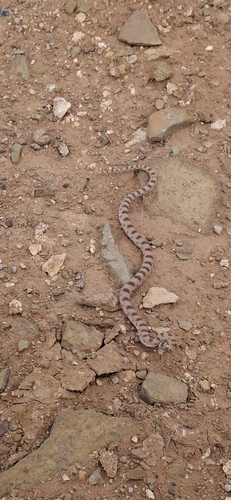
Psammophiidae (3)
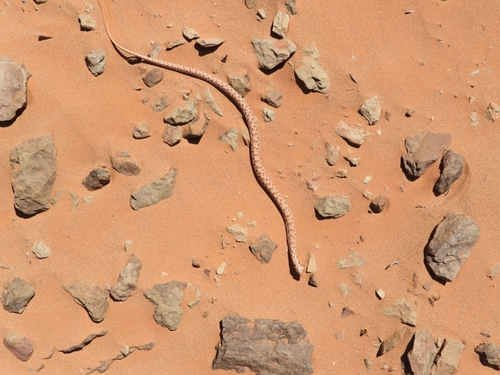
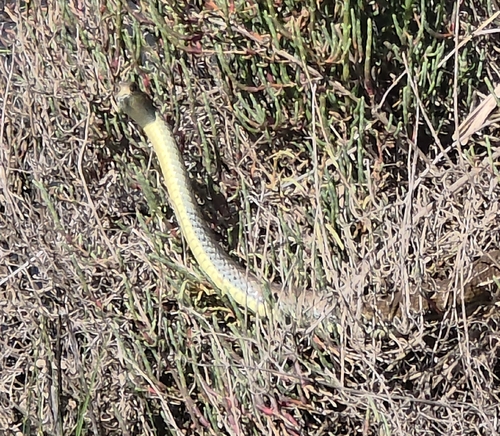
Compiled from verified GBIF & iNaturalist observations. "How often seen" reflects how frequently a snake is reported here, not how dangerous it is. Informational only.
Keep learning
- Are Snakes Dangerous? The Real Risk, in PerspectiveMost snakes are harmless and avoid people. Here is the honest picture of snakebite risk worldwide and how to lower your own.
- Snakebite First Aid: What to Do (and What Never to Do)A clear, CDC-based guide to snakebite first aid: the steps that help, the popular myths that hurt, and how to tell a serious bite from a minor one.
- Venomous vs Nonvenomous: How to Tell the DifferenceThe folk rules for telling venomous snakes apart, where each one fails, and why location-based identification beats guessing by sight.
- What to Do If You Find a SnakeFound a snake at home or on a trail? Here is how to stay calm, give it space, identify it safely, and know when to call a professional.