
Algeria
Snakes in Algeria
40+ snake species have been recorded in Algeria, 9 venomous.
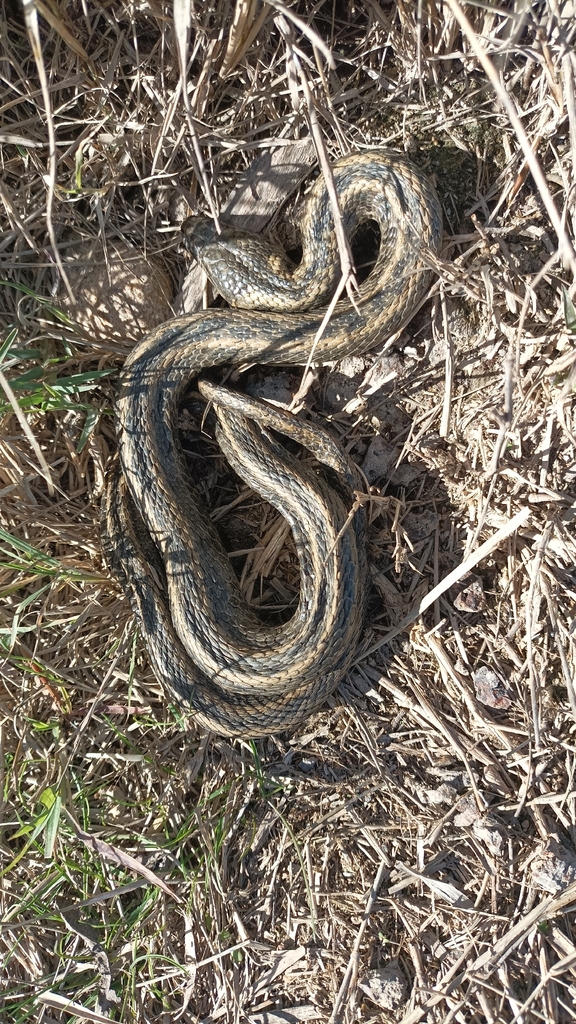
Snakes of Algeria
Algeria is the largest country in Africa, and its snake fauna reflects that enormous range of terrain. Our database records 40+ snake species across the country, of which 11 are venomous. The great majority of species are non-venomous, which means most snakes a person encounters in Algeria pose no serious medical threat. Understanding which groups are dangerous, and where snakes live, matters far more than the raw species count.
The country's geography drives that diversity. The northern Tell Atlas and coastal Mediterranean zone offer mild, wetter conditions with scrub, woodland, and farmland that support a different set of snakes than the arid interior. South of the Saharan Atlas, the landscape shifts into the vast Sahara, with rocky plateaus, sand seas, dry wadis, and oases. Desert specialists dominate this immense southern expanse, while species tied to water and vegetation concentrate in the north. The sheer span from sea to deep desert is the main reason Algeria holds so many distinct snakes.
The medically important venomous snakes in Algeria belong to two main groups: vipers and elapids. The vipers include true vipers and the desert horned viper group, which are well adapted to sand and arid ground and account for many serious bites in North Africa. Saw-scaled vipers, a viper group known across the region for medically significant venom, are also a concern where their range extends. The elapid presence is represented by cobras of the North African deserts. There are no pit vipers, rattlesnakes, mambas, coral snakes, or true sea snakes in Algeria; those groups belong to other regions of the world. The practical takeaway is that vipers and desert cobras are the bites that warrant urgent medical attention.
The non-venomous majority is large and ecologically central. Algeria hosts colubrid snakes such as whip snakes, racers, sand snakes, and the Montpellier snake, along with the Hierophis and Hemorrhois groups common around the Mediterranean. Many of these are fast, alert, and harmless to people, and several are familiar sights in gardens, farmland, and rocky country. These species make up the bulk of what residents and travelers actually see, and they are a normal, beneficial part of the landscape rather than a danger.
Snakes earn their place in Algeria's ecosystems. They are efficient predators of rodents and other small pests, helping control populations of mice and rats that damage stored grain and crops and that carry disease. Desert and grassland snakes also keep insect and lizard numbers in balance. Removing snakes from an area tends to let pest populations climb, so the same animals people fear are quietly doing valuable work for agriculture and public health.
On safety, the honest framing is straightforward: most snakes in Algeria are harmless, and the real medical risk comes from the viper and desert cobra groups described above. The treatment for a venomous bite is professional hospital care and the correct antivenom, not anything attempted in the field. Never handle a wild snake, including ones you believe are harmless, because identification errors happen and even non-venomous bites can cause injury or infection. If a bite occurs, treat it as a medical emergency and get to care quickly. In the United States contact Poison Control at 1-800-222-1222, and anywhere else call your local emergency services.
Snakes in Algeria: FAQ
- Are there venomous snakes in Algeria?
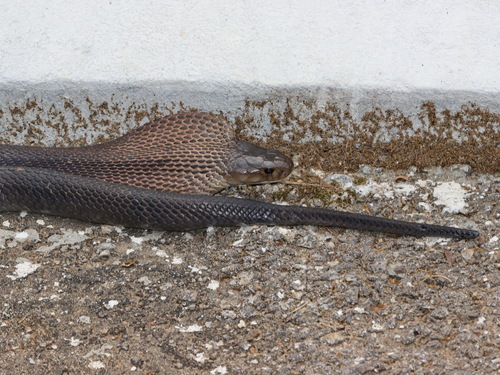
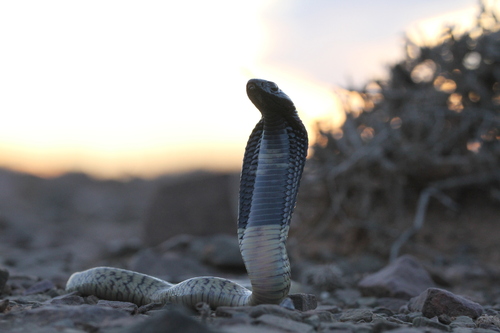
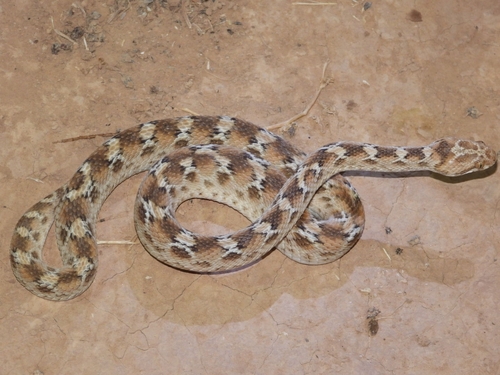
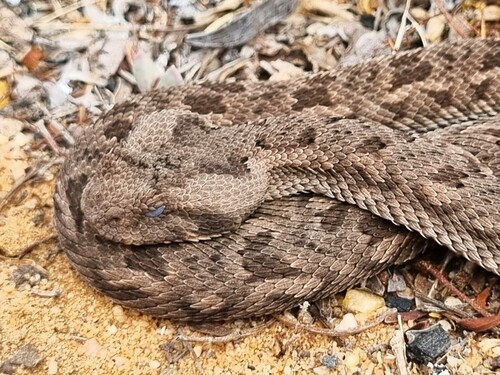
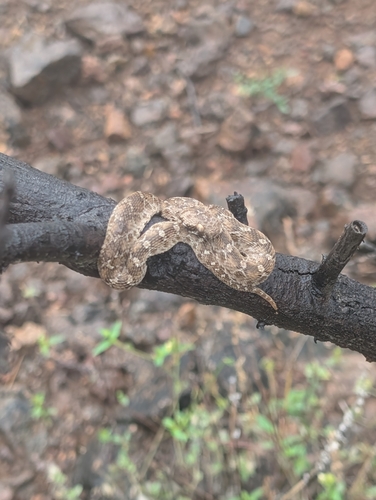
- Yes. 9 venomous snake species have verified records in Algeria, including Desert Horned Viper, Sahara Sand Viper, Moorish Viper, Brown Banded Cobra. Most snakes in Algeria, however, are harmless.
- How many snake species live in Algeria?
- 40+ snake species have verified records in Algeria, of which 9 are venomous.
- What is the most commonly seen snake in Algeria?
- The Viperine Snake is the most frequently reported snake in Algeria, based on verified wildlife observations.
- What should I do if I see a venomous snake in Algeria?
- Keep your distance and do not try to catch or kill it. Most bites happen when people handle or corner a snake. If someone is bitten, contact local emergency services or poison control immediately.
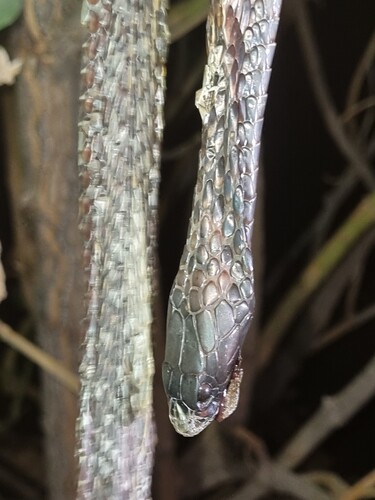
Venomous snakes in Algeria
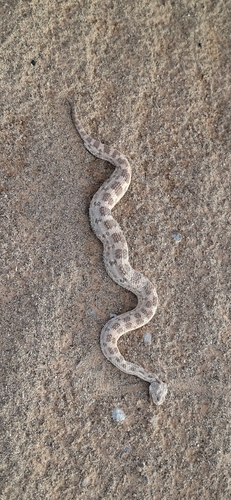
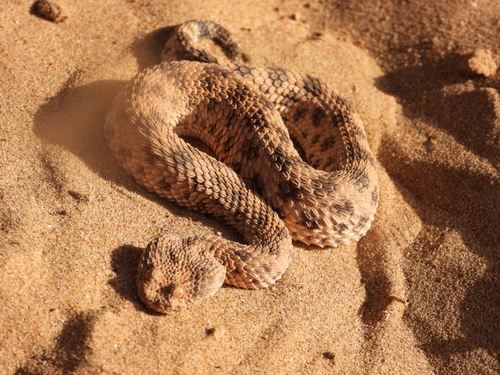
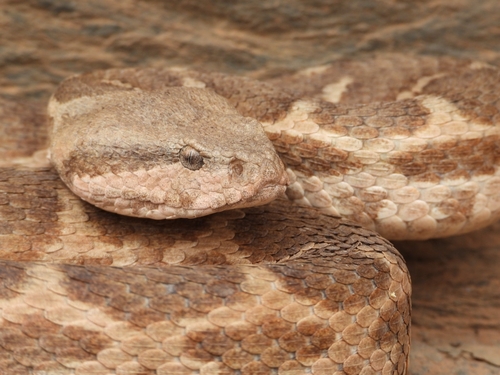
Every snake recorded in Algeria
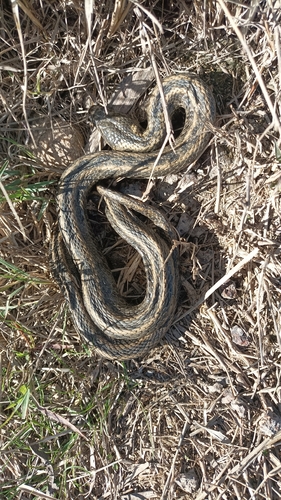
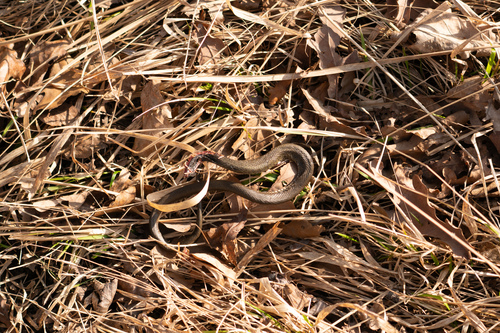
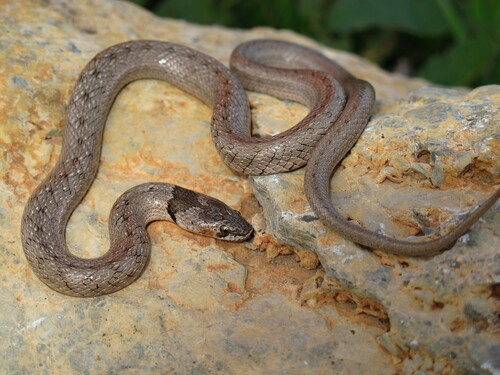
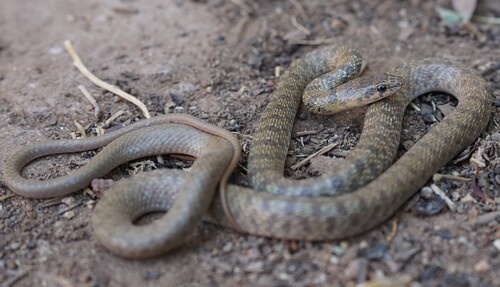
40+ species across 7 families, grouped by family. Venomous flagged.
Colubridae (21)
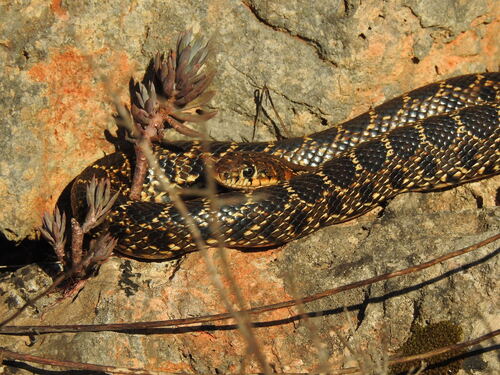
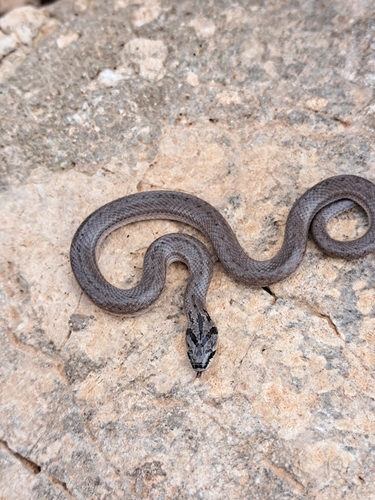
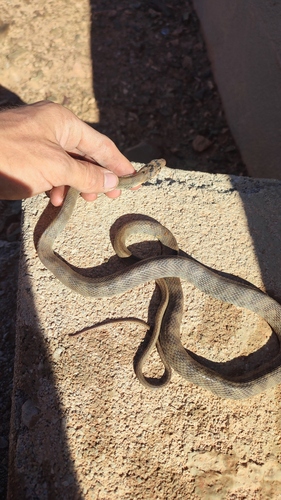
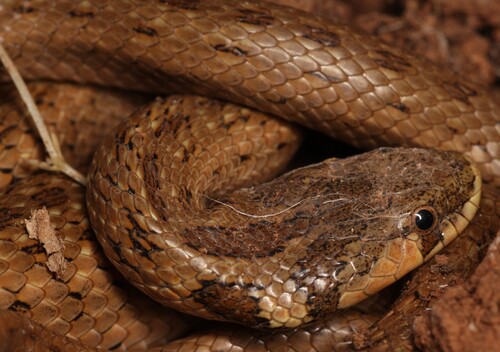
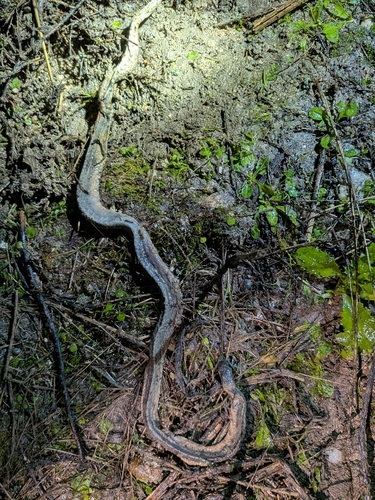
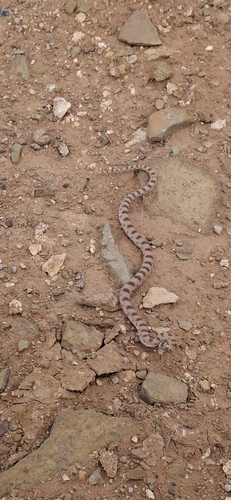
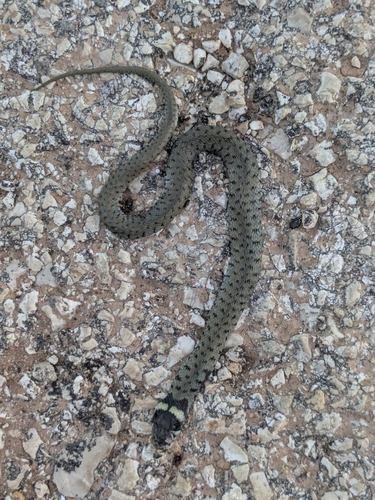
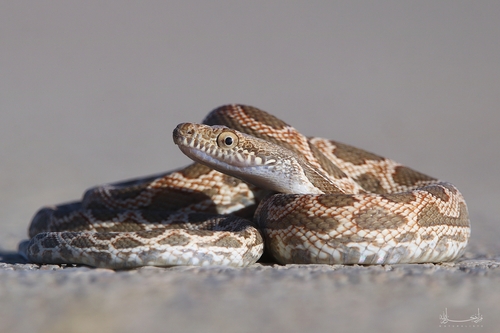
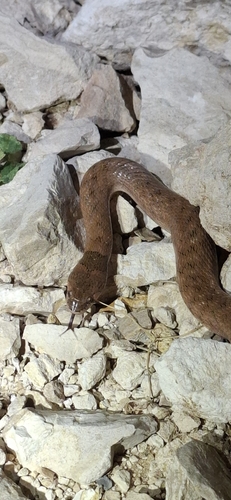
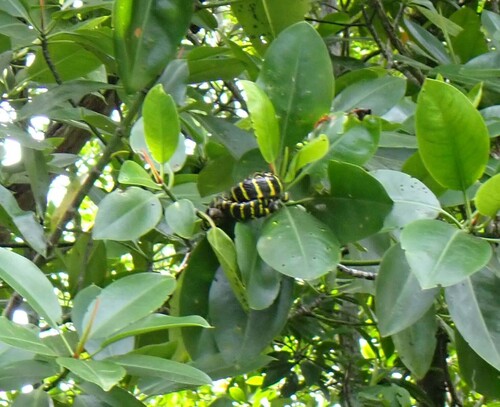
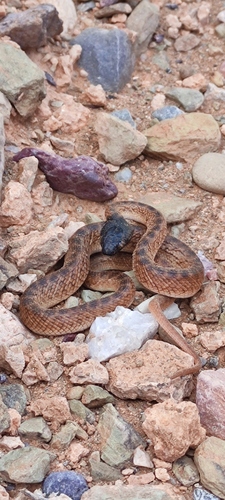
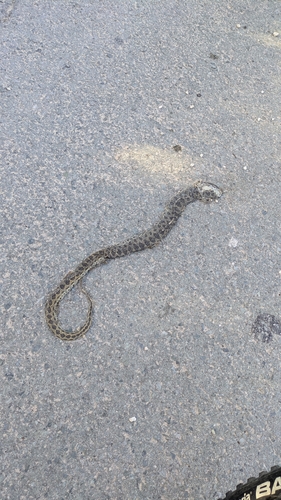
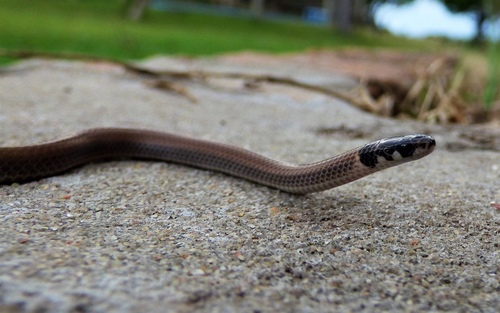
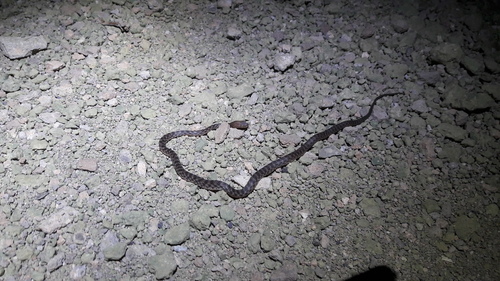
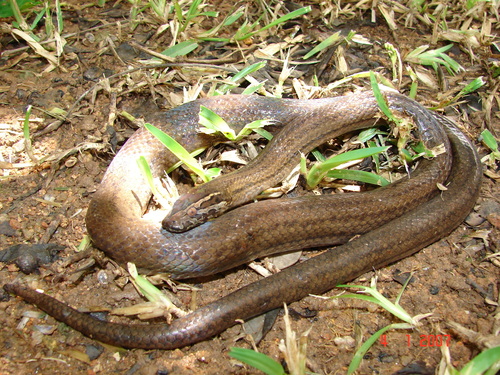
Psammophiidae (8)
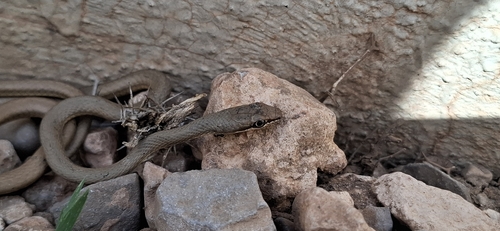
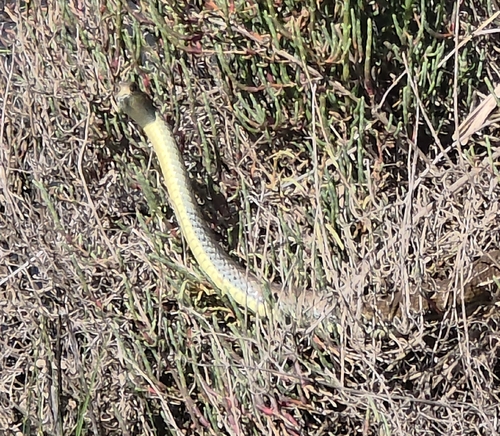
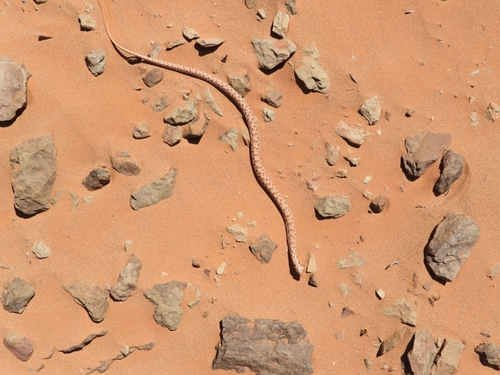
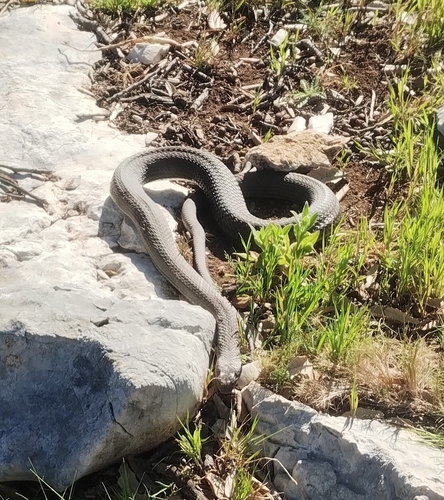
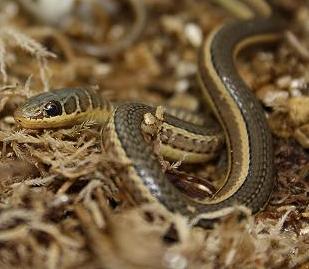
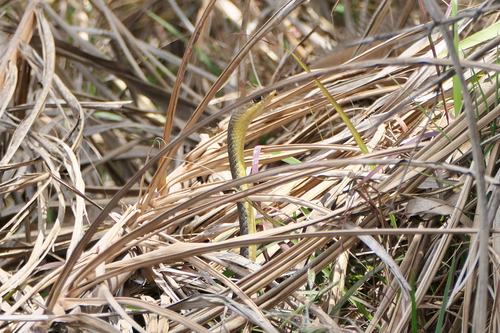
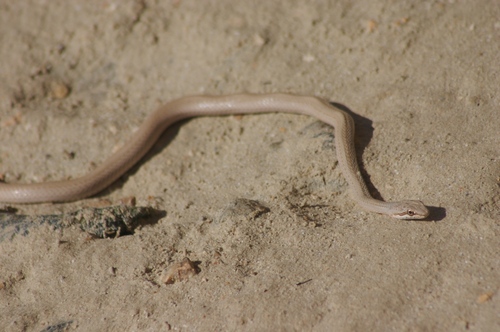
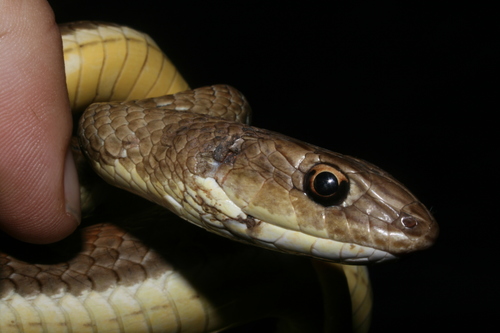
Viperidae (6)
Elapidae (3)
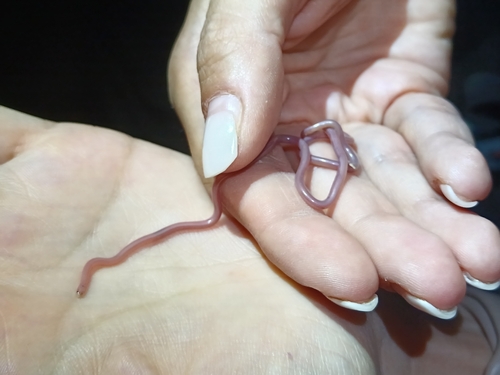
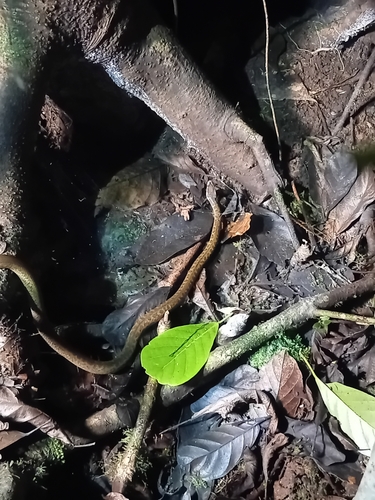
Leptotyphlopidae (2)
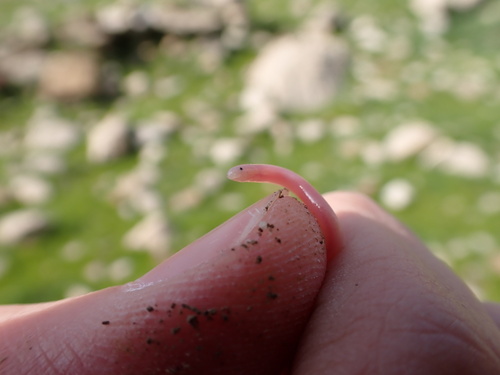
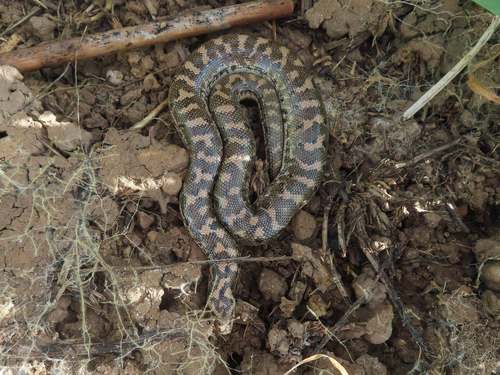
Boidae (1)
Compiled from verified GBIF & iNaturalist observations. "How often seen" reflects how frequently a snake is reported here, not how dangerous it is. Informational only.
Keep learning
- Are Snakes Dangerous? The Real Risk, in PerspectiveMost snakes are harmless and avoid people. Here is the honest picture of snakebite risk worldwide and how to lower your own.
- Snakebite First Aid: What to Do (and What Never to Do)A clear, CDC-based guide to snakebite first aid: the steps that help, the popular myths that hurt, and how to tell a serious bite from a minor one.
- Venomous vs Nonvenomous: How to Tell the DifferenceThe folk rules for telling venomous snakes apart, where each one fails, and why location-based identification beats guessing by sight.
- What to Do If You Find a SnakeFound a snake at home or on a trail? Here is how to stay calm, give it space, identify it safely, and know when to call a professional.