
Angola
Snakes in Angola
125+ snake species have been recorded in Angola, 34 venomous.
Snakes of Angola
Angola sits across one of the most varied stretches of southern Africa, and its snake fauna reflects that range. Our database records 125+ snake species in the country, of which 39 are venomous. The great majority of species are non-venomous. From the humid Atlantic coast and the lower Congo basin in the north, through the vast central plateau of miombo woodland, down to the arid Namib fringe and the Kalahari sands in the south, Angola layers tropical, savanna, and desert communities into a single country. That spread of climates and elevations is the main engine of its snake diversity.
Geography drives which snakes live where. The wetter northern forests and river systems favor moisture-loving species and arboreal hunters, while the open central woodlands and grasslands suit fast ground snakes and burrowers. The dry southwest supports a different set adapted to sand and rock, and the highland escarpments create pockets where ranges meet and overlap. Rivers, rocky outcrops, termite mounds, and seasonal wetlands all act as corridors and refuges, so a relatively small area can hold species that otherwise belong to very different habitats.
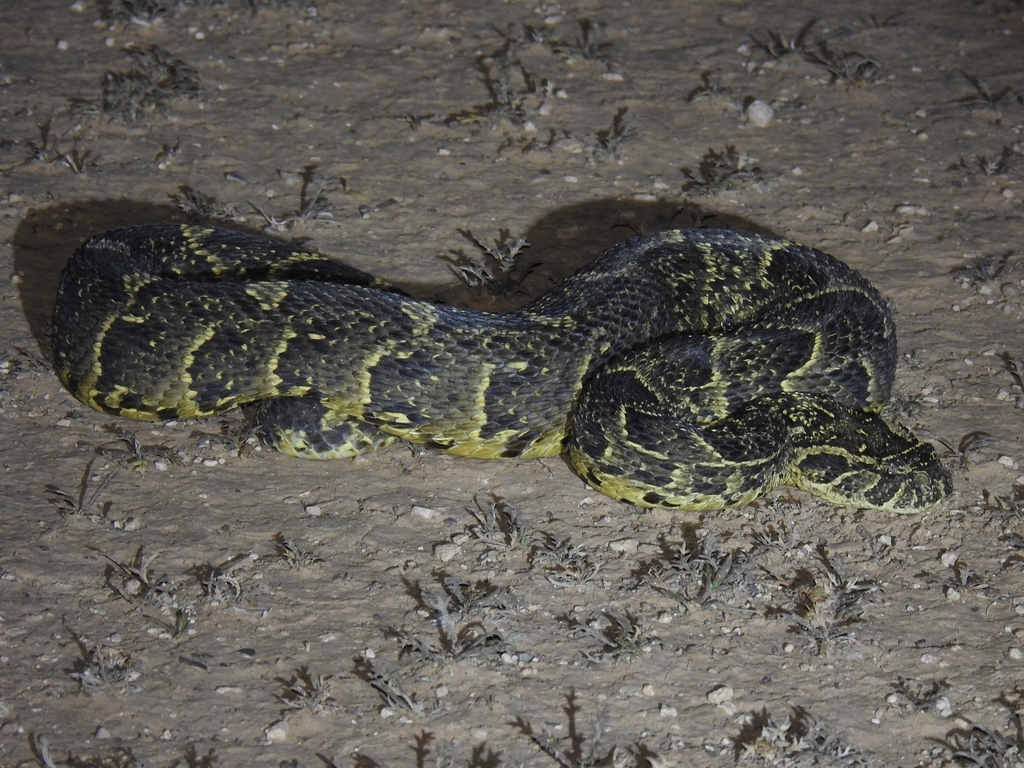
Several medically important venomous groups occur in Angola. Elapids are well represented: cobras are present, including spitting cobras whose venom can be sprayed toward the eyes, and the green mamba and black mamba both occur in suitable habitat, with the black mamba being a large, fast, and highly venomous snake. Burrowing asps, sometimes called stiletto snakes, are also found and can deliver a sideways bite that is hard to restrain safely. Among vipers, the puff adder is the standout, a thick-bodied, well-camouflaged ambush snake responsible for a large share of serious bites across its African range, alongside other adders in drier country. Because Angola also borders the Atlantic, the sea snake group is not a feature here in the way it is in the Indo-Pacific. Where a precise species identity is uncertain, treat the group, cobras, mambas, adders, and stiletto snakes, as the practical guide to risk.
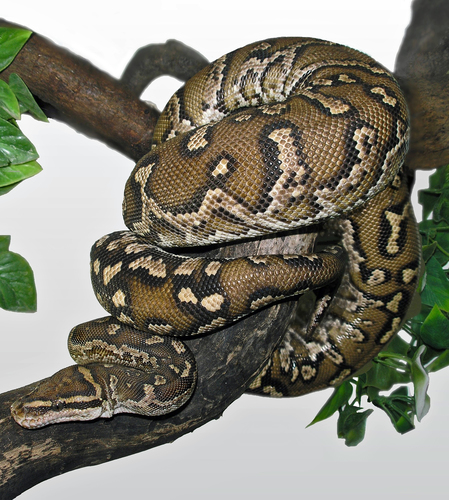
The non-venomous majority is the larger and more visible part of Angola's snake life. The African rock python is the most famous, a powerful constrictor and one of the continent's largest snakes, found near water and in woodland. House snakes, sand snakes, egg-eaters, and a wide array of harmless colubrids fill out the picture, along with many small, secretive burrowing species that most people never see. A number of these are harmless mimics whose coloring resembles more dangerous snakes, which is one reason confident field identification is difficult and best left to experts.
Snakes earn their place in these ecosystems. As predators they control rodents and other small animals that damage stored grain, spread disease, and multiply quickly without check. A healthy snake population is a quiet form of pest control around farms, villages, and grain stores, and the larger constrictors and the many small insect and lizard eaters each take a different slice of that work. Removing snakes tends to shift problems onto people rather than solve them.
On safety, the honest framing is that most snakes in Angola are harmless and want nothing to do with people. The main medical threats are the venomous elapids and vipers above, with the puff adder and the cobras and mambas being the species capable of causing serious harm. The treatment for a venomous bite is professional medical care: antivenom and supportive hospital treatment delivered by clinicians. No wild venomous snake should ever be handled, regardless of how calm or harmless it appears, and identification should not be attempted up close. If a bite occurs, get to emergency medical services immediately. In the United States, Poison Control is reachable at 1-800-222-1222; elsewhere, contact local emergency services without delay.
Snakes in Angola: FAQ
- Are there venomous snakes in Angola?
- Yes. 34 venomous snake species have verified records in Angola, including Puff Adder, Rhombic Night Adder, Brown Banded Cobra, Boomslang. Most snakes in Angola, however, are harmless.
- How many snake species live in Angola?
- 125+ snake species have verified records in Angola, of which 34 are venomous.
- What is the most commonly seen snake in Angola?
- The Puff Adder is the most frequently reported snake in Angola, based on verified wildlife observations.
- What should I do if I see a venomous snake in Angola?
- Keep your distance and do not try to catch or kill it. Most bites happen when people handle or corner a snake. If someone is bitten, contact local emergency services or poison control immediately.
Venomous snakes in Angola
Every snake recorded in Angola
125+ species across 12 families, grouped by family. Venomous flagged.
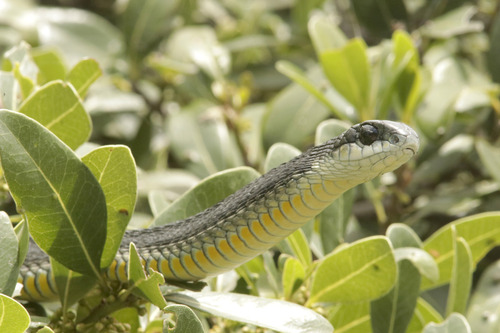
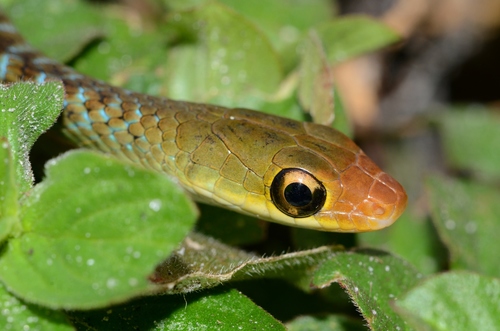
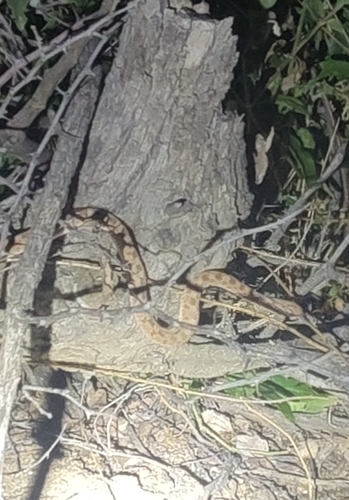
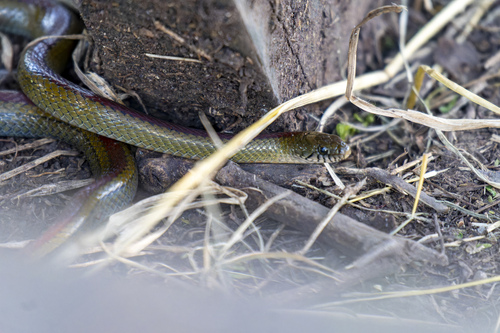
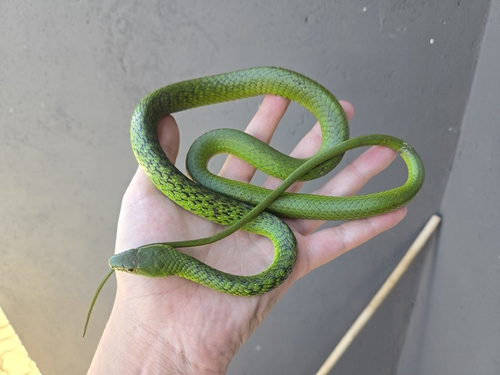
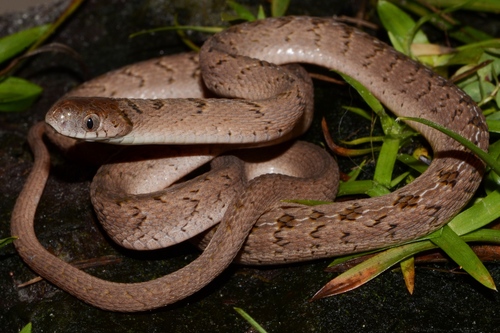
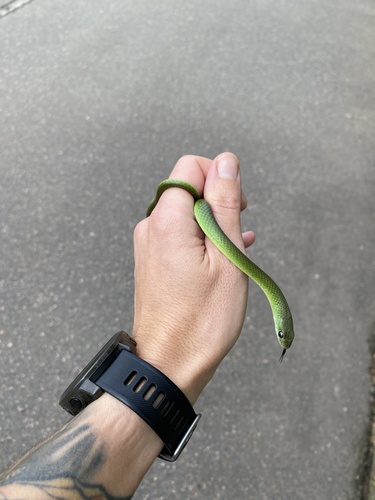
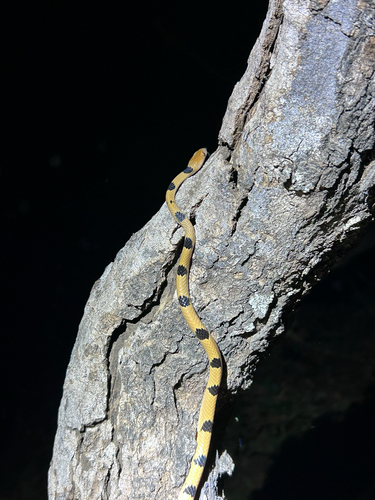
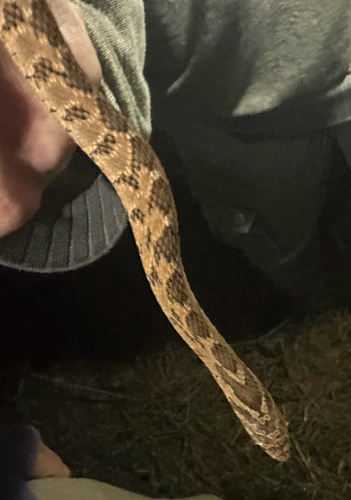
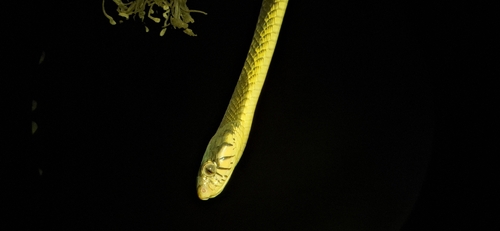
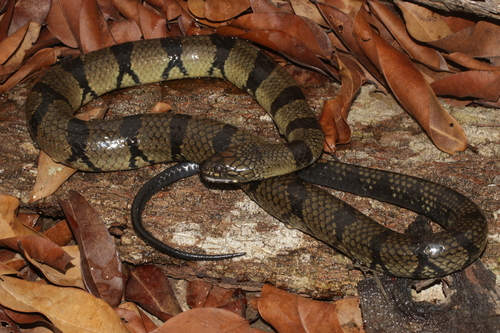
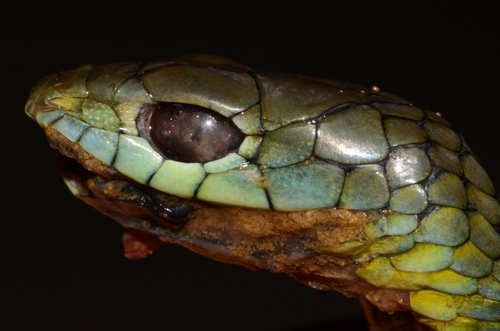
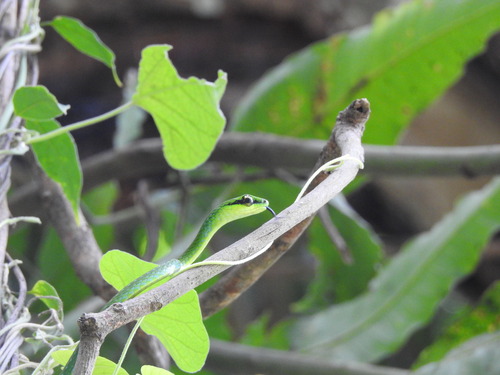
Colubridae (29)
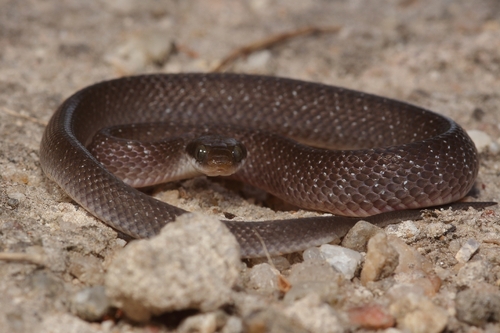
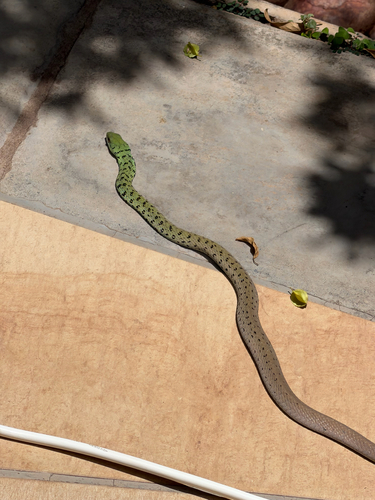
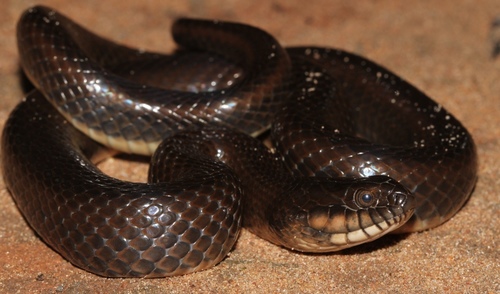
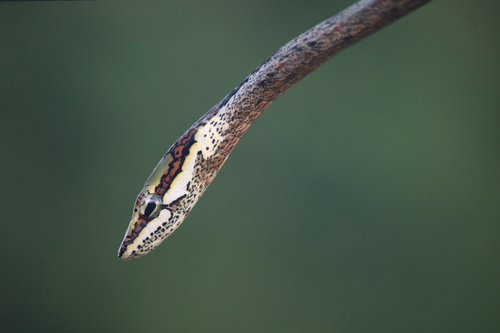
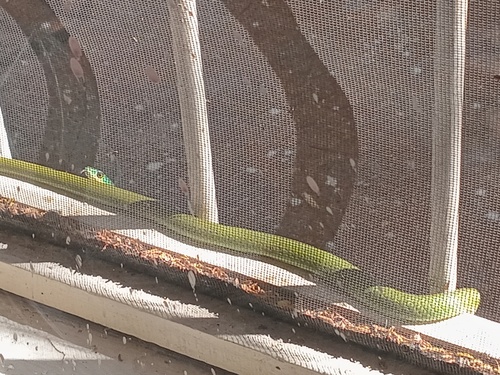
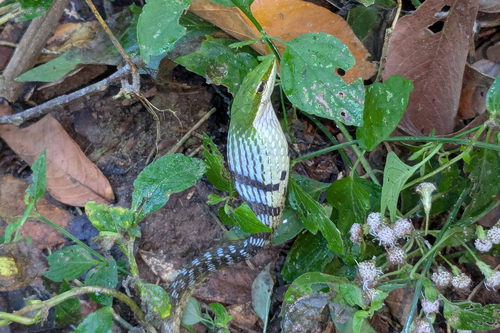
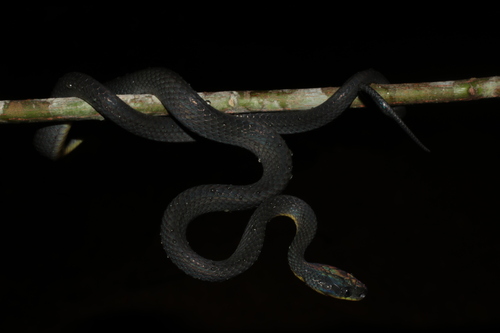
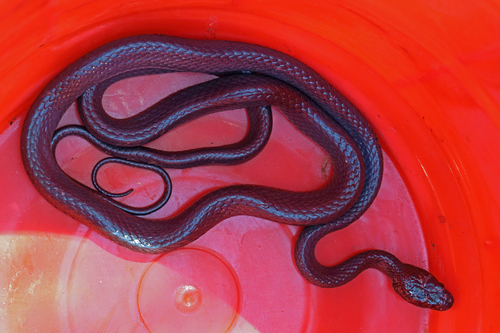
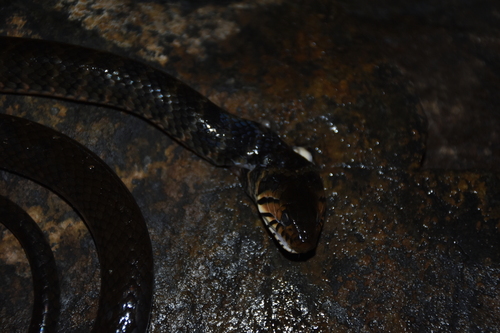
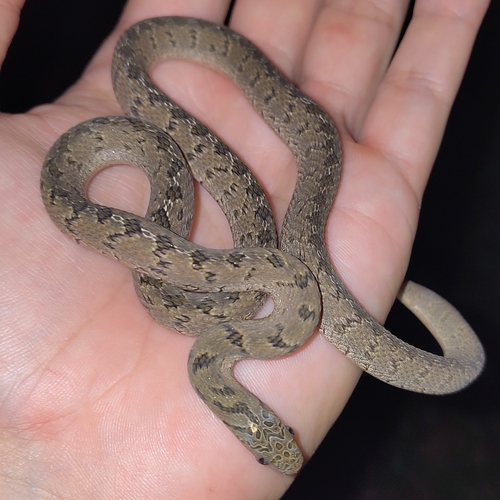
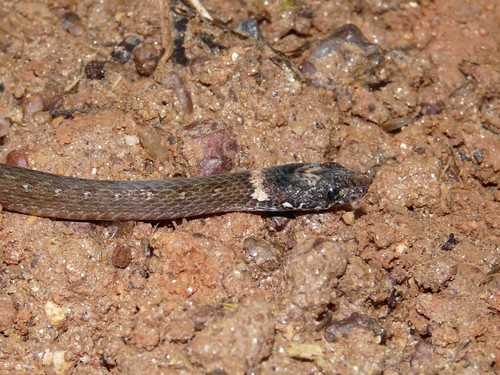

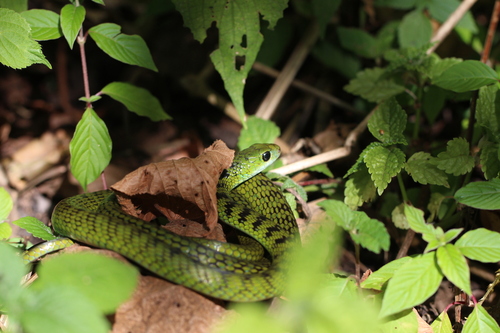
Lamprophiidae (21)
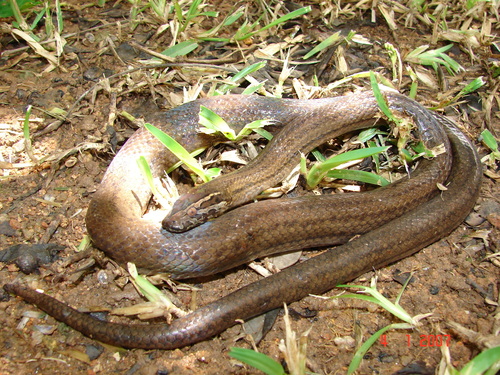
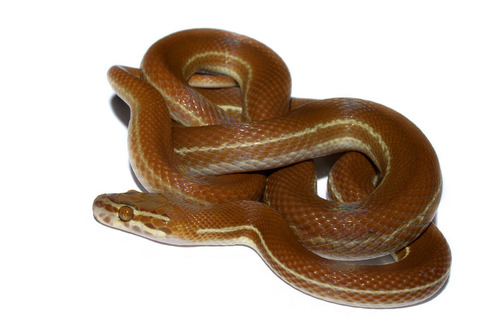
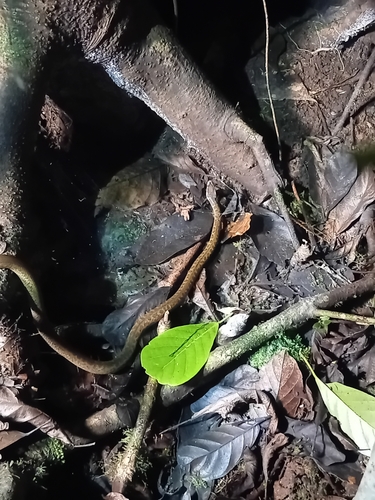
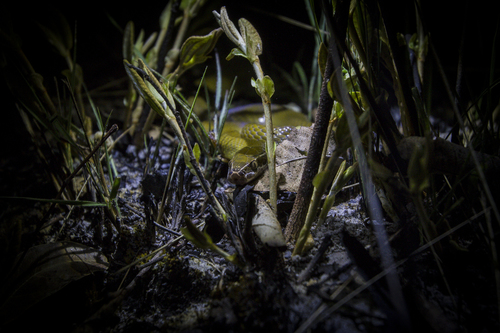
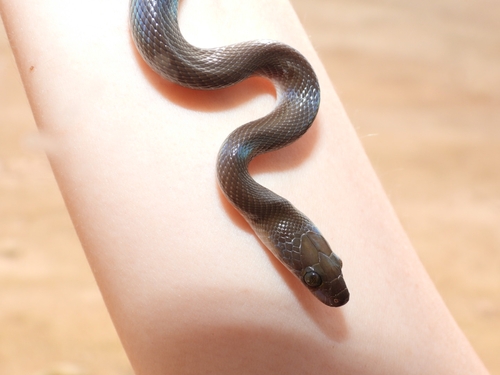
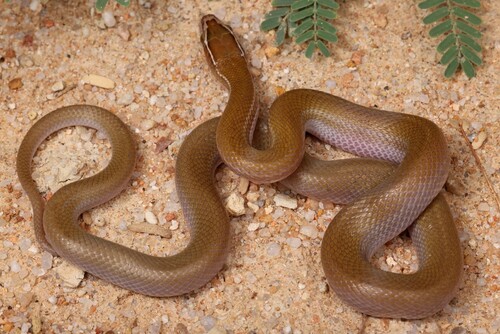
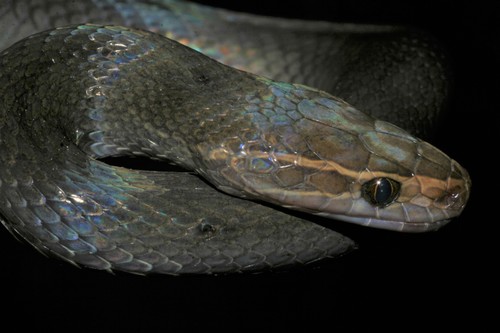
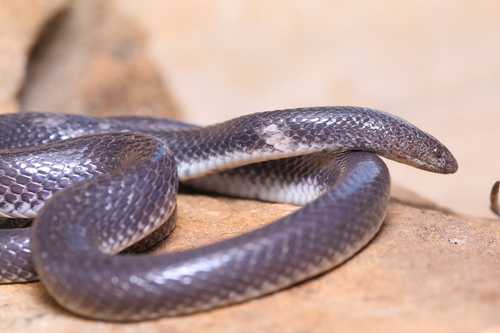
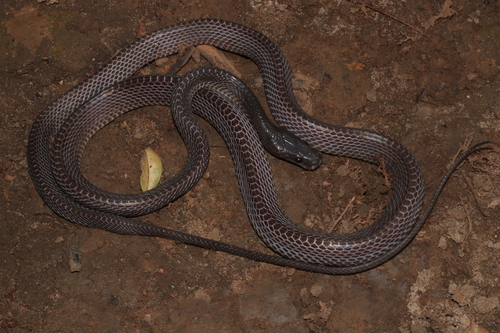
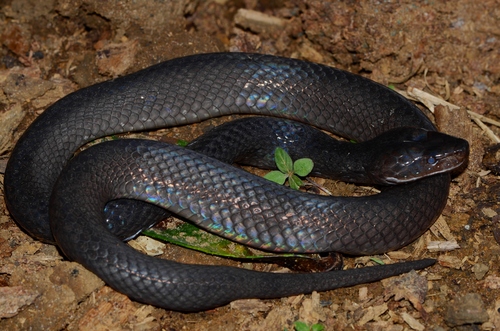
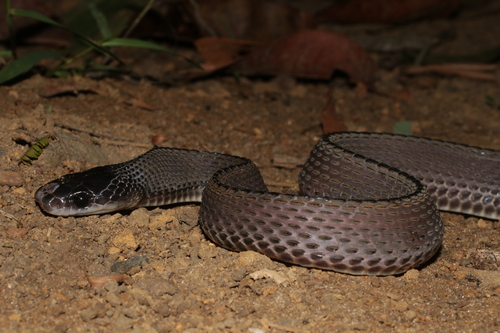

Elapidae (17)
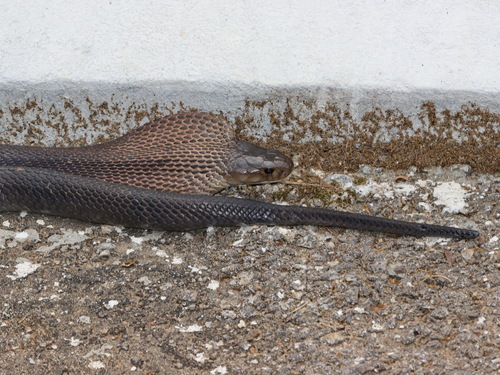
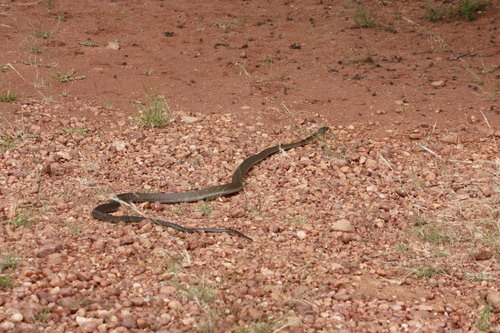
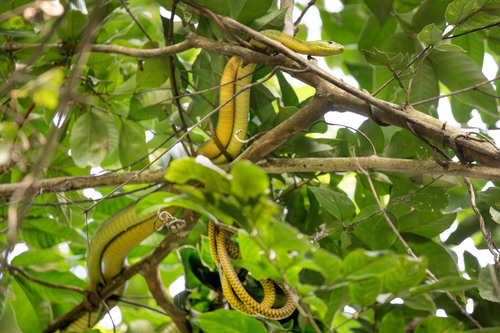
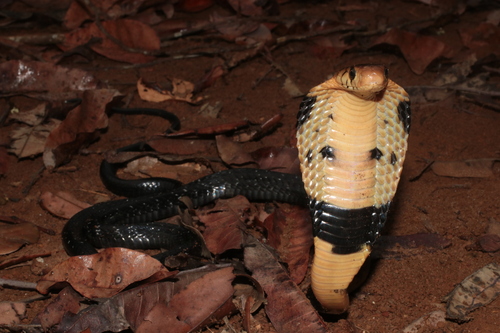
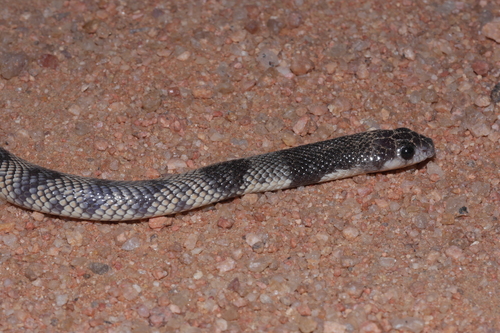
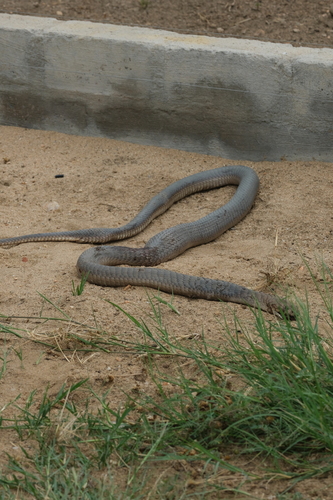
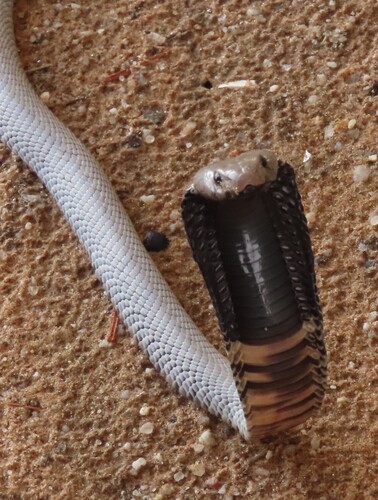
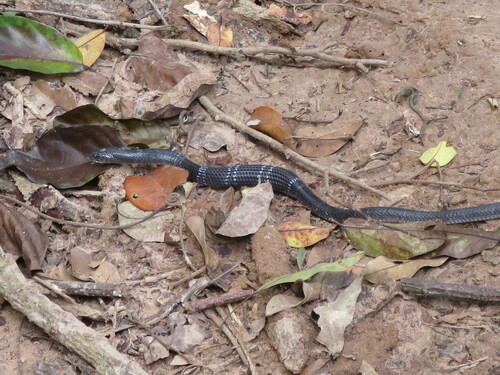
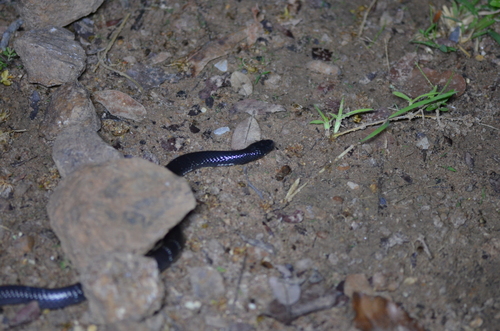
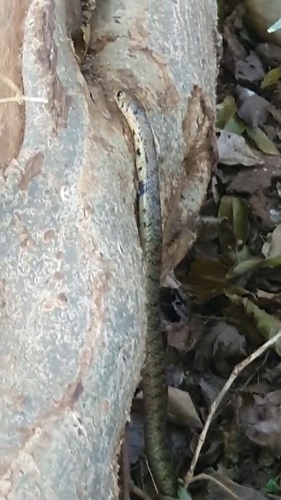
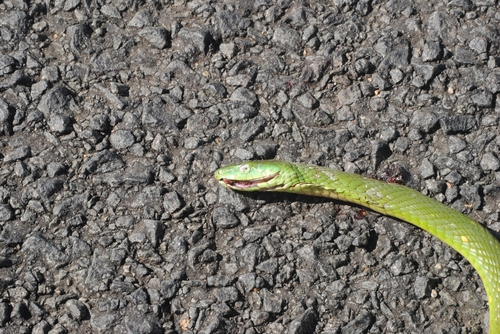
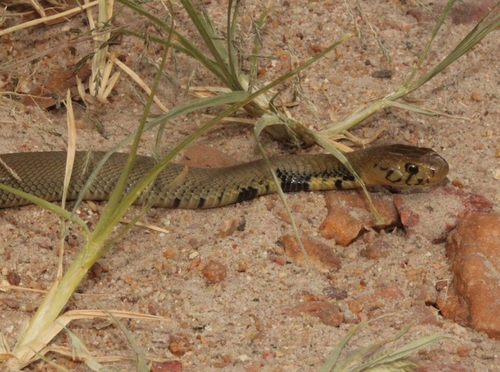
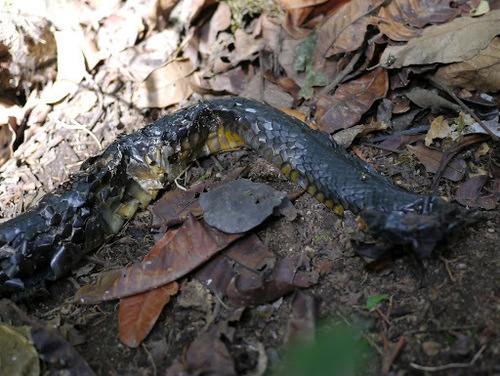
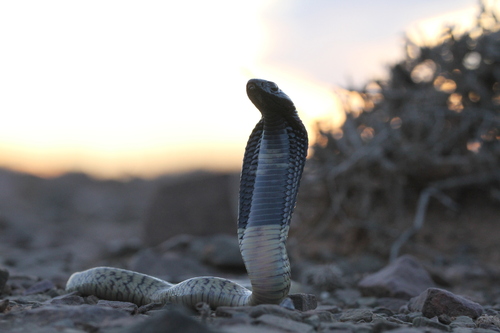
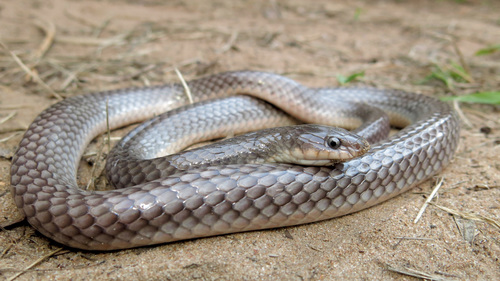
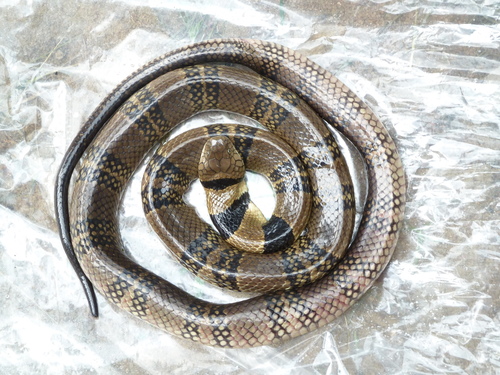
Psammophiidae (17)
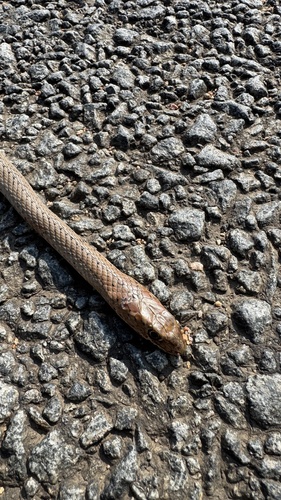
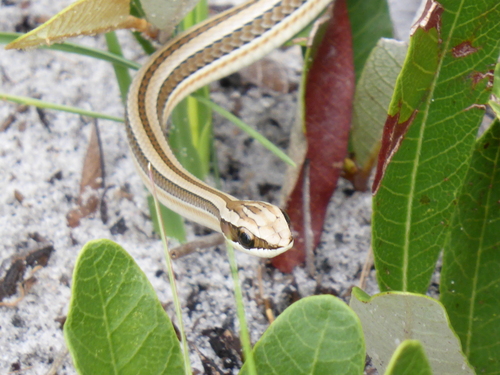
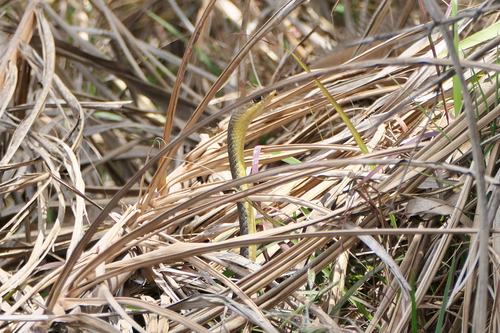
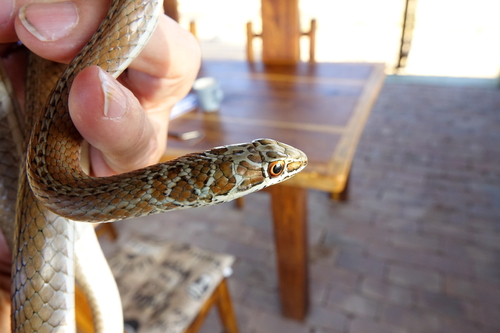
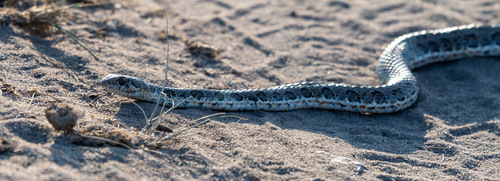
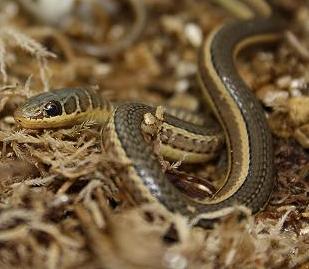
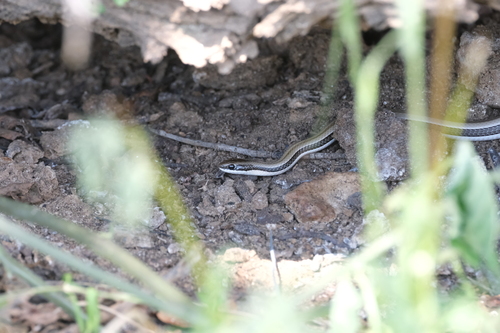
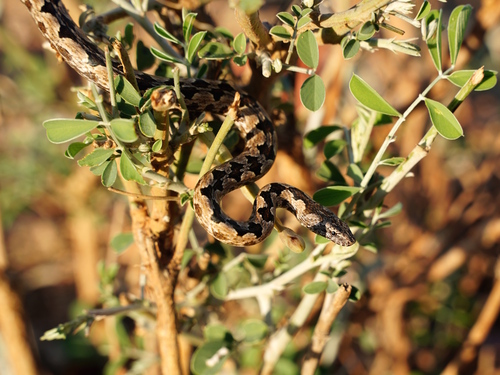
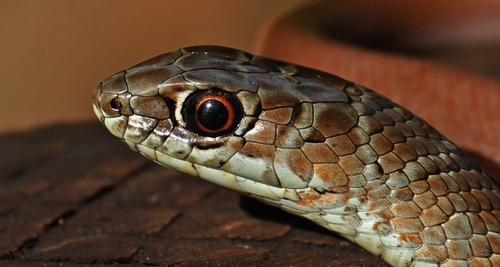
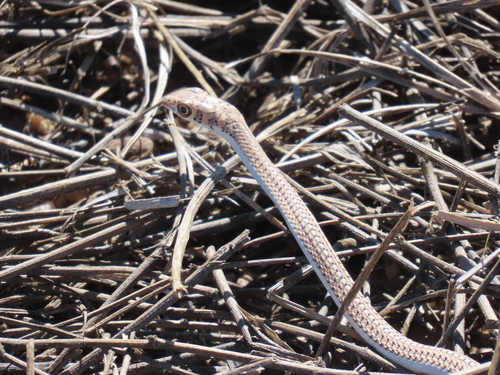

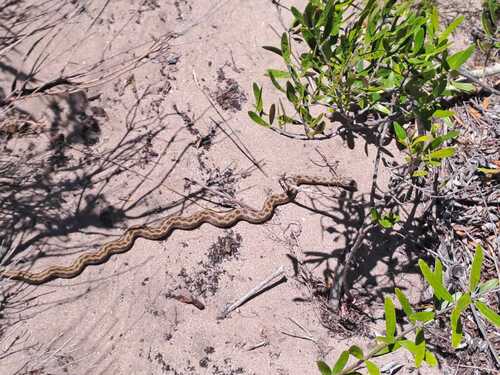
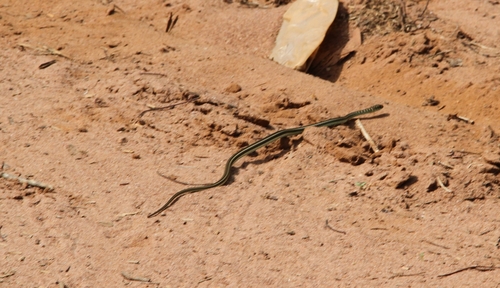
Viperidae (12)
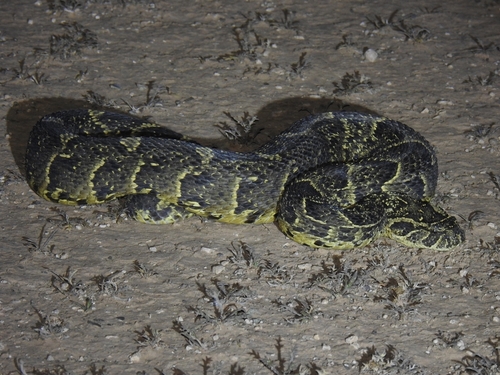
Prosymnidae (7)

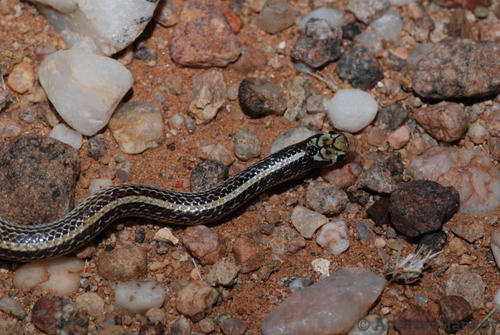
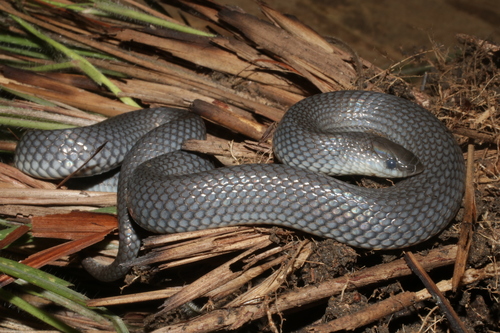
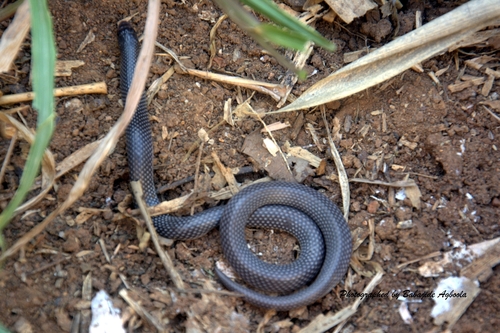
Atractaspididae (7)
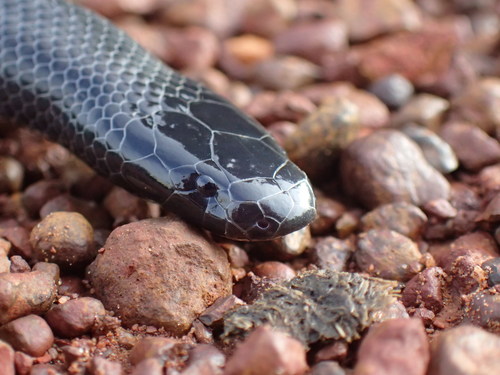
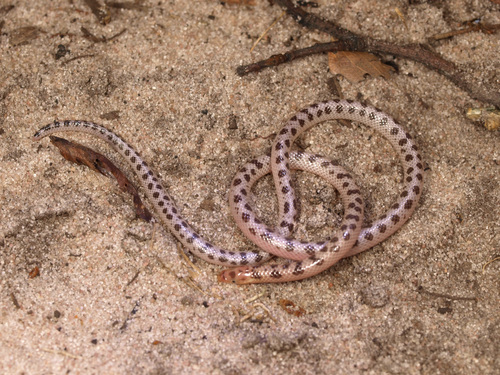
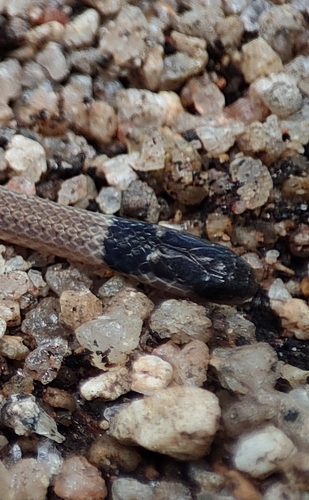
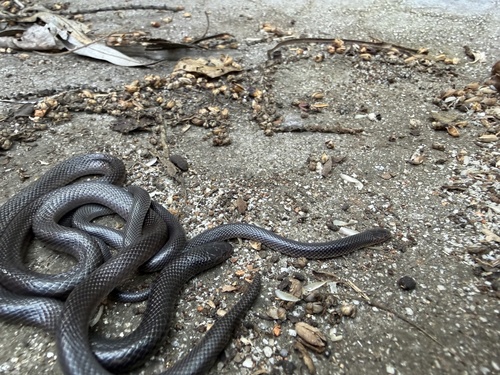
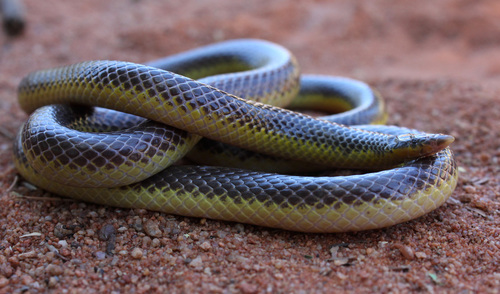
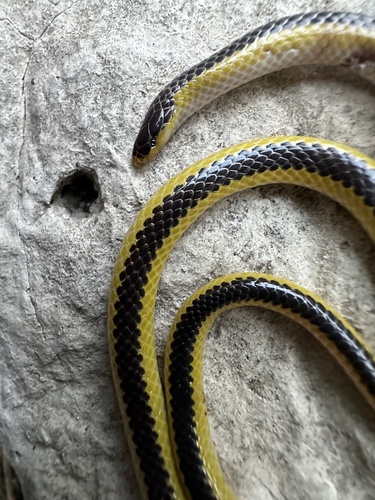
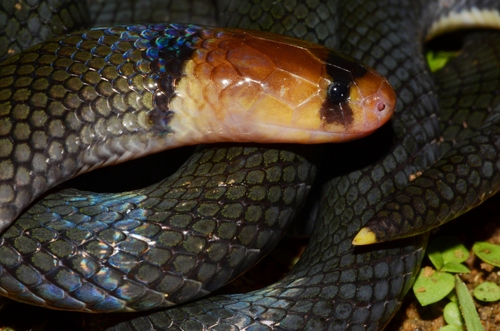
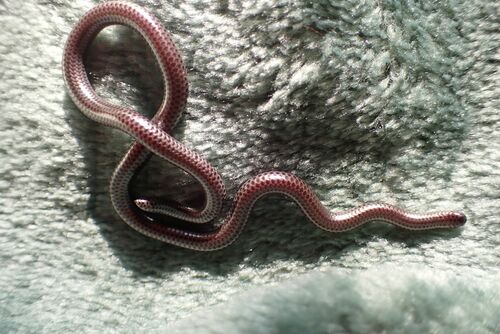
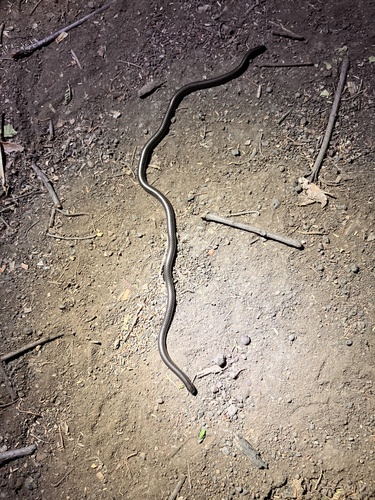
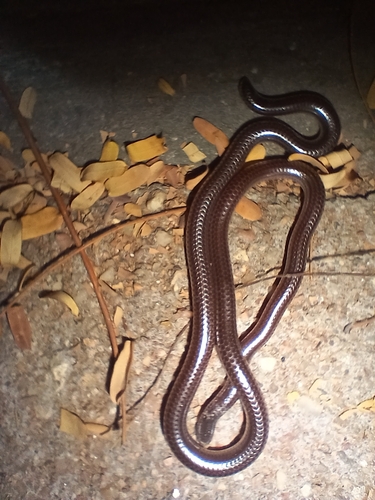
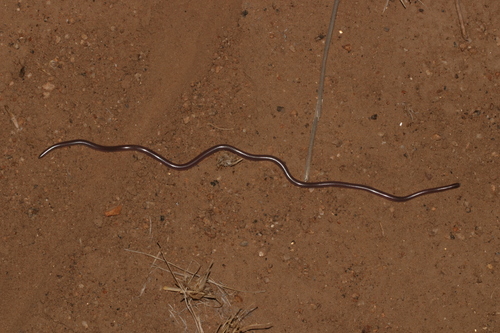
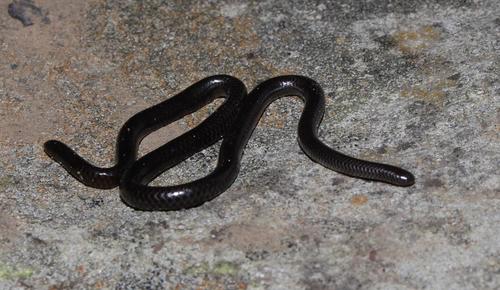
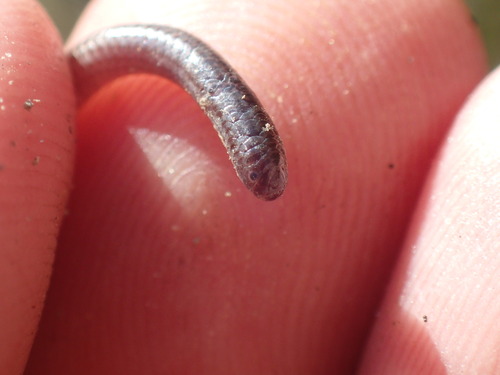
Typhlopidae (6)
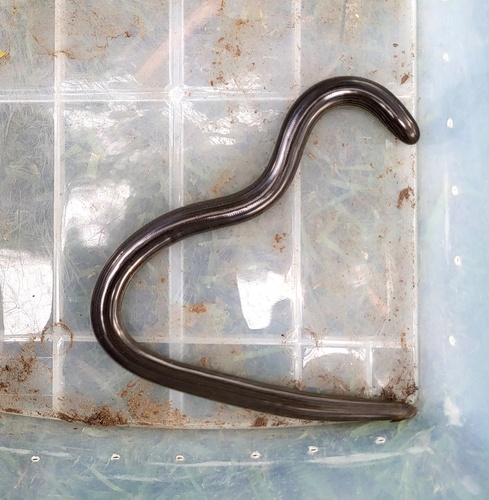
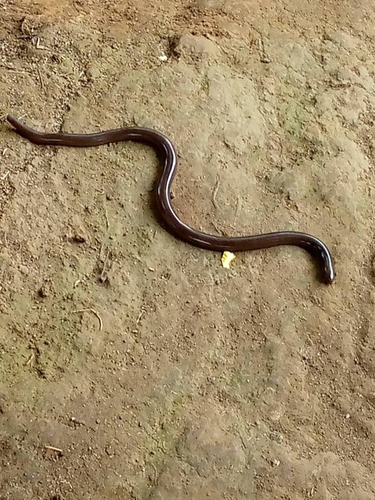
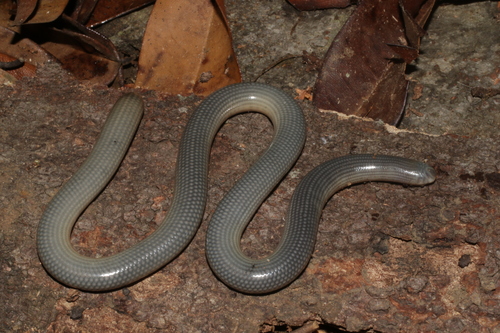
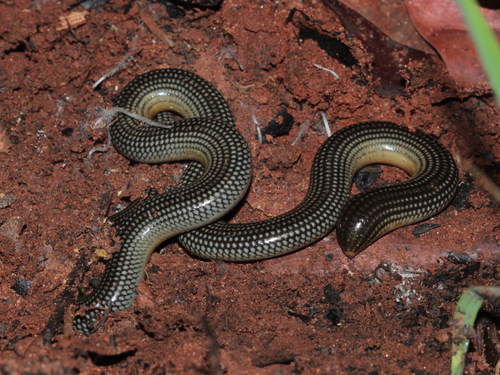
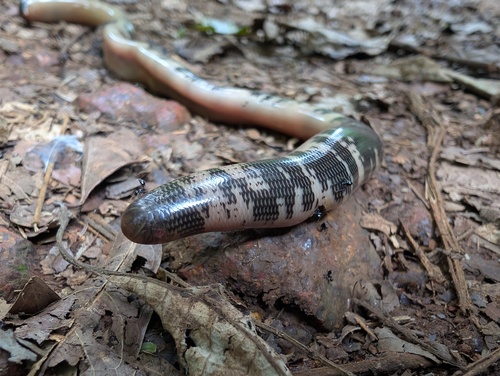
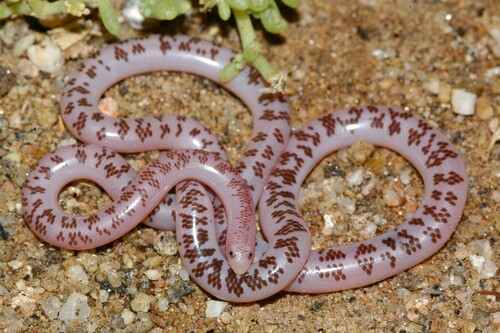
Leptotyphlopidae (6)
Pythonidae (2)
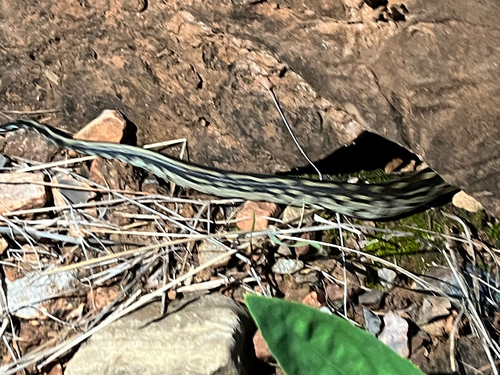
Pseudaspididae (2)
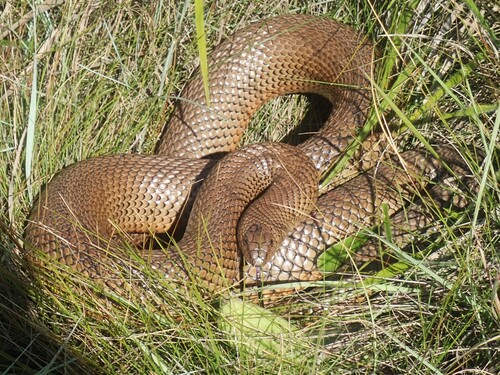
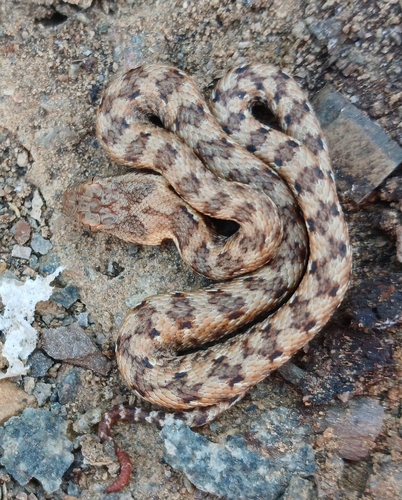
Homalopsidae (1)
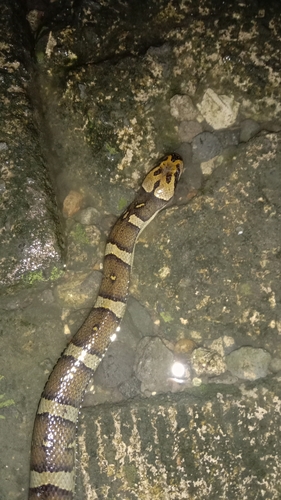
Compiled from verified GBIF & iNaturalist observations. "How often seen" reflects how frequently a snake is reported here, not how dangerous it is. Informational only.
Keep learning
- Are Snakes Dangerous? The Real Risk, in PerspectiveMost snakes are harmless and avoid people. Here is the honest picture of snakebite risk worldwide and how to lower your own.
- Snakebite First Aid: What to Do (and What Never to Do)A clear, CDC-based guide to snakebite first aid: the steps that help, the popular myths that hurt, and how to tell a serious bite from a minor one.
- Venomous vs Nonvenomous: How to Tell the DifferenceThe folk rules for telling venomous snakes apart, where each one fails, and why location-based identification beats guessing by sight.
- What to Do If You Find a SnakeFound a snake at home or on a trail? Here is how to stay calm, give it space, identify it safely, and know when to call a professional.