
Ethiopia
Snakes in Ethiopia
75+ snake species have been recorded in Ethiopia, 22 venomous.
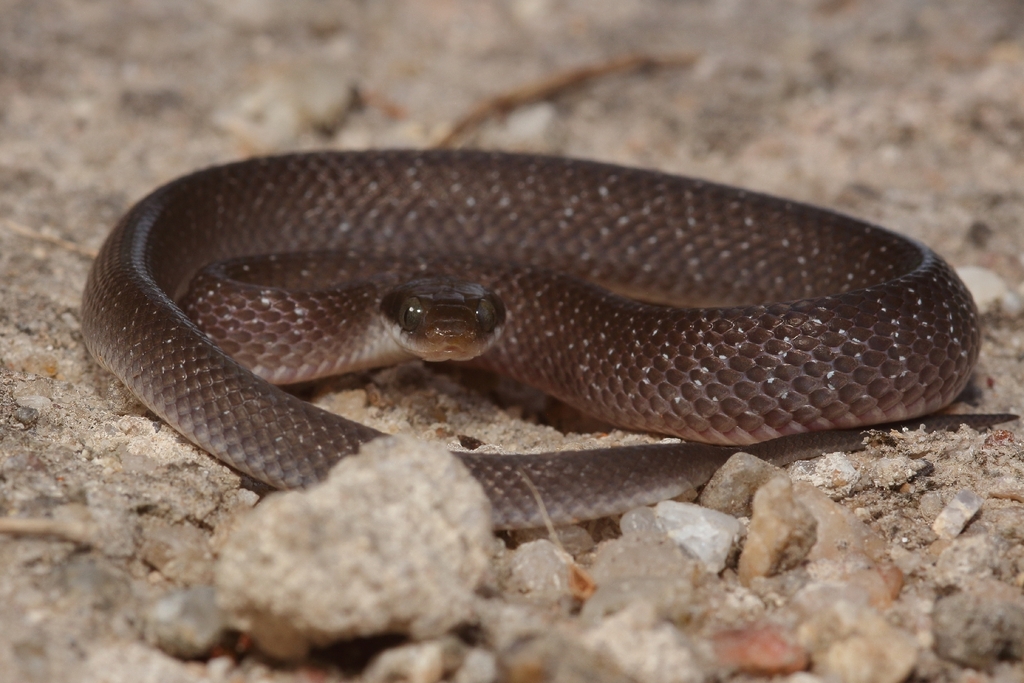
Snakes of Ethiopia
Ethiopia has 75+ snake species recorded in our database, 25 of them venomous. The great majority of species are non-venomous, which means most snakes a person encounters in the country pose no medical threat. Ethiopia sits at the meeting point of several major African ecological zones, and that position is the main reason its snake fauna is so varied.
Geography drives this diversity. The country spans the high Ethiopian Highlands, the deep Great Rift Valley, the hot arid lowlands of the Ogaden and Afar regions, dry savanna, riverine forest, and patches of montane woodland. Elevation ranges from one of the lowest points on the continent in the Danakil Depression to peaks above 4,000 meters. Each of these habitats supports a different set of reptiles, so cool highland grassland snakes, lowland desert species, and savanna and woodland snakes all occur within the same national borders. This range of climates and altitudes is what produces an unusually broad snake community.
The medically important venomous snakes of Ethiopia fall into a few well established groups. Elapids include cobras, with spitting cobras present in lowland and savanna areas, and the long, fast diurnal mambas of wooded and savanna habitats. The vipers are the other major group, and they cause a large share of serious bites: the puff adder is widespread and is one of the most significant snakes for human envenoming across its range, and saw scaled or carpet vipers occur in dry lowland zones and are responsible for many bites in arid Africa. Burrowing asps, sometimes called mole or stiletto vipers, are also present and can deliver venom even when handled carefully. There are no rattlesnakes, no pit vipers, and no coral snakes in Ethiopia, since those groups are native to the Americas and Asia; describing the African elapid and viper groups above is the accurate way to understand the real risk here.
The non-venomous majority is the larger story. Most Ethiopian snakes are harmless colubrids and related families, along with constrictors such as the African rock python, the largest snake in the country and a powerful but non-venomous predator. Sand boas, house snakes, sand snakes, egg eating snakes, and many small burrowing and blind snakes round out a fauna in which the typical snake is small, secretive, and no danger to people. These are the species most often seen in gardens, fields, and around homes.
Snakes earn their place in the landscape. They are efficient predators of rodents and other small animals, and a healthy snake population helps keep mice and rats in check around farms, grain stores, and villages. That rodent control protects stored food and reduces the spread of rodent borne disease, which makes even the species people fear ecologically valuable. Removing or killing snakes indiscriminately tends to allow pest populations to climb.
On safety, the honest framing is that most species you will meet are harmless, and the main medical threat comes from the vipers, especially puff adders and saw scaled vipers, and from cobras and mambas. No wild snake should ever be handled, picked up, or cornered, regardless of whether it looks venomous, because even non-venomous snakes bite and the dangerous species are not always easy to identify. The correct response to a venomous snakebite is professional medical care: antivenom and hospital treatment are the proven options, and a bite is a medical emergency. If a bite occurs, contact emergency services right away, or in the United States call Poison Control at 1-800-222-1222, and elsewhere call your local emergency number.
Snakes in Ethiopia: FAQ
- Are there venomous snakes in Ethiopia?
- Yes. 22 venomous snake species have verified records in Ethiopia, including Brown Banded Cobra, Rhombic Night Adder, Ethiopia Viper, Puff Adder. Most snakes in Ethiopia, however, are harmless.
- How many snake species live in Ethiopia?
- 75+ snake species have verified records in Ethiopia, of which 22 are venomous.
- What is the most commonly seen snake in Ethiopia?
- The Red-lipped Snake is the most frequently reported snake in Ethiopia, based on verified wildlife observations.
- What should I do if I see a venomous snake in Ethiopia?
- Keep your distance and do not try to catch or kill it. Most bites happen when people handle or corner a snake. If someone is bitten, contact local emergency services or poison control immediately.
Venomous snakes in Ethiopia
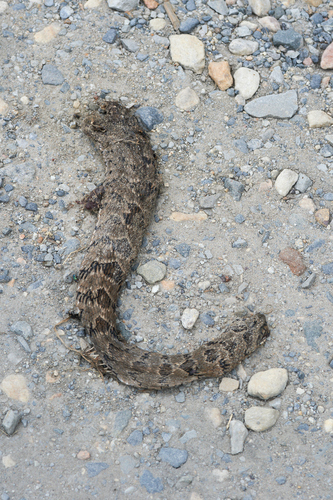
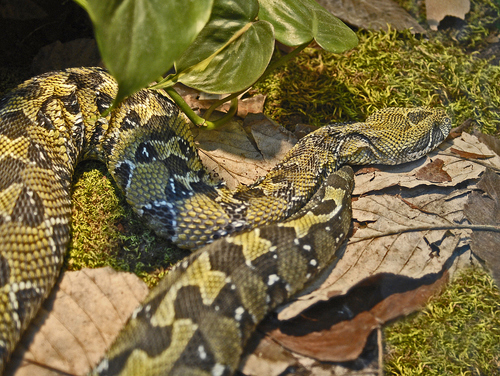
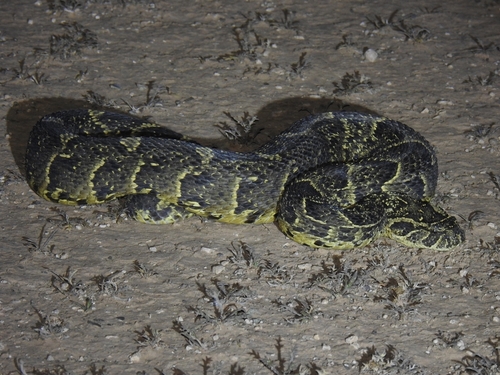
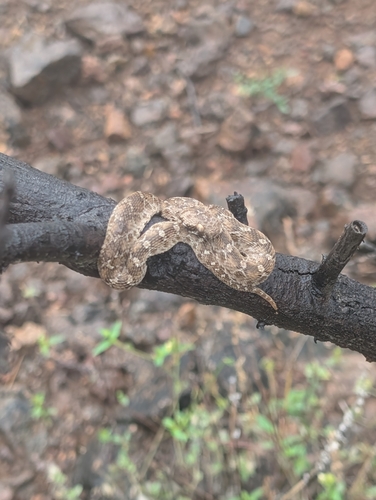
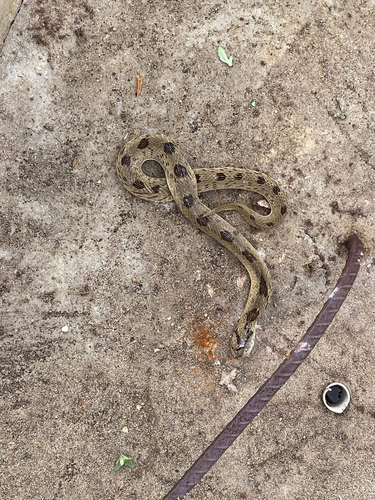

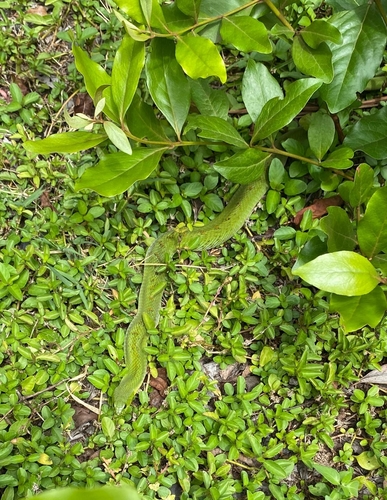
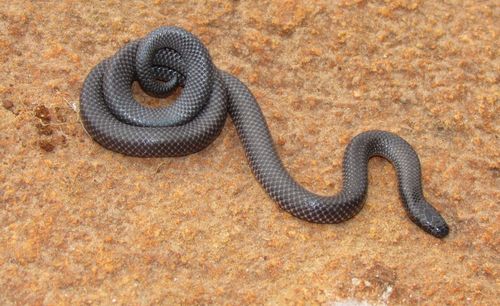
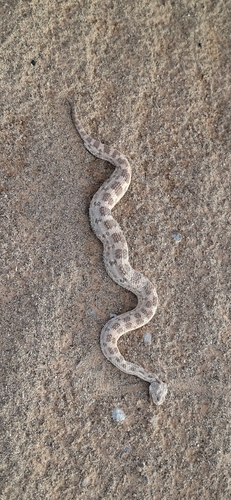
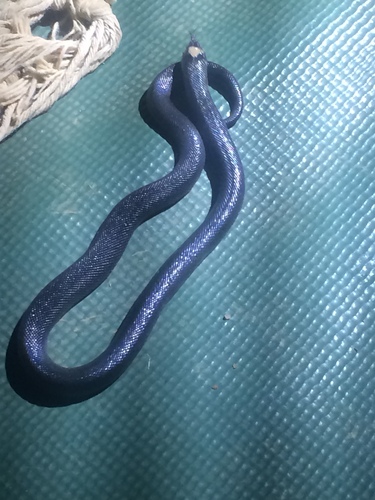
Every snake recorded in Ethiopia
75+ species across 11 families, grouped by family. Venomous flagged.
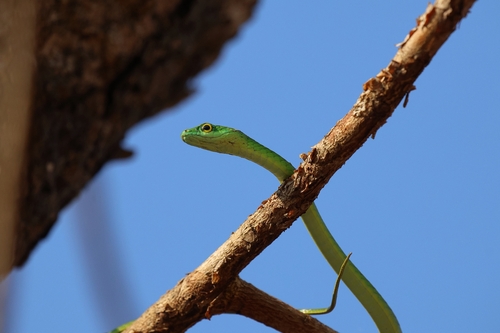
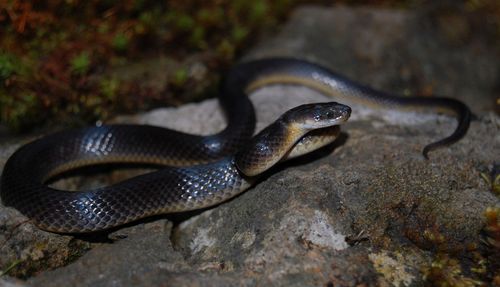
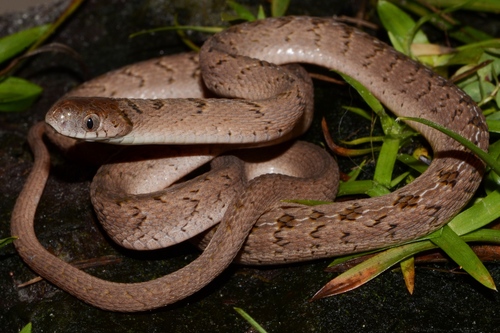
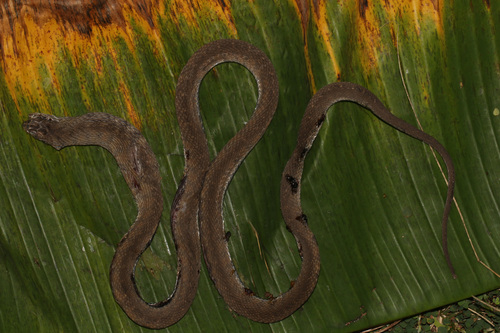
Colubridae (23)
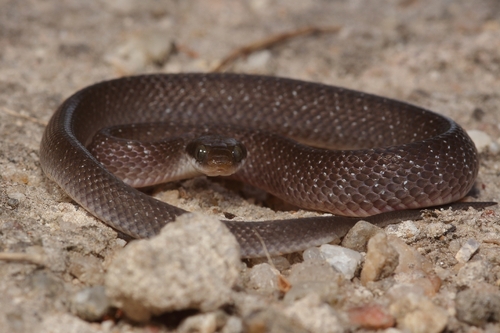
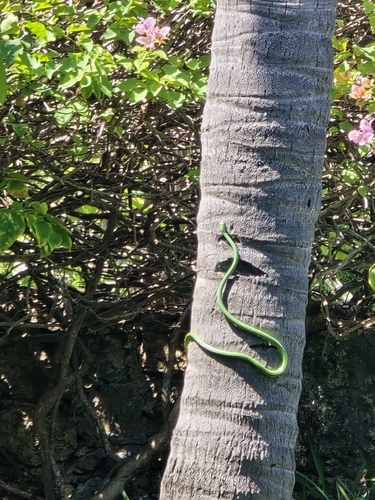
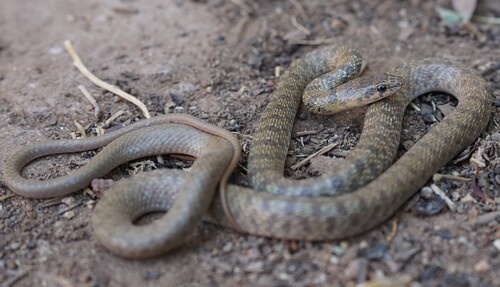
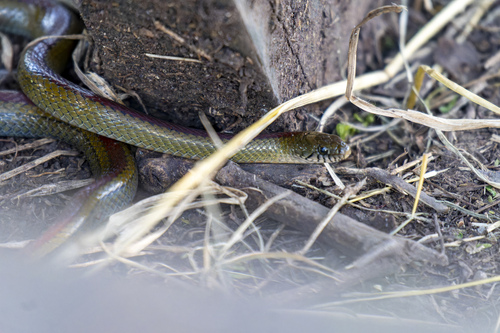

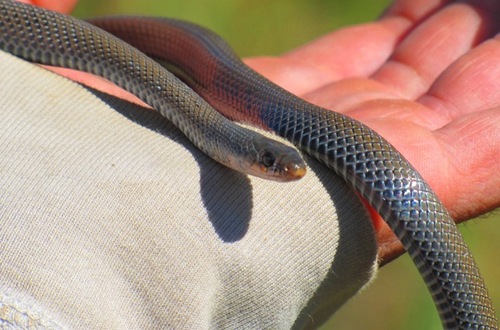
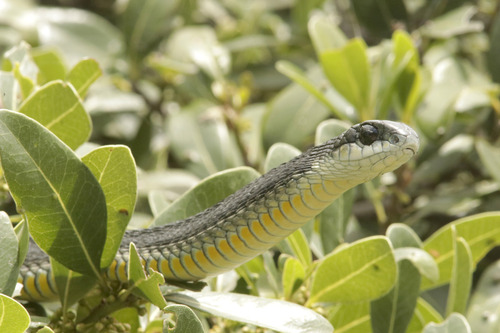
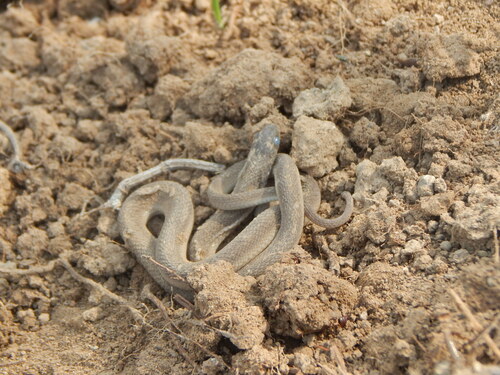
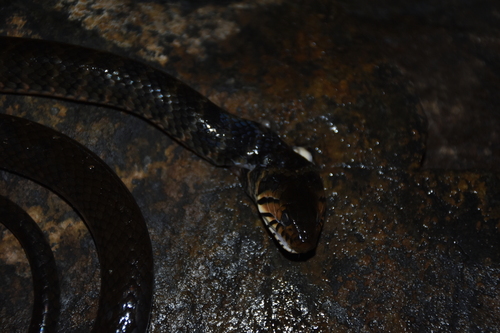
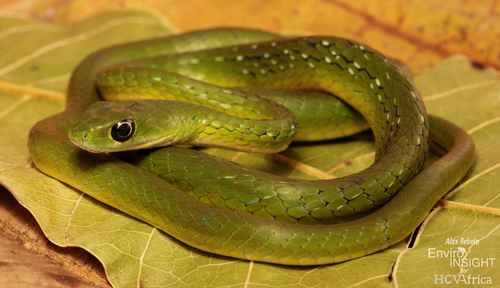
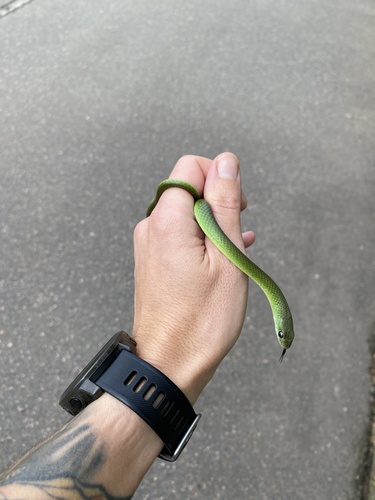
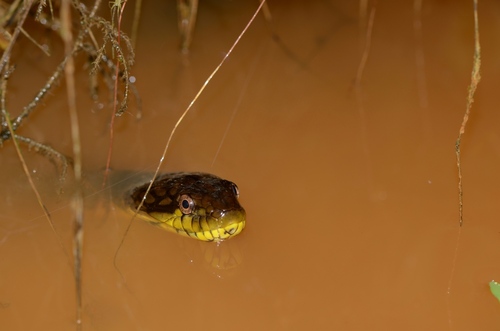

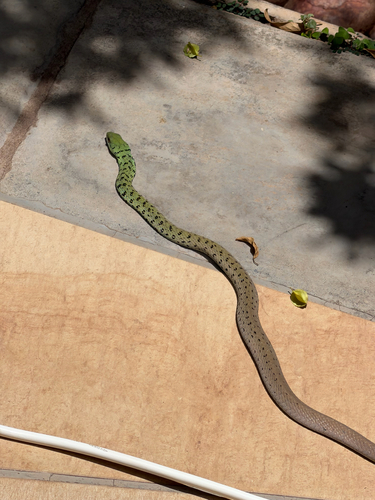
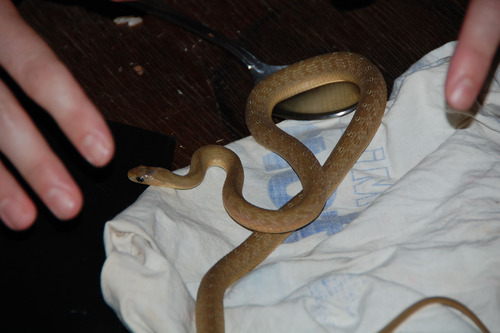
Psammophiidae (17)
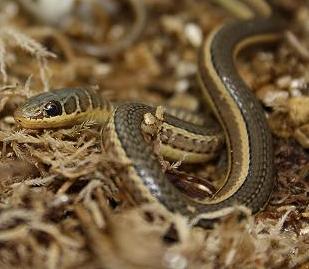
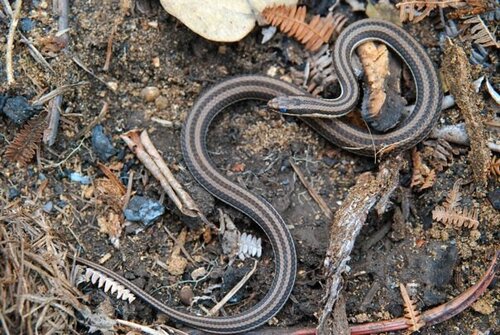
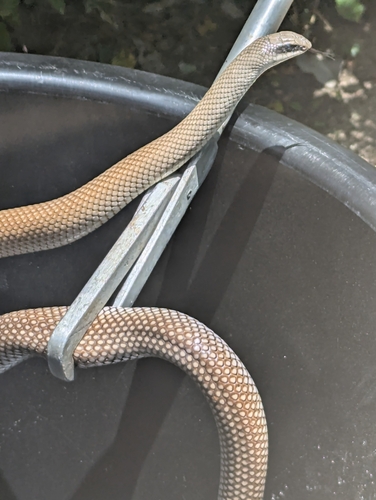
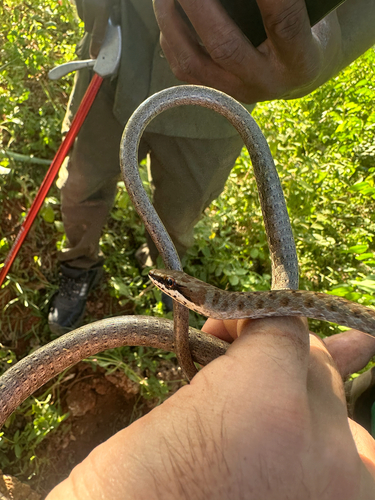
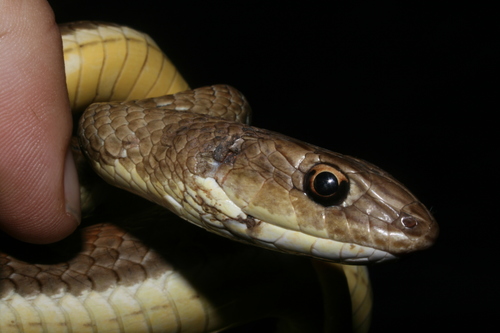
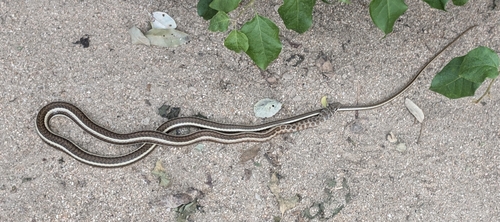
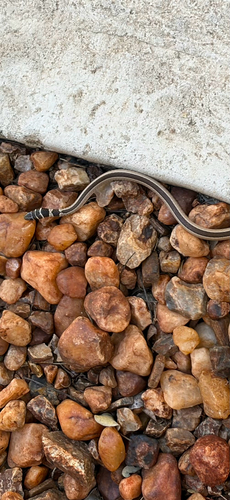
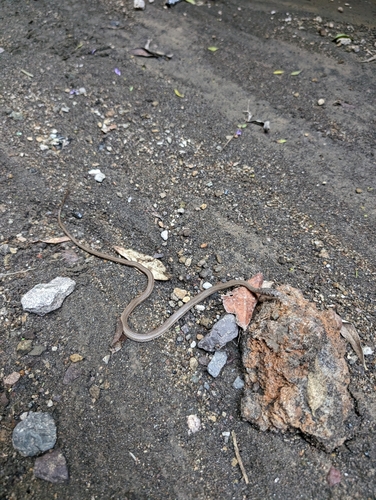
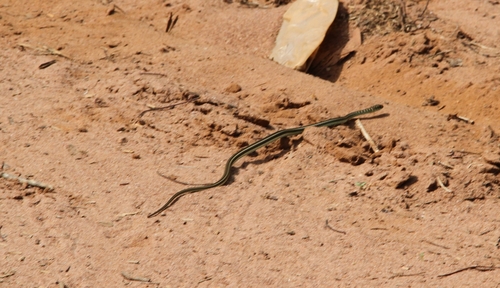
Elapidae (11)
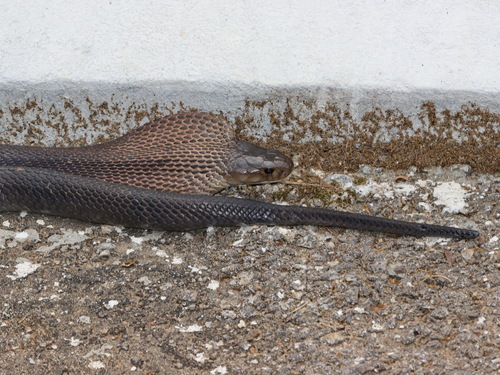
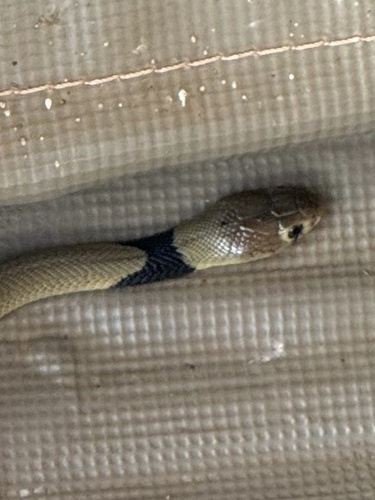
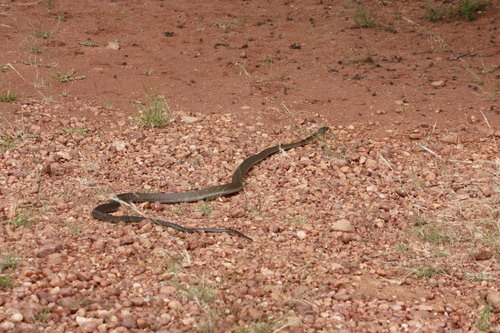
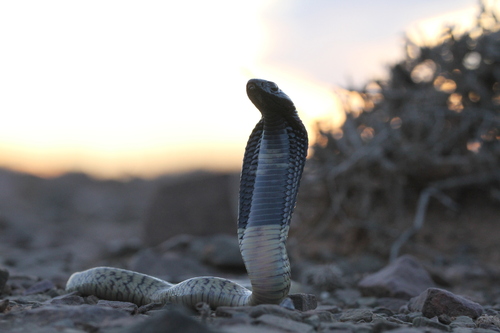
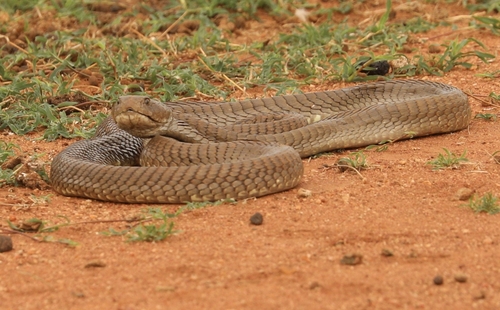
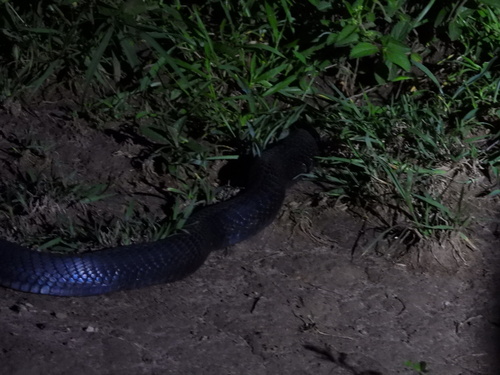
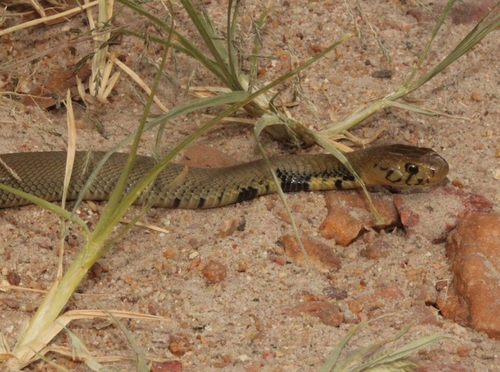
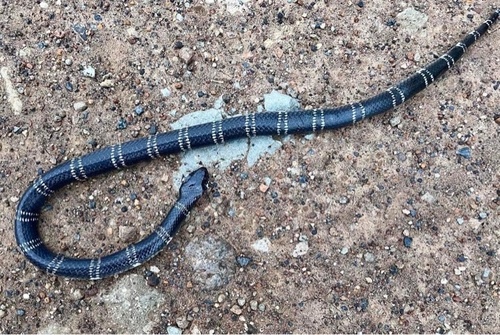
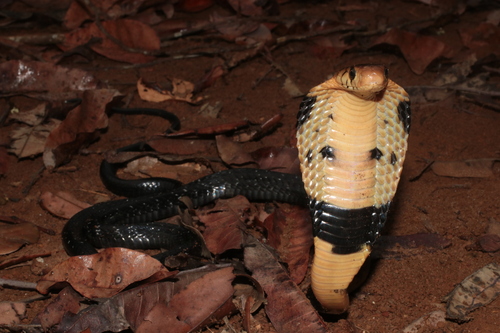
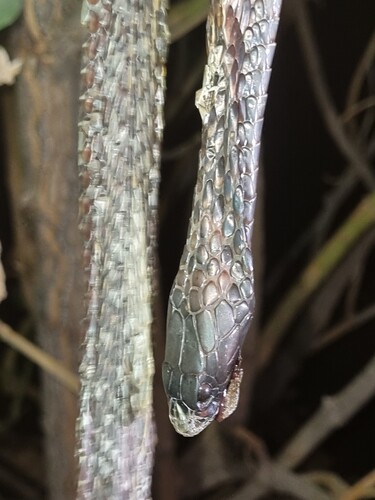
Lamprophiidae (10)
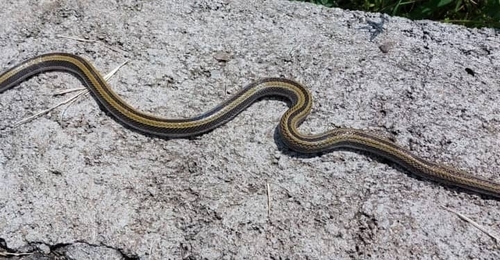
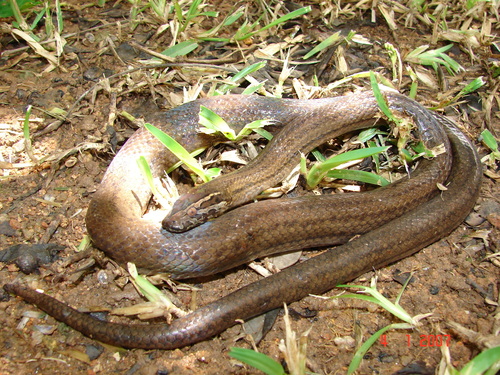
Viperidae (7)
Typhlopidae (5)
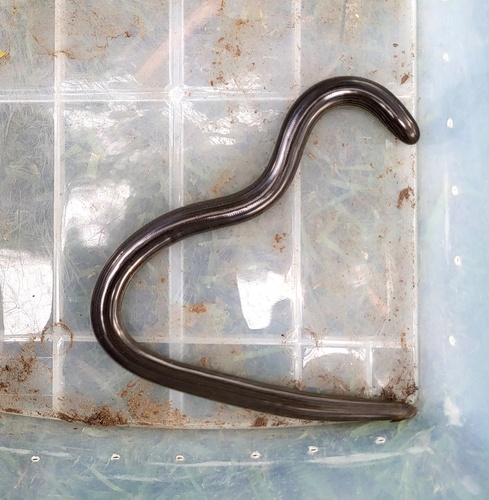
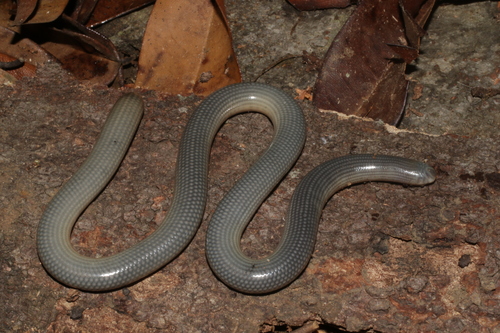
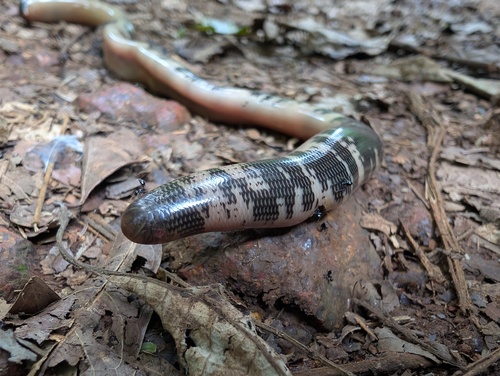
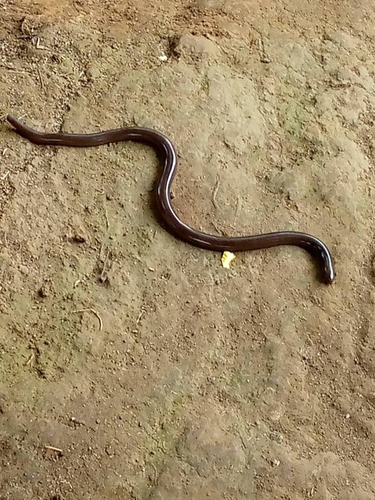
Atractaspididae (5)
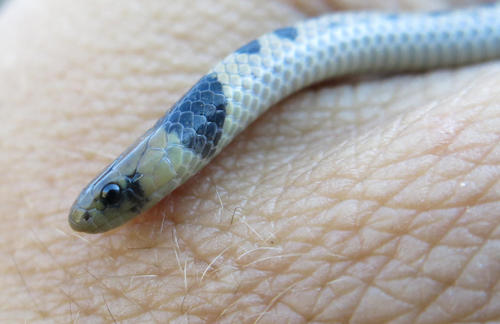
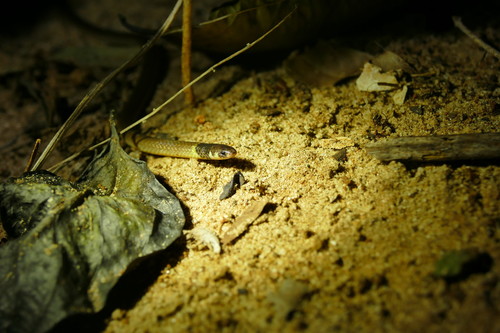
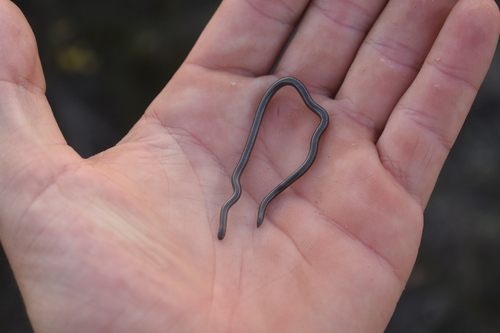
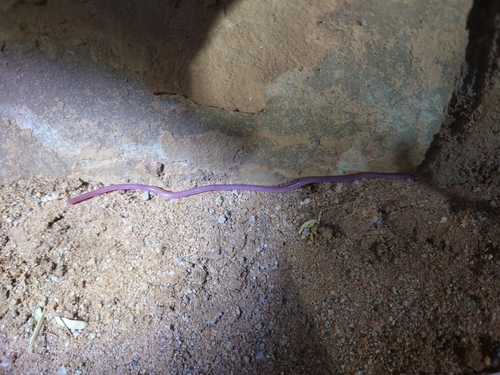
Leptotyphlopidae (4)
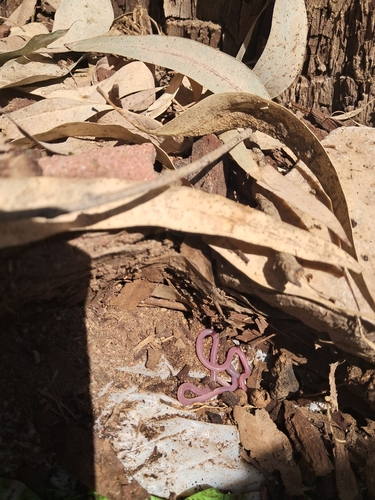
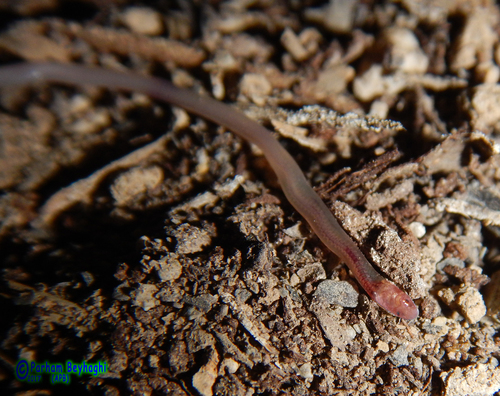
Prosymnidae (3)
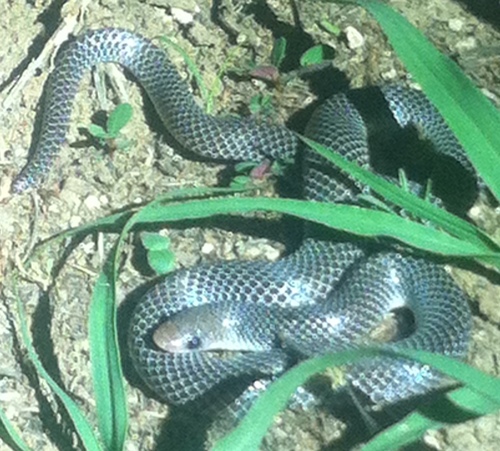
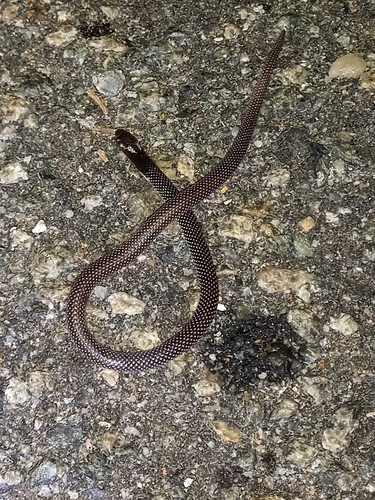
Pseudoxyrhophiidae (1)
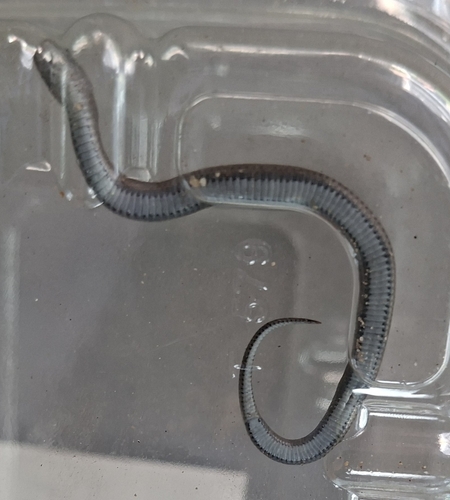
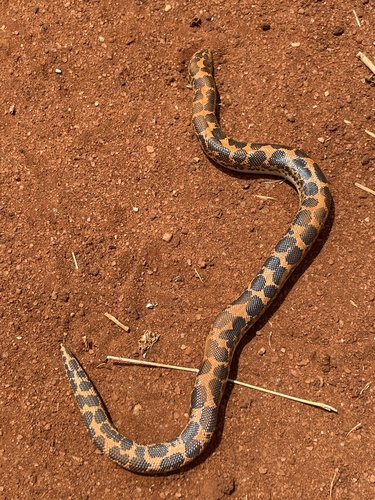
Compiled from verified GBIF & iNaturalist observations. "How often seen" reflects how frequently a snake is reported here, not how dangerous it is. Informational only.
Keep learning
- Are Snakes Dangerous? The Real Risk, in PerspectiveMost snakes are harmless and avoid people. Here is the honest picture of snakebite risk worldwide and how to lower your own.
- Snakebite First Aid: What to Do (and What Never to Do)A clear, CDC-based guide to snakebite first aid: the steps that help, the popular myths that hurt, and how to tell a serious bite from a minor one.
- Venomous vs Nonvenomous: How to Tell the DifferenceThe folk rules for telling venomous snakes apart, where each one fails, and why location-based identification beats guessing by sight.
- What to Do If You Find a SnakeFound a snake at home or on a trail? Here is how to stay calm, give it space, identify it safely, and know when to call a professional.