
Equatorial Guinea
Snakes in Equatorial Guinea
50+ snake species have been recorded in Equatorial Guinea, 15 venomous.
Snakes of Equatorial Guinea
Equatorial Guinea has 50+ snake species recorded in our database, 18 of them venomous. The great majority of species are non-venomous, a pattern that holds across Central Africa. The country spans two very different settings: the mainland region of Rio Muni, which sits within the Congo Basin rainforest belt, and the volcanic island of Bioko in the Gulf of Guinea. Both fall within a wet, equatorial climate that supports dense lowland and montane forest, and that habitat richness is the main reason the snake fauna is so varied.
Geography drives that diversity. Lowland rainforest, forest edges, rivers and swampy ground, montane forest on Bioko's peaks, plantation and farmland mosaics, and coastal mangroves each support a different set of snakes. Forest specialists thrive in the leaf litter and canopy of Rio Muni, while disturbed land near villages and farms favors adaptable species that follow rodents. Bioko's isolation as an island adds its own twist, with a fauna shaped by what could colonize and persist there. Warm temperatures and year-round moisture keep snakes active across the seasons.
Among the medically important venomous snakes, several groups are relevant here. Elapids include cobras, with forest and water-associated cobras present in the region, and mambas, including arboreal green mambas of the Central African forests. Vipers are the other major concern, led by large terrestrial species in the Bitis group such as the gaboon and rhinoceros vipers, whose forest-floor camouflage makes them easy to step on, along with smaller bush and night vipers. The forest cobras and mambas deliver primarily neurotoxic venom, while the big vipers cause severe local tissue damage and bleeding. Coastal and offshore waters of the Gulf of Guinea are within the range of sea snakes, though encounters are uncommon. There are no rattlesnakes, coral snakes, or pit vipers in Africa; those groups belong to the Americas and Asia.
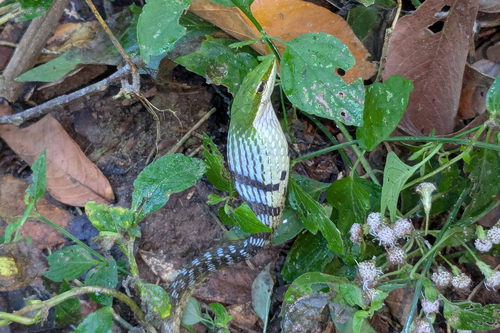
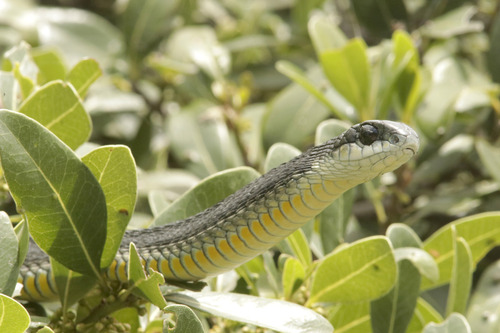
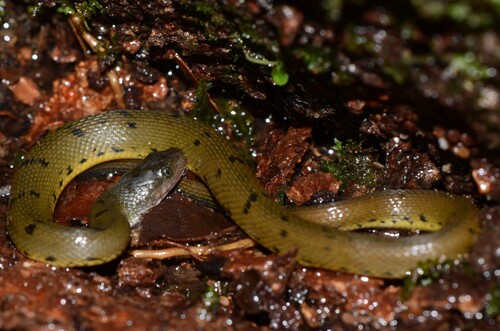
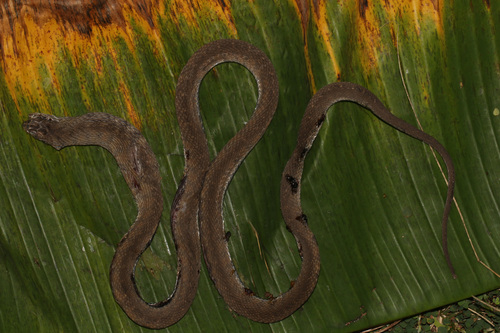
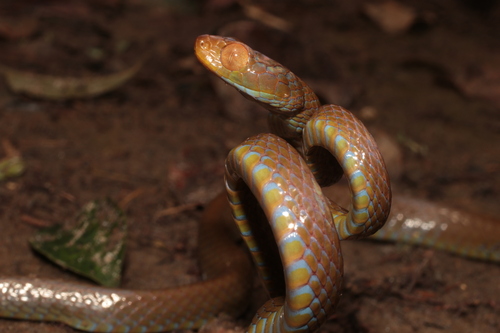
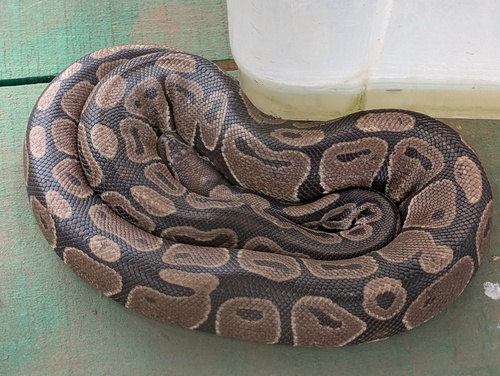
The large non-venomous majority is what people actually meet most often. House snakes, file snakes, sand snakes, and a range of forest colubrids hunt rodents, frogs, and lizards. Pythons are the most famous group, including the African rock python, one of the continent's largest snakes, and the smaller, gentle ball python, which is widely known in the global pet trade. Egg-eating snakes, blind snakes, and various burrowing species round out a diverse and mostly harmless community. Most snakes a person sees in Equatorial Guinea pose no danger to humans.
Snakes earn their place in these ecosystems. By preying on rats, mice, and other rodents, they hold down populations that damage stored food and crops and that spread disease. Pythons and larger colubrids act as natural pest control around farms and homes, and snakes themselves feed hawks, owls, and other predators. Removing snakes from an area tends to let rodent numbers climb, so a healthy snake population is a quiet asset to both agriculture and public health.
On safety, keep the picture honest. The large majority of Equatorial Guinea's snakes are harmless, and most bites happen when a snake is stepped on or cornered. The main medical threats are the big forest vipers and the elapids, the cobras and mambas. No wild snake should be handled, including ones that look harmless, because misidentification is easy and even non-venomous snakes bite defensively. There are no safe first-aid shortcuts to attempt at home; the correct response to any suspected venomous bite is to get the person to a hospital quickly, where antivenom and supportive medical care are the treatment. If you are in the United States you can reach Poison Control at 1-800-222-1222, and elsewhere contact local emergency services.
Snakes in Equatorial Guinea: FAQ
- Are there venomous snakes in Equatorial Guinea?
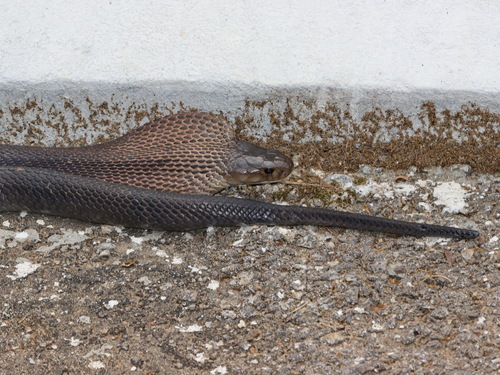
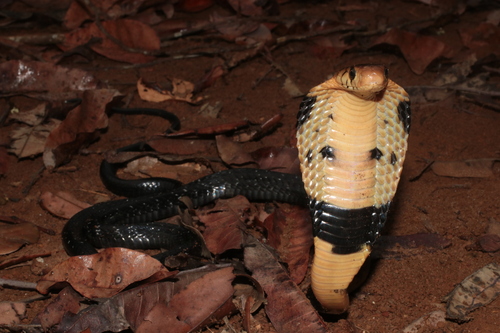
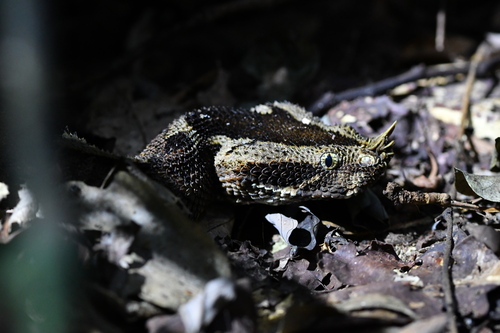
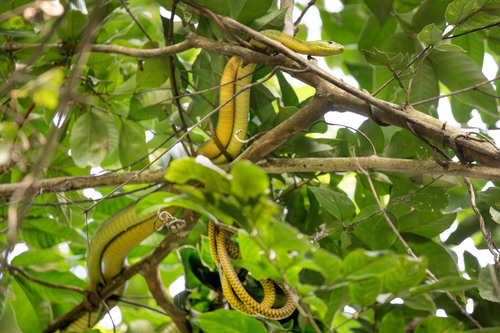
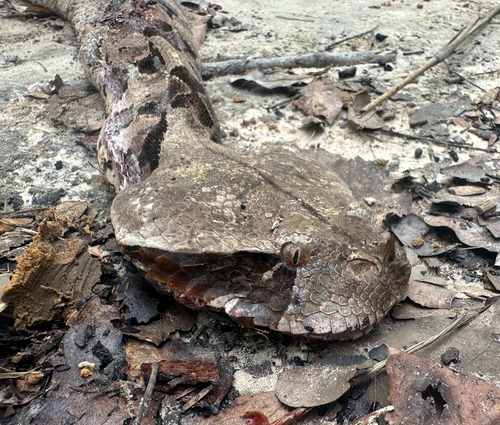
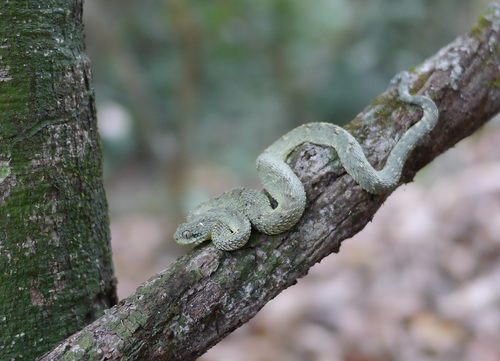
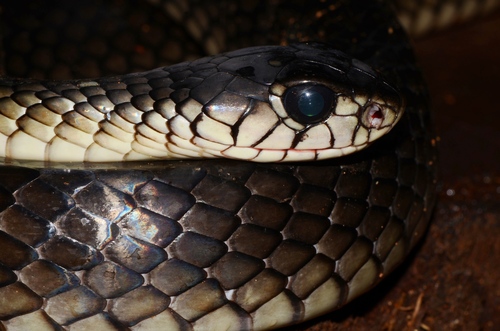
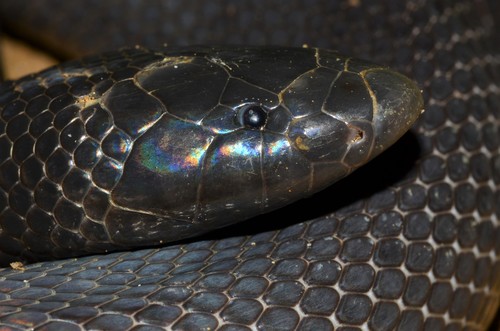
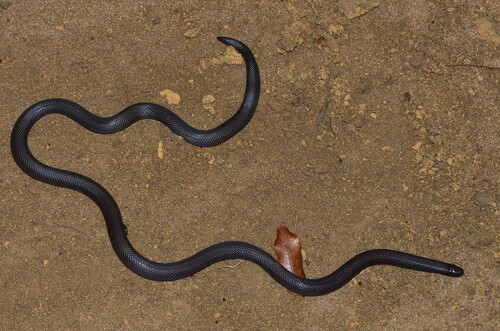
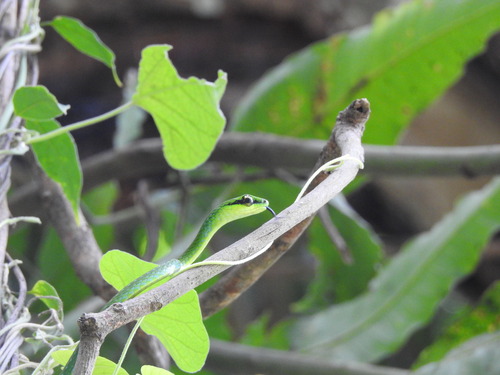
- Yes. 15 venomous snake species have verified records in Equatorial Guinea, including Brown Banded Cobra, Forest Cobra, Rhinoceros Viper, Bird Snake. Most snakes in Equatorial Guinea, however, are harmless.
- How many snake species live in Equatorial Guinea?
- 50+ snake species have verified records in Equatorial Guinea, of which 15 are venomous.
- What is the most commonly seen snake in Equatorial Guinea?
- The Brown Banded Cobra is the most frequently reported snake in Equatorial Guinea, based on verified wildlife observations.
- What should I do if I see a venomous snake in Equatorial Guinea?
- Keep your distance and do not try to catch or kill it. Most bites happen when people handle or corner a snake. If someone is bitten, contact local emergency services or poison control immediately.
Venomous snakes in Equatorial Guinea
Every snake recorded in Equatorial Guinea
50+ species across 10 families, grouped by family. Venomous flagged.
Colubridae (20)
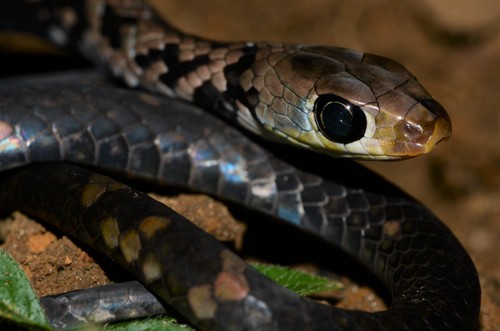
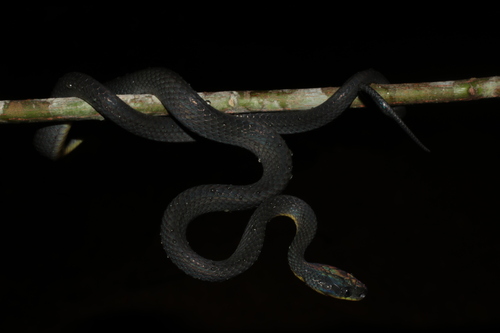
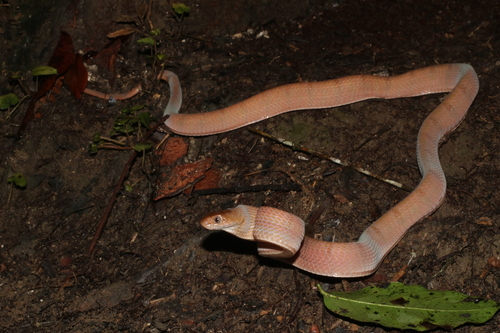
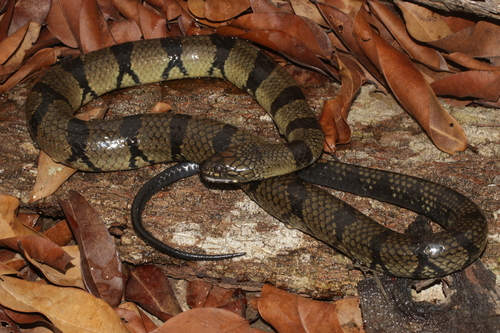
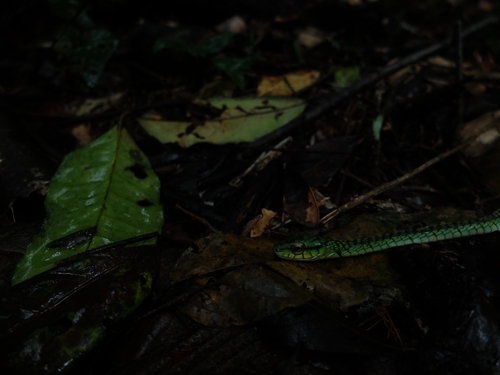
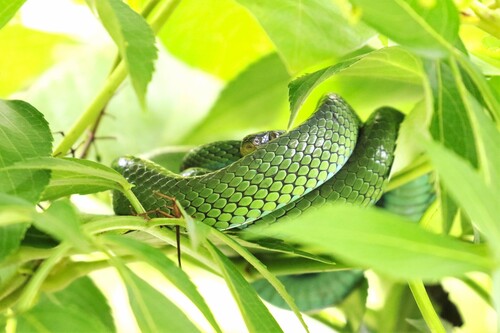

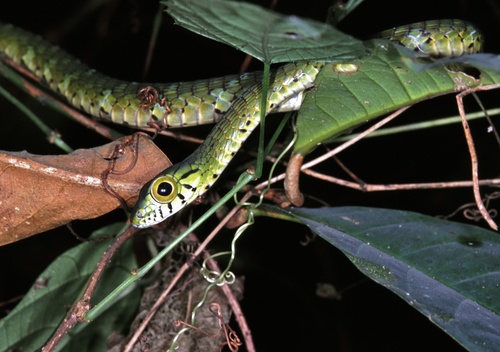
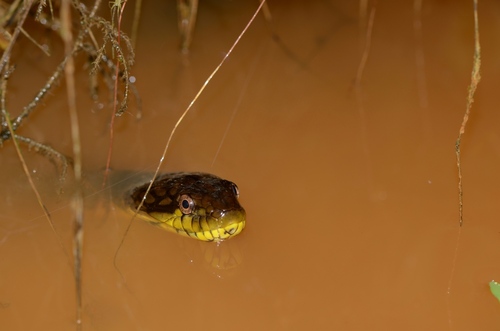
Lamprophiidae (11)
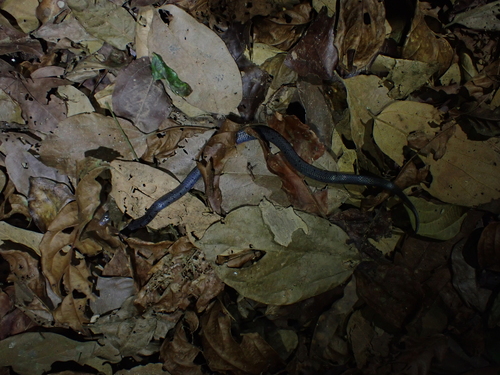
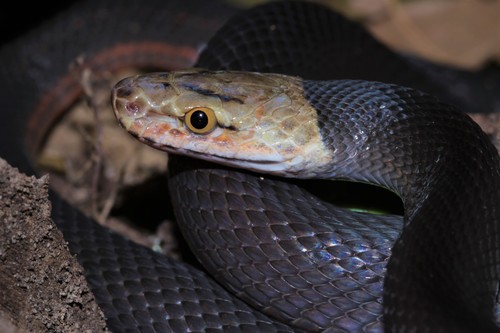
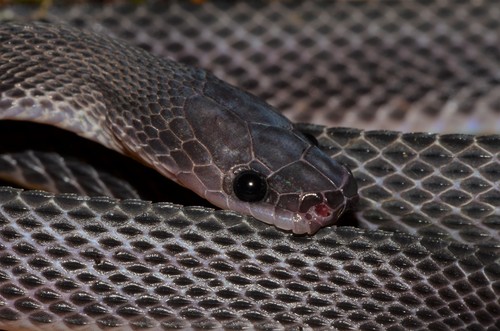
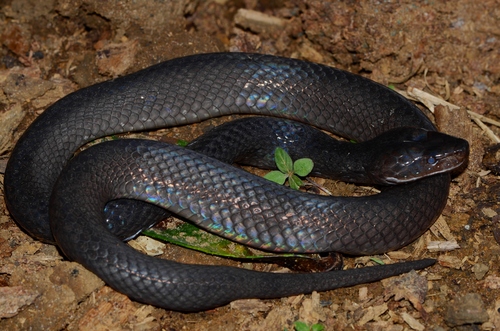
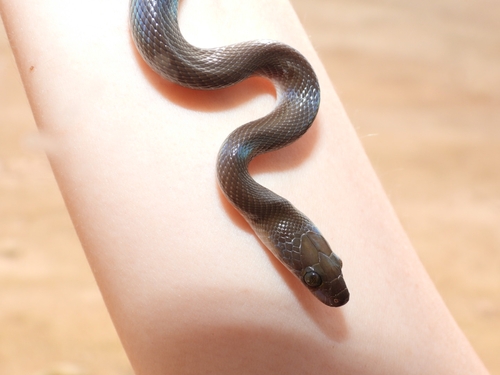
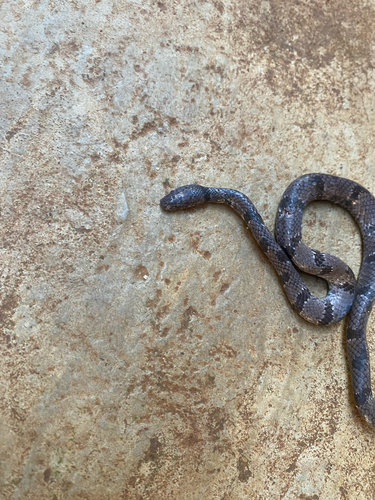
Viperidae (6)
Elapidae (5)
Typhlopidae (5)
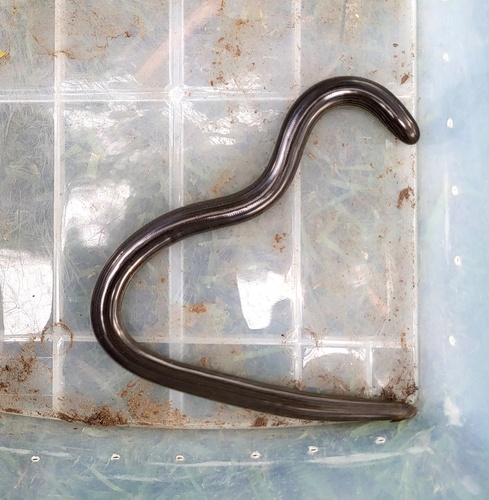

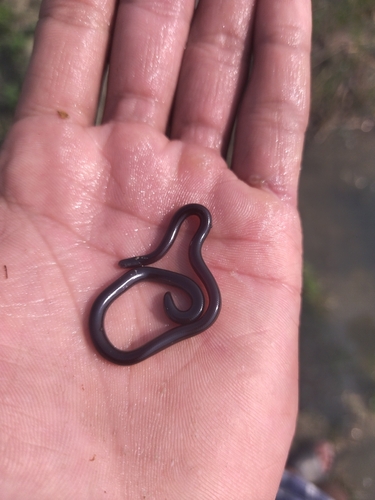
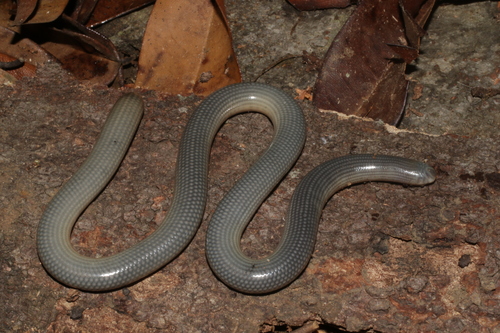
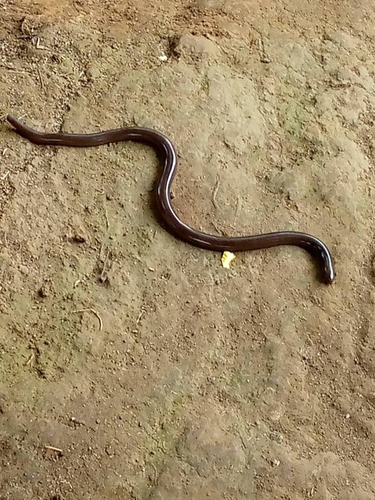
Atractaspididae (5)
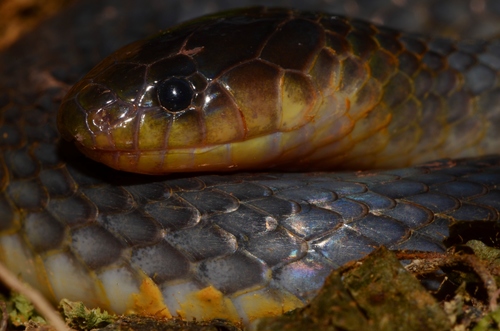
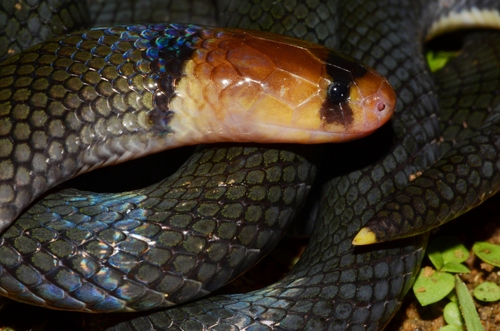
Psammophiidae (2)
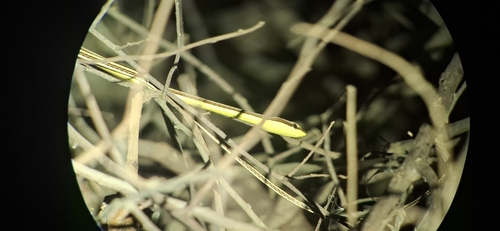
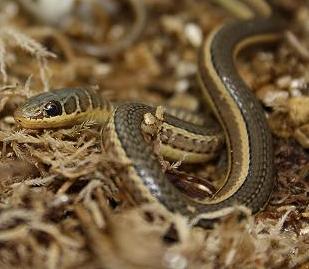
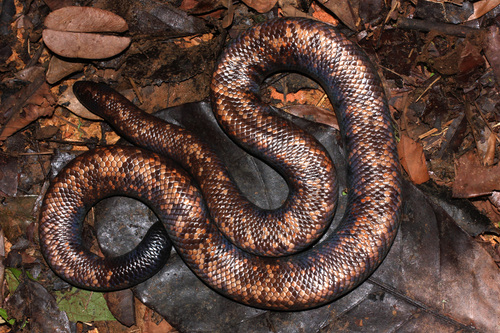
Pseudoxyrhophiidae (1)
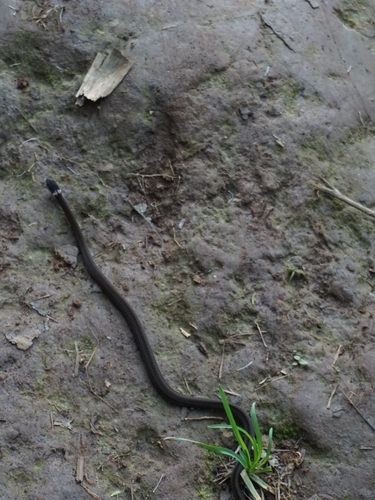
Pythonidae (1)
Compiled from verified GBIF & iNaturalist observations. "How often seen" reflects how frequently a snake is reported here, not how dangerous it is. Informational only.
Keep learning
- Are Snakes Dangerous? The Real Risk, in PerspectiveMost snakes are harmless and avoid people. Here is the honest picture of snakebite risk worldwide and how to lower your own.
- Snakebite First Aid: What to Do (and What Never to Do)A clear, CDC-based guide to snakebite first aid: the steps that help, the popular myths that hurt, and how to tell a serious bite from a minor one.
- Venomous vs Nonvenomous: How to Tell the DifferenceThe folk rules for telling venomous snakes apart, where each one fails, and why location-based identification beats guessing by sight.
- What to Do If You Find a SnakeFound a snake at home or on a trail? Here is how to stay calm, give it space, identify it safely, and know when to call a professional.