
Ghana
Snakes in Ghana
100+ snake species have been recorded in Ghana, 33 venomous.
Snakes of Ghana
Ghana sits on the Gulf of Guinea in West Africa, and its snake fauna reflects the range of landscapes packed into a relatively small country. Our database records 100+ snake species in Ghana, of which 37 are venomous. That leaves the great majority of species non-venomous and of no medical danger to people. The mix runs from the humid evergreen forests of the southwest, through the moist semi-deciduous belt, into the drier Guinea savanna of the north, plus coastal lagoons, mangroves, farmland, and the inland reach of Lake Volta.
This geographic spread is what drives the diversity. Forest zones support tree-dwelling and leaf-litter species that need shade and moisture, while the northern savanna favors snakes adapted to open ground, seasonal rains, and rodent-rich grassland. Rivers, wetlands, and the coast add aquatic and semi-aquatic species. Heavy human land use, with cocoa farms, smallholder plots, and growing towns, also creates edge habitat where snakes and people overlap, which is the main reason snakebite matters here as a public health issue rather than a rare event.
The medically important venomous snakes of Ghana fall into a few well established groups. Elapids include cobras, among them spitting cobras whose venom can be ejected toward the eyes, and the mambas, with the green mambas of forest and the formidable black mamba in more open country. Vipers are the other major group: the puff adder is widespread and responsible for many serious bites because it is common and often found near settlements, while the West African carpet or saw-scaled viper and the large, vividly patterned rhinoceros and Gaboon vipers of the forest also occur. Burrowing asps, sometimes called mole or stiletto vipers, round out the venomous fauna. Where waters meet the coast, marine elapids related to true sea snakes can occur in the Atlantic, though they are seldom encountered.
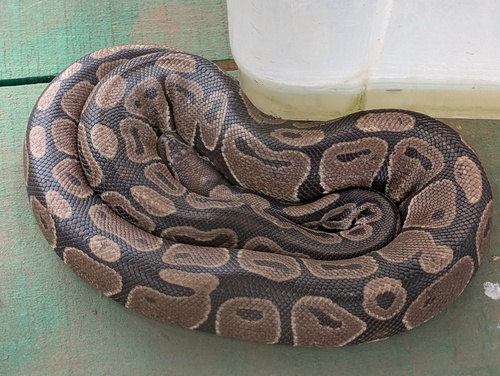
Against those few dangerous groups stands the large non-venomous majority. Ghana hosts pythons, including the popular ball python and the much larger African rock python, along with many harmless colubrid snakes such as house snakes that hunt rodents around homes, egg-eating snakes, sand snakes, and a variety of tree and water snakes. Most of these are shy, slender, and far more interested in escaping than confronting a person. The ball python in particular is famous worldwide in the pet trade and is woven into local cultural traditions in parts of the region.
Snakes earn their place in Ghana's ecosystems by controlling rodents and other pests. A single rodent-eating snake removes large numbers of rats and mice over a year, animals that otherwise spoil stored grain, damage crops, and spread disease. By keeping these populations in check, snakes provide a quiet service to farmers and households, and they themselves are prey for birds of prey and other predators. Removing snakes from a landscape tends to mean more rodents, not fewer problems.
The honest safety picture is that most snakes you encounter in Ghana are harmless, but the country does have a real snakebite burden, with the puff adder, cobras, saw-scaled viper, and other vipers behind the most serious cases. The treatment for a venomous bite is professional medical care: appropriate antivenom and supportive treatment given at a hospital. No wild snake should ever be picked up or handled, and venomous species in particular should be given distance and left alone, since most bites happen when people try to catch or kill them. If a bite occurs, keep the person calm and still and get to emergency medical care or call local emergency services immediately. In the United States you can also reach Poison Control at 1-800-222-1222.
Snakes in Ghana: FAQ
- Are there venomous snakes in Ghana?
- Yes. 33 venomous snake species have verified records in Ghana, including Spotted Night Adder, Brown Banded Cobra, Black-necked Spitting Cobra, Forest Cobra. Most snakes in Ghana, however, are harmless.
- How many snake species live in Ghana?
- 100+ snake species have verified records in Ghana, of which 33 are venomous.
- What is the most commonly seen snake in Ghana?
- The Spotted Night Adder is the most frequently reported snake in Ghana, based on verified wildlife observations.
- What should I do if I see a venomous snake in Ghana?
- Keep your distance and do not try to catch or kill it. Most bites happen when people handle or corner a snake. If someone is bitten, contact local emergency services or poison control immediately.
Venomous snakes in Ghana
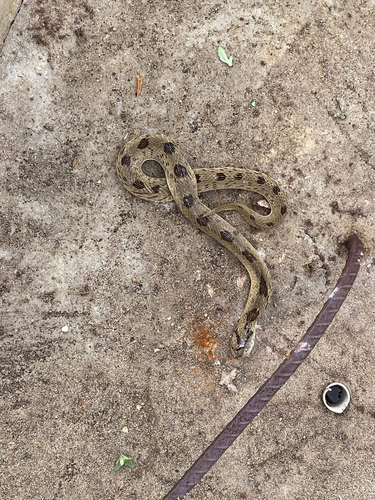
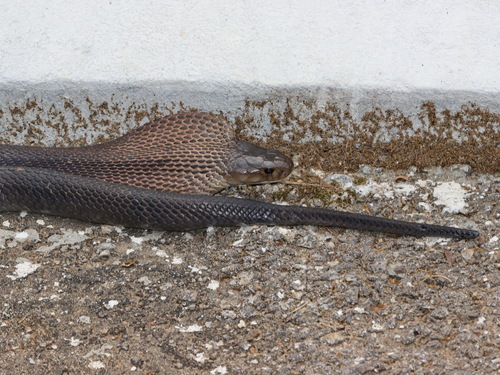
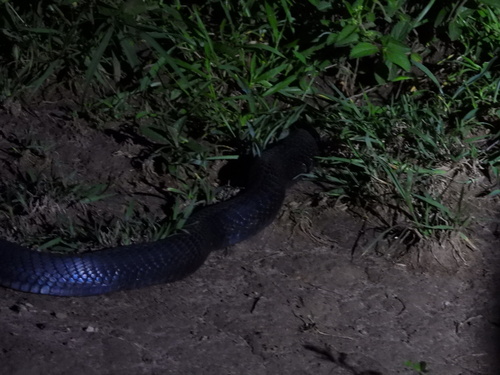
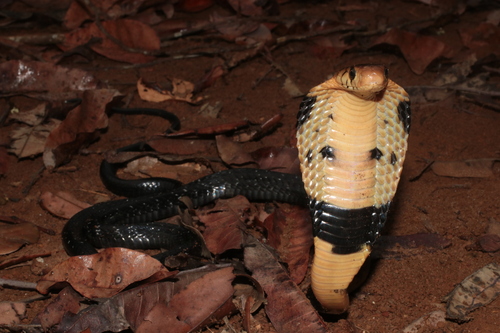
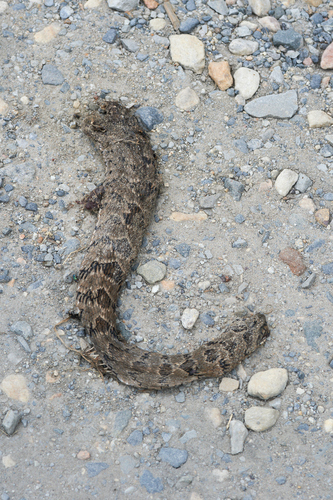
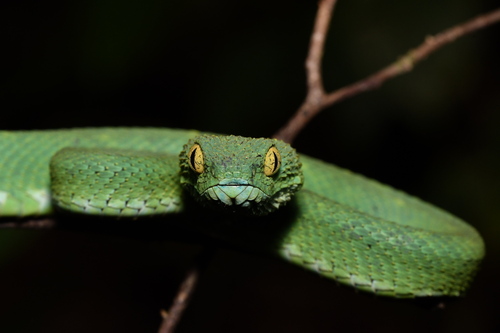
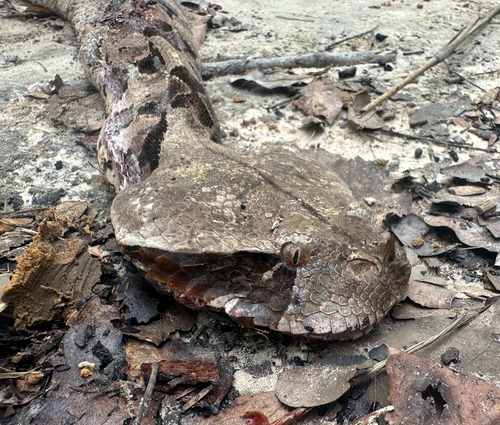
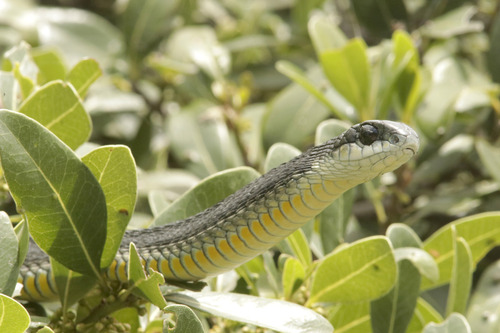
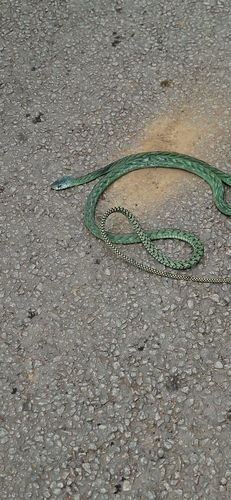
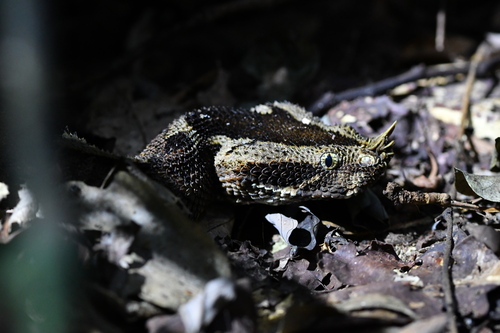
- No photo
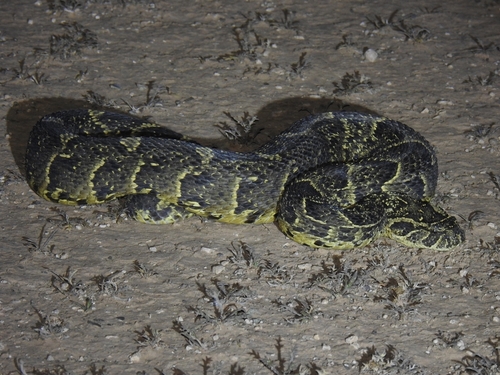
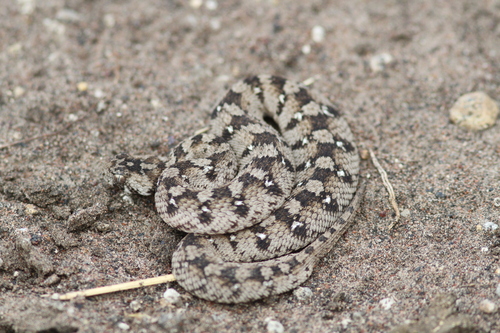
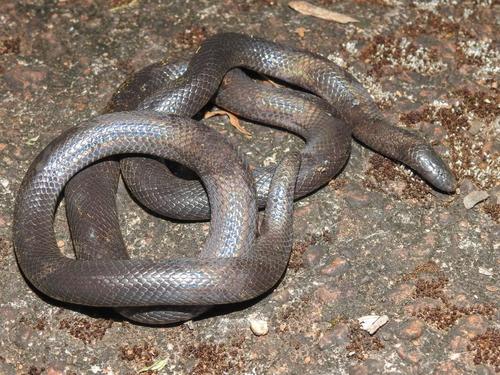
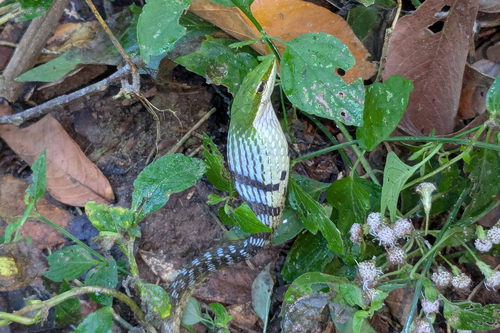
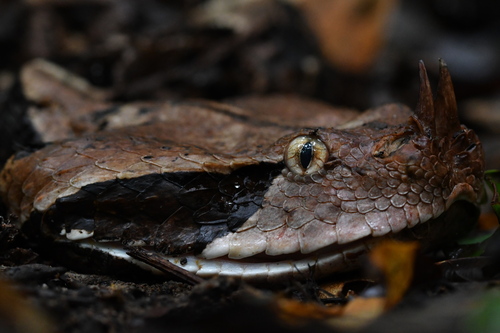

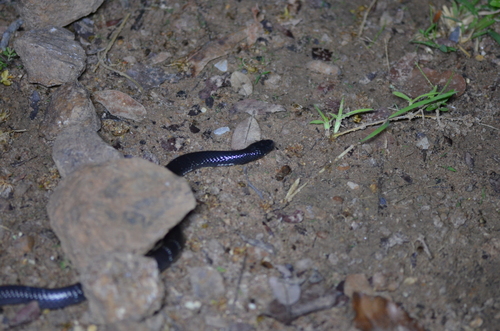
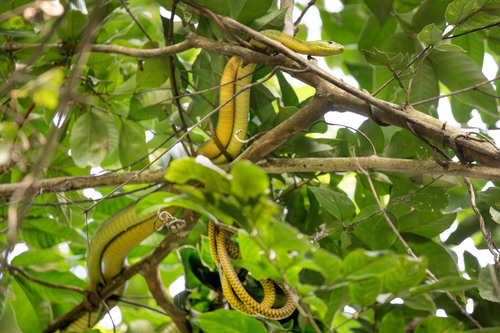
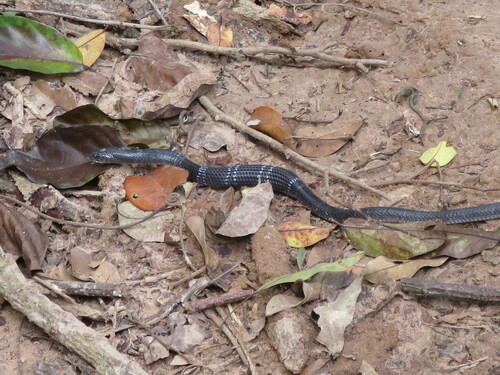
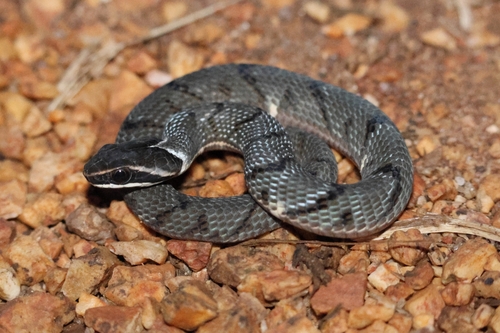
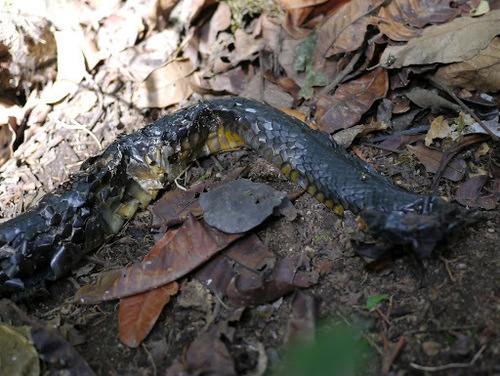
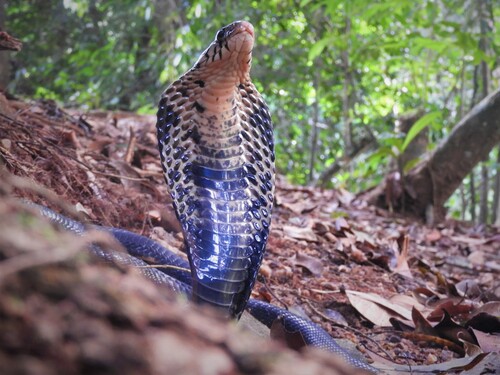
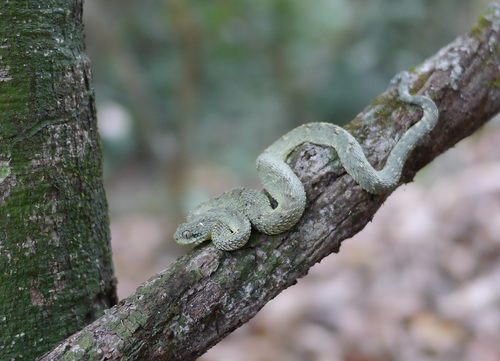
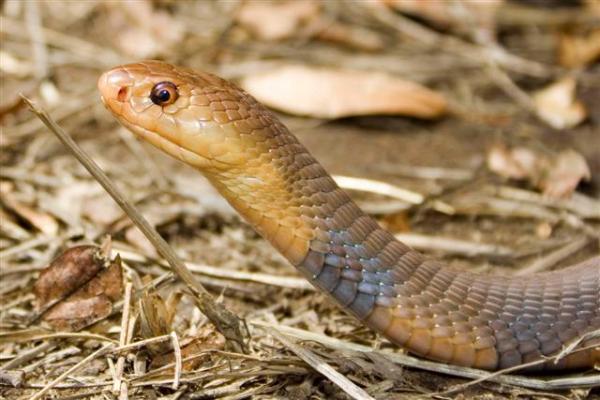
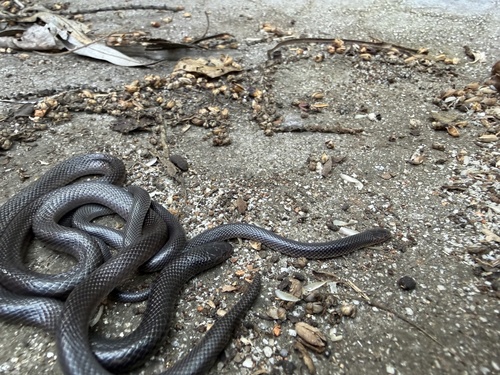
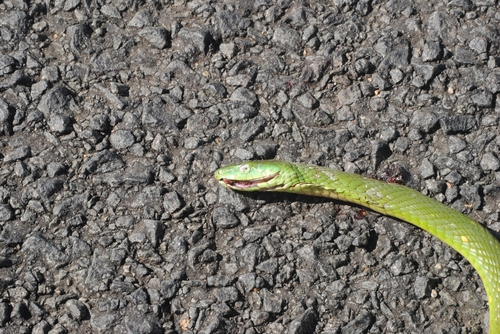
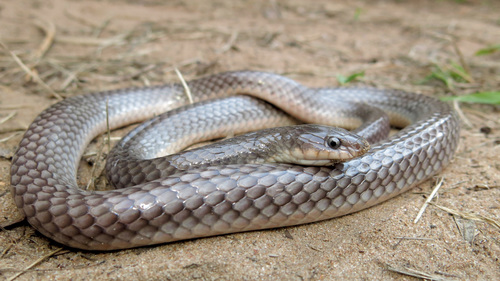
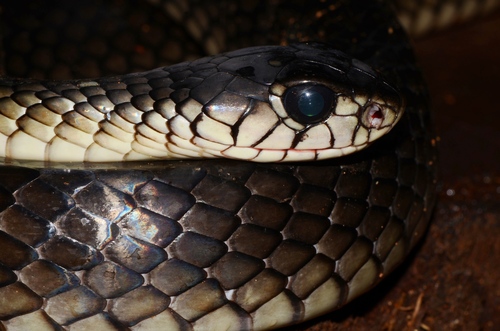
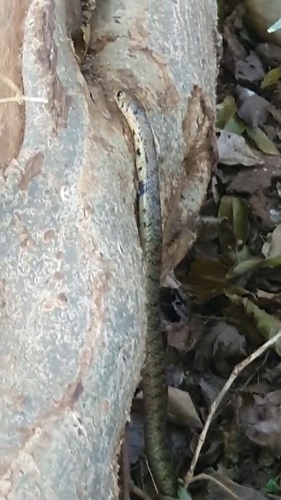
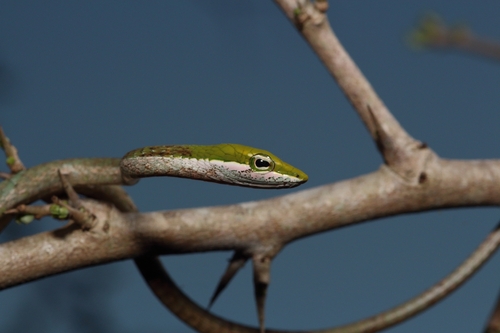
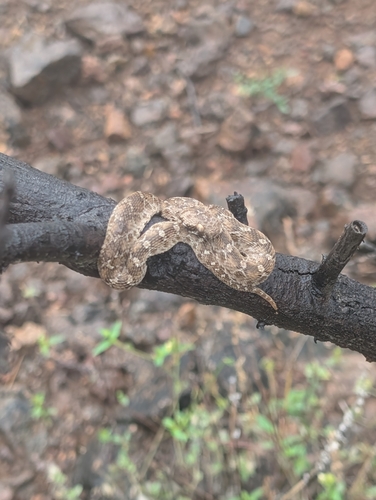
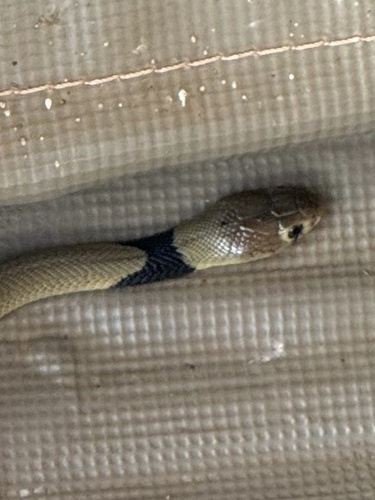
Every snake recorded in Ghana
100+ species across 12 families, grouped by family. Venomous flagged.
Colubridae (39)
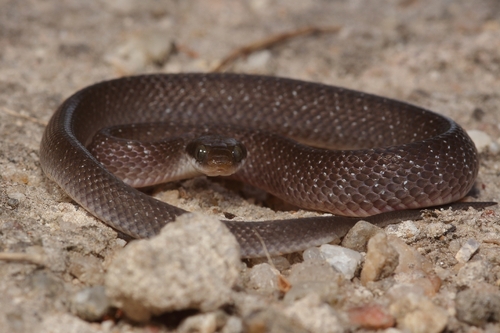
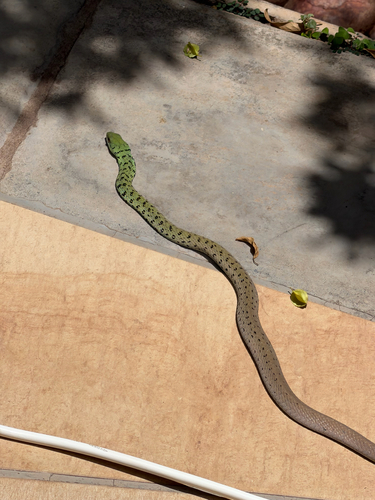
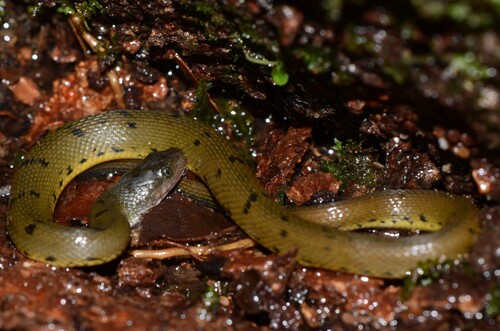
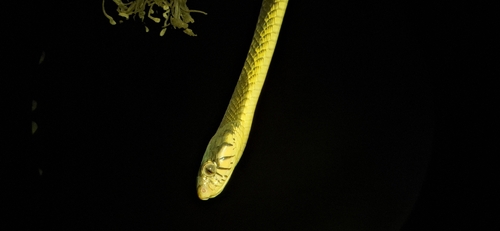
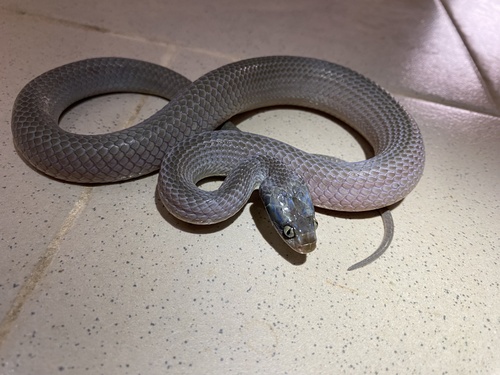
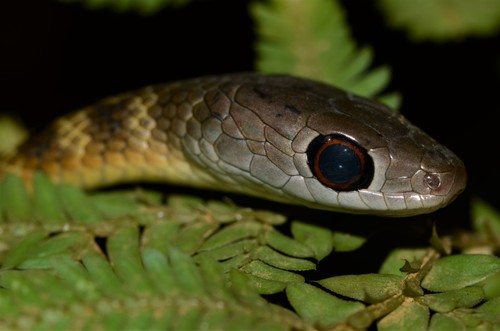
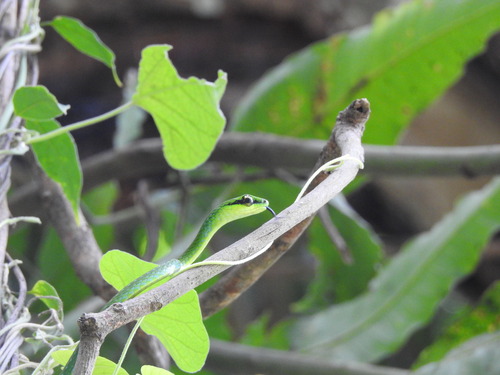
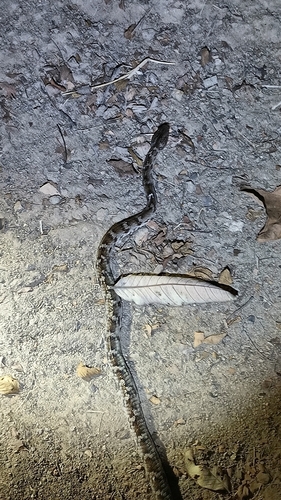
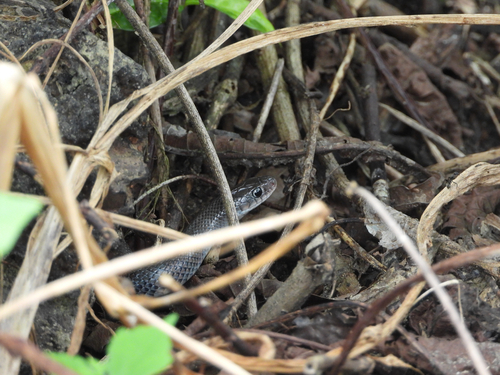
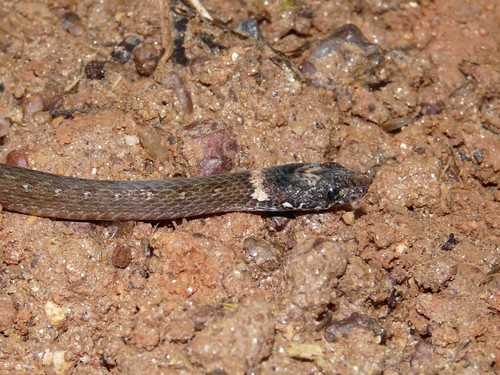
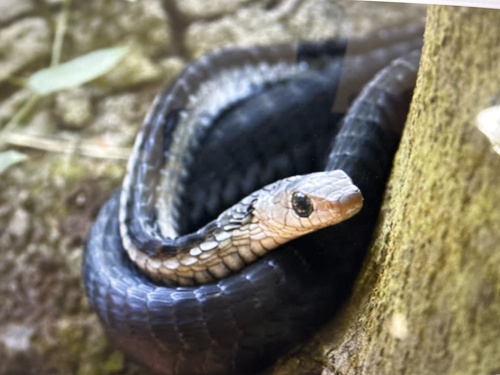
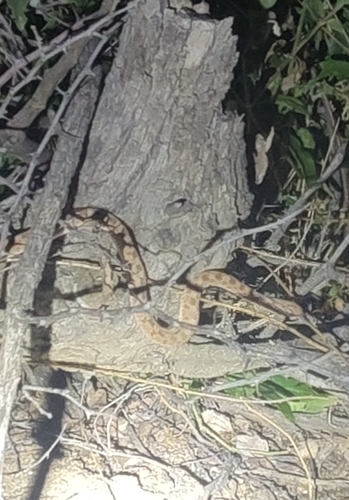
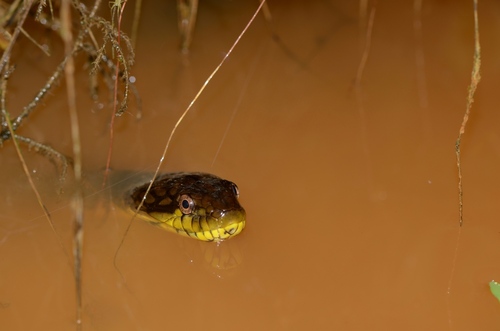
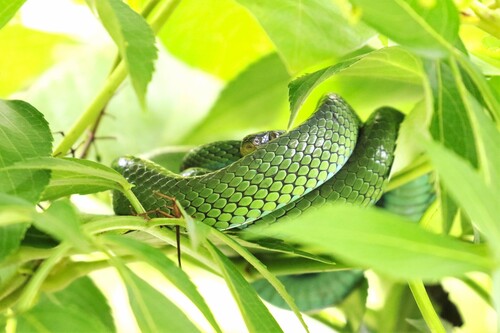
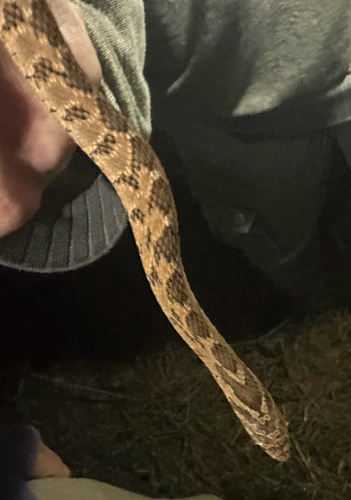
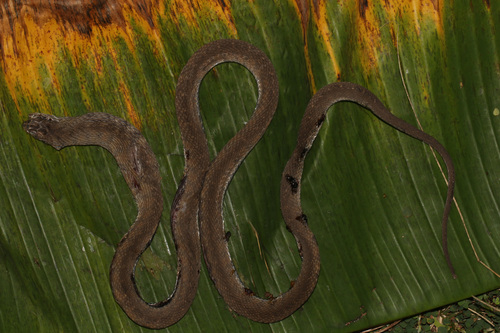

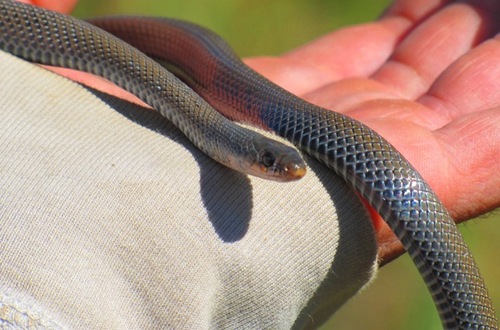
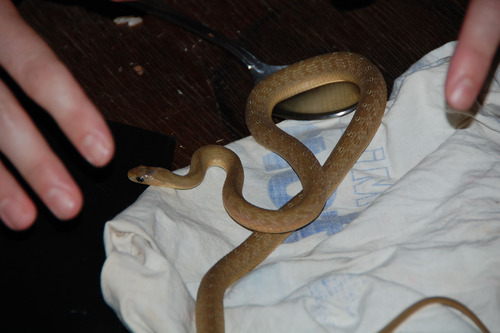
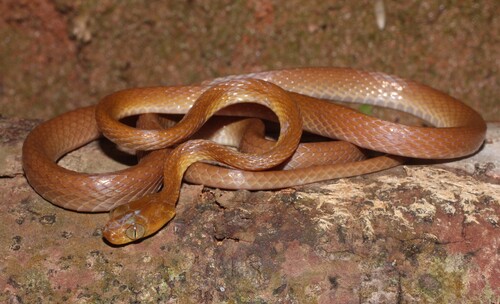
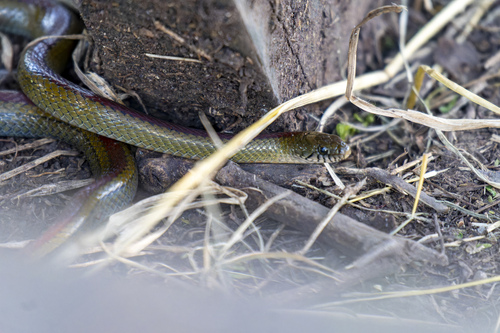
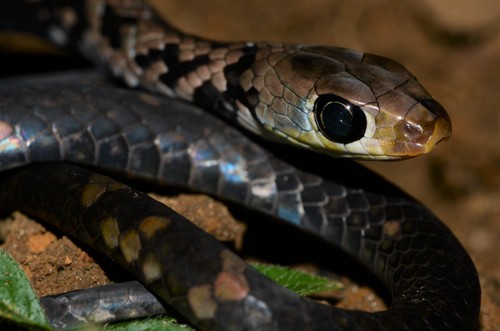

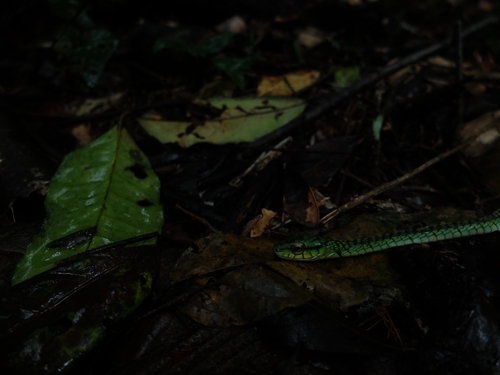
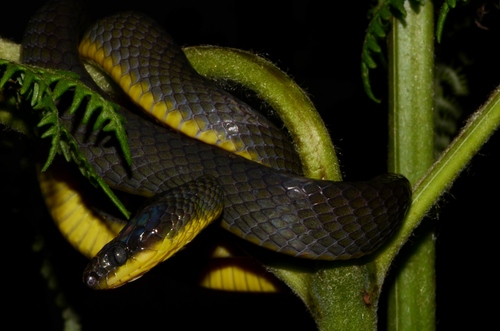
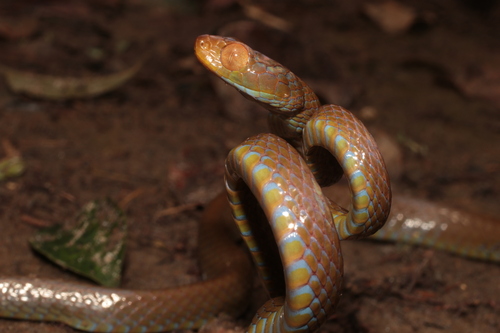
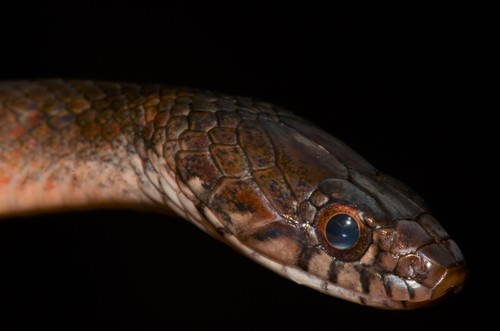
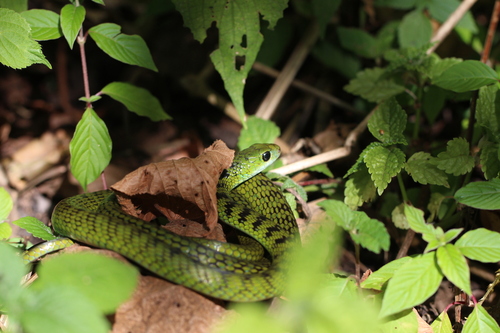
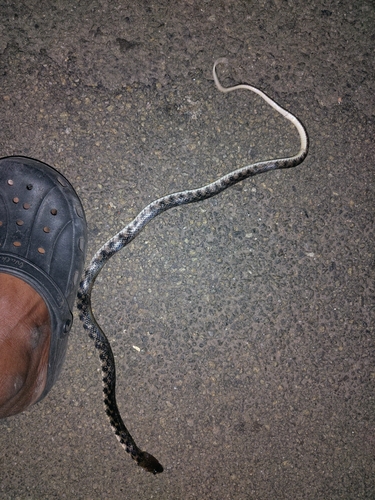
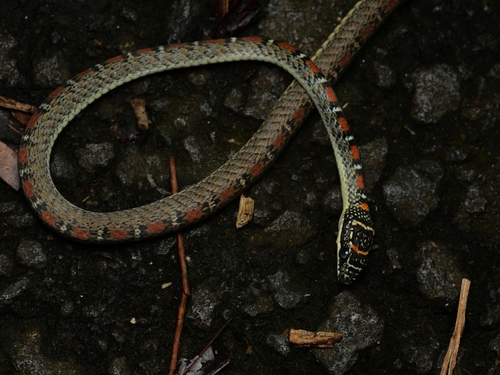
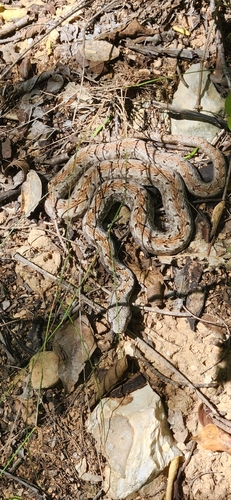
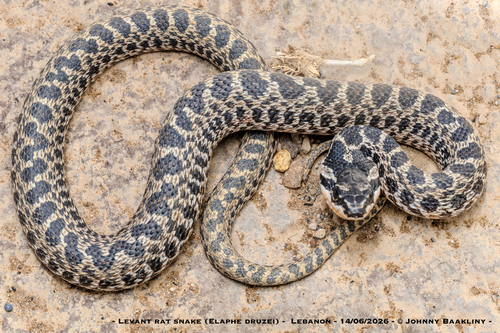

Lamprophiidae (16)
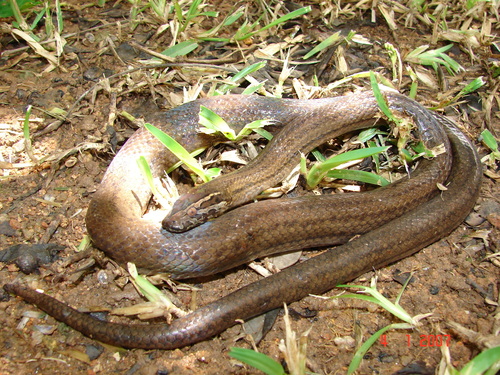
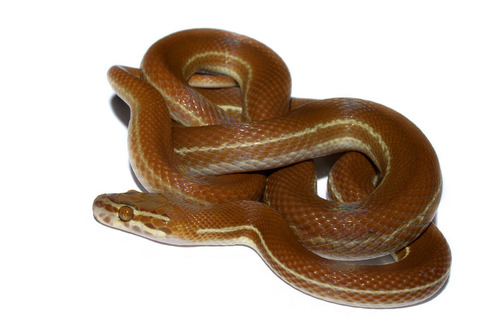
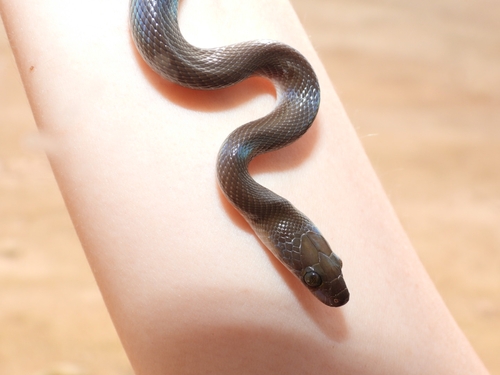
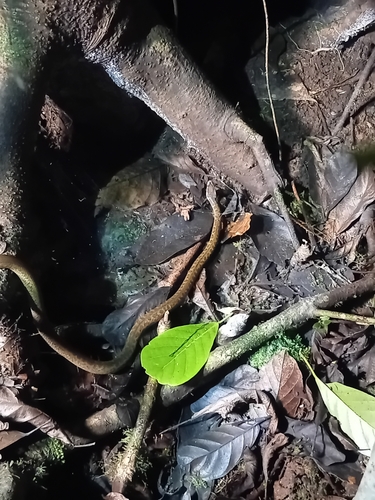
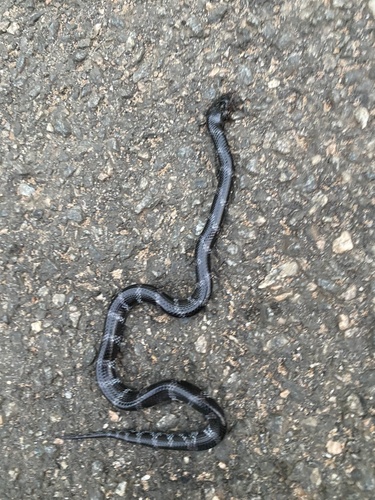
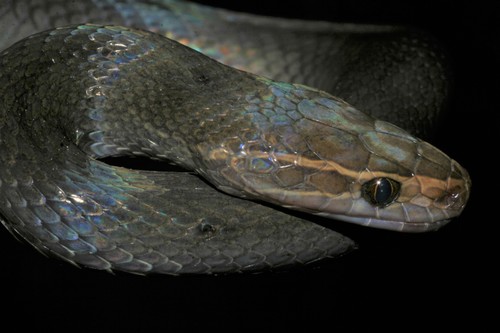
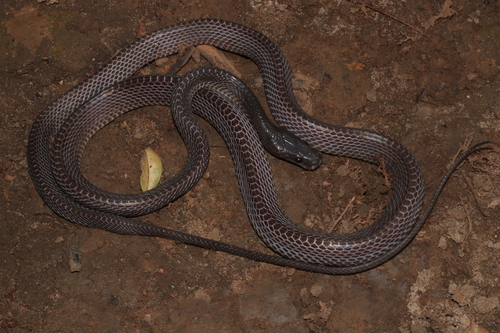
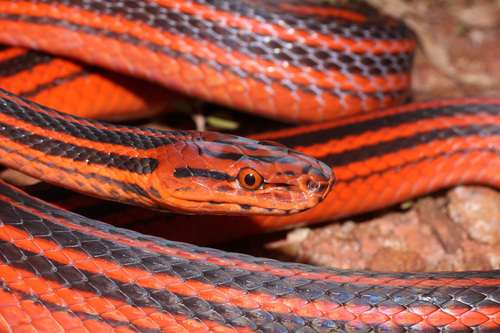
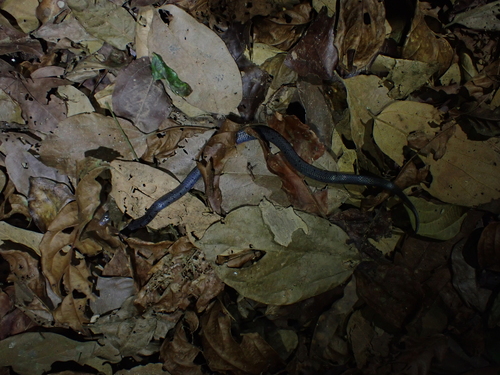
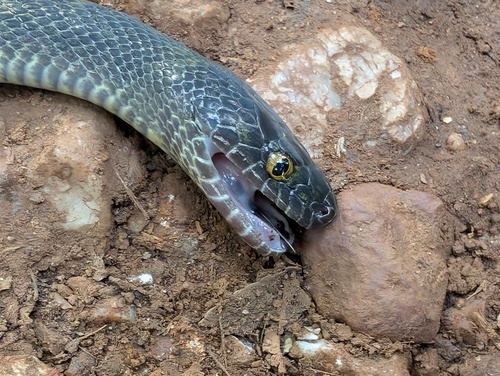
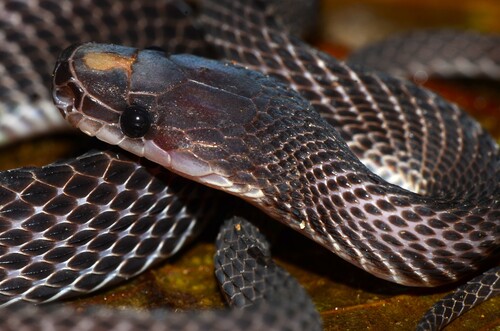
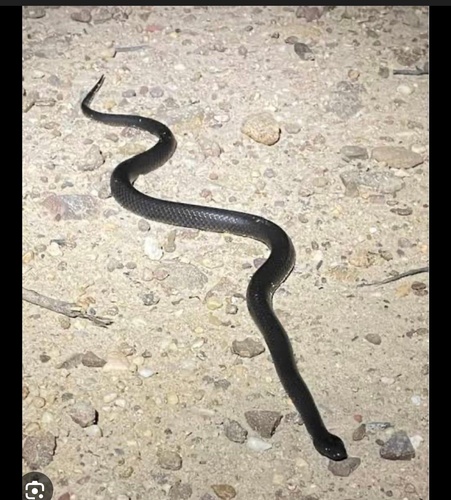
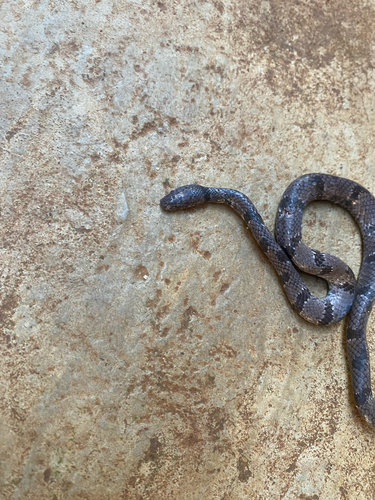
Elapidae (15)
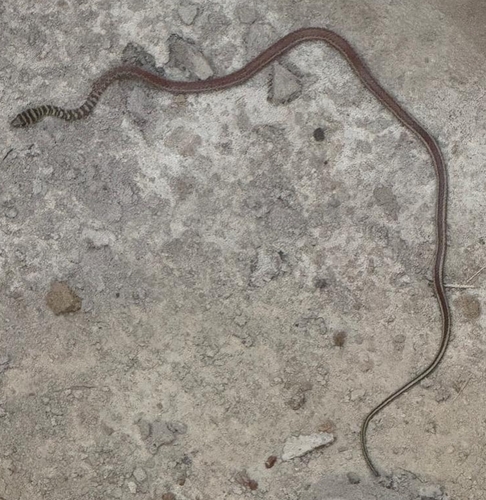
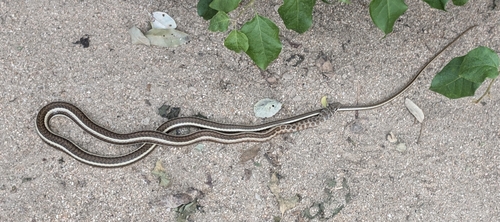
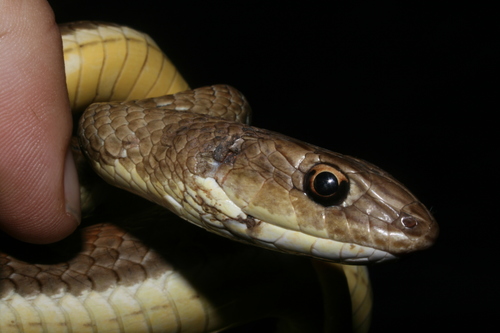
Psammophiidae (12)
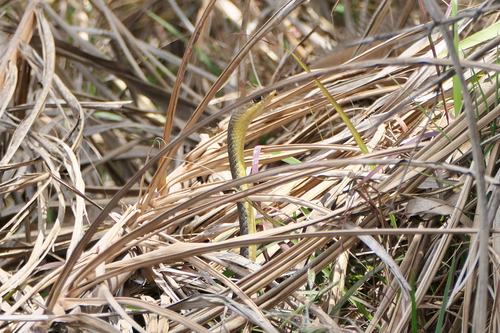
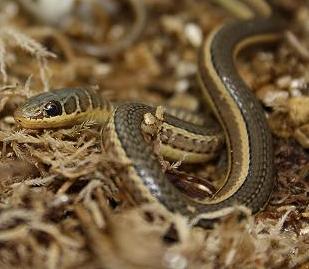
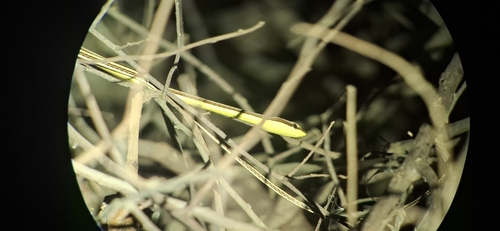
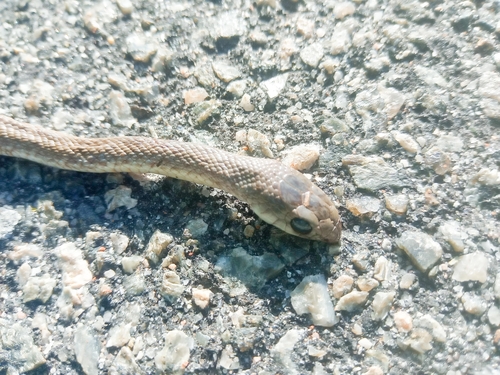
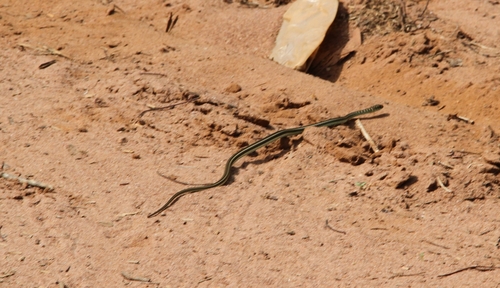
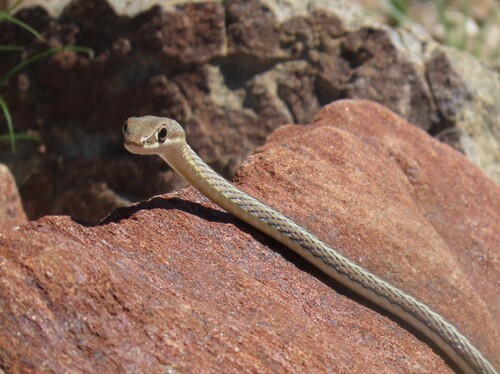
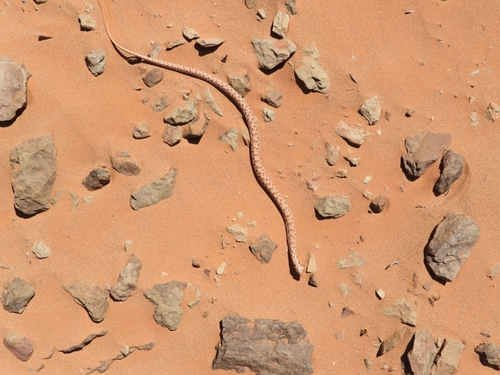
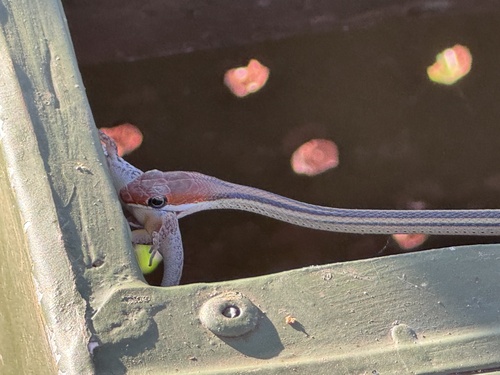
Viperidae (11)
Atractaspididae (7)
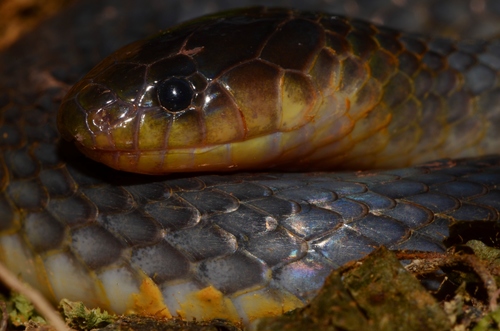

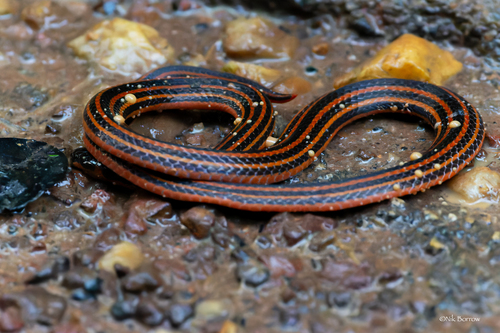
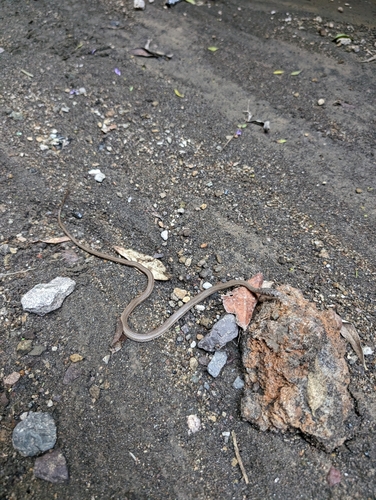
Leptotyphlopidae (5)
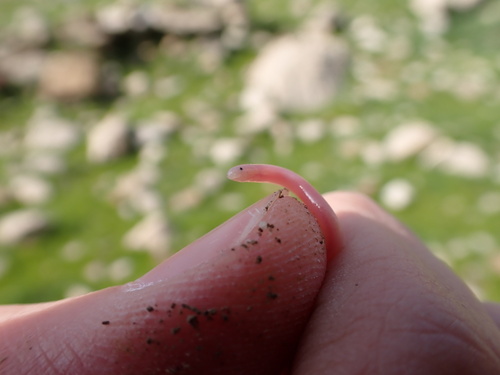
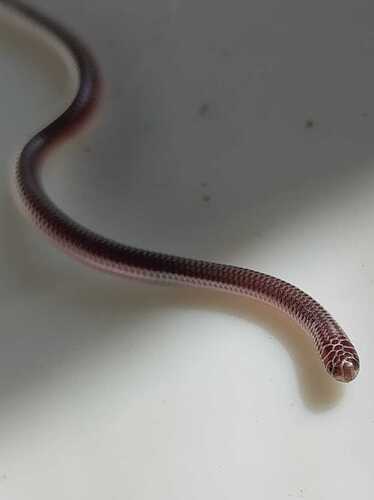
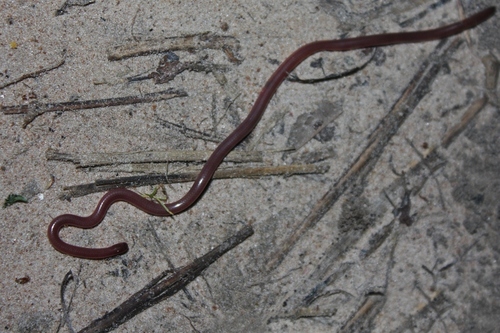
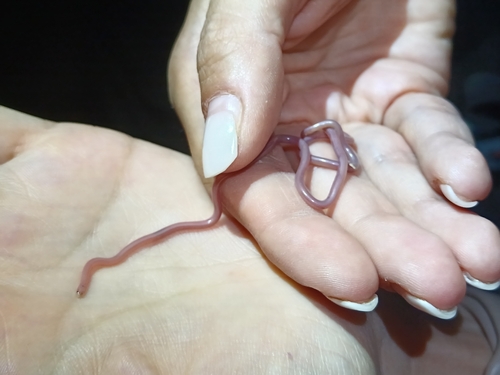
Typhlopidae (4)
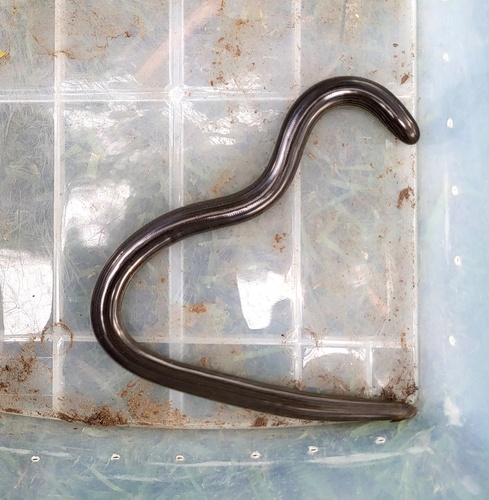
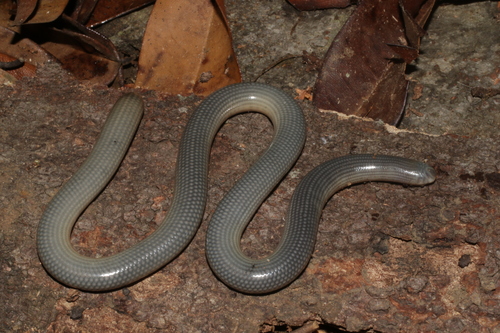
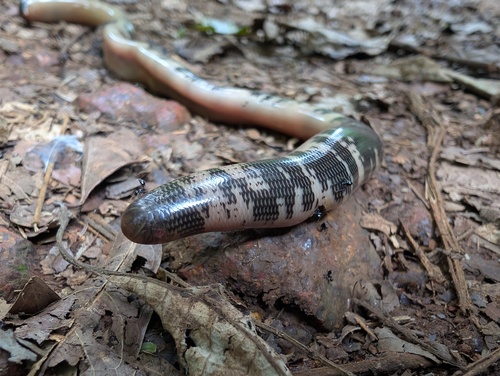
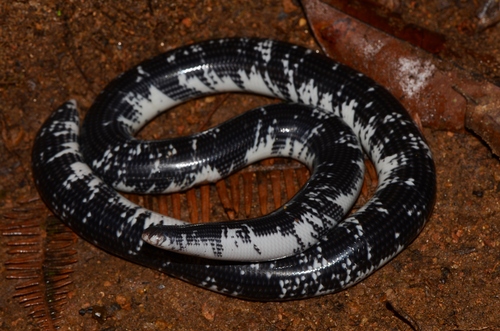
Prosymnidae (3)
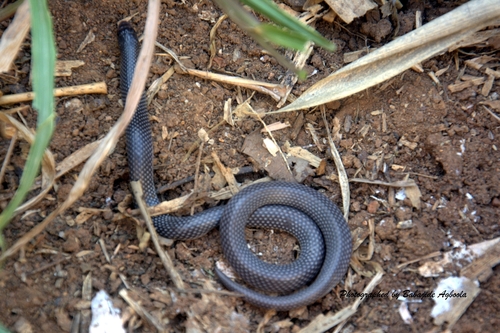
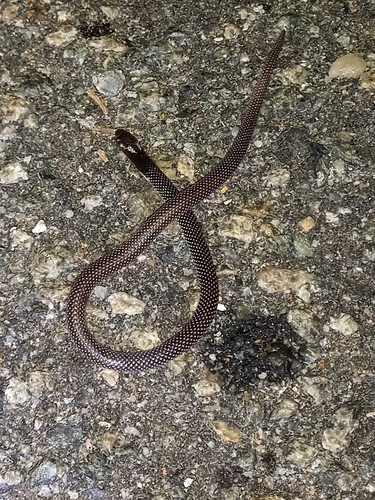
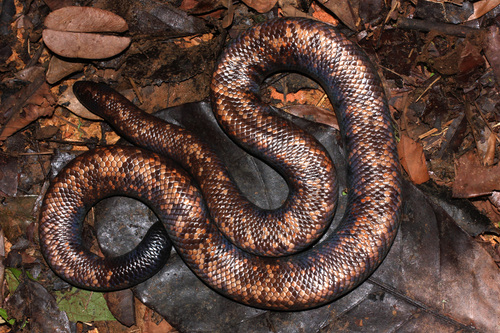
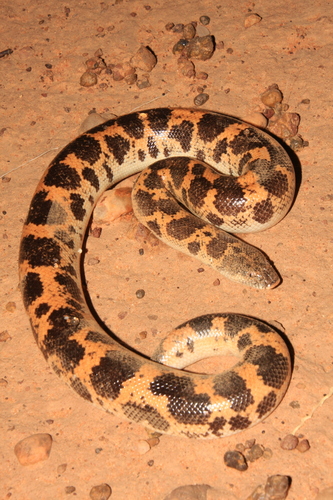
Pythonidae (1)
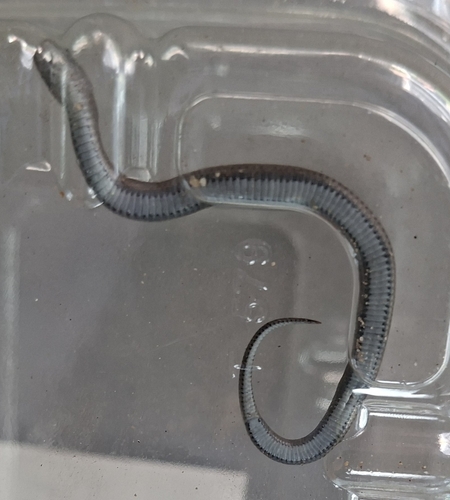
Pseudoxyrhophiidae (1)
Compiled from verified GBIF & iNaturalist observations. "How often seen" reflects how frequently a snake is reported here, not how dangerous it is. Informational only.
Keep learning
- Are Snakes Dangerous? The Real Risk, in PerspectiveMost snakes are harmless and avoid people. Here is the honest picture of snakebite risk worldwide and how to lower your own.
- Snakebite First Aid: What to Do (and What Never to Do)A clear, CDC-based guide to snakebite first aid: the steps that help, the popular myths that hurt, and how to tell a serious bite from a minor one.
- Venomous vs Nonvenomous: How to Tell the DifferenceThe folk rules for telling venomous snakes apart, where each one fails, and why location-based identification beats guessing by sight.
- What to Do If You Find a SnakeFound a snake at home or on a trail? Here is how to stay calm, give it space, identify it safely, and know when to call a professional.