
Mayotte
Snakes in Mayotte
4 snake species have been recorded in Mayotte, 1 venomous.

Snakes of Mayotte
Mayotte is a small island territory in the Comoro archipelago of the western Indian Ocean, sitting between Madagascar and the East African coast. Its landscape mixes humid forest remnants on the volcanic hills with farmland, mangrove fringes, and dense human settlement around the lagoon. Like most isolated oceanic islands, Mayotte has a limited reptile fauna assembled from a few colonizing lineages rather than the broad diversity found on continents. Our database records 4 snake species here, and the community is small enough that residents and visitors will rarely meet more than one or two of them in practice.
Of those 4 species, only 1 is venomous, and the overwhelming majority of Mayotte's snakes are harmless. The single venomous element is consistent with the western Indian Ocean island pattern, where dangerous land snakes are scarce or absent and the marine environment supplies most of the venom risk. Sea snakes, which are highly venomous front-fanged elapids, can occur in the warm coastal waters of this region, while the terrestrial fauna is dominated by non-venomous forms. Mayotte has no large, aggressive land vipers or cobras of the kind found on the nearby African mainland, so the day-to-day risk on land is very low.
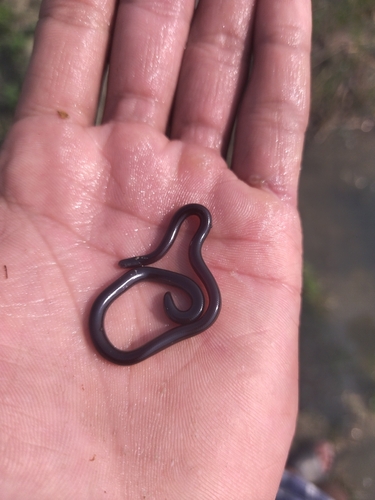
The harmless majority includes small burrowing and ground-dwelling snakes typical of Indian Ocean islands. Tiny blind snakes, which look more like earthworms than serpents, live in soil and leaf litter and feed on ant and termite brood. Slender, fast-moving house and ground snakes hunt geckos, skinks, and frogs around gardens, walls, and forest edges. These animals are non-venomous to people, secretive, and far more interested in escaping than confronting anyone. Some island snakes also arrive as accidental travelers in cargo and plant material, which is one way new species reach places like Mayotte.
Snakes are a useful part of Mayotte's ecology. The burrowers help control populations of ants and termites, while the larger ground snakes keep numbers of geckos, skinks, and small rodents in check. As both predators and prey for birds and other animals, they sit in the middle of the island food web, and a healthy snake population is a sign of functioning forest and garden habitats. Killing snakes on sight removes a free, natural form of pest control.
For safety, the practical message is simple. Most snakes you might encounter in Mayotte are harmless, but no wild snake should be picked up or handled, and identification at a distance is unreliable. The main venom concern in this region is from sea snakes in coastal waters rather than from land snakes, so swimmers and people handling fishing gear should be the most cautious. If a bite occurs, treat it as a medical emergency and get to a hospital immediately, since antivenom and professional care are the proper treatment. In the United States you can reach Poison Control at 1-800-222-1222, and elsewhere contact your local emergency services. Do not rely on home remedies or wait to see how symptoms develop.
Snakes in Mayotte: FAQ
- Are there venomous snakes in Mayotte?
- Yes. 1 venomous snake species has verified records in Mayotte, including Yellow-bellied Sea Snake. Most snakes in Mayotte, however, are harmless.
- How many snake species live in Mayotte?
- 4 snake species have verified records in Mayotte, of which 1 is venomous.
- What is the most commonly seen snake in Mayotte?
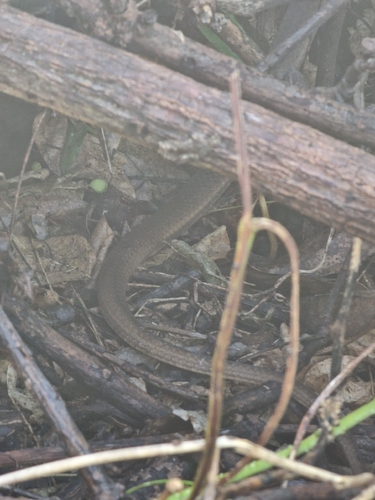
- The Spotted Tree Snake is the most frequently reported snake in Mayotte, based on verified wildlife observations.
- What should I do if I see a venomous snake in Mayotte?
- Keep your distance and do not try to catch or kill it. Most bites happen when people handle or corner a snake. If someone is bitten, contact local emergency services or poison control immediately.
Venomous snakes in Mayotte
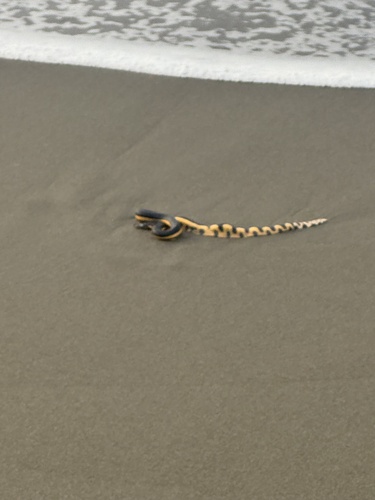
Every snake recorded in Mayotte
4 species across 3 families, grouped by family. Venomous flagged.
Pseudoxyrhophiidae (2)
Typhlopidae (1)
Compiled from verified GBIF & iNaturalist observations. "How often seen" reflects how frequently a snake is reported here, not how dangerous it is. Informational only.
Keep learning
- Are Snakes Dangerous? The Real Risk, in PerspectiveMost snakes are harmless and avoid people. Here is the honest picture of snakebite risk worldwide and how to lower your own.
- Snakebite First Aid: What to Do (and What Never to Do)A clear, CDC-based guide to snakebite first aid: the steps that help, the popular myths that hurt, and how to tell a serious bite from a minor one.
- Venomous vs Nonvenomous: How to Tell the DifferenceThe folk rules for telling venomous snakes apart, where each one fails, and why location-based identification beats guessing by sight.
- What to Do If You Find a SnakeFound a snake at home or on a trail? Here is how to stay calm, give it space, identify it safely, and know when to call a professional.