
Gabon
Snakes in Gabon
75+ snake species have been recorded in Gabon, 23 venomous.
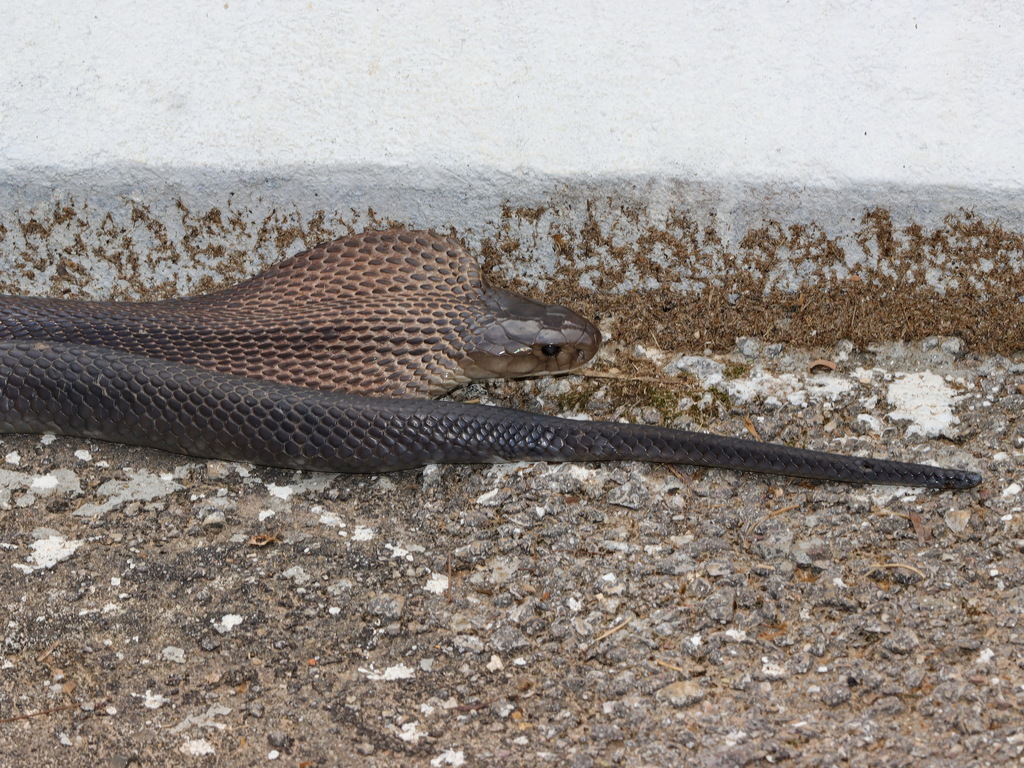
Snakes of Gabon
Gabon sits on the equator along the Atlantic coast of Central Africa, and its snake fauna reflects one of the most intact rainforest landscapes left on the continent. Our database records 75+ snake species for the country, of which 28 are venomous. The clear majority, roughly two thirds of the recorded species, are non-venomous. That balance matters for context: most snakes a person encounters in Gabon pose no lethal threat, and the country's reputation for snake diversity is driven far more by its harmless species than by its dangerous ones.
The diversity is a product of geography and habitat. Gabon is around 85 percent forested, dominated by lowland Congo Basin rainforest, and laced with major rivers including the Ogooue and its tributaries, extensive swamp forest, coastal lagoons, and mangroves. Inland there are patches of savanna and forest edge. This range of wet, warm, structurally complex habitats supports arboreal snakes in the canopy, leaf litter and burrowing species on the forest floor, semi aquatic snakes in the rivers and swamps, and grassland specialists in the savanna mosaics. High year round humidity and temperature, with little seasonal extreme, lets snakes stay active across the calendar, which is part of why so many species coexist here.
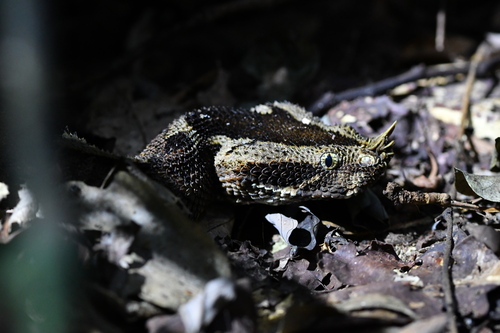
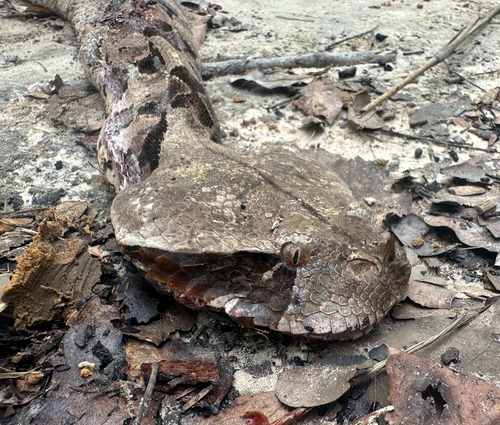
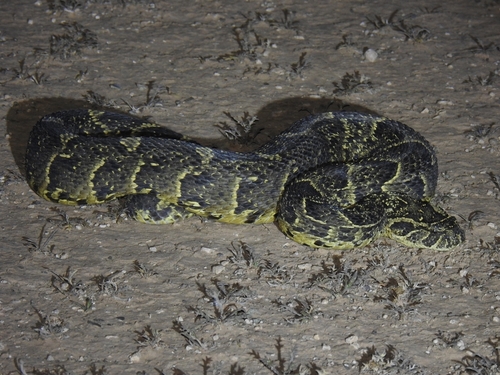
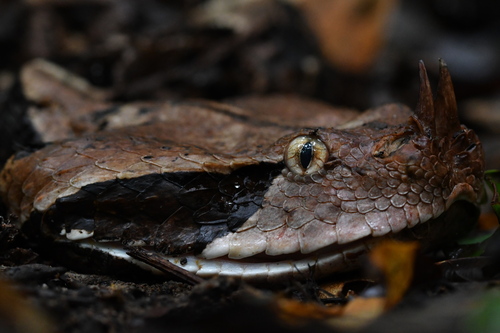
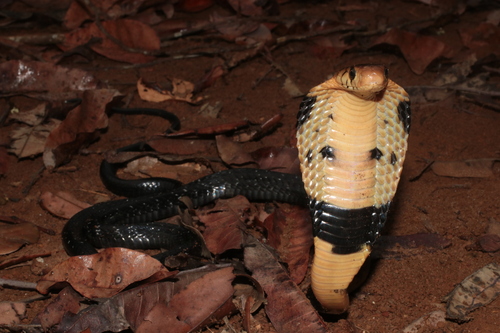
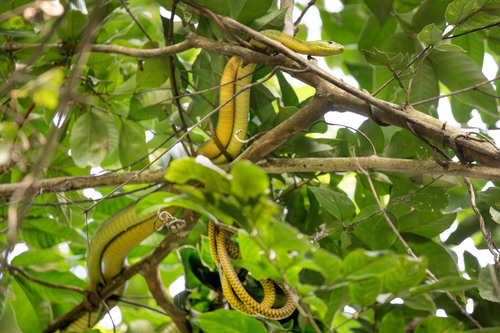
Among the medically important venomous groups, Gabon is home to true vipers, including the Gaboon viper, which is named for the country and is famous for having the longest fangs of any snake and a heavy, potent venom. Other vipers such as the rhinoceros viper and forest dwelling night adders also occur. Elapids are represented by cobras, including forest cobras and water cobras, and by mambas, with the green mambas of the forest canopy and the black mamba in more open country. Burrowing asps, sometimes called stiletto snakes, add another venomous group that is easy to misjudge. There are no rattlesnakes, coral snakes, or pit vipers in Gabon, as those groups are confined to the Americas and Asia; sea snakes are likewise absent from the Atlantic. When in doubt, treat the venomous risk by group, vipers and elapids, rather than by assuming a particular species.
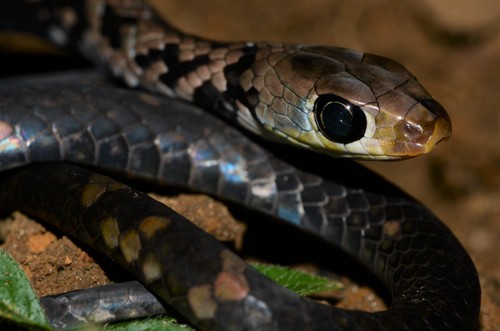
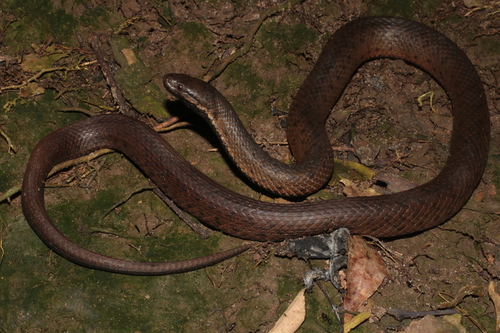
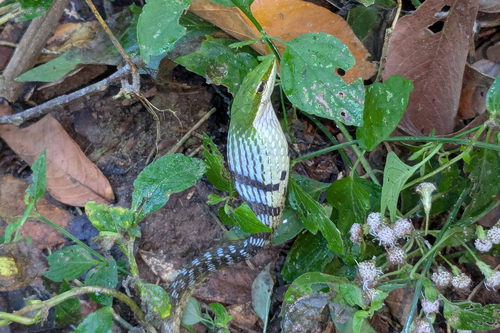
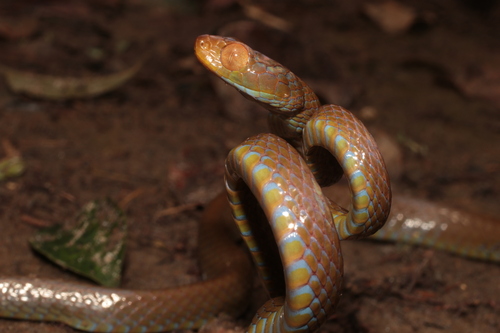
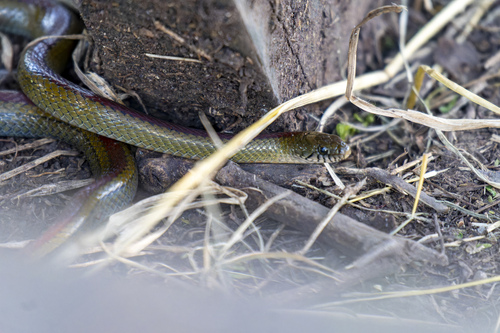
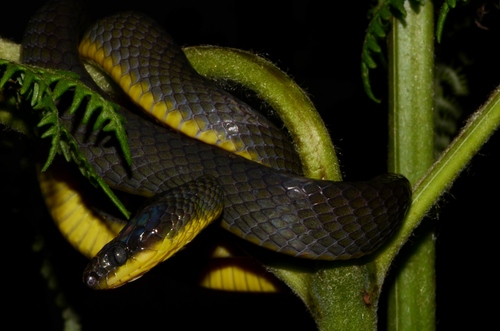
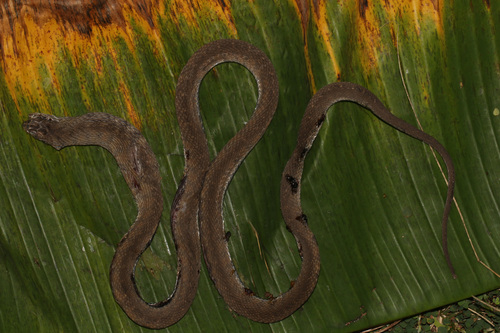
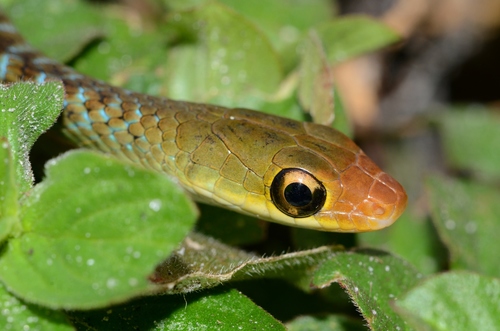
The large non-venomous majority is where most of Gabon's snake variety lives. Pythons are the headline group, including the African rock python, one of the largest snakes on the continent and a powerful constrictor, and the ball python, a smaller forest species well known worldwide. Beyond the pythons there are many house snakes, file snakes, egg eating snakes, and a wide array of forest colubrids that hunt frogs, lizards, rodents, and birds. Several are accomplished climbers, others are secretive burrowers, and a number are semi aquatic hunters along the waterways. These species are not a danger to people, and they make up the bulk of any snake sighting in the country.
Snakes earn their place in Gabon's ecology by controlling populations of rodents and other small animals. Constrictors and many colubrids prey heavily on rats and mice, which limits crop and stored food losses and helps hold down rodent borne disease around villages and farms. In turn, snakes are prey for raptors, larger mammals, and other snakes, so they sit in the middle of the food web as both a check on pests and a food source for predators above them. Losing them tends to mean more rodents, not fewer problems.
On safety, the honest framing is that the great majority of Gabon's snakes are harmless and that snakes generally avoid people when given the chance. The main medical threats are the vipers and elapids described above, and a serious bite from one of them is an emergency. The correct treatment is professional medical care: get to a hospital, where antivenom and supportive treatment are available. No wild venomous snake should ever be considered safe to handle, and no one should attempt to catch or kill a snake to identify it. This page does not provide first aid steps or dosing. If a bite happens, contact local emergency services immediately, and in the United States you can also reach Poison Control at 1-800-222-1222.
Snakes in Gabon: FAQ
- Are there venomous snakes in Gabon?
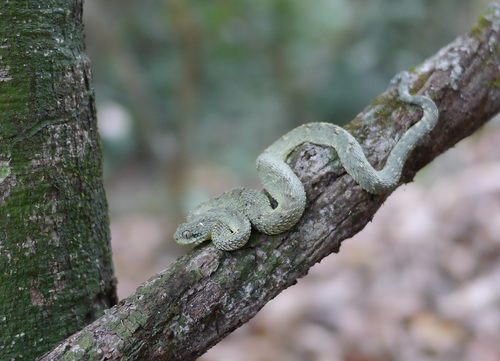
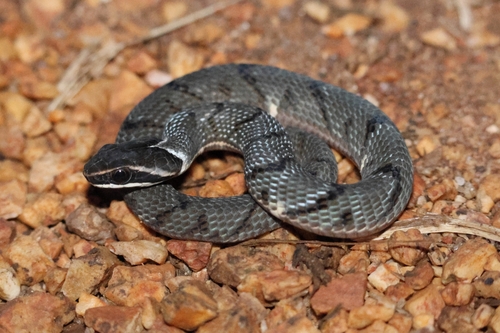
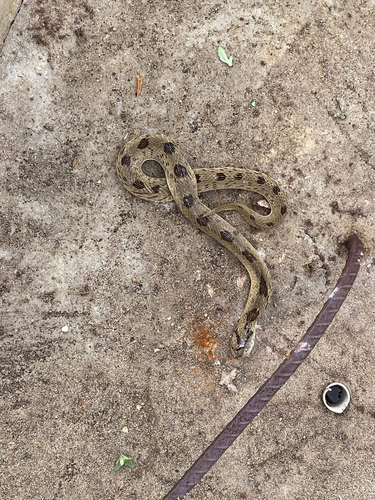
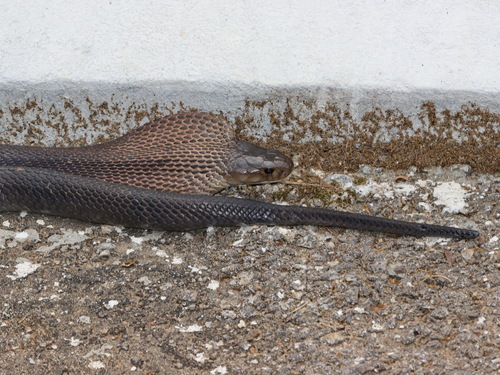
- Yes. 23 venomous snake species have verified records in Gabon, including Brown Banded Cobra, Forest Cobra, Rhinoceros Viper, African Bush Viper. Most snakes in Gabon, however, are harmless.
- How many snake species live in Gabon?
- 75+ snake species have verified records in Gabon, of which 23 are venomous.
- What is the most commonly seen snake in Gabon?
- The Brown Banded Cobra is the most frequently reported snake in Gabon, based on verified wildlife observations.
- What should I do if I see a venomous snake in Gabon?
- Keep your distance and do not try to catch or kill it. Most bites happen when people handle or corner a snake. If someone is bitten, contact local emergency services or poison control immediately.
Venomous snakes in Gabon
Every snake recorded in Gabon
75+ species across 10 families, grouped by family. Venomous flagged.
Colubridae (34)
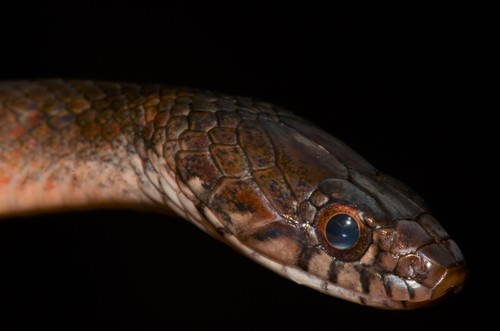
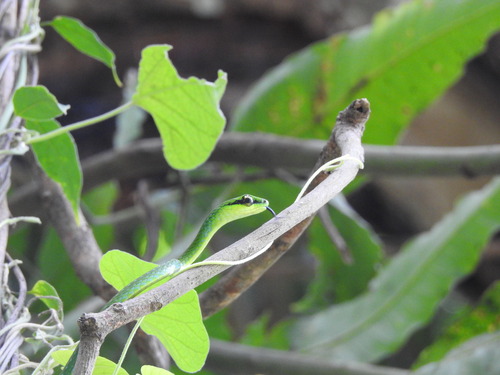
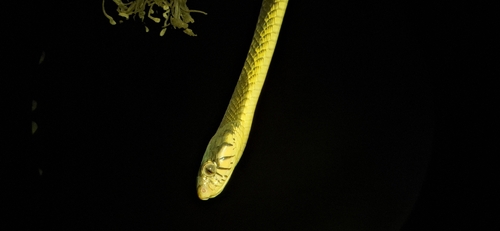
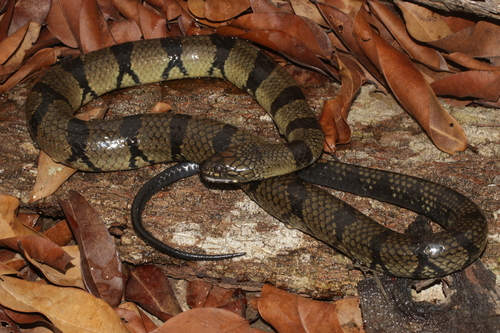

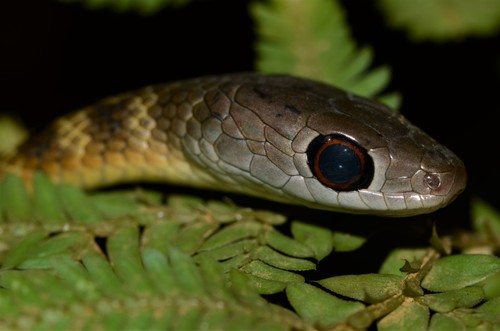
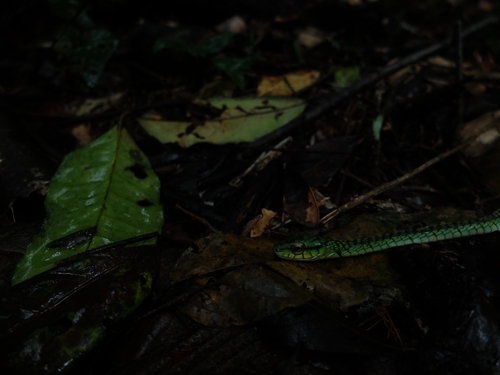
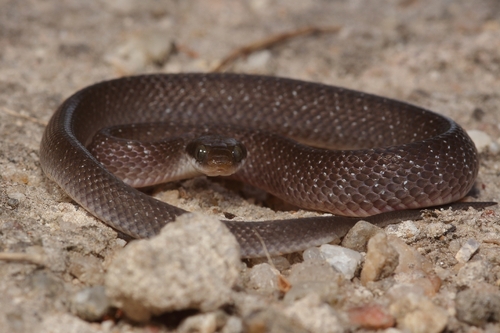
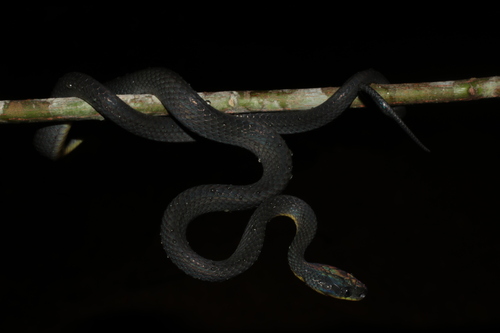
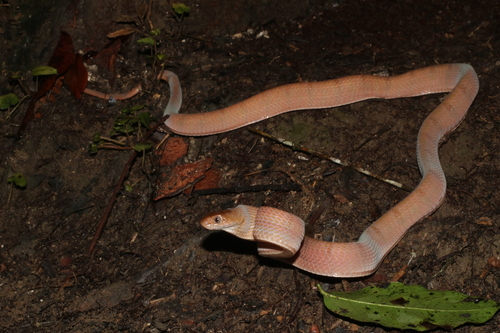
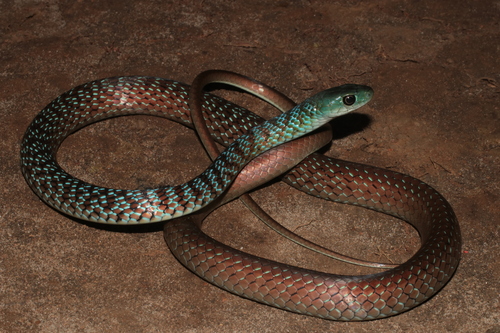
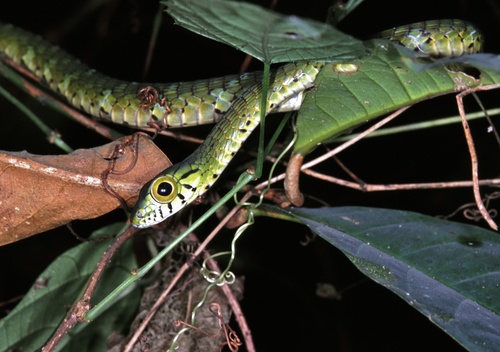

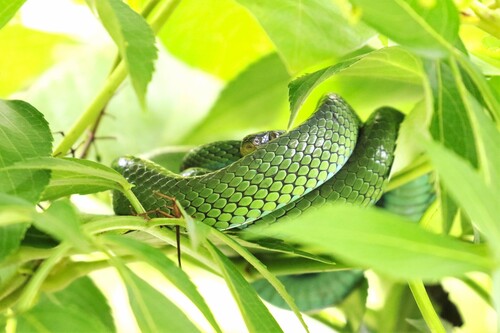
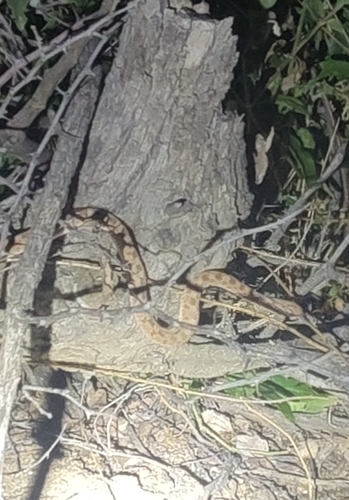
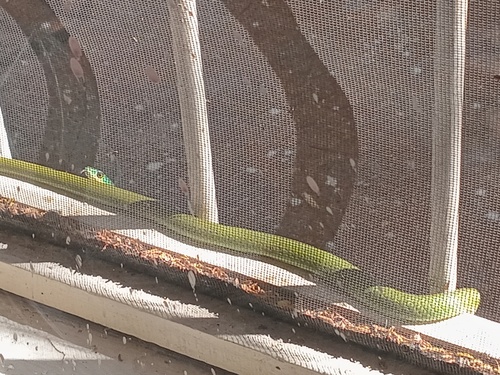
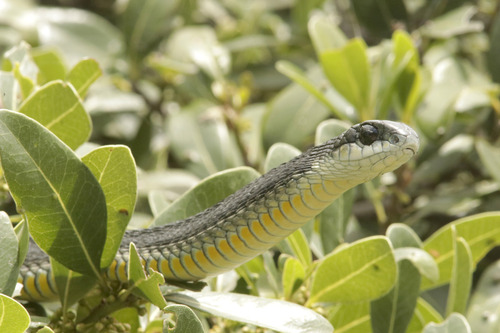
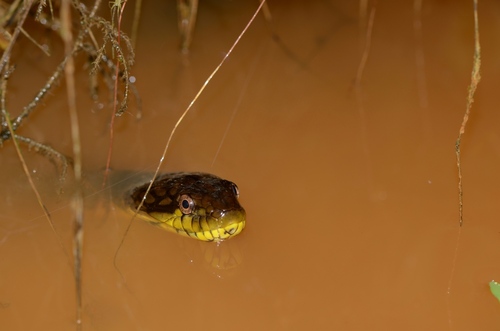
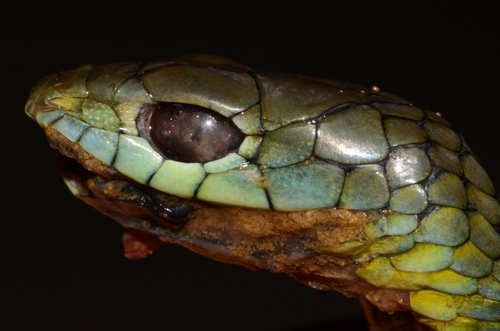
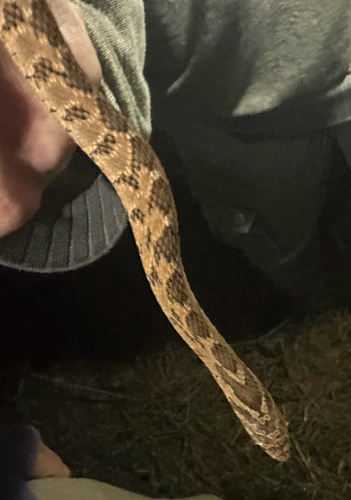
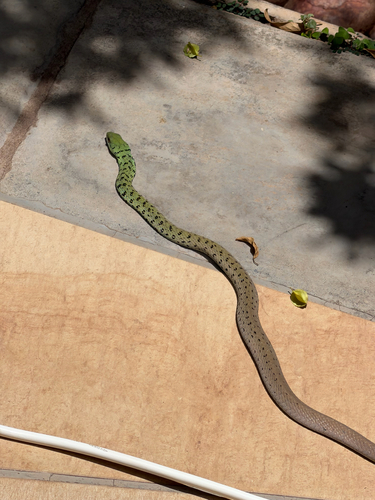
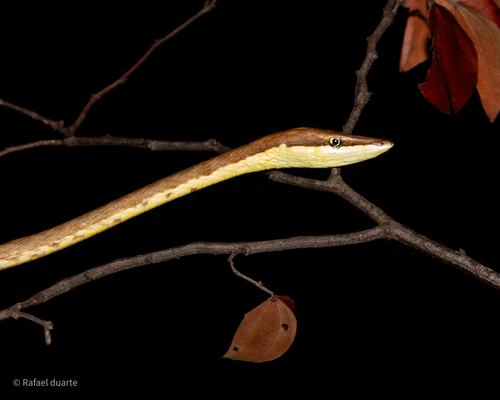
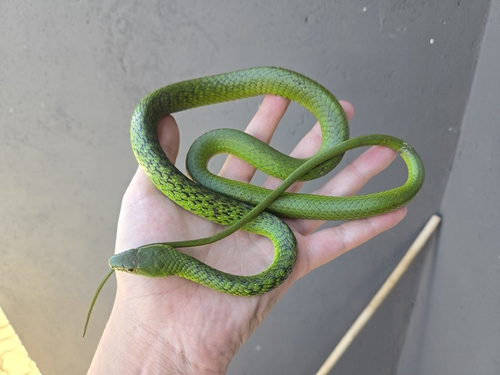
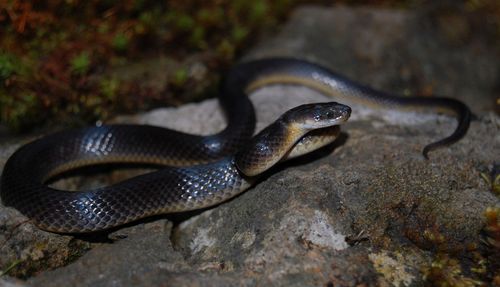
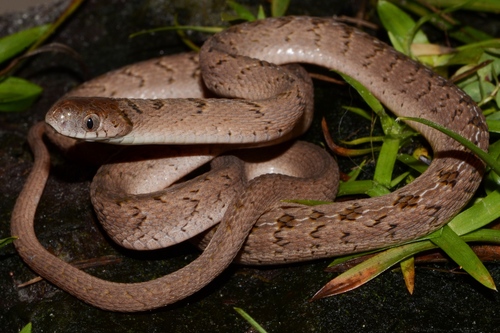
Lamprophiidae (19)
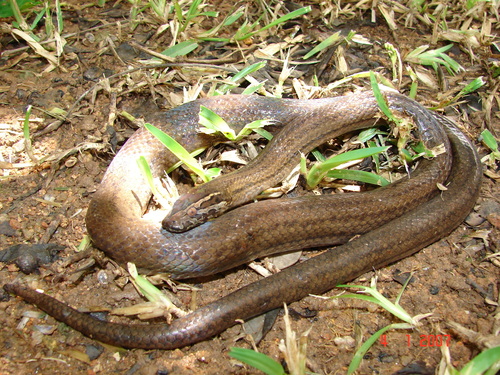
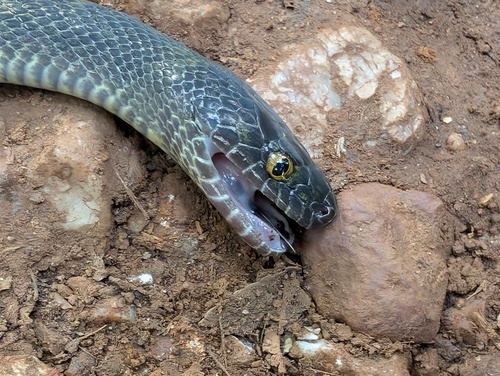
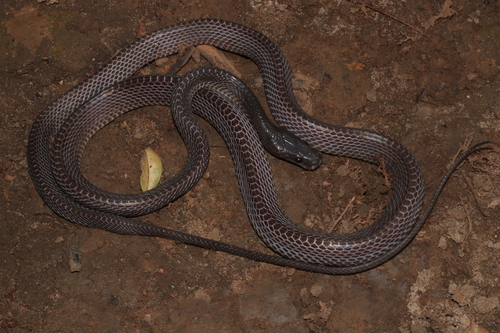
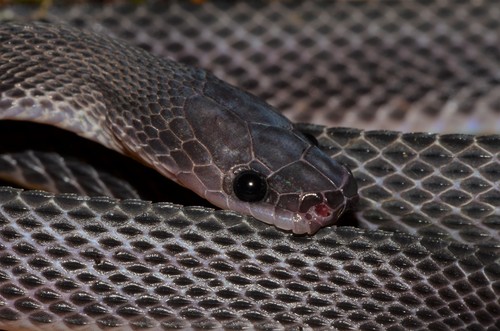
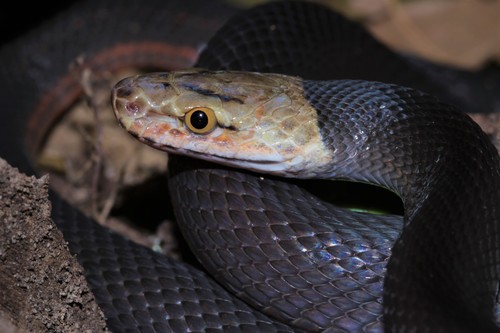
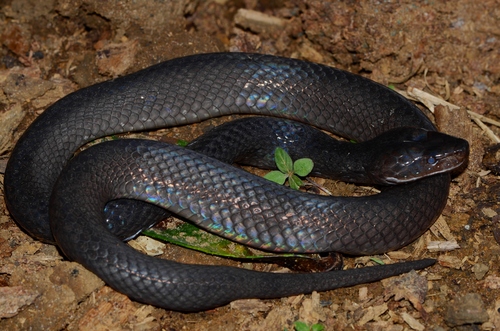
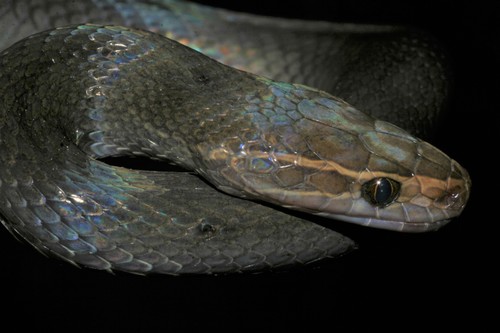
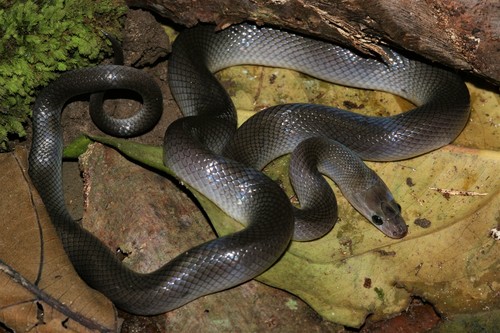
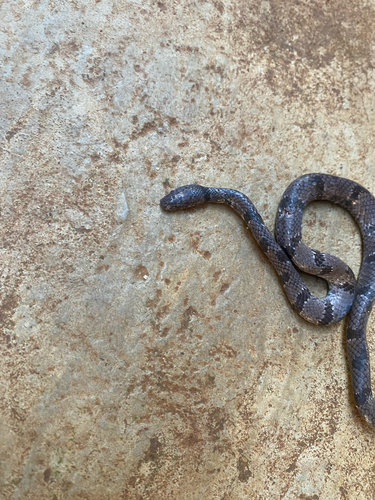
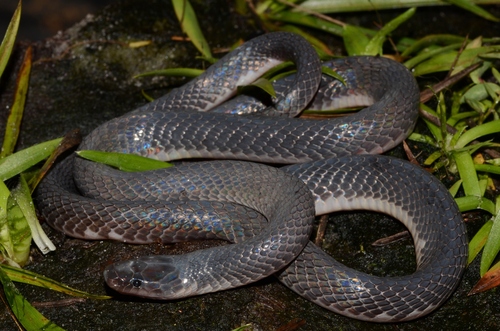
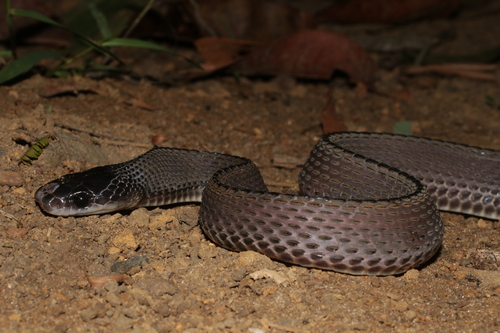
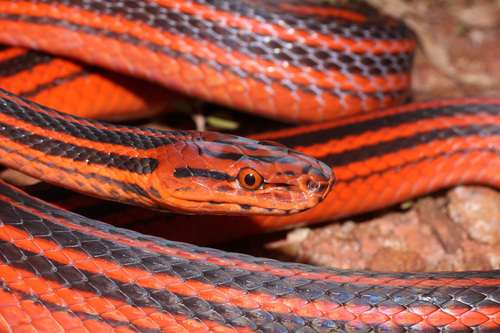
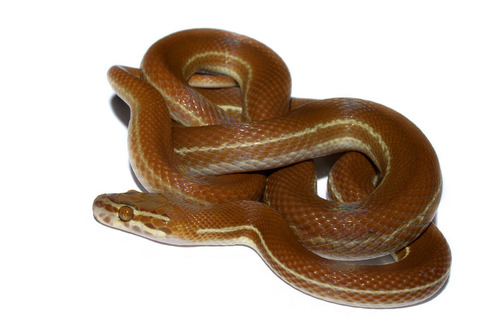
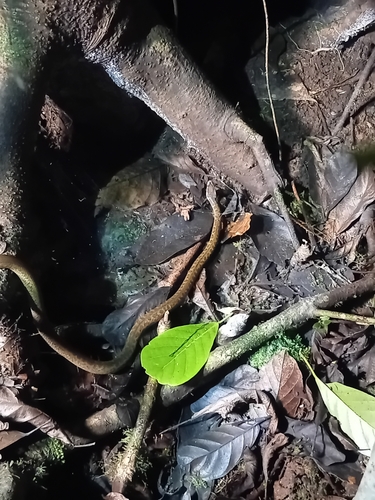
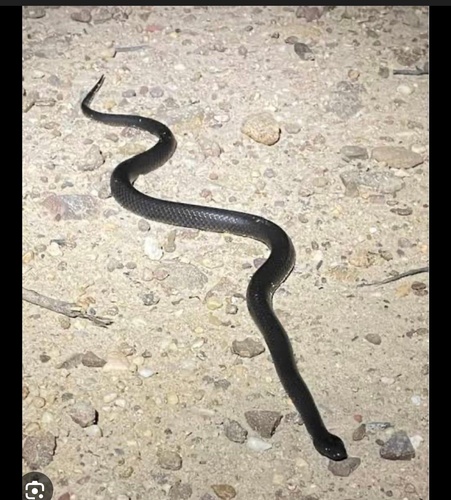
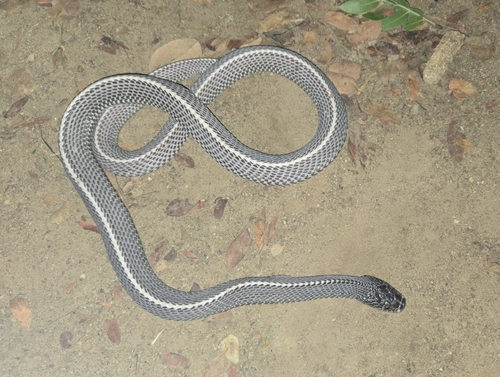
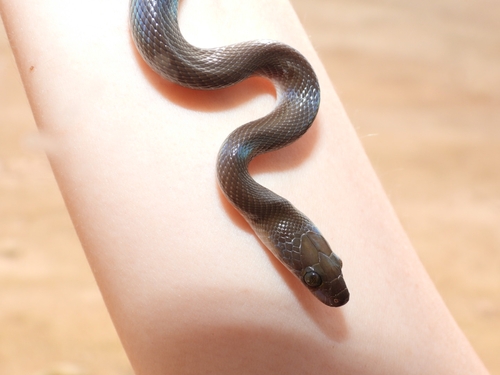

Atractaspididae (10)
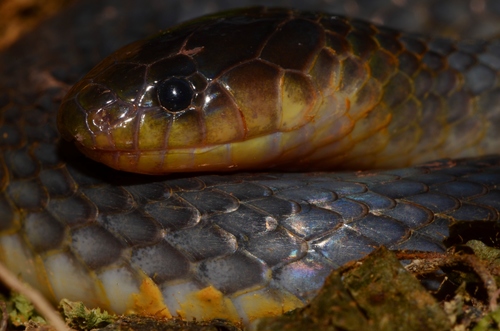
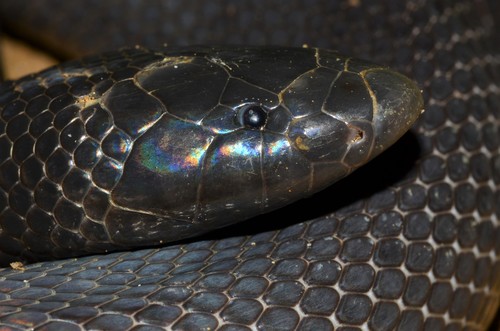
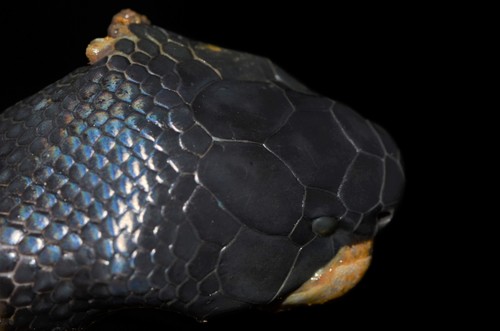
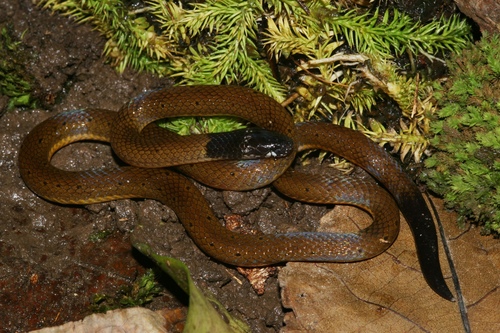
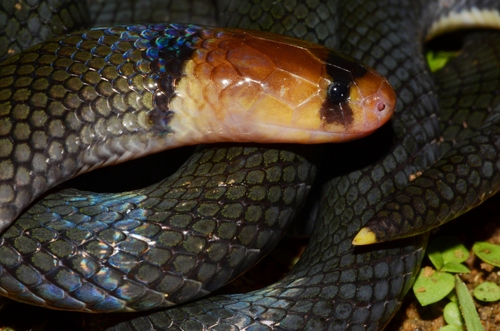
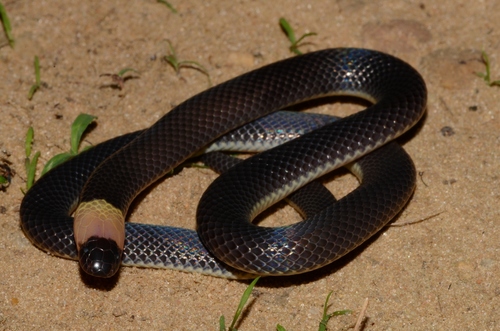
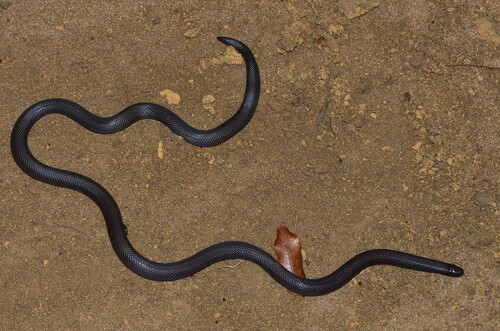
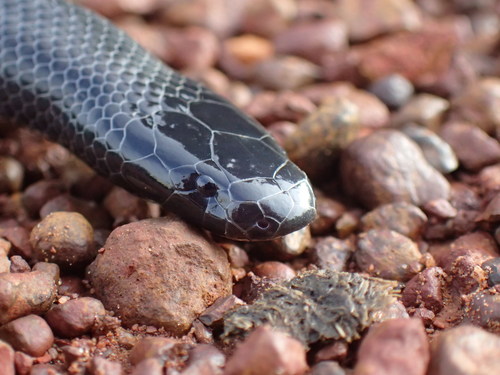

Elapidae (9)
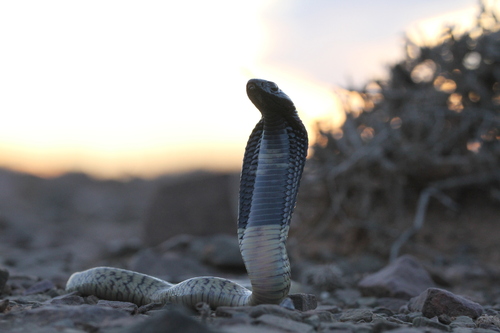
Viperidae (7)
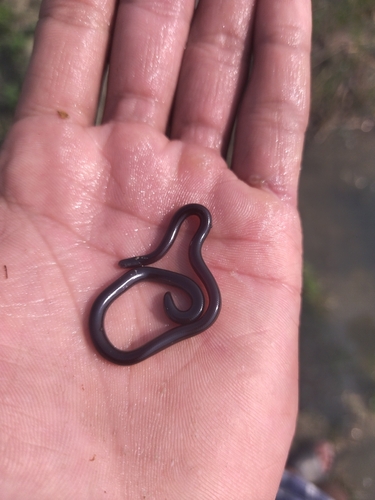
Typhlopidae (5)
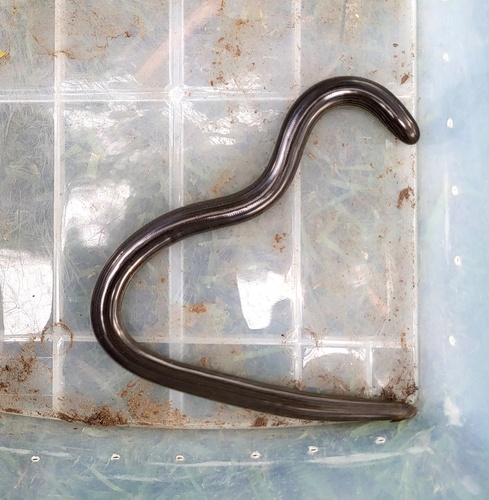
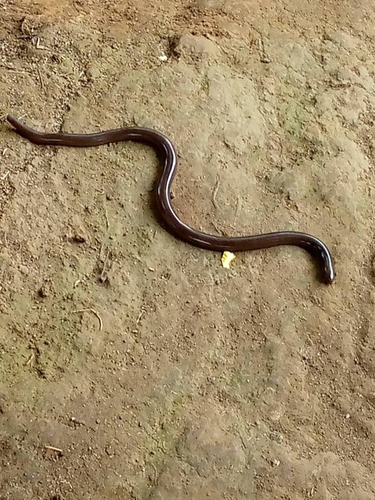
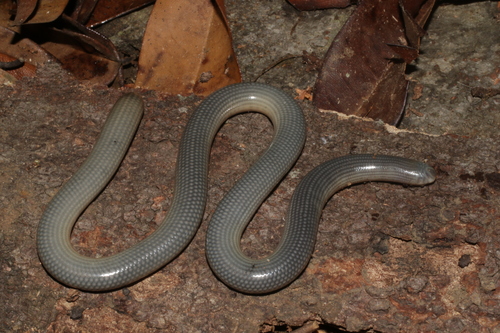

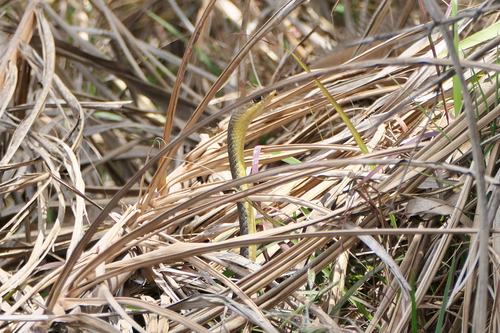
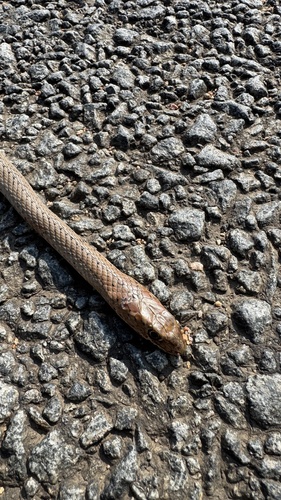
Psammophiidae (4)
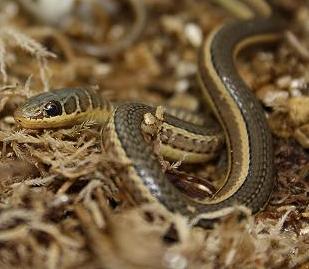
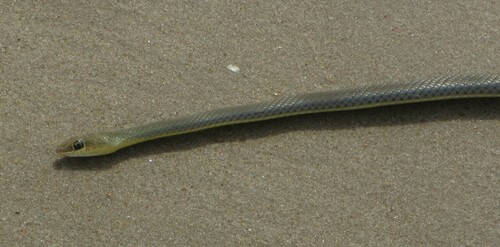
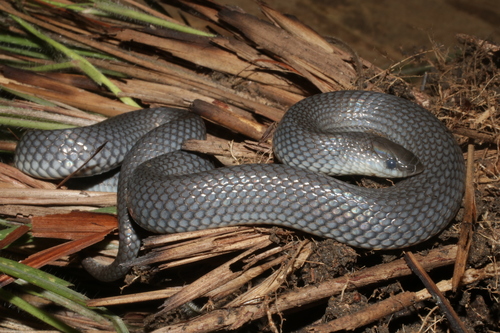
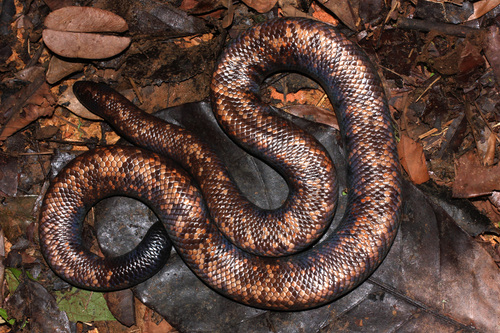
Pseudoxyrhophiidae (1)
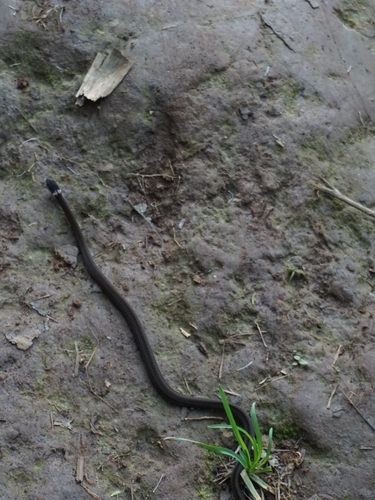
Compiled from verified GBIF & iNaturalist observations. "How often seen" reflects how frequently a snake is reported here, not how dangerous it is. Informational only.
Keep learning
- Are Snakes Dangerous? The Real Risk, in PerspectiveMost snakes are harmless and avoid people. Here is the honest picture of snakebite risk worldwide and how to lower your own.
- Snakebite First Aid: What to Do (and What Never to Do)A clear, CDC-based guide to snakebite first aid: the steps that help, the popular myths that hurt, and how to tell a serious bite from a minor one.
- Venomous vs Nonvenomous: How to Tell the DifferenceThe folk rules for telling venomous snakes apart, where each one fails, and why location-based identification beats guessing by sight.
- What to Do If You Find a SnakeFound a snake at home or on a trail? Here is how to stay calm, give it space, identify it safely, and know when to call a professional.