
Morocco
Snakes in Morocco
30+ snake species have been recorded in Morocco, 12 venomous.
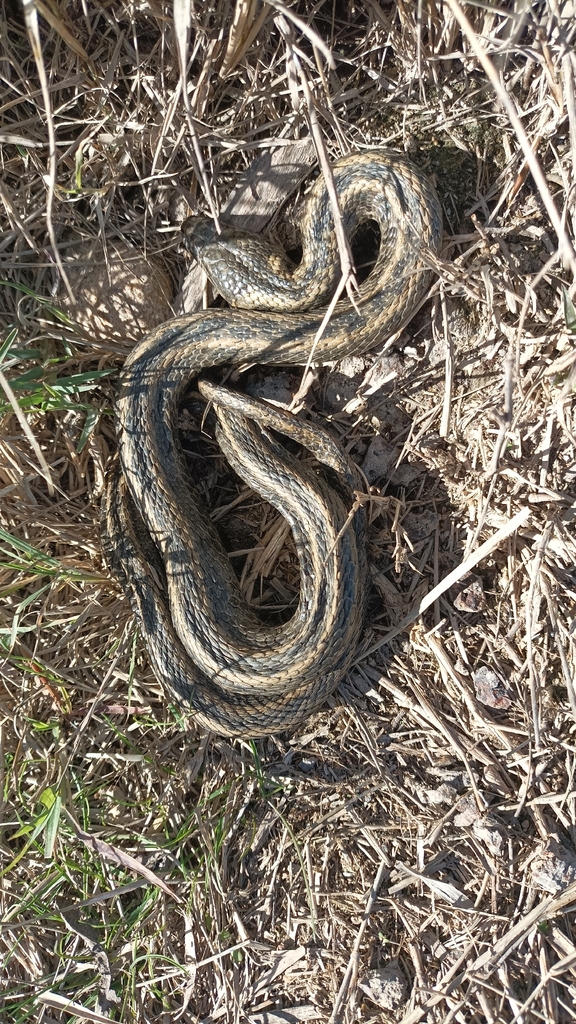
Snakes of Morocco
Morocco has 40+ snake species recorded in our database, 14 of them venomous. The great majority of species are non-venomous, which means most snakes a person encounters in the country pose no serious medical threat. Morocco sits at the meeting point of Mediterranean, Atlantic, Saharan, and mountain environments, and that variety of conditions is the main reason its snake fauna is so diverse. Species range from the wet northern coast to the high passes of the Atlas ranges and out into the arid pre-Saharan and desert zones in the south and east.
Geography drives this diversity directly. The Rif and Atlas mountains create cooler, wetter habitats that suit different snakes than the hot, dry lowlands. Coastal scrub, oak and cedar forest, river valleys, rocky slopes, agricultural land, oases, and open sand and stone desert each support their own mix of species. Snakes adapted to humidity and dense cover live in the north, while heat-tolerant, sand-adapted species occupy the deserts. This patchwork of climates and terrain packed into one country is why Morocco holds so many distinct snakes across a relatively compact area.
The medically important venomous snakes in Morocco belong to two main groups: true vipers and elapids. The vipers are the primary concern and include desert and mountain species such as horned vipers and saw-scaled or carpet vipers, whose bites can cause serious tissue damage and bleeding problems. The cobra group is also present in the form of the desert or Egyptian cobra found in the south and east, a true elapid with potent neurotoxic venom. Morocco has no mambas, no pit vipers, no New World coral snakes, and no rattlesnakes, since those groups do not occur in this part of the world. Some rear-fanged colubrids in the region carry mild venom but are not considered a significant danger to people.
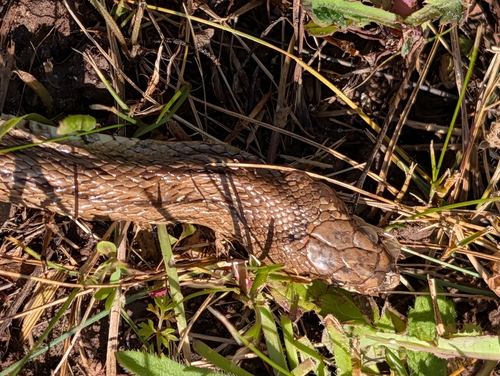
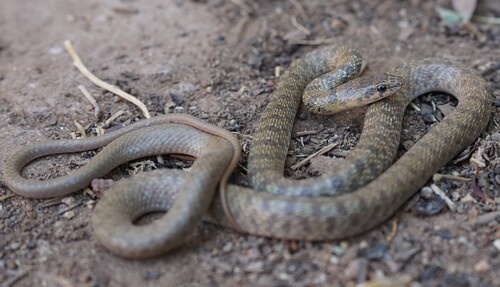
The non-venomous majority is what defines everyday snake life in Morocco. Large, fast colubrids such as the Montpellier snake and various whip snakes and racers are among the most frequently seen, often in farmland, rocky areas, and near human settlement. Sand boas, the harmless and slow-moving burrowers of the desert, are another well-known group, along with several smaller ground and rear-fanged colubrids. Many of these snakes are active hunters by day and are commonly mistaken for dangerous species simply because of their size or speed, when in fact they pose no real threat.
Snakes provide real ecological value in Morocco. They are efficient predators of rodents, large insects, and other small animals, and in doing so they help control populations of mice and rats that damage stored grain, spread disease, and harm crops. In agricultural regions and around villages this natural pest control protects food and reduces reliance on other methods. Removing or killing snakes indiscriminately tends to allow rodent numbers to climb, so the presence of a healthy snake population is generally a benefit to farmers and rural communities.
On safety, the honest picture is reassuring but not careless. Most snakes in Morocco are harmless, and the main medical threats are the vipers, with the desert cobra a serious but more localized concern. A venomous bite is a medical emergency, and the correct response is professional care: antivenom and treatment at a hospital are what manage envenomation, not field remedies. No wild snake should be handled, picked up, or cornered, because even species that are not dangerous can bite and identification mistakes are easy to make. If a bite occurs, contact local emergency services immediately, and in the United States you can reach Poison Control at 1-800-222-1222 for guidance while getting to care.
Snakes in Morocco: FAQ
- Are there venomous snakes in Morocco?
- Yes. 12 venomous snake species have verified records in Morocco, including Desert Horned Viper, Moorish Viper, Puff Adder, Brown Banded Cobra. Most snakes in Morocco, however, are harmless.
- How many snake species live in Morocco?
- 30+ snake species have verified records in Morocco, of which 12 are venomous.
- What is the most commonly seen snake in Morocco?
- The Viperine Snake is the most frequently reported snake in Morocco, based on verified wildlife observations.
- What should I do if I see a venomous snake in Morocco?
- Keep your distance and do not try to catch or kill it. Most bites happen when people handle or corner a snake. If someone is bitten, contact local emergency services or poison control immediately.
Venomous snakes in Morocco
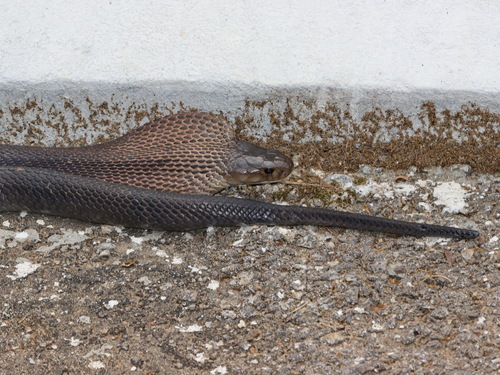
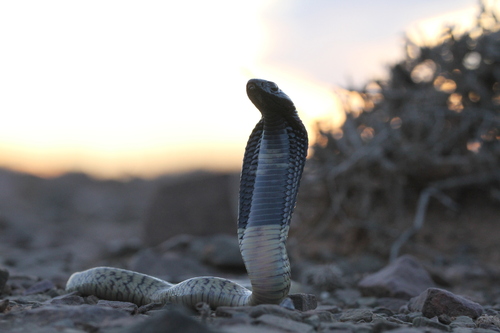
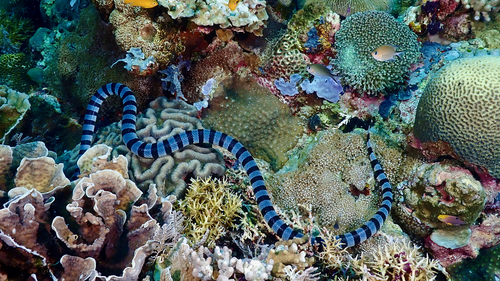
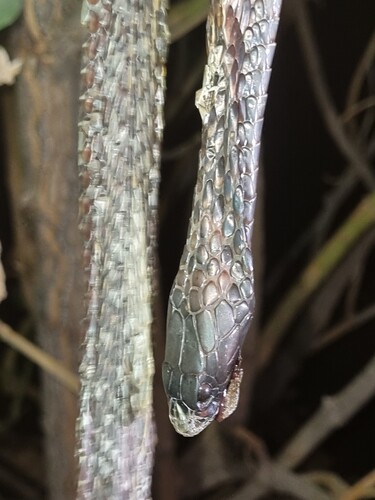
Every snake recorded in Morocco
30+ species across 6 families, grouped by family. Venomous flagged.
Colubridae (17)
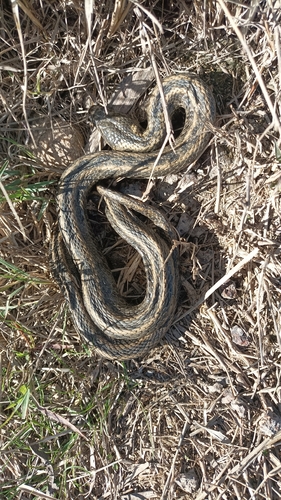
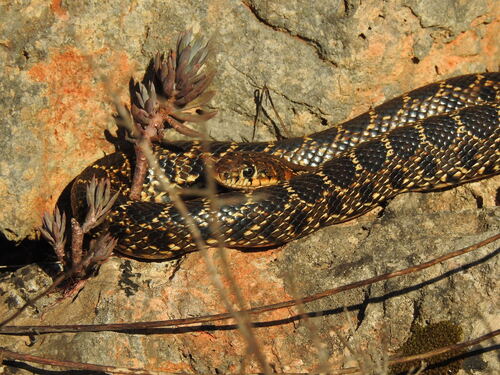
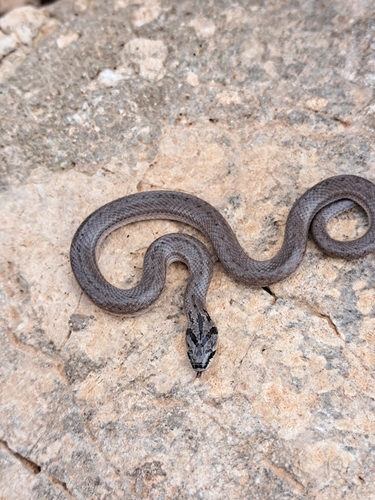
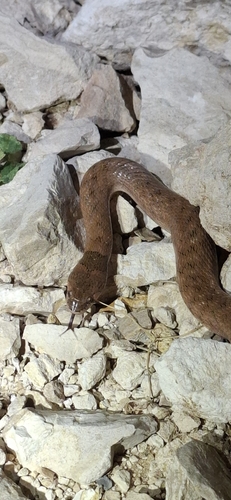
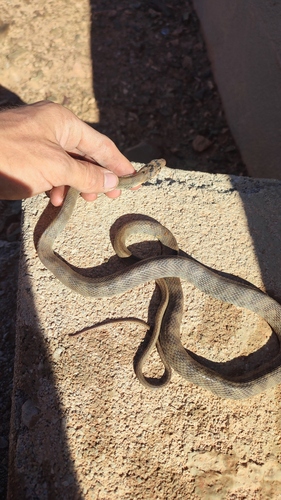
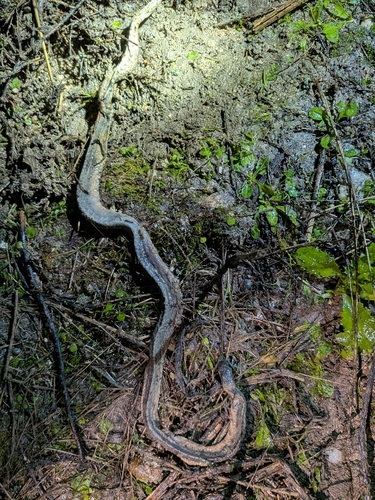
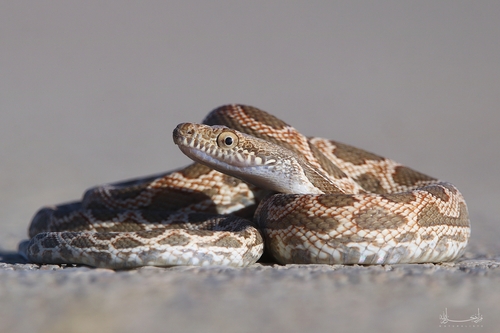
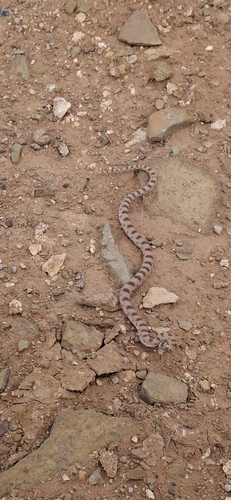
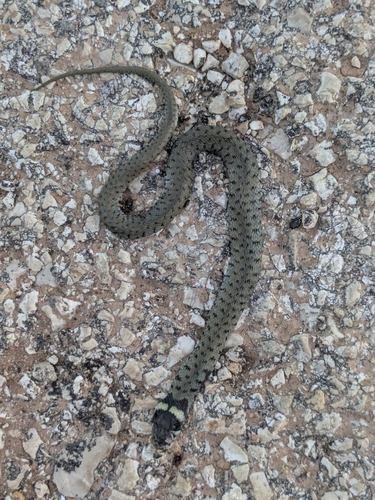
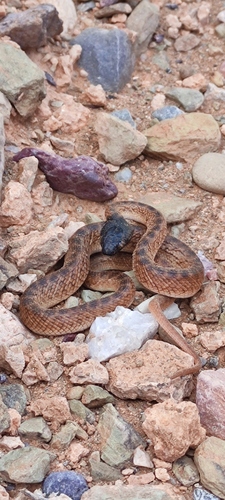
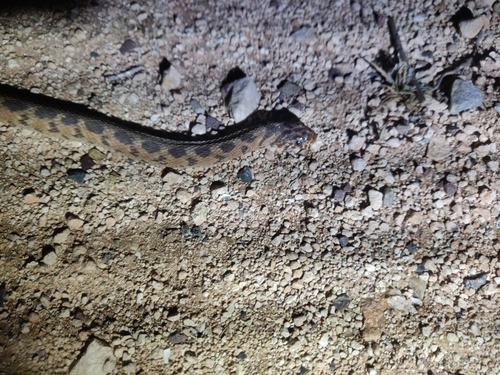
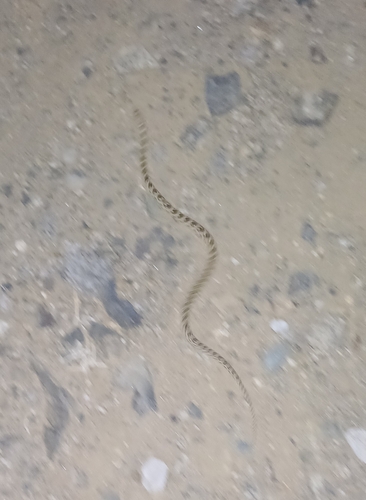
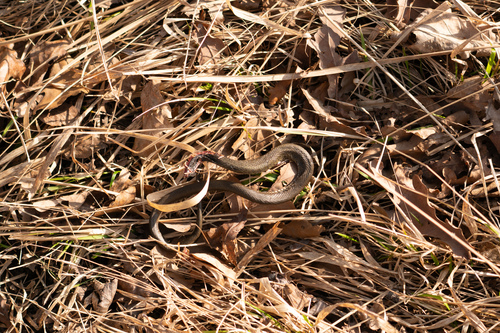
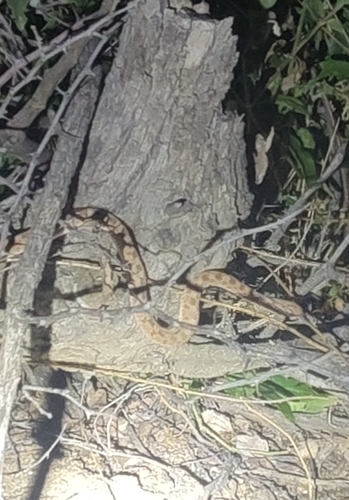
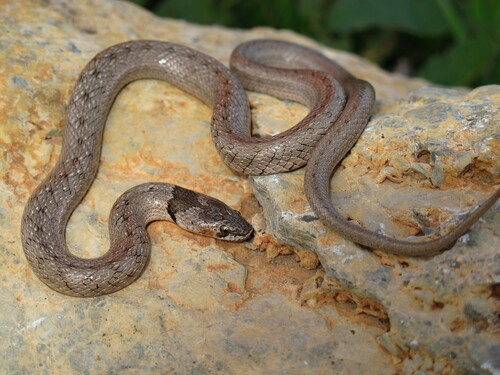
Viperidae (8)
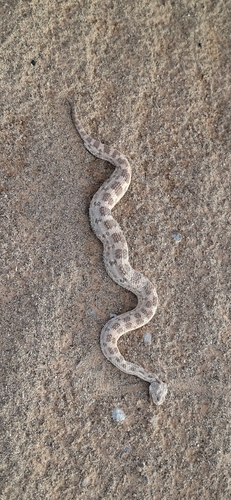
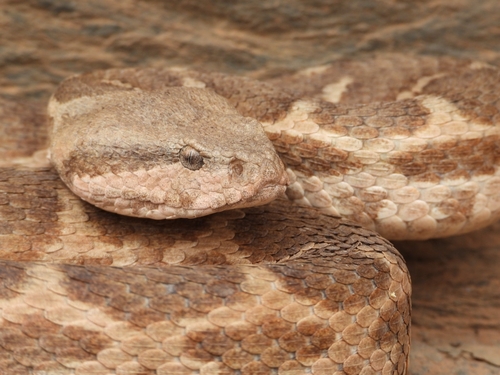
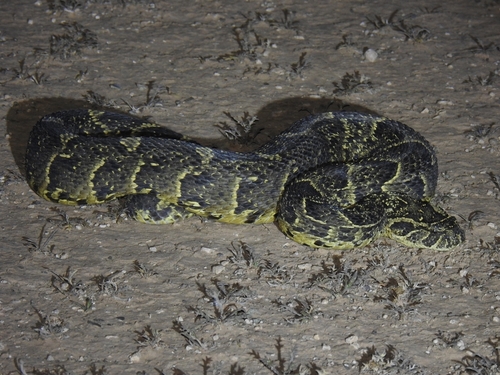
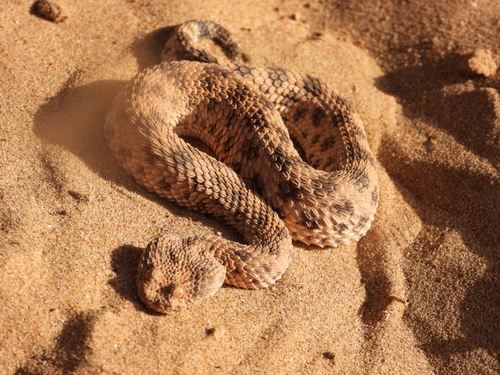
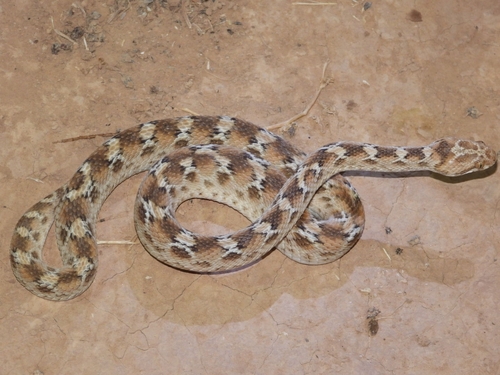
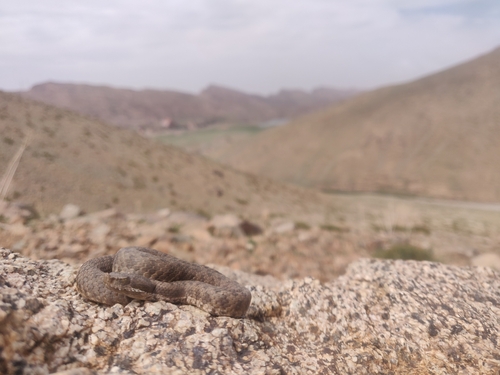
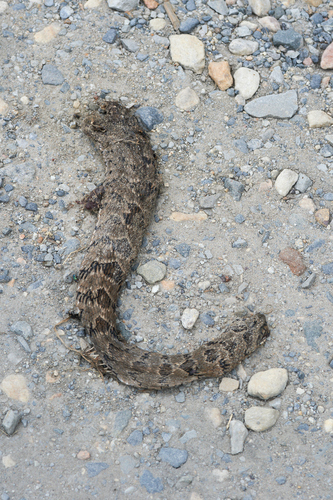
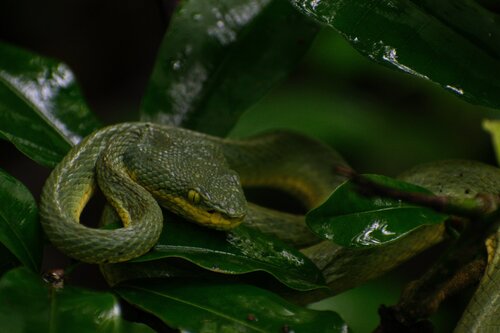
Psammophiidae (5)
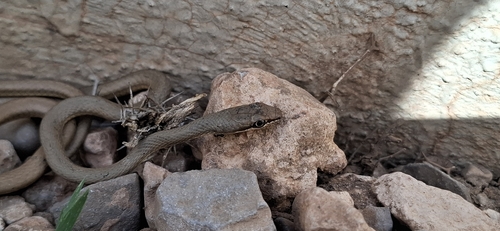
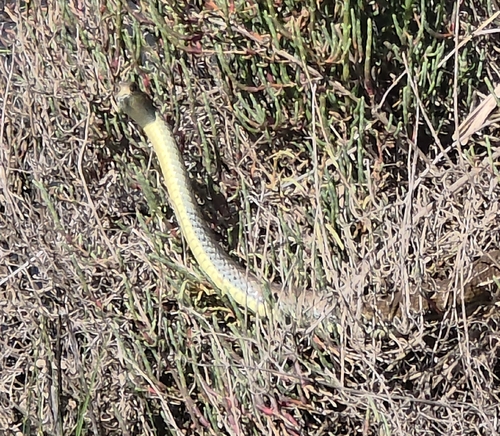
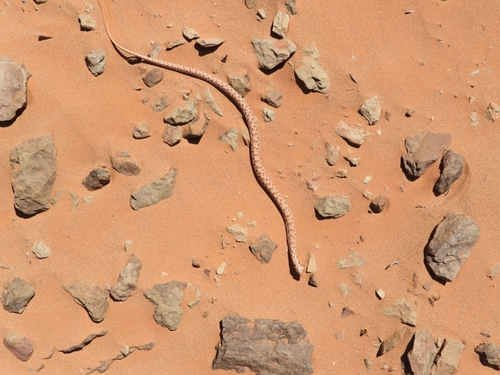
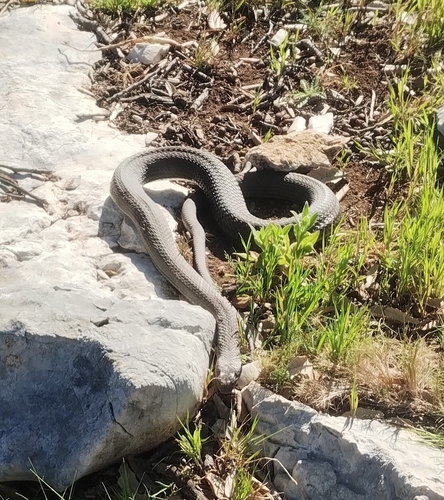
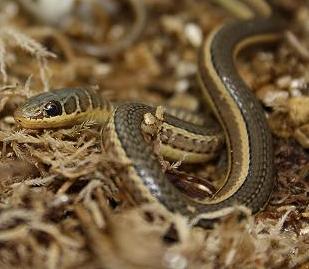
Elapidae (4)
Lamprophiidae (3)
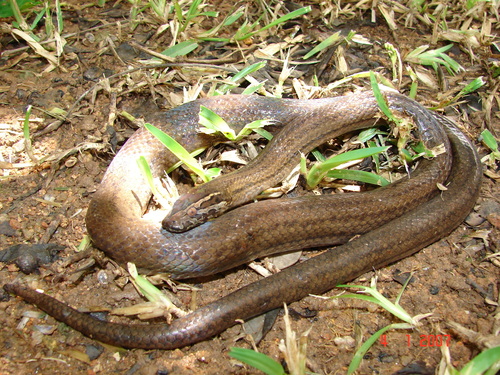
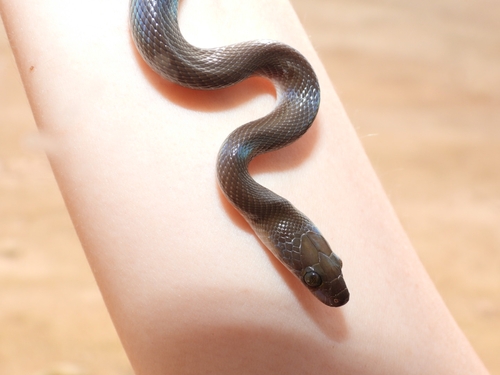
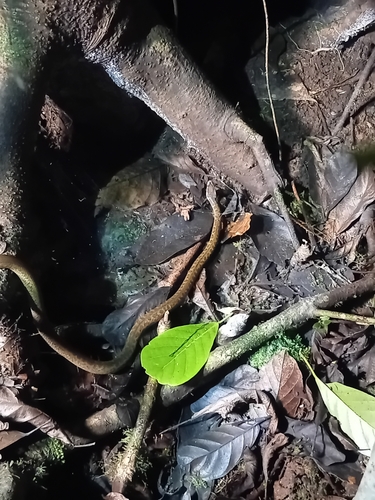
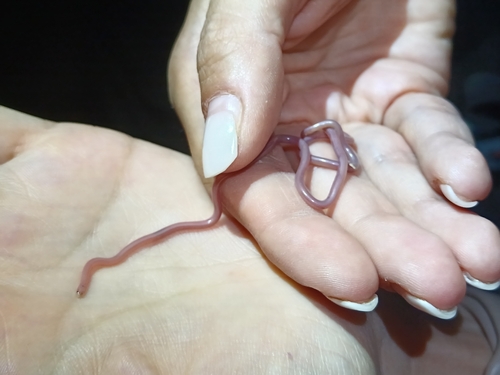
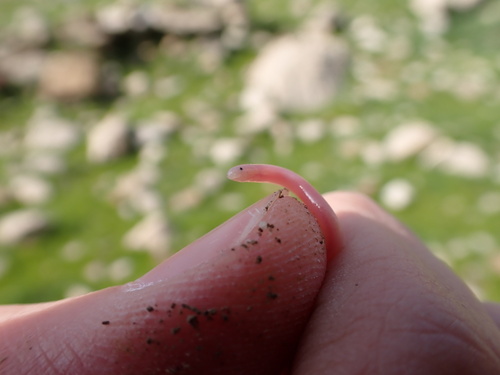
Compiled from verified GBIF & iNaturalist observations. "How often seen" reflects how frequently a snake is reported here, not how dangerous it is. Informational only.
Keep learning
- Are Snakes Dangerous? The Real Risk, in PerspectiveMost snakes are harmless and avoid people. Here is the honest picture of snakebite risk worldwide and how to lower your own.
- Snakebite First Aid: What to Do (and What Never to Do)A clear, CDC-based guide to snakebite first aid: the steps that help, the popular myths that hurt, and how to tell a serious bite from a minor one.
- Venomous vs Nonvenomous: How to Tell the DifferenceThe folk rules for telling venomous snakes apart, where each one fails, and why location-based identification beats guessing by sight.
- What to Do If You Find a SnakeFound a snake at home or on a trail? Here is how to stay calm, give it space, identify it safely, and know when to call a professional.